🏛️ All 17, in Order of Inscription
The Czech Republic holds 17 UNESCO World Heritage Sites — 16 cultural and, since 2021, exactly one natural — an extraordinary density for a country roughly the size of South Carolina. Three were inscribed in the very first year the country joined the World Heritage Convention (1992); the most recent, the Žatec hop landscape, was added in 2023. Two are transnational, shared with Germany and with ten other European spa nations respectively. This page runs through all 17 in chronological order, with a photograph for every site we could source cleanly.
🥇 1992 — The First Three
Historic Centre of Prague — the largest and most architecturally complete historic city center in Central Europe, spanning Romanesque, Gothic, Renaissance, Baroque, and Art Nouveau layers from the 11th century onward, anchored by Prague Castle, Charles Bridge, and the Old Town's astronomical clock.
Historic Centre of Český Krumlov — a near-perfectly preserved medieval and Renaissance town wrapped around a bend of the Vltava, dominated by its 13th-century castle complex, the second-largest in the country after Prague Castle.
Historic Centre of Telč — a Moravian town whose Renaissance and Baroque main square, rebuilt after a 1530 fire, presents an unbroken row of arcaded, gabled facades considered one of the most complete of its kind anywhere in Europe.
⭐ 1994 — Pilgrimage Church of St. John of Nepomuk, Zelená Hora
The first standalone building (rather than an entire town center) added to the Czech list, and architect Jan Blažej Santini-Aichel's most personal masterpiece. Built 1719–1722 in Santini's signature "Baroque Gothic" style, the church's entire design is built from multiples of five — a five-pointed star floor plan, five doors, five chapels, five altars — referencing the legend that five stars appeared over the river where St. John of Nepomuk drowned. Construction began the same year the saint's tongue was found preserved and "incorrupt" in his tomb, a discovery that helped trigger his canonization.
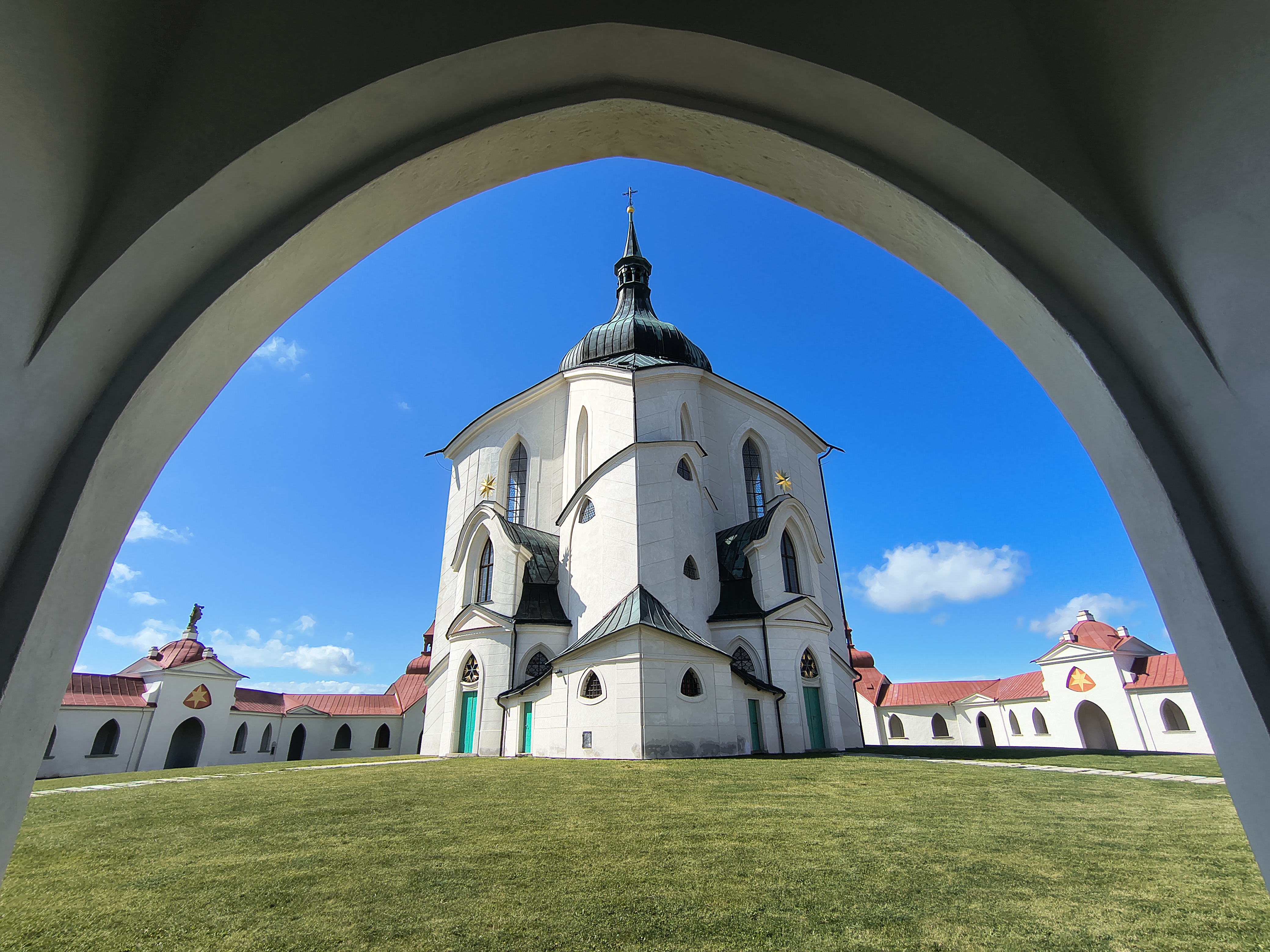
Zelená Hora
Santini's five-pointed star church, framed through the surrounding ambit's arch
⛏️ 1995 — Kutná Hora
A medieval silver-mining boomtown that briefly rivaled Prague in wealth and importance, preserving both an intact historic core and two exceptional late-Gothic churches: St. Barbara's Cathedral, patron saint of miners, and the Cathedral of Our Lady at nearby Sedlec — whose adjoining ossuary chapel, decorated with the bones of an estimated 40,000–70,000 people, remains one of the most visited (and unsettling) sights in the country.
🏞️ 1996 — Lednice-Valtice Cultural Landscape
Europe's largest artificially landscaped area, roughly 200 square kilometers of parkland, ponds, follies, and avenues connecting two chateaux — neo-Gothic Lednice and Baroque-Classicist Valtice — laid out over three centuries by the Liechtenstein family in deliberate imitation of England's great landscape gardens. Already featured on this site's hub page.
🌹 1998 — Gardens and Castle at Kroměříž
The Archbishop's Château, seat of the Olomouc bishopric for centuries, paired with two exceptional gardens: the formal, geometric Flower Garden and the sprawling, romantically landscaped Chateau Garden — together considered one of the best-preserved examples anywhere of the transition from Baroque to naturalistic landscape design.
🏡 1998 — Holašovice Historic Village
The smallest World Heritage Site in the country by population — around 140 residents — and one of the most genuinely charming. Twenty-three South Bohemian farmsteads ring a rectangular village green in a medieval layout that has survived, remarkably, completely unchanged since the village was founded in 1263. Every facade is decorated in the distinctive "South Bohemian Folk Baroque" style: pastel stucco gables, each one individually patterned, none quite matching its neighbor. It's still a living, working village rather than a museum piece — most houses are permanently inhabited.
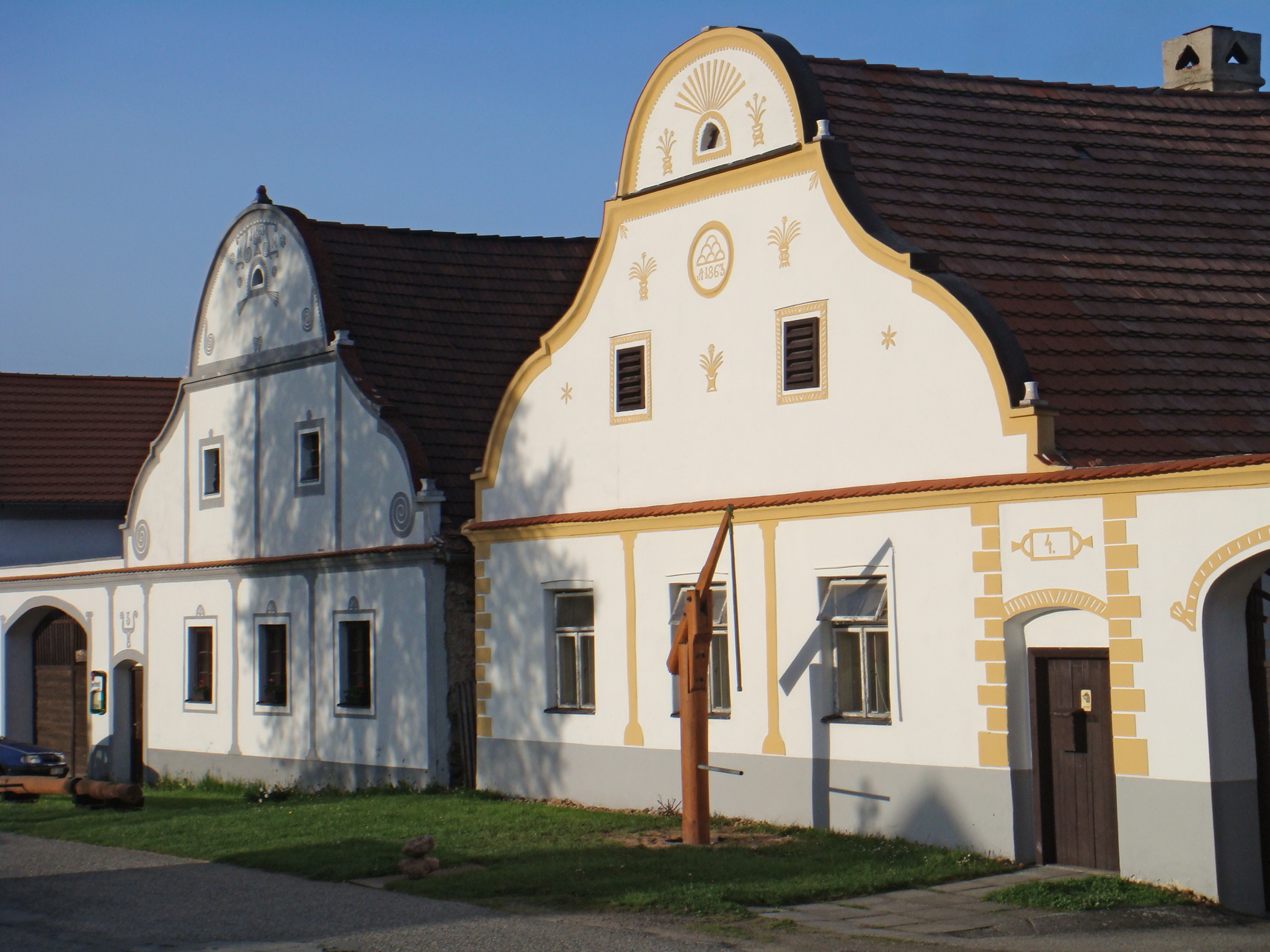
Holašovice
South Bohemian Folk Baroque gables — no two farmhouses decorated quite alike
🎭 1999 — Litomyšl Castle
A Renaissance chateau built 1568–1581 by Vratislav of Pernštejn as a gift for his Spanish wife, Marie Manrique de Lara — and one of the finest adaptations of an Italian Renaissance palace anywhere north of the Alps. Its facades are covered in roughly 8,000 individual sgraffito "envelope" motifs, scratched by hand through layers of plaster, with a house rule that (as far as anyone has verified) no two motifs repeat. The chateau's 1797 theater is one of only four surviving original box-set theaters of its kind left in the world. Composer Bedřich Smetana was born in the chateau's outbuildings, and a still-unsolved cipher, carved somewhere on the second courtyard, is rumored to point toward buried treasure.
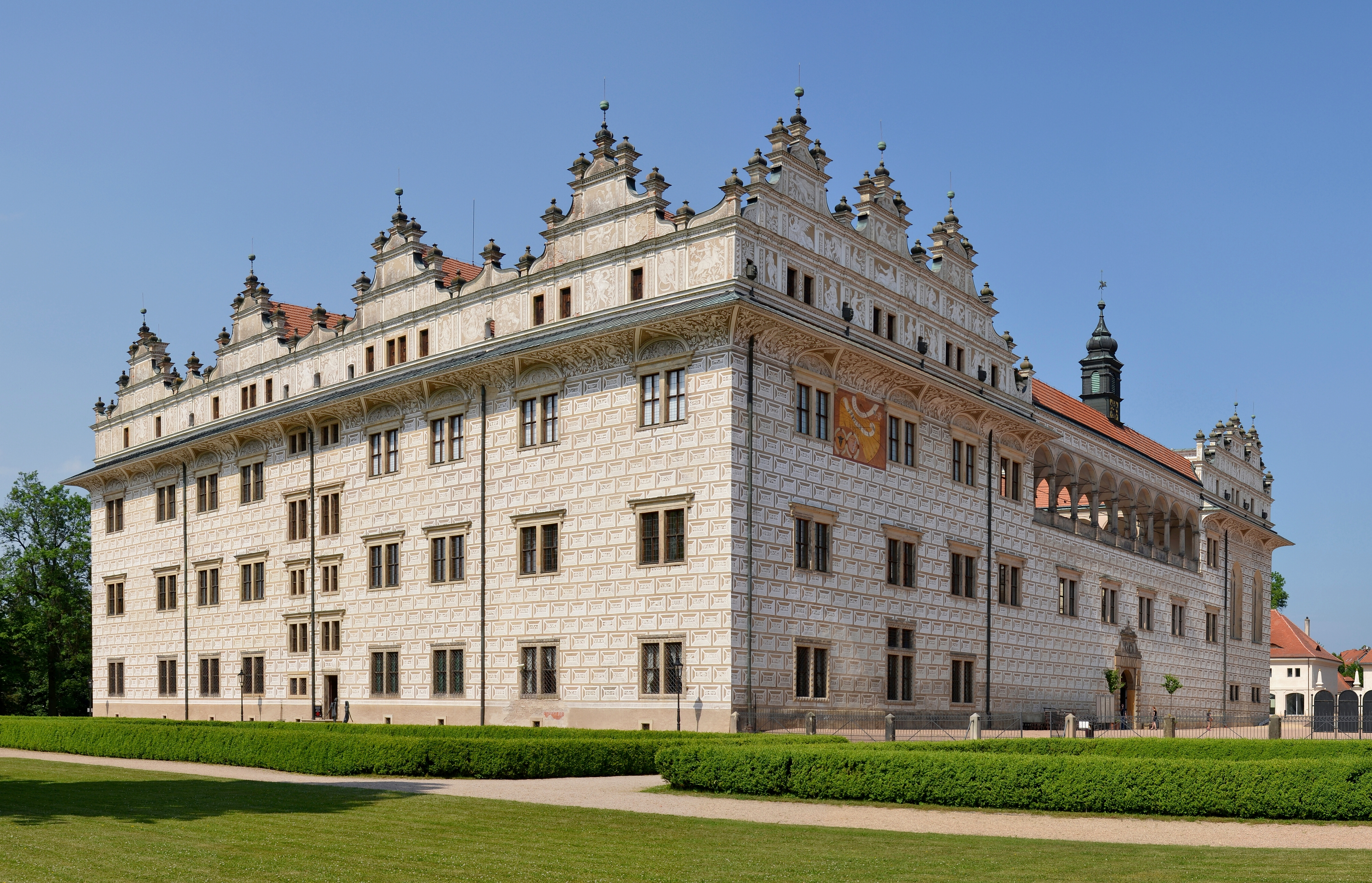
Litomyšl Castle
Roughly 8,000 hand-scratched sgraffito motifs cover the facade — none repeating
⛪ 2000 — Holy Trinity Column in Olomouc
A 35-meter Baroque plague column — the tallest of its kind in Central Europe — built 1716–1754 by successive generations of Olomouc stonemasons and sculptors led by Václav Render, who left his own fortune to the city to fund its completion. Already featured on this site's hub page.
🪟 2001 — Tugendhat Villa, Brno
Ludwig Mies van der Rohe's 1930 masterpiece of Modernist residential architecture — floor-to-ceiling retractable glass walls, an open-plan living space anchored by a freestanding onyx wall, and some of the earliest domestic use of chrome-plated steel columns anywhere. Already featured on this site's hub page.
✡️ 2003 — Jewish Quarter and St. Procopius' Basilica, Třebíč
The only Jewish heritage site anywhere on the UNESCO World Heritage List outside Israel. Because 14th-century restrictions confined Třebíč's Jewish community to a narrow strip of land on the Jihlava River's north bank, unable to expand outward, the quarter's roughly 123 houses were built tall and tightly packed instead — a density that, ironically, helped the district survive 20th-century redevelopment intact. Two synagogues and one of Europe's largest Jewish cemeteries, with around 3,000 tombstones dating back to 1631, remain; the Jewish community itself was destroyed in the Holocaust and never re-formed. Directly across the river stands St. Procopius' Basilica, a Romanesque-Gothic former Benedictine monastery church begun around 1240 — the pairing of the two, faiths coexisting across a single riverbank for six centuries, is what earned the site its listing.
🐎 2019 — Kladruby nad Labem
One of the more unusual entries on any UNESCO list anywhere: not a building, but an entire working landscape, shaped since 1579 for a single purpose — breeding and training the Kladruber, a rare Baroque carriage horse bred exclusively to pull the Habsburg imperial court's ceremonial coaches. Founded by Emperor Rudolf II on the Elbe floodplain, the National Stud maintains two strictly separate color lines, grey and black, unchanged in principle for over 440 years: grey horses drew the emperor's own coach, black horses drew church and funeral processions, and the distinction is still honored today. With a global population of roughly 1,200, it remains one of the rarest horse breeds on Earth, and the stud farm itself is among the oldest continuously operating studs anywhere in the world.
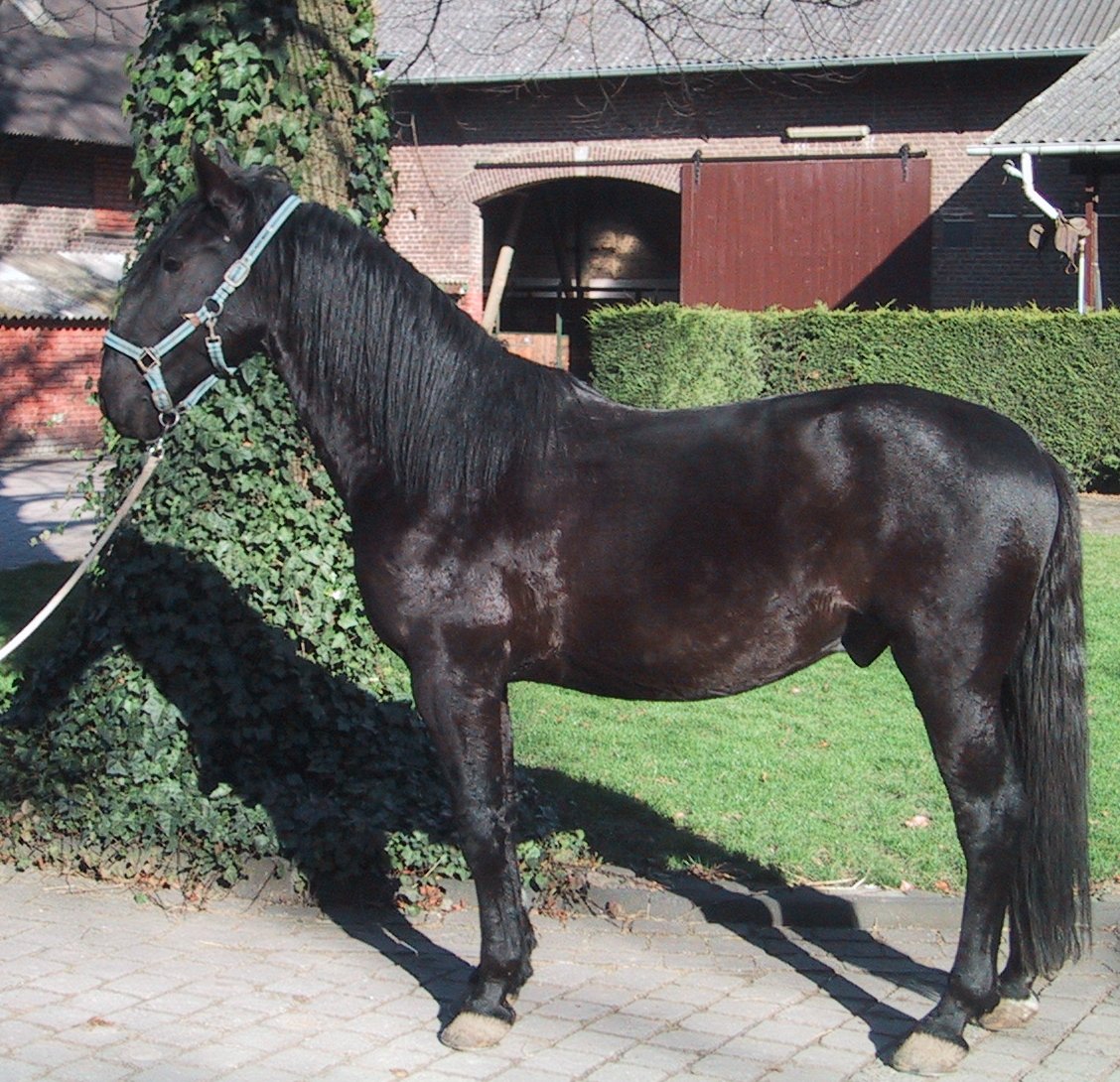
The Kladruber
Bred at Kladruby since 1579 exclusively for imperial ceremonial duty — grey for the emperor, black for the church
⚒️ 2019 — Erzgebirge/Krušnohoří Mining Region
A transnational site shared with Germany, spanning 22 component parts across the Ore Mountains that once made this range Europe's most important source of silver. The Czech anchor point is Jáchymov, founded 1516, whose silver coins — "Joachimsthalers" — were struck in such quantity and consistency that the name was eventually shortened across Europe to simply "thaler," and from there, via Dutch and English usage, to "dollar." Town physician Georgius Agricola, often called the father of mineralogy, wrote his foundational mining treatise De re metallica while living here. In the 20th century, Jáchymov's Svornost Mine (opened 1525) became — after Poland's Wieliczka salt mine ceased industrial operation in 2007 — the oldest continuously working mine anywhere in Europe; the same ore deposits that once yielded silver later yielded the world's first mined radium, some of it processed by Marie Curie herself. A far darker chapter followed after 1948, when Communist Czechoslovakia forced political prisoners to mine uranium here under brutal conditions in what became grimly known as "Jáchymov Hell."
🌳 2021 — Ancient and Primeval Beech Forests (Jizerskohorské bučiny)
The country's only natural World Heritage Site, added in 2021 as an extension of a much larger transnational listing spanning dozens of ancient beech forest fragments across Europe. This Czech component sits on the north-facing slopes of the Jizera Mountains in North Bohemia — among the very last mountain beech forests on the continent that have never been commercially logged, preserving old-growth structure, deadwood habitat, and forest soundscapes that vanished from almost everywhere else centuries ago.
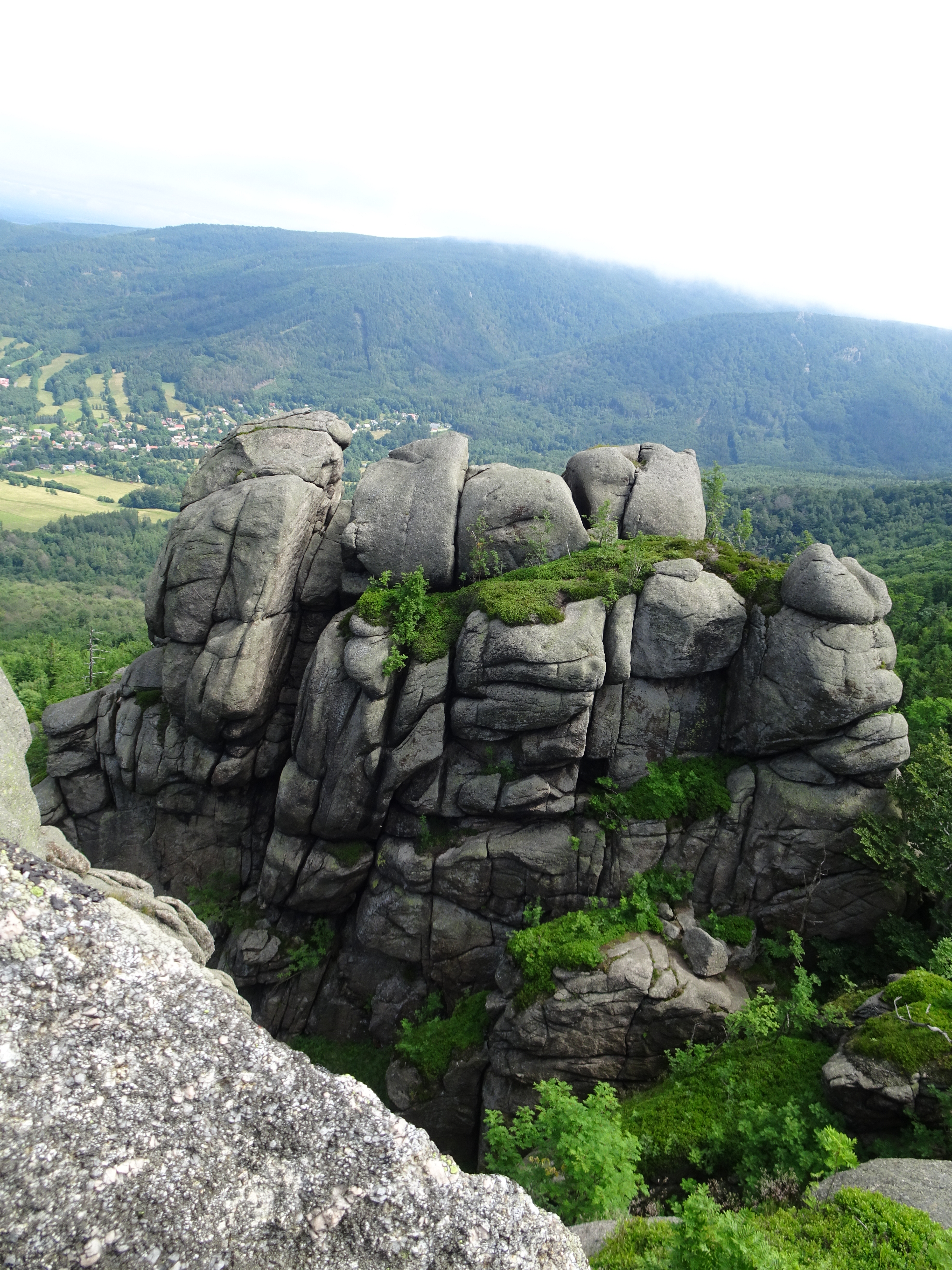
Jizerskohorské bučiny
The Czech Republic's only natural UNESCO site — untouched mountain beech forest since before commercial forestry existed
💧 2021 — Great Spa Towns of Europe
A transnational listing spanning eleven spa towns across seven countries, unified by the 18th- and 19th-century "spa cure" tradition that once drew European aristocracy, artists, and royalty to take the waters together. The Czech contribution is the "West Bohemian Spa Triangle" — Karlovy Vary, Mariánské Lázně, and Františkovy Lázně — already covered on this site's hub page.
🌾 2023 — Žatec and the Landscape of Saaz Hops
The most recent addition to the Czech list, and the first UNESCO site anywhere built around a single agricultural crop and its trading infrastructure. The Žatec basin, along the middle Ohře River, has grown "Žatecký chmel" (Saaz hops) for centuries — a fine-aroma variety prized by brewers worldwide for its delicate, low-bitterness character, grown on distinctive pole-and-wire trellises that can run six meters high. The listing covers both the working hop fields themselves and the town of Žatec, whose 19th- and 20th-century warehouses, drying kilns, and trading halls once made it the commercial center of the entire European hop trade. Žatec pursued the UNESCO listing on and off since 2007 before finally succeeding in 2023, becoming the country's 17th site.
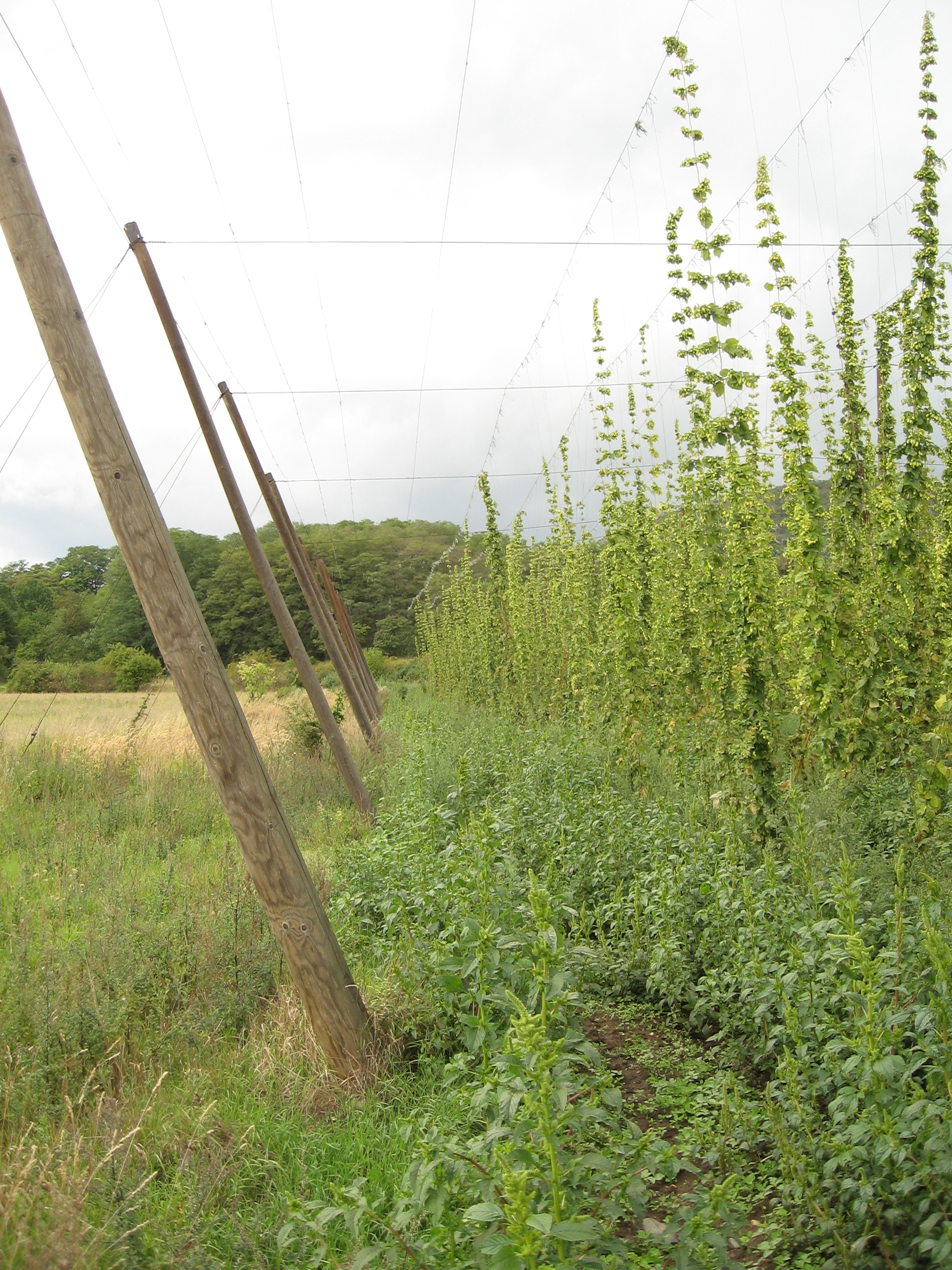
Hop gardens
The distinctive pole-and-wire trellis system used across the Žatec hop-growing landscape
🗺️ Planning a UNESCO Trip
The sites cluster conveniently: Prague, Kutná Hora, and Litomyšl are all within a two-hour drive of each other in central/east Bohemia; Český Krumlov, Holašovice, and the Lednice-Valtice landscape anchor a South Bohemia/South Moravia loop; Telč, Třebíč, and Kroměříž sit within easy reach across Moravia; and Karlovy Vary, Jáchymov, and Žatec form a compact western Bohemia circuit. No two component sites in the whole country are more than about 300km apart — genuinely one of the most UNESCO-dense travel itineraries available anywhere in Europe.
