🌐 Central Europe on a Budget, Central Europe with a Catch
The Czech Republic — Prague especially — has become one of Europe's genuine expat magnets: safe, centrally located, cheaper than Germany or Austria, with excellent public transport and healthcare that outperforms its price tag. It is not, however, a place where you'll simply show up and glide through the paperwork. This page covers what it actually takes to live here, honestly, without the relocation-industry gloss.
📋 Visas and Residency
As of early 2026, the three main routes for non-EU citizens are the Employee Card (tied to a specific job offer), the EU Blue Card (for higher-skilled roles meeting a salary threshold), and a Digital Nomad visa valid for 12 months for qualifying remote workers. EU/EEA citizens simply register after arrival with none of this friction. Permanent residency generally opens up after five years of continuous legal temporary residence, requiring a Czech language test and proof of stable income; citizenship follows a separate, longer track. A dedicated retirement visa doesn't formally exist, but non-EU retirees can typically qualify under long-stay residency rules by demonstrating passive income (pensions, annuities, investments) — commonly cited around $1,000/month minimum, though requirements are set case-by-case.
The genuinely good news: since January 1, 2026, a major immigration reform introduced the "Foreigner Account" — a unified online portal for submitting applications, tracking status, and communicating with the Interior Ministry, largely replacing the old system of physically queuing at Prague's notorious Hládkov office. It's specifically designed to speed up Employee Card processing and make the whole system navigable in English. That said, this is a genuine 2026 reform still bedding in — expect some friction as the new system matures, and don't assume every office or process has fully caught up yet.
💶 What It Actually Costs
Prague is, unsurprisingly, the expensive outlier — roughly 15–40% pricier than Warsaw, Barcelona, or Vilnius depending on category, but still meaningfully cheaper than London, Amsterdam, or Paris. Realistic 2026 monthly budgets for a single person run roughly €1,500–2,400 in Prague; a one-bedroom apartment in a popular central district (Vinohrady, Karlín, Letná, Smíchov) typically runs 20,000–30,000 CZK, dropping to 13,000–18,000 CZK outside the capital. Rental deposits are legally capped at three months' rent under the Civil Code, and commission-free portals like Bezrealitky let tenants deal directly with landlords, skipping agency fees entirely. Brno, the second city, runs noticeably cheaper across nearly every category while still offering strong job opportunities, particularly in tech, logistics, and manufacturing.
🏥 Healthcare
Public healthcare is genuinely strong by European standards — the OECD recorded just 0.6% unmet medical need in the Czech Republic in 2024, against a 3.6% EU average. If you're employed, coverage comes automatically through payroll contributions (4.5% from the employee, 9% from the employer). Anyone staying more than 90 days is legally required to carry qualifying health insurance, whether public or a private commercial policy; private plans buy faster specialist access and are widely used by expats who want to skip queues. Na Homolce Hospital in Prague has built a particular reputation as the most expat- and English-friendly major facility in the country. The nationwide emergency number, 112, operates 24/7 and routinely handles calls in English, German, Polish, Russian, and French — a genuinely reassuring detail for anyone arriving without fluent Czech.
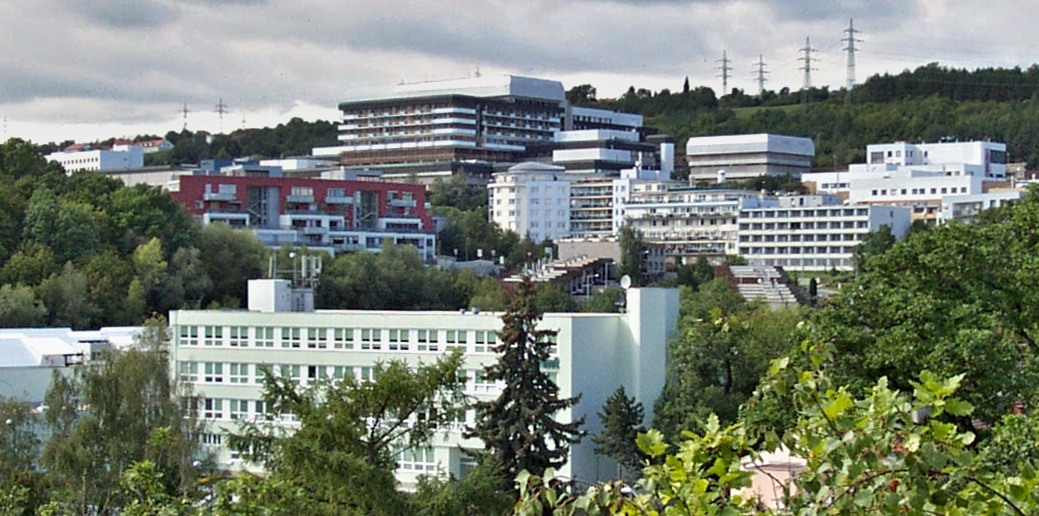
Na Homolce Hospital
Widely considered the most expat-friendly major hospital in the country
🏘️ Where Expats Actually Live
In Prague, the established expat clusters are Vinohrady (leafy, central, popular with families), Karlín (younger, tech-and-startup-adjacent, heavily redeveloped post-2002 flood), Letná (park-side, artsy), Holešovice (former industrial district, now galleries and breweries), Smíchov, Dejvice (near the international schools and diplomatic quarter), and Bubeneč. All combine walkability, strong tram/metro access, and a critical mass of international restaurants, cafés, and English-language services. In Brno, the equivalent hubs are Veveří, Královo Pole, and Žabovřesky. Outside these two cities, English-language infrastructure thins out fast — worth factoring in if a partner or children will need schooling, banking, or medical care in English on a daily basis.
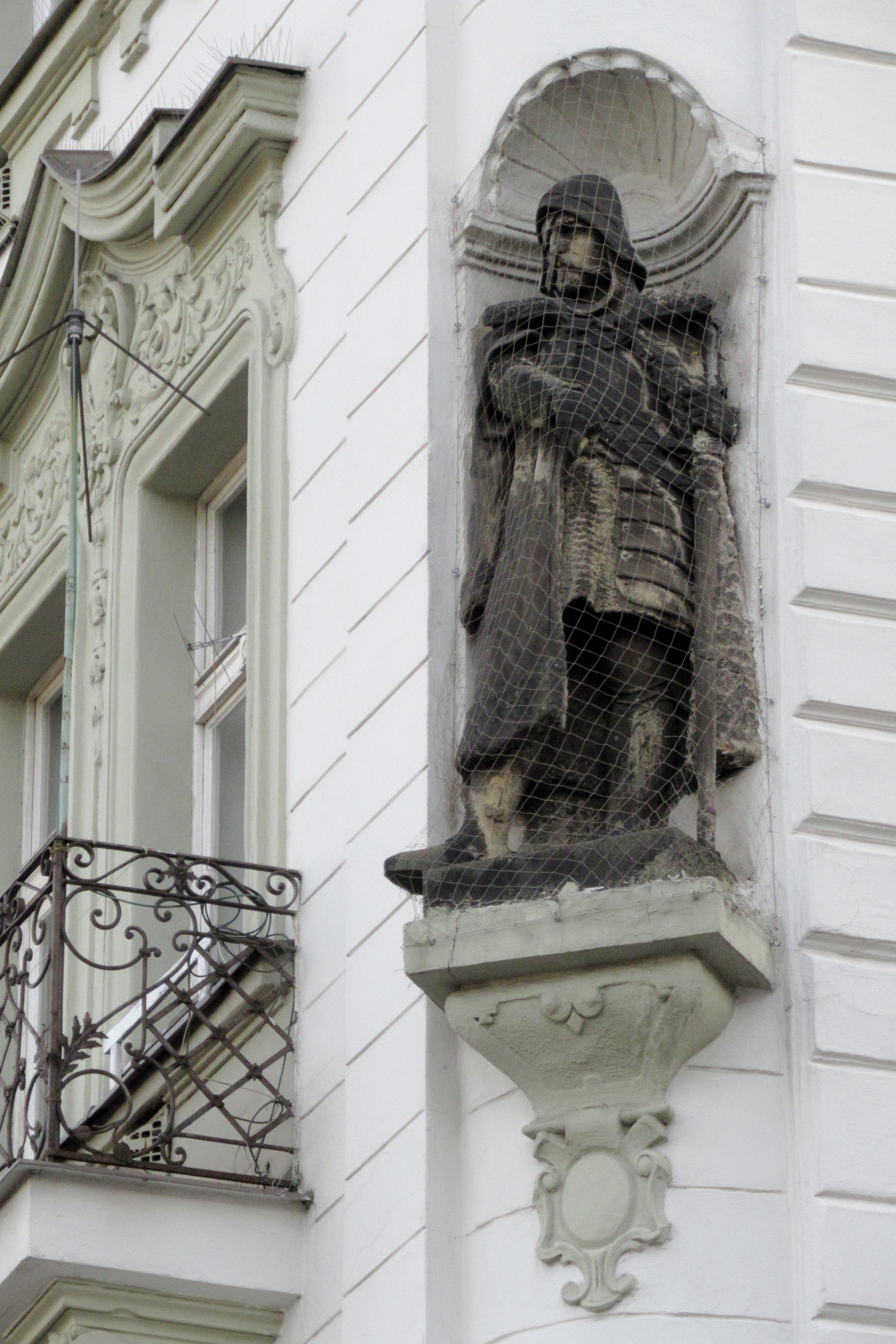
Vinohrady
Leafy, central, and the most established expat cluster in Prague
⚠️ What Actually Drives People Away
Framed honestly rather than promotionally: the most commonly cited reasons expats leave are persistent housing pressure in Prague (demand has outpaced new construction for years, and it shows in both prices and availability), bureaucratic friction that the 2026 digital reforms are only beginning to fix, and a real language barrier outside international workplaces and the expat-heavy neighborhoods listed above — Czech is not an easy language to pick up casually, and daily bureaucracy, medical paperwork, and small-town life still run overwhelmingly in Czech. That said, net migration into the country remains strongly positive, and compared to regional peers like Poland or Hungary, the Czech Republic continues to pull in more foreign residents than it loses — the fundamentals (safety, location, cost, healthcare) outweigh the friction for most people who commit to staying more than a year or two.
