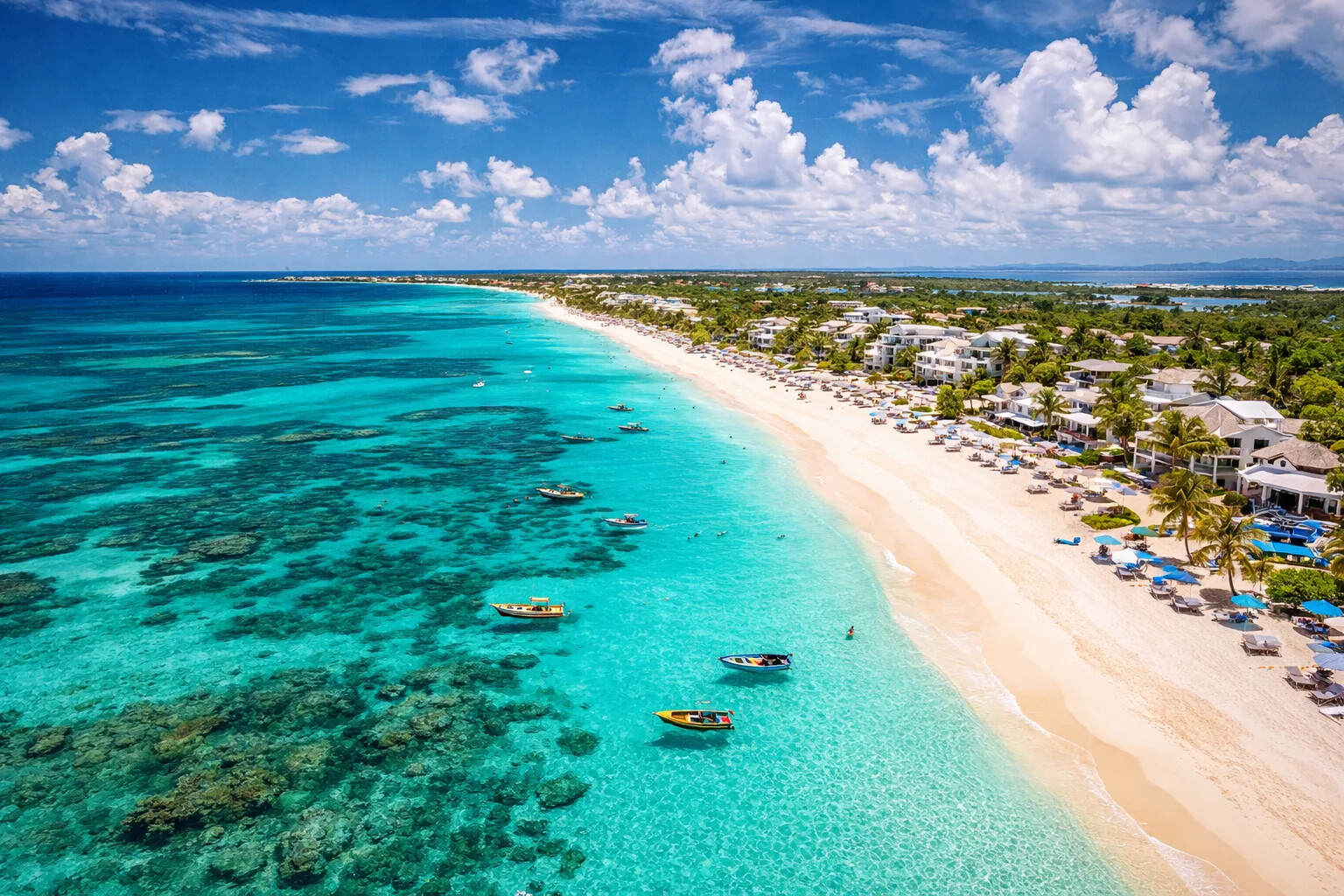
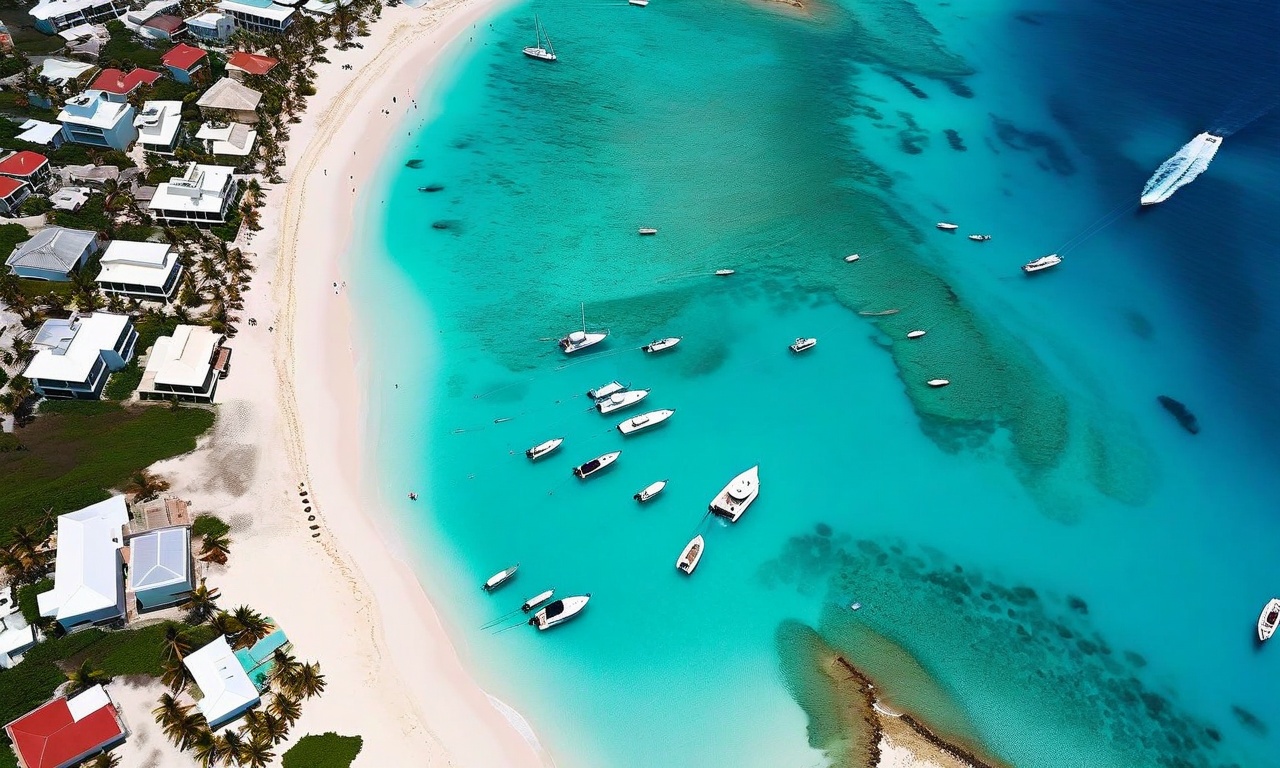
Anguilla is a masterclass in restraint. This flat coral sliver in the Lesser Antilles could have built cruise piers, casinos, and all-inclusive towers like so many of its neighbors — instead, it deliberately chose the opposite path. No cruise port. No high-rises. Just sixteen miles of low limestone island wrapped in 33 beaches, every one of them public by law, and a restaurant scene so good the island calls itself the "Culinary Capital of the Caribbean" without much argument from anyone who's eaten here.
This is the anti-resort Caribbean. Where Saint Martin next door buzzes with duty-free shopping and casino lights, Anguilla stays quiet on purpose. The absence of a cruise terminal isn't an oversight — it's policy, reaffirmed by successive governments who watched what mass tourism did to other islands and chose exclusivity instead. The tradeoff is real: this is not a budget destination, and getting here always means transiting through somewhere else first. But for travelers willing to make the effort, the payoff is a version of the Caribbean that increasingly barely exists anywhere else.
There's more to Anguilla than beaches, too, even if the beaches would be enough. A 1967 revolution — Anguilla is likely the only place in history to revolt against independence — gives the island a genuine, distinctive political identity. And in the past few years, a two-letter accident of 1990s internet administration has turned this territory of roughly 15,000 people into a quiet financial phenomenon: Anguilla's ".ai" domain, originally just its assigned country code, earned the government about US$85 million (EC$230 million) in 2025 — some 47% of all government revenue — after the number of registered .ai domains passed one million on 2 January 2026. The 2026 budget forecasts around US$96 million. More on that in the Business section.
The name "Anguilla" comes from the Spanish and Italian word for "eel" — sailors named it for the island's long, narrow, sinuous shape as seen from the sea. The indigenous Arawak name was "Malliouhana," meaning "arrow-shaped sea serpent," a strikingly similar observation arrived at independently centuries earlier.
Officially, Anguilla is a British Overseas Territory — self-governing in most domestic matters through an elected House of Assembly, while the UK retains responsibility for defense, foreign affairs, and internal security via an appointed Governor. Anguillians are British Overseas Territories citizens and, since 2002, full British citizens, entitled to live and work anywhere in the UK. Locally, people identify strongly as Anguillian first — a distinct identity forged specifically through the island's refusal, in 1967, to be governed from neighboring Saint Kitts.
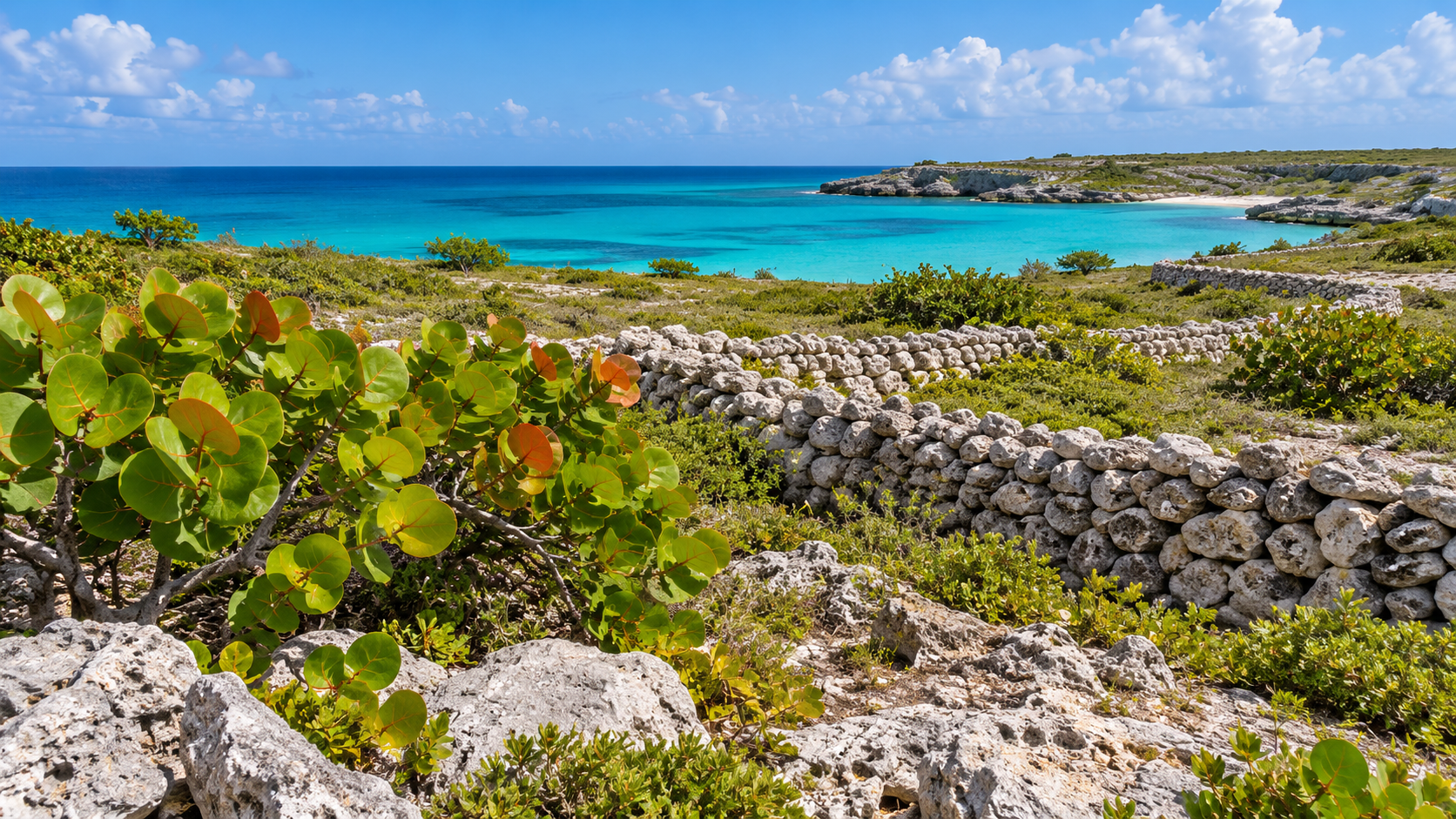
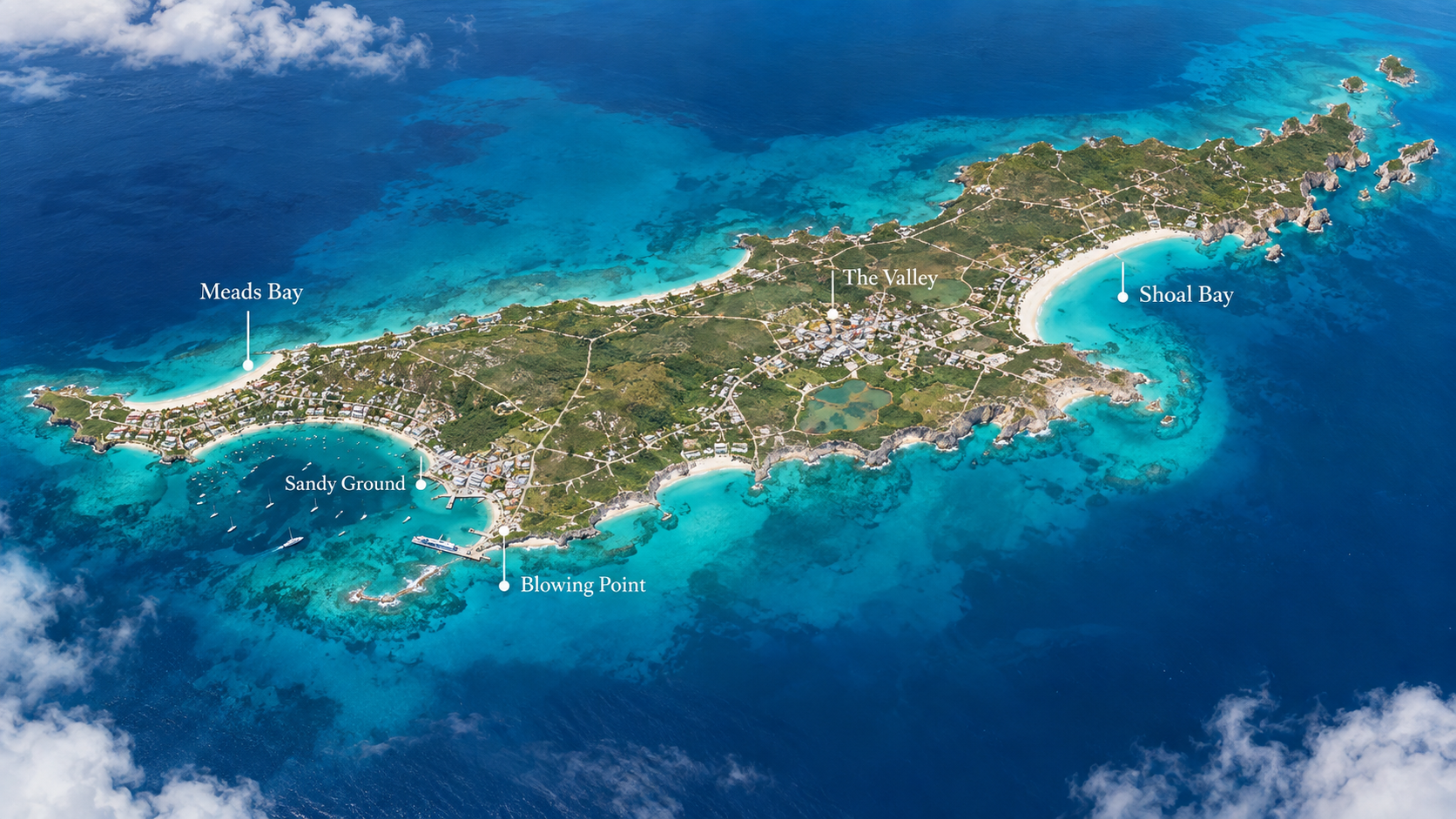
Anguilla is the northernmost of the Leeward Islands, a flat coral and limestone island just 16 miles (26 km) long and 3 miles (5 km) across at its widest — no volcanic peaks, no rainforest, no rivers. The island's highest point, Crocus Hill, tops out at a mere 65 meters. This flatness is precisely why the beaches are so extraordinary: coral limestone erodes into the fine, brilliant-white sand that makes Anguilla's coastline famous.
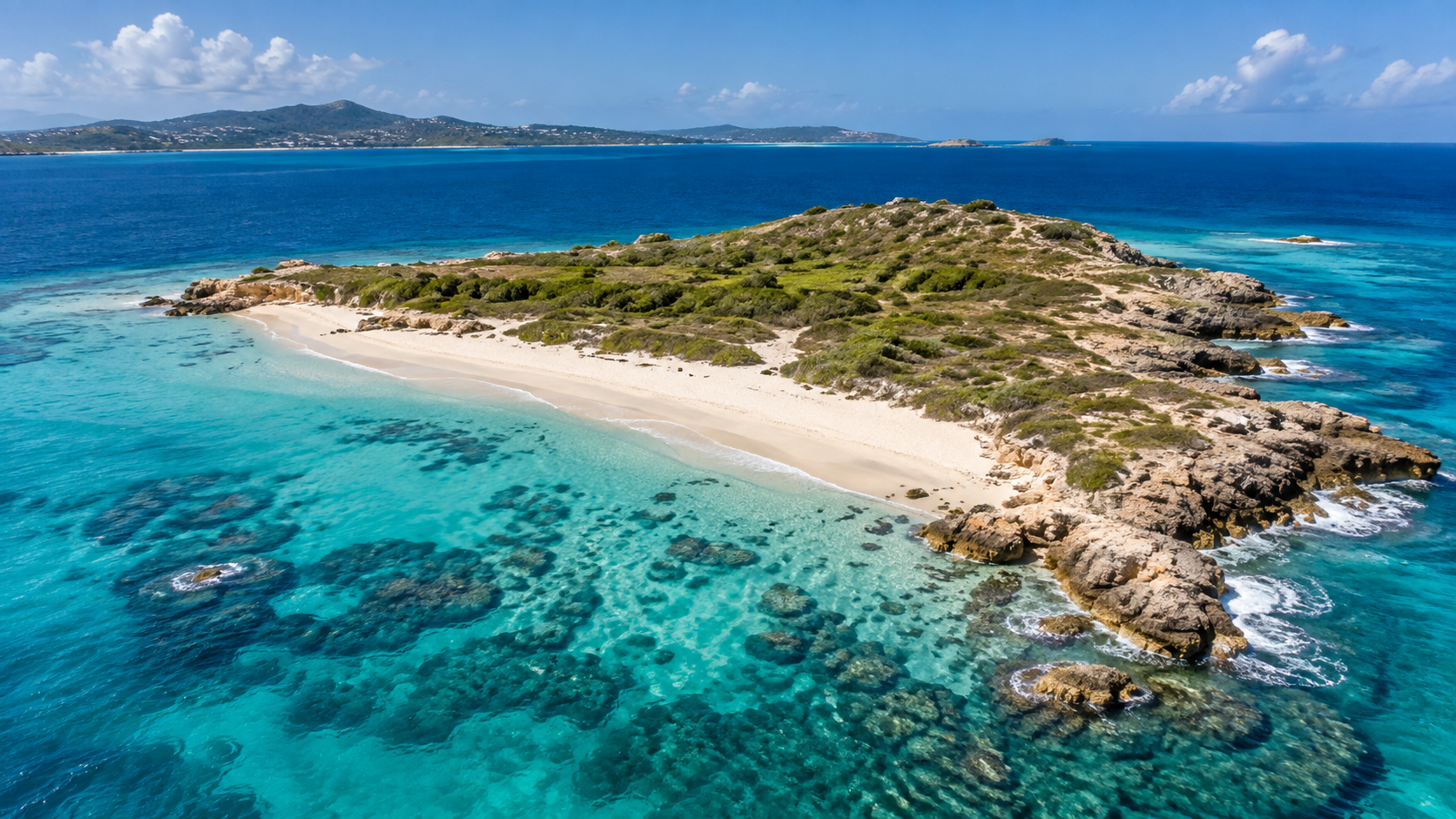
The main island is surrounded by a scatter of smaller cays — Scilly Cay, Sandy Island, Prickly Pear Cays, Dog Island, Scrub Island, and Sombrero Island (a remote lighthouse outpost far to the northwest) — most uninhabited, several reachable by day-trip boat and worth the detour. Anguilla sits just across a narrow channel from Saint Martin/Sint Maarten, close enough that its mountains form the backdrop to Anguilla's own southern beaches.
Long before European charts gave the island its present name, Indigenous communities moved through the northern Lesser Antilles by canoe, linking Anguilla with Saint Martin, Puerto Rico and the Virgin Islands. Archaeological evidence points to centuries of settlement, fishing, farming and ceremonial life. The island was never an isolated speck: it belonged to a maritime world in which the sea served as a road rather than a barrier.
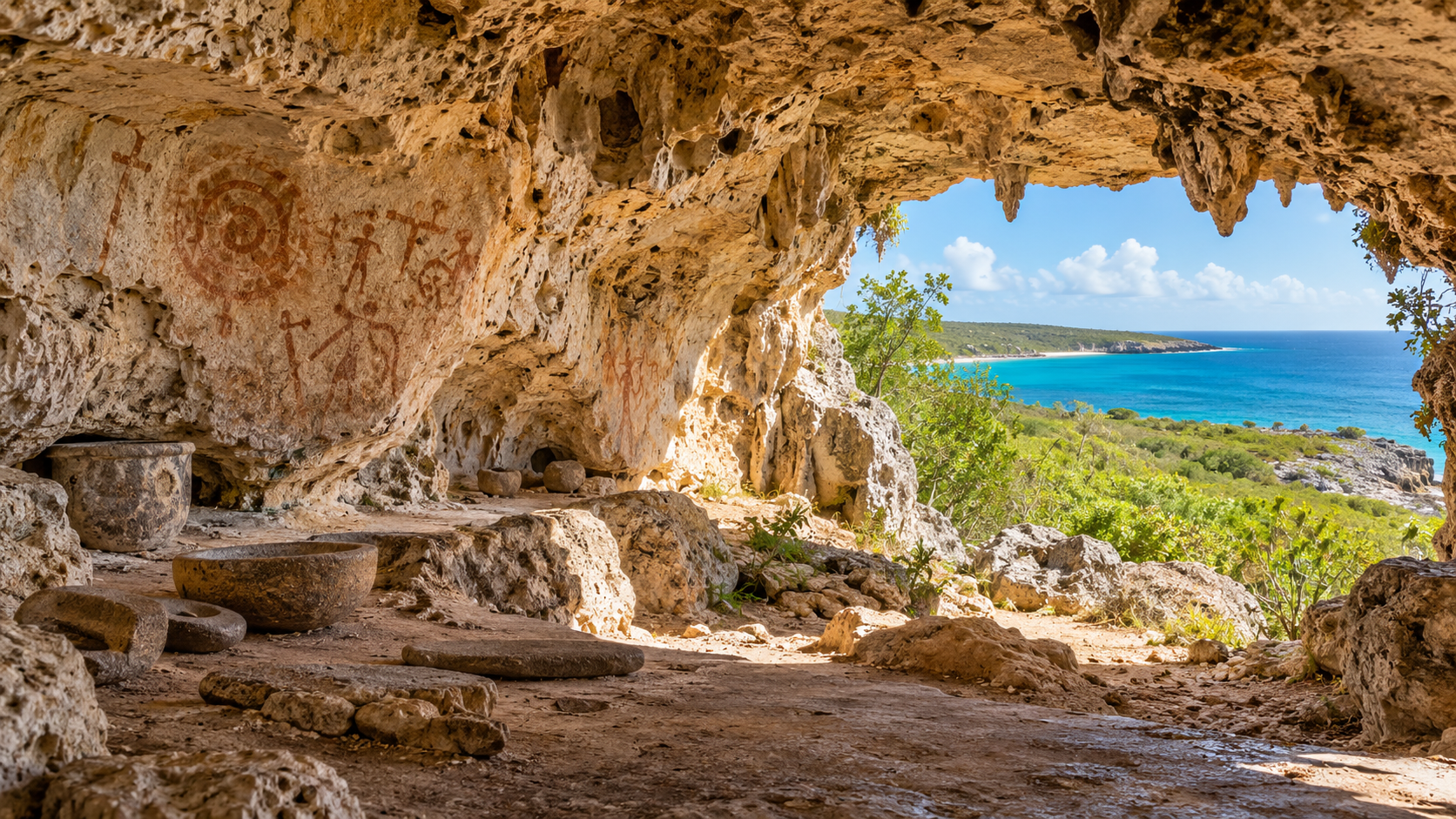
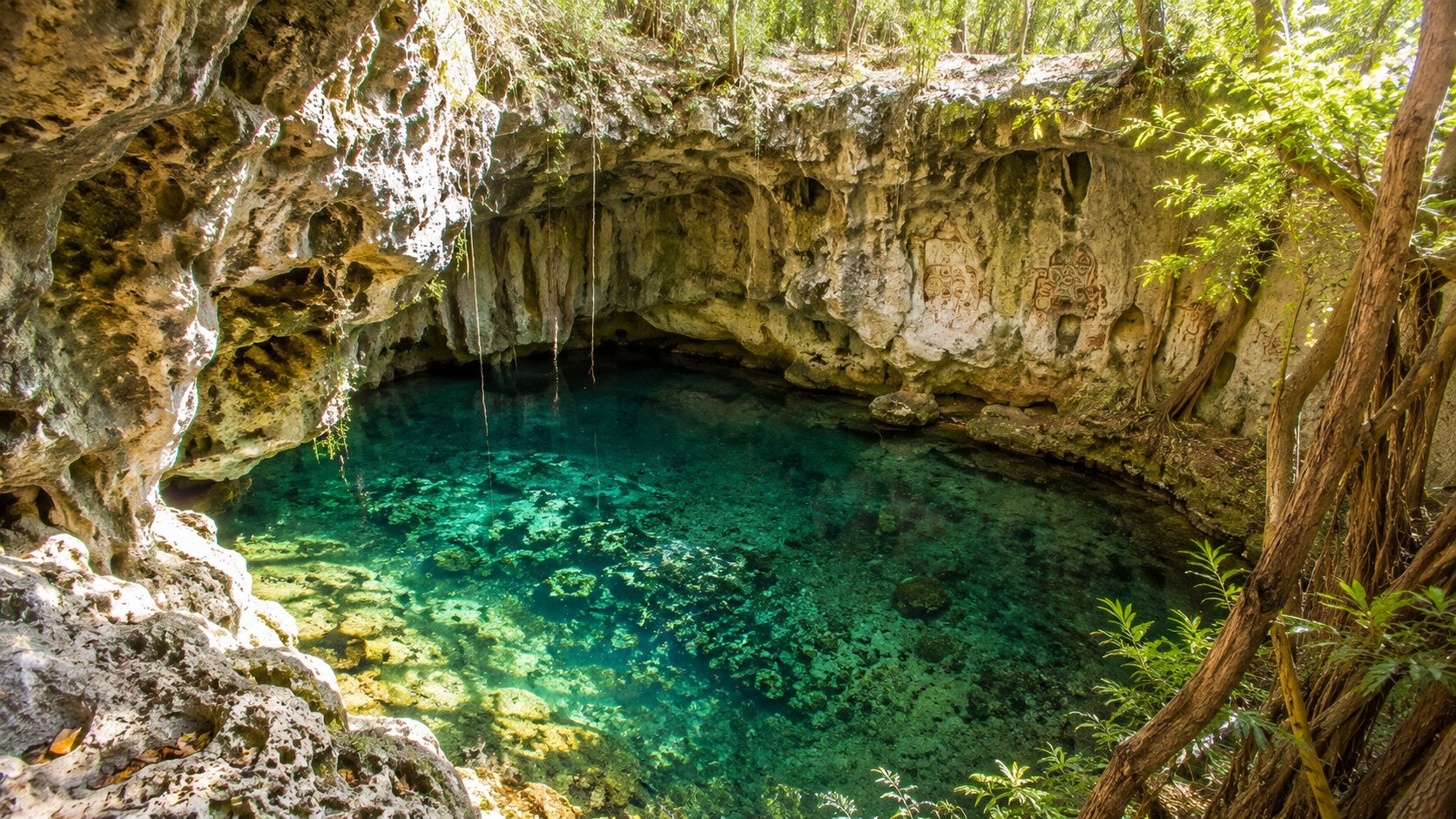
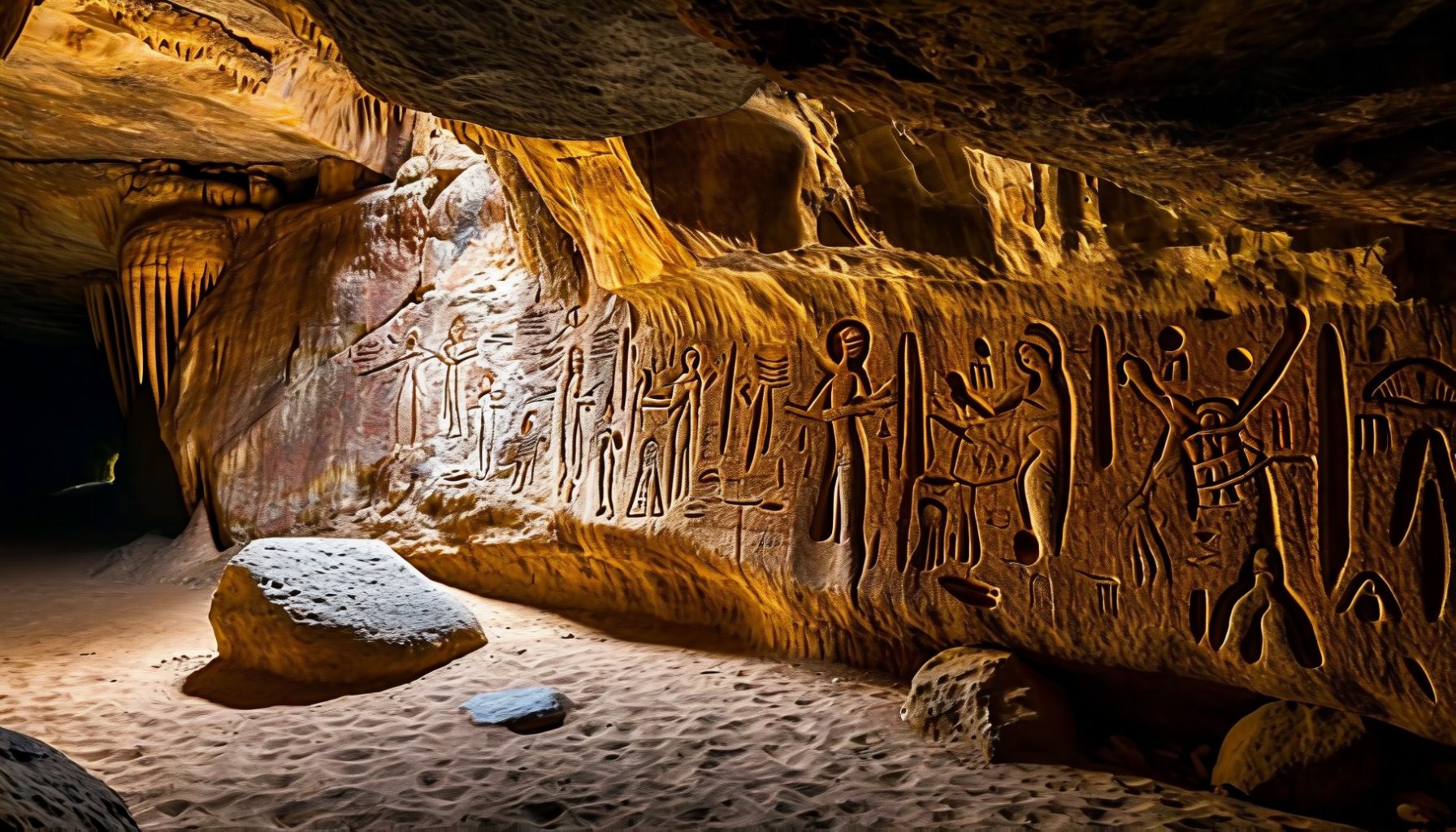
Fountain Cavern, also called the Fountain, is the most important surviving site. Deep inside a limestone cave, freshwater gathers beneath petroglyphs and a carved stalagmite associated with the Taíno spirit Jocahu. The setting joins water, darkness and stone in a place of exceptional ritual significance. Access is controlled to protect a fragile archaeological landscape, so travelers should never enter unofficially or touch carvings and formations.
Archaeological evidence shows Amerindian peoples inhabited Anguilla as early as 2000 BCE. The Arawak, who arrived around 600 CE, called the island Malliouhana and established settlements at sites like Big Spring and Fountain Cavern, leaving behind petroglyphs and ceremonial artifacts. These peaceful farmers and fishers thrived until the arrival of the more warlike Caribs and, eventually, Europeans.
English colonists from Saint Kitts arrived in 1650, finding an island too dry for the sugar plantations that enriched other Caribbean colonies. Settlers turned instead to small farms, salt production, and fishing. The lack of plantation wealth meant fewer enslaved Africans were brought here than to neighboring islands, but slavery still shaped society until emancipation in 1834; most modern Anguillians descend from both enslaved peoples and European settlers.
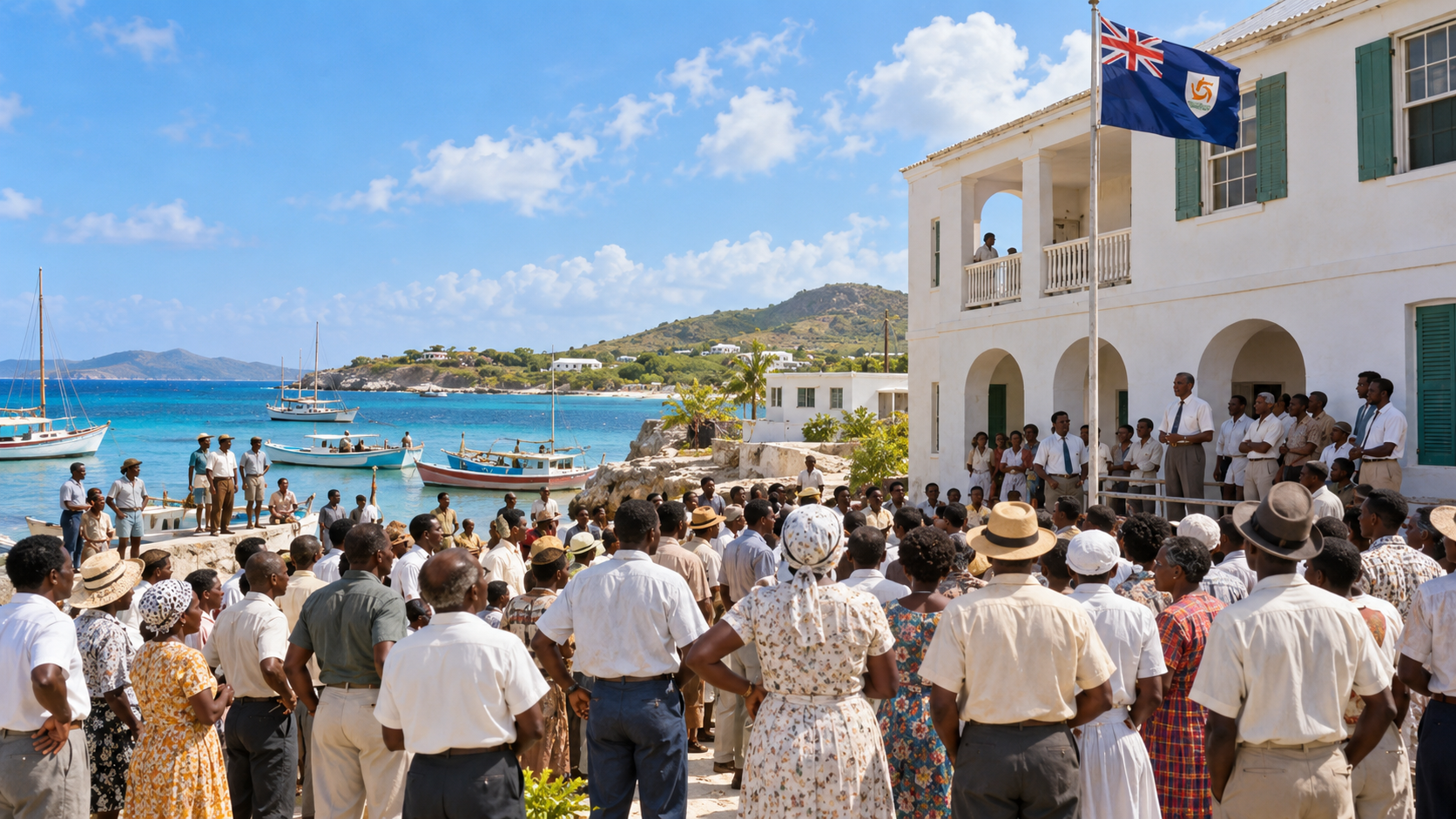
The island's defining modern moment came in 1967. When Britain granted a single independence package to Saint Kitts-Nevis-Anguilla as a combined entity, Anguillians refused to accept rule from Saint Kitts. In the "Anguilla Revolution," islanders expelled the Kittitian police and ran their own affairs for two years. Britain intervened in 1969 with paratroopers — an intervention Anguillians actually welcomed, since they wanted the British connection back, just not Kittitian rule. In 1980, Anguilla formally separated and became its own British Dependent Territory (now Overseas Territory). Anguilla Day, May 30, commemorates the 1967 revolution every year.
The island's other defining modern date is 5 September 2017, when Hurricane Irma crossed Anguilla as a Category 5 storm with sustained winds near 185 mph (295 km/h). Roughly 85% of buildings were damaged — the Princess Alexandra Hospital, the Blowing Point ferry terminal and the House of Assembly among them — at a cost put above US$320 million, and parts of the island went three months without power. Britain's £60 million grant funded the Anguilla Rehabilitation Programme that rebuilt the ports, schools and hospital you now pass through, and the resorts reopened through 2018–19, most of them upgraded in the process. Since then the island has been lucky: Beryl (2024) and Melissa (2025) missed it entirely, and Hurricane Erin (August 2025), a Category 5 that passed some 180 km to the north-east, brought only tropical-storm conditions.
English settlers arrived in the middle of the seventeenth century, but Anguilla's thin soil and dry climate never supported the plantation wealth seen on wetter Caribbean islands. Cotton, tobacco and salt were attempted, while livestock, fishing and small-scale cultivation remained essential. Enslaved Africans and their descendants carried the heaviest burden of this economy and created the foundations of modern Anguillian society.
Scarcity shaped a culture of self-reliance. Families survived through seafaring, boatbuilding, inter-island trade and migration, maintaining connections across the Caribbean even when imperial administrators treated Anguilla as a remote dependency. The elegant simplicity of Wallblake House, old churches, cisterns and dry-stone walls preserves fragments of that history better than any grand colonial boulevard could.
Anguilla's defining modern political episode began in 1967, when Britain grouped the island into the newly associated state of Saint Christopher–Nevis–Anguilla. Many Anguillians believed the administration in Saint Kitts had neglected them for generations. Police from Saint Kitts were expelled, local leaders declared separation and a referendum produced overwhelming support for leaving the union.
The episode is often described, with a smile, as a revolution against independence: Anguillians wanted direct British administration rather than rule from Basseterre. A brief British intervention in 1969 became an international embarrassment, but negotiations eventually recognized the island's separate path. The formal constitutional break with Saint Kitts and Nevis came in 1980, and Revolution Day remains central to public memory.
Anguilla is a self-governing British Overseas Territory. An elected House of Assembly handles most domestic affairs, while the United Kingdom retains responsibility for defence, external affairs and aspects of internal security. The British monarch is represented by a governor, and the head of the elected government is the premier.
The arrangement is neither independence nor integration into the United Kingdom. It gives Anguilla substantial local control while preserving British sovereignty and citizenship links. Political debate therefore tends to focus less on abstract labels than on practical questions: economic resilience, constitutional balance, hurricane recovery, healthcare, housing and how tourism can support local prosperity without changing the island beyond recognition.
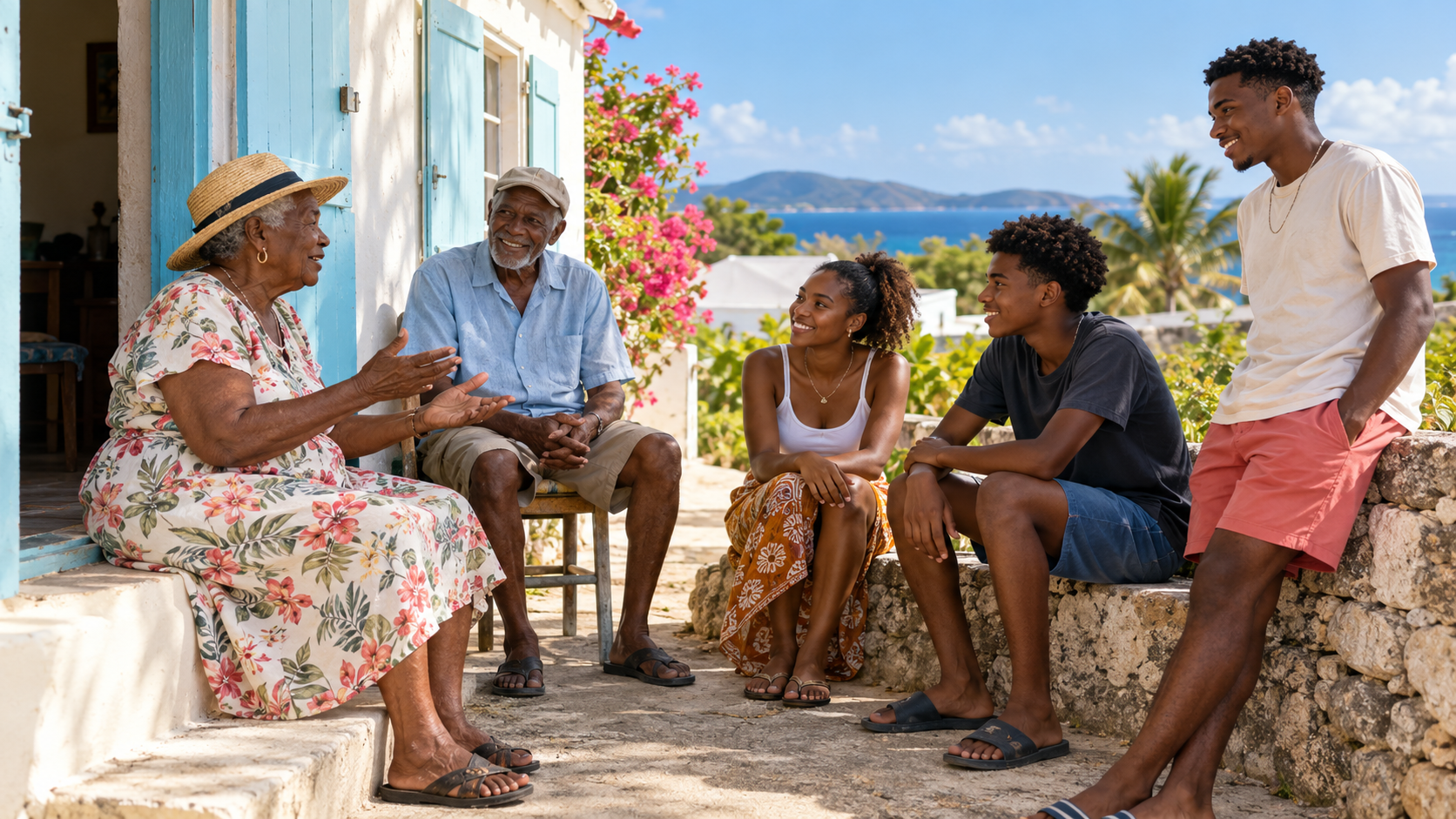
Anguilla's population — 12,025 counted in the 2022 census, though official mid-year estimates put the resident figure nearer 15,000 — forms one of the Caribbean's most intimate communities — the kind of place where everyone can trace everyone else's family history across generations. Most residents descend from West African ancestors brought during the slave trade, mixed with British and Irish heritage, creating an Afro-Caribbean identity that shapes music, cuisine, religion, and daily life.
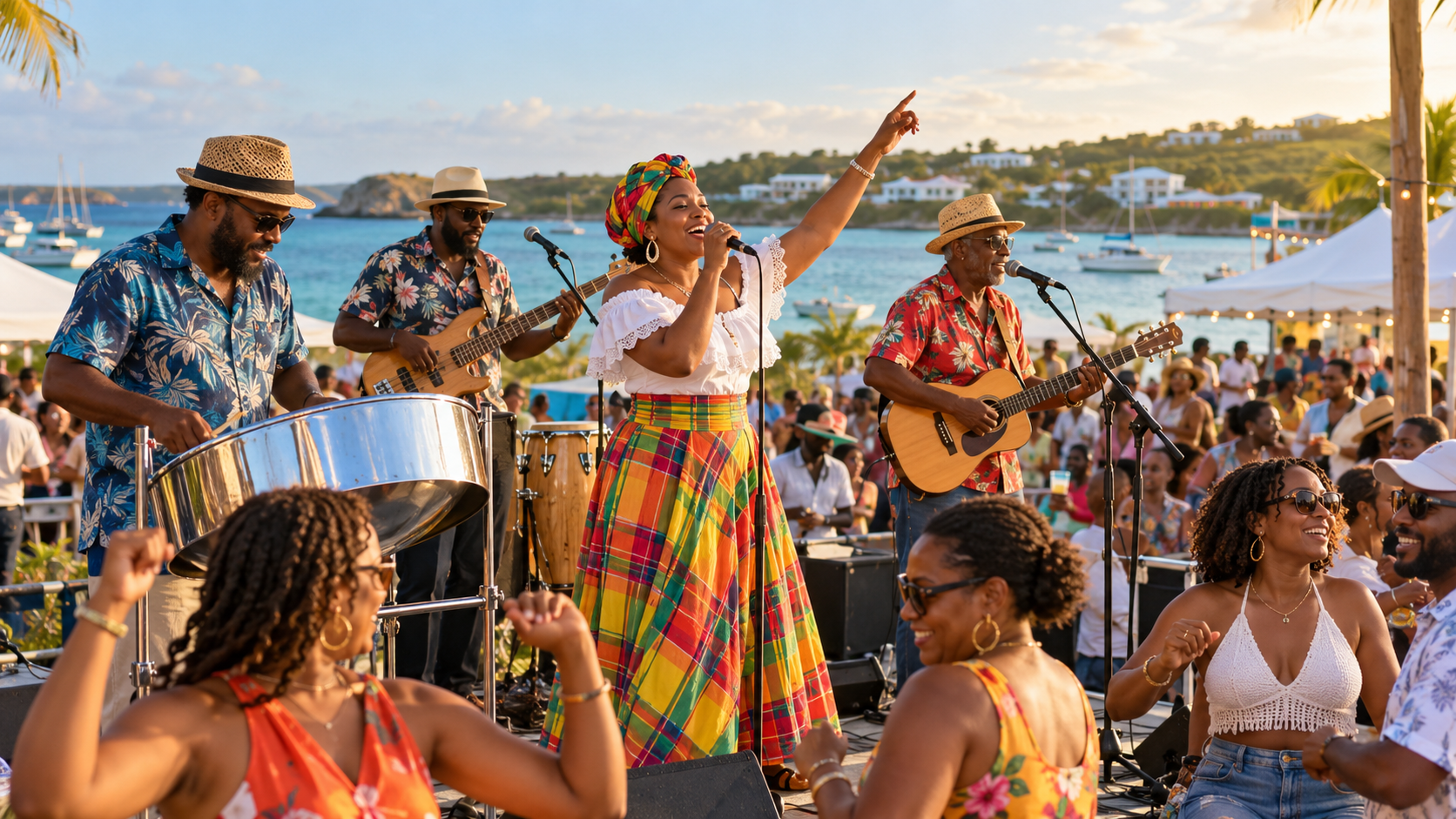
English is the official language, spoken with a distinctive Caribbean lilt softer than many neighboring dialects. Christianity predominates — Methodist, Anglican, Baptist, and Catholic churches anchor social life, and Sunday services remain central to the week. Music runs through everything: Anguilla's traditional string bands — locally called scratch bands, cousins of the Virgin Islands' quelbe (which is the USVI's official music, not an Anguillian invention) — blend guitars, banjos, the shak-shak (maracas) and improvised percussion for songs ranging from social commentary to romance, while calypso, soca and reggae own the Carnival stages and the boat-racing beaches.
English is the official language, used in schools, government and public life. Everyday Anguillian speech, however, has its own rhythm, vocabulary and grammar, shaped by generations of Caribbean English, African linguistic heritage, maritime work and constant contact with neighboring islands. It is not simply 'incorrect English' but a living marker of belonging and social intimacy.
Visitors will hear speech shift by setting: formal international English in a hotel or office, and a warmer, faster local register among friends and family. Listening respectfully matters more than trying to imitate an accent. Place names, boat names, proverbs, music and storytelling preserve layers of history that official documents rarely capture.
Anguilla has no single dense urban center. Life is distributed among settlements such as Island Harbour, East End, Sandy Ground, South Hill, Blowing Point, West End and The Valley. Each has its own churches, roadside businesses, family networks and relationship to the sea, but the boundaries blur along the island's main roads.
This dispersed pattern explains the island's low-rise character and why a car is so useful. Island Harbour still feels closely tied to fishing; Sandy Ground is both working harbor and nightlife hub; West End concentrates luxury resorts; Blowing Point faces the ferry route to Saint Martin. Traveling slowly between them reveals Anguilla as a community rather than a chain of beaches.
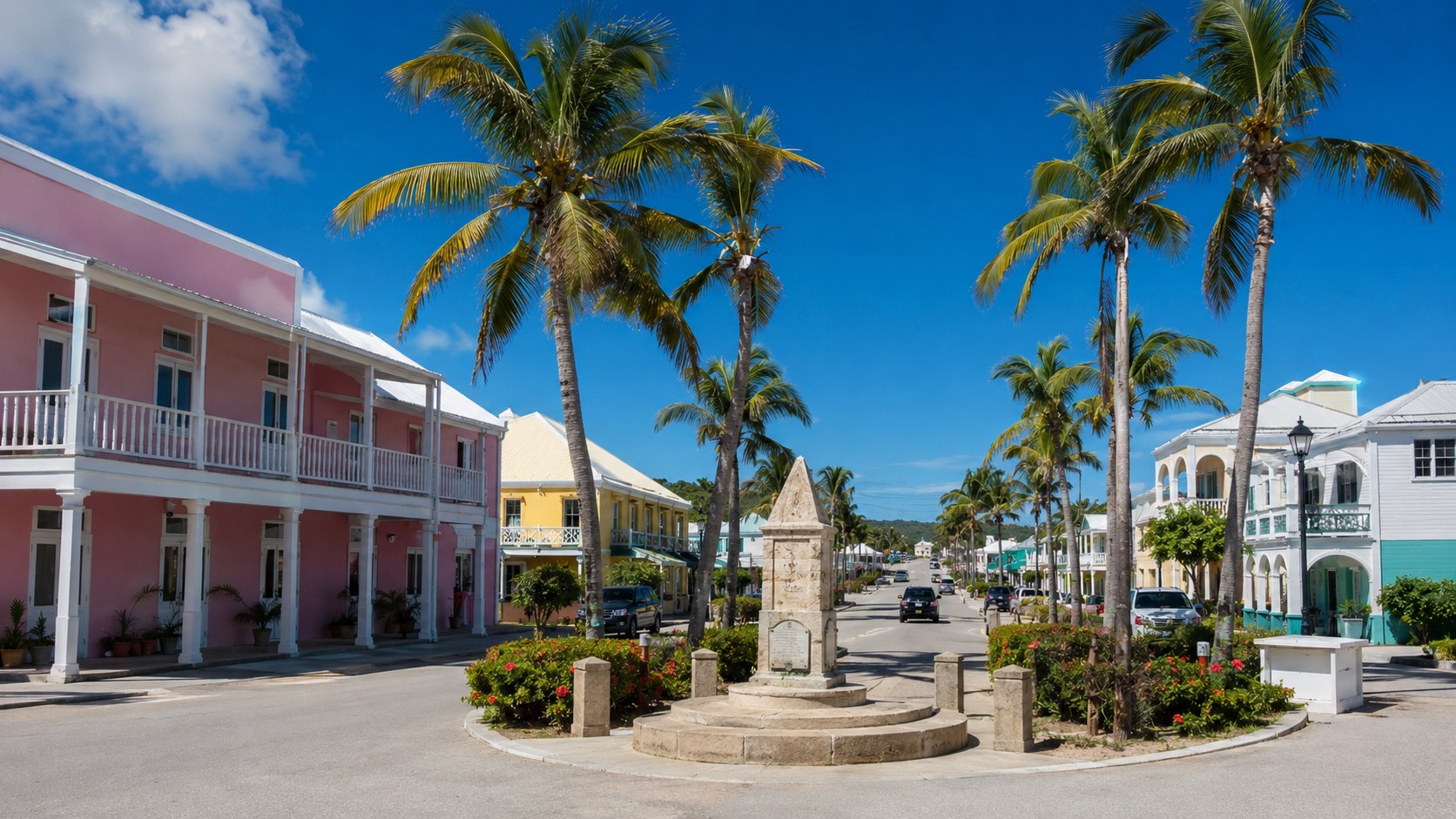
Anguilla's low-key capital — pastel colonial buildings and palm-lined streets, not a city in any conventional sense.
The Valley serves as Anguilla's administrative capital and commercial center, though "city" would be a generous description. This low-key collection of government buildings, shops, and churches occupies the island's central plain, connected to other villages by roads that wind between scrubland and salt ponds. There's no downtown skyline, no traffic lights, no urban bustle — just a pleasant Caribbean town going about its business.
Key landmarks include Wallblake House, built in 1787 and the oldest surviving structure on Anguilla — the island's only intact plantation house, complete with kitchen, stable and former slave quarters — now restored and operated by the Anguilla National Trust. Nearby, Wallblake Methodist Church (1830s) remains an active congregation. The Heritage Collection Museum — historian Colville Petty's private collection at East End, which chronicled Anguillian history from Arawak times through the 1967 Revolution — closed in March 2024 when Petty handed the entire collection to the government. It is to reopen as the Anguilla National Museum in the restored Old Court House on Crocus Hill, which as of mid-2026 had still not opened its doors; check with the National Trust before making the trip.
For practical needs, The Valley offers banks, the post office, government offices, and local shops. The public market comes alive on Saturday mornings with fresh produce, fish, and local crafts. But most visitors pass through quickly en route to the beaches — The Valley is for errands, not lingering.
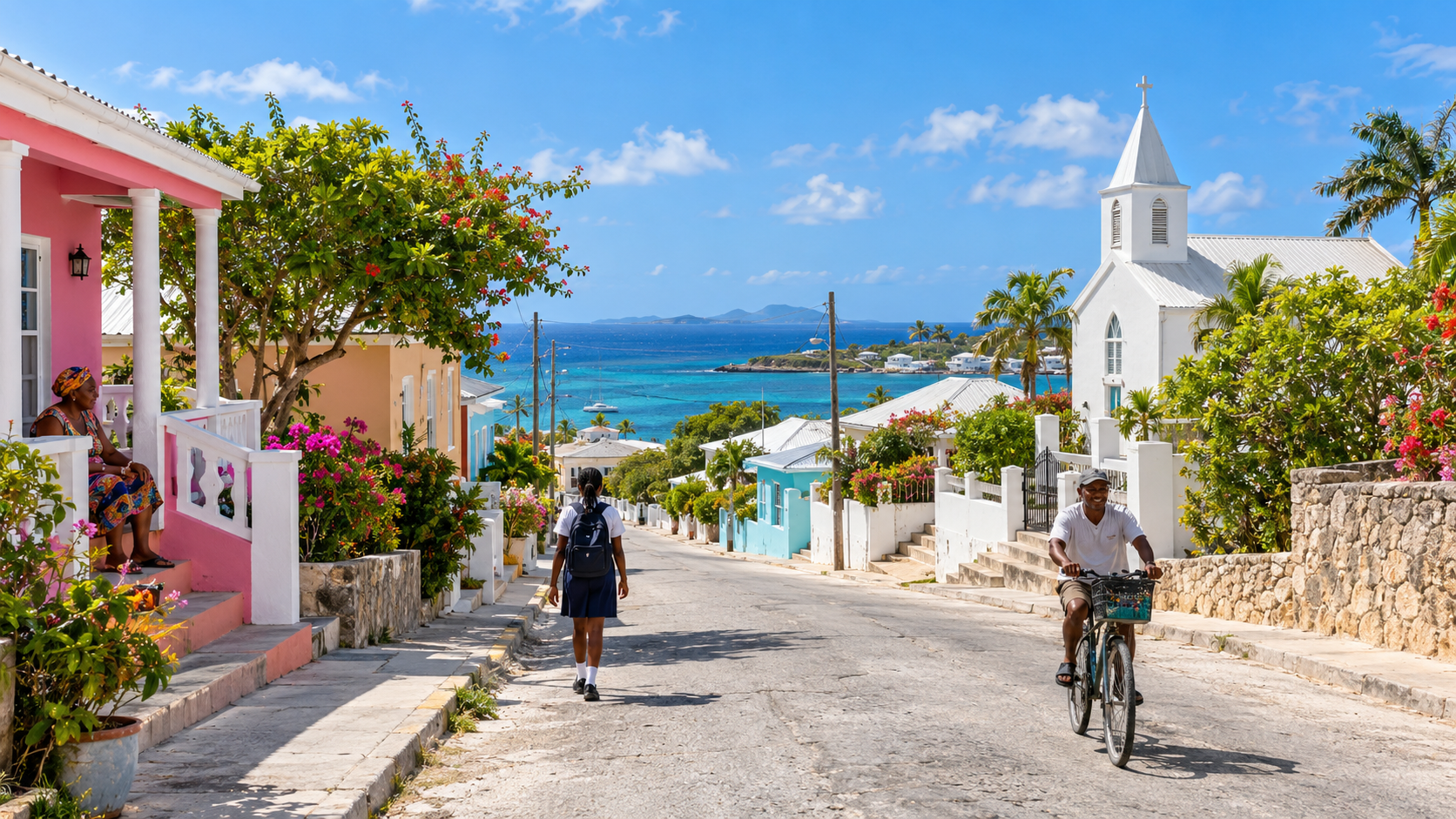
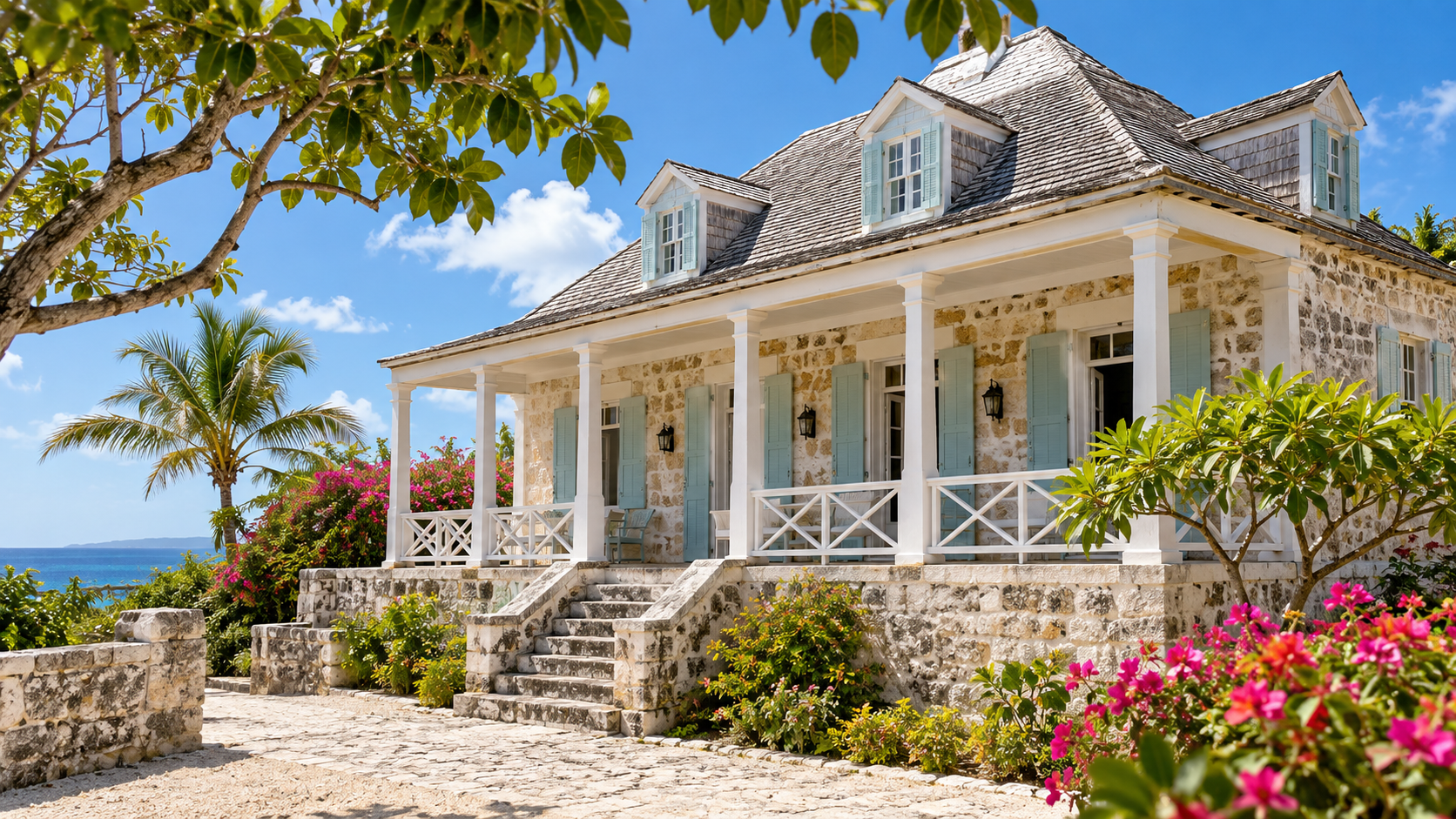
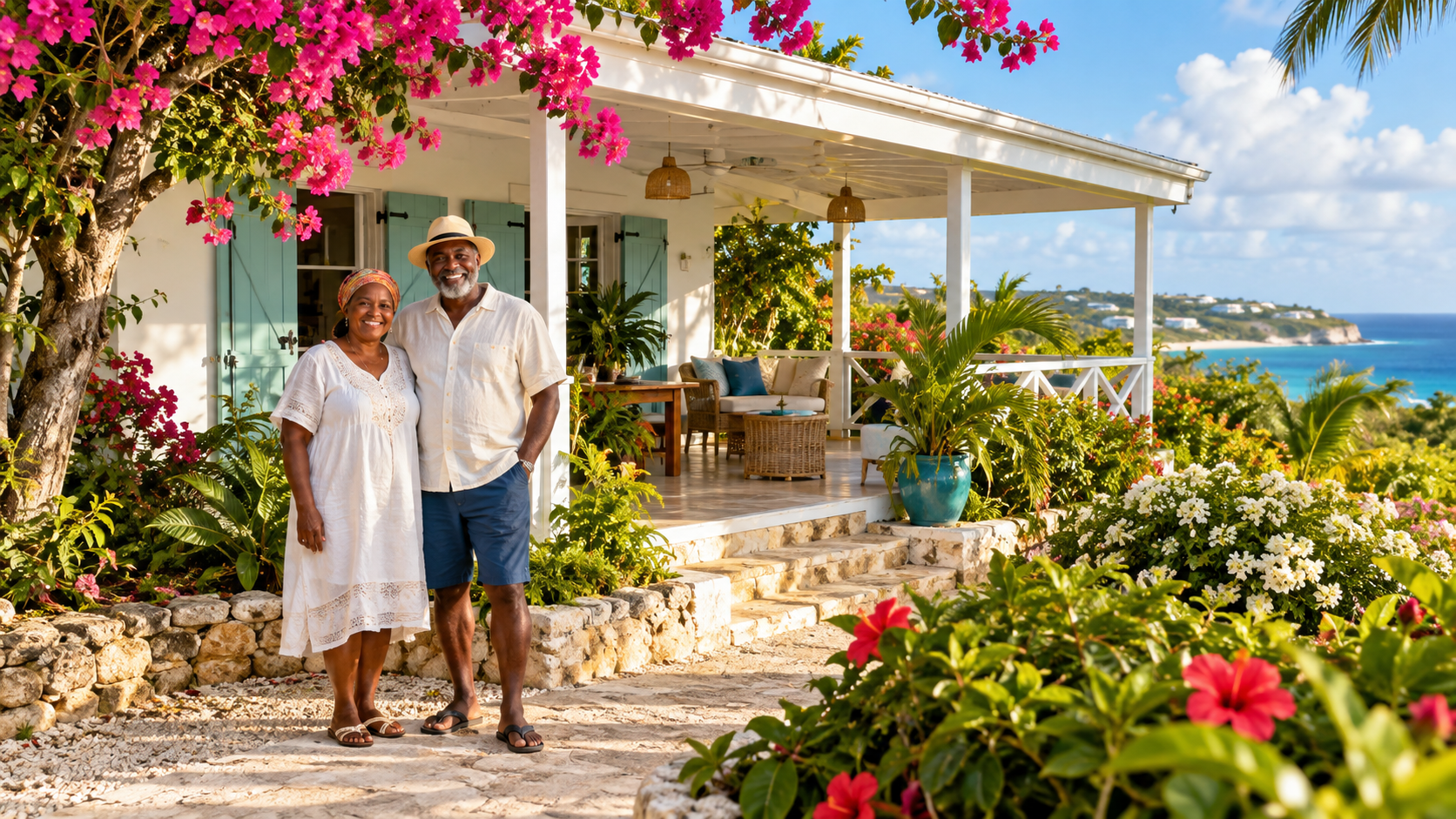
Anguillian architecture grew from heat, hurricanes and limited resources. Traditional houses are compact, well ventilated and often raised slightly above the ground, with shutters, verandas and steep roofs. Stone walls and cisterns reveal the value of every drop of rain on an island without rivers. Churches frequently serve as visual landmarks in a landscape with few tall buildings.
Wallblake House, built in the eighteenth century and restored with its outbuildings, is the island's best-known historic domestic complex. Contemporary villas use larger panes of glass and dramatic sea views, yet the most successful still respond to shade, airflow and storm exposure. The absence of high-rise construction is not just aesthetic; it is central to Anguilla's deliberately human scale.
Often ranked among the best beaches in the Caribbean — powder-white sand, turquoise water.
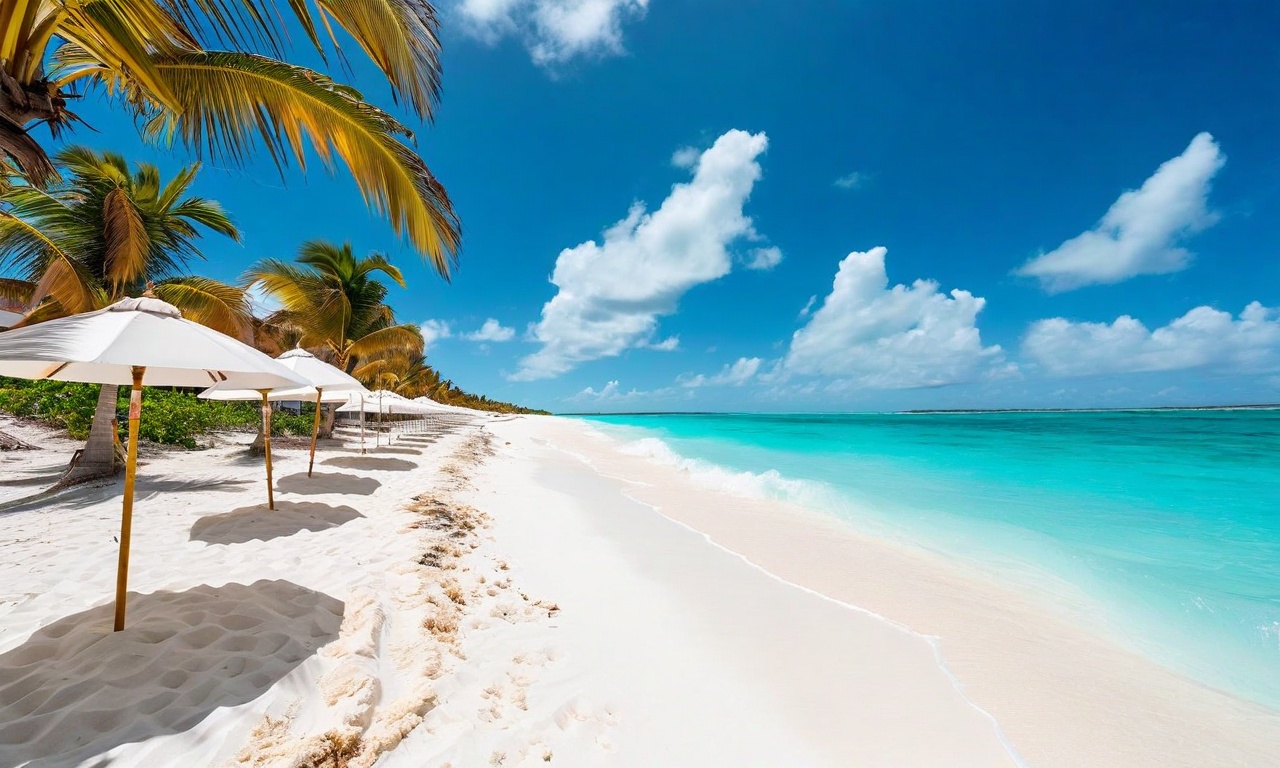
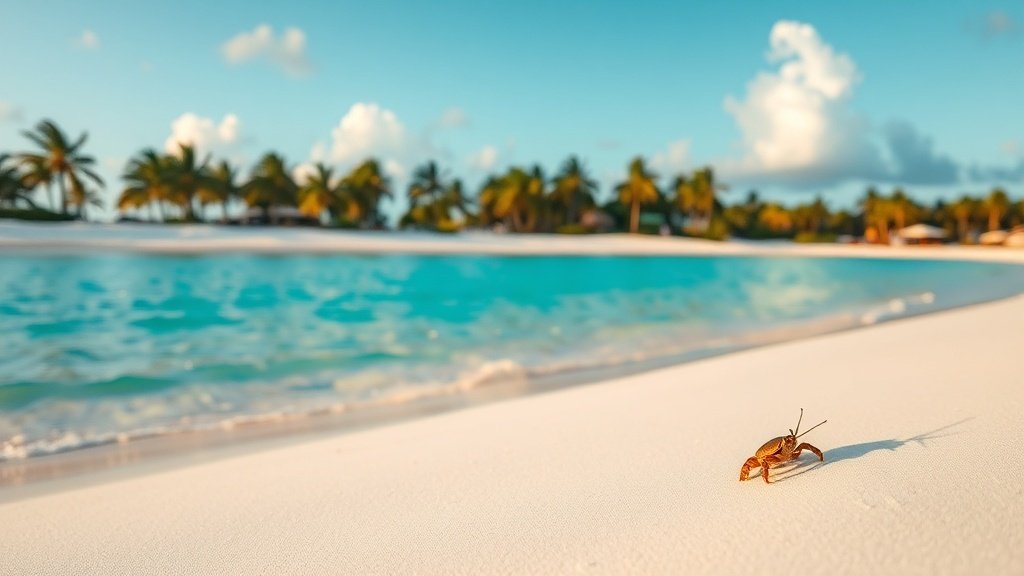
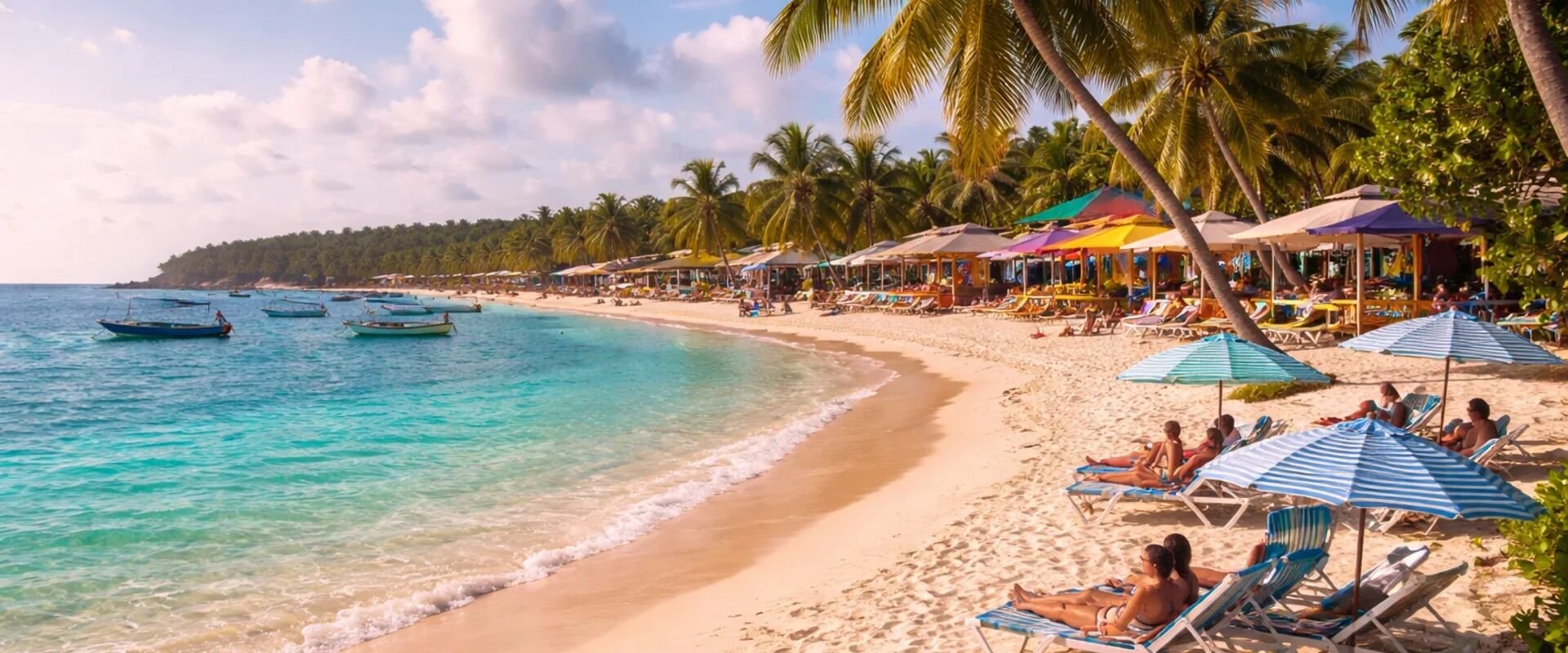
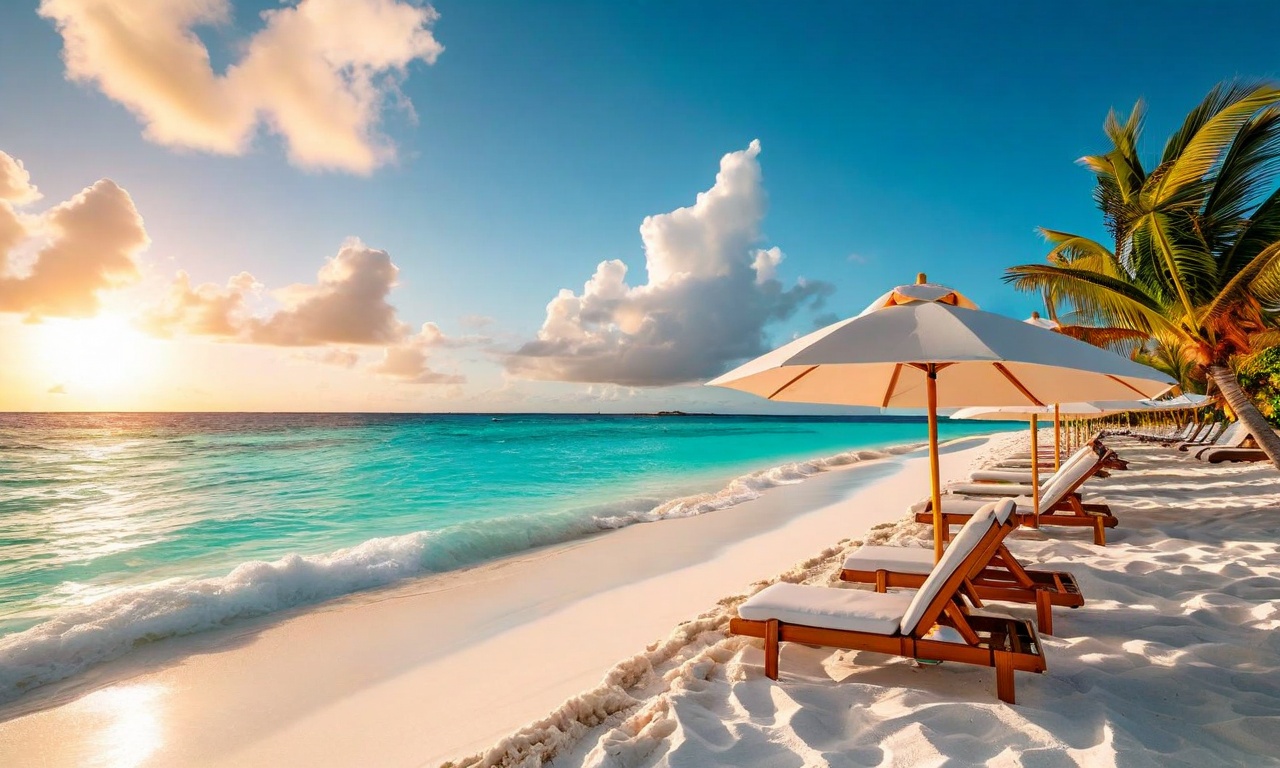
Shoal Bay East consistently ranks among the world's finest beaches, and experiencing it in person confirms every superlative. Two miles of powder-white sand — so fine it squeaks beneath your feet — curves along the island's northeastern coast. The water runs through every shade of blue imaginable, from pale aquamarine in the shallows to deep sapphire where the reef begins. Unlike many Caribbean beaches, Shoal Bay remains remarkably uncrowded even at peak season.
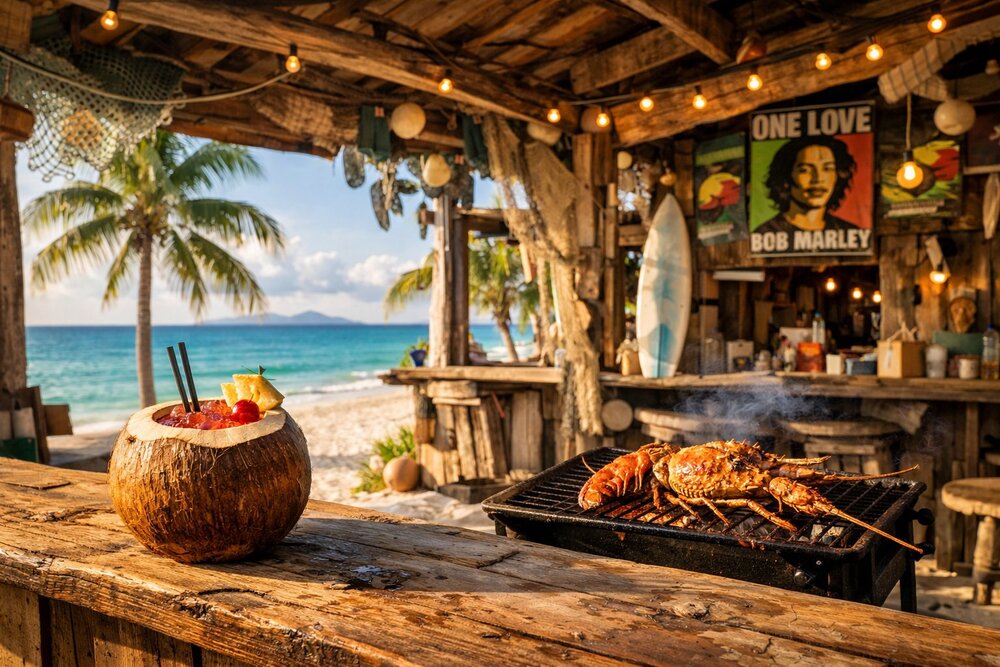
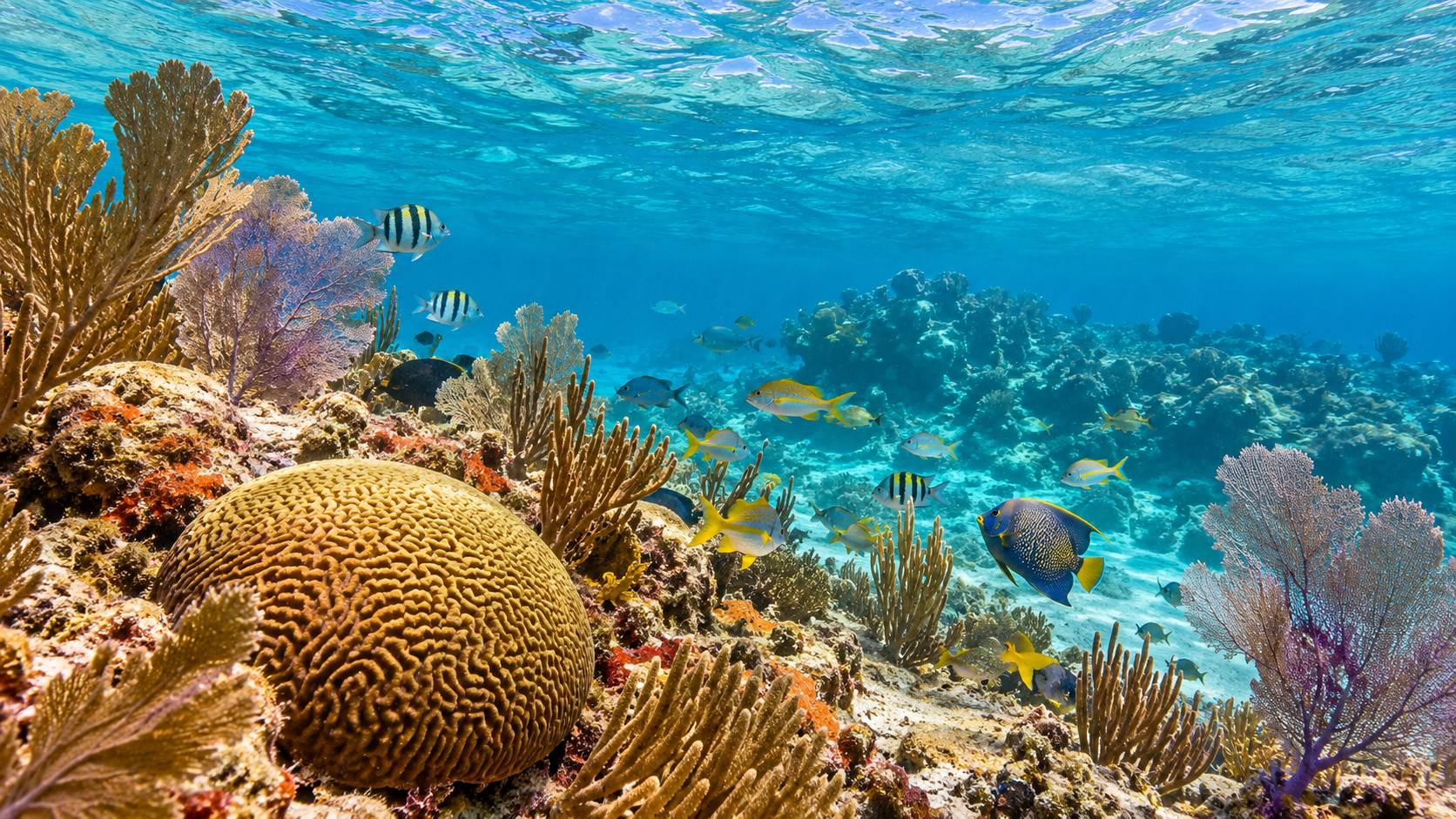
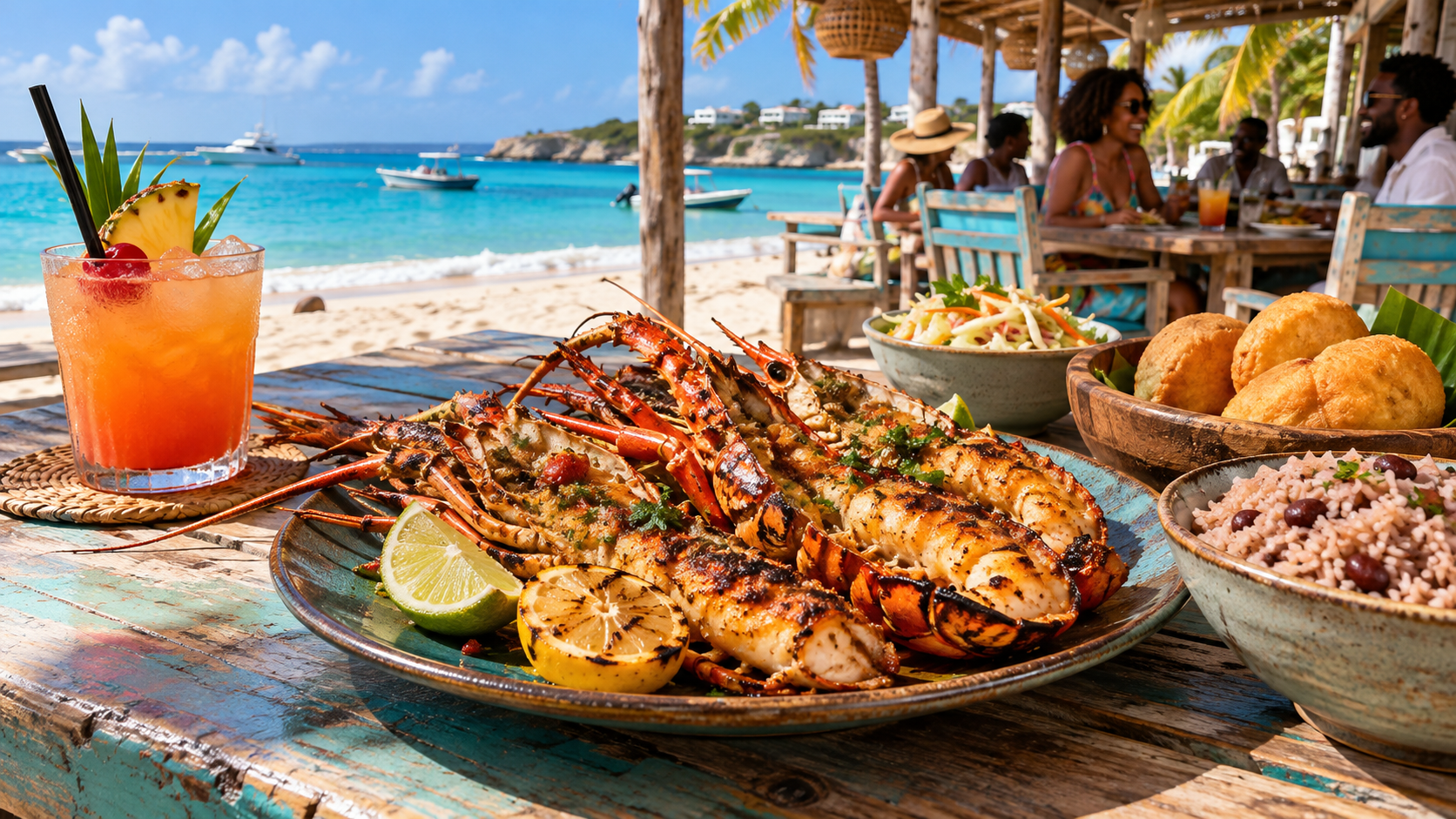
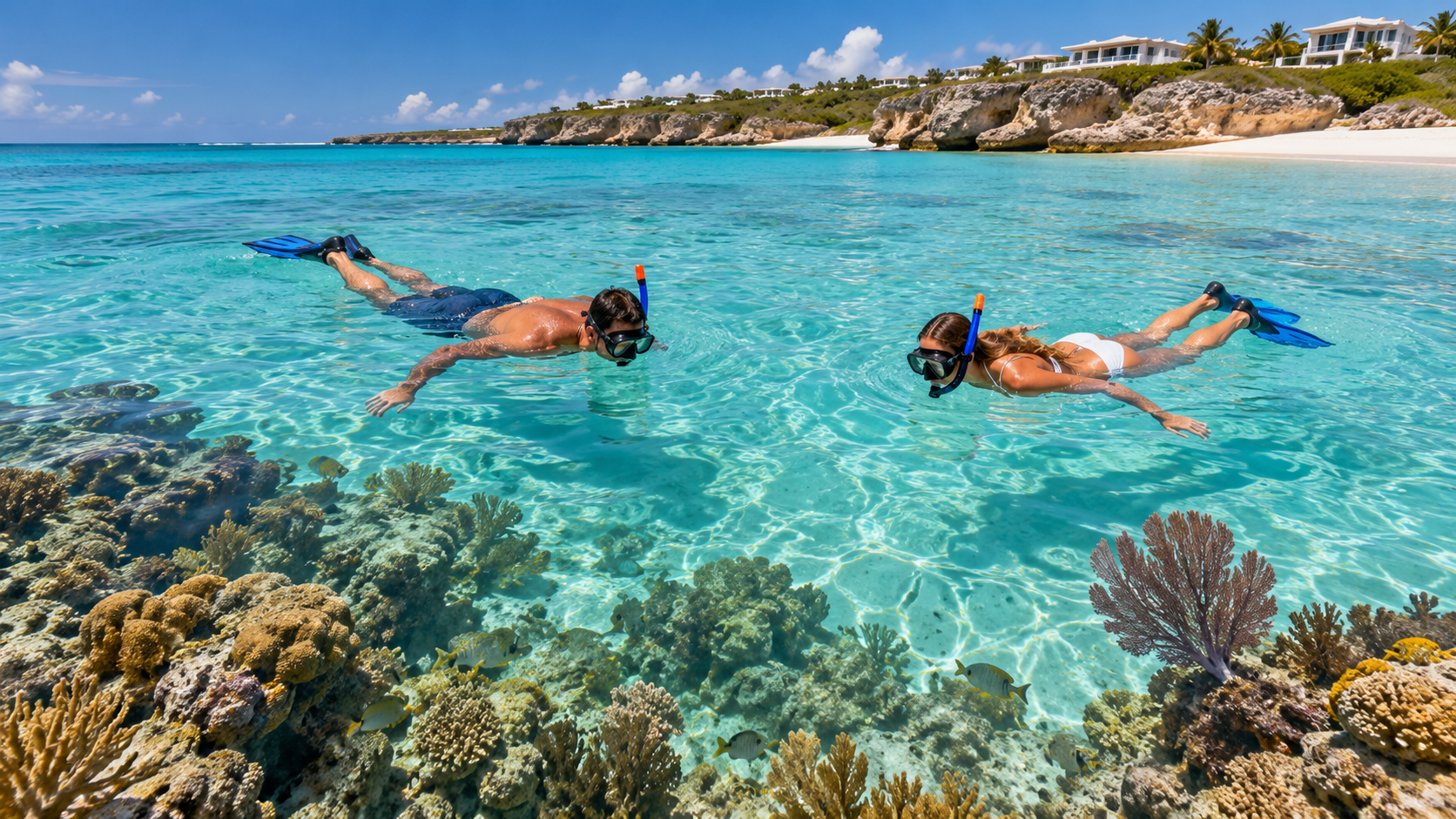
Swimming conditions are ideal: calm, crystal-clear water with a gradual sandy entry, protected by offshore reefs that create a natural swimming pool. Snorkeling directly from the beach rewards with colorful reef fish, sea fans, and occasional sea turtles. Beach bars line the shore without overwhelming it — Uncle Ernie's and Gwen's Reggae Grill serve grilled lobster, rum punch, and cold Caribs in quintessential Caribbean style.
Arrive early for the best light and calmest conditions — mornings see the water at its most transparent. Sunset drinks at one of the beach bars make for a perfect day's-end ritual, and on weekends, local families join the tourists, lending the beach an authentic community atmosphere.
Home to Anguilla's highest concentration of luxury resorts.
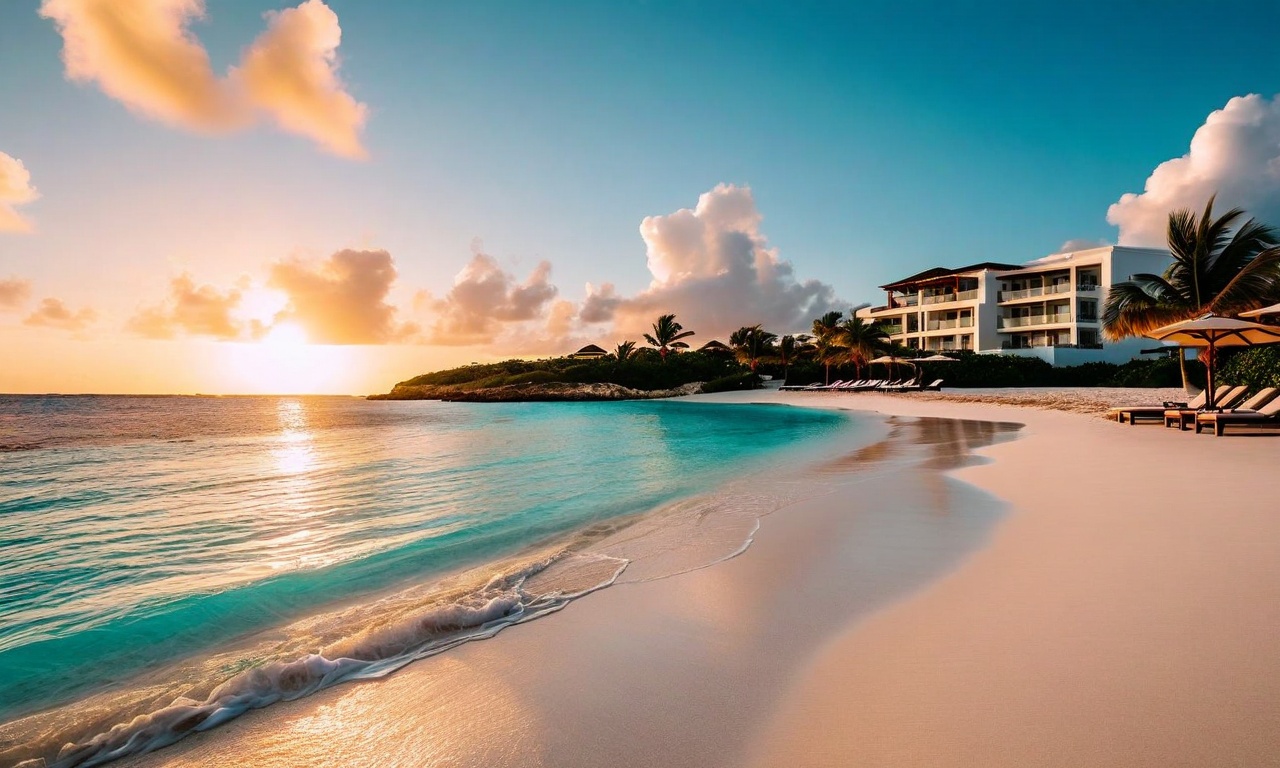
If Shoal Bay East is Anguilla's natural crown jewel, Meads Bay is its sophisticated side. This mile-long crescent on the island's western coast hosts the highest concentration of luxury resorts and celebrated restaurants, creating an atmosphere that's polished without being pretentious. The sand here is just as white, the water just as clear, but the vibe tilts toward elegant rather than rustic.
Four Seasons Resort Anguilla anchors one end of the bay, its Mediterranean-inspired architecture cascading down the hillside; the legendary Malliouhana presides over the northern headland. Between them, boutique properties and private villas line the shore — but despite the five-star neighbors, the beach itself remains fully public. Anguilla has no private beaches, by law.
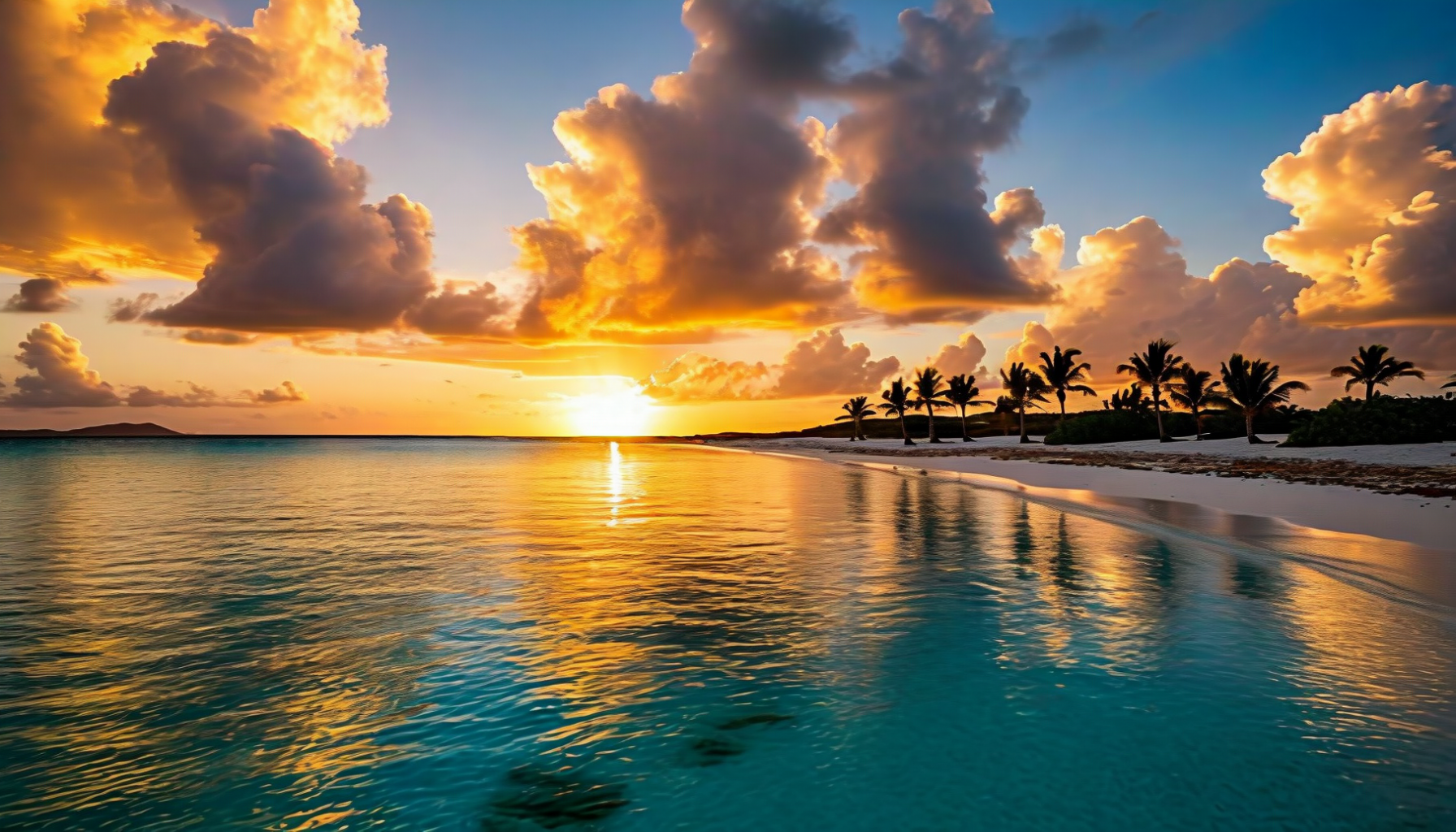
Dining along Meads Bay ranks among the Caribbean's finest: Blanchard's has served innovative Caribbean-French cuisine since 1994, Jacala offers beachside romance with French bistro fare, and Straw Hat delivers casual elegance with toes-in-sand dining. Reservations are essential at peak season. Swimming is excellent with calm conditions most of the year, sea grape trees provide natural shade, and the sunset views — watching the sun sink toward Saint Martin — rival any in the Caribbean.
A long, quiet stretch of sand facing Saint-Martin across the channel.
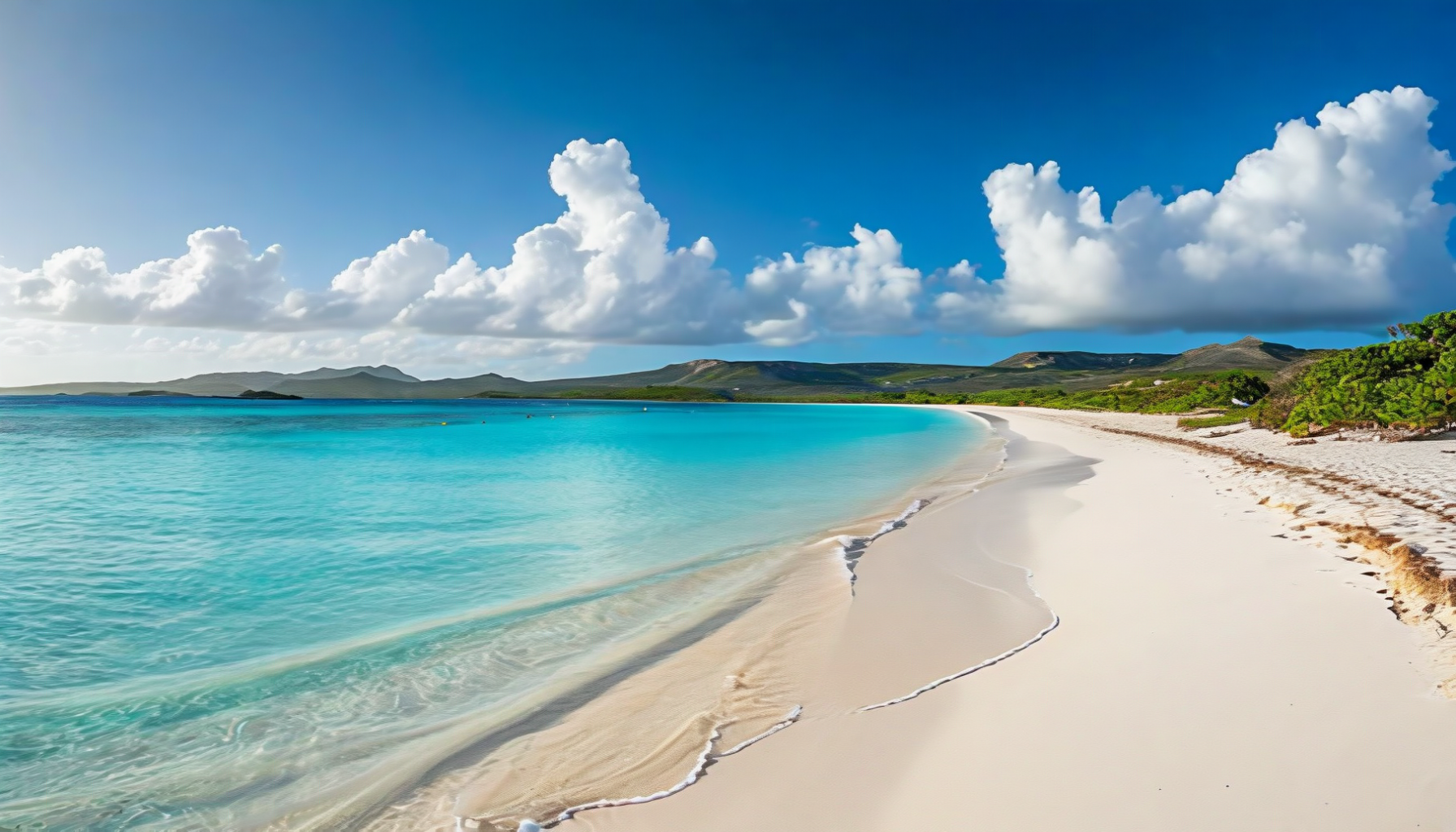
Rendezvous Bay stretches for nearly two miles along Anguilla's southern coast, offering perhaps the island's most dramatic backdrop. Across the channel, the mountains of Saint Martin rise majestically, their green slopes contrasting with the flat coral of Anguilla — turquoise bay, white sand, tropical mountains, defining Caribbean postcard perfection.
The beach runs long and wide, with enough space to always find solitude even on busy days. The sand grades from powder-white to pale gold, and the water is reliably calm, shallow, and warm — ideal for families with young children. Development here takes a lighter touch than at Meads Bay: Aurora Anguilla Resort & Golf Club — the former CuisinArt, closed in April 2021 and relaunched that November under Best Buy founder Richard Schulze — anchors one end with its white architecture and hydroponic farm, while the Dune Preserve — owned by reggae star Bankie Banx — occupies a ramshackle compound at the eastern end, hosting legendary full-moon parties and live music.
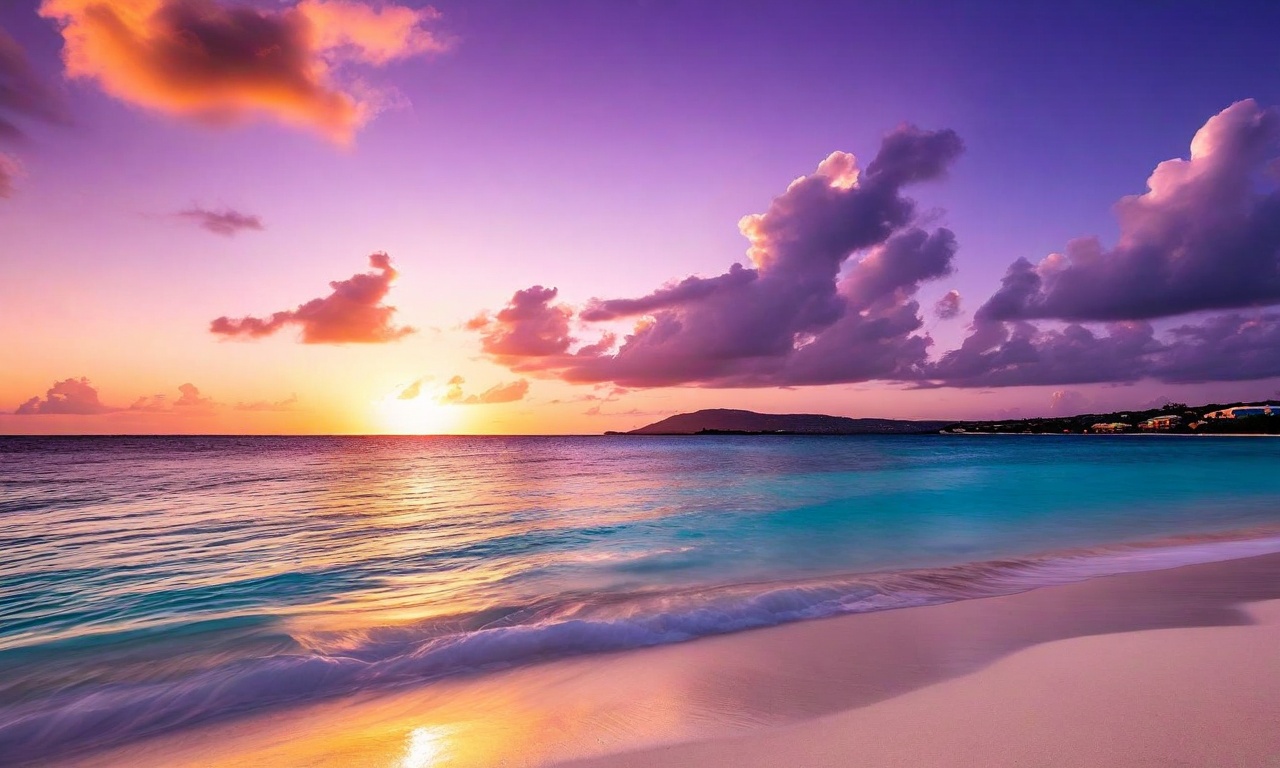
For the best experience, plan a lazy afternoon: swim, beachcomb, perhaps lunch at Garvey's Sunshine Shack for local fare, then linger for sunset when the mountains of Saint Martin turn purple and gold.
The island's fishing and yachting hub, backed by a saltwater lagoon.
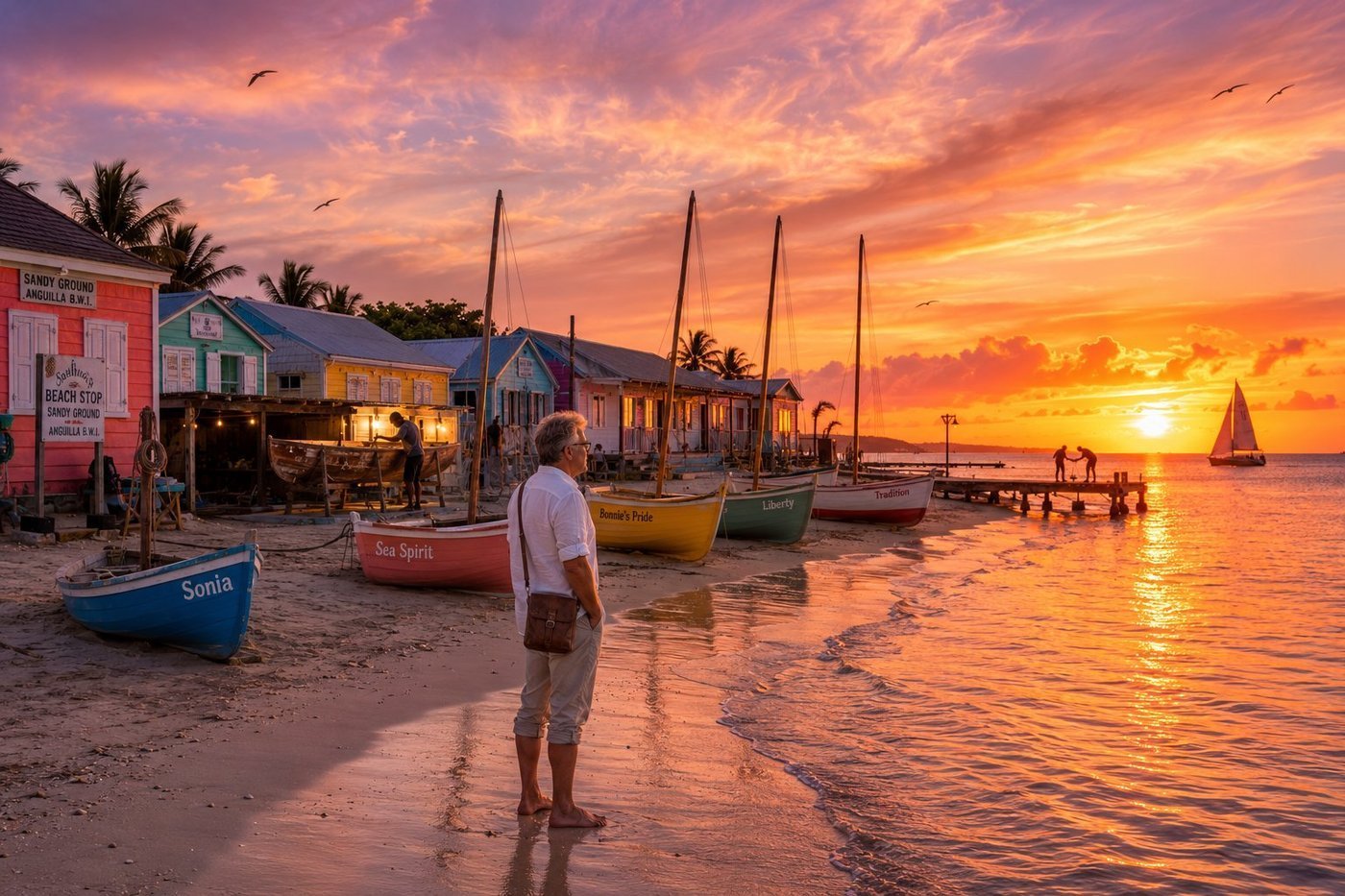
Sandy Ground occupies a special place in Anguillian identity — part fishing village, part beach community, part nightlife center. This narrow strip of sand separating Road Bay from the Salt Pond was historically where fishing boats launched and salt was harvested; today it retains that working character while also hosting many of the island's liveliest bars and restaurants.
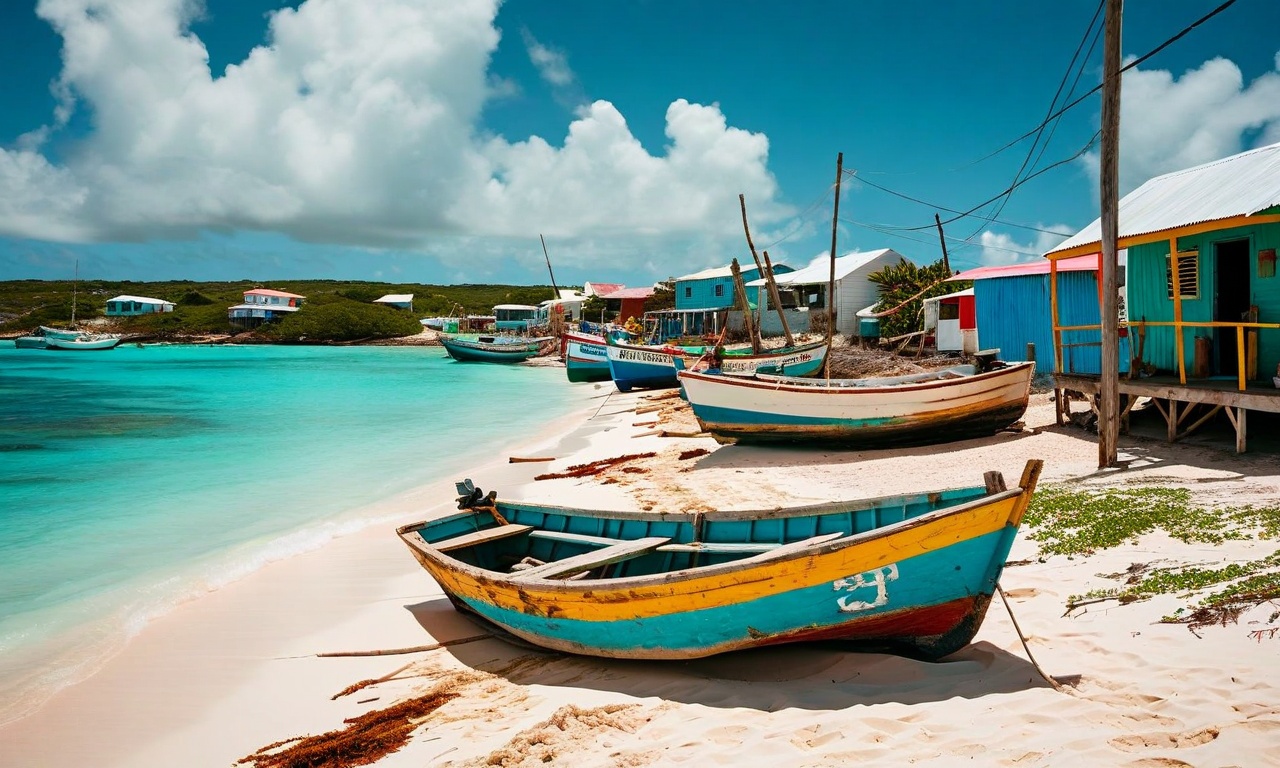
The Road Bay waterfront serves as an informal harbor where colorful fishing boats bob alongside sailing yachts — mornings bring fishermen cleaning their catch while pelicans wait hopefully for scraps. The beach is serviceable rather than spectacular; this is a place for atmosphere, not pristine swimming, though the water is clean and calm enough for an afternoon dip between lunch and sunset drinks.
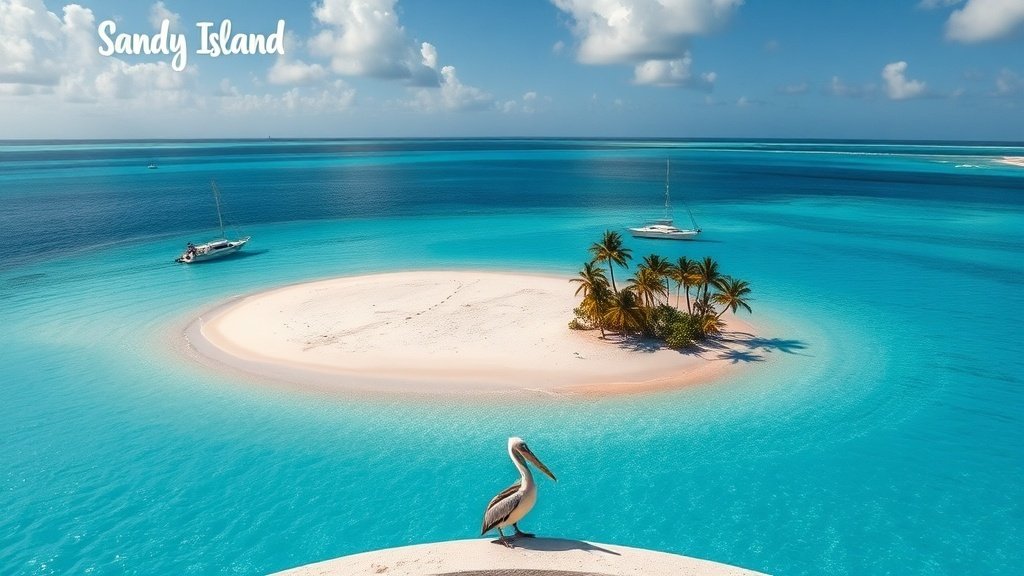
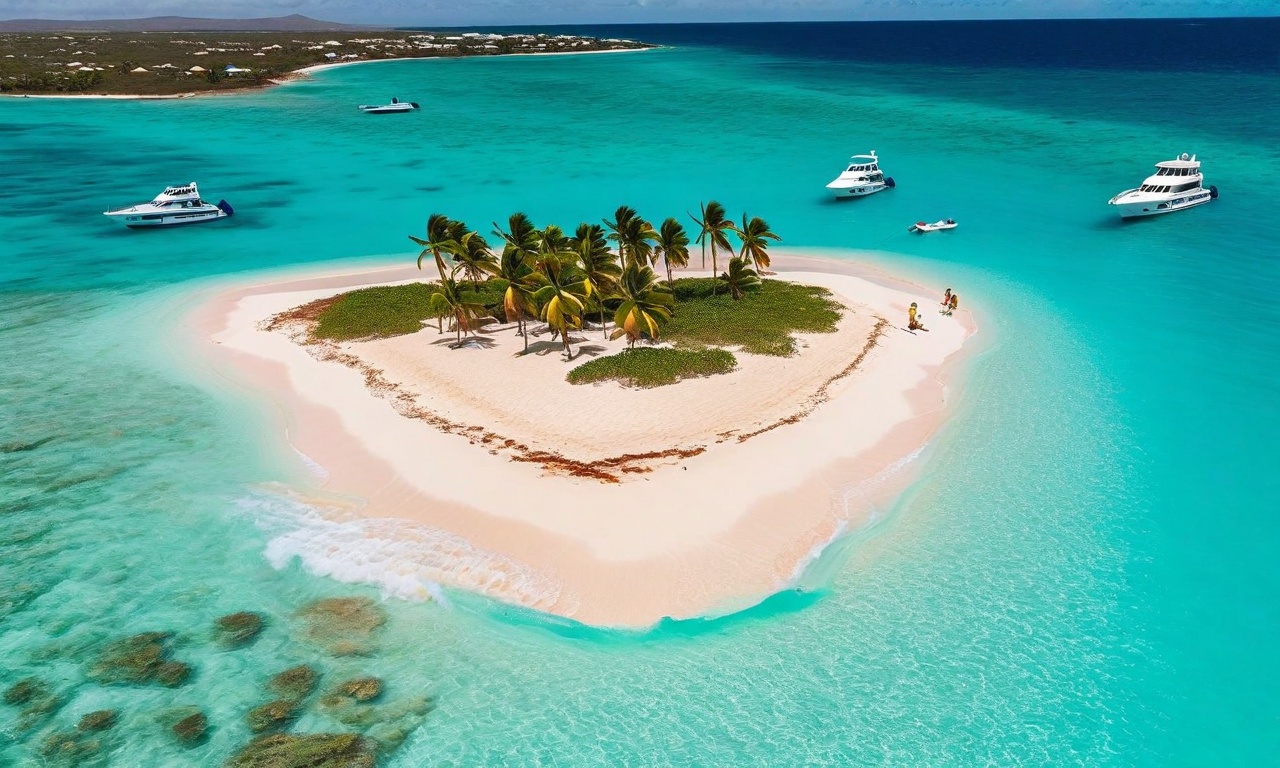
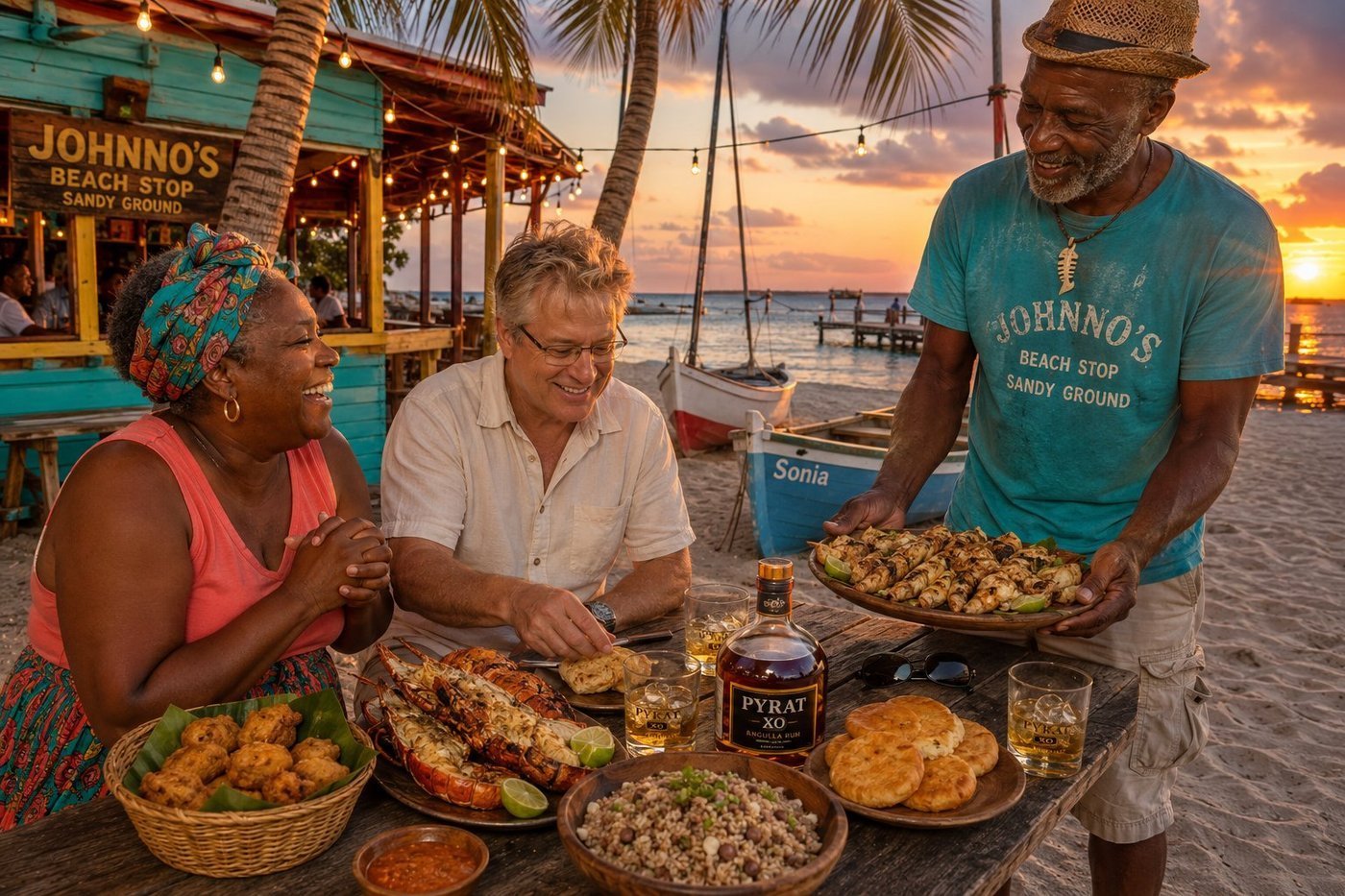
Sandy Ground transforms after dark. Elvis' Beach Bar serves legendary rum punches and plays live music most nights. Johnno's has anchored the scene for decades, offering cold beers and fresh fish in a sandy-floor setting. The Pump House, built in a restored historic structure, brings craft cocktails and sophisticated small plates. On weekends, the strip buzzes with locals and visitors mingling freely — and from here, boats run out to Sandy Island, a tiny offshore cay ringed by coral reef with a single beach shack serving grilled lobster and rum punch.
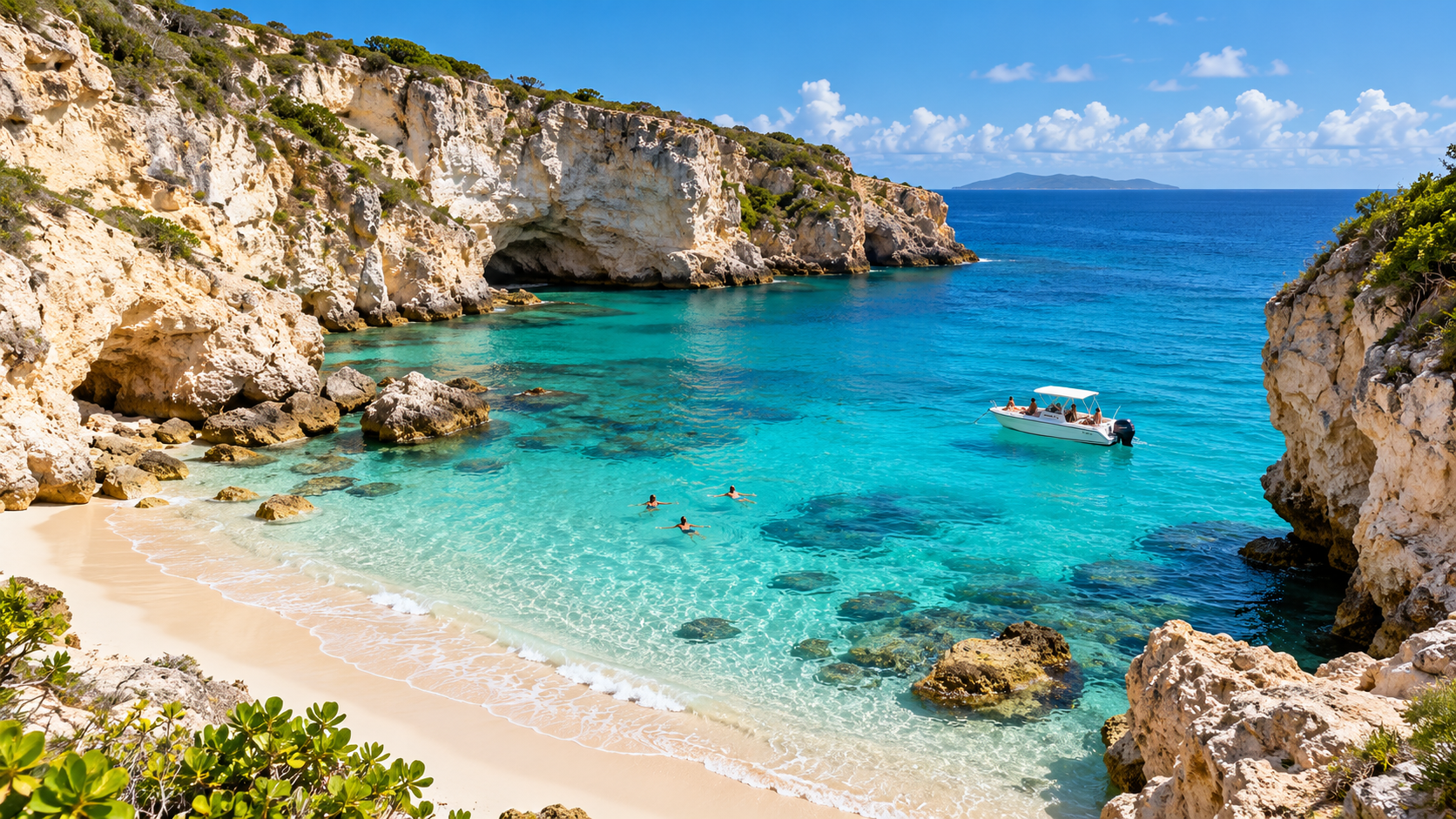
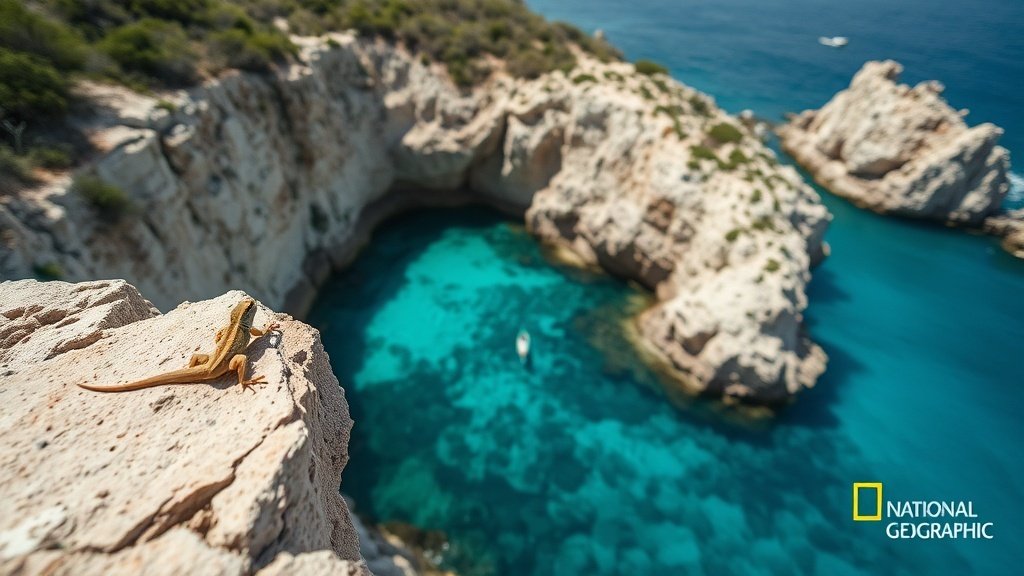
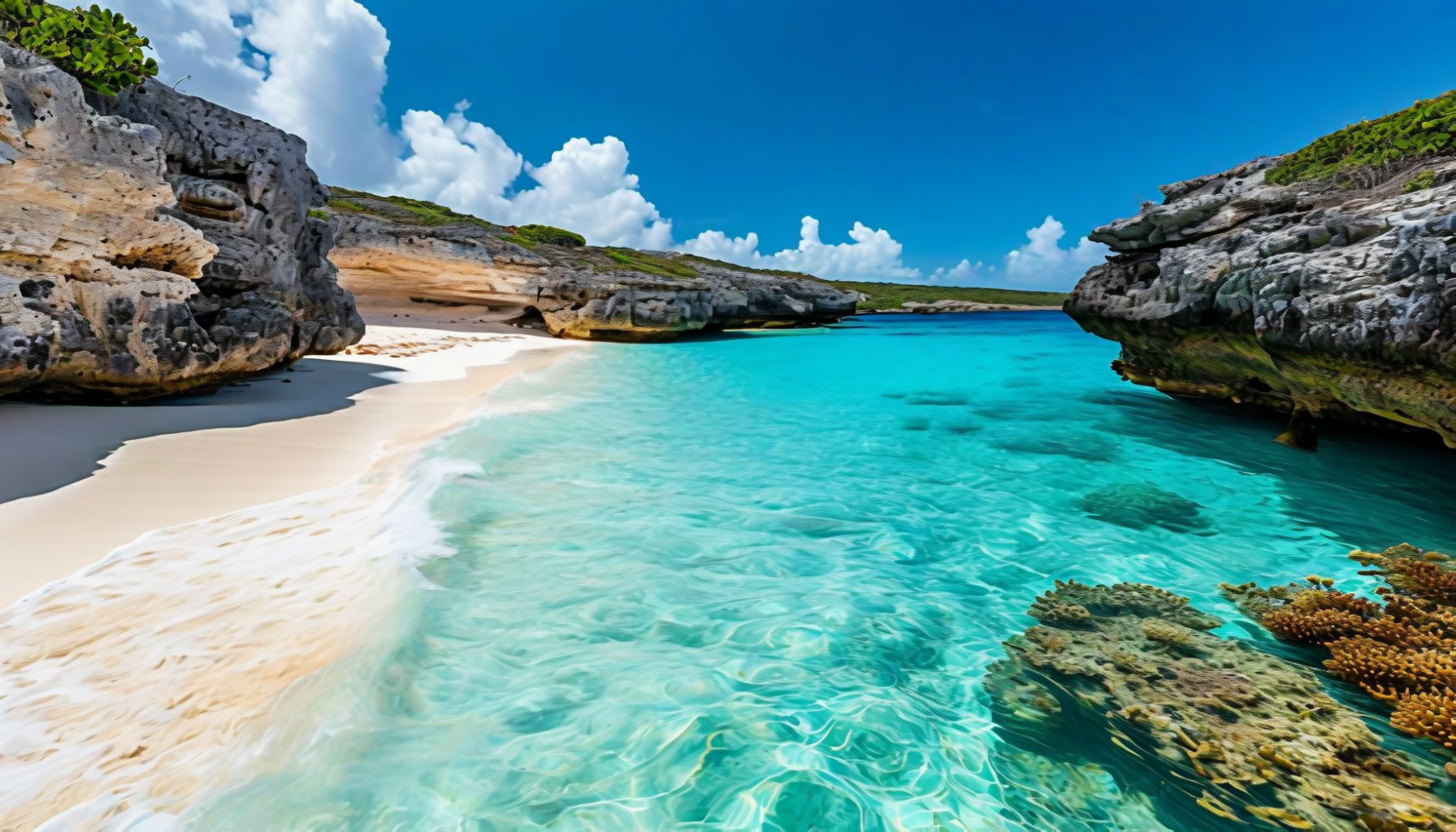
Little Bay is a pocket of pale sand enclosed by limestone cliffs on Anguilla's north coast. It is normally reached by small boat, although confident locals sometimes use the fixed rope down the rock face. The sheltered water can be exceptionally clear, and the cliff edges attract seabirds as well as swimmers looking for a quieter cove.
The bay's small size is part of its charm and its vulnerability. Bring little, remove everything, and avoid climbing or jumping unless conditions and local guidance are unquestionably safe. Boat transfers from Crocus Bay are the sensible option for most visitors, especially when swell or wet rock makes the rope hazardous.
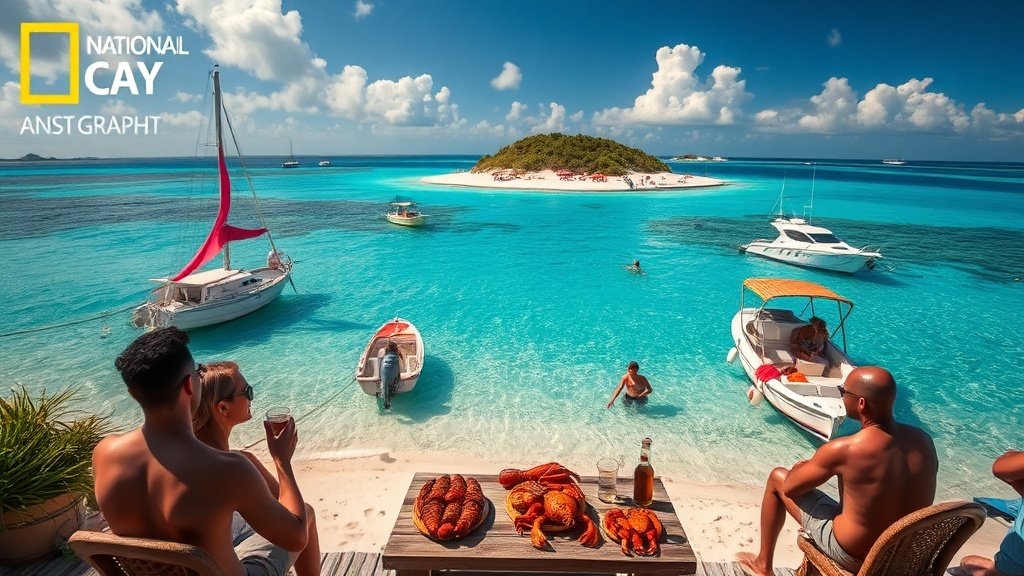
Anguilla's offshore cays turn lunch into a small sea journey. Sandy Island is a narrow ribbon of sand with a beach bar; Scilly Cay sits just off Island Harbour; Prickly Pear Cays combine reef snorkeling with bright white beaches. Scrub Island, larger and wilder, carries traces of earlier settlement and exposed Atlantic scenery.
Conditions determine everything. Wind and swell can cancel departures or make landing uncomfortable, and the cays have limited shade, water and waste facilities. Book with a licensed operator, confirm what is included, carry reef-safe sun protection and never assume a return schedule without checking it directly.
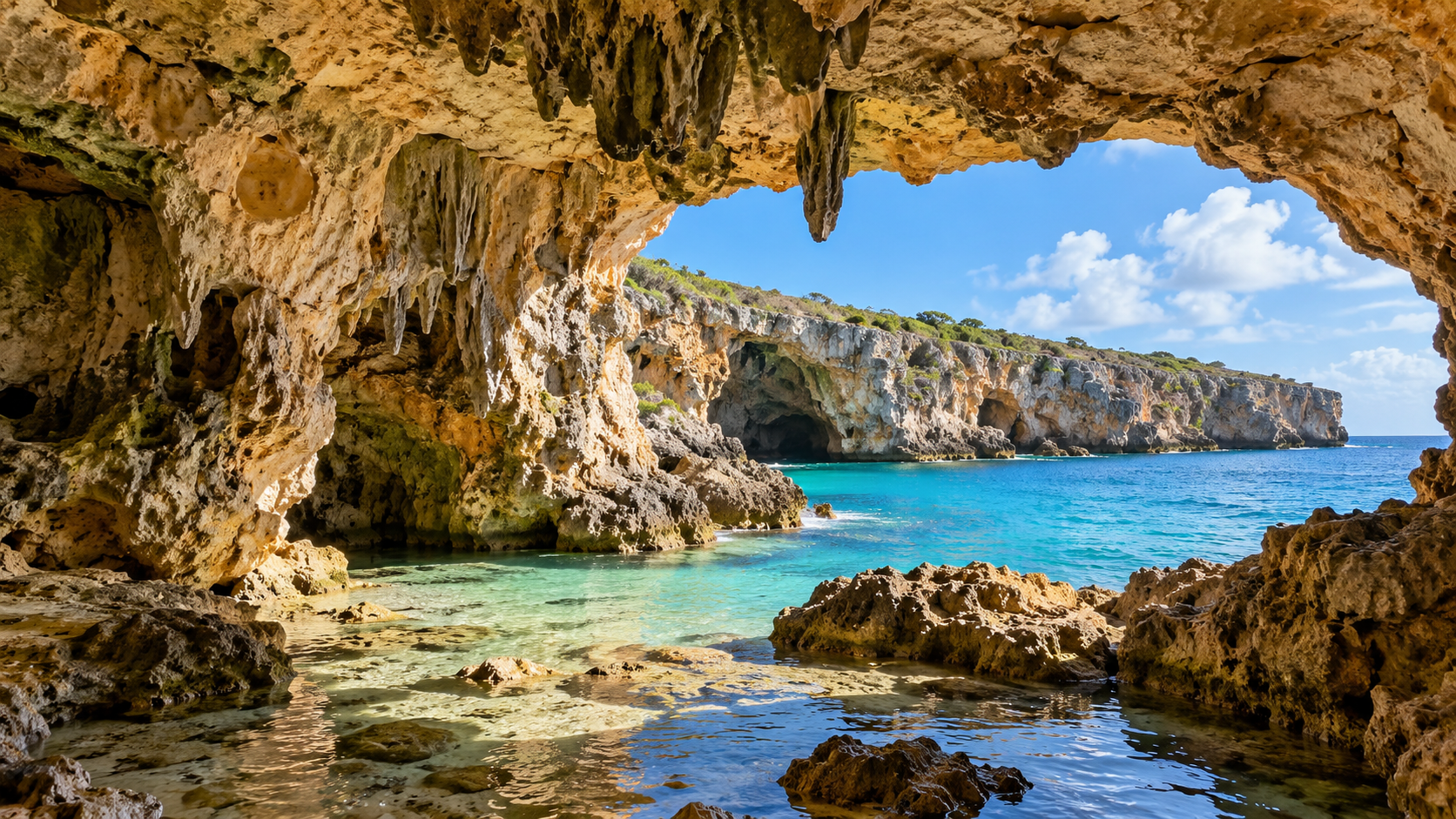
Anguilla is built largely from coral limestone, a geology that explains its flat profile, pale soils, sinkholes and caves. Rainwater filters rapidly through porous rock instead of forming rivers, collecting underground or in cisterns. Erosion has carved sea cliffs, blowholes and sheltered coves around the island's edges.
Caves are cultural sites as well as geological ones. Fountain Cavern holds nationally important Indigenous carvings, while smaller cavities shelter bats and delicate mineral formations. Enter only where access is explicitly permitted, never remove stone or artifacts, and remember that apparently solid limestone edges can be brittle after heavy rain and salt exposure.
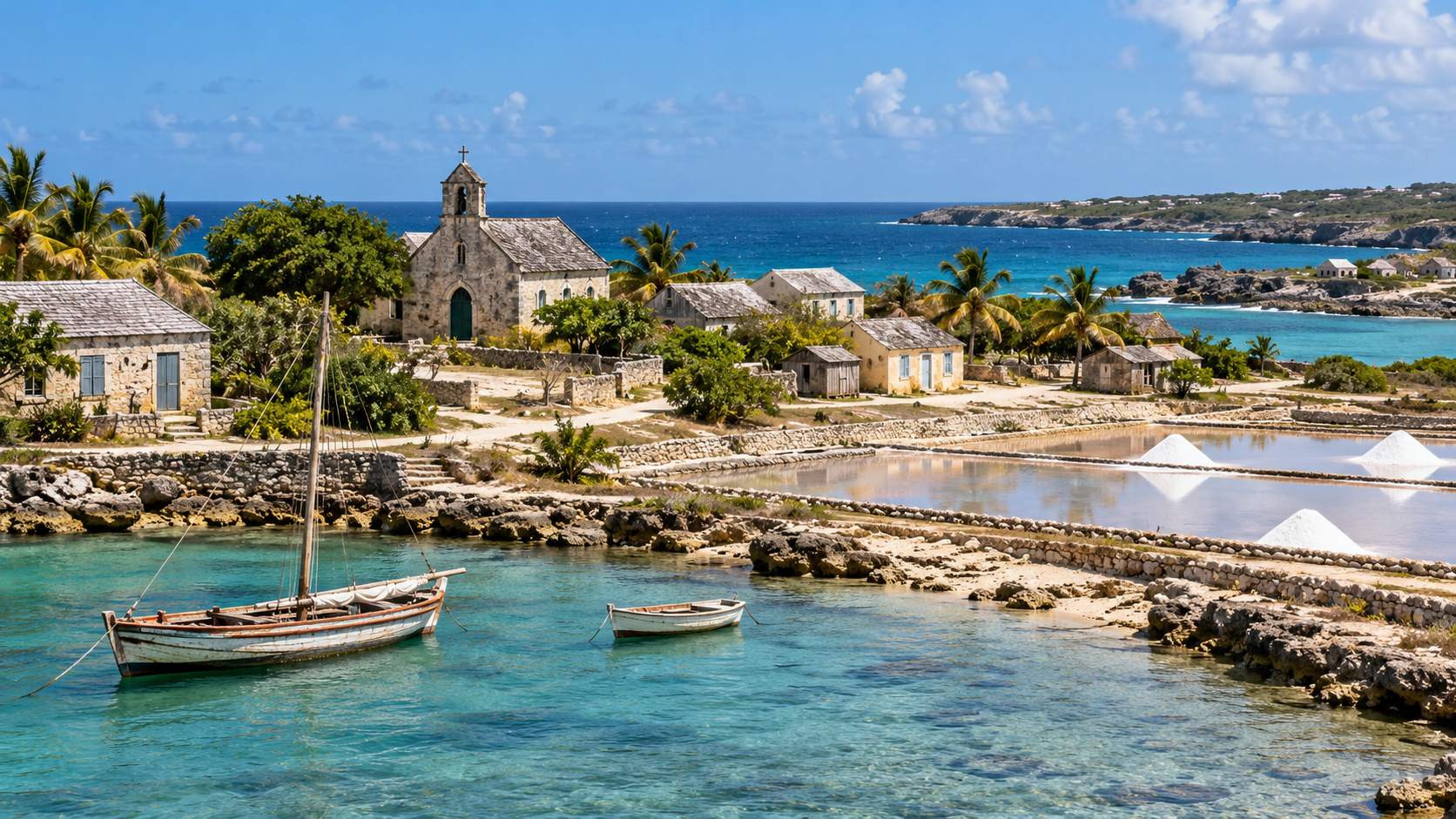
For centuries, Anguilla's salt ponds were workplaces. Seawater evaporated in shallow basins and salt was harvested for export, providing one of the few reliable cash industries available on the dry island. Road Bay Pond, Cauls Pond and other wetlands still mark the landscape even though commercial production has ended.
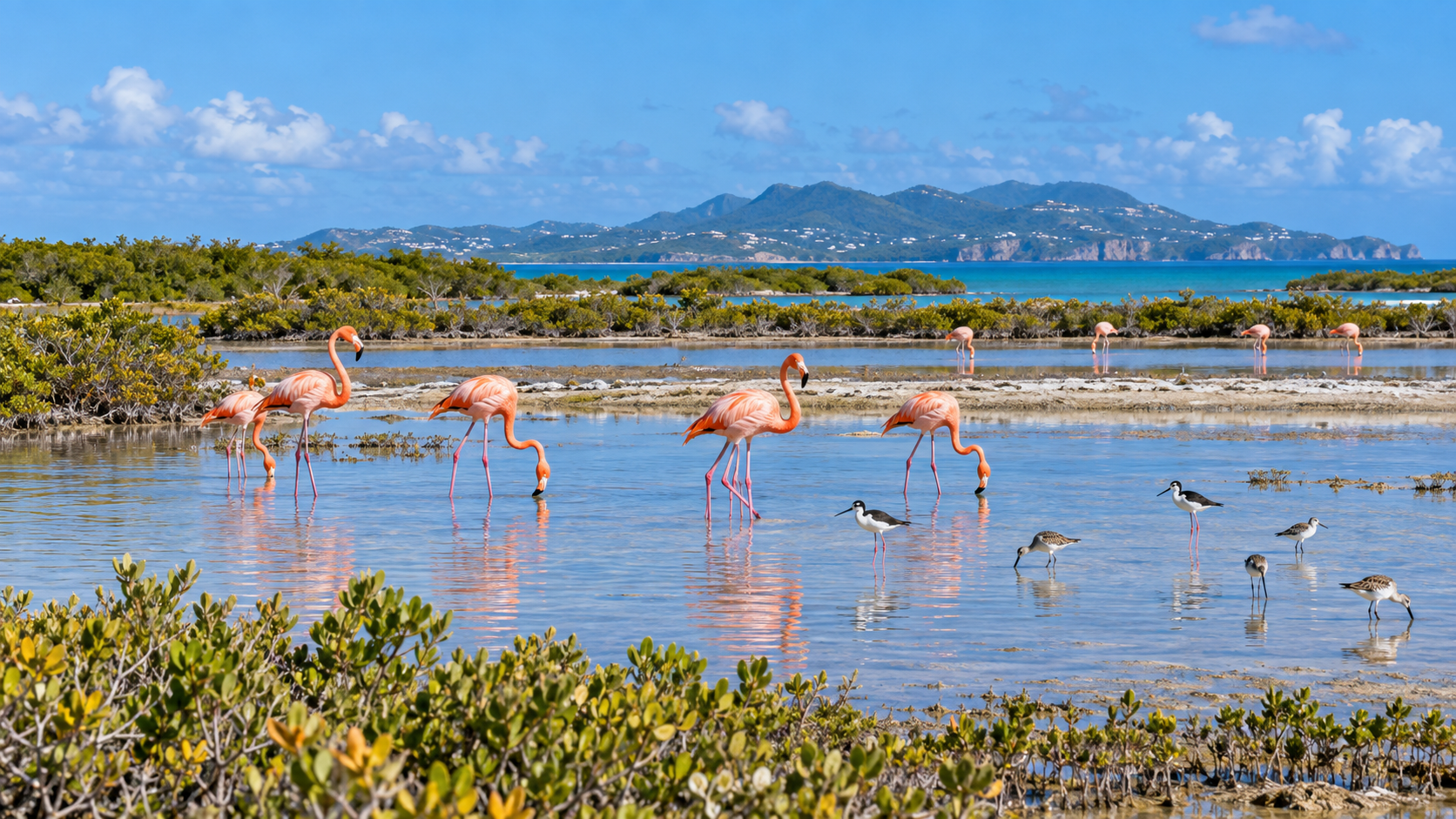
Today these ponds are valuable wildlife habitat and storm-water buffers. Wading birds, herons and migratory species feed along their margins, while the open water gives villages a distinctive sense of space. Observe from roads or designated points, keep well back from nesting birds and never treat the ponds as empty land awaiting development.
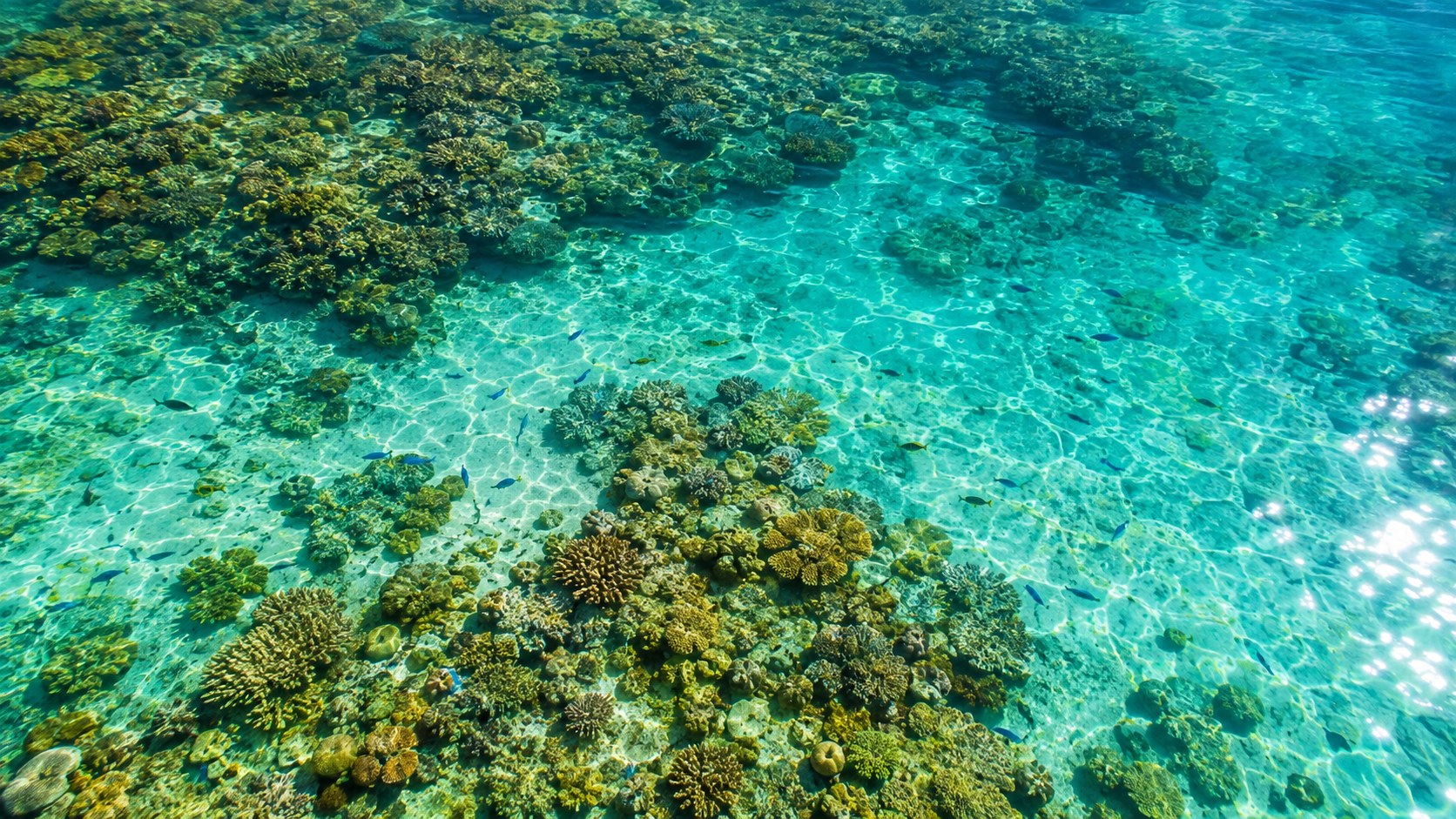
Anguilla's transparent water makes reef life easy to glimpse. Shoal Bay East, Little Bay and the Prickly Pear Cays are common snorkeling choices, with coral heads, seagrass beds and reef fish close enough for relaxed exploration in suitable conditions. Visibility can be excellent, but wind and currents vary sharply between the protected Caribbean side and the Atlantic coast.
Reefs are living structures, not scenery to stand on. Keep fins clear of coral, do not feed fish or collect shells, and choose a flotation aid if your swimming confidence is limited. A local guide adds far more than directions: operators know seasonal currents, safe entries and the sites most likely to spread visitor pressure responsibly.
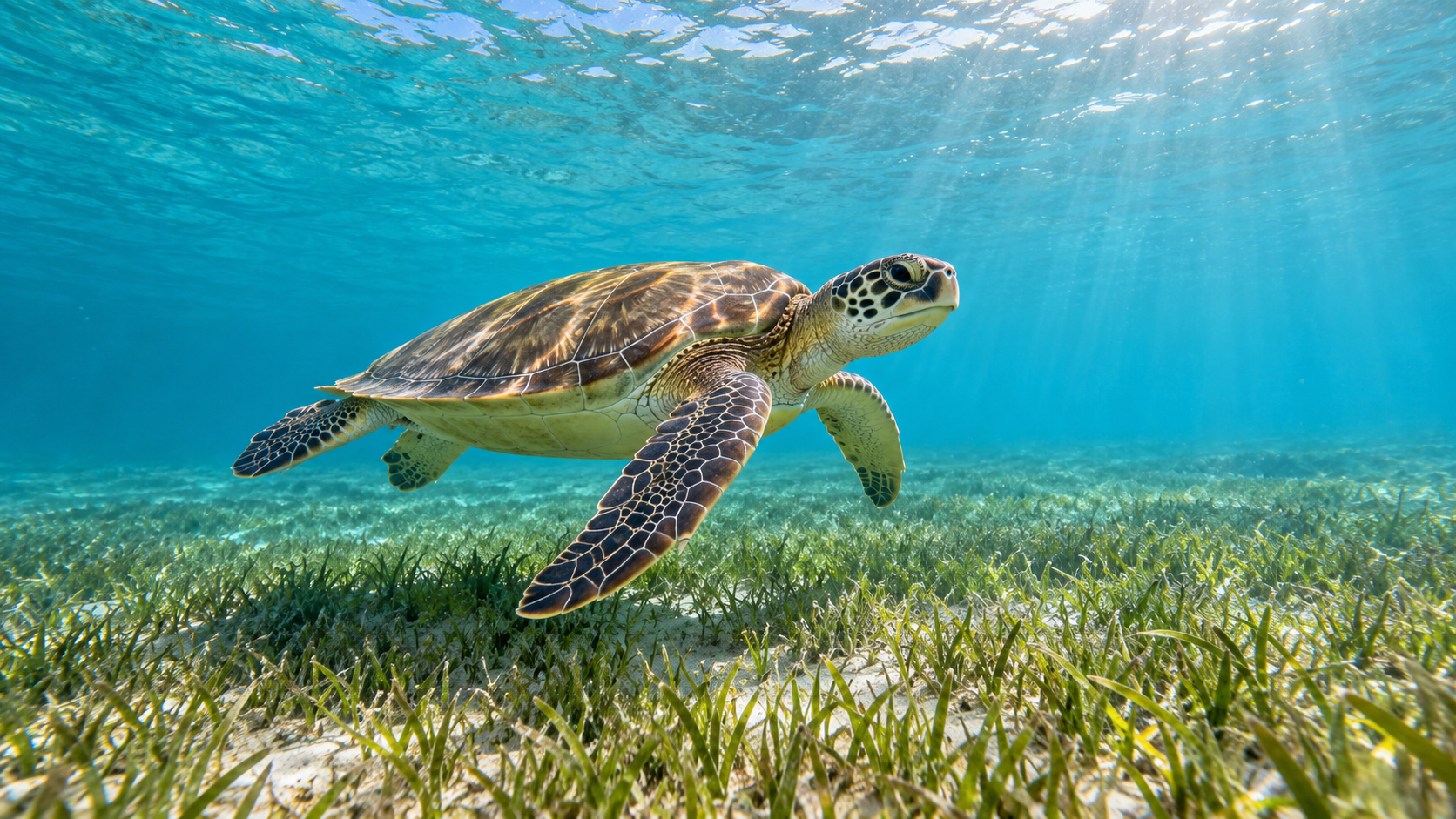
Green and hawksbill turtles feed in Anguilla's seagrass beds and reefs, while several beaches provide nesting habitat. Encounters are most rewarding when they remain on the animal's terms: float quietly, keep distance and never chase, touch or block a turtle rising to breathe.
During nesting season, beachfront lighting, furniture and noise can disorient adults and hatchlings. Travelers can help by keeping beaches dark at night, filling holes in the sand and following local conservation guidance. Conch, lobster and other marine species are also regulated seasonally; responsible restaurants and fishers will know what can legally and sustainably be served.
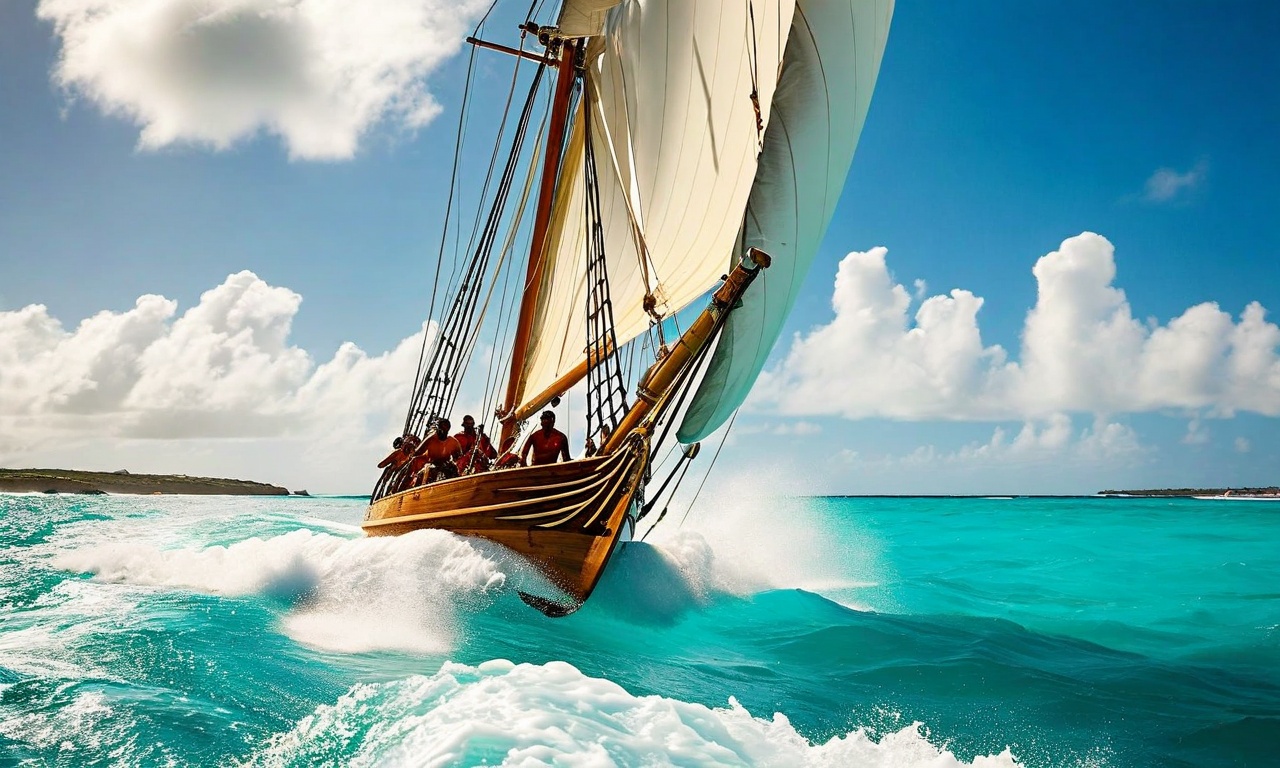
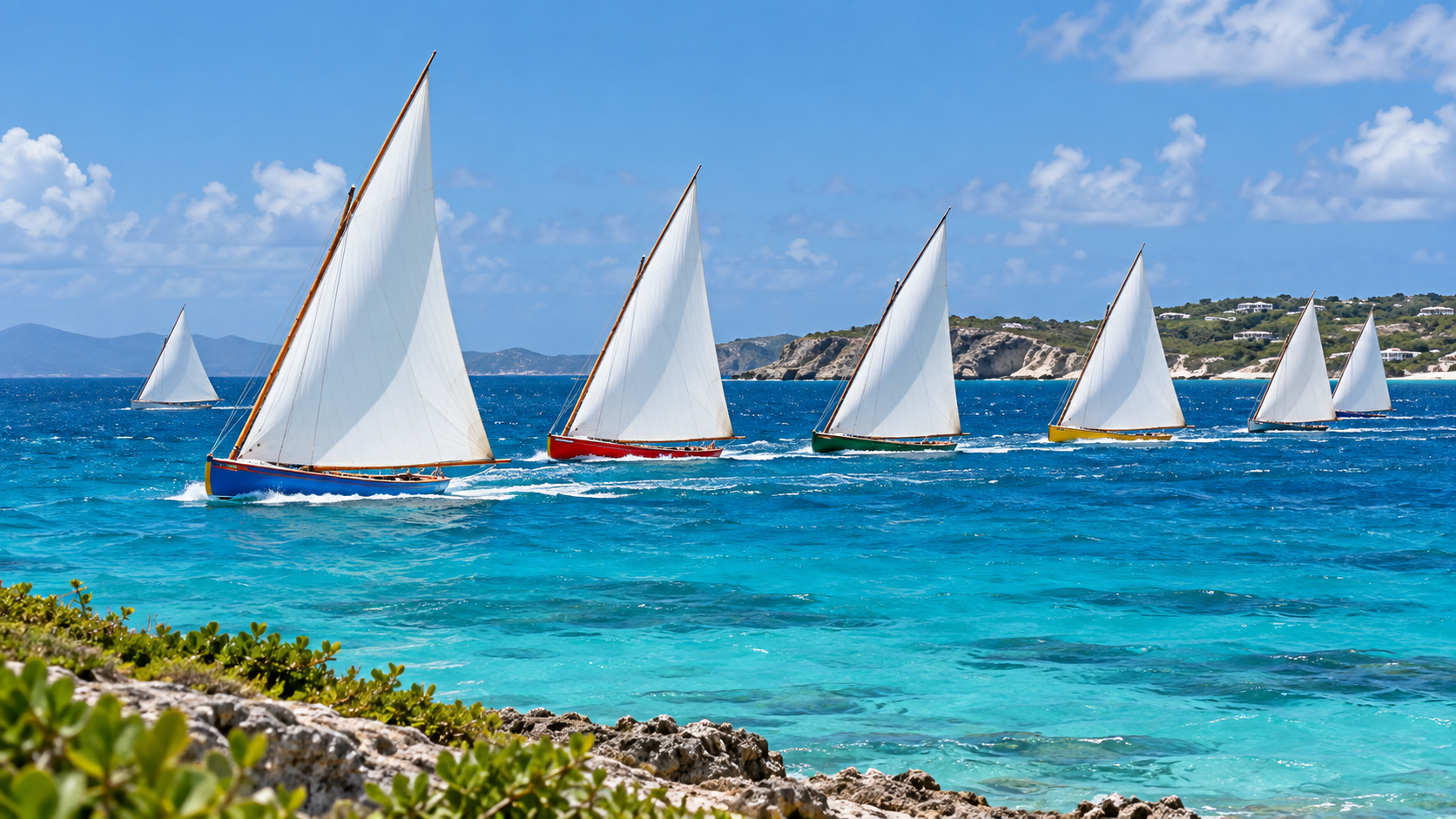
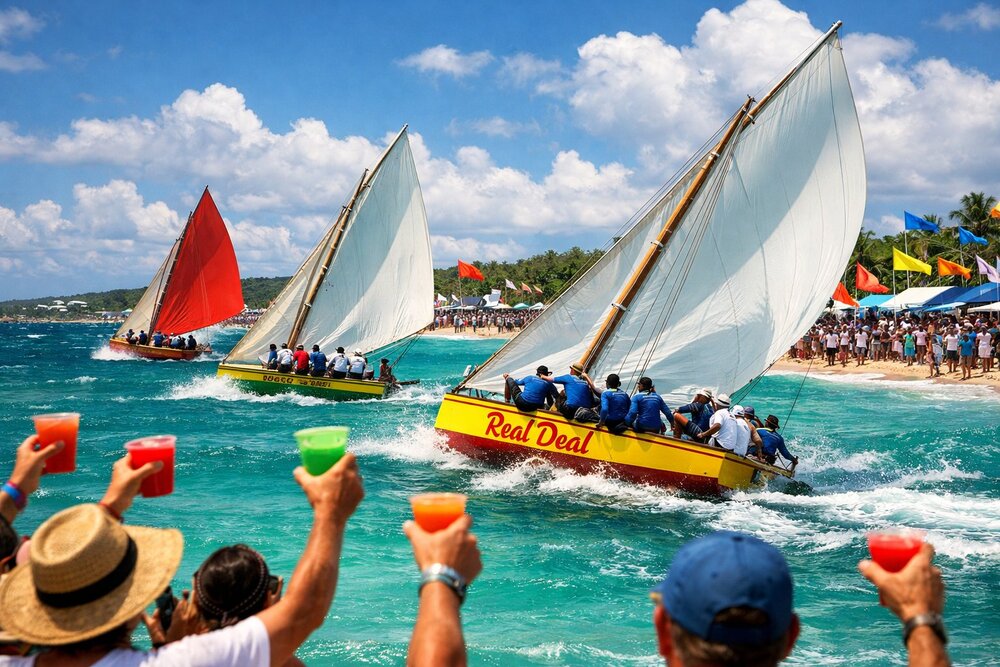
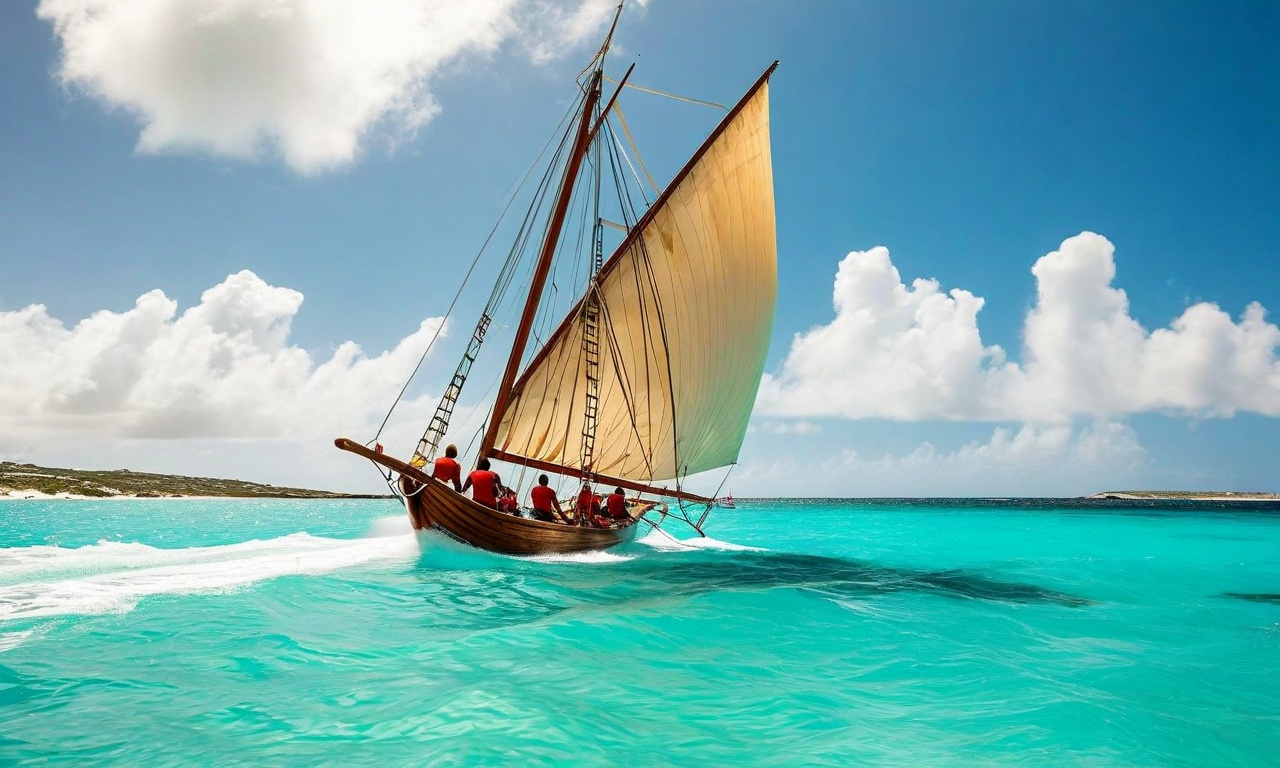
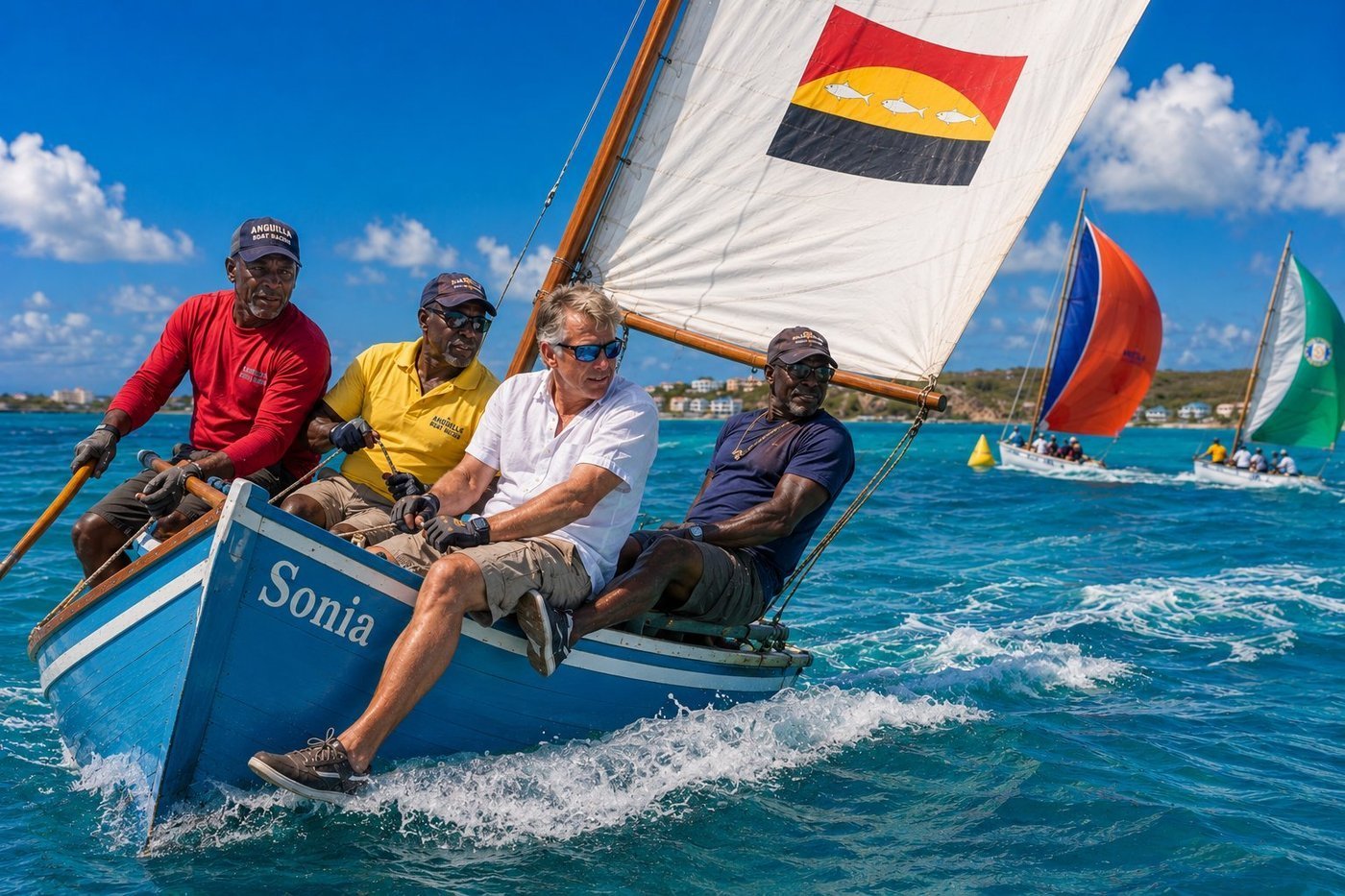
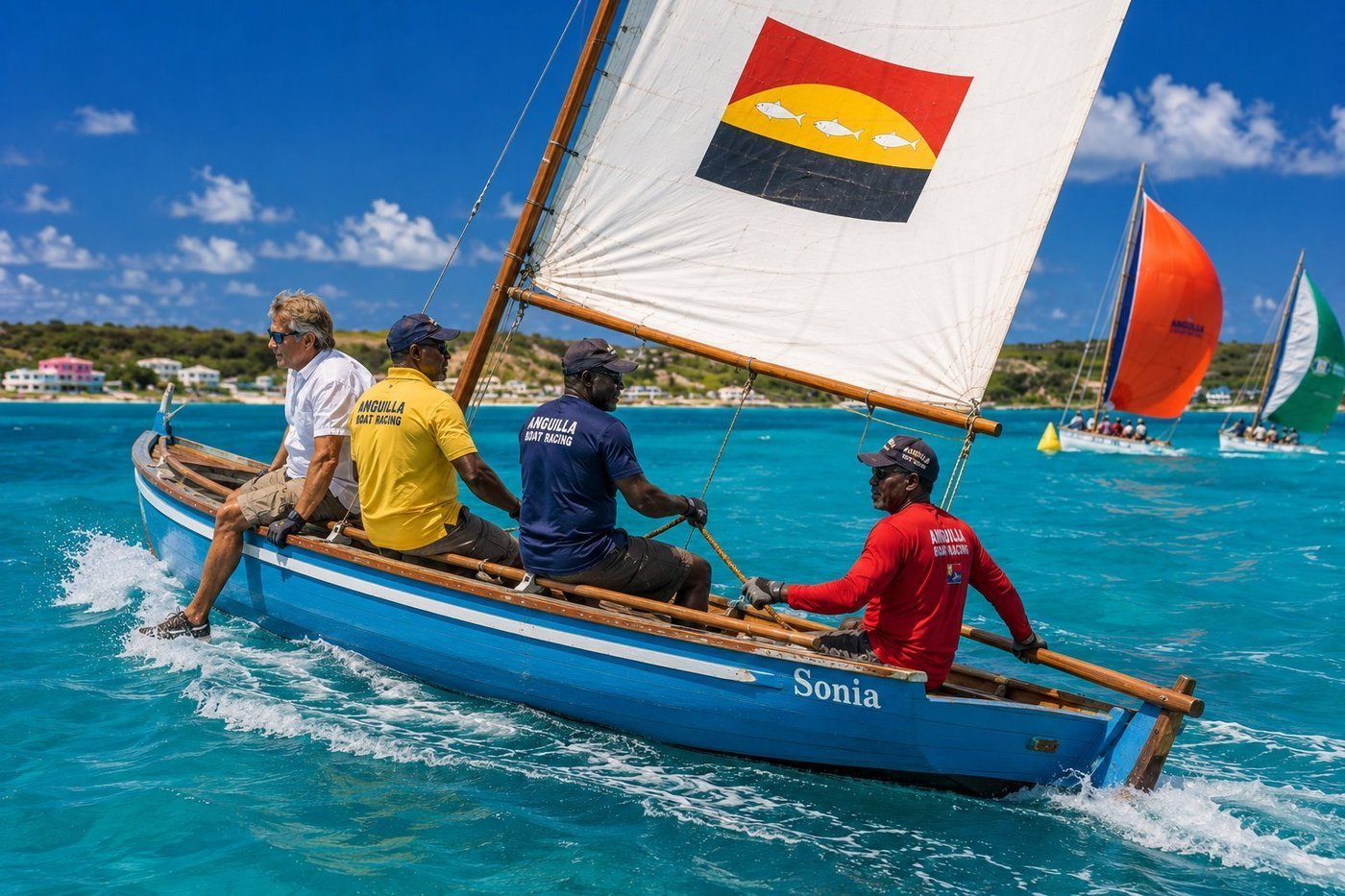
Sailing is Anguilla's national sport and one of its clearest expressions of collective identity. Traditional racing sloops evolved from working boats used for fishing and inter-island trade. Their broad hulls, towering sails and large crews create races that are tactical, physical and intensely supported from shore.
Major race days turn bays and roadsides into public grandstands. Spectators follow boats by car, gather at turning points and argue over crews with the loyalty reserved elsewhere for football clubs. The spectacle is not staged for visitors; it belongs to local history. Ask before boarding or photographing crews at close range, and leave working space around hauled-out boats.
Anguilla's sound moves between soca, calypso, reggae, gospel and the scratch-band tradition of rhythm instruments, percussion and improvised energy. Music is social infrastructure: it animates church gatherings, beach bars, boat-race celebrations and the long nights of the Summer Festival.
The island has produced internationally recognized performers while retaining an intimate live scene. Bankie Banx's association with the Dune Preserve helped make Rendezvous Bay a landmark for Caribbean music, but smaller venues and community events often offer the most revealing experience. Check schedules locally, arrive without demanding a resort timetable and support musicians directly when possible.
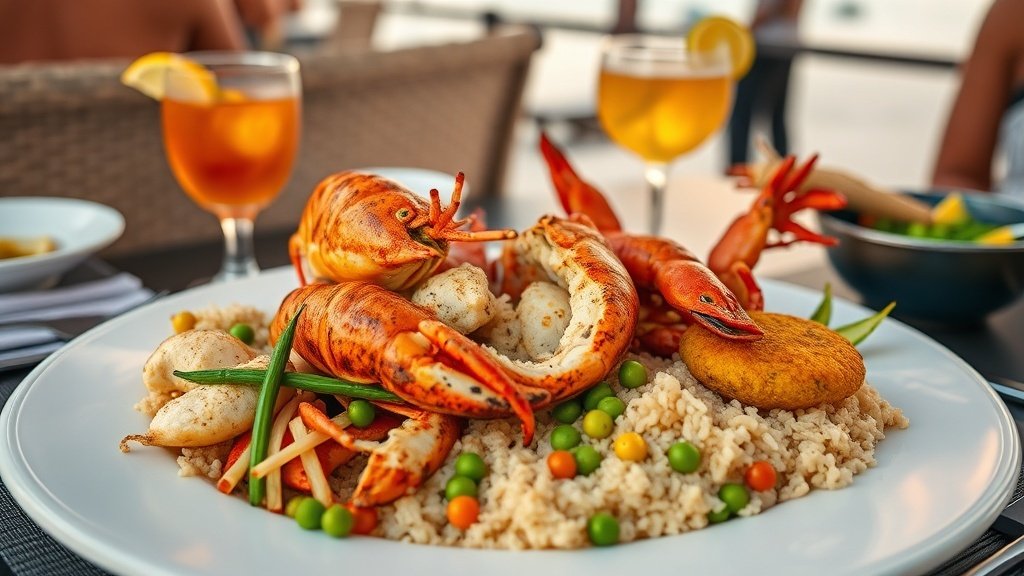
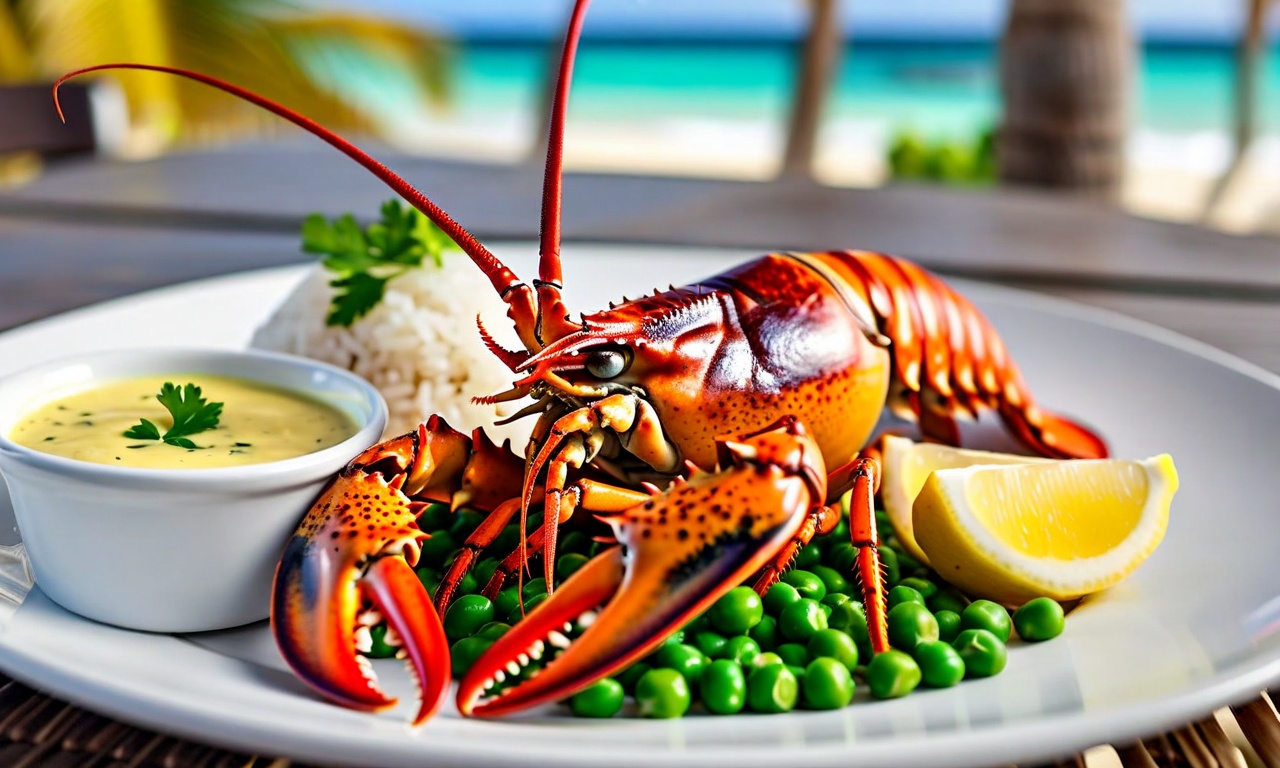
Anguilla calls itself the "Culinary Capital of the Caribbean," and the grilled crayfish, rice and peas, and Johnny cakes back it up — more acclaimed restaurants per capita than any island its size. Read the full Food & Drink guide, with recipes and cocktails →
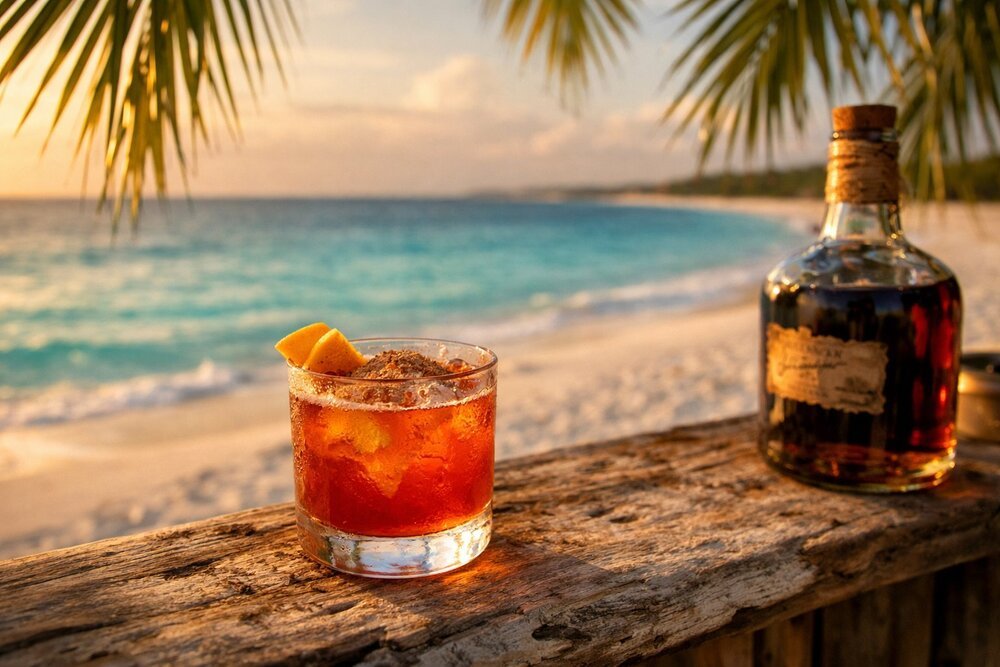
No vineyards on this flat coral island, and no working distillery either — Pyrat Rum, conceived here in 1997 and later acquired by Patrón Spirits, was blended and bottled on Anguilla until the plant closed in 2014. What remains is a legendary beach-bar rum-punch culture built on imported Caribbean rum. See the full Wine & Spirits guide, with tasting scores →
Anguilla enjoys a tropical climate moderated by steady trade winds, with temperatures ranging 24–31°C (75–88°F) year-round. Dry season (December–April) brings the best weather and highest prices — sunny, low humidity, minimal rain, peak season crowds (relatively speaking). Wet season (May–November) sees more rain (often brief afternoon showers) and higher humidity, with the Atlantic hurricane season running June through November, peaking August–October.
Best time to visit: mid-April to June or November offers a sweet spot — good weather, lower prices, fewer crowds, before or after the winter rush. Christmas/New Year and February are the most expensive, most crowded weeks; book far ahead if traveling then.
Via St. Maarten (most common): Fly to Princess Juliana International Airport (SXM) in Dutch St. Maarten — one of the Caribbean's major hubs with direct flights from New York, Miami, Atlanta, Toronto, Paris, and Amsterdam. From SXM, take a taxi to the Marigot ferry terminal on the French side (20 minutes, ~$25), then the public ferry to Blowing Point, Anguilla (20–25 minutes, $30 one-way).
Direct flights: Clayton J. Lloyd International Airport (AXA) has grown fast. American Airlines has served Anguilla from Miami since 2021 and now runs double-daily Miami service plus a third Saturday rotation and seasonal flights from New York (JFK); Cape Air connects San Juan (SJU); and BermudAir's AnguillAir brand added Embraer service from Baltimore/Washington (BWI), Boston and Newark in the 2025–26 winter season, with Tampa (via Providenciales) and Toronto announced for 2026–27.
Airport works: the new passenger terminal — about 4,500 m² (48,000 sq ft), more than double the old one, with 240 departure seats, a mezzanine bar and lounge and upgraded screening — was inaugurated on 12 December 2025 and handled its first flights on 15 December 2025. Demolition of the old terminal began on 12 January 2026 as the first phase of the runway extension (Aecon with local firm Kelly Construction), which will lengthen the strip eastward from 1,633 m to about 2,069 m and widen it to 45 m so that A220/E190-class jets of up to 120 seats can land — part of an EC$473 million airport master plan funded largely by .ai domain revenue. Expect works-related detours at AXA through 2026.
Private charter: Anguilla Air Services and Trans Anguilla offer charter flights from SXM (10 minutes, ~$100/person each way) — worth it for convenience and dramatic aerial views of both islands.
Getting around: Rent a car (recommended for exploring) — roads are good, traffic minimal, driving is on the left. Taxis are available but expensive for multiple trips; many visitors rent a car for some days and rely on hotel shuttles or taxis for others.
Government: Anguilla is a British Overseas Territory. Premier Cora Richardson-Hodge (Anguilla United Front) took office on 27 February 2025 as the territory's first woman Premier, after her party won the February 2025 general election. The Crown is represented by Governor Julia Crouch, sworn in on 11 September 2023, who retains responsibility for defence, foreign affairs, internal security and the public service.
Documents: Valid passport required (six months' validity beyond your departure date is the safe standard); no visa needed for US, UK, EU, Canadian, Australian, New Zealand or Japanese citizens for stays up to 90 days. Proof of onward travel, accommodation and sufficient funds may be requested at the border. A return/onward ticket may be requested. Departure tax of $28 USD is often already included in ferry/flight tickets.
Money: East Caribbean Dollar (XCD) is official, but US Dollars are accepted everywhere at roughly 2.70 XCD = $1 USD. Credit cards work at hotels, restaurants, and larger shops; cash is preferred at beach bars and small vendors. ATMs are available at banks in The Valley.
Communications: FLOW and Digicel provide mobile service; foreign phones may roam but at high rates. WiFi is common at hotels and restaurants. Calling code: +1 264.
Electricity: 110V/60Hz with US-style plugs — American devices work without adapters; European and UK visitors need converters.
Health & Safety: No vaccinations required. Tap water is safe (usually desalinated or collected rainwater). Medical facilities are basic — serious cases evacuate to St. Maarten or Puerto Rico. Crime is minimal; exercise normal precautions, and take sun protection seriously — the Caribbean sun is intense.
Tipping: 15–20% at restaurants (some add an automatic service charge — check the bill). Tip housekeeping $3–5/day; beach chair or umbrella attendants appreciate $5–10.
Anguilla is not a budget destination — the island has deliberately positioned itself in the luxury market. That said, costs vary dramatically based on accommodation choices and dining habits.
💵 Sample Prices (USD, 2026)
Luxury resort: $800–2,500/night
Boutique hotel: $300–600/night
Villa rental: $400–5,000/night
Guesthouse: $150–250/night
Fine dining: $100–200/person
Beach bar meal: $25–50
Local restaurant: $15–30
Grilled lobster: $45–75
Rum punch: $8–15
Car rental: $55–85/day
Ferry (SXM): $30 one-way
Taxi (airport): $25–40
Budget approach ($200–300/day per couple): guesthouse or Airbnb, some self-catering, local spots and beach shacks, limited fine dining. Mid-range ($400–600/day): boutique hotel, a mix of casual and nice restaurants, car rental, some activities. Luxury ($1,000–3,000+/day): five-star resort, fine dining, charter boats, spa treatments.
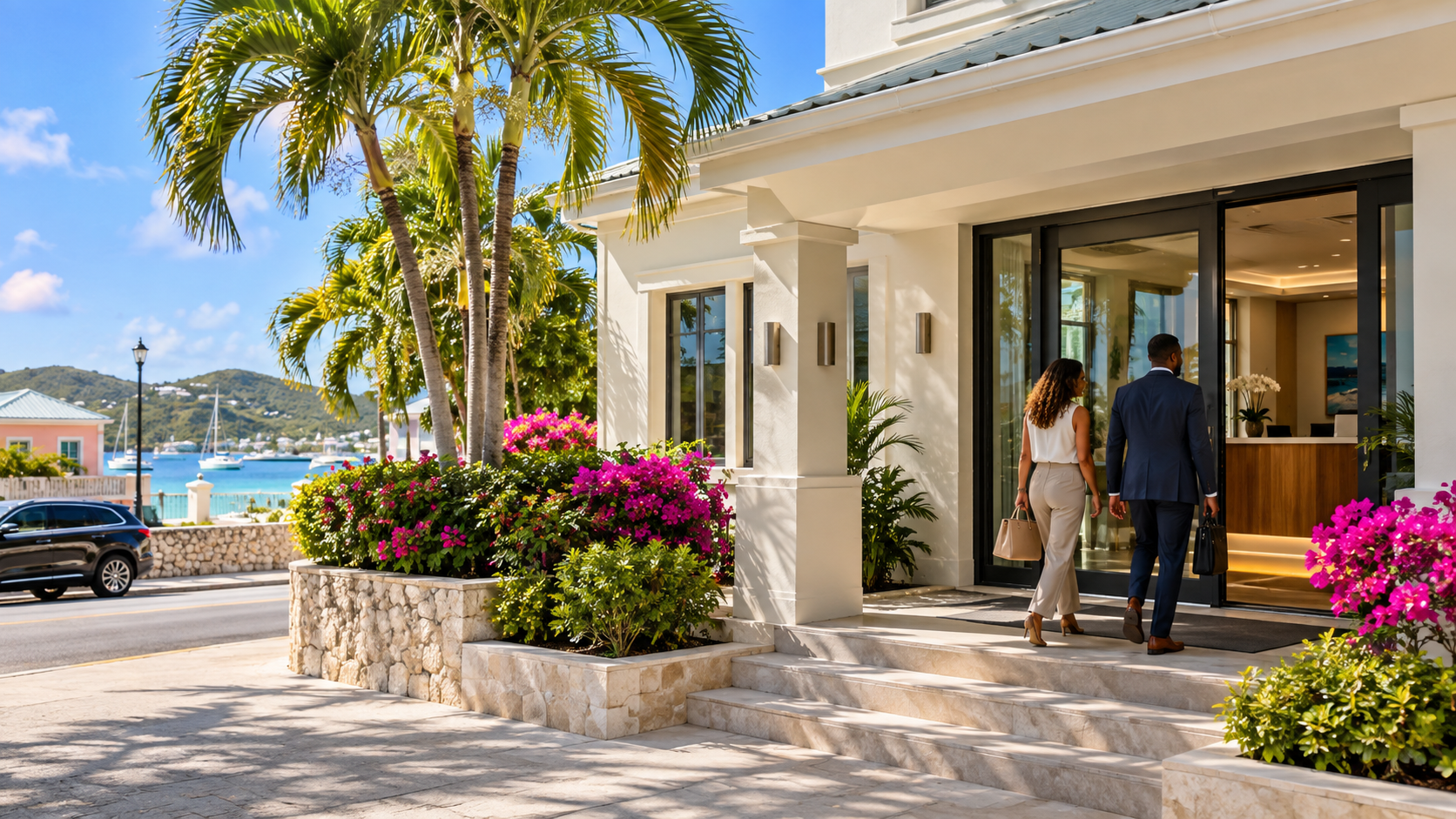
Luxury Resorts: Four Seasons Anguilla (Meads Bay/Barnes Bay) sets the standard with 181 rooms, multiple pools, spa, and golf. Malliouhana (Meads Bay) offers legendary Caribbean elegance. Belmond Cap Juluca (Maundays Bay) combines Moorish-inspired beach villa luxury with world-class service. Aurora Anguilla Resort & Golf Club (Rendezvous Bay) is the reborn CuisinArt — 178 suites, seven restaurants, a 27,000 sq ft spa and the island's only golf course, relaunched in November 2021 after a top-to-bottom rebuild.
Boutique Hotels: Frangipani Beach Resort (Meads Bay) offers beachfront charm at lower price points; Carimar Beach Club (Meads Bay) provides excellent value with direct beach access; Shoal Bay Villas brings intimate accommodation to the island's best beach.
Villas & Guesthouses: Private villa rentals range from modest two-bedrooms to multi-million-dollar compounds (VRBO, Airbnb, or agencies like Island Escapes) — sensible for families, groups, or longer stays. Simple guesthouses like Sydans Apartments and Easy Corner Villas run $100–200/night; don't expect resort amenities, but staff are friendly.
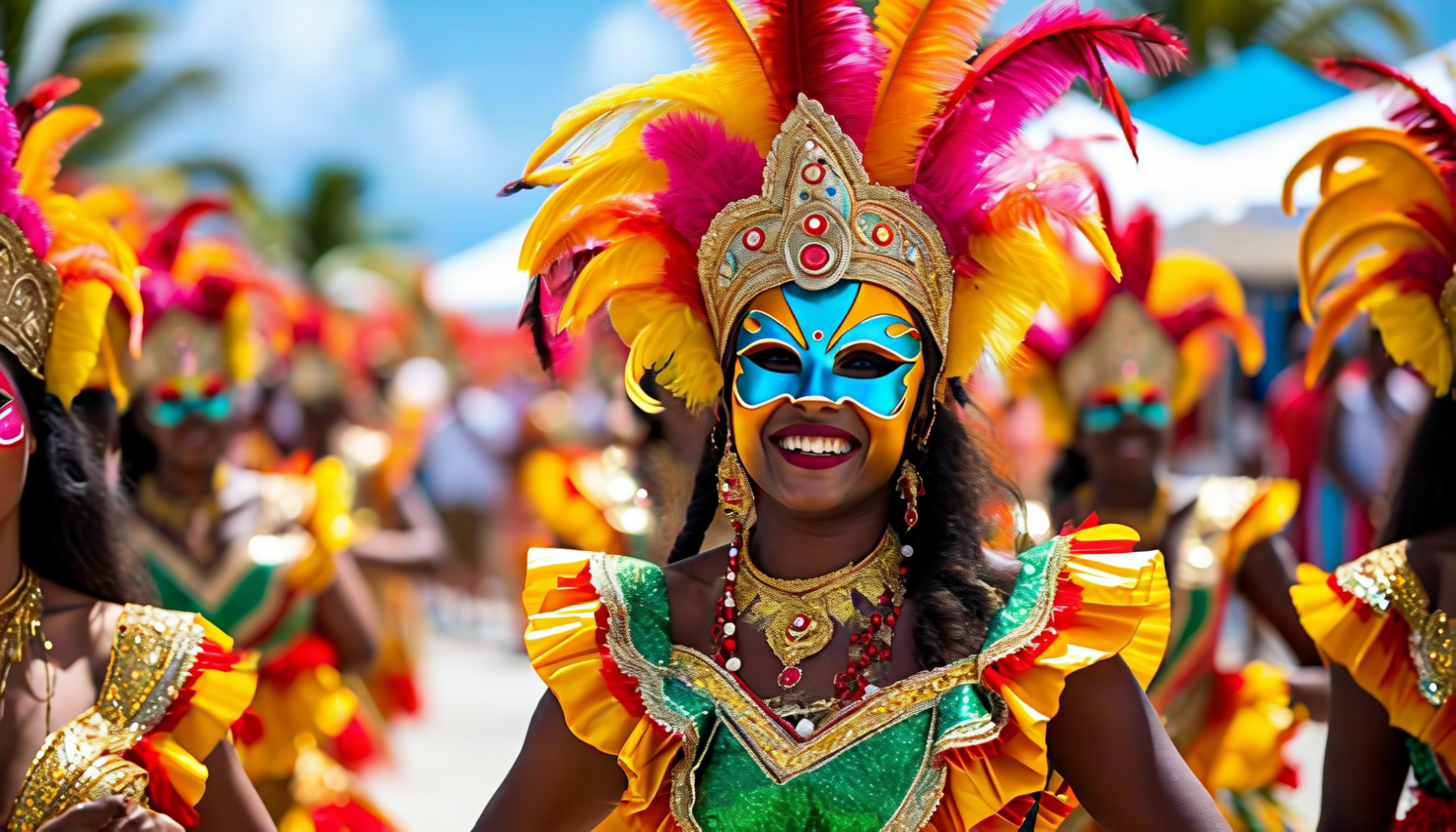
Anguilla Summer Festival (July–August): the island's biggest celebration. The 52nd edition ran from 10 July to 9 August 2026, with the Carnival core from 24 July to 9 August — parades, calypso and Soca Monarch competitions, beauty pageants, the Grand Parade of Troupes, the Poker Run, and boat racing almost daily, culminating in the Champion of Champions race on the final day, when the winner of each earlier race meets head to head. Book far ahead; the island fills completely.
Moonsplash Music Festival (March): reggae legend Bankie Banx hosts this three-night festival at the Dune Preserve on Rendezvous Bay, with international reggae acts on a beachside stage under the full moon.
Anguilla Regatta (late May): co-hosted by the Sint Maarten Yacht Club and the Anguilla Sailing Association, keelboats race from Simpson Bay across to Road Bay and back over a weekend of Sandy Ground beach parties — the 2026 edition ran 23–24 May, won overall by Team Island Water World.
Festival del Mar (Easter Weekend): celebrates the island's fishing culture with boat races and seafood centered on Island Harbour.
Anguilla Day (May 30): commemorates the 1967 Revolution with parades, speeches, cultural events, and boat racing — a proud celebration of Anguillian identity.
Anguilla has no inscribed UNESCO sites — but Fountain Cavern's 1,400-year-old Arawak petroglyphs are on the UK's tentative list, and the story of why is worth reading. Explore Anguilla's heritage sites in depth →
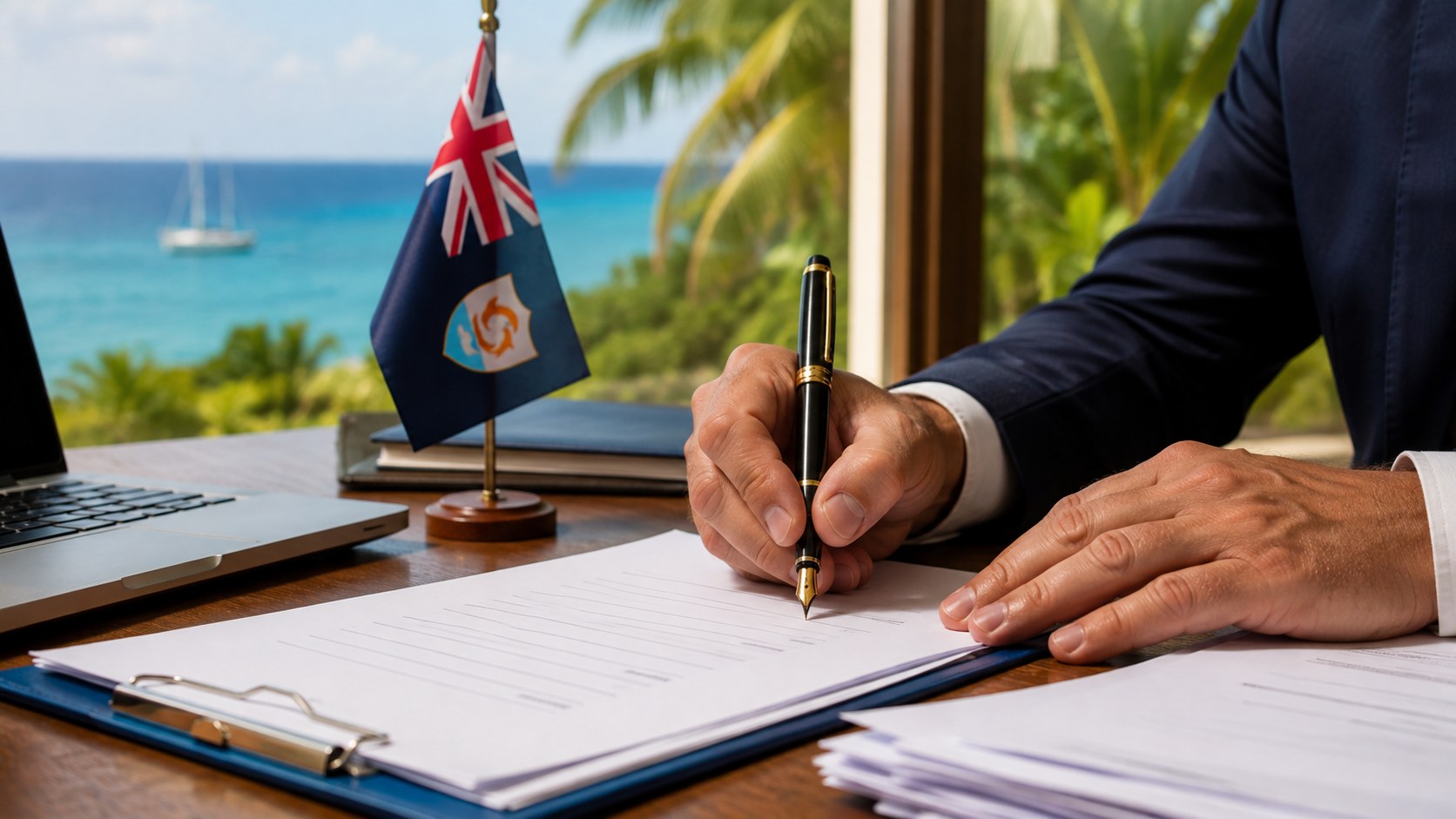
Two letters — .ai — now supply close to half of Anguilla's government budget. Registry income climbed from US$2.9 million in 2018 to US$39 million in 2024 and US$85.3 million (EC$230 million) in 2025, roughly 47% of all government revenue; the 2026 budget projects about US$96.4 million and recorded a surplus on the strength of it. Registrations passed one million domains on 2 January 2026, and the proceeds are being spent on the airport, roads, tax relief and health services. Read the full Business guide →
Anguilla's country-code domain, .ai, became unexpectedly valuable as artificial intelligence moved into the global mainstream. Registrations from technology companies and startups created a major stream of public revenue for a territory whose physical economy depends heavily on tourism and is exposed to hurricanes and travel shocks.
The windfall demonstrates how a tiny jurisdiction can benefit from digital geography, but it also raises questions about volatility and stewardship. Domain demand can change quickly, and durable value depends on transparent administration, cybersecurity and investing temporary income in long-term resilience. For visitors, the invisible .ai economy is now as important to understanding modern Anguilla as hotels and beaches.
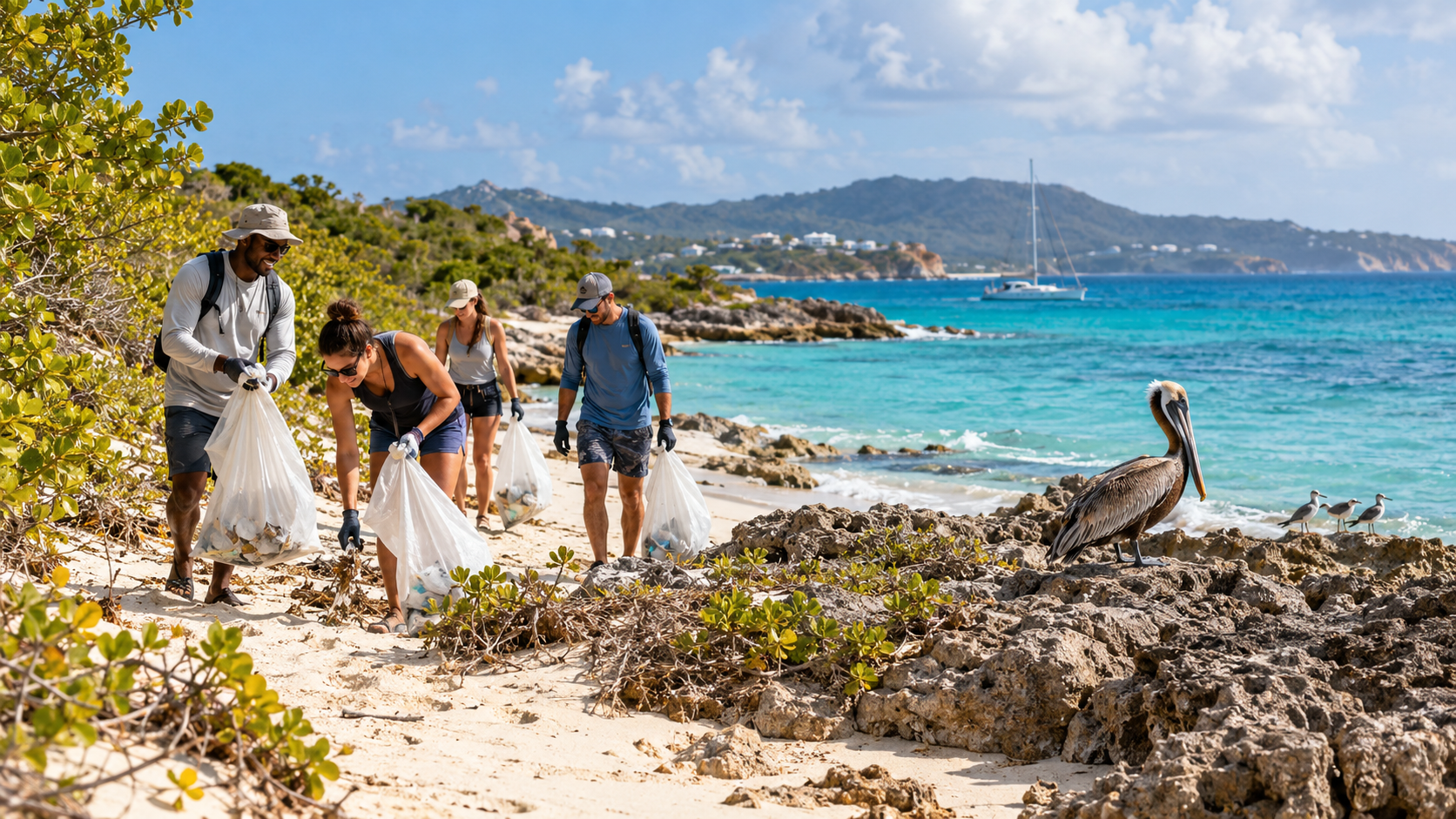
Anguilla's appeal depends on limits: low-rise development, public access to beaches, healthy reefs and communities that still recognize their own coastline. Responsible travel begins by treating these qualities as shared assets rather than luxury amenities. Use marked access paths, avoid private yards, take litter away and never assume a beachfront resort owns the sand.
Spend beyond the hotel by choosing local restaurants, guides, taxis, musicians and independent guesthouses. Conserve water and electricity, especially after dry periods or storms. Reef-safe behavior, respectful photography and patience with island logistics all matter. The best visitor leaves money and good memories behind, not damage or entitlement.
Fountain Cavern: a sacred Arawak site with petroglyphs carved over 1,000 years ago, including the island's most significant pre-Columbian art — the stalagmite "Jocahu" represents the Arawak supreme deity. Access requires arrangement through the National Trust — not to be missed.
Little Bay: a tiny cove accessible only by boat or a rope climb down the cliff face — the adventure keeps it uncrowded. Crystal-clear snorkeling, sea caves, and solitude make it special.
Scrub Island: uninhabited, off the eastern tip, with an abandoned airstrip, dramatic cliffs, and pristine beaches. Hire a boat from Island Harbour for a true Robinson Crusoe experience.
Big Spring Heritage Site: an archaeological site near Island Harbour preserving Arawak artifacts and a seasonal freshwater spring that drew indigenous settlement, with a small museum offering insight into pre-colonial Anguilla.
Prickly Pear Cays: two tiny islands north of the mainland with spectacular beaches, excellent snorkeling, and beach bars serving grilled lobster — half-day boat trips run from Sandy Ground.
Essential: valid passport, swimsuits (multiple — they never dry overnight in humidity), reef-safe sunscreen (SPF 30+), sunglasses, wide-brimmed hat, light cover-up for beach bars.
Clothing: casual is the norm — even upscale restaurants accept "elegant casual" (nice shorts and a collared shirt for men, a sundress for women). Bring one nicer outfit for fine dining. Flip-flops or sandals work everywhere; comfortable walking shoes for exploring.
Useful items: snorkeling gear (rentals available but quality varies), underwater camera, beach bag, insect repellent (mosquitoes at dusk), a light rain jacket (brief tropical showers), a good book for beach days.
What NOT to bring: formal attire (unnecessary), excessive electronics, camouflage clothing (prohibited — a Caribbean-wide rule), illegal substances (severe penalties).
Anguilla has 33 public beaches on an island just 16 miles long — more pristine strands per square mile than almost anywhere in the Caribbean, and every one is public by law.
💻 The .ai Windfall
Anguilla's assigned internet domain, .ai, now generates close to half the government's annual revenue thanks to the global AI boom — more in the Business section.
⚔️ The Revolution
In 1967, Anguilla became perhaps the only place ever to revolt against independence. When Britain freed the island alongside Saint Kitts, Anguillians rejected it and asked to remain British.
⛵ Boat Racing
Boat racing is the national sport. Traditional wooden boats with massive sails race without engines; crews hike out on wooden planks to balance — spectacular and dangerous.
🎸 Scratch-Band Music
Anguilla's traditional scratch (string) bands — guitars, banjos, shak-shak and improvised percussion — are cousins of the Virgin Islands' quelbe, the USVI's official music, not an Anguillian invention; the bands still turn up on Anguilla Day and at boat-race beach parties.
🚢 No Cruise Ships
Anguilla has no cruise port — by deliberate choice. The island rejected mass tourism to preserve its exclusive, uncrowded character.
🦎 A Lizard for a National Animal
Anguilla's official national animal is the ground lizard (Pholidoscelis plei) — not a jaguar or an eagle, just a small, harmless reptile that scurries underfoot on beaches island-wide. The national bird, fittingly gentler still, is the zenaida dove, known locally simply as the turtle dove.
Bankie Banx — reggae musician known as the "Anguillan Bob Marley." His Dune Preserve bar on Rendezvous Bay hosts the famous Moonsplash Festival; his music blends reggae with Caribbean folk traditions.
Omari Banks — Bankie's son, who made history as Anguilla's first professional cricketer, playing for the West Indies team and Leeward Islands, and a musician carrying on his father's legacy.
Ronald Webster — the "Father of the Nation," who led the 1967 Anguilla Revolution and served as the island's political leader for decades, securing Anguilla's separation from Saint Kitts.
Colville Petty — historian and founder (1996) of the Heritage Collection Museum, who handed its entire collection to the government in March 2024 to seed the future Anguilla National Museum — a lifetime spent preserving Anguillian history and culture.
Boat Racing: the national sport and cultural obsession. Traditional wooden boats — designed and built in Anguilla — race with enormous sails that can reach 80 feet high, crews "hiking out" on wooden planks extending over the water to balance the boats. Major races during Carnival (August) draw the entire island, and each village supports its boat with fierce loyalty.
Cricket: the legacy of British colonialism lives on in cricket pitches across the island. Anguilla competes in regional Leeward Islands tournaments; Ronald Webster Park in The Valley hosts major matches.
Water Sports: excellent conditions for sailing, windsurfing, kiteboarding (especially November–June when trades blow steady), paddleboarding, and kayaking, with several operators offering instruction and rentals.
Golf: Aurora International Golf Club — the Greg Norman course at Aurora Anguilla (the former CuisinArt), re-designed by Norman for the 2021 relaunch — offers the island's only golf, with dramatic ocean views on a challenging 18-hole layout.
International competition: Anguilla competes at the Commonwealth Games as a separate territory, debuting in 1998. At Glasgow 2026 (23 July–2 August) it entered a single athlete — a male track cyclist, the territory's first ever in that discipline — in its eighth Games appearance, and did not medal. Anguilla is also a FIFA and CONCACAF member, though the national football team plays few competitive fixtures.
As a British Overseas Territory, Anguilla benefits from the UK's strong tradition of press freedom. Media operates freely without government interference, and journalists face no legal threats for their reporting; the island's small size means local media stays community-oriented and informal.
Local Media: the main outlets include The Anguillian newspaper (established 1967, the island's oldest publication), Caribbean Beacon radio, ZJF-TV, and social media platforms increasingly important for local news. The Anguillian covers local government, culture, sports, and community news.
Anguilla ranks among the freest media environments in the Caribbean, with no censorship and diverse ownership. Freedom House consistently rates the UK (and its territories) as "Free" for both political rights and civil liberties.
A Small Place by Jamaica Kincaid (1988) Though set in neighboring Antigua, this piercing essay on Caribbean colonialism, tourism, and identity resonates deeply for any visitor to the region.
Live What You Love: Notes from an Unusual Life by Bob and Melinda Blanchard (2005) The Blanchards moved to Anguilla to open one of the Caribbean's most celebrated restaurants — their memoir captures the romance, frustration, and joy of building a life on the island.
Lonely Planet Caribbean Islands — Anguilla Chapter A practical guide with regularly updated information on accommodation, restaurants, beaches, and transportation specific to Anguilla.
Anguilla Birding Pocket Guide For nature enthusiasts, this illustrated guide covers the 130+ bird species found on Anguilla and its offshore cays.
A full print & ebook companion to this page is on its way: Northern Lesser Antilles, part of the Kaufmann Traveler's Guide series — an essayistic, richly illustrated history-and-travel guide covering this destination together with Antigua & Barbuda.
It goes deeper than a web page can: island history, historic harbors and landmarks, where to eat, where to stay, and the practical detail you need to actually plan the trip.
Currently in progress — check back here or at radimkaufmann.com for the release.
49
📸 Photo Gallery
Eight perspectives on Anguilla, from working racing sloops and local food to carnival and west-coast light. Share photographs you own via photos@kaufmann.wtf.
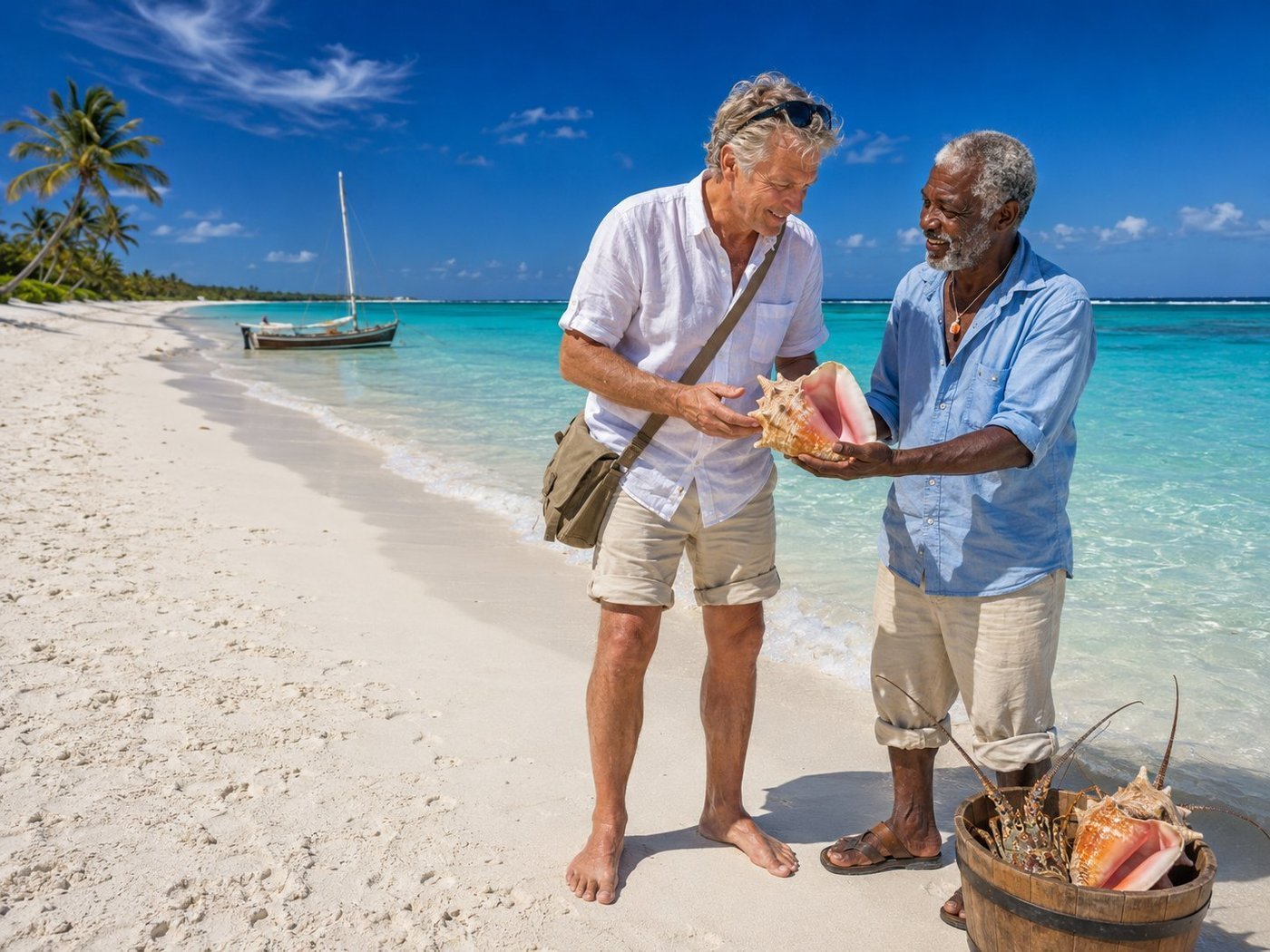
Shoal Bay East · with a fisherman · Photo and licence: Kaufmann WTF archiveSonia · the windward rail · Photo and licence: Kaufmann WTF archiveSonia · captain at the helm · Photo and licence: Kaufmann WTF archiveJohnno’s · conch and crayfish · Photo and licence: Kaufmann WTF archiveSandy Ground · sunset among sloops · Photo and licence: Kaufmann WTF archiveGrilled Anguillian crayfish · Photo and licence: Kaufmann WTF archiveWest-coast sunset · Photo and licence: Kaufmann WTF archiveSummer Festival carnival · Photo and licence: Kaufmann WTF archive
50
✍️ Author’s Note
Anguilla seduces quietly. There are no dramatic peaks, no rainforests, no waterfalls — just beach after perfect beach, water that somehow exceeds your highest expectations, and a community that has consciously chosen quality over quantity. In an age of over-touristed Caribbean islands choked with cruise ships and all-inclusive mega-resorts, Anguilla represents what the Caribbean once was and still could be.
The island isn't cheap — let's be clear about that. But value isn't only measured in dollars. When you're floating in impossibly clear water at Shoal Bay, sharing grilled lobster at a sandy-floored beach bar as the sun sets, or hearing a scratch band drift across Sandy Ground on a warm evening, you understand what you're paying for: not just a beach vacation, but an escape to somewhere that still feels special.
The Anguillians themselves make the difference. Their pride in their island, their warmth toward visitors, and their determination to maintain the character of their home create an atmosphere you won't find in more developed destinations. Come with patience, come with respect, and come ready to slow down. Anguilla rewards those who match its pace.
—Radim Kaufmann, 2026
Support This Project 🌍
This World Travel Factbook is a labor of love — free to use for all travelers. If you find it helpful, consider supporting its continued development.