⚡ Key Facts
🗣️
Dutch, Papiamento
Language
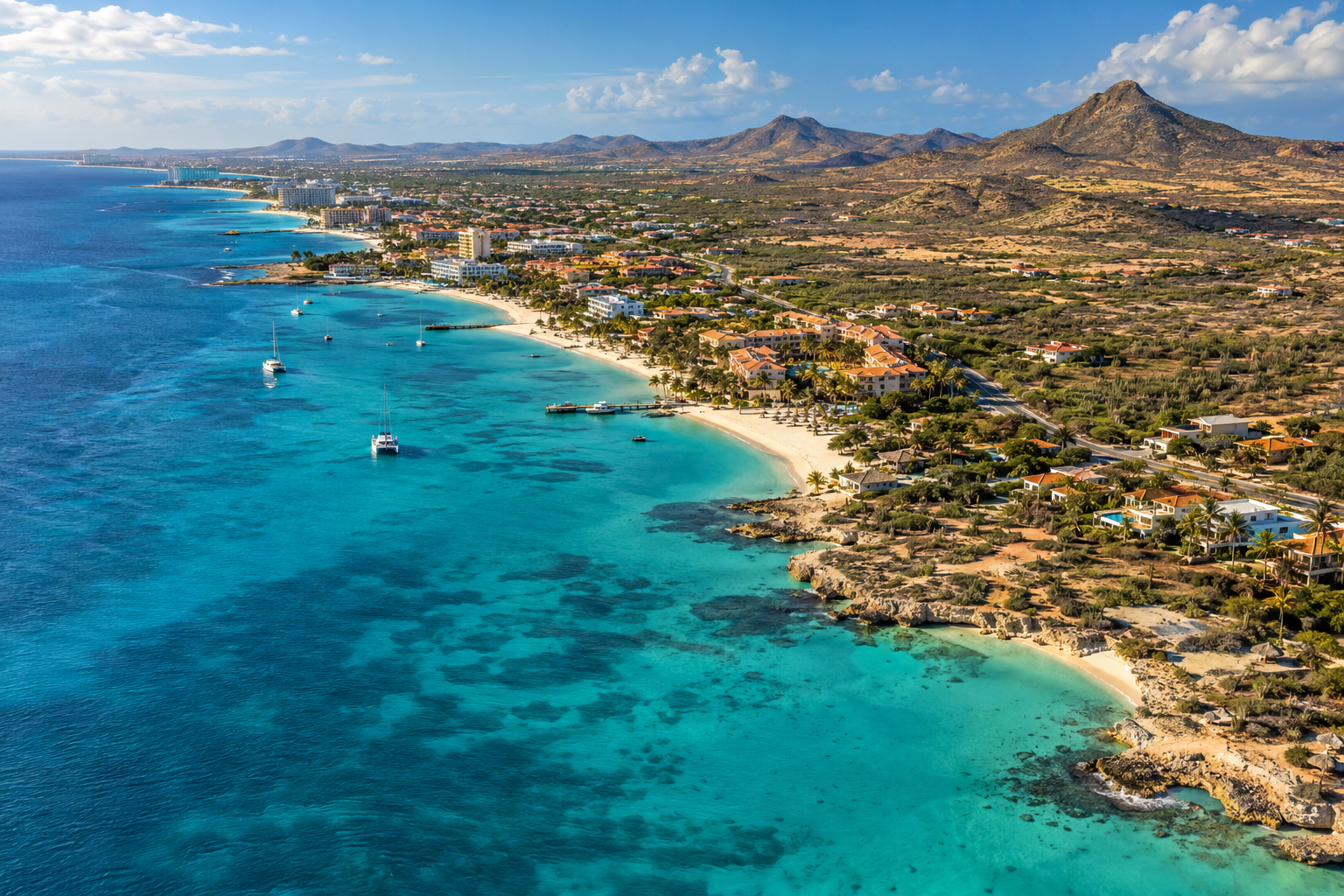
Aruba floats just 29 kilometers north of Venezuela, a sliver of coral and limestone that seems to exist outside the Caribbean's usual rules. While neighboring islands brace for hurricane season, Aruba basks in perpetual sunshine, positioned safely outside the hurricane belt where trade winds deliver cooling breezes instead of destructive storms. This geographical blessing—combined with white sand beaches that consistently rank among the world's best, a desert landscape of twisted divi-divi trees and towering cacti, and a fusion culture expressed through four official languages—has made this tiny island one of the Caribbean's most beloved destinations.
The island's 180 square kilometers support a population of just 107,000 permanent residents, yet welcomed over 1.4 million stay-over tourists in 2024, plus nearly 900,000 cruise passengers. Tourism now accounts for approximately 70% of GDP, transforming an economy that once relied on gold mining and oil refining into one centered entirely on hospitality. The infrastructure reflects this focus: world-class resorts line Palm Beach and Eagle Beach, international restaurants represent over 90 nationalities, and the airport receives direct flights from dozens of cities.
Yet Aruba retains genuine character beneath its resort veneer. Papiamento, a creole language blending Portuguese, Spanish, Dutch, and African elements, remains the cultural lingua franca. The architecture of Oranjestad mixes Dutch colonial pastels with modern retail developments. And nearly 20% of the island—the rugged Arikok National Park—remains wild, a desert landscape of caves, rock formations, and hidden natural pools that predates any human presence.
ℹ️ Essential Travel Information
Entry: US, Canadian, and EU citizens need only a valid passport—no visa required for stays up to 30 days (extendable to 180). Return ticket proof required.
Currency: Aruban Florin (AWG), pegged to USD at 1.79. US dollars accepted everywhere. Credit cards widely accepted. ATMs use AWG.
Language: Papiamento (official), Dutch (official), English and Spanish widely spoken. Most Arubans speak all four fluently.
☀️ One Happy Island: Located outside the hurricane belt, Aruba enjoys 300+ sunny days per year. Trade winds keep temperatures comfortable (avg 28°C). The last hurricane hit in 1877!
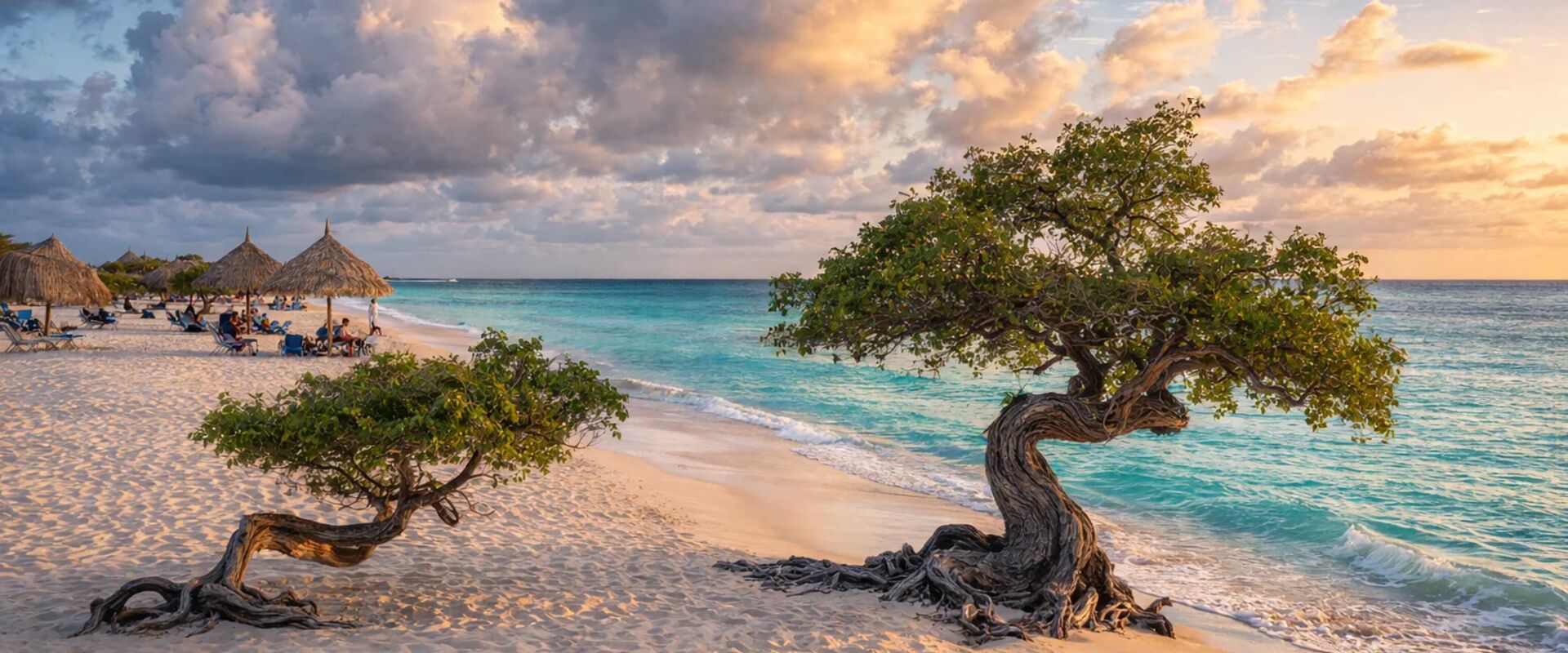
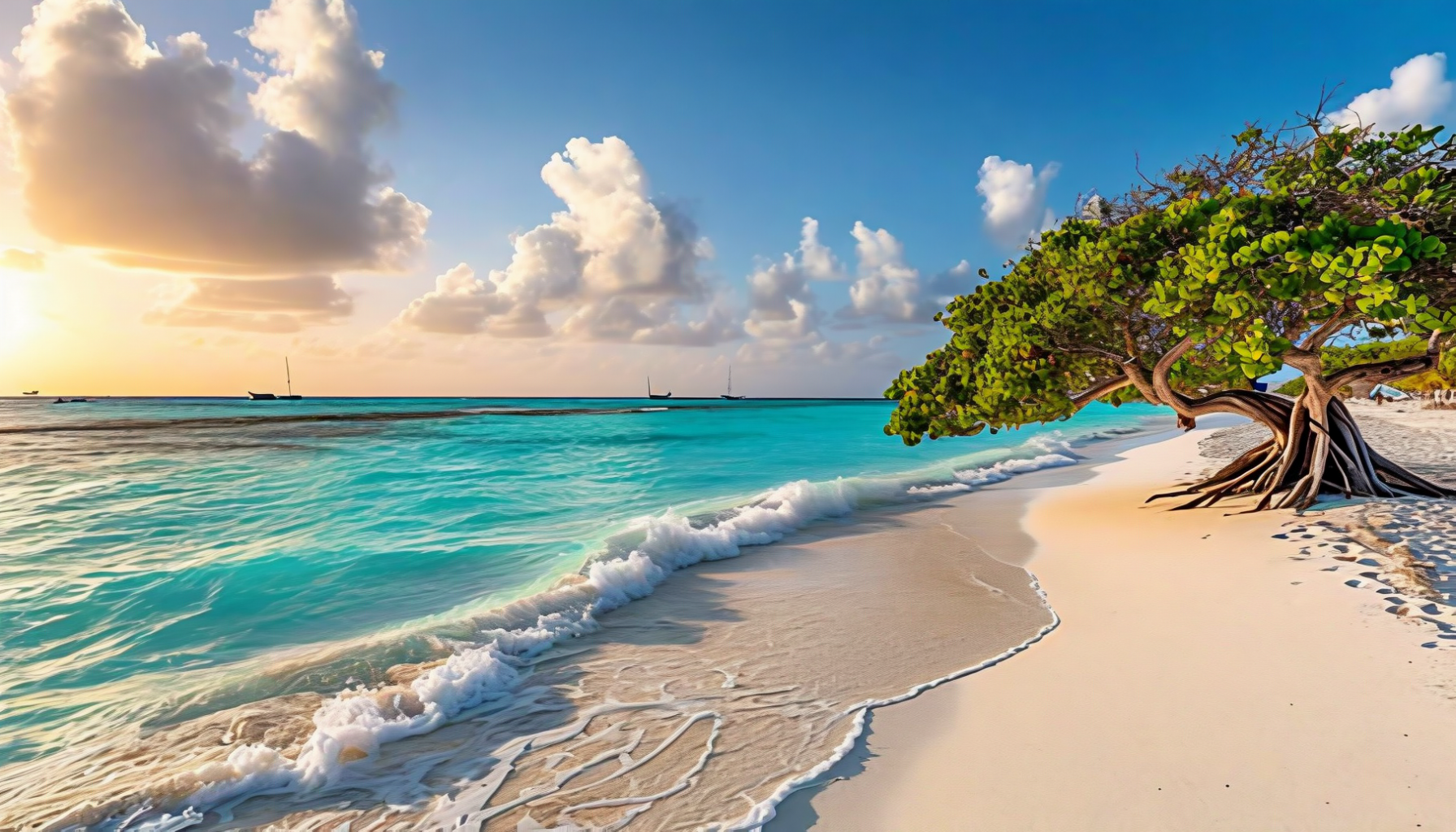
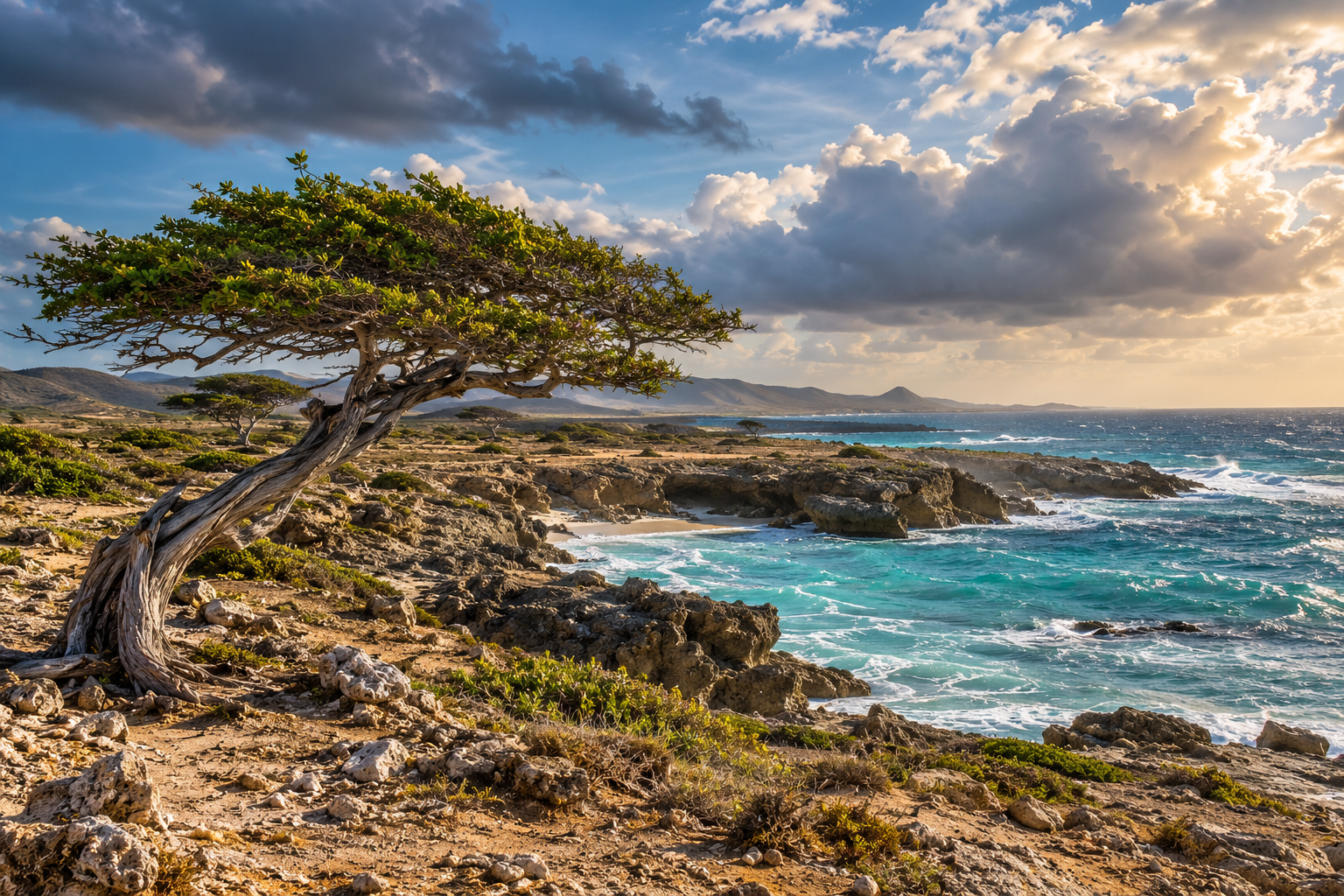
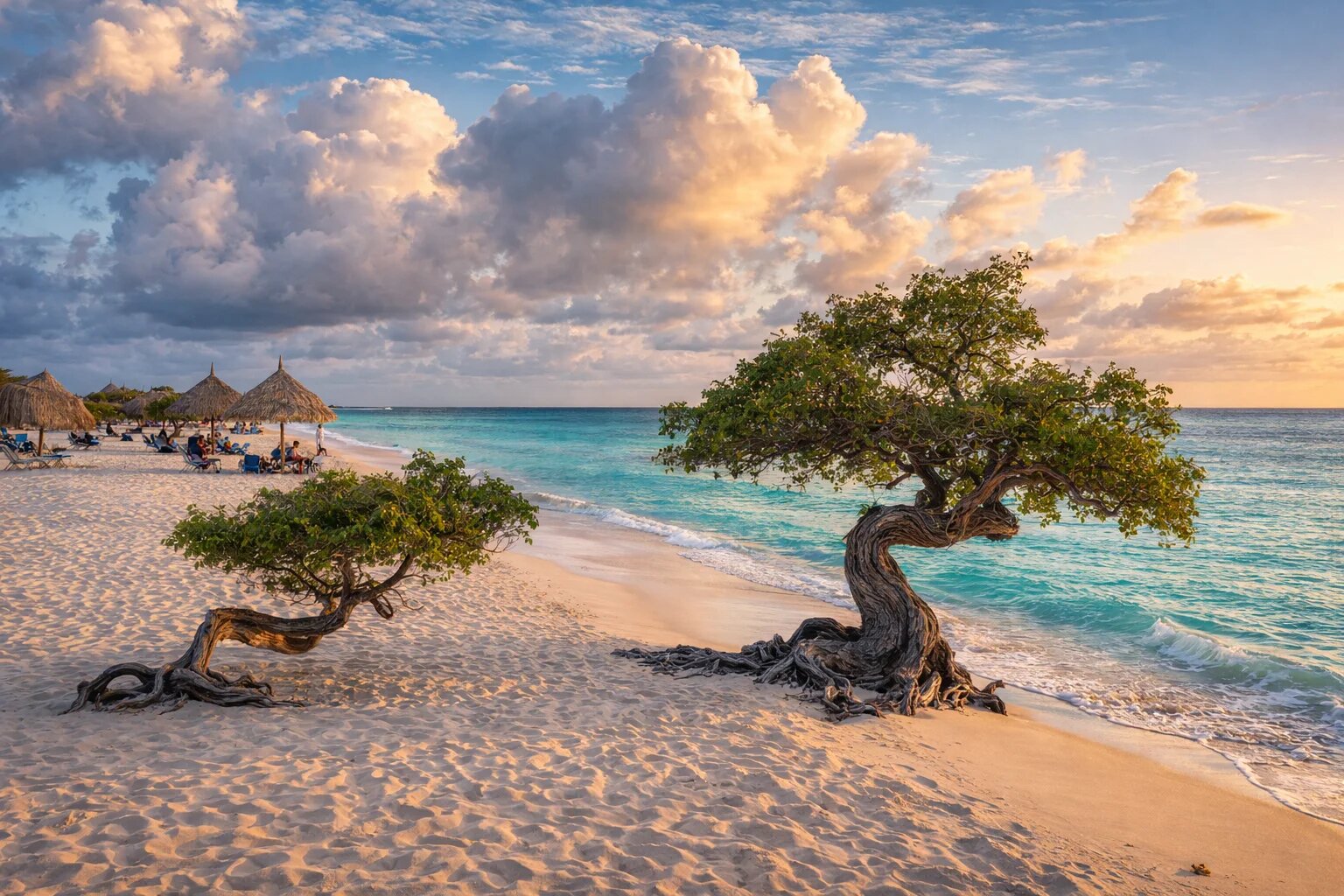
Eagle Beach at Golden Hour
Iconic divi-divi trees bend permanently by trade winds along one of the world's most beautiful beaches
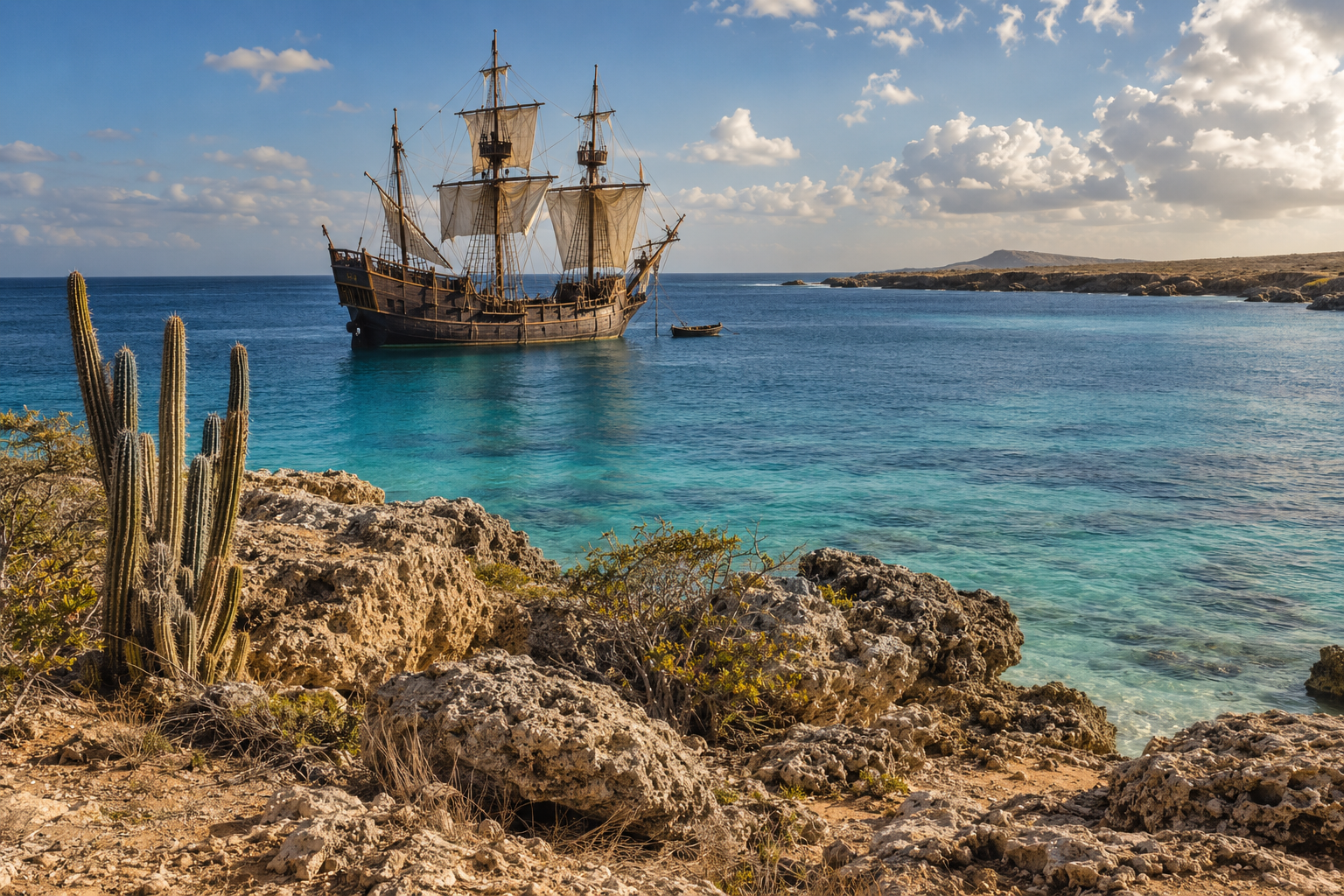
The name "Aruba" likely derives from the Spanish phrase "oro huba" (there was gold) or possibly from indigenous Arawak words. Spanish explorers arrived in 1499, followed by Dutch colonizers in 1636, who have maintained control ever since—making Aruba one of the longest continuous European colonial presences in the Americas.
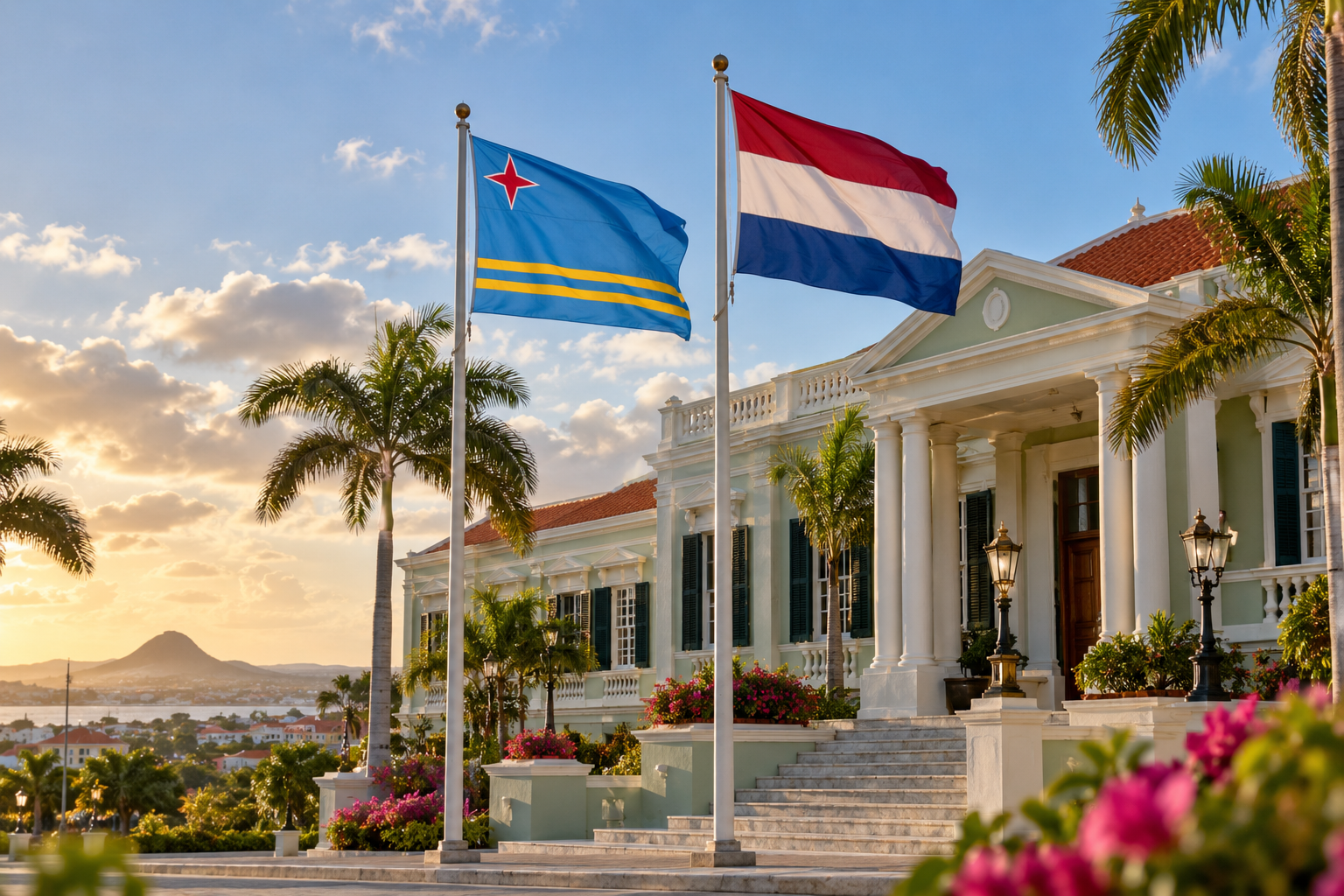
Since 1986, Aruba has held "constituent country" status within the Kingdom of the Netherlands, managing its own internal affairs while the Dutch handle defense and foreign affairs. This arrangement reflects the island's distinct identity: not quite independent, not quite a colony, but something uniquely Aruban.
The island's official motto, "One Happy Island," adorns license plates and permeates marketing materials. Cynics might dismiss it as tourism branding, but the phrase captures something genuine about Aruban culture—a warmth, optimism, and pride in hospitality that visitors consistently notice.
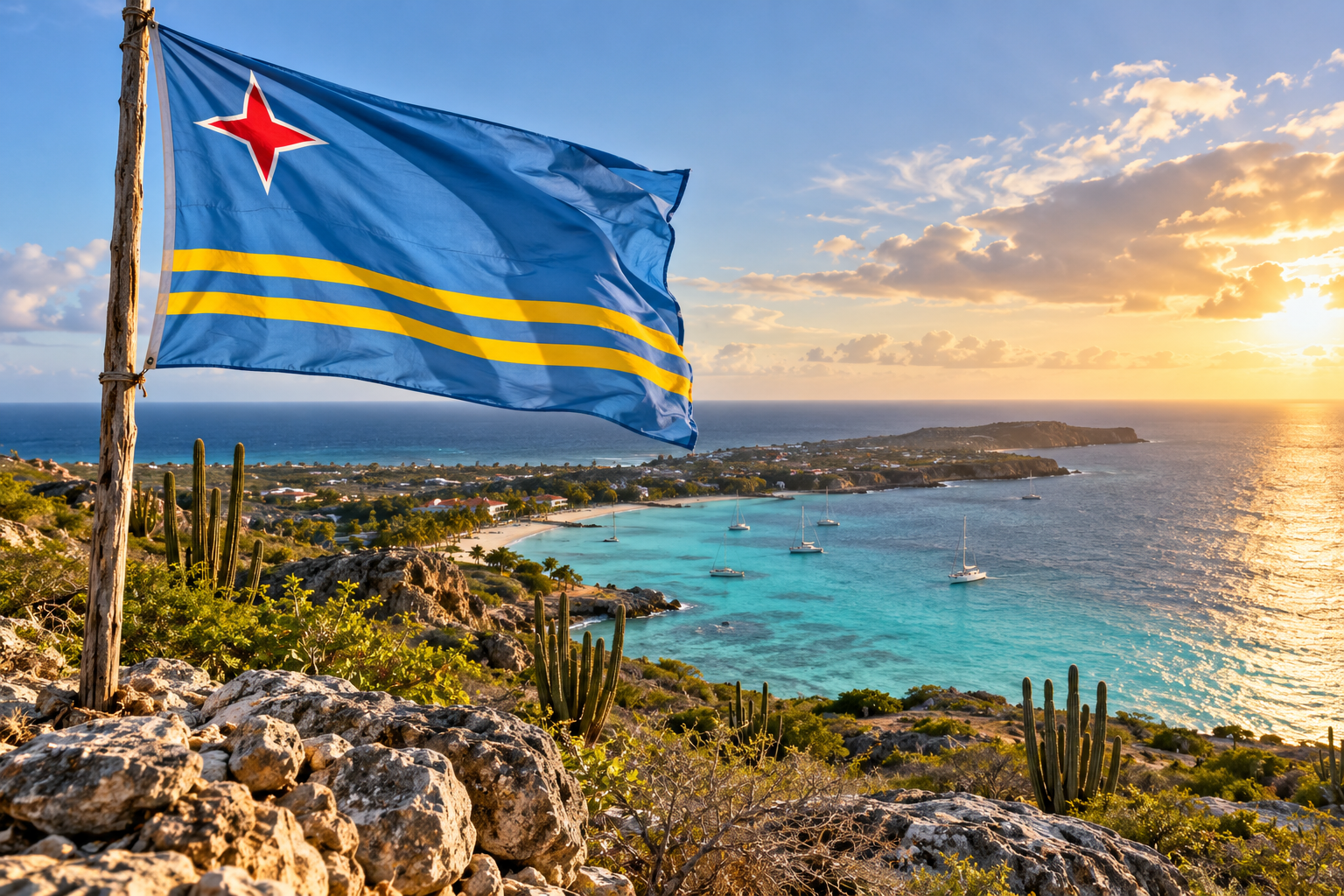
The flag features four equal horizontal stripes of light blue (representing the sea and sky), with two narrow yellow stripes representing sunshine and prosperity, and a red four-pointed star outlined in white symbolizing the island's four cardinal directions and the diverse origins of its people.
Aruba measures just 32 kilometers long and 10 kilometers wide at its broadest point, covering 180 square kilometers of relatively flat terrain punctuated by modest hills. Mount Jamanota, the highest point at 188 meters, offers panoramic views but hardly qualifies as mountainous.
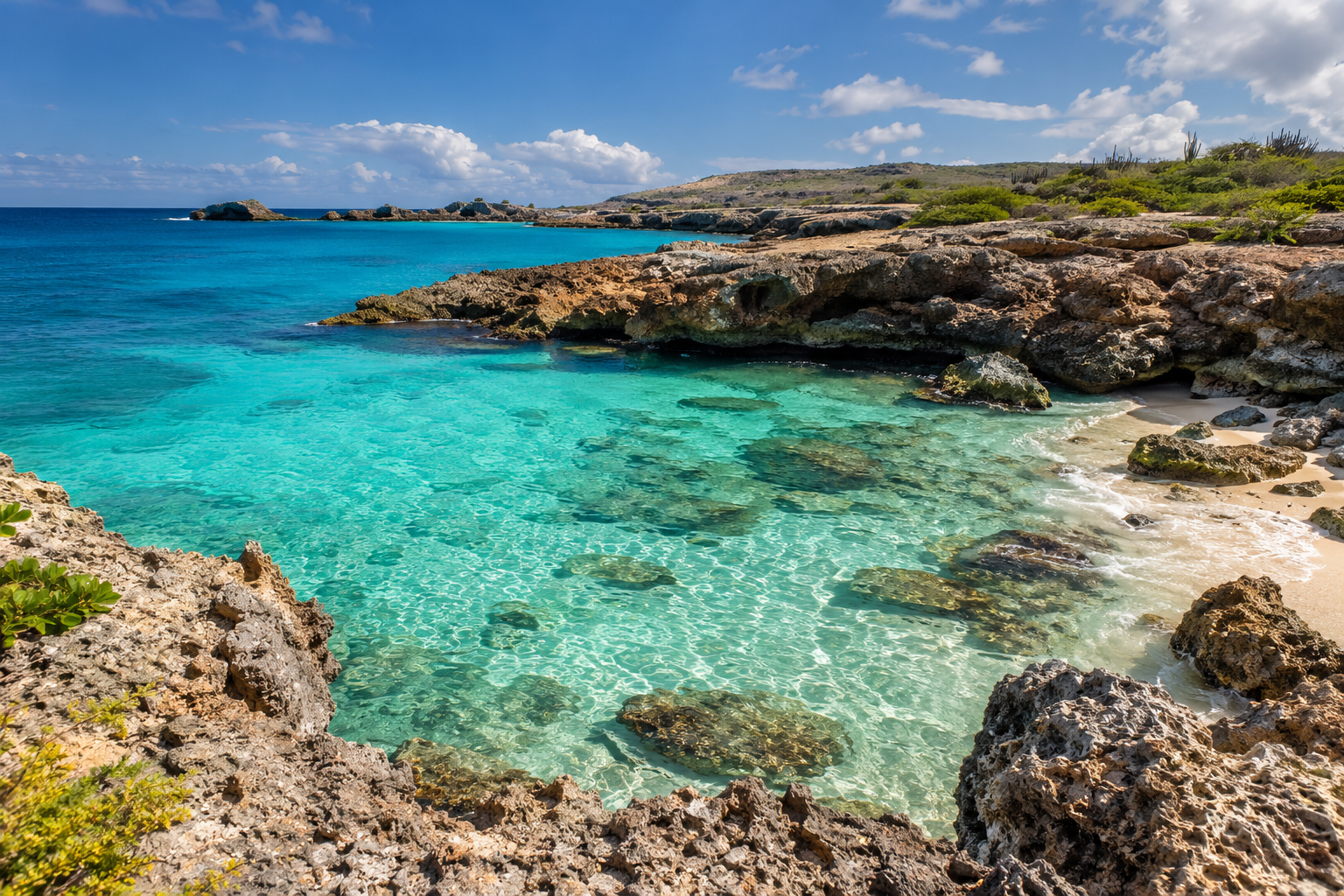
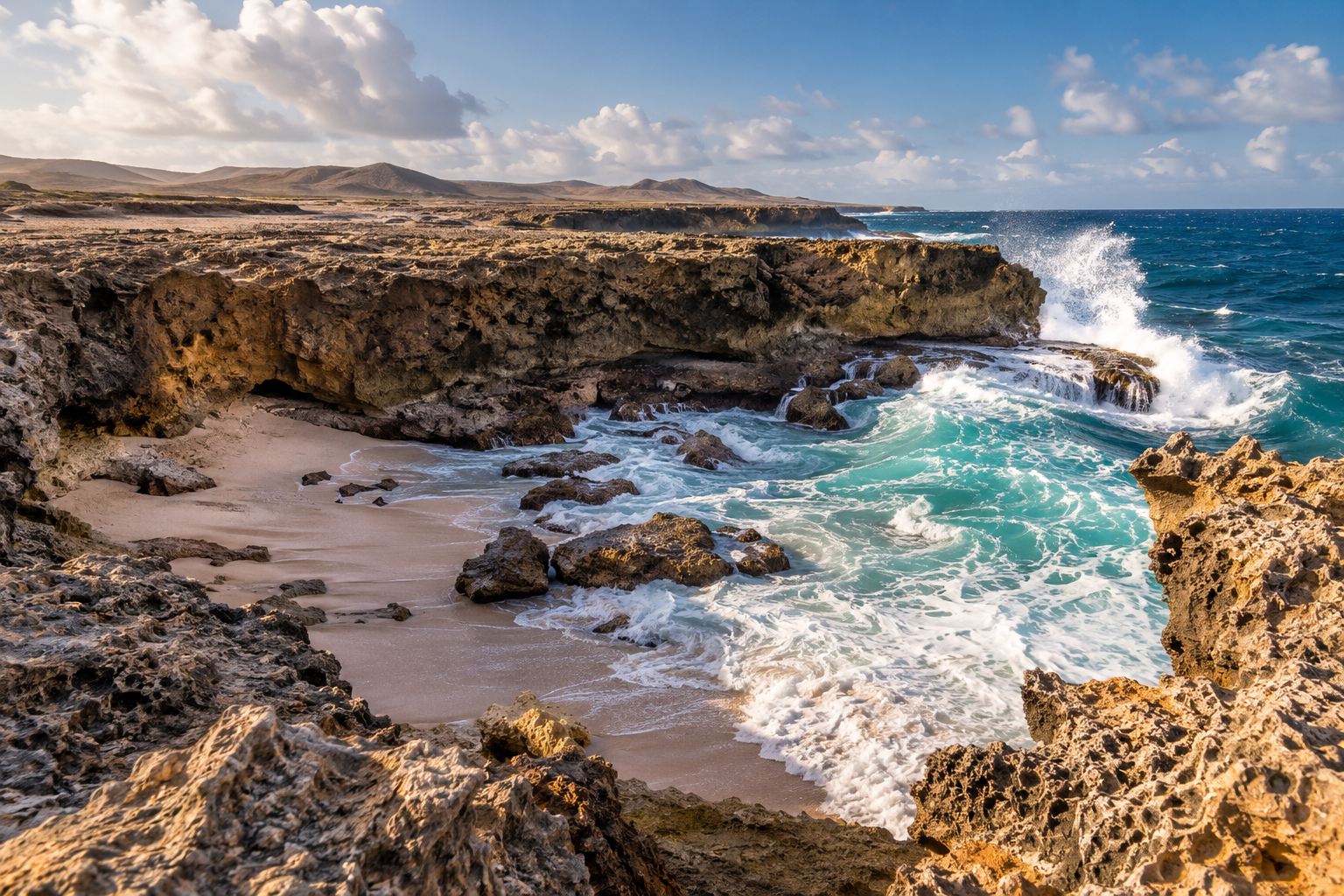
The island's geology divides into distinct zones. The southern and western coasts feature the calm, turquoise waters and white sand beaches that define Aruba's image—coral and shell fragments crushed over millennia into powder-soft sand. The northern and eastern coasts face the full force of Atlantic trade winds, producing rugged limestone cliffs, crashing waves, and a dramatically different landscape.
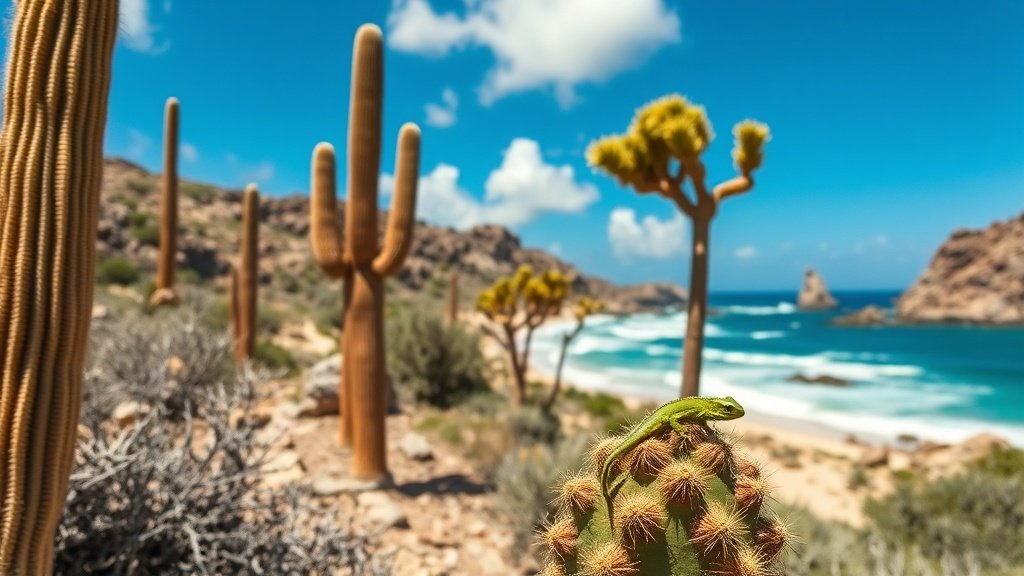
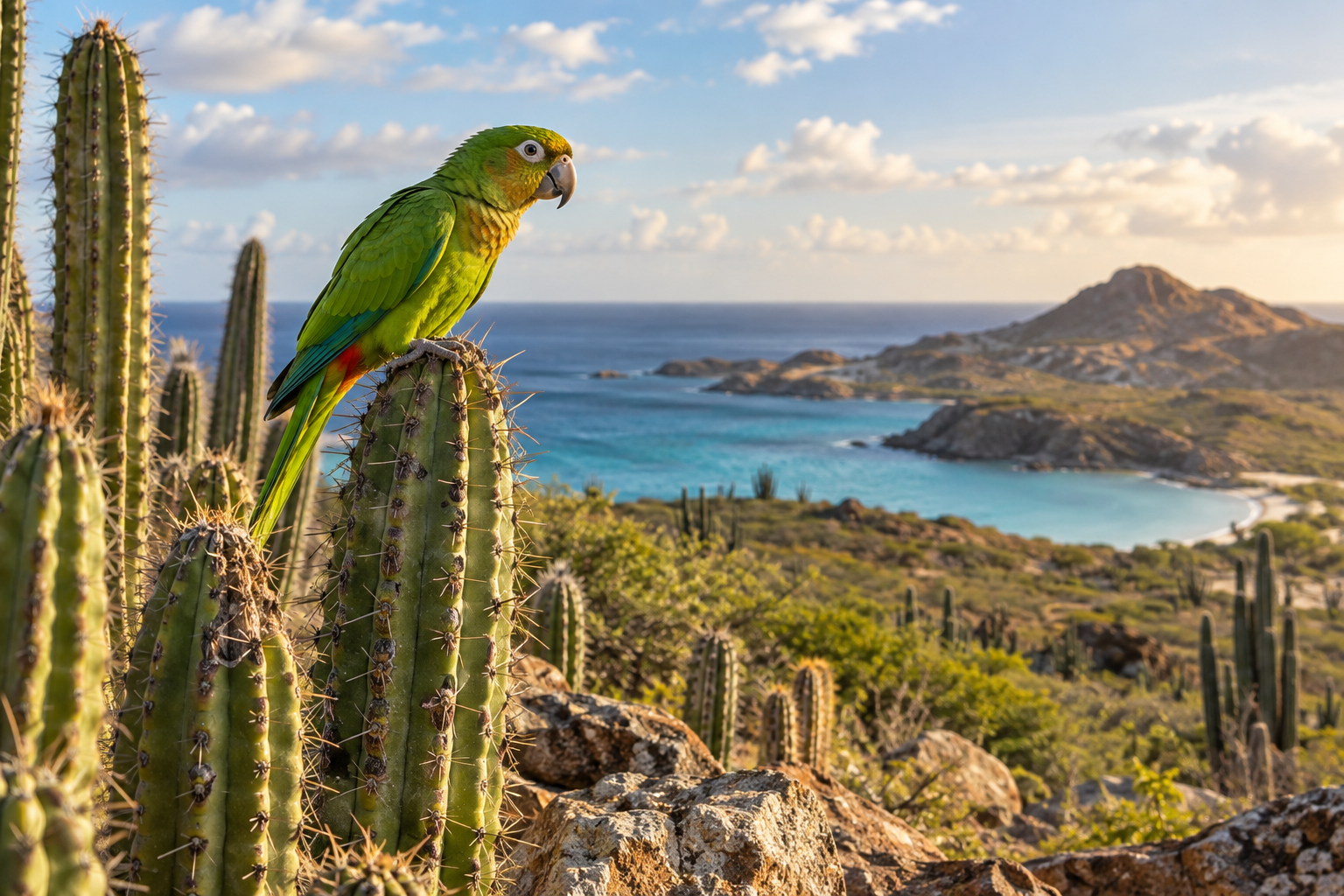
The interior surprises many visitors. Rather than tropical jungle, Aruba presents desert terrain: towering candelabra cacti, distinctive watapana (divi-divi) trees permanently bent by trade winds, and sparse vegetation adapted to an average annual rainfall of just 510 millimeters. This arid landscape, protected within Arikok National Park, harbors unique species including the Aruban rattlesnake and the Aruban burrowing owl (shoco), the island's beloved national symbol.
Aruba lies outside the hurricane belt—the last direct hit was in 1877. Constant trade winds from the northeast keep temperatures comfortable year-round, averaging 28°C with minimal seasonal variation.
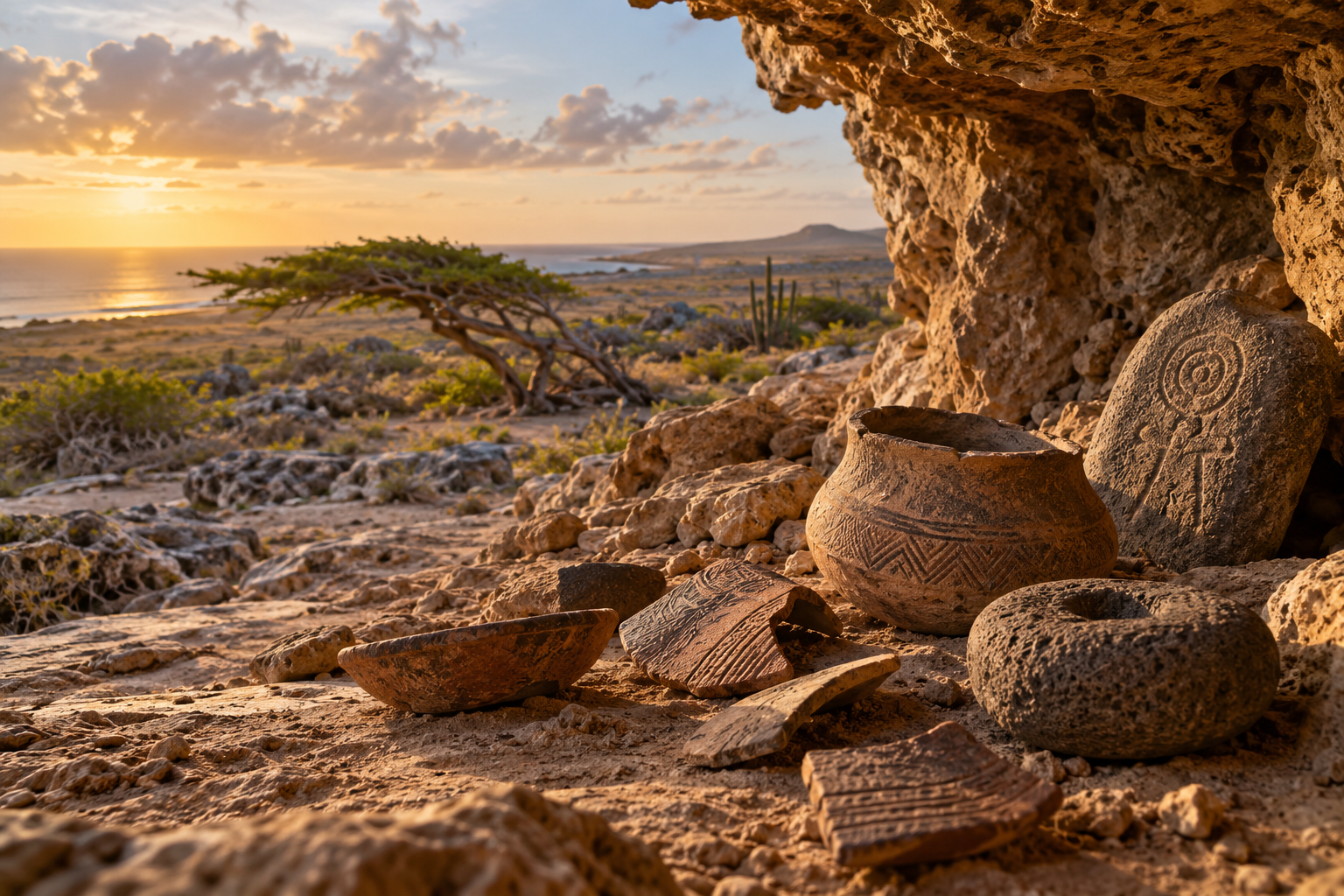
Indigenous Origins: The Caquetío people, an Arawak group from the South American mainland, inhabited Aruba for approximately 2,000 years before European contact. They lived as fishermen, farmers, and traders, leaving behind cave paintings still visible in Arikok National Park's Fontein Cave—red and brown pictographs depicting animals, geometric patterns, and figures whose meanings remain debated by archaeologists.
Colonial Era: Spanish explorer Alonso de Ojeda arrived in 1499, claiming the island for Spain. The Spanish initially deemed Aruba, along with Bonaire and Curaçao, "islas inútiles" (useless islands) due to their lack of gold and fresh water. The Dutch West India Company seized Aruba in 1636, primarily valuing its strategic position and salt deposits. Unlike sugar-producing Caribbean islands, Aruba never developed plantation agriculture or large-scale slavery, creating a different colonial dynamic.
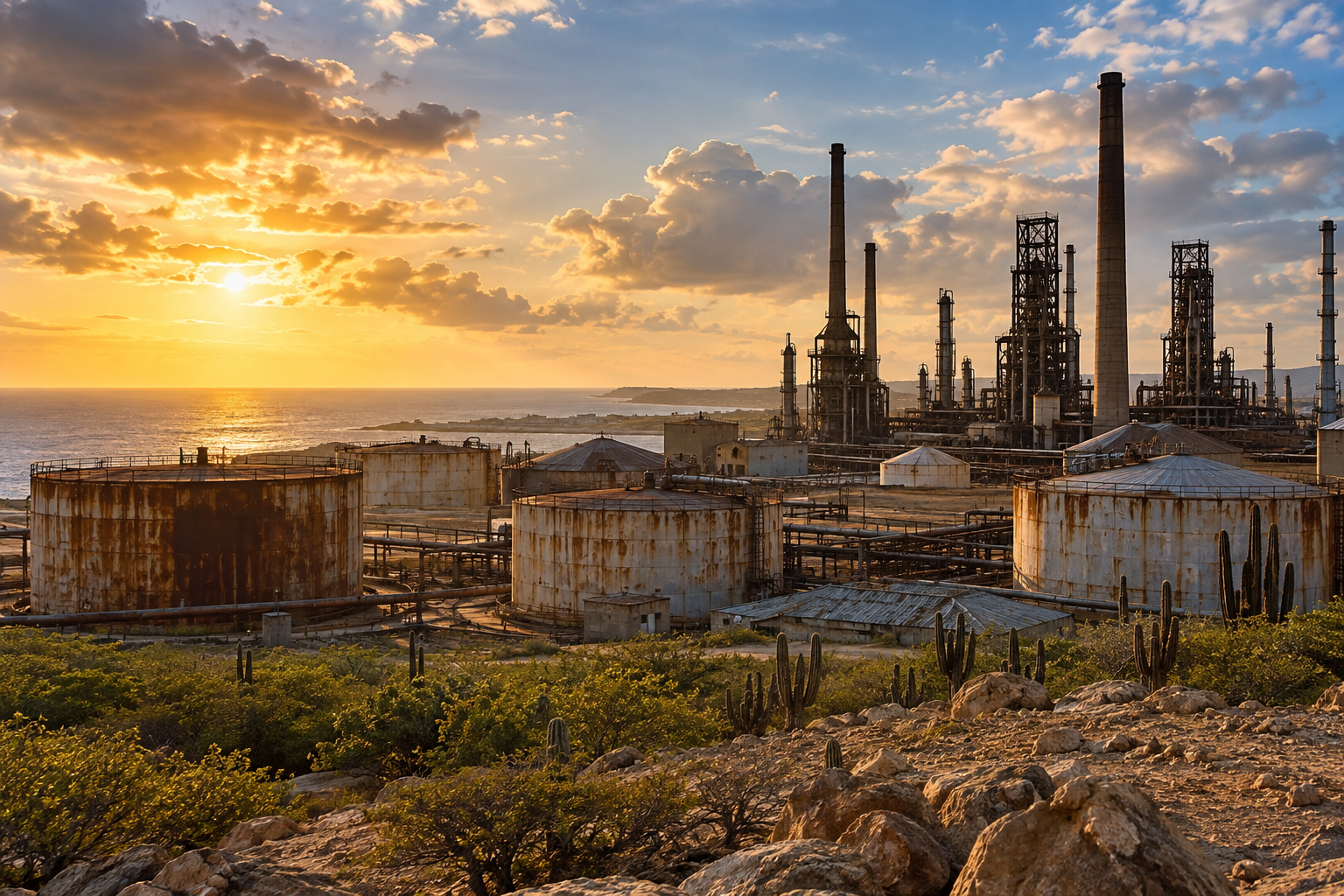
Gold Rush & Oil Boom: The discovery of gold in 1824 transformed Aruba's economy, attracting prospectors and creating mining operations that lasted until 1916. The ruins of gold smelters at Bushiribana and Balashi remain popular tourist attractions. Aruba's modern prosperity began with the oil industry. The Lago Oil and Transport Company opened a massive refinery in 1928, processing Venezuelan crude oil into the fuel that powered World War II's Allied forces.
Status Aparte: Growing dissatisfaction with governance from Curaçao led Aruba to seek separate status within the Kingdom of the Netherlands. In 1986, Aruba achieved "Status Aparte," becoming a constituent country with its own government, currency, and identity—though plans for full independence in 1996 were later suspended. The refinery's closure in 1985 forced economic reinvention, accelerating Aruba's pivot toward tourism.
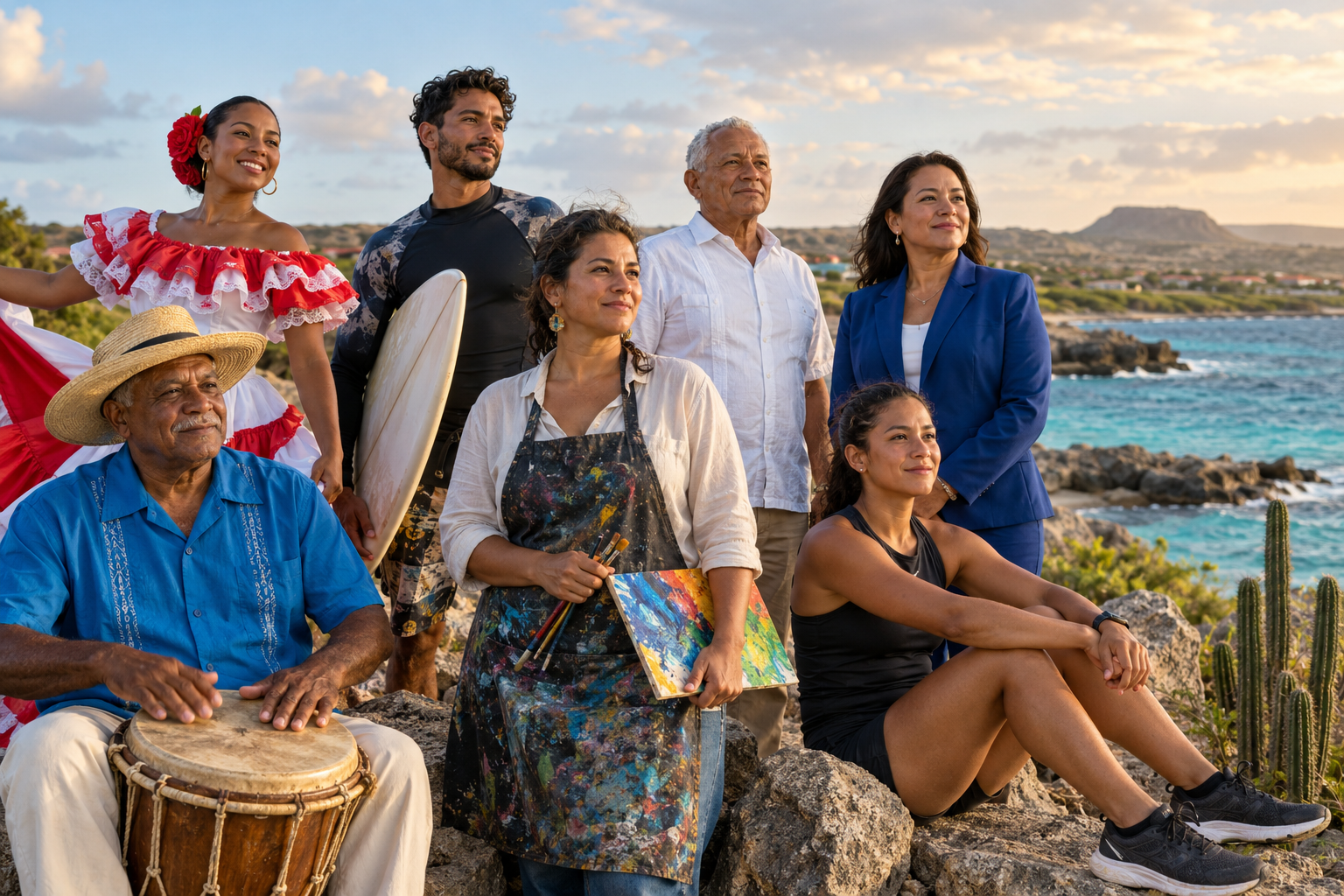
Approximately 107,000 people inhabit Aruba today, creating one of the Caribbean's most diverse populations. The island's ethnic makeup reflects centuries of mixing: Arawak indigenous heritage, Spanish colonizers, Dutch administrators, African laborers, and waves of immigrants from Latin America, Asia, and elsewhere. The result is a uniquely Aruban identity that transcends any single heritage.
Papiamento, a creole language blending Portuguese, Spanish, Dutch, and African elements, remains the cultural lingua franca—spoken at home and on the streets even as Dutch serves as the official language. Most Arubans also speak English and Spanish fluently, making the island one of the world's most multilingual populations per capita. This linguistic gift extends naturally to hospitality.
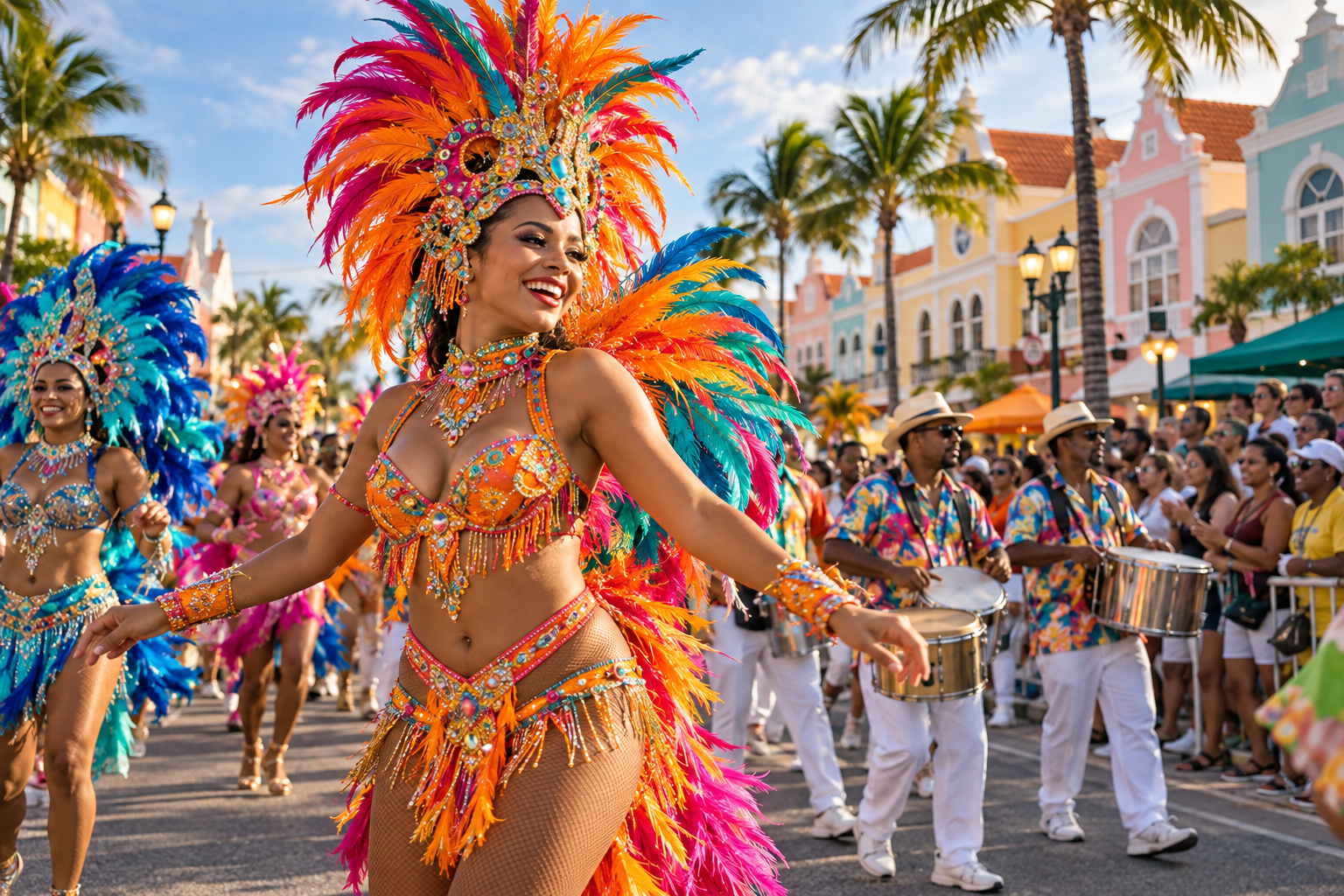
Religion centers on Roman Catholicism, introduced by Spanish missionaries and maintained through Dutch rule. Churches anchor community life, with festivals celebrating patron saints throughout the year. The pre-Lenten Carnival, Aruba's biggest annual celebration, showcases the island's musical traditions, elaborate costumes, and cultural pride.
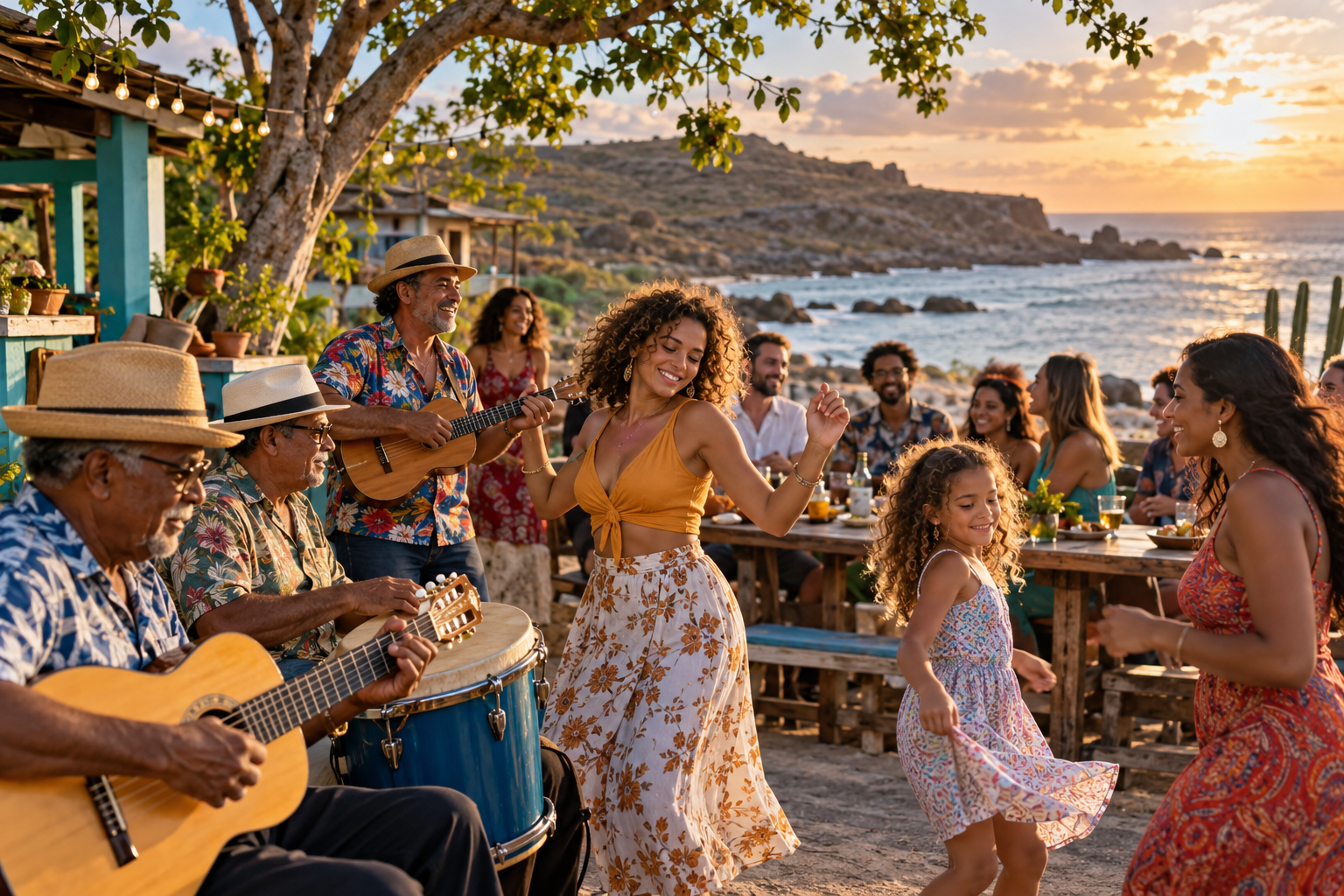
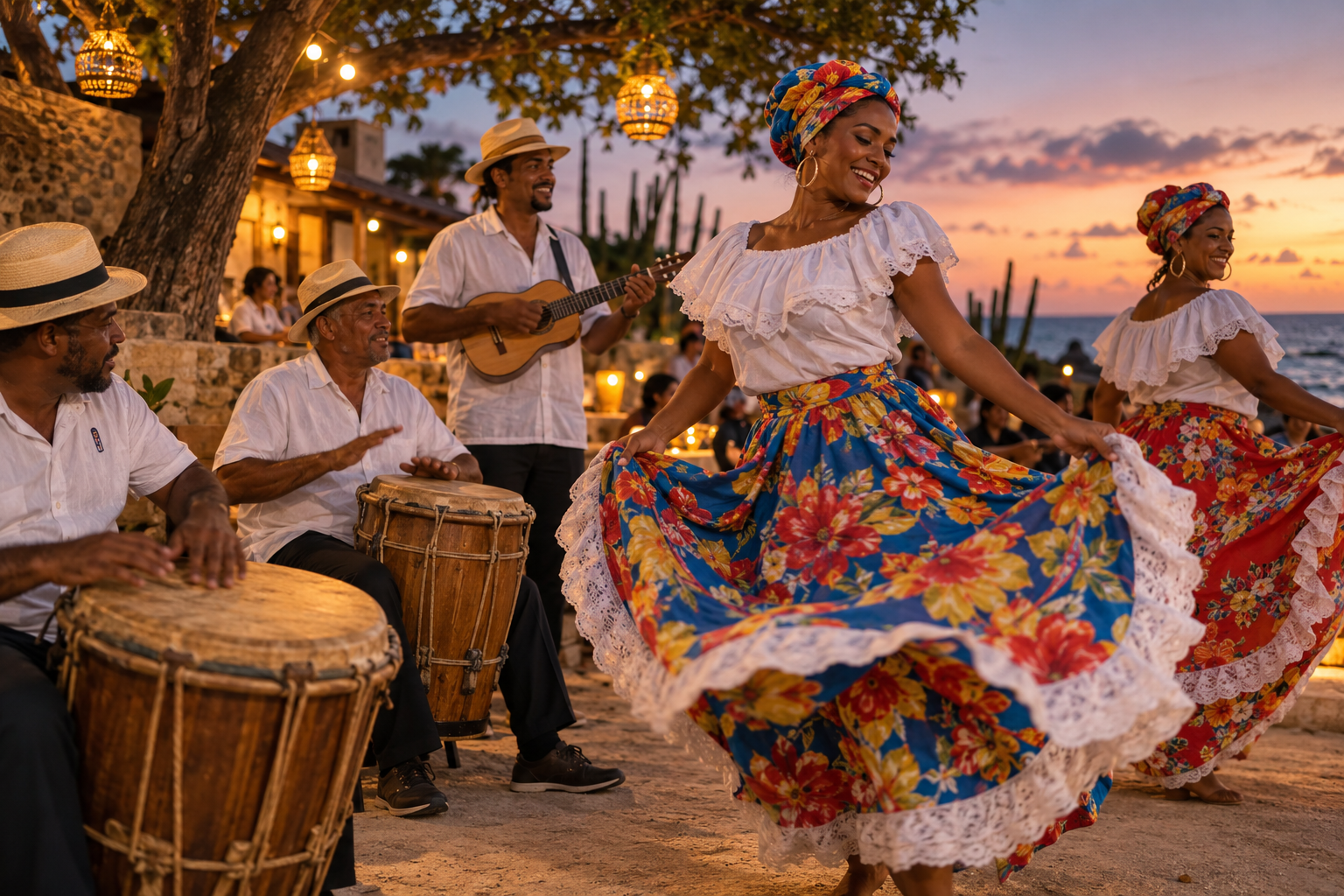
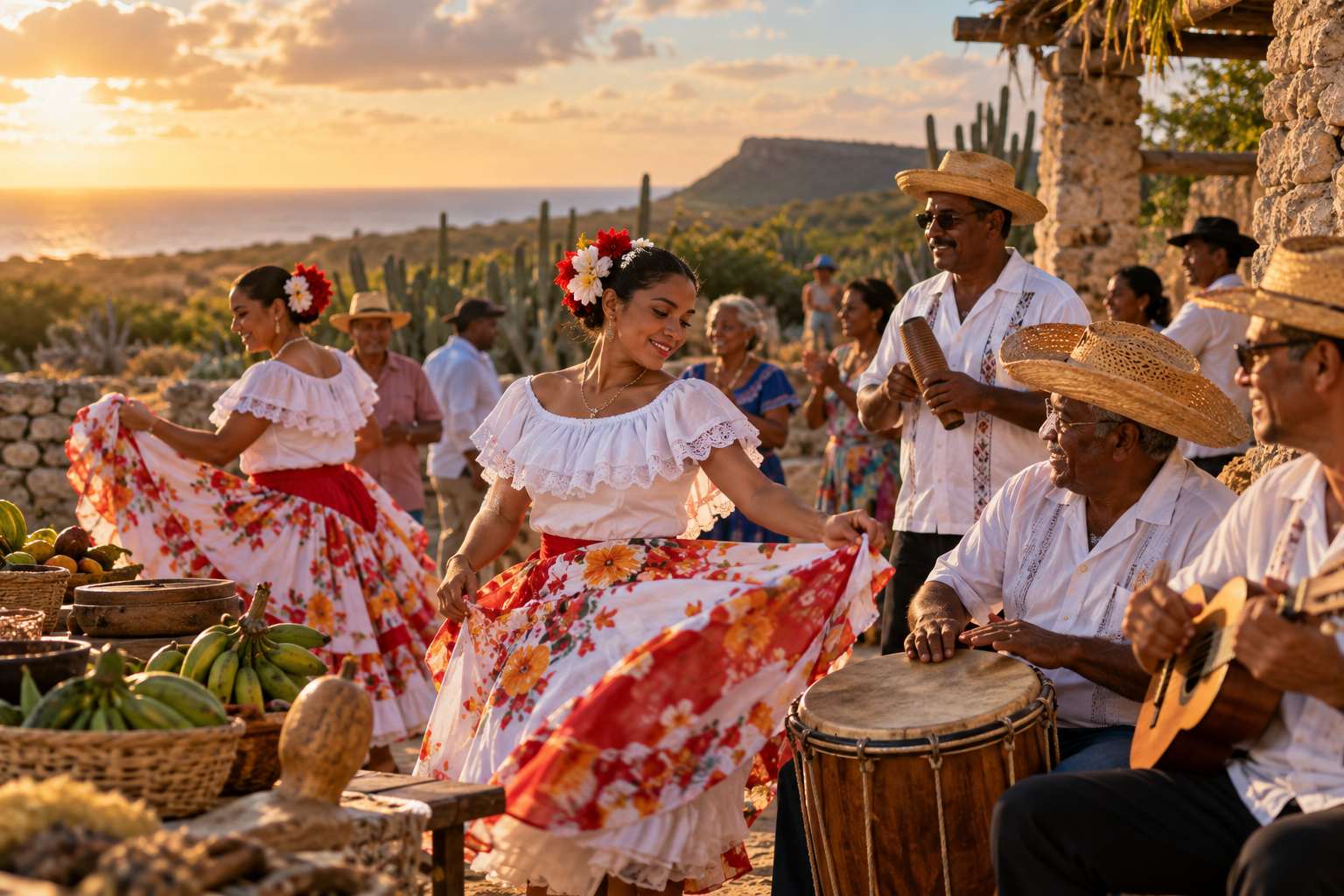
Traditional culture finds expression in music and dance. The "tumba" rhythm drives Carnival celebrations, while the "dande" tradition sees musicians visiting homes on New Year's Day. The Bon Bini Festival at Fort Zoutman every Tuesday evening offers visitors the most accessible introduction to Aruban music, dance, and cuisine.
🗣️ Useful Papiamento Phrases
Greetings & Basics:
- Bon dia — Good morning
- Bon tardi — Good afternoon
- Bon nochi — Good evening
- Con ta bai? — How are you?
- Masha danki — Thank you very much
Helpful Expressions:
- Ayo — Goodbye
- Dushi — Sweet/lovely (term of endearment)
- Bon bini — Welcome
- Cuanto ta costa? — How much does it cost?
- Un bon dia! — Have a good day!
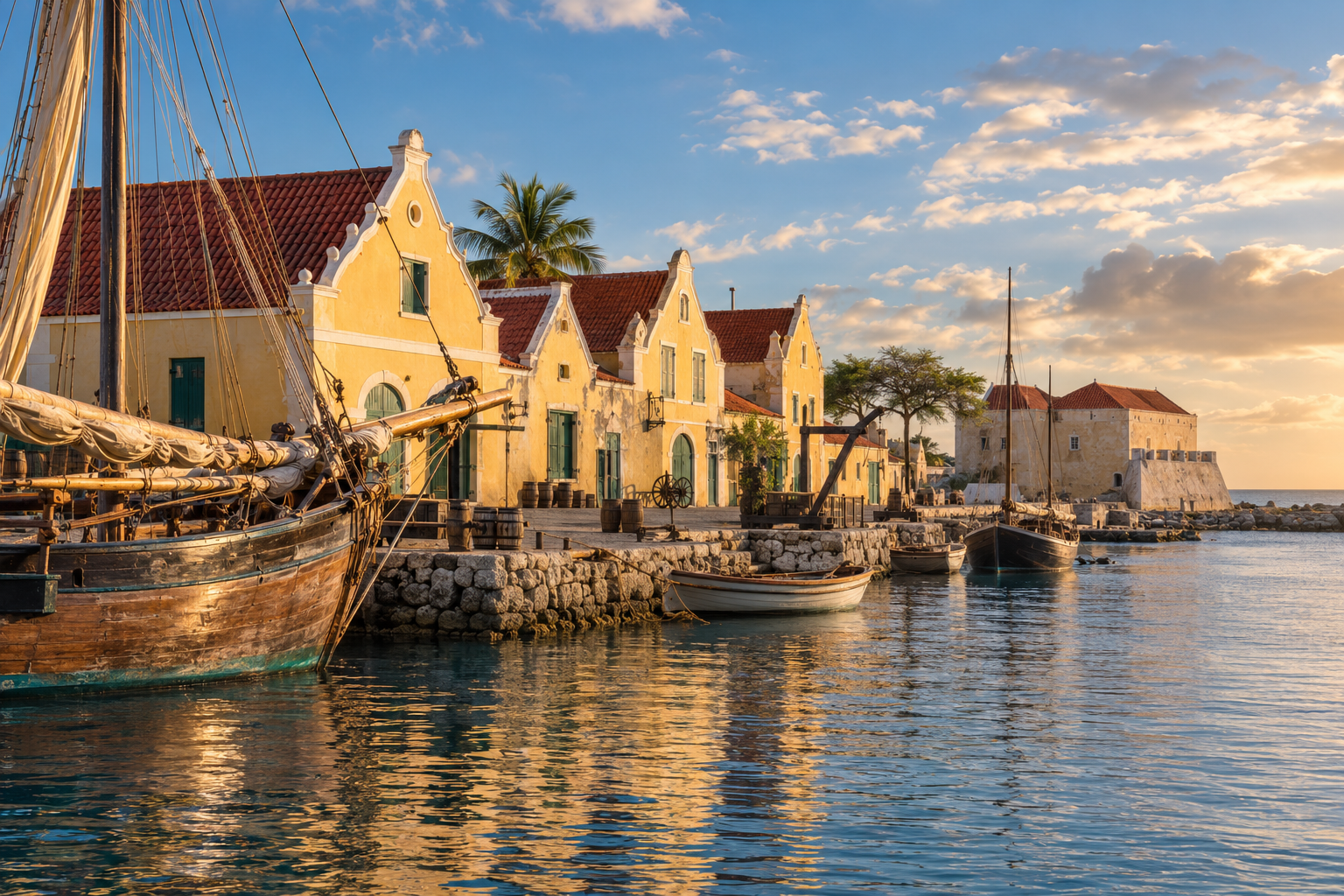
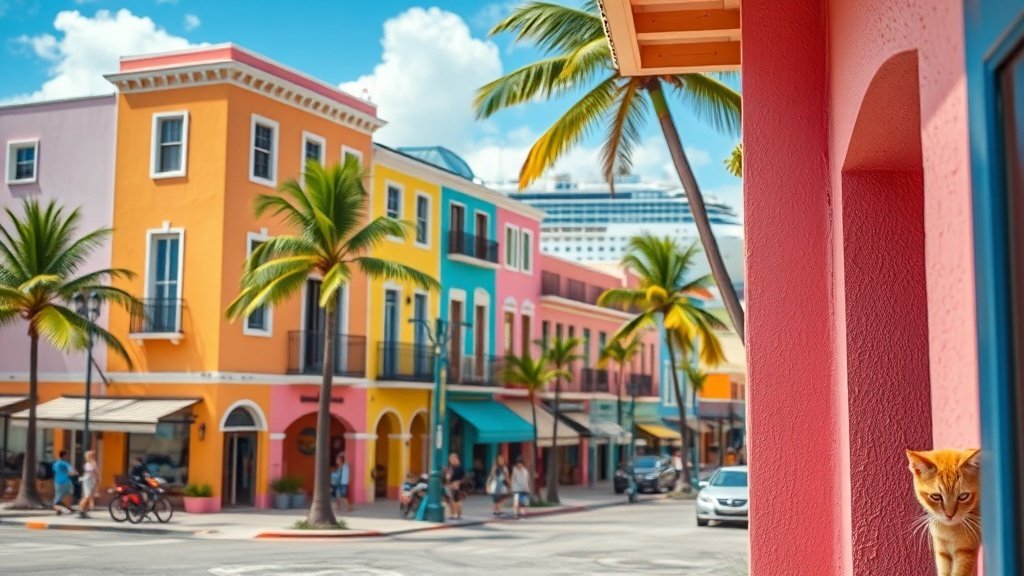
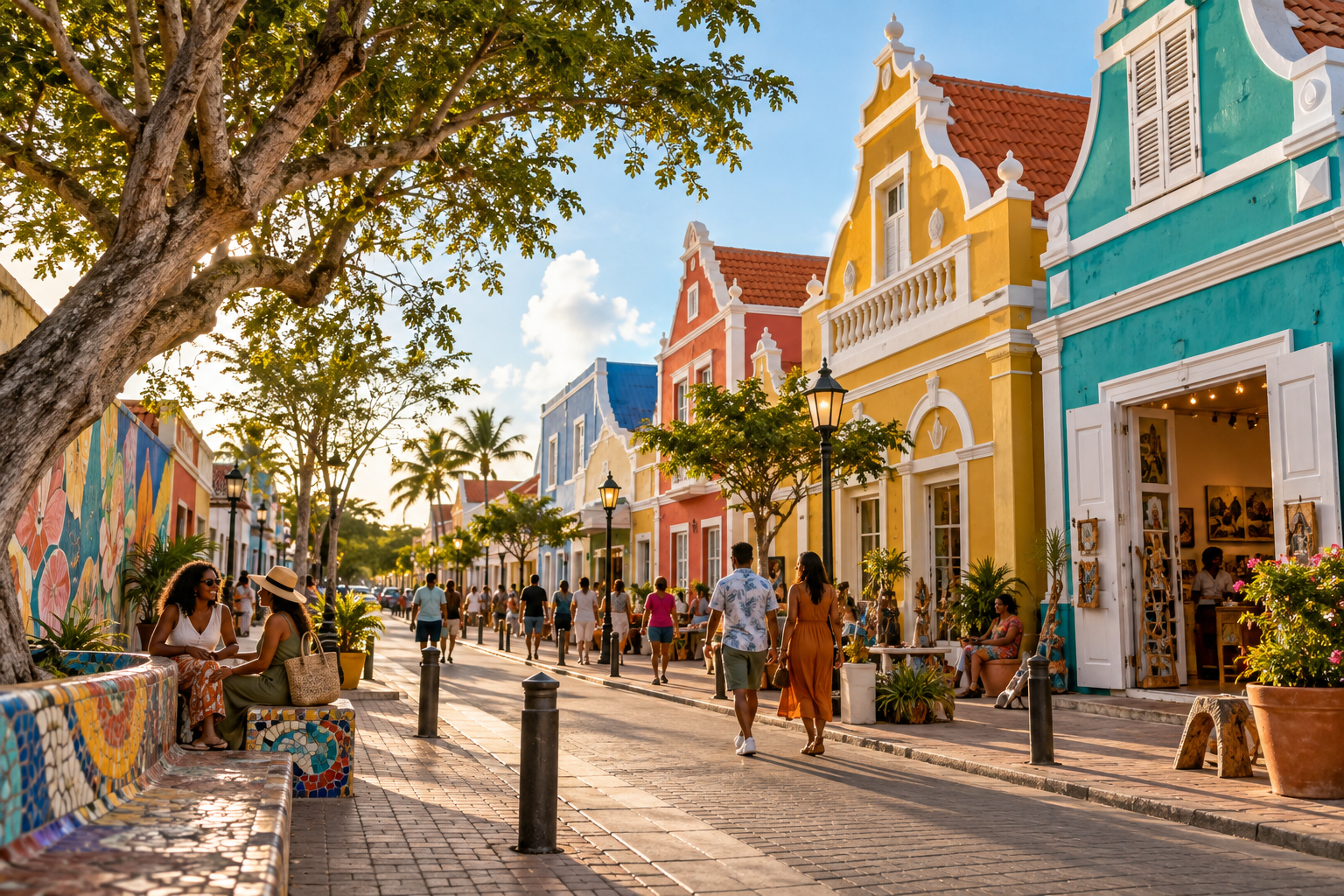
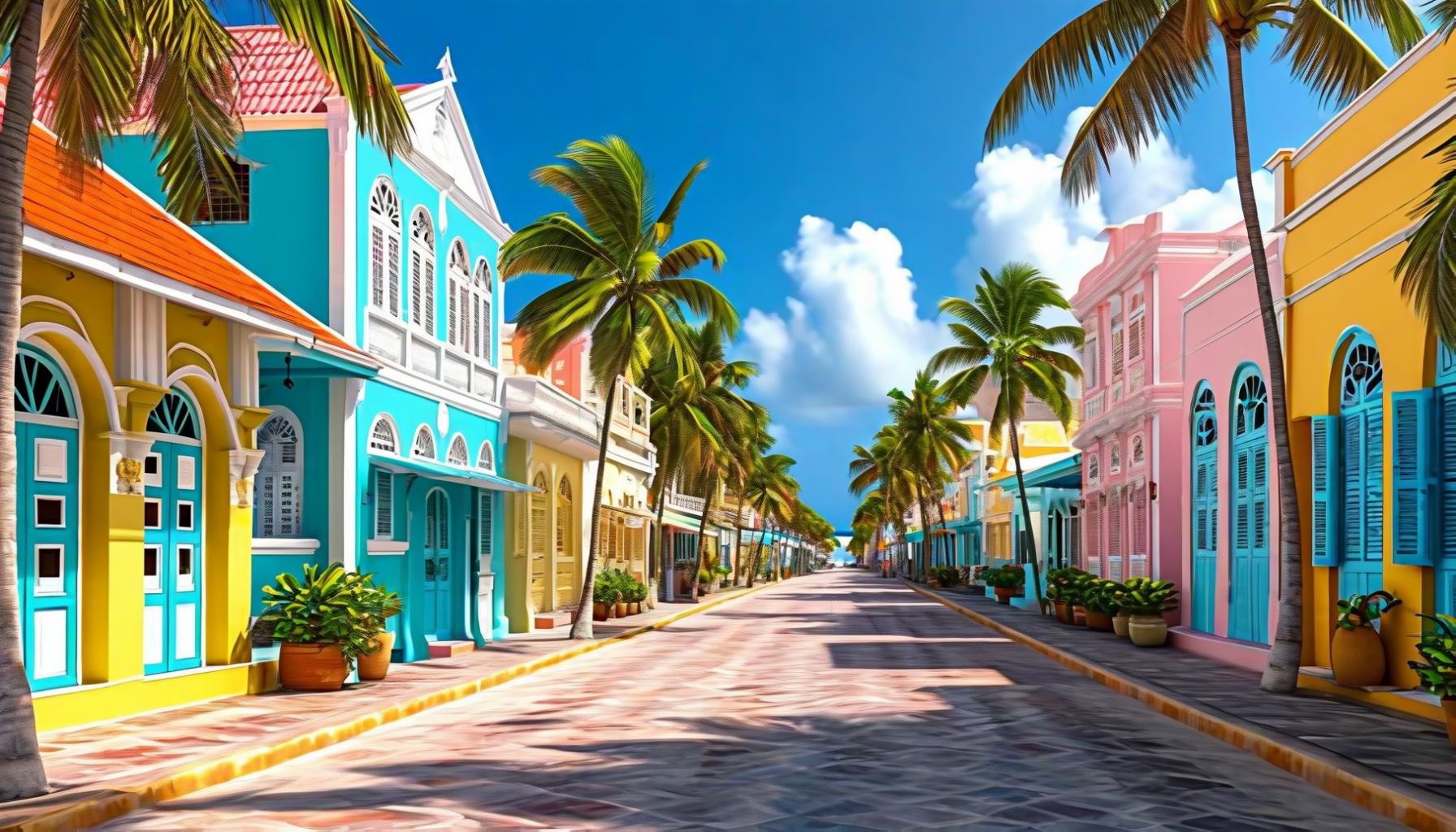
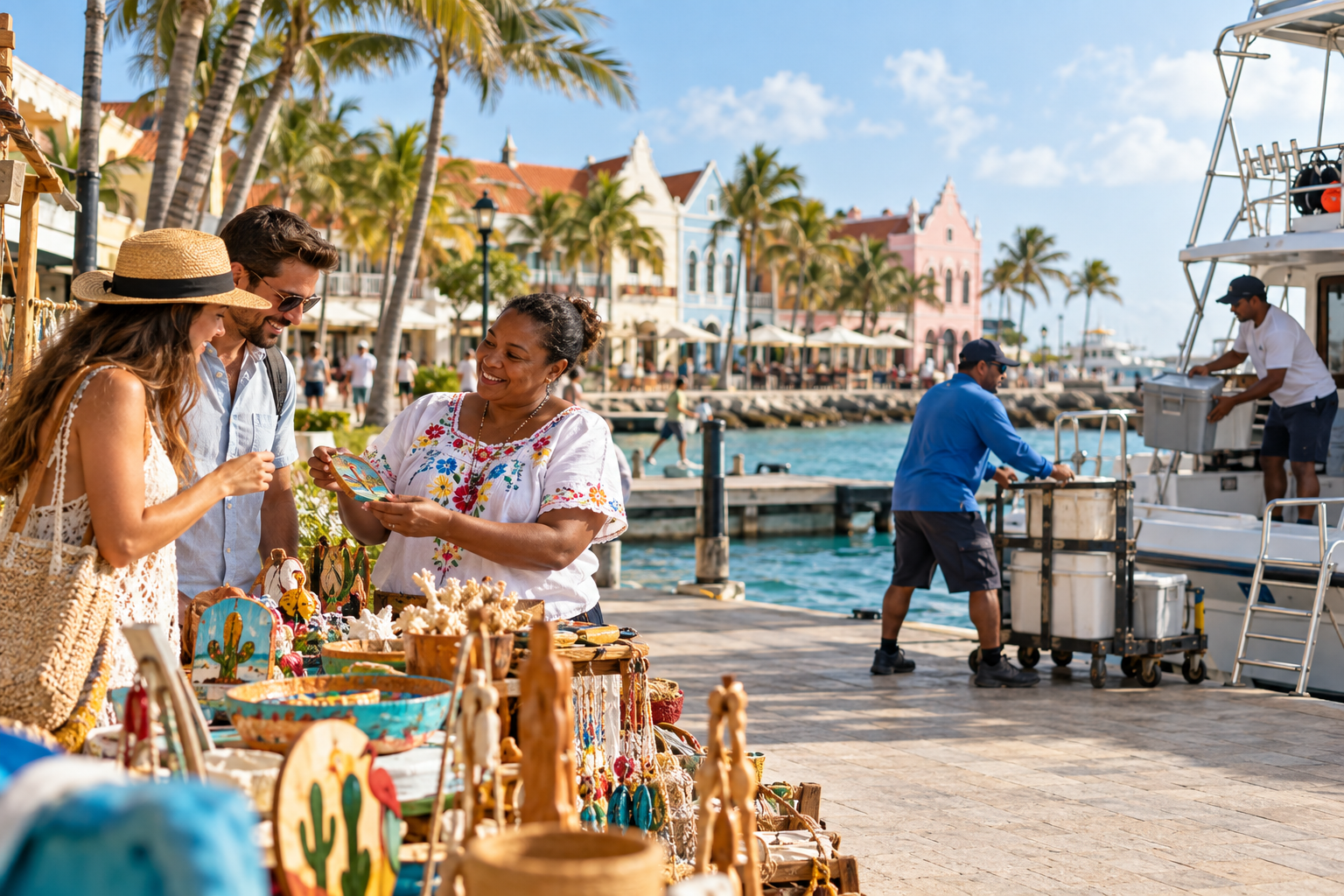
The capital (population approximately 35,000) occupies Aruba's southwestern coast, its name honoring the Dutch House of Orange. Cruise ships dock at the downtown port, delivering passengers directly into a shopping district of pastel-colored Dutch colonial buildings, outdoor malls, and jewelry stores. The architecture mixes authentic colonial heritage with modern retail developments designed to evoke that heritage.
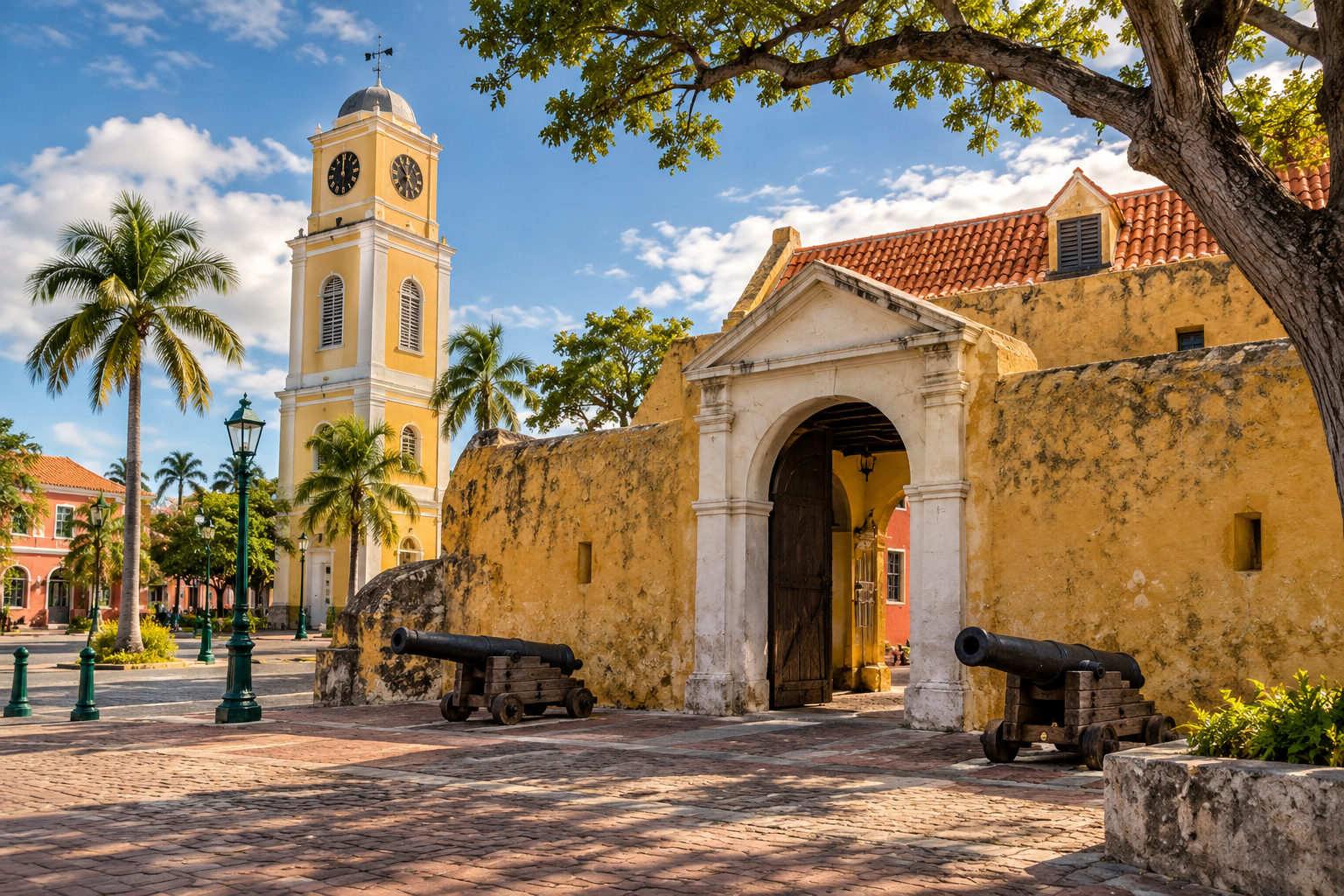
Fort Zoutman (1796) stands as Aruba's oldest building, now housing a historical museum. The adjacent Willem III Tower, added in 1868, once served as lighthouse and clock tower. Every Tuesday evening, the Bon Bini Festival transforms the fort's courtyard into a celebration of Aruban music, dance, and cuisine—the island's most accessible cultural introduction.
Wilhelmina Park offers waterfront tranquility, its tropical gardens centered on a statue of the Dutch queen. From here, visitors stroll past the Parliament Building and ornate Royal Plaza Mall—the pink-and-white confection that dominates Oranjestad's photographs. The National Archaeological Museum presents the island's pre-colonial history through pottery, tools, and skeletal remains.
The Renaissance Mall and Renaissance Marketplace provide upscale shopping and waterfront dining. Guests at the Renaissance Hotel gain access to Renaissance Island, a private island where pink flamingos wade in shallow waters—Aruba's most Instagram-famous attraction.
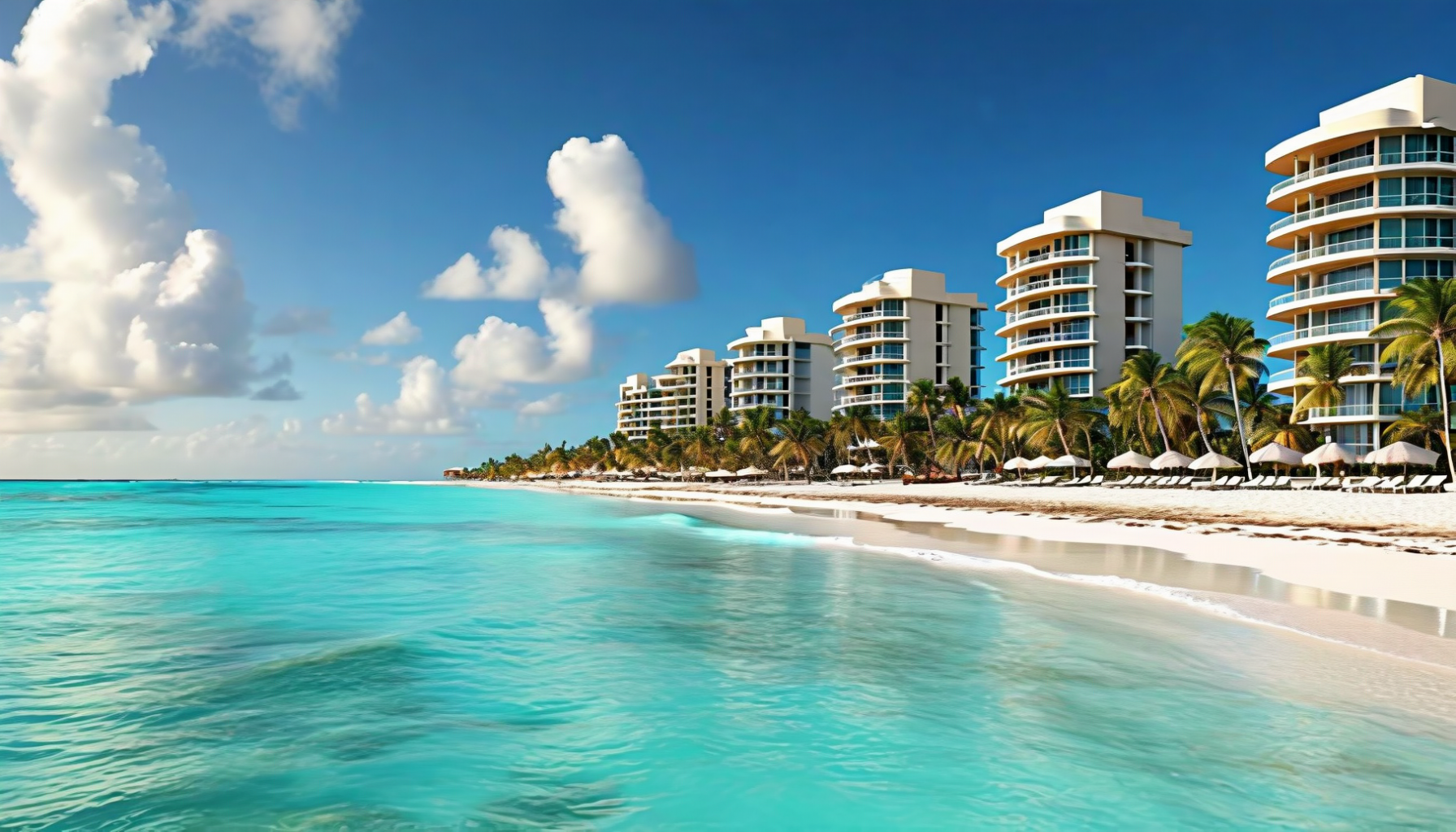
Oranjestad Waterfront
Pastel-colored Dutch colonial architecture meets Caribbean charm in Aruba's capital city
Eagle Beach consistently ranks among the world's best beaches—#2 in the Caribbean and #8 globally in TripAdvisor's 2024 Travelers' Choice Awards. The sand gleams impossibly white, crushed coral and shells compacted into powder that stays cool enough for barefoot walking even at noon. The iconic fofoti trees (divi-divi trees), permanently bent by trade winds into horizontal sculptures, provide Aruba's most photographed landmarks.
Sea turtles nest along Eagle Beach from March through September, protected by conservation programs that mark and monitor eggs. Lower-rise resorts line the shore, creating a more relaxed atmosphere than Palm Beach's high-rise district. The beach remains public, with built-in palapas (thatched shade structures) available first-come, first-served.
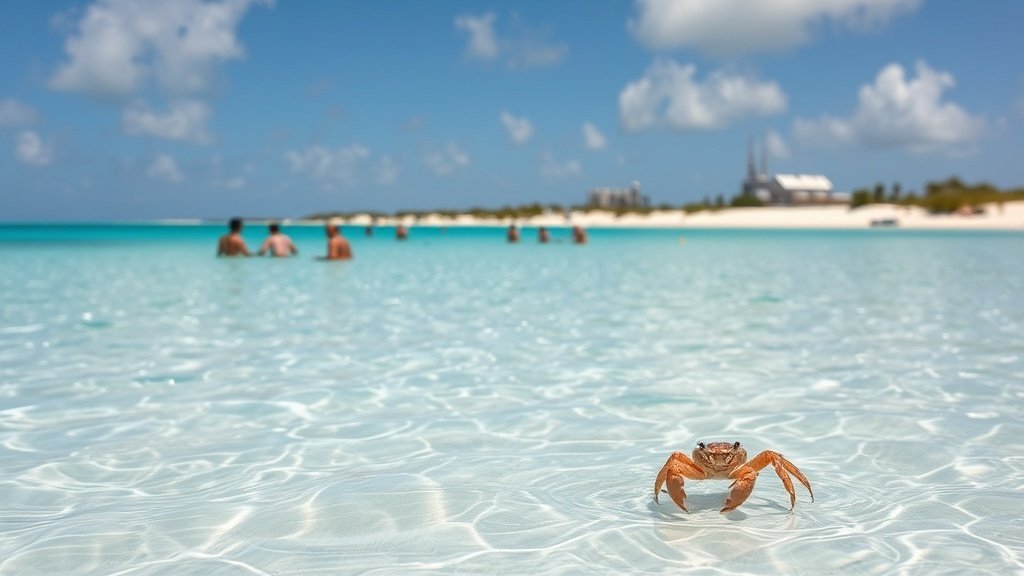
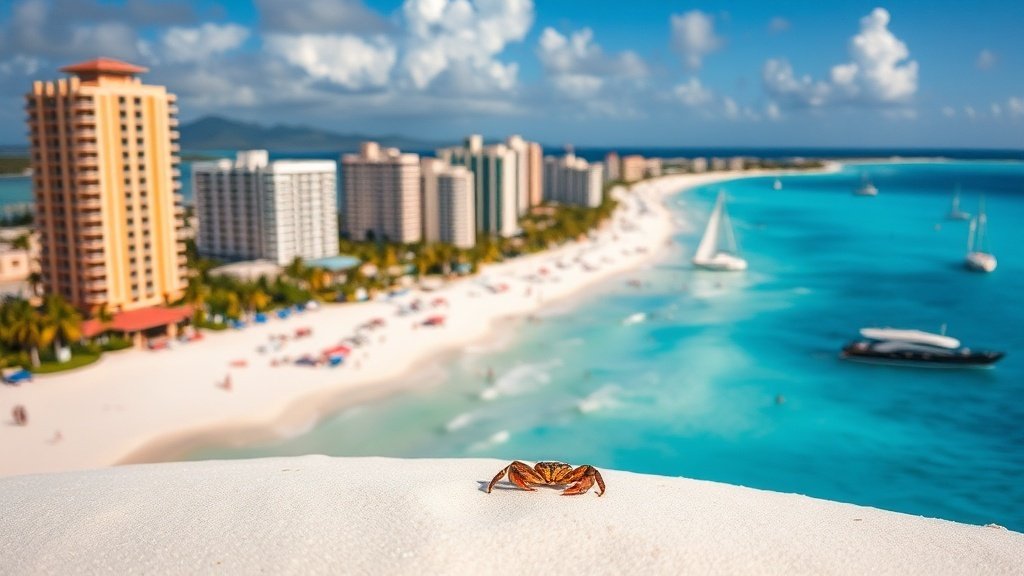
Palm Beach stretches two miles of white sand fronted by major hotel chains including Marriott, Hyatt, Hilton, and Riu. The atmosphere buzzes with activity: jet skis, parasailing, catamaran tours, beach bars, and water sports rentals. The water proves remarkably shallow—in places, visitors can wade nearly half a mile from shore while still touching bottom.
This gentle slope, combined with minimal wave action, makes Palm Beach ideal for families with young children, though some find the commercial intensity overwhelming. Beach bars and restaurants line the shore, and water sports vendors offer everything from paddleboarding to banana boat rides.
Nearly 20% of Aruba lies within Arikok National Park, protecting a desert landscape utterly unlike the beach resorts just kilometers away. This is Aruba's wild heart: towering cacti, limestone formations sculpted by millennia of wind and rain, and hidden caves containing indigenous pictographs painted centuries before Columbus sailed.
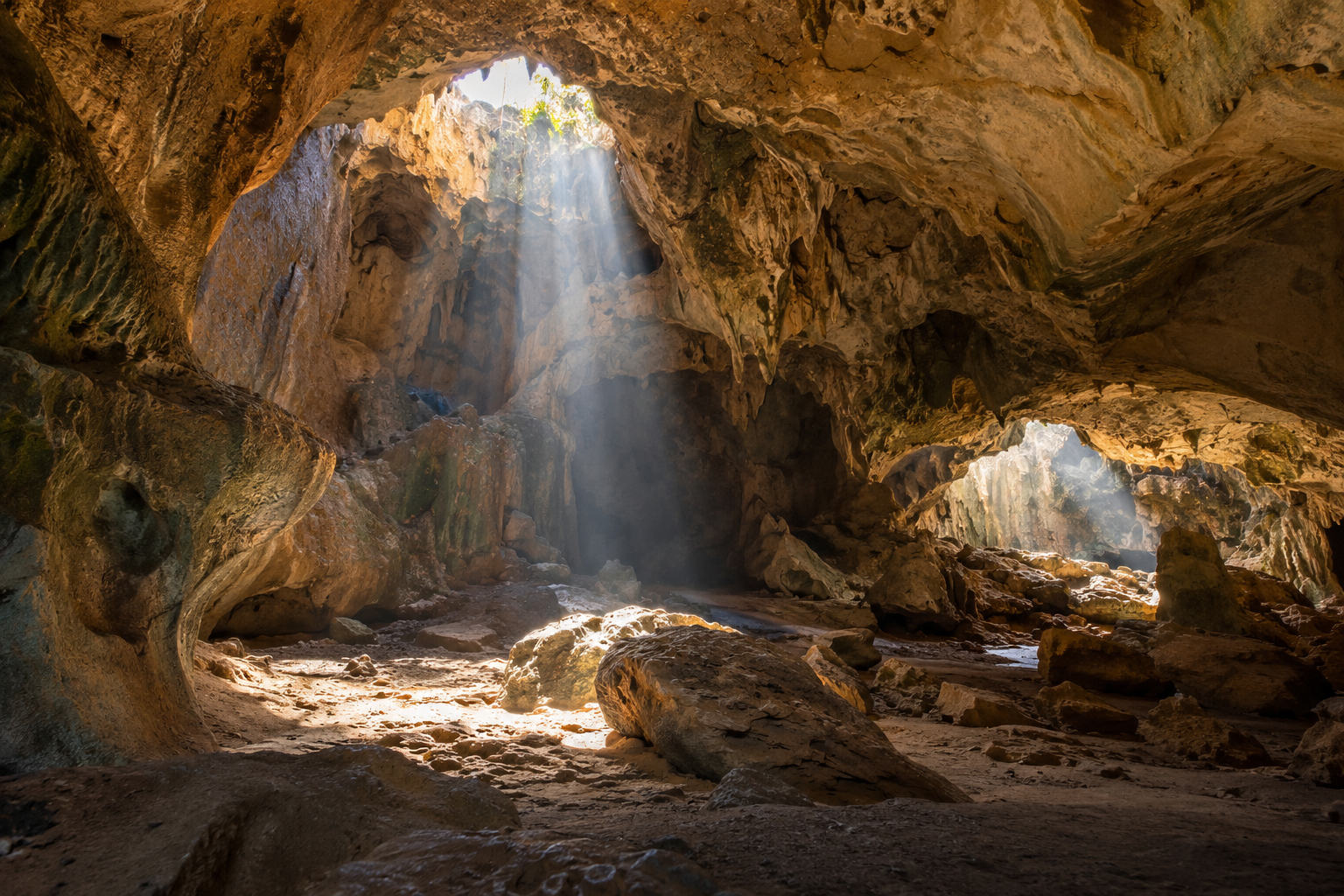
Fontein Cave preserves Arawak Indian drawings—red and brown pictographs of animals, geometric patterns, and figures whose meanings remain debated. Quadirikiri Cave features chambers illuminated by natural skylights, while Huliba Cave (the "Tunnel of Love") requires crawling through passages to reach its heart-shaped opening.
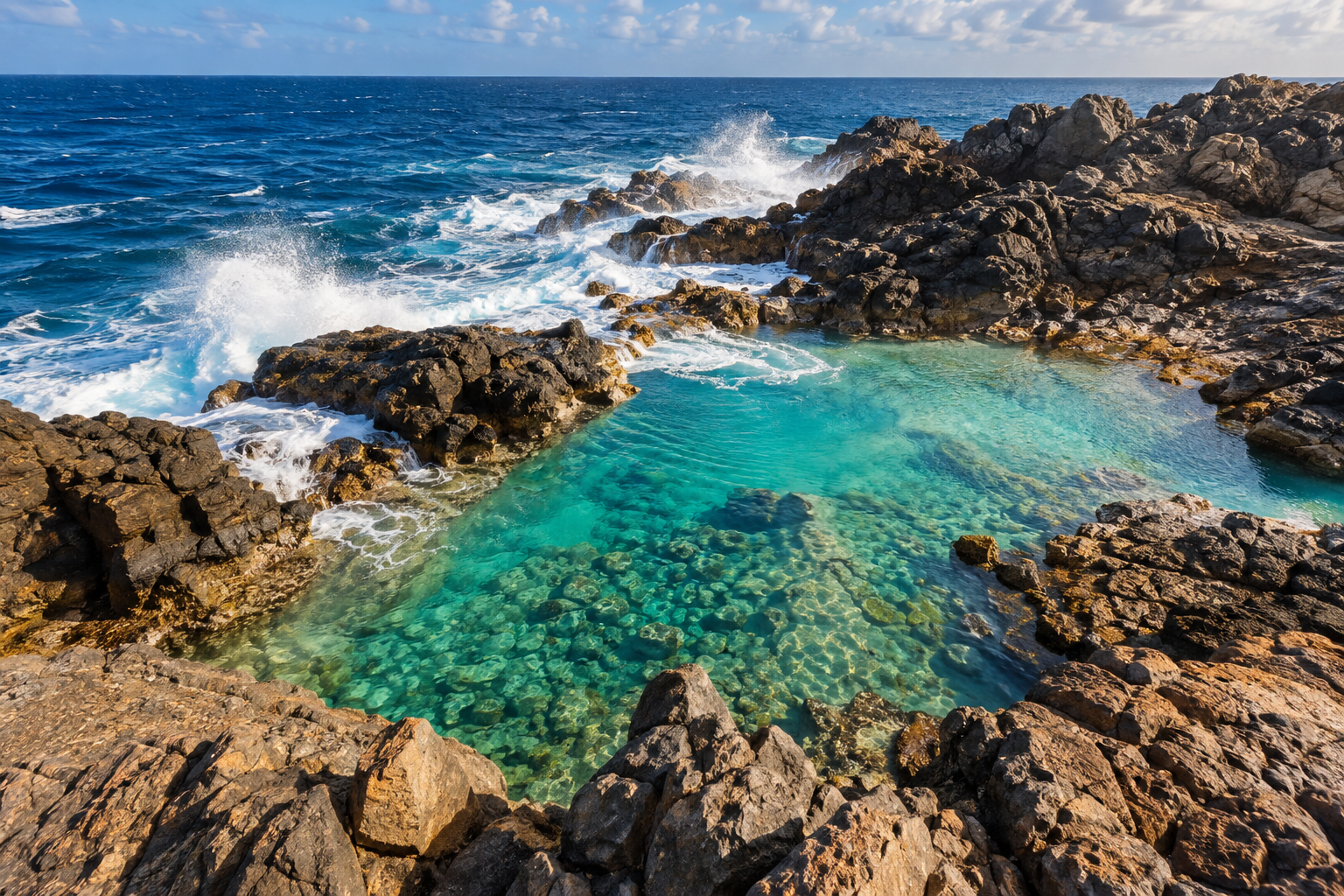
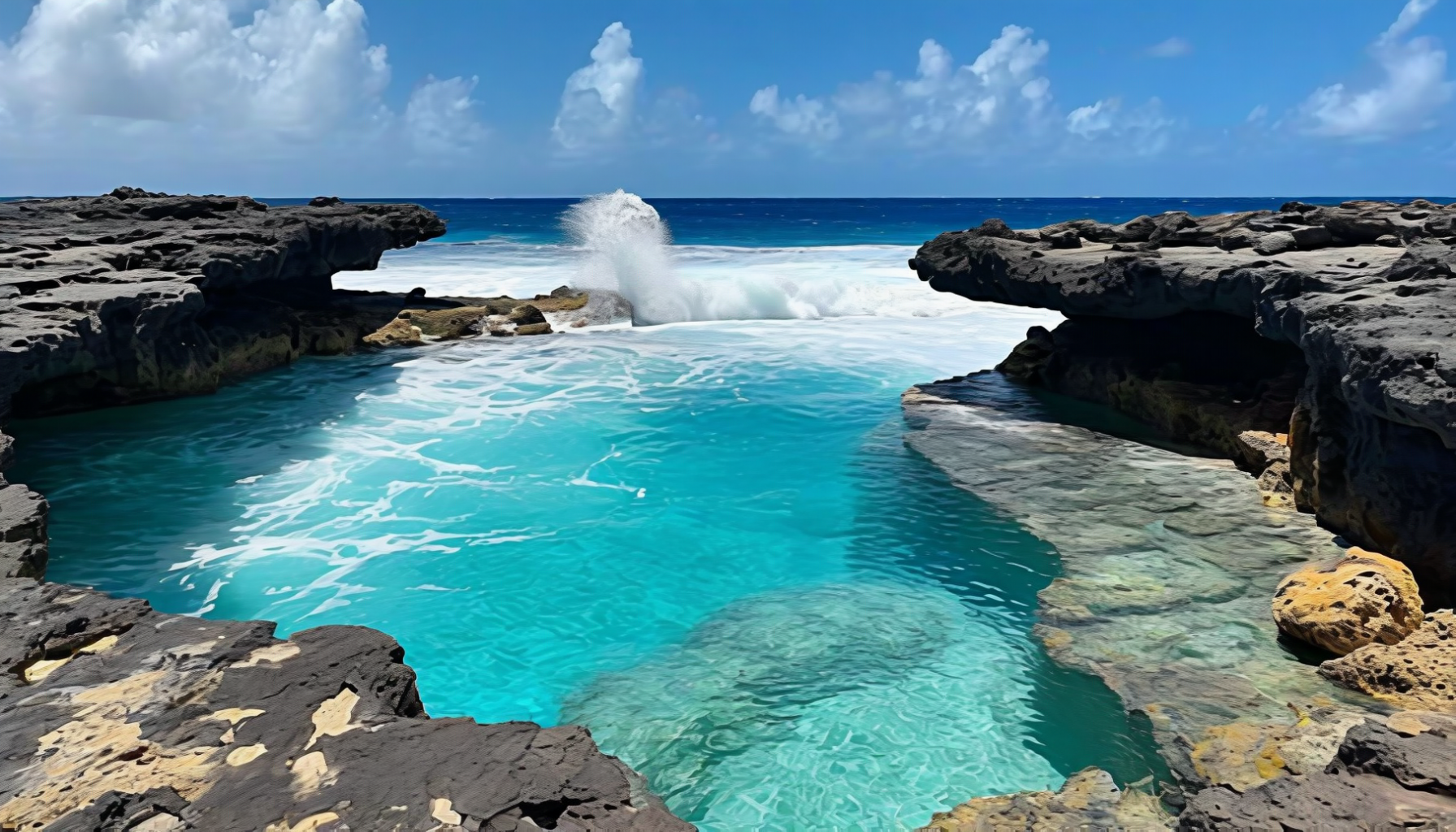
The park's trails lead to Conchi (the Natural Pool), a rock-enclosed swimming hole on the rugged windward coast where waves crash against the outer barrier while calm water fills the inner pool. Reaching Conchi requires a 4x4 vehicle or guided tour—the rough road deters casual visitors and rewards adventurous travelers with one of Aruba's most memorable swimming experiences.
Boca Prins offers dramatic coastal scenery—sand dunes meeting limestone cliffs, with waves crashing against the shore. Swimming is dangerous here, but the landscape photography opportunities rival any Caribbean destination. The park's wildlife includes the Aruban rattlesnake (found nowhere else on Earth), the shoco (burrowing owl) that serves as Aruba's national symbol, and various lizards and birds adapted to desert conditions.
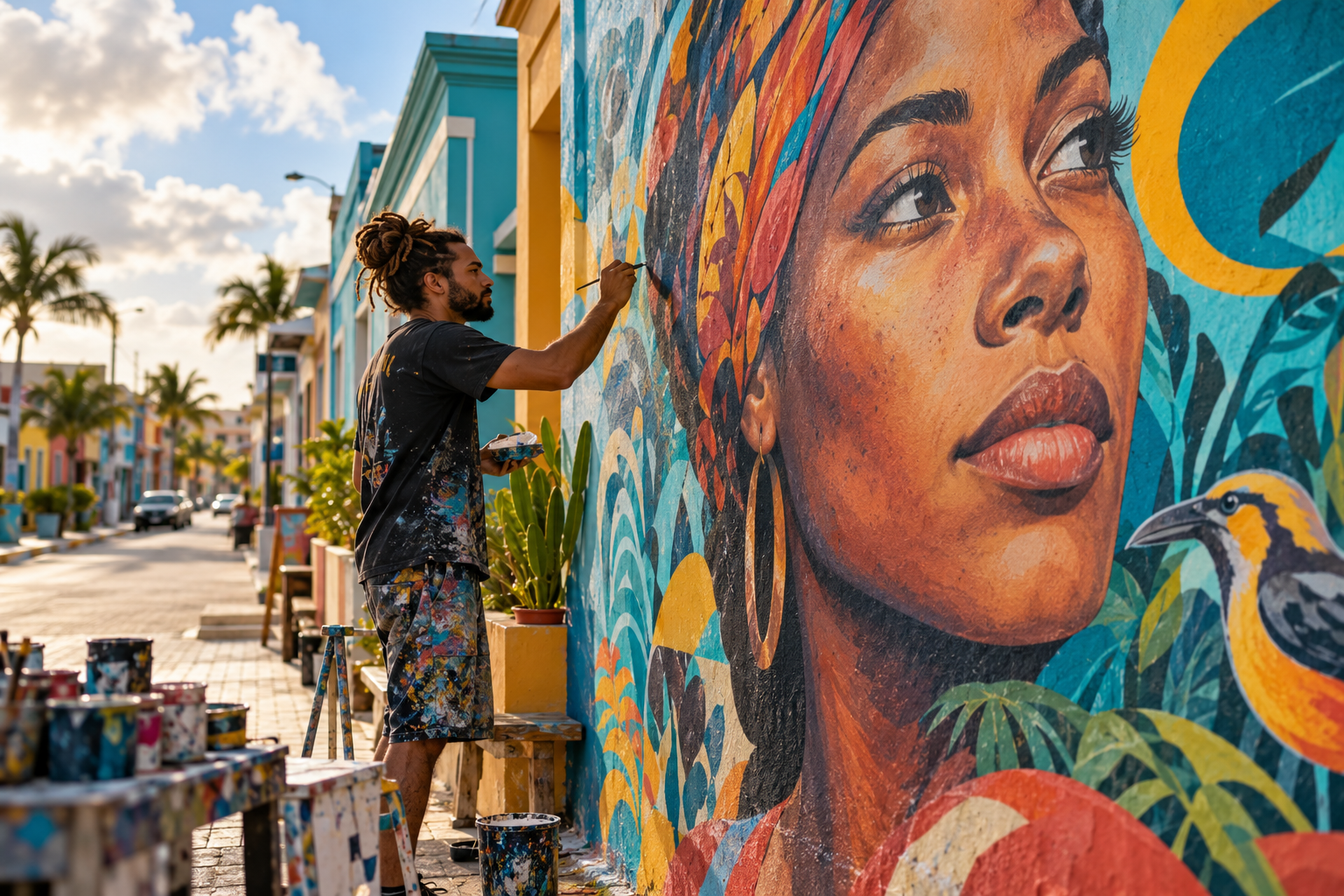
Aruba's second city (population approximately 15,000) developed around the oil refinery, earning the nickname "Sunrise City" for its eastern location. Long overshadowed by tourism-focused areas, San Nicolas has reinvented itself as Aruba's cultural and artistic hub through a remarkable urban transformation.
Street art murals now cover building facades throughout the downtown, transforming industrial structures into an open-air gallery. The annual Aruba Art Fair brings international artists each September, while local galleries and workshops operate year-round. Walking through San Nicolas reveals new discoveries at every corner—massive murals depicting Aruban wildlife, portraits celebrating local culture, and abstract works that play with the Caribbean light.
The nearby Baby Beach, a shallow lagoon protected by rock breakwaters, offers calm swimming perfect for families—and a local atmosphere notably different from the resort-dominated western coast. Arrive early to secure shaded spots under the few available palapas. On weekends, music and barbecues fill the air as Aruban families gather.
The Community Museum of San Nicolas traces the city's history from fishing village through oil boom to artistic renaissance. For visitors seeking authentic Aruban culture beyond the resort bubble, San Nicolas delivers genuine local experience.
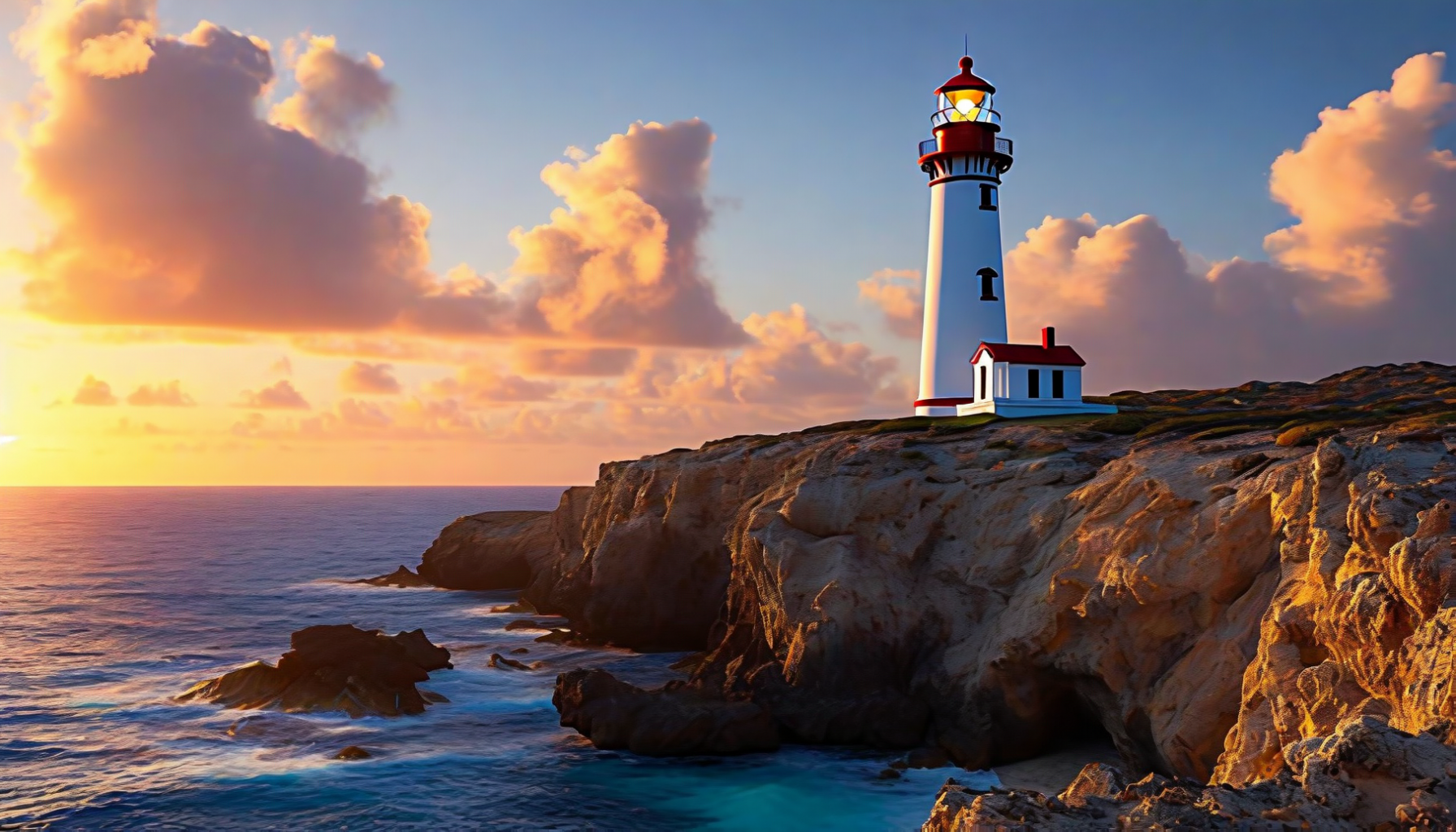
Arashi Beach near the California Lighthouse combines calm swimming with excellent snorkeling. The reef begins just meters from shore, accessible to beginners yet interesting enough for experienced snorkelers. Sunset views prove spectacular, the lighthouse silhouetted against orange and purple skies. Limited facilities preserve Arashi's peaceful character.
Mangel Halto hides along Aruba's southwestern coast, offering the island's most distinctive snorkeling environment. Channels wind through mangrove roots, leading to clear water over vibrant coral formations. Sea turtles frequent the area, and the absence of resort crowds creates a genuinely wild feeling. Access requires a short walk from parking areas.
Tres Trapi (Three Steps) gets its name from natural rock formations creating easy entry into exceptional snorkeling waters. Local fishermen use these steps daily; visitors find some of the best fish-watching without traveling far from shore. No facilities—bring everything you need.
Boca Catalina offers calm, shallow waters perfect for beginners and families, with excellent snorkeling right from shore. The protected cove rarely sees waves, making it ideal for those intimidated by ocean swimming.
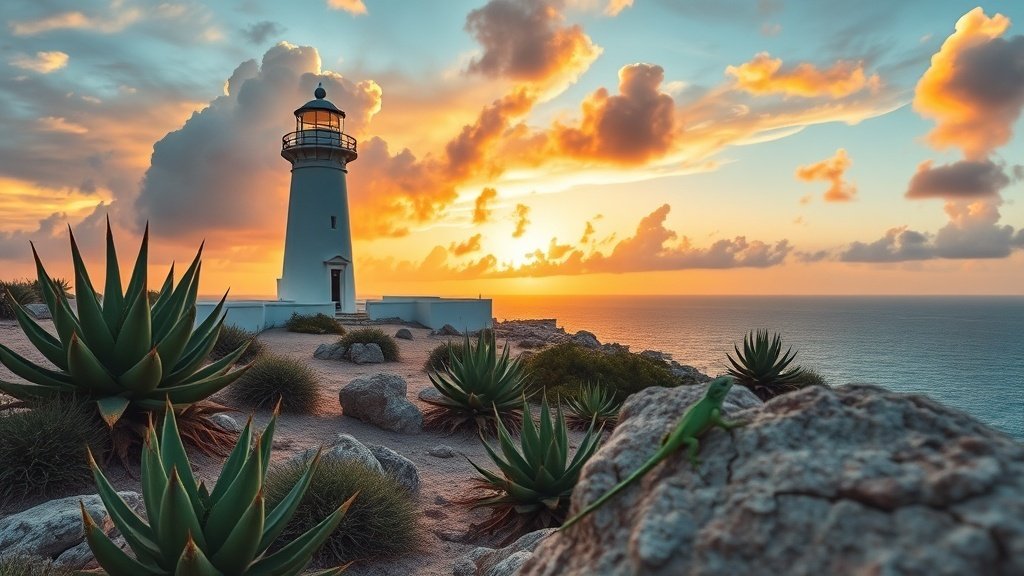
The California Lighthouse crowns Aruba's northwestern tip, named for the ship "California" that sank nearby in 1891. The lighthouse itself dates from 1910 and offers panoramic views across the island from its 30-meter tower. Surrounding dunes create dramatic landscapes, especially at sunset when photographers gather to capture the golden light.
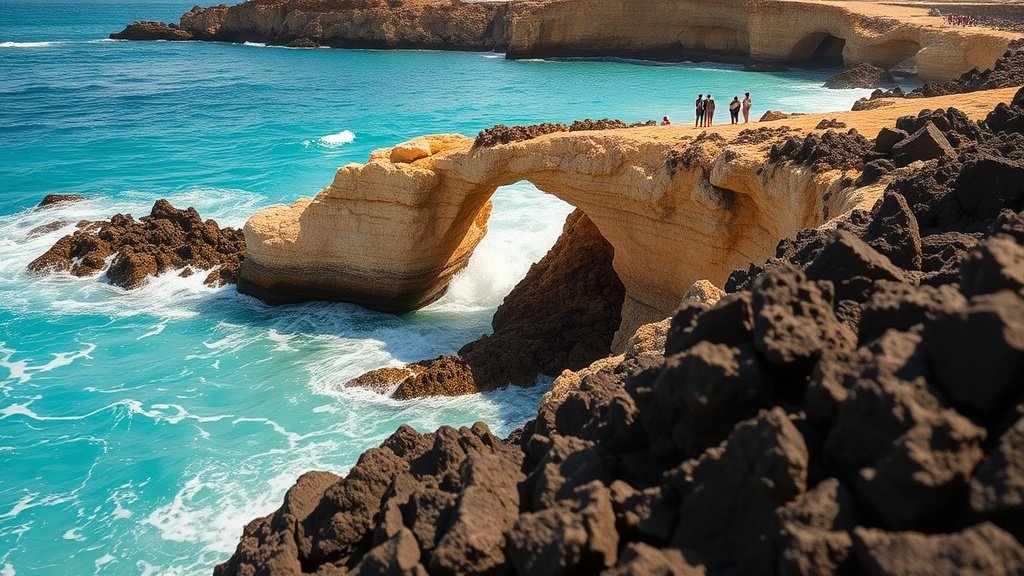
The Natural Bridge at Andicuri once spanned the rocky coast as Aruba's most photographed landmark—until it collapsed in 2005. A smaller "baby bridge" remains, demonstrating the geological forces that created these formations. The rugged windward coast here shows Aruba's wild side, waves crashing against coral limestone carved into fantastic shapes.
Bushiribana Gold Smelter Ruins stand as monuments to Aruba's 19th-century gold rush. Built in 1872, these roofless stone walls processed ore until 1882. The photogenic ruins overlook the northern coast, providing dramatic backdrops for exploration and photography. The nearby Balashi Gold Mill Ruins tell a similar story.
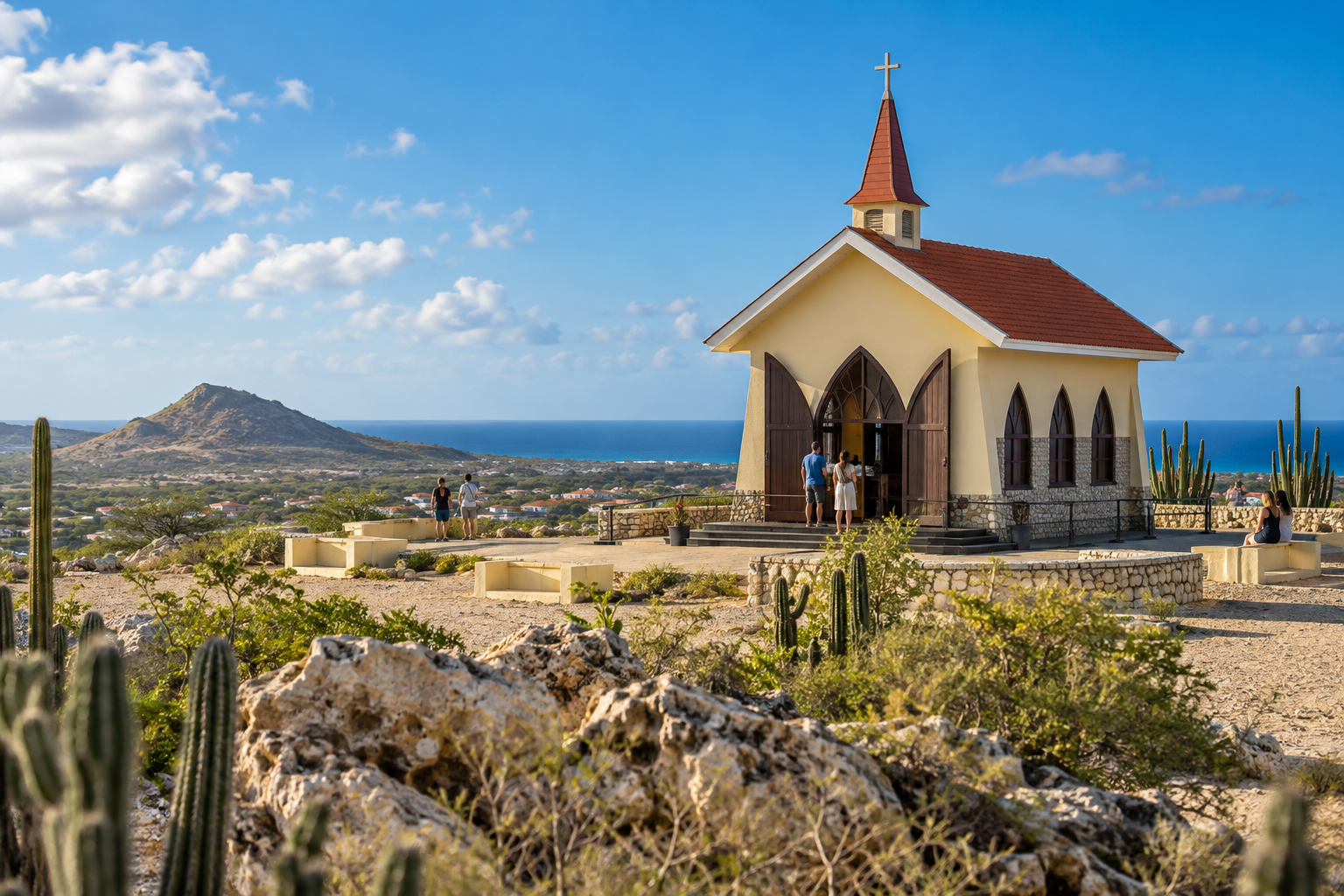
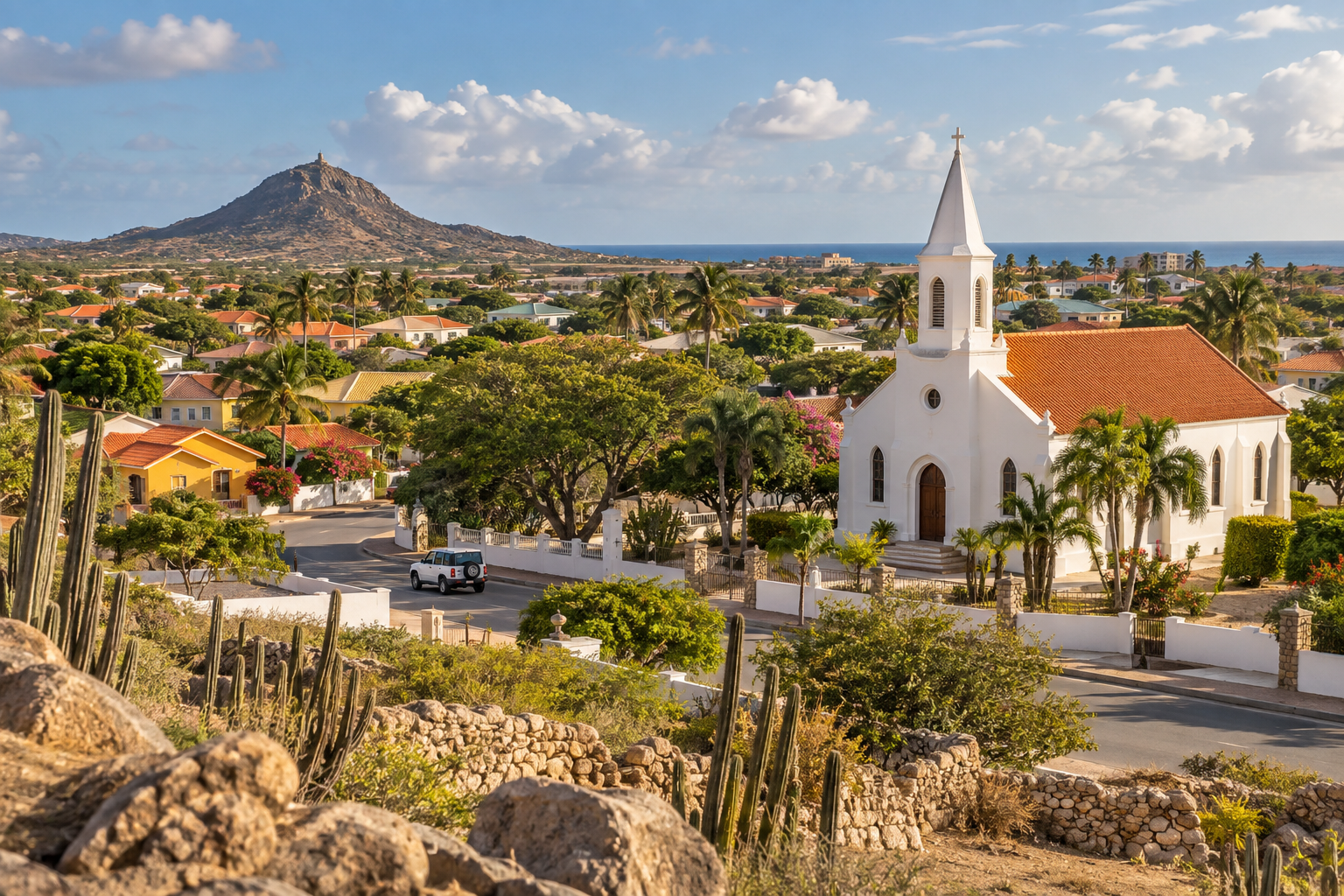
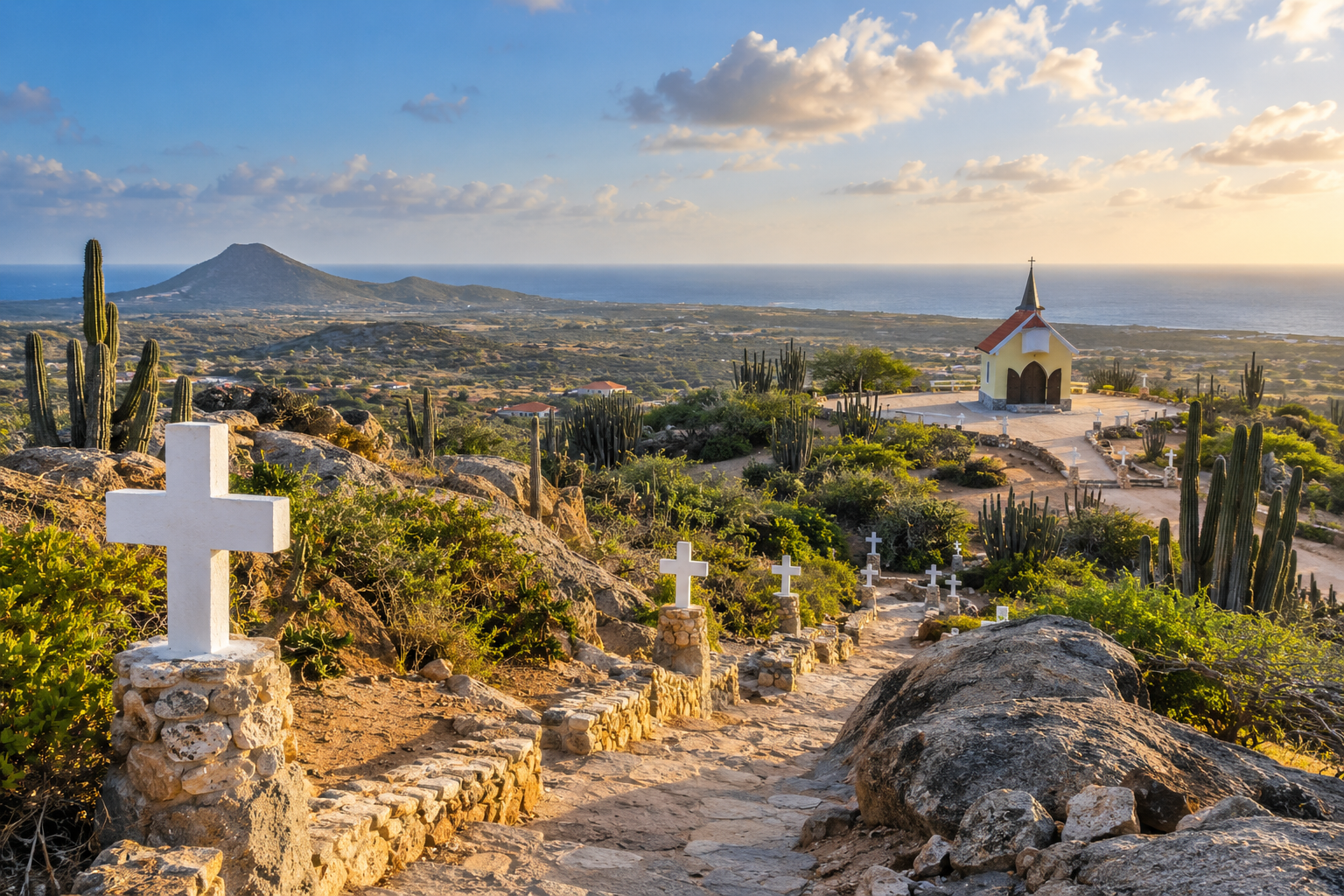
Alto Vista Chapel (1750) occupies a hilltop overlooking the north coast, a simple yellow church marking the site of Aruba's first Catholic church. The peaceful location, reached via winding road past giant cacti, offers contemplative atmosphere away from tourist crowds. Stations of the Cross line the approach road.
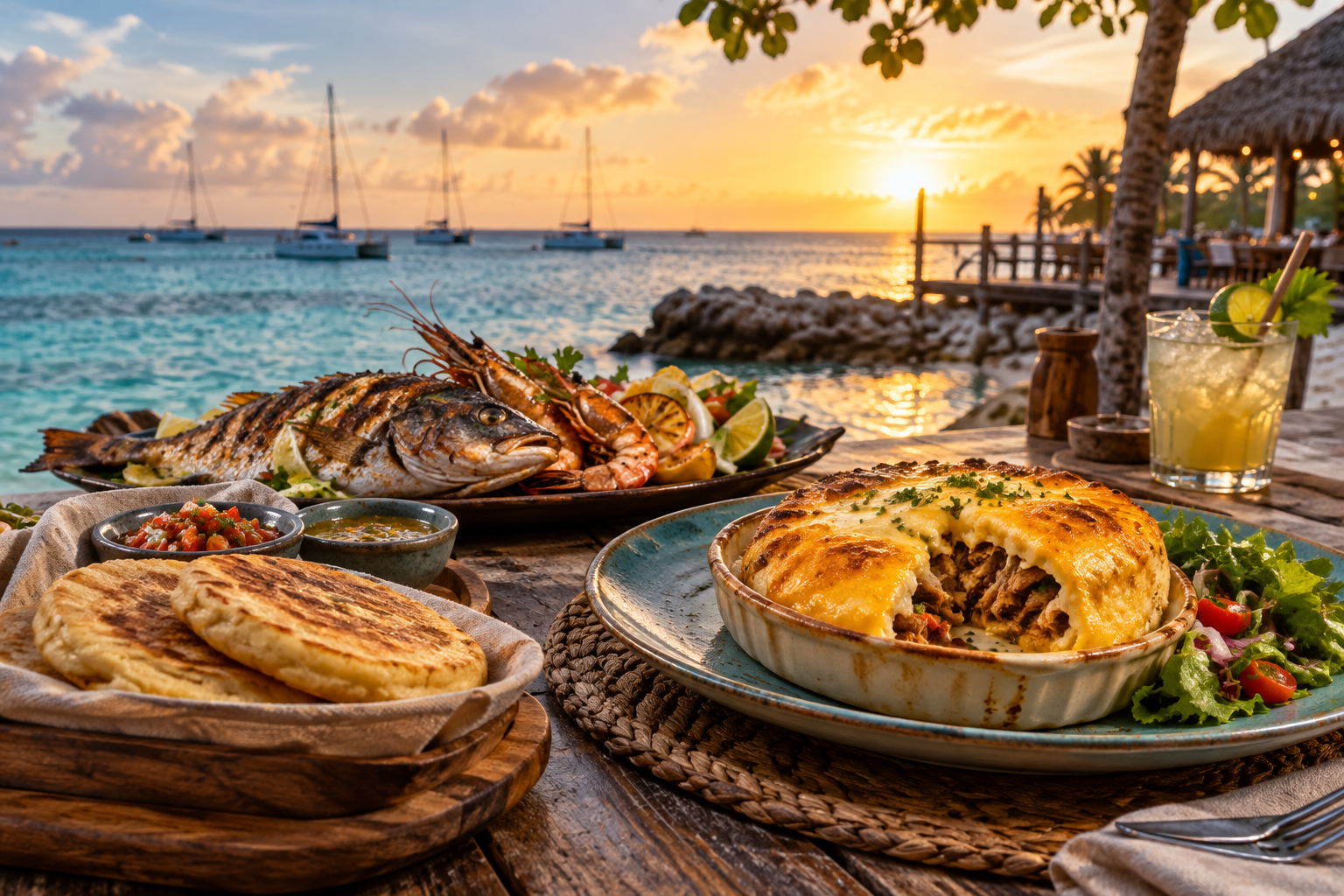
Aruban cuisine reflects the island's multicultural heritage—Dutch colonial influences, Latin American neighbors, international imports, and indigenous Caribbean traditions combine into a distinctive culinary identity. Over 90 nationalities are represented in Aruba's restaurants, making this tiny island a surprisingly diverse dining destination.
Traditional Dishes: Keshi yena—the national dish, a ball of Gouda cheese stuffed with spiced meat, originally created to use cheese rinds. Pan bati—slightly sweet cornmeal pancakes. Stoba—slow-cooked stew (goat stoba is traditional). Pastechis—deep-fried turnovers filled with meat, cheese, or fish. Funchi—cornmeal polenta similar to Italian polenta.
Seafood: Fresh catches include mahi-mahi, wahoo, red snapper, and Caribbean lobster. Pisca hasa (fried fish) and sopi di pisca (fish soup) appear on menus island-wide. The daily catch determines availability—ask your server what's fresh.
Beverages: Balashi—Aruba's own beer, brewed locally using desalinated seawater. Coecoei—sweet liqueur made from agave and rum. Ponche crema—creamy holiday drink similar to eggnog. Fresh fruit juices—papaya, mango, passionfruit—accompany most meals.
Keshi Yena
Stuffed Cheese
A whole cheese wheel stuffed with spiced chicken—Aruba's showstopper.
Ingredients: 300g Gouda cheese, hollowed or sliced, 250g chicken, shredded, 1 onion, 1 pepper, diced, 2 tomatoes, Olives, raisins, capers, Worcestershire sauce.
Preparation: Sautingé chicken with vegetables. Add olives, raisins, capers, seasonings. Line dish with cheese slices. Then fill with chicken mixture. Top with more cheese. Last, bake 180°C (356°F) for 25 min until melty.
💡 Traditionally made in hollowed Edam cheese wheel.
Pan Bati
Cornmeal Pancakes
Slightly sweet cornmeal pancakes—Aruba's daily bread.
Ingredients: 240ml cornmeal, 120ml flour, 240ml milk, 1 egg, 30ml sugar, 5ml baking powder, Butter for frying.
Preparation: Mix dry ingredients. Add milk and egg, whisk smooth. Rest batter 10 min. Then cook on buttered griddle. Flip when bubbles form. Finally, serve with stews or as breakfast.
💡 Batter should be thick—add more milk if too stiff.
Sopi di Piska
Fish Soup
Hearty Caribbean fish soup with coconut and local vegetables.
Ingredients: 300g white fish, cubed, 240ml coconut milk, 1 potato, cubed, 1 tomato, diced, 1 onion, Lime juice, Cilantro, scotch bonnet.
Preparation: Sautingé onion, add tomato. After that, add potato and 480ml water. Simmer until potato tender. Then add coconut milk and fish. Cook 10 min until fish flakes. Finally, finish with lime and cilantro.
💡 Don't stir too much or fish will break apart.
Keshi Yena — Aruban Stuffed Cheese
The national dish of Aruba — a golden wheel of Gouda filled with savory spiced meat, a delicious legacy of Dutch colonial heritage
📜 Traditional Aruban Recipes
Bring the flavors of the Caribbean to your kitchen with these authentic recipes.
🧀 Keshi Yena — Stuffed Cheese
Aruba's national dish — Gouda cheese stuffed with spiced meat
Ingredients:
- 1 whole Gouda cheese wheel (hollowed)
- 500g ground beef or chicken
- 1 onion, diced
- 2 tomatoes, chopped
- Olives, capers, raisins
- Hot pepper sauce to taste
Instructions:
- Hollow out Gouda, save cheese pieces
- Brown meat with onions and tomatoes
- Add olives, capers, raisins, spices
- Mix with cheese pieces
- Stuff into cheese shell
- Bake at 350°F until melted (30 min)
🫓 Pan Bati — Cornmeal Pancakes
Sweet cornmeal flatbread — served with every Aruban meal
Ingredients:
- 1 cup cornmeal
- 1 cup flour
- 2 tbsp sugar
- 1 tsp baking powder
- 1 cup water or milk
- Pinch of salt
Instructions:
- Mix dry ingredients
- Add liquid, stir until smooth
- Let rest 10 minutes
- Cook on greased griddle
- Flip when bubbles form
- Serve warm with butter
Aruba is a desert island — less than 500mm of annual rainfall, constant trade winds, cacti outnumbering trees — and there are no vineyards here. But what Aruba lacks in viticulture, it compensates with a drinking culture that reflects its extraordinary cultural blend: Dutch colonial heritage, Venezuelan proximity, and Caribbean soul all stirred together in a uniquely Aruban mix.
🍺 Balashi — The National Beer
Balashi was Aruba's beloved national beer — a clean, crisp pilsner brewed on the island since 1999 using desalinated seawater. The brewery, located in the Balashi district near the gold mill ruins, became a symbol of Aruban pride and independence. When it sadly ceased production, it left a void in the island's drinking culture. Chill, a local craft beer brand, and imported Dutch beers (Heineken, Amstel Bright) now fill the gap, but locals still speak of Balashi with reverence.
🥃 Coecoei — Aruba's Secret Liqueur
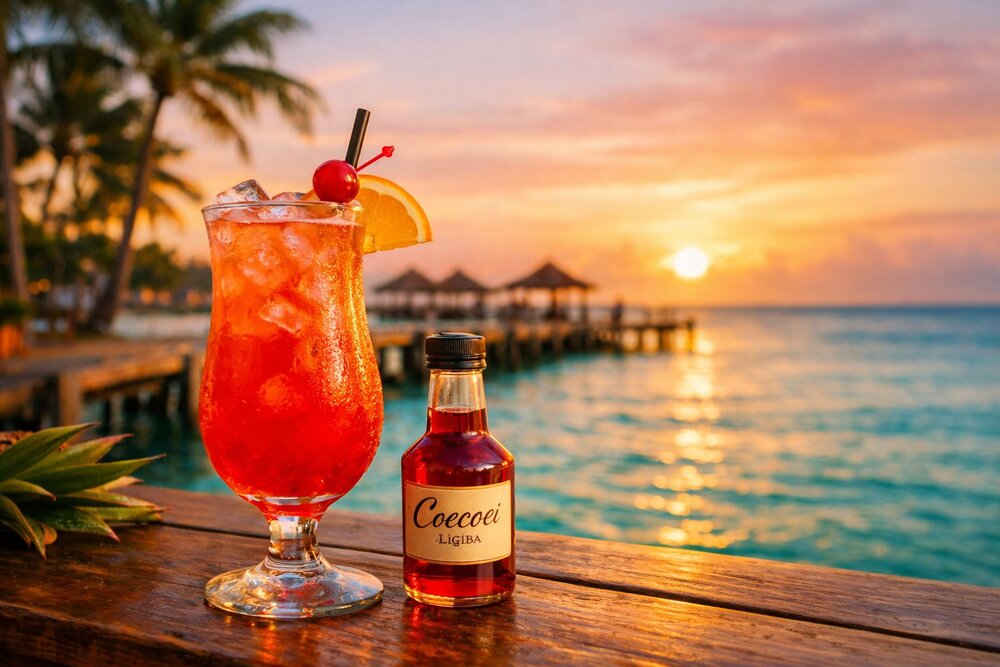
Coecoei is Aruba's most distinctive spirit — a bright red liqueur made from the sap of the agave plant, mixed with rum and sugar. The recipe is genuinely Aruban, with roots in the island's indigenous and colonial history. It's used in the island's signature cocktail, the Aruba Ariba — a potent blend of Coecoei, rum, vodka, fruit juices, and Grand Marnier, garnished with a cherry. Every beach bar and resort has its own version; the original was invented at the Aruba Caribbean Hotel in the 1960s.
Aruba Ariba · Bright red Coecoei, rum, fruit juice, and a Caribbean sunset — the island's signature cocktail that sounds like a tourist trap and turns out to be the real thing.
🏖️ Beach Bar & Happy Hour Culture
Aruba's drinking scene revolves around the Palm Beach strip and the rustic beach bars of the north coast. Bugaloe Beach Bar on a pier over the water, MooMba Beach on the sand, and BJ's Beach Bar at Baby Beach define the casual, barefoot aesthetic. Happy hour is an institution — typically 5–7pm, with two-for-one cocktails that fuel the transition from beach day to dinner. The Dutch influence shows in the quality of beer available; Aruba stocks Dutch and Belgian craft beers alongside Caribbean rums.
Bon Bini Festival every Tuesday evening at Fort Zoutman showcases traditional Aruban culture alongside the island's drinks — Coecoei cocktails, local snacks, and live music. It's the best way to taste Aruba's drinking culture in one evening.
✍️ Author's Note
Radim Kaufmann
The Aruba Ariba is one of those cocktails that sounds like a tourist trap and turns out to be the real thing. The Coecoei gives it a genuine local identity — that bright red agave liqueur exists nowhere else in the Caribbean. Order one at Bugaloe as the sun sets over Palm Beach, and you'll understand why this tiny desert island, barely 30 kilometres long, draws a million visitors a year. It's not the wine. It's the vibe.
| Season |
Temperature |
Conditions |
Rating |
| High Season (Dec-Apr) |
26-30°C |
Dry, sunny, peak prices & crowds |
✅ Best weather |
| Shoulder (May-Jun) |
28-32°C |
Slightly more rain, fewer tourists |
✅ Great value |
| Low Season (Jul-Nov) |
28-33°C |
Occasional showers, best deals |
✅ Budget-friendly |
Key Point: Aruba lies outside the hurricane belt—the last hurricane hit in 1877! Trade winds keep temperatures comfortable year-round. Average 300+ sunny days annually. Rain typically falls in brief afternoon showers. Any time is good to visit; shoulder seasons offer best value.
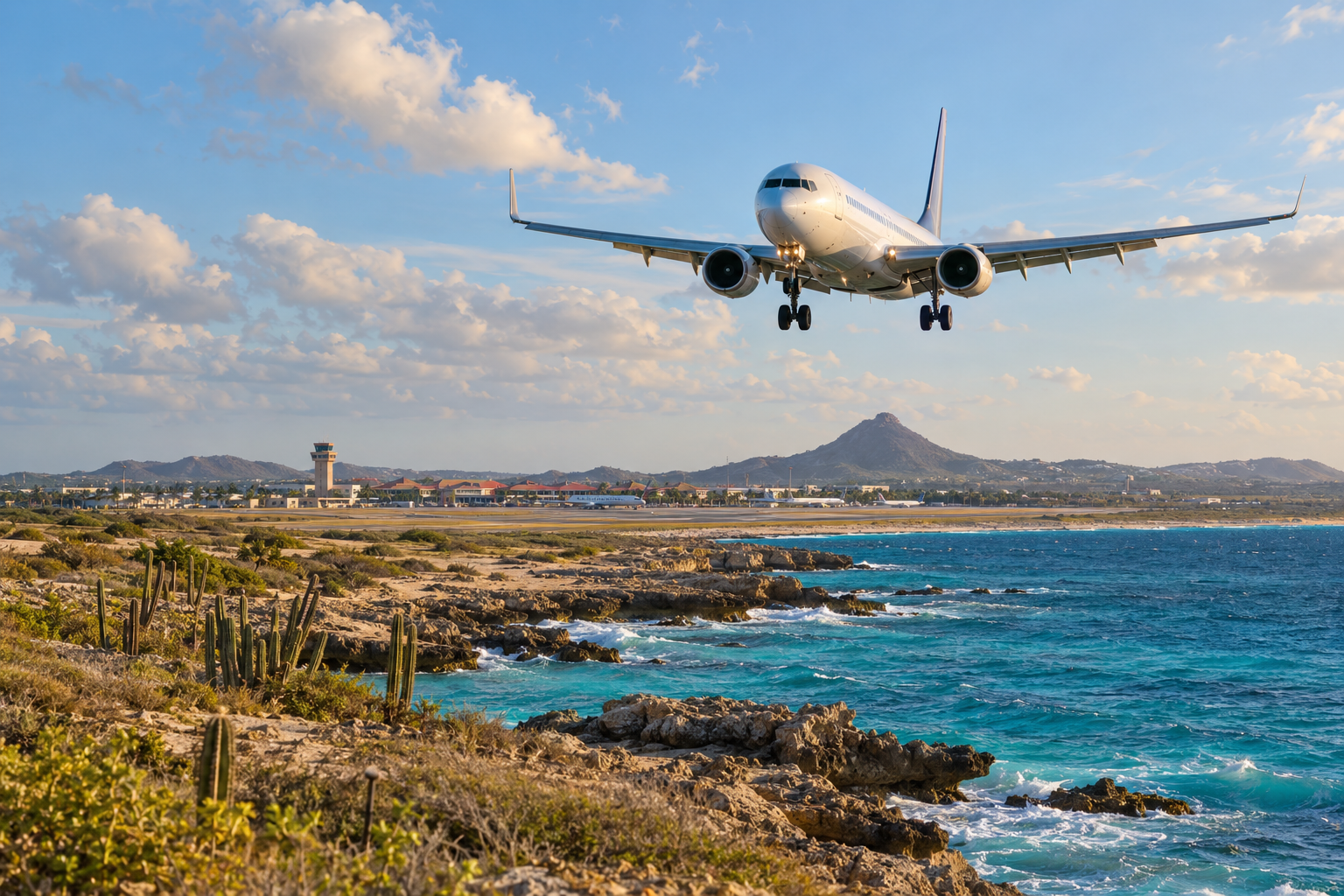
Queen Beatrix International Airport (AUA): Aruba's modern airport receives direct flights from numerous US cities (Miami, New York, Atlanta, Houston, Chicago, Boston, Charlotte, Philadelphia), plus Toronto, Amsterdam, and various South American destinations. Major carriers include American, Delta, United, JetBlue, Southwest, and KLM.
From the US: Flight times range from 2.5 hours (Miami) to 5 hours (Los Angeles). Most US cities offer direct service. Budget airlines like Spirit and Frontier sometimes operate seasonal routes.
From Europe: KLM operates daily Amsterdam-Aruba flights (9 hours). TUI flies from Amsterdam and other European cities. Connecting via Miami or New York often provides alternatives.
Cruise Ships: Aruba is a popular Caribbean cruise port. Ships dock in Oranjestad, walking distance from downtown. Nearly 900,000 cruise passengers visited in 2024.
Entry Requirements: US, Canadian, and EU citizens need only a valid passport—no visa required for stays up to 30 days (extendable to 180). Proof of return ticket and accommodation may be requested. ETIAS required for Europeans starting 2025.
Currency: Aruban Florin (AWG), pegged to USD at 1.79. US dollars accepted everywhere—often preferred. Credit cards widely accepted at hotels, restaurants, and shops. ATMs dispense AWG; some dispense USD.
Language: Papiamento and Dutch are official. English and Spanish widely spoken. Most Arubans speak all four languages fluently.
Electricity: 127V, 60Hz. US-style Type A/B plugs. US appliances work without adapters. European visitors need voltage converters.
Time Zone: Atlantic Standard Time (AST), UTC-4. No daylight saving time. Same as US Eastern during summer, 1 hour ahead during winter.
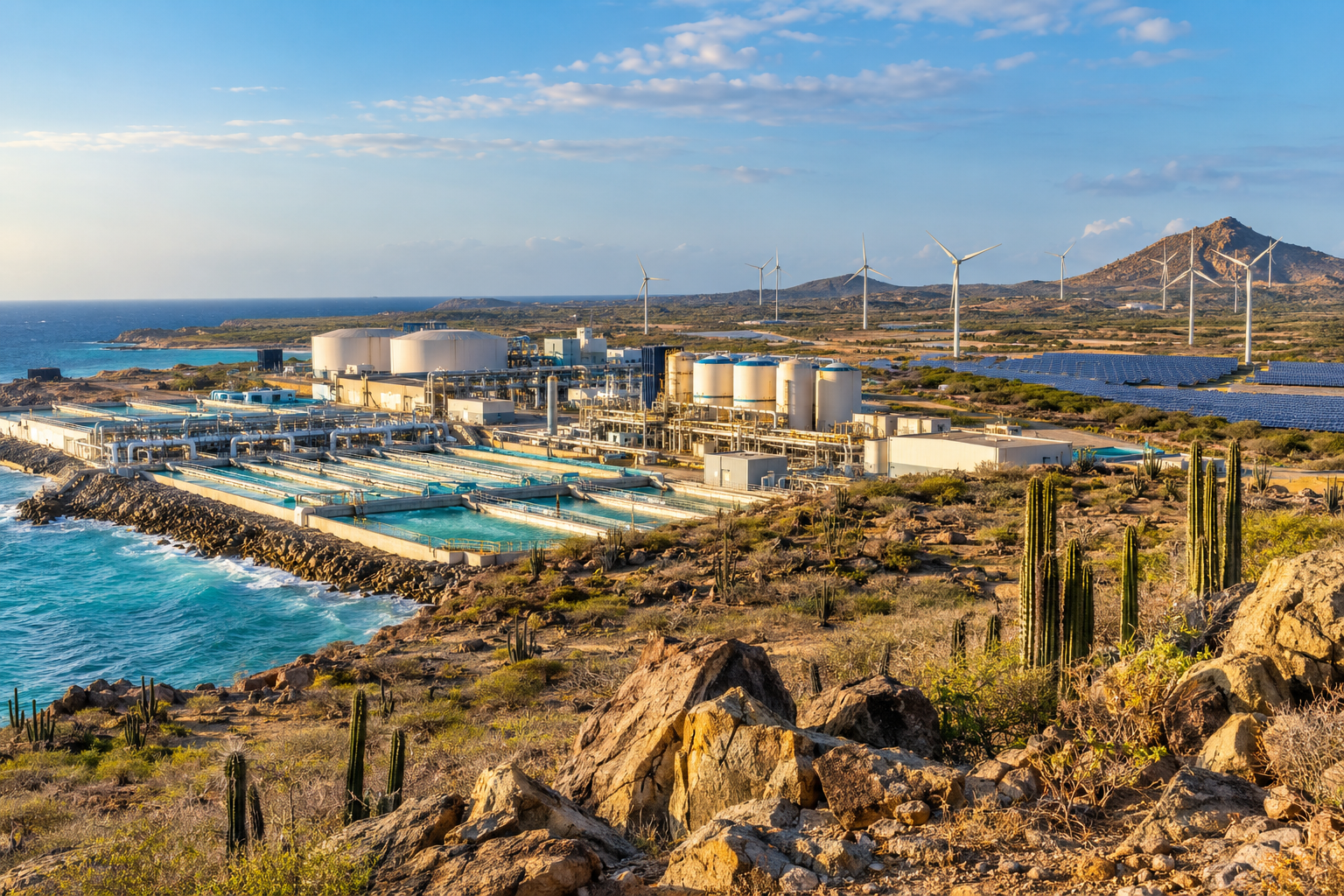
Tap Water: Safe to drink! Aruba's desalination plants produce some of the Caribbean's purest water.
| Item |
Budget |
Mid-Range |
Luxury |
| Accommodation |
$80-120/night |
$150-300/night |
$400+/night |
| Meals |
$10-15 |
$25-50 |
$75+ |
| Car Rental |
$35-50/day |
$50-80/day |
$100+/day |
| Activities |
Beach (free) |
$50-100/activity |
$150+/activity |
Budget Tips: Stay in Oranjestad or Noord rather than high-rise zone. Eat at local snack bars ("snacks") for authentic, affordable food. Visit beaches (all public, free). Happy hours offer 2-for-1 drinks. Grocery stores stock essentials cheaper than restaurants.
High-Rise Hotels: Palm Beach hosts major chains—Marriott, Hyatt, Hilton, Riu, Holiday Inn. Direct beach access, pools, restaurants, water sports. Expect $200-500+/night in high season.
Low-Rise Resorts: Eagle Beach offers boutique properties like Bucuti & Tara, Amsterdam Manor, Manchebo Beach. More intimate atmosphere, still beachfront. $150-400/night.
Apartments & Condos: Airbnb and VRBO offer vacation rentals island-wide. Good for families and longer stays. Kitchen facilities reduce dining costs. $100-300/night.
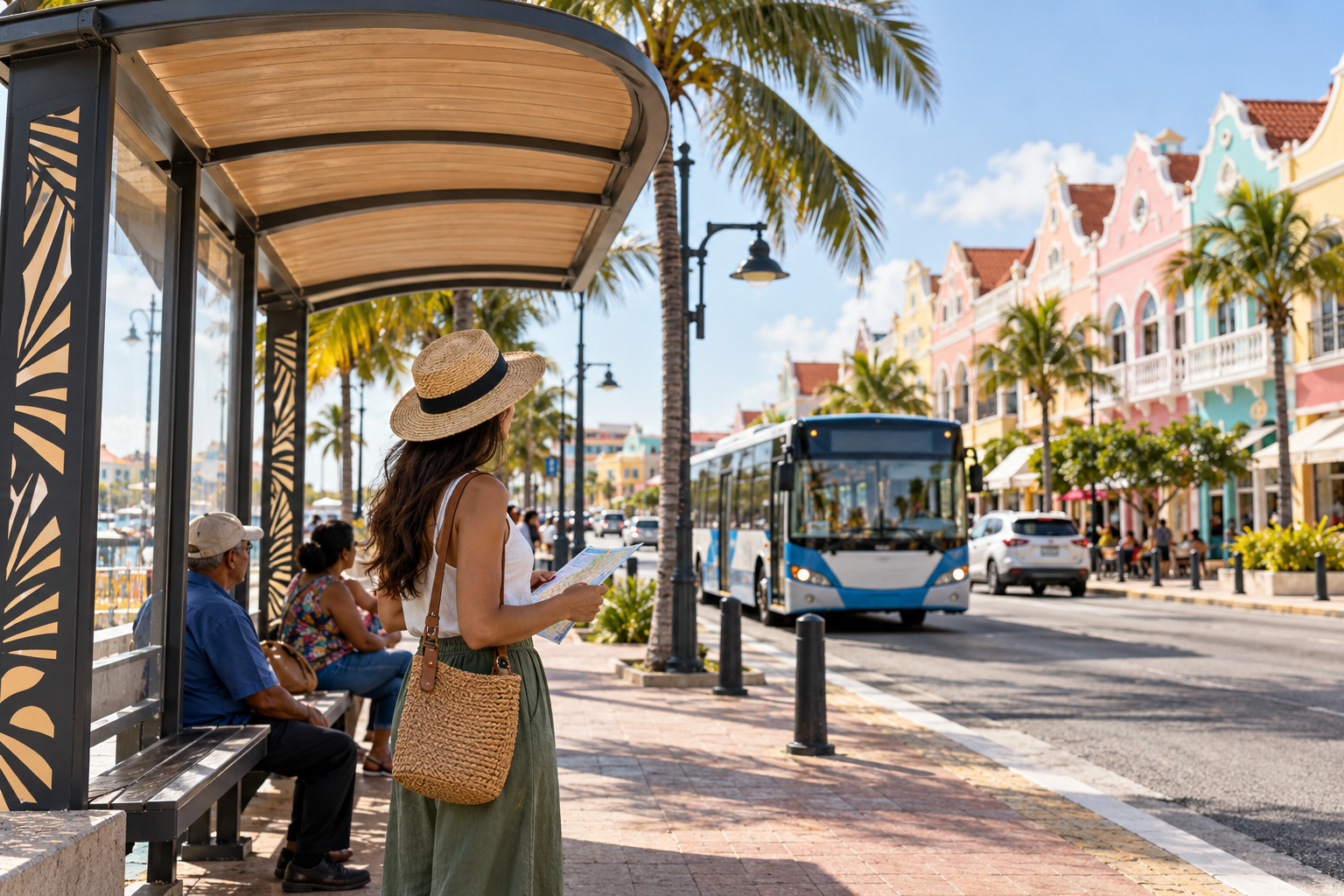
Budget Options: Guesthouses in Oranjestad and Noord from $60-100/night. Further from beaches but authentic local experience. Public buses reach all beaches.
All-Inclusive: Riu Palace, Divi Aruba, Barceló offer all-inclusive packages. Convenient but limit culinary exploration. Book directly for best rates.
Carnival (Jan-Mar): Aruba's biggest celebration! Weeks of parades, music competitions, costume contests culminating in Grand Parade before Lent. Children's parade, torch parade (jouvert), burning of King Momo. Book accommodation far in advance.
Dera Gai (New Year): "Morning of the rooster"—musicians go house-to-house singing traditional songs at dawn. Fireworks at midnight, beach parties island-wide.
Bon Bini Festival (Weekly): Every Tuesday at Fort Zoutman. Traditional music, dance, food, crafts. Best introduction to Aruban culture for visitors.
Aruba Art Fair (September): International and local artists transform San Nicolas. Murals, exhibitions, performances throughout the month.
Soul Beach Music Festival (May): Multi-day R&B and soul music festival attracting major artists. Concerts, beach parties, comedy shows.
Conchi (Natural Pool): Rock-enclosed swimming hole on the rugged northeast coast. Requires 4x4 or guided tour—the rough road deters casual visitors and rewards adventurous travelers with one of Aruba's most memorable experiences.
Quadirikiri Cave: Two chambers lit by natural skylights create ethereal atmosphere. Long-nose bats hang from ceiling. Part of Arikok National Park—$15 entry includes all park attractions.
Donkey Sanctuary: Rescue center for Aruba's once-wild donkeys. Meet friendly donkeys, learn their history, feed carrots. Small donation appreciated. Near Santa Cruz.
Mangel Halto: Mangrove-fringed beach with snorkeling channels winding through roots. Sea turtles common. Zero crowds most days—locals' favorite secret spot.
Casibari Rock Formations: Giant diorite boulders stacked by nature into climbable formations. Panoramic views from top. Tiny caves and passages to explore. Free.
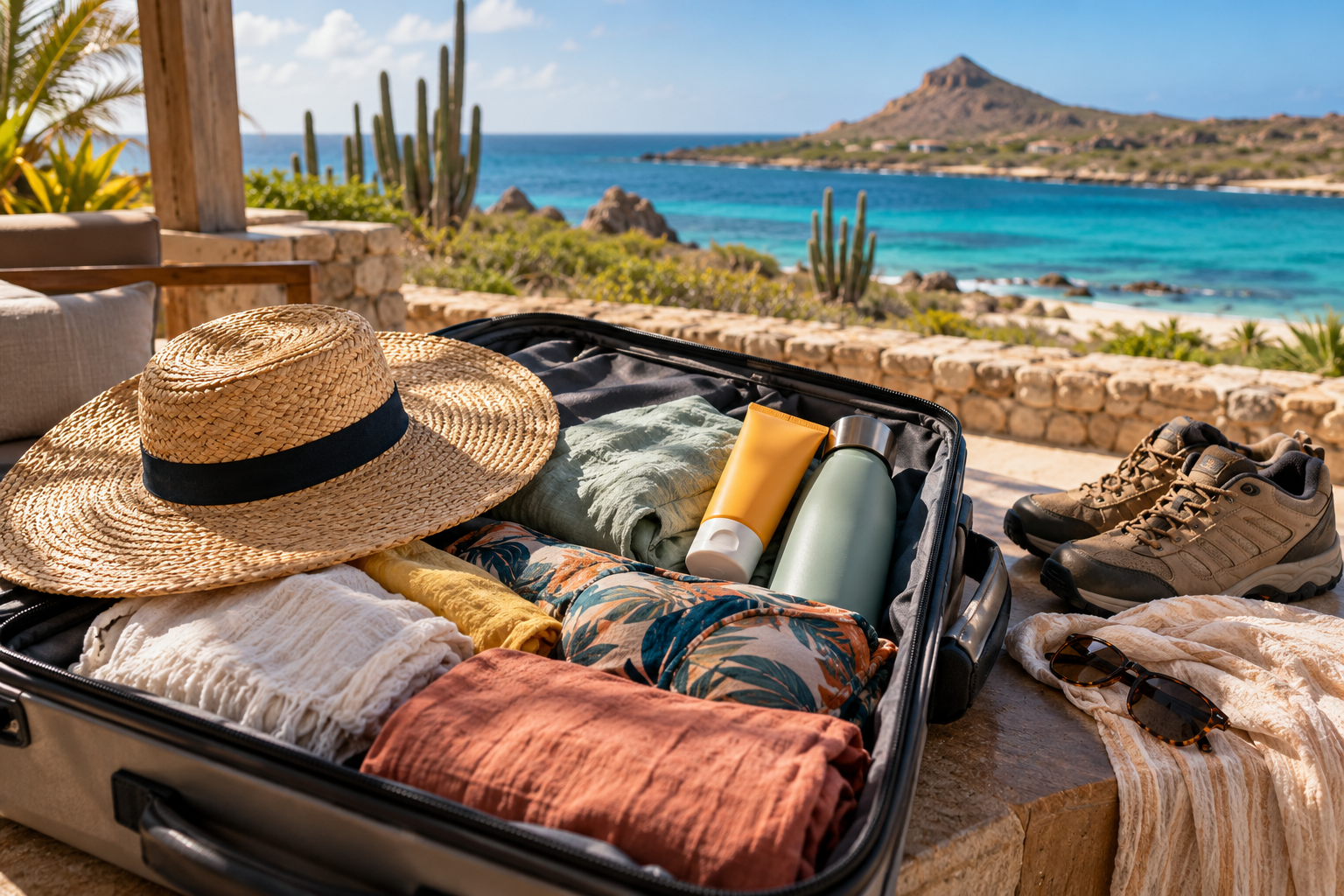
Essentials: Passport (valid 6 months), sunscreen SPF 30+ (reef-safe preferred), sunglasses, hat/cap, reef-safe insect repellent, waterproof phone case, light rain jacket.
Clothing: Light, breathable fabrics—cotton and linen. Swimwear, cover-ups, flip-flops for beach. Casual resort wear for restaurants (no strict dress codes). Light long sleeves for sun protection and air conditioning.
Footwear: Comfortable walking shoes for exploring. Water shoes for rocky beaches and snorkeling. Sandals for everything else.
Snorkel Gear: Worth bringing your own mask—rentals available but quality varies. Fins optional. Underwater camera captures amazing reef life.
Skip: Heavy jackets (never cold), formal wear (island casual everywhere), excessive toiletries (everything available locally).
Official Tourism: aruba.com — Comprehensive visitor information, events calendar, accommodation booking.
Transportation: Arubus.com for public bus schedules. Taxis have set rates—confirm before riding. Car rentals at airport and hotels.
Apps: Aruba app (official tourism), Maps.me (offline navigation), Google Translate (Papiamento support).
Emergency: 911 for police, fire, ambulance. Hospital Dr. Horacio Oduber: +297 527 4000. US Consulate in Curaçao handles Aruba issues.
Weather: weather.aw for local forecasts. Trade winds blow east-to-west; west coast beaches are calmest.
"Aruba: The Miraculous Island" by Frank Booi — Comprehensive history from Arawak times through modern tourism boom. Essential background reading.
"Papiamento: Language of Aruba, Bonaire, and Curaçao" by Sidney Joubert — Learn basic phrases and understand the island's linguistic heritage.
"Caribbean: A History" by James Ferguson — Regional context for understanding Aruba's place in Caribbean culture and history.
Lonely Planet Caribbean Islands — Practical travel guide with Aruba chapter. Good for comparison with neighboring islands.
Recommended YouTube Searches:
- "Eagle Beach Aruba" — World's best beach footage
- "Arikok National Park Aruba" — Desert landscape exploration
- "Renaissance Island flamingos" — Iconic pink birds
- "Aruba One Happy Island" — Tourism overview
- "Natural Pool Aruba Conchi" — Adventure swimming
- "San Nicolas street art Aruba" — Cultural renaissance
- "Aruba Carnival" — Festival celebrations
📊 Tourism Statistics (2024)
1.4M
Stay-over Visitors (Record)
☀️ Most Sunny Days: Aruba averages 300+ sunny days per year—one of Earth's most reliable weather destinations.
🌪️ Hurricane-Free Zone: Located below the hurricane belt, Aruba almost never experiences hurricanes. The last direct hit was 1877.
🌳 Divi-Divi Trees: The island's iconic bent trees always point southwest, shaped by constant trade winds—natural compasses.
🗣️ Four Languages: Most Arubans speak Papiamento, Dutch, English, and Spanish fluently—one of the world's most multilingual populations per capita.
💧 Purest Water: Aruba's desalination plants produce some of the world's purest drinking water from seawater.
Betico Croes (1938-1986): "Liberator of Aruba" who led the movement for Status Aparte (separate status from Netherlands Antilles). National holiday celebrates his birthday.
Xander Bogaerts: MLB All-Star shortstop, played for Boston Red Sox and San Diego Padres. Multiple Silver Slugger awards.
Sid Waddell: British sports commentator born in Aruba, famous for darts commentary colorful phrases.
Dave Benton: Singer who won Eurovision 2001 representing Estonia—actually born in Aruba!
Baseball: Most popular sport in Aruba. Several Arubans have reached MLB, including Xander Bogaerts and Sid Fernandez. Local leagues play year-round.
Water Sports: Windsurfing and kiteboarding at Fisherman's Huts draw professionals. World championship events hosted regularly. Calm waters make learning easy.
Soccer: Growing popularity. Aruba national team competes in Caribbean qualifiers. Local clubs play in División di Honor.
Sailing: Annual Aruba International Regatta attracts Caribbean sailors. Catamaran cruises are popular tourist activities.
Television: TeleAruba (local), plus US and Latin American cable channels widely available.
Radio: Multiple stations in Papiamento, Dutch, English, Spanish. Hit 94.1, Fresh FM popular with visitors.
Newspapers: Diario (Papiamento daily), Aruba Today (English), Bon Dia Aruba.
Internet: Excellent connectivity. WiFi at most hotels and restaurants. Mobile data available for visitors.
Gallery coming soon — showcasing Aruba's stunning beaches, desert landscapes, and vibrant culture.
Aruba markets itself as "One Happy Island," and while the slogan adorns countless souvenirs, the reality beneath the branding proves genuinely compelling. This is the Caribbean distilled to its purest elements: reliable sunshine, impossibly beautiful beaches, warm hospitality, and a fusion culture that reflects centuries of mixing.
Yes, the tourism development can feel overwhelming at times—Palm Beach's high-rise corridor could exist anywhere, and prices rival Manhattan. But step beyond the resort zone and Aruba reveals unexpected depths: the lunar landscape of Arikok National Park, the artistic renaissance of San Nicolas, the ancient pictographs whispering from cave walls, the genuine warmth of locals who speak four languages with equal ease.
For travelers seeking guaranteed sunshine, world-class beaches, and infrastructure that makes vacation logistics effortless, Aruba delivers without fail. For those willing to explore beyond Eagle Beach's famous shores, the island offers something more—a unique Caribbean identity shaped by Arawak ancestors, Dutch colonizers, Venezuelan neighbors, and the irrepressible creativity of Arubans themselves.
Masha danki, One Happy Island. You earn the title.
Support This Project 🌍
This World Travel Factbook is a labor of love – free to use for all travelers. If you find it helpful, consider supporting its continued development.
📬 Stay Updated