โšก Key Facts

๐Ÿ›๏ธ
St. John's
Capital
๐Ÿ‘ฅ
100,000
Population
๐Ÿ“
442 kmยฒ
Area
๐Ÿ’ฐ
XCD
Currency
๐Ÿ—ฃ๏ธ
English
Language
๐ŸŒก๏ธ
Tropical
Climate
01

๐ŸŒด Overview

There is a moment, sailing into English Harbour as the sun descends behind Shirley Heights, when you understand why Antigua and Barbuda has captivated sailors for centuries. The restored Georgian buildings of Nelson's Dockyard glow amber in the fading light, yachts bob gently in the protected waters, and the trade winds carry the scent of frangipani across the bay. This is the Caribbean as it was meant to be experienced โ€” unhurried, unspoiled, and utterly seductive.

Antigua and Barbuda is a twin-island nation in the Eastern Caribbean, lying where the Caribbean Sea meets the Atlantic Ocean. Antigua, the larger island, is famous for its 365 beaches โ€” allegedly one for every day of the year โ€” its historic naval heritage, and its world-class sailing. Barbuda, 40 kilometers to the north, offers a stark contrast: a flat, sparsely populated island of pink sand beaches, frigate bird sanctuaries, and blissful isolation.

The nation earned independence from Britain in 1981 but retains strong ties to its colonial past โ€” English is the official language, cricket is a national obsession, and the British monarch remains head of state. Yet beneath this veneer, a vibrant Afro-Caribbean culture pulses with the rhythms of calypso and soca, the flavors of pepperpot and ducana, and the exuberance of Carnival celebrations that rival any in the region.

For travelers, Antigua and Barbuda offers the perfect blend of accessibility and authenticity. The islands attract yachties and celebrities seeking discretion, history buffs exploring the most intact Georgian naval dockyard in the world, beach lovers searching for that perfect crescent of white sand, and adventurers hoping to encounter the magnificent frigate birds of Barbuda's protected sanctuary.

St. John's Cathedral, Antigua

St. John's Cathedral

The iconic baroque twin towers of St. John's Cathedral have dominated the capital's skyline since the 18th century

02

๐Ÿท๏ธ Name & Identity

Christopher Columbus named Antigua in 1493 after the Church of Santa Maria de la Antigua in Seville, Spain โ€” one of the oldest churches dedicated to the Virgin Mary. Barbuda's name derives from the Spanish "barbudo" (bearded), possibly referring to the island's fig trees with their hanging aerial roots, or perhaps to the bearded Carib people Columbus encountered.

The indigenous Arawak people called Antigua "Waladli" and Barbuda "Wa'omoni." While these names are no longer in common use, they appear on official documents and reflect growing recognition of the islands' pre-Columbian heritage.

The national flag features a rising sun against a black background (representing African heritage), with bands of blue (the sea), white (sand), and red (energy and hope). The "V" shape symbolizes victory. The national motto, "Each Endeavouring, All Achieving," encapsulates the spirit of cooperation that has guided the nation since independence in 1981.

03

๐Ÿ—บ๏ธ Geography

Antigua covers 281 square kilometers of mostly low-lying limestone and coral formations. Unlike its volcanic neighbors, Antigua's highest point โ€” Mount Obama (formerly Boggy Peak) โ€” reaches just 402 meters. This gentle topography creates the island's greatest asset: an indented coastline of countless natural harbors and those famous 365 beaches.

Barbuda lies 48 kilometers north โ€” a flat coral island covering 161 square kilometers with just 1,600 residents (before Hurricane Irma in 2017 forced evacuation). The island's Codrington Lagoon hosts the largest frigate bird colony in the Western Hemisphere, with over 5,000 birds nesting in the mangroves.

The tiny uninhabited island of Redonda, a mile-long volcanic rock rising 300 meters from the sea, completes the nation. This bird sanctuary, located 56 kilometers southwest of Antigua, holds the curious distinction of having its own "kingdom" โ€” a literary fantasy maintained by the successors of a Victorian-era claimant.

The islands sit in the hurricane belt and have experienced devastating storms, most recently Hurricane Irma (2017), which rendered Barbuda completely uninhabitable and forced the entire population to evacuate to Antigua. Recovery continues, but the island's population has partially returned.

03b

๐Ÿ—บ๏ธ Interactive Map

Nelson's Dockyard, English Harbour

Nelson's Dockyard

The world's only continuously working Georgian dockyard โ€” where Admiral Nelson once commanded the Royal Navy's Caribbean fleet

04

๐Ÿ“œ History

The Siboney were the first known inhabitants, arriving around 2400 BCE. The Arawak followed around 35 CE, developing a sophisticated society based on agriculture and fishing. When Columbus arrived in 1493, the more warlike Caribs had largely displaced the Arawak, though they resisted European colonization for over a century.

The English established their first permanent settlement in 1632, and Antigua became a British colony. The sugar industry transformed the islands, bringing enslaved Africans to work plantations that would define the economy and society for two centuries. At the industry's peak, over 150 sugar mills dotted Antigua's landscape โ€” ruins of which remain today.

English Harbour became the headquarters of the Royal Navy's Leeward Islands Squadron in 1725. Captain (later Admiral) Horatio Nelson served here from 1784โ€“1787, though he reportedly despised the posting. The dockyard that bears his name would prove crucial in maintaining British naval supremacy in the Caribbean.

Slavery was abolished in 1834, though former slaves faced continued exploitation through the "apprenticeship" system. Full emancipation came in 1838, and August 1st โ€” Emancipation Day โ€” remains Antigua and Barbuda's most important holiday, celebrated during the annual Carnival.

Independence arrived on November 1, 1981, with Vere Cornwall Bird Sr. becoming the first Prime Minister. The Bird family dominated politics for decades, and democracy has been largely stable despite occasional controversies. The nation remains a Commonwealth realm with the British monarch as head of state.

Shirley Heights Lookout

Shirley Heights

Panoramic views over English Harbour โ€” the Sunday afternoon party here is a legendary Caribbean tradition

05

๐Ÿ‘ฅ People & Culture

Antiguans and Barbudans are predominantly of African descent, with smaller communities of Portuguese, Lebanese, Syrian, and British heritage. The population is warm, welcoming, and proud of their twin-island nation. Cricket is a national passion โ€” Sir Vivian Richards, one of the greatest batsmen in history, hails from Antigua, and the Sir Vivian Richards Stadium has hosted international matches.

Calypso and soca music form the soundtrack of island life, reaching fever pitch during Carnival. Steel pan bands, originated in Trinidad, have deep roots here, and the annual Panorama competition showcases extraordinary musicianship. Reggae, dancehall, and increasingly hip-hop also pulse through the islands' sound systems.

The Antiguan dialect blends British English with West African influences, creating expressions that can puzzle newcomers. "Limin'" means hanging out, "wuk up" describes energetic dancing, and "soon come" follows Caribbean rather than European notions of time.

Barbudans maintain a distinct identity, with communal land ownership traditions dating back to emancipation. This system โ€” where no individual owns land outright โ€” has created ongoing tensions with the central government, particularly after Hurricane Irma when development pressures intensified.

Dickenson Bay Beach

Dickenson Bay

One of Antigua's most popular beaches โ€” a perfect crescent of white sand with calm turquoise waters

06

๐Ÿ›๏ธ St. John's

The capital and largest city, St. John's is home to about 22,000 people and serves as the commercial, cultural, and cruise port hub of Antigua. While not conventionally pretty, the city has authentic Caribbean character โ€” duty-free shops in Heritage Quay cater to cruise passengers, while locals shop at the chaotic Public Market where vendors sell tropical fruits, spices, and fresh fish.

St. John's Cathedral dominates the skyline with its distinctive baroque twin towers, encased in stone to protect against earthquakes. The current structure dates from 1845, though a church has stood on this site since 1681. The interior features pitch pine brought as ship ballast, giving it unique acoustics and ambiance.

The Museum of Antigua and Barbuda, housed in the 1750 Court House, traces the islands' history from Arawak settlements through colonialism to independence. Nearby, Government House and the old Court House showcase Georgian colonial architecture.

For nightlife and dining, head to Redcliffe Quay โ€” a restored area of warehouses and naval buildings now housing restaurants, bars, and boutiques. The Thursday night party at Abracadabra's and the general buzz of the waterfront make this the best spot to experience contemporary Antiguan social life.

Half Moon Bay, Antigua

Half Moon Bay

A wild Atlantic beach on Antigua's eastern coast โ€” pristine, uncrowded, and hauntingly beautiful

07

โš“ English Harbour & Nelson's Dockyard

English Harbour is the crown jewel of Antigua's heritage โ€” a perfectly protected natural harbor that has served sailors since the 17th century. At its heart lies Nelson's Dockyard, the only continuously working Georgian dockyard in the world and a UNESCO World Heritage Site since 2016.

The dockyard's beautifully restored buildings now house museums, hotels, restaurants, and chandleries serving the yachting community. The Admiral's Inn, Copper and Lumber Store Hotel, and various waterfront restaurants occupy historic structures where rum and provisions once stocked Royal Navy vessels.

The Dockyard Museum, housed in the former Naval Officer's House, tells the story of the British Navy's Caribbean presence. Artifacts include Nelson's own telescope, ship models, and exhibits on the lives of enslaved workers who actually built and maintained the dockyard โ€” a history often overlooked.

Above the harbor, Shirley Heights offers panoramic views and hosts the famous Sunday afternoon barbecue party. Steel bands play, rum punch flows, and locals and tourists mingle as the sun sets over the harbor below. This weekly tradition is possibly the most essential Antigua experience.

08

๐Ÿ๏ธ Barbuda

Barbuda is Antigua's quieter, wilder twin โ€” a flat coral island 48 kilometers to the north that most visitors never reach. This is its greatest virtue. While Antigua bustles with yachts, cruise ships, and resort-goers, Barbuda offers genuine seclusion: mile after mile of deserted pink-tinged sand beaches, crystal-clear lagoons, and the extraordinary Codrington Lagoon frigate bird sanctuary.

The famous Pink Beach stretches over 27 kilometers along Barbuda's western shore. The gentle pink hue comes from crushed coral and shell fragments mixed with the white sand. The water here is shallow, warm, and impossibly clear โ€” conditions that attract sea turtles nesting on the beach at night.

Codrington Lagoon National Park protects the largest frigate bird colony in the Western Hemisphere. Over 5,000 magnificent frigate birds roost in the mangroves; during breeding season (Septemberโ€“April), males inflate spectacular scarlet throat pouches to attract mates. Boat tours from Codrington village are the only way to access the colony.

Hurricane Irma (September 2017) devastated Barbuda with Category 5 winds, destroying 95% of buildings and forcing the island's entire population to evacuate for the first time in 300 years. Recovery continues slowly, and while visitors are returning, infrastructure remains limited. This fragility makes Barbuda's natural wonders all the more precious.

Pink Sand Beach, Barbuda

Pink Sand Beach, Barbuda

27 kilometers of pink-tinged perfection โ€” one of the most beautiful and deserted beaches in the Caribbean

09

๐Ÿ–๏ธ Best Beaches

Dickenson Bay: The most popular beach, with calm turquoise waters, white sand, beach bars, and water sports. Can get busy when cruise ships are in port.

Half Moon Bay: A wild, crescent-shaped Atlantic beach with powerful waves and almost no facilities. One of the most beautiful beaches in the Caribbean.

Jolly Beach: The longest beach on Antigua, stretching over 2 kilometers with calm water and a relaxed, local atmosphere.

Ffryes Beach: A quieter alternative to Dickenson Bay, with calmer water and fewer crowds. The turquoise color here is particularly intense.

Darkwood Beach: Renowned by locals as Antigua's most beautiful beach โ€” pristine white sand, calm water, and the dramatic backdrop of green hills.

Pink Beach, Barbuda: The ultimate Caribbean beach experience โ€” 27 kilometers of pink-tinged sand with no development, no crowds, and crystalline water. Getting here requires the ferry to Barbuda, making it that much more rewarding.

Antigua Sailing Regatta

Antigua Sailing Week

One of the world's premier sailing regattas draws hundreds of yachts to the island every April

10

โ›ต Sailing

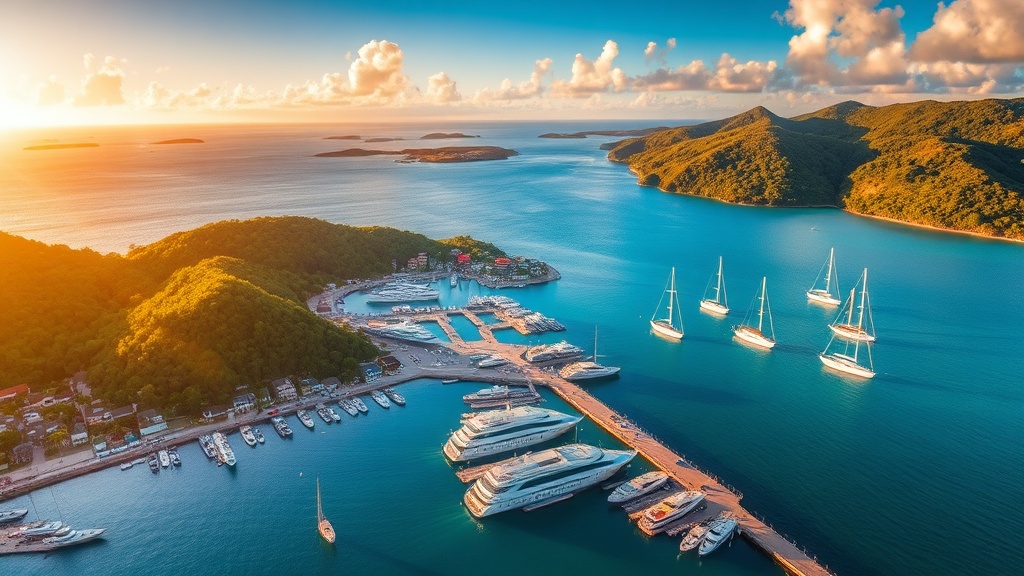
Sailing is not simply an activity in Antigua โ€” it is a way of life. The island's indented coastline creates dozens of protected anchorages, the trade winds blow reliably from the northeast, and English Harbour has been one of the finest natural harbors in the Caribbean since the Royal Navy arrived in the 18th century.

Antigua Sailing Week (late Aprilโ€“early May) is one of the premier sailing regattas in the world. Since 1967, hundreds of yachts from amateur daysailers to superyachts have converged on English Harbour for a week of racing, parties, and Caribbean camaraderie. The Lay Day beach barbecue at Pigeon Point is legendary.

Antigua Classic Yacht Regatta (April) brings historic wooden vessels โ€” gaff-riggers, traditional schooners, and restored classics โ€” for gentler racing focused on heritage and beauty. Seeing these vessels under sail in English Harbour is a transportive experience.

Year-round, Antigua's charter industry offers everything from day sails to multi-week bareboat or crewed charters. The mooring fields at English Harbour and Falmouth Harbour are home to an international community of permanent liveaboards who have fallen in love with the island and simply never left.

11

๐Ÿฝ๏ธ Cuisine

Antiguan cuisine reflects African, British, and Caribbean influences, centered on fresh seafood and tropical produce. The national dish is fungee (similar to Italian polenta, made from cornmeal) served with pepperpot โ€” a spicy stew of spinach-like greens, okra, salted meat, and sometimes crab or lobster.

๐Ÿฅ˜ Fungee & Pepperpot โ€” National Dish

Ingredients (serves 4): 2 cups yellow cornmeal ยท 4 cups water ยท 1 tsp salt ยท 1 tbsp butter ยท For pepperpot: 250g salted beef ยท 250g spinach (or callaloo) ยท 1 cup okra sliced ยท 1 onion ยท 2 garlic cloves ยท 1 hot pepper ยท 2 tbsp butter ยท Salt and pepper to taste

Preparation: Soak salted beef overnight; boil until tender. In a separate pot, sautรฉ onion and garlic in butter. Add spinach, okra, and beef with its broth. Simmer 20 minutes with hot pepper. For fungee: bring salted water to boil, slowly whisk in cornmeal, stirring constantly until thick and pulling away from the sides. Add butter. Serve fungee alongside pepperpot in separate bowls.

Ducana: Sweet dumplings made from grated sweet potato and coconut, wrapped in banana leaves and boiled. Often served alongside saltfish โ€” a legacy of colonial trade routes, salted cod prepared fried, stewed, or "buljol" style with peppers and onions.

Johnny cakes: Fried dough bread, perfect for breakfast or as a snack from roadside vendors. Black pineapple: Antigua's remarkably sweet pineapple variety (despite the name, a yellowish fruit) grown in the south โ€” try to find it at local markets.

Fresh seafood: Lobster, conch, snapper, and mahi-mahi feature prominently. The conch fritters at any local rum shop are not to be missed, and lobster is available year-round at English Harbour restaurants at far more reasonable prices than you'd expect.

11a

๐Ÿท Wine, Spirits & Drinking Culture

Antigua and Barbuda has no wine production โ€” the twin-island Caribbean nation's tropical maritime climate is unsuited to grape cultivation. The authentic drink of Antigua is rum, and the island produces some of the finest in the Caribbean.

English Harbour Rum: Aged in oak barrels at a distillery near the historic dockyard, English Harbour 5-Year and 10-Year are considered among the Caribbean's finest sipping rums. Complex, smooth, and with a distinct terroir of the sea-salted trade winds. The 10-year is exceptional neat; the 5-year is the perfect punch base.

Cavalier Rum: The everyday rum of Antigua โ€” produced since 1933, affordable, smooth, and found in every kitchen cupboard on the island. Light and fruity, ideal for cocktails and casual sundowners.

Wadadli Beer: Antigua's national lager, named after the island's Arawak name. Light, crisp, and refreshing in the Caribbean heat. Found everywhere, drunk cold, best with conch fritters on a beach bar stool.

Wine is available at luxury resorts โ€” Jumby Bay and Curtain Bluff maintain notable wine cellars. Caribbean-produced rum liqueurs such as Antigua's own rum cream are also popular. The rum punch remains supreme: Shirley Heights on a Sunday afternoon is the greatest rum punch experience in the Western Hemisphere.

11b

๐Ÿธ Cocktails & Mixed Drinks

Antigua's rum punch culture is legendary โ€” every beach bar guards its recipe like a state secret, Shirley Heights hosts the Caribbean's best Sunday party, and English Harbour produces rum that rivals fine cognac.

English Harbour Rum Punch

The National Pour

Ingredients: 60ml English Harbour 5-year rum ยท 30ml fresh lime juice ยท 45ml simple syrup ยท 90ml guava juice ยท Freshly grated nutmeg ยท Angostura bitters

Preparation: Shake rum, lime juice, simple syrup, and guava juice vigorously with ice. Pour into a hurricane glass filled with crushed ice. Dash bitters on top. Garnish with freshly grated nutmeg and orange slice.

๐Ÿ’ก English Harbour rum is aged in oak barrels at the historic distillery near Nelson's Dockyard. The 5-year is the sweet spot for punch.

Cavalier Sunset

Cavalier Rum & Tropical Fruit

Ingredients: 60ml Cavalier Antiguan rum ยท 90ml passion fruit juice ยท 15ml fresh lime juice ยท 15ml grenadine ยท Soda water ยท Passion fruit half ยท Lime wheel

Preparation: Fill a collins glass with ice. Pour in rum, passion fruit juice, and lime juice. Slowly pour grenadine down the side to create a sunset gradient. Top with soda water. Garnish with passion fruit half and lime wheel.

Shirley Heights Daiquiri

Antiguan Mango Rum Daiquiri

Ingredients: 50ml white rum ยท 30ml fresh mango purรฉe ยท 20ml fresh lime juice ยท 15ml simple syrup ยท Mango slice ยท Lime wheel

Preparation: Shake rum, mango purรฉe, lime juice, and simple syrup hard with ice. Double strain into a chilled coupe glass. Garnish with a thin mango slice and lime wheel on the rim.

๐Ÿ’ก Shirley Heights hosts the Caribbean's best Sunday party โ€” steel band, barbecue, and rum punch from 4pm until sunset.

Kaufmann Drinks Score (KDS)

DrinkStyleKDS
English Harbour Rum PunchThe National Pour83
Cavalier SunsetCavalier Rum & Tropical Fruit85
Shirley Heights DaiquiriAntiguan Mango Rum Daiquiri89
Antigua Carnival

Carnival Celebration

The summer Carnival explodes with color, music, and joy โ€” the Caribbean's most exuberant party

12

๐ŸŒฆ๏ธ Climate & Best Time

Antigua and Barbuda enjoys a tropical maritime climate with warm temperatures year-round. Average highs range from 27ยฐC in winter to 31ยฐC in summer, with the trade winds providing natural air conditioning. The islands are relatively dry by Caribbean standards, receiving about 1,140mm of rainfall annually.

SeasonMonthsNotes
โ˜€๏ธ Dry SeasonDecโ€“AprPeak season, best weather, highest prices
๐ŸŒง๏ธ Wet SeasonMayโ€“NovBrief showers, hurricane risk Augโ€“Oct, lower prices

Best for sailing: Decemberโ€“April (trade winds most consistent). Best for Carnival: Late Julyโ€“early August. Best for budget: Mayโ€“June, November (shoulder season). Hurricane risk: Augustโ€“October, with peak danger in September.

13

โœˆ๏ธ Getting There

By air: V.C. Bird International Airport (ANU) receives direct flights from North America (Miami, New York, Toronto), Europe (London, seasonal services), and regional Caribbean destinations. Major carriers include American Airlines, British Airways, JetBlue, and LIAT.

To Barbuda: Barbuda Express ferry operates daily (90 minutes, ~$50 each way). SVG Air and ABM Air offer 15-minute flights from Antigua to Codrington Airport.

By sea: Antigua is a major cruise port, with Heritage Quay in St. John's receiving ships regularly. Private yachts clear customs at English Harbour, Falmouth Harbour, or St. John's.

Getting around: Rent a car to explore Antigua (drive on the left). Taxis are available but expensive โ€” agree on price before getting in. Local buses run irregular schedules but are cheap and authentic.

14

๐Ÿ“‹ Practical Info

Visa: US, Canadian, UK, and EU citizens do not need a visa for stays up to 6 months. A valid passport and return ticket are required. A departure tax (~$28 USD) applies.

Safety: Generally safe for tourists. Exercise normal precautions โ€” don't leave valuables unattended on beaches, avoid isolated areas at night. Petty theft does occur, particularly in St. John's market area.

Health: No mandatory vaccinations for entry, though Hepatitis A, Typhoid, and routine vaccines are recommended. Tap water is generally safe in St. John's; bottled water preferred elsewhere. Sun protection is essential โ€” the Caribbean sun is intense year-round.

Electricity: 230V/60Hz, UK-style three-pin plugs. Most hotels have adapters available. Currency: Eastern Caribbean Dollar (XCD), pegged to USD at 2.70. US dollars widely accepted. Credit cards accepted at most hotels and restaurants.

Communications: Good 4G coverage on Antigua; Barbuda has limited connectivity. Digicel and FLOW are the main providers. WiFi available at most accommodations and many restaurants.

15

๐Ÿ’ฐ Cost of Living

Antigua and Barbuda is a mid-to-high-cost Caribbean destination. Budget travelers can manage on $80โ€“120 USD/day staying in guesthouses and eating at local rum shops; most visitors spend $150โ€“300/day at mid-range properties; luxury resorts like Jumby Bay and Curtain Bluff run $600โ€“1,500+/night.

ItemBudgetMid-RangeLuxury
Hotel/night$60โ€“90$120โ€“250$400+
Meal$8โ€“15$20โ€“45$60+
Rum punch$3โ€“5$6โ€“10$12+
Day sail$75โ€“100$120โ€“180$400+
16

๐Ÿจ Accommodation

Jumby Bay Island Resort: Antigua's most exclusive property, accessible only by private ferry to the offshore island. No cars, no outside visitors. True barefoot luxury at international prices.

Curtain Bluff: A legendary all-inclusive resort on a bluff between two beaches. Family-owned and run, with a remarkable wine cellar, tennis program, watersports, and old-school Caribbean elegance that has kept guests returning for decades.

Admiral's Inn, English Harbour: Staying in the heart of Nelson's Dockyard, in a beautifully converted historic building. The atmosphere alone justifies the price. Perfect for sailors and history enthusiasts.

Sugar Ridge Resort: Hilltop boutique hotel with panoramic views over Jolly Harbour and the Caribbean Sea. Infinity pool, fine dining, and a short drive to multiple beaches. Excellent value compared to the ultra-luxury options.

Siboney Beach Club: Small, charming all-suite hotel on Dickenson Bay. A long-running family-run property with direct beach access and exceptional personal service. Book well in advance for peak season.

17

๐ŸŽ‰ Festivals & Events

Antigua Carnival (late Julyโ€“early August): The islands' biggest celebration, centered on Emancipation Day (August 1st). Ten days of calypso competitions, soca concerts, elaborate costume parades, and non-stop street parties. The Grand Parade โ€” "J'ouvert" at dawn and the afternoon Parade of Bands โ€” is spectacular.

Antigua Sailing Week (late Aprilโ€“early May): One of the premier Caribbean sailing regattas, attracting hundreds of yachts. Racing by day, parties by night at English and Falmouth Harbours. Even non-sailors can spectate from Shirley Heights.

Antigua Classic Yacht Regatta (April): Beautiful historic wooden vessels racing in English Harbour. A more elegant, quieter counterpart to Sailing Week โ€” the photography opportunities are extraordinary.

Antigua & Barbuda Independence Day (November 1st): National holiday celebrating 1981 independence, with military parades, cultural events, and patriotic ceremonies.

Harmony Hall Art Festival (October): Annual celebration of Caribbean and international art at Harmony Hall gallery, with exhibitions, craft markets, and cultural events.

Wadadli Day (August): Celebrates the indigenous Arawak heritage of the island with cultural exhibitions, traditional foods, and storytelling.

Antigua Carnival Parade

Carnival Parade of Bands

The Grand Parade brings tens of thousands onto the streets in elaborate costumes for the Caribbean's most colorful celebration

18

๐Ÿ›๏ธ UNESCO World Heritage

Antigua Naval Dockyard and Related Archaeological Sites (inscribed 2016): This UNESCO World Heritage Site encompasses Nelson's Dockyard, Shirley Heights Military Complex, Fort Berkeley, Clarence House, and other military and naval installations built by the British from the 17th to 19th centuries to protect their sugar trade interests in the Eastern Caribbean.

The site is considered an outstanding example of Georgian naval architecture, set within a natural harbor of extraordinary beauty. Beyond the architecture, the World Heritage designation acknowledges a complex and difficult history: much of the dockyard was built and maintained by enslaved African labor, and the site represents both the height of British imperial power and the human cost of that ambition.

Nelson's Dockyard is the only continuously working Georgian dockyard in the world โ€” yachts are still hauled out and repaired in the same ways, under the same rafters, in the same slipways as 18th-century ships of the line. The museum inside is one of the finest small naval museums in the Caribbean.

19

๐Ÿ’Ž Hidden Gems

Devil's Bridge: A natural limestone arch on the Atlantic coast where waves crash dramatically through blowholes. The name recalls tragic history โ€” enslaved people reportedly leaped from here to escape bondage. Worth visiting for both the natural spectacle and the sobering history.

Fig Tree Drive: A scenic route through the rainforested hills of Antigua's southwest interior, past banana groves, local villages, and the Culture Shop, which sells Antigua's famous black pineapple jam and local rum.

Betty's Hope: One of the Caribbean's best-preserved sugar plantations, with two restored windmill towers and a museum documenting plantation life. The context for understanding why Antigua exists as it does today.

Stingray City: Swim with southern stingrays in shallow, crystal-clear water โ€” gentler and less commercial than similar attractions in Grand Cayman. The animals are conditioned to humans but feel entirely wild.

Green Castle Hill: Mysterious megaliths at Antigua's highest accessible point may be natural formations or ancient human constructions โ€” no one knows for certain. The hike and the views justify the visit regardless.

Long Bay, Barbuda: Beyond the famous Pink Beach, this eastern shore offers complete solitude, excellent snorkeling around offshore wrecks, and the possibility of encountering nesting sea turtles at night.

20

๐ŸŽ’ Packing Tips

Sun protection: This is non-negotiable. High-SPF reef-safe sunscreen, UV-protective swimwear, and a good wide-brimmed hat are essential. The Caribbean sun at 17ยฐN latitude is intense โ€” even on cloudy days.

Water shoes: Many beaches have areas of coral or sea urchins near the shoreline. Water shoes or reef shoes make entry and exit far more comfortable, especially on Half Moon Bay's rockier sections.

Light layers for evenings: Air conditioning in restaurants and bars can be aggressively cold. A light cardigan or linen shirt is useful for evenings out.

Sailing/sea bag: If you plan any sailing or boat trips, a dry bag or waterproof gear bag protects electronics and valuables. Salt spray is relentless and unforgiving with electronics.

Cash in USD: While EC dollars are the official currency, US dollars are universally accepted. Many small vendors and rum shops don't accept cards โ€” having USD cash makes transactions simpler island-wide.

Insect repellent: Mosquitoes and sand flies (no-see-ums) are active around dusk, particularly near lagoons and mangroves. Barbuda is especially prone to sand flies at the beach. DEET-based repellent is most effective.

21

๐Ÿ”— Resources

Antigua and Barbuda Tourism Authority: visitantiguabarbuda.com โ€” Official tourism site with events, accommodations, and current entry requirements.

Nelson's Dockyard UNESCO Site: nationalparksantigua.com โ€” National Parks Authority with information on the Heritage Site, hours, and guided tours.

Antigua Sailing Week: sailingweek.com โ€” Registration and spectator information for the annual regatta.

Barbuda Express Ferry: barbudaexpress.com โ€” The primary ferry service between Antigua and Barbuda; book in advance during peak season.

Antigua & Barbuda Immigration: Check entry requirements and health documentation at the official government portal before travel โ€” requirements change seasonally.

22

๐Ÿ“š Recommended Reading

"A Small Place" by Jamaica Kincaid (1988): The single most essential text for understanding Antigua. Kincaid's searing, poetic essay on tourism, colonialism, and identity forces every visitor to confront the complexity behind the paradise they've come to enjoy. It is both a love letter and an indictment, and it changed travel writing permanently.

"The Autobiography of My Mother" by Jamaica Kincaid (1996): A fictional first-person account set in the Caribbean that illuminates the psychological legacy of colonialism with devastating clarity. Not set explicitly in Antigua but rooted entirely in its world.

"To Have and Have Not" by Ernest Hemingway (1937): While set in Cuba and Florida, Hemingway's depiction of Caribbean rum-running culture provides excellent context for the sailing and drinking traditions that define English Harbour.

"Antigua Black" by Desmond Nicholson (1983): The best single historical reference for the islands' history, written by the founder of the Museum of Antigua and Barbuda. Essential for understanding what you're looking at at Betty's Hope and Nelson's Dockyard.

"Wide Sargasso Sea" by Jean Rhys (1966): Set in a fictional Caribbean island but drawn from Rhys's own Dominican background and the colonial plantation world that shaped all these islands. A prequel to Jane Eyre and a masterpiece of post-colonial fiction.

23

๐Ÿ“บ YouTube Videos

These videos offer excellent visual introductions to Antigua and Barbuda โ€” from sailing to culture to off-the-beaten-path exploration:

  • ๐ŸŽฅ Antigua Sailing Week Highlights โ€” Official regatta footage of hundreds of yachts racing in English Harbour. Search: "Antigua Sailing Week official"
  • ๐ŸŽฅ Shirley Heights Sunday Party โ€” The legendary Sunday afternoon gathering, steel band to sunset. Search: "Shirley Heights Antigua Sunday"
  • ๐ŸŽฅ Barbuda Pink Beach Drone Footage โ€” Aerial views of Barbuda's extraordinary coastline. Search: "Barbuda pink beach drone 4K"
  • ๐ŸŽฅ Antigua Carnival Grand Parade โ€” The full spectacle of the annual Carnival. Search: "Antigua Carnival parade"
  • ๐ŸŽฅ Frigate Bird Sanctuary, Barbuda โ€” Codrington Lagoon's incredible bird colony. Search: "Barbuda frigate bird sanctuary"
24

โœจ Fascinating Facts

๐Ÿ–๏ธ Antigua has 365 beaches โ€” allegedly one for every day of the year, though the official count varies. The Antiguan Tourism Authority encourages visitors to test the claim by spending a year on the island.

๐Ÿฆ Barbuda hosts the largest frigate bird colony in the Western Hemisphere. Over 5,000 magnificent frigatebirds nest in Codrington Lagoon, with breeding males inflating scarlet throat pouches to the size of a football to attract mates.

โš“ Nelson's Dockyard is the world's only continuously operating Georgian dockyard. Ships have been repaired, provisioned, and launched from English Harbour for over 300 years, and yachts are still hauled out in the same ways today.

๐Ÿ Cricket is the national religion. Sir Vivian Richards โ€” arguably the greatest batsman who ever lived โ€” was born in St. John's. The Sir Vivian Richards Stadium hosts West Indies international matches. Antigua has punched well above its weight in Caribbean cricket.

๐ŸŒŠ Hurricane Irma (2017) completely evacuated Barbuda for the first time in 300 years. The Category 5 storm destroyed 95% of the island's buildings. It was the first complete evacuation of Barbuda since European settlement began.

๐ŸฆŸ Antigua is relatively dry for the Caribbean. With only about 1,140mm of rainfall annually, the island is significantly drier than most Caribbean neighbors โ€” which is both why sugar could grow here and why freshwater has always been precious.

๐Ÿ“š Jamaica Kincaid, author of "A Small Place," was born in Antigua. Her devastating essay on tourism and colonialism changed how writers describe the Caribbean โ€” and made Antigua uncomfortable for some tourists in the best possible way.

25

๐ŸŒŸ Notable People

Sir Vivian Richards (b. 1952): Universally regarded as one of cricket's greatest batsmen. "The Master Blaster" played for West Indies from 1974โ€“1991, scoring 8,540 Test runs with an average of 50.23 and an aura of invincibility that intimidated bowlers worldwide. He captained West Indies to two World Cup victories. The national stadium in Antigua bears his name.

Jamaica Kincaid (b. 1949, real name Elaine Potter Richardson): Antiguan-American author whose novels and essays explore colonialism, identity, and the Caribbean experience. Her 1988 essay "A Small Place" remains one of the most important and unsettling books ever written about tourism and post-colonial life.

Vere Cornwall Bird Sr. (1909โ€“1999): The founding father of Antigua and Barbuda โ€” trade union leader, nationalist politician, and the nation's first Prime Minister upon independence in 1981. He led the islands through the transition from colonial rule and dominated politics for decades.

Andy Roberts (b. 1951): One of the most feared fast bowlers in cricket history, and a key part of the devastating West Indies pace attack of the 1970sโ€“80s. Partnered with Michael Holding, Joel Garner, and Colin Croft to create the most formidable bowling attack the game has ever seen.

Curtly Ambrose (b. 1963): Another of Antigua's cricket legends โ€” a towering, fiercely competitive fast bowler who took 405 Test wickets and was named one of Wisden's Five Cricketers of the Century. Known for his famous "five-fer" against Australia that effectively ended the match in a single afternoon.

26

โšฝ Sports

Cricket: More than a sport โ€” cricket is the cultural heartbeat of Antigua. The Sir Vivian Richards Cricket Ground (capacity 10,000) hosts West Indies international matches. The island has produced some of the greatest players in history, including Richards, Roberts, and Ambrose. Local club cricket is played throughout the island on weekends.

Sailing: Antigua's most internationally prominent sport. The island hosts two of the Caribbean's most prestigious regattas โ€” Antigua Sailing Week and the Classic Yacht Regatta โ€” and has a deep tradition of competitive and recreational sailing that dates to the 17th century. Several Antiguan sailors have competed in the Olympics.

Football (Soccer): Growing in popularity, particularly among youth. The Antigua and Barbuda Football Association fields a national team that competes in CONCACAF competitions. The Sir Vivian Richards Stadium doubles as a football venue.

Athletics: Antigua has competed in the Olympics since 1976. Sprinting and field events attract growing interest, and the Caribbean's track tradition is influential here. Athletes train at the Antigua Recreation Ground in St. John's.

Watersports: Beyond sailing, Antigua offers world-class kitesurfing (Half Moon Bay), windsurfing (Jabberwock Beach), deep-sea fishing, and diving. The island's underwater world โ€” coral reefs, wrecks, and dramatic walls โ€” attracts divers from worldwide.

27

๐Ÿ“ฐ Media & Press Freedom

Antigua and Barbuda has a generally free press, though media concentration and political influence are concerns noted by press freedom organizations. Reporters Without Borders (RSF) ranks the country among the more press-free nations in the Caribbean, though state ownership of some broadcast media creates structural tensions.

Major outlets: ABS (Antigua Broadcasting Service) is the state-owned national broadcaster. Observer Radio and Observer TV are privately owned and more editorially independent. The Daily Observer is the primary daily newspaper, while the Antigua Observer and Caribarena operate as online news portals.

Historical concerns: The country has faced criticism over defamation laws that can be used to limit press freedom, and the government's close relationship with several media owners has raised questions about editorial independence. Direct censorship is rare but self-censorship among journalists is observed.

Freedom House rating: Antigua and Barbuda is rated "Free" by Freedom House with a score of 82/100 (2024), reflecting robust civil liberties and political rights overall, with media freedom as an area for continued improvement.

28

๐Ÿ“ธ Photo Gallery

29

โœ๏ธ Author's Note

I arrived in Antigua on a flight from London, fully expecting the kind of manufactured Caribbean paradise that luxury brochures sell โ€” perfect beaches, obliging staff, rum punches served in coconut shells. What I didn't expect was Jamaica Kincaid. I read "A Small Place" on the plane and stepped off into English Harbour genuinely unsettled, looking at the restored Georgian buildings through different eyes. This is what great travel writing does: it ruins your comfortable assumptions and forces you to see.

The Sunday afternoon at Shirley Heights redeemed everything and complicated it simultaneously. Steel band wailing, rum punch flowing, the sun melting into orange over Nelson's Dockyard below, a spontaneous crowd of sailors, tourists, and Antiguans dancing together on the old military fortifications where enslaved people once labored. The Caribbean contains multitudes โ€” beauty and tragedy, hospitality and history, the past that built all of this and the present that tries to make sense of it.

Barbuda was the surprise. I almost didn't take the ferry. I'm glad I did. Walking the length of the Pink Beach in the early morning with no other human in sight โ€” sea turtles returning to the water, frigate birds overhead, the lagoon shimmering in the distance โ€” I understood for the first time why people fall in love with islands and never leave. Antigua, you're easy to understand. Barbuda, you're a secret.

โ€”Radim Kaufmann, 2026