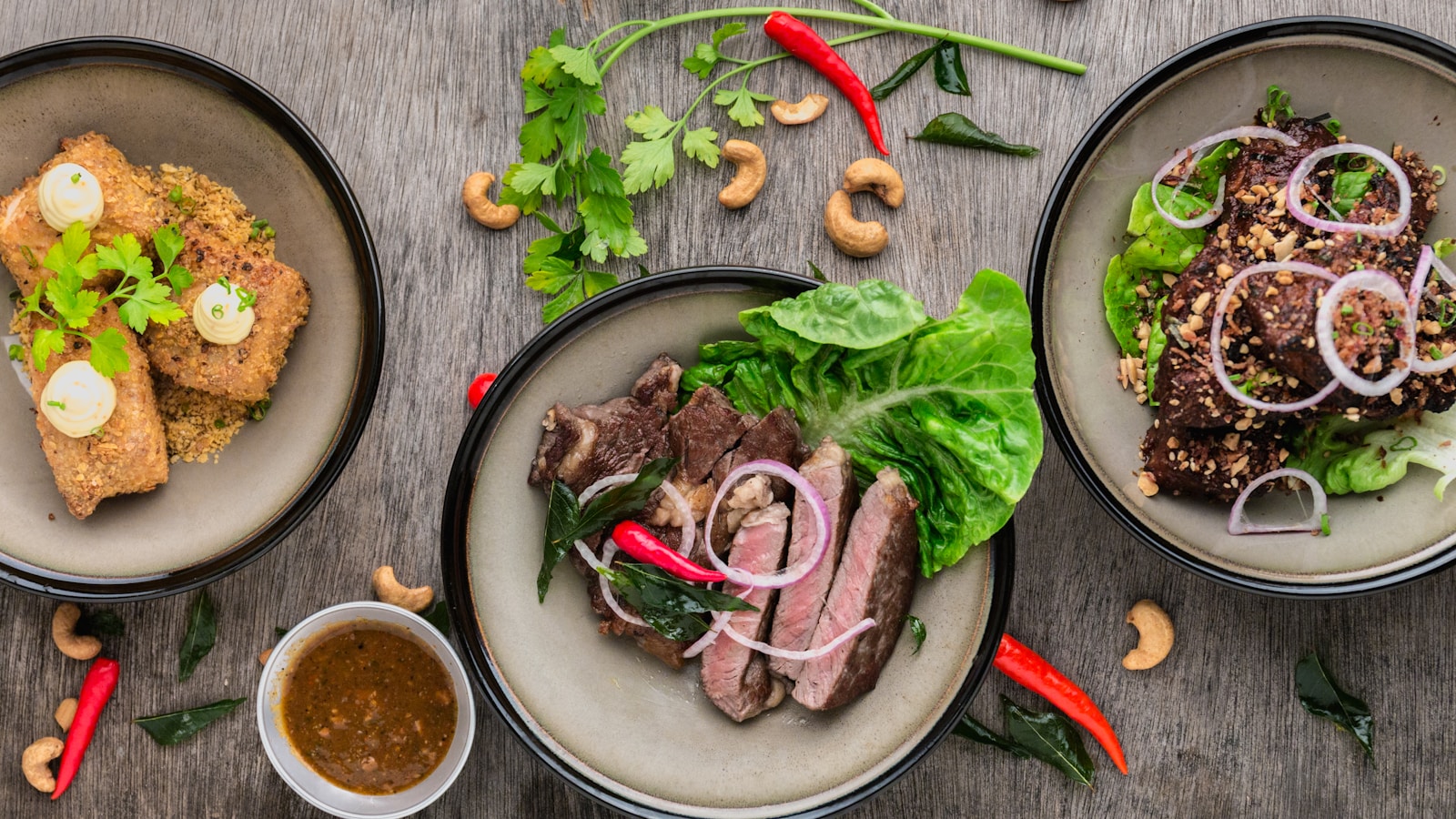
The world's greatest meals are not served in Michelin-starred restaurants. They are ladled from steaming pots on Bangkok sidewalks, grilled over charcoal in Oaxacan markets, and rolled into freshly baked flatbreads on Delhi street corners. Here is a guide to the cities where street food is not just sustenance — it is high art.
Bangkok, Thailand 🇹🇭
No city on Earth does street food better than Bangkok. Yaowarat Road in Chinatown transforms nightly into the world's greatest open-air restaurant — a kilometer of woks, grills, and steamers producing everything from pad kra pao (holy basil stir-fry, 40 baht) to grilled river prawns the size of your forearm. The city's Michelin Guide now includes street vendors — Jay Fai's legendary crab omelette earned a star despite being cooked over charcoal in a shophouse. Start at 🇹🇭 Thailand's capital and your understanding of what street food can be will change permanently.
Mexico City, Mexico 🇲🇽
The taco is Mexico City's currency of joy. Every corner in 🇲🇽 Mexico's capital hosts a taquero — a specialist whose entire professional life is devoted to perfecting one or two preparations. Al pastor tacos (spit-roasted pork with pineapple, descended from Lebanese shawarma) at El Huequito. Suadero tacos (slow-cooked beef brisket) from any stall in the Centro Histórico. Tlacoyos (stuffed masa cakes) at the Coyoacán market. Budget roughly 15-20 pesos per taco ($1 USD), and eat at least five for a proper meal.
Hanoi, Vietnam 🇻🇳
Hanoi's Old Quarter is organized by trade streets, and many of those trades involve food. Pho Gia Truyen on Bat Dan Street serves what many consider the definitive bowl of pho — beef broth simmered for 12 hours, served in bowls that cost 50,000 dong ($2). Bun cha (grilled pork with noodles, the dish Obama ate with Anthony Bourdain) is everywhere. 🇻🇳 Vietnam's capital rewards the curious — the best dishes are often found in tiny alleyway stalls with no English signage and just three items on the menu.
Istanbul, Turkey 🇹🇷
Where East meets West on a plate. 🇹🇷 Turkey's cultural capital offers simit (sesame bread rings) from street carts at dawn, midye dolma (stuffed mussels) along the Galata Bridge at lunch, and kokoreç (seasoned offal in bread) from specialist stands after midnight. The fish sandwich boats at Eminönü — grilled mackerel served from rocking vessels at the foot of the Galata Bridge — are one of the world's great eating experiences for about 80 lira ($3).
Marrakech, Morocco 🇲🇦
Jemaa el-Fnaa square in 🇲🇦 Morocco transforms every evening into the world's largest outdoor dining room. Hundreds of stalls serve harira soup, grilled lamb, snail broth, and merguez sausages under hanging lanterns. The spectacle is as important as the food — storytellers, musicians, and snake charmers compete with the smoke and spice for your attention. Navigate by nose: follow the best-smelling smoke and sit at the stall with the most locals.
Kolkata, India 🇮🇳
The street food capital of 🇮🇳 India (a fiercely contested title). Kolkata's kati rolls — skewered kebab wrapped in flaky paratha bread — were invented here in the 1930s and remain the city's signature portable meal. Puchka (the local name for pani puri) — hollow semolina spheres filled with spiced water — costs 20 rupees for six and delivers an explosion of flavor that fine dining chefs spend careers trying to replicate.
💡 Street Food Safety
Follow the crowds — high turnover means fresh food. Watch for vendors who cook to order rather than holding pre-made dishes. Avoid raw vegetables and ice in countries with questionable water. Bring your own utensils if you prefer. Most importantly, start slowly — give your digestive system a few days to adjust to local bacteria before diving into the adventurous end of the menu.
