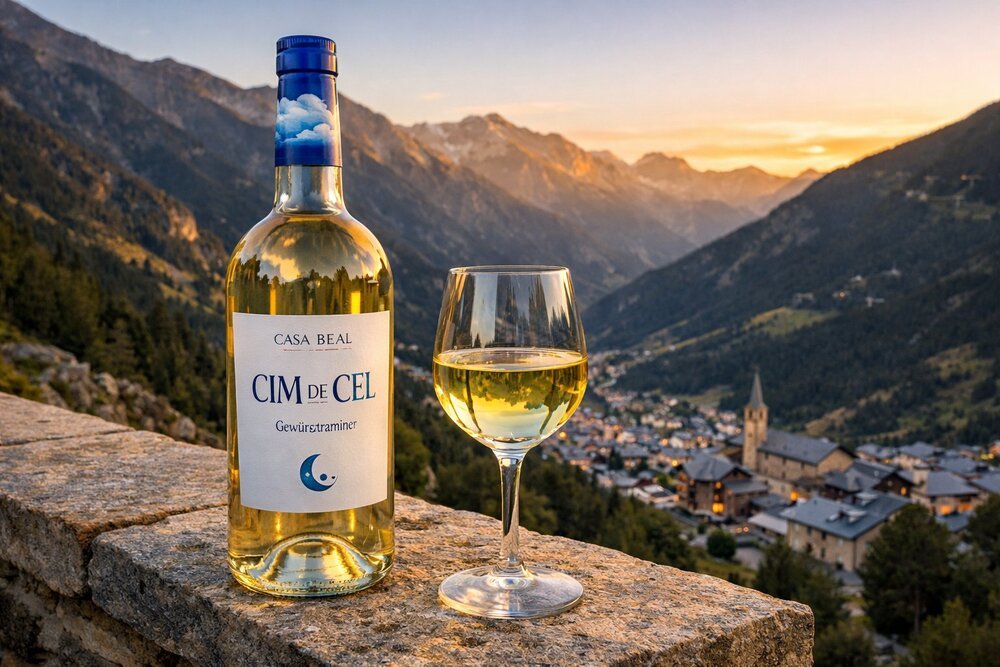
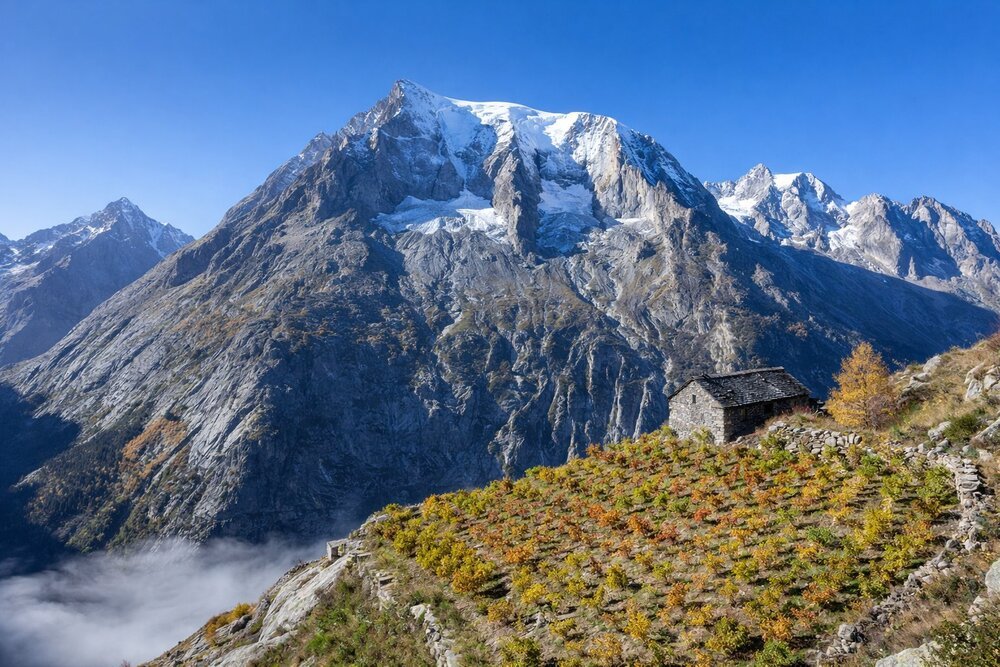
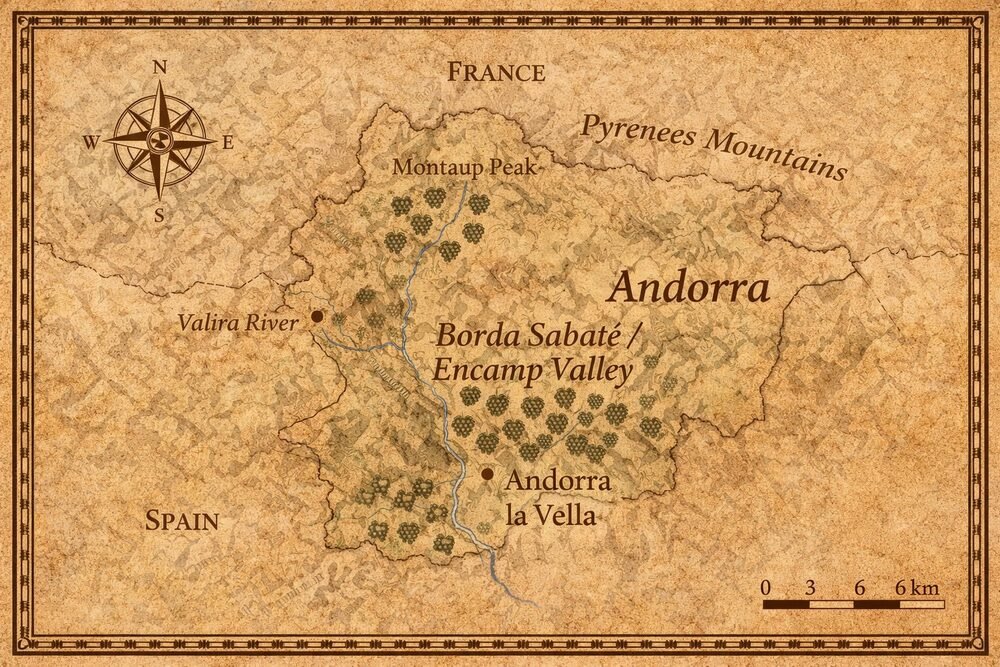
Andorran vineyards are small plots on steep, sunny slopes where altitude brings cool nights, strong ultraviolet light and a short growing season. The modern sector is young and experimental. Producers work with varieties including Pinot Noir, Riesling, Gewürztraminer and others selected for site and style; there is no single grape that defines the country.
Do not assume a cellar is open because it appears on a map. Verify the producer’s current website or tourism listing, reserve in advance and confirm the language of the visit. Mountain access, harvest work and limited staff can change availability. Buy directly when possible; small production means a wine mentioned in an older article may no longer be offered.
Ratassia belongs to the wider Catalan tradition of macerating green walnuts and herbs, while Ratassia de la Carmeta is a named Andorran craft product made with walnuts and hand-collected mountain herbs. Andorra Turisme also lists locally made beer, mead and gin. Treat these as distinct producers and traditions: check current availability, alcohol strength and visiting arrangements instead of presenting any drink as an exclusively Andorran invention.
Pair a scheduled cellar visit with lunch in a traditional restaurant and a short cultural stop, rather than racing between addresses. Mountain roads and alcohol are a poor combination: appoint a driver or use a booked transfer. Ask about vineyard altitude, frost, harvest dates and annual production—the answers explain the wine better than generic tasting notes.