🌍 Kaufmann World Travel Factbook
Andorra › UNESCO

🏛️ Andorra: UNESCO Heritage

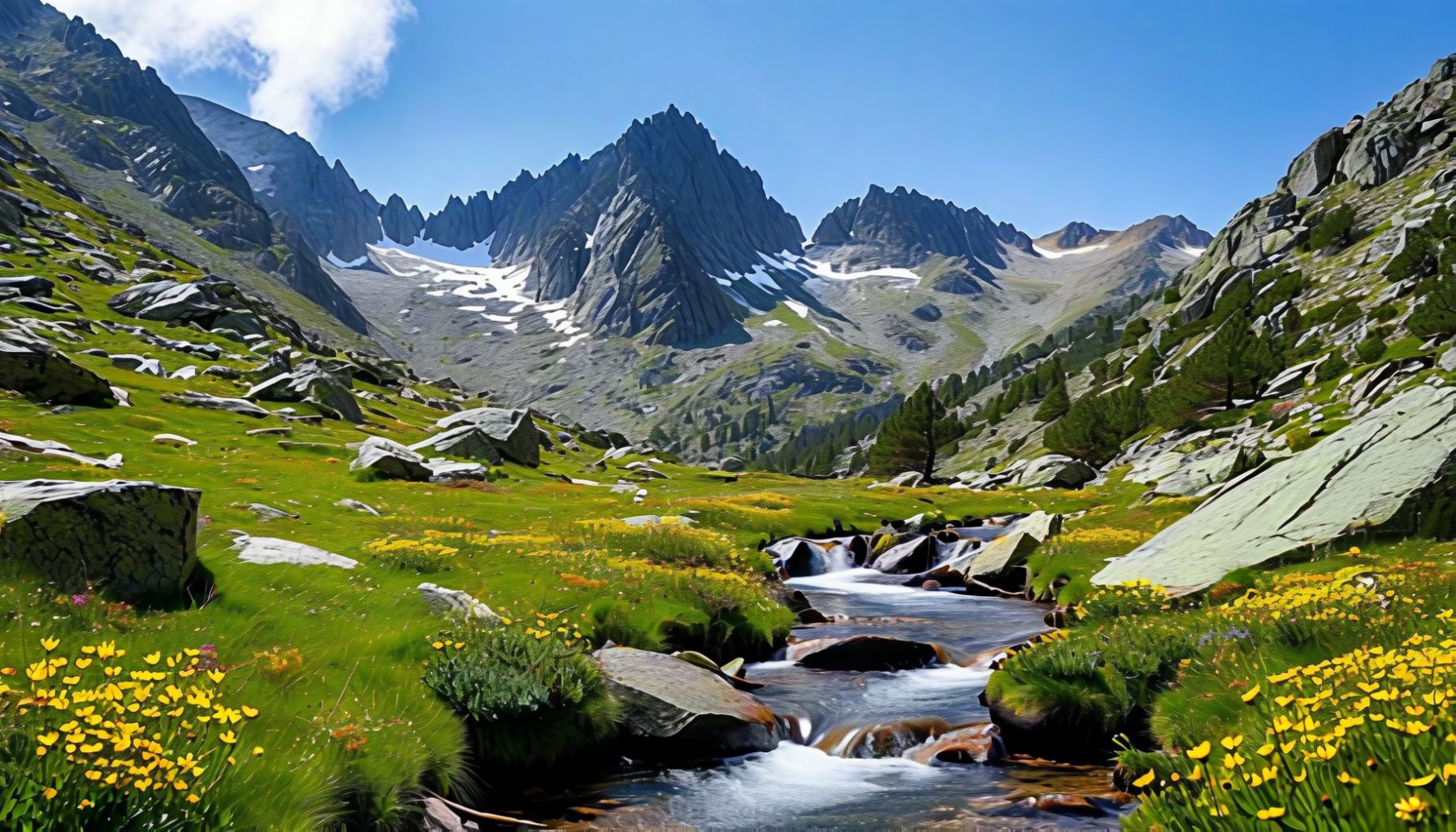
The Madriu-Perafita-Claror Valley — Andorra's only World Heritage Site, and its only corner without a road.

01

🏛️ The Madriu-Perafita-Claror Valley

Andorra holds exactly one UNESCO World Heritage Site — the Madriu-Perafita-Claror Valley, inscribed in 2004 and extended in 2006 — and the country has made the most of it. Covering 4,247 hectares, roughly 9% of Andorra's entire land area, the valley was recognized not for a single monument but as a cultural landscape: a rare, intact record of how Pyrenean communities harvested high-mountain resources — pastoralism, iron smelting, terraced fields, stone tracks — continuously since at least the 13th century.

What sets the site apart even among UNESCO cultural landscapes is its land-tenure system: much of the valley operates under communal ownership arrangements that predate the modern Andorran state itself, formal legal structures that have quietly outlasted the treaties, wars, and reforms that reshaped everything around them. The valley was additionally designated a Ramsar Wetland of International Importance in 2013, layering an ecological protection on top of the cultural one.

⚠️ Visiting note: The valley is genuinely roadless — there is no vehicle or shuttle access at all. Reaching the historic Ramio and Entremesaigues settlements requires several hours of hiking each way; check trail conditions and weather locally before setting out, especially outside the summer months.

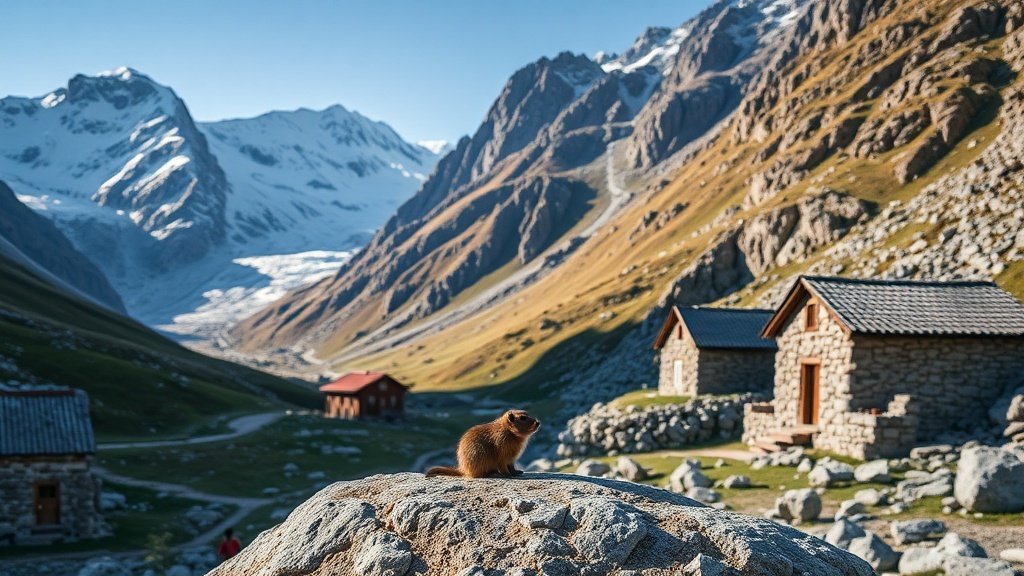
Madriu-Perafita-Claror UNESCO valley, stone shepherd huts scattered across open high pasture

A 13th-Century Land System, Still in Use

Communal grazing rights and stone shepherd huts in the Madriu valley — a land-management tradition older than the Andorran constitution itself

02

🗺️ Planning a Visit

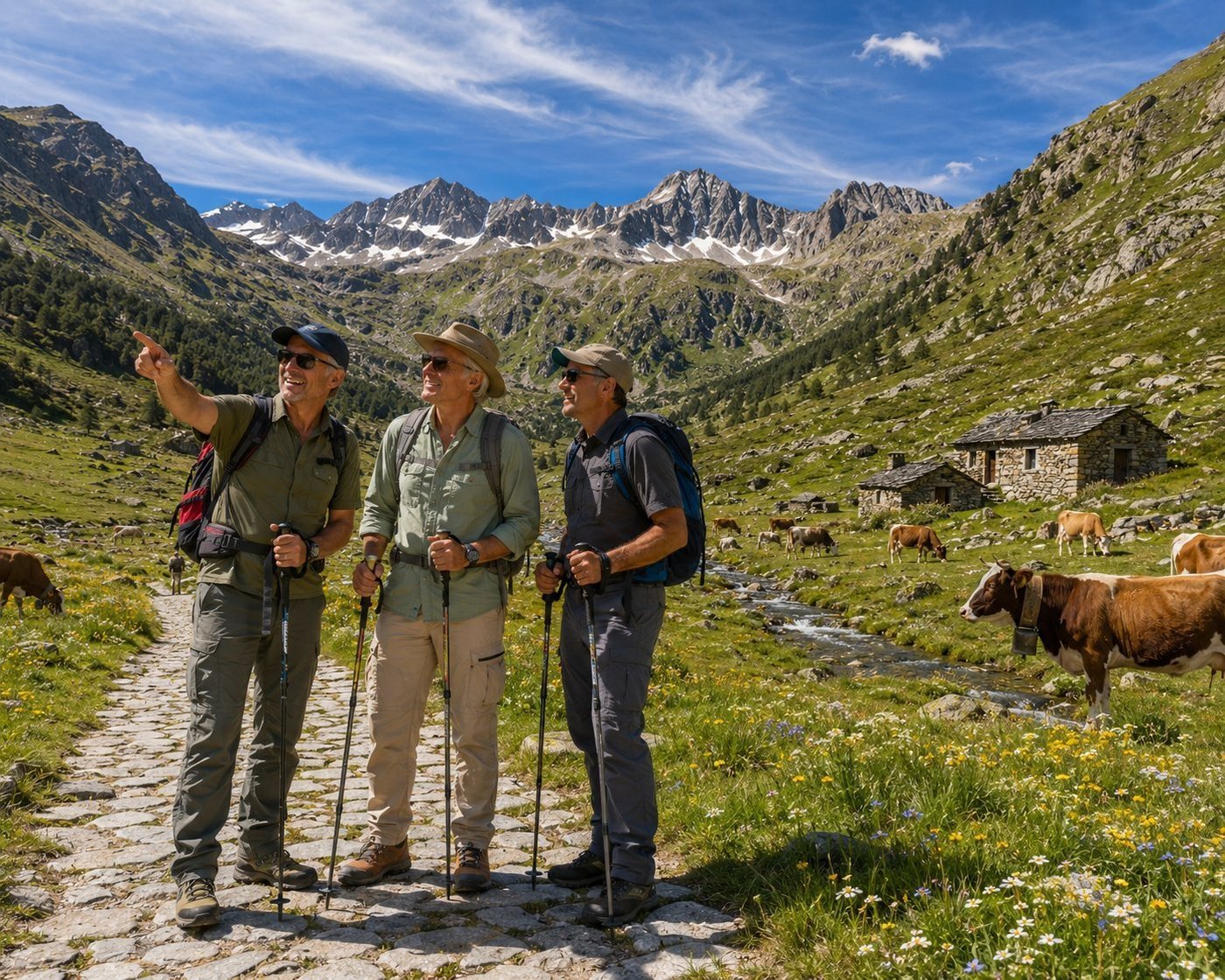
Because the Madriu-Perafita-Claror valley is Andorra's only UNESCO site, there's no multi-site circuit to plan the way there might be in a larger country — the practical question is simply which of the three main trailheads to use. The entrance near Escaldes-Engordany or Andorra la Vella suits a half-day out-and-back for casual hikers; the Ràcol or Fontverd approaches from the Sant Julià de Lòria side reach the historic Ramio and Entremesaigues settlements faster for those with less time. Serious hikers can cross the valley entirely and exit toward Encamp or into Spain, but that requires a full day, proper gear, and — outside summer — real alpine hiking experience.

A local guide is worth the cost for a first visit: the valley has no signage in the conventional sense (part of the point), and the communal land-management history that makes the site significant is easy to walk straight past without someone to point it out.

Need help? Chat with Hugh