Andorran cooking belongs to the Catalan Pyrenees: sturdy soups, mountain greens, pork, game, mushrooms and preserved foods adapted to cold winters. Traditional bordes—former farm buildings converted into restaurants—are the natural place to look for local dishes, though menus vary in authenticity. Ask what is prepared in-house and what is seasonal.
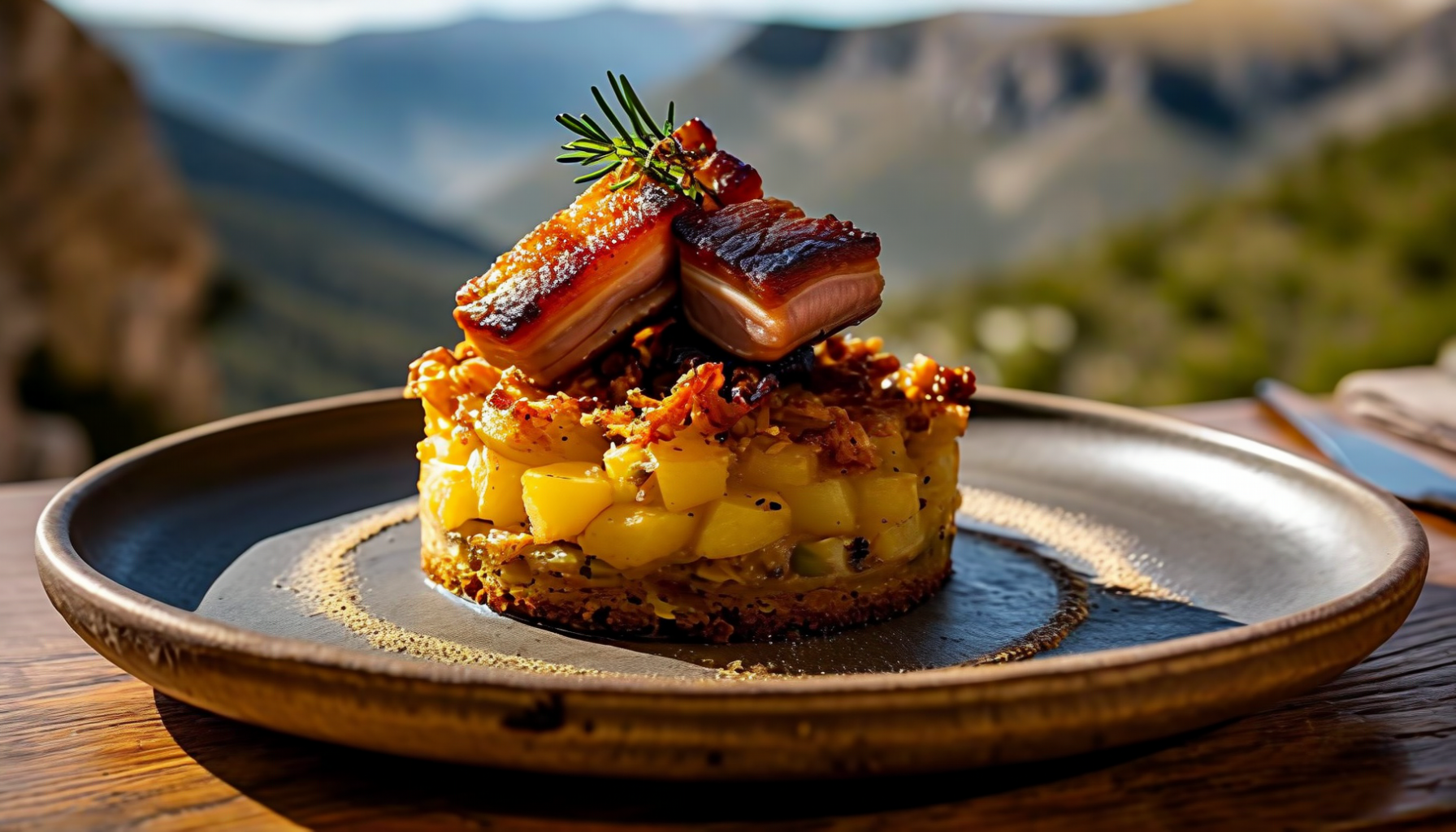
Trinxat combines winter cabbage and potatoes, cooked until tender, drained and worked together before being browned in a pan. The official Andorra Turisme recipe for four uses one large winter cabbage, 1.3 kg of potatoes, four slices of streaky bacon, two desalted herrings and four cloves of garlic. Local and chef versions vary, so the defining idea is the browned round of cabbage and potato, not one universal ratio.
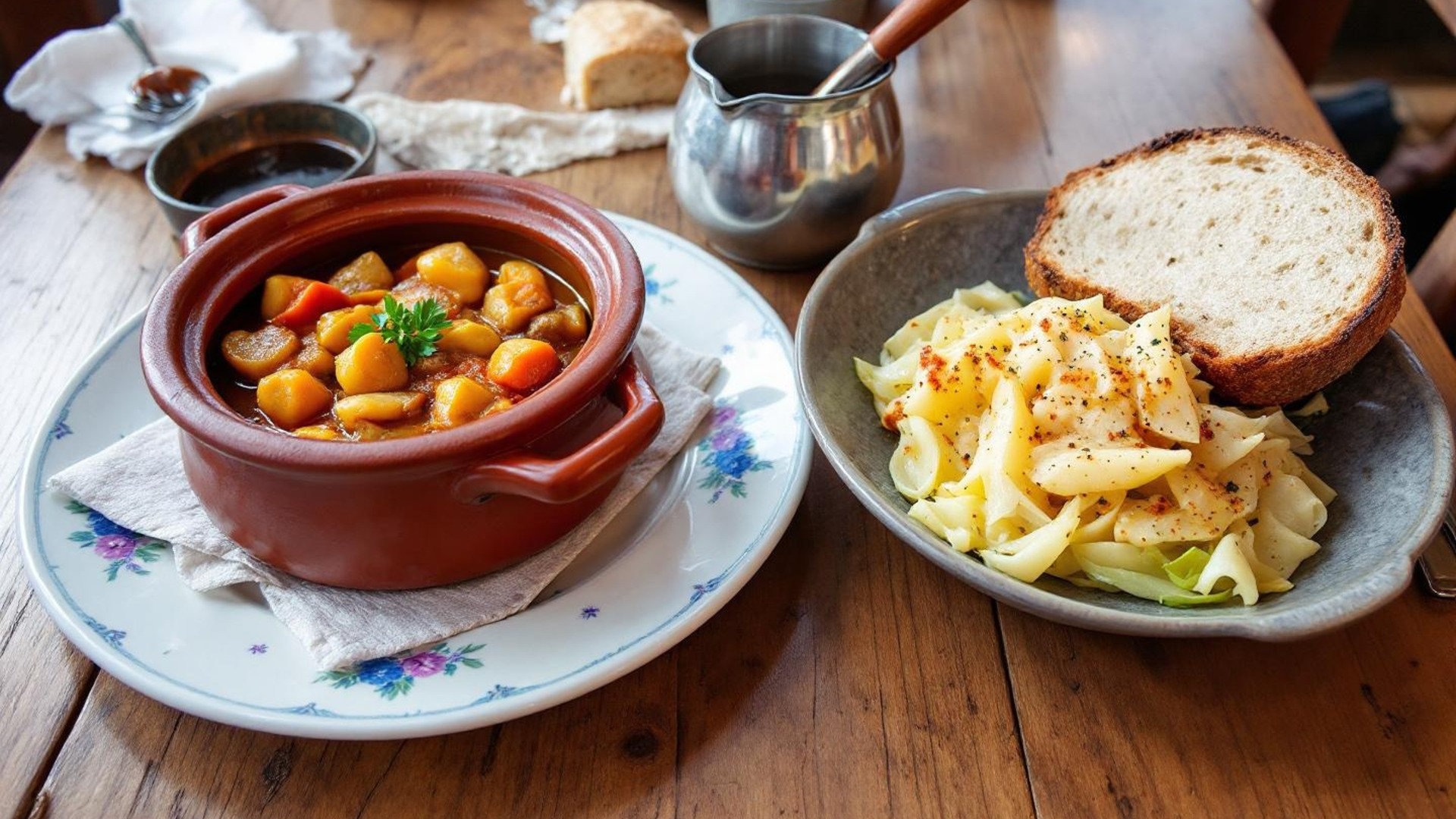
Escudella is a flexible family of broths rather than one fixed recipe. Andorra Turisme's mixed version combines seasonal vegetables, chickpeas and beans, several meats and bones, sausages, pumpkin, potatoes and noodles or rice; older everyday versions depended on what the pantry held, while festive pots were richer. Cook it slowly, add the cabbage and sausages after the long first simmer, and add potatoes and noodles or rice near the end.
Andorra Turisme lists locally roasted coffee, high-altitude wines and a small group of craft drinks among current Andorran products. Ratassia de la Carmeta is specifically identified as an Andorran craft liqueur made with walnuts and mountain herbs; the same official directory lists local wine, beer, mead and gin producers. Production and visiting arrangements are small-scale, so confirm current availability directly with each producer.