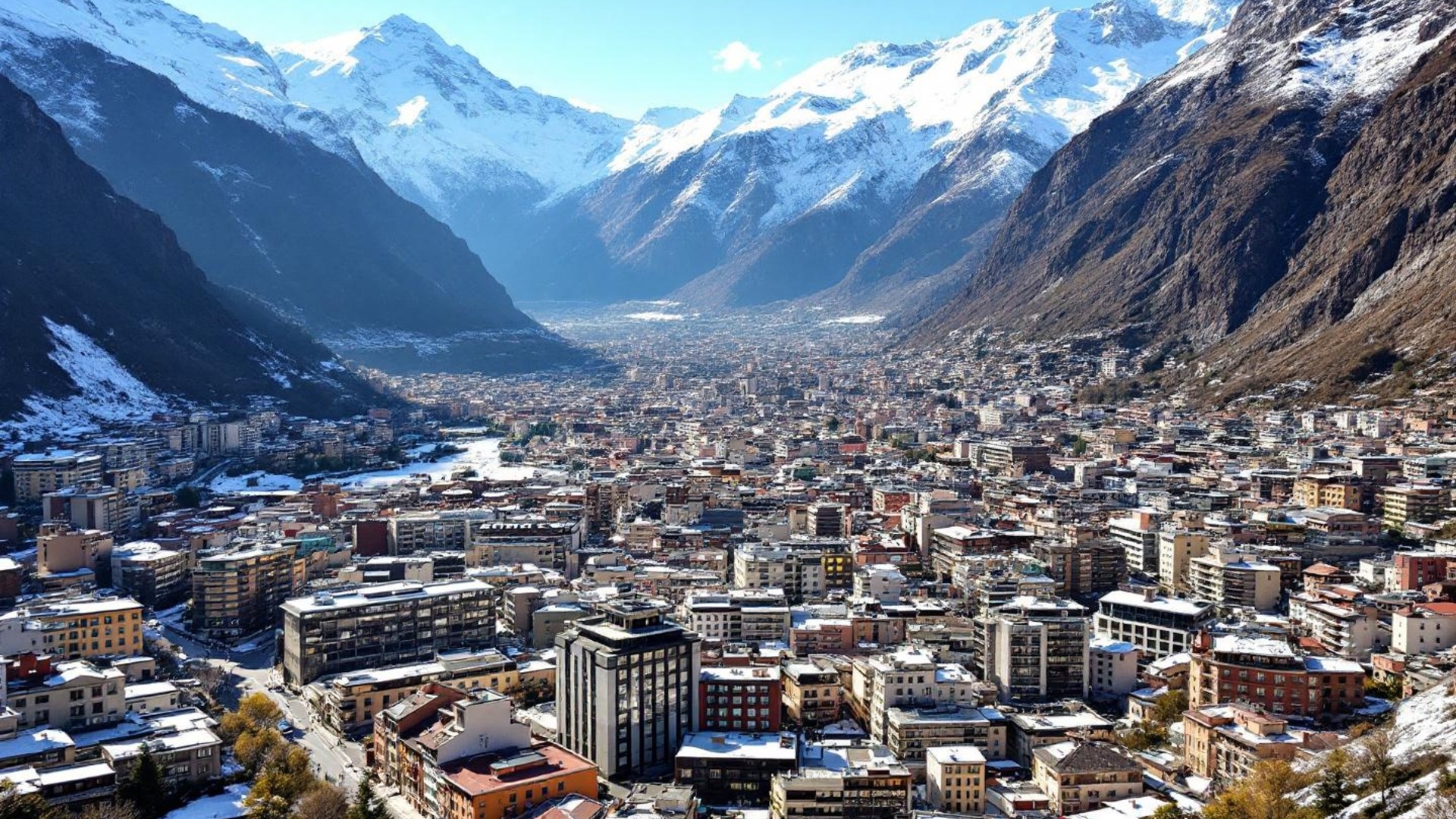
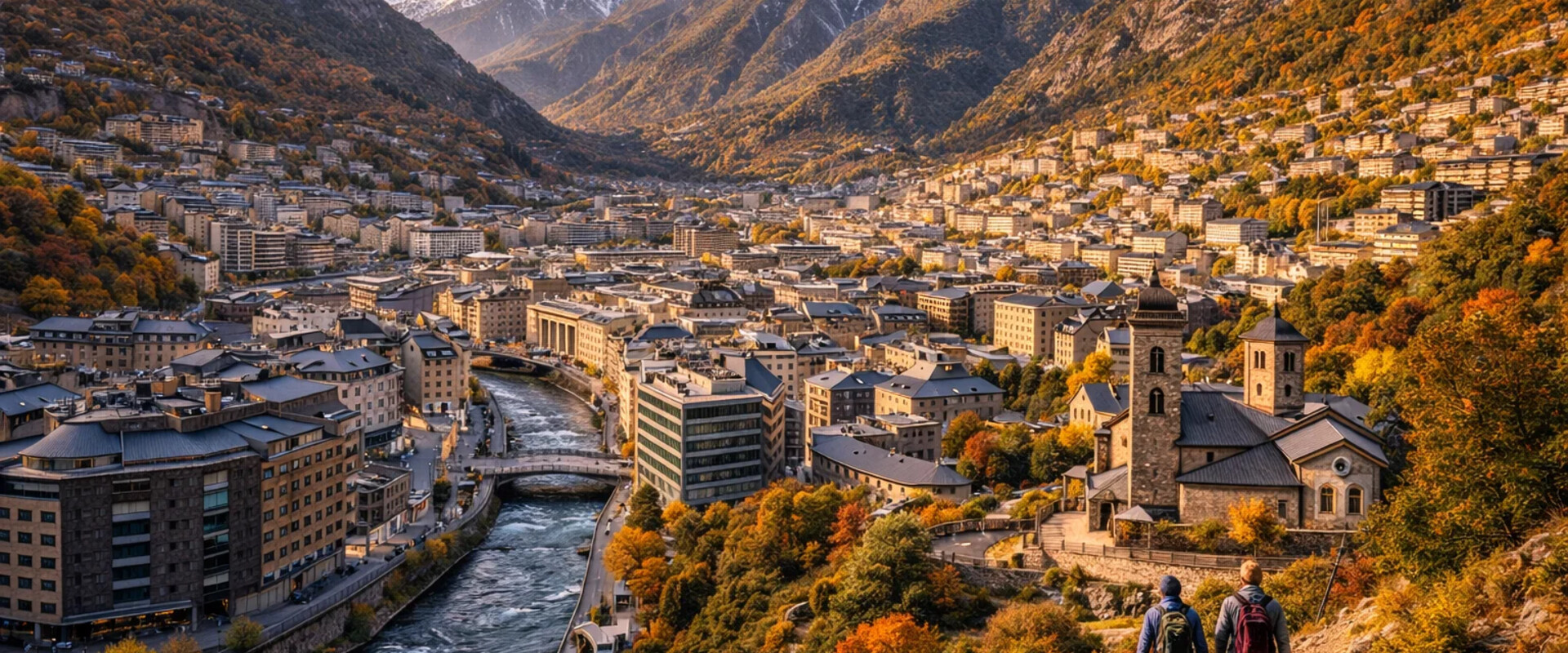
Andorra is a sovereign co-principality folded into the eastern Pyrenees between France and Spain. Its 468 square kilometres are organised into seven parishes, linked by one main valley system and framed by summits that rise above 2,900 metres. The compact scale is deceptive: altitude, season and orientation make neighbouring valleys feel like different regions. Catalan is the official language; Spanish, French and Portuguese are also widely heard.
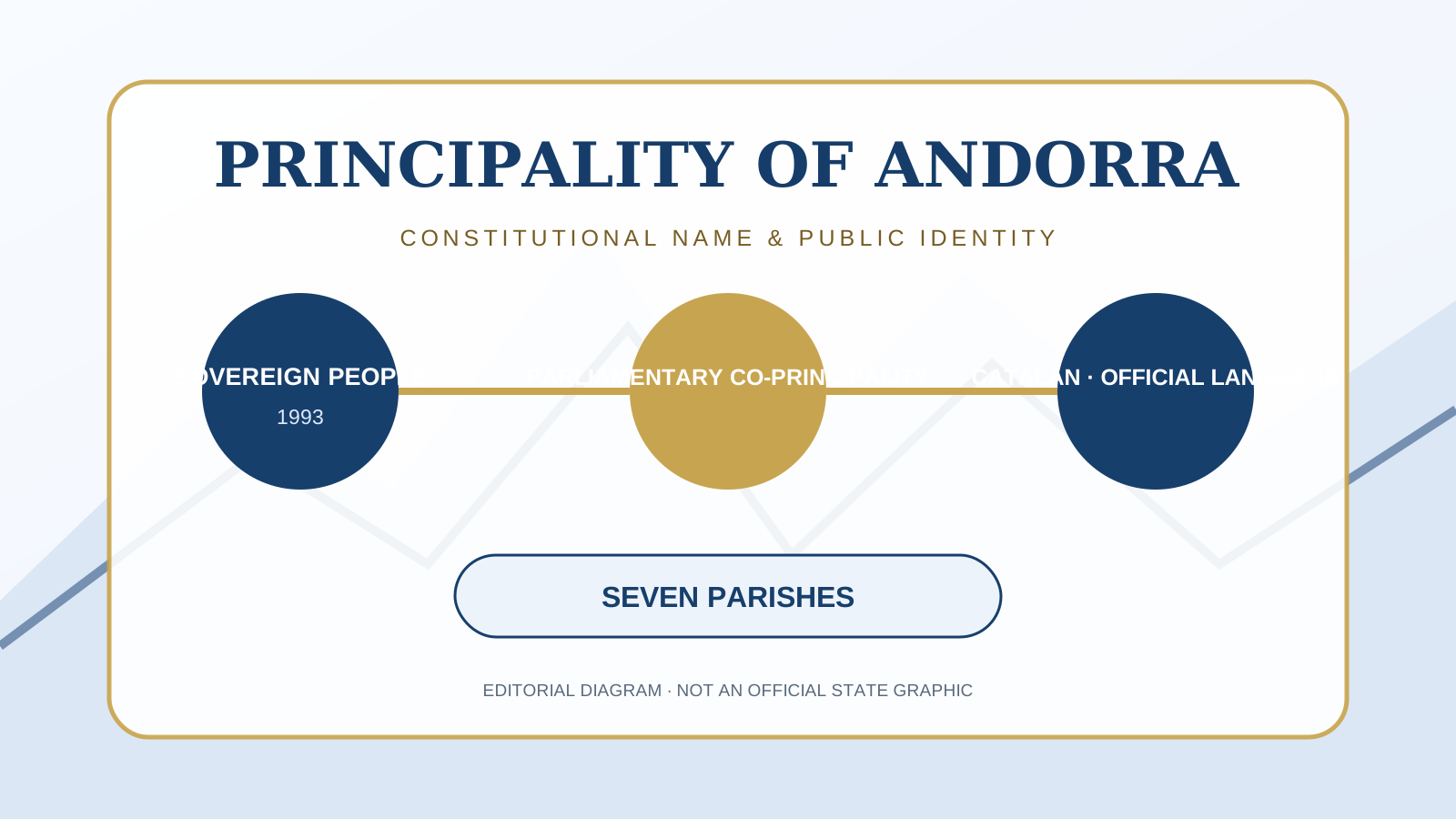
Andorra’s constitutional name is the Principality of Andorra — Principat d’Andorra in Catalan. The Constitution places sovereignty in the Andorran people, defines the state as a parliamentary co-principality and names Catalan as the official language. The country’s identity therefore joins a sovereign civic state, seven historic parishes and a Catalan public culture; multilingual daily life does not change Catalan’s constitutional status.
Name and identity · Deterministic editorial diagram · Not a flag or official state graphic · Image credits
03
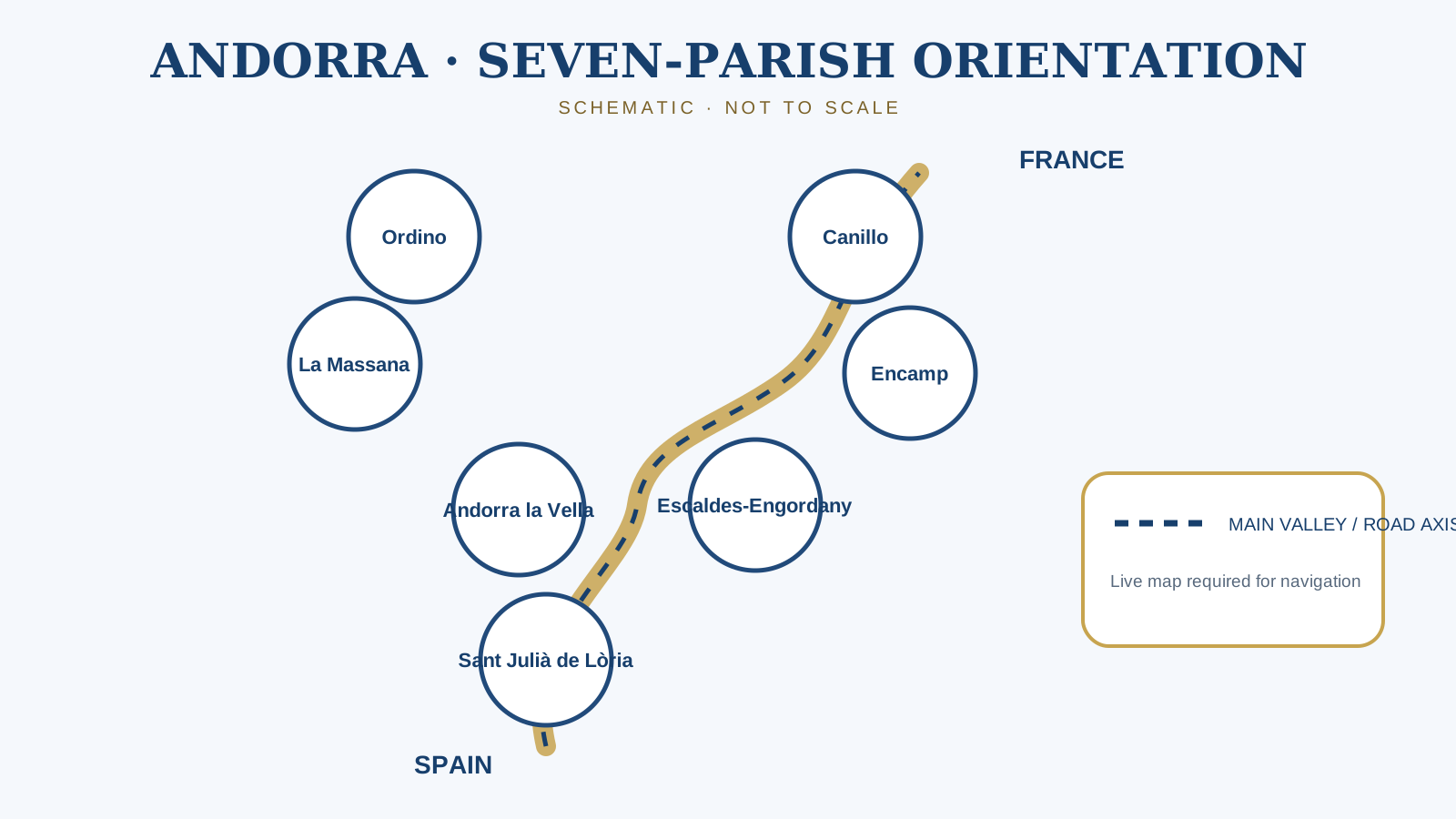
Seven parishes, seven starting points
Andorra la Vella is the civic and commercial centre; Escaldes-Engordany adds Caldea and the upper entrance to the Madriu valley. Encamp reaches east to Pas de la Casa, Canillo opens towards Grandvalira and the sanctuary of Meritxell, Ordino protects a quieter northern valley, La Massana leads to Pal Arinsal and Comapedrosa, and Sant Julià de Lòria is the southern gateway. Choose a base by the valley you intend to explore, not only by distance on the map.
Seven-parish orientation diagram · Not to scale; use the live map for navigation · Image credits
Understanding Andorra's map is essential for navigating this small yet diverse country. The map reveals a network of roads that traverse the Pyrenees, connecting the seven parishes. Key landmarks such as the capital, Andorra la Vella, and popular ski resorts like Grandvalira are clearly marked. The map also highlights natural features, including the highest peak, Comapedrosa, and the picturesque Tristaina Lakes. Additionally, it indicates the locations of cultural sites, such as the Romanesque churches and the Sanctuary of Meritxell, allowing travelers to plan their visits effectively. The illustration is an orientation diagram rather than a surveyed map; use the embedded live map above for routes, distances and current access.
Andorra’s unusual political architecture grew from the medieval paréages of 1278 and 1288, agreements that balanced the interests of the Bishop of Urgell and the Count of Foix. Their successors remain the two heads of state: the Bishop of Urgell and the President of France. The 1993 Constitution turned the country into a parliamentary democracy while retaining the co-princes as constitutional figures. Casa de la Vall, seat of the General Council from 1702 until 2011, makes that continuity tangible.
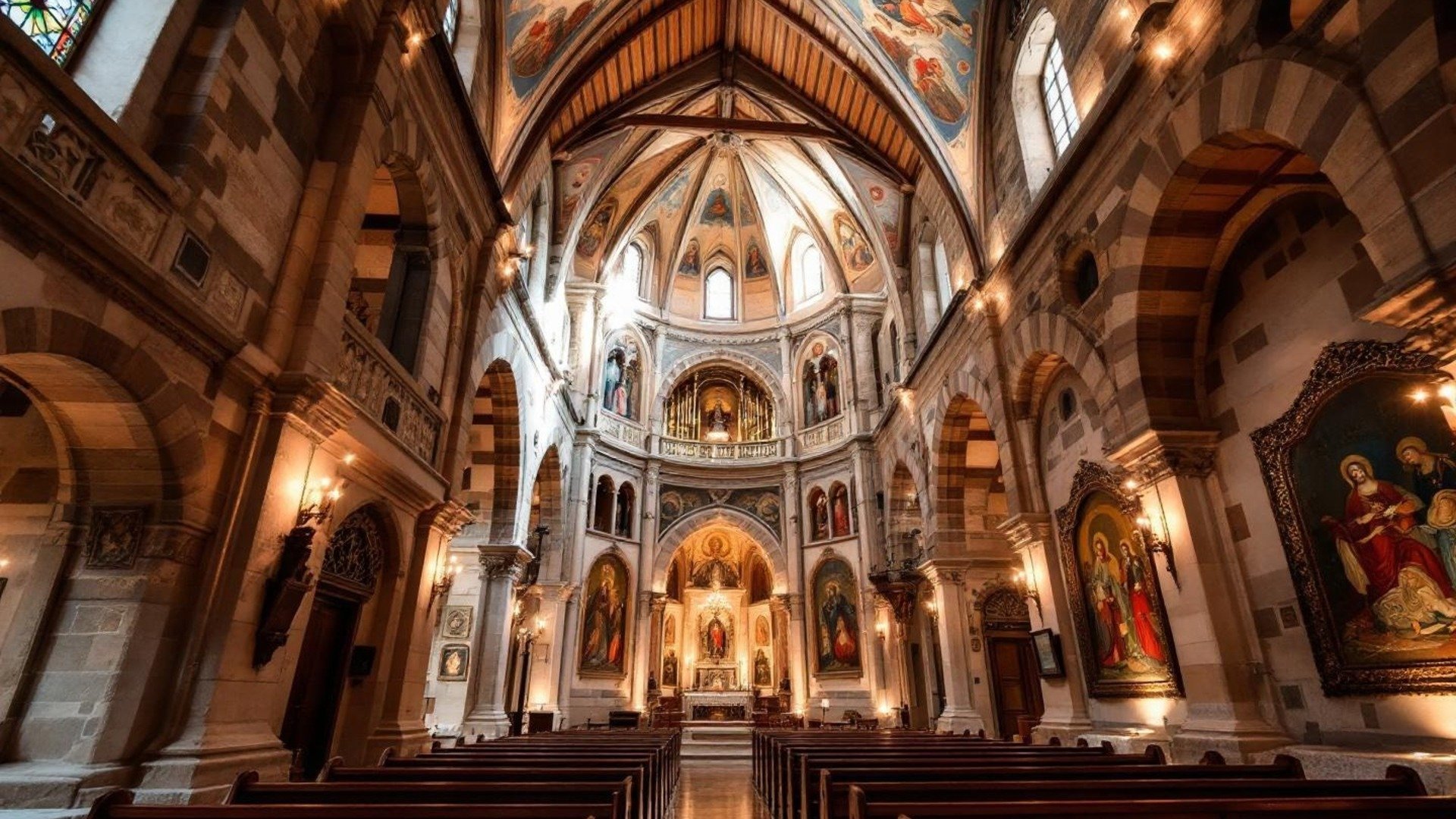
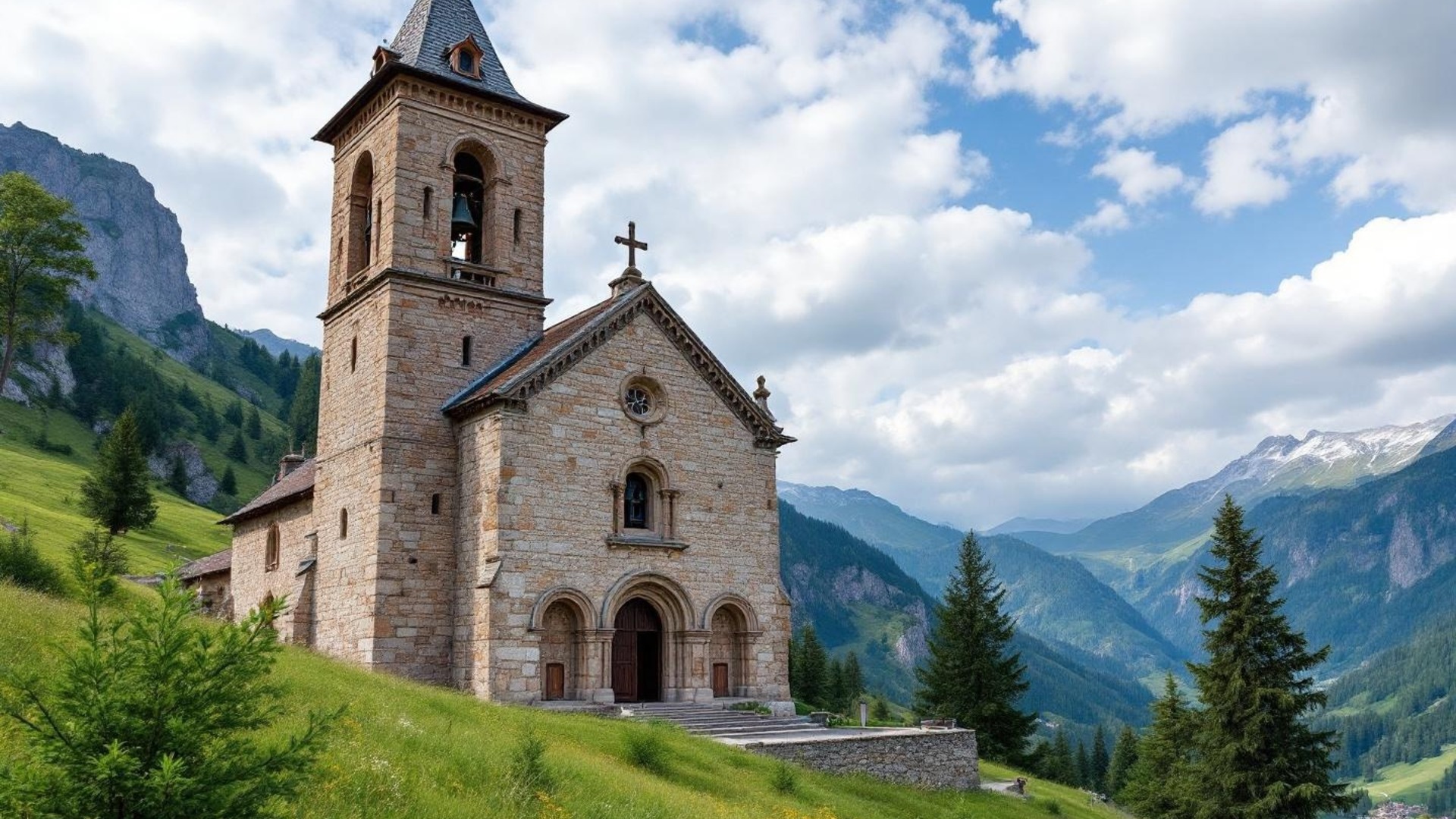
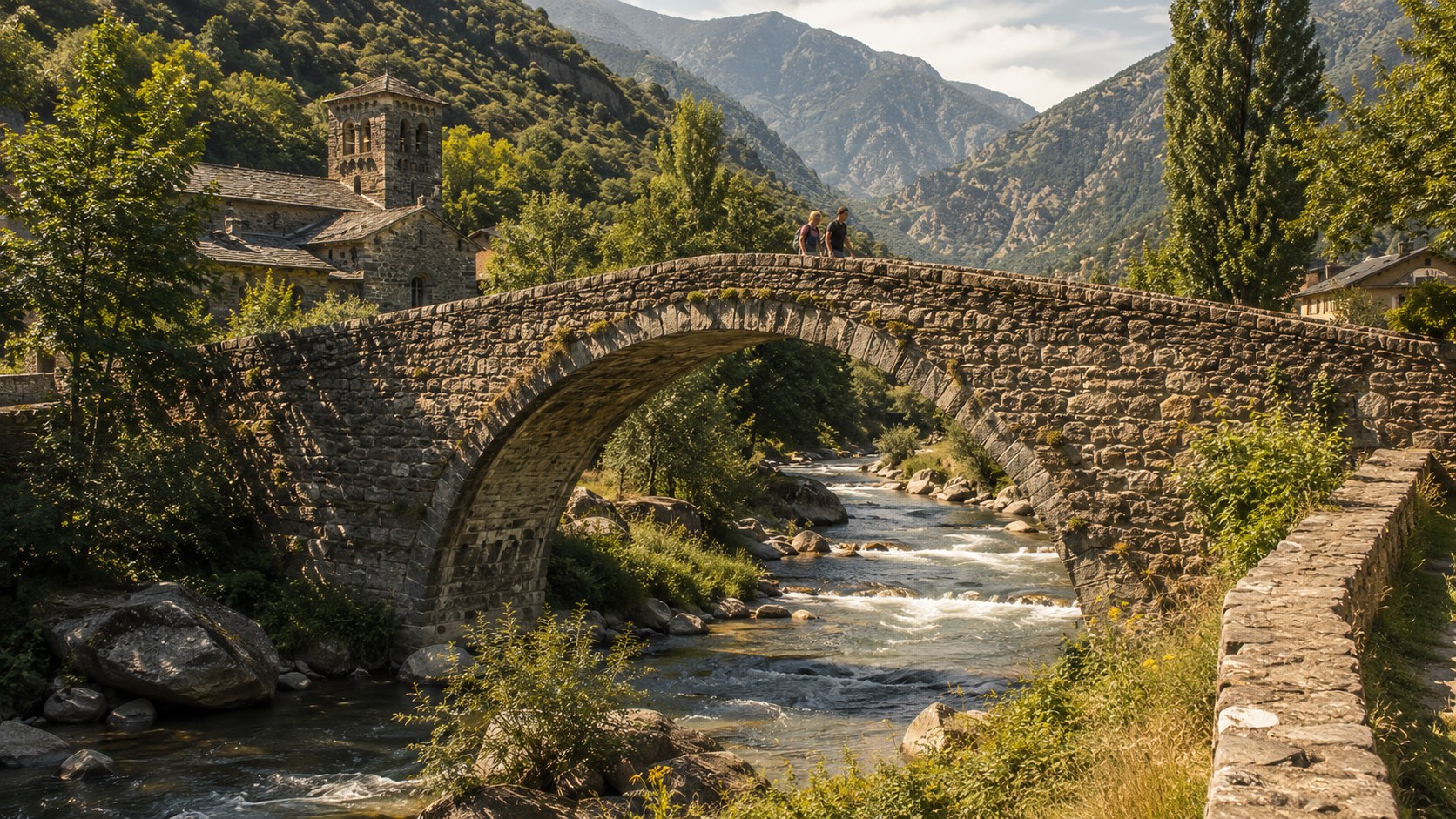
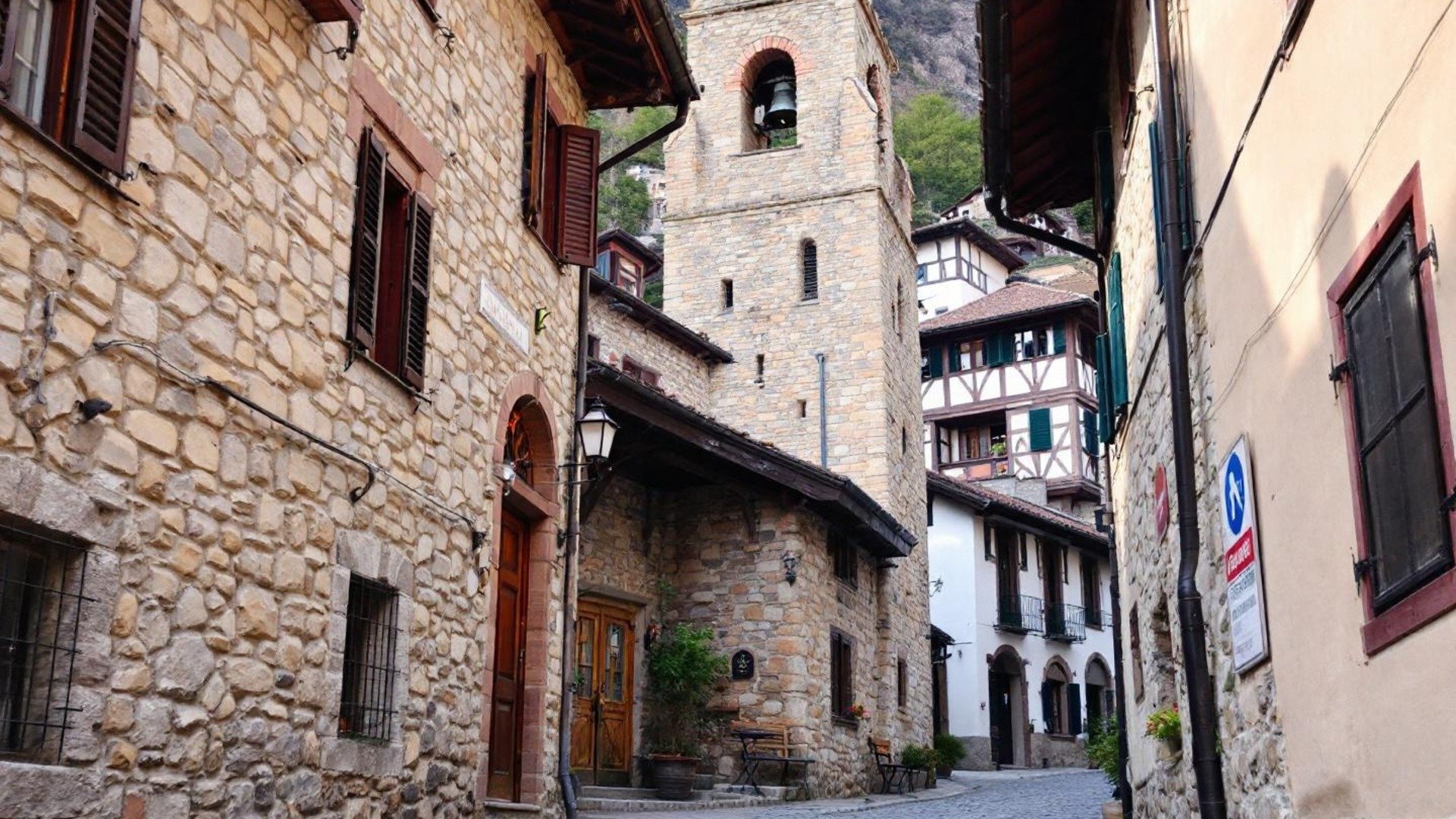
Catalan is not decorative here; it is the language of institutions, schools and public signs. The annual calendar joins Catholic feasts, parish festivals and mountain traditions. Romanesque churches—small, stone-built and often set above the valley floor—are among the clearest visual signatures. Respect opening times and worship, learn a few Catalan greetings, and remember that contemporary Andorra is multilingual and shaped by generations of immigration.
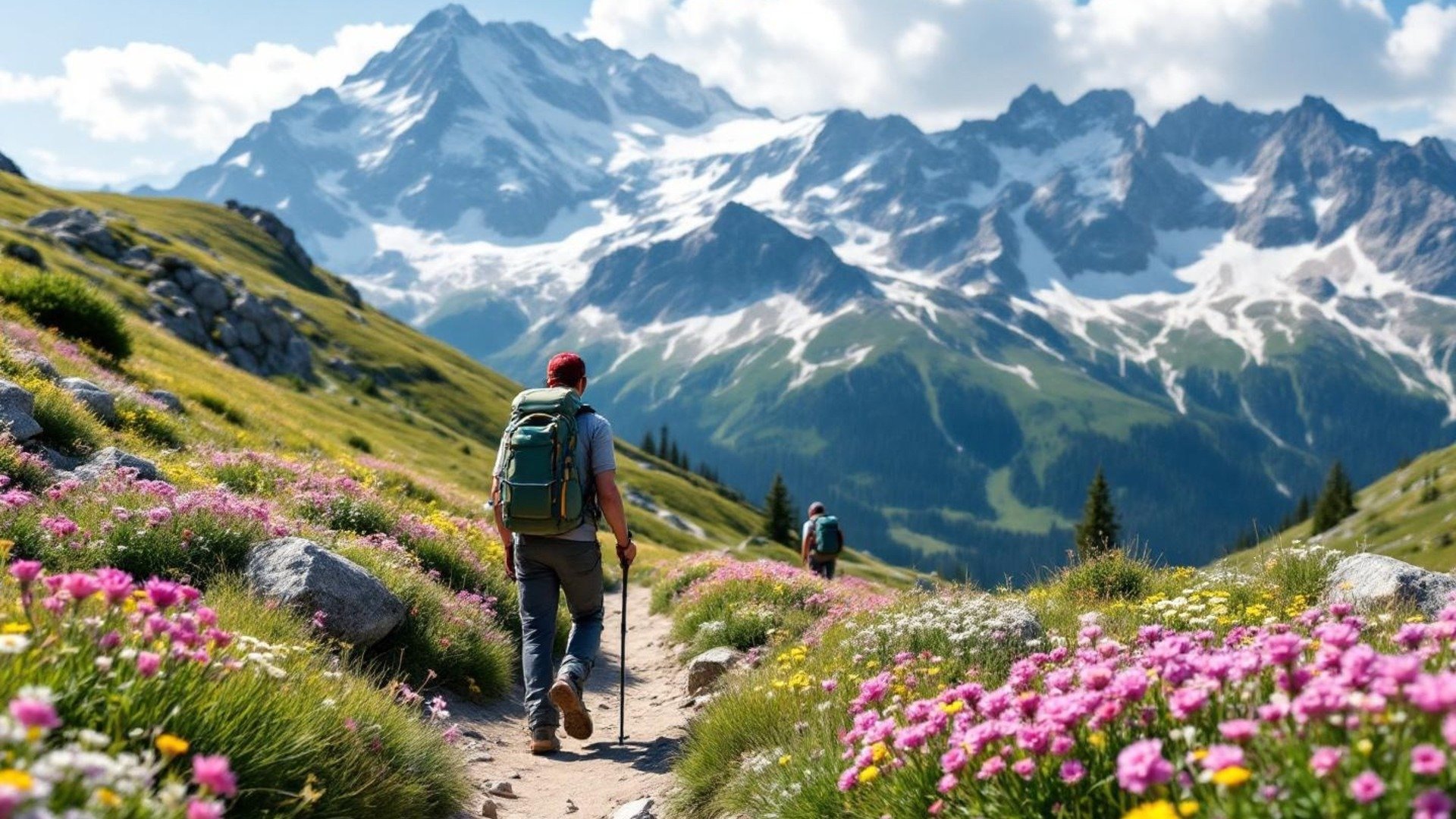
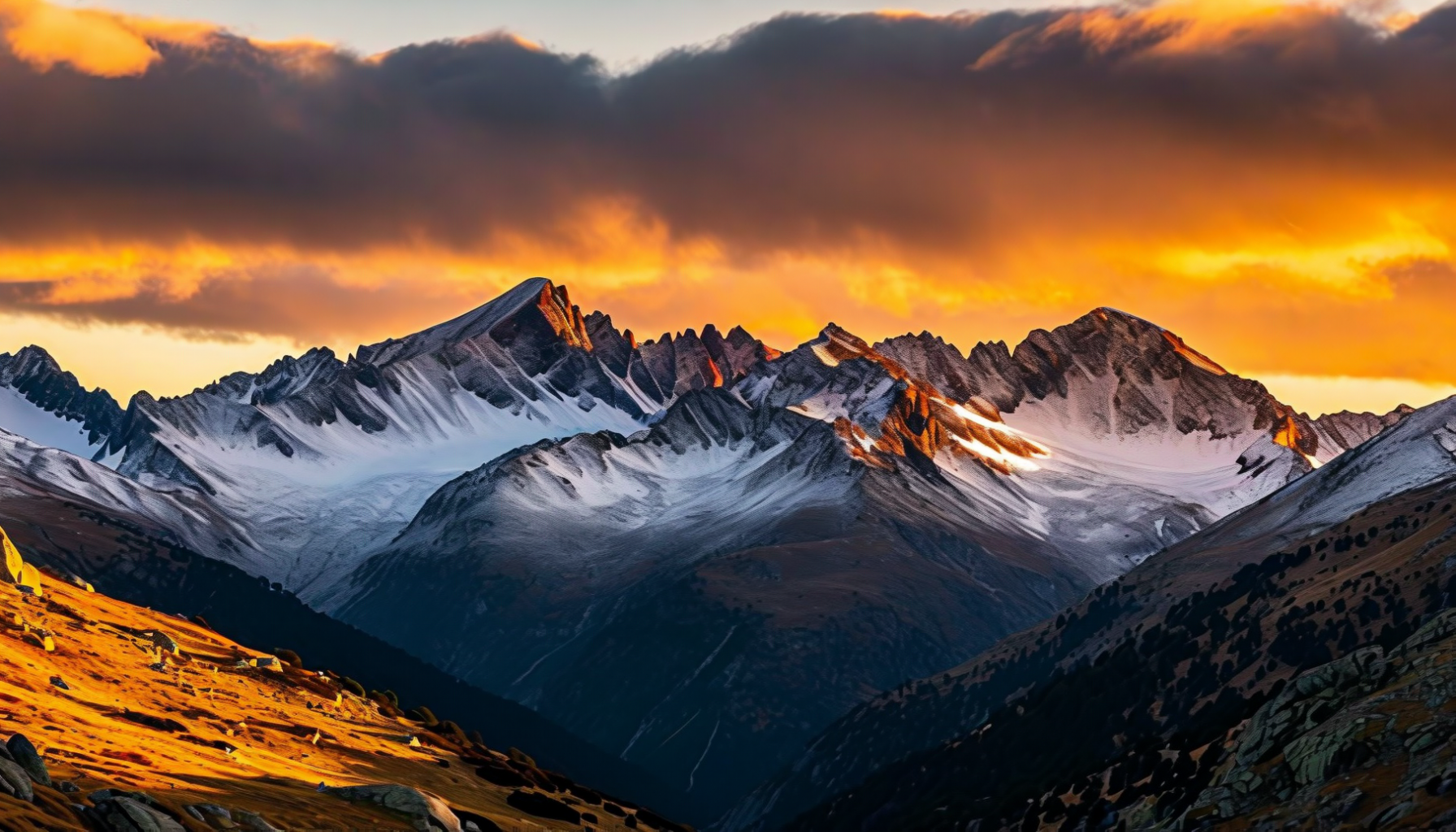
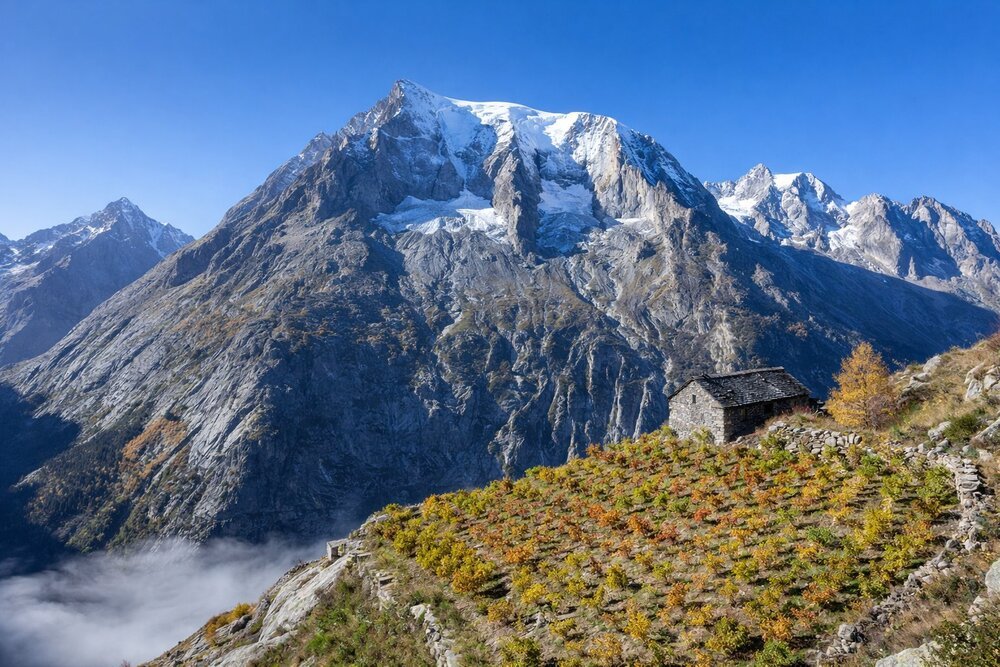
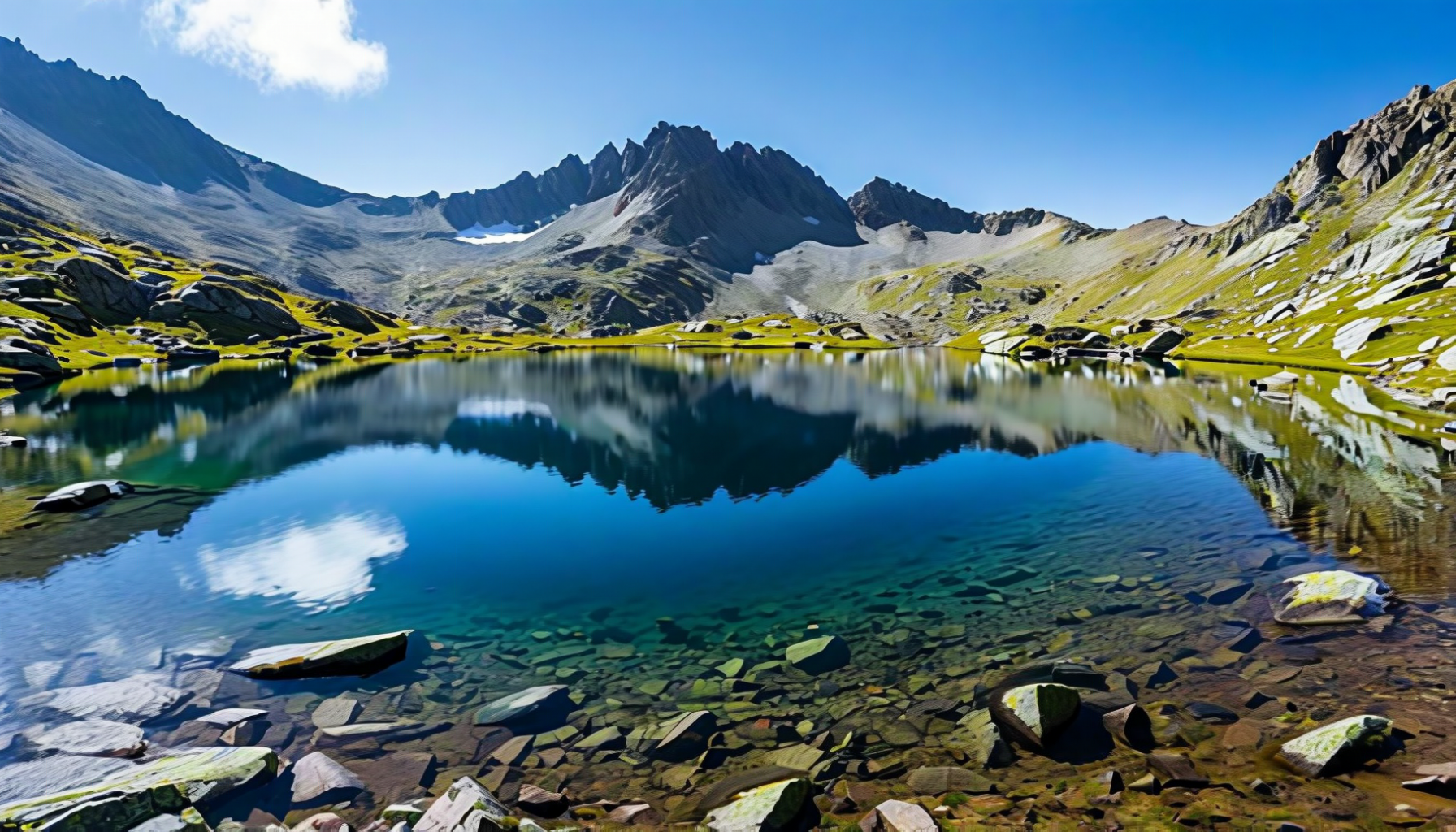
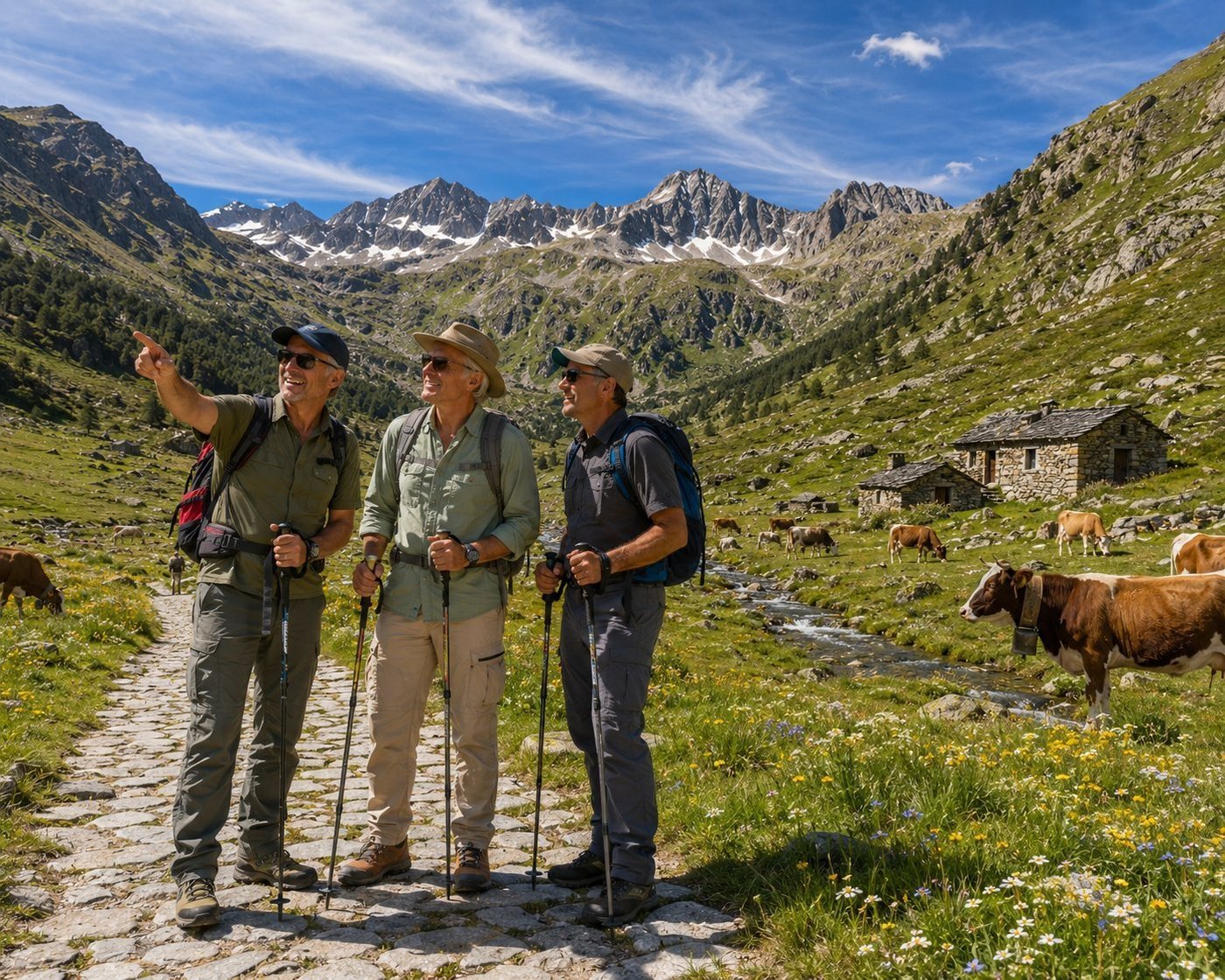
In summer, marked trails reach glacial lakes, high passes and staffed or unstaffed refuges. The Tristaina lakes offer a popular introduction; Comapedrosa, Andorra’s highest summit at 2,942 metres, demands a longer mountain day. In winter, Grandvalira, Pal Arinsal and Ordino Arcalís form the principal ski areas. Conditions change quickly at altitude: consult the official forecast, carry layers and turn around before visibility or footing becomes unsafe.
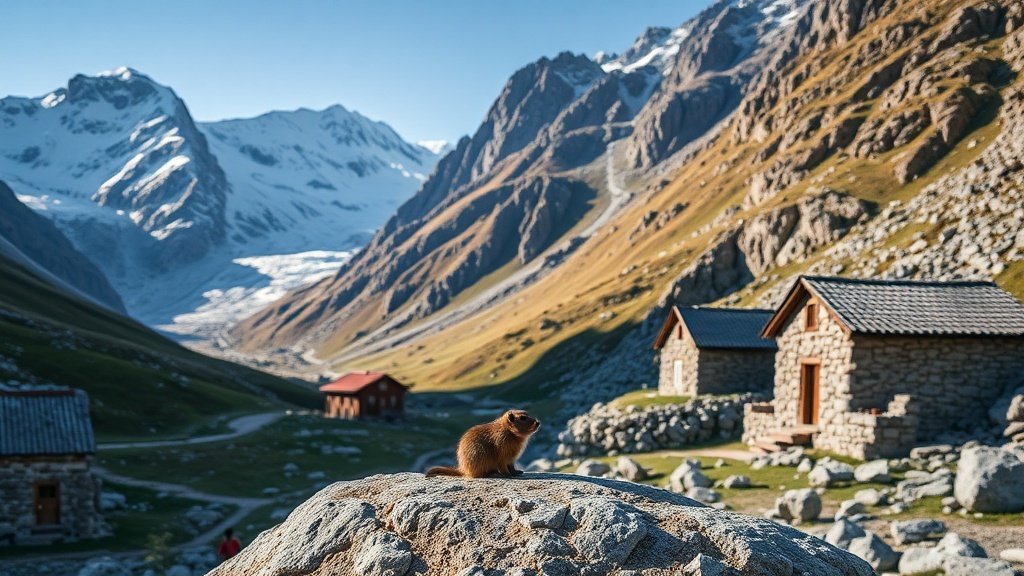
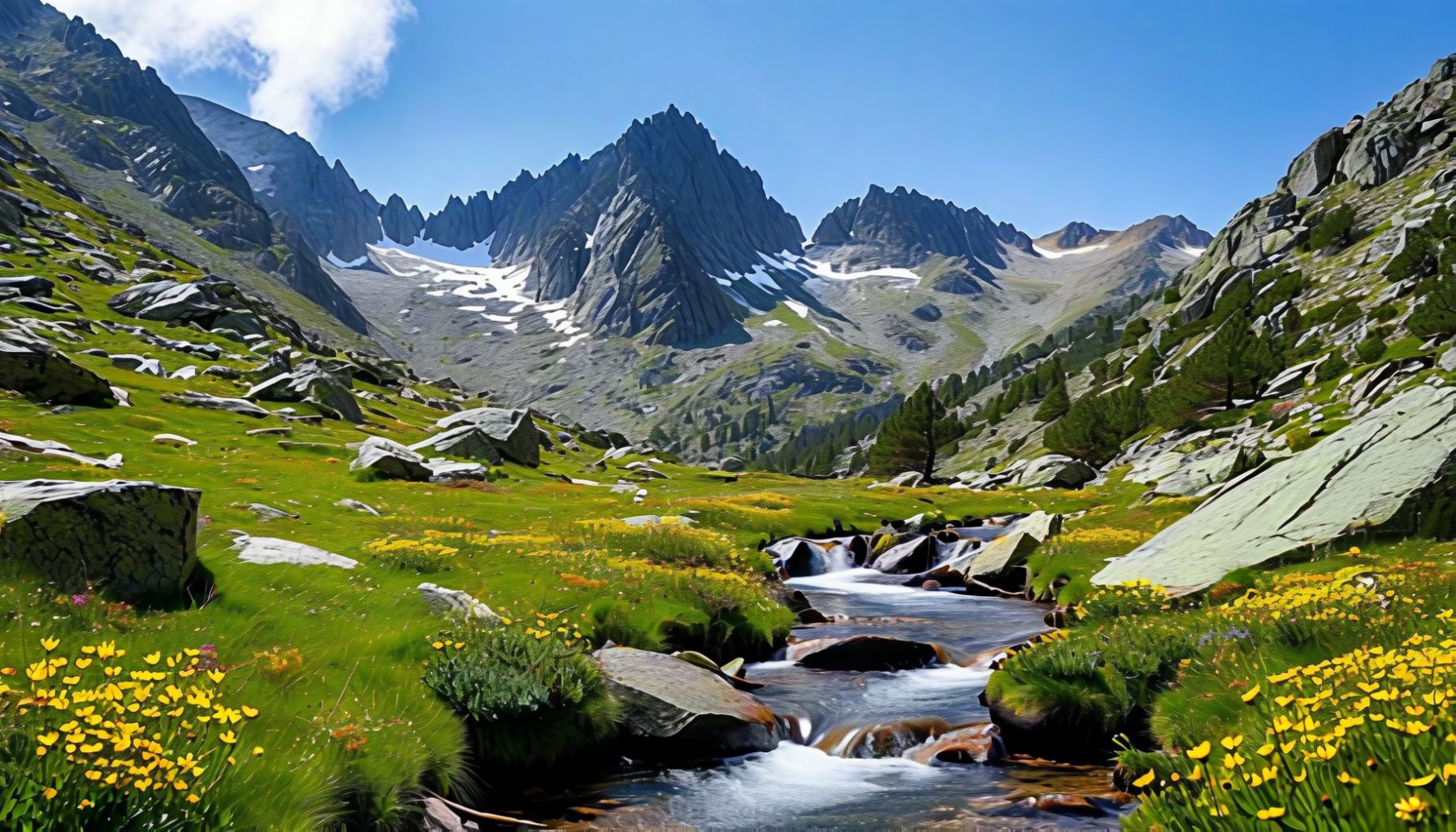
The Madriu-Perafita-Claror Valley is Andorra’s only UNESCO World Heritage property. Its 4,247-hectare core covers a little over nine percent of the country and preserves a cultural landscape shaped by seasonal pastoralism, paths, dry-stone structures, ironworking and hydropower. There is no road into the protected core. Enter on foot, treat the stone huts and walls as heritage rather than scenery, and plan enough daylight for the return.
Andorra has no commercial airport or railway station. Most visitors arrive by road from Catalonia or France; scheduled buses connect with Barcelona, Lleida, Toulouse and nearby rail or airport hubs. Traffic can be slow on ski weekends and holiday shopping days. A car is useful for trailheads, but the national bus network serves the main settlements. Verify the latest timetable, border documents, winter-equipment rules and road conditions before departure.
The panel below loads a current observation for Andorra la Vella from Open-Meteo and records its observation time. It is orientation, not a mountain-safety forecast: elevation can produce very different wind, temperature and precipitation within a short distance. For route decisions, use the official Meteo.ad forecast and local warnings.
—Current observation
—Feels like
—Wind
—Observed
Current observation is unavailable; use the official Meteo.ad forecast.
One day: the historic centre of Andorra la Vella, Casa de la Vall, a Romanesque church and a viewpoint. Three days: add Ordino, one measured mountain walk and Caldea or a museum. A week: divide nights between the central valley and a northern or eastern parish, leaving a weather-flexible day for Madriu, Tristaina or Comapedrosa. In winter, do not combine a full ski day with an overambitious evening drive.
Andorra’s co-principality is constitutional rather than a division of sovereignty between neighbouring states. Under the 1993 Constitution, sovereignty belongs to the Andorran people, while the Bishop of Urgell and the President of the French Republic jointly and indivisibly serve as Head of State in their personal and exclusive capacities. Their constitutional acts are normally countersigned by the Head of Government or the General Syndic, which places the institution within a parliamentary system rather than above it.
The 1993 Constitution defines Andorra as a democratic and social independent state governed by the rule of law. The General Council is the unicameral parliament; its present 28 councillors are elected through national and parish representation. After parliamentary elections, the General Council elects the Head of Government, who is then appointed by the Co-Princes. This distinction matters: parliament chooses the government leader, while the Co-Princes perform the constitutional appointment.
Catalan is Andorra’s sole official language under the Constitution and is used by public institutions and in education. Everyday Andorra is nevertheless multilingual, and visitors will also hear Spanish, French, Portuguese and other languages. Using a few Catalan greetings is a respectful way to acknowledge the country’s public language and national identity without assuming that every resident has the same first language.
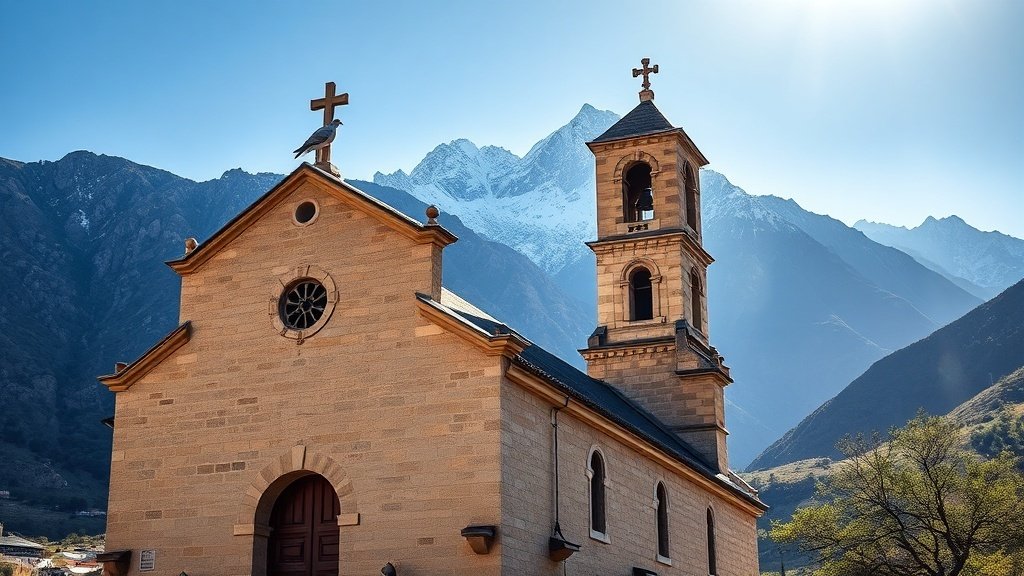
Andorra preserves a concentrated group of Romanesque and later medieval churches, but their details are not interchangeable. Sant Joan de Caselles in Canillo has a rectangular nave, semicircular apse and Lombard-style bell tower, together with later porches and interior art. Sant Esteve in Andorra la Vella retains a thirteenth-century semicircular apse but also reflects later alterations. The official church guide is the safest source for current access: these are active or protected religious buildings, not attractions with guaranteed daily opening hours.
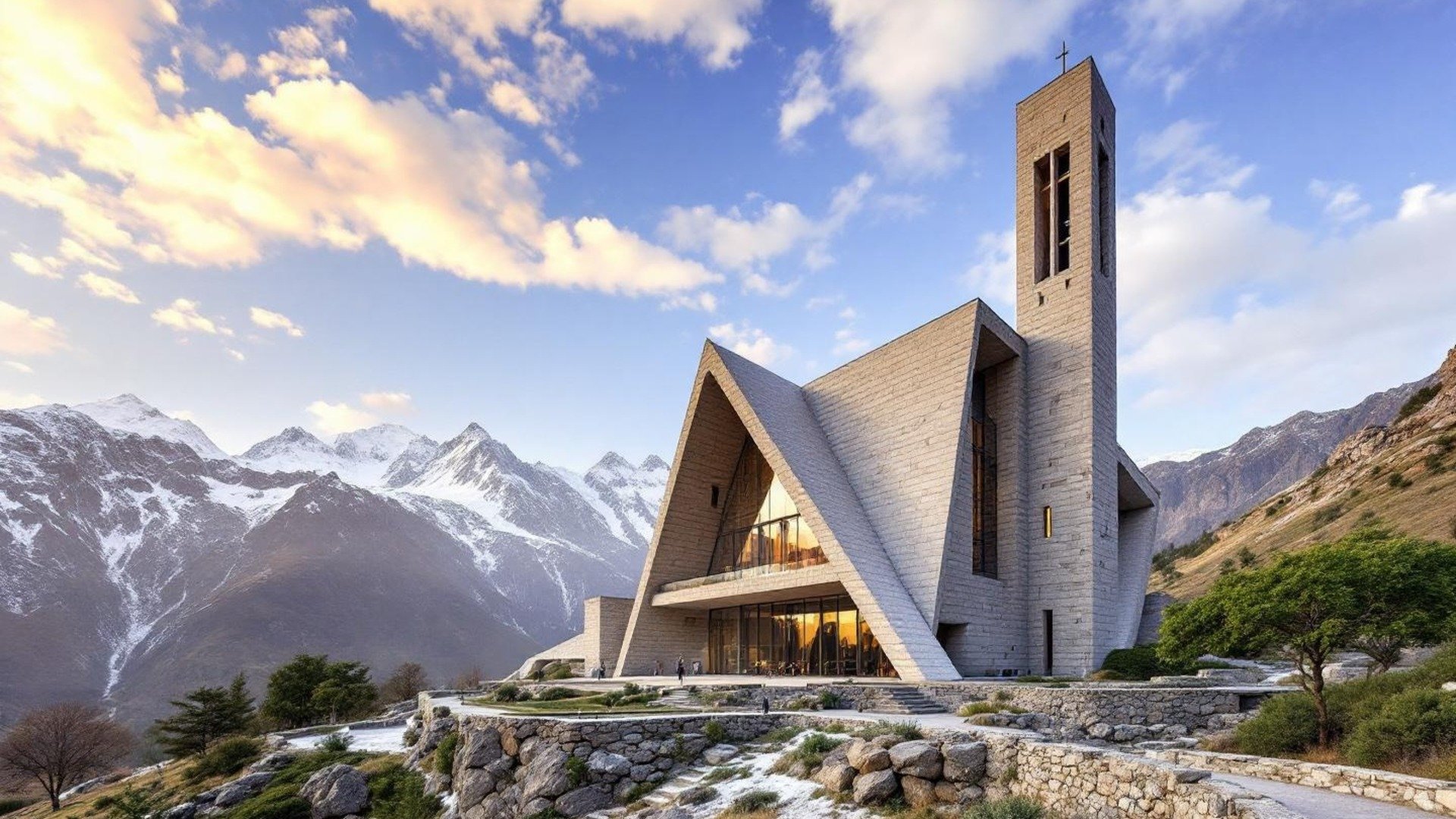
The Basilica Sanctuary of Meritxell in Canillo is dedicated to Our Lady of Meritxell, Andorra’s patron saint, whose feast is celebrated on September 8. The former sanctuary and the original Romanesque image were destroyed by fire in 1972; the image displayed today is a polychrome work based on that original, not the restored original statue. Ricardo Bofill designed the modern sanctuary, while the rehabilitated former church now houses the Meritxell Memòria exhibition.
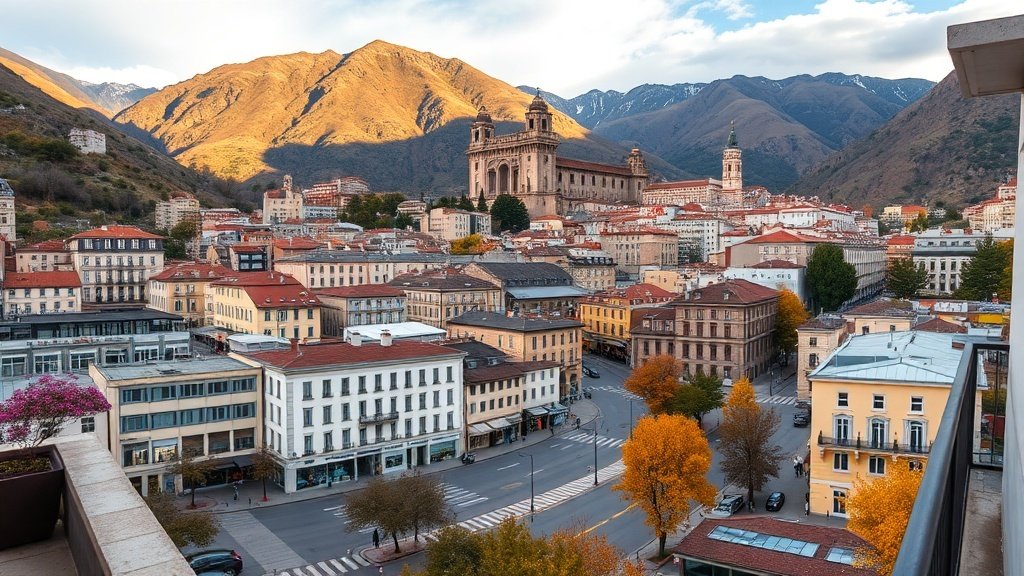
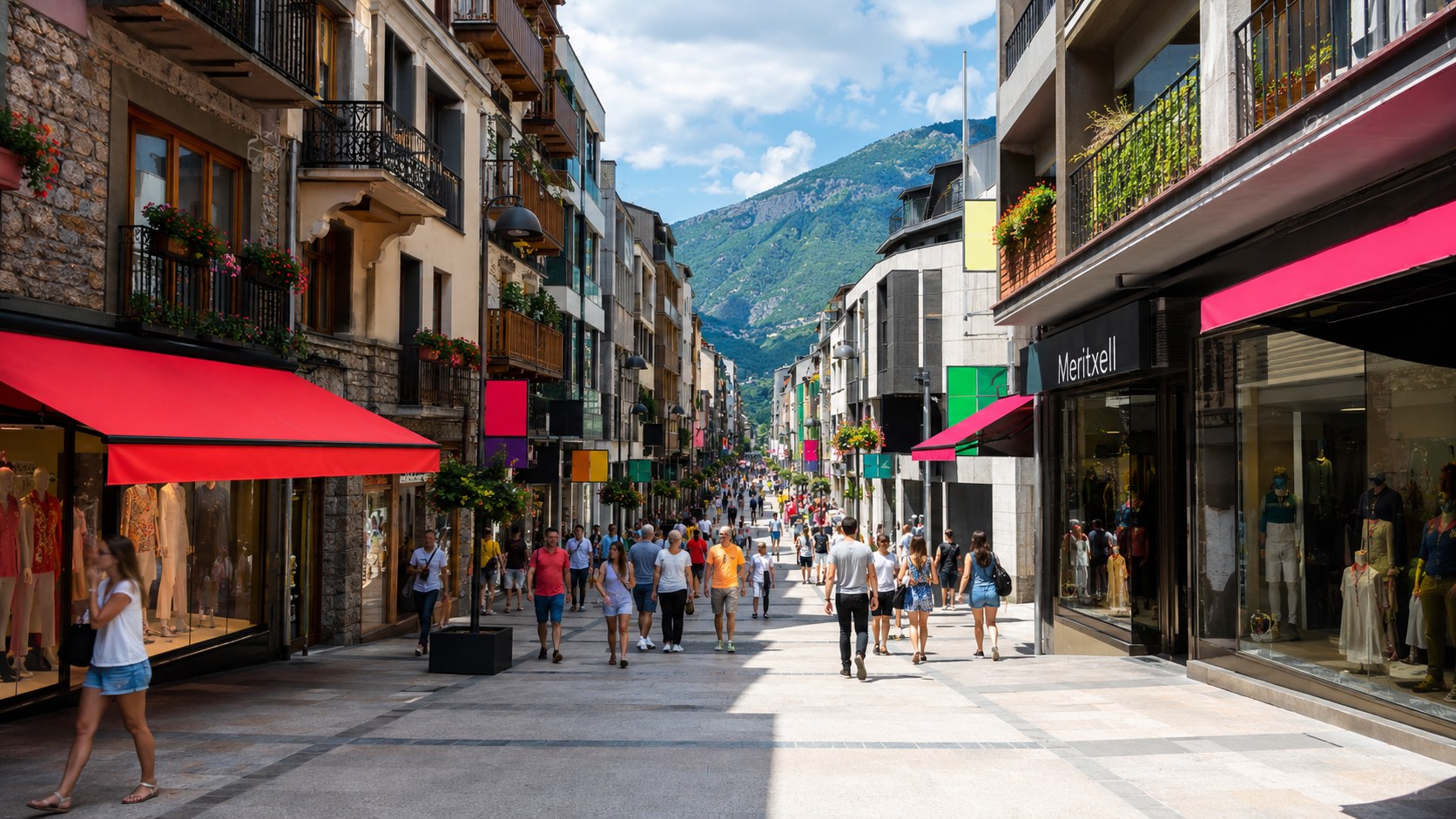
Andorra la Vella is the country’s political and commercial centre as well as its capital. The Barri Antic brings together Sant Esteve, Casa de la Vall and small lanes above the Valira, while newer streets concentrate shops, services and cultural venues. Casa de la Vall served as the parliamentary seat from 1702 until the General Council moved to its present building in 2011. The centre is compact enough to explore on foot, although slopes and busy roads affect some routes; consult the official culture portal for current visits and guided itineraries.
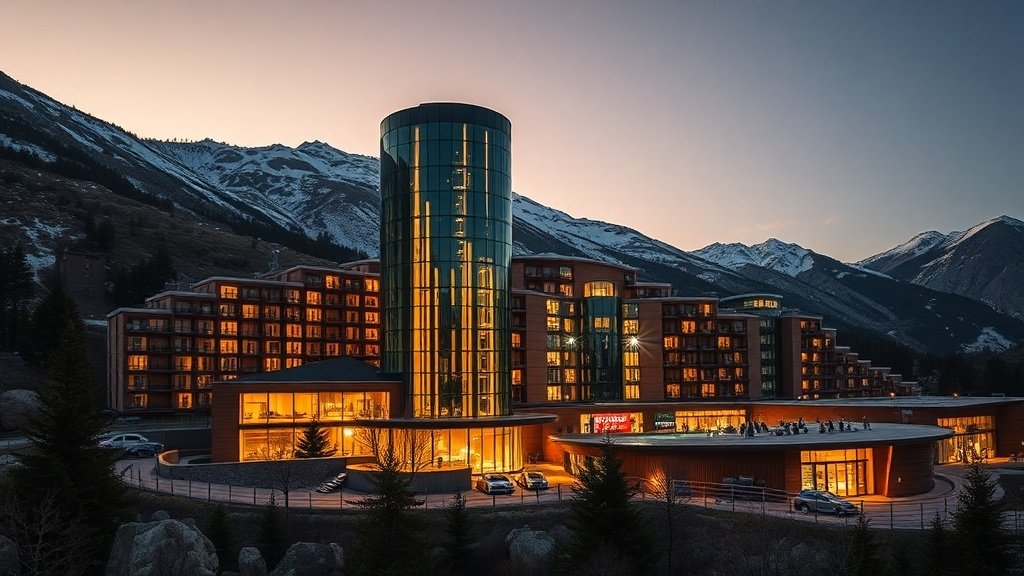
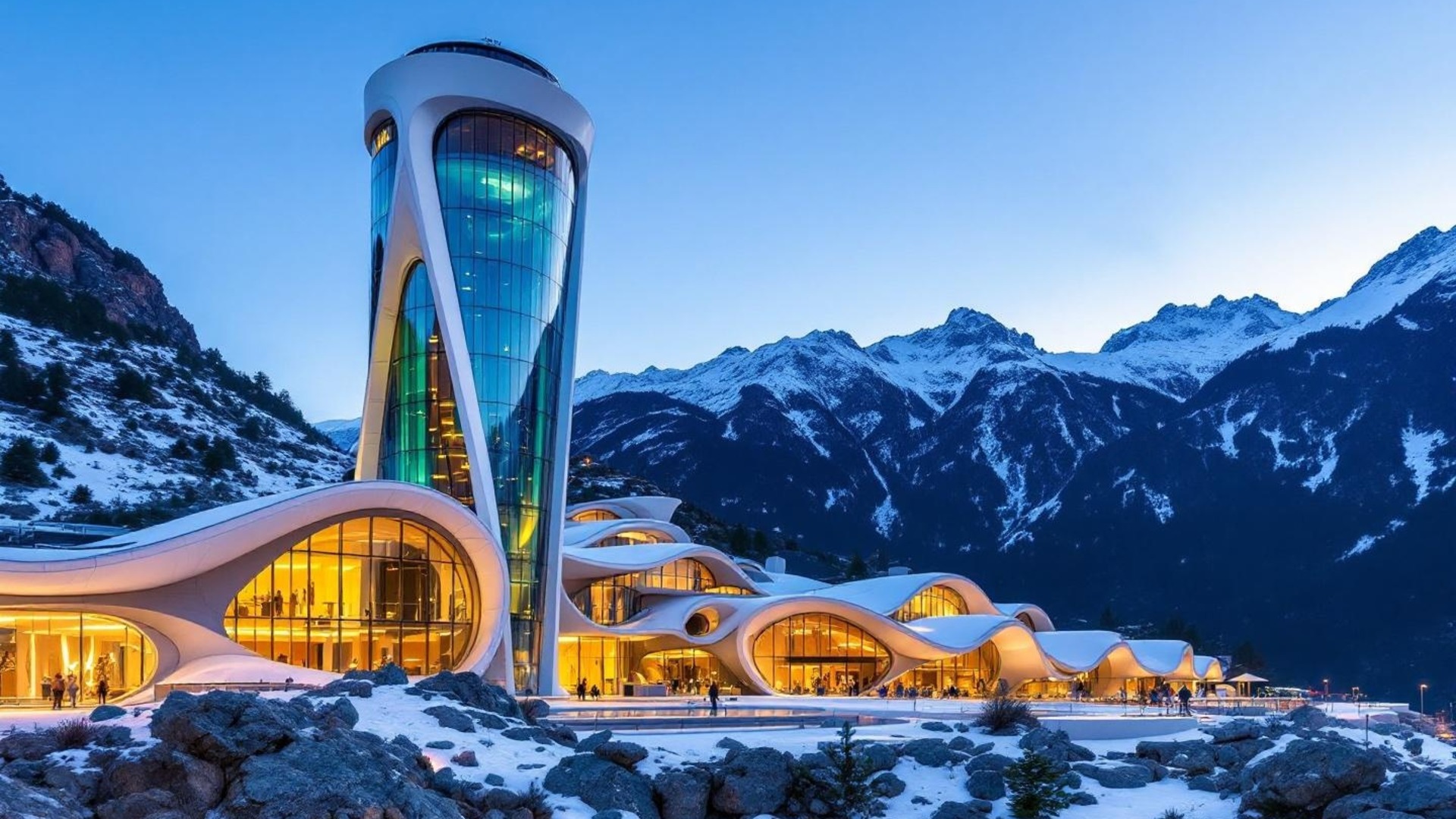
Escaldes-Engordany adjoins the capital and developed around the hot springs that gave Les Escaldes its name. Caldea has used locally emerging thermal water for a leisure complex since 1994; the operator states that the water reaches the surface at temperatures of up to 70°C. The parish also links the urban valley with the Madriu-Perafita-Claror landscape. Treat the water offer as recreation rather than a promised medical treatment, and check Caldea’s current admission areas and rules before booking.
Ordino combines a compact historic centre with access to high mountain country. Casa d’Areny-Plandolit interprets the life of an influential Andorran household, while the Sorteny Valley Nature Park protects a botanically rich Pyrenean landscape. The parish also includes villages and cultural routes best explored at walking pace. Event programs change from year to year, so consult the official tourism portal before planning a visit around a named festival.
Canillo parish connects major religious sites with the upper eastern valleys. It contains Sant Joan de Caselles, the Meritxell sanctuary and the Incles Valley, and it provides access to several sectors and activities associated with Grandvalira. Summer walking and lift-assisted activities are seasonal, and high routes may retain snow or close after bad weather. Check current paths, roads and operating dates instead of assuming that every lake, viewpoint or lift is accessible throughout the year.
Encamp occupies the road east from the central valley toward France and includes Encamp town and Pas de la Casa. The Funicamp links the town with the high ski area and, when operating in summer, the Cortals valley and mountain activities. Lake Engolasters and nearby paths provide another outdoor focus. The Incles Valley and the Meritxell sanctuary are in neighbouring Canillo parish, not Encamp.
La Massana is the northern parish of Pal, Arinsal and the Comapedrosa valleys. Pal Arinsal supports winter skiing and a summer bike park, while the Comapedrosa Natural Park contains demanding high-mountain routes, including the approach to Andorra’s highest summit. Romanesque Sant Climent de Pal and the parish’s village routes add cultural context. Current options are best checked through the official tourism portal; the Andorran Postal Museum is associated with Ordino, not La Massana.
Sant Julià de Lòria is Andorra’s southernmost parish and the main road gateway from Catalonia. Its landscape rises from the Valira valley into wooded slopes and old paths, while the town retains parish life beyond the through-road. Cultural stops include the former tobacco factory, which interprets an industry that once mattered greatly to the national economy. Nearby villages, small churches and the medieval Pont de la Margineda reward slower exploration. The parish is also a practical base for routes toward the Spanish border and the Naturland activity area.
Pas de la Casa is a high-altitude town in the parish of Encamp, immediately beside the French border. Its character is shaped by winter sports, cross-border traffic and dense retail streets rather than by a traditional village centre. Lifts connect directly with the Grandvalira ski domain, while weather and road conditions at Port d’Envalira can change quickly. Shopping prices may reflect Andorra’s low-tax system, but purchases remain subject to customs allowances when leaving the country. Check those limits before buying alcohol, tobacco or higher-value goods.
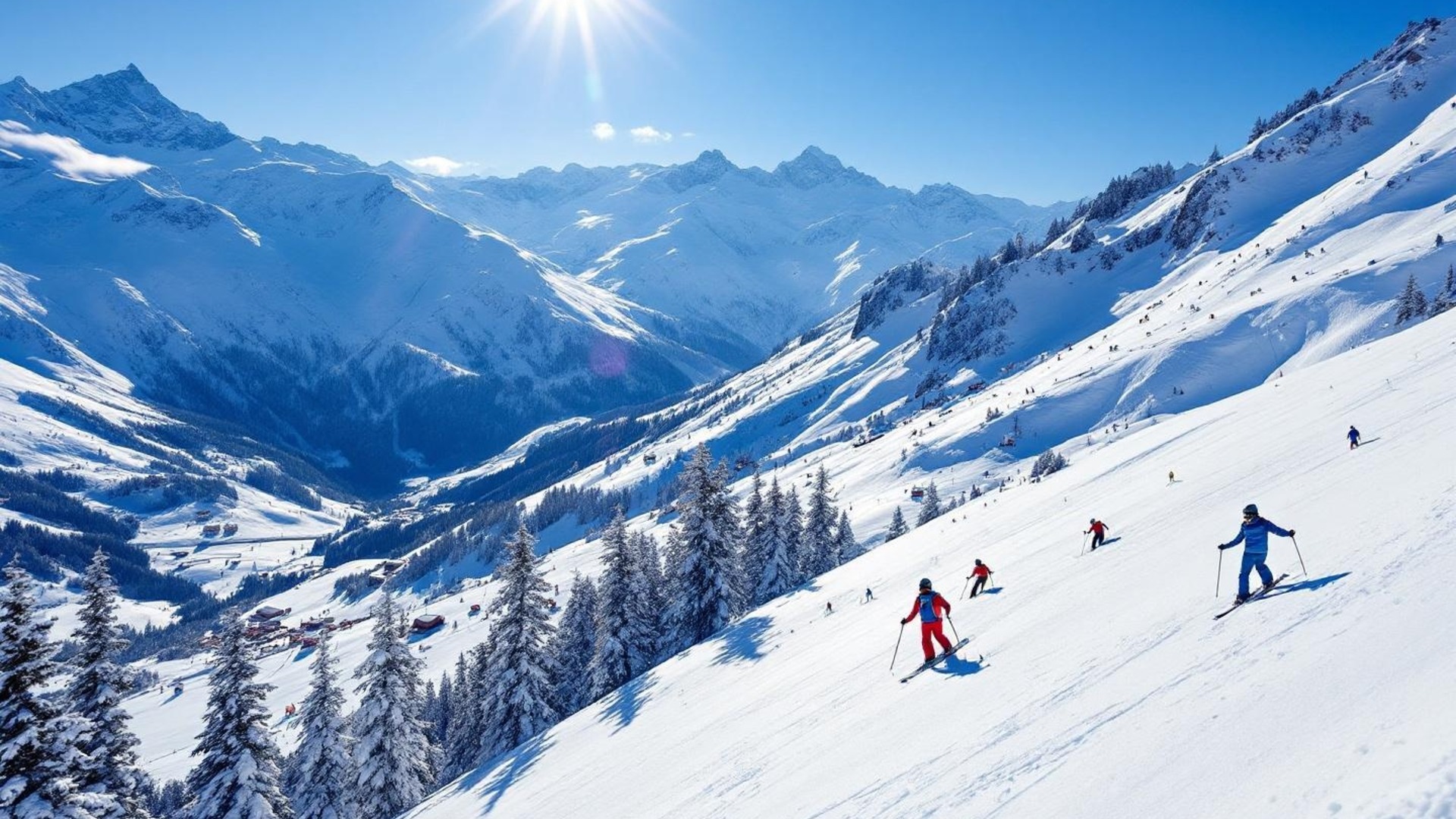
Grandvalira is Andorra’s multi-sector alpine domain, linking ski areas across the eastern part of the country. Its operator markets it as the largest ski resort in the Pyrenees, but piste totals, lift availability and opening dates are operational figures that can change with weather and maintenance. Different sectors suit different abilities and access routes, so use the official live report, map and pass conditions rather than a static summary. Some sectors also run summer activities, but those services are seasonal rather than guaranteed year-round.
Pal Arinsal in La Massana links the Pal and Arinsal sectors for winter skiing and snowboarding and operates a bike park and selected mountain activities in summer. The terrain, lessons and services vary by sector and season; an operator’s family positioning does not make every run suitable for every visitor. Opening dates remain dependent on snow, weather and maintenance. Before travelling, check the official operating calendar, live map and activity rules and choose terrain that matches the least experienced member of the group.
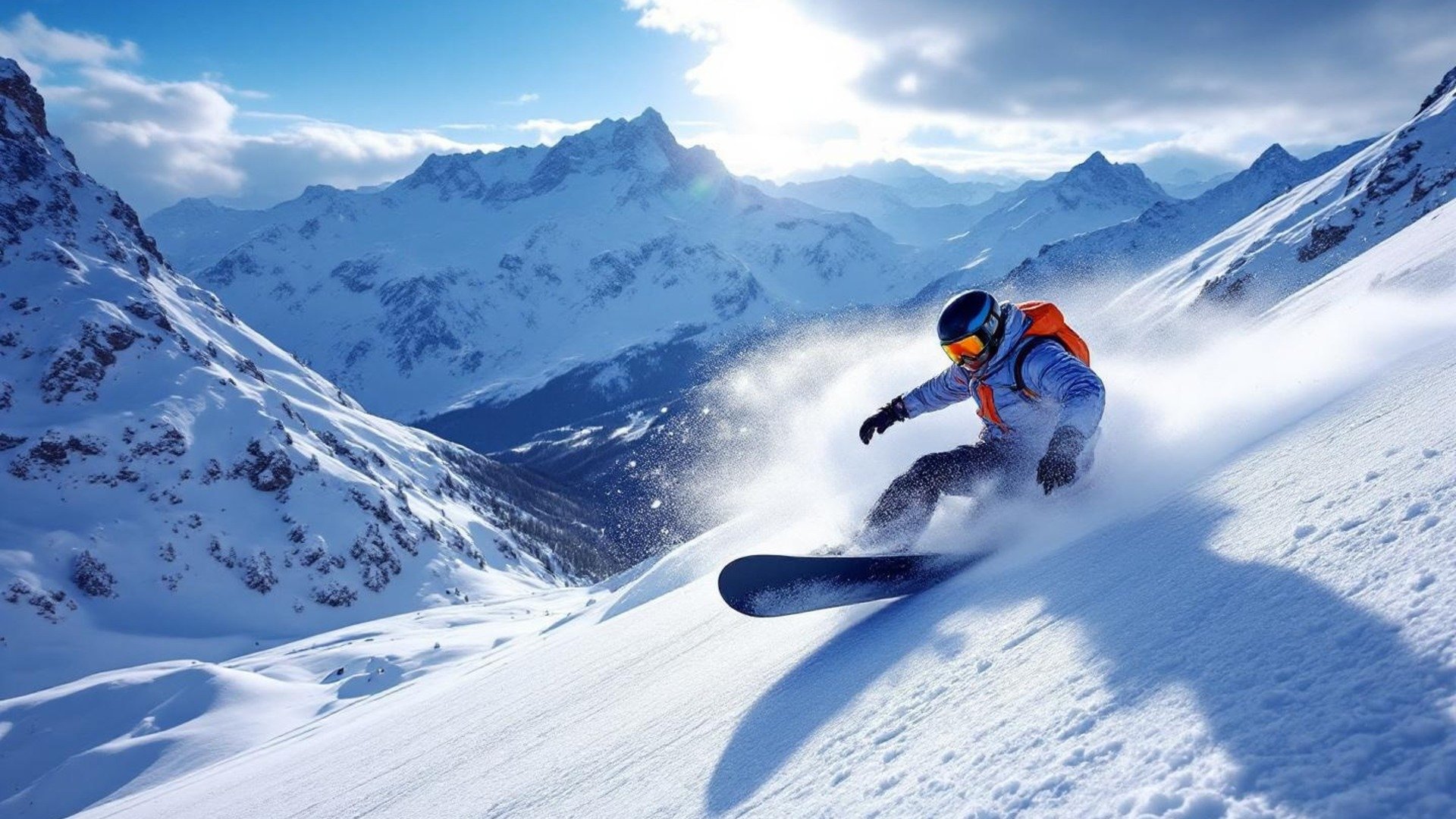
Ordino Arcalís lies in the northern parish of Ordino and combines marked pistes with terrain promoted for freeride skiing. Off-piste terrain is not made safe by being near a resort: it requires current avalanche information, suitable equipment, sound judgement and, where appropriate, a qualified guide. Summer road access and mountain activities are also seasonal. Use the official resort report and access information for current lifts, pistes and restrictions rather than relying on a fixed list of services.
The Parc Natural Comunal de les Valls del Comapedrosa protects high valleys, forests, lakes and alpine terrain in the parish of La Massana. Within it rises Pic de Comapedrosa, Andorra’s highest summit at 2,942 metres; the park and the peak are not the same thing. Routes range from lower woodland walks to demanding ascents with substantial height gain. Snow can persist into the warm season, storms develop rapidly and rescue is not immediate. Match the route to experience, carry navigation and layers, and turn back early when conditions deteriorate.
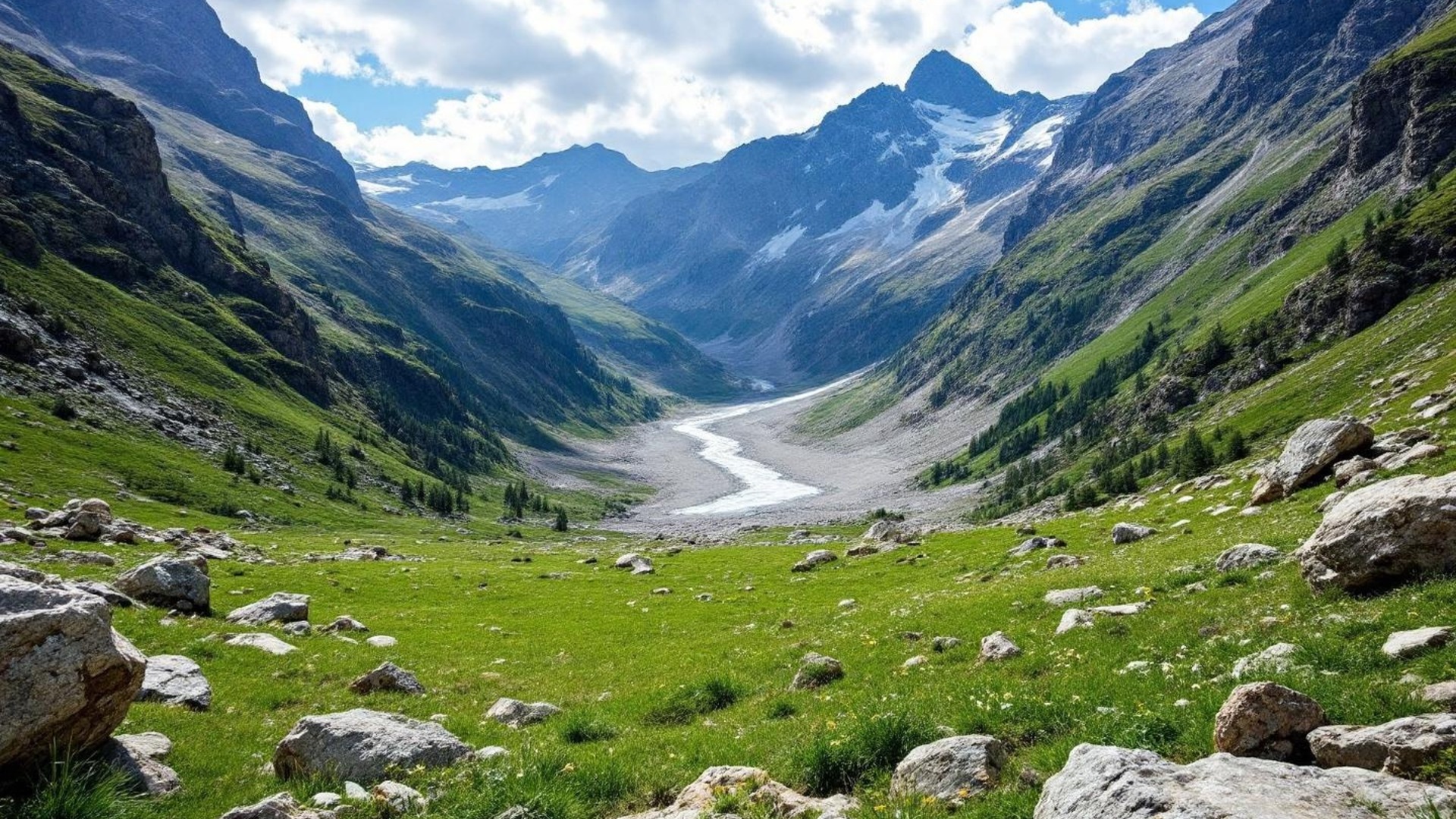
The Tristaina cirque in Ordino contains three glacial lakes linked by a marked high-mountain route. The official route description classifies the walk as moderate and notes that the first lake is reached in roughly forty minutes from the Coma parking area. Even on a popular route, conditions can change quickly: check weather, use mountain footwear and treat the water and surrounding vegetation as a protected landscape rather than a recreation facility.
The Incles Valley lies in Canillo parish and preserves a broad meadow-and-river landscape beneath high Pyrenean ridges. Marked paths lead toward Siscaró, Cabana Sorda and the Juclà lakes and refuge. Private vehicle access on the valley road is restricted during the busy summer period, when a small electric road train normally operates. Confirm current access and mountain conditions before setting out; Incles is a hiking valley, not a direct entrance to Grandvalira’s ski slopes.
Andorra’s refuge network ranges from simple unguarded shelters to staffed mountain huts, so services should never be assumed. The Refugi de Juclà is guarded and serves meals during its summer operating period, while routes in the Comapedrosa area support demanding day and multi-day walks. Check opening dates, reservations, route difficulty, weather and water before departure, and use only refuges listed by current official trail or refuge sources.
Caldea opened in Escaldes-Engordany in 1994 as a leisure complex built around local thermal water. According to Caldea’s own water information, the spring water emerges at temperatures of up to 70°C before being managed for the bathing areas. The complex offers different admission zones and experiences, but age rules, schedules, inclusions and prices can change. It is more accurate to describe Caldea as thermoludic recreation than as medical treatment; health needs should be discussed with an appropriate professional rather than inferred from promotional wellness language.
Andorra’s museums explain parts of the country that mountain scenery alone cannot. Historic houses in Ordino reveal domestic life and social hierarchy, while collections elsewhere address automobiles, motorcycles, electricity, religious art and the postal traditions of a state long connected to two neighbouring systems. Opening days can be limited and smaller sites may use guided time slots. Rather than rushing through a checklist, combine one museum with the parish around it: the buildings, streets and surrounding landscape usually provide the context that makes the collection meaningful.
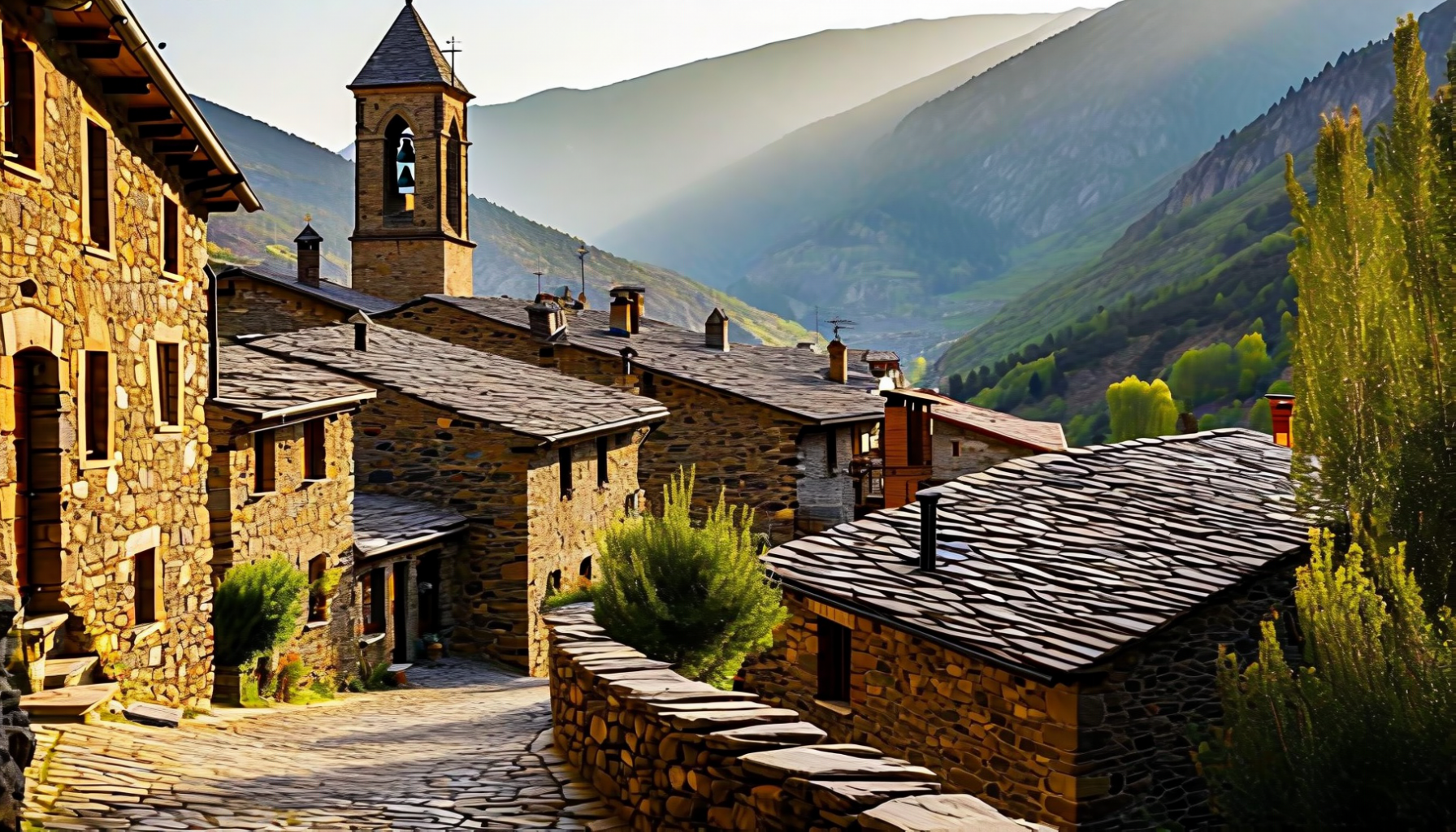
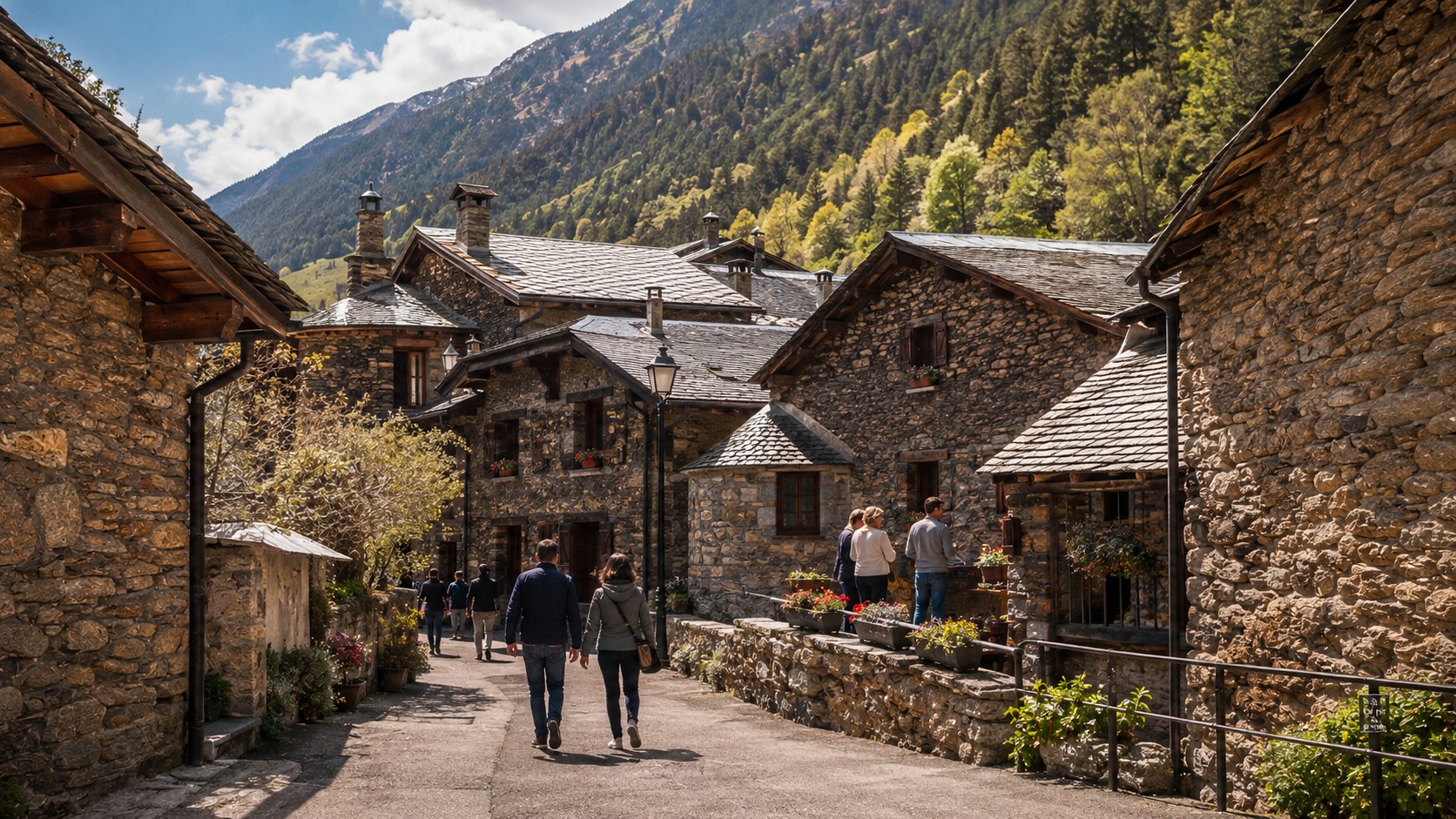
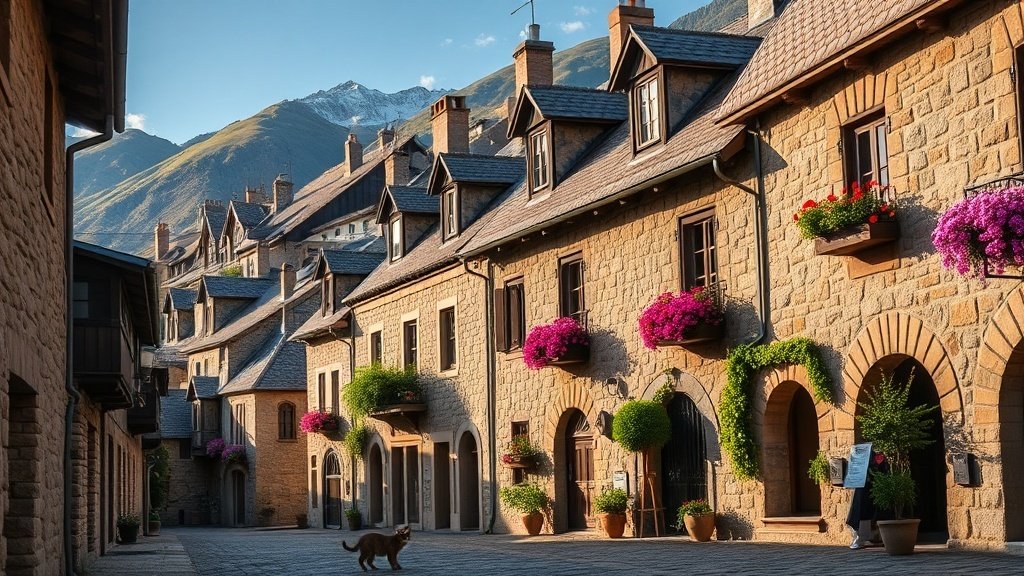
Andorra’s built landscape layers vernacular stone, slate and timber with Romanesque fabric and recent landmark architecture. Casa de la Vall represents an early modern civic building; churches such as Sant Joan de Caselles preserve specific medieval forms; Ricardo Bofill’s Meritxell sanctuary and the glass-and-steel Caldea complex belong to a different architectural moment. These examples show continuity and contrast, not a single national style. Reading each building’s date, function and later alterations is more reliable than treating all stone buildings as medieval or all contemporary ones as evidence of the same design policy.
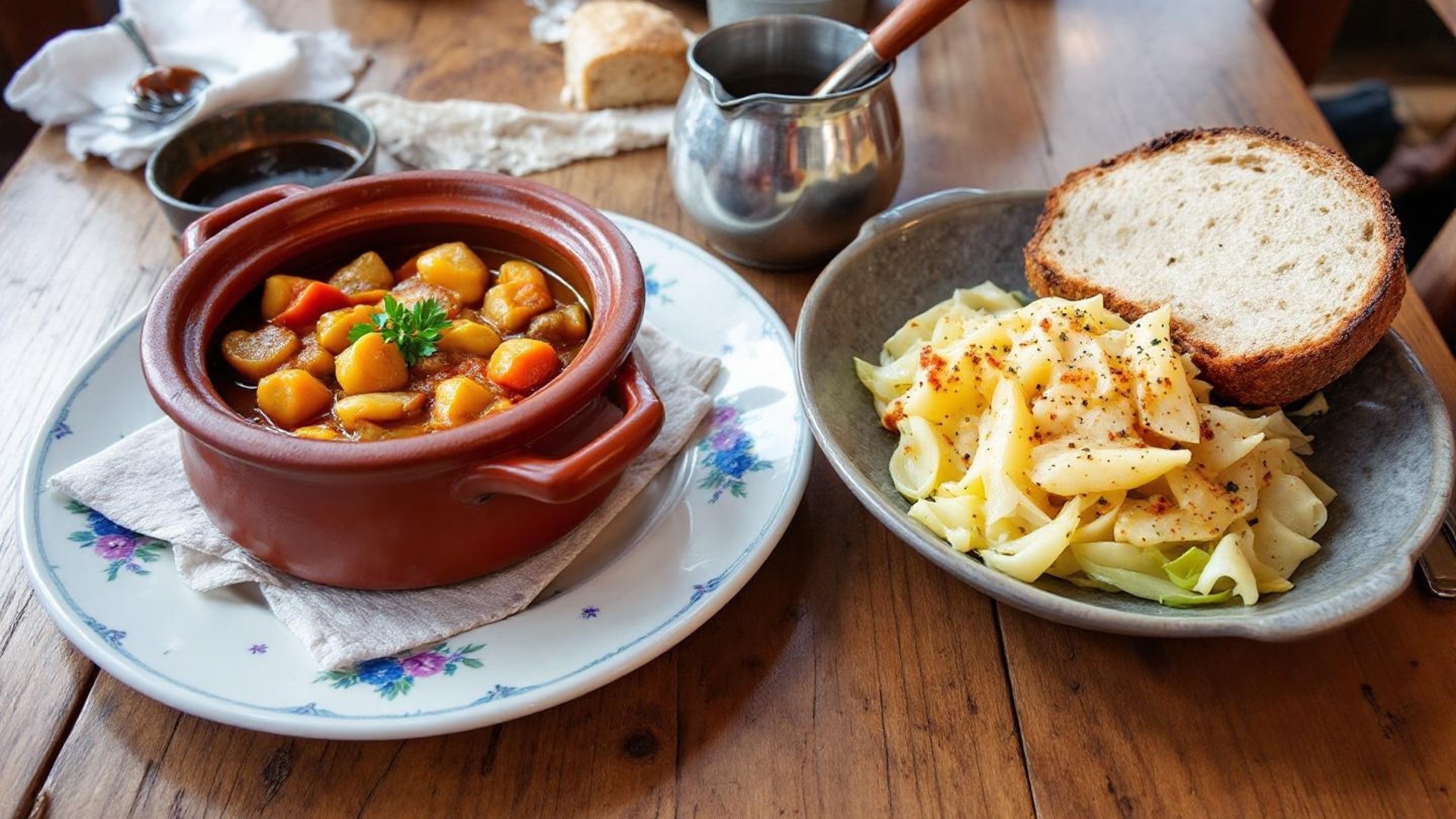
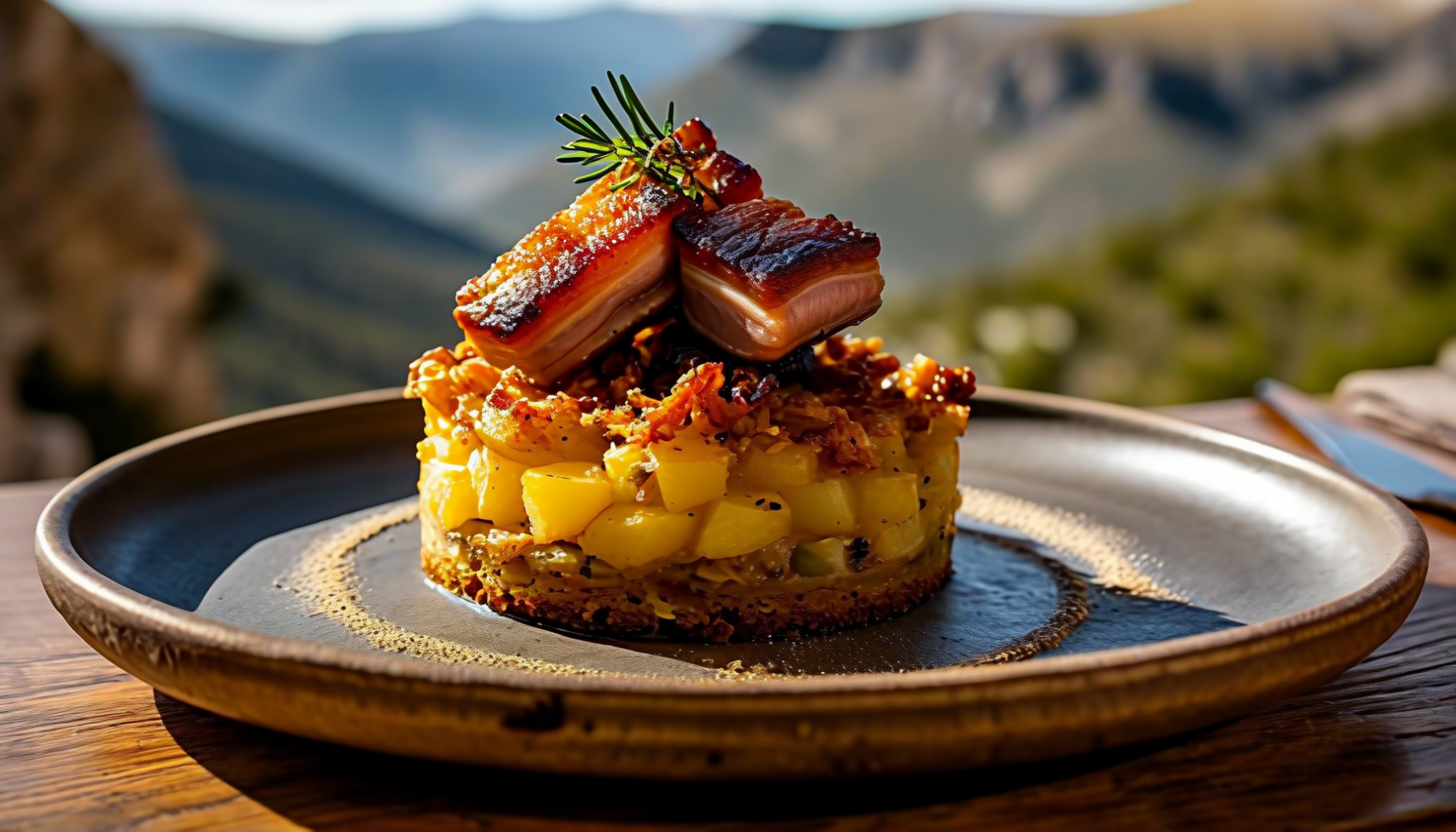
Andorran cooking belongs to the Catalan Pyrenean food tradition and reflects mountain ingredients and seasonal preservation. The official gastronomy portal highlights trinxat of cabbage and potato, escudella, cannelloni, game, fish, regulated local meats, aromatic herbs, jams and nectum. Recipes and menus vary by household and restaurant, so no single plate represents the whole country. Product labels and named producers are also more useful than unsupported claims that every cheese, trout dish or cured meat is distinctly Andorran.
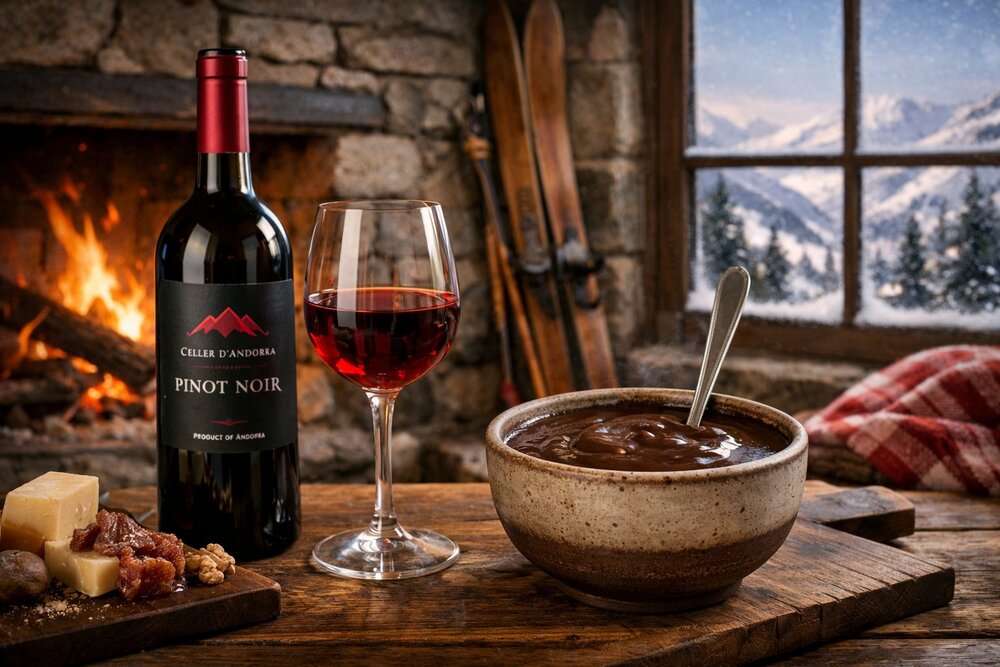
Andorra’s mountain pantry includes small-scale cheeses and cured meats alongside regulated local meats, honey, jams, aromatic herbs and preserves. Styles and origins vary by producer, so a label or shop counter is more reliable than treating a cheese name as a national category. The official gastronomy portal highlights locally raised meat, herbs, jams and nectum and places these products beside dishes such as trinxat and escudella. An unfamiliar product name should not be treated as a recognized national cheese without a producer or official record.
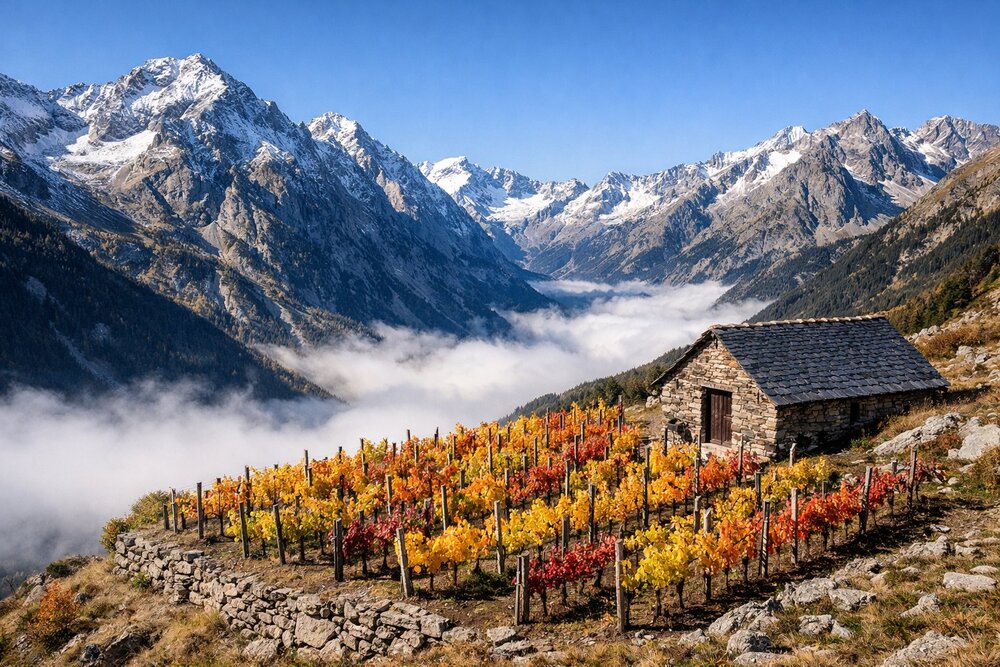
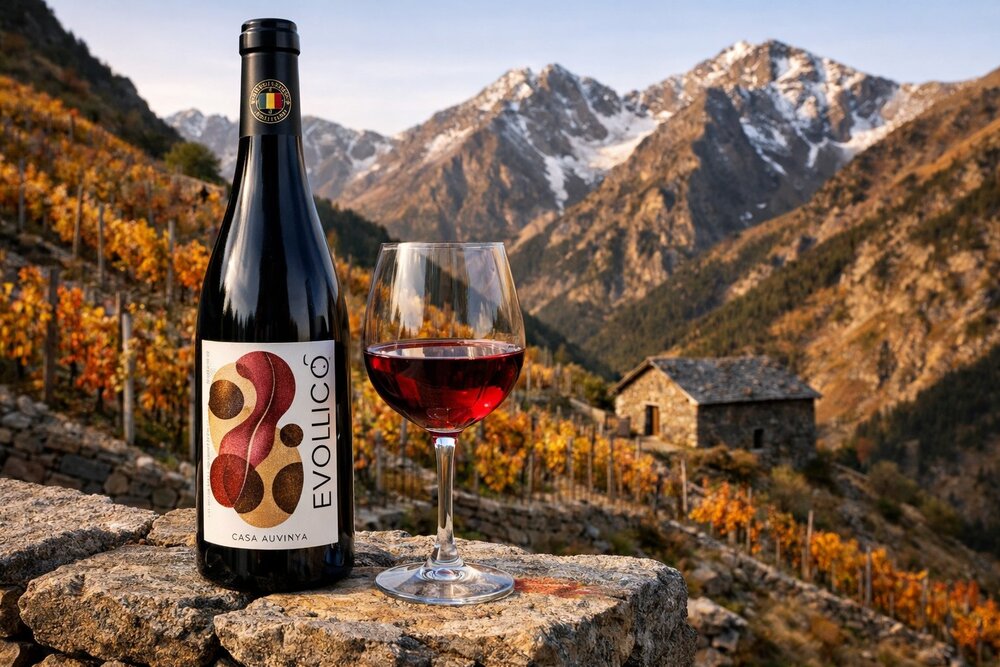
Andorra has a small high-altitude wine sector whose vineyards work at the climatic edge of viticulture. Production is limited, visits usually require advance booking and available wines change by producer and vintage. The official gastronomy portal also identifies a locally made artisan liqueur, Ratassia de la Carmeta. Other branded or folkloric drink claims should be treated as unverified unless they can be tied to a current producer or reliable Andorran source.
Andorra applies its own indirect-tax system and many retail prices can be competitive, but describing the entire country as duty-free is misleading. Travellers leaving for France or Spain must respect the customs allowances that apply to alcohol, tobacco, perfume and other goods; amounts above them may need to be declared and taxed. Keep receipts, compare prices rather than assuming a bargain, and check current official limits before purchasing. Local food, craft products and specialist outdoor equipment can be more memorable than buying solely for a tax advantage.
Each season changes how Andorra can be used. Winter centres on skiing and snow sports; spring and autumn can suit lower walks and cultural visits but may still bring snow or rapid weather shifts at altitude. Summer opens more hiking, road-cycling and mountain-bike routes. Natural mountain lakes should not be presented as general kayaking venues. Check the official forecast and each trail or lift operator’s current status before choosing an activity.
Altitude and valley orientation create real local differences in Andorra’s weather, and conditions at a town, pass and summit can diverge. Snow, wind, rain and temperature can affect roads, lifts and paths with little relevance to a generic seasonal description. Check the official forecast together with the relevant resort, road, trail and avalanche information shortly before departure. Layers, waterproof protection, sun protection and suitable footwear are sensible planning tools, but equipment does not replace route choices based on current conditions.
41
Andorra in photographs
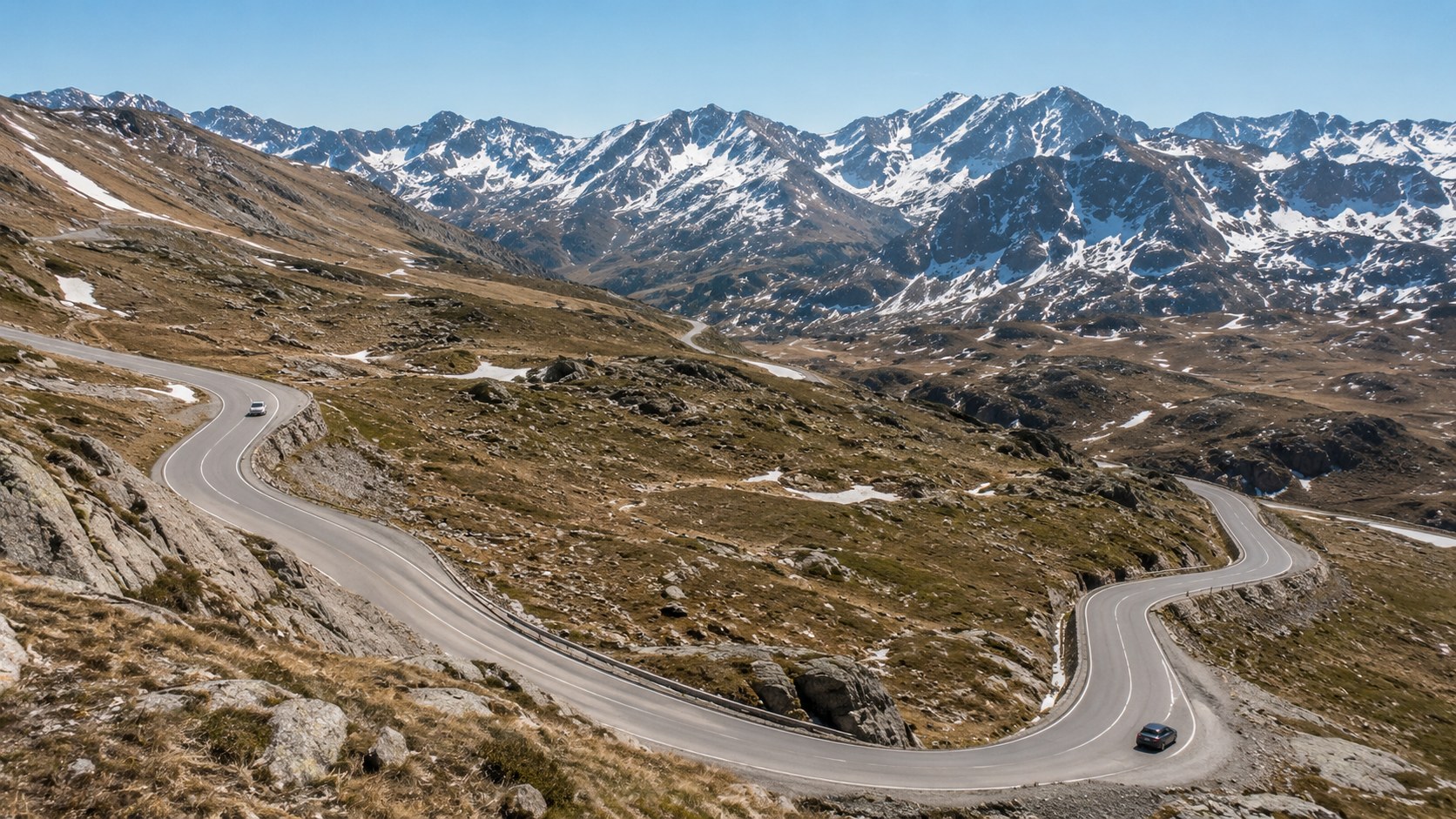
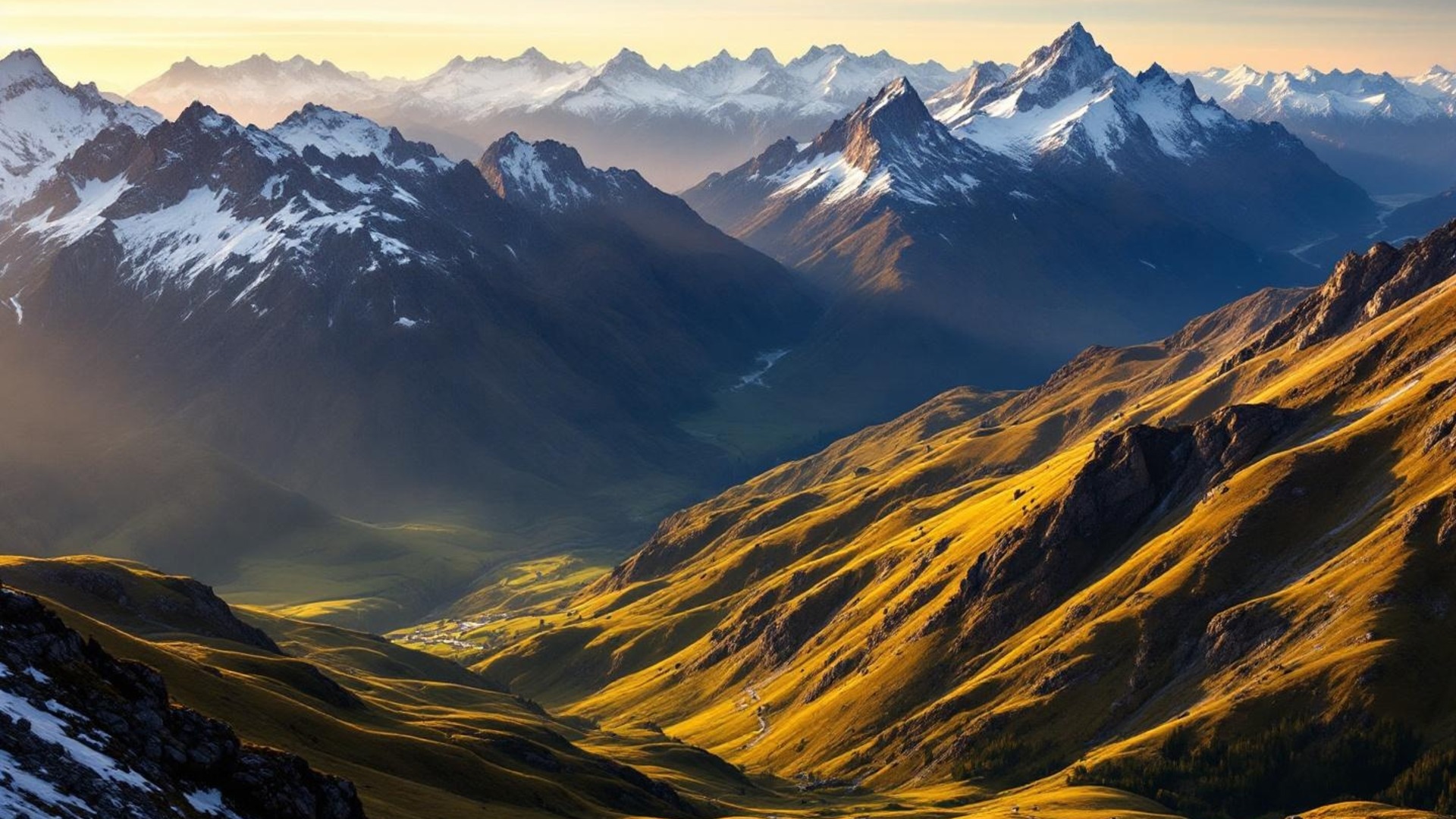
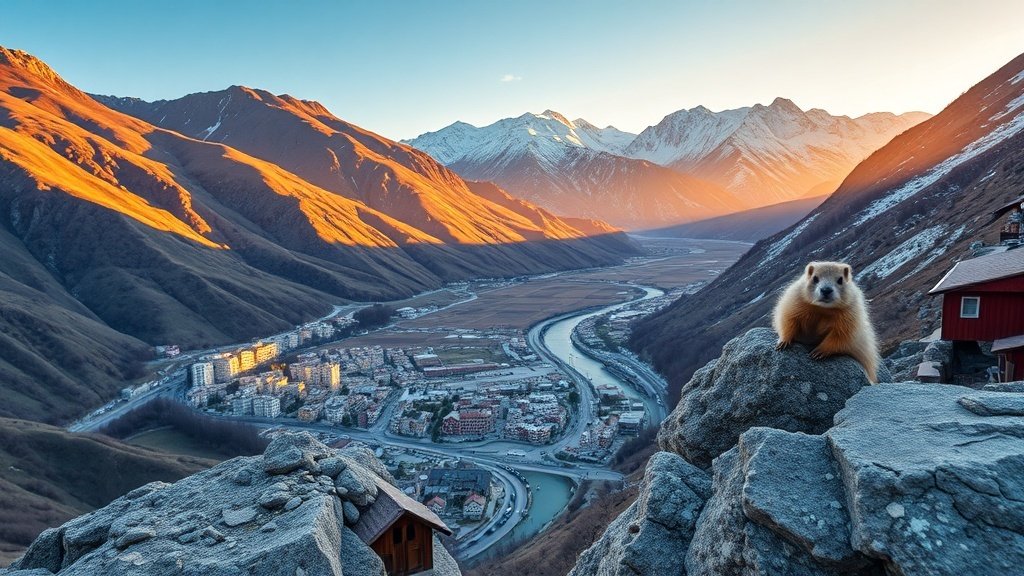
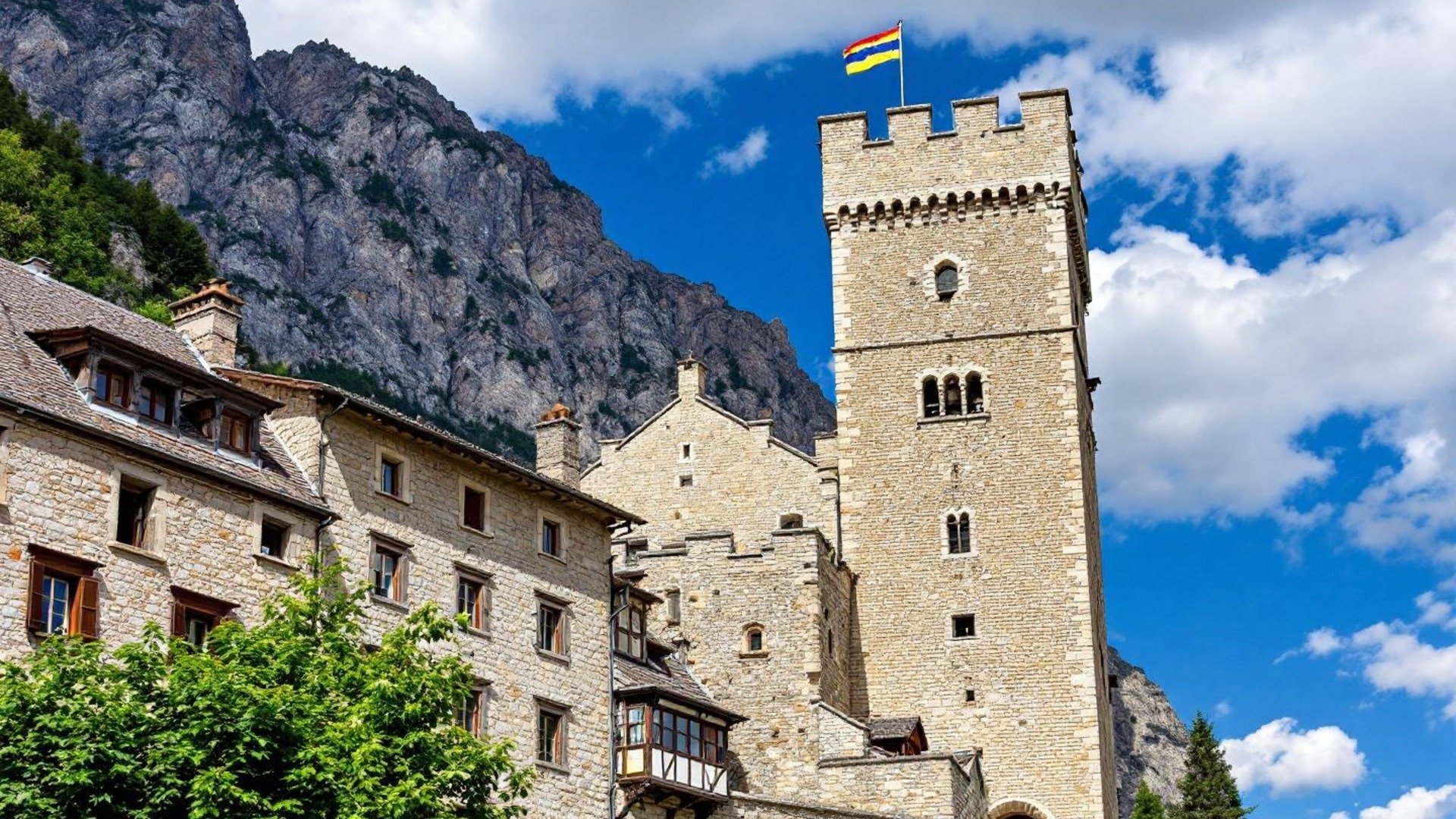
The gallery moves from the urban valley to ski terrain, Romanesque stone, glacial lakes and the high passes. Open any image for a larger view; captions distinguish editorial images from Radim’s own travel photographs.
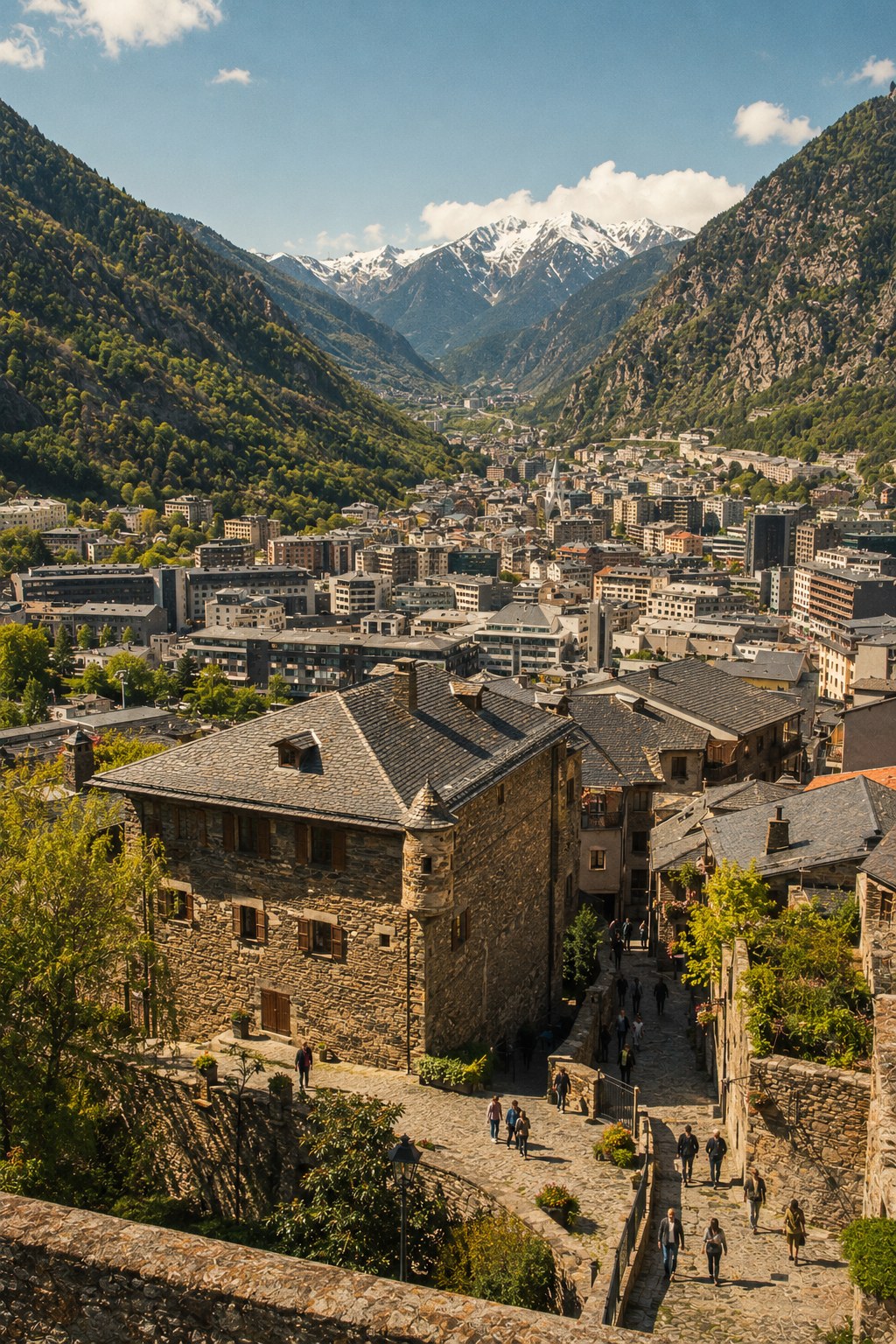
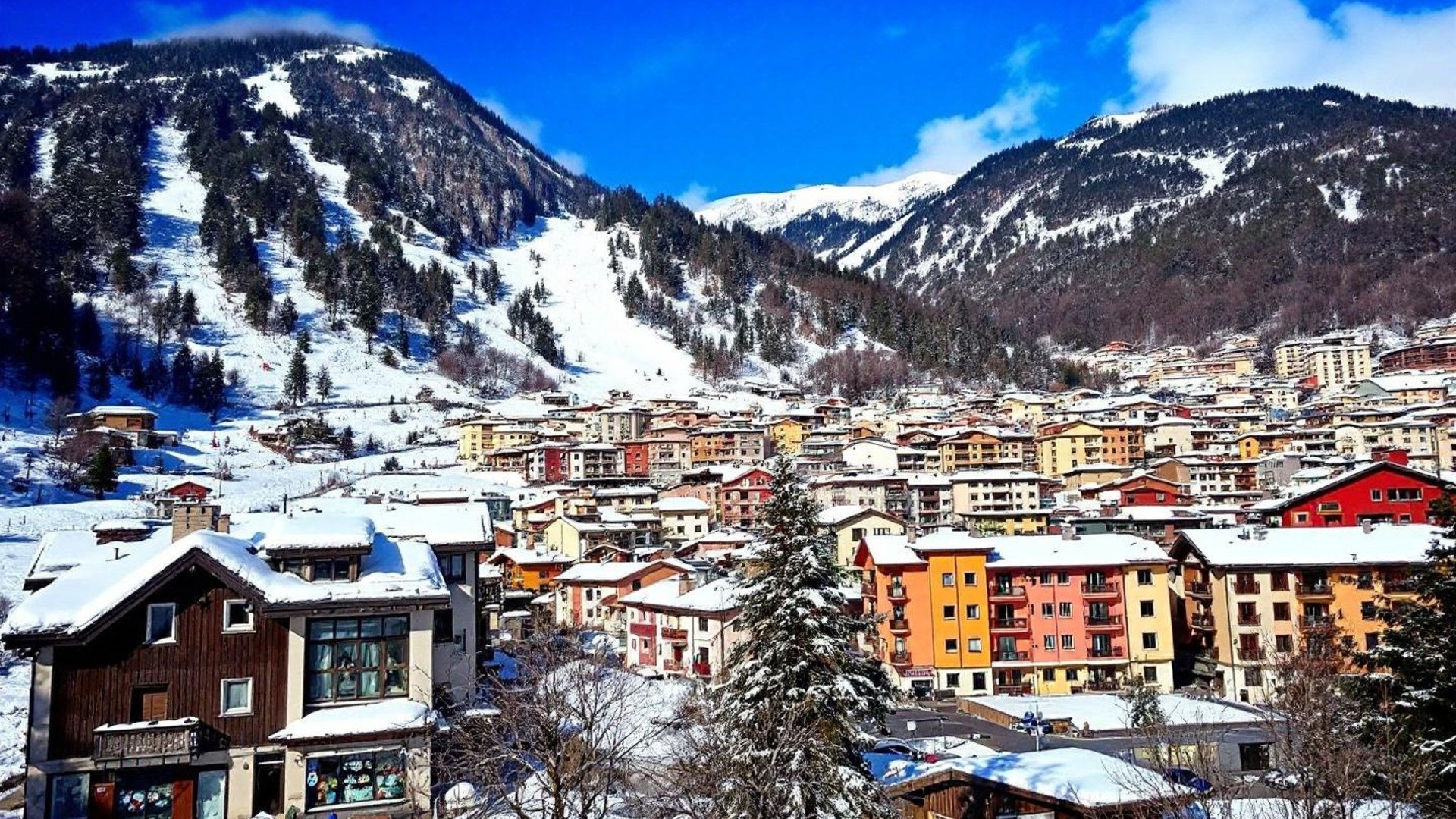
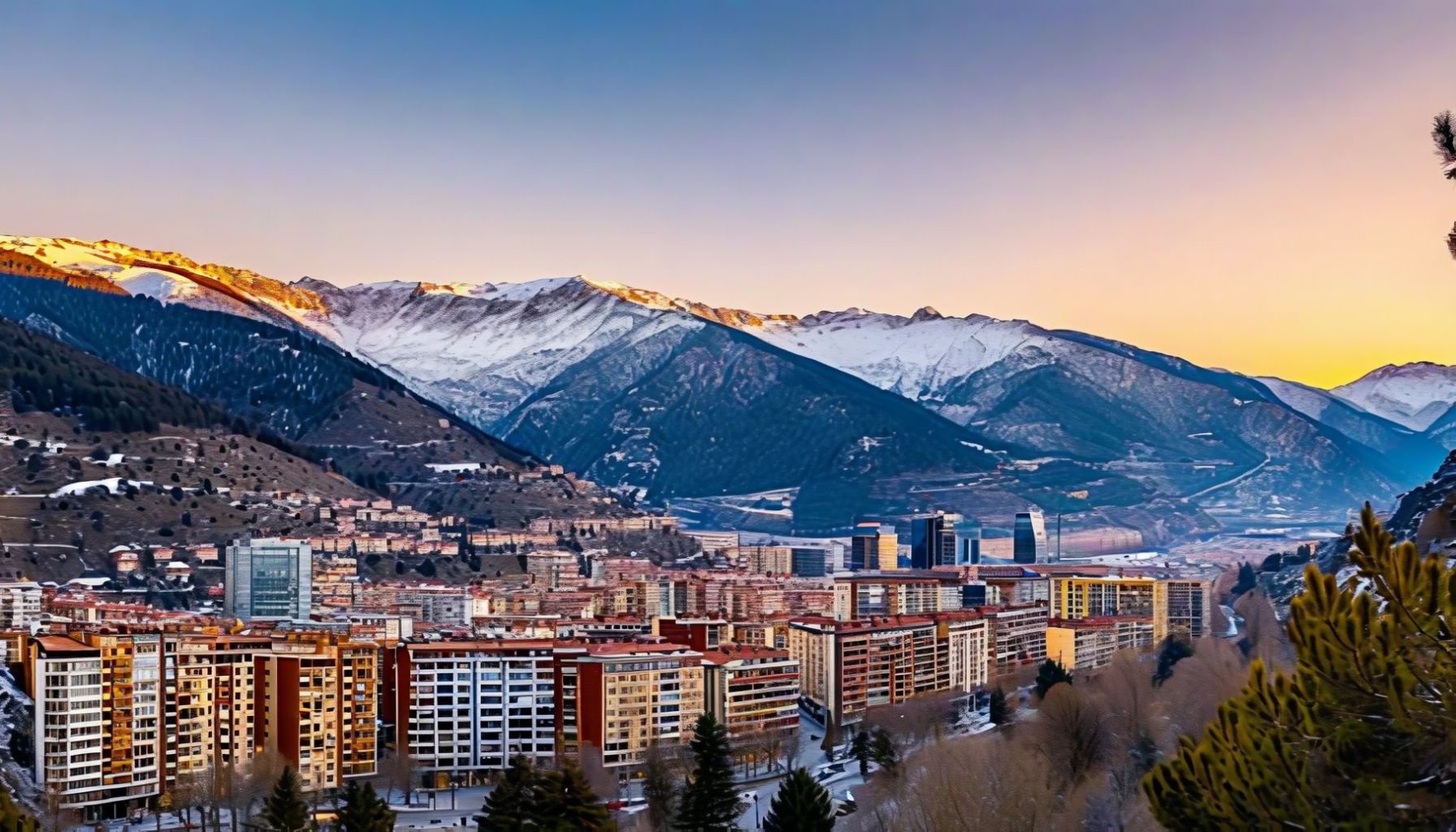
Andorra la Vella
The capital framed by its Pyrenean valley.
AI-generated editorial illustrationGrandvalira in winter
What interests me most about Andorra is the relationship between its scale and its depth. On a map, it is easy to reduce the country to a small space between two larger neighbors. A closer reading reveals something more compelling: a landscape in which paths, parish churches, stone houses, and public institutions offer different ways of understanding continuity. As an art historian, I find the modest building as revealing as the celebrated monument; proportions, materials, and setting can tell a story that no checklist quite captures.
My invitation is to leave room for that slower way of looking. Set aside the urge to collect viewpoints and let one valley, one church, or one stretch of old path hold your attention. The point is not to seek an untouched mountain world outside modern life, but to notice how the old and the new coexist. Andorra deserves to be approached as a country with a life of its own, rather than as a convenient pause on the road between France and Spain.
— Radim Kaufmann
Share Your Photo
Been to Andorra? Share your travel photographs with us. Attach your photo to the email and include the location and the name you would like credited. Send only photographs you own.