
01
Zambia at a Glance
Zambia is a landlocked southern African country shaped by the Zambezi, immense wetlands and a strong tradition of community-based safari tourism.
A country of great rivers, walking safaris, vast wetlands and the Zambezi’s most spectacular waterfall.
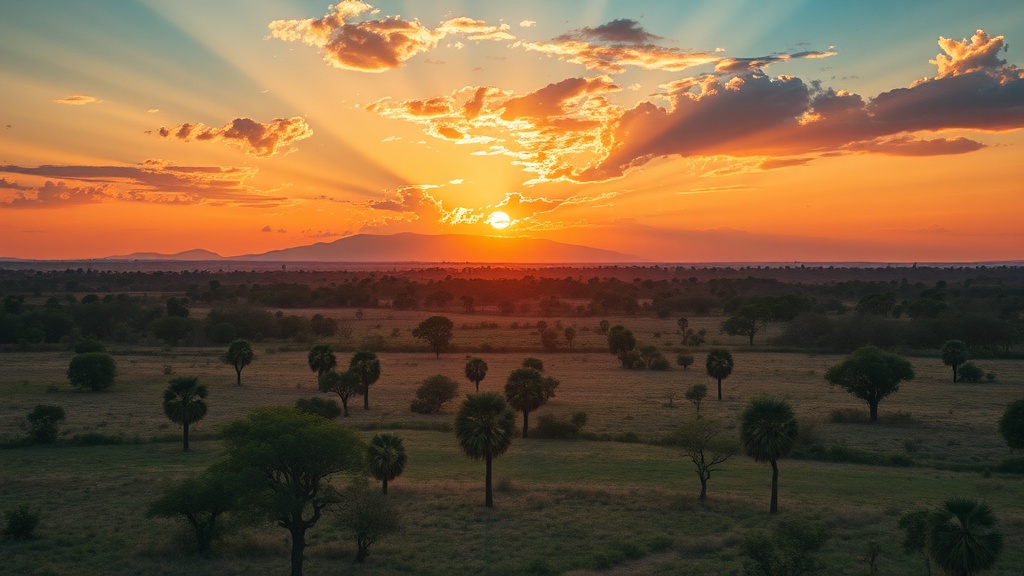
Zambia is a landlocked southern African country shaped by the Zambezi, immense wetlands and a strong tradition of community-based safari tourism.
The country took its name from the Zambezi River at independence in 1964, replacing Northern Rhodesia.
A high plateau covers much of Zambia, broken by river valleys, escarpments, wetlands and isolated hills.
Lusaka lies in the south-central region, the Copperbelt stretches north and the great wildlife valleys lie mainly to the east and west.
Zambia’s history includes early farming societies, long-distance trade, powerful kingdoms, colonial rule and peaceful independence under Kenneth Kaunda.
Stone Age sites and later farming settlements show that the region has supported human communities for millennia.
Independence came on 24 October 1964; the following decades brought one-party rule, economic pressure and a return to multiparty elections.
Zambia is home to more than seventy ethnolinguistic communities whose identities overlap through cities, marriage, migration and shared institutions.
English is the official language, while Bemba, Nyanja, Tonga, Lozi, Kaonde, Lunda and Luvale are widely used regionally.
The fast-growing capital combines government, markets, universities, galleries and neighbourhoods that reveal Zambia’s contemporary energy.
Livingstone is the principal gateway to Victoria Falls and preserves museums, colonial-era streets and a strong tourism economy.
The Zambezi falls into a basalt gorge in a spectacle whose spray and visibility change dramatically with the seasons.
The river links wetlands, farms, towns, reservoirs, parks and international borders across the country’s south and west.
South Luangwa is celebrated for walking safaris, leopards, elephants, hippos and seasonal concentrations along the Luangwa River.
Floodplains opposite Zimbabwe’s Mana Pools support canoe trips, game drives and wildlife moving between river and escarpment.
One of Africa’s largest parks ranges from woodland to the seasonally flooded Busanga Plains.
Remote North Luangwa protects rugged wilderness and an important black-rhino conservation programme.
The western floodplain is known for wildebeest migration, open horizons and community-linked conservation.
Millions of fruit bats gather seasonally in a small area of swamp forest, creating one of Africa’s great wildlife spectacles.
Vast seasonal wetlands shelter shoebills, antelope and communities whose lives are closely tied to fishing and flood cycles.
Zambia’s Tanganyika shore combines clear deep water, beaches, escarpments and a remote national park.
Northern and Luapula provinces contain numerous waterfalls, including Kalambo, Kundalila, Lumangwe and Ntumbachushi.
Copper mining shaped cities, labour movements, railways and the national economy, while also leaving serious environmental challenges.
Copper remains central, but agriculture, energy, services, tourism and small enterprises sustain millions of livelihoods.
Respect for elders, extended-family networks, churches, ceremonies and urban popular culture all shape everyday life.
Kuomboka, Nc’wala, Umutomboko and many regional ceremonies connect royal institutions, harvests, history and community identity.
Traditional drums and songs coexist with kalindula, gospel, hip-hop, Afro-pop and a lively contemporary scene.
Basketry, textiles, carving, beadwork and contemporary visual art reflect diverse regional materials and ideas.
Nshima made from maize meal anchors meals with vegetables, beans, fish, meat, groundnuts or caterpillars.
Commercial beer, munkoyo and other fermented drinks appear in different social and regional settings.
The cool dry season, hot dry season and rainy season create distinct conditions for wildlife, roads and agriculture.
The dry months generally favour safari travel, while high water intensifies Victoria Falls and the green season rewards birders.
Lusaka and Livingstone are the main international gateways, supported by regional flights and several overland borders.
Buses, private transfers, rental vehicles and domestic flights connect major centres, but remote parks require planning.
Requirements depend on nationality and can change; confirm official rules, passport validity and any regional visa scheme before travel.
The Zambian kwacha is the national currency; cards are common in cities, while cash remains useful in smaller towns and parks.
Malaria prevention, safe water, sun protection and evacuation insurance are important, especially for remote travel.
Road conditions, wildlife, river currents and urban petty crime require ordinary caution and respect for professional guidance.
Support local enterprises, conserve water, ask before photographing people and never purchase wildlife products.
Choices range from city hotels and guesthouses to riverside lodges, bush camps and community-run stays.
Ceremonies, music festivals, trade fairs and sporting events fill the calendar, but dates should be verified locally.
Mosi-oa-Tunya forms Zambia’s UNESCO World Heritage property, while many cultural and natural places depend on national protection.
Combine official park information, UNESCO records, reputable guidebooks and current travel advice when planning.
The gallery moves from the Zambezi and Victoria Falls to food, local drinks and everyday cultural details.
Zambia · Kaufmann WTF
Kaufmann Creative AI Studio©Zambia · Kaufmann WTF
Kaufmann Creative AI Studio©Zambia · Kaufmann WTF
Kaufmann Creative AI Studio©Zambia · Kaufmann WTF
Kaufmann Creative AI Studio©Zambia · Kaufmann WTF
Kaufmann Creative AI Studio©This World Travel Factbook is free to use. If you find it helpful, consider supporting its continued development.