⚡ Key Facts
🌍 Overview
For most of modern history, Saudi Arabia was a country Americans knew mainly through oil prices and the Hajj — a kingdom that, until 2019, issued almost no tourist visas at all. That changed abruptly: since the introduction of the e-visa in September 2019, the country has been opening at a pace that genuinely surprises people who last checked in a decade ago. Riyadh's skyline now competes with Dubai's, AlUla has become one of the most talked-about archaeological destinations on Earth, and the Red Sea coast — long off-limits to casual visitors — now has its first international resorts.
This is still a genuinely conservative country by Western standards, governed under Islamic law, where alcohol remains illegal, dress expectations are real, and the pace of change is deliberate rather than complete. It's also, unmistakably, one of the most dramatic and fastest-changing travel stories of the 2020s: 2,000-year-old Nabataean tombs, a $500-billion-turned-$8.8-trillion futurist city rising (slowly, and with real setbacks) out of the desert, and a government spending unprecedented sums to convince the world to actually come and see it.
🏷️ Name & Identity
Saudi Arabia is one of the very few countries in the world named directly after a ruling family: al-Mamlakah al-ʿArabiyyah as-Saʿūdiyyah, "the Saudi Arabian Kingdom," after the House of Saud (Āl Saʿūd), descendants of Muhammad bin Saud, who founded the first Saudi state at Diriyah in 1727. The current, third Saudi state was proclaimed by King Abdulaziz ibn Saud in 1932, unifying the Nejd and Hejaz regions after decades of conquest.
Locals and the wider Arab world often simply call the country as-Saʿūdiyyah. Internationally, "Saudi Arabia" distinguishes the kingdom from the broader geographic and cultural region of "Arabia" — the country occupies roughly 80% of the Arabian Peninsula, but the peninsula itself, and Arab identity generally, extends well beyond the kingdom's borders into Yemen, Oman, the UAE, and the other Gulf states.
🗺️ Geography & Regions
At 2.15 million km², Saudi Arabia is the largest country in the Middle East and the fifth-largest in Asia — roughly the size of Western Europe, or about a quarter the size of the continental United States. Geography here is dominated by desert: the Rub' al Khali (Empty Quarter) in the south is the largest contiguous sand desert on Earth, while the An Nafud desert covers much of the north. Between them run the Hejaz and Asir mountain ranges along the Red Sea coast, reaching over 3,000 meters in the far southwest near the Yemeni border — genuinely alpine terrain that surprises people expecting flat desert everywhere.
The country is administratively divided into 13 provinces. The core regions travelers actually navigate are Najd (the central plateau around Riyadh), Hejaz (the western coastal strip containing Jeddah, Mecca, Medina, and AlUla), and the Eastern Province (Dammam, Al-Ahsa, the oil heartland along the Persian Gulf).
🗺️ Map
📜 History
Human habitation on the Arabian Peninsula stretches back tens of thousands of years, but the region's best-known ancient chapter belongs to the Nabataeans, the same civilization behind Jordan's Petra, who built Hegra as their southern capital starting in the 1st century BCE — a major stop on the incense trade routes linking southern Arabia to the Mediterranean. Islam's founding in the early 7th century CE, with Mecca and Medina as its holiest cities, gave the region a religious significance that has shaped its politics and society ever since.
The modern state traces to 1727, when Muhammad bin Saud founded the first Saudi emirate at Diriyah, allied with religious reformer Muhammad ibn Abd al-Wahhab. That state and a second attempt both eventually fell, but Abdulaziz ibn Saud recaptured Riyadh in 1902 and spent three decades reconquering the peninsula, proclaiming the modern Kingdom of Saudi Arabia in 1932. Oil, discovered in 1938, transformed a poor desert kingdom into one of the world's most consequential economies within a generation. The current era of rapid social and economic change dates to 2017, when Crown Prince Mohammed bin Salman (MBS) became heir to the throne and launched Vision 2030, the sweeping reform and diversification program that now defines the country's global image.
👥 People & Culture
Saudi Arabia's population of roughly 36 million includes a large expatriate community — foreign workers make up close to 40% of residents, concentrated in construction, domestic work, retail, and increasingly white-collar sectors tied to Vision 2030. Saudi nationals are ethnically and tribally diverse, but united by Arabic language and, overwhelmingly, Sunni Islam (with a Shia minority concentrated in the Eastern Province).
Social life has changed dramatically since 2017: cinemas reopened in 2018 after a 35-year ban, women were granted the right to drive that same year, and the notorious religious police lost most of their enforcement powers. Gender segregation, once near-universal in public spaces, has relaxed substantially in restaurants, offices, and entertainment venues, though it hasn't disappeared, and social conservatism remains the norm outside the most cosmopolitan pockets of Riyadh and Jeddah. Hospitality remains a genuine cultural cornerstone — Arabic coffee (qahwa) and dates offered to guests is a ritual with real social weight, not just a tourist photo-op.
🏙️ Riyadh & Diriyah
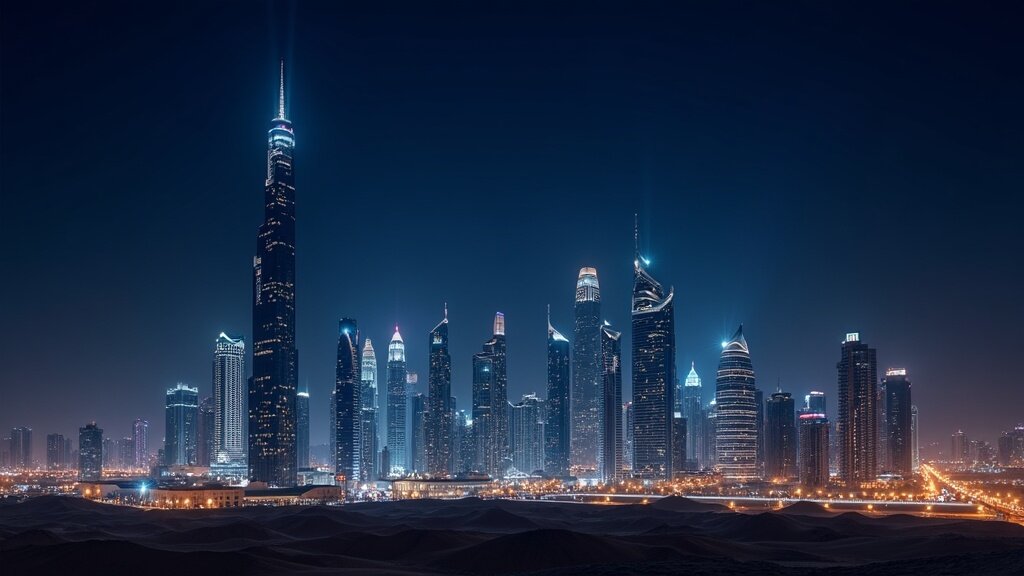
Riyadh, the capital and largest city, is where Vision 2030's ambitions are most visible: a skyline that barely existed two decades ago now includes the iconic Kingdom Centre (with its distinctive inverted-arch "bottle opener" top) and the King Abdullah Financial District, while the government pours money into giga-projects like Qiddiya (entertainment) and King Salman Park (planned as one of the world's largest urban parks). It's also, unmistakably, a genuinely modern Gulf capital now — malls, fine dining, and a rapidly growing arts and nightlife scene that would have been unimaginable a decade ago.
Just northwest of the city, Diriyah is where the whole story actually began: the mud-brick At-Turaif District was the first capital of the Saudi state from 1727 until an Ottoman-backed siege destroyed it in 1818. Restored and UNESCO-listed since 2010, it's now anchored by the Bujairi Terrace dining district — genuinely one of the best places in the country to eat well while looking out at a floodlit UNESCO site.
⚓ Jeddah & Historic Al-Balad
Jeddah, on the Red Sea coast, has always been Saudi Arabia's more cosmopolitan city — the historic gateway for pilgrims arriving by sea for Hajj, and today the kingdom's commercial and cultural counterweight to Riyadh. Its Corniche stretches for miles along the waterfront, punctuated by the King Fahd Fountain, one of the tallest fountains in the world.
The real draw is Al-Balad, Jeddah's UNESCO-listed historic quarter: multi-story coral-stone merchant houses with elaborately carved wooden balconies (rawasheen), built to catch sea breezes centuries before air conditioning, packed into a warren of narrow lanes that still function as a living neighborhood rather than a museum piece. It's atmospheric, occasionally rundown in genuine and unpolished ways, and one of the most photogenic old towns in the Gulf.
🏛️ AlUla & Hegra
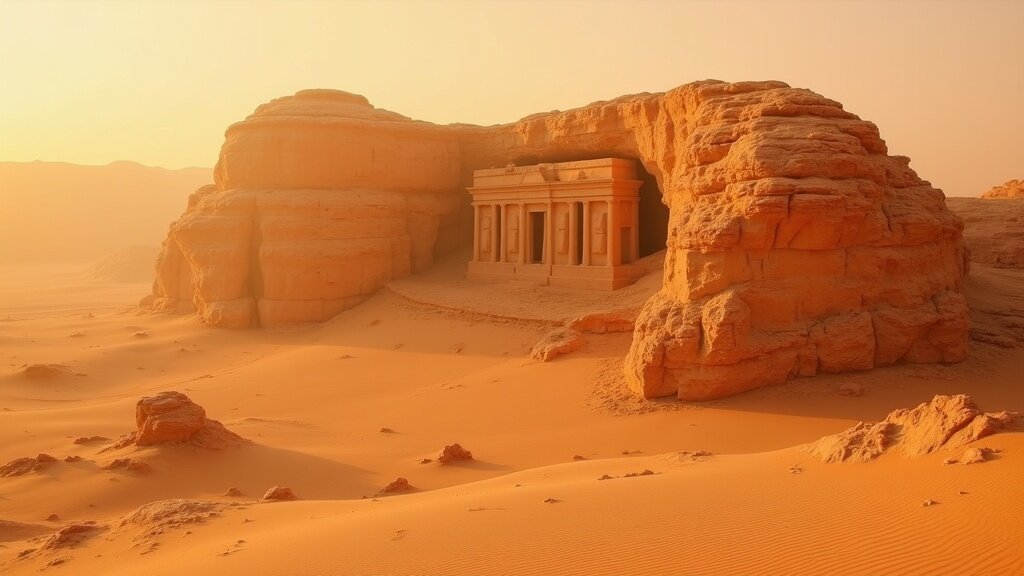
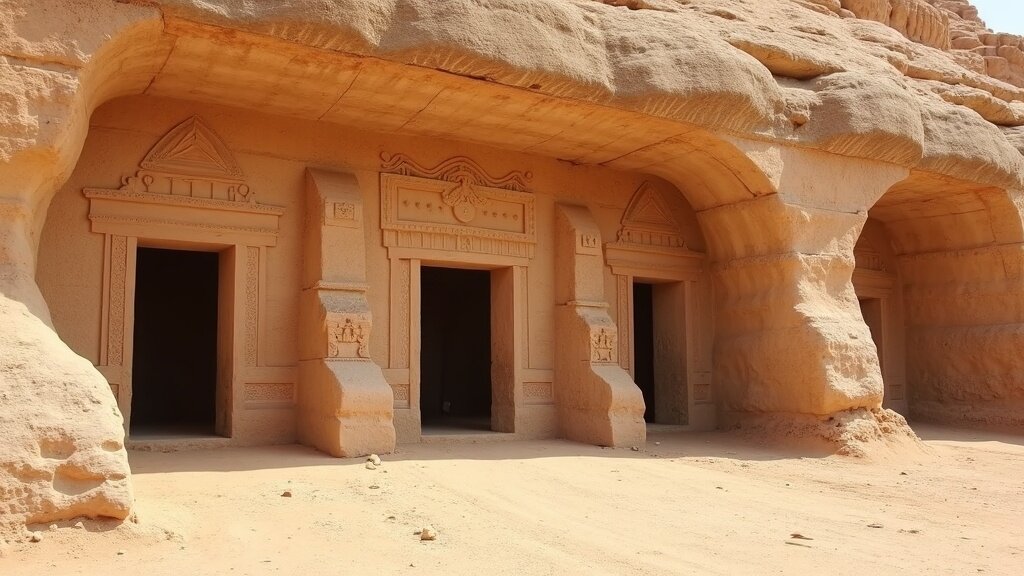
AlUla, in the northwest, is the destination that has done more than anything else to change Saudi Arabia's international travel reputation. At its center is Hegra (Al-Hijr, also called Mada'in Saleh) — Saudi Arabia's first UNESCO World Heritage Site, inscribed in 2008, and the largest conserved Nabataean settlement south of Jordan's Petra. Over 130 monumental tombs, carved into sandstone outcrops between the 1st centuries BCE and CE, still bear the inscriptions naming who was buried inside and who carved them — a level of epigraphic detail Petra itself largely lacks.
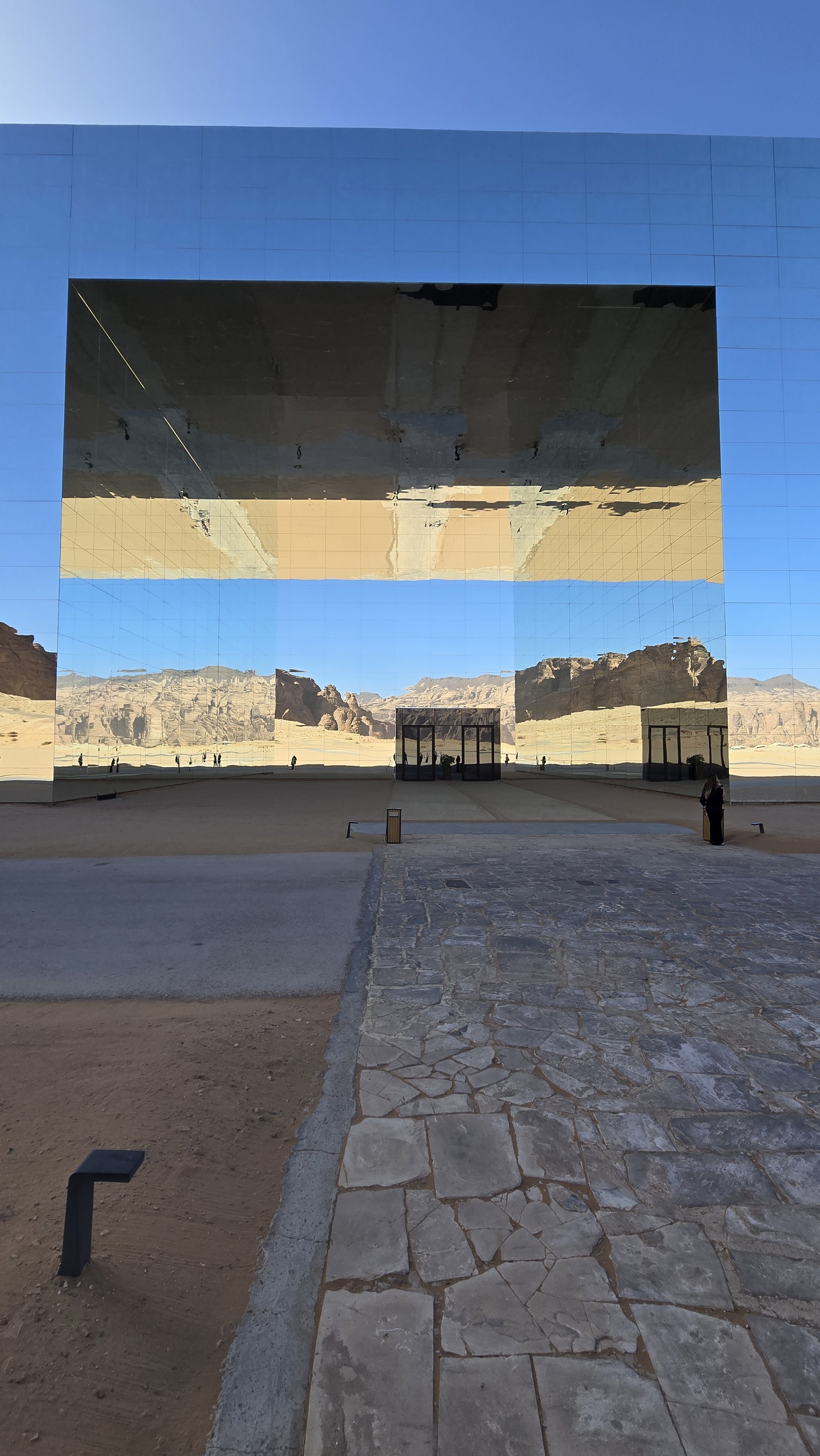
The single most photographed tomb, Qasr al-Farid ("the Lonely Castle"), stands alone on an isolated rock outcrop, seemingly abandoned mid-carving. Beyond Hegra, AlUla's Old Town, the dramatic natural arch of Elephant Rock, and Maraya — reportedly the world's largest mirrored building, used as a concert and events venue reflecting the surrounding desert — round out what is now a genuinely world-class heritage and landscape destination, built almost entirely within the last five years.
🏖️ The Red Sea Coast & Beaches
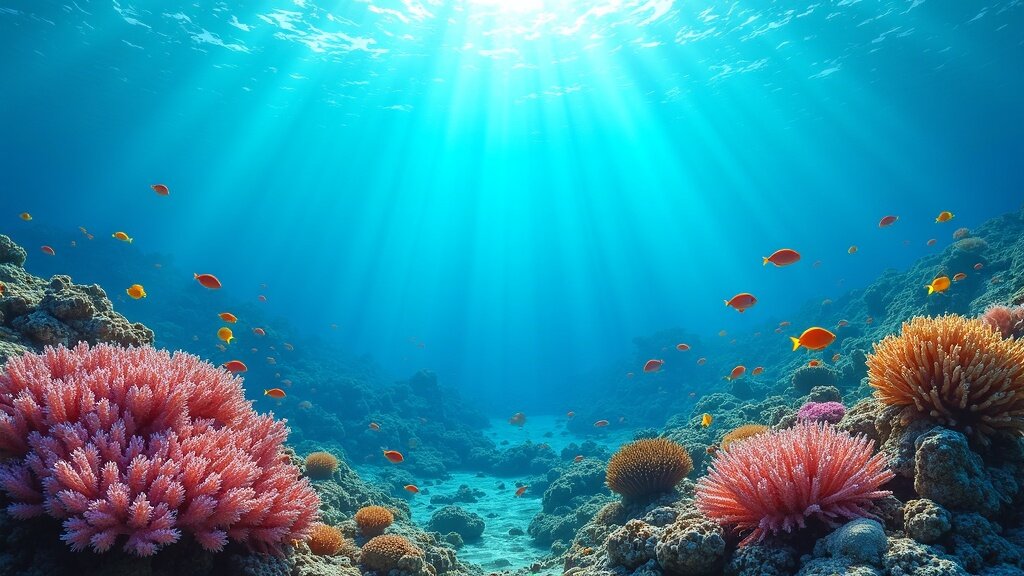
Saudi Arabia's 1,800km Red Sea coastline was, for decades, essentially closed to international leisure tourism. That's changing fast, if unevenly: Red Sea Global (the developer behind the Red Sea Project and AMAALA) has opened the first phase of luxury resorts across a string of coral islands, targeting a market that competes directly with the Maldives and Seychelles rather than mass-market beach tourism. Diving and snorkeling here reach a genuinely world-class coral reef system that has, so far, avoided the bleaching and overtourism damage affecting more heavily visited reefs elsewhere.
For now, most of this coastline remains genuinely exclusive and expensive to access — a deliberate positioning choice, not (yet) a mass-tourism beach destination. Jeddah's own public beaches and the Corniche offer a far more accessible, if less five-star, taste of the Red Sea for travelers not booking a $1,000-a-night overwater villa.
🏜️ The Edge of the World
Roughly 90 minutes from Riyadh, the Jebel Fihrayn escarpment — universally nicknamed "the Edge of the World" — delivers exactly what the name promises: a dramatic 300-meter limestone cliff face dropping to a seemingly endless desert plain, with genuinely nothing between the viewpoint and the horizon. It's become the default half-day desert excursion for Riyadh-based visitors precisely because it's spectacular, relatively accessible by 4x4, and requires no advance permits or major tour operator, unlike some of the country's more remote landscapes.
🏗️ Vision 2030, NEOM & The Line
Everything described above sits inside a larger, genuinely audacious government project: Vision 2030, launched in 2016 to diversify the economy away from oil, and its flagship expression, NEOM — a planned $500 billion, 26,500 km² development zone in the country's northwest. NEOM's most famous, and most troubled, component is The Line: a proposed 170km-long, 200m-wide, 500m-tall linear city, car-free and powered entirely by renewable energy, originally intended to eventually house 9 million people.
The honest 2026 status is considerably more sobering than the original renderings suggested. Construction on The Line was formally suspended in September 2025, with only about 2.4km of foundation work completed. A leaked internal audit projected the full build could cost roughly $8.8 trillion — nearly 18 times the original estimate — and stretch to a 2080 completion date; Saudi Arabia's Public Investment Fund subsequently wrote down $8 billion from the project, the NEOM CEO was removed, and the workforce was cut by roughly a third, with over a thousand employees relocated from the remote site to Riyadh. Not every piece of NEOM has stalled the same way: the green hydrogen plant at Oxagon reached roughly 80% completion in 2026, and the project's Sindalah luxury island resort held a soft opening in late 2024. But the signature 170km linear city that made NEOM a household name internationally remains, as of 2026, a construction site with 2.4 kilometers built and a multi-decade timeline ahead of it.
🌋 Volcanic Wonders: Al-Wahbah & Harrat Khaybar
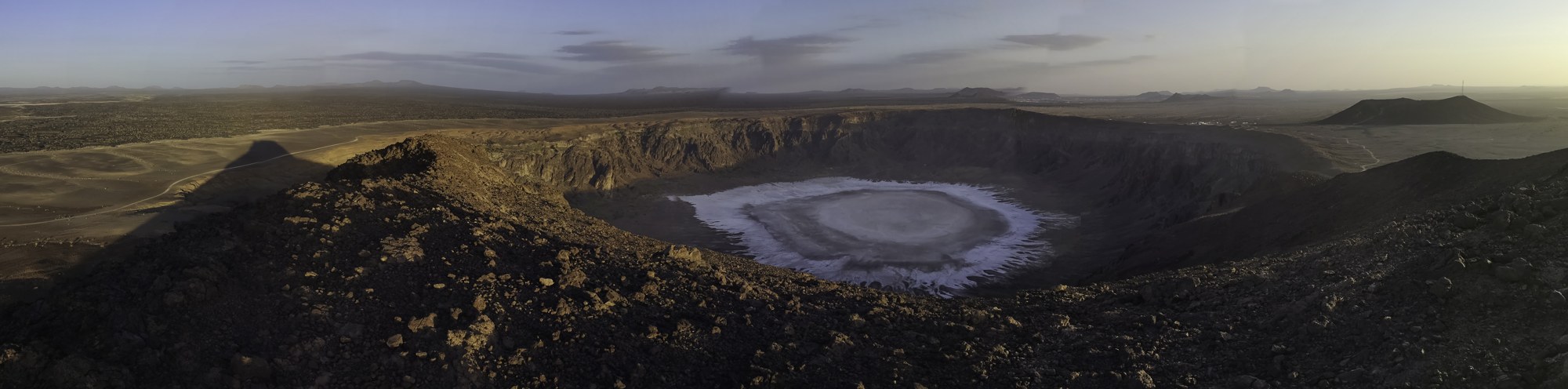
Few visitors associate Saudi Arabia with volcanoes, but the kingdom is scattered with harrat — vast basaltic lava fields — and few are as strange as Al-Wahbah Crater, 250km from Ta'if on the Harrat Kishb plateau. Formed roughly 1.1 million years ago by a violent steam explosion when rising magma hit groundwater, the crater plunges 250 meters deep and stretches 2.3km across — the largest and deepest volcanic crater in the country. Its floor holds a shallow salt lake that, after rain, glitters with sodium phosphate crystals like a "heap of pearls." In 2024, UNESCO and the International Union of Geological Sciences named it one of the world's top 100 geological heritage sites.
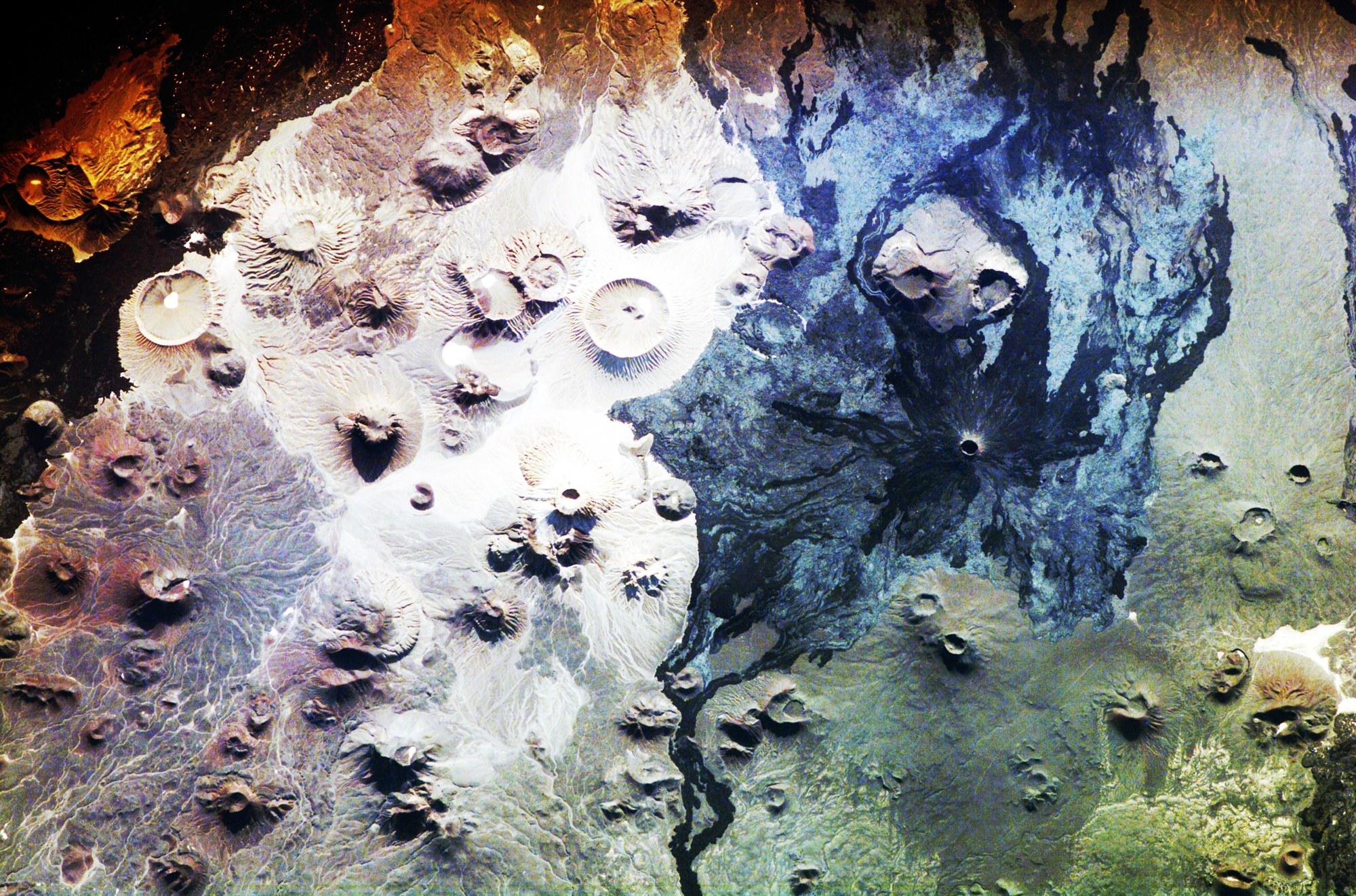
Further north, Harrat Khaybar offers an even stranger sight from above: a cluster of volcanic cones so pale — composed of trachyte and comendite rather than typical dark basalt — that satellite imagery shows them as brilliant white islands against surrounding black lava fields, an almost lunar contrast that has made the "white volcanoes" a genuine geological curiosity.
🏞️ Wadi Al-Disah: The Green Canyon
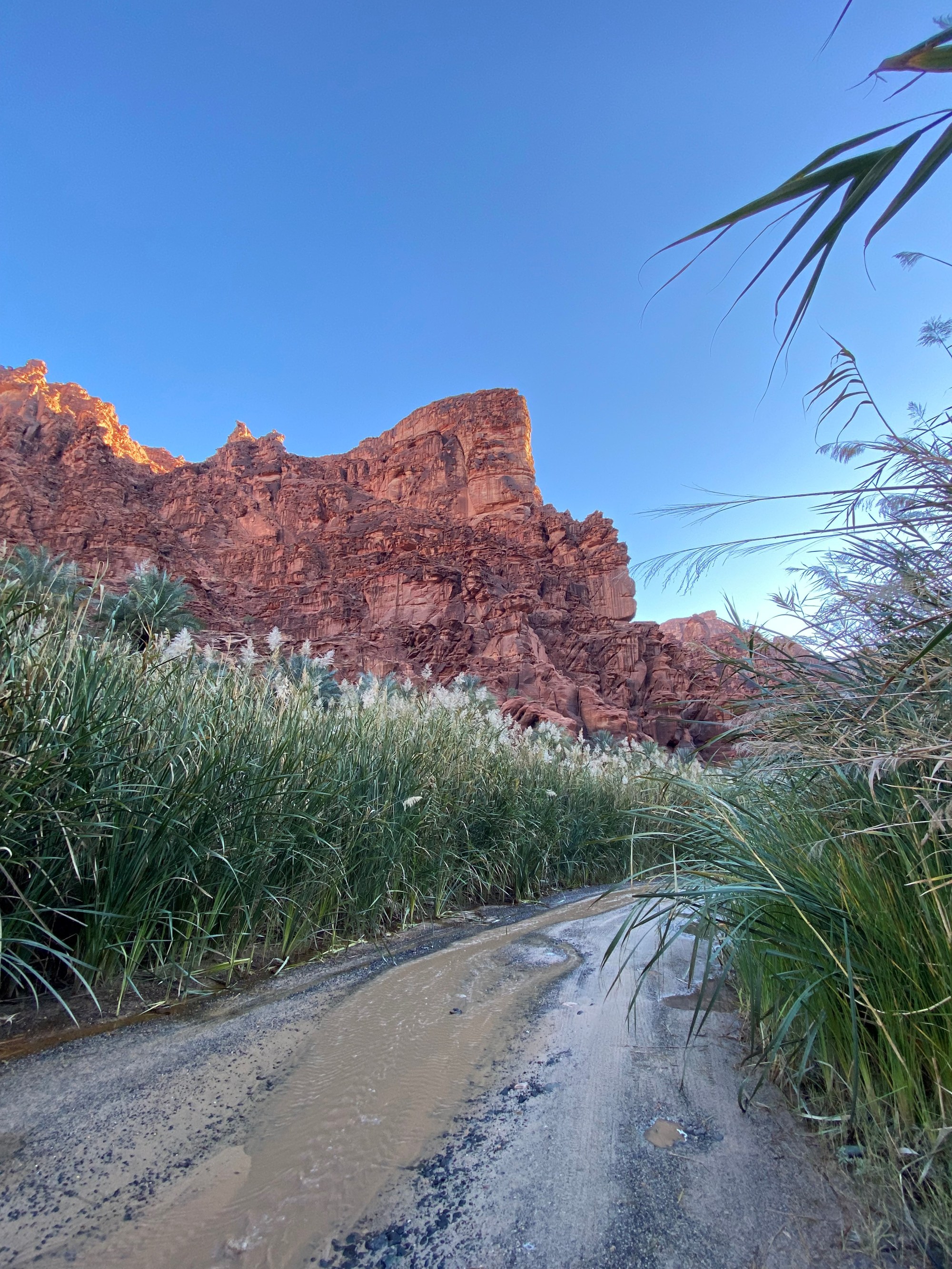
Deep in Tabuk Province, Wadi Al-Disah — "Valley of Palms" — cuts a 125km gash through towering red sandstone cliffs, its floor kept permanently green by year-round springs and groundwater in a region that otherwise sees almost no reliable water at all. Palm trees, citrus, and wild herbs line a stream that eventually reaches the Red Sea, and the entrance village at Al-Disah preserves Nabataean-era remains dating to the same civilization that carved Hegra. Since 2023, the wadi has sat on UNESCO's tentative list as part of the "Bioclimatic Refuges of Western Arabia" nomination, and it now falls within the Prince Mohammed bin Salman Nature Reserve.
🏔️ Jabal al-Lawz: Snow in Arabia
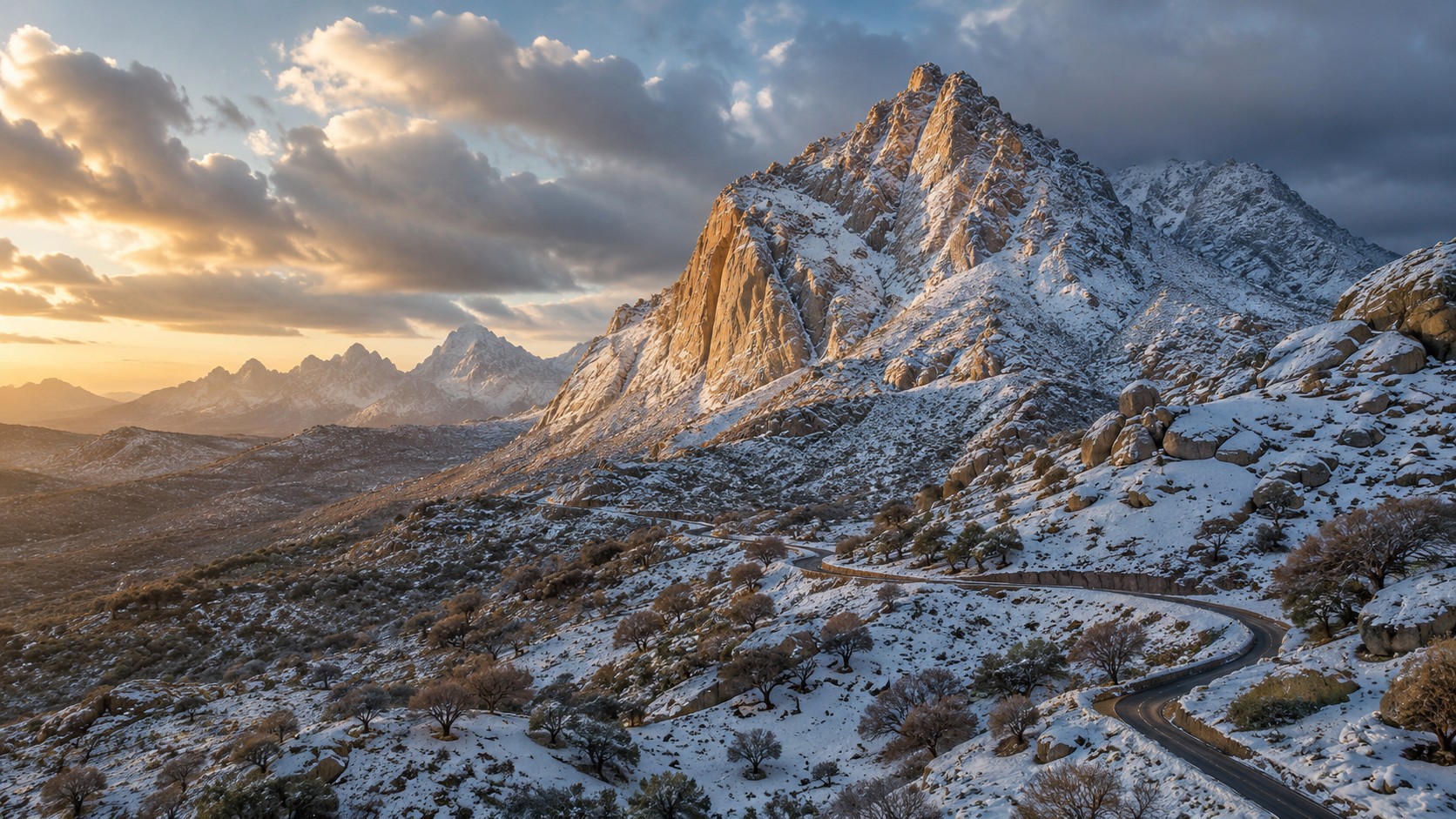
Rising to 2,580 meters near the Jordanian border above the Gulf of Aqaba, Jabal al-Lawz — "Mountain of Almonds" — is one of the very few places in Saudi Arabia where snow falls reliably every winter, drawing Saudi families north for sledding, snowball fights, and a landscape that looks nothing like the desert stereotype. Its light granite peaks show traces of ancient volcanic activity, and archaeologists have documented rock carvings here dating back roughly ten thousand years. The mountain has also become a magnet for a very different kind of visitor: several fringe researchers (Ron Wyatt among them) have controversially — and without mainstream scholarly support — proposed it as the biblical Mount Sinai, a claim most historians and archaeologists reject.
🪞 Maraya & Jabal Ikmah: AlUla's Hidden Details
Two AlUla sites reward visitors who go beyond Hegra itself. Maraya ("mirror" in Arabic), in Ashar Valley, is the largest mirror-clad building on Earth by Guinness World Record — 9,740 square meters of reflective panels wrapped around a 500-seat concert hall that has hosted Andrea Bocelli, Alicia Keys, and John Legend. Architect Florian Boje's guiding principle — "if a building cannot compete with the landscape, it should enhance it" — produces a genuinely disorienting effect: at certain angles the cube seems to dissolve entirely into the surrounding desert and sky.
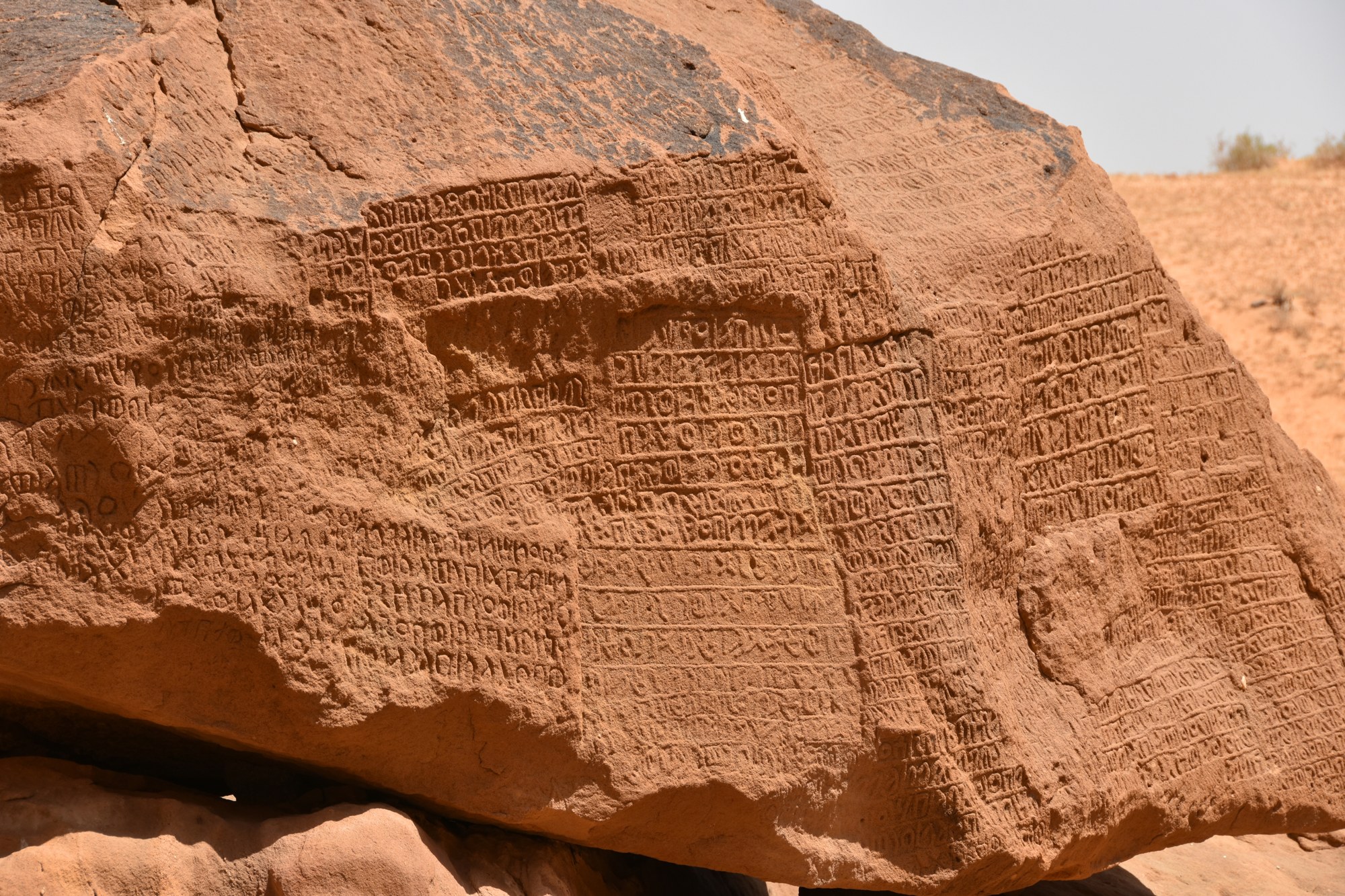
Jabal Ikmah, sometimes called an "open-air library," holds one of the densest concentrations of ancient inscriptions anywhere in Arabia — thousands of carvings in Dadanitic, Aramaic, Nabataean, Thamudic, Minaic, and early Arabic scripts spanning over a millennium, documenting everything from royal decrees to personal graffiti. It's a working record of who passed through this valley and what they wanted remembered, carved directly into the rock rather than transcribed onto anything perishable.
🟫 Mustatils & the Green Arabia Mystery
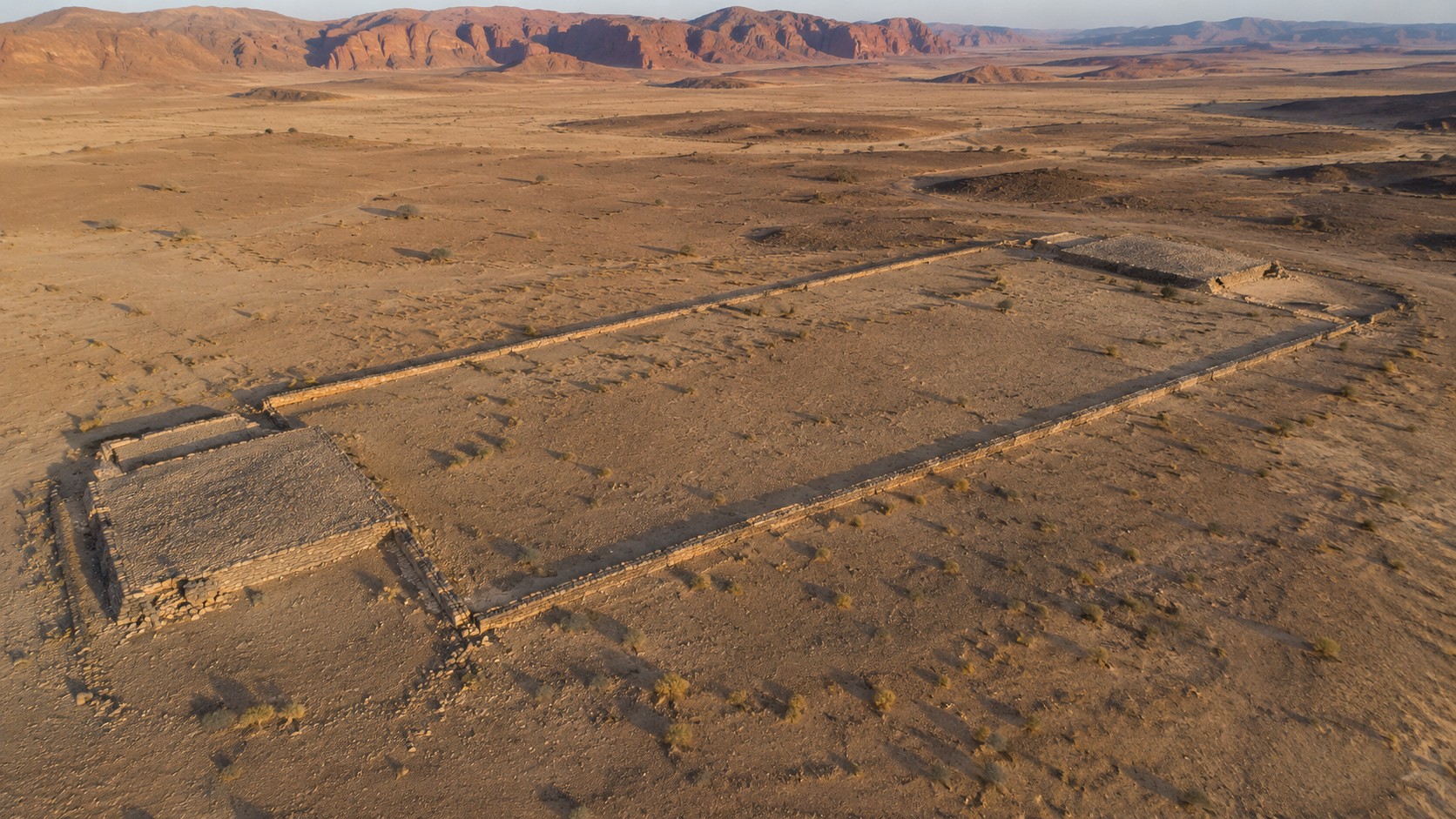
Scattered across northwestern Saudi Arabia — concentrated around AlUla and Khaybar — are more than 1,600 mustatils (Arabic for "rectangle"): low sandstone-wall structures ranging from 20 to over 600 meters long, built roughly 7,000 years ago. First documented in the 1970s and dismissed for decades as unremarkable "gates," systematic excavation beginning in 2018 revealed offering chambers containing deliberately deposited cattle horns, skulls, and teeth around a central standing stone (betyl) — evidence of large-scale ritual practice that predates Stonehenge and Egypt's pyramids, making mustatils strong candidates for the earliest large-scale ritual monuments known anywhere on Earth.
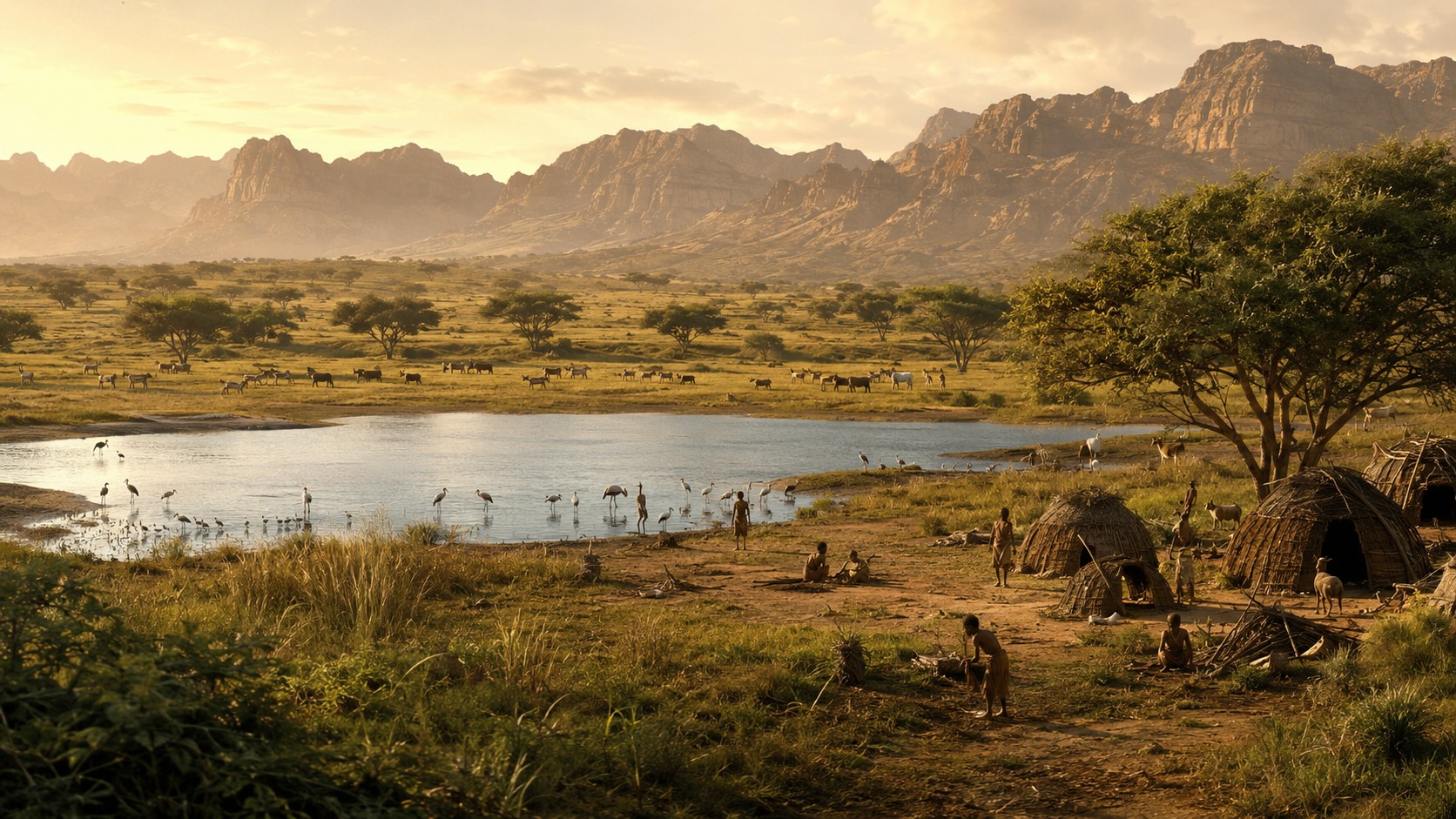
The mustatils only make sense in light of what climate science now calls "Green Arabia": between roughly 11,000 and 5,500 years ago, monsoon rains shifted north and transformed the peninsula into a savanna dotted with lakes and wetlands, supporting grasslands, wild cattle, and the Neolithic communities who built these monuments beside long-vanished water sources. Stalagmite records published in recent years show the region was wet for much of the last eight million years, not just this one recent window — meaning today's hyper-arid desert is, geologically speaking, the unusual state, not the norm.
🏛️ Iram of the Pillars: Arabia's Lost City
The Quran (Surah Al-Fajr) describes "Iram of the Pillars, the like of which was never created in the land" — a wealthy city built by the tribe of 'Ad, destroyed by a divine wind after King Shaddad's people turned to arrogance and excess. For over a thousand years, explorers including T.E. Lawrence and Bertram Thomas searched the Rub' al Khali (Empty Quarter) for it, and Lawrence himself gave the legend its enduring nickname: the "Atlantis of the Sands." Local Bedouin traditions link the same story to a place called Ubar or Wubar.
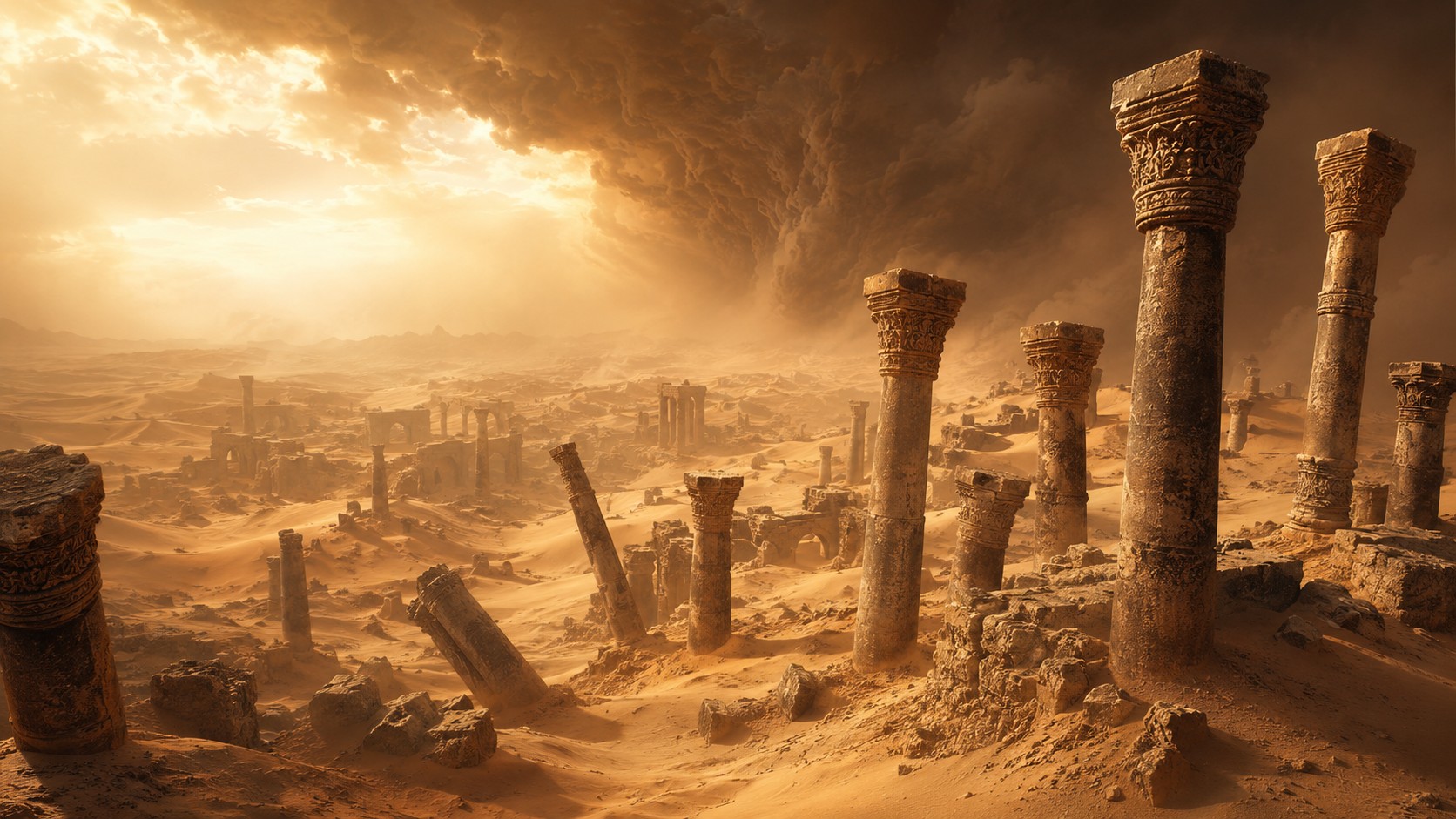
In 1992, filmmaker-turned-archaeologist Nicholas Clapp used NASA satellite imagery and ground-penetrating radar to locate ruins at Shisr, across the border in Oman's Dhofar province — a frankincense-trading fortress, occupied from roughly 3000 BCE, that had collapsed into a sinkhole when the limestone cavern beneath it gave way. Whether Shisr is truly the Iram of scripture remains genuinely debated among scholars, and no comparable site has been confirmed on the Saudi side of the Empty Quarter — meaning the "real" Iram, if the legend maps onto any single place at all, may still be out there.
🌫️ Al Bahah: The Arabian Switzerland
In Saudi Arabia's smallest province by area, the Sarawat Mountains rise to 2,200 meters around the city of Al Bahah, trapping moisture that produces something the rest of the kingdom almost never sees: genuine fog, cloud forest, and temperate green terraces, earning the region its popular nickname, the "Garden of the Hejaz," or — among Saudi travelers themselves — the "Arabian Switzerland." Juniper forests cloak the higher slopes, beekeeping is a serious local industry, and the contrast with the desert lowlands barely an hour's drive away is genuinely disorienting for first-time visitors.
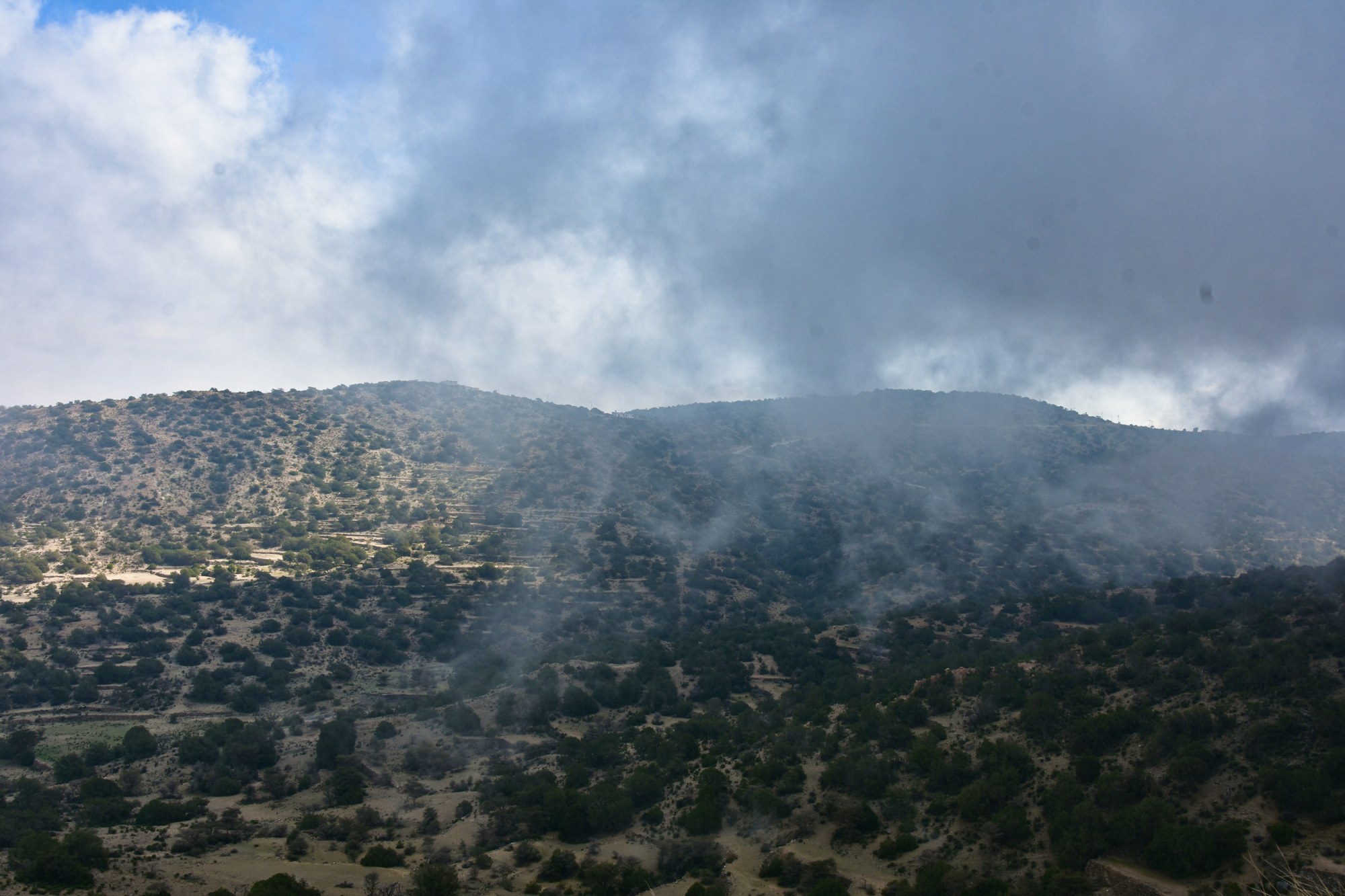
The historic hilltop village of Dhee Ayn ("Thee Ain"), built entirely from local white marble and still inhabited seasonally, and a network of centuries-old stone watchtowers built to guard mountain passes and terraced farmland, make Al Bahah one of the kingdom's least-visited but most rewarding detours for travelers willing to leave the AlUla-Riyadh-Jeddah circuit.
Explore More About Saudi Arabia
Four deep-dive guides live on their own pages so this one doesn't turn into a wall of text.
📋 Practical Information
Entry: Americans can obtain an e-visa online (roughly $140, valid one year, multiple entry, 90-day stays) or a visa on arrival at major airports — a dramatic change from the pre-2019 near-total closure to tourism. Dress: Modest dress is expected for all visitors; women are no longer legally required to wear an abaya but conservative clothing (covered shoulders and knees) is strongly advised, and appropriate dress is required inside mosques. Alcohol: Illegal for everyone, including tourists and foreign residents, with genuinely serious penalties for violations — despite periodic online rumors of licensed venues, no legal public alcohol sales exist as of 2026. Ramadan: Business hours, restaurant availability, and general pace shift significantly during the holy month; plan around it rather than through it.
🇺🇸 For American Travelers
The US Embassy is in Riyadh, with consulates in Jeddah and Dhahran. Register with STEP (Smart Traveler Enrollment Program) before you go. Non-Muslims cannot enter Mecca or Medina's holy precincts — this is strictly enforced, including on connecting roads with checkpoints. Same-sex relationships and public displays of affection (even opposite-sex) remain illegal; discretion is genuinely necessary, not just advisable. Type G electrical plugs, 230V.
💰 Cost of Living & Travel
| Item | Typical Cost (2026) |
|---|---|
| Budget hotel, Riyadh/Jeddah | $50 – $90/night |
| Mid-range hotel | $100 – $200/night |
| AlUla desert resort | $250 – $600+/night |
| Local restaurant meal | $8 – $15 |
| Hegra guided tour | $60 – $240 (group to private) |
| Gasoline, per liter | ~$0.62 (SAR 2.33) |
Overall, Saudi Arabia runs cheaper than the UAE for equivalent quality outside the handful of ultra-luxury Red Sea resorts, and the riyal's hard peg to the US dollar (3.75 SAR = $1) means Americans face zero currency-conversion guesswork.
🏨 Accommodation
Riyadh and Jeddah offer the full range of international chain hotels (Marriott, Hilton, Four Seasons) alongside a fast-growing boutique scene. AlUla is the country's showpiece for distinctive stays — Habitas AlUla and Banyan Tree AlUla both offer immersive desert-luxury properties genuinely built around the landscape rather than despite it. Along the Red Sea, Red Sea Global's resorts (St. Regis Red Sea Resort among the first to open) position themselves explicitly against the Maldives and Seychelles, with price tags to match. Budget travelers will find the widest range of standard business-hotel options in Riyadh and Jeddah rather than in the more curated heritage/resort destinations.
🎭 Festivals & Events
Riyadh Season (roughly October–March) has become the government's flagship entertainment push — months of concerts, sports, and events across the capital, credited with dramatically expanding what's publicly available in a country that had no cinemas or concert venues a decade ago. AlUla Season runs concurrently, blending arts, dining, and desert experiences around the archaeological sites. Janadriyah Festival, held near Riyadh, is the more traditional counterpart — a celebration of Saudi heritage, crafts, and folklore predating the recent entertainment boom. Islamic holidays (Eid al-Fitr, Eid al-Adha) follow the lunar calendar and shift roughly 11 days earlier each Gregorian year; expect major disruptions to normal business and travel patterns around both.
🎒 Packing Tips
Modest, loose, breathable clothing covering shoulders and knees for both genders; a light scarf or shawl for women (useful, not legally mandatory) when visiting religious or conservative sites. Sun protection is non-negotiable — desert sun is intense year-round. A universal adapter for Type G outlets. Comfortable closed-toe shoes for archaeological sites like Hegra, where ground can be uneven sand and rock. Modest swimwear for resort pools/beaches (board shorts and one-piece or covered swimwear rather than skimpy Western beachwear, even at international resorts).
🌐 Useful Resources
The official Visit Saudi portal (visitsaudi.com) is genuinely comprehensive and actively maintained given the government's tourism push. The Experience AlUla app handles Hegra ticketing and tour bookings directly. Ride-hailing (Uber, Careem) works reliably in all major cities. The Tawakkalna app, originally built for COVID-era health tracking, remains widely used for various government services.
📚 Recommended Reading
Essential: Robert Lacey's Inside the Kingdom and its follow-up on MBS-era Saudi Arabia remain the standard accessible histories for English-language readers wanting to understand how the country actually works. Karen Elliott House's On Saudi Arabia offers a sharp, reported look at the society beneath the official narrative. For fiction, Raja Alem's The Dove's Necklace, set in Mecca's old quarter, is one of the few Saudi novels widely available in English translation and offers a genuinely different lens than Western journalism typically provides.
🔬 Fascinating Facts
🕋 The Kaaba's Direction, Everywhere
Every mosque on Earth is oriented toward the Kaaba in Mecca — meaning Saudi Arabia sits at the literal geometric center of over a billion daily prayers, regardless of where they're performed.
🏗️ From $500 Billion to $8.8 Trillion
NEOM's flagship Line city was originally costed at $500 billion. A leaked 2025 internal audit put the real figure, at original spec, closer to $8.8 trillion — an escalation of roughly 17-fold before a single kilometer beyond the initial 2.4km was built.
🏜️ No Rivers, At All
Saudi Arabia has no permanent rivers or natural lakes anywhere in its 2.15 million km² — every drop of fresh water comes from groundwater aquifers, desalination, or (rarely) flash-flood wadis.
🎬 35 Years Without a Cinema
Movie theaters were banned in Saudi Arabia from 1983 until 2018 — meaning an entire generation of Saudis grew up with no legal public cinema at all, before the reopening became one of Vision 2030's first visible social changes.
⭐ Notable People
Ibn Saud (Abdulaziz) — founder of the modern Saudi state, ruled 1932-1953. Mohammed bin Salman (MBS) — Crown Prince and Prime Minister since 2017, architect of Vision 2030 and the country's rapid social and economic transformation. Ghada Mabkhout and a growing generation of Saudi women in business and public life have become visible symbols of the post-2017 social opening. Ahmed Zaki Yamani — the country's oil minister for over two decades (1962-1986), one of the most influential figures in 20th-century global energy policy, largely orchestrating Saudi Arabia's role within OPEC.
⚽ Sports
Football (soccer) is the overwhelming national passion, and the Saudi Pro League has spent recent years aggressively recruiting global stars (Cristiano Ronaldo at Al Nassr since 2023 being the highest-profile signing) as part of a broader "sportswashing" strategy that critics and supporters both openly debate. The kingdom is set to host the 2034 FIFA World Cup, a genuinely enormous undertaking that will require building or renovating over a dozen stadiums. Formula 1 has raced in Jeddah since 2021, and the LIV Golf tour, PIF-backed, has upended professional golf's traditional structure entirely. Camel racing remains a genuinely traditional sport, distinct from the imported international spectacles, with a devoted following particularly in rural and Bedouin communities.
📰 Media & Press Freedom
Saudi Arabia's press operates under significant state control and self-censorship around the monarchy, religion, and government policy; international press freedom indices consistently rank the kingdom near the bottom globally. The 2018 killing of journalist Jamal Khashoggi at the Saudi consulate in Istanbul remains the most internationally consequential press-freedom case associated with the country, and continues to shape how international media and human rights organizations assess the kingdom's trajectory even amid genuine social liberalization elsewhere.
📸 Photo Gallery
✍️ Author's Note
No country I've covered for this Factbook is changing faster, or more unevenly, than Saudi Arabia. Stand at Qasr al-Farid in the late afternoon and you're looking at a monument carved 2,000 years before anyone had heard of Vision 2030 — and an hour's drive away, an actual construction site where a trillion-dollar linear city was supposed to be rising, currently sitting mostly empty, 2.4 kilometers into a 170-kilometer plan.
Come for Hegra, which more than earns every bit of the "Saudi Arabia's Petra" comparison. Come skeptical of the mega-project marketing, because the honest 2026 numbers deserve skepticism. Either way, come while it's still genuinely surprising — this is a country actively deciding, in real time, what it wants to become.
—Radim Kaufmann, 2026
Support This Project 🌍
This World Travel Factbook is a labor of love – free to use for all travelers. If you find it helpful, consider supporting its continued development.
