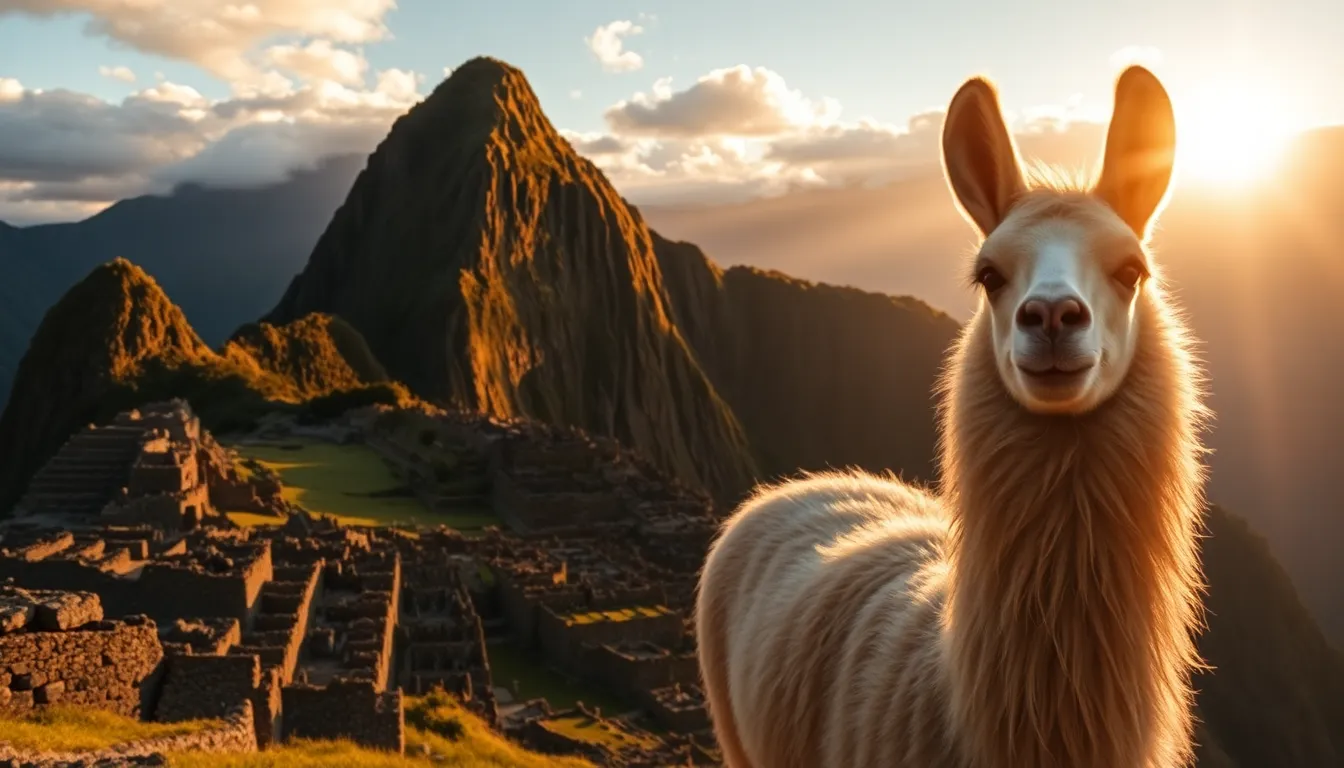
Pacific desert, Andean cities, and Amazonian worlds beyond a single famous citadel.
Radim Kaufmann · Updated September 17, 2026
Capital
Lima
Languages
Spanish; Quechua, Aymara and other Indigenous languages
Currency
Sol (PEN)
Area
1,285,216 km²
Climate
Coast, Andes, and Amazon differ
Region
South America
01
Overview
Peru is best understood as several connected landscapes rather than one route to Machu Picchu. The Pacific coast is largely arid, the Andes create dramatic changes in altitude and settlement, and the eastern lowlands belong to the Amazon basin. Those differences shape food, architecture, transport, and the time a journey requires. Lima, Cusco, and the Sacred Valley make a strong introduction, but the north coast and other regions reveal histories that long predate the Inca Empire.
02
History
Peru's archaeological record includes Caral, Chavín, Moche, Nazca, and Chimú societies, among many others. The Inca state expanded across the Andes before the Spanish conquest in the sixteenth century. Colonial cities were built within older landscapes of power and sacred meaning; Cusco makes those overlapping layers unusually visible. Independence was proclaimed in 1821, with decisive fighting continuing afterward. Indigenous languages and communities are part of contemporary Peru, not surviving illustrations of a vanished past.
03
Places & landscapes
Lima's historic center and museums establish a useful framework before the Andes. Cusco and the Sacred Valley deserve time beyond the journey to Machu Picchu. Arequipa offers volcanic-stone architecture and another regional identity. The Nazca landscape, the archaeological sites of the northern coast, and Amazonian destinations require distinct routes rather than being casual additions. UNESCO's listings help place Machu Picchu alongside Caral, Chan Chan, Chavín, and other cultural and natural places.
04
People & culture
Spanish is widely used, while Quechua, Aymara, and many other Indigenous languages carry living traditions and contemporary identities. Markets and textiles are opportunities to learn about specific communities, materials, and techniques. Ask before photographing people and avoid bargaining as a performance. Sacred sites and archaeological remains require restraint: follow the designated routes and do not climb structures simply because a photograph would be better from the top.
05
Planning your visit
Choose a manageable route and build in time for the altitude change before demanding Andean excursions. Reserve Machu Picchu through the official system and check the exact circuit, date, and entry time before arranging trains and accommodation. Seasons differ between the coast, mountains, and rainforest. Long road journeys can consume entire days; adding an Amazon stay or northern circuit usually works better with additional time than by compressing the central itinerary.
06
🍜
Cuisine
Peruvian cuisine is globally acclaimed—ceviche perfection, ancient Andean ingredients, and Nikkei-Chinese fusion.
Ceviche
Citrus-Cured Fish
Raw fish cured in lime juice with tiger's milk—Peru's national pride.
Ingredients: 300g firm white fish, cubed, 10 limes, juiced, 1 red onion, sliced, Ají amarillo or rocoto, Cilantro, Sweet potato, corn for serving.
Preparation: Cube very fresh fish. Salt fish, let sit 5 min. Add lime juice, onion, chili. Then marinate only 5-10 minutes. Serve immediately with sweet potato. To finish, drink the leche de tigre.
💡 Ceviche remains raw fish: citrus curing does not make it equivalent to heat-cooked fish. Use a professionally validated food-safety method.
Pollo a la Brasa
Rotisserie Chicken
Marinated chicken roasted on spit—beloved Peruvian comfort food.
Ingredients: 1 whole chicken, For marinade: cumin, paprika, garlic, soy sauce, vinegar, ají amarillo, Ají verde sauce, French fries.
Preparation: Blend marinade ingredients. Marinate chicken overnight. Roast on spit or in hot oven. Then baste with marinade. Until skin is crispy and dark. Finally, serve with fries and ají verde.
💡 The dark, crispy skin is essential—high heat at the end.
Causa
Layered Potato
Mashed potato layered with filling—ancient Peruvian dish reinvented.
Ingredients: 4 yellow potatoes, Ají amarillo paste, Lime juice, Oil, For filling: chicken or tuna salad, Avocado.
Preparation: Boil and mash potatoes. Mix with ají, lime, oil until smooth. Layer: potato, avocado, filling, potato. Then press into mold, chill. Unmold and decorate. Finally, serve cold as starter.
💡 The potato should be completely smooth—pass through a ricer.
07
Drinks & local traditions
Peruvian pisco is a grape spirit produced by distillation after fermentation. Mosto Verde uses partially fermented must; it is incorrect to describe all pisco as distilled from unfermented fresh juice. Ica is a major center of pisco and wine production. A useful tasting compares producers, grape varieties, and styles rather than assigning scores without a documented tasting. Pisco Sour commonly contains egg white; ask about ingredients and alternatives when ordering.