Overview
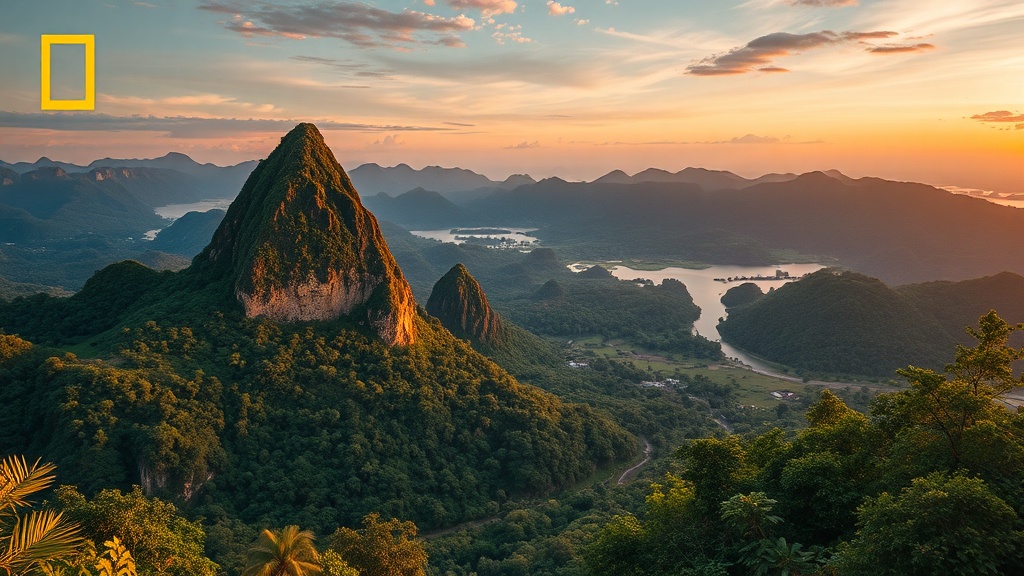
The Philippines is an archipelago of over 7,600 islands stretching across 300,000 square kilometers of the western Pacific, a tropical paradise of stunning beaches, vibrant coral reefs, ancient rice terraces, and some of the warmest, most hospitable people on Earth. From the underground river of Palawan to the Chocolate Hills of Bohol, from the surf breaks of Siargao to the colonial churches of Manila, this diverse nation offers experiences for every type of traveler.
Three centuries of Spanish rule and half a century of American influence have created a uniquely blended culture: Catholic festivals with pre-colonial roots, a passion for basketball and karaoke, jeepney-filled streets, and a cuisine that fuses Malay, Chinese, Spanish, and American flavors. Filipino English is widely spoken, making this one of the most accessible destinations in Southeast Asia.
Philippines at a Glance
| Capital | Manila (metro pop. ~14 million) |
| Area | 300,000 km2 (7,641 islands) |
| Population | ~115 million |
| Languages | Filipino (Tagalog) and English (both official) |
| Currency | Philippine Peso (PHP) |
| Religion | Roman Catholic (80%); Muslim (5-10%) |
| Climate | Tropical; hot, humid, monsoon seasons |
| Highest Point | Mount Apo (2,954 m) |
| Independence | 1946 (from United States) |
| Time Zone | UTC+8 |
Geography & Nature
The Philippines is divided into three major island groups: Luzon (the largest, home to Manila), the Visayas (central islands including Cebu, Bohol, and Boracay), and Mindanao (the south, with Mount Apo and diverse indigenous cultures). The terrain ranges from volcanic peaks and mountain rice terraces to vast coral reefs, mangrove forests, and some of the world most pristine white-sand beaches.
Marine biodiversity is extraordinary: the Coral Triangle region hosts the greatest concentration of marine species on Earth. The Tubbataha Reefs Natural Park and the Apo Reef are UNESCO-listed dive sites. On land, endemic species include the Philippine eagle (one of the world rarest birds), the tiny tarsier primate, and the Philippine crocodile. The Banaue Rice Terraces, carved 2,000 years ago, are sometimes called the Eighth Wonder of the World.
History
Pre-colonial Philippines consisted of diverse barangay communities trading with China, India, and the Malay world. Ferdinand Magellan arrived in 1521 and was killed in the Battle of Mactan by Chief Lapu-Lapu, now a national hero. Spain colonized the islands for 333 years (1565-1898), leaving a deep Catholic and architectural legacy.
The Philippines declared independence in 1898 but was ceded to the United States after the Spanish-American War. American colonial rule introduced English education and democratic institutions. Japanese occupation during WWII devastated Manila. Full independence came in 1946. The country survived the Marcos dictatorship (1965-1986), overthrown by the peaceful People Power Revolution, and continues to evolve as Southeast Asia vibrant democracy.
People & Culture
Filipinos are renowned for their warmth, resilience, and joy. Family is the foundation of society, and the concept of bayanihan (community spirit) runs deep. Fiestas celebrating patron saints fill the calendar in every town, blending Catholic ritual with pre-colonial traditions in explosions of color, music, and dance.
The Philippines is Asia largest Christian nation (80% Catholic). Music is everywhere: Filipinos are gifted singers, and karaoke is a national pastime. Jeepneys, the colorfully decorated public transport vehicles originally made from WWII jeeps, are rolling works of art. The country has over 170 languages, with Filipino (based on Tagalog) and English serving as lingua francas.
Useful Filipino Phrases
Mabuhay! = Welcome/Long live! | Salamat = Thank you | Oo/Hindi = Yes/No | Magkano? = How much?
Filipino Cuisine
Filipino cuisine is a bold fusion of Malay, Chinese, Spanish, and American influences. Dishes tend to be sweet, sour, and savory, with rice at every meal and a love for pork, seafood, and vinegar-based preparations.
Adobo
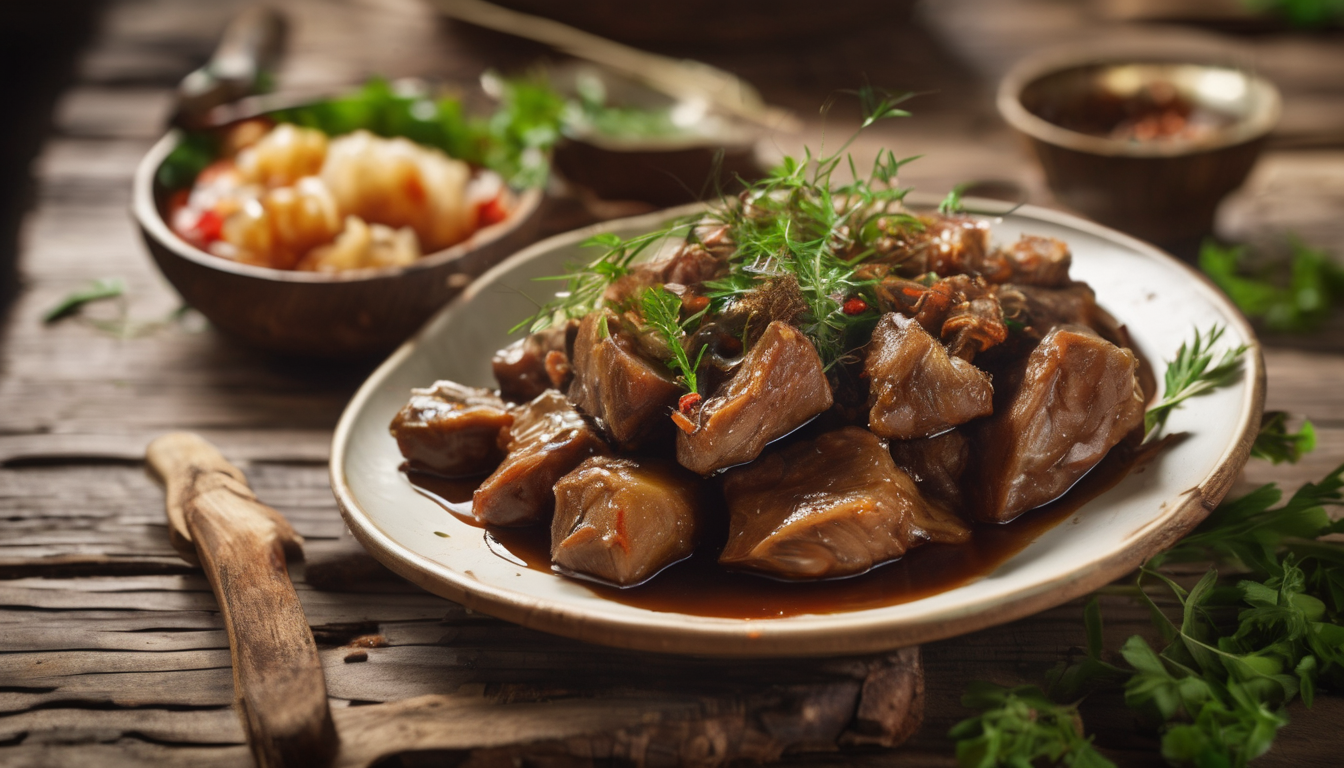
The unofficial national dish: meat (usually chicken or pork) braised in vinegar, soy sauce, garlic, bay leaves, and peppercorns. Every family has their own recipe, and debates over the best version are endless.
Lechon
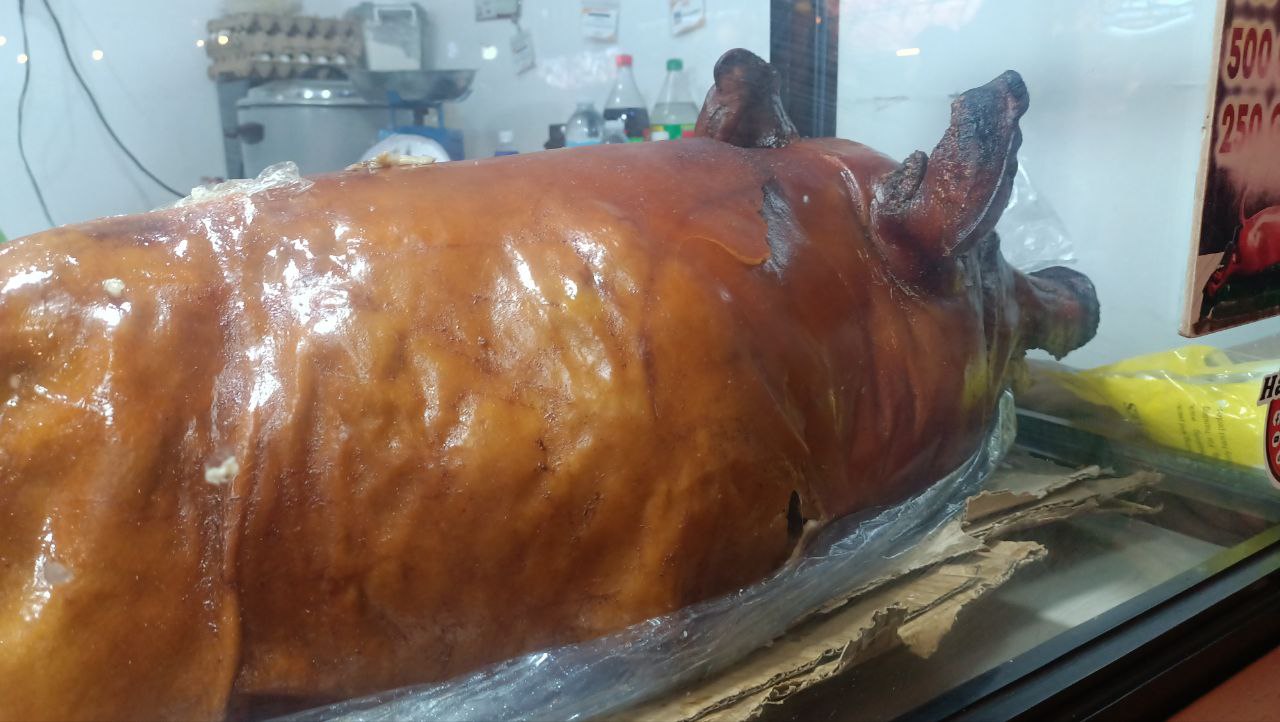 Photo: IndayLiburan · CC BY 4.0
Whole roasted suckling pig with impossibly crispy skin and tender meat. The centerpiece of every Filipino celebration. Cebu is considered to have the finest lechon in the country.
Sinigang
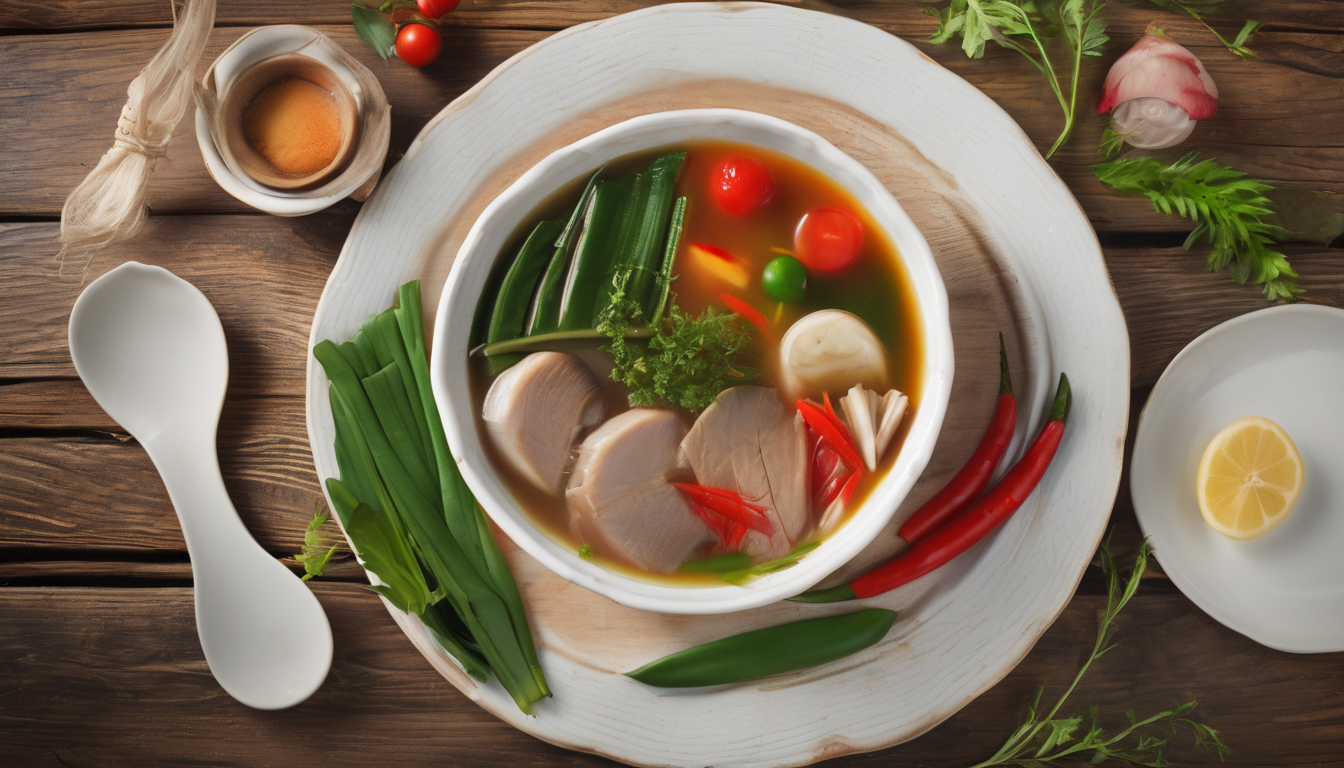
A tamarind-soured soup with pork, shrimp, or fish and an abundance of vegetables. Comforting, tangy, and deeply satisfying, it is the quintessential home-cooked Filipino dish.
Places to See
Palawan
Voted the world best island multiple times. El Nido and Coron offer dramatic limestone karst scenery, hidden lagoons, and world-class snorkeling. The Puerto Princesa Underground River is a UNESCO World Heritage Site.
Boracay
Famous for its powdery White Beach, this small island in the Visayas is a party and relaxation destination with stunning sunsets, water sports, and vibrant nightlife.
Bohol
Home to the Chocolate Hills (over 1,200 cone-shaped mounds), the adorable tarsier primates, centuries-old churches, and the Loboc River cruises through lush countryside.
Siargao
The surfing capital of the Philippines, with the legendary Cloud 9 break. Beyond surfing, the island offers pristine lagoons, mangrove forests, and a laid-back island lifestyle.
Banaue Rice Terraces
The 2,000-year-old Ifugao rice terraces carved into the mountains of northern Luzon. A UNESCO World Heritage Site and a testament to indigenous engineering genius.
Practical Information
Getting There
Manila (MNL) and Cebu (CEB) are the main international gateways with flights from across Asia, the Middle East, and beyond. Budget airlines like Cebu Pacific and AirAsia offer cheap domestic flights between islands.
Getting Around
Domestic flights connect major islands. Ferries and fast boats serve inter-island routes. Jeepneys and tricycles are the local transport staples. Grab (rideshare) works well in cities.
Money
Philippine Peso (PHP). Extremely affordable: budget $25-40/day, mid-range $50-80/day. Street food from $0.50, restaurant meals $3-10. ATMs widely available.
Best Time to Visit
November to May is dry season (best weather). December-February is the coolest and most pleasant. June-October brings the monsoon with typhoons possible. Palawan and the Visayas have milder wet seasons.
Fascinating Facts
7,641 Islands
The Philippines has more islands than any country except Indonesia and Sweden. Only about 2,000 are inhabited, and many have never been named.
Text Messaging Capital
Filipinos send more text messages per capita than any other nation, earning the Philippines the title of texting capital of the world.
Jeepney Culture
These colorfully decorated vehicles, originally made from abandoned US military jeeps after WWII, are the most popular form of public transport and a beloved national icon.
Christmas Season
The Philippines has the world longest Christmas season, starting in September (the start of the -ber months) and lasting until January with the Feast of the Three Kings.
Accommodation
From luxury resorts in El Nido and Boracay ($150-500/night) to excellent budget hostels ($5-15), beachfront bungalows ($20-50), and city hotels ($30-80). The Philippines offers exceptional value at every level, with world-class hospitality.
Support This Project
The Kaufmann World Travel Factbook covers 275 countries. Get the book on Amazon or advertise with us.
