

⚡ Madeira — The Garden of the Atlantic at a Glance
🌟 Overview
Madeira arrived in my life during a February that had been grey and cold for three months straight, and it felt like cheating — a subtropical island only four hours from London, where bougainvillea spilled over every wall, the sea glittered 600 meters below the cliffs, and the air smelled of eucalyptus and the ocean. Madeira is one of those places that operates on its own time zone — not UTC+0, but the slower, warmer time of an island that has been a garden for six centuries.
The autonomous region of Portugal sits 978 kilometers off the African coast in the North Atlantic, technically Europe but climatically Mediterranean-subtropical. The main island of Madeira, 57 kilometers long and 22 wide, rises to 1,862 meters at Pico Ruivo — from sea level to alpine meadow in 20 kilometers of dramatic vertical landscape. The north coast is wild, wet, and green; the south is warmer and sheltered, where Funchal spreads across terraced hillsides above a half-moon bay. Running between the two worlds, carved into the mountainsides over five centuries, 2,500 kilometers of levadas — irrigation channels turned hiking paths — thread through laurel forest, past waterfalls, along cliff edges that produce photographs people assume are composites.
For American travelers, Madeira remains undervisited relative to its merits — more Europeans (particularly British and German) know it than Americans, and most who discover it return repeatedly. The combination of year-round mild climate, world-class hiking, one of the world’s great wine traditions (Madeira wine is still being made and drunk from the 18th century), extraordinary food, and competitive prices compared to other Atlantic island destinations makes it one of the best-kept secrets on this side of the ocean.
📚 History
Madeira was uninhabited when Portuguese explorers arrived in 1419–1420 under João Gonçalves Zarco and Tristão Vaz Teixeira, sent by Henry the Navigator. The story goes that the island was so covered in forest the Portuguese named it Madeira — wood — and proceeded to burn much of it to clear agricultural land. The fires are said to have burned for seven years; centuries later, the island’s extraordinary remaining laurel forests are UNESCO World Heritage. What was lost was irreplaceable; what survived is one of the planet’s most significant ancient ecosystems.
Sugar made Madeira fantastically wealthy in the 15th century — it was the main European sugar source before the Americas opened — attracting Genoese and Flemish merchants, African enslaved labor, and a cosmopolitan trading culture that gave Funchal a sophistication unusual for its size. Christopher Columbus lived in Madeira (Porto Santo) for a time before his 1492 voyage; his house-museum is still visitable. When sugar wealth declined, wine took over. The discovery that Madeira wine improved dramatically during long sea voyages — the heat and rolling motion mimicking the canteiro aging process — made it the most traded wine in the world through the 17th and 18th centuries.
George Washington drank Madeira wine; it was poured at the signing of the Declaration of Independence. Thomas Jefferson was an enthusiast who kept a substantial Madeira cellar. The Founding Fathers’ Madeira obsession was not coincidence — it was the fortified wine of choice for the Anglo-American world, and Madeira was producing extraordinary quantities. Napoleon stopped at Funchal on his final voyage to St Helena in 1815; the island has attracted distinguished visitors ever since. Autonomy from Lisbon came in 1976 after the Carnation Revolution; the region now has its own parliament, government, and significantly devolved economic powers.
🗺️ Geography
The Madeira archipelago consists of four island groups: the main island of Madeira (741 km²), the flat sandy island of Porto Santo (43 km², 43 km northeast), the uninhabited Desertas (protected nature reserve, home to one of the world’s largest monk seal colonies), and the remote Selvagens (far south, seabird sanctuary, technically closer to the Canaries than to Madeira).
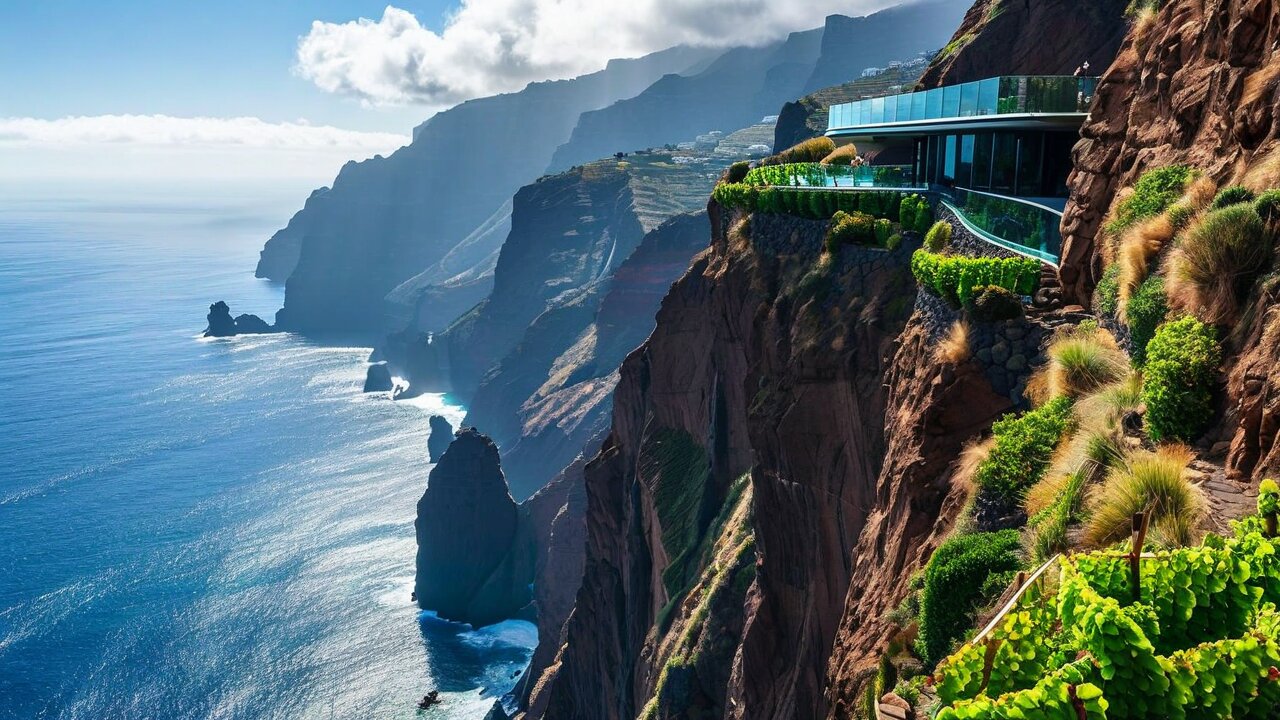
The main island’s topography is defined by the central massif: Pico Ruivo (1,862m), Pico do Areeiro (1,818m), and Paul da Serra (plateau at 1,400m) dominate the interior. The geology is volcanic — Madeira emerged from the Atlantic floor through basaltic volcanism some 5 million years ago — and the landscape shows it: dramatic sea cliffs (Cabo Girão is the third-highest sea cliff in the world at 589m), deep ribeiras (ravines carved by winter streams), and volcanic rock in every shade from black to rust-red. The north coast receives 1,500–2,500mm of rainfall annually; the south coast (Funchal) less than 700mm and significantly warmer.
🗺️ Map
👥 People & Culture
Madeira’s 254,000 inhabitants are ethnically Portuguese — descended from mainland settlers, with a significant Flemish contribution in the 15th and 16th centuries (Flemish merchants funded much of the early development, and a thread of Flemish genetic and cultural influence persists). The Madeiran identity is robustly distinct from mainland Portuguese — Madeirans are acutely aware of their island specificity and deeply proud of it. The regional dialect has distinctive features; the food, the music, and the social customs have evolved in island-specific ways.
The traditional folk arts are important markers of Madeiran identity: bordados da Madeira (Madeiran embroidery — intricate, labor-intensive, protected by a quality-control seal since 1935) is the island’s most famous craft export. The bailinho da Madeira is the traditional dance, performed at festivals in regional costume — colorful, fast-paced, involving complex footwork and the strumming of the braguinha (a small four-string instrument that emigrated to Hawaii with Madeiran laborers and became the ukulele). The emigrant diaspora — particularly large in Venezuela, South Africa, the UK, and Brazil — has created a global Madeiran community that maintains strong cultural ties to the island.
🏛️ Funchal — The Terraced City
Funchal spreads across a series of terraced hillsides above a natural bay — the city’s name derives from funcho (fennel), which grew wild here when the Portuguese arrived. It is one of the most physically beautiful capital cities in any European territory: the old town (Zona Velha) preserves painted-door houses, restaurants spilling onto cobbled streets, and the Mercado dos Lavradores (Workers’ Market) — a covered market of extraordinary abundance where tropical fruit, exotic flowers, and fresh fish compete for attention under an Art Deco vault.
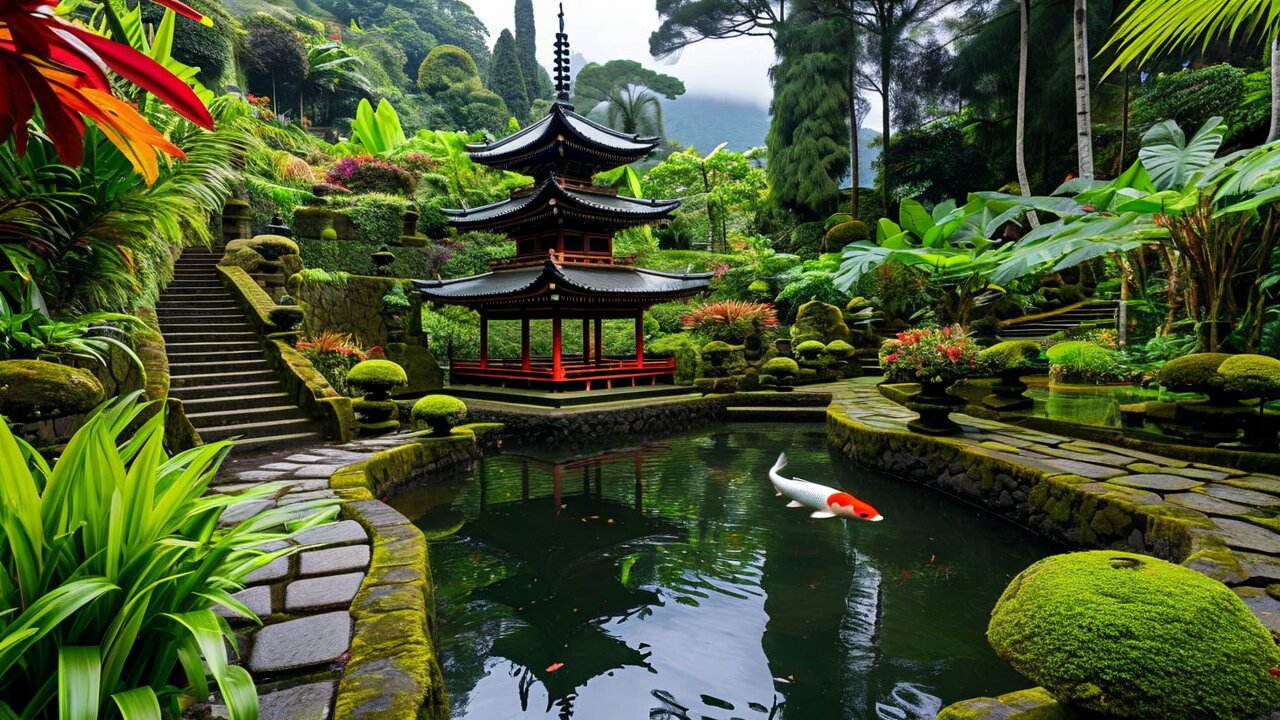
The cable car (teleférico) from the seafront to Monte is the most dramatic urban transport experience in Portugal: a 20-minute ascent through the hillside terraces, arriving at the Monte Palace Tropical Garden — 70,000 m² of terraced gardens with azulejos, koi ponds, and spectacular valley views. From Monte, the famous carros de cesto (wicker basket sleds) descend 2 kilometers of road, pushed and steered by white-uniformed carreiros: a toboggan ride on a public road that has been operating since 1850 and is, improbably, both a genuine transport tradition and one of the world’s most enjoyable tourist activities.
The Blandy’s Wine Lodge on Avenida Arriaga — a 17th-century convent converted to wine production — is the essential Funchal cultural institution: a working winery and wine museum where Madeira wines are aged in large canteiro barrels and tasted in a wood-paneled hall. The Museu CR7 (Cristiano Ronaldo Museum) is one of the city’s most-visited attractions, exhibiting the trophies and memorabilia of Madeira’s most famous export. The old town’s Rua Santa Maria — the Painted Doors Street — has had local artists decorate every door in what has become one of the most photographed streets in Portugal.
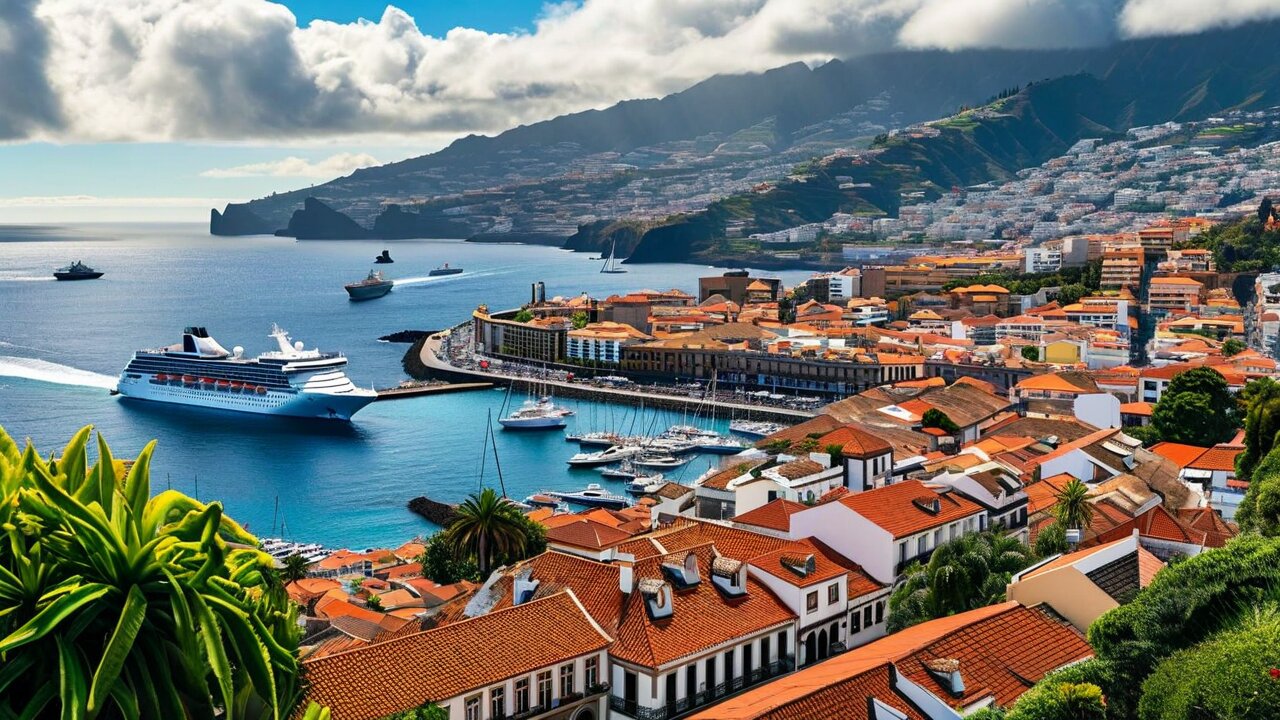
Funchal — Terraced Above the Bay
The capital spreads across hillside terraces above a half-moon Atlantic bay. Cable car to Monte, wicker toboggan back down, Blandy’s Wine Lodge, painted doors of the Old Town — a day barely scratches the surface.
🚴 The Levadas — Madeira’s Greatest Gift to Hikers
The levadas are the engineering masterpiece of Madeiran history: a system of narrow irrigation channels, constructed from the 15th century onward, that carry water from the wet north and high mountains to the dry south coast agricultural land. Over 2,500 kilometers of channels crisscross the island, bored through mountain ridges, balanced on cliff faces, and threaded through laurel forest at gradients almost too gentle to perceive. Because levadas must be accessible for maintenance, each channel has a service path running alongside it — and those paths, over 600 years, have become one of Europe’s finest walking trail networks.
The range of difficulty is extraordinary: from Levada dos Tornos (essentially flat, gentle, suitable for any fitness level) to Levada do Caldeirão Verde (requiring headlamps for four tunnels, vertigo-management on narrow cliff ledges, spectacular) to the PR1 Vereda do Areeiro (the mountain ridge walk from Pico do Areeiro to Pico Ruivo — 13km, serious altitude change, narrow ridge paths, genuinely challenging and genuinely magnificent). The classic mid-level experience: Levada das 25 Fontes from Rabaçal — through laurel forest to a 25-spring waterfall pool in a cirque of volcanic rock. Allow 4 hours round trip.
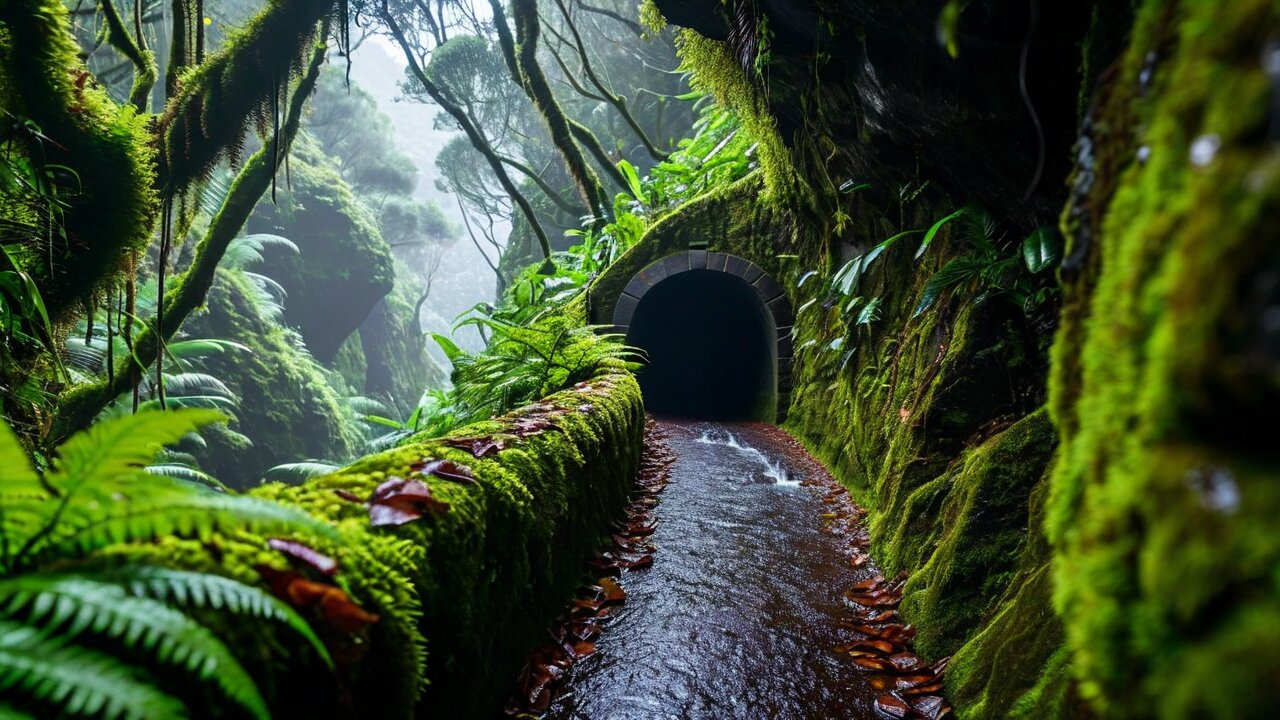
The Levadas — 2,500km of Walking Trails
Irrigation channels cut into the mountainside from the 15th century. The maintenance paths alongside them became Europe’s finest hiking network. The Levada das 25 Fontes (4hrs) is the essential introduction.
⛰️ Pico Ruivo & The Mountain Interior
Pico Ruivo (1,862m) is the highest peak in Madeira and one of the finest summit experiences in any European territory. The standard approach from Pico do Areeiro (the third-highest peak, accessible by road) is a 13-kilometer ridge walk that combines extraordinary views — the full length of the island is visible on clear days, from Cabo Girão in the west to Ponta de São Lourenço in the east — with sections of narrow path along exposed ridges above the cloud line. The ridge walk requires a good head for heights but no technical climbing; the path is well-maintained. Start before 8 AM to be above the clouds at Ruivo before the morning mist moves in.
The Paul da Serra plateau (“Sea of Mist”) is the high plateau that forms the island’s spine — an eerie, wind-swept landscape of heath and grassland at 1,400m, often lost in cloud, crossed by the ER110 road. Windmill turbines have now colonized part of it; the peat bogs and endemic flora that remain are botanically extraordinary.
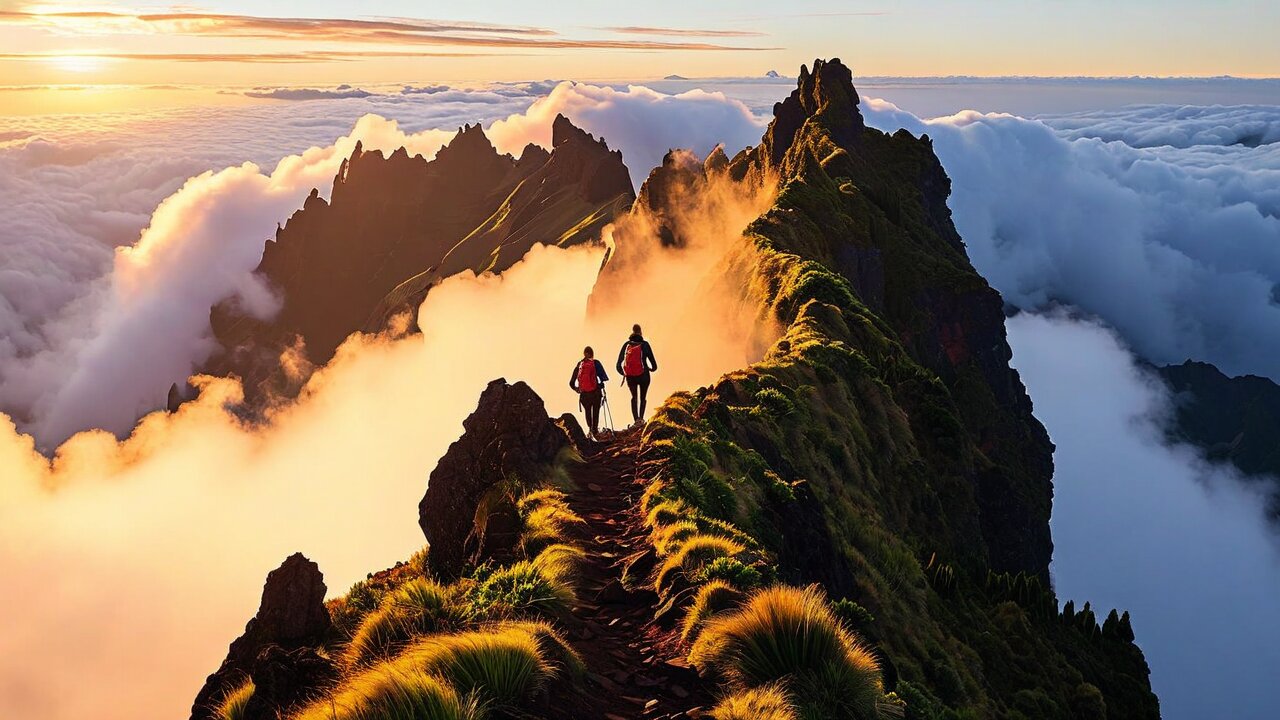
Pico Ruivo — 1,862m, Above the Clouds
The ridge walk from Pico do Areeiro to Pico Ruivo is 13km with spectacular views. Start at dawn to arrive at the summit before the morning cloud moves in from the north.
🌊 The North Coast & Villages
The north coast of Madeira is a different island from the sunlit south. Wetter, greener, wilder — sea cliffs plunge directly into the Atlantic surf, and the road clings to the cliff face through tunnels and single-track ledges. The village of São Vicente, at the mouth of a river gorge, has a 17th-century church and access to volcanic sea caves. Porto Moniz at the northwest tip is famous for its natural lava pools — seawater trapped in basalt formations, safe for swimming while the Atlantic crashes dramatically outside. The waterfall at Véu da Noiva (“Bride’s Veil”) falls 30 meters directly onto the road that runs below it.
The traditional village of Santana (on the gentler north coast slopes) preserves the palheiros — traditional Madeiran thatched houses, triangular in profile with colored doors, built to the ground level. They are increasingly rare but Santana maintains a cluster as a tourist attraction. The Santana highlands give access to the eastern end of the PR1 ridge walk. The road from Funchal to the north via the central massif is the most dramatic drive in the islands — pass through tunnels, emerge above the cloud line, and descend into the lush north in under an hour.
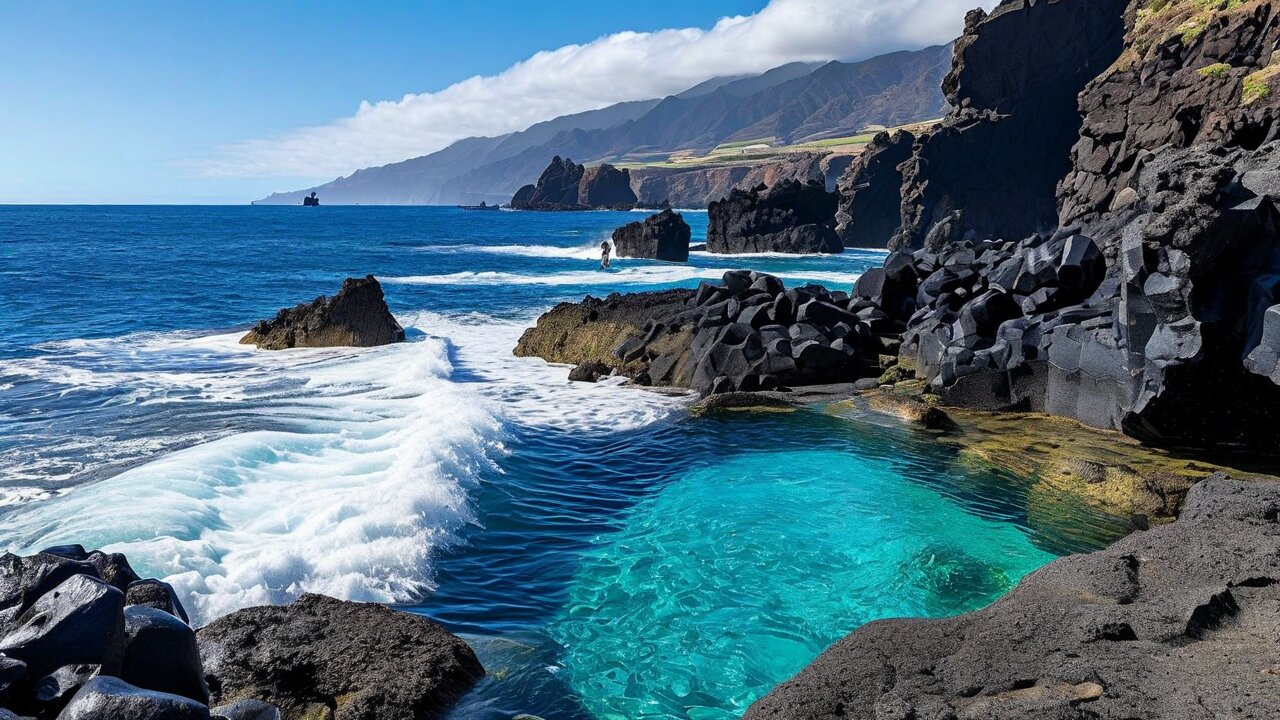
Porto Moniz — Lava Rock Pools
Natural seawater pools trapped in basalt formations at the island’s northwest tip. Safe swimming while the Atlantic crashes outside. Best visited in the morning before the coaches arrive from Funchal.
🏖️ Porto Santo — The Sand Island
Porto Santo is Madeira’s anti-island: flat, dry, golden. Where Madeira is dramatic vertical terrain and dense vegetation, Porto Santo is a gentle 9-kilometer crescent of fine golden sand — the best beach in Portugal by most assessments, and arguably the finest natural beach in any European territory north of the Algarve. The island has 5,000 permanent residents and a handful of resorts; it is quiet even in summer and genuinely off-the-beaten-track compared to Madeira. Christopher Columbus lived here in the 1470s and 1480s while serving as a sugar merchant — the house he is believed to have occupied is now a small museum.
Porto Santo is reached by a 2.5-hour ferry from Funchal (daily service; scenic, occasionally rough) or a 15-minute flight. A day trip is possible but a night or two does the island justice. The therapeutic properties of Porto Santo’s sand — a specific mineral composition of shells, coral, and algae — have been promoted for centuries; several resorts offer beach-sand therapeutic treatments.
🍜 Cuisine
Madeira’s food is Atlantic Portuguese at its most distinctive: espada (black scabbardfish) with banana and passion fruit sauce, espetada beef on bay laurel skewers, lapas (grilled limpets) with garlic butter, bolo do caco sweet potato flatbread, and a tropical fruit culture that includes bananas the rest of Portugal can only envy. The full guide covers every dish and where to eat it in Funchal and beyond.
🍷 Madeira Wine & Poncha
Madeira wine is one of the world’s great fortified wines — unique because it is intentionally oxidized by heat treatment, creating a wine with a virtually unlimited shelf life (18th-century vintages are still drinkable and actively traded). Sercial, Verdelho, Bual, Malmsey: four grapes, four flavor profiles from bone-dry to honeyed-rich. And poncha — the distilled sugarcane spirit mixed with orange or lemon and honey that is the island’s true signature drink. The full guide covers producers (Blandy’s, Henriques & Henriques, Justino’s) and where to drink it.
🏛️ UNESCO & Laurisilva
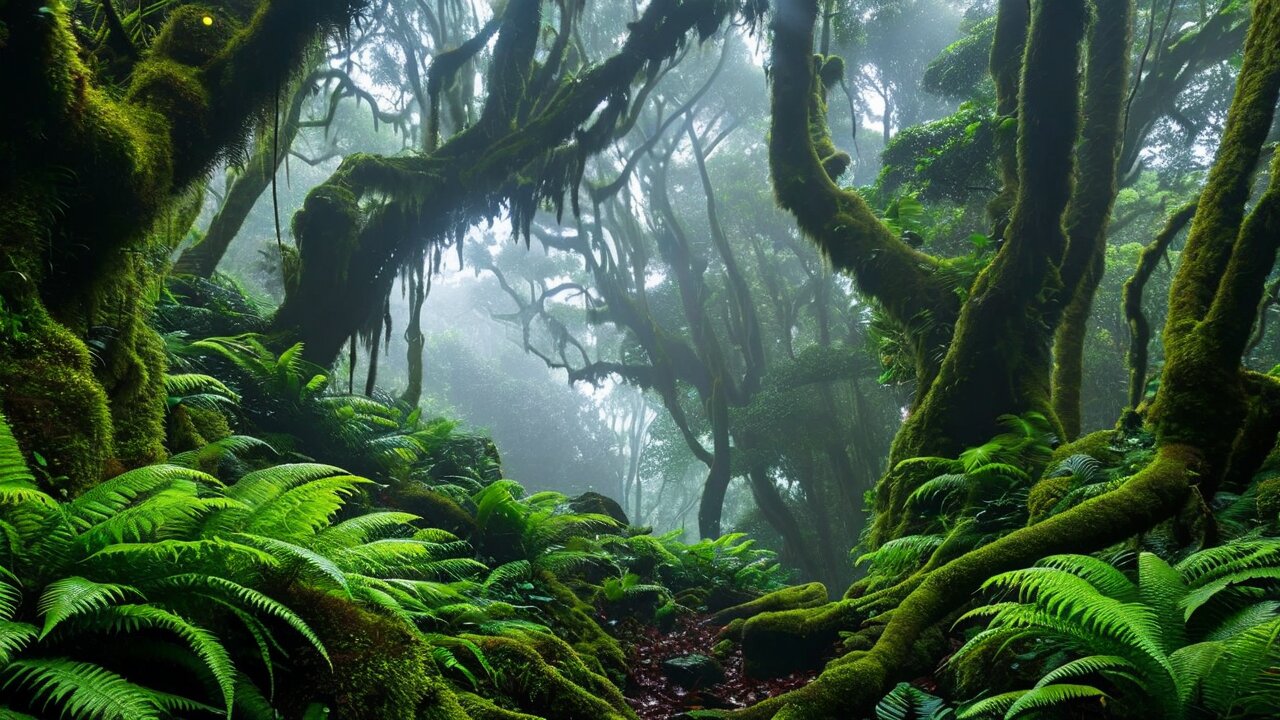
The Laurisilva of Madeira (inscribed 1999) is the world’s largest remaining area of primary laurel forest — 15,000 hectares of ancient woodland in the island’s northwest, representing what much of southern Europe looked like 23 million years ago. Endemic birds, 66 endemic plant species, and a hydrological system that makes the levadas possible. The full guide covers the UNESCO site and how to hike through it.
🌡️ Climate & Best Time
Madeira’s great practical advantage is its year-round mild climate — the lack of a bad season is genuine, not marketing. The Laurisilva forests and the levadas are accessible and at their most atmospheric in winter when the waterfalls are at full volume. The flowers are most spectacular in February–April. The summer months (July–September) are the driest and warmest but can feel crowded in Funchal.
✈️ Getting There from the US
No direct flights from the United States to Funchal (FNC — Cristiano Ronaldo International Airport, also known as Francisco Sá Carneiro Airport). All US travelers connect through a European hub. TAP Air Portugal via Lisbon is the most straightforward option: TAP flies from JFK, EWR, BOS, MIA, IAD, SFO, and LAX to Lisbon, with onward connections to Funchal (1h40min). The Lisbon–Funchal route has multiple daily flights. Total journey time from New York: 9–11 hours. British Airways, easyJet, or TUI via London Gatwick: good for East Coast travelers who can connect easily in London. Lufthansa via Frankfurt or Iberia via Madrid are alternatives offering broad US connections.
⚠️ ETIAS — European Travel Information and Authorisation System: US citizens now require ETIAS pre-authorization before entering any Schengen country including Portugal/Madeira. Application is online (travel-europe.europa.eu), costs approximately €7, and is valid for 3 years/multiple entries. Apply at least 72 hours before departure.
📋 Practical Information
Americans enter visa-free for 90 days (Schengen). ETIAS required — apply online before departure (~€7, valid 3 years). Passport must have 6+ months validity. For stays beyond 90 days, contact Portuguese immigration (SEF/AIMA). Madeira applies the same rules as mainland Portugal.
Currency: Euro (EUR). ATMs widely available in Funchal; less so in rural areas (carry cash outside the city). Credit cards accepted everywhere in tourist areas. No currency exchange needed if arriving with USD — just use ATMs. Tipping: 10% is appreciated in restaurants but not mandatory.
Excellent mobile coverage (NOS, Vodafone, MEO). EU roaming rules apply for European SIMs — US carriers charge international rates; buy a local SIM at the airport for about €15 (20GB+). Wi-Fi in all hotels. Power: 230V, Type F (European Schuko) — bring adapter for US plugs.
Rent a car — essential for exploring beyond Funchal. Roads are good but mountain roads are narrow and winding (and occasionally alarming). Buses (SAM/HORARIOS do Funchal) connect main towns but are slow. Taxis reasonable; rideshare apps (Bolt) available in Funchal. Cable cars from Funchal to Monte and from Monte to Jardim Botânico.
No vaccinations required. Tap water safe to drink. Madeira is extremely safe — one of the lowest crime rates in Europe. State Dept Level 1 (Normal Precautions). Healthcare: Hospital Dr. Nélio Mendonça in Funchal (public, good standard). EU healthcare card or travel insurance recommended. Hiking: levada paths can be narrow with significant drops — wear appropriate footwear; do not underestimate exposed sections.
Honorary US Consul in Funchal: +351 291 235 555. The US Embassy in Lisbon covers Madeira: Av. das Forças Armadas, Lisbon — +351 21 727-3300. Register at step.state.gov before departure.
🏷️ Name & Identity
“Madeira” is simply the Portuguese word for wood — a reference to the dense forests that covered the island when the Portuguese arrived and immediately began cutting down. The irony is complete: the island was named for its greatest natural treasure, which its discoverers spent the next century destroying. What remains of the ancient Laurisilva in the island’s northwest is the UNESCO World Heritage remnant of what once covered the whole island.
💰 Costs
Madeira is generally affordable by Western European standards and significantly cheaper than comparable Atlantic island destinations (Azores, Canaries). Funchal’s restaurant and accommodation scene is excellent value relative to quality.
🏠 Accommodation
Funchal has the full spectrum: the landmark Reid’s Palace (five-star, Belmond, 1891, with terraced gardens and Winston Churchill’s favorite corner suite) represents old-school Atlantic luxury. The Bless Hotel Madeira (five-star, contemporary design, cliff-top pool) is the modern alternative. For mid-range with character, the Quinta da Casa Branca (a quinta — estate house — converted to boutique hotel with extraordinary tropical garden) is the best value in its category. Budget travelers are well served by a growing number of guesthouses and apartments in Funchal’s old town.
Outside Funchal: Choupana Hills Resort (eco-design, north-facing valley, extraordinary views) and Estalagem da Ponta do Sol (cliff-edge boutique hotel, Atlantic views, best location on the island). For levada hikers, staying in São Vicente or near Rabaçal gives direct morning access to the northwest trails before day-trip coaches arrive from Funchal.
🎭 Festivals & Events
Flower Festival (May): Funchal’s most spectacular event — the city streets are carpeted in flowers; the traditional “Wall of Hope” is built by children placing flowers as an offering; elaborate floats parade through the city. One of the most photographed festivals in Portugal. New Year’s Eve: Funchal’s fireworks display from the hillside hotels over the bay is listed in the Guinness World Records as one of the world’s largest — the terraced hillside effectively becomes a natural amphitheater. Hotels book up 6–12 months ahead. Wine Festival (September): The grape harvest festival in Estreito de Câmara de Lobos — one of the main wine-producing villages — includes traditional treading demonstrations and tastings. Atlantic Festival (June): International fireworks competition with nightly displays over the bay.
💼 Business & Economy
Madeira’s economy runs on tourism and Madeira wine — but the island’s International Business Centre (IBC), offering a 5% corporate tax rate versus 21% on the Portuguese mainland, has attracted significant holding company activity from across the EU. How the tax regime works, company formation, and the wine industry’s economic structure are all covered in the full business guide.
🎠 Packing Tips
- Waterproof jacket and quick-dry layers: The north coast and mountain interior can be wet even in summer. A packable waterproof shell is essential for levada hiking.
- Hiking shoes/boots: Levada paths can be slippery with leaf litter and moss. Trail runners are minimum; ankle support recommended for exposed sections.
- Headlamp (torch): Some levada routes pass through unlit tunnels up to 800m long. Mandatory for Caldeirão Verde, recommended elsewhere.
- Sun protection: Funchal’s south coast sun is intense; UV at altitude on the ridge walks is extreme. SPF 50+, hat, UV sunglasses.
- European Type F adapter: Same as mainland Portugal and most of continental Europe.
- Euros in cash: Rural restaurants, village stalls, and small levada-access car parks are often cash-only.
- ETIAS confirmation: Apply online before departure; print or save confirmation on your phone.
- Swimsuit + towel: Porto Moniz lava pools and Porto Santo beach both reward a planned swim.
- A wine journal: You will taste 10–15 Madeira wines and want to remember what you preferred.
🌐 Useful Resources
- US Honorary Consul Funchal: +351 291 235 555
- US Embassy Lisbon: pt.usembassy.gov — +351 21 727-3300
- STEP enrollment: step.state.gov
- Visit Madeira (tourism board): visitmadeira.com
- ETIAS application: travel-europe.europa.eu
- Levada trails & permits (WalkMe): walkme.visitmadeira.com
- Blandy’s Wine Lodge: blandyswinelodge.com
📚 Recommended Reading
The Wine of Madeira — Noel Cossart (1984, reissued 2020): The definitive reference on Madeira wine — history, production, the great vintages, and the personalities who shaped the island’s most famous product. Indispensable for serious wine travelers.
Madeira: The Mid-Atlantic Wine — Alex Liddell (2014): The best modern account of Madeira wine, more accessible than Cossart, with excellent coverage of contemporary producers and the revival of the fine wine market.
Madeira on Foot — Paddy Dillon (regularly updated, Cicerone Press): The standard hiking guidebook, covering all the main levada routes with maps, timing, and difficulty grades. Essential if you plan serious hiking.
🎥 Videos
Search YouTube for: “Madeira levada hiking 4K” (the Caldeirão Verde and 25 Fontes levadas are best documented on video — the tunnel sections are extraordinary); “Blandy’s Madeira wine tasting” for the best introduction to the wine; “Pico Areeiro to Pico Ruivo walk” (multiple first-person ridge walk videos); “Cabo Girão glass floor” for the vertigo-inducing viewpoint; “Funchal New Year fireworks” for the Guinness-record display.
🔬 Fascinating Facts
- Madeira wine was served at the signing of the Declaration of Independence — George Washington and Thomas Jefferson were both enthusiasts. The Founding Fathers’ Madeira obsession was so strong that the wine features in multiple accounts of the revolutionary period.
- The braguinha — a small four-string instrument taken to Hawaii by Madeiran sugar workers in the 1870s — became the ukulele. Every time someone plays a ukulele, they are playing a Madeiran instrument.
- Funchal’s New Year’s Eve fireworks display holds a Guinness World Record as the world’s largest, with multiple synchronized launch sites on the surrounding hillsides creating a 360° effect over the bay.
- Madeira wine from the 18th century is still commercially traded and actively drunk. An 1802 Barbeito was recently auctioned for over €10,000 per bottle. No other wine has this shelf life.
- Cabo Girão at 589 meters is the third-highest sea cliff in the world, after those in the Faroe Islands (749m) and Norway. The vineyards on its lower face — accessible only by boat or cable car — produce some of Europe’s most expensive grapes per kilogram to harvest.
- Cristiano Ronaldo was born on February 5, 1985 in Funchal’s Santo António neighborhood. The Funchal airport was renamed Cristiano Ronaldo International Airport in 2016; the bust of him at the terminal entrance is one of the most photographed (and most critiqued) airport sculptures in aviation history.
⭐ Notable People
João Gonçalves Zarco (c. 1390–1471): The Portuguese explorer who led the expedition that “discovered” Madeira in 1419–1420, becoming the island’s first captain-general. His bronze statue stands in the center of Funchal.
Christopher Columbus (1451–1506): Lived in Porto Santo in the 1470s–80s while working as a sugar merchant for a Genoese trading house. His house-museum on Porto Santo is one of the island’s main historical attractions.
Cristiano Ronaldo (b. 1985): Born in Funchal’s Santo António district, the most decorated footballer in history began kicking a ball in the streets of Madeira before joining Sporting CP Lisbon at age 12. The Museu CR7 in Funchal is dedicated to his career and is consistently the city’s most-visited cultural attraction.
Philippa of Lancaster (1360–1415): English princess who married João I of Portugal and became mother of Henry the Navigator — the royal patron who sent Zarco to discover Madeira. Without Philippa, no Madeira.
⚽️ Sports
Football: Madeira is Cristiano Ronaldo’s island and football here is intense personal. Clube Desportivo Nacional and Marítimo are the island’s two main football clubs, competing in the Primeira Liga. Local derbies between them are the most charged sporting events in the archipelago. Levada racing: The Madeira Island Ultra-Trail (MIUT) — an ultra-marathon using levada paths and mountain trails — draws international competitors each April. Sailing: Funchal Bay’s natural shelter makes it a major Atlantic sailing waypoint; the Atlantic Rally for Cruisers (ARC) passes through annually. Surfing & diving: North coast breaks attract experienced surfers; the Garajau Marine Reserve offers protected diving.
📰 Media & Press Freedom
Madeira’s media is subject to Portuguese press freedom laws — Portugal ranks consistently in the top 10 of the RSF Press Freedom Index (10th in 2025). Local media: Jornal da Madeira (main daily newspaper), Diário de Notícias da Madeira, and RTP Madeira (regional public broadcaster). The regional government of Madeira has historically been governed by the Social Democratic Party (PSD) since 1976 — an unusual political continuity that has occasionally been criticized for creating dependencies between media outlets and the regional government. The 2024 political crisis (snap elections after regional government scandals) attracted significant mainland Portuguese and international media attention.
📷 Photo Gallery
2,500km of hiking paths
UNESCO World Heritage
The terraced capital
1,862m, above the clouds
Third-highest sea cliff
70,000m² tropical garden
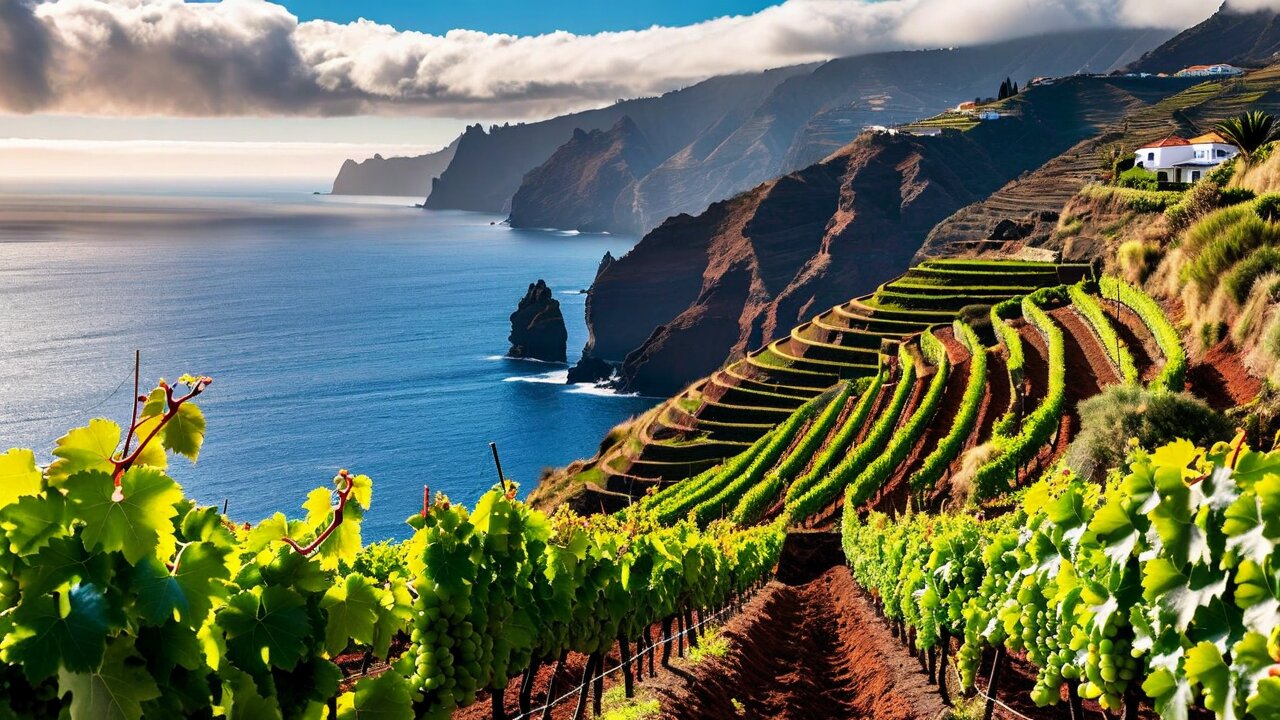
Wines since the 17th century
Natural lava pools
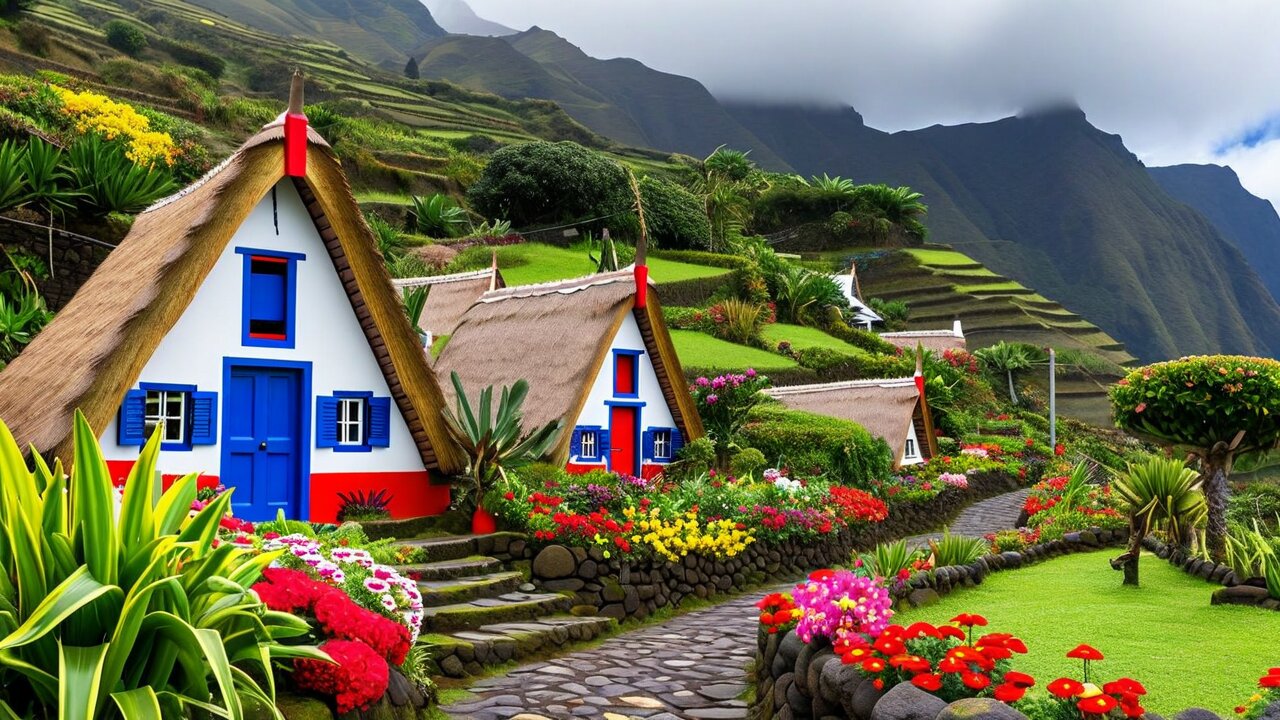
Traditional palheiro houses
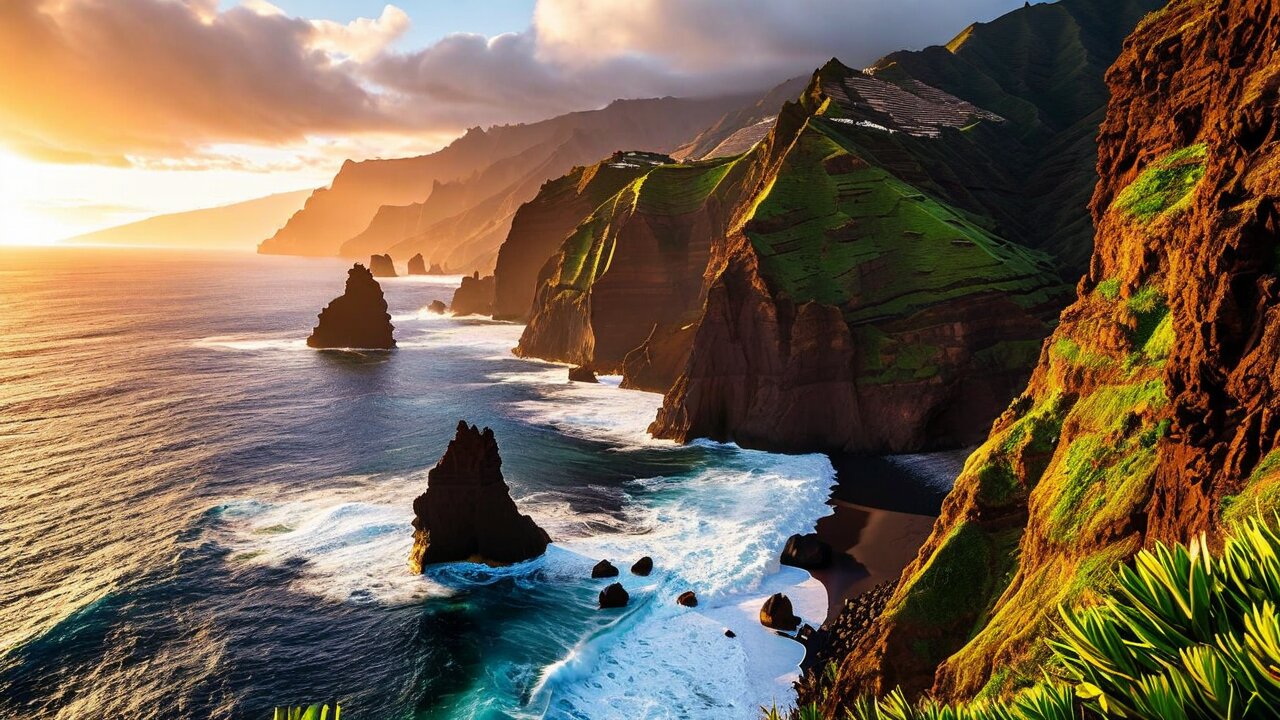
Volcanic drama
✍️ Author’s Note
I went to Madeira expecting a pleasant European island. I came back understanding why people return every year for decades. The levadas do something to your sense of what “hiking” means — walking level, on water, through a landscape that is quietly astonishing, with no car access and no particular destination except the waterfall at the end. The Caldeirão Verde: the path narrows to a ledge above a valley that drops 600 meters, you walk through four unlit tunnels, and emerge into a cirque where four waterfalls fall from the cliff and meet at a pool so still it holds a perfect reflection of the rock above. No crowds. Just the water and the forest and the particular silence of very old trees.
Drink the Verdelho. It is one of the world’s great wines, and almost nobody outside Madeira knows it.
