⚡ Malawi — The Warm Heart of Africa at a Glance
🌟 Overview
Malawi calls itself the Warm Heart of Africa, and this is not marketing copy — it is a description of a specific, felt quality of human contact that travelers consistently report and struggle to account for. The people of Malawi are genuinely, unaffectedly friendly in a way that stands out even in a continent not short on hospitality. Children wave from roadsides not for tips but because they want to. Market vendors explain things patiently in English. Strangers invite you to share a meal. After a few days in Malawi, you begin to understand why travelers who were “just passing through” end up staying for weeks.
The country itself — landlocked in southeastern Africa, one of the poorest nations on Earth — offers an unlikely combination of extraordinary experiences. Lake Malawi fills the Great Rift Valley for 365 miles (a “calendar lake” as early missionaries called it) and contains more fish species than any other lake on Earth, most of them found nowhere else — the colorful cichlids that stock aquariums worldwide all come from here. The lake’s crystal-clear freshwater is safe to snorkel in, sail on, and kayak across. Liwonde National Park has been transformed by African Parks into one of the continent’s great conservation success stories, with elephants, hippos, and recently reintroduced rhinos and lions. The Nyika Plateau in the north — the highest plateau in Central Africa — is a rolling highland world of grassland, zebra, rare orchids, and almost no other tourists.
For American travelers, Malawi is a budget-friendly, low-hassle destination that delivers genuine African wildlife, extraordinary lake scenery, and remarkable human warmth in a package significantly cheaper than the more marketed safari destinations of Kenya, Tanzania, or Botswana. It rewards those who find it.
📚 History
The earliest inhabitants of the Lake Malawi region were San (Khoisan) hunter-gatherers, displaced or absorbed by successive waves of Bantu-speaking agricultural migrants from around the 1st century CE. By the 15th century, the Maravi Empire — a confederacy of Bantu-speaking chiefdoms from which Malawi derives its modern name — controlled much of the region around Lake Malawi and the Zambezi River. “Malawi” means “flames” in the Chichewa language — a reference either to the glittering reflection of the rising sun on the lake or to fires seen at night from the lakeshore. Both explanations feel right.
The 19th century brought catastrophe: Arab and Swahili slave traders from the coast, particularly the notorious Jumbe of Nkhotakota and the network of the East African slave trade, raided the lake region intensively. An estimated 80,000 people were enslaved or killed annually at the trade’s peak. When David Livingstone arrived at the lake in 1859 — he named it Lake Nyasa (from the Bantu word for “lake”) and called its waters a “Lake of Stars” for the phosphorescent flashing of fish at night — he was witnessing the devastation of the slave trade firsthand and writing the advocacy that would eventually lead to its suppression.
Britain declared the territory the British Central Africa Protectorate in 1891, renamed it Nyasaland in 1907, and governed it until 1964. The federation with Southern and Northern Rhodesia (1953–1963) was deeply unpopular; Hastings Kamuzu Banda led the independence movement and became Malawi’s first president on July 6, 1964. Banda’s rule — he declared himself President for Life in 1971 — was authoritarian and idiosyncratic: women were required to wear skirts below the knee; men could not have hair below the collar; virtually all dissent was suppressed. He ruled for 30 years until multi-party elections in 1994 ended his presidency. Malawi has been a functioning multi-party democracy since, a relative rarity in the region.
🗺️ Geography
Malawi is a small, narrow, landlocked country in southeastern Africa — 900 kilometers north to south, but rarely more than 160 kilometers wide. It is dominated by the Great Rift Valley, which runs the entire length of the country and is filled, in its central and southern sections, by Lake Malawi. The lake covers approximately 20% of the country’s total area — making it unusual among landlocked nations in having extensive “coastline.”
The terrain rises from the lake’s shore to a series of highland areas: the Nyika Plateau in the north (averaging 2,200–2,600m), the Viphya Plateau in the center, and the Zomba and Thyolo plateaus in the south. In the far south, the Mulanje Massif rises dramatically from the surrounding plains to 3,002m at Sapitwa Peak — the highest point in Central Africa south of Kilimanjaro. The Shire River drains Lake Malawi southward through the Shire Valley (the hottest, lowest part of the country) to the Zambezi.
🗺️ Map
👥 People & Culture
Malawi’s 20 million people belong to a dozen major ethnic groups, the largest being the Chewa (also called Maravi), who dominate the central region and whose language, Chichewa, is the national language alongside English. The Tumbuka people of the north, the Yao of the south (historically associated with Islam and the slave trade), the Lomwe and Sena — each group has distinct traditions in music, dance, and craft. Christianity is the majority religion (over 80%), with Islam strongest in the south and along the lake where Arab traders historically settled.
The Gule Wamkulu — a secret masked society dance of the Chewa people — is one of the most significant cultural traditions in Central Africa, inscribed on UNESCO’s Intangible Cultural Heritage list in 2008. The masked dancers (nyau) perform at funerals, initiations, and harvest festivals, embodying ancestors and animal spirits through elaborate carved masks and costumes. The society is open only to initiated men; women and outsiders watch but do not participate in the inner rituals. Gule Wamkulu performances are one of Malawi’s most genuine cultural experiences for visitors — ask at your lodge about scheduled ceremonies in the area.
🌊 Lake Malawi — The Lake of Stars
Lake Malawi is the third-largest lake in Africa (after Victoria and Tanganyika), covering 29,600 km² — approximately the size of Belgium. It stretches 560 kilometers from north to south and reaches depths of 700 meters. David Livingstone, arriving in 1859, called it a “Lake of Stars” — the name stuck, and it perfectly captures both the phosphorescent flash of fish at night and the quality of light on the water at dawn and dusk.
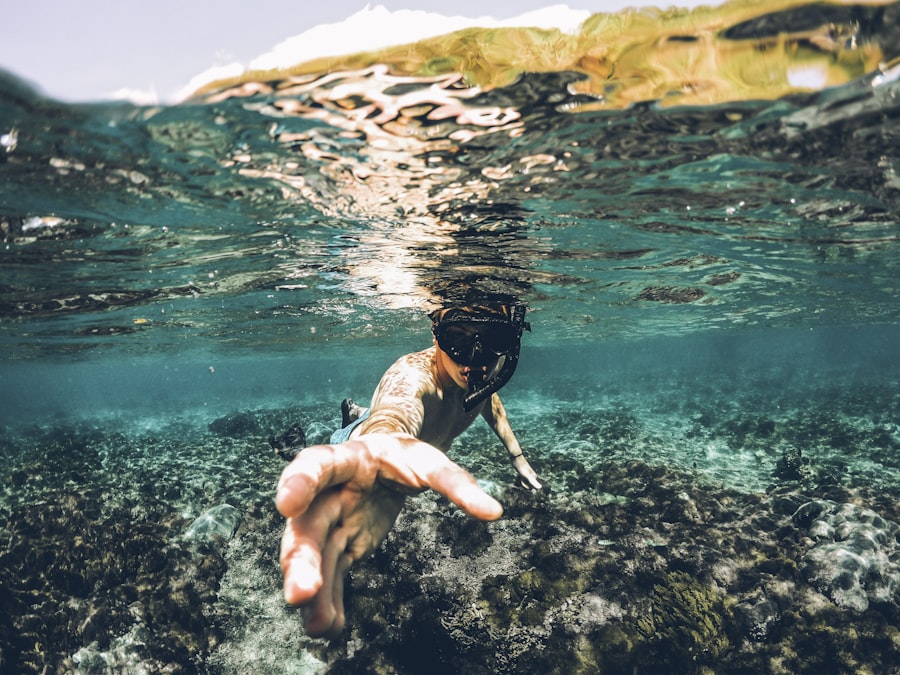
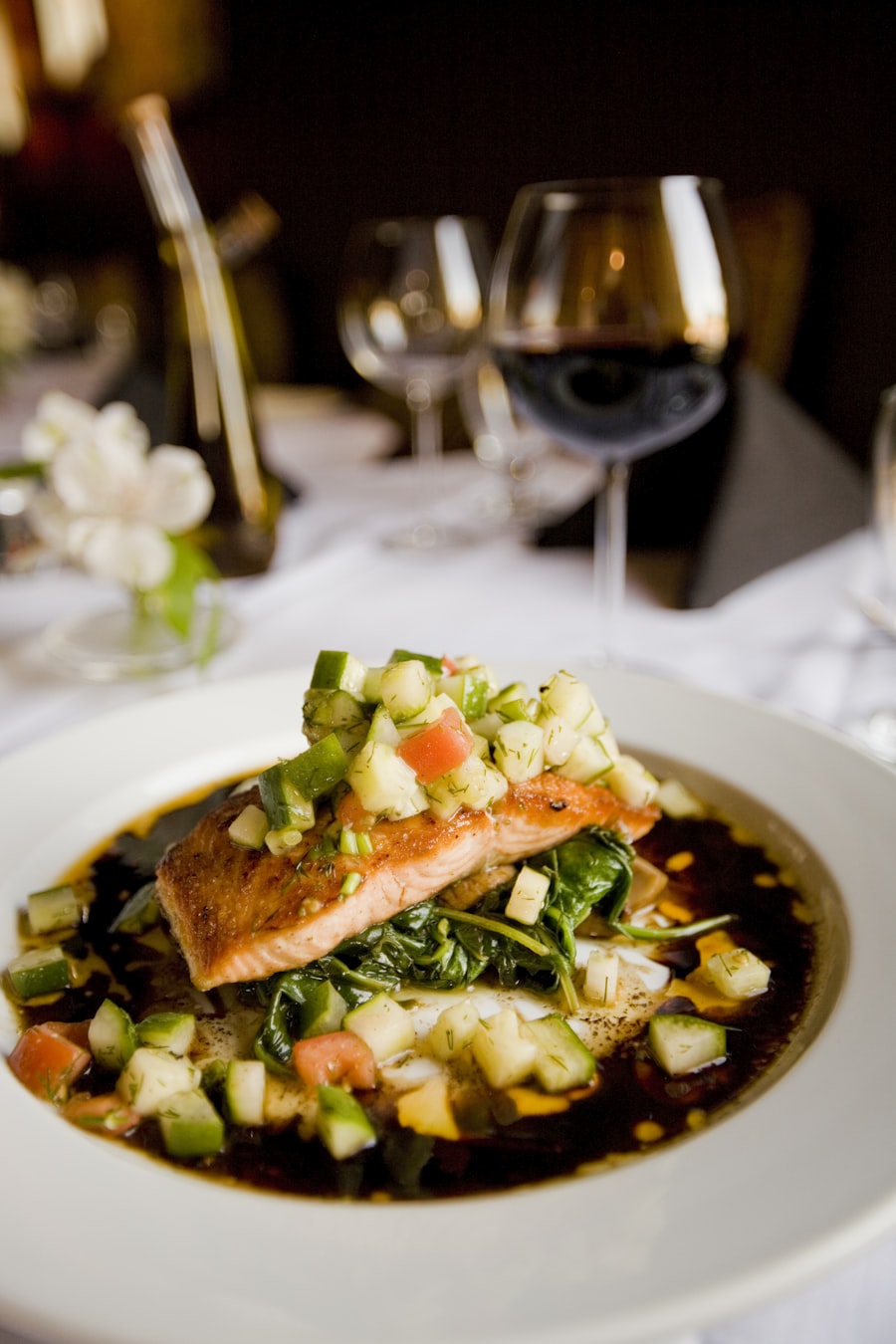
The lake’s most extraordinary characteristic is its biodiversity. Lake Malawi contains an estimated 800–1,000 fish species — more than the entire Atlantic Ocean, and more than any other lake on Earth. The vast majority are cichlids — colorful freshwater fish that have undergone explosive speciation in the lake’s isolated waters over the past million years. The cichlids that stock tropical fish tanks in living rooms from New Jersey to Tokyo originated here. Snorkeling in Lake Malawi’s clear water is one of the world’s most unusual wildlife experiences: freshwater fish in colors that belong in coral reefs, approaching within arms’ reach, curious rather than fearful.
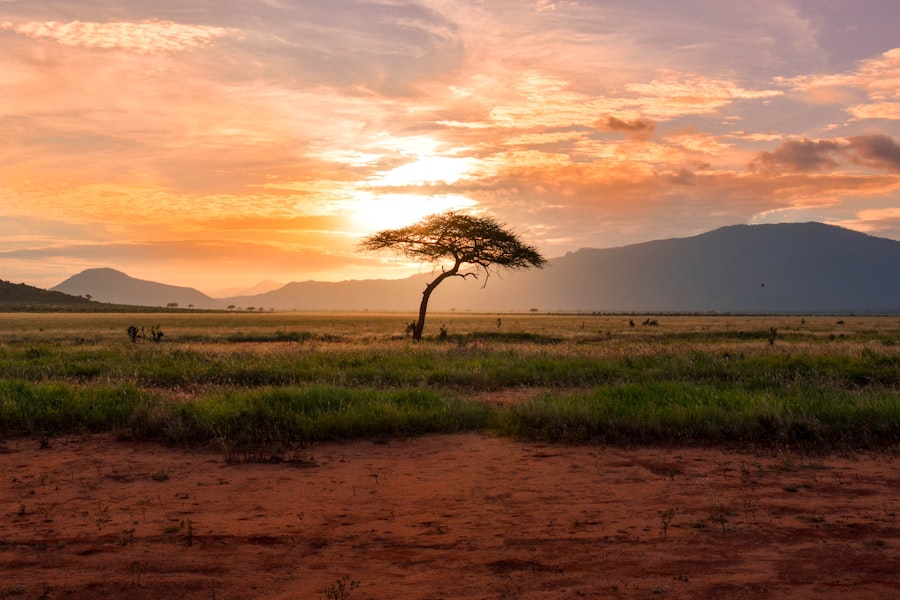
Lake Malawi — The Lake of Stars
560km long, 700m deep, containing more fish species than the Atlantic Ocean. The cichlids that fill the world’s aquarium tanks come from here. Snorkeling in freshwater with fish in coral colors is one of Africa’s great wildlife experiences.
🏖️ Cape Maclear — The Backpacker Heartland
Cape Maclear (officially Chembe Village) is Malawi’s most famous lakeside destination — a small fishing village on a peninsula jutting into the southern end of the lake, surrounded by the UNESCO Lake Malawi National Park. The combination of the UNESCO-protected bay, the clarity of the water (visibility to 20 meters in good conditions), the easy snorkeling with cichlids, the kayaking, the sailing dhow trips to nearby islands, and a laid-back backpacker scene has made Cape Maclear one of East Africa’s classic destinations since the 1990s.
The village itself is genuinely Malawian — fishing boats return in the morning with their catch, women gut fish on the beach, children swim. The tourist infrastructure (guesthouses, restaurants, boat operators) coexists with this without overwhelming it. Mumbo Island Camp — accessible only by boat from Cape Maclear — is one of the finest eco-camps in Africa: tented accommodation on a rock island in the lake, no electricity, exceptional snorkeling from the shore. Kayaking between the granite islands of the national park, picnicking on deserted beaches, watching the sun set over the water from a dhow — this is what Cape Maclear does.
Cape Maclear — UNESCO Lake Malawi National Park
The most beloved backpacker destination on the lake. The bay is protected within the UNESCO national park; snorkeling clarity reaches 20 meters. Mumbo Island Camp offshore is one of Africa’s finest eco-camps.
🦔 Liwonde National Park — African Parks’ Masterpiece
Liwonde National Park, on the Shire River in southern Malawi, has undergone one of Africa’s most dramatic conservation turnarounds. Twenty years ago it was severely poached — most large mammals had been killed for bushmeat or ivory. In 2015, the Malawi government transferred management to African Parks (the conservation nonprofit that has transformed parks across sub-Saharan Africa). The result has been extraordinary: elephant population more than doubled, hippos thriving in the river, crocodiles from bank to bank, sable antelope in the floodplain, black rhinos reintroduced in 2022, and lions returned in 2022 — the first in Malawi in over 20 years.
The Shire River boat safaris are Liwonde’s signature experience: drifting at water level past hippos yawning a meter from the boat, crocodiles sliding off banks, fish eagles diving, African skimmers cutting the water at speed. It is one of Africa’s finest river safari experiences at a fraction of the cost of the Chobe or Mana Pools. On land, the flat, mopane-woodland terrain is excellent for walking safaris — Liwonde is one of the best national parks in Africa for guided on-foot wildlife encounters. The lodges: Kuthengo Camp (African Parks-operated, mid-range), Mvuu Lodge (higher end, river access).
Liwonde National Park — African Parks Transformation
From poached-out wasteland to thriving ecosystem in a decade. Boat safaris past hippos on the Shire River, black rhinos reintroduced in 2022, lions returned for the first time in 20 years. One of Africa’s great conservation comeback stories.
⛰️ Nyika National Park — The Highland World
Nyika Plateau National Park in northern Malawi is one of the least-visited and most extraordinary parks in Africa. The plateau averages 2,200–2,600 meters elevation — making it the highest plateau in Central Africa — and its ecology is unlike anything else in the region: rolling grassland, roan antelope in the largest concentration in Africa, zebras visible from the road, leopards hunting the plateau edges, and an orchid diversity of over 200 species that makes it one of Central Africa’s most important botanical sites.
The human reality of Nyika is equally striking: in the dry season, you can drive for an hour across the plateau without seeing another vehicle. No crowds, no tour convoys, no other safari vehicles at the same sighting. The sense of having the African wilderness entirely to yourself — increasingly rare on the continent — is strong here. The park’s main camp, Chelinda (managed by African Parks), offers chalets and camping at very reasonable rates. Mountain biking and horseback riding across the plateau are uniquely available activities not found at most African parks.
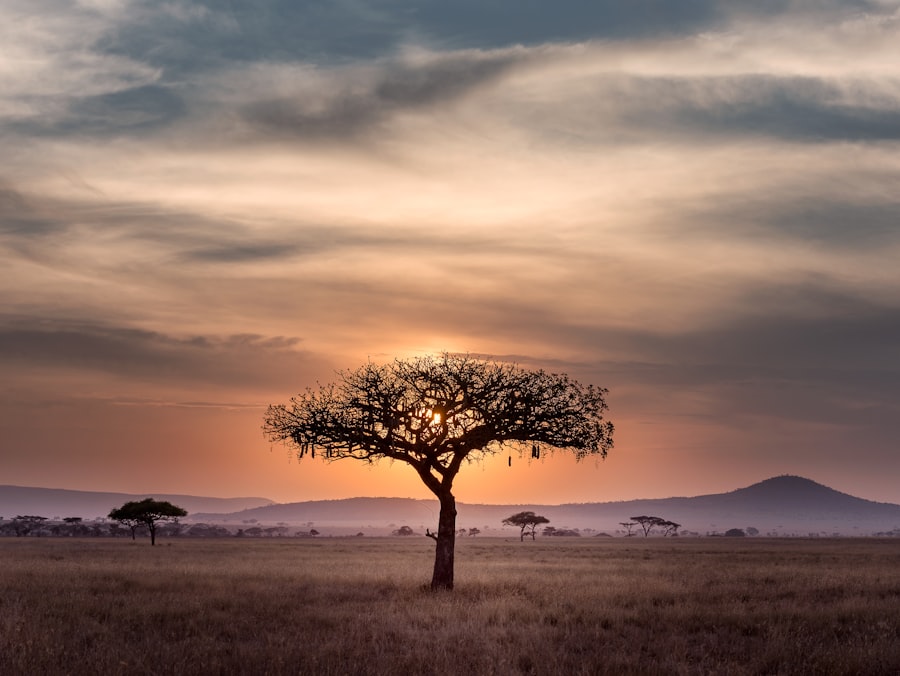
Nyika Plateau — The Roof of Central Africa
Rolling grassland at 2,200–2,600m, the highest plateau in Central Africa. Roan antelope in their largest African concentration, zebra, leopard, 200+ orchid species, and — in the dry season — no other tourists.
🌻 Majete Wildlife Reserve
Majete Wildlife Reserve in the Shire Valley was completely poached out by the early 2000s — not a single large mammal remained. African Parks took over management in 2003 and embarked on a wholesale restocking: 2,500 animals of 12 species introduced, including elephants, buffalo, hippos, eland, and in 2012, the first rhinos ever recorded in Malawi. Majete became the first park in Malawi — and one of the few in Africa — to have all members of the Big Five simultaneously present. The speed of the recovery is a conservation miracle.
🏒️ Zomba & Blantyre
Zomba was Malawi’s capital until Lilongwe took over in 1975 and retains a faded colonial grandeur — broad avenues, the old Government House, and above the town the Zomba Plateau (1,800m), accessible by a dramatic winding road, offering mountain walks, trout fishing, and spectacular views from the plateau rim over the southern lowlands. The former headquarters of the British administration, the State House, and various 19th-century British colonial buildings make Zomba one of the most architecturally coherent small cities in southern Africa. Blantyre — Malawi’s commercial capital and largest city — has the St. Michael and All Angels Church (1891, the oldest church building in Central Africa, built by a single Scottish missionary with no formal training in brick-laying who taught himself as he went) and a reasonable restaurant scene anchored by the Mount Soche Hotel.
🍜 Cuisine
Malawian food centers on nsima — the thick maize porridge that is the daily staple for 90% of the population — served with chambo (Lake Malawi’s prized cichlid fish), matemba (dried usipa fish), goat stew, or ndiwo (relish). The full guide covers every dish, the best restaurants in Lilongwe and Blantyre, and where to eat genuinely Malawian food.
🍺 Drinks
Malawi has no wine industry, but three drinks define the country: Carlsberg Malawi (the local lager, known by the nickname “Kuche Kuche”, meaning “sharing” in Chichewa), Chibuku (fermented sorghum beer in a cardboard carton, drunk communally from the container), and increasingly, Malawi Gin — an artisan spirit distilled with locally foraged botanicals including baobab fruit. The full guide covers all three.
🏛️ UNESCO
The Lake Malawi National Park (Cape Maclear, inscribed 1984) was one of the world’s first freshwater lake national parks to receive UNESCO recognition — acknowledged for its extraordinary cichlid fish diversity: more fish species than the entire Atlantic Ocean, concentrated in one lake. The full guide covers the site, the cichlid evolution story, and how to visit.
🌡️ Climate & Best Time
Malawi has a tropical climate moderated by altitude. Two seasons dominate: the dry season (May–October) — cooler, clear skies, excellent game viewing (animals concentrate at water sources), the best time to visit all parks; and the wet season (November–April) — warm, lush, green, with afternoon thunderstorms, some roads impassable, and malaria risk highest.
✈️ Getting There from the US
No direct flights from the United States to Malawi. Lilongwe Kamuzu International Airport (LLW) is the main international gateway; Blantyre Chileka (BLZ) has fewer international connections. Best routing options:
- Kenya Airways via Nairobi (NBO): Most convenient for US East Coast travelers. Connect at Nairobi from any major US carrier serving NBO (Delta, United); Kenya Airways flies NBO–LLW multiple times weekly.
- Ethiopian Airlines via Addis Ababa (ADD): Good West Coast option. Ethiopian flies ADD–LLW several times weekly.
- South African Airways / Airlink via Johannesburg (JNB): Connect from JNB (served from multiple US cities via SA, Delta codeshare); Airlink flies JNB–LLW daily.
- Qatar Airways via Doha (DOH): DOH–LLW service. Connect from US Qatar gateways (JFK, LAX, ORD, MIA).
- Emirates via Dubai (DXB): DXB–LLW. Good for travelers who can connect via Dubai.
Total journey time from US East Coast: 20–26 hours. Round-trip economy fares: $1,400–$2,800 depending on routing and season.
📋 Practical Information
Americans require an e-Visa for Malawi — apply online at evisa.gov.mw at least 2 weeks before travel. Single-entry 30 days approximately $75; 90-day multiple-entry also available. Passport must have 6+ months validity and two blank pages. Yellow fever certificate required if arriving from endemic country (not required for US travelers flying direct from the US or standard transit hubs).
Currency: Malawian Kwacha (MWK). 1 USD ≈ 1,730 MWK (2025 — the kwacha has been devaluing steadily; check current rates). ATMs in Lilongwe and Blantyre; scarce elsewhere — carry cash for travel outside major cities. USD cash accepted at lodges and national parks. Credit cards at hotels and larger restaurants only. Change USD at banks or forex bureaux rather than unofficial changers.
Malaria prophylaxis is essential — malaria is present throughout Malawi year-round and is the country’s leading cause of death. Malarone or Doxycycline recommended. Yellow fever vaccination not required for most US travelers but check current requirements. Hepatitis A, Typhoid, Rabies (for wildlife areas) recommended. Bilharzia (schistosomiasis) risk in Lake Malawi — see UNESCO/health section. Bring comprehensive first aid kit; medical facilities outside Lilongwe and Blantyre are minimal.
Malawi is among Africa’s safest countries. US State Dept: Level 1 — Exercise Normal Precautions. Petty crime occurs in cities; standard precautions apply. US Embassy Lilongwe: 16 Jomo Kenyatta Road, Lilongwe. Emergency: +265 (0)1 773 166. Register at step.state.gov before departure.
Airtel Malawi and TNM are the main mobile operators; Airtel has wider coverage. Buy SIM at the airport. Data is affordable: 10GB for approximately $3–$5. Coverage good in cities and main towns; absent in national parks and remote areas. Power: 230V, Type G (British) plugs — bring adapter.
Minibuses (shared transport) are the local way; cheap but crowded and slow. For comfort: hire a car with driver through your lodge or Lilongwe/Blantyre agents. Roads range from good (M1 north–south highway) to rough (national park access roads, dry season manageable). The Ilala ferry (Lake Malawi’s historic passenger boat) makes weekly trips up and down the lake — slow, atmospheric, occasionally unreliable, beloved by adventurous travelers.
🏷️ Name & Identity
“Malawi” comes from the Maravi people, the Bantu-speaking group whose empire dominated the region from the 15th to 18th centuries. In Chichewa, malawi means “flames” or “fire” — believed to refer to either the glinting of the sun on the lake at dawn, or to fires seen at night from the lakeshore. The country was known as Nyasaland under British rule (1907–1964), from the Bantu word nyasa meaning “lake” — the same root that gives Lake Malawi its alternative name, Lake Nyasa, used in Tanzania. Both names are officially correct in different contexts.
💰 Costs
Malawi is one of Africa’s most affordable travel destinations — budget travel is genuinely possible, and mid-range provides excellent value. The main cost is getting there (international flights). National park fees are modest by African standards.
🏠 Accommodation
The accommodation spectrum ranges from basic lakeshore chalets at $15–$30/night to genuinely world-class eco-lodges. Standouts: Mumbo Island Camp (Cape Maclear — by boat only, solar power, exceptional snorkeling, one of Africa’s great eco-camps, ~$250–$350/person including meals and activities); Mvuu Lodge (Liwonde, river access, hippos visible from the deck, ~$200–$300/person); Chelinda Lodge (Nyika Plateau, managed by African Parks, rondavels on the plateau, ~$150–$200/person). In Lilongwe, the Latitude 13° hotel is the most stylish mid-range option; the Crossroads Hotel is reliable at lower cost.
🎭 Festivals & Events
Lake of Stars Festival (September/October): An internationally recognized music festival held on the shores of Lake Malawi — African and international acts, camping on the beach, the lake as backdrop. One of the most beautiful festival settings in Africa. Attracts significant international attendance. Gule Wamkulu ceremonies: Not a fixed calendar event but occurring at funerals, initiations, and harvest ceremonies across the central region — the UNESCO-listed Chewa masked dance. Ask locally about upcoming ceremonies. Independence Day (July 6): Celebrated with parades and events in Lilongwe and Blantyre.
💼 Business
Malawi is one of the world’s poorest countries — GDP per capita approximately $600 — but exports significant quantities of tobacco (historically 70% of export earnings), tea from the Thyolo and Mulanje highlands, coffee, and sugar. The Malawi Stock Exchange (MSE) has been operating since 1994. Company formation, the tobacco economy and its decline, the African Parks conservation model as economic development, and the honest story of foreign investment are covered in the full business guide.
🎠 Packing Tips
- Malaria medication: Start before departure. Non-negotiable for Malawi.
- High-DEET repellent: 30–50%. Essential especially around the lake and in national parks.
- Long sleeves and trousers for evenings: Mosquito protection above sunburn prevention.
- USD cash in small bills: Lodges and parks accept USD; local restaurants and markets take kwacha.
- British Type G adapter: Same plugs as UK.
- Headlamp: Power cuts are common even in cities; essential outside.
- Water purification: Iodine tablets or filter for rural areas; bottled water in cities.
- Sun protection: The central African sun at altitude (Nyika, Zomba) is extreme.
- Binoculars: Essential for birding (Malawi has 650+ species) and game viewing on the plateau.
- First aid kit: Include rehydration salts and anti-diarrheal medication.
🌐 Resources
- US Embassy Lilongwe: mw.usembassy.gov — Emergency: +265 (0)1 773 166
- STEP enrollment: step.state.gov
- Malawi e-Visa: evisa.gov.mw
- African Parks (Liwonde, Nyika, Majete): african-parks.org
- Malawi Tourism: malawitourism.com
- CDC Malawi health: wwwnc.cdc.gov
📚 Reading
Don’t Let’s Go to the Dogs Tonight — Alexandra Fuller (2001): A memoir of growing up in Rhodesia/Zimbabwe and Malawi during the liberation wars. Extraordinary writing, complex portrait of white African life; some of the best pages about Malawi’s landscape and people in any memoir.
The Last Witch Doctor — various sources: David Livingstone’s Missionary Travels and Researches in South Africa (1857) and Narrative of an Expedition to the Zambesi and its Tributaries (1865) — available free online — contain the primary account of Lake Malawi’s “discovery” and the slave trade Livingstone witnessed. Dense Victorian prose but historically indispensable.
Malawi: The Truth About AIDS in Africa — Helen Epstein (2007): Though broader than Malawi, this carefully researched account of the HIV epidemic in eastern and southern Africa gives essential context for understanding the public health reality that still shapes the country.
🎥 Videos
Search YouTube for: “Malawi Lake of Stars documentary” (the festival and lake environment); “Liwonde National Park African Parks” for the conservation transformation story — African Parks’ own YouTube channel has excellent Liwonde content; “Nyika Plateau Malawi” for the rolling highland landscapes; “cichlids Lake Malawi snorkeling” for underwater footage.
🔬 Fascinating Facts
- Lake Malawi contains more fish species than any other lake on Earth — an estimated 800–1,000 species, of which approximately 90% are cichlids found nowhere else in the world.
- Malawi is called the “Calendar Lake” in some old sources: 365 miles long (roughly) and 52 miles wide — one mile for each day of the year and each week.
- The cichlids that stock tropical aquariums worldwide were collected from Lake Malawi from the 1950s onward. At one point, Lake Malawi cichlid export was one of Malawi’s top foreign exchange earners.
- Carlsberg has operated a brewery in Malawi since 1965 — making it one of the oldest Carlsberg operations in Africa. The local lager “Kuche Kuche” (“sharing” in Chichewa) is the country’s most recognizable product outside the country.
- The Gule Wamkulu masked dance of the Chewa people is listed on UNESCO’s Intangible Cultural Heritage list — a living tradition with roots going back at least 400 years, performed at initiations, funerals, and harvest festivals across Malawi, Zambia, and Mozambique.
- Malawi has bilharzia (schistosomiasis) in much of the lake — a parasitic infection transmitted by microscopic flatworms in freshwater. The risk varies by area; Cape Maclear and established tourist areas are considered relatively lower risk, but health authorities advise caution and prompt treatment if exposed.
⭐ Notable People
David Livingstone (1813–1873): The Scottish missionary and explorer who “discovered” Lake Malawi (which he called Lake Nyasa) in 1859 and whose anti-slavery advocacy contributed to the eventual suppression of the East African slave trade. His heart is buried in Zambia; his name is everywhere in Malawi.
Hastings Kamuzu Banda (c. 1898–1997): Malawi’s first president — educated as a physician in Edinburgh and Chicago, returned to lead independence movement, ruled as President for Life for 30 years (1964–1994). His legacy is deeply contradictory: he built hospitals, roads, and schools but ran one of Africa’s most repressive regimes. Was acquitted of political murder charges in 1995.
Mtisunge Chirwa (contemporary): The most internationally prominent Malawian musician — a jazz vocalist who has performed with major international artists and is the most visible contemporary face of Malawian music outside the country.
⚽️ Sports
Football: The dominant sport — the Flames (national team) have qualified for the Africa Cup of Nations (2010, 2021) and are followed intensely. Running: Malawi has produced several competitive marathon runners on the international circuit. Cycling: The mountainous terrain and the Nyika Plateau have attracted mountain biking interest; the Tour de Malawi is an annual road race that uses the same main highways cyclists and cars share. Water sports on Lake Malawi: Kayaking, sailing, and snorkeling are the main recreational sports, with Cape Maclear and Nkhata Bay as the main centers.
📰 Media & Press Freedom
Malawi’s media environment is one of the more open in sub-Saharan Africa. The RSF Press Freedom Index 2025 ranks Malawi 57th of 180 — a position reflecting genuine press freedom relative to the region, underpinned by a reasonably independent judiciary and a tradition of political pluralism since 1994. The main outlets: Nation Publications (daily newspaper, radio, online), Times Group (Blantyre Newspapers), and Malawi Broadcasting Corporation (MBC, state broadcaster). The MBC has historically been criticized for government bias; private radio stations provide more balanced coverage. Online media, particularly Nyasa Times, has become influential.
📷 Photo Gallery
The Lake of Stars
UNESCO national park
African Parks comeback
Roof of Central Africa
Lake Malawi’s prize
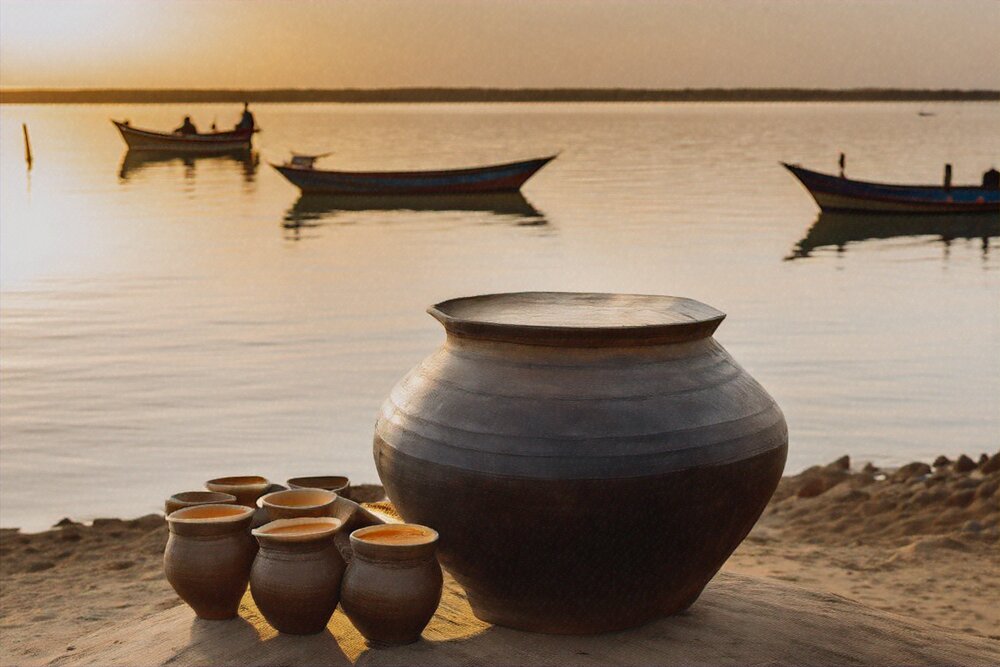
Communal sorghum beer
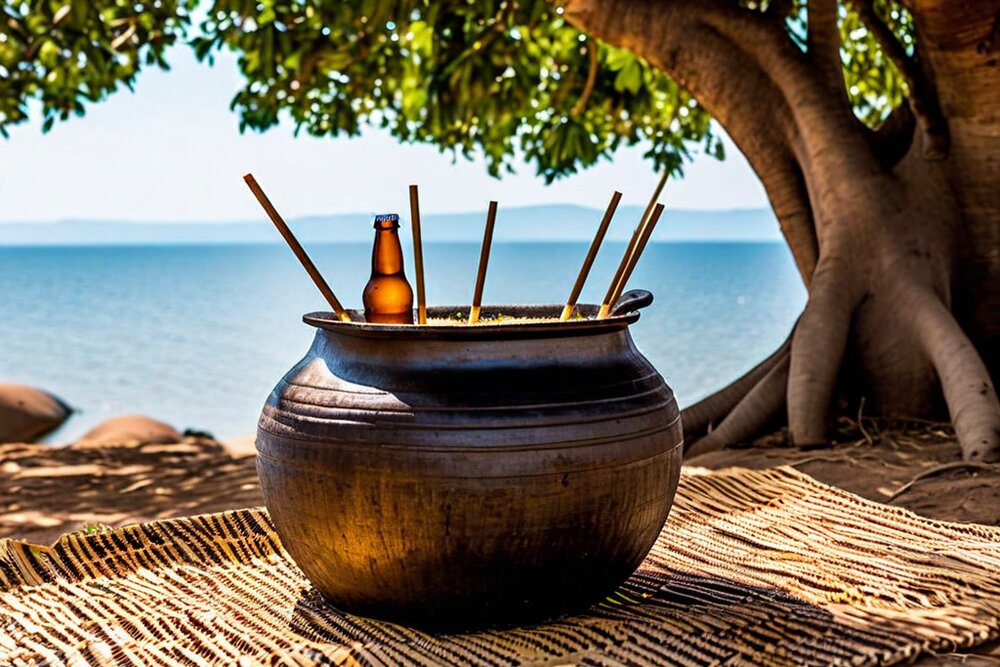
Sharing a cold one
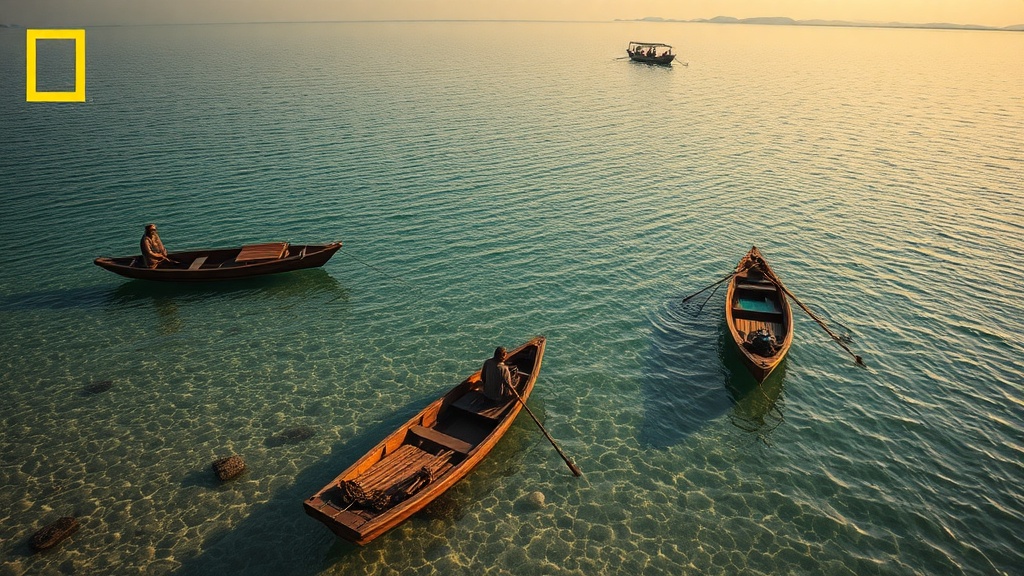
The Warm Heart of Africa
✍️ Author’s Note
I arrived in Malawi already worn down by a stint in cities — Nairobi, Dar es Salaam — and I was not expecting to feel, within 24 hours, the particular quality of ease that this country generates. It is something in the human contact. A man explains the bus schedule, unprompted, because he notices I look uncertain. A woman at a market stall gives me a piece of fruit before I have indicated whether I want to buy. A child runs alongside the road not for money but apparently for the pleasure of seeing something new. This happens in other places; in Malawi it is the default setting.
Snorkel in the Lake of Stars. Eat chambo on the beach at Cape Maclear. Sit in a boat in Liwonde while a hippopotamus considers you from three meters and decides you are not worth the effort. Malawi is a very poor country that makes you feel very rich in the things that matter.
