

🇸🇿 Eswatini at a Glance
🌏 Overview — Why Visit Eswatini
Eswatini is 17,364 km² — roughly the size of Wales, or a third of Slovakia — wedged between South Africa and Mozambique, and it manages to fit four distinct climate zones into a country you can drive across in three hours. It is one of the last absolute monarchies on Earth and the only one in Africa, and it is also, for a traveller, one of the friendliest and most manageable countries on the continent.
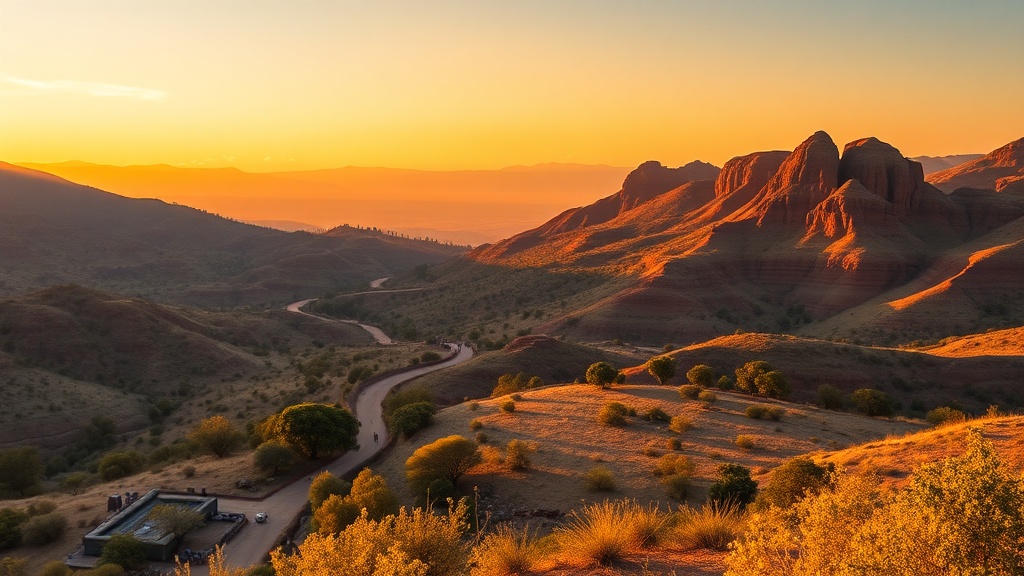
The practical case for going is wildlife without the safari-industrial complex. Mlilwane has no large predators, so you walk, cycle and ride horses among zebra, warthog and antelope with nothing between you and them. Hlane has lion, elephant and white rhino at a fraction of Kruger prices. Mkhaya is one of the best places in Africa to see black rhino on foot. All three are run by the same non-profit trust, and all three are an hour or two from each other.
The cultural case is that Swazi tradition is living rather than performed. The Umhlanga reed dance in August and September and the Incwala kingship ceremony around the December solstice are the real thing, attended by tens of thousands of Swazis for reasons that have nothing to do with tourism. You are welcome at both, within rules that are taken seriously.
The honest counterweight is the politics. King Mswati III has ruled since 1986 with no legally functioning opposition; political parties have been banned from contesting elections since 1973. Protests in 2021 were put down with dozens of deaths. Eswatini also has one of the highest HIV prevalence rates in the world, though its treatment programme is genuinely one of Africa's success stories. None of this makes the country dangerous to visit. All of it is worth knowing before you go.
🏷️ Name & Identity
On 19 April 2018, on his fiftieth birthday and the fiftieth anniversary of independence, King Mswati III announced that Swaziland would henceforth be the Kingdom of Eswatini — Umbuso weSwatini, "land of the Swazis". The stated reason was that "Swaziland" was a colonial hybrid and that people abroad kept confusing it with Switzerland.
The name itself
eSwatini is simply what Swazis have always called the country in siSwati. The change formalised domestic usage rather than inventing anything, which is why it was accepted quickly at home.
The people and language
The people are Swazis (emaSwati); the language is siSwati. "Eswatini" is the country, not the adjective.
Ngwane
An older name still in use — after Ngwane III, generally counted the first king of the modern Swazi nation, in the mid-eighteenth century. The national football team are Sihlangu Semnikati; the country is often kaNgwane in song.
Two capitals
Mbabane is the administrative capital and the largest town; Lobamba, 18 km away in the Ezulwini valley, is the legislative and royal capital, seat of parliament and of the Queen Mother.
The dual monarchy
The Ngwenyama ("Lion", the King) rules with the Ndlovukati ("She-Elephant", the Queen Mother). In principle the two balance each other; in practice the balance has shifted decisively to the King.
The flag
A Nguni shield and two spears over blue, yellow and crimson — peace, resources, and past battles. It is one of very few national flags depicting a weapon, and the shield's black and white are said to stand for the races living together.
🗺️ Geography & the Four Regions
Eswatini is a staircase running east. It drops from the highveld at 1,000–1,800 m through the middleveld and lowveld to the Lubombo escarpment on the Mozambican border, and each step is a different climate, different vegetation and different farming. That vertical range in a country 200 km long is what makes it interesting.
Highveld · west
1,000–1,800 m, cool and wet, with granite hills, pine and eucalyptus plantations and the country's highest point, Emlembe at 1,862 m. Mbabane, Piggs Peak and Malolotja are here. It can be genuinely cold and misty.
Middleveld · centre
400–800 m, warmer and the most densely populated belt. Manzini, the Ezulwini valley and most of the farming. This is where most Swazis live.
Lowveld · east
150–400 m, hot, dry bushveld, irrigated sugar cane, and the big game reserves — Hlane, Mkhaya and Mlawula. Summer here is punishing.
Lubombo · far east
A 600 m basalt escarpment running the length of the Mozambican border, with a distinct dry flora and the country's most remote corners.
Rivers
The Great Usutu (Lusutfu) is the largest, cutting through the Lubombo to reach the Indian Ocean in Mozambique. The Komati and Mbuluzi also cross the country westward to eastward.
Landlocked, nearly
Eswatini is surrounded by South Africa on three sides and Mozambique on the fourth, and the Mozambican coast at Maputo is only about 200 km from Manzini — closer than most South African cities.
📍 Map of Eswatini
Everything is within a couple of hours. Mbabane to Manzini is 35 km; Mbabane to Hlane about 130 km; the whole country is 200 km north to south and 130 km east to west. The main road, the MR3, runs from the South African border at Ngwenya through Mbabane and Manzini to the lowveld.
Mbabane → Ezulwini → Lobamba
10–18 km down the valley from the capital. Craft markets, the cultural village, the National Museum and most of the country's hotels are strung along this road.
Mbabane → Mlilwane
About 25 km, half an hour. The easiest reserve to reach and the one to start with.
Mbabane → Hlane
About 130 km east, two hours, dropping 1,500 m into the lowveld on the way.
Mbabane → Malolotja
35 km north-west, 45 minutes, back up into the highveld.
Johannesburg → Mbabane
About 360 km via the Oshoek/Ngwenya border, four to five hours. The standard overland approach.
Eswatini → Kruger or Maputo
The Jeppe's Reef and Mananga borders lead north to Kruger; Lomahasha in the far north-east crosses to Mozambique and Maputo. Eswatini fits neatly into a wider southern African route and that is how most people see it.
📜 History — Dlamini, Zulu, Britain
The Swazi state was built in the eighteenth and nineteenth centuries by the Dlamini dynasty, which moved north from what is now southern Mozambique and absorbed the Nguni and Sotho clans it found. Sobhuza I consolidated the kingdom in the 1820s during the upheavals of the mfecane, and Mswati II — from whom the country takes its name — expanded it dramatically in the mid-century into one of the strongest states in the region.
The kingdom's problem was that it sat between the Zulu, the Boer republics and the British, and it survived by playing them off against each other. After gold was found in the 1880s, King Mbandzeni granted a flood of concessions to European prospectors — grazing, mining, trading, even the right to collect customs — and by the time anyone counted, concessions covered more of the country than there was country.
Britain and the Transvaal each administered Eswatini at different points; after the Second Boer War it became a British High Commission Territory in 1903. The 1907 land partition assigned roughly two-thirds of the country to white settlers, and the recovery of that land became the central project of Swazi politics for the next sixty years — pursued not by rebellion but by buying it back, with cattle, levies and royal funds.
Sobhuza II became king in December 1899 at four months old, under his grandmother's regency, was formally installed in 1921 and reigned until his death in 1982 — at 82 years and 254 days, the longest verified reign of any monarch in history. He led the delegations to London, negotiated independence, and is the reason the monarchy emerged from colonialism strengthened rather than sidelined.
👑 1968 and the 1973 Decree
Independence came on 6 September 1968, with a Westminster-style constitution, a parliament and political parties. It lasted five years. In April 1973, after the opposition NNLC won three seats, Sobhuza II repealed the constitution by decree, banned all political parties, dissolved parliament and assumed supreme power — describing the imported constitution as unsuited to the Swazi way of life.
The 1973 decree
Still the foundation of the current system. Political parties have never been legally restored to electoral politics, and the decree has never been repealed.
The Tinkhundla system
Introduced in 1978: candidates stand as individuals, nominated at local chiefdom level, with no party affiliation permitted. The King appoints the Prime Minister, a share of both chambers, the judiciary and the cabinet.
The 2005 constitution
Restored a bill of rights on paper but confirmed the King's executive supremacy and left the party ban ambiguous. Courts have declined to resolve the ambiguity.
The succession of 1986
Sobhuza II died in 1982; after a four-year regency marked by considerable intrigue, his son Makhosetive was crowned Mswati III at eighteen, becoming the world's youngest reigning monarch.
2021
Pro-democracy protests, triggered in part by the death of a law student, spread nationwide and were suppressed by the security forces. Estimates of the dead run from dozens to several dozen; the internet was cut and a curfew imposed. Two pro-democracy MPs were later jailed.
Where it stands
Elections are held every five years, most recently on 29 September 2023, on the Tinkhundla model; the King then appointed Russell Mmiso Dlamini, a former disaster-management chief, as Prime Minister on 3 November 2023. SADC and Commonwealth mediation efforts have produced dialogue announcements and little else, and nobody has been held to account for the 2021 killings. For a visitor the country is calm; the underlying argument is not resolved.
👑 The Monarchy
Eswatini is governed by a king with executive, legislative and judicial authority — the last absolute monarchy in Africa and one of a handful left anywhere. Understanding how it works, and how Swazis actually talk about it, is the single most useful piece of context you can arrive with.
Mswati III
Born 1968, crowned 1986 at eighteen. He appoints the Prime Minister, the cabinet, senior judges, a third of the House and most of the Senate, and can dissolve parliament. He has multiple wives — the number is a recurring subject of international coverage and of domestic resentment. On 25 April 2026 he marked forty years on the throne — a Ruby Jubilee celebrated at Somhlolo National Stadium with visiting heads of state, King Letsie III of Lesotho among them.
The Prime Minister
Russell Mmiso Dlamini, appointed 3 November 2023 after the 2023 election. The post is in the King's gift: the PM runs government business and answers to the palace, not to parliament.
The US deportee deal
Since July 2025 Eswatini has accepted third-country deportees from the United States — people from Vietnam, Jamaica, Laos, Cuba, Yemen and elsewhere — under a written agreement to take up to 160 people for US$5.1 million. A fifth flight arrived on 28 August 2026. Deportees have been held in the Matsapha maximum-security prison; local lawyers and rights groups are challenging the detentions in court.
The Ndlovukati
The Queen Mother rules jointly in traditional theory, holds the ritual capital at Lobamba and acts as regent between reigns. In practice her authority has diminished considerably under the current king.
Traditional legitimacy
The monarchy is not simply imposed. It is genuinely woven into land tenure, chieftaincy, ceremony and identity, and a great many Swazis value it — including many who want the political system reformed. Both things are true simultaneously.
The criticism
Poverty is deep — well over half the population lives below the national poverty line — while royal expenditure is conspicuous and unaudited. Sugar revenue routed through the royal Tibiyo TakaNgwane fund is outside parliamentary control. This is the core of the domestic argument.
What a visitor should do
Do not criticise the King in public or to people you have just met. Sedition and terrorism legislation has been used against critics, and the risk falls on the Swazi you are talking to. Listen; do not lead.
Photographs
Never photograph the King, royal residences, or ceremonial participants without explicit permission. At Incwala photography is largely prohibited outright. Stand up when the royal party passes.
💃 Umhlanga — the Reed Dance
The Umhlanga is the largest cultural event in the country: over eight days in late August or early September, tens of thousands of unmarried Swazi women and girls cut reeds, carry them to the Queen Mother's royal village at Ludzidzini, and dance before the royal family. It is the biggest gathering of its kind in Africa.
What happens
Participants gather at Ludzidzini, travel to the reed beds, cut reeds and carry them back overnight, then present them to repair the windbreak around the Queen Mother's residence. The dancing days that follow are what visitors see.
The dress
Beaded skirts, sashes indicating rank and status, anklets and bells; princesses wear red feathers. The dancers are bare-breasted, which is traditional dress in this context and not a spectacle — behave accordingly.
What it is for
Officially: solidarity through work, respect for the Queen Mother, and the encouragement of chastity before marriage. It also functions as an enormous national gathering of young women from every chiefdom.
The criticism
The king has sometimes chosen a wife at the ceremony, which has drawn sustained international criticism about consent and about a state ceremony centred on young women's virginity. Swazi opinion on this is not uniform and it is not a debate to open with strangers.
Attending
Foreign visitors are welcome on the main dancing days at Ludzidzini. Dress modestly and conservatively, ask before photographing individuals, stand for the royal party, and follow marshals without argument.
Dates
Late August to early September, announced each year — the schedule is not fixed in advance, so confirm before booking around it. Accommodation in the Ezulwini valley fills up.
🌕 Incwala — the Kingship Ceremony
Incwala is the most sacred ceremony in the Swazi year — a first-fruits and kingship ritual held around the December solstice, running for several weeks and culminating in a few days that only take place when there is a king. It cannot be held during an interregnum, which tells you what it is actually about.
The sequence
Astrologers (bemanti) set the date by the moon. Water is fetched from the rivers and the sea; the lusekwane branches are cut by unmarried young men under a full moon and carried through the night; the King eats the first fruits of the year; and on the last day a ritual fire consumes the ceremony's objects.
Big Incwala and Little Incwala
The Little Incwala opens the cycle; the Big Incwala, over six days, is the main event, ending with the King's seclusion and then his emergence and the ritual burning.
The point
Renewal of the King and of the nation, and the ritual purification of the year. Only after Incwala may Swazis eat the new season's crops.
Attending
Some days are open to the public at Ludzidzini and some are strictly closed. Photography is generally forbidden and this is enforced. Attend only on the days announced as public, and take direction from the marshals.
Dress code
Traditional dress is expected for participants; visitors should wear conservative clothing. No hats in the sacred enclosure, no cameras, no shorts.
Dates
Around late December and early January, set by the moon and announced only weeks ahead. If you want to see it, plan a flexible trip rather than a fixed one.
🏙️ Mbabane
Mbabane is a small hill town of around 95,000 at 1,150 m, and it is not the reason anyone comes to Eswatini. It is pleasant, cool, safe by regional standards, and useful — banks, supermarkets, a market, and the road down into Ezulwini where nearly everything else is.
Swazi Market
The main craft and produce market in the centre: baskets, carvings, beadwork, fabric and a lot of soapstone. Bargaining is expected but gently; start around two-thirds and settle quickly.
The Mall and Swazi Plaza
The two shopping centres where you resupply. ATMs, pharmacies, a good supermarket and mobile-phone shops. Prices are close to South African.
Where it is
In a bowl in the highveld with the Mbabane river running through it, often in cloud. It is genuinely cool — bring a fleece even in summer.
Eating
A handful of decent restaurants, mostly in and around the two malls and along Gwamile Street. The better food is down the valley in Ezulwini.
Staying
Most visitors stay in Ezulwini rather than Mbabane, because the reserves, the cultural sites and the nicer hotels are all there. Mbabane is fine for a night.
Safety
Low crime by southern African standards but not zero — normal city precautions, avoid walking alone after dark, and use a taxi at night.
🌄 The Ezulwini Valley & Lobamba
The Ezulwini valley — "place of heaven" — runs from Mbabane down to Lobamba and holds the great majority of what a visitor actually does in Eswatini: the royal capital, the museum, the craft industry, the hotels and the country's easiest wildlife.
Lobamba
The royal and legislative capital: parliament, the Somhlolo national stadium, the Ndlovukati's residence at Ludzidzini and the ceremonial grounds where Umhlanga and Incwala are held.
National Museum & Memorial
A small, genuinely good museum of Swazi material culture and history beside the Sobhuza II Memorial Park, which is worth thirty minutes for the sense of what the last king meant here.
Mantenga Cultural Village
A reconstructed nineteenth-century Swazi homestead with daily sibhaca dance performances. It is a performance for visitors and it is honest about being one; the dancing is excellent and the guides are good.
Mantenga Falls
A broad waterfall in the Mantenga nature reserve, a short walk from the cultural village, with the Nyonyane ridge — "Execution Rock" — above it.
The craft road
The valley is the centre of Eswatini's craft economy: Swazi Candles, Baobab Batik, Gone Rural, Rosecraft and the Malandela's complex at Malkerns. Most are cooperatives or fair-trade businesses employing rural women, and buying here is the most direct way a tourist's money reaches households.
House on Fire
An extraordinary hand-built venue at Malandela's, part theatre, part sculpture, and the home of the MTN Bushfire festival in May — the best-known arts festival in the region and the one event that fills the country.
🛍️ Manzini & Ngwenya
Manzini is the country's largest urban area and its commercial hub — busier, hotter and less scenic than Mbabane, and the place to see Eswatini as Swazis use it rather than as visitors do.
Manzini market
The biggest market in the country, best on Thursday and Friday mornings when rural producers come in. The upstairs handicraft section is the cheapest place in Eswatini to buy baskets and carvings, and the produce floor is a proper working market.
Ngwenya Glass
A glassblowing works near the South African border making animals and vessels entirely from recycled glass, with a viewing gallery over the furnace floor. It employs a substantial local workforce and is genuinely worth the stop.
Ngwenya mine
On the same hill, the Lion Cavern — a specularite and haematite working dated to around 43,000 years ago, and by most accounts the oldest known mine in the world. It is inside Malolotja reserve and visited with a guide.
The border
Ngwenya/Oshoek is the main crossing to South Africa and the route from Johannesburg. It is open long hours and is usually quick, though it queues at holidays.
Matsapha
The industrial belt between Mbabane and Manzini, with the country's textile and sugar processing and the domestic airport that preceded KMIII. Not a destination.
Piggs Peak
A small highveld town in the forestry north, near Phophonyane falls and the Nsangwini rock art shelter — the country's best San paintings, reached on a short guided walk.
🦓 Mlilwane Wildlife Sanctuary
Eswatini's oldest protected area and the reason the country has any wildlife left. In the 1950s Ted Reilly turned his family farm in the Ezulwini valley into a sanctuary at a point when almost everything larger than a duiker had been shot out of the country. He then restocked Eswatini from it.
No big predators
The crucial fact: Mlilwane has no lion, leopard or cheetah, so you are allowed to walk, cycle and ride horses freely among zebra, wildebeest, impala, nyala, kudu, warthog, hippo and crocodile. Very few places in Africa let you do this.
Mountain biking
Marked trails through the whole reserve, bikes rented at reception. Riding past a herd of zebra with nothing between you and them is the single best hour Eswatini offers.
Horse riding
Guided rides of one hour to a full day, suitable for beginners. Game tolerates horses far better than people on foot, so you get closer.
Where to stay
The Main Camp has beehive huts modelled on traditional Swazi dwellings, a campsite and the Hippo Haunt restaurant overlooking a hippo pool. Reilly's Rock Hilltop Lodge is the upmarket option, in an old farmhouse with a wonderful garden.
The warthogs
Semi-tame and completely unbothered, they graze on the camp lawns at dusk. They are wild animals with tusks; enjoy them from a distance.
Practical
25 km from Mbabane, open all year, cheap entry, and easily done as a day trip — but staying the night is much better.
🦏 Hlane & Mkhaya — the Rhinos
The two lowveld reserves are where the big animals are, and between them they hold both African rhino species. Eswatini's anti-poaching record is one of the toughest on the continent — the country lost very few rhinos through the worst of the 2010s poaching wave, and the reason is a legal regime and a ranger force that both take it extremely seriously.
Hlane Royal National Park
The largest reserve, 22,000 hectares of former royal hunting ground in the lowveld, with lion, elephant, white rhino, leopard and hyena. Game drives in open vehicles; the lion and elephant are in separate fenced sections.
Hlane's waterhole
Ndlovu Camp sits beside a waterhole with no fence and no electricity — you eat by paraffin lamp while rhino and elephant come down to drink a few metres away. It is the best value wildlife experience in southern Africa.
Mkhaya Game Reserve
Smaller, more expensive and much more exclusive: a refuge for endangered species where the speciality is tracking black rhino on foot. Success rates are very high and the encounters are extremely close.
Stone Camp
Mkhaya's accommodation: open-sided stone-and-thatch shelters with no doors and no electricity, in the bush. Rates are all-inclusive with drives and walks. You cannot self-drive into Mkhaya — you are collected at a rendezvous point.
Mlawula
The third lowveld reserve, on the Lubombo escarpment, with hiking, birding, and far fewer visitors. No big cats, so walking is permitted.
Booking
Mlilwane, Hlane and Mkhaya are all run by Big Game Parks, a non-profit trust — book all three through them in one go. Mkhaya in particular must be booked ahead.
⛰️ Malolotja & the Highveld
Malolotja is 18,000 hectares of montane grassland, gorge and waterfall in the north-western highveld, and it is the best hiking country in the region — 200 km of trails, almost no other people, and the country's highest waterfall.
Hiking
Day walks and multi-day routes with basic trail huts, through grassland at 1,000–1,800 m. You need to be self-sufficient; there is no infrastructure on the longer trails and the weather changes fast.
Malolotja Falls
At 95 m the highest waterfall in Eswatini, reached on a serious day hike down into the gorge and — the hard part — back out of it.
The canopy tour
A commercial zip-line course across the Malolotja gorge, eleven slides and a suspension bridge. Well run and, unlike a lot of canopy tours, genuinely over something worth crossing.
Flora
Montane grassland with a very high count of endemic and near-endemic plants, including several found nowhere else. Spring flowering from September is spectacular.
Wildlife
Blesbok, zebra, eland, oribi and blue wildebeest, plus black eagle, blue crane and bald ibis. No dangerous game, so you walk freely.
Ngwenya and the ancient mine
The Lion Cavern haematite workings, dated to around 43,000 years ago and generally called the world's oldest known mine, are inside the reserve and visited on a guided trip from the gate.
🪨 Sibebe Rock
Six kilometres from Mbabane sits a granite dome roughly three billion years old — among the oldest exposed rock on the planet, and by most counts the largest exposed granite pluton in the world, and the second-largest monolith of any kind after Australia's Uluru (which is sandstone, not granite). Almost nobody outside Eswatini has heard of it.
The climb
There is no via ferrata and no cable car: you walk up the rock face. It is steep, exposed and takes two to four hours return depending on the route, with a guide from the community at the base.
The geology
Ancient granite of the Kaapvaal craton, one of the oldest surviving pieces of continental crust anywhere. The dome is a single mass rather than a peak — a whale-back of bare rock rising 350 m.
Sibebe Survivor
An annual charity walk up the rock, which is how most Swazis experience it. It is a good deal harder than a charity walk sounds.
The community
The route is managed with the local community and guides are drawn from it. Take one — both for the money and because the routes are not obvious and the rock is unforgiving when wet.
The beer
Sibebe is also the name of the national lager, which is genuinely good and named after the rock. This is the most-photographed connection in Eswatini.
When
Dry season, and early morning. The rock gets extremely hot and there is no shade of any kind on it.
🌾 The Lowveld & Lubombo
The eastern third of the country is hot bushveld and irrigated sugar cane, and it is the least-visited and most agricultural part of Eswatini. It is also where the country's economy actually sits: sugar is the largest export and the biggest employer.
Big Bend and Simunye
Sugar towns on the Great Usutu, surrounded by irrigated cane to the horizon. Big Bend has a famously incongruous country club and a crocodile-heavy stretch of river.
Sugar
Eswatini is one of the world's more efficient cane producers and sugar underpins the economy, largely through preferential EU and US access that has been progressively eroded. Much of the revenue routes through royal-linked structures rather than the treasury.
The Lubombo escarpment
A basalt ridge along the Mozambican border with a distinct dry flora, small conservancies and long views east towards the Indian Ocean plain.
Shewula Mountain Camp
A community-owned camp on the Lubombo, run by the Shewula chiefdom, with basic accommodation, village walks and traditional healers. One of the better community tourism projects in the region and the money stays local.
Mlawula Nature Reserve
Where the lowveld meets the escarpment — good birding, hiking, and the archaeological interest of very early stone tool sites.
Heat
October to March in the lowveld is 35 °C and above with high humidity. It is also the malaria season here. Plan the lowveld for the dry winter months.
🐘 Wildlife & Conservation
Eswatini lost nearly all its large mammals to hunting by the mid-twentieth century and got them back deliberately, animal by animal, largely through one family's stubbornness. It is one of the clearest conservation restoration stories in Africa and it is not widely known.
What you can see
White and black rhino, elephant, lion, leopard, hyena, giraffe, zebra, wildebeest, kudu, nyala, impala, hippo, crocodile and around 500 bird species. No wild buffalo herds and no cheetah.
The restoration
Ted Reilly restocked the country from Mlilwane from the 1960s onward, reintroducing species that had been locally extinct, with the direct backing of King Sobhuza II — which is why Hlane, a former royal hunting ground, became a national park.
Anti-poaching law
The Game Act gives rangers very wide powers and rhino poaching carries severe mandatory penalties. Eswatini's rhino losses through the 2010s poaching crisis were a tiny fraction of its neighbours'. The methods have drawn criticism; the results are not in dispute.
Birding
The overlap of highveld grassland, middleveld bush and lowveld savanna in one small country produces a very high species count for the area. Malolotja for blue crane and bald ibis; Mlawula and Hlane for raptors and lowveld specials.
Community conservancies
Shewula, and grazing schemes on Swazi Nation Land, are where the next stage of conservation has to happen — most of the country is communal land held in trust by the King through chiefs, not private or state reserve.
Best months
May to September: dry, cooler, thin bush and animals concentrated at water. That is also outside the malaria season in the lowveld.
👥 People & Culture
Eswatini is unusually homogeneous — around 1.27 million people (UN mid-2026 estimate; the last census, in 2017, counted 1.09 million), almost entirely Swazi, speaking one language, with one monarchy and one set of ceremonies. That homogeneity is the country's great social asset and the reason its politics has never fractured on ethnic lines.
The clans
Society is organised by clan (sibongo), with the Dlamini royal clan the largest by a distance. Clan name governs marriage — you do not marry within your own — and is the first thing exchanged on meeting.
Chiefs and land
Around two-thirds of the country is Swazi Nation Land, held in trust by the King and administered by chiefs, who allocate it to homesteads. It cannot be bought or sold. This is the foundation of the whole social system and of the monarchy's practical power.
The homestead
The traditional umuti is a cluster of huts around a cattle byre, with the byre both economically and ritually central. Cattle are wealth, bridewealth (lobola) and standing, not simply livestock.
Religion
Around 90% Christian, mostly Zionist and other African-initiated churches that blend Christianity with Swazi practice. Traditional belief in ancestors (emadloti) and in the work of the sangoma and inyanga runs alongside it rather than against it.
Greeting
Greeting properly is not optional. Sawubona (to one person), Sanibonani (to several), then unjani? — how are you. Do this before asking anything, every time, including in shops.
Respect
Age is deferred to. Receive and give with the right hand, supporting it at the wrist with the left. Do not point with a finger. Modest dress matters, particularly for women and particularly in rural areas and at ceremonies.
🗣️ Language
The official languages are siSwati and English, and both are genuinely used — English is the language of government, business and secondary education, and you will have no difficulty travelling with it alone. Learning ten words of siSwati will nonetheless change how the trip goes.
siSwati
A Nguni language, closely related to Zulu — the two are largely mutually intelligible, and Swazis will generally understand Zulu speakers and vice versa. It has the Nguni click consonants, though fewer than Xhosa.
Useful phrases
Sawubona — hello (to one). Sanibonani — hello (to many). Unjani? — how are you? Ngiyaphila — I'm well. Ngiyabonga — thank you. Yebo — yes. Cha — no. Hamba kahle — go well.
Titles
Make (MAH-gay) for a woman, Babe (BAH-bay) for a man — used constantly and warmly, roughly "mother" and "father". Using them correctly is the fastest way to be treated well.
Afrikaans and Portuguese
Afrikaans is understood by some in border areas; Portuguese by traders near the Mozambican frontier. Neither is necessary.
Pronunciation
The "hl" in Hlane and Ezulwini is a lateral fricative — air along the sides of the tongue, roughly the Welsh ll. "Mbabane" is em-ba-BAH-nay. Swazis are patient with attempts.
Names
Many Swazis use an English name alongside a siSwati one. Ask which they prefer rather than assuming the English one is the real one.
🍽️ Swazi Food
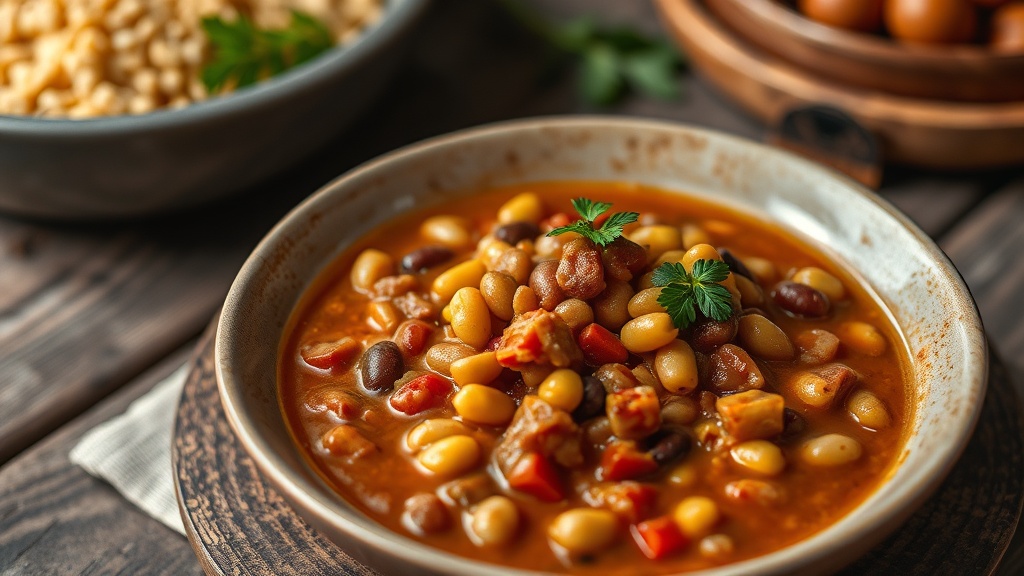
Swazi cooking is southern African staple food — maize, beans, greens, pumpkin, sour milk and meat when there is meat — and it is starch-centred, mild and filling rather than complex. Restaurant food in Ezulwini and Mbabane is mostly South African, so the traditional dishes take some seeking out.
What to look for
Sishwala
Stiff maize porridge, cooked much thicker than pap, eaten with the right hand and used to scoop stew. The foundation of nearly every meal.
Emasi
Thick soured milk, eaten with maize porridge as emasi etinkhobe temmbila. The single most characteristic Swazi taste and an acquired one.
Umbhidvo wetintsanga
Pumpkin leaves cooked down with ground peanuts — soft, dark, rich and vegan by default. The best traditional dish in the country.
Tinkhobe and tindlubu
Boiled whole maize kernels, and jugo beans (bambara groundnuts), which are mashed into siphuphe. Both are everyday food and neither appears on tourist menus.
Braai and biltong
The South African influence: grilled meat, boerewors, biltong and dried sausage everywhere, and it is good.
Where to eat it
eDladleni in Mbabane is the best-known restaurant serving proper Swazi cooking; Mantenga Cultural Village does a traditional lunch; and rural markets and the Manzini market food stalls do the real everyday version.
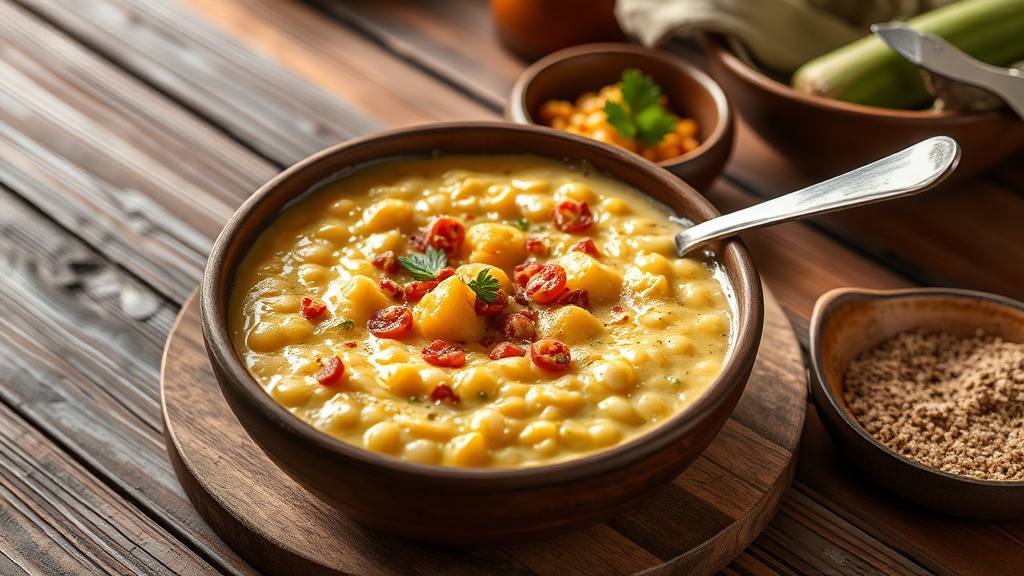
Sishwala
Stiff maize porridge · serves 4 · 40 minutes
Ingredients: 500 g white maize meal; 1.2 litres water; 1 tsp salt.
Method: Bring a litre of the salted water to the boil. Mix the remaining 200 ml cold water into 150 g of the maize meal to a smooth slurry and stir it into the boiling water. Simmer 10 minutes, stirring. Now add the rest of the maize meal a little at a time, working it in with a wooden spoon against the side of the pot — it will get very stiff and it is meant to. Cover and steam on the lowest heat for 20 minutes, turning it over twice.
💡 It is done when a spoonful holds its shape and comes away from the pot clean. Serve with a stew, greens or emasi, and eat it with your right hand.
Umbhidvo wetintsanga
Pumpkin leaves with peanuts · serves 4 · 30 minutes
Ingredients: 500 g young pumpkin leaves and tendrils (spinach or chard at a pinch); 1 onion, chopped; 2 tomatoes, chopped; 150 g raw peanuts, dry-roasted and ground coarse; 1 tbsp oil; salt.
Method: Strip the coarse fibre from the leaf stems and tear the leaves. Soften the onion in the oil, add the tomato and cook down to a sauce. Add the leaves with a splash of water, cover and cook 10–15 minutes until fully collapsed. Stir in the ground peanuts and cook another 5 minutes until the whole thing thickens and turns glossy. Season.
💡 The peanuts do the work — grind them coarse, not to a butter, so there is texture. Serve alongside sishwala. This is the dish to ask a Swazi grandmother about.
Siphuphe setindlubu
Jugo bean mash · serves 4 · 2 hours plus soaking
Ingredients: 400 g dried jugo beans (bambara groundnuts; dried broad beans work), soaked overnight; 1 tsp salt; 30 g butter or a splash of oil; water.
Method: Drain the soaked beans and simmer in fresh unsalted water for 90 minutes to 2 hours until completely soft, topping up as needed. Drain, keeping a cup of the cooking liquid. Salt, add the butter, and mash to a thick coarse purée, loosening with the reserved liquid until it just holds its shape.
💡 Pale, dense and quietly good. It is a side dish, not a stew — served in a mound beside greens and porridge.
🍺 What Swazis Drink
Beer, home-brew and — for a few weeks a year — an entire national season built around a wild fruit. Eswatini also produces the fruit that goes into one of the world's best-selling cream liqueurs, which most people drinking it have no idea about.
Sibebe
The national lager, named after the granite dome, brewed at Matsapha and genuinely good. Ask for it by name; it is what Swazis drink.
Buganu
Home-brewed marula wine, fermented from the fruit of the marula tree in February and March. There is a national Buganu festival at which the Queen Mother presides, and marula season is a real event in rural Eswatini. The Marula Festival is Eswatini's first-ever nomination to UNESCO's Representative List of intangible heritage, to be decided at the December 2026 committee session.
Marula and Amarula
The marula fruit harvested here feeds into Amarula cream liqueur, and marula harvesting is a significant seasonal income for rural women. The stories about elephants getting drunk on fallen fruit are, sadly, not supported by the evidence.
Umcombotsi
Traditional sorghum or maize beer, cloudy, sour, low in alcohol and drunk communally from a shared vessel — passed with both hands, sipped, passed on. It has ceremonial as well as social use.
South African wine and spirits
Everything from across the border is available and reasonably priced. Eswatini itself has no wine industry to speak of.
Rules and practice
Drinking age 18. Drink-driving enforcement is patchy but the roads are dangerous enough at night without it. Public drinking is common at weekends and rarely a problem for visitors.
🧺 Crafts & What to Buy
Eswatini's handicraft sector is unusually well organised — a network of fair-trade cooperatives and social enterprises, most of them employing rural women, producing goods that are exported worldwide. Buying here is the most efficient way for tourist money to reach a household directly.
Swazi Candles
The best-known: hand-worked multicoloured wax animals and lanterns made by a technique developed on site, sold internationally. The Malkerns workshop lets you watch it being done.
Gone Rural
Grass and sisal homeware — bowls, mats, baskets — woven by a network of over 700 rural women, dyed in strong colours. Design-led and genuinely good.
Baobab Batik
Hand-printed cotton wall hangings, cushions and clothing, in a workshop at Malkerns you can walk through.
Ngwenya Glass
Animals, glasses and bowls blown from 100% recycled glass, with a gallery above the furnace floor. The most popular souvenir out of the country.
Rosecraft and Tintsaba
Mohair weaving at Rosecraft near Bulembu, and sisal and silver work at Tintsaba near Piggs Peak. Both are rural employers in places with very little other work.
Markets
Manzini market upstairs and the Mbabane Swazi Market for baskets, carvings, soapstone and beadwork at lower prices and with the money going straight to the seller. Bargain gently and briefly.
⚽ Sport & Music
Football
By far the biggest sport. The national side, Sihlangu Semnikati ("the King's Shield"), has never reached a World Cup or Cup of Nations finals, which does nothing to dampen enthusiasm. Mbabane Swallows and Mbabane Highlanders are the big clubs and the derby is worth attending.
Sibhaca
The vigorous stamping dance performed in teams, with high kicks and synchronised drumming — competitive as much as ceremonial, and performed daily at Mantenga.
MTN Bushfire
A three-day music and arts festival at House on Fire, Malkerns, each May — the best-known festival in the region, drawing acts and audiences from across Africa and beyond. It sells out and it fills every bed in the valley.
Umhlanga and Incwala
The two great ceremonies are also the country's largest mass participation events by an enormous margin.
Sibebe Survivor
The annual charity walk up the granite dome — Eswatini's biggest amateur sporting event and considerably harder than it sounds.
Marathon and cycling
The Standard Bank Luju and the Imvelo cycling events have grown, and the highveld's climbs make it good road-cycling country if you can cope with the traffic.
Sihlangu's record, 2024–2026
No Swazi side has won a World Cup qualifier in over a decade: the 2026 campaign ended with three draws and seven defeats, six goals scored and 22 conceded, though a 2–2 draw in Angola in October 2025 and a 0–0 with Cameroon in March 2025 (AFCON qualifying) were real results.
Paris 2024 and Glasgow 2026
Three athletes in Paris — no medal, as at every Games since the 1972 debut. Ten athletes (athletics, boxing, judo, swimming) went to the Glasgow 2026 Commonwealth Games with swimmer Hayley Hoy as flag-bearer; again no medal.
2026 dates
MTN Bushfire ran 29–31 May 2026 at House on Fire; the 2026 Umhlanga main dancing days fell on 30–31 August, and Sibebe Survivor is held each July by the Rotary Club of Mbabane-Mbuluzi.
📰 Media & Press Freedom
Reporters Without Borders ranks Eswatini 101st of 180 in its 2026 World Press Freedom Index (score 51.94), down from 98th in 2025. Almost every outlet is controlled directly or indirectly by the palace: the only private television channel belongs to the royal family, the Minister of ICT is one of the King's daughters, and the King's speechwriter edits the oldest daily. A visitor will notice none of this; a Swazi journalist lives with all of it.
The press
The Times of Eswatini (the old Times of Swaziland, founded 1897) is the one daily that tries to keep its distance; the Eswatini Observer is owned by the royal Tibiyo fund. The Nation, a monthly, is the country's consistently critical voice — its editor Bheki Makhubu was jailed in 2014 for contempt over articles on the judiciary.
Broadcasting
Eswatini Broadcasting and Information Services runs state radio; Eswatini TV is state-owned and Channel S is the royal family's private channel. There is no independent domestic broadcaster.
Exile and the law
The Sedition and Subversive Activities Act (1938), the Suppression of Terrorism Act (2008) and the Public Order Act (2017) are the working tools. In July 2022 the government declared the South Africa-based Swaziland News and its editor "terrorist entities"; critical Swazi journalism is mostly written from Johannesburg.
For the visitor
Expect state media that reads like a court circular. South African papers, DStv and the international sites are freely available and were not blocked in 2025–26; the internet was cut during the 2021 protests and could be again.
🌦️ Climate & When to Go
Southern-hemisphere seasons, and four climates stacked by altitude. The rule is simple: May to September is dry, cool and the best time to be here for both wildlife and hiking; October to April is the wet summer, hot in the lowveld and malarial there.
Dry winter · May–September
Highveld 5–20 °C with genuinely cold nights and occasional frost; lowveld a pleasant 10–25 °C. Almost no rain, thin bush, animals at waterholes, clear light. This is the season.
Wet summer · October–April
Highveld 15–25 °C and misty; lowveld 25–40 °C with high humidity. Afternoon thunderstorms, lush green, dispersed game and harder viewing. Also the season of Bushfire, the marula harvest and Incwala.
Highveld
Cool and wet all year by regional standards — around 1,500 mm of rain, frequent low cloud, and cold enough in July that you want a proper jacket in Mbabane.
Lowveld
Hot and dry, around 500–700 mm. December to February is 35 °C plus with humidity; visiting Hlane in January is possible but not pleasant.
Malaria
Present in the eastern lowveld, and essentially only during the wet season. The highveld, including Mbabane and Ezulwini, is not a malaria area. Prophylaxis is worth taking for a summer lowveld trip; check current advice.
What to pack
Layers — the same day can involve a cold highveld morning and a hot lowveld afternoon. Long sleeves and trousers for dusk. Rain shell in summer. Good walking shoes for Sibebe and Malolotja.
✈️ Getting There
Almost everyone arrives overland from South Africa. King Mswati III International (SHO) at Sikhuphe in the lowveld is a large, modern and famously underused airport, served by a handful of regional flights.
Flying
Eswatini Air (the state carrier, flying since 2023) and Airlink operate to Johannesburg (O.R. Tambo); Eswatini Air also serves Durban, Cape Town and Harare, and on 1 April 2026 opened a direct Lusaka route. The flight from Johannesburg is under an hour. Schedules change — check directly with the airlines.
The airport
KMIII is 70 km from Manzini and about 90 minutes from Ezulwini, in the middle of the lowveld. There is no public transport worth the name; arrange a transfer or hire a car in advance.
Driving from Johannesburg
About 360 km and 4–5 hours via the N17 and the Oshoek/Ngwenya border. This is how most visitors come, usually with a South African hire car.
Hire car paperwork
If you cross from South Africa in a rental you need a cross-border letter from the rental company, arranged in advance and usually carrying a fee. Without it you will be turned back at the border.
Buses and kombis
Long-distance buses run Johannesburg–Manzini and Johannesburg–Mbabane; shared kombis cover everything inside the country cheaply and chaotically.
Borders
Ngwenya/Oshoek is the main one, open 07:00–24:00. Lavumisa/Golela in the south, Jeppe's Reef/Matsamo in the north for Kruger, and Lomahasha/Namaacha for Mozambique. All are straightforward; carry your vehicle papers.
🇨🇿 From the Czech Republic
There is no fast way. From Prague the realistic route is a flight to Johannesburg — usually one stop via a Gulf hub, Istanbul, Frankfurt or Amsterdam — and then either the short hop to Eswatini or, more commonly, a hire car across the border. Total travel time is 16 to 24 hours.
Routings
Prague to Johannesburg with Emirates via Dubai, Qatar via Doha, Turkish via Istanbul, Lufthansa via Frankfurt or KLM via Amsterdam. Then Airlink or Eswatini Air to Manzini/KMIII, or drive.
Time zone
SAST, UTC+2 — the same as Czech summer time and an hour ahead in winter. No jet lag worth mentioning, which is the one gift of a north-south flight.
Visas
Czech citizens do not need a visa for tourist stays in Eswatini — entry is normally granted for up to 30 days, extendable. A South African transit as a Czech citizen is also visa-free. Confirm current rules before travel; they change.
Czech consular cover
There is no Czech embassy in Eswatini. The accrediting mission is the Czech Embassy in Pretoria, which covers Eswatini. Register with DROZD before departure.
MZV advice
The Czech Ministry of Foreign Affairs does not advise against travel to Eswatini, but notes the political situation and the possibility of demonstrations. Check the current entry at mzv.cz — after the 2021 unrest the advisory language was tightened for a period.
Vaccinations and insurance
Hepatitis A and typhoid recommended; yellow fever certificate only if arriving from an endemic country; malaria prophylaxis for the lowveld in summer. Take insurance with medical evacuation cover — serious cases go to Johannesburg.
🧭 Practical Eswatini
Small, easy and much less complicated than its neighbours. English is official, the roads are good, distances are tiny, and the biggest practical decision you make is whether to hire a car — the answer is yes.
Money
The lilangeni (SZL) is pegged 1:1 to the South African rand, and rand is accepted everywhere in Eswatini. Lilangeni is not accepted in South Africa, so spend it before you leave. Cards work in towns and reserves; carry cash for markets and rural areas.
Driving
Left-hand side, good tar on the main routes, and the essential way to see the country. The hazards are pedestrians and livestock on the road, potholes on secondary roads, and driving after dark, which you should not do.
Public transport
Shared kombis link every town for very little money, and are how Swazis travel. They leave when full, not on a schedule, and are fine if you have time and patience.
Connectivity
MTN and Eswatini Mobile cover the populated areas; buy a SIM at the airport or in any town with your passport. Data is reasonably priced. Wifi in hotels and lodges, patchy in reserves.
Electricity
230 V, and the sockets are the South African type M three-round-pin — a European plug will not fit. Bring an adapter; hotels often have one but do not rely on it.
Water and health
Tap water in Mbabane and Ezulwini is generally treated and fine; filter or use bottled in rural areas. Bilharzia is present in standing fresh water — do not swim in dams or slow rivers.
💰 Costs
Cheap by the standards of southern African safari countries and roughly comparable to South Africa for everyday costs. The wildlife in particular is a fraction of what the equivalent costs in Botswana or the private Kruger reserves.
Accommodation
Backpacker or campsite €10–20 (250–500 Kč). Mid-range hotel or guesthouse in Ezulwini €40–80 (1,000–2,000 Kč). Mlilwane beehive hut around €35. Mkhaya's Stone Camp, all-inclusive, €180–250 per person.
Park fees
Mlilwane and Hlane entry are a few euros; game drives €15–25 per person. Compared to almost any comparable park in the region this is close to free.
Eating
Local meal €3–6. Restaurant main in Ezulwini €8–14. Supermarket prices are South African. A Sibebe in a bar is €1.50–2.50.
Car hire
€25–45 a day locally; often cheaper to rent in Johannesburg and pay the cross-border fee, but check the letter is included. Fuel is cheaper than in South Africa.
Crafts
This is the thing worth spending on. Swazi Candles, Gone Rural and Ngwenya Glass are not cheap by local standards and are excellent value against what the same goods cost exported.
Daily budget
Backpacking €30–45 a day. Comfortable mid-range with a car €80–120. Add €200 per person for a night at Mkhaya, which is the one splurge genuinely worth making.
🛡️ Safety
Eswatini is considerably safer for a visitor than its large neighbour, and violent crime against tourists is uncommon. The real risks are the roads, the health picture, and — occasionally — political unrest that has nothing to do with you but that you should not walk into.
⚠️ Travel Advisory — US State Department Level 2: Exercise Increased Caution
Reissued 1 July 2024 after periodic review, citing crime (sporadic armed robbery and carjacking, under-resourced police) and civil unrest (sporadic demonstrations that can turn violent without warning). The Czech MZV does not advise against travel. Avoid all gatherings, keep documents to hand and register with STEP or DROZD.
Crime
Petty theft and opportunistic robbery in Manzini and central Mbabane, especially after dark. Standard precautions are enough. Rural Eswatini is very safe and people are markedly welcoming.
Roads
The most likely thing to hurt you. Pedestrians and cattle on unlit roads, overloaded kombis, and a high accident rate. Do not drive at night outside towns — this is the single most useful rule on this page.
Political demonstrations
Protests have been met with force, most seriously in 2021. Avoid demonstrations entirely, do not photograph the security forces, and expect the internet to be restricted if something flares. Follow your embassy's alerts.
What not to say
Do not criticise the King publicly or to people you do not know well. Sedition and terrorism laws have been used against critics, and the exposure falls on your Swazi interlocutor.
Health
Malaria in the lowveld in summer; bilharzia in still fresh water; rabies present. Eswatini has among the highest HIV prevalence rates in the world — the practical implication for a visitor is the ordinary one about unprotected sex, and the same care with any medical procedure.
Medical
Facilities are limited. The Mbabane Clinic is the main private option; anything serious means evacuation to Johannesburg, an hour by air. Insurance with evacuation cover is essential, not optional. Emergency number 999, or 977 for ambulance.
🏨 Where to Stay
Ezulwini valley
Where most visitors base themselves: everything from the Royal Swazi Spa complex with its casino and golf course to small guesthouses and backpackers. Central for Mlilwane, Lobamba, Mantenga and the craft workshops.
Mlilwane Main Camp
Traditional beehive huts, rondavels, dorms and a campsite inside the sanctuary, with warthogs on the lawn and the Hippo Haunt restaurant. Cheap, atmospheric and the best-value stay in the country.
Reilly's Rock
Mlilwane's upmarket lodge in a 1920s farmhouse on a hill, with an aloe garden and bushbabies at dusk. Small, quiet and lovely.
Hlane Ndlovu Camp
Self-catering cottages and a campsite beside an unfenced waterhole, no electricity, paraffin lamps. Rhino and elephant drink metres from where you eat. Book well ahead.
Mkhaya Stone Camp
Open-sided stone-and-thatch shelters with no doors, all-inclusive with walks and drives. Expensive by Eswatini standards, exceptional by any.
Community and rural
Shewula Mountain Camp on the Lubombo, Phophonyane Falls Lodge near Piggs Peak, and Bulembu, a whole former asbestos-mining town run as a social enterprise with an orphanage and a lodge in the old manager's houses.
🎗️ HIV & Development
Eswatini has among the highest adult HIV prevalence rates in the world — roughly a quarter of adults aged 15 to 49 are living with HIV. It is also, and this matters as much, the site of one of the most effective national treatment responses anywhere, and the country reached and passed the UNAIDS 95-95-95 targets ahead of almost everyone.
The scale of the epidemic
Life expectancy fell below 45 years in the mid-2000s. A generation of parents was lost, leaving one of the world's highest proportions of orphans and of child- and grandparent-headed households.
The turnaround
Free antiretroviral treatment, mass testing and prevention have cut new infections by around two-thirds since 2011 and pushed viral suppression above 90% of those diagnosed. Life expectancy has recovered by well over a decade. This is a genuine public health achievement.
What is left
Prevalence remains very high because people are living, not dying — which is the point. Funding is heavily donor-dependent and vulnerable to shifts in international aid budgets.
The 2025 funding shock
US money through PEPFAR paid for roughly half of the national HIV response. The January 2025 freeze on US foreign aid closed community and peer-led testing services and left the programme about a fifth short; UNAIDS warned that the gains could reverse. In June 2025 Mbabane Government Hospital, the main referral hospital, shut for two days for lack of medicines and staff.
Poverty
Well over half the population lives below the national poverty line, and unemployment, particularly among the young, is severe. Around two-thirds of people live on Swazi Nation Land and depend on subsistence farming.
Drought
Recurrent drought in the lowveld has repeatedly triggered food insecurity, and the 2015–16 El Niño drought was severe. Water is the country's binding constraint.
For a visitor
None of this affects your safety. It is context for what you see — and an argument for spending money in community lodges, craft cooperatives and locally owned businesses rather than only at the resort hotels.
🏛️ UNESCO Heritage
Eswatini has no World Heritage Site. It ratified the Convention only in 2005 and has a single property on its Tentative List — the Ngwenya Mines, submitted in 2008 — so the country's most remarkable heritage claim, the oldest known mine on Earth, still waits for a nomination file. Nothing from Eswatini is inscribed on UNESCO's intangible heritage lists either, but that may change in December 2026.
Ngwenya Mines — Tentative List (2008)
The Lion Cavern haematite and specularite workings on Bomvu Ridge inside Malolotja, dated to around 43,000 years ago, plus the twentieth-century open-cast iron mine beside them. UNESCO and South Africa have discussed folding the site into an extension of the Barberton Makhonjwa Mountains World Heritage Site across the border, which shares the same 3.5-billion-year-old rocks.
Marula Festival — ICH nomination (2026)
Eswatini's first nomination under the 2003 intangible heritage convention (ratified 2012): the Buganu/Marula Festival, at which the Queen Mother receives the year's marula wine. The Intergovernmental Committee decides at its 21st session, opening 30 November 2026.
Not on any list
Umhlanga, Incwala, sibhaca and the Nsangwini rock art are nationally protected but carry no UNESCO status of any kind — no biosphere reserve, no geopark, no Creative City. Treat any "UNESCO-listed" claim you read about Eswatini as wrong.
🤯 Fascinating Facts
The longest reign in history
Sobhuza II reigned for 82 years and 254 days, from 1899 to 1982 — the longest precisely dated reign of any monarch anywhere, ever.
The world's oldest mine
The Lion Cavern at Ngwenya was worked for haematite around 43,000 years ago, making it by most reckonings the earliest known mining operation on Earth.
Renamed by royal announcement
Swaziland became Eswatini on 19 April 2018 when the King announced it at his fiftieth birthday celebration. Part of the stated reasoning was the persistent confusion with Switzerland.
Africa's last absolute monarchy
Eswatini is the only remaining absolute monarchy on the continent, and political parties have been barred from elections since 1973.
Three billion years old
Sibebe Rock is a granite dome of the Kaapvaal craton, among the oldest exposed rock surfaces on the planet and the largest exposed granite pluton on Earth — second only to Uluru as a monolith, and Uluru is sandstone.
Two capitals, 18 km apart
Mbabane administers, Lobamba legislates and crowns. Very few countries this small split the job.
A currency pegged to its neighbour
The lilangeni is fixed 1:1 to the South African rand, and rand circulates freely — but lilangeni is worthless the moment you cross back.
An airport with almost no flights
King Mswati III International, built at a cost of several hundred million dollars and opened in 2014, handles a handful of regional flights a day and has been a standing symbol in the argument about royal spending.
Rhinos that mostly survived
While its neighbours lost rhinos in the thousands during the 2010s poaching wave, Eswatini lost a handful — the result of very hard anti-poaching law and a ranger force willing to enforce it.
👤 Notable Swazis
Sobhuza II (1899–1982)
King for 82 years, from infancy to death — the longest verified reign in recorded history. He negotiated independence, repealed the constitution in 1973, and shaped everything about the country that followed.
Mswati III (b. 1968)
King since 1986, crowned at eighteen as the world's youngest monarch, and the last absolute monarch in Africa.
Ntfombi Tfwala (b. 1949)
The Ndlovukati, Queen Mother, and regent from 1983 to 1986 — the woman who held the state together through the succession crisis after Sobhuza's death.
Ted Reilly (b. 1938)
Conservationist who turned his family farm into Mlilwane in 1960 and then restocked the entire country's wildlife from it, founding Hlane and Mkhaya. Eswatini has large mammals because of him.
Thuli Dladla
Career diplomat and foreign minister from 2018 to 2023, and among the most prominent Swazi women in public life. Since the 2023 election the portfolio has been held by Pholile Shakantu.
Bheki Makhubu
Editor of The Nation, jailed in 2014 with the human rights lawyer Thulani Maseko for articles criticising the judiciary — a case that drew international condemnation.
Thulani Maseko (1970–2023)
Human rights lawyer and chair of the Multi-Stakeholder Forum, shot dead at his home on 21 January 2023, hours after the King warned reform campaigners that "mercenaries" would deal with them. More than three years on there has been no arrest and no independent inquiry; it remains the darkest recent moment in the country's politics.
Sibusiso Matsenjwa (b. 1988)
The "Swazi Bolt" — a sprinter who has run at four Olympic Games (2012–2024), holds the national 200 m record and carried the flag at Rio 2016 and at the Paris 2024 closing ceremony. Eswatini has never won an Olympic medal.
Hayley Hoy (b. 2008)
Swimmer who raced at Paris 2024 at sixteen and carried the flag into the opening ceremony of the Glasgow 2026 Commonwealth Games, where she came within a heat of a semi-final in the 100 m butterfly.
Bholoja
The best-known contemporary Swazi musician internationally, whose "Swazi soul" blends siSwati lyrics with acoustic folk and has taken the language onto festival stages abroad.
📸 Photo Gallery
Click any image to enlarge.
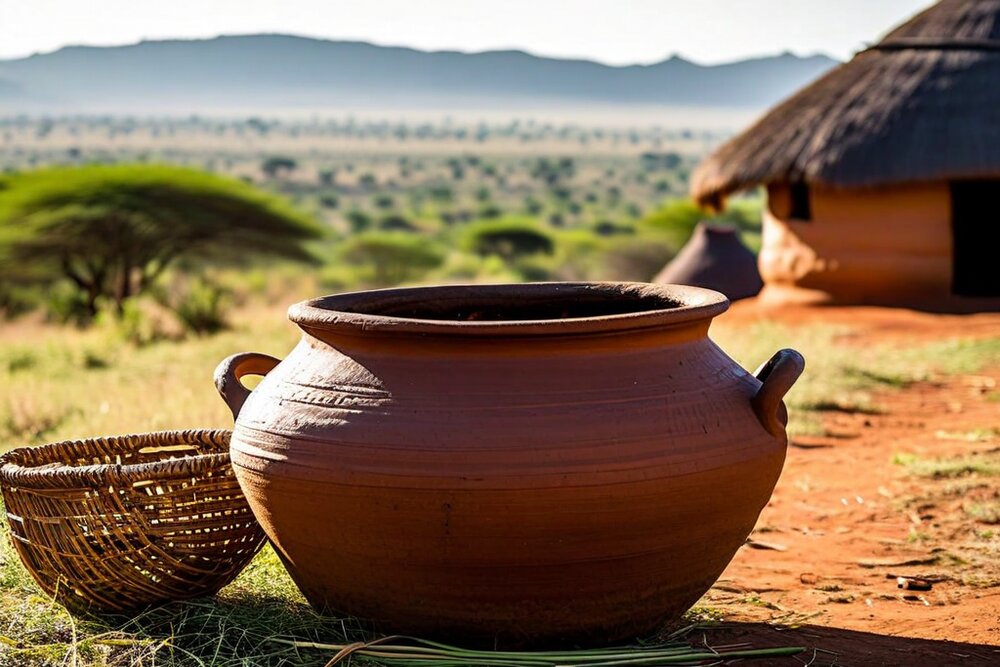 Umcombotsi — sorghum beer, shared from one vessel
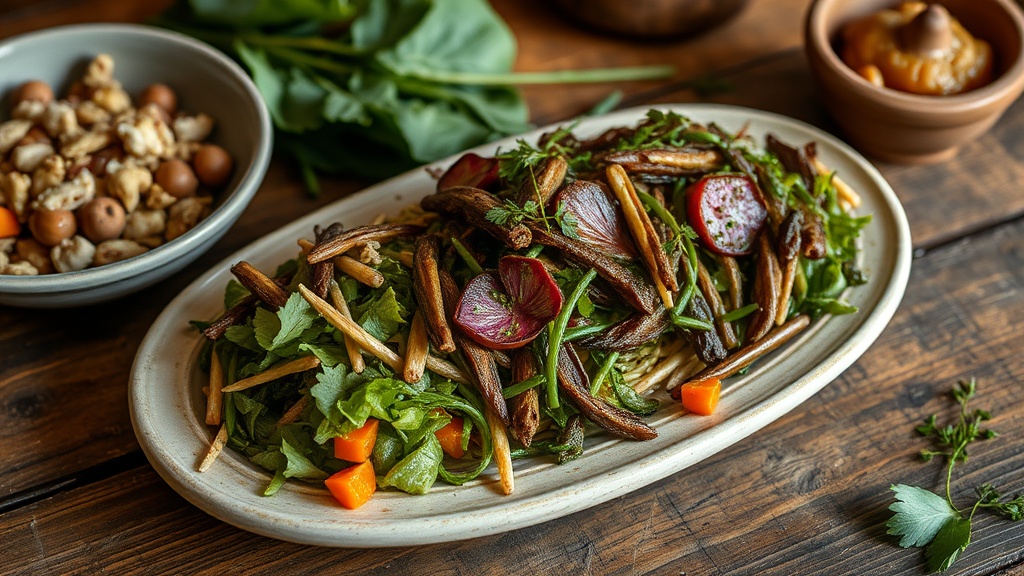 Umbhidvo wetintsanga — pumpkin leaves with ground peanuts
✍️ Author's Note
Eswatini is the easiest country in southern Africa to underrate, because it is small, it is surrounded by South Africa, and most people pass through it on the way to Kruger or the Mozambican coast. Two days is what it usually gets. Give it four and it becomes one of the best parts of the trip.
What makes it worth the days is that the wildlife here is not behind glass. At Mlilwane you cycle among zebra. At Hlane you eat dinner by lamplight while a rhino drinks twenty metres away with nothing between you. At Mkhaya you walk up to black rhino on foot, and there are not many places left on Earth where that sentence is true. It costs a small fraction of what the equivalent costs in Botswana, and the people running it have been at it for sixty years.
Do the crafts properly, too. Swazi Candles, Gone Rural, Ngwenya Glass and the Manzini market are not a tourist tax — they are among the largest employers of rural women in the country, and the money you spend there lands closer to a household than anything else you will do. Buy more than you meant to.
And be a thoughtful guest about the politics. This is a place where people are generous, funny and immediately warm, and where a good many of them cannot say out loud what they think about how it is governed. Do not put them in that position to satisfy your curiosity. Read about the 2021 protests and Thulani Maseko's killing before you come, keep your camera away from anything official, and let people tell you what they choose to.
— Radim Kaufmann, 2026
Support This Project 🌍
This World Travel Factbook is a labor of love – free to use for all travelers. If you find it helpful, consider supporting its continued development.