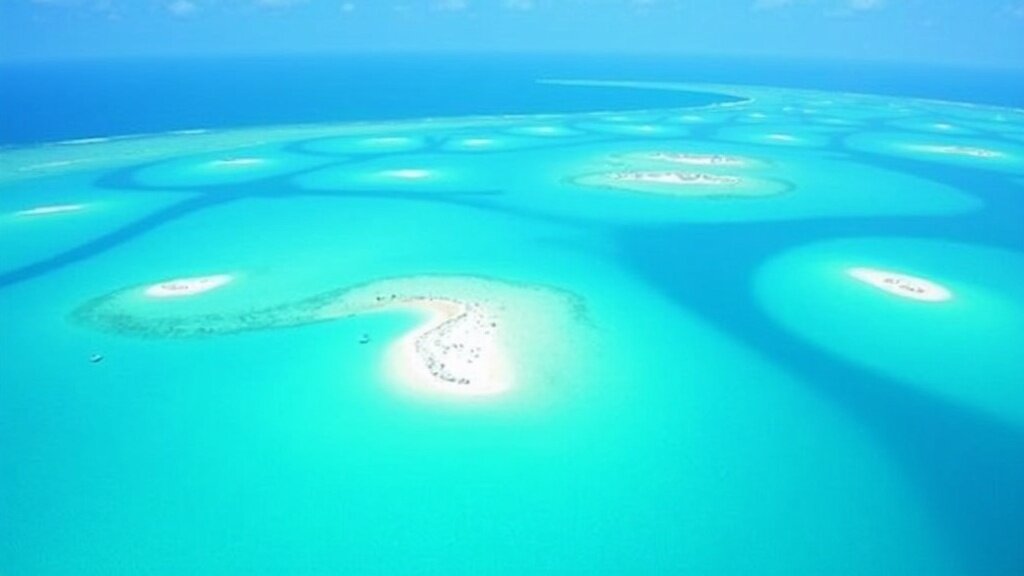
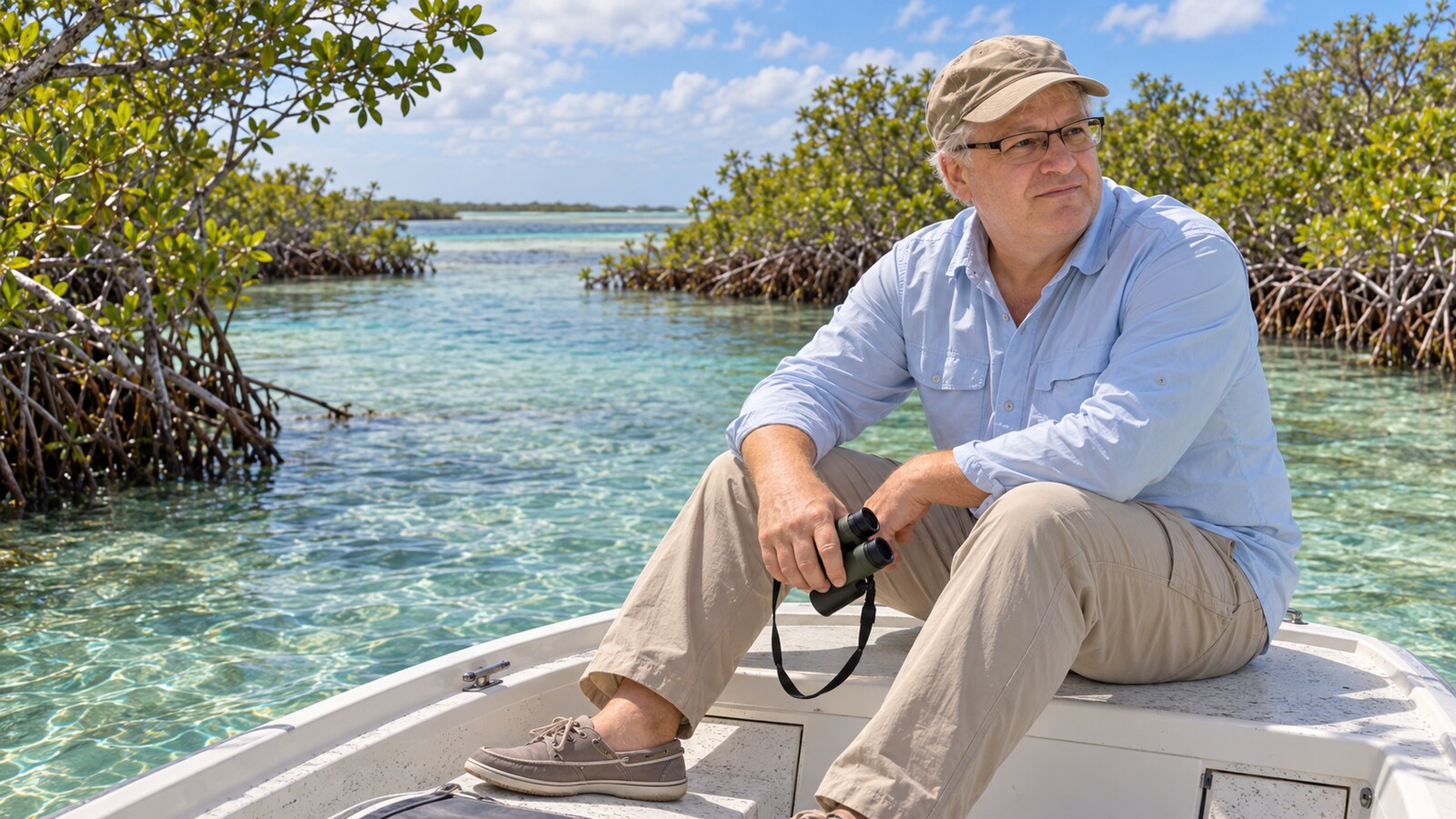
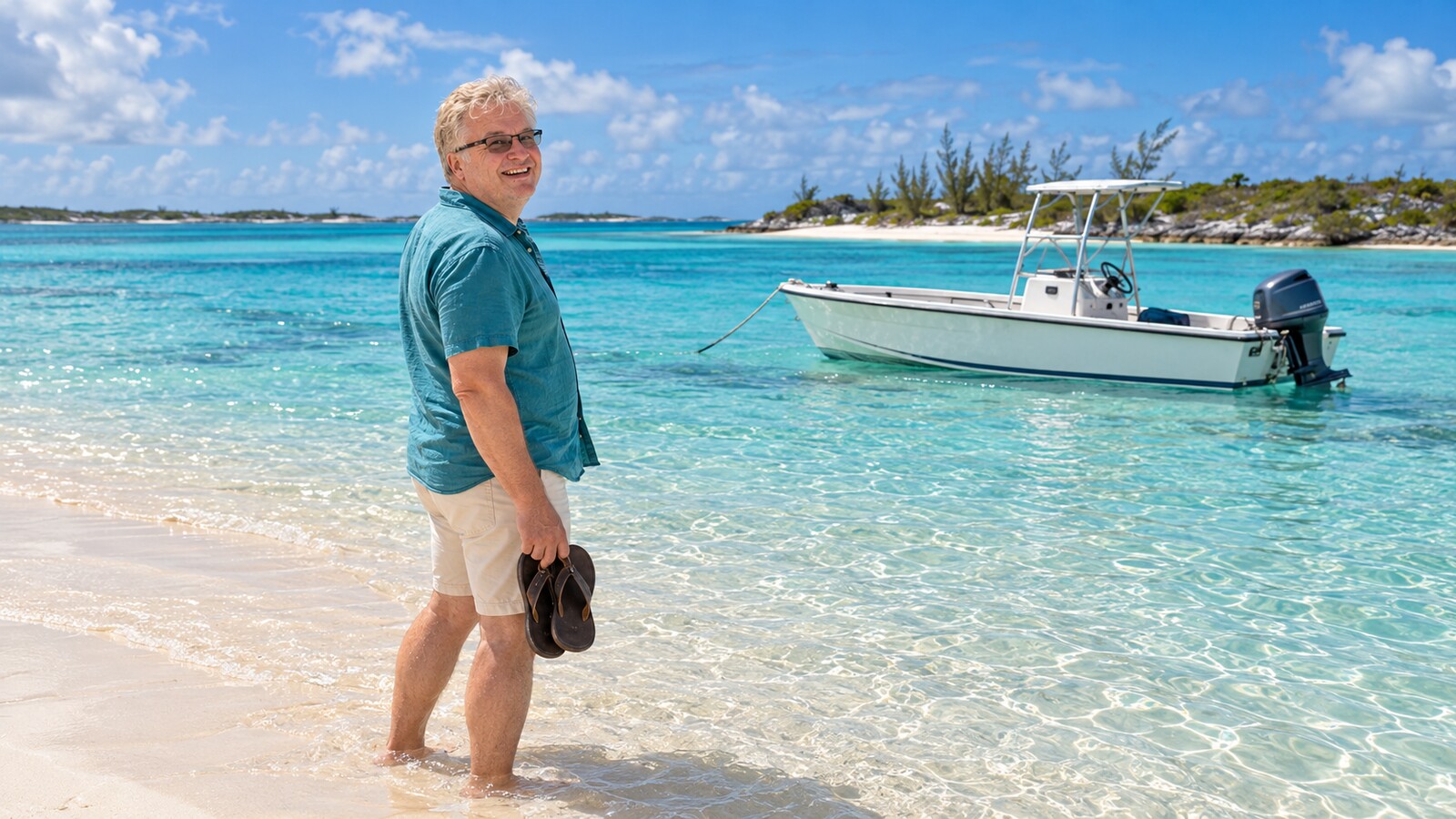
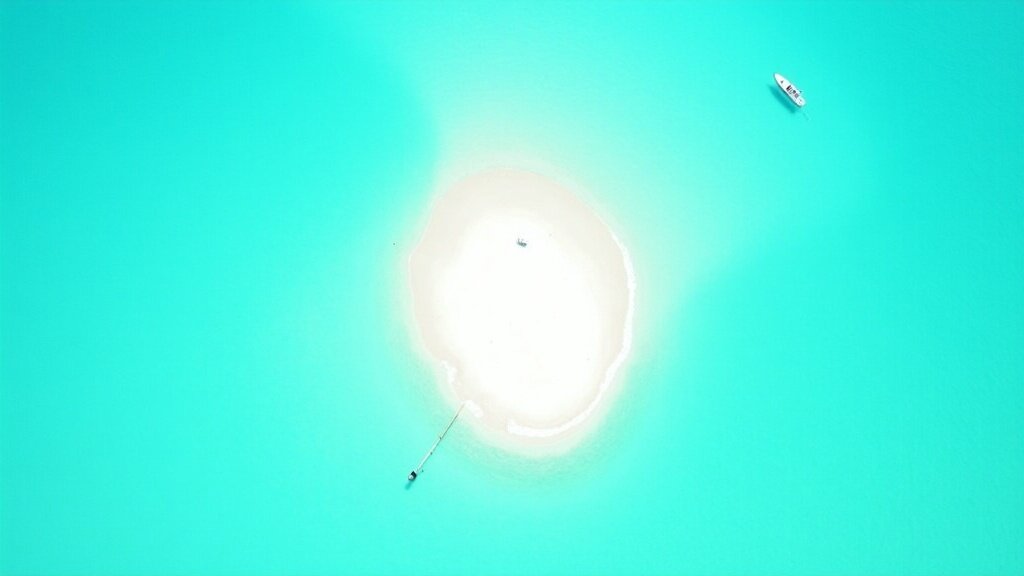
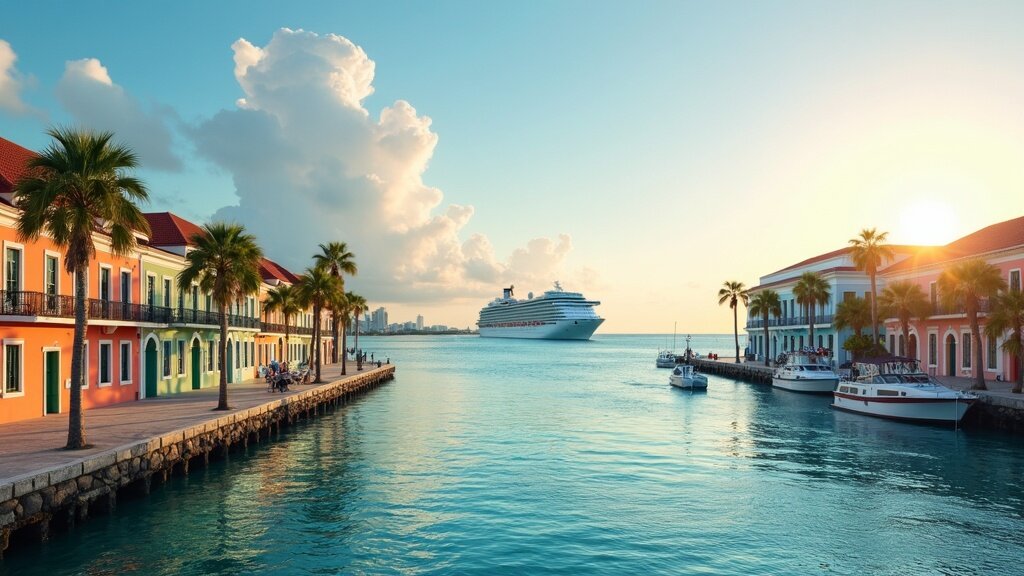
The Bahamas is an archipelago of over 700 islands and 2,400 cays stretching across 470,000 square kilometers of the western Atlantic, beginning just 80 kilometers southeast of Florida. Only about 30 islands are inhabited, leaving hundreds of pristine cays surrounded by some of the clearest water on Earth — visibility regularly exceeds 60 meters in the Exumas, revealing a seabed so vivid it seems digitally enhanced.
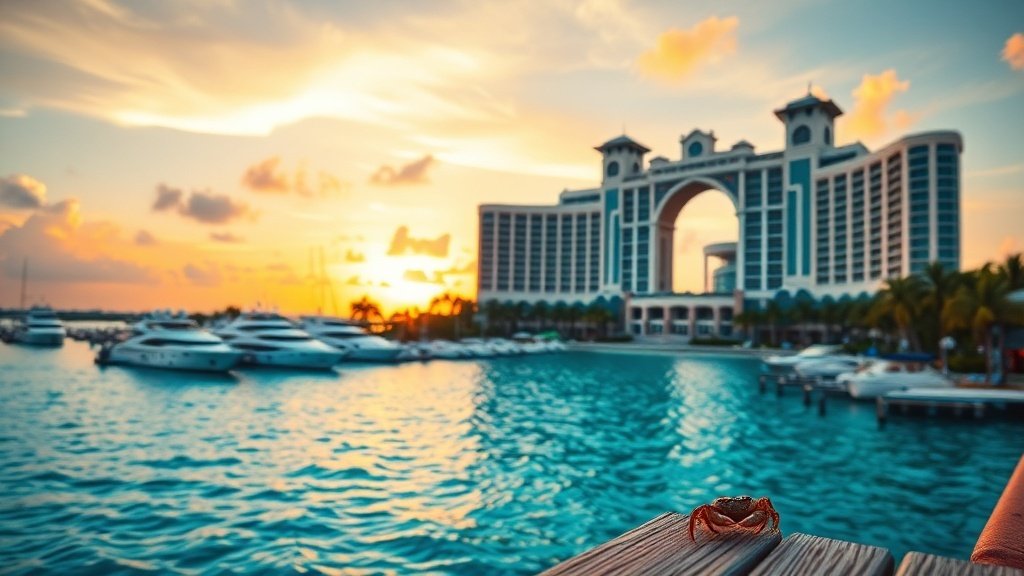
Nassau, the capital on New Providence Island, blends colonial British architecture with Caribbean vibrancy — pastel government buildings, the legendary Straw Market, and the mega-resort of Atlantis on Paradise Island. But the true magic lies in the Out Islands (also called Family Islands), where life moves at the pace of the tides. Grand Bahama offers pine forests and underwater cave systems. The Exumas chain stretches 365 cays across turquoise shallows where swimming pigs have become an unlikely global sensation. Andros, the largest island, harbors the world's third-largest barrier reef and mysterious blue holes that plunge hundreds of meters into limestone bedrock.
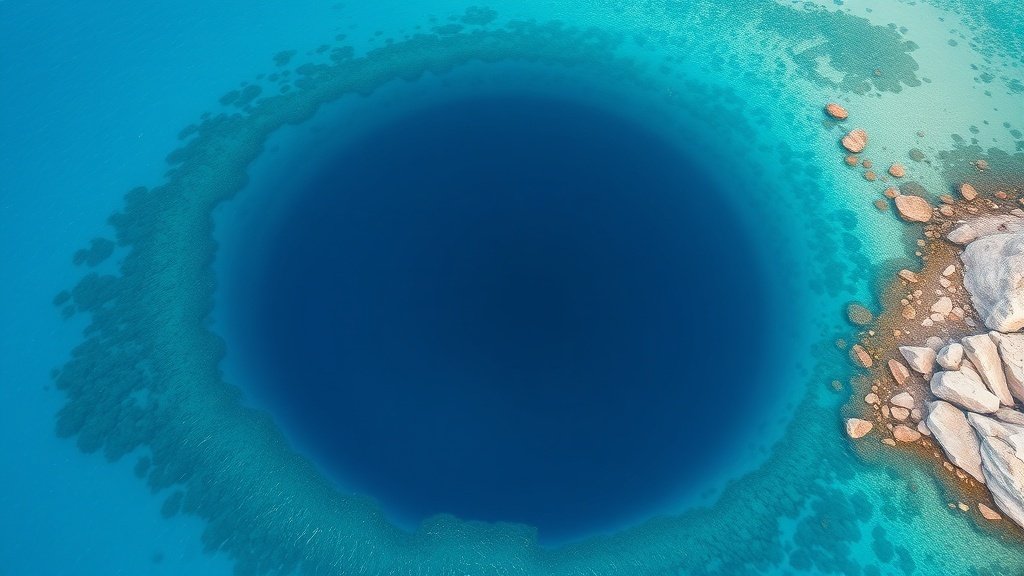
Eleuthera's pink sand beaches, Long Island's Dean's Blue Hole (202 meters — the third-deepest known blue hole in the world, after Mexico's Taam Ja' at 420+ m and the Dragon Hole in the South China Sea), and the bonefishing flats of Abaco make this archipelago far more than a cruise ship stop. Junkanoo — an explosive Boxing Day and New Year's Day parade of elaborate costumes, goatskin drums, and cowbell rhythms — represents the cultural soul of a nation that gained independence from Britain in 1973.
\g<1>02\2
Name & Identity
02
🏷️ Name & Identity
The name "Bahamas" likely derives from the Spanish "baja mar" (shallow sea), describing the vast shallow banks that characterize the archipelago. Christopher Columbus made his first New World landfall here in 1492, on the island the Lucayan Taíno people called Guanahani — probably modern San Salvador or Cat Island. The Lucayans, a peaceful Arawak-speaking people numbering perhaps 40,000, were entirely enslaved and transported to Hispaniola within 25 years of contact, leaving the islands deserted until English settlement in the 1640s.
Modern Bahamian identity blends African heritage (85% of the population descends from enslaved people brought during the plantation era and liberated Africans settled by the Royal Navy), British colonial traditions (the country remains a Commonwealth realm with King Charles III as head of state), and Caribbean cultural vibrancy. The national motto "Forward, Upward, Onward Together" reflects the optimism of a young nation that has built one of the Caribbean's most prosperous economies.
\g<1>03\2
Geography
03
🗺️ Geography
The Bahamas is extraordinarily flat — the highest point, Mount Alvernia on Cat Island, reaches just 63 meters. The islands sit atop the Great Bahama Bank and Little Bahama Bank, massive underwater limestone platforms where the shallow turquoise water contrasts dramatically with the deep blue of the surrounding ocean. This geography creates the famous "tongue of the ocean" — a deep-water trench visible from space that plunges between Andros and Nassau.
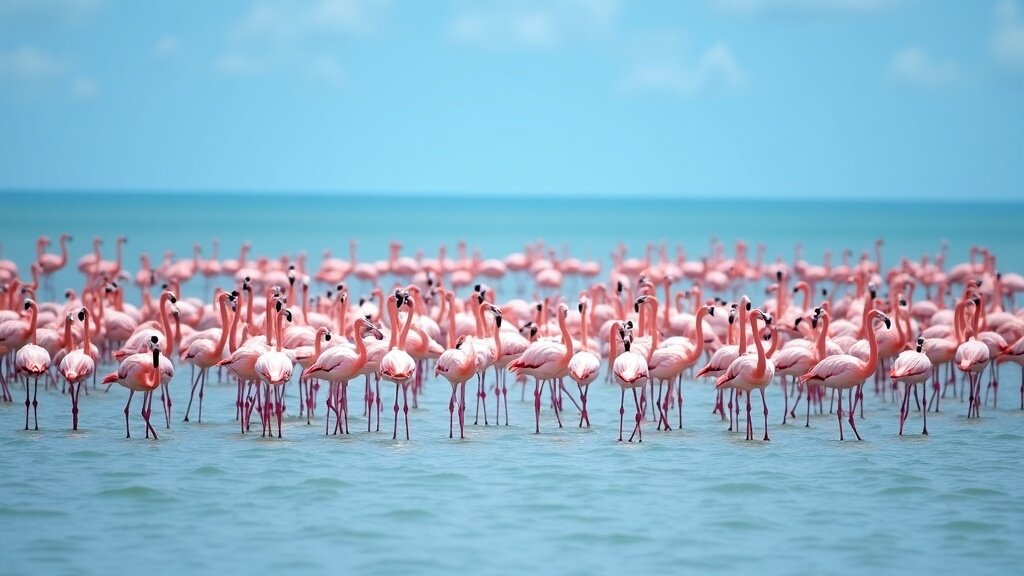
The archipelago divides into the northern islands (Grand Bahama, Abaco, New Providence), central islands (Eleuthera, Cat Island, Exumas, Andros, Long Island), and southern islands (Crooked Island, Acklins, Inagua, Mayaguana). Great Inagua hosts one of the world's largest flamingo colonies — over 80,000 West Indian flamingos. Andros Island, larger than all other Bahamian islands combined, remains largely unexplored, with vast pine forests, mangrove flats, and the 225-kilometer Andros Barrier Reef.
\g<1>04\2
Map
03b
🗺️ Map
The archipelago runs 970 km from Grand Bahama and Abaco in the north-west, past Nassau and the Exumas, to Great Inagua off the Cuban and Haitian coasts. Key destinations are marked below.
\g<1>05\2
History
04
📜 History
After the extinction of the Lucayan people, the Bahamas lay virtually abandoned until the 1640s when English Puritans from Bermuda settled Eleuthera ("Freedom" in Greek). Nassau developed on New Providence and quickly attracted pirates — the golden age of piracy made Nassau the "Republic of Pirates" under infamous captains like Blackbeard, Charles Vane, and Calico Jack. Woodes Rogers, the first Royal Governor, suppressed piracy in 1718 with the memorable proclamation "Expulsis Piratis, Restituta Commercia" (Pirates Expelled, Commerce Restored).
The American Revolution brought an influx of Loyalists with their enslaved workers, establishing cotton plantations that quickly failed on the thin Bahamian soil. Emancipation came in 1834. During American Prohibition (1920–1933), the Bahamas boomed as a rum-running base. World War II brought Allied military installations. The 1967 election of Lynden Pindling's Progressive Liberal Party — "Majority Rule" — transferred political power to the Black majority for the first time, and full independence from Britain followed on July 10, 1973.
Tourism has dominated the economy since the 1950s, complemented by offshore banking and financial services that make Nassau one of the Caribbean's most important financial centers.
The defining event of recent decades was Hurricane Dorian. On 1 September 2019 the Category 5 storm — sustained winds of 295 km/h, the strongest ever recorded to strike the country — stalled over Abaco and Grand Bahama for the better part of two days. The official toll was 74 dead with dozens never found, some 70,000 people were left homeless and damage reached an estimated US$3.4 billion. Marsh Harbour, the Abaco capital, was largely flattened; the anniversary is now marked each year by a cabinet ceremony and a moment of silence, most recently on 1–2 September 2026.
\g<1>06\2
People & Culture
05
👥 People & Culture
The Bahamas' roughly 405,000 people (2026 estimate) are predominantly of African descent (85%), with smaller communities of European, Haitian, and mixed heritage. English is the official language, spoken in a distinctive Bahamian dialect rich with colorful expressions. Christianity permeates public life — church attendance is among the highest in the Caribbean, and gospel music echoes from storefront chapels on Sunday mornings.
Junkanoo is the cultural heartbeat. This spectacular street festival, held on Boxing Day (December 26) and New Year's Day, features competing groups who spend months creating elaborate costumes from cardboard, crepe paper, and glitter, accompanied by goatskin drums, cowbells, brass instruments, and whistles. The all-night parade down Bay Street in Nassau is one of the Caribbean's most exhilarating experiences — a joyous explosion of creativity, rhythm, and community pride rooted in celebrations that enslaved people were permitted during the Christmas holiday.
Rake-and-scrape music — featuring accordion, saw, and goatskin drum — provides the soundtrack to island life beyond Junkanoo. Straw weaving, a craft tradition dating to the plantation era, produces the iconic Bahamian straw hats, bags, and dolls sold at Nassau's Straw Market.
\g<1>07\2
Government & Politics
06
🏛️ Government & Politics
The Bahamas is a parliamentary democracy and a Commonwealth realm. King Charles III is head of state, represented locally by the Governor-General — Dame Cynthia "Mother" Pratt, sworn in as the country's 12th Governor-General on 1 September 2023 and the second woman to hold the office. Executive power rests with the Cabinet, led by the Prime Minister.
Parliament is bicameral: an appointed 16-member Senate and an elected House of Assembly. A boundary review ahead of the most recent election expanded the House from 39 to 41 seats, adding the constituencies of St James and Bimini & Berry Islands. Politics has been a stable two-party contest since independence, alternating between the Progressive Liberal Party (PLP) and the Free National Movement (FNM).
Prime Minister Philip "Brave" Davis, KC (PLP) has led the country since September 2021. He dissolved Parliament on 8 April 2026 and called an early general election for 12 May 2026, which the PLP won with 33 of the 41 seats to the FNM's eight; FNM leader Michael Pintard conceded within four hours of the polls closing, and Davis was sworn in for his second term on 14 May 2026. It was the first time since 1997 that a sitting Bahamian prime minister secured a second consecutive term.
At a glance
Head of state: King Charles III (Commonwealth realm)
Governor-General: Dame Cynthia A. Pratt (since 2023)
Prime Minister: Philip Edward Davis, KC (PLP, since 2021; re-elected 2026)
Legislature: Senate (16 appointed) · House of Assembly (41 elected)
Independence: 10 July 1973 from the United Kingdom
Capital: Nassau, New Providence
\g<1>08\2
Nassau & Paradise Island
07
🏛️ Nassau & Paradise Island
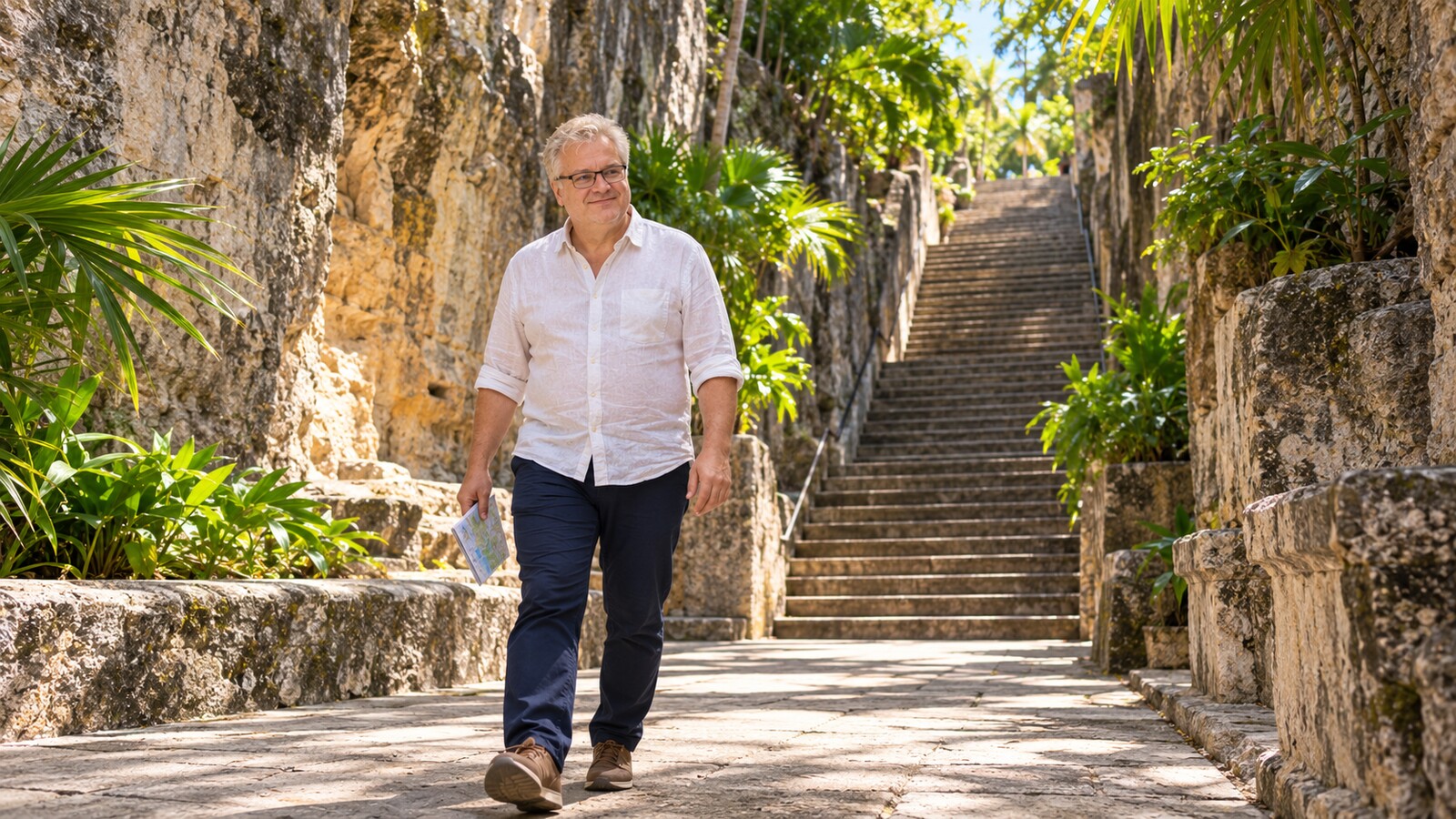
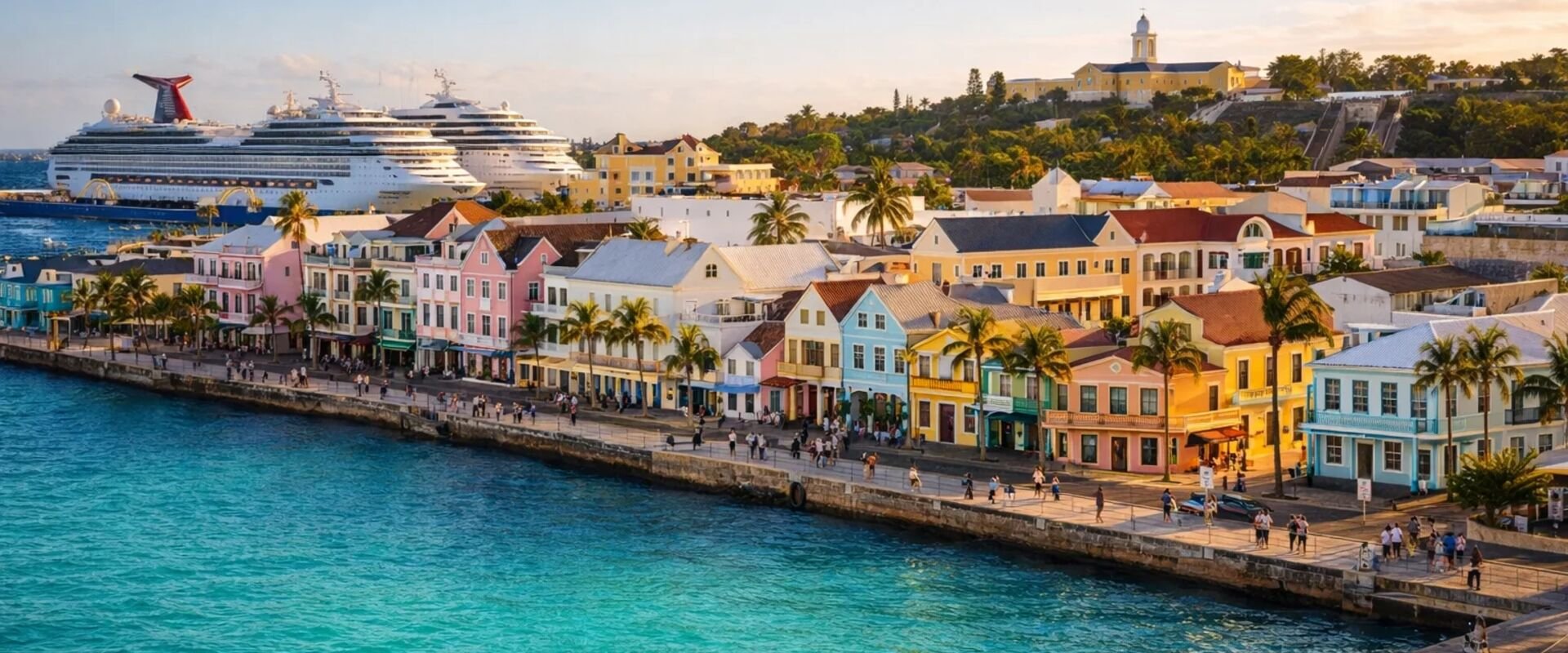
Nassau, the capital on New Providence Island, is home to about 70% of the population and serves as the country's commercial, cultural, and tourist hub. The compact downtown centers on Bay Street, where duty-free shops sit beneath colonial-era buildings painted in Caribbean pastels. The pastel-pink Parliament Square, the Queen's Staircase carved from limestone by enslaved workers, and Fort Charlotte offer historical depth beyond the shopping.
Connected by bridges, Paradise Island hosts the massive Atlantis resort — a self-contained world of waterparks, aquariums, casinos, and marine habitats. Nassau is also the busiest cruise port in the Caribbean: the rebuilt Nassau Cruise Port (a US$300 million redevelopment completed in 2023) can berth six ships at once and regularly handles more than 30,000 passengers a day. The lines have since built their own islands — Disney's Lookout Cay at Lighthouse Point on Eleuthera opened in June 2024 and Carnival's Celebration Key on Grand Bahama in July 2025, joining Royal Caribbean's long-established Perfect Day at CocoCay in the Berry Islands. Beyond the megaresort, Cable Beach on New Providence offers a 3-kilometer stretch of white sand, while the western end of the island preserves the quieter Clifton Heritage National Park with Lucayan archaeological sites and underwater sculpture gardens.
The Out Islands (Family Islands) are where the Bahamas reveals its true character. The Exumas chain — 365 cays stretching over 200 kilometers — offers the archipelago's most iconic water. Big Major Cay's swimming pigs became a social media sensation, but the real treasures are Thunderball Grotto (a cave featured in James Bond films), the Exuma Cays Land and Sea Park (the Caribbean's first marine protected area), and the sandbar at Pipe Creek where knee-deep water stretches for kilometers.
Harbour Island off Eleuthera boasts 5 kilometers of pink sand — tinted by crushed foraminifera shells — and a charming colonial village. Andros is a diver's paradise with blue holes, coral walls, and one of the world's great barrier reefs. Long Island offers Dean's Blue Hole (202 meters deep, the third-deepest known on Earth since Taam Ja' in Mexico was sounded in 2023) and dramatic east-coast cliffs. Abaco, traditionally a boat-building center, attracts sailors and anglers to its sheltered Sea of Abaco; Marsh Harbour and the loyalist cays are still rebuilding from Hurricane Dorian (2019), but Hope Town's candy-striped lighthouse and the yacht harbours are open again. Great Inagua, the southernmost island, hosts the Bahamas National Trust's flamingo reserve where over 80,000 birds nest.
\g<1>10\2
Cuisine
09
🍽️ Cuisine
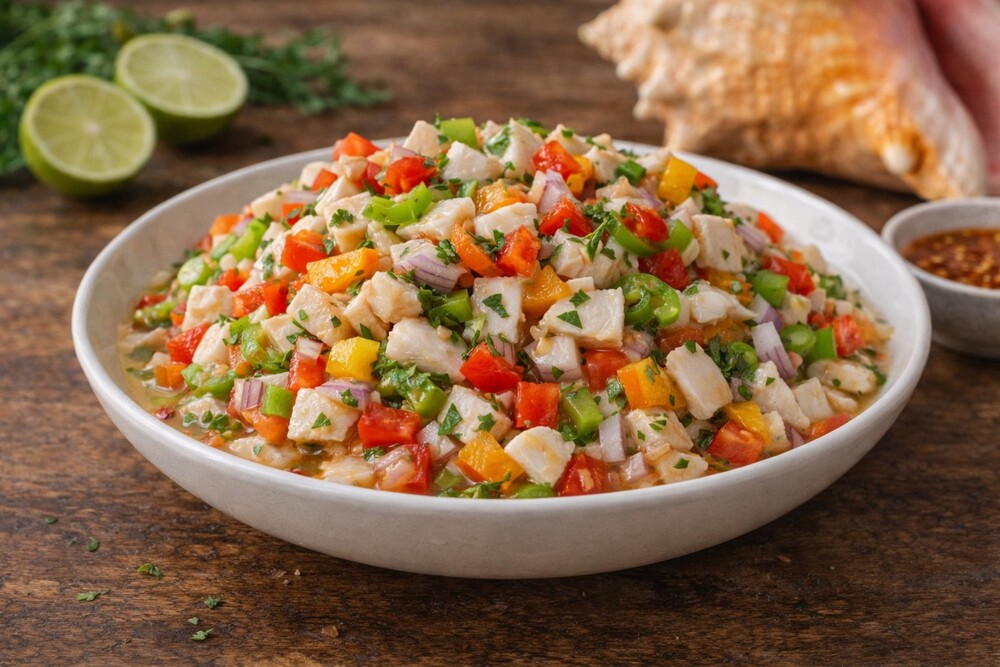
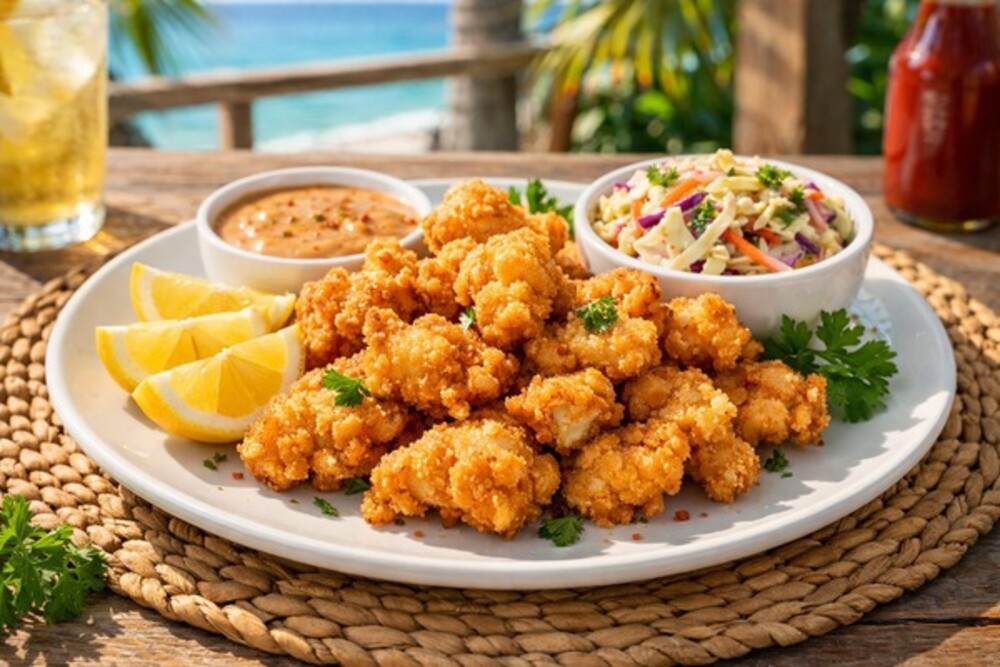
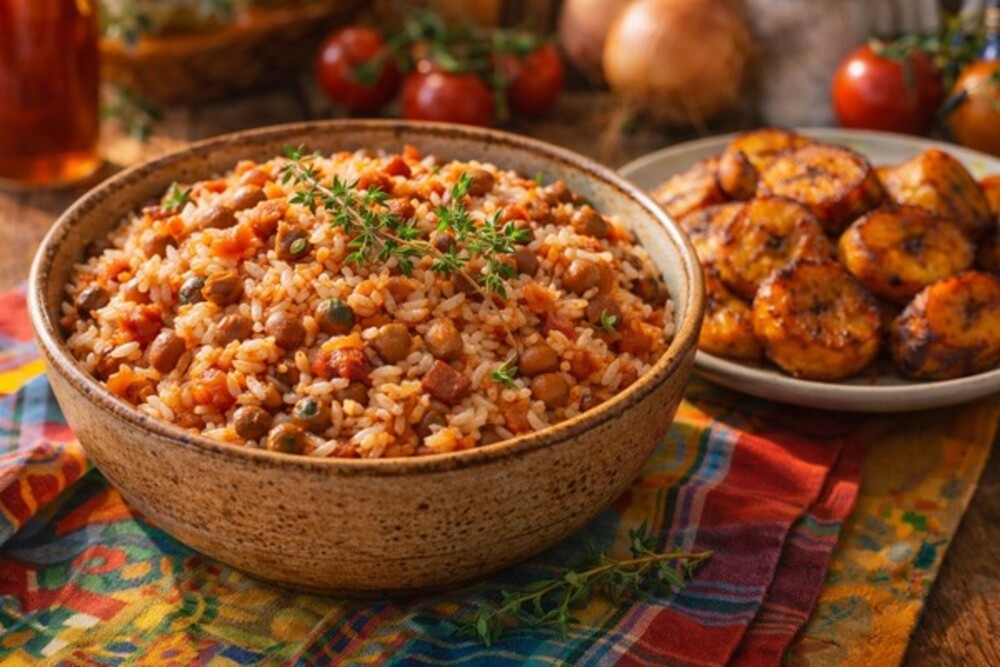
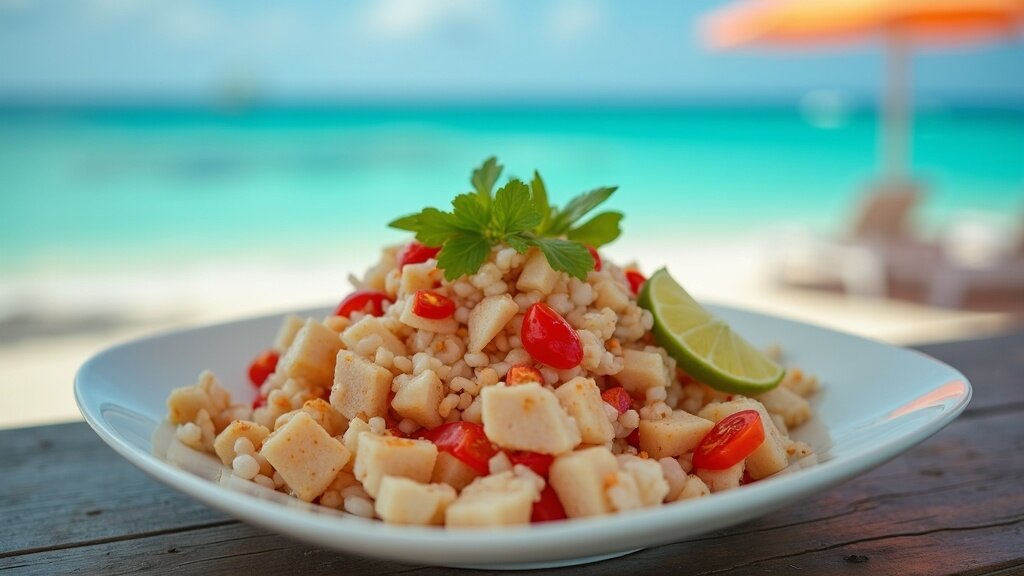
Bahamian cuisine revolves around the sea. Conch (pronounced "konk") is the national obsession — served as cracked conch (battered and fried), conch salad (raw with citrus, peppers, and onions, prepared fresh at beachside stands), conch fritters, and conch chowder. Rock lobster (Caribbean spiny lobster) appears on every menu from August through March. Bahamian fish is served steamed, stewed, or fried, typically with grits, peas and rice, and johnnycake (a slightly sweet cornbread).
Breakfast means boiled or stewed fish with grits — a hearty start that locals swear cures any late-night indulgence. Souse (a clear broth with chicken, sheep tongue, or pig's feet) is another morning favorite. Guava duff — a steamed guava pastry roll with butter rum sauce — is the quintessential Bahamian dessert. Kalik, the national beer, and Switcha (a Bahamian limeade brand) wash everything down.
Conch Salad KCS 84
Fresh Island Ceviche
Raw conch "cooked" in citrus juice with colorful peppers and onions — the Bahamas' signature dish.
Preparation: start with the freshest conch you can find — this dish lives or dies on the quality of the raw shellfish. Take two large queen conch, remove from their shells, and peel away the tough outer skin using a sharp knife. Dice the cleaned conch into small, uniform pieces no larger than a centimetre. Finely dice one large white onion, one green bell pepper, one red bell pepper, and two ripe but firm tomatoes to match the size of the conch. Mince one scotch bonnet pepper, removing the seeds first unless you want serious heat. Combine everything in a large glass or ceramic bowl — never metal, as the acid will react. Squeeze the juice of six to eight key limes generously over everything, then add the juice of two navel oranges for sweetness. The citrus flavours the salad and gently "cooks" the conch through acid denaturation. Season with sea salt and black pepper, toss gently, and refrigerate at least 30 minutes before serving in a clear glass bowl with saltine crackers on the side. Eat within a few hours while the conch retains its tender-firm texture.
Cracked Conch KCS 79
Crispy Fried Conch
Tenderized conch breaded and fried golden — the ultimate Bahamian comfort food.
Preparation: clean two large queen conch thoroughly, then pound between cling film with a meat mallet until about half a centimetre thick and visibly tenderised — this step is essential, or you'll be chewing for hours. Cut into palm-sized pieces. Set up a three-station breading line: seasoned flour (salt, garlic powder, onion powder, cayenne, black pepper), beaten egg with a splash of milk, and fine breadcrumbs or crushed saltine crackers. Dredge each piece through flour, egg, then breadcrumbs, pressing firmly for an even coating; repeat the egg-and-crumb step for extra crunch if desired. Rest the breaded pieces 10 minutes, then deep-fry in 180°C oil for three to four minutes, turning once, until deep golden and audibly crispy. Drain and serve immediately with lemon wedges, coleslaw, and a mayo-ketchup-lime-scotch bonnet dipping sauce — beach food, eaten with your fingers, cold Kalik in hand.
Peas n' Rice KCS 72
Island Staple
Fluffy rice with pigeon peas in savory tomato-coconut broth — served with everything.
Preparation: simmer 200g soaked dried pigeon peas until tender (or use drained canned peas). Render 150g cubed salt pork or bacon in a heavy pot until crisp and golden; remove and set aside, keeping the fat. Sauté one diced onion, two minced garlic cloves, and one diced bell pepper in the fat until soft, then add diced tomatoes, tomato paste, thyme, black pepper, and a pinch of allspice, cooking until rich and aromatic. Stir in the pigeon peas, then add 400g long-grain rice and toast for a minute. Pour in 700ml water or stock, bring to a boil, then reduce to the lowest heat, cover tightly, and cook undisturbed for 20–25 minutes. Rest 5 minutes off heat, fluff with a fork, and fold in the reserved crispy pork. Serve as the essential side to any Bahamian meal.
\g<1>11\2
Cocktails & Mixed Drinks
10
🍸 Cocktails & Mixed Drinks
Bahamian drinking culture runs on rum, coconut, and tropical fruit — beach-bar classics built for hot afternoons and slow evenings on the sand.
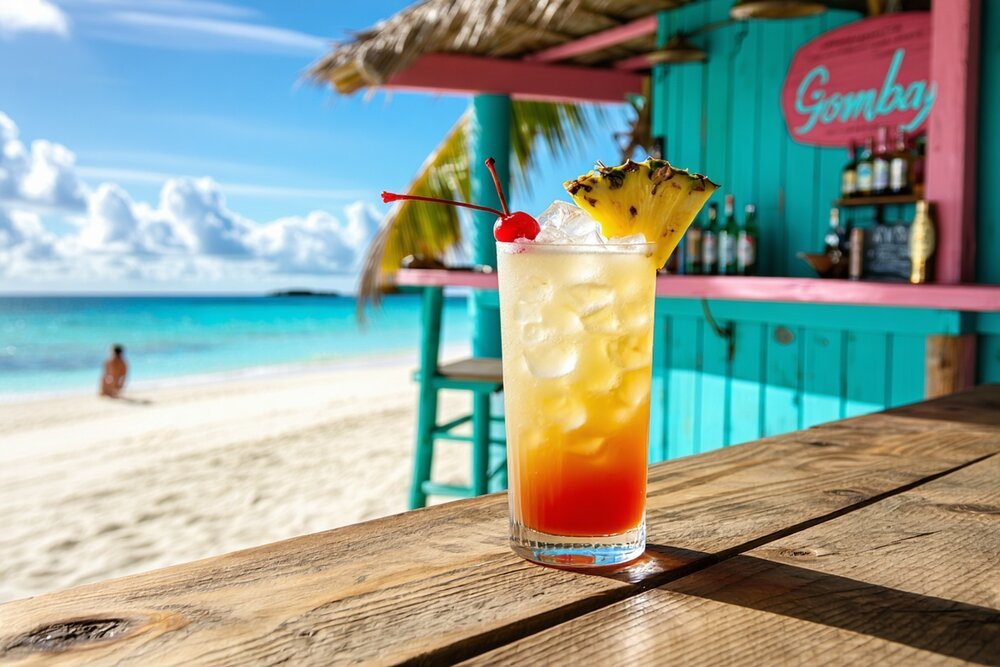
Goombay Smash
The National Cocktail
Coconut rum, pineapple juice, and a float of dark rum — invented at the Blue Bee Bar on Green Turtle Cay, Abaco, and now the Bahamas' unofficial national drink.
🥃 Highball glass · 🔨 Shake & float
Ingredients: 30ml coconut rum · 30ml light rum · 15ml apricot brandy · 60ml pineapple juice · 15ml orange juice · dark rum float
Preparation: shake the coconut rum, light rum, apricot brandy, pineapple juice, and orange juice hard with ice. Strain over fresh ice in a highball glass and float a dash of dark rum on top.
💡 The original 1950s recipe is a closely guarded Blue Bee Bar secret — every other version, including this one, is an educated approximation.
Sky Juice
Coconut, Gin & Condensed Milk
Fresh coconut water, gin, and sweetened condensed milk — strange on paper, genuinely delicious in a glass, and a fixture of Nassau's fish fry stands.
🥃 Coconut shell or tumbler · 🔨 Shake
Ingredients: fresh coconut water (from one coconut) · 45ml gin · 30ml sweetened condensed milk · ice · nutmeg, grated
Preparation: shake all ingredients hard with ice until well combined and slightly frothy. Pour into a coconut shell or tumbler and dust with fresh grated nutmeg.
💡 Traditionally served straight from a fresh-cracked coconut at Arawak Cay's "Fish Fry" — order it alongside a plate of conch fritters.
Bahama Mama
Rum Punch, Resort-Style
A layered rum punch of coconut and dark rum with grenadine and citrus — the drink most visitors actually order, usually poolside with a paper umbrella.
🥃 Hurricane glass · 🔨 Build
Ingredients: 30ml coconut rum · 30ml dark rum · 15ml coffee liqueur · 90ml pineapple juice · 30ml orange juice · dash grenadine
Preparation: fill a hurricane glass with ice, add the rums, coffee liqueur, and juices, and stir. Finish with a dash of grenadine dropped through the center for a sunset gradient.
💡 Recipes vary wildly island to island — treat any "authentic original" claim with the same skepticism as a pirate's treasure map.
Kaufmann Drinks Score (KDS)
Drink
Style
KDS
Goombay Smash
The National Cocktail
87
Sky Juice
Coconut, Gin & Condensed Milk
81
Bahama Mama
Rum Punch, Resort-Style
80
\g<1>12\2
Wine, Spirits & Drinking Culture
11
🍷 Wine, Spirits & Drinking Culture
The Bahamas has no wine production — the archipelago of 700 low-lying, subtropical coral islands has no conditions suited to viticulture. Kalik Beer (named after the sound of cowbells at Junkanoo — "ka-lik, ka-lik") is the national lager and a genuine cultural symbol. Sands Beer is the other major brand. Rum, particularly John Watling's (distilled at the Buena Vista Estate in Nassau, a beautifully restored colonial property) and imported Caribbean brands, is the spirit of choice. Wine is widely available at Nassau's and Paradise Island's extensive resort infrastructure, though it's imported rather than local.
\g<1>13\2
Marine Life & Diving
12
🤿 Marine Life & Diving
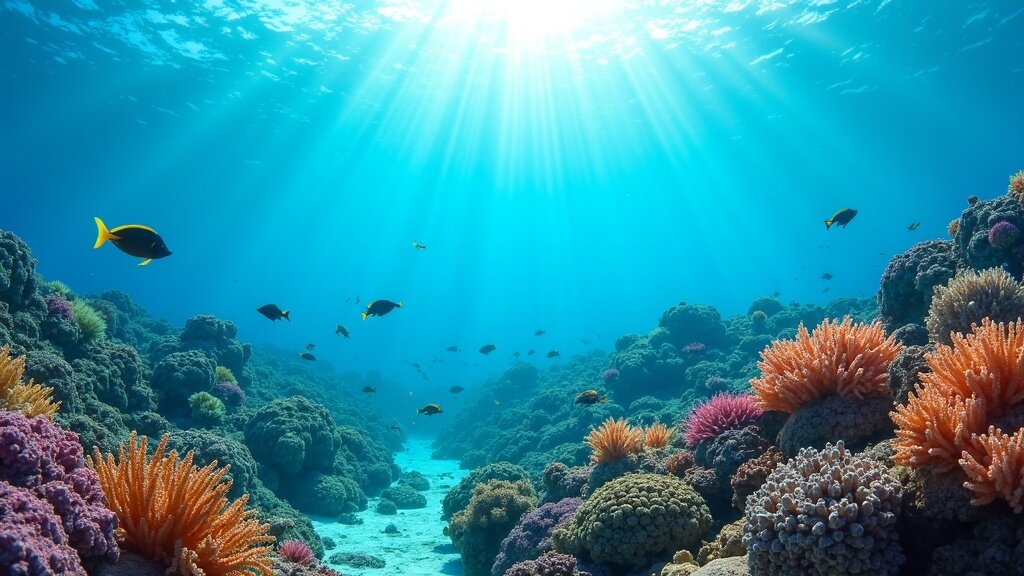
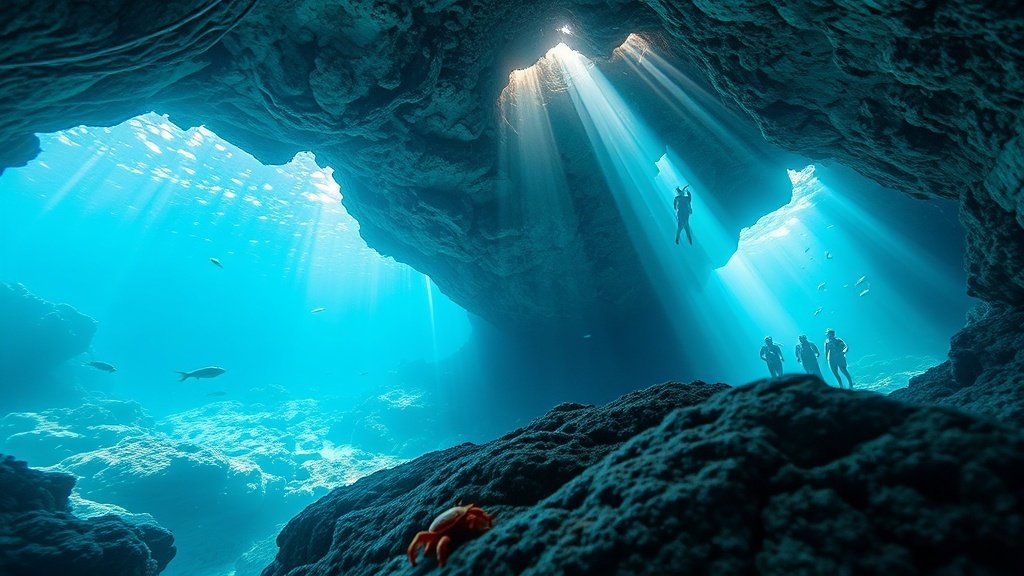
The Bahamas is one of the world's premier diving destinations. The Andros Barrier Reef — the third largest globally — stretches 225 kilometers with dramatic wall dives plunging from shallow reefs into thousands of meters of deep ocean. Blue holes — vertical cave systems flooded with seawater — offer haunting dives into crystal-clear freshwater layers above saltwater depths, with some extending over 200 meters deep.
Shark diving is a Bahamas specialty: Caribbean reef sharks at Stuart Cove's Nassau, hammerheads at Bimini, and oceanic whitetips at Cat Island draw underwater photographers worldwide. The Exuma Cays Land and Sea Park, established in 1958, protects 455 square kilometers of marine habitat where no fishing is permitted, resulting in reef systems teeming with life. Dolphins, sea turtles, eagle rays, and whale sharks round out encounters that keep divers returning year after year.
\g<1>14\2
Climate
13
🌡️ Climate
The Bahamas enjoys a tropical maritime climate moderated by the Gulf Stream. Temperatures range from 21–25°C in winter to 27–33°C in summer. The dry season (November–April) brings perfect weather — clear skies, low humidity, and warm seas. The wet season (May–October) sees afternoon thunderstorms and higher hurricane risk, with the peak hurricane season from August through October. Water temperatures stay above 24°C year-round.
\g<1>15\2
Practical Info
14
📋 Practical Info
Getting there: Lynden Pindling International Airport (NAS) in Nassau receives direct flights from major US cities, Toronto, London, and Caribbean hubs. Grand Bahama (FPO) and several Out Islands have their own airports. Bahamasair and inter-island charter services connect the islands. Fast ferries operate Nassau–Harbour Island and Nassau–Exumas routes.
Visa: US citizens can visit visa-free for up to 8 months; Canadian, UK, EU and most Commonwealth citizens are also visa-exempt, with the permitted stay (commonly 90 days, extendable) stamped at the officer's discretion. Everyone still fills in the paper immigration/customs card on arrival; a Bahamas Digital Arrival Card pilot launched in May 2026 for selected flights only, so treat any site claiming an online form is mandatory (or charging for it) as a scam. A valid passport is required. Currency: Bahamian Dollar (BSD), pegged 1:1 to the US Dollar. USD is accepted everywhere. Cards are widely accepted in Nassau and resort areas; carry cash for the Out Islands.
Getting around: island-hopping requires flights or ferries. Taxis and jitneys (minibuses) serve Nassau. Car rental is available on major islands — driving is on the left (British heritage). Water taxis connect nearby cays. Budget: the Bahamas is expensive by Caribbean standards. Budget travelers can manage $100–150/day, mid-range $200–350, luxury $500+. Out Islands tend to be cheaper than Nassau/Paradise Island for accommodation, but food remains pricey due to imports. Safety: the U.S. State Department rates the Bahamas Level 2 — Exercise Increased Caution due to crime. Most reported violent crime is concentrated in Nassau and Freeport; use heightened urban caution and follow current official guidance.
\g<1>16\2
Travel Advisory
15
⚠️ Travel Advisory
🇺🇸 US State Department — Level 2: Exercise Increased Caution
The Bahamas has been at Level 2 continuously since 26 January 2024. The advisory was reissued on 28 July 2026 with an updated summary — the level did not change, but the guidance on violent crime and water safety was expanded.
Crime: violent crime — armed robbery, burglary and sexual assault — occurs anywhere in the country, but is concentrated in Nassau (New Providence) and Freeport (Grand Bahama).
Nassau hotspot: travellers are advised to avoid the "Over the Hill" area south of Shirley Street, particularly after dark, where gang violence is persistent.
Water safety: the 2026 update added specific warnings about unregulated jet-ski operators, commercial watercraft with inconsistent safety standards, and strong currents — there are no lifeguards on most beaches.
Practical: stay in well-lit tourist areas at night, use licensed taxis, and do not resist if robbed.
In practice, the Out Islands remain extremely safe and the great majority of the record 12.5 million visitors in 2025 (about 86% of them cruise passengers) had no trouble at all. The advisory is best read as a reminder that Nassau and Freeport are working cities with real neighbourhoods, not resort backdrops — the ordinary urban caution you would apply in any mid-sized city applies here too. Always check the current text at travel.state.gov before departure, as summaries are revised without the level changing.
\g<1>17\2
UNESCO World Heritage
16
🏛️ UNESCO World Heritage
The Bahamas ratified the World Heritage Convention but has no inscribed World Heritage Sites — a genuine rarity for a country with this much natural and colonial heritage, and a gap the Bahamas National Trust has been working to close. Two properties sit on the country's Tentative List, both submitted in 2015 and both still pending as of 2026.
Property
Type
Notes
Historic Lighthouses of The Bahamas
Cultural (tentative, 2015)
Eleven lighthouses built by the British Imperial Lighthouse Service between 1836 and 1887. Elbow Reef Lighthouse at Hope Town, Abaco (1863), is one of the last hand-wound, kerosene-burning lighthouses left anywhere — the Bahamas keeps the world's final three — and the keeper still cranks the weight-driven mechanism every two hours through the night. It survived Hurricane Dorian's direct hit in 2019 and was restored with help from a US$472,000 US grant.
Inagua National Park
Mixed (tentative, 2015)
32,600 hectares on Great Inagua around Lake Rosa — saline lagoon, saltmarsh and mangrove supporting the world's largest breeding colony of West Indian flamingos, plus the endangered Bahama parrot.
Beyond the UNESCO framework, the Exuma Cays Land and Sea Park (1958) holds a different distinction: it was the first land-and-sea protected area anywhere in the Caribbean and one of the first no-take marine reserves in the world. There is also a UNESCO intangible connection worth noting — Junkanoo has been repeatedly discussed as a candidate for the Representative List of the Intangible Cultural Heritage of Humanity, but has not yet been inscribed.
The Bahamian calendar is anchored by Junkanoo, but almost every island has a signature weekend of its own — most of them built around a boat, a fruit or a fish.
Event
When
Where & what
Junkanoo
26 Dec & 1 Jan (from ~2 am)
Bay Street, Nassau — the national parade; smaller rushes on Grand Bahama, Abaco and Eleuthera
Majority Rule Day
10 January
Public holiday marking the 1967 election that brought the Black majority to power
National Family Island Regatta
Late April
Elizabeth Harbour, George Town, Exuma — traditional wooden sloops, raced since 1954
Eleuthera Pineapple Festival
Early June
Gregory Town — pineapple-eating contests, Junkanoo rush-out, the "Pineappleman" triathlon
Rake & Scrape Festival
Early June (Labour Day weekend)
Arthur's Town, Cat Island — saw, accordion and goatskin drum bands from across the islands
Independence Day
10 July
Clifford Park, Nassau — flag-raising at midnight, fireworks, cultural shows
Emancipation Day
First Monday in August
Fox Hill village, Nassau — Fox Hill Day cookouts and a Junkanoo rush a week later
Vertical Blue
Usually July–August
Dean's Blue Hole, Long Island — invitational freediving championship; world records are routine
Bahamas International Film Festival
December
Nassau — Caribbean and international premieres in the run-up to Junkanoo
\g<1>19\2
Fascinating Facts
18
🤯 Fascinating Facts
🐷 The swimming pigs of Big Major Cay became famous after appearing in a 2009 magazine article — their origin remains a mystery
🏴☠️ Nassau was the "Republic of Pirates" from 1706–1718, governed by pirate captains including Blackbeard
🕳️ Dean's Blue Hole (202m) was the deepest known blue hole until 2016, when China's Dragon Hole (300m) was sounded; Mexico's Taam Ja' (420m+, 2023) then pushed it to third — it still hosts the Vertical Blue freediving championship
🦩 Great Inagua hosts over 80,000 West Indian flamingos — one of the world's largest colonies
🎬 Over 20 films have been shot in the Bahamas, including four James Bond movies
🌊 Only about 3% of the Bahamas' 470,000 km² is land — the rest is bank, reef and open ocean
🎭 Junkanoo dates back to the 17th–18th century, when enslaved people were given a brief holiday around Christmas — its name possibly honours John Canoe, a West African trader-chief
\g<1>20\2
The Lucayan World
Before European contact, the Lucayan people lived across the Bahamian archipelago and built communities adapted to the sea. Their society was devastated after 1492 by enslavement, forced removal, disease and colonial violence; within a generation the islands had been largely depopulated.
\g<1>21\2
Nassau and the Pirate Republic
Nassau’s position beside major Atlantic shipping routes and among hundreds of islands made it a notorious base during the golden age of piracy. British authority was reasserted in 1718 under Governor Woodes Rogers, ending the period commonly associated with the so-called Republic of Pirates.
\g<1>22\2
Loyalists, Slavery and Emancipation
After the American Revolution, Loyalists arrived with enslaved Africans and attempted plantation agriculture. Slavery shaped Bahamian society until emancipation in the British Empire in the 1830s, while African heritage became foundational to modern Bahamian culture.
\g<1>23\2
Majority Rule and Independence
The twentieth century transformed political power in The Bahamas. Majority Rule in 1967 was a landmark in representative government, and on July 10, 1973, The Bahamas became an independent sovereign state within the Commonwealth.
\g<1>24\2
The Abacos
The Abacos form a northern island chain known for boating, fishing and historic settlements such as Hope Town. Elbow Reef Lighthouse and communities rebuilt after Hurricane Dorian are among the region’s defining landmarks.
\g<1>25\2
Andros and the Barrier Reef
Andros is the country’s largest island and one of its least densely developed. Its barrier reef, blue holes, mangroves, pine forests and vast flats make it a centre for diving, bonefishing and nature-based travel.
Long, narrow Eleuthera is known for dramatic coastal geology, pineapple traditions and the Glass Window Bridge. Nearby Harbour Island is famous for Pink Sands Beach and a compact settlement of pastel buildings.
\g<1>27\2
The Exumas
The Exumas stretch through exceptionally shallow, luminous water. The chain includes the protected Exuma Cays Land & Sea Park, marinas and small communities, as well as Big Major Cay, whose swimming pigs became an international tourism image.
Grand Bahama combines Freeport’s urban and port infrastructure with beaches, pine forest, mangroves and cave systems. Lucayan National Park protects an important landscape where terrestrial and underwater environments meet.
\g<1>29\2
Bimini
Bimini lies close to Florida and has long been associated with sport fishing, diving and maritime legends. Wrecks, reefs and the island’s Hemingway associations give this small western outpost an identity distinct from Nassau.
\g<1>30\2
Long Island and Dean’s Blue Hole
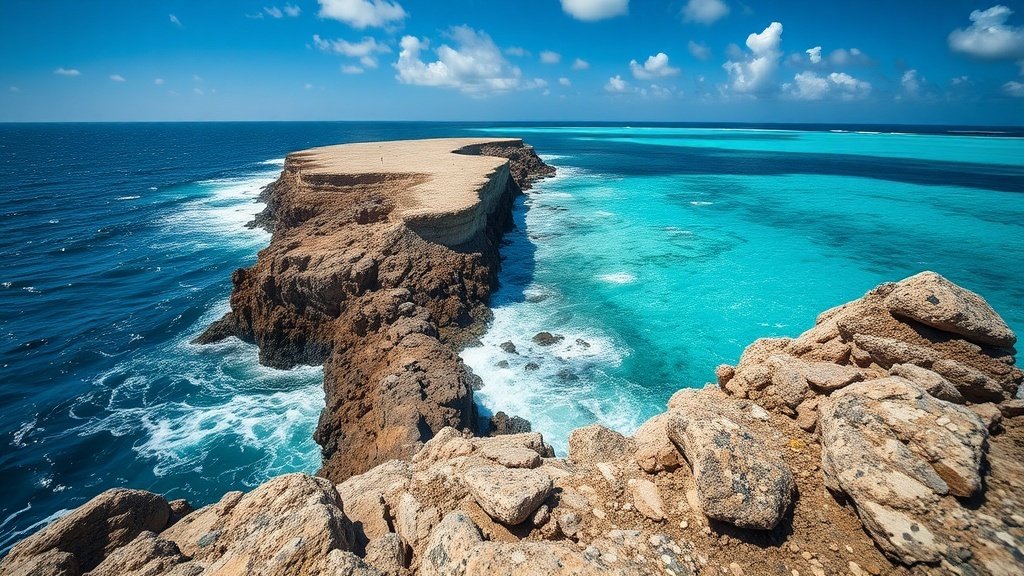
Long Island is a narrow island of contrasting Atlantic cliffs and calmer western shores. Dean’s Blue Hole is its best-known natural landmark and has made the island an international centre for freediving.
\g<1>31\2
Inagua and the Flamingos
Great Inagua, in the far south, is one of the country’s great birding destinations. Inagua National Park supports a vast colony of West Indian flamingos alongside other resident and migratory birds.
\g<1>32\2
National Parks and Protected Seas
The Bahamas protects important terrestrial and marine habitats through a network of national parks. Reefs, mangroves, blue holes, coppice forest, wetlands and seabird habitat make conservation inseparable from the country’s tourism future.
\g<1>33\2
Blue Holes and Karst Landscapes
The limestone foundation of the islands is riddled with caves, sinkholes and flooded passages. Blue holes on Andros, Long Island and elsewhere are both striking natural landmarks and scientifically important records of geology and past environments.
\g<1>34\2
Junkanoo
Junkanoo fills streets with drums, cowbells, dance and elaborate costumes, with the largest celebrations traditionally centred on Boxing Day and New Year’s Day. Preparation takes months and the festival is one of the strongest public expressions of Bahamian identity.
\g<1>35\2
Rake ’n’ Scrape and Bahamian Music
Rake ’n’ scrape uses instruments such as goatskin drum, accordion or concertina and a scraped metal tool to create a distinctive rhythmic sound. It remains an important strand of Bahamian musical heritage alongside gospel, calypso and contemporary Caribbean styles.
\g<1>36\2
Art, Straw Work and Contemporary Culture
Bahamian visual culture ranges from traditional straw work and festival costume-making to contemporary painting, sculpture and public art. Nassau’s galleries and studios provide a useful counterpoint to the resort image of the islands.
\g<1>37\2
Island Hopping
Moving between islands is part of understanding The Bahamas. Scheduled and charter flights, ferries and private boats connect major destinations, but distance, weather and service frequency mean a multi-island itinerary needs more planning than a map suggests.
\g<1>38\2
Hurricanes and Resilience
Atlantic hurricanes are a recurring reality. Hurricane Dorian’s catastrophic impact on Abaco and Grand Bahama in 2019 demonstrated both the vulnerability of low-lying islands and the long recovery required after an extreme storm.
\g<1>39\2
Fishing and Bonefishing
Fishing is both livelihood and recreation. Offshore sport fishing made Bimini famous, while the shallow flats of Andros and other islands are internationally known for bonefishing; local rules and conservation practices should be checked before fishing.
\g<1>40\2
Sailing, Marinas and the Banks
Shallow banks, cays and clear water make The Bahamas one of the Atlantic’s classic cruising grounds. Navigation nevertheless demands respect for tides, reefs, weather and local knowledge, especially away from well-marked approaches.
For a country of just over 400,000 people, the Bahamas is absurdly over-represented in world athletics. The "Golden Girls" — Sevatheda Fynes, Chandra Sturrup, Pauline Davis-Thompson, Debbie Ferguson-McKenzie and Eldece Clarke-Lewis — won the 4×100 m relay at the Sydney 2000 Olympics, still the country's most beloved sporting moment. Steven Gardiner took 400 m gold in Tokyo 2020, and Shaunae Miller-Uibo's dive across the line to beat Allyson Felix in Rio 2016 is one of the most replayed finishes in Olympic history; she defended the title in Tokyo.
Sloop sailing is the national sport in spirit if not in statute — the National Family Island Regatta at George Town, Exuma, has raced traditional Bahamian workboats every April since 1954, with no engines, no fibreglass, and crews hiking out on wooden planks. Basketball has become the second obsession: Buddy Hield and Deandre Ayton both came out of Nassau to the NBA, and Ayton was the first overall pick in 2018. Free diving belongs here too — Dean's Blue Hole on Long Island has hosted the Vertical Blue world championship for years. Nassau's Thomas A. Robinson Stadium has staged the World Athletics Relays four times (2014, 2015, 2017 and May 2024), more than any other city. The recent record is leaner: the Bahamas left both Paris 2024 and the 2025 World Championships in Tokyo without a medal, its first such double blank in a generation.
Beyond sport, Bahamian names you may know: Sir Sidney Poitier (1927–2022; raised on Cat Island; the first Black man to win the Academy Award for Best Actor, and later Bahamian ambassador to Japan), Sir Lynden Pindling (father of Majority Rule and the nation's first prime minister), the singer Ronnie Butler (1937–2017), and Joseph Spence (1910–1984), the Andros guitarist whose unclassifiable playing quietly influenced a generation of American folk musicians.
\g<1>43\2
Media & Press Freedom
21
📰 Media & Press Freedom
The Bahamas is too small to appear in Reporters Without Borders' 180-country World Press Freedom Index, so the usual RSF rank does not exist for it. The best proxy is Freedom House, which rates the country Free, 90/100 in Freedom in the World 2026 (political rights 38/40, civil liberties 52/60), docking a point on the media question mainly for the state's dominance of broadcasting.
Print is lively and openly partisan. The Nassau Guardian (founded 1844, one of the oldest continuously published newspapers in the hemisphere) and The Tribune (1903) are the two national dailies; The Freeport News serves Grand Bahama and Eyewitness News is the main digital-first outlet. Broadcasting is led by the state-owned Broadcasting Corporation of The Bahamas (ZNS radio and television, on air since 1936), alongside private stations such as Our News/Cable Bahamas and a crowded FM dial of talk radio. A Freedom of Information Act was passed in 2017 but has been implemented only in stages, and criminal libel remains on the statute book — the two points local journalists raise most often.
"Everyone thinks they know the Bahamas — cruise ships, Atlantis, duty-free rum. But anchor in the Exumas where the water shifts through impossible shades of blue and turquoise, wade to a sandbar that appears only at low tide, and you'll understand why Bahamians smile when tourists say they've 'seen the Bahamas' from a Nassau port call."
"The Out Islands are the real treasure — Harbour Island's pink sand at sunset, the otherworldly blue holes of Andros, the flamingo colonies of Inagua. And nothing — absolutely nothing — prepares you for standing on Bay Street at 3 AM on Boxing Day while Junkanoo sweeps past in a wall of sound and color."
— Radim Kaufmann, 2026
Keep exploring
Read another chapter, send a correction or get the monthly English newsletter.