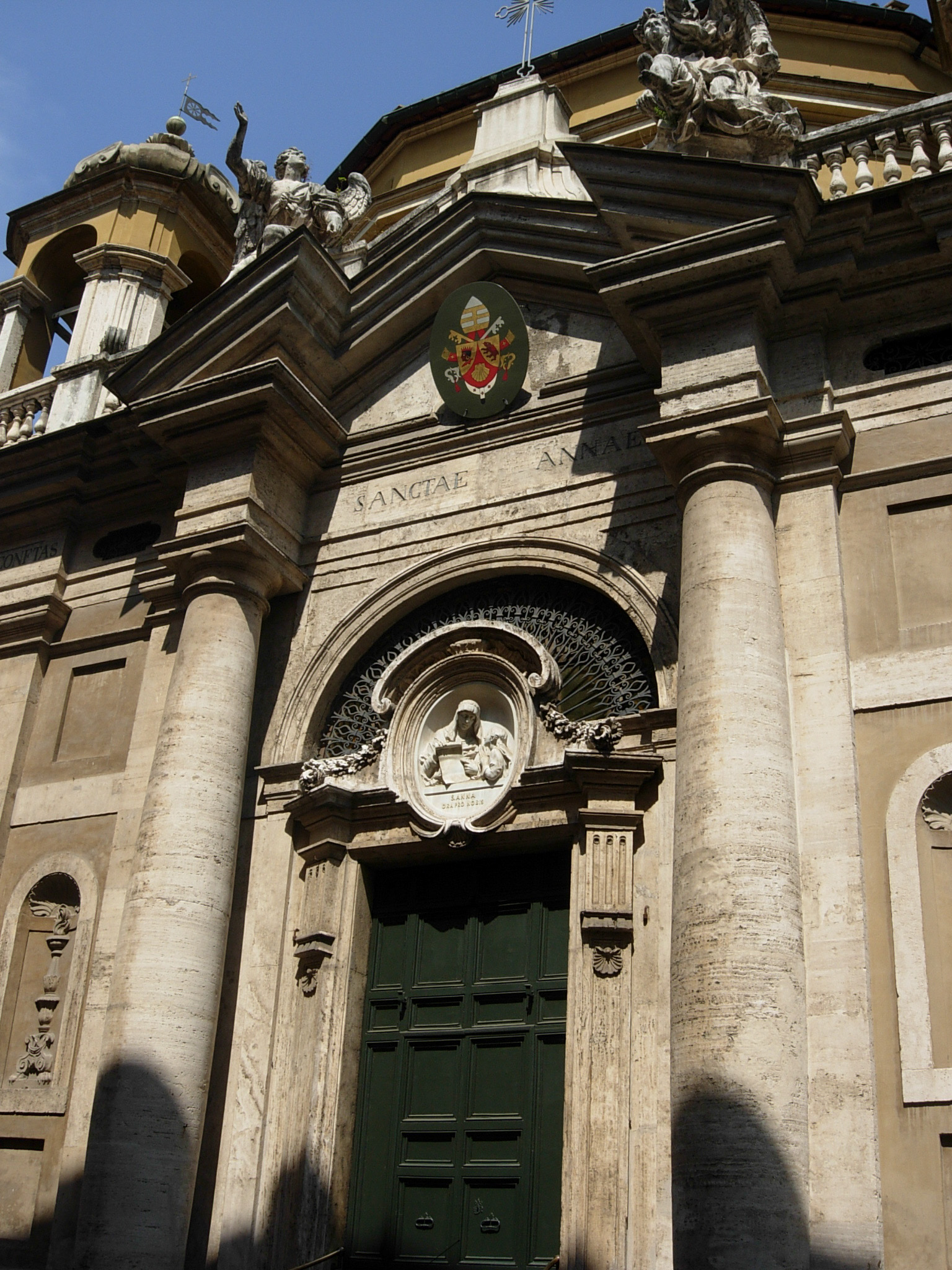
11057-Vatican - 3481559817.jpg · Photo: xiquinhosilva · CC BY 2.0
Vatican City — the Stato della Città del Vaticano — is the smallest sovereign state on Earth: 44 hectares, 0.44 km², walled into the right bank of the Tiber inside the city of Rome. It is the seat of the Holy See, the government of a church of roughly 1.4 billion Catholics, and it is the only country whose entire territory is a single UNESCO World Heritage property.
The scale is genuinely strange. You can walk the whole state in about twenty minutes, yet inside those walls sit St Peter's Basilica, the Sistine Chapel, the Vatican Museums, the Apostolic Palace, the Apostolic Library and the Apostolic Archive. The Holy See maintains diplomatic relations with 184 states — more than most G20 members — plus the European Union and the Sovereign Military Order of Malta. In a normal year the Museums alone receive around seven million visitors; during the 2025 Jubilee, which ran from 24 December 2024 to 6 January 2026, more than 33 million pilgrims came through Rome and the Vatican.
This is not a country in the conventional sense. Nobody is born a citizen; citizenship is attached to an office and lapses when the job ends. There are no maternity wards, no schools for children, no farmland. But it is not the empty stage set some guidebooks imply either: there is a supermarket, a pharmacy, a post office, a petrol station, a fire brigade, a pharmacy queue and a functioning bureaucracy. Pope Leo XIV — Robert Francis Prevost, elected 8 May 2025 — is head of state; Sister Raffaella Petrini has run the city-state's civil government since March 2025.
Vatican City is the world’s smallest independent state, but its cultural, religious and diplomatic reach is immense. Within Rome, its walls enclose the papal residence, St Peter’s Basilica, the Vatican Museums, gardens, offices and a living institution whose history reaches across two millennia.
02
⚖️ Vatican City and the Holy See
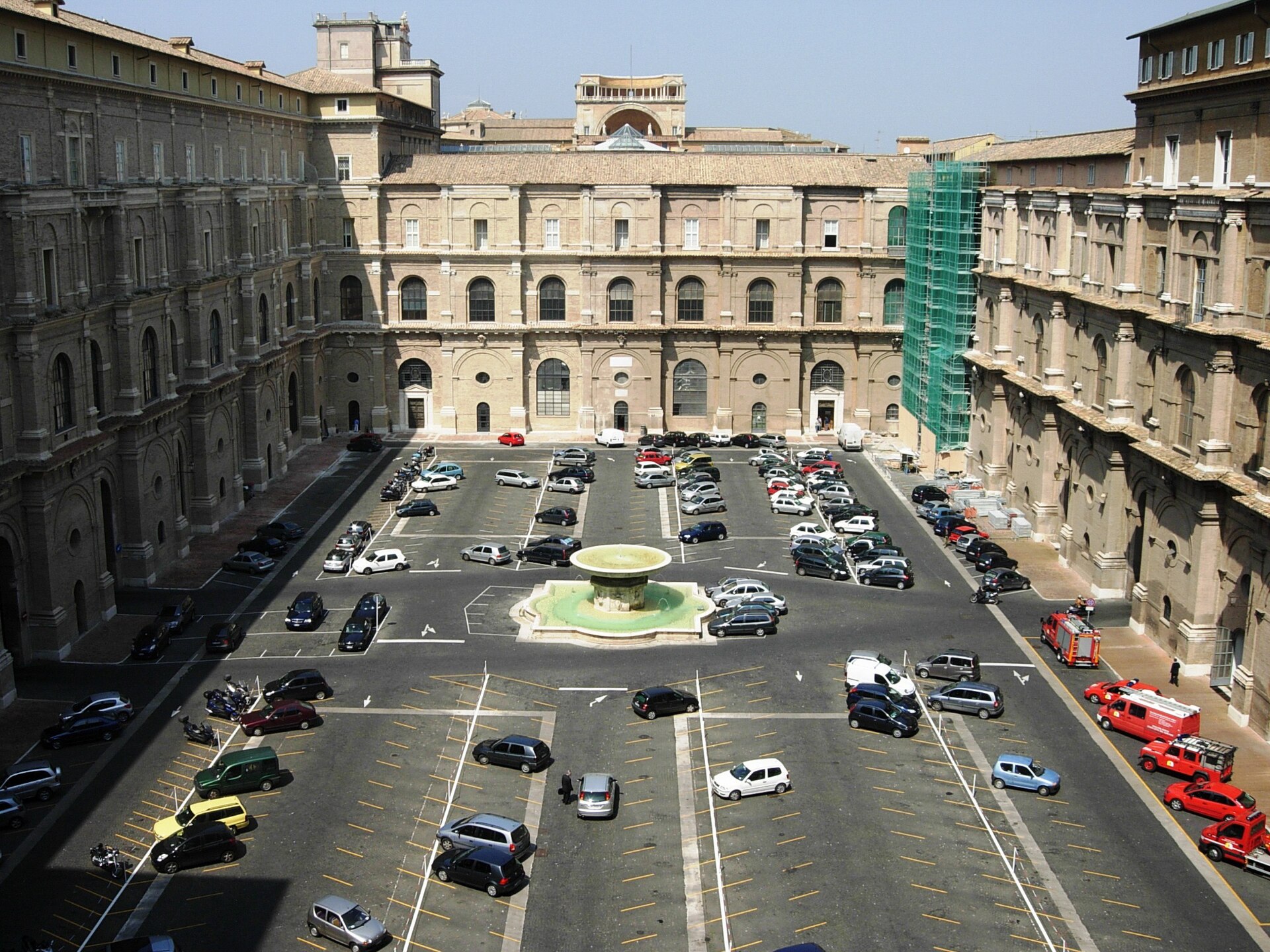
11060-Vatican.jpg · Photo: xiquinhosilva · CC BY 2.0
Vatican City State is a sovereign territory created to guarantee the independence of the Holy See. The Holy See is the central governing authority of the Catholic Church and the subject that conducts diplomacy; confusing the two obscures how the institution actually works.
The distinction has practical consequences. Embassies are accredited to the Holy See rather than to Vatican City State, treaties are concluded through the Holy See, and papal diplomatic representatives act for an institution whose international personality long predates the territorial settlement of 1929. Vatican City is therefore best understood as the material guarantee of independence for a much older legal and spiritual authority.
03
🏷️ Name & Identity
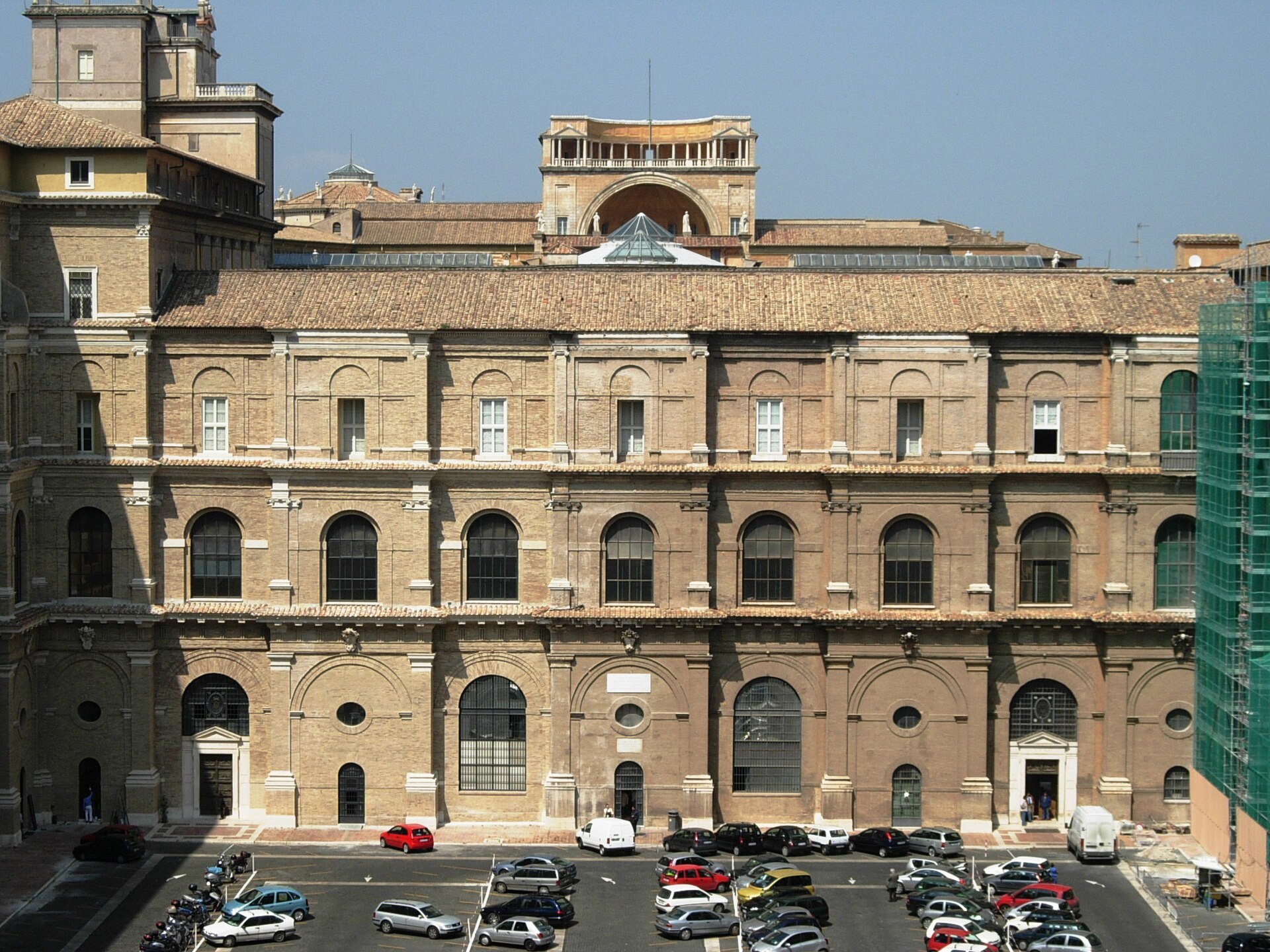
11062-Vatican - 3481560759.jpg · Photo: xiquinhosilva · CC BY 2.0
The name comes from Mons Vaticanus, the Vatican Hill — not one of Rome's canonical seven hills, and in antiquity an unfashionable district of drained marsh, brickworks, gardens and graves on the wrong side of the river. Nero's circus stood here. Tradition holds that Peter was crucified nearby during the persecutions of the mid-60s AD and buried in the necropolis on the slope, which is why a basilica ended up on a floodplain instead of on the civic high ground.
Two entities share the address and are constantly confused. The Holy See is the government of the universal Church and the party that signs treaties, sends nuncios and holds permanent observer status at the United Nations; it is a sovereign subject of international law with no territory of its own. Vatican City State is the 44-hectare territory created in 1929 to give the Holy See a physical guarantee of independence. Passports, stamps, euro coins and car plates (SCV) belong to the State; the diplomacy belongs to the See.
Italian is the working language; Latin remains the language of official acts, and the Vatican's cash machines were long the only ones in the world offering a Latin interface. The State mints its own euro coins under agreement with the EU — legal tender everywhere in the eurozone, and almost never spent, because collectors pay multiples of face value.
“Vatican” derives from the ancient Vatican Hill and the surrounding ager Vaticanus. Today the name can mean the state, the papal complex or, imprecisely, the Holy See; careful use depends on political, religious and geographic context.
In historical writing, precision matters because the same word can describe several overlapping realities. The Vatican can mean the walled territory, the administrative institutions surrounding the pope, the artistic complex visited by travelers, or the wider ecclesiastical center. Using Holy See for the diplomatic and governing subject, and Vatican City for the sovereign territory, prevents many common errors.
04
🗺️ Geography & Territory
11100-Vatican-StPeterSquare - 3481560899.jpg · Photo: xiquinhosilva · CC BY 2.0
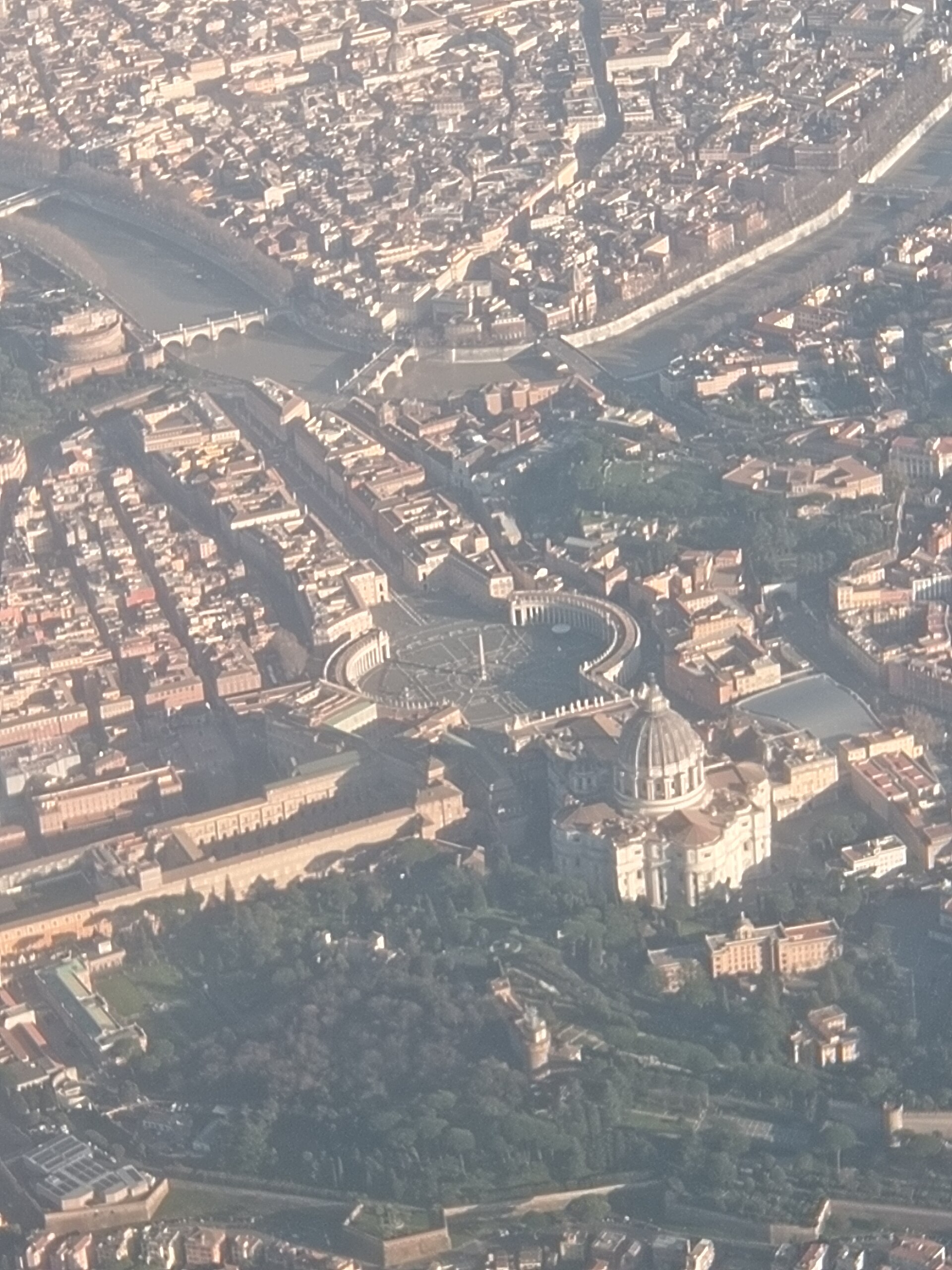
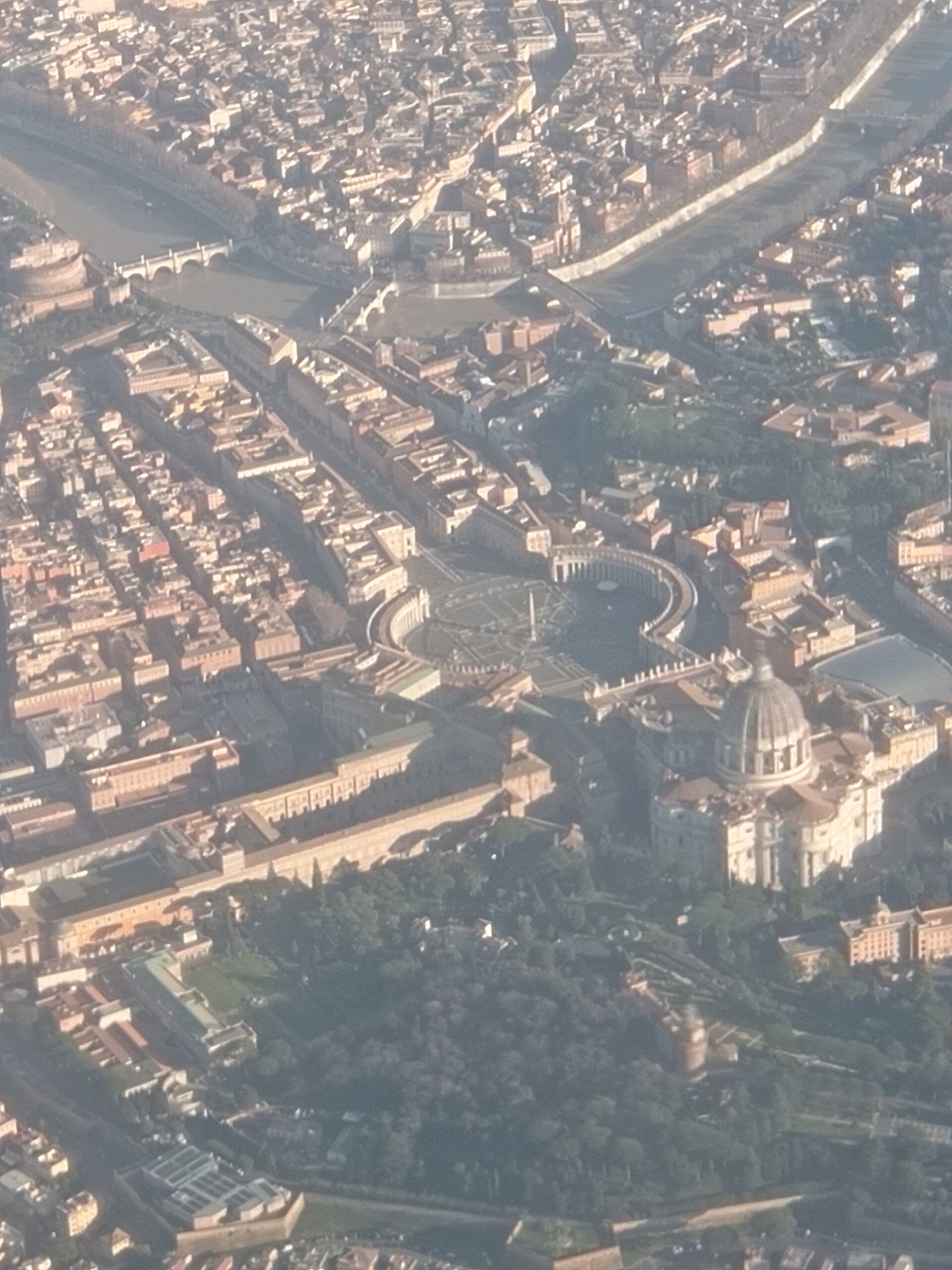
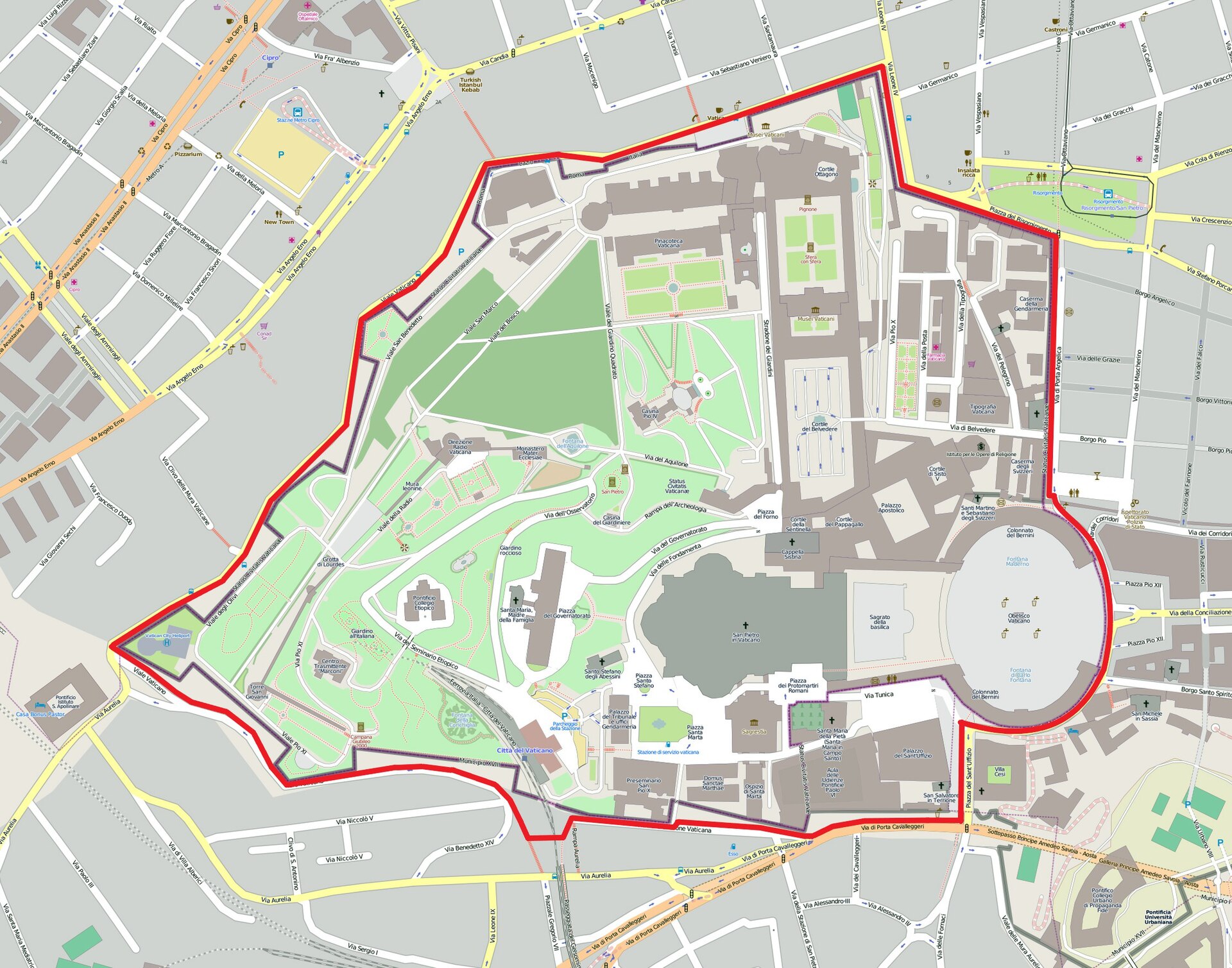
Vatican City occupies 0.44 km² on the right bank of the Tiber, entirely surrounded by Rome. Its frontier is about 3.4 km long and for most of that distance it is a wall — the Leonine Wall begun in the 9th century and much rebuilt. The one open stretch is the boundary that runs across St Peter's Square, marked by a line of travertine set into the paving: cross it and you have left Italy without meeting a border guard.
The terrain is a low hill. The highest point is about 75 m above sea level in the gardens behind the basilica; the lowest, in the square, about 19 m. Roughly half the state — some 23 hectares — is the Vatican Gardens. The built-up half is dense: basilica, museums, palaces, offices, the Governorate, the Domus Sanctae Marthae guesthouse, a railway station, a heliport and a fuel station.
The State's reach extends beyond the walls. Under the Lateran Treaty a set of properties around Rome — the basilicas of St John Lateran, Santa Maria Maggiore and San Paolo fuori le Mura, the Palazzo San Callisto, the Vatican Radio transmitter at Santa Maria di Galeria — and the papal estate at Castel Gandolfo in the Alban Hills enjoy extraterritorial status. Castel Gandolfo alone is around 55 hectares, larger than the state it belongs to.
The state covers about 44 hectares on the west bank of the Tiber. Its compact territory includes monumental public spaces, restricted administrative zones, gardens and buildings, while several important basilicas and offices elsewhere in Rome enjoy extraterritorial status.
05
🗺️ Map
11217-Vatican-FromTheDome - 3482375184.jpg · Photo: xiquinhosilva · CC BY 2.0
The whole state, plus the extraterritorial properties of the Holy See in Rome and the papal estate at Castel Gandolfo. Scroll-wheel zoom is disabled so the page still scrolls; use the +/− controls.
The visitor entrance to the museums lies on Viale Vaticano, while St Peter’s Square opens toward Via della Conciliazione. The two entrances are not interchangeable, and walking between them outside the walls takes time.
06
🏺 From the Vatican Hill to Constantine
11280-Vatican-FromTheDome - 3482377452.jpg · Photo: xiquinhosilva · CC BY 2.0
The Vatican Hill lay outside ancient Rome and contained gardens, roads and burial grounds. Tradition placed the martyrdom and burial of Saint Peter here; Constantine’s fourth-century basilica transformed the site into a major Christian center.
Archaeology beneath and around the basilica reveals a landscape that changed from Roman necropolis to Christian pilgrimage center. The Constantinian basilica did not erase the earlier cemetery; instead, its builders negotiated difficult terrain to place the new sanctuary above the venerated grave. That physical continuity between burial ground, memory and monumental architecture remains essential to understanding the site.
07
👑 The Papal States
11293-Vatican-FromTheDome - 3481564479.jpg · Photo: xiquinhosilva · CC BY 2.0
For more than a thousand years popes ruled territories across central Italy. The Papal States ended in 1870 when Rome joined unified Italy, producing the “Roman Question” that remained unresolved until 1929.
08
📜 The Lateran Treaty of 1929
11302-Vatican-FromTheDome - 3482378576.jpg · Photo: xiquinhosilva · CC BY 2.0
The Lateran Treaty between the Holy See and Italy recognized Vatican City as a sovereign state and resolved the Roman Question. The associated concordat and financial convention established a new legal relationship whose later provisions have been revised.
The agreements signed on 11 February 1929 created more than a tiny new country. They defined sovereignty, compensation and relations between church and state after nearly sixty years of dispute. Later revisions, particularly the 1984 concordat, altered the position of Catholicism within Italy while leaving the independence of Vatican City and the international standing of the Holy See intact.
09
🕊️ Vatican City during World War II
11304-Vatican-FromTheDome.jpg · Photo: xiquinhosilva · CC BY 2.0
During World War II the Vatican maintained neutrality while Rome faced occupation, persecution and bombing. The conduct of Pius XII remains intensely debated, especially regarding public silence, private diplomacy and assistance offered through Catholic networks.
Serious interpretation must distinguish documented rescue activity, diplomatic constraints, institutional self-protection and the moral question of public protest. Archives opened to researchers have added evidence without ending disagreement. The subject should not be reduced either to a simple defense or a simple condemnation, because decisions differed across offices, countries and stages of the war.
10
🔄 Modern Reforms
11568-Vatican - 3481569951.jpg · Photo: xiquinhosilva · CC BY 2.0
Recent pontificates have reformed administration, finance, criminal law, safeguarding and communications. These changes reveal that the Vatican is not a frozen Renaissance court but a small state continually adapting institutions under global scrutiny.
11
👥 Population & Citizenship
11656-Vatican - 3482386692.jpg · Photo: xiquinhosilva · CC BY 2.0
Citizenship is usually connected to office or service rather than birth. Residents include clergy, religious, guards, officials and families, while thousands more commute from Italy to work in museums, administration, media and maintenance.
Vatican citizenship is exceptional because it is normally temporary and tied to a function, appointment or family relationship. When the qualifying role ends, citizenship usually ends as well, with safeguards against statelessness. This system reflects the state’s purpose: it exists to support an international institution, not to reproduce the ordinary demographic life of a hereditary nation-state.
12
🏛️ Government & Law
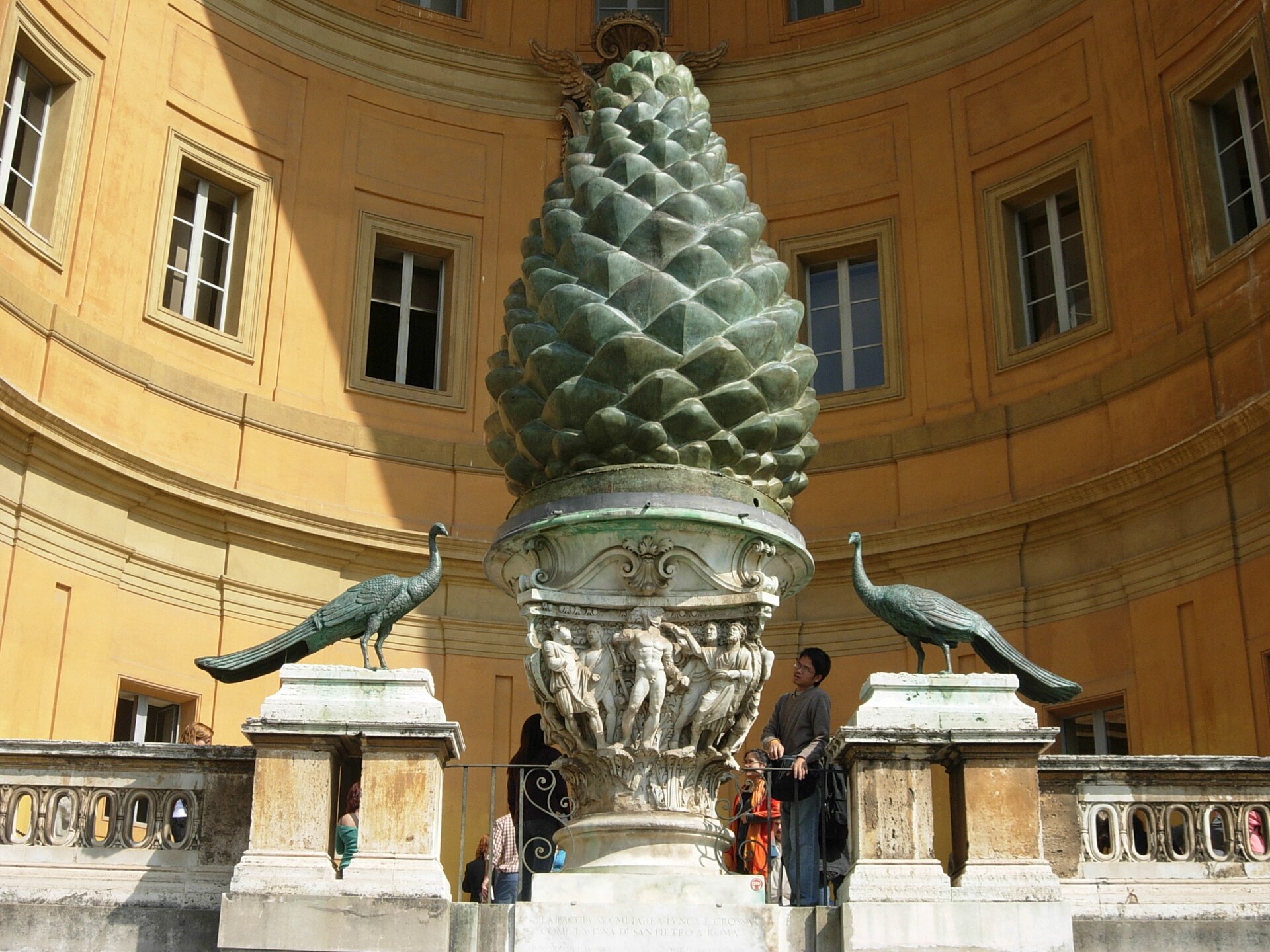
11715-Vatican-CortiledellaPigna.jpg · Photo: xiquinhosilva · CC BY 2.0
The Pope holds sovereign authority, delegated through commissions, governorate offices and tribunals. Canon law governs the Church, while Vatican civil and criminal law regulate the state; the two legal orders overlap but are not identical.
The constitutional structure combines monarchical sovereignty with modern administrative departments and courts. Legislative, executive and judicial powers are exercised in the pope’s name but delegated through different bodies. Reforms since 2023 have expanded lay participation in governance, while the state’s compact size means that institutional responsibilities can overlap in ways unfamiliar to visitors from larger republics.
13
✝️ The Pope
11979-Vatican - 3482387752.jpg · Photo: xiquinhosilva · CC BY 2.0
The Bishop of Rome is spiritual leader of the Catholic Church and sovereign of Vatican City. The office combines pastoral, doctrinal, administrative, diplomatic and symbolic roles that must be distinguished when interpreting papal actions.
These roles should not be treated as identical. A papal homily belongs to pastoral teaching; a diplomatic appeal is an intervention by the Holy See; an administrative decree may govern the Church; and an act as sovereign concerns Vatican City State. The person is the same, but the legal authority, audience and consequences change with the capacity in which he acts.
14
🗳️ Conclave & Papal Election
11981-Vatican.jpg · Photo: xiquinhosilva · CC BY 2.0
After a pope dies or resigns, eligible cardinals meet in conclave in the Sistine Chapel. Secret ballots continue until a candidate receives the required majority; white smoke and the announcement Habemus Papam communicate the result.
The visual drama of smoke conceals a carefully regulated legal process. Cardinals take oaths of secrecy, ballots are counted and verified, and unsuccessful papers are burned with chemicals that signal the result. The isolation of the electors is intended to protect freedom of judgment, although every conclave also reflects the geography, priorities and tensions of the global Church.
15
🛡️ The Swiss Guard
12100-VaticanMuseum - 3482388924.jpg · Photo: xiquinhosilva · CC BY 2.0
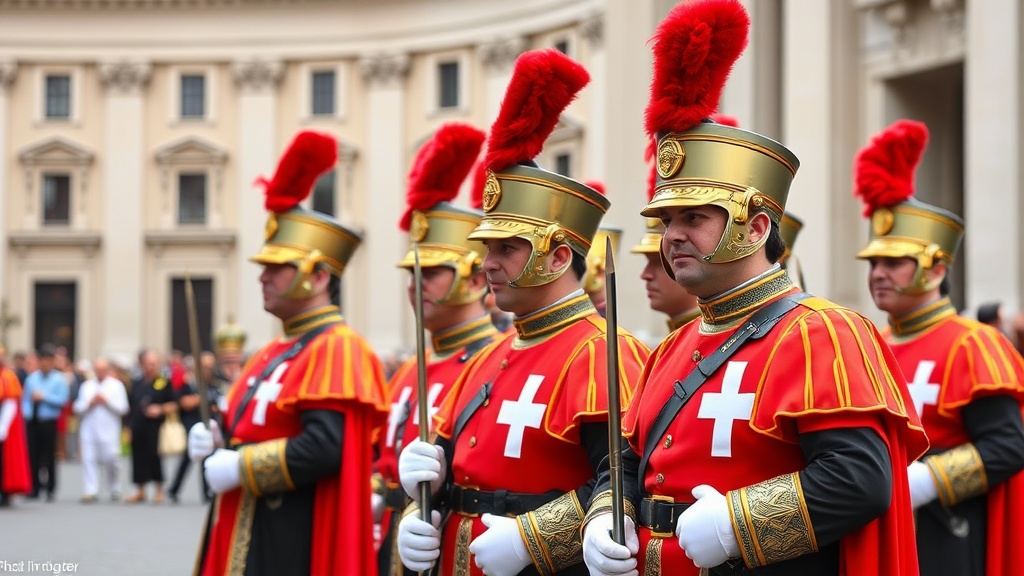
Founded in 1506, the Pontifical Swiss Guard protects the pope and ceremonial entrances. Its colorful uniform is modern in its present form, while recruitment requires Swiss citizenship, Catholic faith and military preparation.
The guard’s ceremonial visibility can obscure its professional security role. Members train in protective duties, firearms, crowd response and close protection while also serving at audiences and state ceremonies. The Renaissance appearance of the uniform expresses continuity, but the institution operates within a contemporary security system alongside the Vatican Gendarmerie and Italian authorities outside the walls.
16
⛪ St Peter’s Basilica
20251006 gardens2.jpg · Photo: Wombatjpw · CC BY-SA 4.0
St Peter's is the largest church in the world by interior area, and the roll-call of architects is a syllabus of the Renaissance and Baroque: Bramante, Raphael, Sangallo, Michelangelo, Maderno, Bernini. Work ran from 1506 to the consecration in 1626. Michelangelo designed the dome and did not live to see it closed — Giacomo della Porta and Domenico Fontana completed it in 1590.
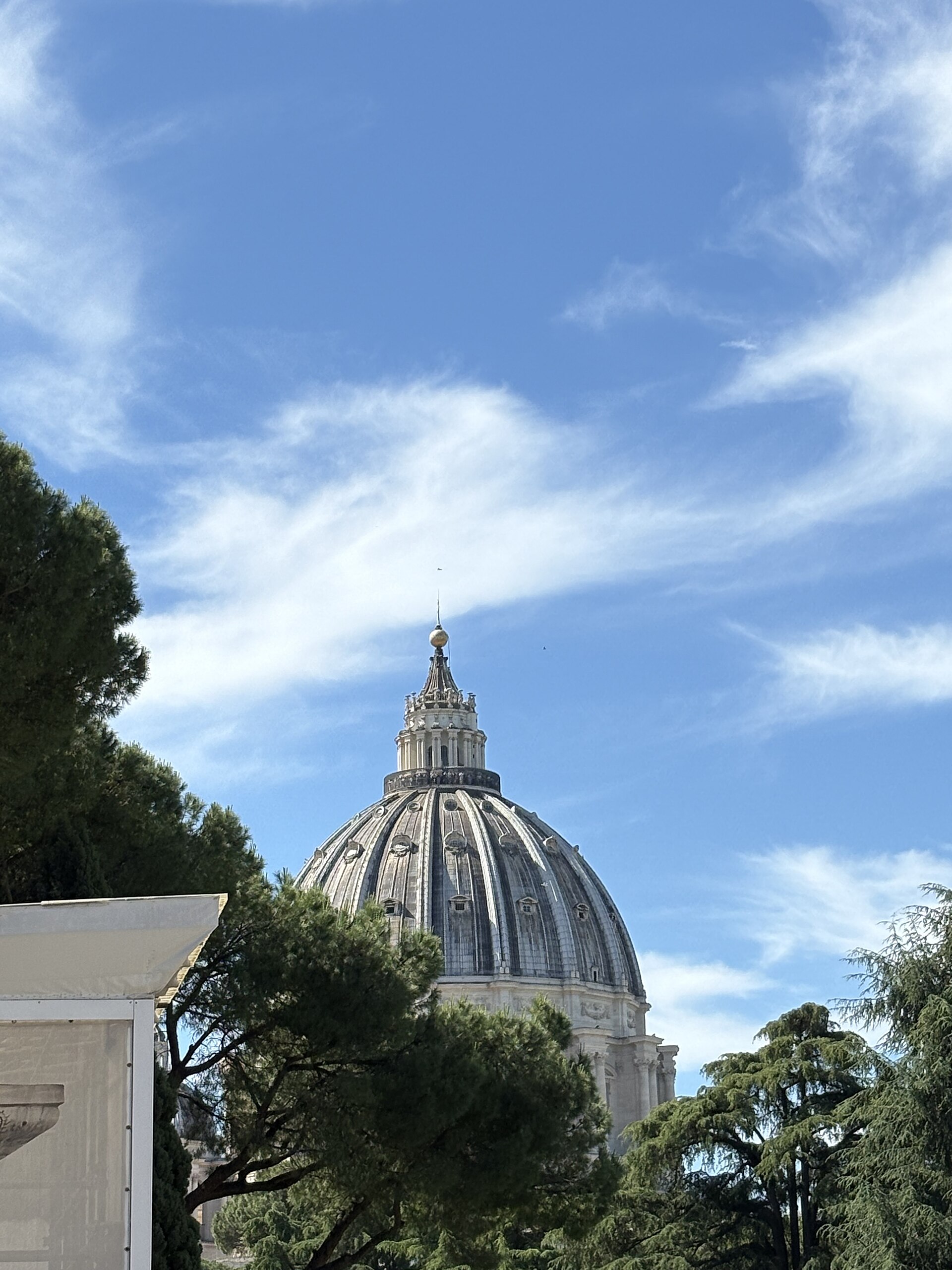
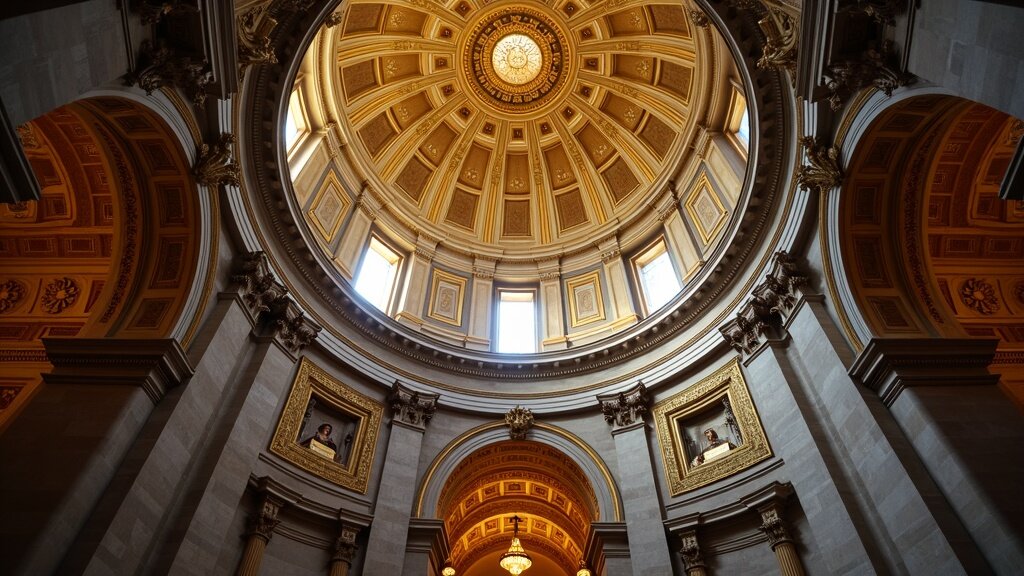
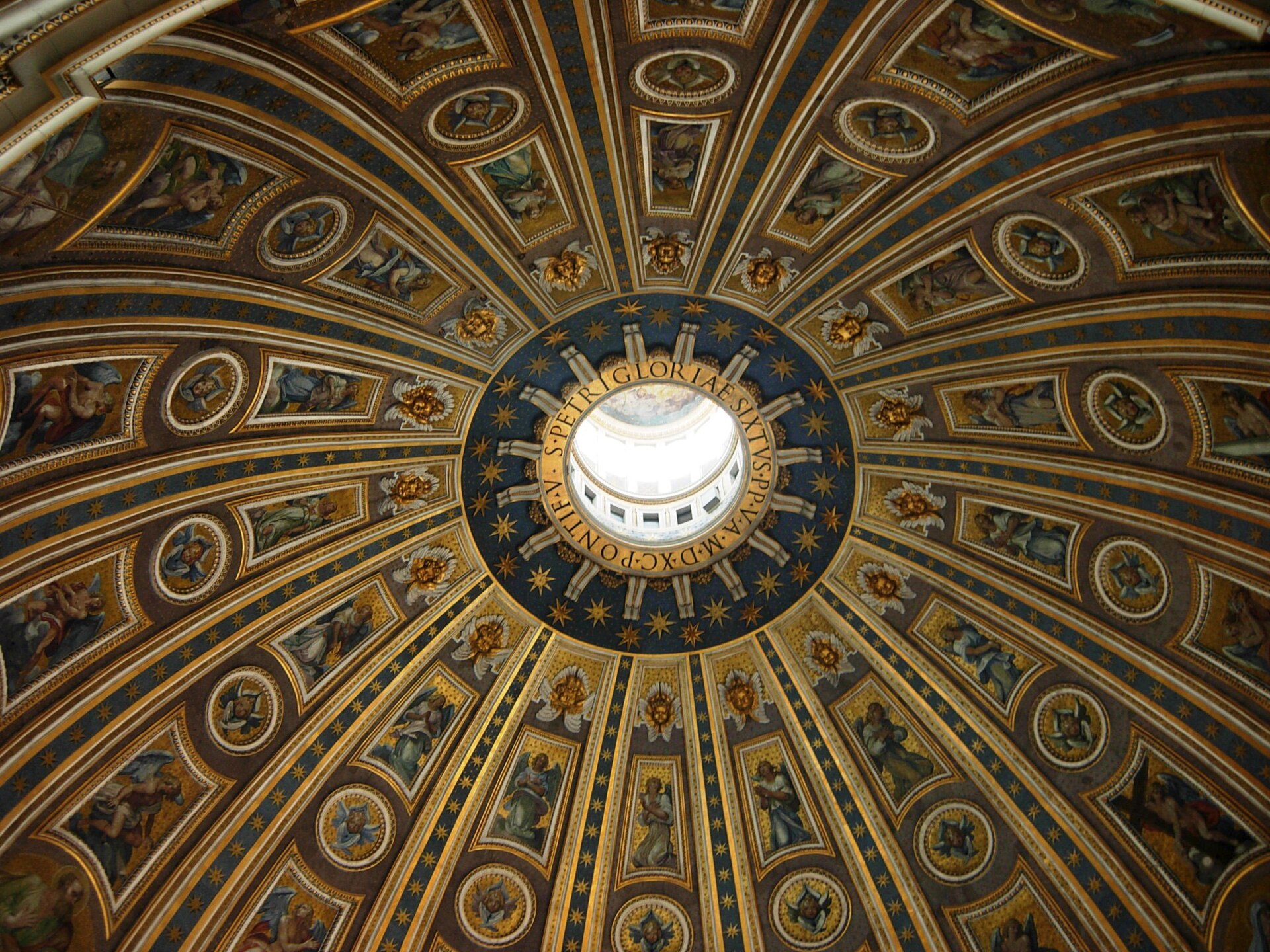
The numbers are worth getting right, because they are usually mangled. The dome reaches 136.57 m from the basilica floor to the tip of the cross, which makes it the tallest dome in the world; the interior height to the base of the lantern is about 117 m, and the internal diameter is roughly 42 m. The climb is 551 steps in total — about 231 up to the roof terrace, then some 320 through the curving shell of the dome itself. A lift skips the first section, but nobody skips the second: the shell narrows and leans, and the last stretch is a single-file spiral with a rope down the middle.
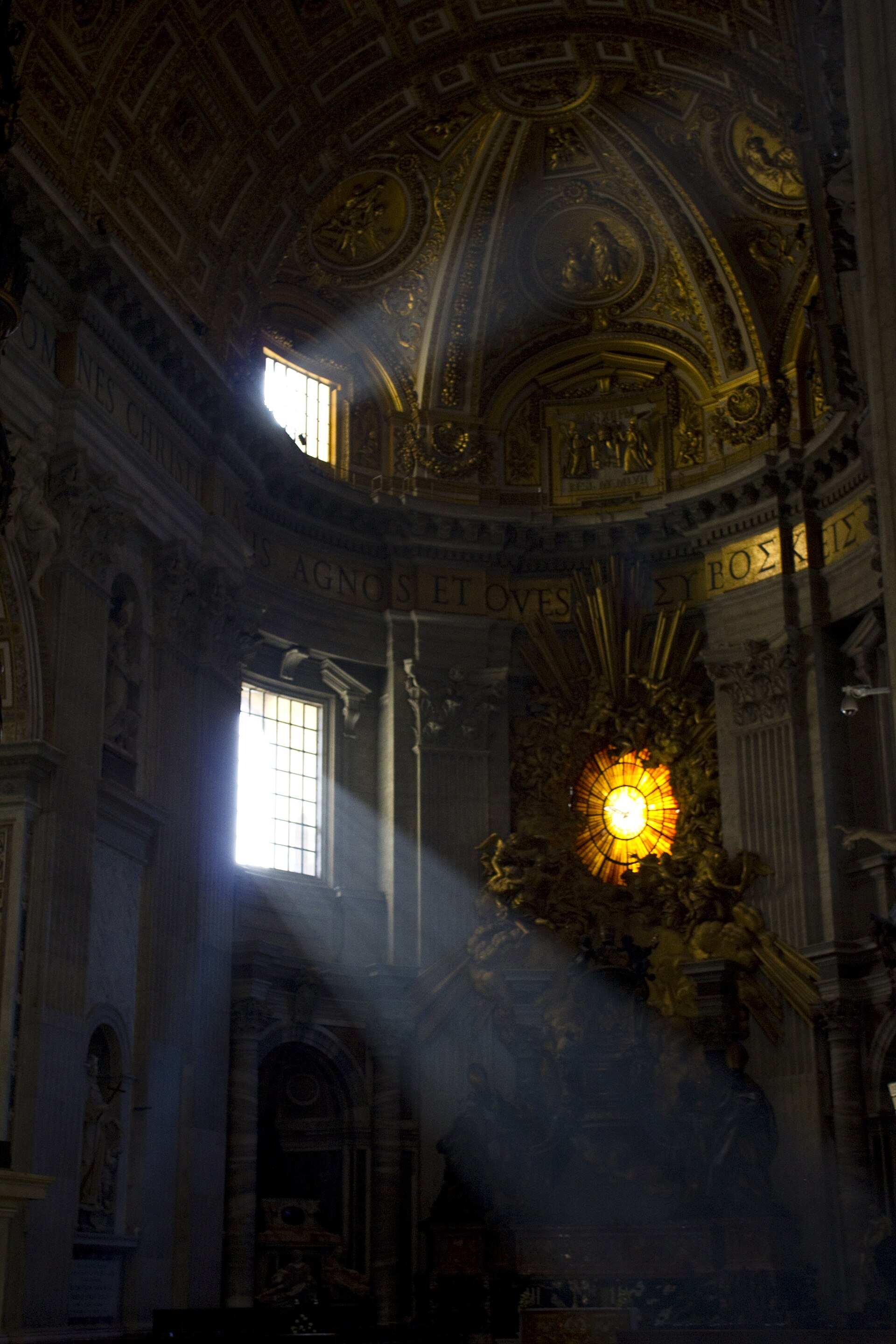
Inside, Michelangelo's Pietà stands in the first chapel on the right, carved in 1498–99 when he was twenty-four and the only work he ever signed. It has been behind bullet-proof glass since a hammer attack in 1972. Bernini's bronze baldachin stands over the papal altar; his Chair of St Peter blazes at the far end. Below, the Vatican Grottoes hold papal tombs including John Paul II's, and below that again the necropolis with the tomb traditionally identified as Peter's.
Entry to the basilica is free and always has been. What has changed is the queue: since the Jubilee, the official basilicasanpietro.va site sells a paid timed-entry slot bundled with a digital audio guide, which is not required but does let you walk past a security line that can run 60–90 minutes in high season. The dome climb is ticketed separately.
The present basilica was built from the sixteenth to seventeenth centuries over the Constantinian church. Bramante, Michelangelo, Maderno and Bernini shaped a building whose scale, art and liturgical function demand more than a hurried visit.
17
🏟️ St Peter’s Square
20251006 gardens3.jpg · Photo: Wombatjpw · CC BY-SA 4.0
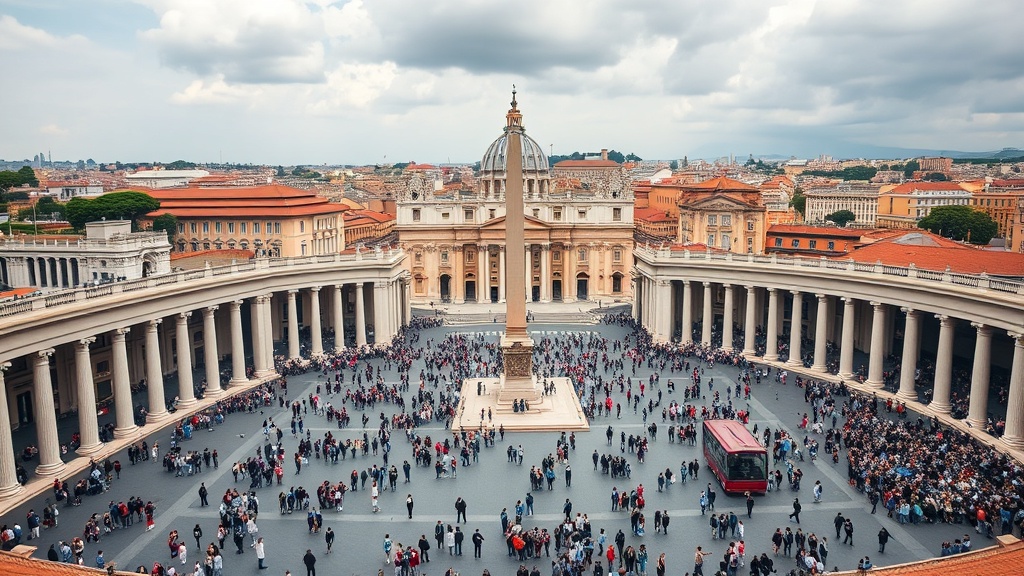
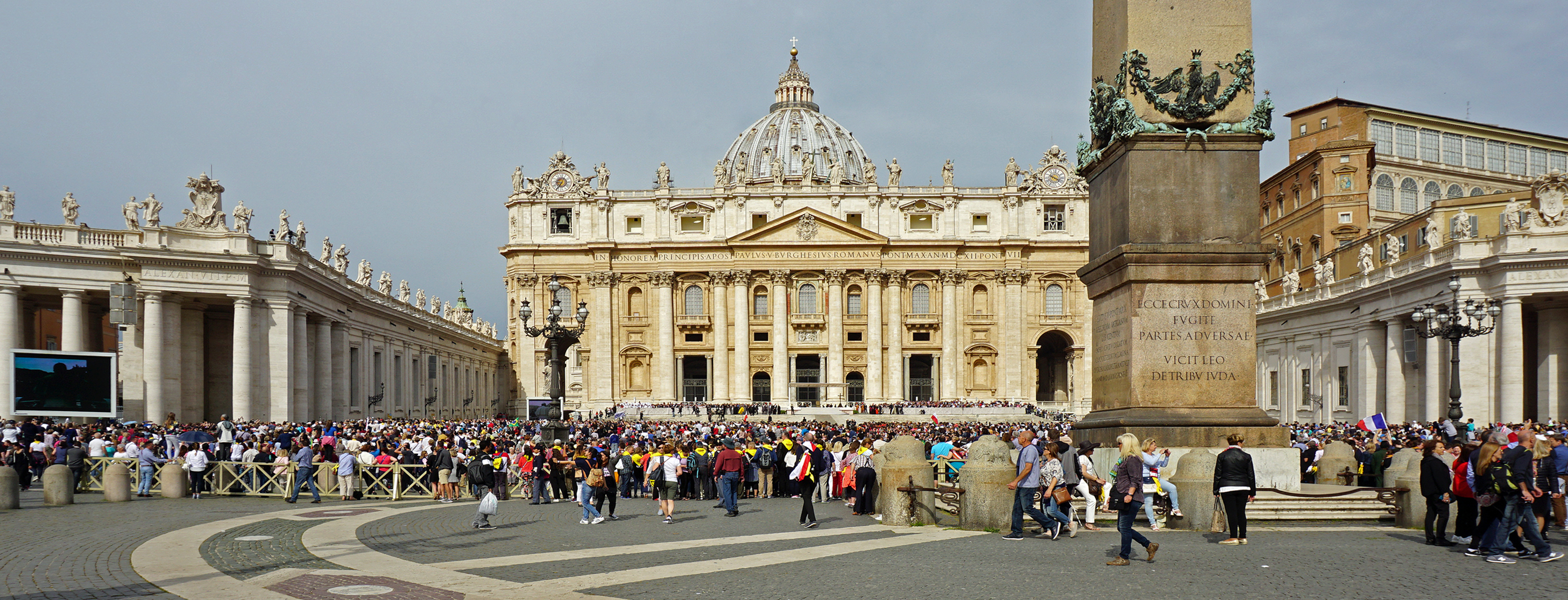
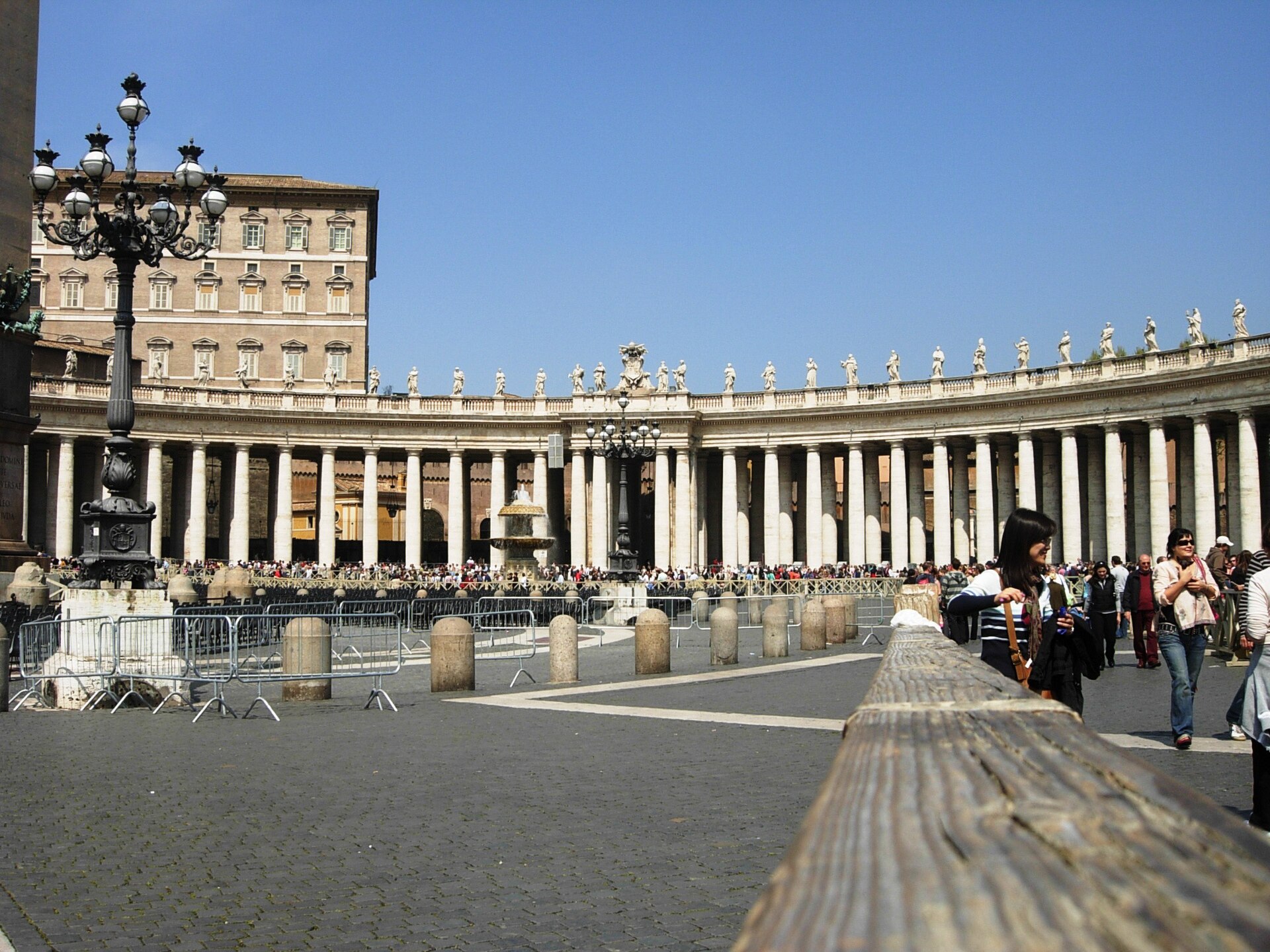
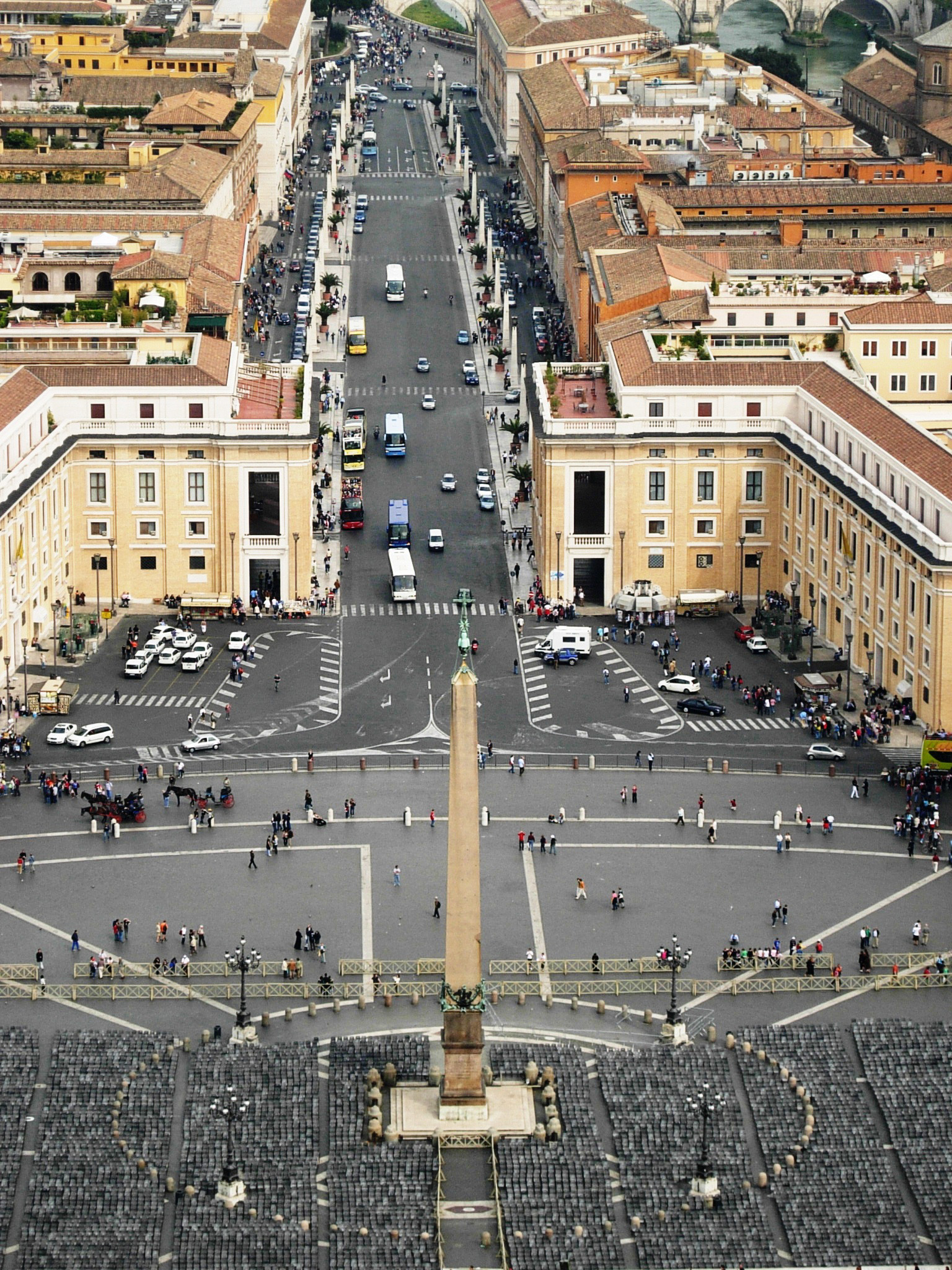
Bernini laid out the square between 1656 and 1667 as two curved colonnades of 284 travertine columns in four ranks, topped by 140 statues of saints — the “maternal arms of the Church”, in his own description. Two porphyry discs set in the paving between the fountains and the obelisk mark the focal points of the ellipse: stand on one and the four ranks of columns line up into a single row.
The obelisk at the centre is Egyptian, from Heliopolis, brought to Rome by Caligula for his circus and re-erected here in 1586 by Domenico Fontana in an operation involving 900 men, 140 horses and 44 winches. It is the only obelisk in Rome never to have fallen. The two fountains are by Maderno (1613) and Carlo Fontana (1677).
On the right of the square, the Apostolic Palace: papal apartments, the Secretariat of State, the Raphael Rooms and the Sistine Chapel are all part of the same warren. Francis famously declined the papal apartment and lived in the Domus Sanctae Marthae guesthouse for twelve years; Leo XIV moved back into the Apostolic Palace. The window from which the Sunday Angelus is given is the second from the right on the top floor — a fixed point in the week, at noon, free and open to anyone standing in the square.
Bernini’s elliptical colonnades frame a square designed for procession, blessing and assembly. The ancient Egyptian obelisk predates Christianity and was moved to its present position in 1586.
18
⚰️ The Vatican Necropolis
Acosta-Ganapati with Pope Francis March 19, 2013.jpg · Photo: JusticeforAll · CC BY-SA 4.0
Beneath the basilica lies a Roman burial ground excavated in the twentieth century. Visits to the Scavi are strictly limited and separate from ordinary basilica access; tradition associates the central grave complex with Saint Peter.
The Scavi route moves through mausoleums that preserve inscriptions, mosaics and evidence of Roman funerary practice. Its importance is not limited to the debated identification of Peter’s burial place: the excavation also shows how early Christians lived within the social and artistic world of imperial Rome. Humidity, narrow passages and conservation needs explain the strict visitor limits.
19
🗿 Michelangelo’s Pietà
Aerial view from airplane in 2026.01.jpg · Photo: CAPTAIN RAJU · CC0
Michelangelo carved the Pietà while still in his twenties. The sculpture’s polished marble, controlled grief and idealized figures became a Renaissance landmark; after an attack in 1972 it has been protected behind glass.
Its emotional power depends on restraint rather than theatrical violence. Mary’s unusually youthful face, the broad folds of her robe and Christ’s diagonally falling body create a stable pyramidal composition while allowing marble to suggest skin, fabric and weight. Michelangelo’s signature across Mary’s sash, added after the work was attributed to another sculptor, is unique among his major sculptures.
20
🎨 The Sistine Chapel
Aerial view from airplane in 2026.02.jpg · Photo: CAPTAIN RAJU · CC0
The Cappella Sistina is the pope's chapel and the room in which conclaves elect popes — most recently on 8 May 2025. Built for Sixtus IV in 1473–81, it is a plain brick box of about 40.9 by 13.4 m with a ceiling roughly 20.7 m up, and the proportions are said to follow those given for the Temple of Solomon.
Michelangelo painted the ceiling between 1508 and 1512, standing on a scaffold of his own design and complaining in verse about his neck. Nine scenes from Genesis run down the spine, including the Creation of Adam. Twenty-four years later he came back for the Last Judgment on the altar wall (1536–41), a churning wall of some 300 figures. The side walls are older and easily missed: Perugino, Botticelli, Ghirlandaio, Rosselli and Signorelli, painted in the 1480s.
On the crowding, be realistic. The chapel takes perhaps two thousand people at a time and on peak days sees 20,000 to 25,000 visitors pass through; the Museums have discussed capping annual admissions at six million on conservation grounds. Guards call for silence and forbid photography, and both rules are widely ignored. The first slot after opening, or the last two hours of a long summer day, are the difference between contemplation and a rush-hour platform.
Built for Pope Sixtus IV, the chapel serves both as a major artistic monument and the setting of papal conclaves. Its fresco program includes works by Botticelli, Perugino, Ghirlandaio and others beneath Michelangelo’s ceiling and Last Judgment.
Michelangelo’s Vatican work spans sculpture, painting and architecture. The Sistine ceiling, Last Judgment and design of St Peter’s dome changed European art, yet each emerged from demanding commissions, theological programs and technical constraints.
22
🏛️ The Vatican Museums
Circumnavigation of Vatican City State Map.jpg · Photo: DOSA Catholic · CC0
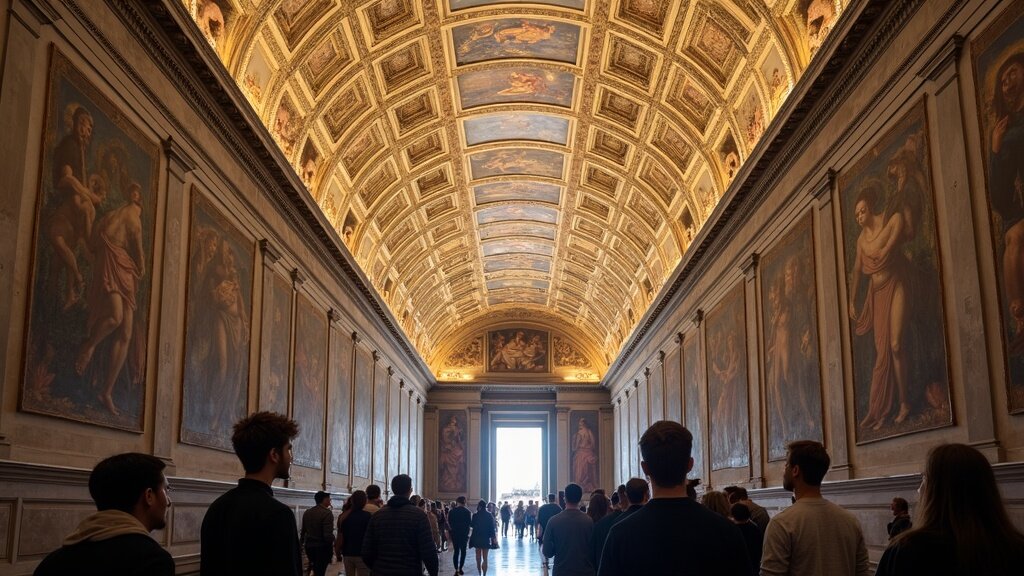
The Vatican Museums are not one museum but two dozen collections strung along roughly 7 km of galleries, grown from the courtyard where Julius II put the Laocoön on display in 1506, weeks after it was dug up on the Esquiline. The single route funnels everyone the same way and ends at the Sistine Chapel, which is why the corridors before it feel like an airport and the rooms off it are often empty.
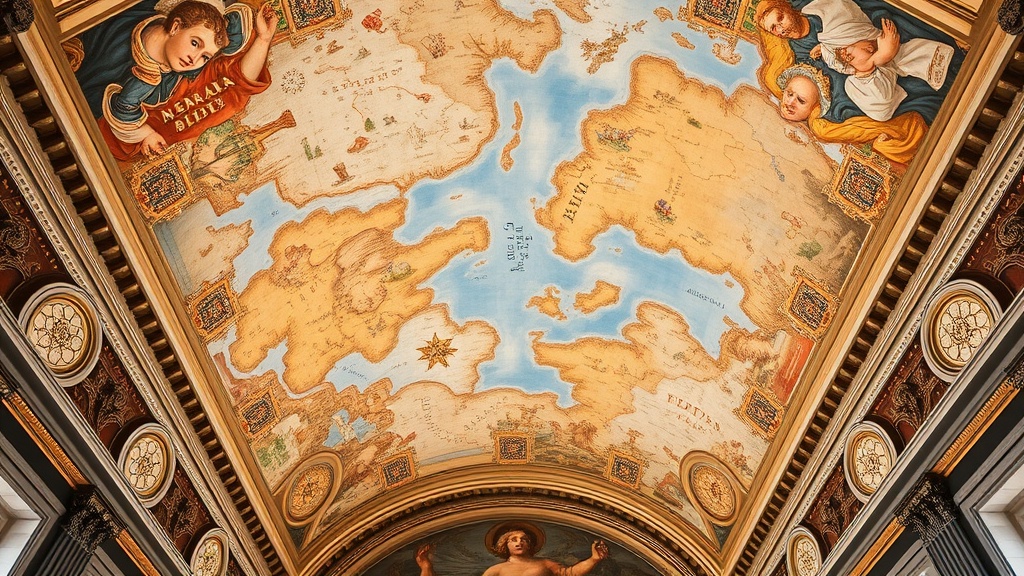
The unmissable stretches: the Gallery of Maps, 120 m of frescoed cartography by Ignazio Danti, 1580–85; Raphael's Rooms, above all the School of Athens; the Pio-Clementine with the Laocoön and the Apollo Belvedere; the Pinacoteca, where Raphael's Transfiguration, Leonardo's unfinished St Jerome and Caravaggio's Deposition hang in relative peace. The Collection of Modern Religious Art — Matisse, Dalí, Bacon, Van Gogh — is passed at speed by almost everyone.
Since 2017 the Museums have been directed by Barbara Jatta, the first woman to hold the post. Practicalities for 2026: the standard adult ticket is €20 on the official site, plus a booking fee of €4–5, so about €24–25 all in; opening is Monday to Saturday 08:00–20:00 with last entry at 18:00. Admission is free on the last Sunday of every month, 09:00–14:00, last entry 12:30 — not on Fridays, a mix-up that persists in a lot of guides. Friday evening openings do exist, from roughly April to October, but they are paid and must be booked. Allow three to four hours; genuine enthusiasts should allow two visits.
The museums form a network of collections rather than a single gallery. Classical sculpture, Egyptian material, papal apartments, maps, tapestries and modern religious art lead toward the Sistine Chapel, making route planning essential.
23
🎨 The Raphael Rooms
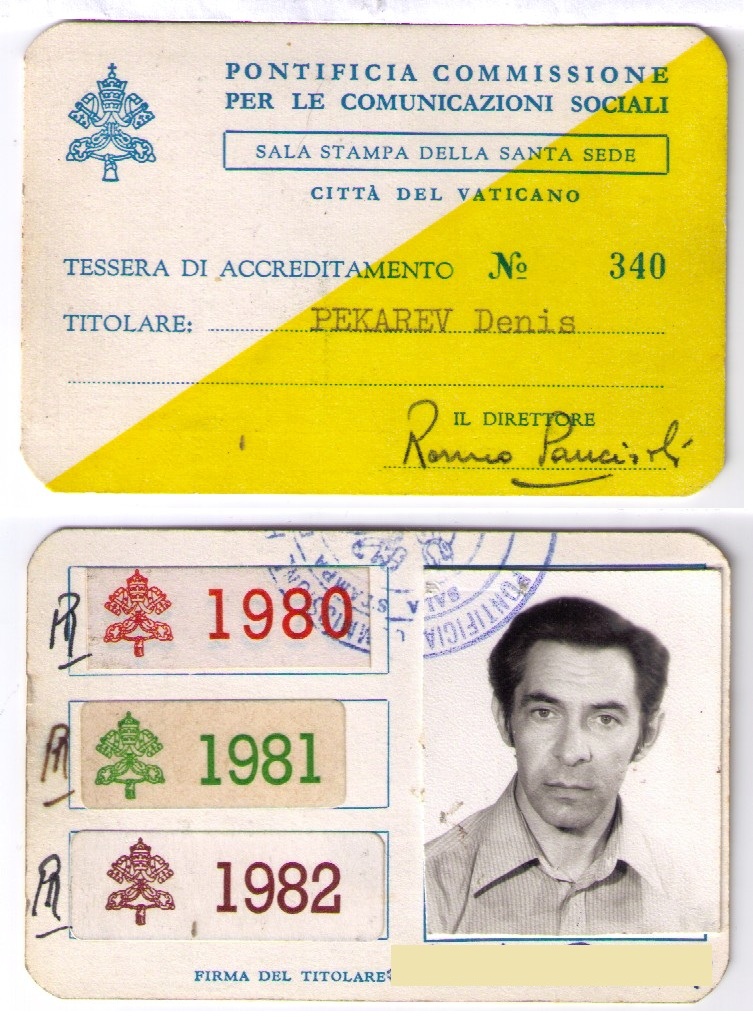
Denis Pekarev Press accreditation card Vatican Press Office.jpg · Photo: Accreditation card issued by the Pontifical Commission for Social Communications, Sala Stampa della Santa Sede (Vatican Press Office), to journalist Denis Pekarev, valid for the years 1980–1982.
Issued in Vatican City.
Director’s signature: Romolo Panacchia.
From the private collection of Pekarev's family. · CC BY-SA 4.0
Raphael and his workshop decorated papal rooms with images of theology, philosophy, poetry and law. The School of Athens is only one element in a carefully coordinated political and intellectual program.
The frescoes were designed for rooms in which papal government actually operated. Philosophy faces theology, while poetry and jurisprudence complete an image of ordered knowledge serving Christian authority. Later rooms were executed increasingly by Raphael’s workshop, so attentive viewing also reveals differences in design, color and handling rather than a single undivided authorial style.
24
📚 The Vatican Library & Apostolic Archive
The Sistine Hall of the Vatican Library · Photo: Michal Osmenda · CC BY-SA 2.0
The Vatican Library preserves manuscripts, printed books, drawings, coins and scholarly collections. The Apostolic Archive holds records of papal government; neither institution is a tourist attraction, and qualified researchers follow separate admission procedures.
Their collections document far more than church history. Greek and Latin classics, Near Eastern manuscripts, maps, scientific works, diplomatic correspondence and records from many societies make the institutions globally important research centers. The word ‘Secret’ in the archive’s former name meant private or personal, not hidden conspiracy; it was officially replaced by ‘Apostolic’ in 2019 to prevent that misunderstanding.
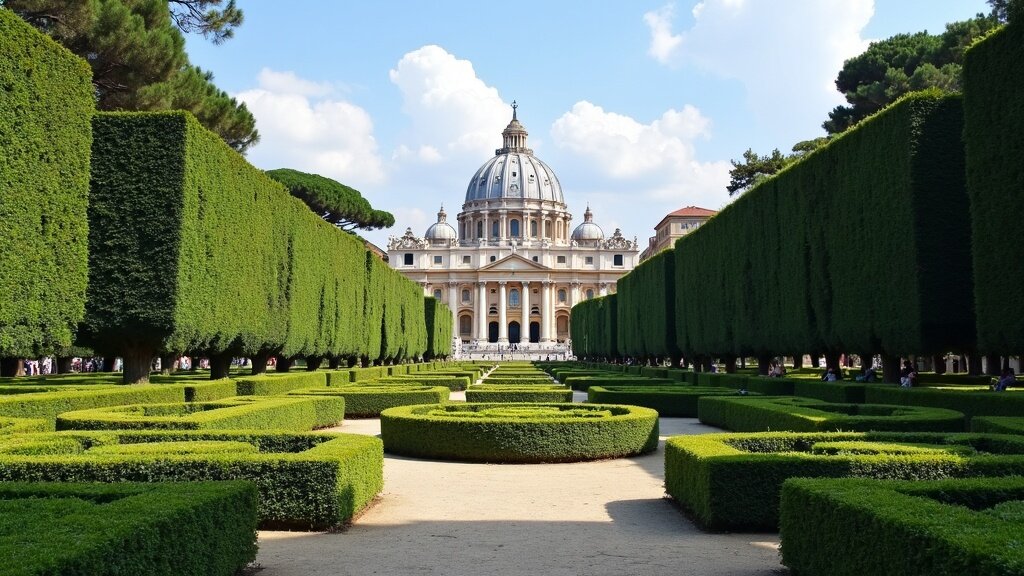
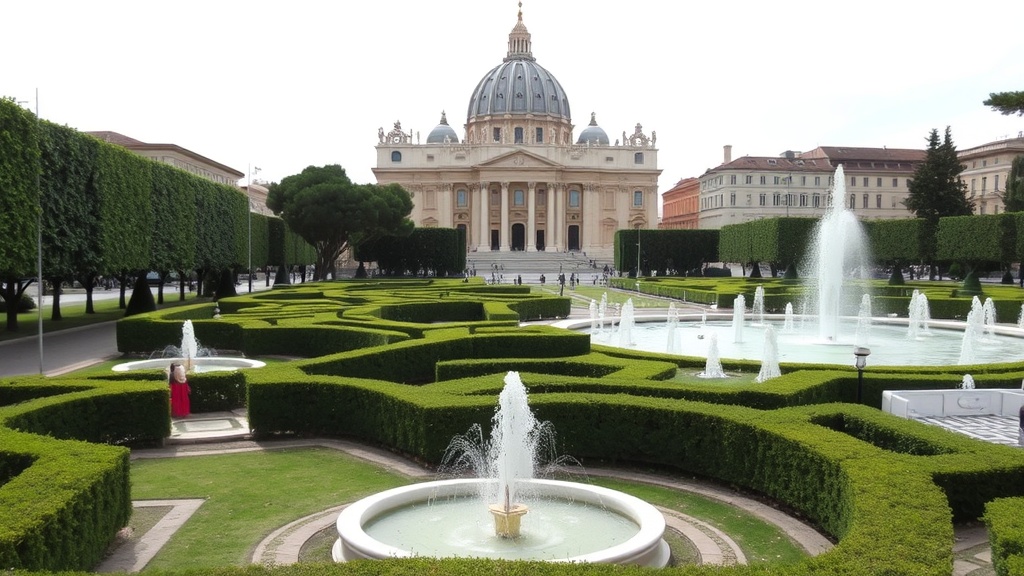
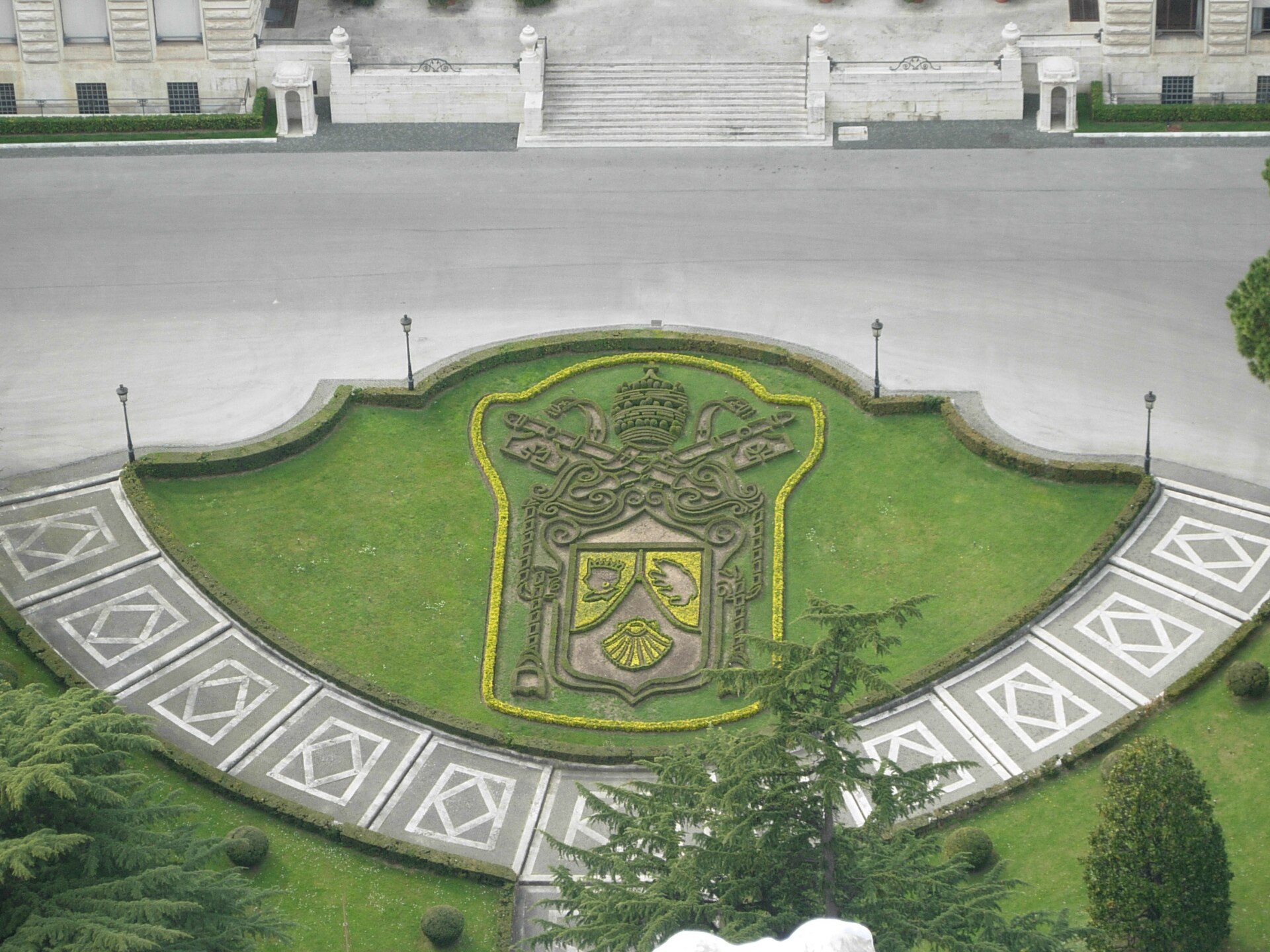
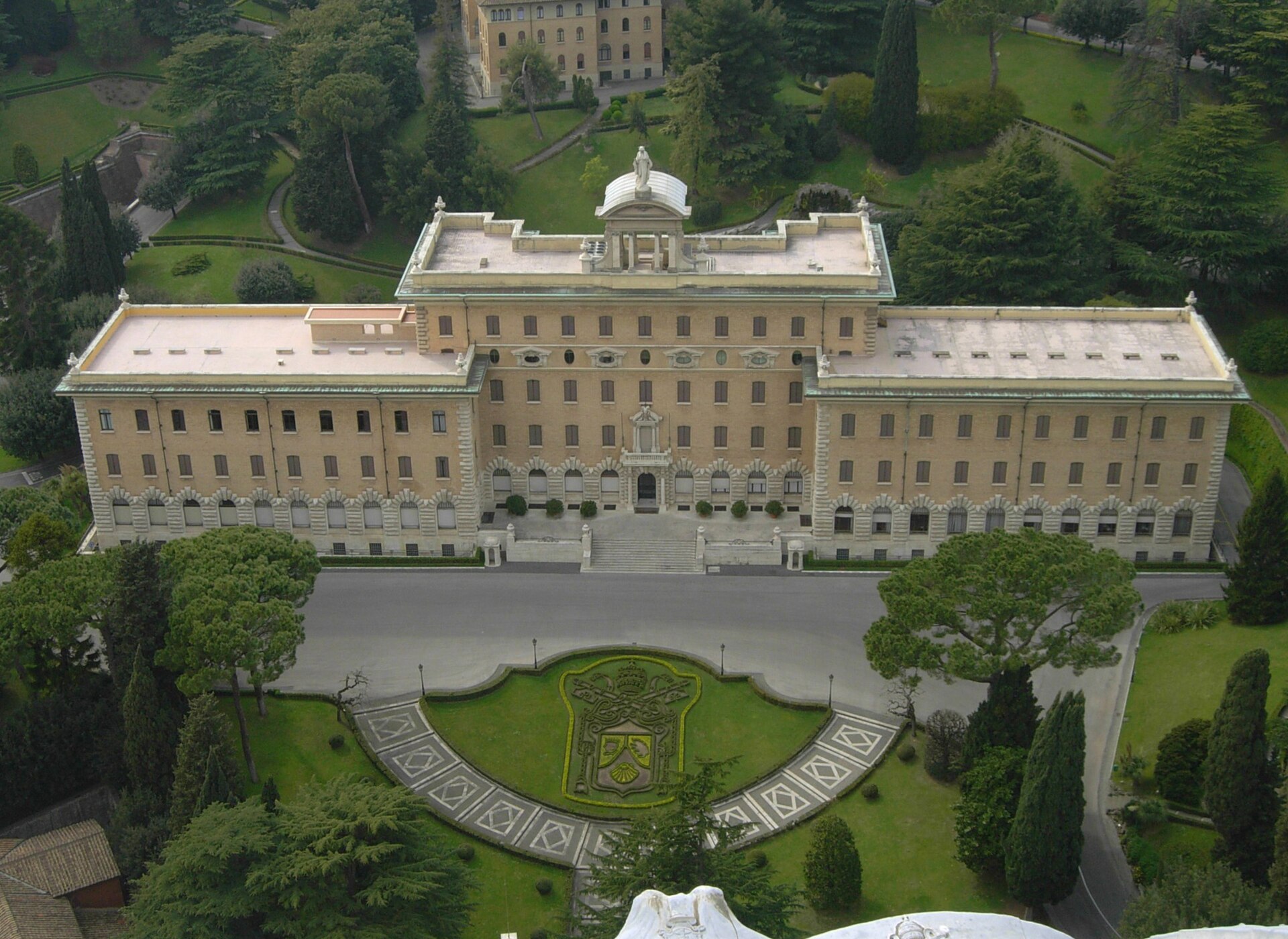
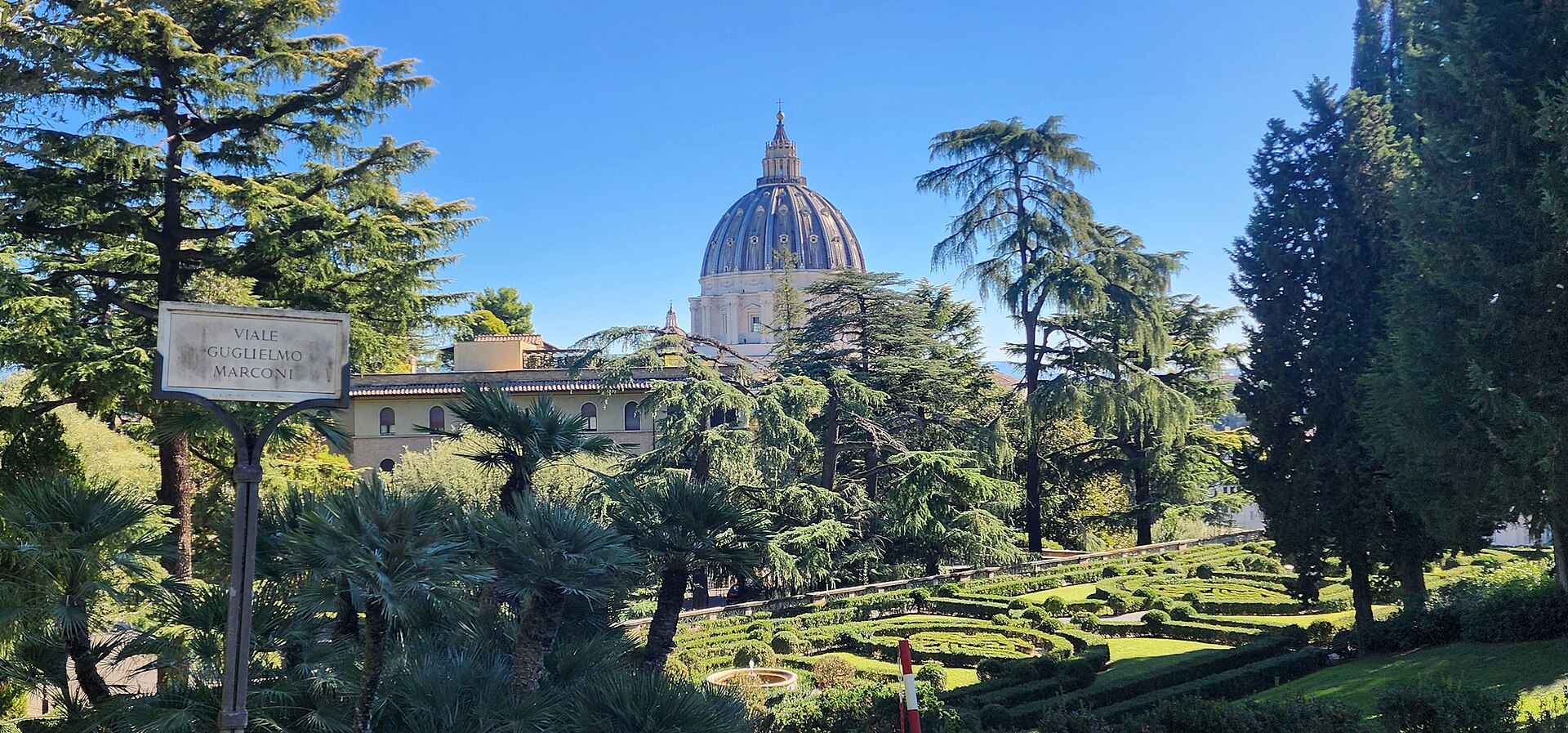
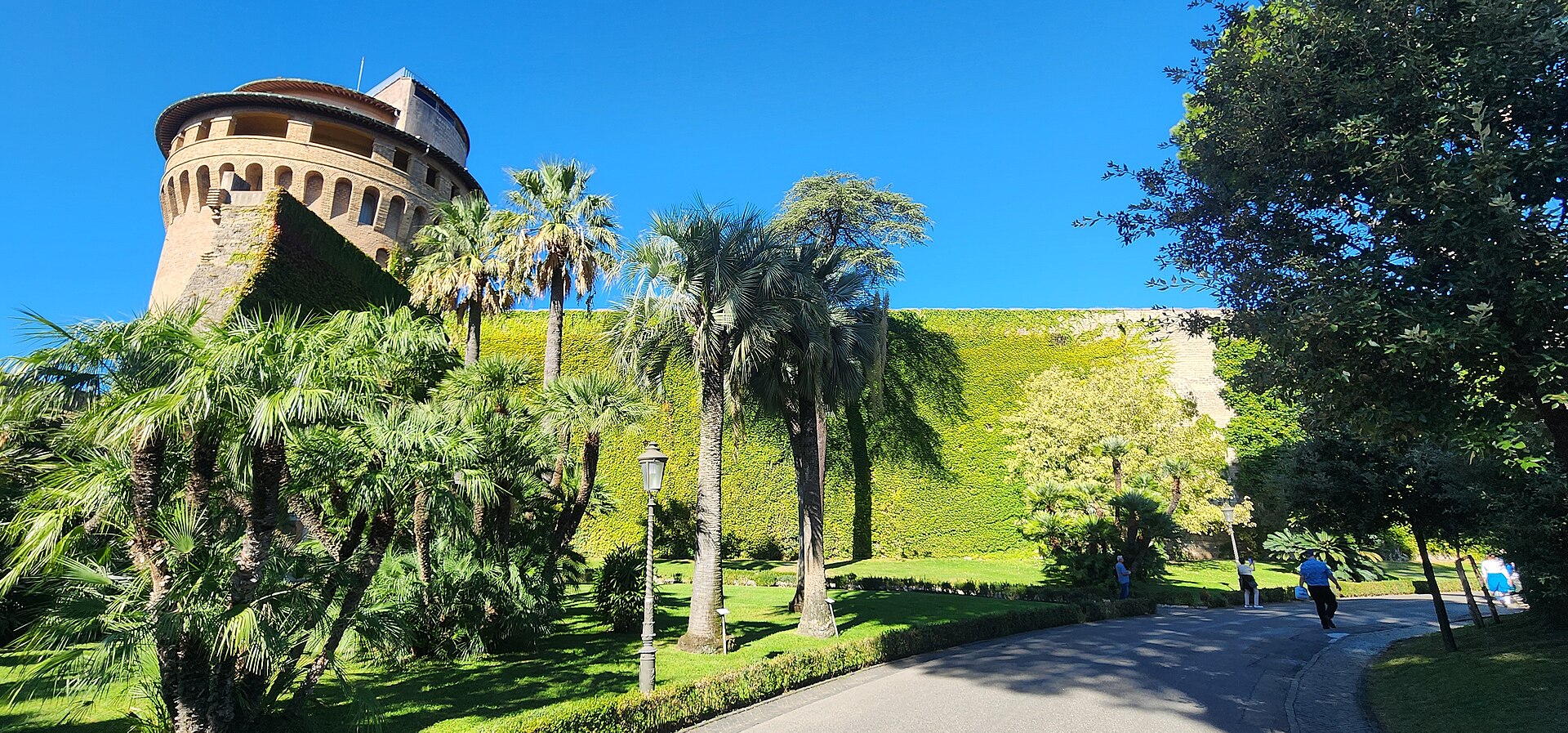
Behind the basilica, about 23 hectares — half the state — are gardens, laid out from the 16th century and never open to casual wandering. You see them on a booked guided tour or by minibus, and it is one of the better things to do in Rome that almost nobody does: Renaissance fountains, the medieval Leonine tower, a replica of the Lourdes grotto, a small heliport in use since 1976, and the Governorate building where the civil administration works.
Twenty-four kilometres south-east, above Lake Albano, the papal estate at Castel Gandolfo is bigger than the Vatican itself. Francis never used it as a summer residence; instead he opened the Barberini Gardens to visitors in 2014 and turned the Apostolic Palace there into a museum in 2016, so the estate is now a genuine day trip — reachable by regional train from Roma Termini in about 40 minutes. Pope Leo XIV revived the tradition in July 2025, staying at the Villa Barberini from 6 to 22 July, the first pope to summer at Castel Gandolfo since Benedict XVI. The palace museum and gardens stayed open throughout, since the villa is a separate building on the grounds. The estate also hosts the Borgo Laudato Si' ecological project and the historic dome of the Vatican Observatory.
The gardens occupy much of the state and combine Renaissance planning, devotional sites, fountains, woodland and later national gifts. Access normally requires an authorized tour and may change with papal or security needs.
26
🏰 Castel Gandolfo
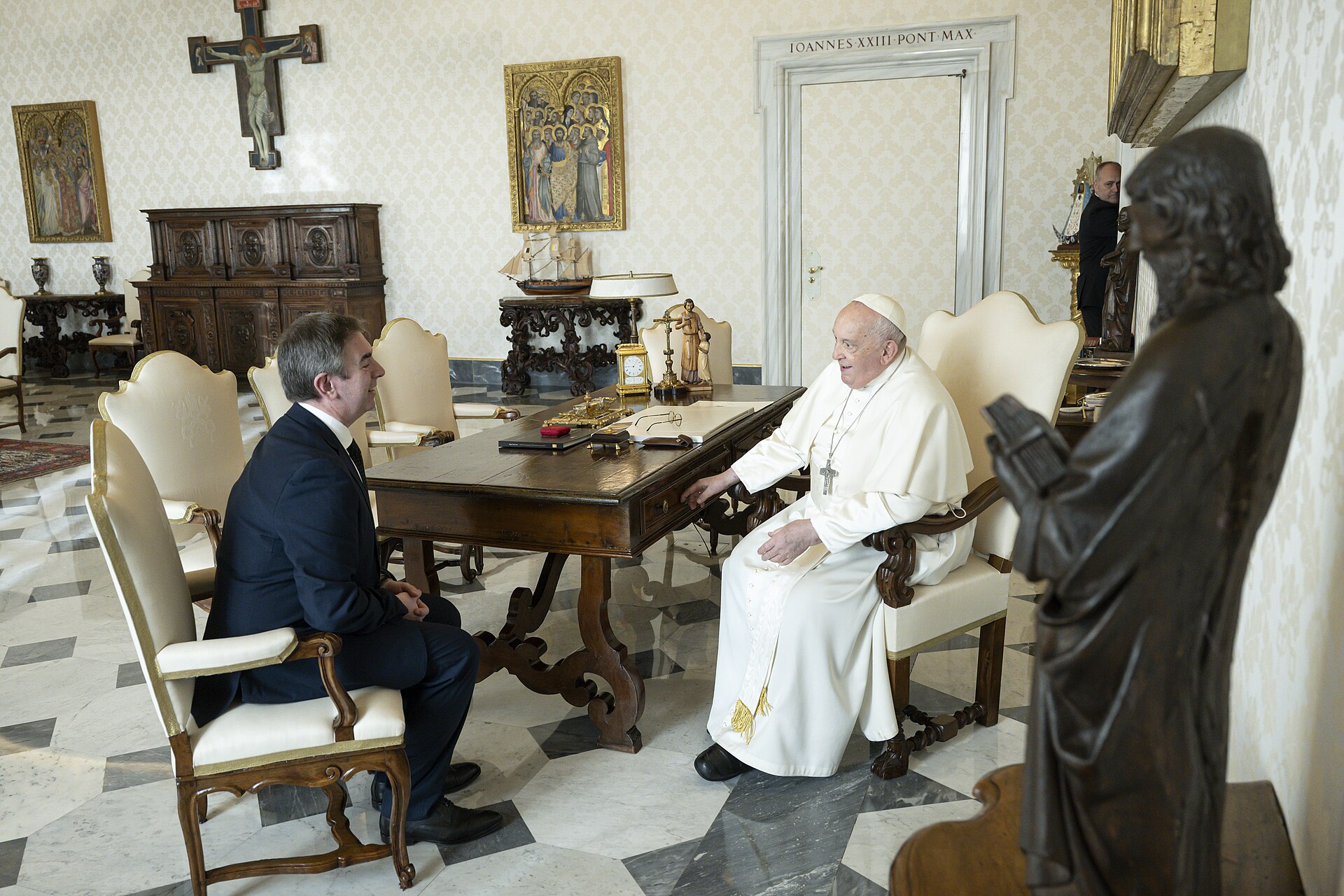
Federico Silvio Toniato in private audience with Pope Francis.jpg · Photo: Unknown authorUnknown author · CC BY 4.0
The papal villas at Castel Gandolfo stand outside Vatican City in the Alban Hills and hold extraterritorial status. Parts of the palace and gardens have opened to visitors, while the complex retains institutional and historical functions.
27
🧪 Conservation & Restoration
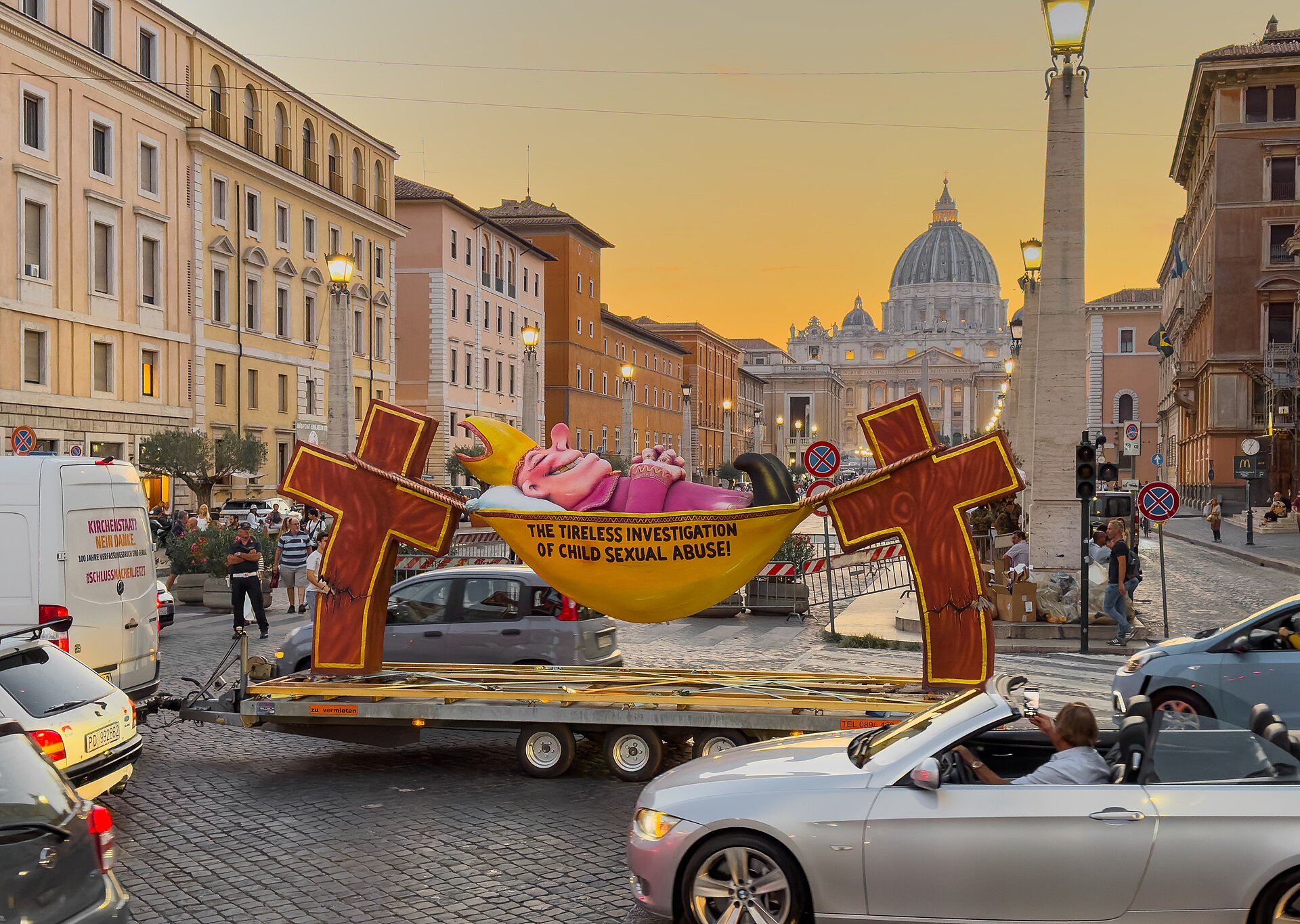
Hängemattenbischof in Rom.jpg · Photo: Videoteuse · CC BY-SA 4.0
Vatican laboratories conserve frescoes, sculpture, manuscripts, textiles and archaeological material. Restoration involves chemistry, imaging, documentation and ethical decisions about cleaning, reconstruction and the visibility of historical change.
The restoration of the Sistine Chapel demonstrated how technical work can alter public understanding of familiar masterpieces. Removing centuries of deposits revealed brilliant color but also provoked debate about lost retouching and artistic intent. Modern conservation therefore combines laboratory analysis with archival research, photography and reversible treatments, documenting every intervention for future scholars rather than promising a final, permanent state.
28
🕯️ Liturgy & Sacred Space
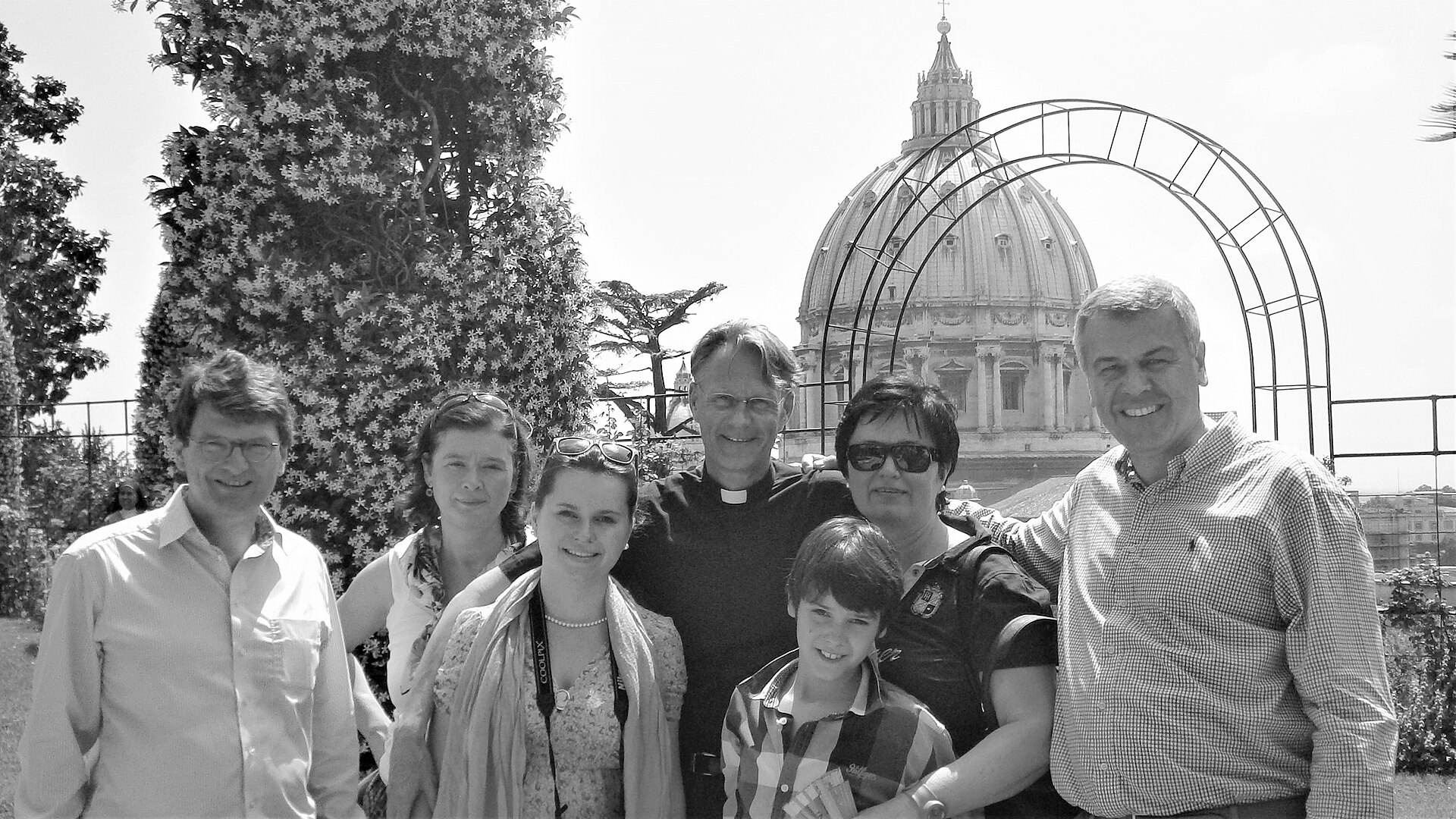
In den Gärten des Vatikan mit Hans-Peter Fischer, Rektor des Campo Santo Teutonico, Bettina und Reinhard Stuth, und Ludger Kühnhardt mit Familie, Vatikan (2012).jpg · Photo: Windau · CC0
Churches here are active sacred spaces, not only museums. Masses, audiences and ceremonies can alter access, and visitors should respect prayer, silence, processions and instructions even when viewing famous art.
Architecture here was shaped to direct bodies, sightlines and ritual movement. Altars, chapels, processional routes, acoustics and thresholds serve worship before tourism. Understanding that function changes the reading of Bernini’s baldachin, the great nave and the square outside: they are not isolated artworks but parts of a coordinated ceremonial landscape activated by people and time.
29
🚪 Pilgrimage, Jubilee & the Holy Doors
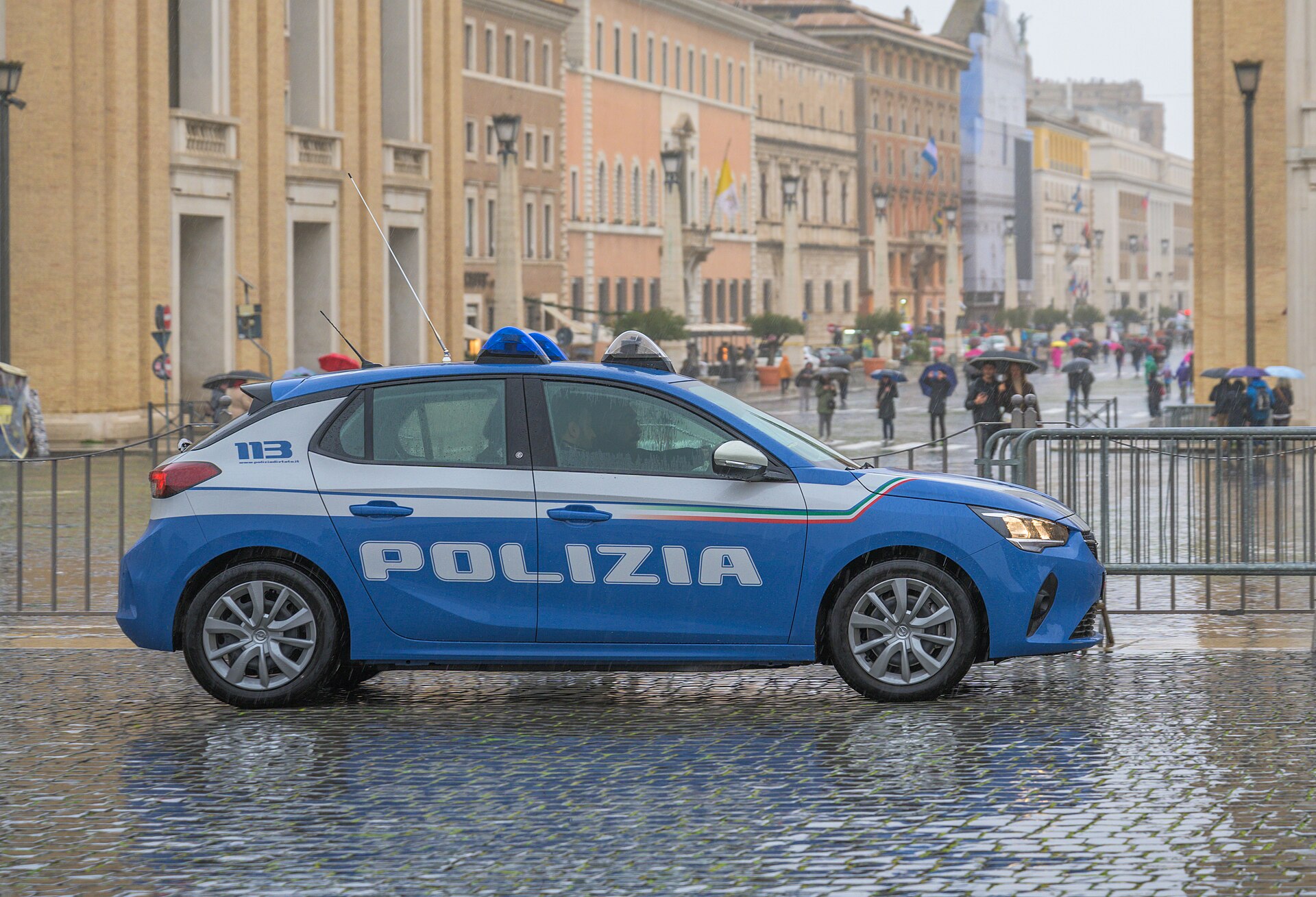
Italian Polizia patrol car at St Peter’s Square, Vatican City.jpg · Photo: Wilfredor · CC0
Holy Years draw pilgrims through designated Holy Doors and reshape crowd patterns across Rome. Major jubilees require advance planning, official registration for some events and realistic expectations about security queues.
30
👥 People & Culture
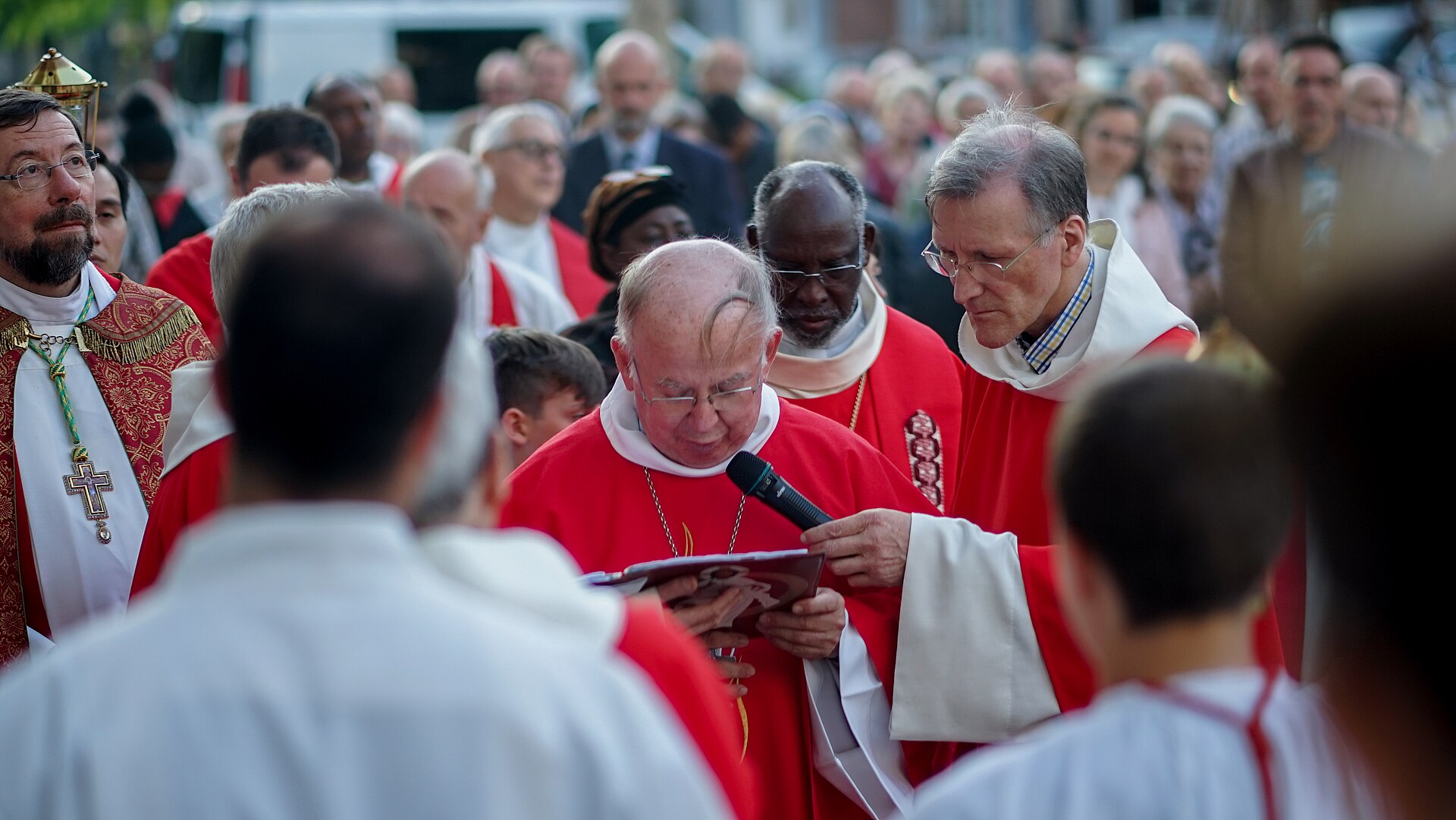
Mgr Marc Stenger 113e évêque de Troyes Fête Dieu de Liège en 2019.jpg · Photo: Philcotof · CC BY-SA 4.0
How many people live in Vatican City is a real question with no single agreed answer, and it is worth saying so plainly rather than picking a number. Counting everyone resident inside the walls, citizens and non-citizens together, gives roughly 880 (882 in 2024). Counting citizens gives a smaller figure — commonly cited between about 670 and 760 — of whom only around 450 to 460 actually live in the state, because roughly 370 Vatican citizens are nuncios and diplomats posted abroad. International statistical series that count only permanent de-jure residents publish figures closer to 500. All three are defensible; they are measuring different things.
Whichever you take, the population is unlike any other: overwhelmingly male, overwhelmingly adult, overwhelmingly clerical or in uniform. Citizenship is granted by appointment and lapses when the appointment ends — there is no ius soli and no ius sanguinis. The Pontifical Swiss Guard, the world's smallest standing army, recruits unmarried Catholic Swiss men aged 19 to 30 who have completed Swiss basic training; the corps was enlarged from 110 to 135 halberdiers ahead of the 2025 Jubilee and reached full strength again at the swearing-in of 6 May. The striped uniform is often credited to Michelangelo or Raphael; it was in fact designed by commandant Jules Repond in 1914, in Renaissance style.
The cultural holdings are out of all proportion to the acreage. The Vatican Apostolic Library holds some 80,000 manuscripts and around 1.6 million printed books. The Vatican Apostolic Archive — renamed from the “Secret Archive” by Francis in October 2019, since secretum only ever meant “private” — runs to roughly 85 km of shelving covering twelve centuries. The Vatican Observatory, one of the oldest astronomical institutions still working, keeps its historic dome at Castel Gandolfo and its research telescope, the VATT, on Mount Graham in Arizona.
Daily Vatican culture is formed by clergy and lay employees from many nations, alongside Roman working life. Ceremony is prominent, but so are archives, workshops, offices, broadcasts, maintenance and ordinary routines.
31
🗣️ Latin, Italian & Global Languages
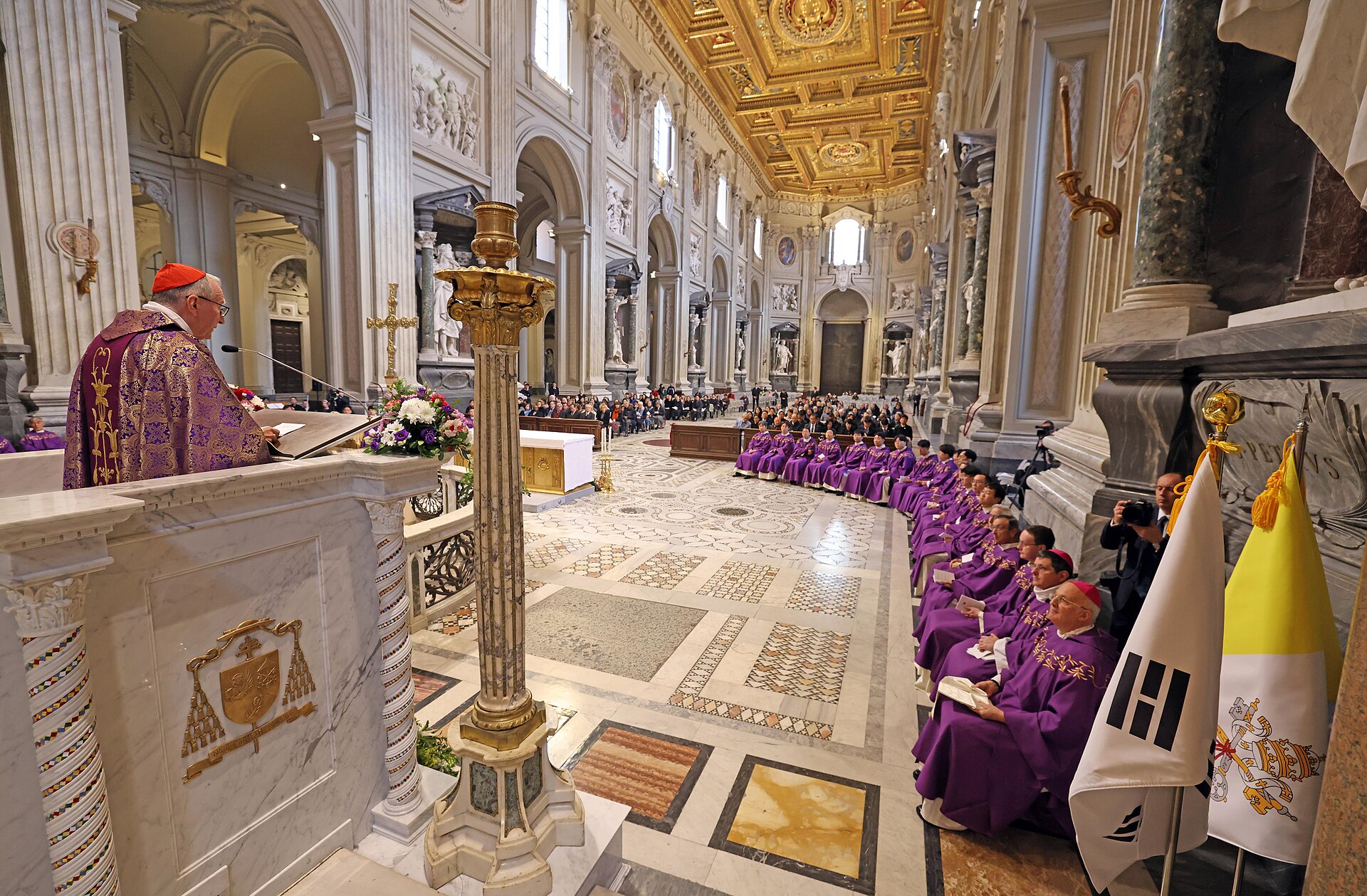
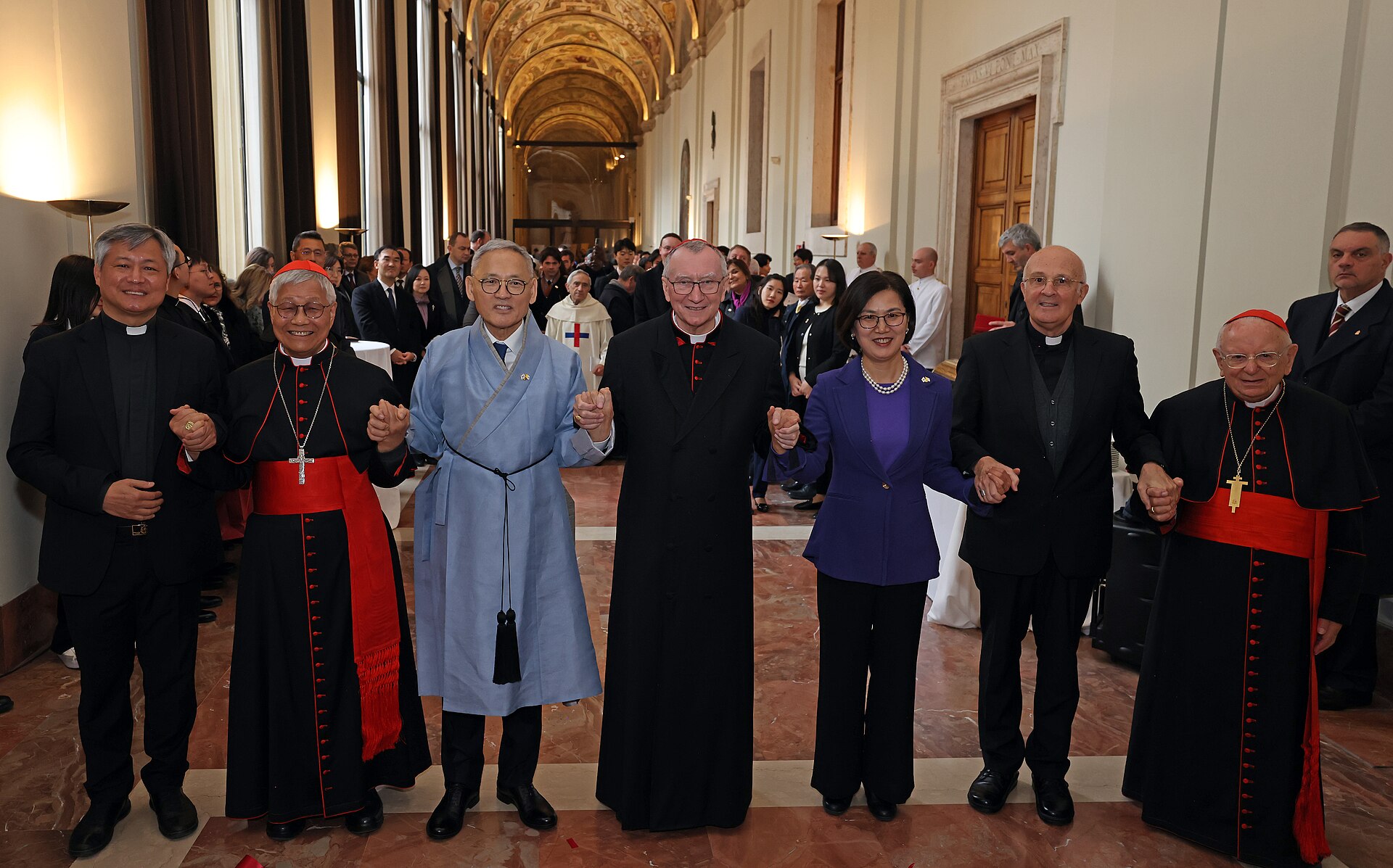
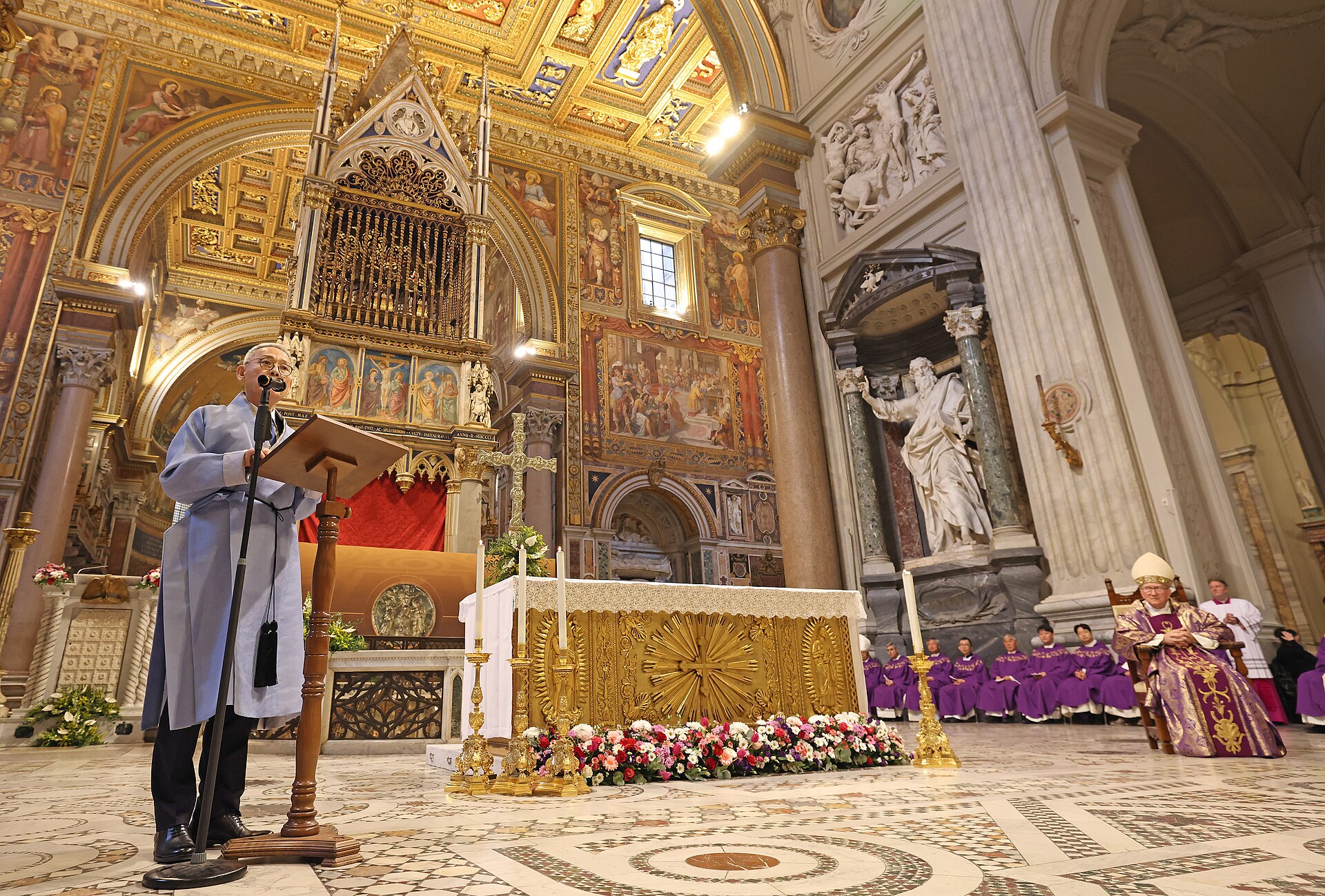
Minister Yu In-chon visits Vatican (20231211) 01.jpg · Photo: Republic of Korea · CC BY-SA 2.0
Italian is the main working language of the state; Latin retains special importance in the Church and official texts. Papal communication, diplomacy and pastoral work use many languages, reflecting a worldwide institution.
Latin remains the authoritative language for many formal acts, but no visitor should imagine it as the everyday language of every office. Italian dominates routine work, while diplomacy and global communication require English, French, Spanish, German, Portuguese, Polish, Arabic and many others. Multilingualism is not decorative; it is infrastructure for governing and addressing a worldwide community.
32
📮 Post, Stamps, Coins & Collecting
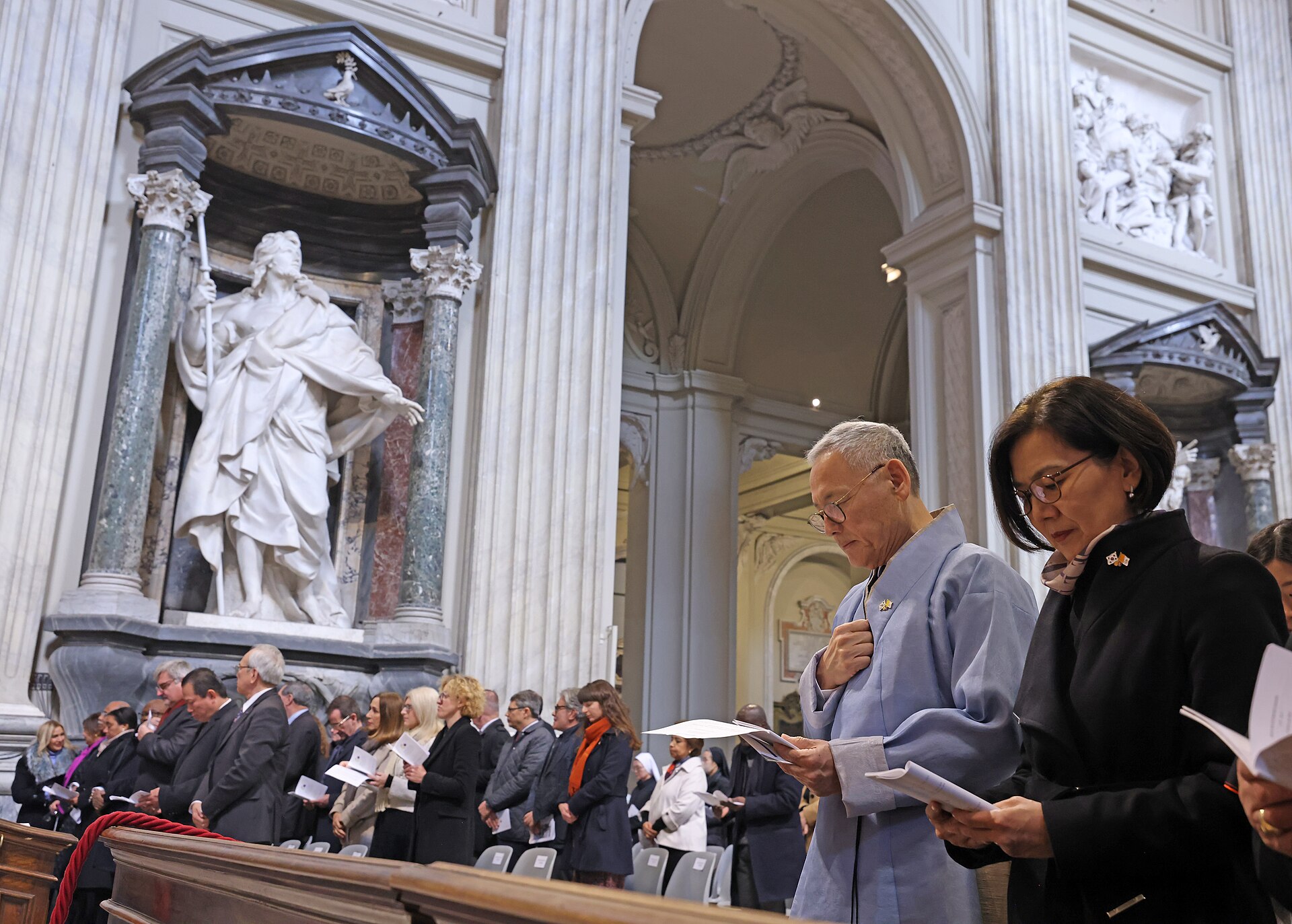
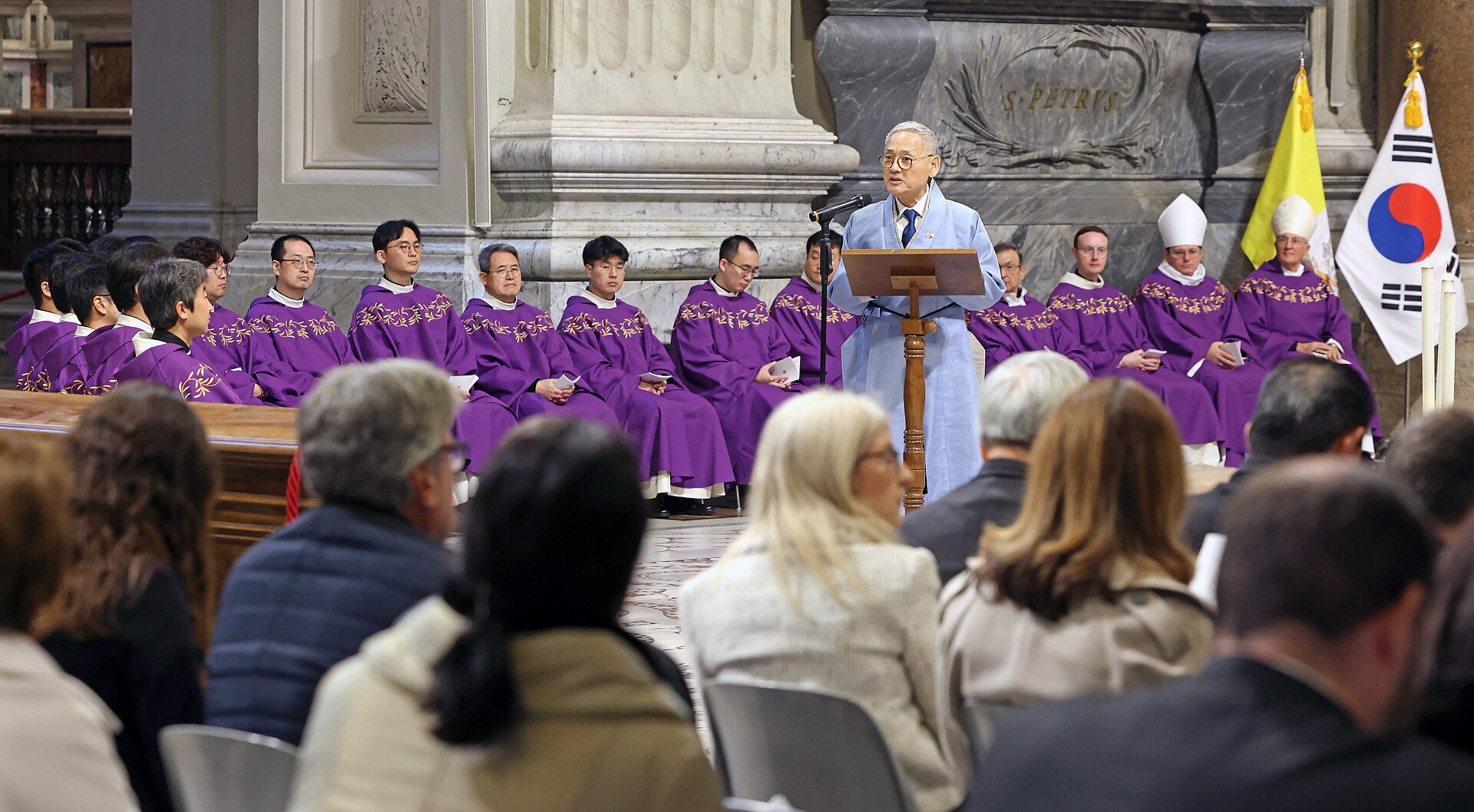
Minister Yu In-chon visits Vatican (20231211) 02.jpg · Photo: Republic of Korea · CC BY-SA 2.0
Vatican stamps, euro coins and commemorative issues are sought by collectors. Availability, purchase limits and release procedures vary, and official outlets are safer than inflated unofficial offers.
33
📻 Vatican Media
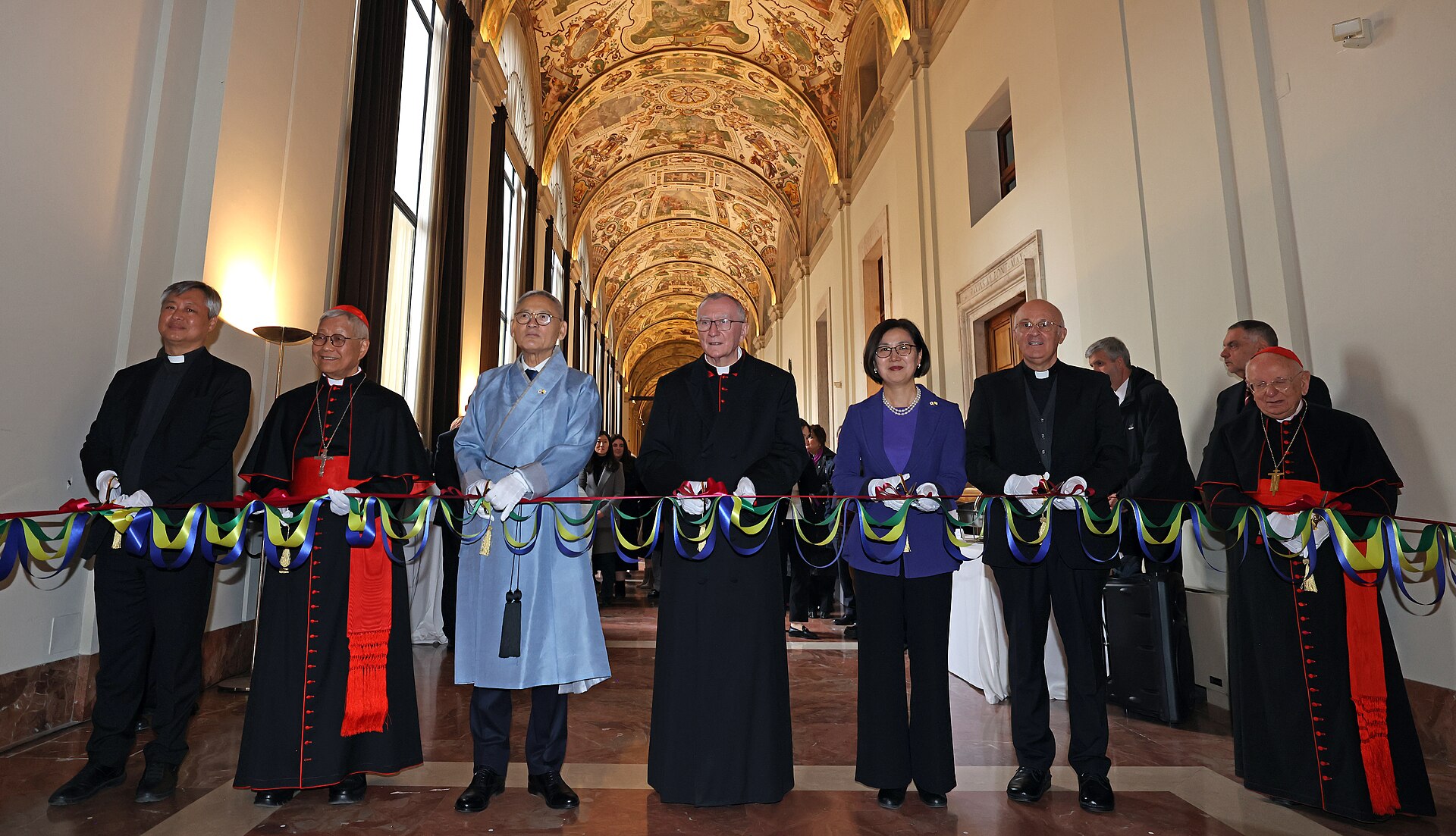
Minister Yu In-chon visits Vatican (20231211) 03.jpg · Photo: Republic of Korea · CC BY-SA 2.0
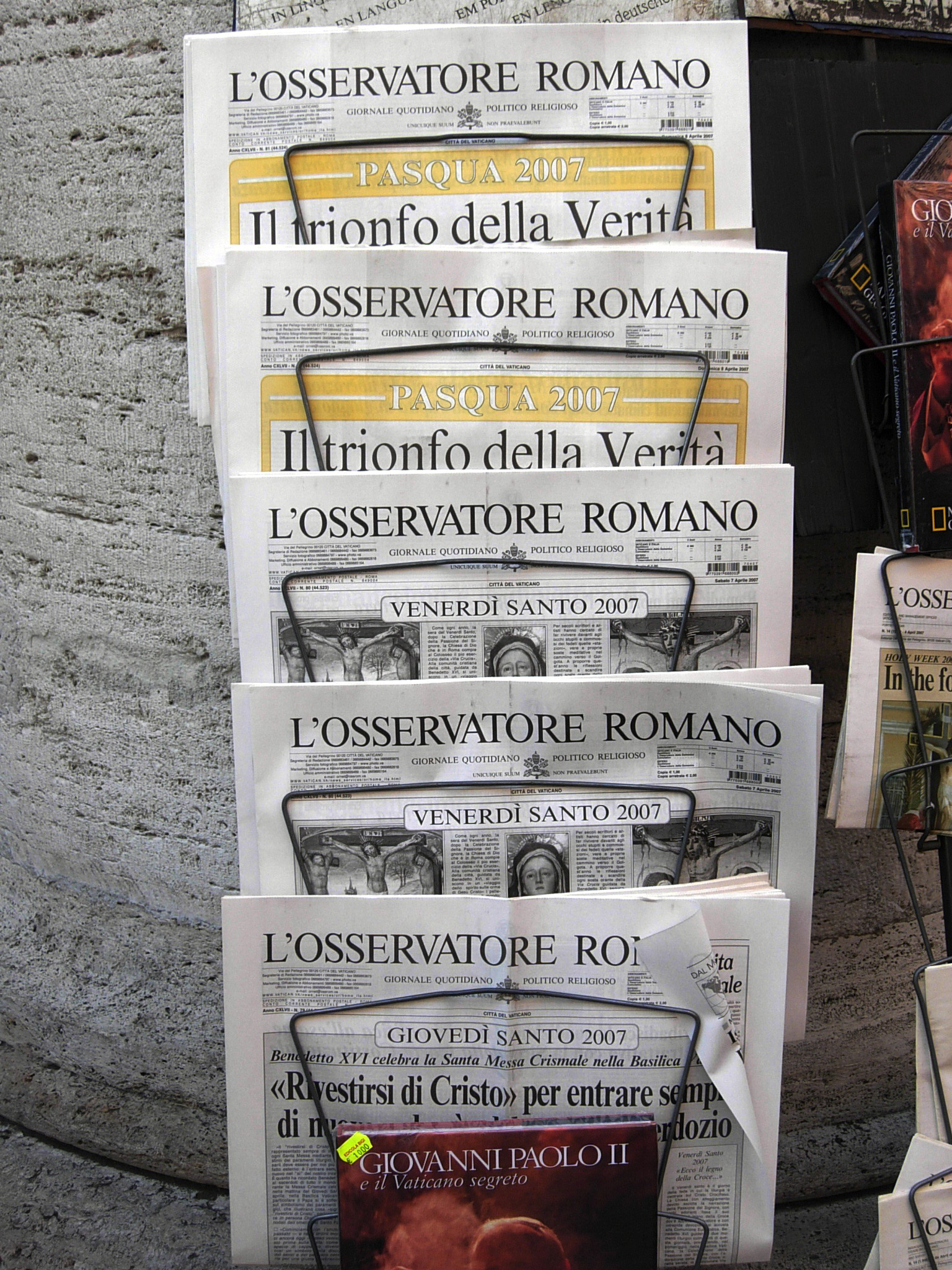
Vatican Radio was inaugurated on 12 February 1931, built by Guglielmo Marconi and switched on by Pius XI; it now sits inside the Dicastery for Communication alongside the Vatican News portal, which publishes in around 50 languages. L'Osservatore Romano, the semi-official daily, has appeared since 1861 — nine years before the Papal States ceased to exist. The Holy See Press Office handles accreditation and the daily bulletin.
The @Pontifex account, opened by Benedict XVI in December 2012, now belongs to Leo XIV and has upwards of 50 million followers across its nine language versions — making the pope one of the most-followed heads of state on the platform.
On press freedom, the honest answer is that there is no ranking to quote. Reporters Without Borders does not include the Holy See in its World Press Freedom Index, and neither Freedom House's Freedom in the World nor its Freedom on the Net covers it. Vatican media are institutional media, published by the state they report on; independent coverage of the Vatican comes from the Italian and international press corps accredited to the Press Office, which works without restriction on Italian soil three metres away.
Vatican Media includes news, radio, television, photography and digital services in numerous languages. Its role is institutional communication rather than independent public-service journalism.
34
💼 Economy & Employment
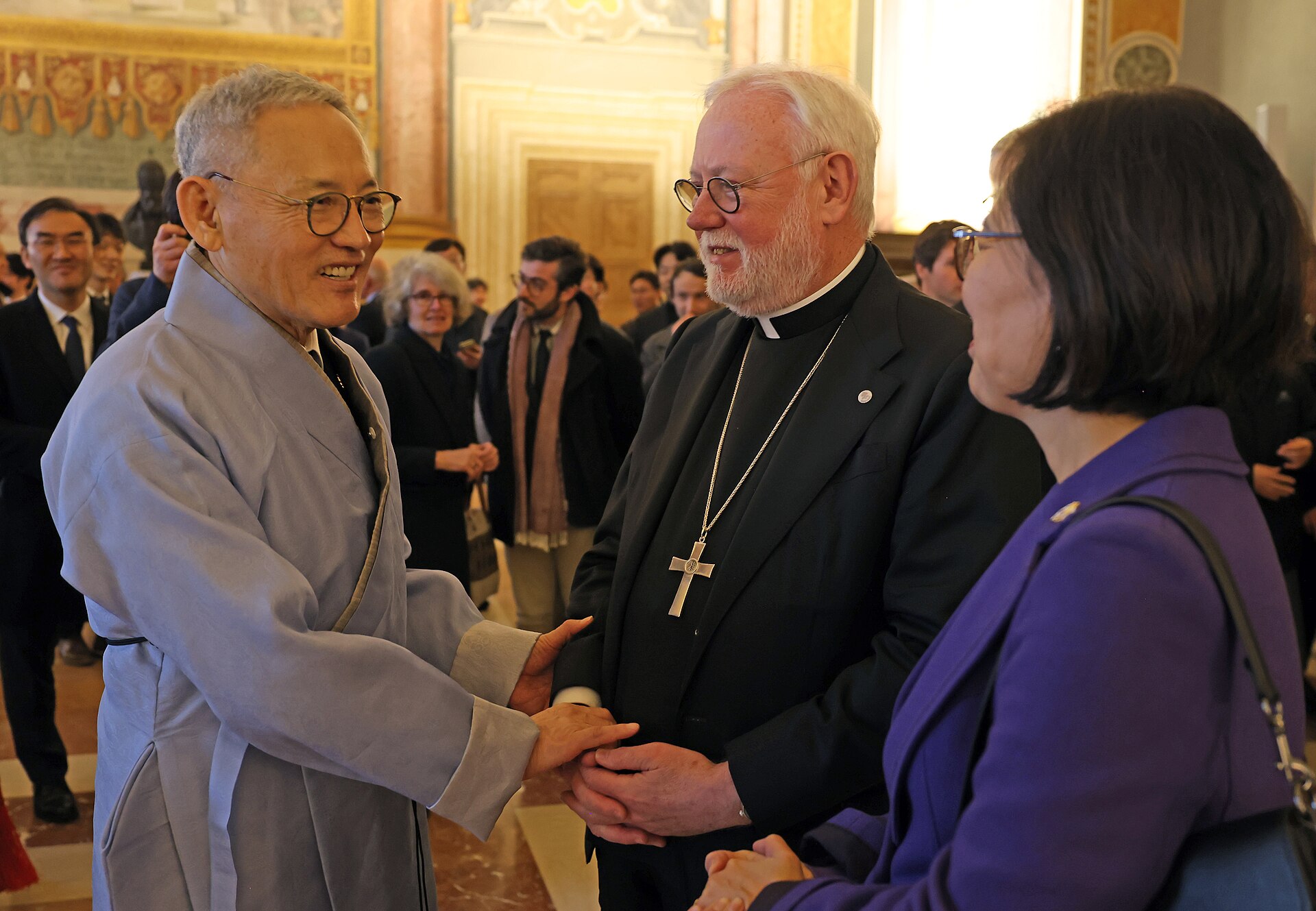
Minister Yu In-chon visits Vatican (20231211) 04.jpg · Photo: Republic of Korea · CC BY-SA 2.0
Revenue comes from museums, publications, donations, investments and services. Vatican City’s workforce and supply chains are deeply connected to Rome and Italy, despite the state’s sovereignty.
35
🏦 Finance & Transparency
Minister Yu In-chon visits Vatican (20231211) 05.jpg · Photo: Republic of Korea · CC BY-SA 2.0
Financial reform has focused on oversight, procurement, reporting and anti-money-laundering standards. The topic requires separating the finances of Vatican City, the Holy See, the Vatican bank and individual foundations.
The Institute for the Works of Religion is often called the Vatican bank, but it is only one element in a wider financial landscape. The Administration of the Patrimony of the Apostolic See, the Secretariat for the Economy, the governorate and numerous foundations have distinct responsibilities. Accurate reporting must separate them and distinguish annual operating deficits from assets held for long-term institutional purposes.
36
🛡️ Security & Visitor Safety
Minister Yu In-chon visits Vatican (20231211) 06.jpg · Photo: Republic of Korea · CC BY-SA 2.0
Crowds create the most common risks: pickpocketing, heat, separation from companions and long waits. Security screening is mandatory, prohibited items change, and emergency routes must remain clear.
37
🌐 Diplomacy & Global Influence
Minister Yu In-chon visits Vatican (20231211) 07.jpg · Photo: Republic of Korea · CC BY-SA 2.0
The Holy See maintains diplomatic relations around the world and participates in international organizations. Its influence often comes through moral advocacy, mediation and networks rather than military or economic power.
Because the Holy See commands no conventional military power, its diplomacy relies on continuity, access, moral language and a network of local churches. It can maintain channels where states have broken relations and has sometimes facilitated dialogue or prisoner exchanges. Its positions also attract criticism, making influence dependent on credibility rather than on the ability to compel compliance.
38
🍝 Cuisine & Roman Surroundings
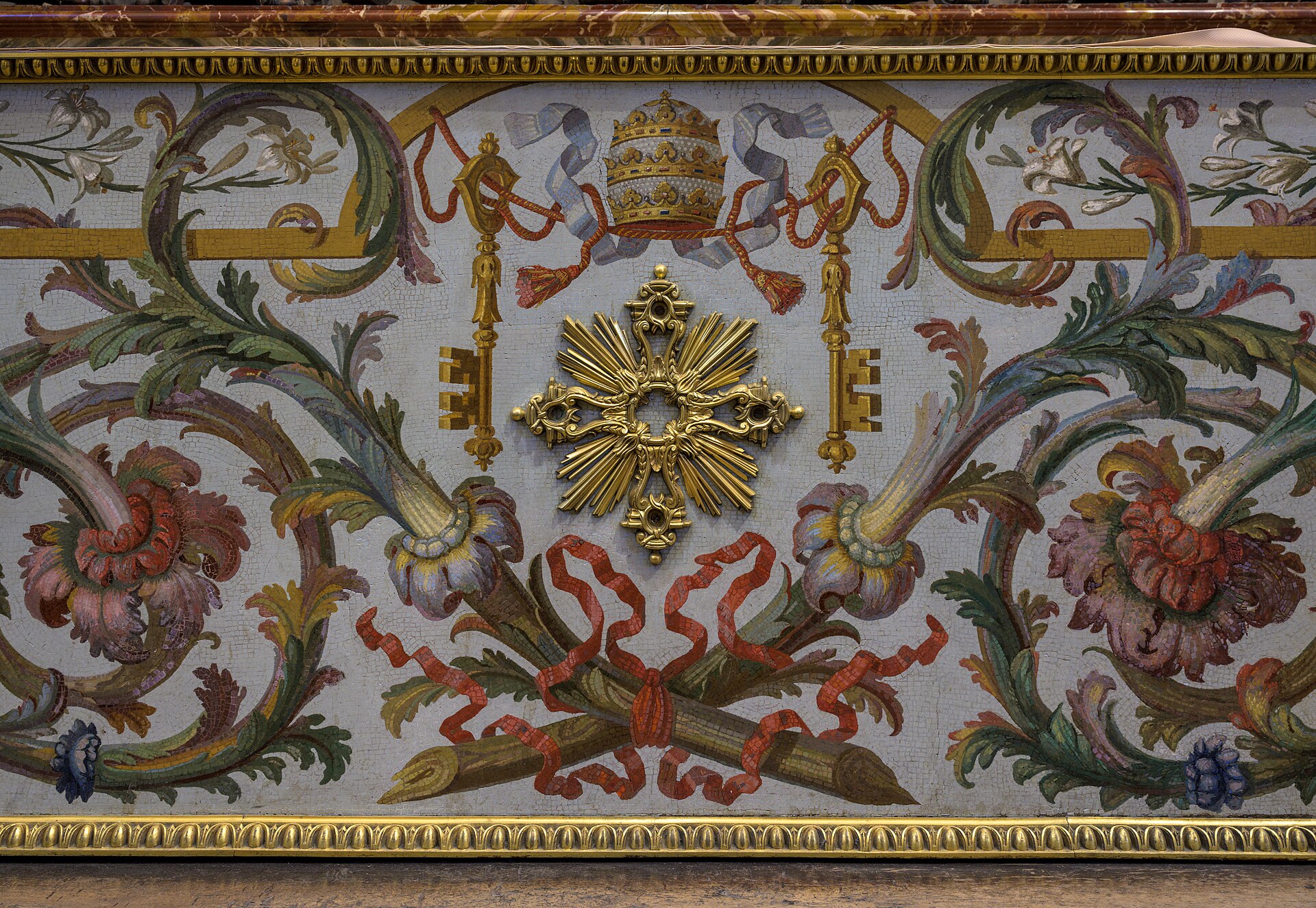
Mosaic of papal tiara and crossed keys at St Peter’s Basilica, Rome.jpg · Photo: Wilfredor · CC0
Vatican City has no cuisine of its own, and any page that invents one is lying to you. There is no agriculture inside the walls, no restaurant tradition and, until recently, not much of a food scene at all. What the Vatican has is Roman food, eaten by Roman rules, in a canteen (the Mensa), in the Museums' cafeterias, in the Domus Sanctae Marthae dining room, and — for everyone else — across the wall in Borgo and Prati.
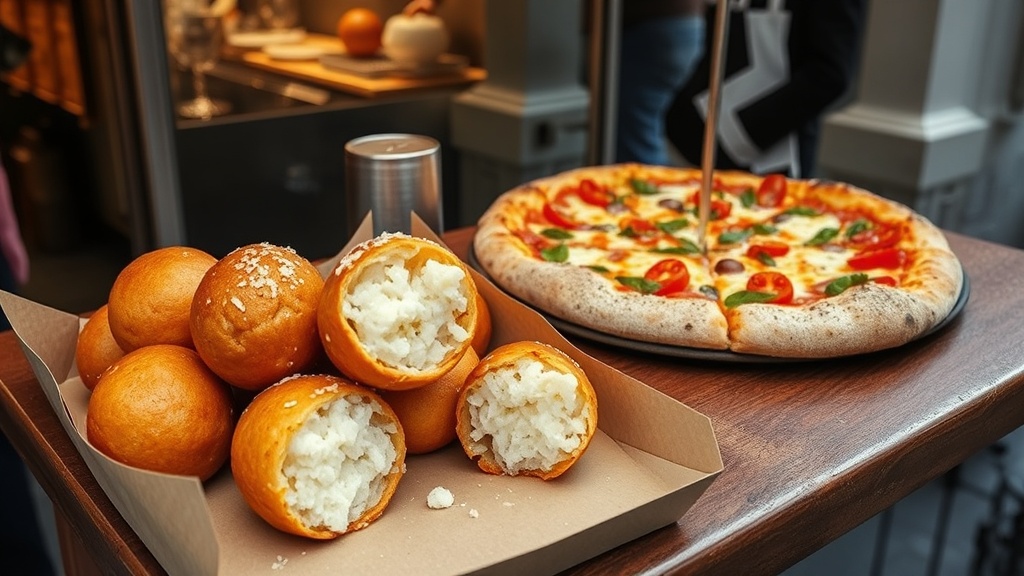
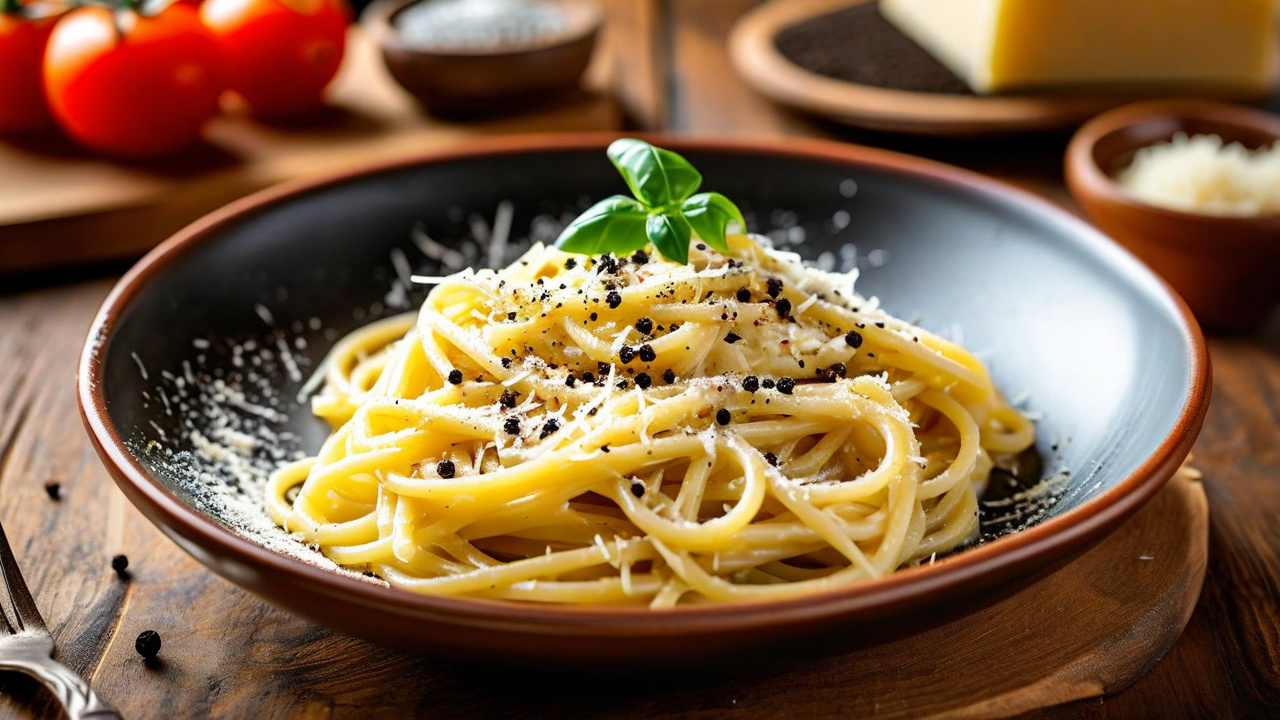
Roman cooking is poor-kitchen cooking that got famous: the four canonical pastas (cacio e pepe, carbonara, gricia, amatriciana), offal from the Testaccio slaughterhouse, artichokes cooked two ways — alla romana, braised with mint, and alla giudia, flattened and deep-fried in the old Jewish Ghetto. Add supplì (fried rice croquettes with a molten mozzarella core), saltimbocca alla romana, abbacchio (milk-fed lamb) and maritozzi for breakfast.
The one thing genuinely unique to the state is where the food comes from. The Vatican's supermarket, the Annona, has supplied cardinals, curial staff and religious orders since 1931 in a building by Giuseppe Momo, and it is duty-free — no Italian VAT, no excise. After a full renovation it reopened as Tigre-Annona under a concession with the Italian retail group Magazzini Gabrielli, the first time in about eighty years the Vatican's food retail has been run by an outside company. Access is restricted to permit holders; tourists cannot shop there. Nor can they use the Vatican Pharmacy without a prescription and a pass — it is run by the Hospitaller Brothers of St John of God, stocks some 42,000 lines, is likewise duty-free, and does not sell contraceptives.
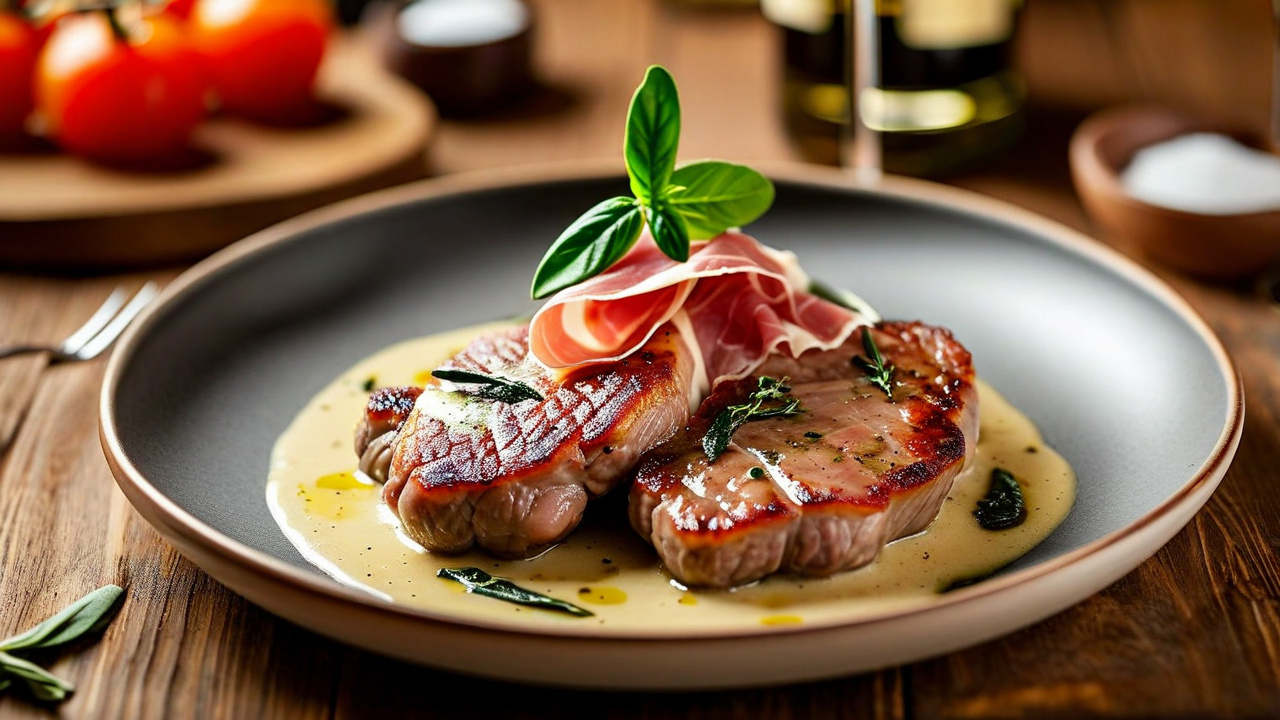
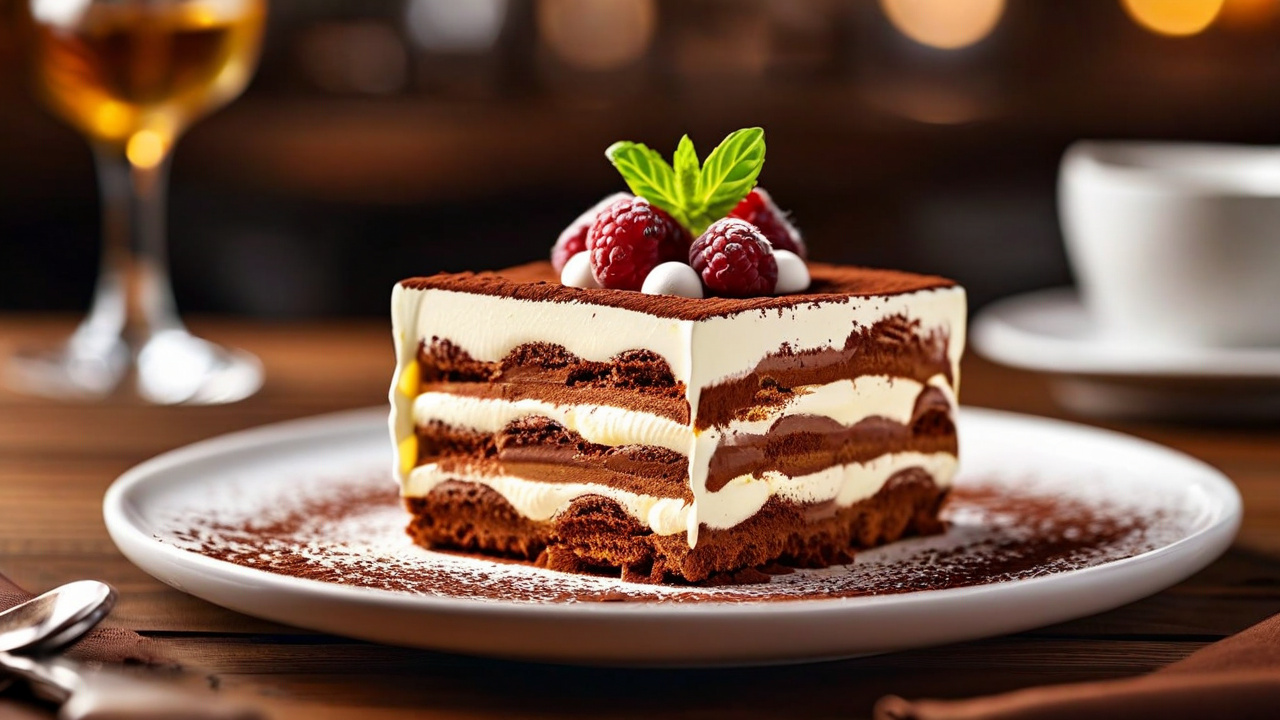
Three dishes you will actually be served within five minutes' walk of the colonnade. The first two are Roman to the bone; the third is Veneto by origin and Roman by adoption, and it seemed dishonest to pretend otherwise.
Three ingredients, no cream, no butter, no garlic. The hardest easy dish in Italy.
Ingredients: 200 g tonnarelli or spaghetti · 100 g Pecorino Romano DOP, finely grated · 1 heaped tsp black peppercorns · salt
Method: 1. Crack the peppercorns coarsely and toast them dry in a wide pan for 30 seconds until they smell of pepper rather than dust. 2. Boil the pasta in lightly salted water — less than usual, because the pecorino is salty and you need the starch concentrated. 3. Ladle a little pasta water into the pepper pan and let it bubble. 4. In a bowl, work the grated pecorino with a few tablespoons of pasta water, off the heat, into a smooth paste the texture of thick cream. Too hot and it will string; this is the step that fails. 5. Drain the pasta two minutes early, finish it in the pepper pan with a splash more water, then take the pan off the heat, add the cheese paste and toss hard until it emulsifies and coats. 6. Serve immediately, with more pepper.
Saltimbocca alla Romana — Serves 4
“Jumps in the mouth.” Twelve minutes, start to plate.
Ingredients: 8 thin veal escalopes (about 60 g each) · 8 slices prosciutto crudo · 8–16 fresh sage leaves · 60 g butter · 120 ml dry white wine · plain flour · salt, pepper
Method: 1. Beat the escalopes thin between two sheets of paper. 2. Lay a sage leaf on each, cover with a slice of prosciutto, and pin through with a cocktail stick — ham side up, always. 3. Flour the veal side only, shaking off the excess. 4. Melt the butter in a wide pan until it foams. Fry veal-side down for about 2 minutes, then turn and give the ham side barely 1 minute; the prosciutto should crisp, not shrink. 5. Lift out, pour in the wine, scrape the pan and let it reduce by half. 6. Return the escalopes for 30 seconds, spoon the sauce over and serve at once, with sautéed spinach or a few roast potatoes.
Tiramisù — Serves 6
Not Roman — it was created in Treviso, in the Veneto, around 1970 — but it is on every menu in Borgo, so here it is done properly.
Ingredients: 4 very fresh eggs, separated · 100 g caster sugar · 500 g mascarpone · about 300 ml strong espresso, cooled · 250–300 g savoiardi (hard Italian ladyfingers) · unsweetened cocoa · optional 2 tbsp Marsala
Method: 1. Whisk the yolks with the sugar until pale and thick, then beat in the mascarpone a spoonful at a time so it never splits. Add Marsala if using. 2. Whisk the whites to soft peaks with a pinch of salt and fold them in, in three additions, from the bottom up. 3. Dip each savoiardo in the coffee for one second per side — they must stay firm in the middle or the whole thing collapses. 4. Layer biscuits, cream, biscuits, cream in a dish. 5. Chill at least 6 hours, overnight is better. 6. Dust thickly with cocoa only at the moment of serving, or it turns to paste. If raw eggs are a concern, use a pasteurised-egg zabaglione base instead.
Vatican City drinks more wine per head than any country on Earth. Depending on whose series you use, the figure is somewhere between about 54 and 74 litres per resident per year — roughly double Italy's — and by trade data it is also the world's largest wine importer per capita. The reason is less scandalous than it sounds: the denominator is tiny and unusual. The population is old, almost entirely adult and male, eats communally at set meals, and buys duty-free. Sacramental wine is a real but modest part of it.
There is no wine production in Vatican City. Forty-four hectares of basilica, museum and formal garden leave no room for a vineyard, and no Vatican wine exists as a commercial product. What the state has instead is a remarkable cellar culture: the Annona stocks Italian wine at prices around a third below Rome's because there is no VAT and no excise, and the Vatican's own liturgical wine is bought in from Italian producers under strict rules — canon law requires it to be natural wine from grapes, unadulterated and not turned to vinegar, which in practice means a small number of certified suppliers, often from Sicily, Lazio and the Veneto.
Just outside the walls the drinking is Roman: Frascati Superiore and Cesanese del Piglio from Lazio, and the whole Italian list from everywhere else. In the Alban Hills around Castel Gandolfo the Frascati and Marino DOCs sit almost within sight of the papal estate — the closest thing to a “papal” wine region there is.
No Kaufmann Wine Score for Vatican City. The KWS rates wines made in the country under review. Vatican City makes none — it only drinks, at world-record rates — so scoring it would mean scoring Italy under a Vatican heading. For that, see the Italy page.
Nobody drinks cocktails inside the Vatican. Three streets away, in Prati and Borgo, they drink these — and the first two were invented in Rome.
Negroni Sbagliato — the “mistaken” Negroni: 30 ml Campari, 30 ml red vermouth, topped with prosecco instead of gin. Build in an ice-filled tumbler, orange half-slice. Created at Bar Basso in Milan in the 1960s and adopted everywhere in Rome as the default aperitivo.
Garibaldi — 45 ml Campari, 120 ml freshly squeezed orange juice, whipped or shaken hard so the juice goes fluffy. Two ingredients, and entirely dependent on the orange.
Caffè corretto — an espresso “corrected” with a shot of grappa or sambuca, served standing at the bar. The Roman ten-thirty.
Espresso & the rules — cappuccino before eleven, espresso after lunch, never a cappuccino after a meal. The bar staff around St Peter's will serve you one anyway, and will know exactly where you are from.
Acqua di Roma — free, cold and excellent from the cast-iron nasoni street fountains, including the ones in St Peter's Square. Block the spout with a finger and it arches up out of a hole on top; fill your bottle and skip the €3 kiosks.
There is no broad national restaurant tradition inside the tiny state; visitors eat mainly in museum facilities or surrounding Roman neighborhoods. Roman dishes, espresso, bakery food and seasonal cooking provide the relevant culinary context.
39
🌡️ Climate & Best Time to Visit
Ordination Thomas A White 1956.jpg · Photo: StephenThomas62 · CC0
Mediterranean, identical to Rome's: hot dry summers, mild damp winters. July and August average highs of 31–32 °C with heat spikes well past 38 °C; January averages 12 °C by day and about 3 °C at night. Rain arrives October to December — November is the wettest month — and is rare from June to August.
Best: late March to mid-May, and late September to early November. Mild, long light, and the queues merely long rather than absurd. Avoid if you can: July and August, when the square is a stone frying pan with no shade and people faint in the security line; also Holy Week, Christmas, and 29 June (Saints Peter and Paul, a Vatican public holiday). Underrated: January and February — cold, clear, and the Museums almost navigable. With the Jubilee closed since 6 January 2026, 2026 is the easiest year to book a Museums slot in three.
Rome’s Mediterranean climate brings hot summers and generally mild winters. Spring and autumn are comfortable but crowded; early mornings reduce heat, though major ceremonies can outweigh seasonal patterns.
40
🚇 Getting There & Around
Vatican City railway station · Photo: Staselnik · CC BY-SA 3.0
There is no airport and no scheduled transport of any kind into Vatican City. You arrive in Rome and you walk in. Fiumicino (FCO) is the main international gateway, 30 km south-west: the Leonardo Express runs non-stop to Roma Termini in 32 minutes, and the FL1 regional line stops at Roma San Pietro, which is the closest station to the walls. Ciampino (CIA) handles most low-cost traffic.
From central Rome: Metro line A to Ottaviano–San Pietro (about 10 minutes' walk to the colonnade) or Cipro (closer to the Museums entrance on Viale Vaticano); buses 40 Express and 64 from Termini to Piazza Pia; tram 19 to Piazza Risorgimento. Walking from Piazza Navona takes about 25 minutes across the Ponte Sant'Angelo, and it is the best approach there is — the dome comes into view down Via della Conciliazione.
Inside, everything is on foot. Note the geography that catches people out: the basilica and the Museums have separate entrances on opposite sides of the state, roughly a 15-minute walk apart around the outside of the wall. The Sistine Chapel is at the end of the Museums route; the shortcut from the chapel directly into the basilica exists but is reserved for guided groups, so independent visitors doing both should plan the walk.
There is a railway. The Vatican City station opened in 1934 — Giuseppe Momo again, white marble and neoclassical columns — and the 300 m of track inside the state makes it the shortest national rail network in the world, entered through an iron gate in the wall that is opened only for trains. There are no scheduled passenger services; the line is used for freight and for occasional chartered excursions towards Castel Gandolfo.
Metro Line A stations Ottaviano and Cipro serve different approaches, while buses and walking routes vary. Separate queues exist for the basilica, museums, dome and special tours; tickets from unofficial sellers require caution.
41
♿ Accessibility
Pater Benedikt Einführung 2024.jpg · Photo: Angl.Benediktinerkonvent-Bergneustadt-Oberberg · CC BY-SA 4.0
Step-free routes, lifts and assistance exist in parts of the museums and basilica, but historic surfaces and changing security arrangements create obstacles. Contact official accessibility services before travel.
42
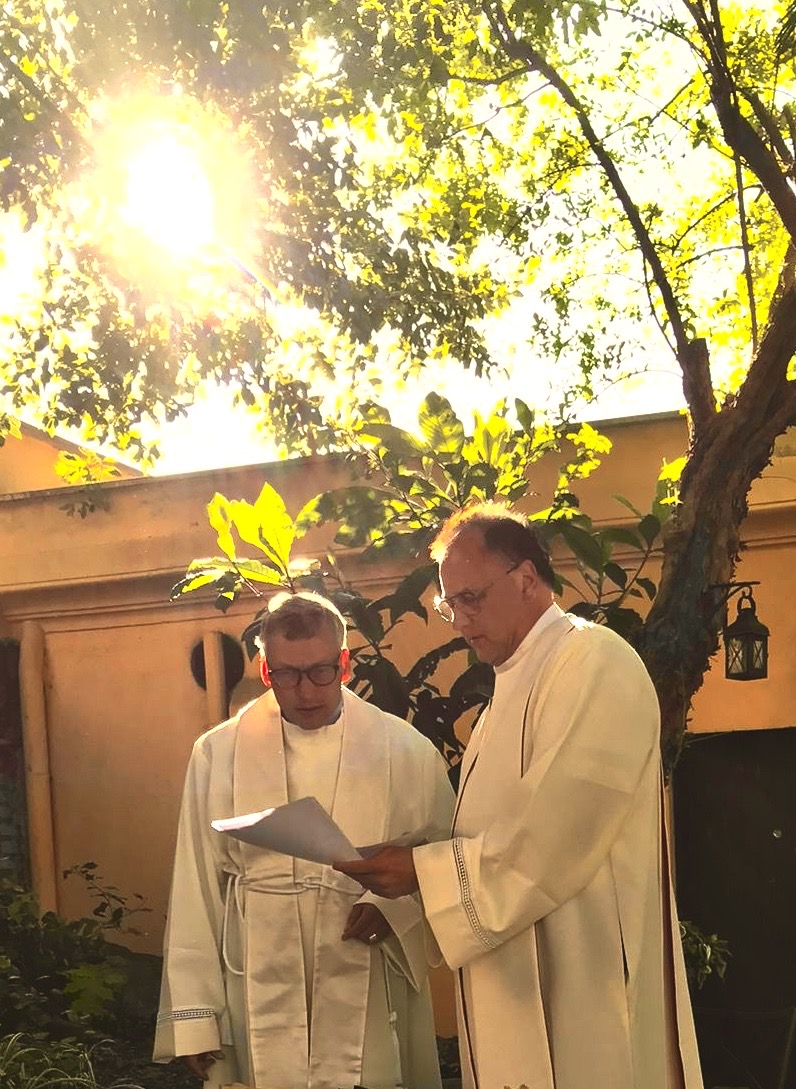
📋 Practical Information & Dress Code
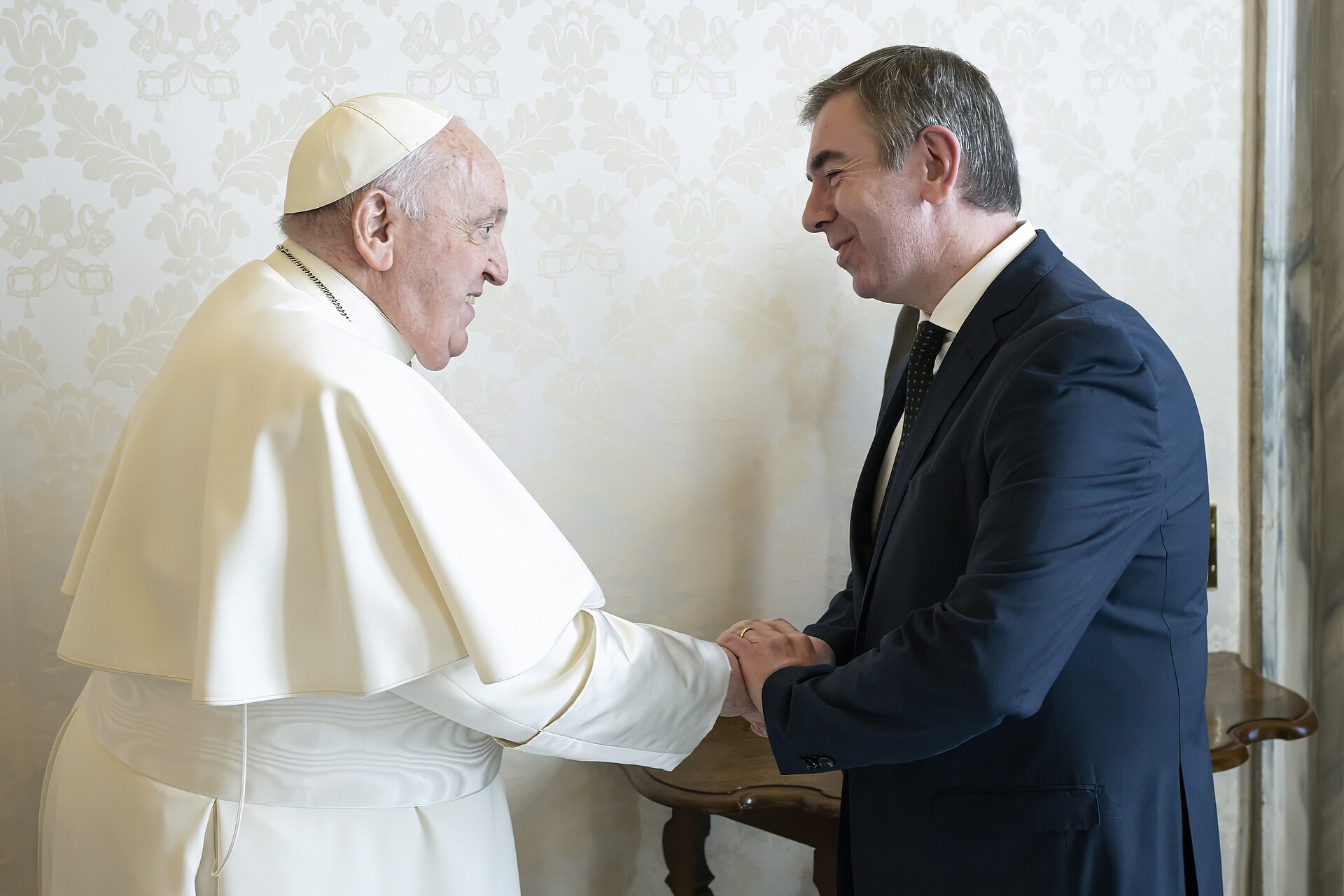
Pope Francis receives in private audience Federico Silvio Toniato.jpg · Photo: Unknown authorUnknown author · CC BY 4.0
The US State Department issues no separate advisory for the Holy See: Vatican City is covered by the Italy advisory, currently Level 2 — Exercise Increased Caution, due to terrorism (issued 23 May 2025, last updated 11 August 2025), alongside the standing Worldwide Caution. Crowded pilgrimage sites are named in the guidance. In practice the realistic risk in St Peter's Square is pickpocketing, which is organised, professional and heaviest in the security queue and on the 64 bus.
Border and visas: there is no passport control — you enter across a line in the paving. Whatever admits you to Italy admits you to the Vatican, so Schengen rules apply, including the EU Entry/Exit System (EES) now being phased in at Schengen external borders for non-EU travellers. Carry ID; the Gendarmerie can ask.
Dress code, strictly enforced: knees and shoulders covered, for everyone, in the basilica and the Museums. No shorts, no vests, no short skirts, no bare midriffs. Attendants turn people away at the door every day, all summer. A scarf in the bag solves it. Hats off inside the basilica.
Security: airport-style screening at both entrances. No large bags, no tripods, no drones, no penknives; there are free cloakrooms. Photography without flash is fine everywhere except the Sistine Chapel, where it is forbidden.
Papal audiences are usually held on Wednesday mornings, in St Peter's Square or the Paul VI Hall depending on weather and season. Tickets are free and requested from the Prefecture of the Papal Household — never buy one. The Sunday Angelus at noon needs no ticket at all. Both are suspended when the pope is away, including during the July break at Castel Gandolfo.
Post and phones: the Vatican Post is a separate administration with its own stamps and a deserved reputation for beating Italy's; a postcard posted in the yellow Vatican boxes needs Vatican stamps. Dialling code +379 exists but is largely unused — numbers are reached on +39 06 698. Emergency numbers are Italy's: 112.
Covered knees and shoulders — non-negotiable at both entrances, for everyone, in 35 °C heat. Light long trousers or a maxi skirt beat shorts plus a cover-up.
A large scarf or pashmina — the single most useful object you can carry here. Doubles as shade in the square.
Broken-in shoes — 7 km of galleries and 551 steps if you climb the dome. The marble is polished and slippery.
A refillable bottle — the nasoni fountains, including in St Peter's Square, run cold and free all day.
Sun hat and high-factor sunscreen — there is no shade in the square, and the security queue is in full sun.
A small bag — large rucksacks must be checked, which costs you twenty minutes twice.
Printed or offline tickets — phone signal at the entrances is patchy under the crowds; screenshot your QR codes.
Nothing you would miss — pickpocketing in the queue and on the 64 bus is the one real risk. Front pockets, zips, no phone in a back pocket.
Layers in winter — the basilica is unheated and colder inside than out in January.
Shoulders and knees should be covered in sacred spaces. Bring minimal baggage, expect screening, carry water where permitted, and verify opening times because liturgical events can close areas without ordinary museum logic.
43
💶 Cost of Visiting
Promotore di Giustizia, Tribunale SCV – sigillo.jpg · Photo: Unknown authorUnknown author · Public domain
Nobody lives here on a normal budget, so what follows is the cost of visiting. Currency is the euro; Vatican City mints its own coins but every price is a Roman price. Prices below are for 2026 and were checked against official sources; ticketed items change annually, so confirm before you book.
Item
EUR
USD (approx.)
⛪ St Peter's Basilica — entry
Free
Free
⛪ St Peter's — booked timed slot + audio guide
€10–16
$11–18
🏛 Vatican Museums + Sistine Chapel (official)
€20 + €4–5 booking
$27
🏛 Museums — last Sunday of the month
Free
Free
🏜 Dome climb — stairs / lift + stairs
€10 / €13
$11 / $14
⚲ Scavi (necropolis) tour
€13
$14
🌱 Vatican Gardens guided tour
€33–38
$36–41
🎭 Third-party guided tour, 3 hours
€45–80
$49–87
🍝 Lunch, trattoria in Prati
€15–28
$16–30
☕ Espresso at the bar / cappuccino
€1.20 / €1.80
$1.30 / $2
🚌 Rome 24-hour transport pass
€7
$7.60
🚖 Fiumicino → Termini, Leonardo Express
€14
$15
Budget guide: a free Sunday plus a picnic runs to almost nothing. A realistic full Vatican day — Museums with booking fee, dome climb, lunch, a coffee — is €60–75 per person. Add a private guide and it doubles.
St Peter’s Basilica itself is generally free, while museums, dome access, gardens and specialized tours charge fees. “Skip-the-line” claims do not remove security screening, and official booking is usually the clearest option.
44
🏨 Accommodation
Promotore di Giustizia, Tribunale SCV – sigillo.svg · Photo: Unknown authorUnknown author · Public domain
You cannot stay in Vatican City. The only lodging inside the walls is the Domus Sanctae Marthae, built in 1996 to house cardinals during a conclave and used the rest of the year for clergy on Vatican business — it is not a hotel and does not take bookings from the public. Everything below is in Rome, within walking distance.
Borgo — the wedge of streets between the colonnade and Castel Sant'Angelo. Closest possible, atmospheric, and priced accordingly. Wake up, walk 200 m, be first through security.
Prati — north of the Museums entrance. Elegant late-19th-century grid, real Roman restaurants, good value, 10–15 minutes on foot. The best base for most visitors.
Religious guesthouses (case per ferie) — convents and institutes across Rome renting simple, spotless rooms, often with a garden and a curfew. Frequently the cheapest decent beds in the centre; book direct, months ahead.
Aurelio / Gianicolense — up the hill behind the Museums. Quieter and cheaper, a real walk or one bus.
Trastevere — 25 minutes' walk or a tram ride. Better nightlife, worse mornings.
Rates around the Vatican spiked through the 2025 Jubilee and have since come back down to roughly pre-Jubilee levels. Expect €90–150 for a decent double in Prati in shoulder season, €200+ in Borgo in May or October, and a hard floor around €60 in the guesthouses.
There are no conventional visitor hotels inside Vatican City. Most travelers stay in Rome around Prati, Borgo, Trastevere or near transit; compare noise, stairs, late check-in and walking distance.
45
🎉 Festivals & Major Celebrations
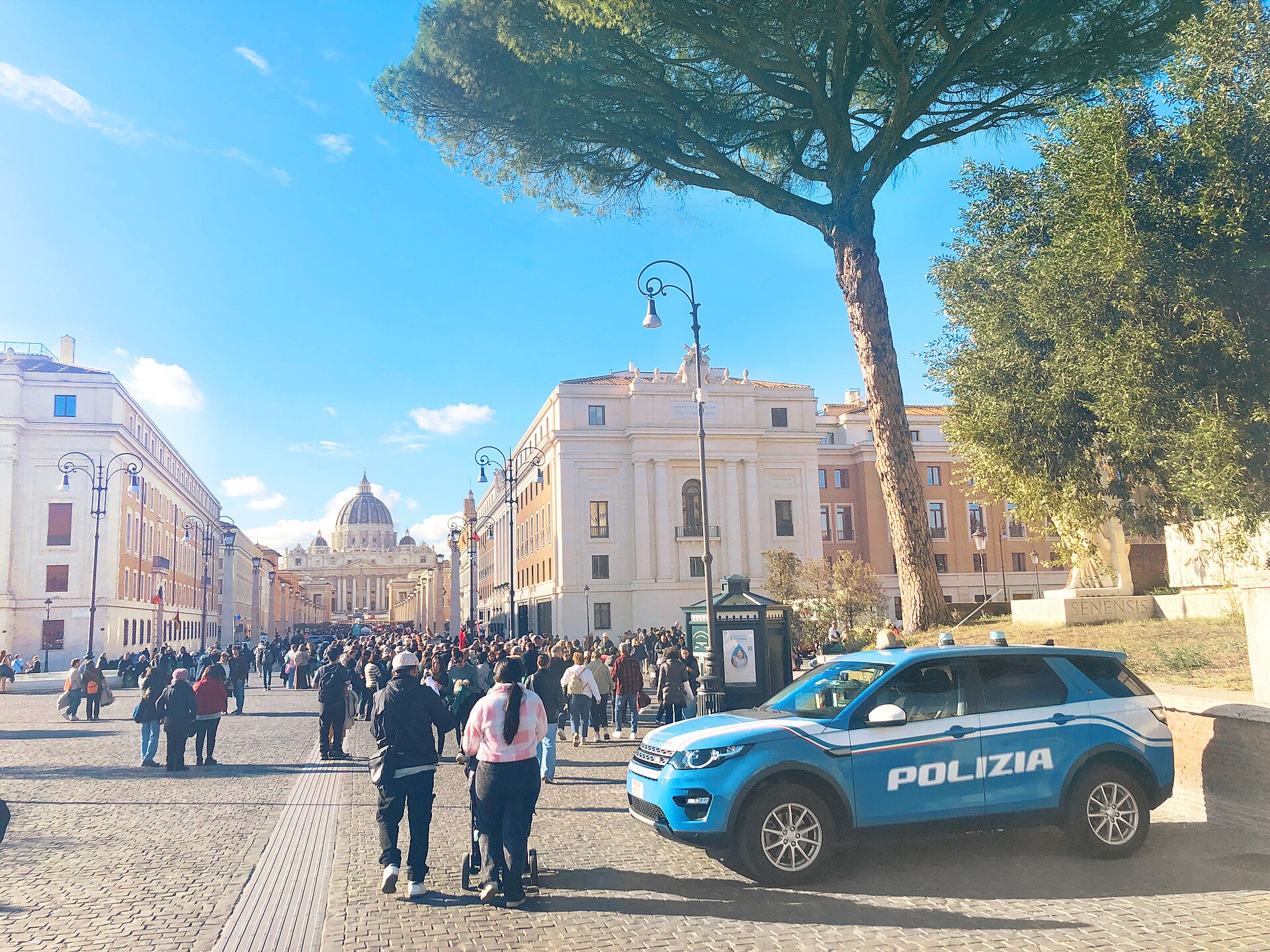
Rome-BasiliqueSaintPierre-ViadellaConciliazione-PiazzaPia-PoliziadiStato-LandRoverDiscovery5-byRundvald.jpg · Photo: Rundvald · CC BY-SA 4.0
Holy Week & Easter (March/April) — the densest week of the year. Palm Sunday in the square, the Via Crucis at the Colosseum on Good Friday evening, the Easter Vigil, and Easter Mass followed by the Urbi et Orbi blessing from the loggia. Free tickets via the Prefecture; the square fills with well over 100,000 people.
6 May — Swearing-in of the Swiss Guard, in the San Damaso Courtyard, marking the 1527 Sack of Rome. New recruits swear the oath in their own language, one hand on the flag, three fingers raised.
29 June — Saints Peter and Paul, the patronal feast and a Vatican public holiday. New metropolitan archbishops receive the pallium.
15 August — Assumption, and the pope's summer absence; the city empties, which is its own kind of experience.
Christmas — the crib and tree in St Peter's Square from mid-December; Midnight Mass, which in practice starts at 21:30 or 22:00; Urbi et Orbi at noon on Christmas Day.
Wednesday General Audience — not a festival but the most reliable way to see the pope, most weeks of the year.
The Jubilee of 2025, “Spes non confundit”, ran from 24 December 2024 to 6 January 2026 and brought more than 33 million pilgrims. It was opened by Francis and closed by Leo XIV — a Holy Year begun by one pope and ended by another, which has happened only a handful of times. The Holy Doors are now sealed again; the next ordinary Jubilee falls in 2050.
Christmas, Easter, canonizations, consistories, saints’ days and papal audiences can transform access and atmosphere. Official Vatican calendars and the Prefecture of the Papal Household are the appropriate planning sources.
46
🏛️ UNESCO World Heritage
Sara Escudero y Jimmy Fallon - Vaticano 2024.jpg · Photo: Engendrodelanaturaleza · CC BY-SA 4.0
The Holy See is a State Party to the World Heritage Convention with two inscribed properties — and the first of them is the whole country.
Vatican City (1984, cultural, criteria i, ii, iv, vi). The entire 44-hectare state, inscribed as a single property: St Peter's, the square and colonnade, the palaces, the Sistine Chapel, the Museums, the Library and the gardens. Vatican City is the only state whose territory is coextensive with one World Heritage property.
Historic Centre of Rome, the Properties of the Holy See in that City Enjoying Extraterritorial Rights, and San Paolo Fuori le Mura (1980, extended 1990, cultural). A transboundary property shared with Italy: the 1980 inscription covered the historic centre within the Aurelian walls; the 1990 extension added the area to the walls of Urban VIII, the Holy See's extraterritorial properties — St John Lateran, Santa Maria Maggiore and the rest — and the basilica of St Paul Outside the Walls.
Neither property is on the List of World Heritage in Danger. Note the distinction that trips people up: the extraterritorial basilicas are Holy See property standing on Italian soil, so a visit to St John Lateran or Santa Maria Maggiore is a visit to the second World Heritage property, not to Vatican City. Francis is buried in Santa Maria Maggiore, inside that listed perimeter.
Vatican City was inscribed as a World Heritage property in 1984, recognizing its architectural, artistic and spiritual importance. The designation covers a living sovereign and religious center, not a static museum district.
The inscription is unusual because an entire sovereign state forms a World Heritage property. Protection therefore concerns not only individual masterpieces but also urban space, archaeological layers, archives, gardens and living ceremonial use. Managing millions of visitors while preserving fragile art requires coordination between conservation, security, worship and access—objectives that can conflict on the busiest days.
47
💎 Hidden Gems
St Peter’s Basilica Dome.jpg · Photo: BEntley314 · CC0
The Scavi — the necropolis under the basilica, a street of Roman mausolea leading to the graffiti wall and the bones traditionally identified as Peter's. Around 250 people a day, no under-15s, booked by email months ahead with the Ufficio Scavi. The single most extraordinary hour in the Vatican.
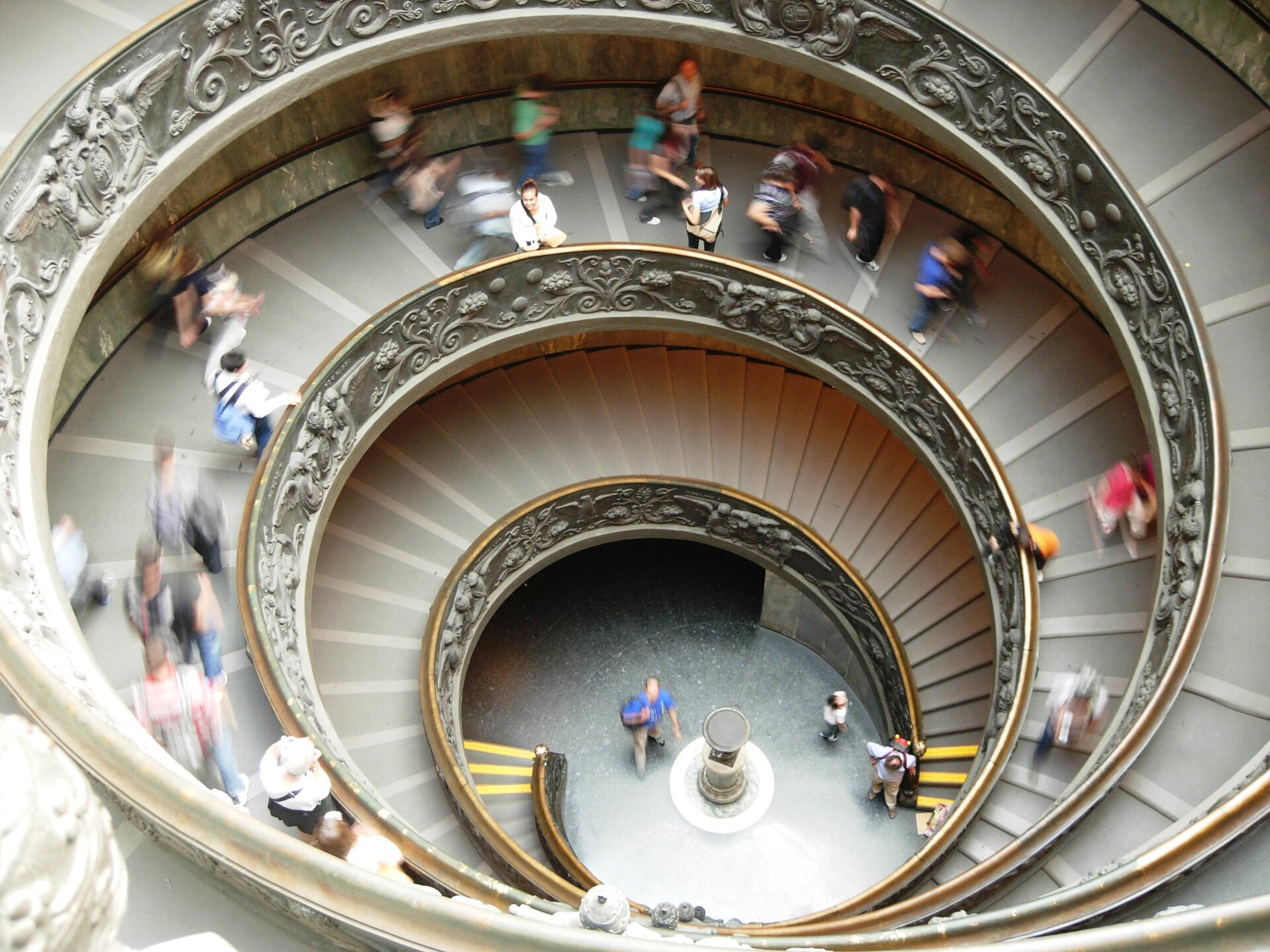
The two Bramante staircases — and they are two. The double-helix ramp everyone photographs on the way out is Giuseppe Momo's, built in 1932 as a homage. Donato Bramante's original of about 1505 is in the Belvedere tower in the Pio-Clementine and is not on the standard route; it opens only for special tours. Guides conflate them constantly.
The Gallery of Maps at opening time — 120 m of gold-lit 16th-century cartography, empty for about twelve minutes if you are through the door at 08:00.
Vatican Gardens tour — half the country, seen by a tiny fraction of visitors.
The Vatican Post box — yellow, in the square. Vatican stamps, a Vatican postmark, and a service that genuinely outperforms the Italian one.
The porphyry discs in the square — stand on one and Bernini's four ranks of columns collapse into a single line. Free, and nobody looks down.
Castel Gandolfo — the papal palace museum, the Barberini Gardens and Lake Albano, 40 minutes by train and almost tourist-free on a weekday.
Less hurried visitors can notice the Teutonic Cemetery, mosaics, inscriptions, minor museum collections and changing views from the dome. Some places require permission or special booking and should never be presented as guaranteed access.
48
🔬 Fascinating Facts
Sunlight in st peters (5200687653).jpg · Photo: Weldon Kennedy from London, UK · CC BY 2.0
At 0.44 km² it is the smallest sovereign state in the world — about a fifth the size of Monaco, the next smallest.
Its 300 m of railway is the shortest national rail network on Earth; the station building has never had a scheduled passenger service.
Nobody holds Vatican citizenship by birth. It comes with a job and goes with it, which makes the Vatican the only state with essentially no natural-born citizens.
The cash machines were long the only ones in the world with a Latin-language option — Inserito scidulam quaeso ut faciundam cognoscas rationem.
The obelisk in the square is the only one of Rome's thirteen ancient obelisks never to have fallen.
The Swiss Guard uniform is not Michelangelo's. Commandant Jules Repond designed it in 1914.
The Apostolic Archive holds roughly 85 km of shelving and was called “Secret” only in the sense of private; Francis renamed it in October 2019 to stop the misunderstanding.
The Vatican has a heliport, a fire brigade, a supermarket, a pharmacy, a petrol station and a bank — but no hospital, no school for children, no cemetery for the general public and no farm.
The Vatican Observatory runs a telescope on Mount Graham, Arizona, because the Roman sky is too bright to work in.
Vatican euro coins are legal tender across the eurozone and effectively never circulate: mintages are tiny and collectors pay far above face value.
New pope. Francis died on 21 April 2025. A conclave of 133 cardinals elected Robert Francis Prevost on 8 May 2025; he reigns as Leo XIV, the first US-born and first Augustinian pope, and has moved back into the Apostolic Palace.
Jubilee closed. The Holy Year ran 24 December 2024 to 6 January 2026 and drew more than 33 million pilgrims. The Holy Doors are sealed; the next ordinary Jubilee is 2050.
2026 is the easy year. Post-Jubilee, Museums slots are the least contested in three years and hotel rates around the Vatican are back to pre-Jubilee levels.
Ticket price up. The official Vatican Museums adult ticket moved from €17 to €20, plus a €4–5 booking fee.
Free entry is Sunday, not Friday. The last Sunday of each month, 09:00–14:00, last entry 12:30. Friday evening openings are paid and seasonal.
St Peter's now has paid timed entry alongside the free queue — a booking on basilicasanpietro.va with a digital audio guide, which is the only legitimate way to skip the security line.
Sister Raffaella Petrini has led the Governorate since 1 March 2025 — the first woman to run the Vatican City government.
Castel Gandolfo is back in use. Leo XIV summered at the Villa Barberini 6–22 July 2025, the first pope to do so since Benedict XVI; the palace museum and Barberini Gardens remain open to visitors.
Swiss Guard at 135. The corps was enlarged from 110 for the Jubilee and returned to full strength at the 6 May swearing-in.
Annona reopened as Tigre-Annona under Magazzini Gabrielli — still permit-holders only, still duty-free.
Advisory unchanged. Vatican City remains covered by the US Level 2 advisory for Italy (terrorism), issued 23 May 2025 and last updated 11 August 2025.
The state has its own postal service, railway spur, euro issues and security bodies. It is the only country wholly within a single city and among the rare sovereign states whose citizenship is chiefly functional.
49
📸 Photo Gallery
Click any image to enlarge.
St Peter's from above — basilica, colonnade and obelisk
The facade — Maderno, completed 1612
Sistine ceiling — Michelangelo, 1508–1512
Bernini's colonnade — 284 columns, 140 saints
The Pietà — carved 1498–99, the only work Michelangelo signed
The Gardens — 23 hectares, half the state
The Swiss Guard — 135 halberdiers, sworn in every 6 May
Garden fountains — Renaissance waterworks behind the basilica
The Museums — roughly 7 km of galleries
Roman table — what the Vatican actually eats
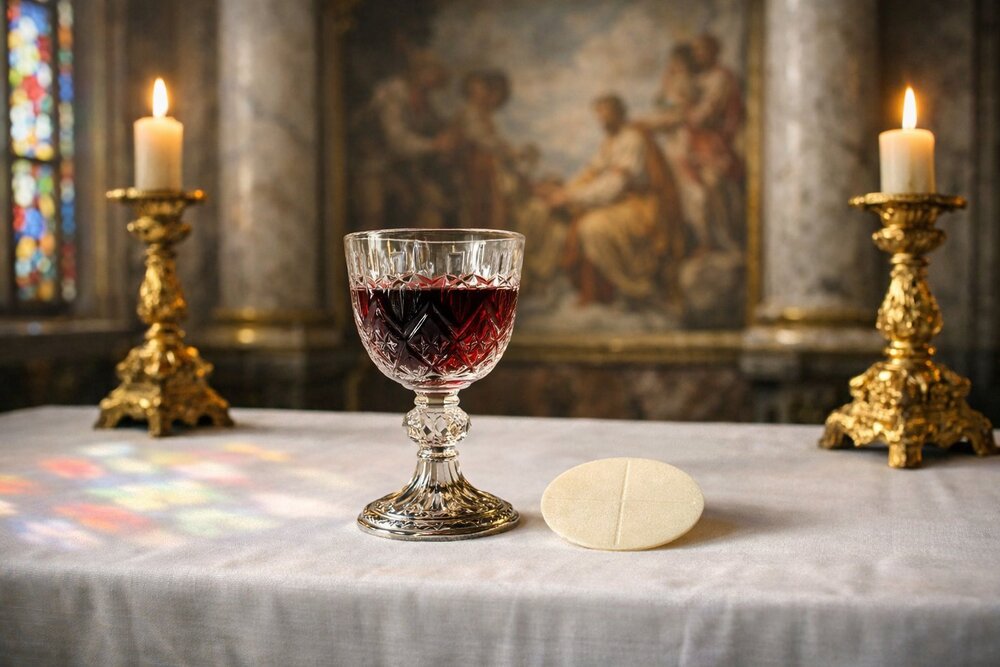
Altar wine — and the world's highest per-capita consumption
Cacio e pepe — three ingredients, no margin for error
Saltimbocca alla romana — veal, sage, prosciutto
Tiramisù — Veneto by birth, Roman by adoption
Worth watching before you go — search these on YouTube rather than trusting any single link:
Vatican News — the official channel: live audiences, the Angelus, Holy Week ceremonies, in multiple languages.
“Vatican Museums 4K walkthrough” — several full-route walks exist; they show you the sequence and how much of it is corridor.
“Sistine Chapel restoration” — documentaries on the 1980–99 cleaning, which changed how the ceiling looks and started a real art-historical argument about it.
“St Peter's dome climb POV” — useful if you are claustrophobic. The last section is genuinely narrow and leans inward.
“Scavi tour” — filming is banned underground, so what exists is reconstruction and interview; still the best preparation.
The gallery follows the Vatican from St Peter’s Square and basilica to the Sistine Chapel, gardens, guards and museum collections. Every image carries a credit or license statement.
I have been to the Vatican three times and only once got it right. The first two visits were the standard error: mid-morning in June, no booking, four hours of shuffling through corridors I could not have described afterwards, and then the Sistine Chapel as a hot rectangle full of shoulders while a guard shouted for silence in four languages. I came out annoyed and told myself the place was overrated, which is what people say when they have organised their day badly.
The third time I was through the door at eight and in the Gallery of Maps by ten past, alone with 120 metres of gold-lit 16th-century Italy while everyone else was still queuing on Viale Vaticano. That is the whole trick, and it costs nothing but an alarm clock. By the time I reached the chapel there were perhaps forty people in it. I sat on the bench along the wall for half an hour, which is allowed, and looked at the Last Judgment instead of the ceiling, because everybody looks at the ceiling. It is a furious painting. Michelangelo put his own face on the flayed skin that Saint Bartholomew is holding.
What stays with me is not the art, though, but the border. You walk from Italy into another country across a line of pale stone in the paving, past a man in a striped uniform designed in 1914 by an officer who wanted his guards to look like a Raphael, and nobody asks you for anything. Forty-four hectares, fewer permanent residents than a village, a railway three hundred metres long that no passenger uses, and diplomatic relations with a hundred and eighty-four states. It should not work as a country. It has worked since 1929.
Go early, cover your knees, bring a bottle for the fountains, and leave the last hour empty. The best thing in the Vatican is standing in the square at dusk, after the coaches have gone, when the colonnade is lit and the swifts are working the space above the obelisk. That part is free.
—Radim Kaufmann, 2026
Ross King, Michelangelo and the Pope's Ceiling — the four years on the scaffold, told as a working problem rather than a miracle.
Anthony Majanlahti, The Families Who Made Rome — the dynasties whose money and nepotism built most of what you will look at.
John Julius Norwich, The Popes: A History — two thousand years, briskly and sceptically.
Eamon Duffy, Saints and Sinners: A History of the Popes — the more serious scholarly counterpart.
John Thavis, The Vatican Diaries — how the place actually runs, by a reporter who covered it for thirty years.
Gerard O'Connell, The Election of Pope Francis — the best inside account of how a conclave works, which is useful background to 2025.
Rodolfo Lanciani, Pagan and Christian Rome — the 19th-century archaeologist on what lies under the basilica; dated, and still gripping.
Vatican City concentrates history, belief, power and art within a territory smaller than many urban parks. A responsible visit should hold together aesthetic wonder, living faith, institutional complexity and the difficult questions carried by every long history.
— Radim Kaufmann, 2026
Support This Project 🌍
This World Travel Factbook is free to use. If it helps you, consider supporting its continued development.
.jpg?width=1600)
.jpg?width=1600)