Timor-Leste (East Timor) is Asia's youngest nation and one of the least visited countries on Earth — a place where pristine coral reefs rival Raja Ampat, mountain villages preserve centuries-old animist traditions, and the scars of a brutal independence struggle have transformed into symbols of extraordinary resilience. This half-island nation occupying the eastern end of Timor shares a land border with Indonesia and sits just 640 kilometers north of Australia.
For travelers, Timor-Leste offers something increasingly rare: genuine discovery. The reefs around Ataúro Island recorded the highest average reef-fish diversity ever measured in a Conservation International survey (2016) — more species per site than Raja Ampat. The mountains of the interior, rising to 2,963 meters at Ramelau (Tatamailau), shelter cloud forests and traditional communities where tais weaving and betel nut ceremonies define daily rhythms. Dili, the compact capital, blends Portuguese colonial architecture with local markets selling tropical produce and fresh seafood at prices that feel like a time warp.
"Timor" derives from the Malay word "timur" meaning east, making "East Timor" literally "East East" — a geographic redundancy the nation embraced in its official Portuguese name "Timor-Leste." The country's identity was forged in suffering: 24 years of Indonesian occupation (1975-1999) claimed an estimated 100,000-180,000 lives, roughly a quarter of the population. The 1999 independence referendum, followed by militia violence and international intervention, remains living memory for most adults.
Today, Timor-Leste builds its identity on this hard-won sovereignty. The Cristo Rei statue overlooking Dili — a gift from Indonesia during occupation — has been reclaimed as a symbol of peace. Portuguese serves as an official language alongside Tetum, reflecting the colonial heritage that provided a linguistic distinction from Indonesian rule and became a tool of resistance.
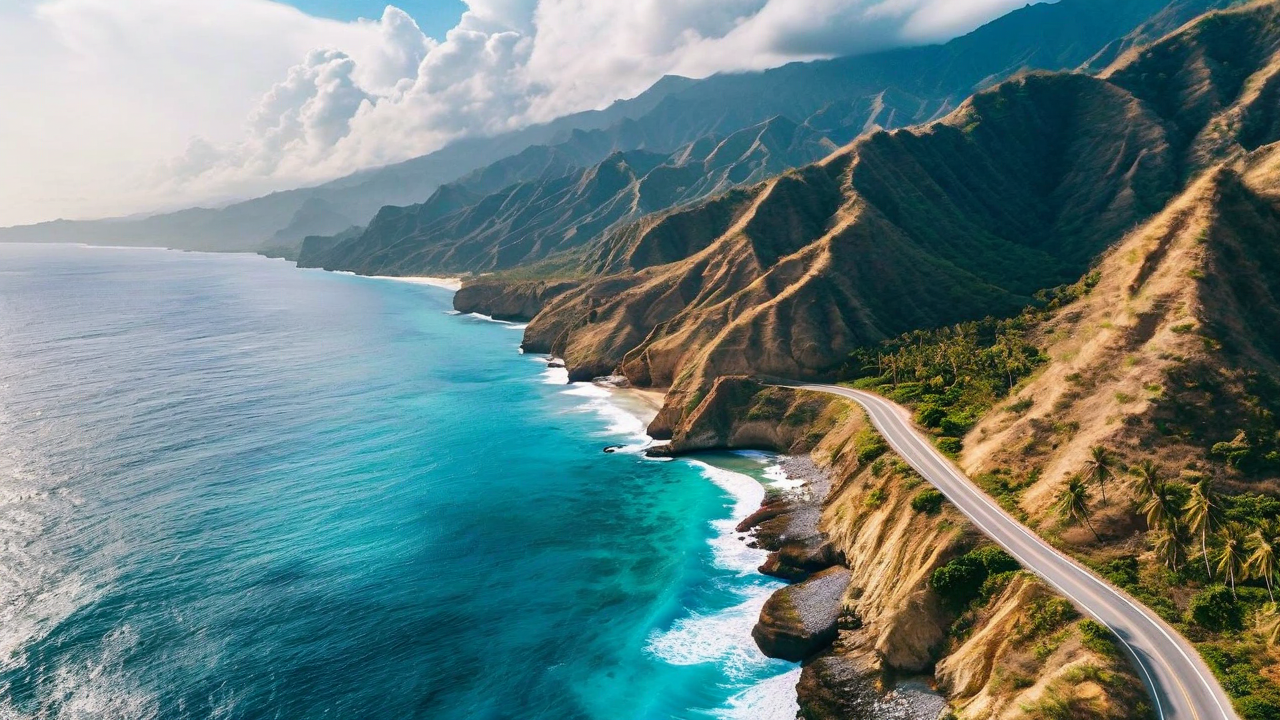
Timor-Leste occupies the eastern half of Timor Island plus the Oecusse enclave on the north coast of Indonesian West Timor, and the islands of Ataúro and Jaco. The terrain is overwhelmingly mountainous — a central spine rises steeply from the coast, with Ramelau (2,963m) the highest peak. The north coast drops sharply into the Wetar Strait, creating the deep-water conditions that support extraordinary marine biodiversity.
The climate divides into a wet season (roughly December–April) and a long dry season (May–November). The dry season brings comfortable temperatures and calm seas ideal for diving. Rivers swell dramatically in the wet season, making some roads impassable. The Timor Sea to the south holds significant oil and gas reserves that fund most government spending through the Petroleum Fund — one of the world's largest sovereign wealth funds per capita.
Timor-Leste occupies the eastern half of Timor, the Oecusse exclave on the north coast of Indonesian West Timor, and the islands of Ataúro and Jaco. Key destinations are marked below.
Portuguese traders arrived in the 16th century and maintained a colonial presence for over 400 years — one of the longest in Asia. When Portugal's Carnation Revolution of 1974 led to decolonization, Timor-Leste declared independence on November 28, 1975. Nine days later, Indonesia invaded. The subsequent 24-year occupation, marked by famine, forced displacement, and military operations, devastated the population.
The 1999 UN-supervised referendum saw 78.5% vote for independence, triggering militia destruction that razed 70% of infrastructure. UN peacekeeping and international aid rebuilt the nation, which achieved formal independence on May 20, 2002. Xanana Gusmão, resistance leader and first president, returned as Prime Minister in July 2023 after his CNRT party won the May 2023 election; the presidency is held by fellow Nobel Peace laureate José Ramos-Horta, elected to a second, non-consecutive term in 2022.
The years since have been the busiest in the young state's diplomatic life. Timor-Leste joined the WTO on 30 August 2024 as its 166th member; Pope Francis visited on 9–11 September 2024, drawing some 600,000 people to Mass at Tasitolu; and on 26 October 2025 the country was admitted as the 11th member of ASEAN in Kuala Lumpur, ending a fourteen-year wait. Domestically, student-led protests in Dili in September 2025 — against a $4 million plan to buy SUVs for MPs — forced parliament to cancel the purchase and, on 26 September, to abolish lifetime pensions for MPs, former presidents and ministers. In August 2026 Dili hosted the Science for Development Summit, an initiative of Ramos-Horta that gathered ten Nobel laureates and four Turing Award winners, billed as the largest scientific gathering ever held in Southeast Asia. Today's challenges remain oil dependency, youth unemployment and the still-unresolved Greater Sunrise gas project — but the spirit of resistance has evolved into a remarkable national determination.
Timor-Leste's 1.3 million people comprise roughly 16 ethnolinguistic groups, with Tetum speakers the largest. Catholicism was adopted during Portuguese colonization and deepened during Indonesian occupation as a form of resistance identity — today roughly 97% identify as Catholic, making it the most Catholic nation in Asia. Traditional animist beliefs persist alongside Christianity in a characteristic Timorese synthesis.
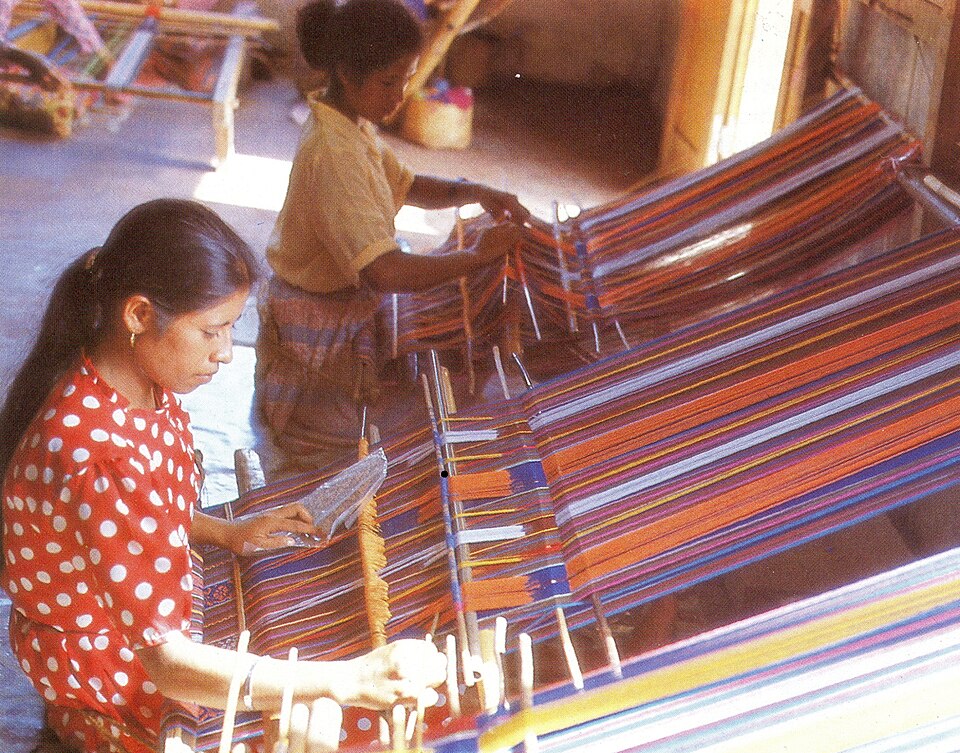
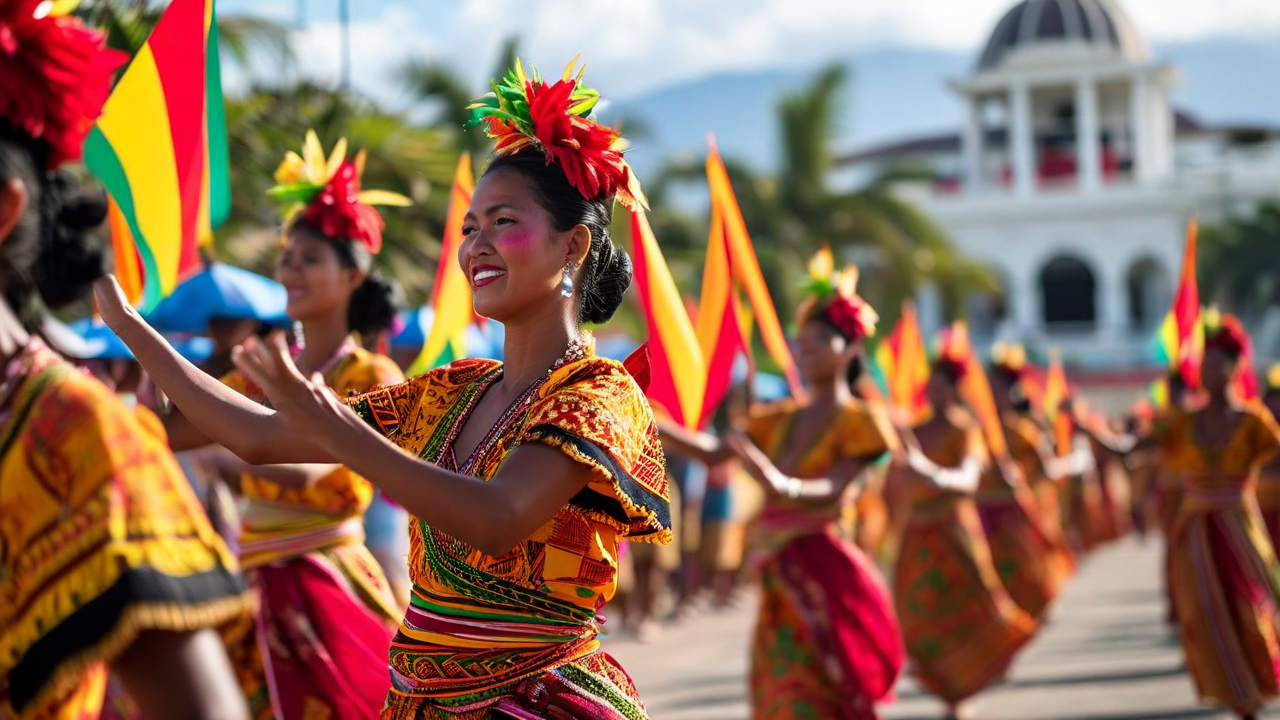
Tais — handwoven textiles with intricate geometric patterns — serve as the national art form, with each district producing distinctive designs. Sacred houses (uma lulik) in mountain villages serve as spiritual centers connecting families to ancestors. Betel nut chewing remains ubiquitous, and sharing betel nut is a fundamental social gesture. Music blends Portuguese fado influences with traditional chanting, while cockfighting remains a cultural institution despite modernization pressures.
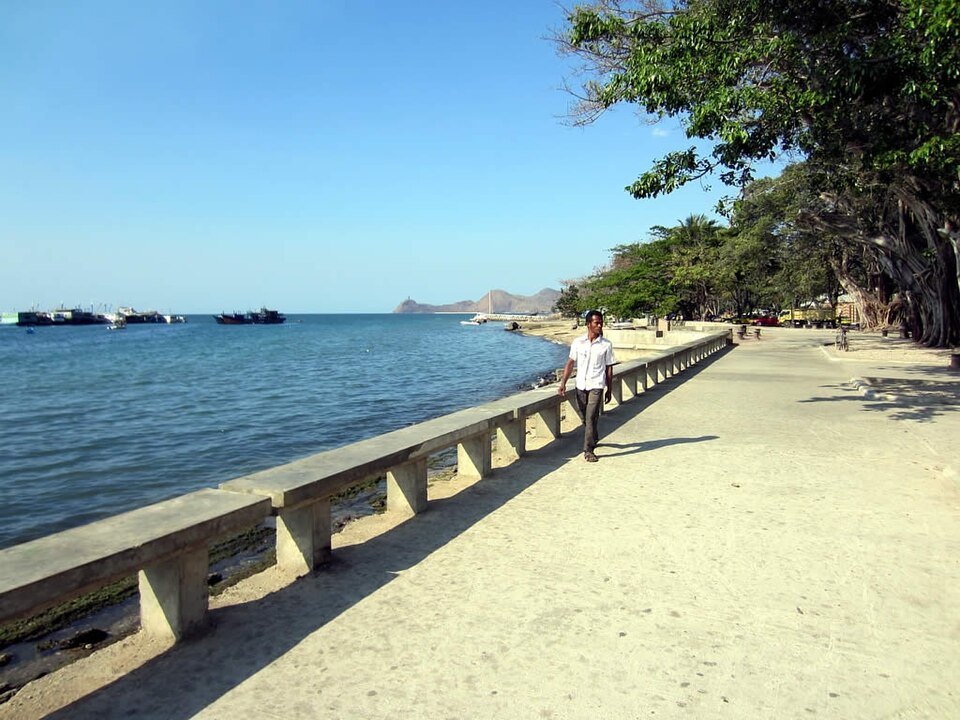
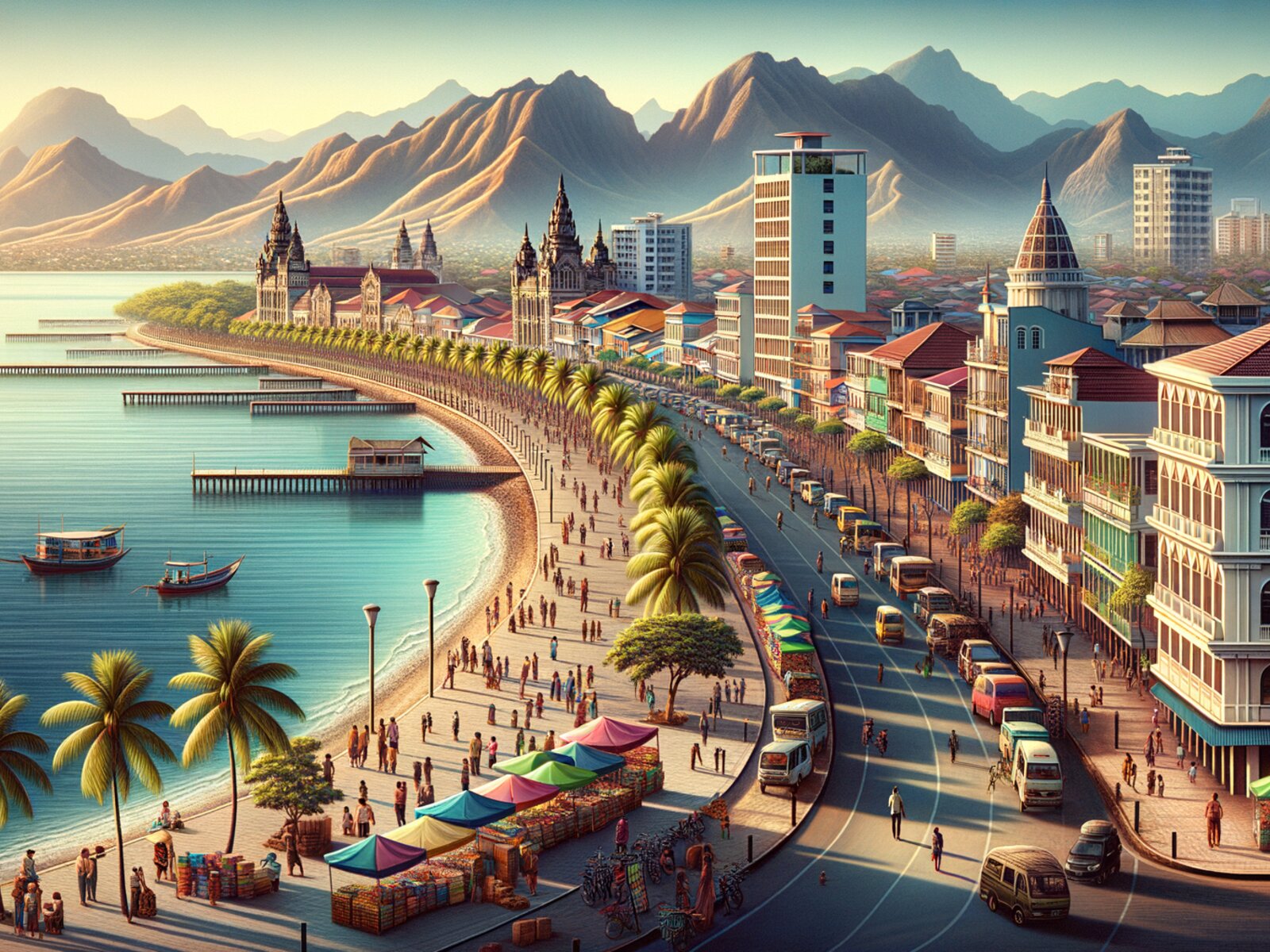
Dili is a low-rise capital strung along a bay, where Portuguese-era government buildings, the 1990s Indonesian-built cathedral and a new waterfront promenade sit within a few blocks of each other. The Resistance Museum (Arquivo & Museu da Resistência Timorense) is the essential first stop — a sober, well-curated account of 1975–1999 — followed by the Santa Cruz cemetery, site of the 12 November 1991 massacre whose filmed footage turned world opinion. The Tais Market sells textiles direct from weavers, and the Taibessi and Comoro markets are where the city actually shops.
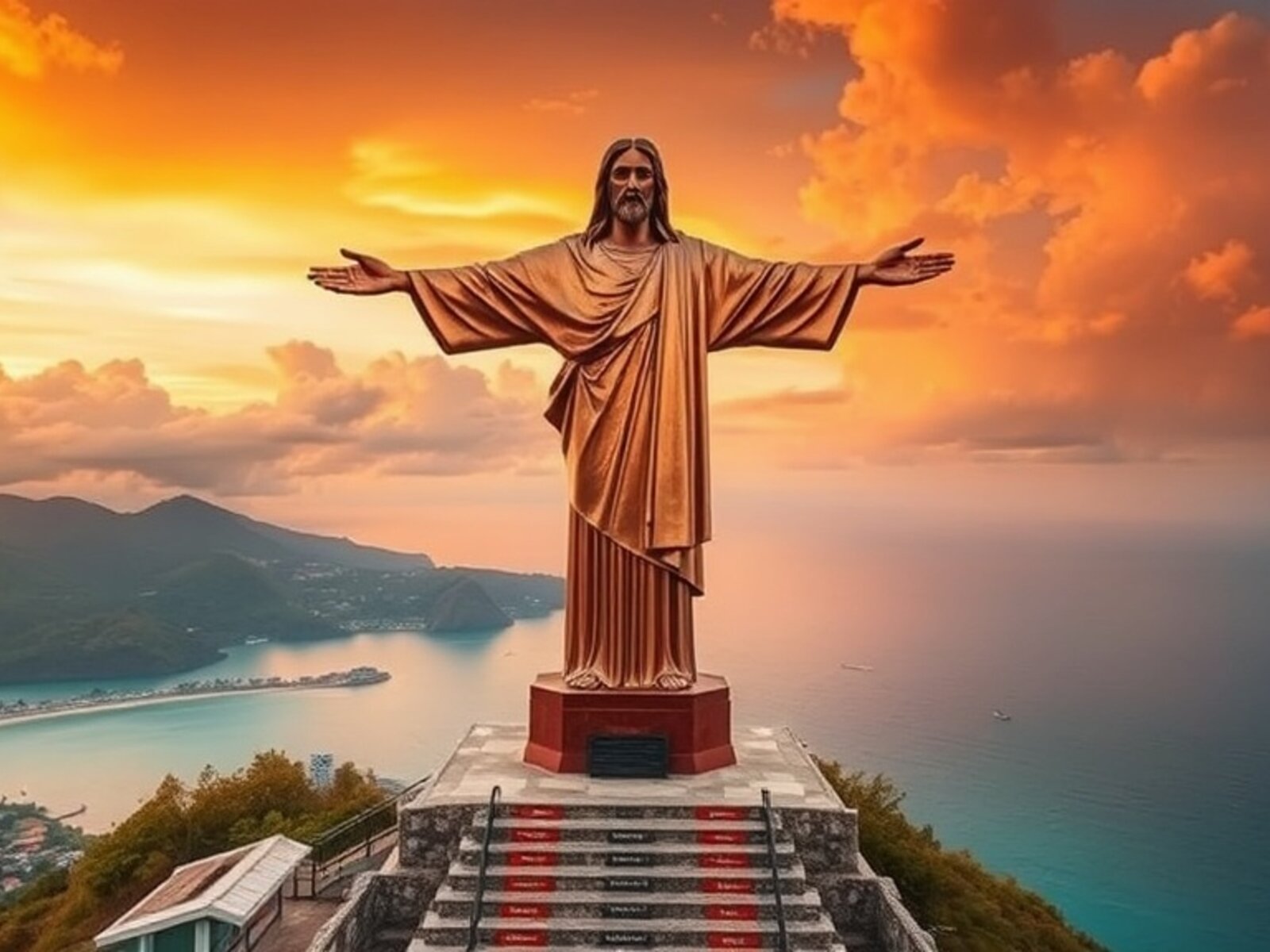
East of town, 27-metre Cristo Rei stands on the Fatucama headland at the top of some 570 steps; the climb at dawn, before the heat, gives the classic view back across the bay to Ataúro. Two beaches flank the statue — Areia Branca on the city side and the quieter Dolok Oan (Jesus Backside Beach) beyond it. At Tasitolu, west of the airport, the seaside park where John Paul II said Mass in 1989 hosted Pope Francis and roughly 600,000 people on 10 September 2024.
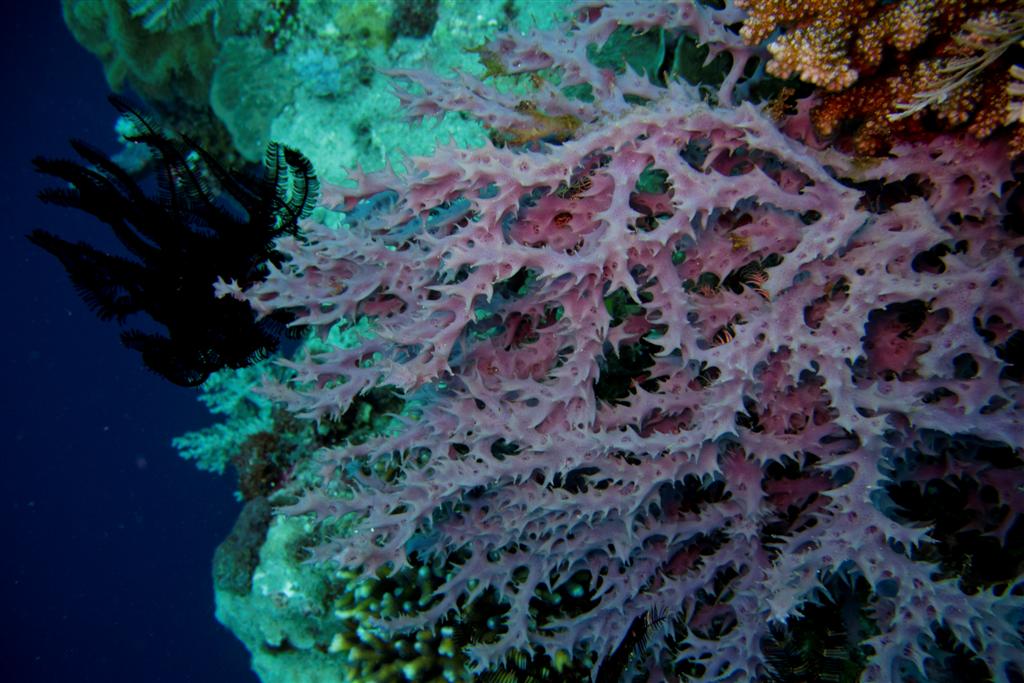
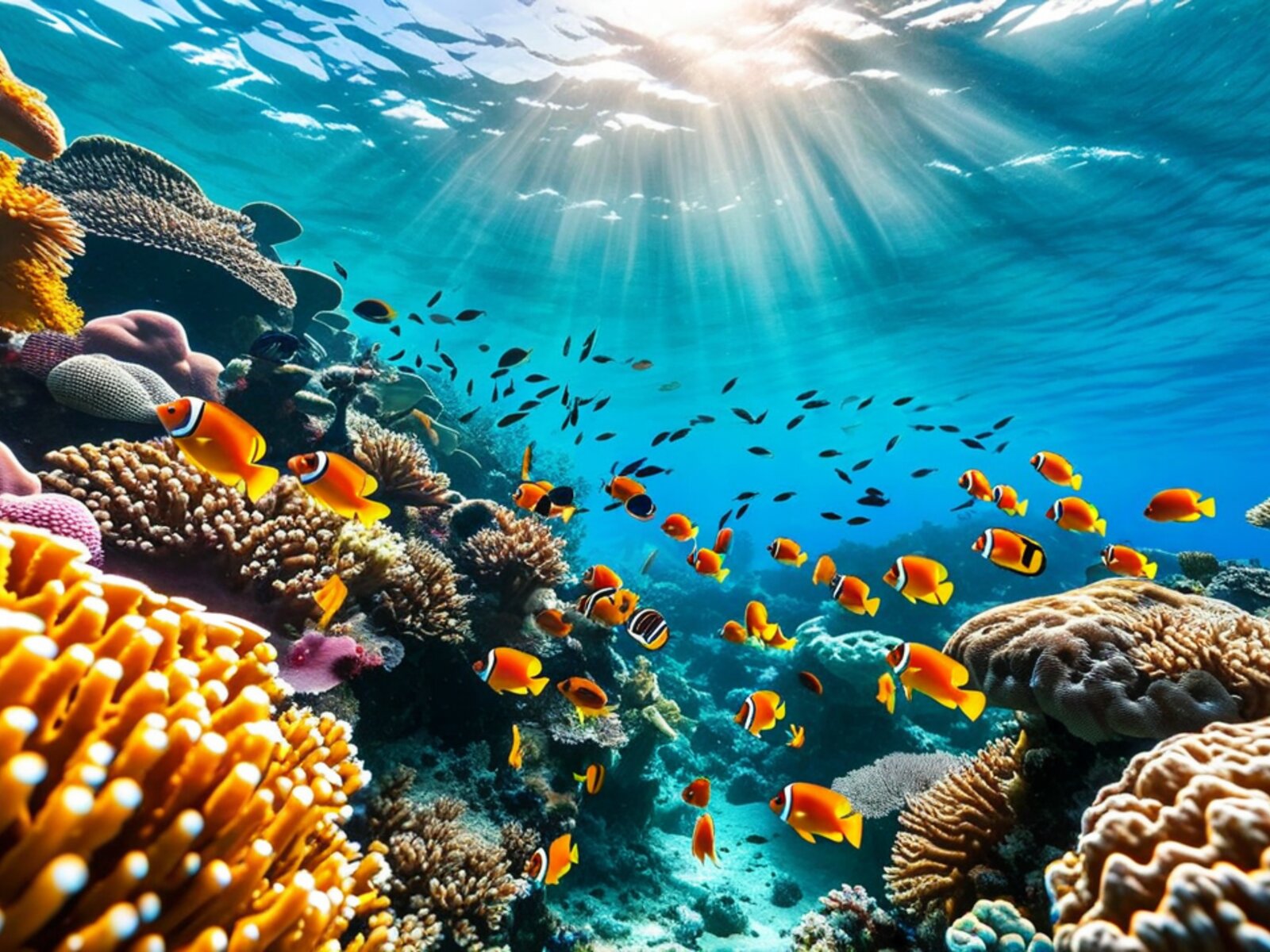
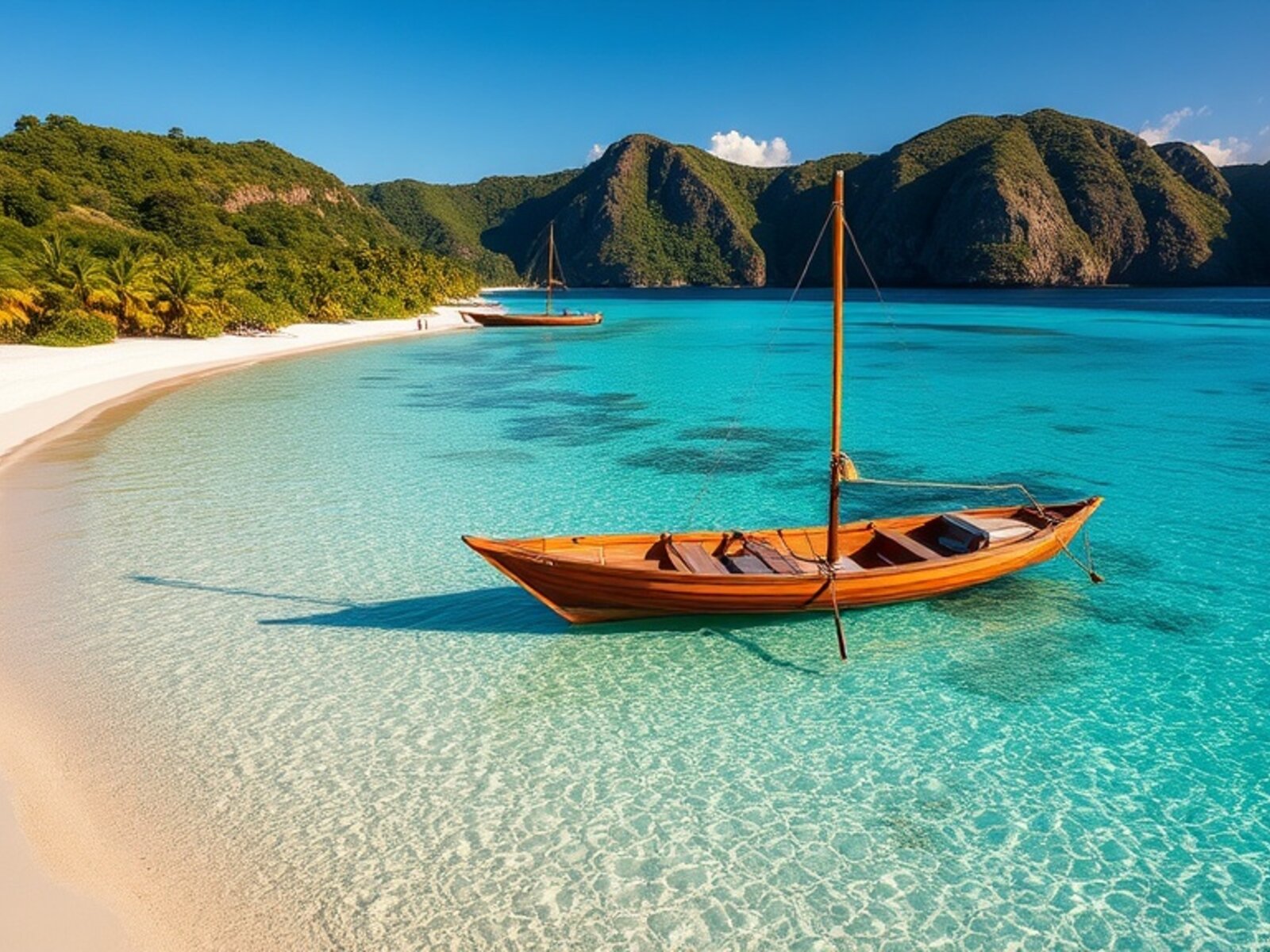
Ataúro Island, a 25-kilometer boat ride north of Dili, is Timor-Leste's tourism jewel and one of the world's best-kept diving secrets. A July 2016 Conservation International rapid assessment recorded 642 reef-fish species across ten sites, an average of 253 per site — the highest average ever documented, beating Raja Ampat — with 315 species at a single site, the third-highest single-site count on record. The deep water surrounding the island (the Wetar Strait reaches 3,000 meters) creates upwellings that feed an extraordinary food chain, attracting whale sharks, manta rays, dolphins, and migrating whales.
On land, Ataúro offers simple eco-lodges, hiking trails through teak forests, and welcoming villages where traditional architecture and ceremonies remain intact. The island's isolation preserved its marine ecosystem from the blast fishing and cyanide that have devastated reefs elsewhere in Southeast Asia. For diving enthusiasts, Ataúro represents a frontier experience — world-class biodiversity with barely a handful of dive operators and virtually no crowds.
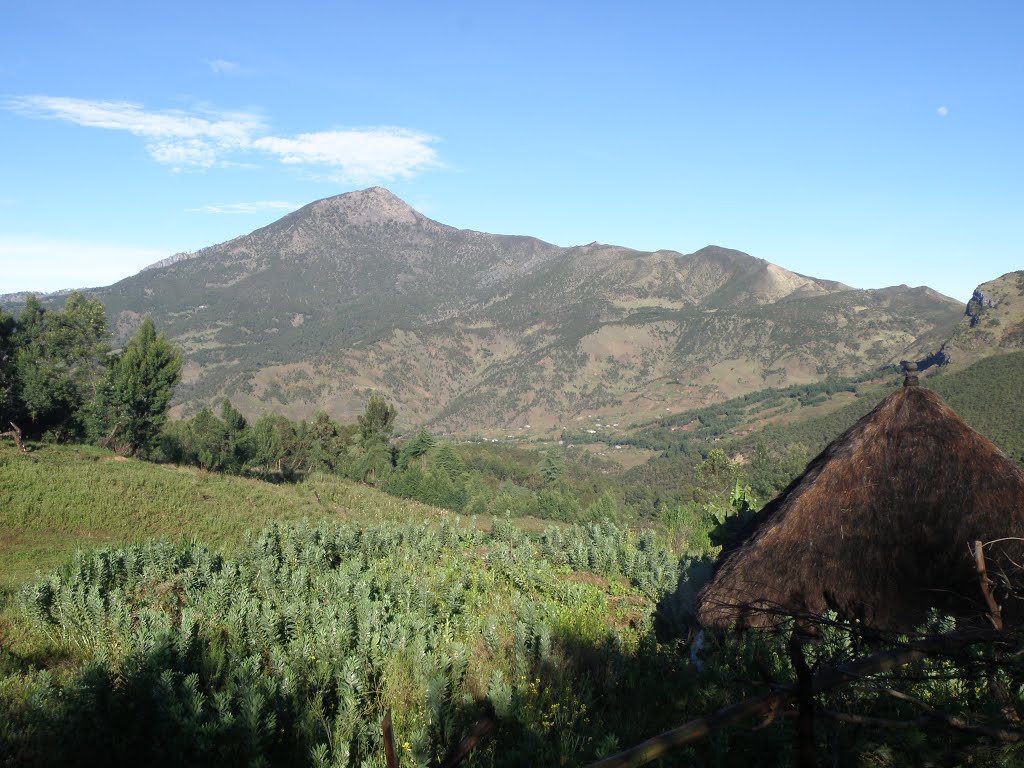
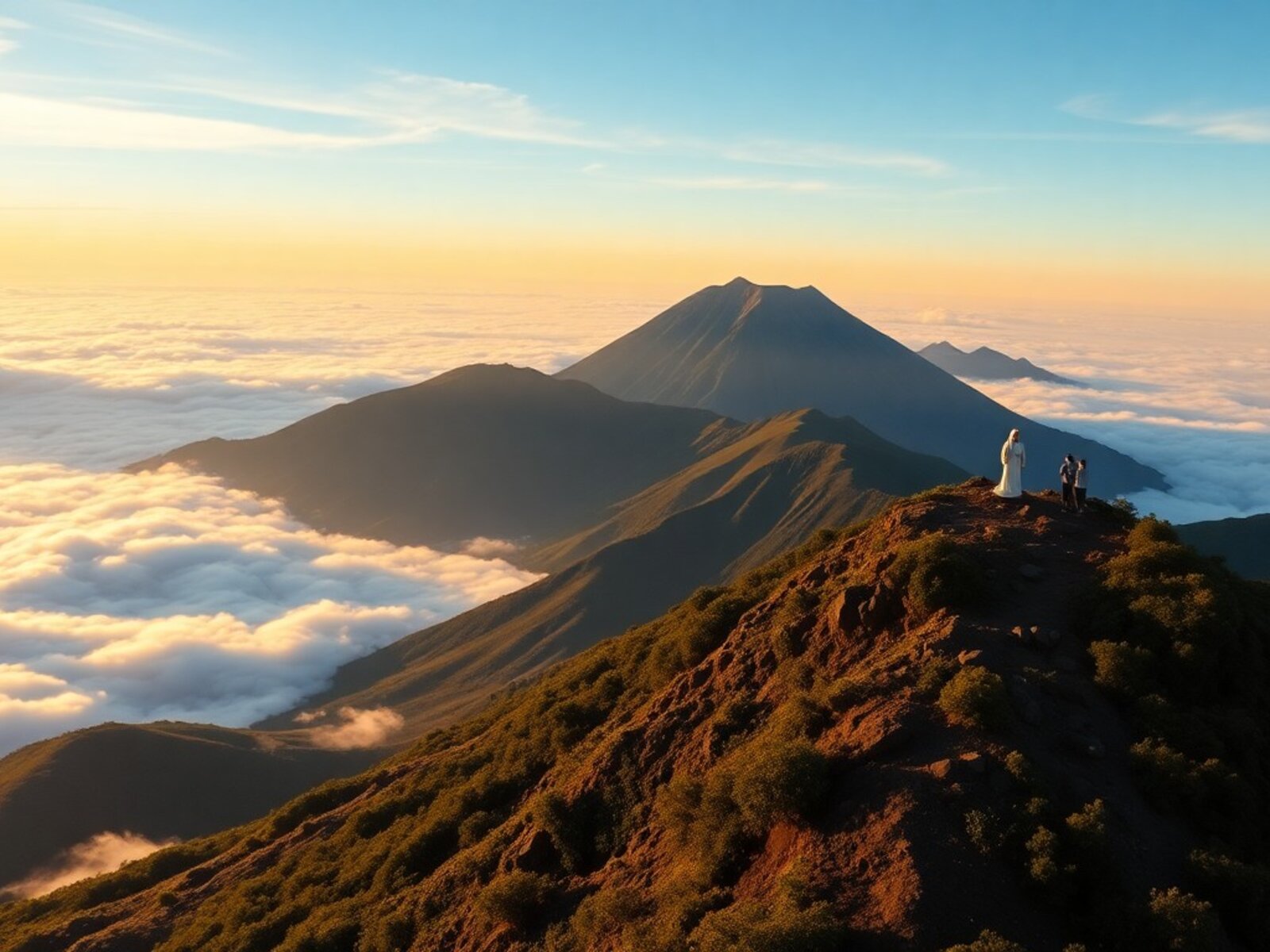
Tatamailau — Mount Ramelau, 2,963 metres — is the country's highest point and its holiest mountain, crowned by a statue of the Virgin Mary placed there in 1997. The standard approach is from the village of Hato Builico, a three-hour pre-dawn climb to watch the sun rise over both the north and south coasts at once. Pilgrims flock up on 25 March and in October; the rest of the year you may have the summit to yourself.
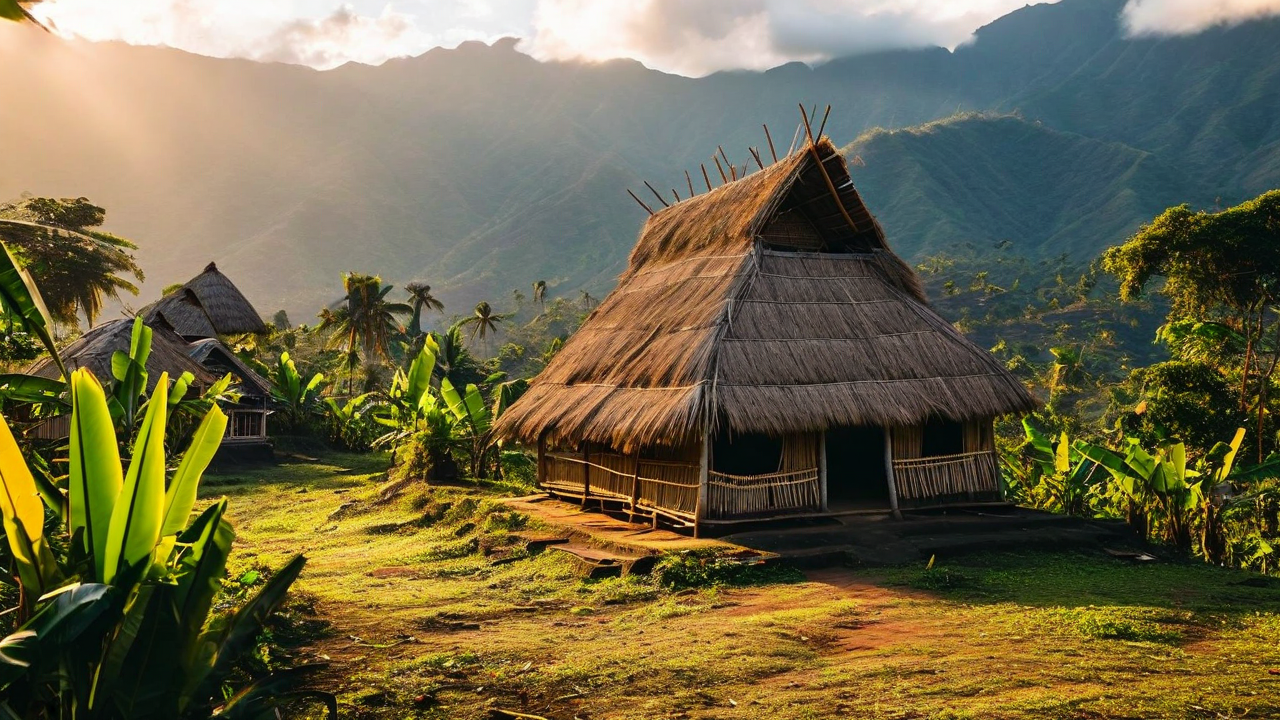
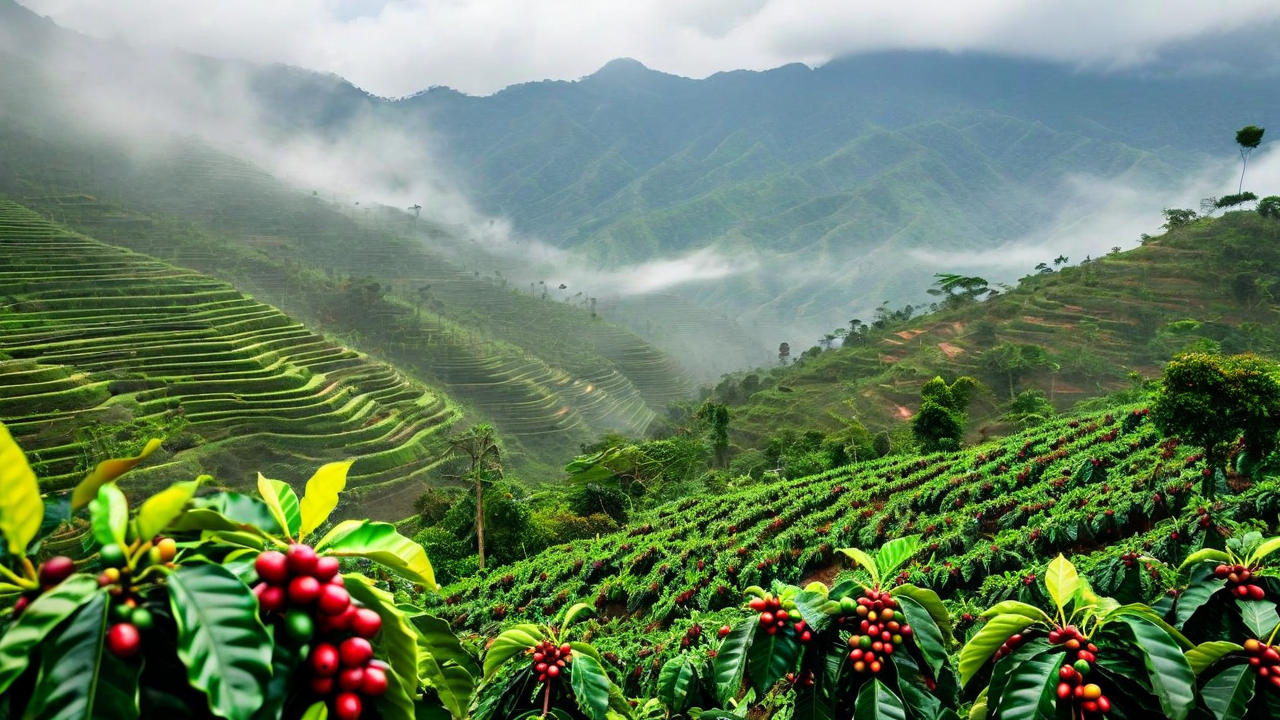
The road up passes through Aileu and Maubisse, the heart of the coffee country. Timor-Leste's arabica grows under shade at 1,000–1,600 metres and is almost entirely organic by default; Maubisse's old Portuguese pousada, on a hilltop above the market town, is the place to sleep among the cloud forest. Uma lulik — the tall, thatched sacred houses — mark villages throughout the highlands, and tais weaving is still done on backstrap looms in the doorways.
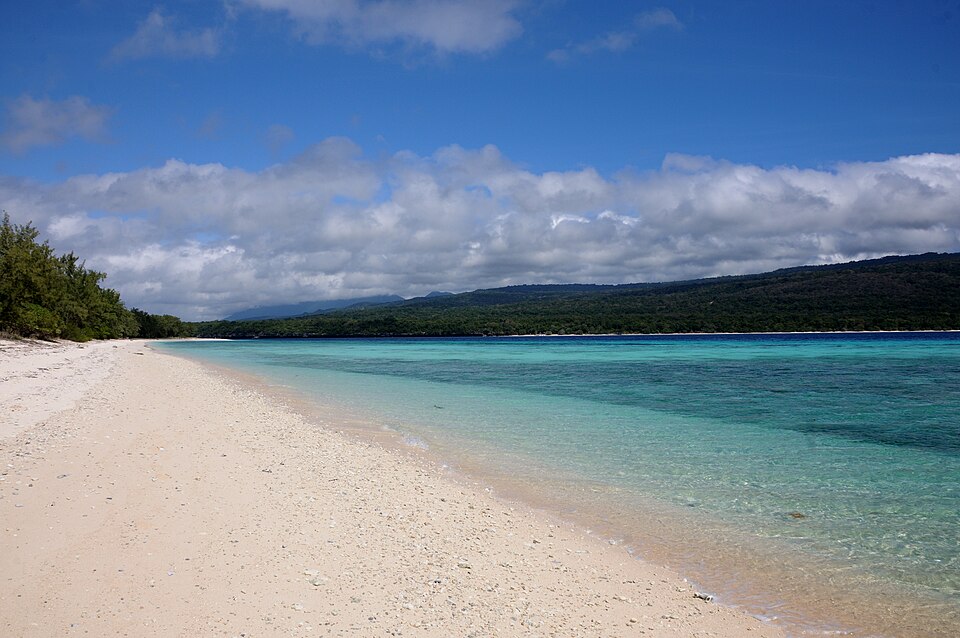
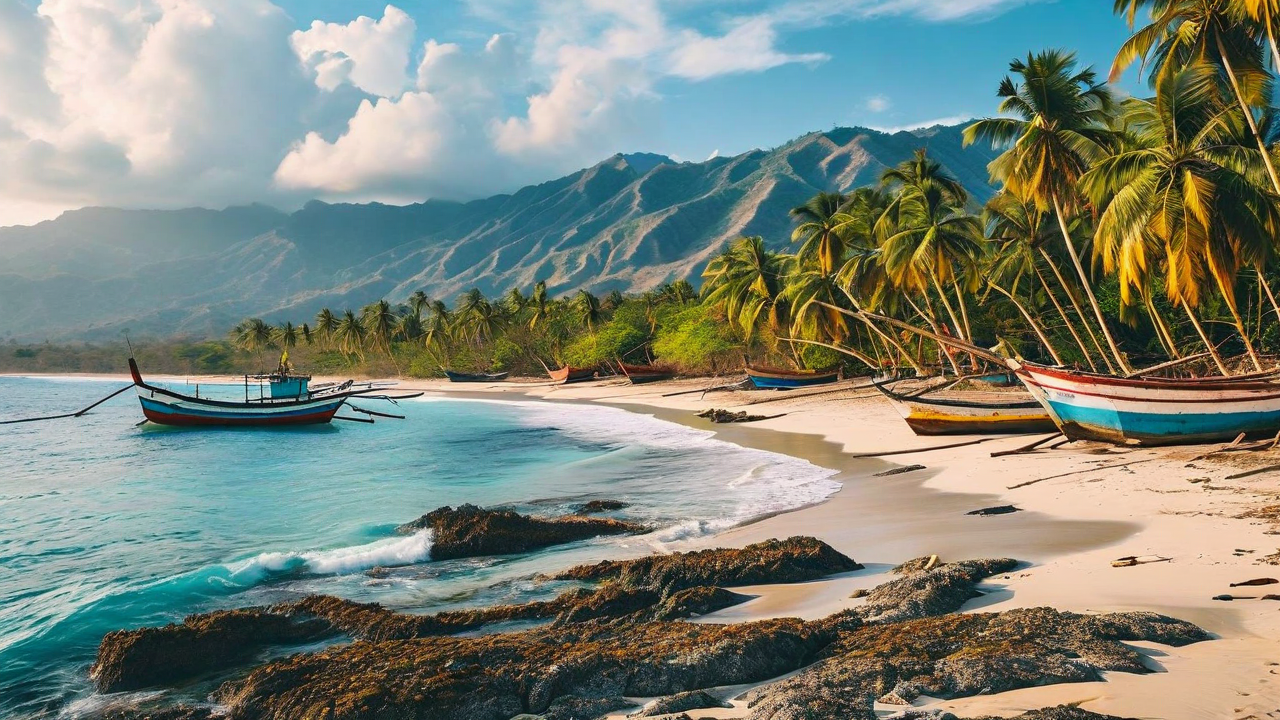
The eastern tip of the island is Nino Konis Santana National Park, Timor-Leste's first, named for a resistance commander. From Tutuala a rough track drops to Valu beach, where fishermen ferry visitors across a 500-metre channel to Jaco Island — uninhabited and sacred, so no one stays overnight, but its white sand and reef make it the country's best day beach. Nearby, the Ile Kere Kere rock shelters hold paintings dating back thousands of years, and the Lene Hara cave has yielded evidence of human habitation some 35,000 years old.
On the way east, Baucau — the second city — keeps a well-preserved Portuguese old town around its 1930s market building, a spring-fed public pool and a stretch of coast below at Osolata. Beyond Com, the road follows a coast of empty beaches to Lautém and Lospalos, the Fataluku heartland where the distinctive stilted sacred houses are still built.
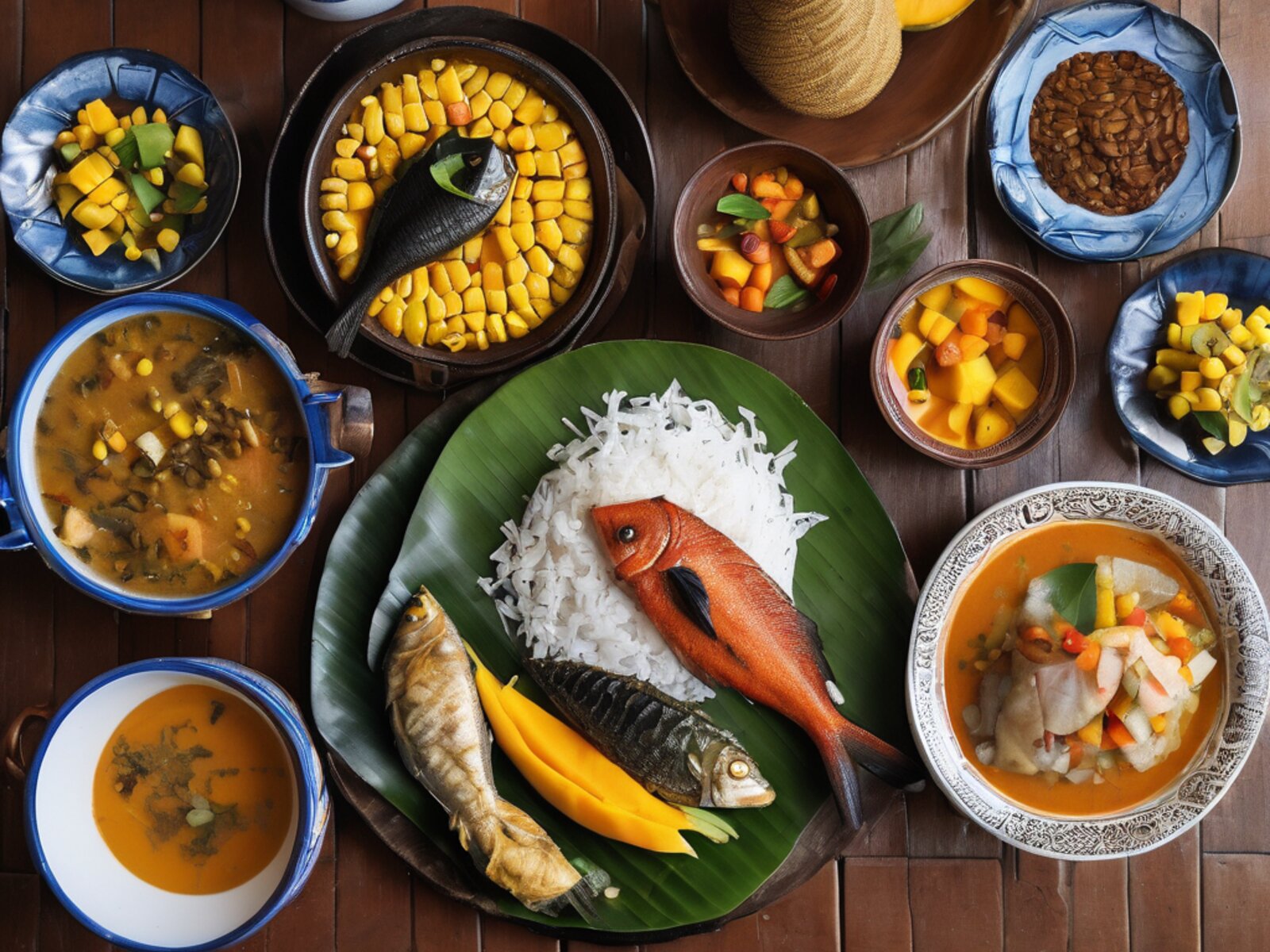
Timorese cuisine is simple, hearty, and shaped by subsistence agriculture. Rice and corn are staples, accompanied by locally grown vegetables, fresh fish along the coast, and chicken or pork in the highlands. Ikan sabuko (grilled fish with lime and chili) is the coast's signature dish. Batar da'an — a corn and pumpkin stew enriched with mung beans — is the quintessential comfort food. Coffee is Timor-Leste's main export crop, and the organic, shade-grown varieties from Ermera and Aileu districts produce cups with remarkable depth and sweetness.
Dili's food scene reflects its international heritage: Portuguese-inspired bakeries sell fresh bread and pastéis de nata, Indonesian-style warungs offer nasi goreng and soto, and fresh seafood restaurants line the waterfront. The markets of Taibessi and Comoro overflow with tropical produce — mangoes, papayas, bananas, breadfruit — at prices that reflect the country's modest economy rather than tourist inflation.
Timor-Leste (East Timor) has no wine production. The young nation — independent only since 2002, Southeast Asia's newest country — has a tropical climate unsuited to viticulture.
The Portuguese colonial heritage (1515–1975) left a wine-drinking tradition that persists among older Timorese — Portuguese wines, particularly from the Douro and Alentejo, are available in Dili's restaurants and represent a lingering cultural connection. Tua sabu (palm wine, tapped from lontar palms) is the most important traditional alcoholic beverage, consumed throughout the rural interior. Bintang, Tiger and ABC are brewed locally at Heineken's Hera brewery east of Dili — the country's first and only brewery, which also produces the Timorese-branded lager Liurai. Timorese coffee — grown in the highlands around Ermera and Maubisse, shade-grown among forests — is one of the country's few export products and is increasingly recognized for its quality. The tua mutin (distilled palm spirit) serves as the local firewater.
🍷 Tasting Note
Radim Kaufmann
In a Dili waterfront restaurant — with the Atauro Island silhouette across the strait and the Cristo Rei statue watching over the bay — Portuguese wine from the Douro was served alongside Timorese grilled fish. The colonial legacy lives in these small continuities: a glass of Portuguese red in the youngest nation in Southeast Asia, nearly 15,000 kilometres from Lisbon. Timor-Leste's highland coffee, meanwhile, is a treasure that the world is only beginning to discover.
Visa: Visa on arrival ($30 for 30 days) available at Presidente Nicolau Lobato International Airport (DIL) and the Batugade land border with Indonesia. Getting There: Presidente Nicolau Lobato International Airport is small and simple. Qantas flies daily and Airnorth three times a week from Darwin (about 75 minutes); the national carrier Aero Dili flies to Bali (since 2023), Singapore (since February 2024), Kuala Lumpur (since 28 March 2026) and Darwin (since 21 June 2026), with a Melbourne service announced for November 2026. Citilink also serves Bali. Money: US Dollar is the official currency, supplemented by local centavo coins. ATMs available in Dili; bring cash for travel outside the capital.
Transport: Roads outside Dili range from rough to barely passable. Public microlets (minibuses) connect major towns cheaply but slowly. Rent a 4WD for mountain exploration. Boats to Ataúro run daily from Dili harbor. Best Time: Dry season (May-November) for diving, trekking, and road access. Budget: Dili is surprisingly affordable — $15-40 for decent accommodation, $3-8 for meals. Diving runs $40-60 per dive.
⚠️ Travel Advisory: The US State Department rates Timor-Leste Level 2 — Exercise Increased Caution (reissued 21 May 2026) for crime and civil unrest: police have used tear gas against protesters in Dili (September 2025), stone-throwing at vehicles can occur during gang clashes, and the government has kept its suspension of martial-arts group training in force until 31 December 2026. Avoid demonstrations, do not drive at night outside Dili, and note that medical facilities are basic — evacuation is to Darwin.
Timor-Leste ratified the World Heritage Convention on 31 October 2016 and has no World Heritage Sites and, as of 2026, no properties on its Tentative List — one of the few Asian states with neither. Candidates discussed locally include the Ile Kere Kere rock art and Lene Hara cave near Tutuala, the Fataluku sacred houses of Lautém, and the Ataúro reefs.
The country's one UNESCO inscription is on the intangible side: Tais, the traditional textile, was inscribed on the List of Intangible Cultural Heritage in Need of Urgent Safeguarding on 15 December 2021, with a grant of nearly $270,000 for a safeguarding plan. The dyeing and backstrap weaving are traditionally women's work, and the inscription recognised that the skills are no longer being passed on in many communities.
Timor-Leste has competed at every Summer Olympics since Sydney 2000 (initially as "Individual Olympic Athletes") and has never won an Olympic medal. At Paris 2024 the flag was carried by swimmer Jolanio Guterres and sprinter Ana da Costa da Silva. The 1,500 m runner Felisberto de Deus, silver medallist at the 2021 SEA Games, remains the country's best-known athlete.
The 2025 SEA Games in Thailand (9–20 December 2025) were the first the country attended as a full ASEAN member: 110 athletes in 14 sports brought home one silver and seven bronzes, 10th of 11 nations. The national football team, coached by Zé Pedro and captained by Gali Freitas, sits 201st in the FIFA ranking (July 2026) and plays its home games at the Estádio Municipal de Dili. Timor-Leste is sending a team to the Aichi-Nagoya Asian Games (19 September – 4 October 2026). The Tour de Timor mountain-bike race and the Dili Marathon are the main events for visiting amateurs.
Timor-Leste is the press-freedom leader of Southeast Asia. In the RSF 2026 World Press Freedom Index it ranks 30th of 180 (score 75.29), up from 39th in 2025, and no journalist has ever been jailed for their work. The 2014 media law and the "slanderous denunciation" article of the penal code still encourage self-censorship, and the rare September 2024 arrest of reporter Antonieta Kartono Martins, covering an eviction of street vendors in Dili, drew an RSF protest.
The main outlets are the public broadcaster RTTL (Radio Televisaun Timor Leste), the state news agency Tatoli, the dailies Suara Timor Lorosae and Independente, and the weeklies Timor Post and Dili Post, publishing in Tetum, Portuguese, Indonesian and English. Radio remains the medium that actually reaches the districts.
Ataúro Island holds the world record for average reef-fish diversity — 253 species per site across a 2016 survey of ten sites (642 species in total), with 315 counted at a single site.
Timor-Leste's Petroleum Fund, built from Timor Sea oil and gas, stood at $18.31 billion in the first quarter of 2026 — roughly $13,500 per citizen in one of Asia's poorest countries, and the source of most of the state budget.
On 26 October 2025 Timor-Leste became the 11th member of ASEAN at the Kuala Lumpur summit — the bloc's first new member since Cambodia in 1999, fourteen years after it applied. It had joined the WTO as the 166th member on 30 August 2024.
When Pope Francis celebrated Mass at Tasitolu on 10 September 2024, organisers counted some 600,000 people — close to half the country's entire population on one seaside field, on the same ground where John Paul II prayed in 1989.
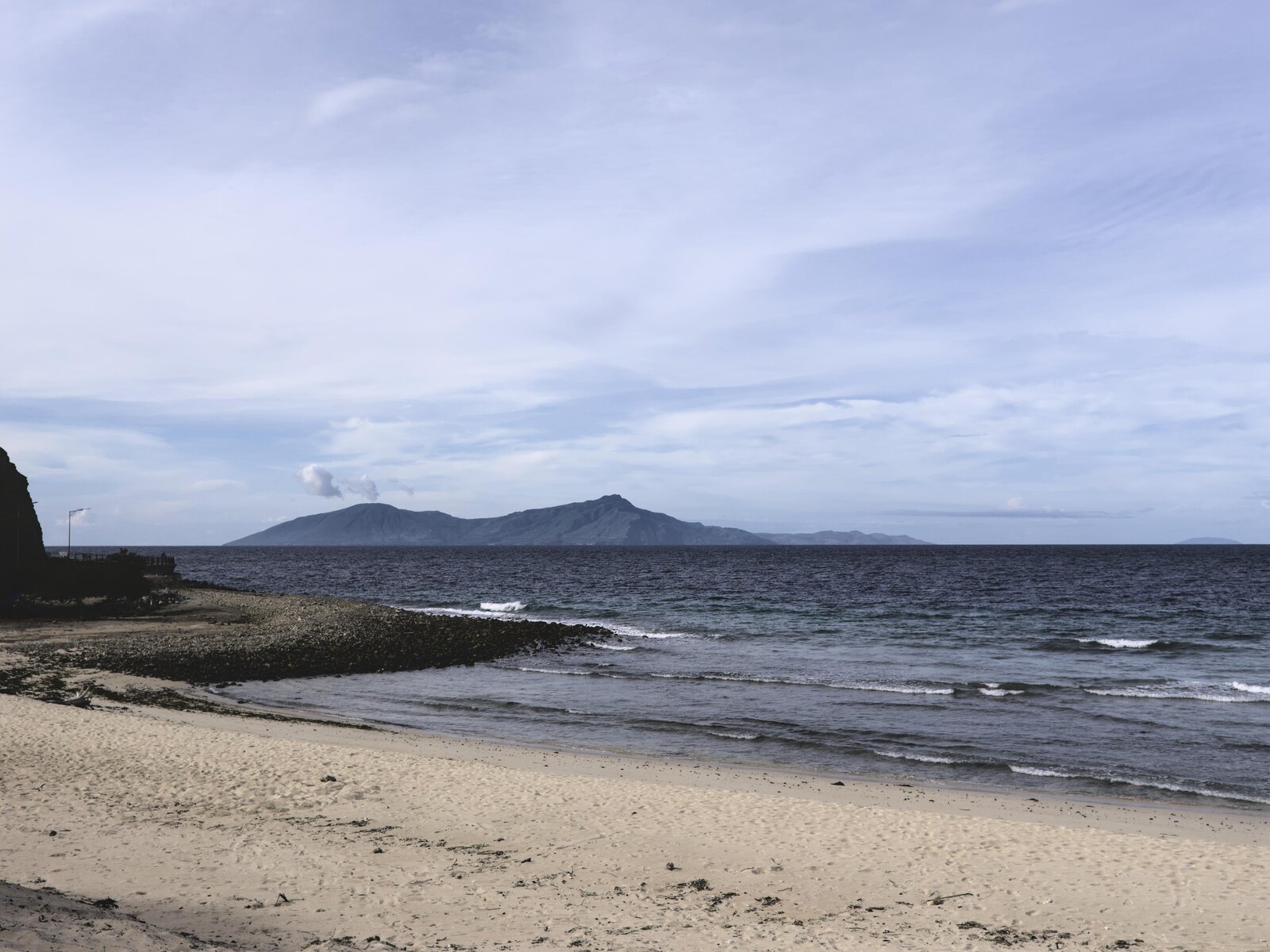
I climbed the 570 steps to Cristo Rei at half past five in the morning, because a fisherman at Areia Branca told me that was the only hour a sane person did it. He was right. By the time I reached the statue the bay had turned from grey to copper and Ataúro sat on the horizon like a whale's back, and below me a single microlet was grinding along the coast road with its speakers already going. Later that week, on the island itself, I counted eleven other divers in the whole of Beloi — eleven, at a reef with more fish species per site than anywhere on the planet.
Timor-Leste is a place that humbles you. Not with grand monuments or luxury experiences, but with the quiet dignity of people who lost everything and rebuilt from ashes. Every elder has a story of occupation and resistance. Every young person carries the weight and hope of a nation barely old enough to drink. And beneath it all, one of the most biodiverse marine environments on Earth thrums with life that most of the world doesn't know exists.
 ‹›
‹›