01Overview
Togo stretches inland from a short Atlantic coast through cultivated hills and toward the drier north. Its narrow shape creates a remarkable succession of environments, but it should not encourage an indiscriminate drive from one end to the other. Lomé, the Lake Togo area, and the highlands around Kpalimé offer different starting points for understanding trade, farming, religious life, and the landscape. Northern travel requires a separate security assessment.
02History
The territory formed part of German Togoland from 1884. After the First World War it was divided into British and French administered areas; the French-administered territory became independent Togo in 1960. Those borders cut across older patterns of language, movement, and commerce. Coastal towns, colonial buildings, and markets are useful historical evidence, but the country's past also lives in oral traditions and in settlements beyond the capital.
03Places & landscapes
Lomé's markets and civic buildings reveal a coastal city connected to regional trade. Around Kpalimé, forested hills and cultivation create a different pace of travel. Koutammakou, the land of the Batammariba, is a UNESCO cultural landscape extending into Benin, known for earthen tower houses and the relationship between settlement, belief, and agriculture. These are homes and a living landscape: visits should be locally arranged and respectful, with current route conditions checked before departure.
04People & culture
French is the official language, while Ewe, Kabiyè, and other languages shape everyday life. Religious practice is diverse and cannot be reduced to the label often used in souvenir marketing. Ask permission before entering compounds, photographing shrines, or recording ceremonies. Buying directly from craftspeople can create a more meaningful exchange when the maker explains the work and a price is agreed without pressure. Greetings are worth the time they take.
05Planning your visit
A southern itinerary can connect Lomé, the lake area, and Kpalimé with time for markets and walks. Verify road conditions and the length of transfers locally; the wet season changes access on smaller roads. Arrange a knowledgeable guide for cultural sites rather than arriving unannounced. Do not extend a route into the Savanes Region merely because a map shows a continuous main road. Use the official warning map as a separate planning layer.
06
Togo, a slender nation pressed between Ghana and Benin, punches above its weight in culinary creativity. The Ewe people of the south bring coastal traditions and a love of seafood, while the northern Kabye contribute hearty grain dishes. French colonial influence shows in the ubiquitous baguettes, but the heart of Togolese cooking is purely West African: fufu pounded from yams or cassava, fiery pepper sauces, and stews enriched with palm oil and smoked fish. Markets overflow with tropical produce—plantains, okra, tomatoes, and the small, potent peppers that define the cuisine. Eating is communal, meals are generous, and Togolese hospitality ensures visitors are always fed.
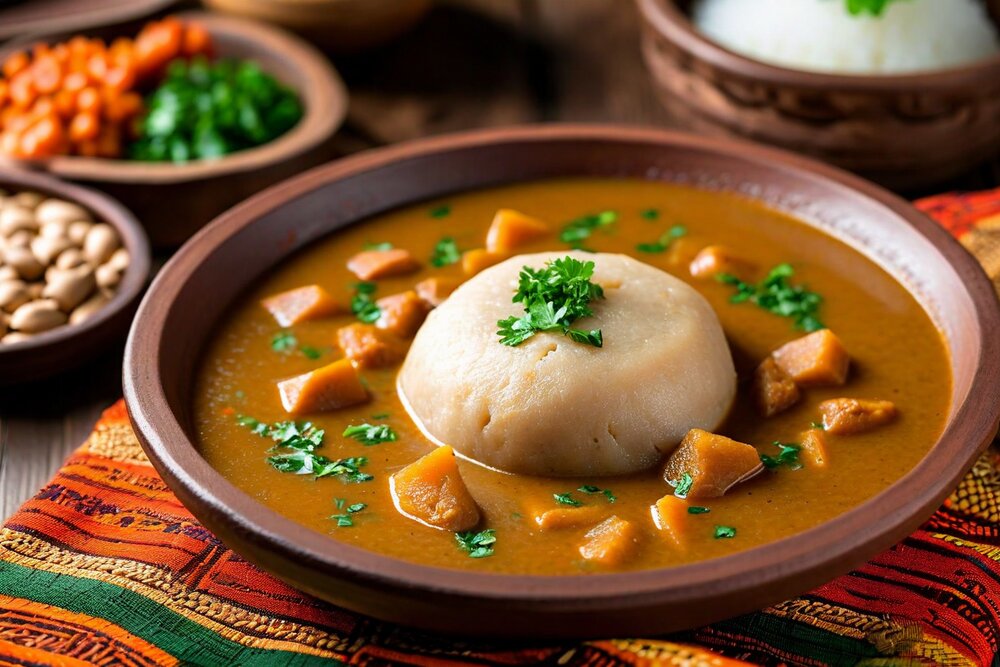
Fufu with Groundnut Soup
The quintessential Togolese meal: smooth, elastic fufu served with a rich peanut soup loaded with meat and vegetables. The fufu is pinched off and used to scoop up the soup—never chewed, always swallowed. It's comfort food at its most primal.
Ingredients: For the Fufu, 300g fufu flour (or yam flour), 400ml water, For the Soup, 150g natural peanut butter, 300g chicken pieces or goat meat, 2 medium tomatoes (blended), 1 onion (chopped), 30ml palm oil, 500ml stock or water, 1 Maggi cube, 1 Scotch bonnet pepper, Salt to taste.
Preparation: For the soup: Brown the meat in palm oil. Add onion and cook until soft. Add blended tomatoes and cook until reduced. Whisk peanut butter into the stock until smooth. Add to the pot with Maggi cube and whole pepper. Simmer for 45 minutes until meat is tender and soup is thick. The oil will rise to the surface. For the fufu: Bring water to boil. Add fufu flour gradually while stirring vigorously with a wooden spoon. Stir continuously for 5-10 minutes until smooth and elastic, pulling away from the pot. Wet your hands and form the fufu into smooth balls. Place in serving bowls. Ladle the hot soup over or alongside the fufu. Eat by pinching off fufu pieces to scoop up the soup.
💡 Traditionally, fufu is swallowed without chewing—the smooth texture allows it to slide down easily, carrying the soup's flavors with it.
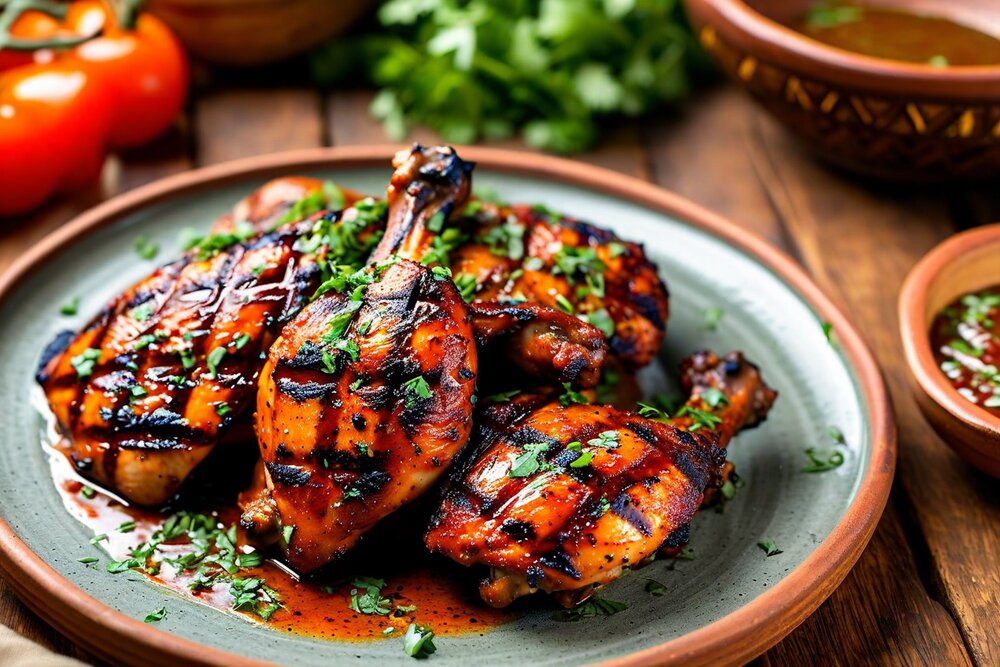
Koklo Meme
Togo's beloved grilled chicken, koklo meme is marinated in a peppery sauce, grilled over charcoal until charred and juicy, then served with a spicy pepper sauce. Street vendors sell it throughout Lomé, the aroma of grilling chicken perfuming the air.
Ingredients: 500g chicken pieces (legs and thighs), 4 cloves garlic (minced), 30g fresh ginger (grated), 60ml lemon juice, 60ml vegetable oil, 1 Scotch bonnet pepper (minced), 2 Maggi cubes (crushed), 5ml salt, 1 large onion (sliced into rings), Fresh tomatoes for serving.
Preparation: Combine garlic, ginger, lemon juice, half the oil, half the Scotch bonnet, Maggi cubes, and salt to make a marinade. Score the chicken pieces deeply and rub the marinade all over, working it into the cuts. Marinate for at least 4 hours, preferably overnight. Prepare a charcoal grill or preheat a grill to medium-high. Brush grates with oil. Grill the chicken for 8-10 minutes per side, basting with remaining marinade, until charred and cooked through (internal temp 74°C). Toss onion rings with remaining oil and Scotch bonnet. Grill alongside the chicken until softened and charred. Serve the chicken hot, topped with grilled onions and fresh tomato slices, with extra pepper sauce on the side.
💡 The char is essential—don't be afraid of some blackened spots, they add flavor. But watch carefully to prevent burning.
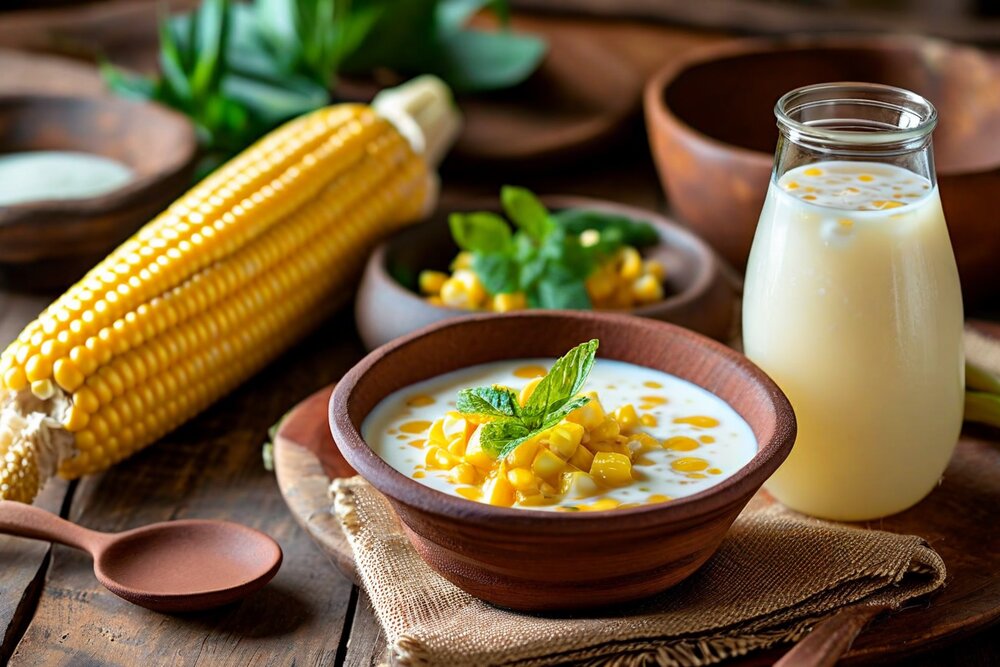
Akpan
A refreshing fermented corn drink that's Togo's answer to yogurt. Akpan is made by fermenting corn porridge until tangy, then sweetening it and serving cold. It's cooling, probiotic, and the perfect companion to spicy foods or as a refreshing afternoon drink.
Ingredients: 200g corn flour (or fine cornmeal), 1 liter water, 100g sugar (or to taste), 1ml vanilla extract (optional), Ice for serving.
Preparation: Mix the corn flour with 300ml of cold water to make a smooth paste. Bring the remaining water to a boil. Gradually pour in the corn paste while stirring constantly. Cook over medium heat, stirring, for 15 minutes until it thickens to a porridge consistency. Remove from heat and let cool to room temperature. Cover and let ferment in a warm place for 2-3 days until pleasantly sour. After fermentation, stir the akpan well—it will have separated. Add sugar and vanilla, tasting and adjusting sweetness. Thin with cold water to a drinkable consistency—it should be thicker than milk but easy to drink. Serve very cold over ice, or refrigerate until chilled. Stir before serving as it separates.
💡 The fermentation time depends on temperature—in hot weather, 24-48 hours may be enough. Taste daily until it reaches your preferred tanginess.
07Drinks & local traditions
Sodabi is a palm-based spirit associated with parts of coastal West Africa, while grain-based beers are found in other local traditions. Methods and strengths vary considerably. Water, soft drinks, and nonalcoholic choices are normal alternatives; an explanation of a drink's cultural setting should never imply an obligation to consume it.
09Sources & further reading
Safety advice checked September 17, 2026. Entry rules and local conditions may change; use the current official pages for your passport and route.