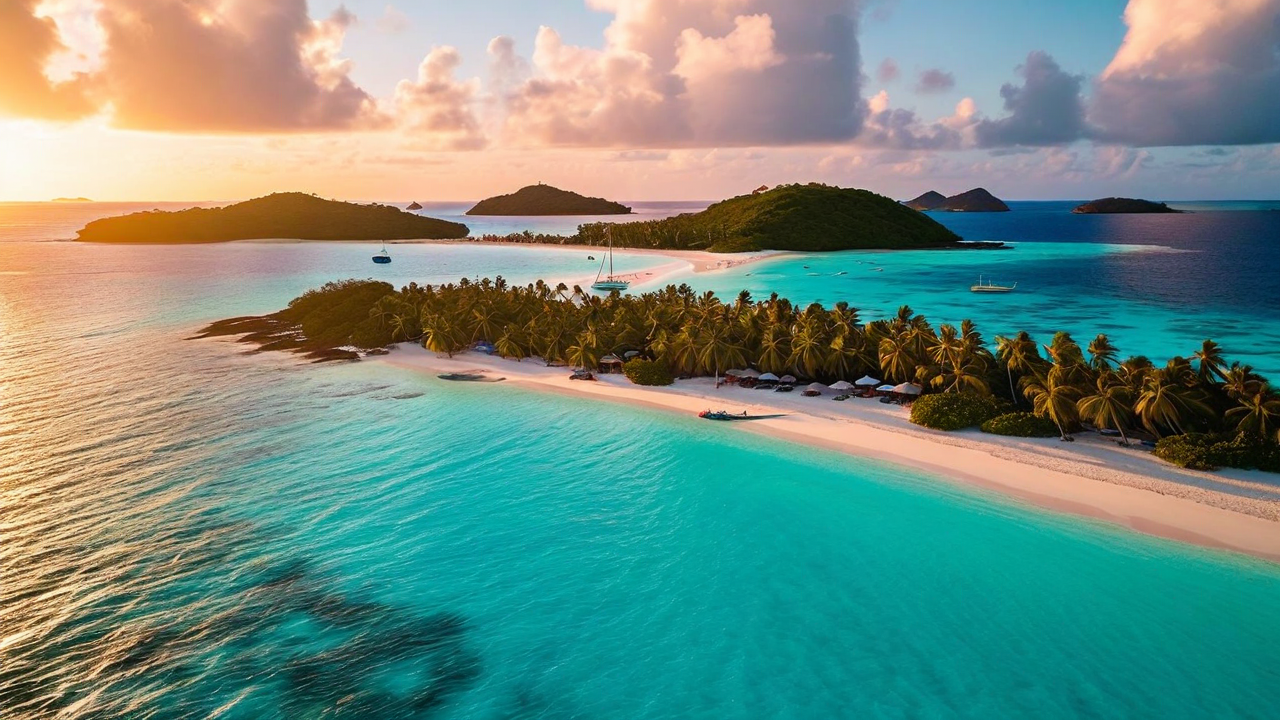
 AI illustration · KWTF Project License
Wine is imported; rum is local
The tropical maritime climate is not a commercial grape-growing environment, so the meaningful local story is not vineyard wine but rum, beer and non-alcoholic island drinks. Wine lists in hotels and yacht-focused restaurants are built from imports and can be expensive because every bottle must travel.
Rum and the distilling tradition
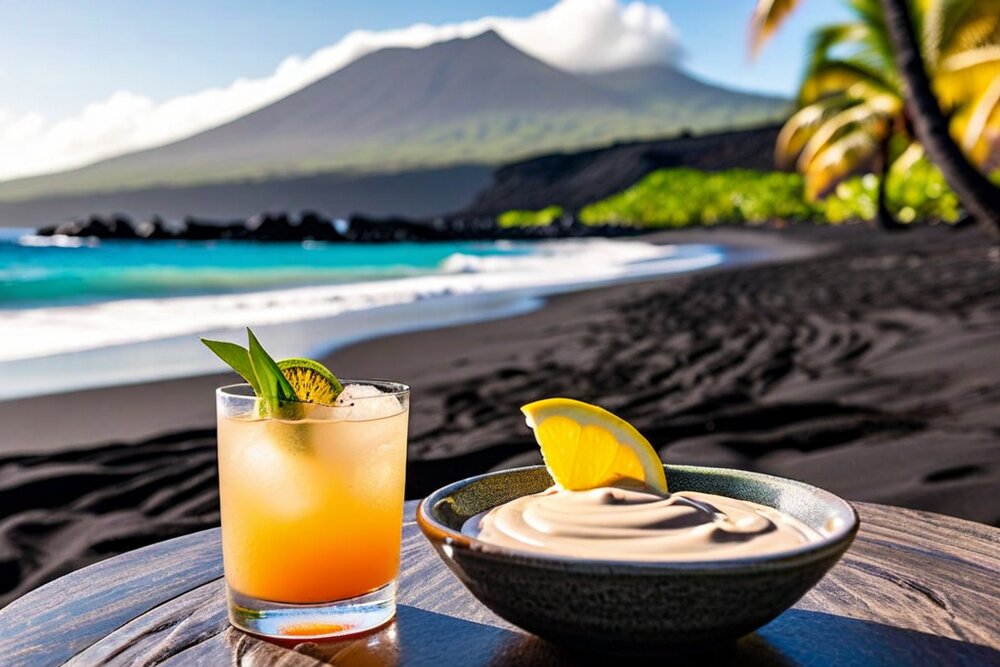
St Vincent Distillers produces locally associated rum, including Captain Bligh. The name recalls William Bligh and the breadfruit story, but modern branding should not obscure the wider colonial history of Caribbean sugar and forced labor. Ask bars what is locally produced and how a rum is intended to be served.
Hairoun and everyday drinking
Hairoun lager takes its name from a traditional name for Saint Vincent often translated as “Land of the Blessed.” It is the most visible local beer. As elsewhere in the Caribbean, drinking culture ranges from a quiet beer with food to formal resort service; prices vary sharply between Kingstown, Bequia and private-island venues.
Sea moss and other drinks
Sea-moss drinks blend processed seaweed with milk or plant milk, sweetener and spices; some versions include rum, many do not. Fresh fruit juices, coconut water, ginger drinks and mauby broaden the non-alcoholic picture. Ask before assuming a creamy drink is alcohol-free.
Responsible service
Heat, sun and sailing increase dehydration. Alternate alcohol with water, never operate a boat after drinking, and remember that transfers between islands may involve small craft and wet landings. No page can replace current local law or the judgment of a licensed skipper.
Sources and image record
Checked September 24, 2026.