🍽️ Omani Cuisine
Omani food is quieter and less internationally known than its Levantine or Persian neighbors, built around slow-cooked meat, rice, and dates rather than heavy spicing — the flavor logic leans toward saffron, lime, and cardamom rather than chili heat.
🍖 Shuwa — The National Dish
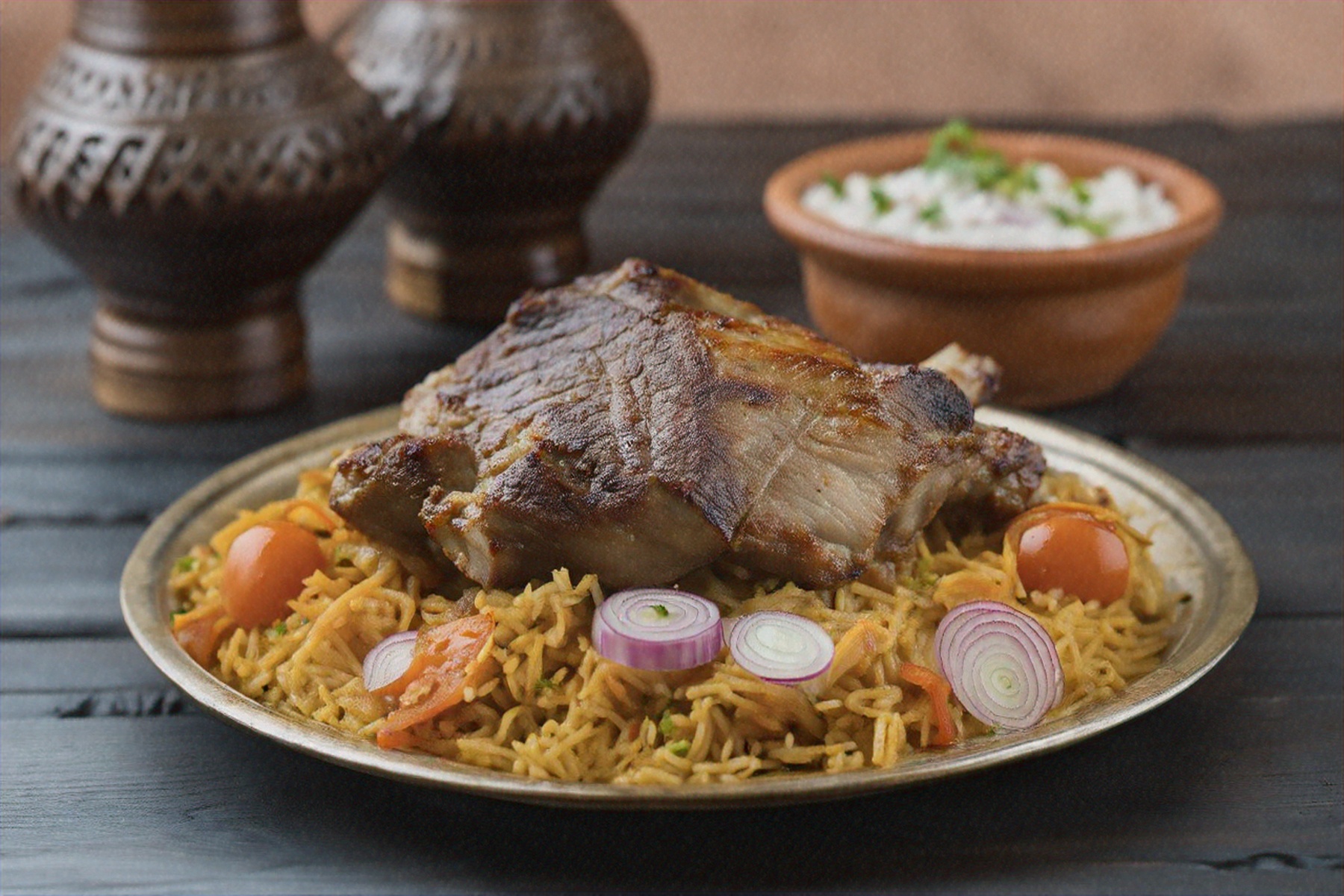
Lamb or goat marinated for a full day in a paste of garlic, chili, cumin, coriander, and turmeric, wrapped in banana leaves, then buried in an underground sand pit lined with hot coals and cooked for 24–48 hours. Traditionally an Eid dish, it emerges so tender it separates at a touch — genuinely worth planning a trip around if you can find it outside a festival.
🍚 Majboos
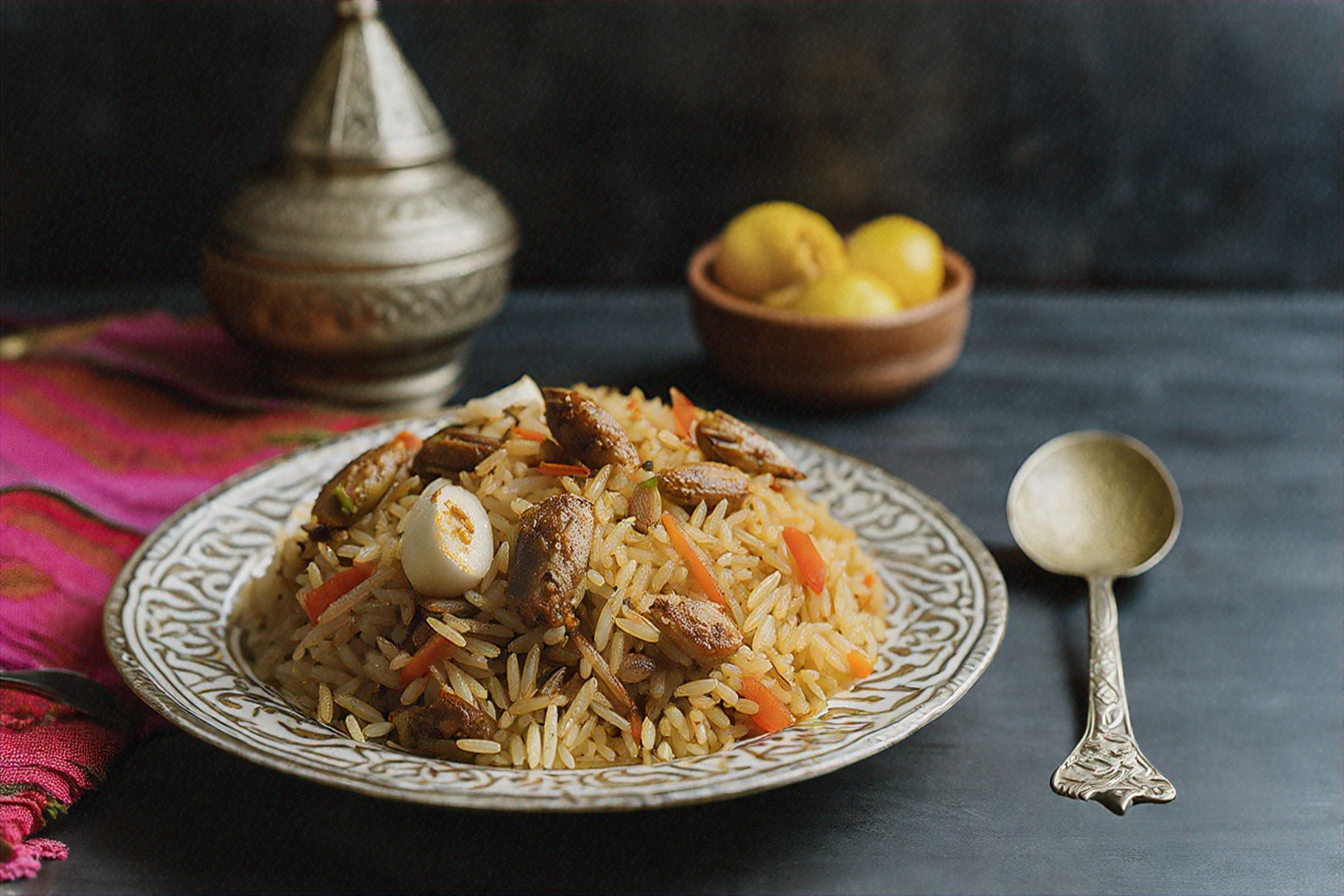
Oman's everyday answer to biryani — basmati rice cooked with meat or fish, dried lime (loomi), and a warm baharat spice blend, finished with fried onions and raisins. Every household and restaurant has its own version; asking a local for their favorite is a reliable way into a genuine conversation.
🍮 Omani Halwa
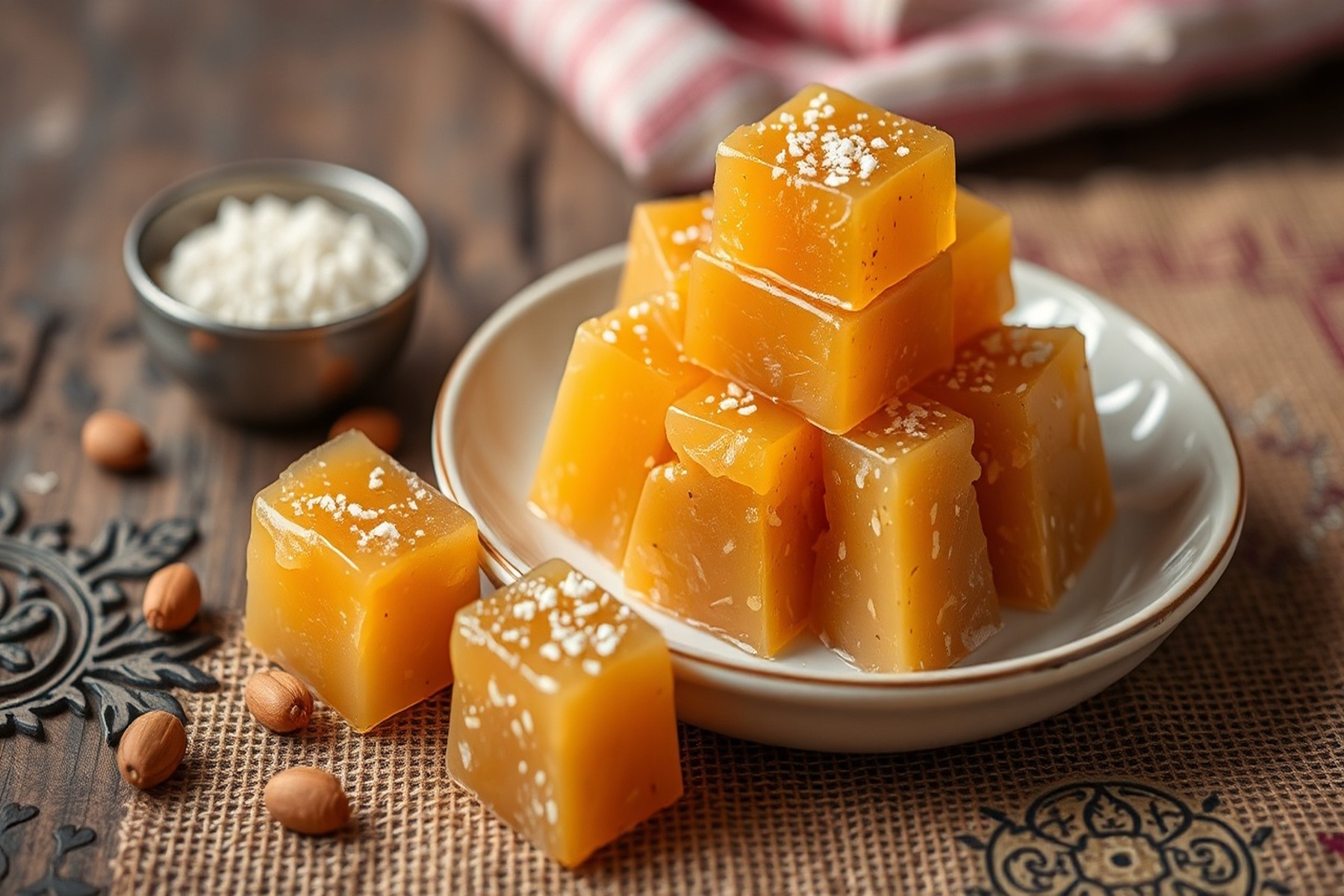
A dense, jelly-like sweet made from sugar, ghee, rosewater, and saffron, slow-cooked in a huge copper pot (mirjal) for hours until it turns glossy and deep amber. Served at every major life event — weddings, Eid, welcoming guests — and traditionally eaten by hand alongside Omani coffee, never with a spoon.
☕ Qahwa & the Ritual of Hospitality
Omani coffee (qahwa) is nothing like Western coffee — pale gold, unsweetened, brewed with cardamom and sometimes saffron or cloves, served scalding hot in tiny handleless cups (finjan) from an ornate long-spouted pot (dallah). It's poured a third full deliberately, so the host refills it often — hospitality measured in repetition, not portion size.
The etiquette is specific and genuinely matters: accept with your right hand, expect it paired with dates or halwa, and when you've had enough, gently shake the empty cup side to side as you hand it back — verbally declining more is considered less polite than the wobble.
