🏢 Starting a Company
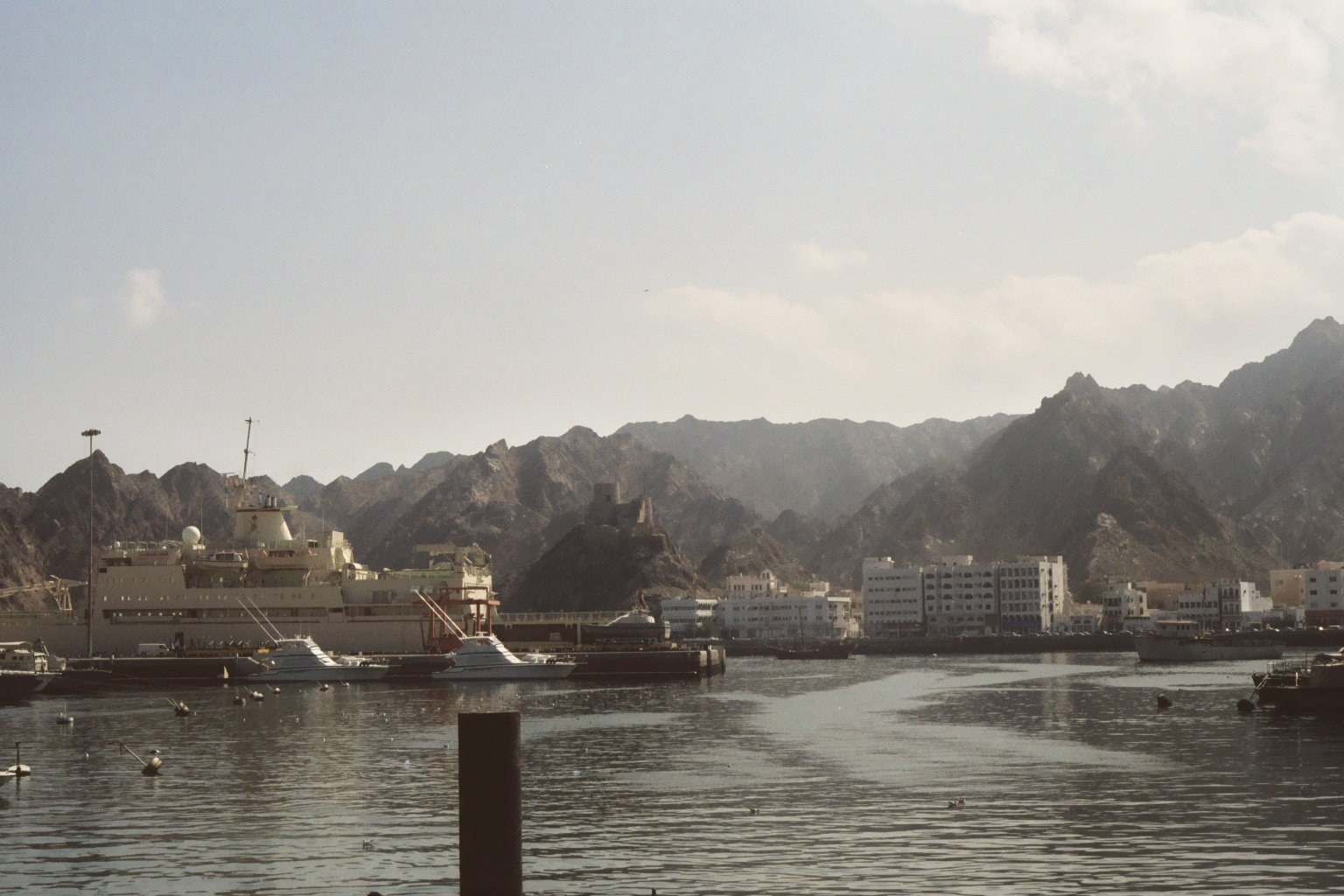
Photo: Wikimedia Commons, CC BY 2.5
Oman liberalized foreign investment substantially with the 2020 Foreign Capital Investment Law, which removed the long-standing requirement for a majority Omani shareholder in most sectors — 100% foreign ownership is now permitted in the great majority of business activities, a genuine reversal of the old rule and a deliberate pitch to investors watching the UAE and Saudi Arabia absorb most regional foreign capital.
Registration runs through the Ministry of Commerce, Industry and Investment Promotion's "Invest Easy" portal — a single-window online system that has cut what used to be a multi-week, multi-agency process down to days for straightforward LLC formations. Minimum capital requirements vary by activity and by whether the company is wholly foreign-owned (higher thresholds apply) versus Omani-partnered, and specific sectors — oil and gas services, some retail categories, and activities touching national security — retain restrictions or require special approval regardless of the 2020 reform.
Free zones (Duqm, Sohar, Salalah) offer a separate, often faster track with additional incentives — tax holidays, full repatriation of profits, and streamlined customs — aimed specifically at manufacturing, logistics, and re-export businesses taking advantage of Oman's position outside the Strait of Hormuz chokepoint.
📈 The Muscat Stock Exchange
Unlike some countries in this factbook, Oman has a genuine, functioning stock exchange — the Muscat Stock Exchange (MSX), established in 1988 as the Muscat Securities Market and restructured in 2021 into a closed joint-stock company wholly owned by the Oman Investment Authority (OIA), the sovereign wealth fund. Market capitalization stood at roughly OMR 38.4 billion (~$100 billion) as of April 2026, traded across Regular, Parallel, and a newer Promising Companies market segment aimed at growth-stage firms.
The MSX 30 index tracks the exchange's most liquid names, dominated by banking, energy, and telecoms. The exchange is actively courting new listings as part of the OIA's divestment strategy — targeting three IPOs in 2026 from tourism and technology sectors specifically, alongside energy-linked listings like OQ Base Industries — and is working toward MSCI and FTSE Russell emerging-market index inclusion by 2027–2028, which would meaningfully increase foreign institutional interest.
For a foreign investor, this means real public-market access exists in Oman in a way it doesn't in every regional economy — buying shares in listed Omani companies is a normal, available option, not a theoretical one.
🏭 The Companies That Define the Economy
OQ (formerly Oman Oil Company, rebranded 2021) is the integrated state energy group sitting at the center of the economy — exploration, refining, and petrochemicals, with subsidiaries like OQ Base Industries pursuing their own public listings as part of the government's broader push to monetize state assets through the stock market rather than direct budget dependence.
Petroleum Development Oman (PDO), majority state-owned with Shell, BP, and Total as minority partners, remains the country's dominant oil and gas producer and the historical engine of the post-1970 modernization Sultan Qaboos financed.
Bank Muscat is the largest bank by a clear margin — $36.4 billion in total assets, 174+ branches, and international operations reaching Riyadh, Kuwait, and representative offices in Dubai and Singapore, making it the closest thing Oman has to a genuinely regional financial institution.
Omantel, the former telecom monopoly turned public company, remains the largest telecommunications provider despite increased competition, and is a bellwether MSX-listed stock that investors watch as a proxy for the domestic consumer economy.
Asyad Group, the OIA-backed logistics and shipping conglomerate, has been expanding aggressively — including a $400 million logistics terminal partnership with France's CMA CGM — as Oman bets on its position outside the Strait of Hormuz chokepoint to become a genuine regional shipping and re-export hub, anchored by the new Duqm port and special economic zone.
