


🌍 Greece at a Glance
🌏 Overview
Greece occupies the southeastern corner of Europe, a peninsula and archipelago that has shaped Western civilization more profoundly than any comparable territory on Earth. This is where democracy was born, where philosophy emerged as a discipline, where drama, history, and the Olympic Games first took form—a landscape of stark mountains, wine-dark seas, and some six thousand islands that continue to draw travelers seeking the origins of things.
The modern nation of approximately 10.4 million people spreads across 131,957 square kilometers, encompassing the Peloponnese peninsula, the mountainous mainland stretching north to Albania and North Macedonia, and the island chains of the Aegean, Ionian, and Mediterranean seas. From the ancient stones of the Acropolis to the sunlit caldera of Santorini, from the Byzantine monasteries of Meteora to the vibrant nightlife of Mykonos, Greece offers a layered experience where past and present exist in constant dialogue.
Greek hospitality—philoxenia, literally "love of strangers"—transforms travel into something more personal. Taverna owners insist on treating you to dessert; locals offer directions with accompanying life stories; conversations extend into evening over glasses of ouzo. The pace of life slows here, particularly on the islands, where the concept of "siga siga" (slowly, slowly) governs everything from ferry schedules to dinner service. Surrender to it, and Greece rewards you with experiences impossible to find in more hurried destinations.
🏷️ Name & Identity
Greeks call their country "Hellas" (Ελλάς) or "Ellada" (Ελλάδα), and themselves "Hellenes"—the name "Greece" comes from Latin "Graecia," what Romans called the land. This distinction matters: Greek identity runs deep, rooted in a continuous cultural tradition stretching back to the Mycenaeans of 1600 BCE and beyond.
The national flag features nine blue and white stripes (representing the syllables of "Eleftheria i Thanatos"—Freedom or Death) with a white cross symbolizing Greek Orthodox Christianity. Faith and national identity intertwine here: 90% of Greeks identify as Orthodox Christian, and the Church played a crucial role in preserving Greek culture through centuries of Ottoman rule.
Modern Greek identity encompasses remarkable diversity. Island cultures differ from mainland traditions; northern Greeks share influences with the Balkans; the Aegean islands absorbed Venetian heritage; Crete maintains its own fierce regional pride. Yet Greeks share common threads: the language (direct descendant of ancient Greek), Orthodox faith, and a collective memory of civilization's foundational achievements.
The concept of "filotimo"—roughly translated as love of honor—defines Greek character. It encompasses pride, dignity, duty to family, and generosity toward others. Understand filotimo and you understand why Greeks argue passionately about politics, feed strangers like family, and take personal offense at suggestions that other cuisines rival their own.
🗺️ Geography & Regions
Greece occupies the southern tip of the Balkan Peninsula plus thousands of islands scattered across the Aegean, Ionian, and Mediterranean seas. The mainland features dramatic mountain ranges—80% of the country is mountainous, with Mount Olympus (2,917m) as the highest peak. Deep gorges, fertile valleys, and a coastline stretching over 13,600 kilometers create extraordinary geographic diversity.
The island groups each have distinct character: the Cyclades (Santorini, Mykonos, Naxos) offer the iconic white-and-blue architecture; the Dodecanese (Rhodes, Kos) bear traces of Knights Hospitaller and Ottoman rule; the Ionian Islands (Corfu, Kefalonia) show Venetian influence with lush green landscapes; the Sporades and northeastern Aegean islands remain less touristed. Crete, the largest island, functions almost as its own country.
The mainland divides into regions with strong identities: Attica surrounds Athens; the Peloponnese holds ancient sites like Olympia and Mycenae; Central Greece includes Delphi and Meteora; Thessaly spreads around Mount Pelion; Macedonia and Thrace in the north offer different landscapes and flavors influenced by Balkan neighbors.
Mediterranean climate dominates: hot, dry summers and mild, wetter winters. July-August temperatures exceed 35°C in many areas, while island breezes provide some relief. Northern regions and mountains experience colder winters with snow. The meltemi wind makes the Aegean exhilarating in summer.
📜 History
The history of Greece is the history of the Western world. In the fifth century BCE, Athens developed the political system they called demokratia—rule by the people—an experiment in self-governance that would echo through millennia to influence the American and French revolutions. Athenian drama, the tragedies of Aeschylus, Sophocles, and Euripides, created theatrical forms that remain the foundation of Western performance traditions.
The philosophy of Socrates, Plato, and Aristotle established methods of inquiry and ethical questioning that continue to shape academic disciplines today. The historical method itself emerged here with Herodotus and Thucydides, who first distinguished between myth and documented fact. Alexander the Great spread Hellenistic culture from Egypt to India, creating a legacy that persisted for centuries.
Greek history continued beyond the Classical period. The Byzantine Empire, centered on Constantinople but rooted in Greek language and Orthodox Christianity, preserved and transmitted Classical learning while developing its own artistic and spiritual traditions. Four centuries of Ottoman rule (1453-1821) left their marks, visible in architecture and cultural fusion. The Greek War of Independence (1821-1829), supported by Philhellenes like Lord Byron, created the modern state.
The 20th century brought Nazi occupation, civil war, and military dictatorship (1967-1974), followed by stable democracy and EU membership (1981). The 2010 debt crisis exposed structural weaknesses; austerity and reforms dominated a painful decade. Today Greece has emerged with renewed tourism but ongoing challenges—the ancient land perpetually rebuilding itself.
👥 People & Culture
Greece's 10.4 million people share a remarkably cohesive culture despite regional variations. Greek Orthodox Christianity shapes the calendar (Easter is the major holiday), marks life passages, and influences everything from cuisine (fasting periods) to social gatherings (name days celebrated more than birthdays). Even secular Greeks participate in religious traditions.
Greek hospitality, philoxenia, ranks among the country's most cherished values—a sacred obligation to welcome strangers that dates to ancient beliefs about gods traveling in disguise. Accepting offers of coffee, food, or drink graciously honors this tradition. Greeks eat dinner late (9-10 PM typical), and meals are social occasions meant for lingering rather than efficiency.
Orthodox Christianity pervades Greek culture, visible in ubiquitous churches, crossing oneself when passing religious sites, and festivals punctuating the calendar. Easter, celebrated according to the Orthodox calendar, represents the year's most important holiday—a week of fasting, services, and celebrations offering cultural immersion unavailable at other times.
Music permeates Greek life—from rembetika (urban blues) to laika (popular music) to traditional regional styles. Dance is communal and intergenerational; at festivals and weddings, everyone participates in circle dances regardless of age. Greek passion extends to politics (discussed loudly at every café) and football (Olympiacos vs. Panathinaikos divides the nation).
🗣️ Useful Greek Phrases
Basic Phrases:
- Yassas (Γειά σας) — Hello (formal)
- Yassou (Γειά σου) — Hi (informal)
- Efharisto (Ευχαριστώ) — Thank you
- Parakalo (Παρακαλώ) — Please / You're welcome
- Ne / Ohi (Ναι / Όχι) — Yes / No
Food & Dining:
- Ton logariasmo — The bill please
- Stin iyia mas! — Cheers! (To our health)
- Kali orexi — Bon appétit
- Poli nostimo — Very delicious
🏛️ Athens — The Capital
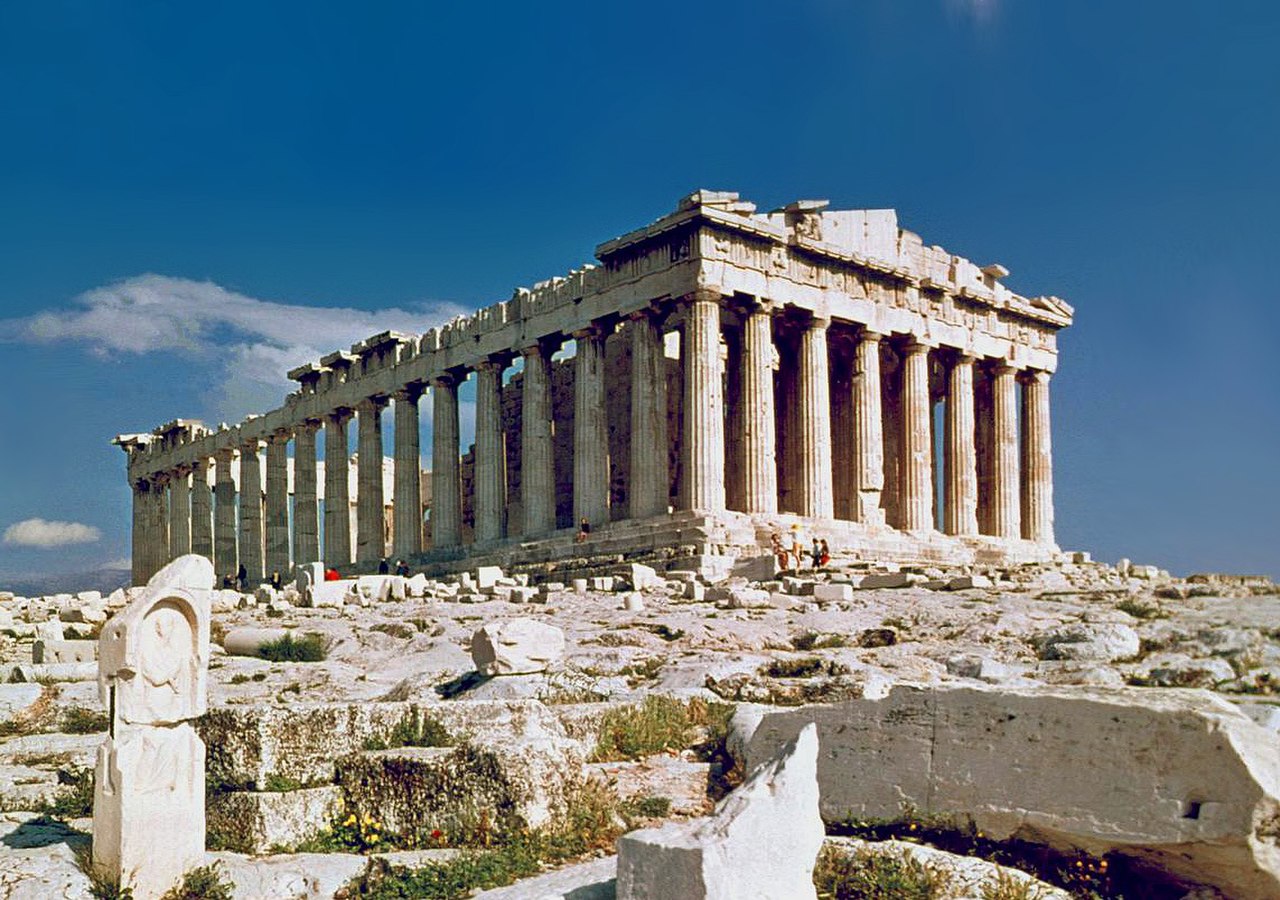
Athens overwhelms first-time visitors with its combination of ancient grandeur and contemporary chaos. The Acropolis rises above the city's concrete sprawl, its Parthenon, Erechtheion, and Temple of Athena Nike representing the pinnacle of Classical achievement. The surrounding rock holds the Theater of Dionysus, where Greek drama was born, and the Odeon of Herodes Atticus, still used for performances.
Below, the Ancient Agora preserves the civic heart of Athenian democracy—the meeting places, temples, and administrative buildings where citizens debated and decided their common fate. The National Archaeological Museum, one of the world's great repositories of ancient art, houses golden treasures from Mycenae, bronze sculptures recovered from the sea, and the Antikythera mechanism—an ancient analog computer that astounds with its sophistication.
Modern Athens rewards exploration beyond the archaeological sites. The historic Plaka neighborhood, climbing the Acropolis slopes, offers pedestrian streets lined with tavernas and nineteenth-century neoclassical architecture. Monastiraki's flea market tempts with everything from genuine antiques to tourist kitsch. The neighborhoods of Psyrri, Gazi, and Koukaki have transformed former industrial areas into creative hubs with galleries, restaurants, and nightlife.
The Athens Riviera, stretching south along the Saronic Gulf, offers beaches and seaside restaurants within easy reach of the city center. The new Acropolis Museum, designed by Bernard Tschumi, displays the Parthenon marbles with the ancient temple visible through glass walls—a subtle argument for the return of the Elgin Marbles from London.
🏛️ The Acropolis & Ancient Sites
The Parthenon, crowning the Acropolis above Athens, has stood for nearly 2,500 years as the supreme achievement of Classical Greek architecture—its proportions so perfect that they have influenced every subsequent generation of Western architects. Built between 447-432 BCE under Pericles, the temple to Athena embodied Athenian power and artistic achievement at its height.
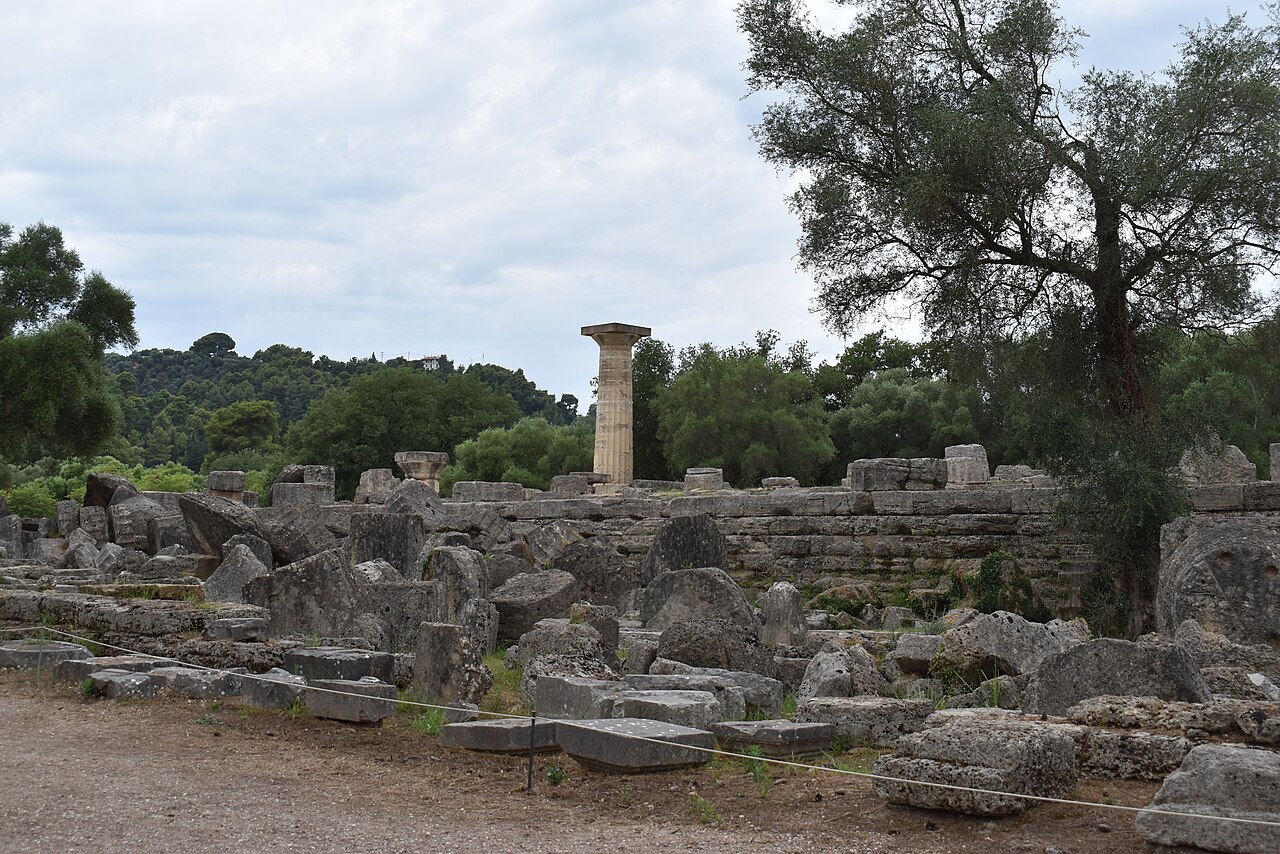
Olympia's ruins mark the birthplace of athletic competition, where Greeks gathered every four years in a sacred truce that interrupted even wars. The ancient stadium, running track, and Temple of Zeus recall an era when athletic excellence honored the gods. The Archaeological Museum displays the original sculptures from the Temple of Zeus, masterpieces of Classical art.
The theater at Epidaurus maintains acoustics so perfect that a whisper on stage reaches the last row of 14,000 seats—a technical achievement unmatched by modern amphitheaters. Summer performances of ancient Greek drama continue to fill the theater, offering visceral connection to theatrical traditions born here 2,500 years ago.
Mycenae, fortress of Agamemnon according to Homer, reveals the Bronze Age civilization that preceded Classical Greece. The Lion Gate, Treasury of Atreus, and golden death masks discovered by Schliemann illuminate a warrior culture that fascinated later Greeks themselves, inspiring the epic tales of the Trojan War.
⚙️ The Antikythera Mechanism: The World's First Computer
In 1901, sponge divers sheltering from a storm off the tiny island of Antikythera, between Crete and the Peloponnese, stumbled onto a Roman-era shipwreck. Amid the amphorae, bronze statues, and glassware they hauled up was an unremarkable, corroded lump about the size of a dictionary. It sat in the National Archaeological Museum's storerooms for years before anyone realized what they were looking at: the most sophisticated geared mechanism the ancient world is known to have produced — an analog computer, built roughly 2,150 years ago, that calculated the positions of the sun, moon and five visible planets and predicted eclipses years in advance.
A 2,000-Year-Old Puzzle
What survives today is fragmentary: 82 separate pieces, representing perhaps a third of the original device, including about 30 corroded bronze gearwheels — some no larger than a coin, cut with teeth just over a millimeter apart. The mechanism is dated to roughly 150–100 BCE based on the wreck and the Greek inscriptions covering its surfaces, and it now sits behind glass in the National Archaeological Museum of Athens, still one of the museum's single most-studied objects.
Cracking the Code
Understanding what the device actually did took over a century. German philologist Albert Rehm made the first breakthrough around 1905, spotting the number 19 inscribed on a fragment — a clear reference to the Metonic cycle, the 19-year period after which the phases of the moon repeat on the same calendar dates. Alongside it he found 76 (a Greek refinement of that cycle) and 223 — the number of lunar months in the Saros cycle, the ancient method for predicting eclipses. But the gearing itself remained a mystery until 2005, when a research team used microfocus X-ray computed tomography — essentially a industrial CT scanner — to see through nearly two millennia of bronze corrosion and map the mechanism's internal gear trains in three dimensions, without touching the fragile fragments.
That scan, and the decades of study since, revealed something extraordinary: inscriptions and gearing describing not just the sun and moon but all five planets known to antiquity — Mercury, Venus, Mars, Jupiter and Saturn — modeled together as a working mechanical Cosmos, combining Babylonian eclipse-prediction cycles with geometric planetary theory that likely traces back to Plato's Academy. A 2024 University of Glasgow study, applying statistical techniques originally developed for analyzing black hole data, examined the surviving calendar ring and concluded it almost certainly held 354 or 355 holes — an near-exact match for a 12-month lunar year, and further confirmation of the precision the mechanism's makers were working to. Research continues even now into whether the device also modeled seasonal winds and sea conditions for maritime planning, not astronomy alone.
Why It Still Matters
Turn the mechanism's hand crank, and dials on its face and back would show where the sun and each planet sat in the zodiac, what phase the moon was in, and whether a solar or lunar eclipse was due — even flagging which color the eclipsed moon would likely appear, according to ancient theory. Nothing of comparable mechanical complexity is known to have been built again in Europe for well over a thousand years, until the astronomical clocks of the medieval cathedrals. That gap is precisely why the Antikythera mechanism keeps unsettling the standard story of technological progress: somewhere in the Hellenistic world, someone had already built a geared computer — and then, as far as the archaeological record shows, nobody matched it again for a millennium.
Seeing It
The original mechanism, along with a bronze arm that may belong to a throne, remains of a bone flute, and other treasures from the same wreck, is on permanent display at the National Archaeological Museum of Athens — reason enough on its own for history-minded travelers to build in half a day. Marine archaeologists are still actively diving the original wreck site off Antikythera, and new finds continue to surface with some regularity, suggesting the ship was carrying a substantial cargo of high-value Greek treasures, likely looted, bound for Rome when it went down.
⛪ Delphi & Meteora
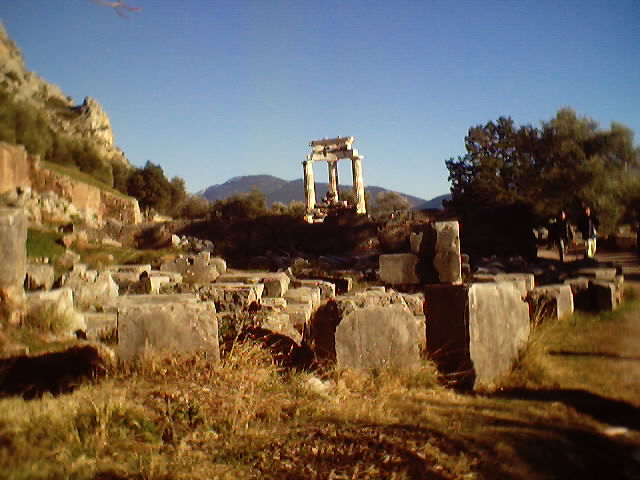
Delphi, the "navel of the world" to ancient Greeks, combines extraordinary ruins with a mountain setting of profound beauty. Clinging to the slopes of Mount Parnassus, the sanctuary where the Pythian oracle spoke drew pilgrims from across the ancient Mediterranean seeking divine guidance. The Sacred Way climbs past treasury buildings to the Temple of Apollo, while the theater and stadium above offer sweeping views over olive groves to the Gulf of Corinth.
The Delphi Archaeological Museum displays the Charioteer, one of the finest surviving bronze sculptures from antiquity, along with the Sphinx of Naxos and countless other offerings dedicated by grateful pilgrims over centuries. The site's spiritual power transcends religious belief—standing among these ruins at sunset, understanding why ancients considered this place sacred requires no leap of faith.
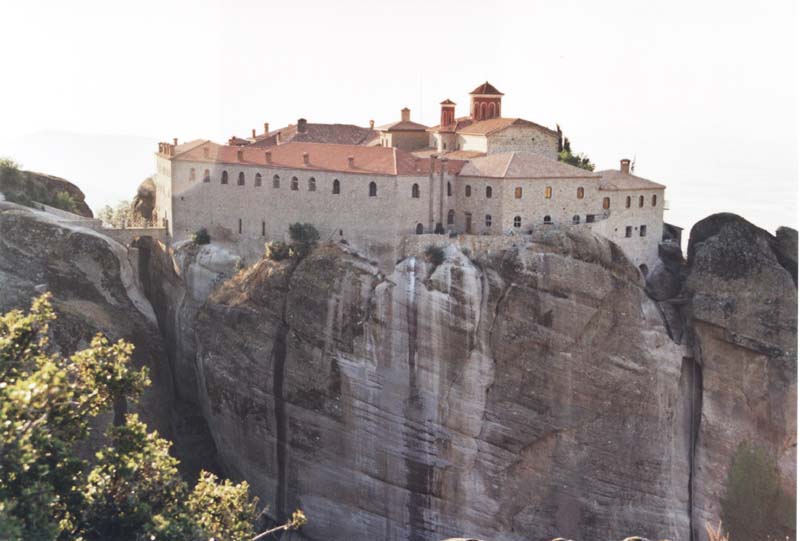
Meteora's monasteries, built atop seemingly inaccessible rock pillars by medieval monks seeking isolation, now rank among Greece's most visited sites. The sandstone formations rise 400 meters above the plain of Thessaly, their summits crowned with monasteries reached originally by rope ladders and baskets. Six monasteries remain active, accessible by carved stairs that replaced the original rope baskets.
The monasteries contain Byzantine frescoes, illuminated manuscripts, and religious treasures preserved through centuries of isolation. The landscape itself—dramatic stone towers emerging from morning mist—creates an atmosphere of otherworldly spirituality that rewards the journey to this remote corner of central Greece.
🏔️ The Peloponnese
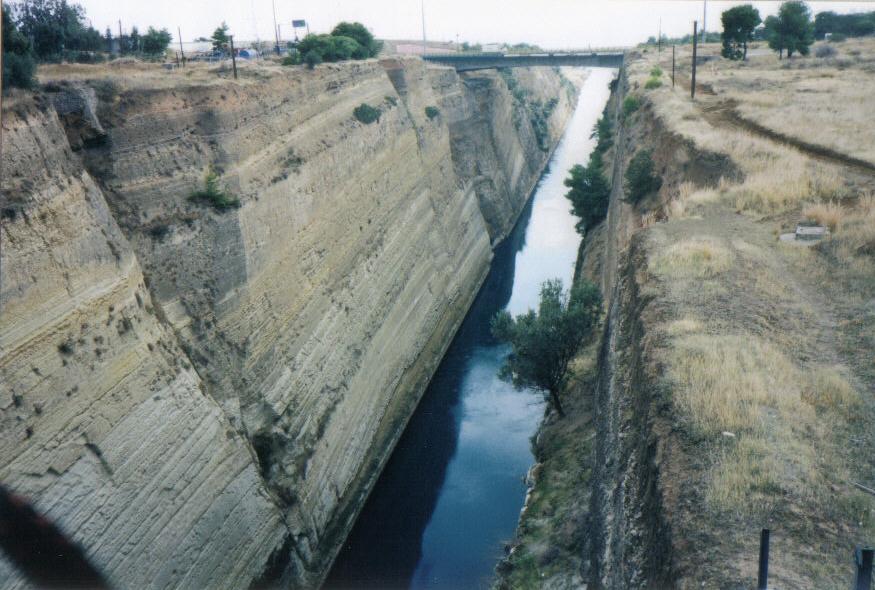
The Peloponnese peninsula, connected to the mainland by the narrow Corinth isthmus (now cut by a dramatic canal), contains more ancient sites per square kilometer than perhaps anywhere on Earth. This is the landscape of Greek mythology made concrete: Agamemnon's palace at Mycenae, the sanctuary of Olympia, the theater of Epidaurus, the ruined cities of Sparta and Corinth.
Nafplio, the first capital of independent Greece, may be the country's most elegant town—Venetian architecture, seaside promenades, fortress-crowned headlands, and sophisticated restaurants and hotels. It makes an ideal base for exploring the Peloponnese's archaeological riches while enjoying contemporary Greek pleasures.
The medieval fortress town of Monemvasia, accessible only by causeway, rises from the sea like a Greek Gibraltar—Byzantine churches, cobblestone streets, and romantic guesthouses occupy the lower town while ruins crown the dramatic upper rock. Mystras, near Sparta, preserves Byzantine churches with remarkable frescoes in an evocative ruined hillside city.
The Mani peninsula, southern Greece's wildest region, offers tower villages, dramatic coastlines, and the Caves of Diros—underground lakes explored by boat through chambers glittering with stalactites. Throughout the Peloponnese, mountain villages, olive groves, and hidden beaches reward those who venture beyond the major sites.
🏝️ The Cyclades
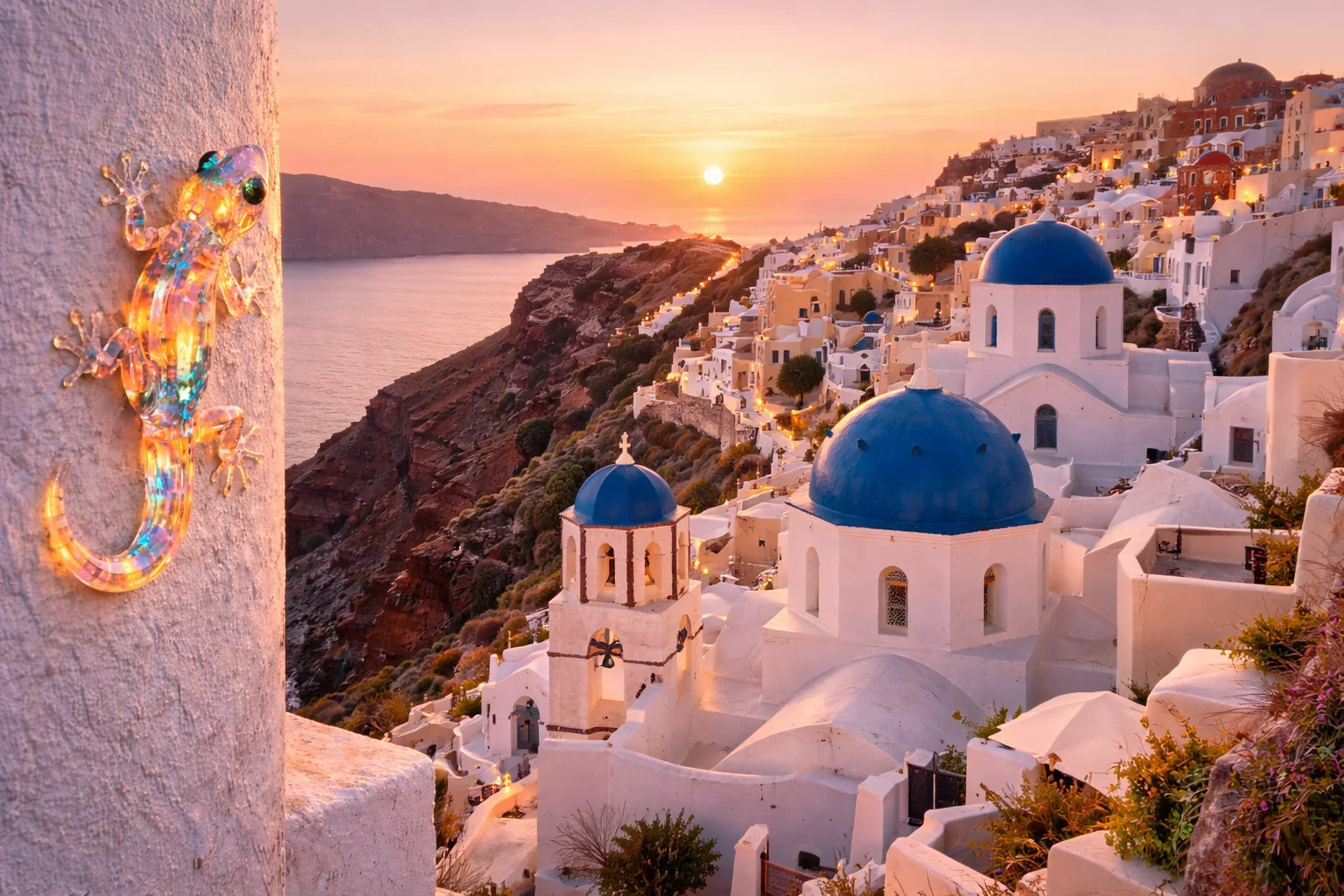
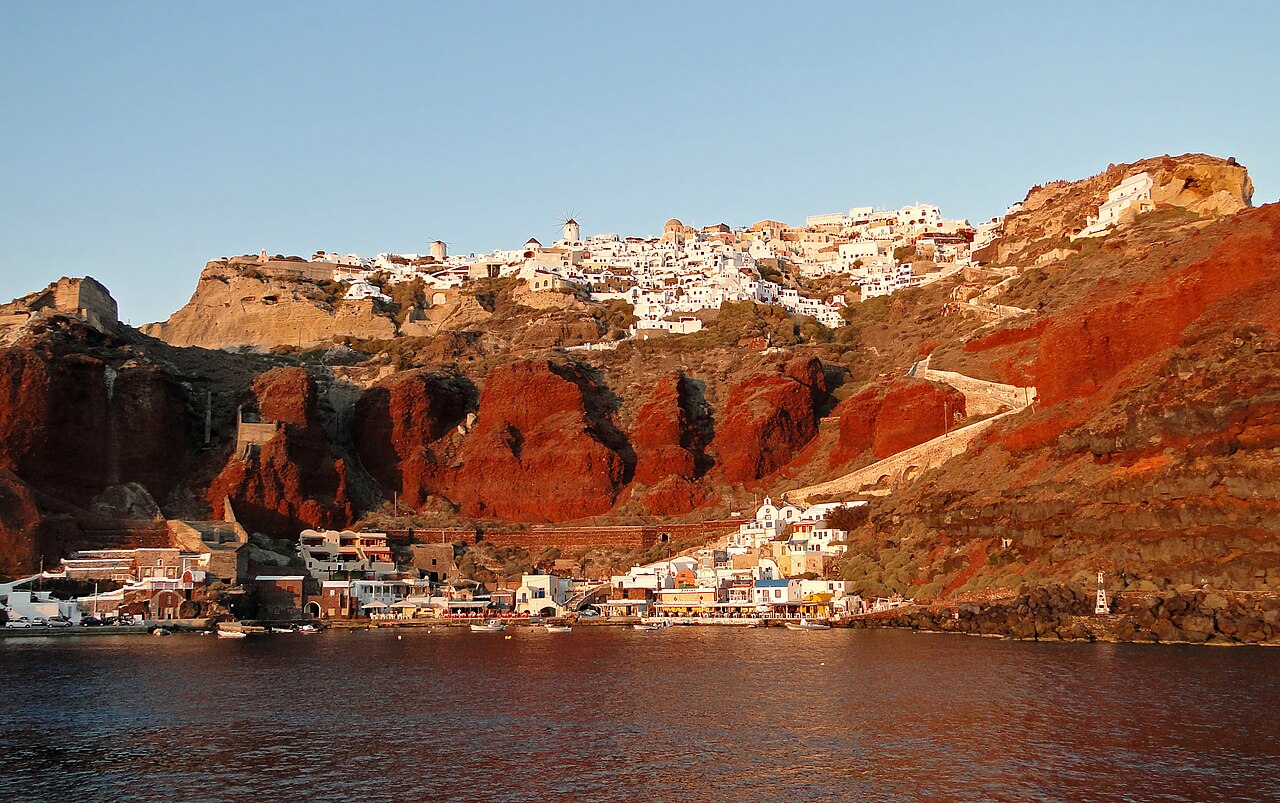
Santorini (Thera) crowns the Cycladic islands with the most dramatic volcanic landscape in the Mediterranean. The island curves around a flooded caldera, the remnant of a catastrophic Bronze Age eruption that some scholars link to the Atlantis legend. The villages of Fira and Oia cling to the caldera rim, their white-washed buildings and blue-domed churches creating the iconic imagery that defines Greek island travel.
Beyond the views, Santorini offers the remarkably preserved ruins of Akrotiri—a Minoan town frozen in volcanic ash around 1600 BCE—and distinctive wines produced from ancient grape varieties grown in volcanic soil. The black and red sand beaches offer unusual swimming, while sunset over the caldera, viewed from Oia's crowded terraces, has become a global pilgrimage.
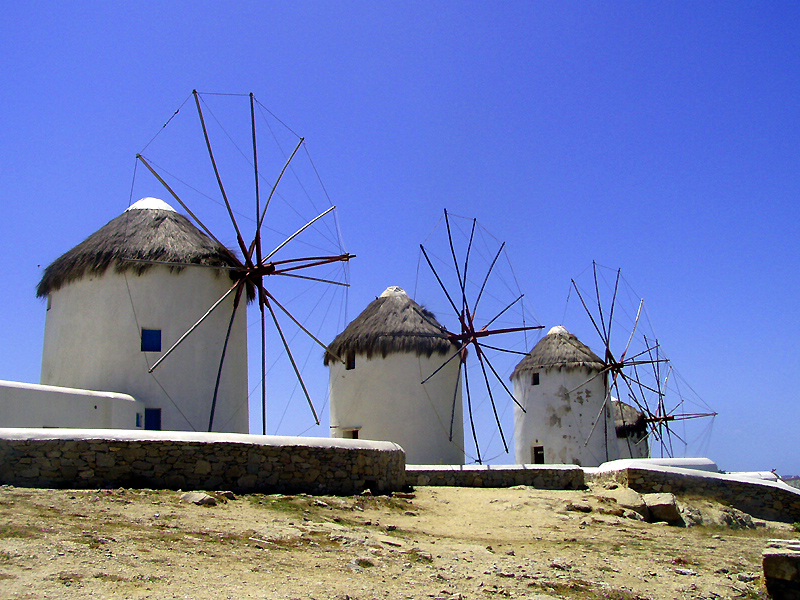
Mykonos presents the Aegean's other face—a party island of glamorous beaches, designer boutiques, and nightlife that attracts celebrities and hedonists from around the world. Mykonos Town (Chora) enchants with its labyrinthine streets, a medieval maze designed to confuse pirates now filled with visitors browsing galleries. Little Venice offers romantic sunset drinks with the famous windmills as backdrop.
For more traditional Cycladic experiences, head to Naxos (largest island, excellent beaches, mountain villages), Paros (windsurfing, marble villages), Milos (volcanic beaches of surreal colors), or tiny Folegandros and Sifnos. Each island has distinct character; island-hopping by ferry is part of the experience.
🏝️ Crete & Other Islands
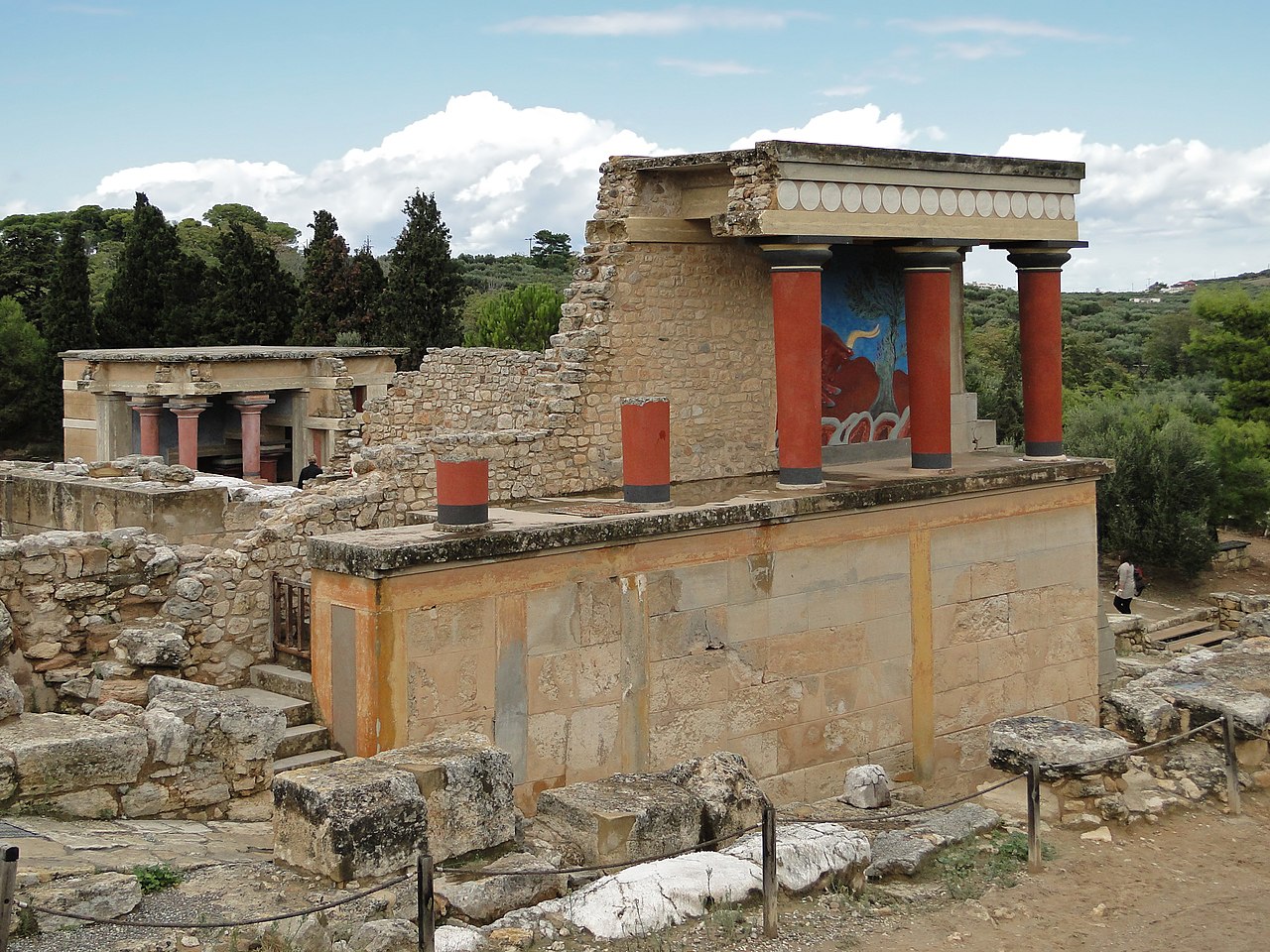
Crete, the largest Greek island, offers an experience distinct from the Cyclades—bigger, more varied, with its own Cretan dialect and traditions. The Minoan palace of Knossos, partially reconstructed by archaeologist Arthur Evans, provides insight into Europe's oldest civilization, which flourished over 3,500 years ago. The Archaeological Museum of Heraklion displays Minoan treasures including the famous Bull-Leaping Fresco and the Phaistos Disc.
The Venetian harbor of Chania, on the island's west coast, ranks among Greece's most beautiful townscapes, while the Samaria Gorge offers Europe's longest hiking trail through a dramatic rocky canyon. Crete's beaches vary from developed resort strips to isolated coves accessible only by boat. Cretan cuisine—dakos, kalitsounia, fresh cheese, wild greens—represents Greek food at its finest.
The Dodecanese hug Turkey's coast, bearing layers of history: ancient Greeks, Romans, Byzantines, Knights of St. John, Ottomans, Italians. Rhodes' medieval Old Town is UNESCO-listed; Kos offers archaeology and nightlife; Patmos holds the Cave of the Apocalypse where John wrote Revelation.
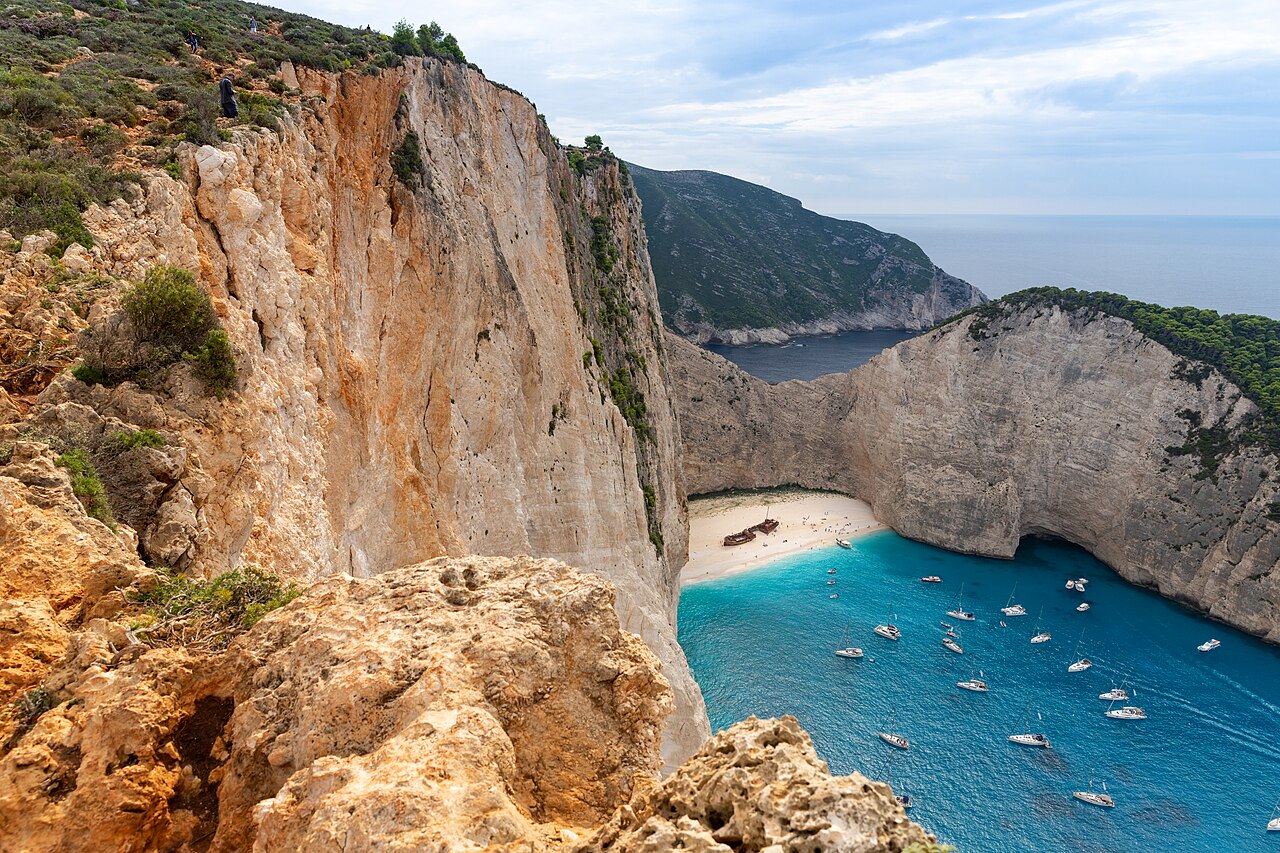
The Ionian Islands feel different—lusher, more Venetian, with Italian influences in architecture and cuisine. Corfu gleams with elegance; Kefalonia has the famous Myrtos Beach; Zakynthos draws crowds to Navagio (Shipwreck Beach). The Sporades and northeastern Aegean islands remain less touristed, offering slower pace and deeper immersion.
🏛️ UNESCO World Heritage Sites
Greece has 20 UNESCO World Heritage Sites (17 cultural, 3 mixed — Mount Athos, Meteora and the Zagori Cultural Landscape) as of 2026. Highlights:
- Acropolis of Athens (1987) — icon of classical civilization
- Archaeological Site of Delphi (1987) — oracle of Apollo
- Archaeological Site of Olympia (1989) — birthplace of the Olympic Games
- Archaeological Site of Mystras (1989) — Byzantine wonder
- Meteora (1988, mixed) — monasteries atop rock pillars
- Mount Athos (1988, mixed) — autonomous monastic republic
- Medieval City of Rhodes (1988) — finest surviving medieval town in Europe
- Old Town of Corfu (2007) — Venetian and British layered fortifications
- Archaeological Site of Aigai (Vergina) (1996) — royal tombs of Macedon
- Archaeological Sites of Mycenae and Tiryns (1999)
- Sanctuary of Asklepios at Epidaurus (1988) — the perfect ancient theatre
- Delos (1990) — sacred birthplace of Apollo and Artemis
- Temple of Apollo Epicurius at Bassae (1986) — Greece's first site inscribed
- Monasteries of Daphni, Hosios Loukas and Nea Moni of Chios (1990)
- Pythagoreion and Heraion of Samos (1992)
- Paleochristian and Byzantine Monuments of Thessaloniki (1988)
- Historic Centre (Chorá) with the Monastery of Saint-John the Theologian and the Cave of the Apocalypse on Pátmos (1999)
- Archaeological Site of Philippi (2016)
- Zagori Cultural Landscape (2023) — stone villages and packhorse bridges in the Epirus mountains
- Minoan Palatial Centres (2025) — Knossos, Phaistos and Crete's other great Bronze Age palaces, newly inscribed as a serial site
🍽️ Greek Cuisine
Greek cuisine is Mediterranean cooking at its purest: olive oil, tomatoes, feta cheese, fresh vegetables, herbs, and simply prepared fish and meat. The quality of ingredients matters more than complex techniques. Tavernas serve dishes that have changed little for generations—moussaka, souvlaki, Greek salad (horiatiki), grilled octopus, lamb chops with lemon and oregano.
Signature Dishes: Moussaka – layered eggplant, potato, and spiced meat with béchamel. Souvlaki – grilled meat skewers, Greece's beloved street food. Horiatiki – classic Greek salad with tomatoes, cucumber, onion, olives, and feta. Spanakopita – spinach and feta in flaky phyllo. Dolmades – grape leaves stuffed with rice and herbs. Kleftiko – slow-roasted lamb with garlic and lemon.
Meze Culture: Small plates meant for sharing, accompanied by ouzo, tsipouro, or wine. Order tzatziki, taramosalata, saganaki (fried cheese), grilled halloumi, fried zucchini—and graze for hours. This communal approach reflects Greek social values: eating alone is almost unthinkable.
Beverages: Ouzo – anise-flavored spirit, turns cloudy with water. Tsipouro – grape pomace spirit, similar to Italian grappa. Greek coffee – thick and strong, served with grounds. Retsina – resinated wine, an acquired taste. Assyrtiko, Xinomavro, Moschofilero – excellent Greek wine varieties.
Moussaka
Layered Eggplant Casserole
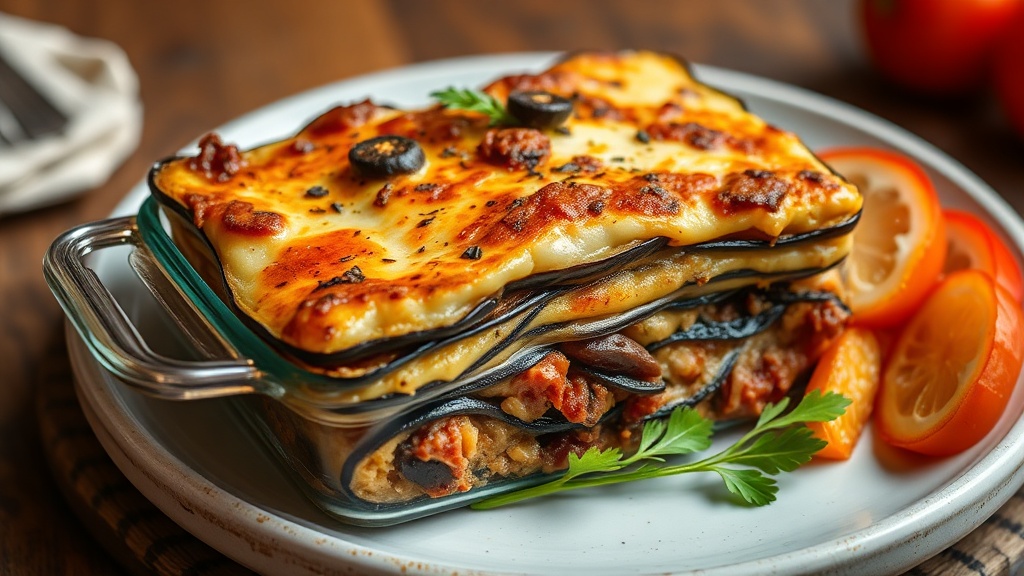
Layers of eggplant, spiced meat, and creamy béchamel—Greek comfort at its finest.
Ingredients: 2 eggplants, sliced, 400g ground lamb, 1 onion, Tomato sauce, cinnamon, For béchamel: butter, flour, milk, egg, nutmeg.
Preparation: Salt and fry eggplant slices. Brown meat with onion, add tomato and cinnamon. Make thick béchamel, add egg. Then layer: eggplant, meat, eggplant, béchamel. Bake 180°C (356°F) for 45 min. Rest before cutting.
💡 Let it rest 20 minutes before serving—it sets better.
Souvlaki
Grilled Meat Skewers
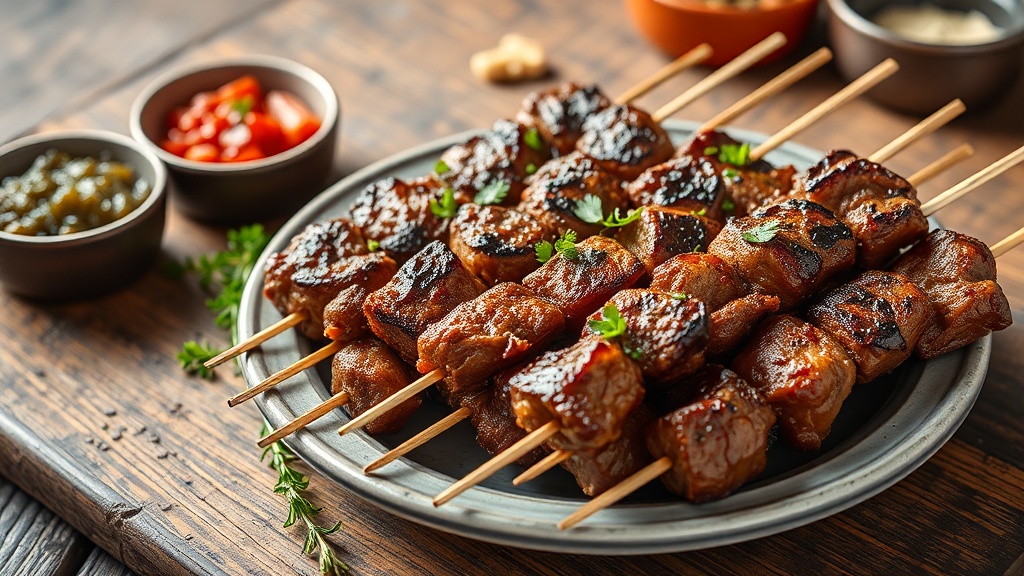
Marinated meat on skewers served in pita with tzatziki.
Ingredients: 300g pork or chicken, cubed, Olive oil, lemon, oregano, Garlic, Pita bread, Tzatziki, tomato, onion.
Preparation: Marinate meat in oil, lemon, oregano, garlic. Thread onto skewers. Grill over high heat. Then warm pita bread. Fill with meat, tzatziki, vegetables. To finish, wrap and eat.
💡 Don't skip the marinade time—overnight is best.
Galaktoboureko
Custard Pastry
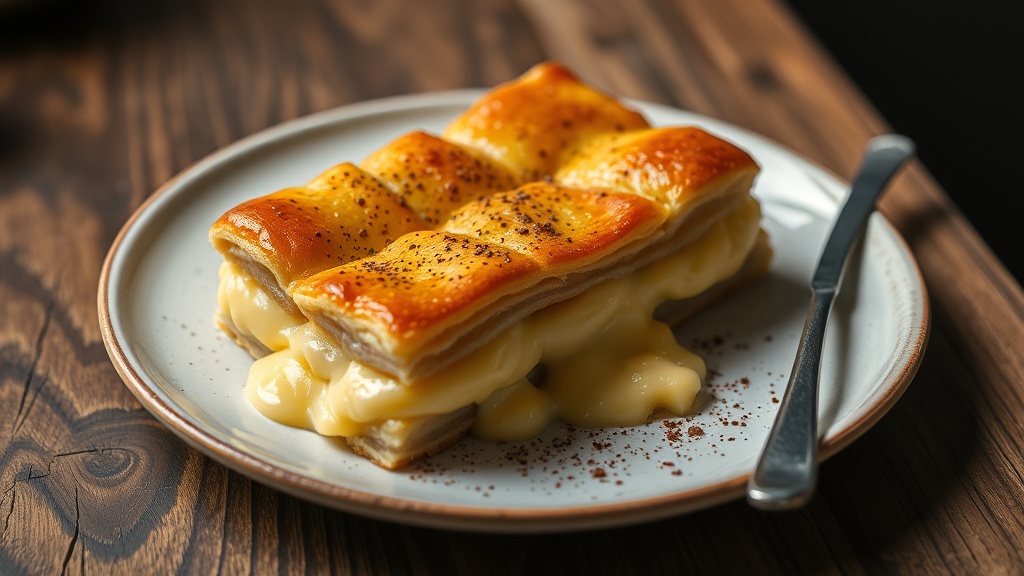
Semolina custard wrapped in crispy filo, soaked in lemon syrup.
Ingredients: For custard: 1L milk, 120ml semolina, 3 eggs, sugar, vanilla, 1 pack filo pastry, Butter, For syrup: sugar, water, lemon.
Preparation: Make thick semolina custard, cool slightly. Layer half filo sheets with butter. Spreade custard. Then top with remaining buttered filo. Bake 180°C (356°F) until golden. Last, pour cold syrup over hot pastry.
💡 Temperature contrast is key—hot pastry, cold syrup.
🍷 Wine, Spirits & Drinking Culture
Greece is one of the oldest wine-producing civilizations in the world, with archaeological evidence of winemaking on Crete dating to approximately 4000 BCE. The ancient Greeks didn't merely make wine — they evangelized it. Dionysus, the god of wine, was one of the twelve Olympians; the symposium was a ritualized wine-drinking gathering that shaped philosophy, politics, and art; and Greek colonists carried grape cultivation to Sicily, southern Italy, southern France, and the Black Sea coast, effectively seeding the viticultural traditions of Western Europe. For over two millennia, Greek wine was the benchmark of the Mediterranean world. The modern Greek wine renaissance, which began in the 1980s and accelerated dramatically in the 2000s, has seen the country's extraordinary portfolio of over 300 indigenous grape varieties rediscovered, vinified with modern technique, and celebrated by critics worldwide.
🍇 Indigenous Grape Varieties
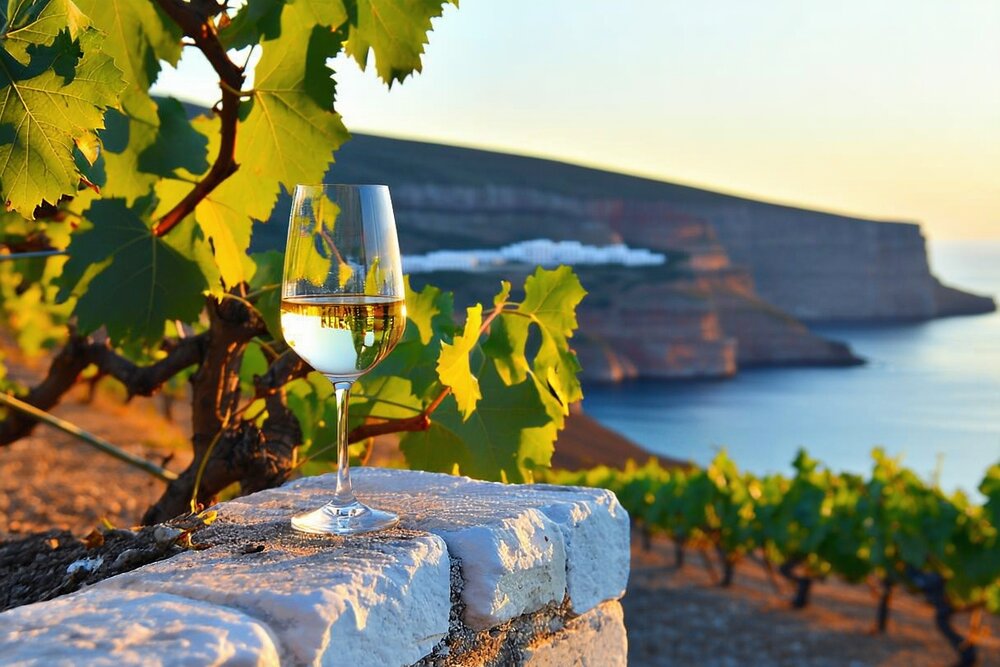
Assyrtiko is Greece's flagship white variety and one of the world's great terroir-expressive grapes. On Santorini — where ungrafted vines grow in volcanic ash soil, trained in low basket-shaped kouloura to protect against the fierce Aegean winds — Assyrtiko produces wines of extraordinary mineral intensity, searing acidity, and saline character, often compared to Chablis for their steely precision but utterly unique in their volcanic terroir expression. Santorini Assyrtiko is increasingly recognized as one of the most distinctive and age-worthy white wines in the world. Xinomavro ("acid black") is the king of Greek reds — the noble variety of Naoussa in Macedonia, producing structured, tannic, age-worthy wines with aromas of tomato, olive, and dried herbs that draw frequent comparisons to Nebbiolo (Barolo). Agiorgitiko (Saint George) from Nemea in the Peloponnese produces riper, more approachable reds with dark fruit and spice. Other significant varieties include Moschofilero (aromatic pink-skinned white from Mantinia), Vidiano (Crete's rediscovered aromatic white), Mavrodaphne (sweet fortified red from Patras), and Malagousia — nearly extinct until rescued by oenologist Evangelos Gerovassiliou in the 1970s, now producing perfumed, complex whites that have become one of Greece's most exciting varieties.
🗺️ Wine Regions
Santorini (PDO) is Greece's most internationally celebrated appellation — volcanic, wind-swept, and producing Assyrtiko of unmatched minerality. Naoussa (PDO) in Macedonia is the heartland of Xinomavro and Greece's most Burgundy-like appellation, with producers like Kir-Yianni, Boutari, Thymiopoulos, and Dalamara crafting serious, terroir-driven reds. Nemea (PDO) in the northeastern Peloponnese produces Agiorgitiko across a range from easy-drinking to deeply structured. Crete — Greece's largest island and its largest wine-producing region — is experiencing a dramatic renaissance with indigenous varieties like Vidiano, Kotsifali, and Mandilari, driven by innovative producers such as Lyrarakis and Douloufakis. Drama and Thessaloniki in northern Greece have emerged as exciting modern wine areas, with Domaine Gerovassiliou (the savior of Malagousia) producing some of the country's most refined wines. The islands — Samos (Muscat dessert wines), Kefalonia (Robola), Paros, and Rhodes — each contribute distinctive island terroir expressions.
🏛️ Retsina & The Modern Revolution
Retsina — wine flavored with pine resin, a tradition dating to antiquity when amphorae were sealed with pine pitch — remains Greece's most internationally recognized (and often maligned) wine. For decades, cheap retsina and bulk wine defined Greece's international image, obscuring the country's extraordinary viticultural potential. The revolution began with returning winemakers trained in Bordeaux, Burgundy, and Australia, who applied modern vinification to Greece's indigenous varieties with transformative results. Today, Greece has approximately 63,000 hectares under vine, producing around 2.5 million hectoliters annually across 33 PDO (Protected Designation of Origin) appellations. A new generation of boutique producers — including Sigalas and Hatzidakis on Santorini, Alpha Estate in Amyntaio, and Skouras in the Peloponnese — has placed Greek wine firmly among Europe's most exciting rediscovery stories.
🏆 Kaufmann Wine Score (KWS)
100-point scoring: 🟡 Aroma (0-25) · 🔴 Taste (0-30) · 🟣 Finish (0-20) · 🔵 Value (0-25)
| Wine | 🟡 | 🔴 | 🟣 | 🔵 | KWS |
|---|---|---|---|---|---|
| Santorini Assyrtiko (Sigalas) | 23 | 27 | 18 | 23 | 91 |
| Naoussa Xinomavro (Thymiopoulos, Jeunes Vignes) | 22 | 26 | 17 | 23 | 88 |
| Nemea Agiorgitiko Reserve (Skouras) | 21 | 25 | 16 | 24 | 86 |
| Malagousia (Gerovassiliou) | 22 | 25 | 16 | 22 | 85 |
🌡️ Climate & Best Time to Visit
| Season | Temperature | Conditions | Rating |
|---|---|---|---|
| Spring (Apr-May) | 15-22°C | Mild, flowers blooming, fewer crowds | ✅ Excellent |
| Summer (Jun-Aug) | 25-35°C | Hot, humid, peak beach season | ✅ Best for beaches |
| Autumn (Sep-Oct) | 18-25°C | Warm, harvest season, wine festivals | ✅ Excellent |
| Winter (Nov-Mar) | 5-12°C | Mild coast, snowy mountains | ⚠️ Limited highland access |
Best Time: May-June or September-October for ideal weather and fewer crowds. July-August is peak beach season but can be hot and humid. Easter celebrations offer unique cultural experiences.
✈️ How to Get There
By Air: Athens International Airport (ATH) serves as the main hub with direct flights from across Europe and North America. Thessaloniki (SKG) offers alternative entry. In summer, charter flights serve island airports directly—Santorini (JTR), Mykonos (JMK), Heraklion (HER), Rhodes (RHO), and Corfu (CFU).
By Ferry: Ferries from Italy (Ancona, Bari, Venice) reach Patras and Igoumenitsa. Turkish ferries connect to eastern Aegean islands. Inter-island ferries run from Piraeus (Athens' port). Book ahead in July-August via ferries.gr or let.gr.
By Land: Buses and trains connect from Bulgaria (Sofia), North Macedonia (Skopje), Albania (Tirana), and Turkey (Istanbul). The Balkans overland route is popular with budget travelers.
Internal Transport: The MTR system covers Athens well. KTEL buses reach almost everywhere cheaply. Domestic flights (Aegean, Olympic Air, Sky Express) connect major islands. Rental cars offer flexibility—book ahead in summer.
📋 Practical Information
Visa: EU/Schengen rules apply. US, UK, Canadian, Australian citizens get 90 days visa-free within any 180-day period. EU citizens need only ID card.
Money: Euro (EUR). ATMs widely available. Credit cards accepted in tourist areas; cash essential for smaller establishments, taxis, and islands. Tipping 5-10% appreciated but not obligatory.
Communications: EU roaming applies for EU citizens. Greek SIM cards cheap and easy. WiFi widespread in tourist areas. Time Zone: UTC+2 (UTC+3 summer).
Getting Around: MTR in Athens, KTEL buses everywhere, ferries for islands. Taxis reasonably priced—use meters or agree price beforehand. Driving is on the right; Greek drivers can be aggressive.
Safety: Very safe for tourists. Normal city precautions in Athens. Excellent healthcare available. Travel insurance recommended for activities like hiking and water sports.
💰 Cost of Living
| Item | Cost (USD) |
|---|---|
| Budget guesthouse | $15-25/night |
| Mid-range hotel | $40-70/night |
| Local meal | $5-10 |
| Restaurant dinner | $15-25 |
| Beer | $1-2 |
| Wine (local bottle) | $5-10 |
| Delphi entrance | ~$4 |
| Museum admission | €6-12 |
| Bus (short trip) | $1-2 |
Greece is affordable—budget travelers can manage on $30-40/day, mid-range travelers on $60-80/day.
🏨 Accommodation
Greece offers every type of accommodation, from luxury resorts and boutique hotels to family-run pensions and island hostels. International chains are present in Athens, while the islands feature charming locally-owned properties with stunning sea views.
Athens: Hotel Grande Bretagne (landmark luxury, €200-500), Electra Metropolis (modern, €120-200), Plaka guesthouses (€40-80). Mykonos: Cavo Tagoo (luxury, €300+), Semeli Hotel (boutique, €150-250), budget rooms (€60-120). Delphi Area: Arachova mountain hotels (€80-150), traditional guesthouses (€40-70).
Booking Tips: Book in advance for July-August peak season. Cash payment often required. Booking.com works for some properties; others need direct contact. Don't expect consistent hot water or WiFi outside major hotels.
🎭 Festivals & Events
Easter (Pascha) — The most important Greek celebration, with midnight candlelit processions, fireworks, and feasting on roasted lamb. Particularly spectacular on Corfu with pottery-throwing. Carnival (Apokries) — Three weeks of pre-Lenten celebration, biggest in Patras with elaborate parades and masquerade balls. Ochi Day (October 28) — Commemorating Greece's defiant "No" to Mussolini in 1940, with military parades nationwide.
Religious: Assumption of the Virgin Mary (August 15) draws millions to Tinos island. Epiphany (January 6) features the blessing of the waters with cross-diving competitions. Cultural: Athens & Epidaurus Festival (summer) — world-class performances in ancient theaters. Thessaloniki Film Festival (November) — Southeast Europe's premier cinema event.
🔬 Fascinating Facts
📊 Tourism Statistics (2024-2025)
Greece achieved its best year ever in 2025, per Bank of Greece figures: 37.98 million international arrivals, up 5.6% over 2024's revised 35.95 million, and a record €23.63 billion in tourism revenue (+9.4%) — with revenue growing nearly double the pace of arrivals as visitors spent more per trip.
🏛️ Birthplace of Democracy
Athens invented democracy in 508 BCE—citizens gathering on the Pnyx hill to vote directly on laws. The word "democracy" (δημοκρατία) literally means "rule by the people" in Greek.
🏃 Olympic Origins
The Olympic Games began in Olympia in 776 BCE and continued for nearly 1,200 years until 393 CE. Athletes competed naked (gymnos, hence "gymnasium") and wars stopped during the Olympic truce.
🌊 Island Nation
Greece has approximately 6,000 islands, of which 227 are inhabited. No point in Greece is more than 137 kilometers from the sea. The coastline stretches 13,676 km—11th longest in the world.
☀️ Sunny Greece
Greece enjoys more than 250 days of sunshine annually—some of the highest in Europe. Rhodes sees over 300 sunny days per year, making Greek islands among Europe's sunniest destinations.
⭐ Notable People
Ancient: Socrates, Plato, Aristotle (philosophy); Homer (poetry); Herodotus, Thucydides (history); Hippocrates (medicine); Archimedes, Pythagoras (mathematics); Alexander the Great (conquest).
Modern Writers: Nikos Kazantzakis ("Zorba"), Constantine Cavafy (poetry), Odysseas Elytis (Nobel laureate), George Seferis (Nobel laureate). Music: Maria Callas (opera), Mikis Theodorakis (composer), Vangelis (electronic music), Demis Roussos (pop).
Contemporary: Arianna Huffington (media), Giannis Antetokounmpo (NBA), Stefanos Tsitsipas (tennis). Shipping Dynasties: Onassis, Niarchos, Latsis families shaped global shipping.
⚽ Sports
Football: National passion. Olympiacos (Piraeus) and Panathinaikos (Athens) rivalry divides the nation. PAOK (Thessaloniki) and AEK complete the "Big Four." 2004 European Championship victory remains pinnacle of Greek football.
Basketball: Greece is a basketball powerhouse. Giannis Antetokounmpo (NBA MVP) is national hero. EuroBasket 2005 champions. Panathinaikos and Olympiacos compete at European level.
Water Sports: Sailing, windsurfing (Paros is world-class), kitesurfing. 2004 Athens Olympics brought modern facilities. Tennis rising with Tsitsipas. Traditional wrestling (pále) has ancient roots.
📰 Media & Press
Newspapers: Kathimerini (center-right), Ta Nea (center-left), Eleftheros Typos. English: Ekathimerini, Greek Reporter, Athens Voice. Press freedom is generally respected though media ownership concentration is a concern.
TV: ERT (public broadcaster), MEGA, ANT1, ALPHA, SKAI. Greek TV features news, entertainment, and popular reality shows. Radio: Remains popular, especially for music.
Digital: High internet penetration. Greeks are active on social media. YouTube, Instagram, and TikTok popular among younger generation.
🎒 Packing Tips
Essential: Passport (ID for EU citizens), travel insurance, sunglasses, sunscreen (SPF 30+), comfortable walking shoes, day pack for excursions, power adapter (Type C/F, 230V).
Clothing: Light layers for summer (cotton, linen), swimwear, cover-ups for churches (no shorts, covered shoulders), comfortable sandals, evening outfit for taverna dining. Winter travelers need warmer layers for northern Greece.
Tech: Unlocked phone for Greek SIM, offline maps (Maps.me/Google), ferry booking apps, translation app. Health: Any prescriptions, motion sickness remedies for ferries, basic first aid, mosquito repellent for summer evenings.
🌐 Useful Resources
Official: visitgreece.gr (Greek tourism board), greekferries.gr (ferry schedules), ktel.org (bus network). Emergency: 112 (EU emergency), 100 (police), 166 (ambulance), 199 (fire).
Ferries: ferries.gr, let.gr, directferries.com — essential for island-hopping, book ahead July-August. Accommodation: Booking.com, Airbnb (excellent in Greece), local guesthouses often best value.
Apps: BEAT (Greek Uber), Maps.me (offline), Google Translate (download Greek), Ferryhopper. News: Ekathimerini (English), Greek Reporter, Keep Talking Greece.
📚 Recommended Reading
Ancient: Homer's "Iliad" and "Odyssey" — foundation of Western literature. Herodotus' "Histories" — the first work of history. Plato's dialogues — Socratic philosophy at its source.
Modern: "Zorba the Greek" by Nikos Kazantzakis — the Greek spirit distilled. "Captain Corelli's Mandolin" by Louis de Bernières — WWII Kefalonia. "The Colossus of Maroussi" by Henry Miller — 1940s Greece through American eyes.
Travel: "Mani" and "Roumeli" by Patrick Leigh Fermor — masterpieces of travel writing. "It's All Greek to Me" by John Mole — expat life with humor. "The Summer of My Greek Taverna" by Tom Stone.
🎬 Videos About Greece
Documentaries: "Greece: Secrets of the Past" (IMAX) — ancient civilization. "The Greeks" (PBS) — comprehensive history series. Rick Steves' Greece episodes — practical travel insights.
YouTube: Sander Sassen Greece vlogs — island-hopping guides. Drew Binsky Greek episodes — local insights. Kara and Nate Greece series — practical travel. Best Ever Food Review Show — Greek cuisine deep dives.
Films: "Mamma Mia!" — filmed on Skopelos. "Shirley Valentine" — Mykonos escape. "Zorba the Greek" — classic with Anthony Quinn. "Before Midnight" — Peloponnese romance.
📸 Photo Gallery
🗺️ Map
✍️ Author's Note
Greece presents a unique challenge for the traveler—how to balance the weight of its historical significance with the sensory pleasures of its present. The country that gave the world tragedy invented comedy too; the philosophers who pondered existence also enjoyed symposia of wine and conversation.
Perhaps Greece's greatest lesson is that these are not contradictions—that beauty and truth, pleasure and wisdom, the ancient and the contemporary can coexist on sun-warmed stone above an impossibly blue sea. The islands offer postcard perfection and the risk of over-tourism; the mainland reveals depths that bypass visitors miss.
Whatever the itinerary, Greece rewards those who approach with both reverence for what once was and openness to what still is—a living country where the foundations of Western civilization sit beside beaches, nightclubs, and the ongoing project of Greek life.
