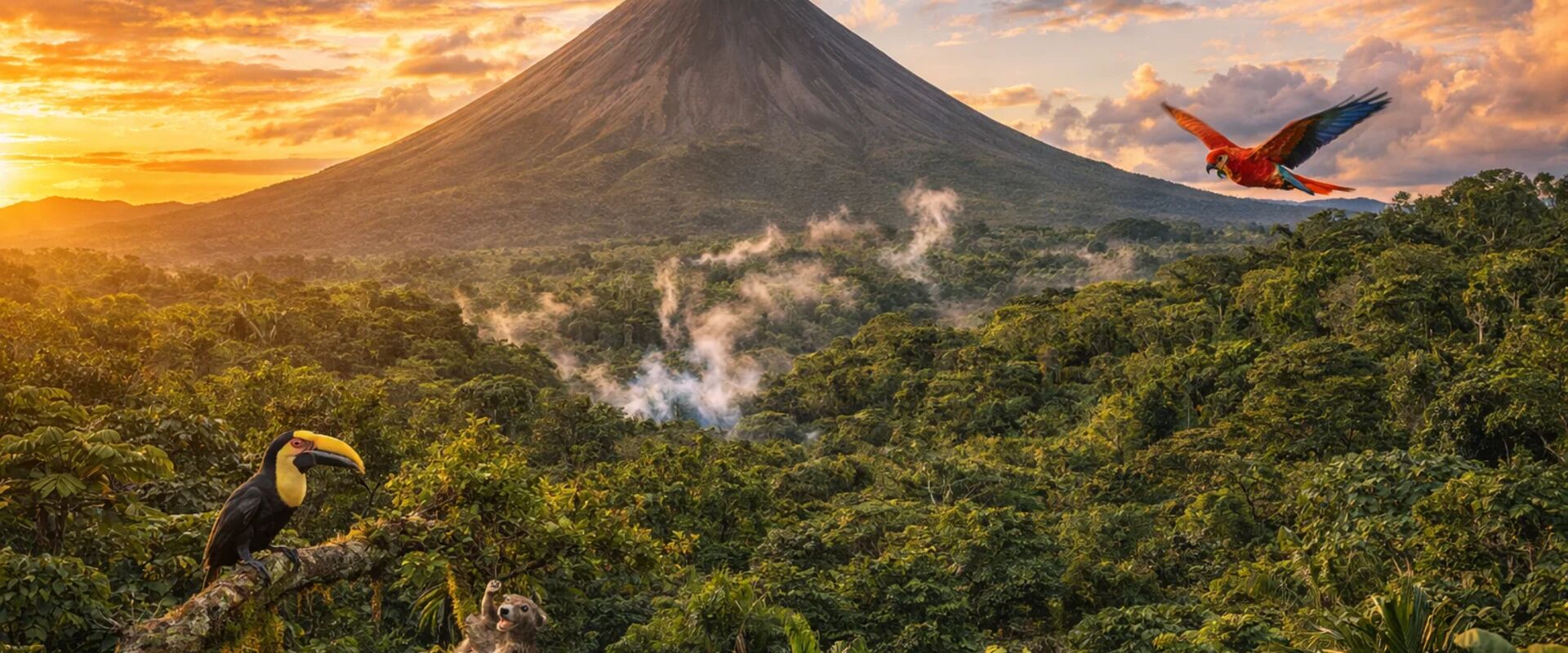



🇨🇷 Costa Rica at a Glance
🌏 Overview — Why Visit Costa Rica
Costa Rica is a sliver of Central America between Nicaragua and Panama — 51,100 km², smaller than Czechia — and it holds something in the order of six per cent of the planet's known species on roughly three hundredths of one per cent of its land surface. That ratio is the single most important fact about the country and explains almost everything else about it.
The geography does the work. A volcanic spine runs the length of the country, so in one day you can stand on a Pacific beach at dawn, walk through cloud forest at 1,800 metres by lunchtime, and reach the Caribbean by evening. Two oceans, seven active volcanoes, lowland rainforest, dry tropical forest and páramo, all within a few hours' drive of each other, produce an absurd density of ecological niches.
The politics did the rest. Costa Rica abolished its army in 1948 after a short civil war and wrote the abolition into the 1949 constitution, redirecting the money towards education and health. The results are measurable: literacy above 97%, life expectancy around 81 years, consistently high placings in global happiness rankings, and — most relevantly for a visitor — a country that became stable and safe while its neighbours were at war, and had the institutional capacity to protect a quarter of its territory.
That stability is now being tested rather than assumed. Since 8 May 2026 the president has been Laura Fernández, elected in February on a hard-line security platform after gang violence tied to the cocaine trade produced record homicide years, and the tone of politics has turned sharper than the pura vida brand suggests. None of it touches the visitor circuit, but it is worth knowing the country you are in.
The word you will hear a hundred times a day is pura vida — literally "pure life", used for hello, goodbye, thanks, no problem, and it's all fine. It sounds like a tourism slogan and is in fact something closer to a national temperament: unhurried, conflict-averse, and quietly proud of having chosen forests and schools over an army.
📛 Name & Identity
The name Costa Rica — "rich coast" — is generally traced to Columbus's fourth voyage in 1502, when he landed near present-day Puerto Limón and saw local people wearing gold ornaments. The gold turned out to be modest and largely traded in rather than mined; the name outlasted the expectation. The official name is the República de Costa Rica.
Costa Ricans call themselves Ticos (and Ticas), from the local habit of forming diminutives with -ico rather than -ito — momentico rather than momentito. It is an affectionate self-description and universally used.
The national symbols are worth knowing because they turn up everywhere: the yigüirro, a plain clay-coloured thrush chosen as national bird precisely because its song announces the coming rains rather than for any beauty; the guaria morada orchid; the vast guanacaste tree; and the white-tailed deer. The blue-white-red flag, adopted in 1848, took its colours from the French tricolore and the ideals attached to it.
The identity that matters most, though, is negative: no army. Ticos will bring it up, and it functions as the country's founding story in the way that revolutions do elsewhere.
🗺️ Geography & Regions
Costa Rica sits at about 10° north, with 212 km of Caribbean coastline and 1,016 km of Pacific coast, including the Nicoya and Osa peninsulas. Four mountain ranges — the Cordilleras de Guanacaste, Tilarán, Central and Talamanca — run diagonally through the country, carrying seven active volcanoes: Arenal, Poás, Irazú, Turrialba, Rincón de la Vieja and others.
Central Valley
1,000–1,500 m, San José and well over half the population, ringed by volcanoes and coffee slopes. Mild all year — this is why the country's population sits here rather than on the coast.
North Pacific · Guanacaste & Nicoya
The dry side: tropical dry forest, a genuine dry season, and the beaches most package holidays target. Also the country's Blue Zone.
Central & South Pacific
Manuel Antonio, Dominical, and then the Osa Peninsula — Corcovado, the wildest place in the country, with jaguars, tapirs and all four monkey species.
Caribbean lowlands
Hot, wet, culturally Afro-Caribbean and Bribri. Tortuguero's canals in the north, Puerto Viejo and the reef in the south.
Northern plains
Arenal, La Fortuna, Caño Negro wetlands and the Nicaraguan border country — agriculture, volcanoes and hot springs.
Talamanca highlands
Chirripó at 3,820 m, the country's highest point, with páramo above the treeline and genuine frost at night.
Far offshore lies Isla del Coco (Cocos Island), 550 km into the Pacific — a UNESCO World Heritage site, uninhabited except for park rangers, and one of the world's great shark-diving destinations. It is reached only by multi-day liveaboard.
🗺️ Map of Costa Rica
Costa Rica borders Nicaragua to the north and Panama to the south-east. Distances look small and drive long: mountain roads, single lanes and weather mean 100 kilometres can take three hours.
The classic first-visit circuit is San José → Arenal/La Fortuna → Monteverde → Manuel Antonio or the Nicoya beaches → back to San José, which is roughly a fortnight at a civilised pace. Adding the Caribbean side (Tortuguero, Puerto Viejo) or the Osa Peninsula pushes it to three weeks.
📜 History
Before the Spanish
The territory was a crossroads between Mesoamerican and South American cultures rather than the centre of either. The Diquís chiefdoms of the south carved the extraordinary stone spheres — near-perfect granodiorite orbs, the largest over two metres across — between roughly 300 and 1500 CE. Their purpose is still not settled, and the sites are now a UNESCO World Heritage listing.
The poorest colony
Spanish settlement from 1561 produced what was, by the standards of the empire, a failure: no large indigenous labour force to coerce, no silver, no gold worth the name, and a colonial capital so isolated that Spain largely forgot about it. Settlers had to farm their own land. That accident of poverty produced a society of smallholders rather than plantation aristocrats — the origin, historians generally argue, of the relative social equality that later made democracy stick.
Coffee, bananas and independence
Independence arrived peacefully on 15 September 1821, along with the rest of Central America; news reportedly took a month to arrive. Coffee, planted in the Central Valley from the 1830s, created the first real export fortune and paid for the railway to the Caribbean, the port of Limón and the extravagant Teatro Nacional. Building that railway brought Jamaican labourers to the Caribbean coast, whose descendants form the Afro-Caribbean population of Limón province. Bananas followed, and with them the United Fruit Company.
1948 and after
A disputed election triggered a 44-day civil war in 1948, the bloodiest episode in modern Costa Rican history with around 2,000 dead. The victor, José Figueres Ferrer, then did something almost unheard of: he abolished the army, wrote the abolition into the 1949 constitution, extended the vote to women and granted citizenship to the Afro-Caribbean population, and handed power to the elected president.
Since then Costa Rica has been a stable democracy, a place of refuge during Central America's Cold War conflicts, and the seat of the Inter-American Court of Human Rights. President Óscar Arias won the 1987 Nobel Peace Prize for the plan that helped end the region's wars. Since the 1990s the country has also reversed its deforestation — forest cover fell to roughly a fifth of the country by the mid-1980s and is now back above half, which is an almost unique achievement.
Since 2018
The consensus politics of the post-1948 era have frayed. Carlos Alvarado (2018–22) took Costa Rica into the OECD (May 2021), and a Constitutional Chamber ruling made it the first Central American country to legalise same-sex marriage (26 May 2020). His successor, the outsider economist Rodrigo Chaves (2022–26), governed in a confrontational style — against the traditional parties, the courts, prosecutors and the press — while cocaine-transit gang violence pushed homicides to a record 907 in 2023 (873 in 2025, about 16.8 per 100,000: still far below Honduras or Mexico, but up from around 11–12 in the mid-2010s).
On 1 February 2026 Chaves's hand-picked successor Laura Fernández, a 39-year-old political scientist and former minister, won the presidency outright in the first round with 48.5% of the vote, and her Pueblo Soberano party took 31 of the 57 seats — the first single-party majority since 1990. She was sworn in at the Estadio Nacional on 8 May 2026 as the country's second woman president, promising Bukele-style hard-line security policies, and named Chaves as her minister of the Presidency and of Finance. Her push for a judicial overhaul brought tens of thousands onto the streets in defence of the courts in September 2026 — the liveliest argument about institutions the country has had in decades.
👥 People & Culture
About 5.2 million people live in Costa Rica, most of them in the Central Valley. The population is predominantly mestizo and of European descent, with a substantial Afro-Caribbean community on the Limón coast, largely descended from Jamaican railway and banana workers; indigenous peoples — Bribri, Cabécar, Boruca, Ngäbe, Maleku, Chorotega — making up around 2.4%; and long-established Chinese and, more recently, large Nicaraguan and Venezuelan communities.
Spanish is official. English is widely spoken in tourist areas, and on the Caribbean coast you will hear Mekatelyu, an English-based creole brought from Jamaica and still spoken around Puerto Viejo and Limón.
The cultural constants are family, football, coffee and Catholicism, though the country is visibly secularising. Sunday lunch with three generations around a pot of olla de carne is close to a rite. Conflict avoidance is a genuine social norm — a Tico is more likely to say sí, tal vez than to say no, which foreigners regularly misread.
The environmental consciousness is real rather than performed. Costa Rica runs on over 98% renewable electricity — hydro, geothermal, wind and solar — has reversed deforestation through a payment-for-ecosystem-services scheme funded by a fuel tax, and protects more than a quarter of its territory. It is also, and Ticos will tell you this themselves, still a country with serious problems: plastic waste, agrochemical use in pineapple and banana monocultures, and coastal development pressure.
🗣️ Language & Tico Spanish
Spanish is official and Costa Rican Spanish is clear, slow by Latin American standards and generous with courtesy. Two features mark it out: the diminutive in -ico that gave Ticos their name, and the use of usted where most of Latin America would use tú — Costa Ricans often address family and close friends formally, which surprises other Spanish speakers. Vos is also common.
Tico Spanish worth knowing
¡Pura vida! — hello, goodbye, thanks, no problem, all good. The one word you actually need.
Mae — mate, dude. Used roughly every third sentence between friends.
Tuanis — cool, great
¿Qué tanto? / ¿Diay? — what's up? / well, so? (diay is untranslatable and constant)
Con mucho gusto — the Costa Rican reply to "thank you", used instead of de nada
Soda — a small family restaurant serving casados. Not a fizzy drink.
Casado — literally "married man"; the standard set lunch plate
Ahorita — anywhere from "in a moment" to "today, possibly"
Addresses are their own language. Costa Rica largely lacks street numbering, and directions are given from landmarks: 200 metres east and 50 north of the old fig tree — where 100 metres means one block, and the landmark may have been removed decades ago. Taxi drivers cope; navigation apps mostly do too, but expect to describe your destination rather than name it.
🏛️ San José & the Central Valley
San José holds about 340,000 people in the city and around two million in the metropolitan area, at 1,170 metres in a valley ringed by volcanoes. Visitors routinely write it off — the traffic is bad, the concrete is unlovely and most itineraries treat it as an airport with a city attached. That is a mistake worth a day or two.
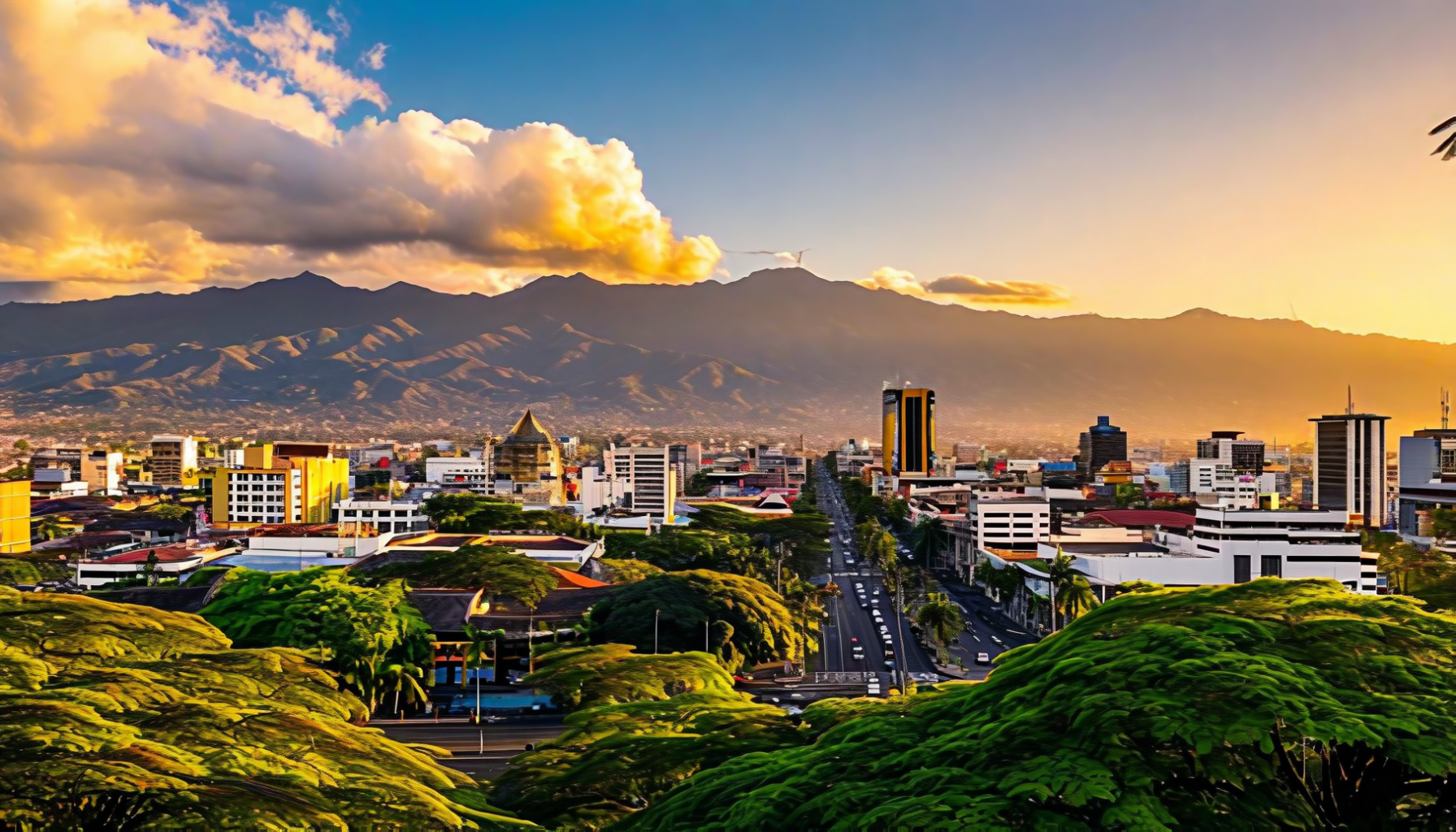
The Teatro Nacional, finished in 1897 and paid for by a tax the coffee barons levied on themselves, is the single most beautiful building in the country and still stages a full programme. Beneath the Plaza de la Cultura, the Museo del Oro Precolombino holds a superb pre-Columbian goldwork collection; the Museo del Jade is better than it sounds and architecturally striking. The Mercado Central, opened in 1880, is where to eat a bowl of olla de carne at a counter.
Barrio Amón preserves the coffee-boom mansions; Barrio Escalante is the food and craft-beer district and the best eating in the country outside a few resort kitchens. Restaurants like Silvestre and Sikwa have built a serious contemporary Costa Rican cuisine on indigenous ingredients — worth planning an evening around.
From the city, half-day trips reach the craters of Poás (subject to closure when the volcano is active) and Irazú at 3,400 m, the Orosi valley, and the coffee estates of the Central Valley slopes.
🌋 Arenal & La Fortuna
Arenal (1,670 m) is the postcard volcano: an almost perfect cone above rainforest and a lake. It was thought extinct until 29 July 1968, when it erupted without warning, destroyed three villages and killed around 87 people. It then erupted more or less continuously for four decades — visitors in the 1990s and 2000s watched glowing rockfalls from hotel terraces at night — and fell quiet in 2010. It has been in a resting phase since, which means no lava, and anyone promising you an eruption is selling something.
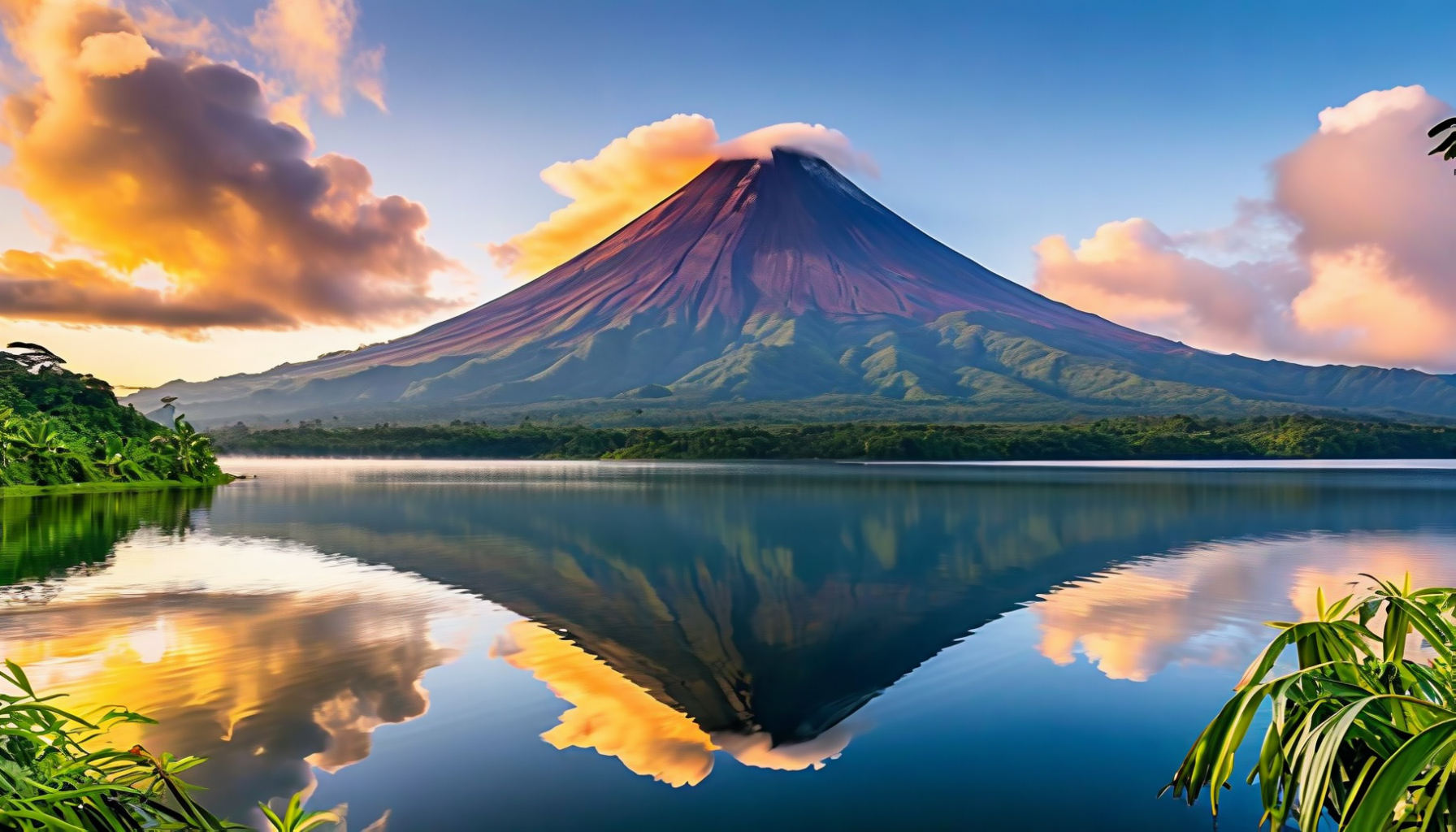
The geothermal heat remains, and it is the basis of the area's hot springs: the elaborate resorts at Tabacón and Baldí, the smaller and better-value Ecotermales and Los Laureles, and — the local secret — the free public river pools where the hot water enters the Río Chollín under the bridge near Tabacón.
La Fortuna, the gateway town, is the country's adventure hub: canopy zip-lines, hanging-bridge walks at Mistico, white-water rafting on the Balsa and Toro, canyoning, horseback rides and the 70-metre La Fortuna waterfall, reached by around 500 steps down and, more memorably, back up. Caño Negro wetlands to the north are excellent for birds and caimans.
The jeep-boat-jeep transfer across Lake Arenal to Monteverde — about three hours, and far better than the long road around — is the standard and correct way to link the country's two most-visited inland destinations.
☁️ Monteverde — the Cloud Forest
Monteverde was founded in 1951 by American Quakers who left Alabama rather than register for the Korean War draft, and who chose Costa Rica specifically because it had just abolished its army. They bought land on the continental divide, set up a dairy, and — crucially — set aside a large watershed as forest. That decision produced what is now one of the most studied cloud forests on Earth.
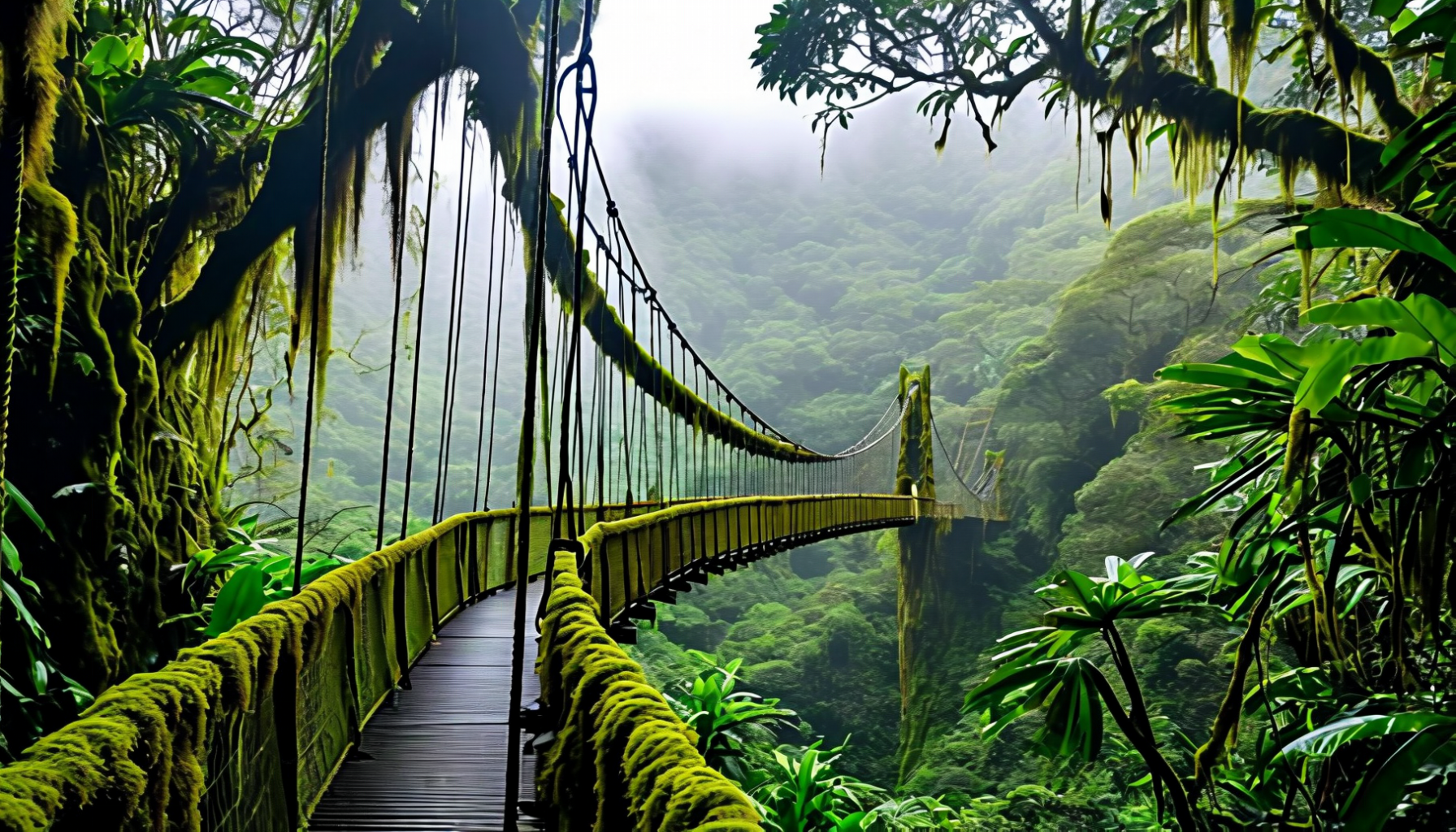
Cloud forest is not rainforest: it is cooler, wetter in a different way, and its water comes as much from mist captured by vegetation as from rain. Branches are so thick with epiphytes — bromeliads, orchids, mosses — that the trees are barely visible under them. The star species are the resplendent quetzal (best in the March–June nesting season), the three-wattled bellbird with its metallic hammer of a call, and around thirty hummingbird species.
The main reserves are the Monteverde Cloud Forest Biological Reserve, the quieter Santa Elena Reserve, and the vast Children's Eternal Rainforest, bought with money raised by schoolchildren in Sweden and elsewhere from 1987. Hanging-bridge walks at Selvatura and Sky Adventures put you in the canopy; night walks are excellent and genuinely different. And the Monteverde Cheese Factory, still going from the Quaker dairy, is the reason there is decent cheese in Costa Rica at all.
Practical note: the road up is notoriously rough, and the community has repeatedly resisted paving it on the grounds that a bad road limits visitor numbers. Bring a fleece and a rain shell — it is 12–18 °C and often blowing mist.
🏖️ The Pacific Coast
Manuel Antonio is the country's smallest national park at 1,983 hectares and among its most visited: four crescent beaches backed by primary rainforest, with white-faced capuchins that have learned exactly what a rucksack contains, three-toed sloths in the almendro trees, and agoutis underfoot. Arrive at opening, keep food sealed, and do not feed the monkeys — an instruction that exists because enough people ignored it to change the animals' behaviour.
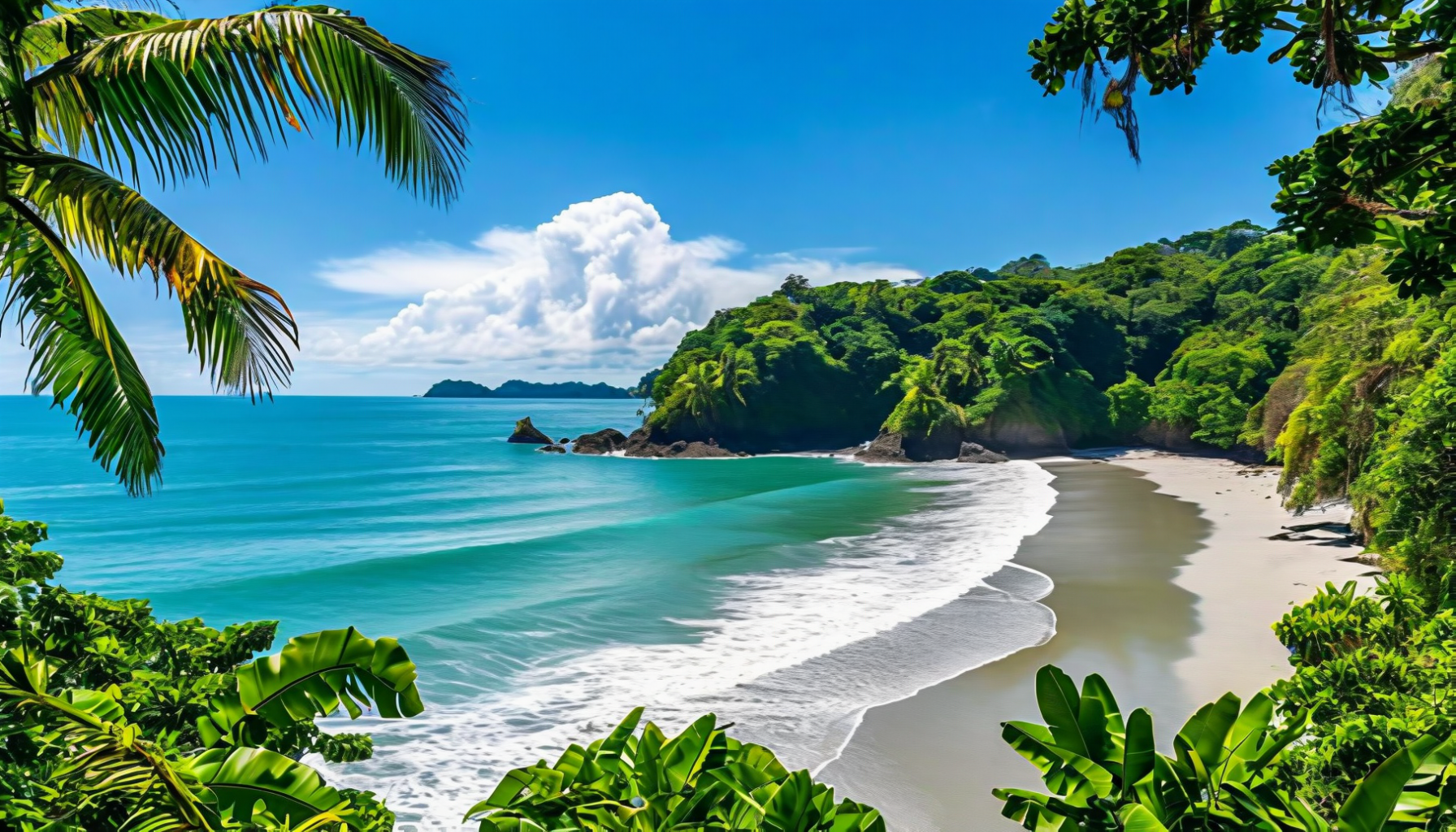
North, the Nicoya Peninsula and Guanacaste are the beach country: Tamarindo for surf schools and nightlife, Sámara and Nosara for something calmer, Santa Teresa for the surf-and-yoga crowd, Playa Grande for leatherback nesting. This is the dry side, with a real dry season and tropical dry forest — a globally rare habitat protected in Santa Rosa and Palo Verde.
Nicoya is also one of the world's five identified Blue Zones, regions with unusual concentrations of people living past 90. The explanations offered — beans and maize, hard physical work, strong family and community ties, a sense of purpose — are more plausible than most longevity claims, though the data is debated.
South, past Dominical and Uvita — where Marino Ballena's sandbar forms a natural whale's tail and humpbacks pass through — lies the Osa Peninsula and Corcovado National Park, which National Geographic once called the most biologically intense place on Earth. It is the last substantial Pacific lowland rainforest in Central America, holds jaguars, tapirs, scarlet macaws and all four Costa Rican monkey species, and requires a certified guide and advance permits to enter.
🐢 Tortuguero & the Caribbean
The Caribbean side is a different country: wetter, hotter, Afro-Caribbean and Bribri in culture, and much less visited.
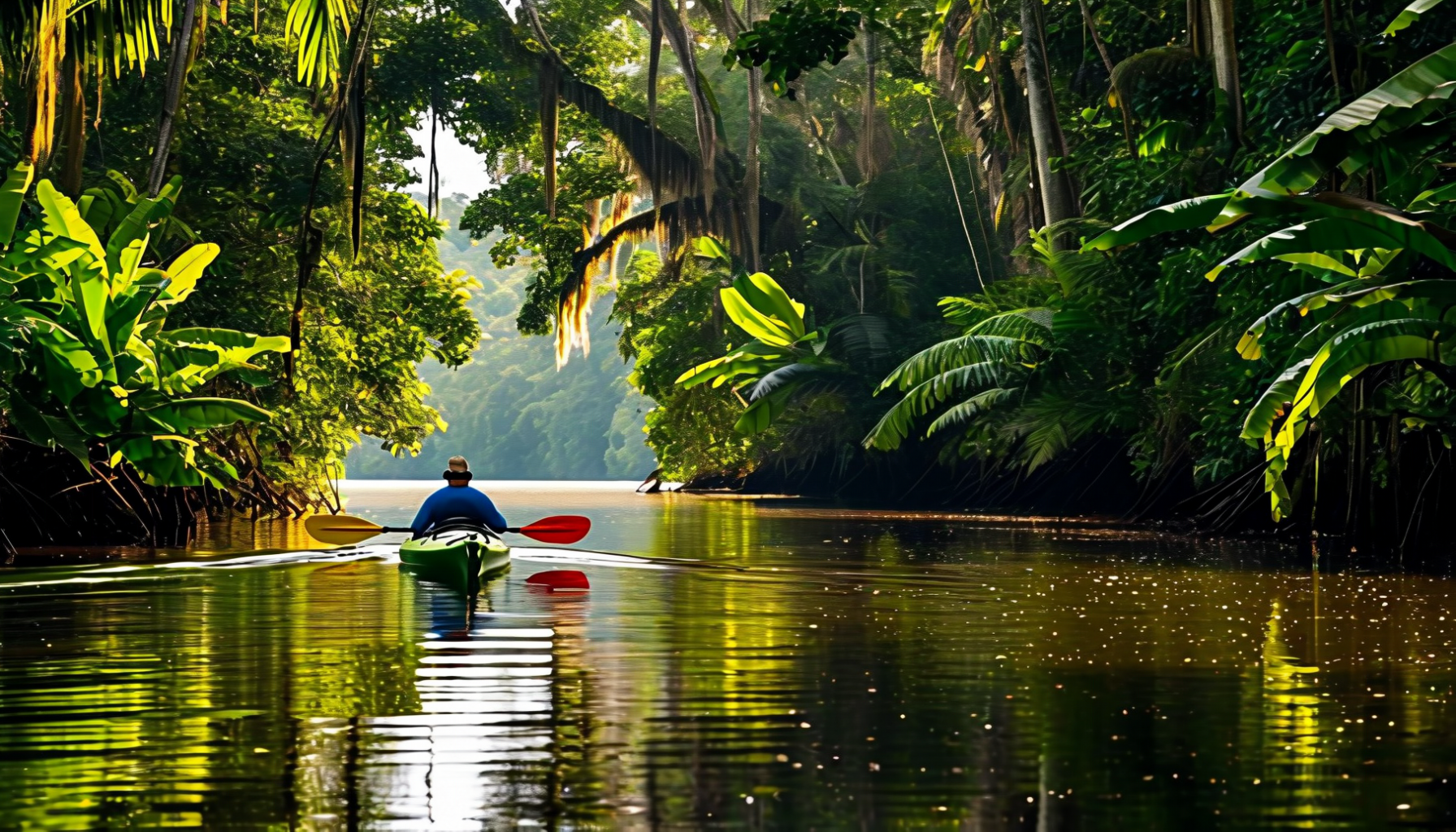
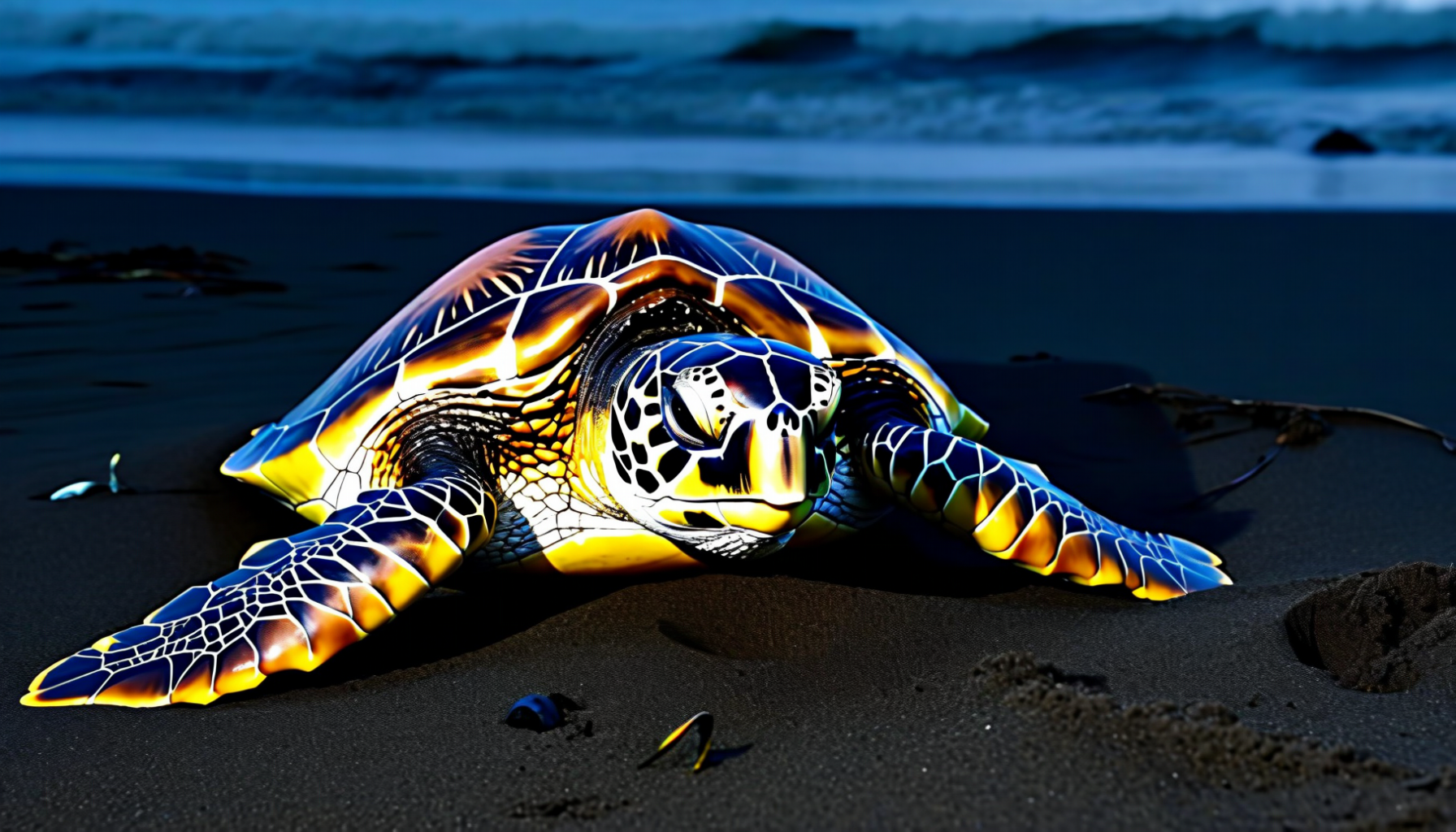
Tortuguero National Park has no road access at all — you arrive by boat along the canals or by small plane. The park is a labyrinth of freshwater channels through lowland rainforest, best explored at dawn by kayak or a quiet boat: caimans, river otters, howler and spider monkeys, three species of kingfisher and over 400 bird species. From July to October, green sea turtles nest on the 35 km of black-sand beach, the largest green turtle rookery in the western hemisphere; leatherbacks come earlier, from March to May. Night tours are strictly regulated, guided, and run in cooperation with the conservation programme that has monitored this beach since 1955.
Further south, Puerto Viejo de Talamanca is where the country slows to a halt in the best way. Reggae, rice and beans cooked in coconut milk, hand-painted signs, cacao farms in the hills, and the Salsa Brava reef break that is one of the heaviest waves in Central America. Cycle the coast road to Playa Cocles, Playa Chiquita and Punta Uva — genuinely one of the best beaches in the country — and on to the Gandoca-Manzanillo refuge, where rainforest meets a living coral reef.
The Bribri and Cabécar territories inland run community-led visits — cacao processing, medicinal plants, waterfalls — which are among the more honest cultural experiences available in the country because the communities run them themselves.
🦥 Wildlife & Conservation
Costa Rica records well over 500,000 species — around 6% of the world's known biodiversity — including some 900 birds, 250 mammals, 175 amphibians and an estimated 300,000 insects. For a first-time visitor the practical point is that you will see a great deal without trying.
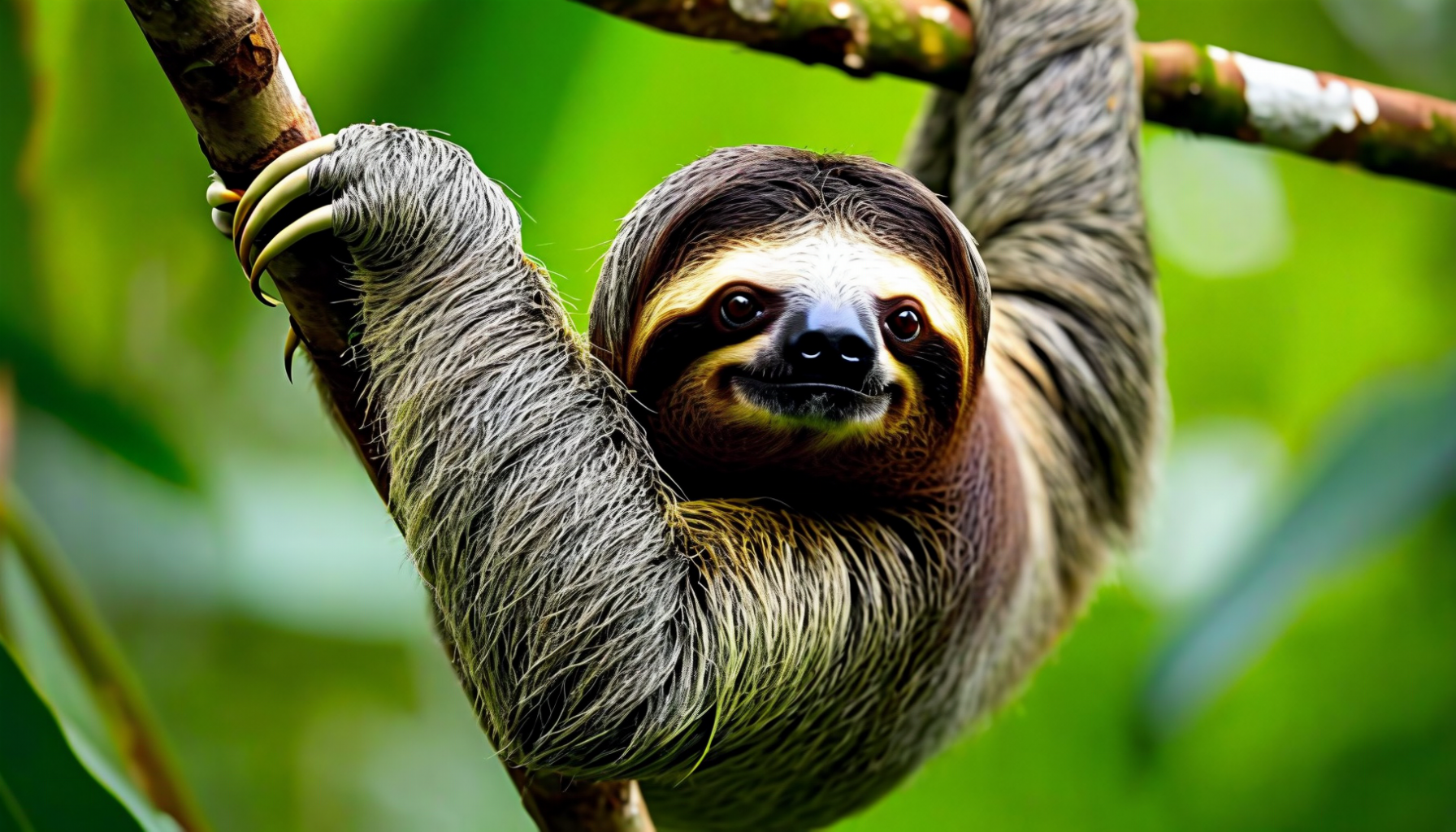
Sloths
Both two-toed and three-toed species. Look for a grey lump in a cecropia tree; a guide will find them and you will not.
Four monkey species
Howler (heard for kilometres), white-faced capuchin, spider and the tiny squirrel monkey, which lives only on the central and southern Pacific coast.
Resplendent quetzal
Cloud forest, best March–June. San Gerardo de Dota is the most reliable place in the country.
Scarlet macaws
Recovered dramatically from near-collapse; now common on the Osa and around Carara.
Sea turtles
Green and leatherback at Tortuguero, olive ridley arribadas — mass synchronised nestings of tens of thousands — at Ostional on the Pacific.
Red-eyed tree frog
The poster animal. Nocturnal, and a night walk is the only realistic way to see one.
The conservation story is the country's proudest and is genuinely exceptional: forest cover collapsed to roughly 21% by 1987 under cattle expansion, and is now back above 50%, largely through a payment for ecosystem services scheme funded by a fuel tax that pays landowners to keep forest standing. More than a quarter of the national territory is protected. Costa Rica has won UN environmental prizes for it and other countries have copied the mechanism.
It is not uncomplicated. Pineapple and banana monoculture uses agrochemicals at high intensity, coastal development pressure is real, and "eco" is an unregulated marketing word here as everywhere — look for genuine certification (CST) rather than a green logo.
🍜 Cuisine
Tico food is not showy. It is honest, fresh and built on rice, black beans, plantain and whatever grows nearby — and after a week of it you understand why Costa Ricans abroad talk about it the way they do. The everyday lunch is the casado, "married man": rice, black beans, fried plantain, cabbage salad, a protein and often a small picadillo, served in a soda — the small family restaurants that are the backbone of eating here and where the food is usually better than in tourist restaurants at a third of the price.
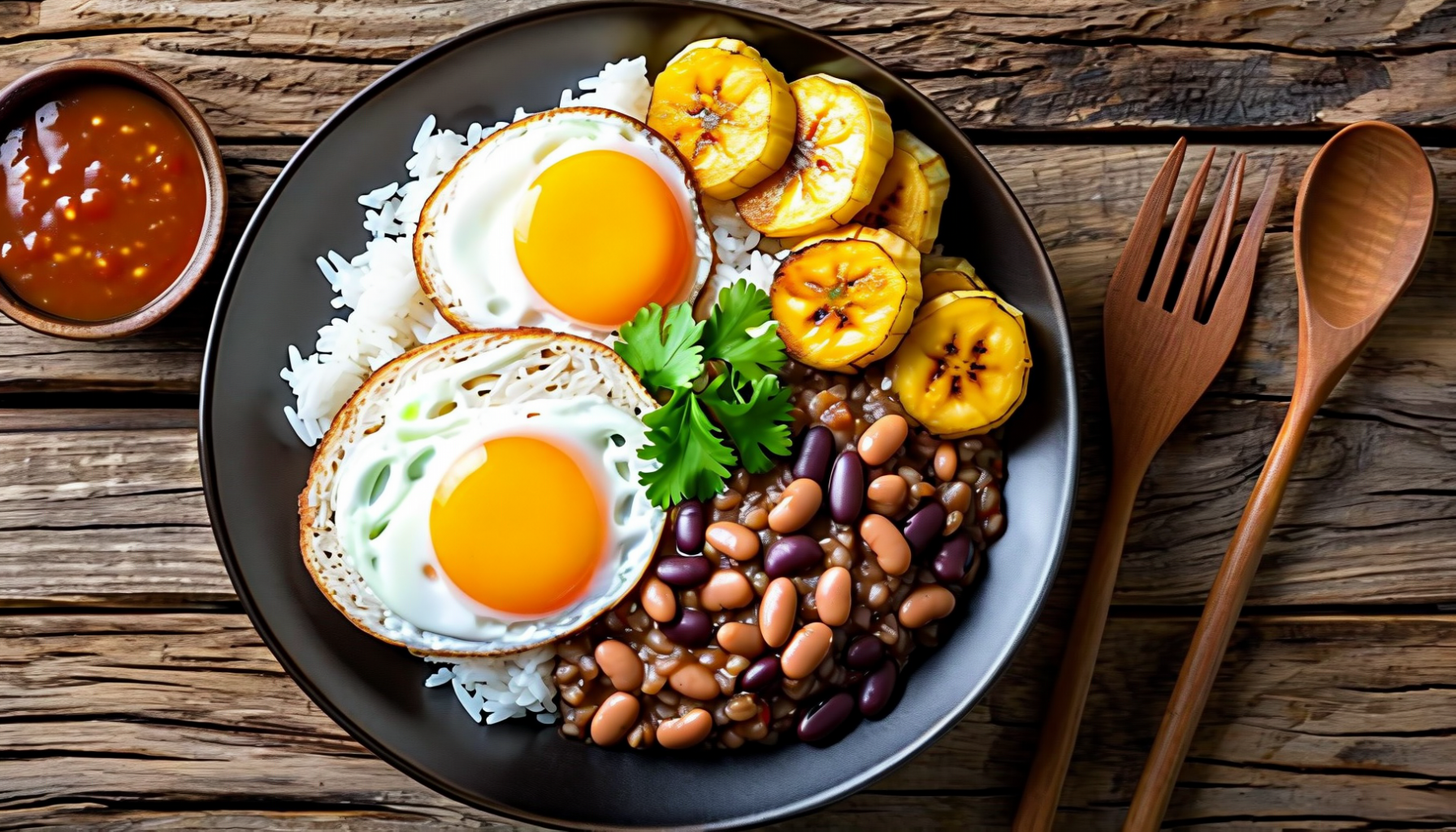
🍚 Gallo Pinto — the national breakfast
Serves 4 · 25 minutes
Ingredients: 2 cups cooked white rice (day-old is essential), 1½ cups cooked black beans plus 3 tbsp of their liquid, 1 small onion diced, 1 red pepper diced, 3 cloves garlic minced, 2 tbsp oil, 3 tbsp Salsa Lizano, 3 tbsp chopped coriander, salt and pepper.
Method: Heat the oil in a wide pan and soften the onion, pepper and garlic for about 4 minutes. Add the beans with their liquid, then the rice. Stir gently — never mash — so each grain stays separate and takes on colour. Add the Lizano, season, and cook 5 minutes more. Finish with coriander.
💡 Serve with fried eggs, natilla (sour cream), fried sweet plantain and a tortilla. Salsa Lizano has no real substitute — bring a bottle home.
🥘 Olla de Carne — Sunday beef stew
Serves 6 · 2½ hours
Ingredients: 1 kg beef shank on the bone, 2 corn cobs cut in thirds, 2 chayotes quartered, 2 yuca roots peeled and chunked, 2 green plantains, 1 taro or ñampí, 2 carrots, 1 onion, 2 tomatoes, 4 cloves garlic, coriander stems, salt.
Method: Cover the beef with cold water, bring to a simmer and skim carefully. Add onion, garlic, tomato and salt and simmer 90 minutes until the meat gives. Then add the root vegetables in order of hardness — yuca, taro and plantain first, chayote and corn in the last 20 minutes. Finish with fresh coriander.
💡 Serve the broth first, then the meat and vegetables, with rice on the side and Lizano on the table. This is Sunday lunch for three generations.
Ceviche
Pacific sea bass cured in lime with coriander and red onion. Served with soda crackers, which is correct and non-negotiable.
Chifrijo
Rice, beans, chicharrón and pico de gallo in a bowl. A bar snack invented in the 1990s and now everywhere.
Rice and beans
The Caribbean version — cooked in coconut milk with thyme and a whole habanero, and a completely different dish from gallo pinto.
Tamales
Corn dough parcels steamed in banana leaf. Strictly a Christmas food, made in family assembly lines.
Patacones
Green plantain smashed and fried twice. The correct vehicle for black bean dip.
Tres leches
Sponge soaked in three milks. The national dessert, and better here than most places that claim it.
☕ Coffee, Guaro & Drinking Culture
There is no wine industry — the lowlands are too hot and the highlands too wet — but Costa Rica is a serious drinking country in every other respect.
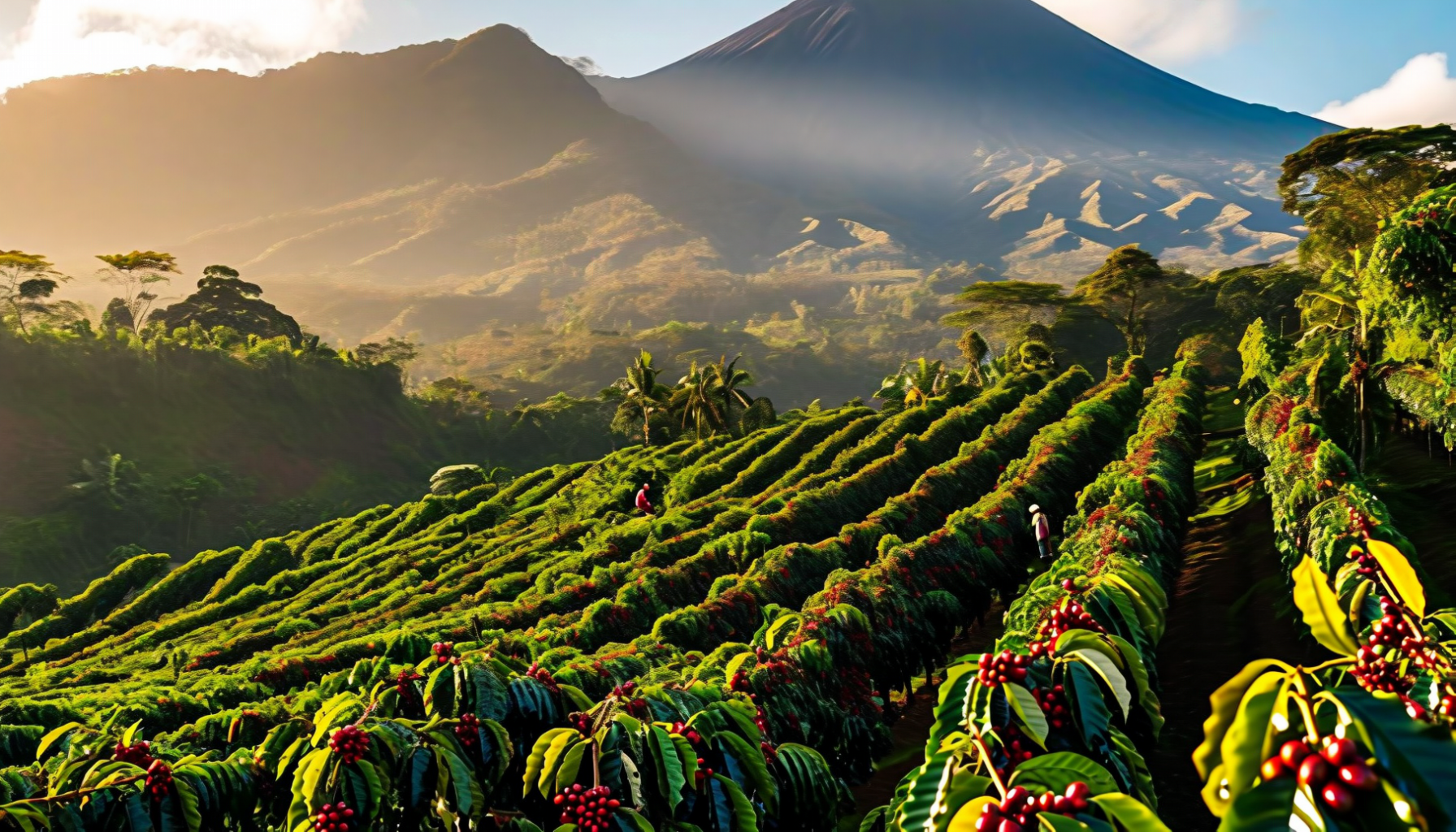
Coffee is the national treasure and the country takes it unusually seriously: growing anything other than arabica was illegal from 1989 until 2018, when the government lifted the robusta ban for the hot lowlands — ICAFE decides where — so the highland cup is still arabica, just no longer by statute. The great regions are Tarrazú, Naranjo, Orosi, Tres Ríos and the Central Valley slopes, at 1,200–1,900 m in volcanic soil. The traditional brewing method is the chorreador — a cloth sock in a wooden stand — and it makes a cleaner, more aromatic cup than the equipment suggests.
Estate tours run at Doka on Poás, Finca Rosa Blanca and dozens of Tarrazú micro-mills, and the good ones cover the whole chain including the economics. The everyday coffee is café con leche or, for children and the hungover, agua dulce — hot water with raw cane sugar.
Guaro Cacique is the national spirit: a clear sugar-cane distillate around 30% ABV, produced by the state-owned FANAL since the 19th century, cheap, and drunk mainly as the chiliguaro — a shot with tomato juice, lime, Tabasco, salt and pepper that is Costa Rica's answer to a Bloody Mary and considerably more fun.
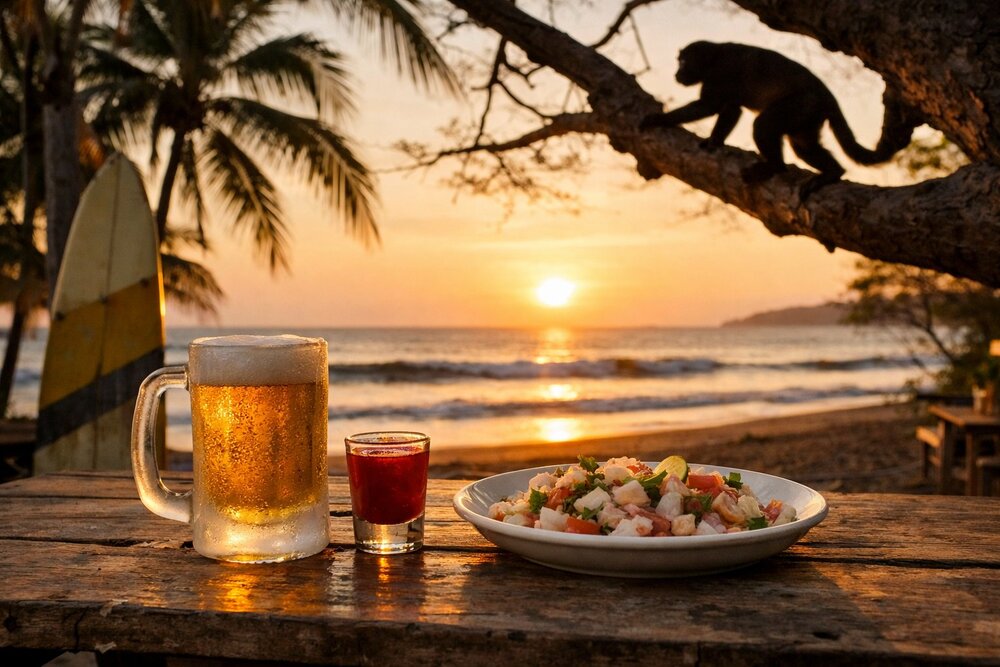
Imperial, in the black eagle can, is the default beer, with Pilsen its main rival; the craft scene has grown fast since the 2010s, with Costa Rica's Craft Brewing Company, Treintaycinco and Numu leading it, and Barrio Escalante in San José as its centre. Ron Centenario is the local aged rum and a genuinely good one.
🍹 Cocktails
🌶️ Chiliguaro
45 ml Guaro Cacique, 60 ml tomato juice, 10 ml lime, 4 dashes Tabasco, 2 dashes Worcestershire, salt and pepper, celery-salt rim. Shake briefly with ice, strain into a rimmed shot glass, drink in one.
🥥 Coco Loco
Served inside a fresh green coconut: 45 ml white rum, 30 ml guaro, 15 ml triple sec, the coconut water, 15 ml lime, ice. The beach drink.
☕ Café con Ron
Strong Tarrazú coffee, 30 ml Ron Centenario 7, a teaspoon of raw cane sugar, orange peel. For a rainy afternoon in Monteverde, which is most afternoons in Monteverde.
🍹 Guaro Sour
Guaro, lime, sugar syrup and a dash of bitters — the local take on a pisco sour, and the one to order if the chiliguaro sounds alarming.
🌿 Agua de sapo
Non-alcoholic and traditional: tapa de dulce (raw cane sugar block) dissolved with ginger and lime. "Toad water", for reasons nobody satisfactorily explains.
🍺 Michelada
Imperial with lime, salt and hot sauce over ice. The correct drink at 33 °C on a Guanacaste beach.
🌡️ Climate & Best Time to Visit
Costa Rica has two seasons — verano (dry, roughly December to April) and invierno, marketed as the "green season" (May to November) — but the crucial point is that temperature is set by altitude, not season, and the two coasts do not share a calendar.
Pacific side
Reliably dry December–April; afternoon downpours May–November, typically clear mornings. 28–32 °C on the coast all year.
Caribbean side
Marches to its own drum: wettest around December and July, driest in September–October — the exact months the Pacific is at its wettest.
Central Valley
18–24 °C year-round at 1,000–1,500 m. The reason the population lives here.
Cloud forest
12–18 °C, wind and mist most days. Bring a fleece and a proper rain shell, not a poncho.
Chirripó · 3,820 m
Near-freezing at night, and the only place in the country where you will want a hat and gloves.
Green season value
May, June and November: lush landscapes, far fewer people, prices down substantially, and rain that mostly arrives after lunch.
Best overall: mid-December to mid-April, which is also the most expensive and crowded — Christmas, New Year and Easter week need booking months ahead. Best value: May, June and November. Worst bet: September and October on the Pacific, which are genuinely wet — though they are the best months on the Caribbean, so the trip is still possible, just reversed.
✈️ Getting There & Getting Around
Two international airports: Juan Santamaría (SJO) at Alajuela, 20 km from San José, and Daniel Oduber (LIR) at Liberia in Guanacaste, which is the better arrival if your trip is the northern Pacific beaches. Direct services run from many US cities, Mexico City, Panama, Bogotá, Madrid and, seasonally, several European hubs.
From Prague there is no direct flight: the practical routings are via Madrid (Iberia), Amsterdam, Frankfurt, Paris or a US hub, with total journey times of roughly 16–20 hours and one or two connections.
Visas: Czech and other EU citizens need no visa for tourist stays of up to 180 days — doubled from 90 in September 2023 for the "group one" nationalities, which include Czechia and the rest of the EU. The stamp is at the officer's discretion, so do not assume the full 180. You must show an onward or return ticket and proof of funds; both are checked more often than people expect. There is a departure tax, normally included in the ticket price.
Driving is the standard way to see the country and gives you the roadside stops that make the trip. Take the 4×4 if you are going to Monteverde, the Osa or anywhere unpaved — it is not upselling. Mandatory third-party insurance is added to every rental and is not optional, whatever your credit card covers; budget for it. Roads are narrow, drop-offs are unguarded, and driving after dark outside towns is genuinely inadvisable.
Public buses are cheap, extensive and slow. Shared shuttles (Interbus, Caribe Shuttle) connect the tourist circuit door-to-door and are the sensible middle option. Domestic flights with Sansa reach Tortuguero, Drake Bay, Nosara, Tamarindo and Puerto Jiménez in 30–60 minutes, saving whole days on the Osa and Caribbean routes.
📋 Practical Information
Electricity
120 V, 60 Hz, US-style flat two-pin (types A and B). Czech devices need an adapter and, for anything not dual-voltage, a converter.
Money
The colón (CRC). US dollars are widely accepted for tourism services, but you get a worse rate — pay in colones where you can. Cards work almost everywhere; carry cash for sodas and small towns.
Water
Tap water is safe in San José, the Central Valley and most of the country. On the Caribbean coast and in remote areas, ask or filter.
Health
No malaria risk in the main tourist areas; dengue is present nationwide — use repellent. No yellow fever certificate needed unless arriving from an endemic country. Healthcare is genuinely good; private clinics in San José are excellent.
Connectivity
Kölbi (state-owned ICE), Claro and Liberty (the former Movistar, rebranded 2022); prepaid SIMs and eSIMs are cheap and easy. Coverage is good on the main circuit and thin in Corcovado and Tortuguero.
Time
UTC−6 year round, no daylight saving. Eight hours behind Czech summer time, seven in winter.
Tipping
A 10% service charge and 13% VAT are added to restaurant bills by law — the service charge is the tip. Extra is optional and not expected.
Addresses
Given from landmarks, not street numbers. Learn the phrase "200 metros este" and let taxi drivers do the rest.
Safety: Costa Rica is among the safest countries in Latin America and violent crime against tourists is rare, but opportunistic theft is common and organised. Never leave anything in a parked car, anywhere, for any length of time — this is the single most frequent way visitors lose things. Use hotel safes, avoid deserted beaches after dark, and be aware that rip currents drown more tourists here than crime harms them: check for flags and ask locally before swimming.
The homicide rate has risen sharply since 2020 — a record 907 killings in 2023 and 873 in 2025, about 16.8 per 100,000 — but it is overwhelmingly gang score-settling over cocaine routes, concentrated in Limón, parts of San José and Puntarenas, and not on the tourist circuit. Break-ins at rental villas and Airbnbs are the crime that does reach visitors.
⚠️ Travel advisory (checked September 2026): US State Department Level 2 — Exercise Increased Caution for crime, reissued 2 April 2026 and unchanged for years; no regional Level 3 or 4 zones. The Czech MZV lists no restrictions. Rip currents kill more foreign visitors each year than crime does.
💰 Costs & Travel Budget
Costa Rica is the most expensive country in Central America and visitors coming from Nicaragua or Guatemala find the jump startling. It is roughly comparable to southern Europe, with park fees and organised activities on top.
Budget · US$50–70/day
Hostel dorm or cheap cabina, eating at sodas, public buses, a couple of park entries. Doable and pleasant, but the activities are what cost money.
Mid-range · US$120–200/day
Small hotel or B&B, rental car with insurance, restaurant dinners, a guided tour every other day.
Comfortable · US$300+/day
Eco-lodges, private guides, domestic flights, the better hot springs. The Osa and Tortuguero lodges sit here by default.
Typical prices
Casado at a soda US$6–9 · restaurant main US$15–25 · Imperial US$3–4 · park entry US$10–18 · guided night walk US$25–35 · rental car with mandatory insurance from US$50/day.
Two budget lines catch people out. First, mandatory rental car insurance is added on top of the advertised rate and can double it — the headline price online is not the price. Second, national park entry is per person per park and adds up quickly on a two-week circuit; several parks now require online booking in advance, Manuel Antonio and Chirripó especially.
Money-saving that actually works: eat lunch at sodas, buy the plato del día, use the public buses on long straight routes, travel in green season, and skip one zip-line in favour of one good guide — a naturalist guide will show you more in two hours than a week of walking alone.
🏨 Accommodation
The range is wide and the middle is strong: family-run cabinas, B&Bs, small hotels and a large number of genuinely good eco-lodges, some of which are among the best in the Americas at what they do.
Look for the CST (Certificación para la Sostenibilidad Turística), the government sustainability certification, if the eco claim matters to you — "eco" is otherwise an unregulated marketing word and is attached to plenty of places that simply have a garden.
Region by region: La Fortuna has everything from hostels to hot-spring resorts; Monteverde runs to lodges and cabins, often cold at night; Manuel Antonio is the priciest strip in the country, with cheaper options in Quepos; Guanacaste has the large all-inclusives, which are the least Costa Rican experience available; Puerto Viejo is cheap, informal and excellent value; and the Osa and Tortuguero lodges are typically all-inclusive because there is nowhere else to eat.
Book Christmas, New Year and Semana Santa (Easter week) months ahead — the whole country travels then, and prices rise accordingly.
🎭 Festivals & Events
Fiestas de Zapote · 25 Dec–early Jan
San José's year-end fair: bullfights in which the bull is not harmed and the amateurs mostly are, carnival rides, food stalls, and the country's biggest party.
Día de los Boyeros · March, Escazú
The oxcart drivers' festival. The painted carreta is a UNESCO-listed craft and the national symbol of rural Costa Rica.
Semana Santa · March/April
Easter week. Processions, the coast full, and much of the country closed — including, in many places, alcohol sales on Thursday and Friday.
Día de Juan Santamaría · 11 April
The drummer boy of the 1856 Battle of Rivas, and the closest thing the army-less country has to a military hero.
Día de la Independencia · 15 September
Lantern parades on the eve, and a freedom torch relayed on foot from Guatemala arriving the same night.
Día de las Culturas · 12 October
Reframed from Columbus Day; the Limón carnival on the Caribbean coast is the real event, with calypso and comparsas.
🏛️ UNESCO World Heritage
Cocos Island National Park (1997, extended 2002)
550 km into the Pacific, uninhabited but for rangers. Hammerhead and whale shark aggregations make it one of the world's great dives; reachable only by multi-day liveaboard.
Talamanca Range–La Amistad Reserves / La Amistad National Park (1983, extended 1990)
A vast transboundary reserve shared with Panama across the Talamanca range — the largest protected area in Central America and barely penetrable.
Área de Conservación Guanacaste (1999, extended 2004)
Tropical dry forest, one of the most endangered habitats on Earth, restored over decades at Santa Rosa and Rincón de la Vieja.
Diquís stone spheres (2014)
The pre-Columbian settlements of the Diquís delta with their near-perfect stone spheres — still unexplained, and the country's only cultural listing.
Oxcart tradition (intangible, 2005/2008)
The painted oxcart and its craft tradition — proclaimed a Masterpiece in 2005 and carried onto the Representative List in 2008; still the country's only intangible-heritage inscription.
Chirripó & the páramo
Chirripó National Park is one of the protected areas that together form the inscribed Talamanca property — the country's highest peak and a genuinely alpine ecosystem at 9° north.
Tentative List — Corcovado & Isla del Caño (2003)
The only entry on Costa Rica's tentative list, waiting since 2003 and never nominated. The inscribed count stayed at four (three natural, one cultural) after the 48th Committee session in Busan, July 2026.
🎒 Packing Tips
Rain gear that works
A proper waterproof shell, not a poncho — it rains hard and daily in green season, and Monteverde is wet in any month.
Layers for altitude
28 °C on the coast and 13 °C in the cloud forest on the same day. A fleece is not optional.
Repellent and long sleeves
Dengue is present nationwide. Dusk is the moment that matters.
Binoculars
The single item that most changes the trip. Sloths, quetzals and monkeys are all further away and higher up than you expect.
Quick-dry everything
Humidity means cotton stays wet for days. Synthetic or merino, and a dry bag for electronics.
Reef-safe sunscreen & water shoes
Sun at 10° north is fierce, and beaches are frequently rocky or have strong currents.
Leave behind: drones without permission (restricted in national parks), and anything you would mind losing from a parked car.
🔬 Fascinating Facts
No army since 1948
Abolished after a civil war and written into the constitution. The defence budget went to schools and hospitals.
6% of the world's species
On 0.03% of the world's land surface — one of the highest biodiversity densities anywhere.
Deforestation reversed
Forest cover fell to roughly 21% in 1987 and is back above 50% — an almost unique national turnaround.
98%+ renewable electricity
Hydro, geothermal, wind and solar. The grid has run for long stretches entirely without fossil fuels.
Arabica only — for thirty years
Growing robusta was banned in 1989 to protect the country's coffee reputation; the ban was lifted in 2018 for lowland areas, and the highlands still grow nothing else.
A Blue Zone
The Nicoya Peninsula is one of five regions worldwide identified for exceptional longevity.
Stone spheres nobody can explain
Hundreds of near-perfect granodiorite spheres up to 2.6 m across, carved by the Diquís and still unexplained.
Addresses without streets
Directions are given in metres from landmarks, including landmarks demolished decades ago.
⭐ Notable Costa Ricans
Laura Fernández (President since 2026)
Political scientist and former minister; won the presidency outright on 1 February 2026 with 48.5% and took office on 8 May 2026 — the second woman to hold it.
Rodrigo Chaves (b. 1961)
Ex-World Bank economist, president 2022–26; a populist who fought the press and the courts, and now serves his successor as minister of the Presidency and of Finance.
Óscar Arias (b. 1940)
President twice; Nobel Peace Prize 1987 for the Esquipulas plan that helped end Central America's civil wars.
José Figueres Ferrer (1906–1990)
"Don Pepe". Won the 1948 civil war, abolished the army, gave women the vote, and handed over power.
Franklin Chang Díaz (b. 1950)
NASA astronaut with seven Space Shuttle missions — a joint record — and now a plasma-rocket engineer.
Keylor Navas (b. 1986)
Goalkeeper; three consecutive Champions League titles with Real Madrid (2016–18), and at 39 still the starter for Pumas UNAM, whom he took to the Liga MX Clausura final in May 2026. A national figure of a different order.
Christiana Figueres (b. 1956)
UN climate chief who led the process that produced the 2015 Paris Agreement.
Carmen Naranjo (1928–2012)
Novelist, poet and diplomat; one of the defining voices of Costa Rican literature.
Claudia Poll (b. 1972)
Costa Rica's only Olympic gold medallist, in swimming at Atlanta 1996.
Chavela Vargas (1919–2012)
Born in Costa Rica, made in Mexico; one of the great voices of ranchera.
⚽ Sports
Football is the national sport by a distance. La Sele — the national team — reached the quarter-finals of the 2014 World Cup after topping a group containing Uruguay, Italy and England, which remains the country's greatest sporting moment and is discussed as such. The run of three straight World Cups (2014, 2018, 2022) ended on 18 November 2025: a 0–0 draw with Honduras in San José left La Sele third in its Concacaf group behind Haiti, and Costa Rica watched the 2026 tournament in North America from home — the 2025 Gold Cup quarter-final, lost to the United States on penalties, was the summer's high point. The domestic league is dominated by the clásico rivals Saprissa of San José and Alajuelense of Alajuela, and a Saprissa home match is worth going to.
Surfing is the other national obsession and the country is one of the world's best destinations for it: consistent Pacific swell almost year-round, Salsa Brava on the Caribbean for experts, and beginner beaches at Tamarindo, Sámara and Jacó with schools on every corner.
Costa Rica has one Olympic gold — Claudia Poll, swimming, Atlanta 1996 — went home from Paris 2024 without a medal, and produces disproportionate numbers of long-distance cyclists and mountain runners. Whitewater rafting on the Pacuare and Reventazón is world class, and the Pacuare in particular is regularly rated among the best commercially run rivers anywhere.
Two things that are not sports but read like them: corridas a la tica, the bullfights at Zapote where the bull is not killed and volunteers in the ring take their chances instead, and the ox-cart parades, which are contested with entirely serious pride.
📰 Media & Press Freedom
Costa Rica still ranks at or near the top of press-freedom indices in Latin America, but its global standing has slipped: 38th of 180 in Reporters Without Borders' 2026 index (score 72.35), down from 36th in 2025 and from the top 25 earlier in the decade, with RSF citing President Chaves's verbal attacks on critical outlets and restrictions on access to public information. The constitution protects free expression, and the country abolished criminal defamation penalties for journalists reporting on public officials — a reform most of the region has not made.
The main outlets are La Nación, the paper of record, the tabloid Diario Extra, which has the largest circulation, the public university station Radio Universidad, and the television channels Teletica and Repretel. The English-language Tico Times, founded in 1956, has moved online and remains a useful starting point for visitors.
The pressures are the ordinary modern ones — concentrated ownership, advertising decline, and, since 2022, an openly hostile presidency: Rodrigo Chaves made La Nación and other critical outlets regular targets, his party's parliamentary leader Pilar Cisneros called in April 2024 for the Legislative Assembly to cancel its subscriptions to them, and in May 2026 the United States revoked the visas of several La Nación board members without public explanation — rather than the violence or imprisonment that afflict journalism elsewhere in the region. Foreign journalists work here without accreditation problems, which is one reason the country hosts a good deal of regional reporting.
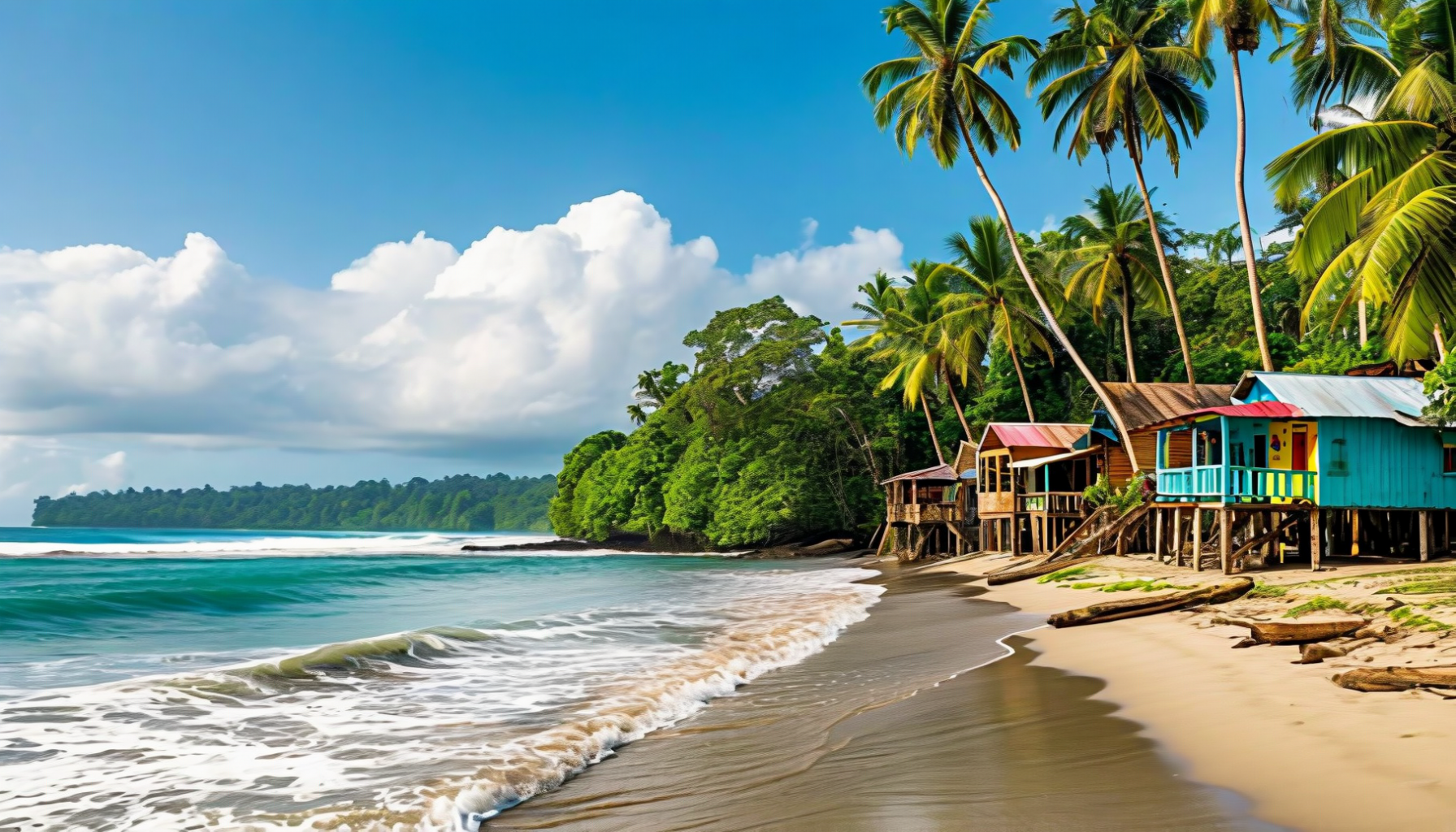
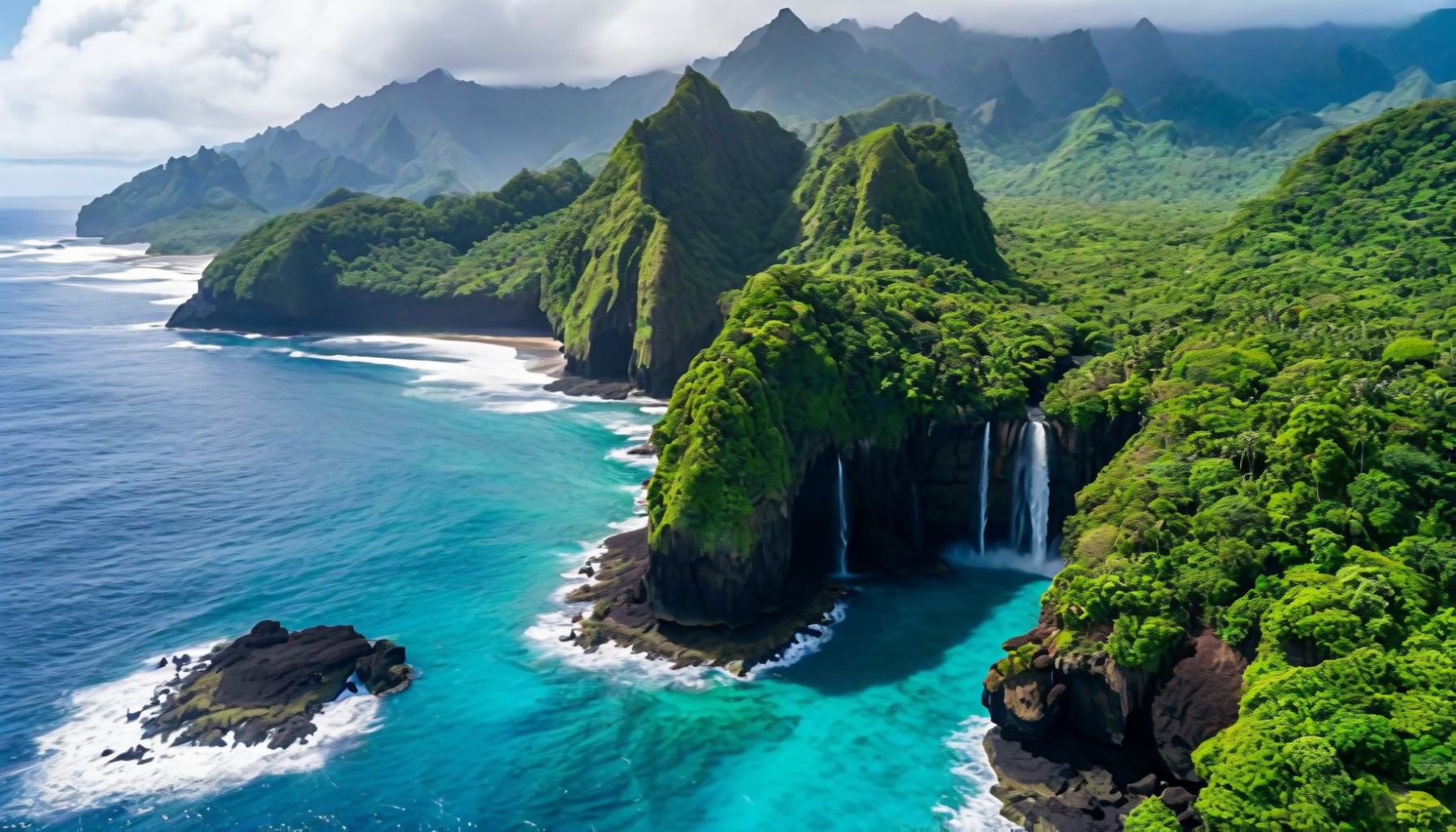
📸 Photo Gallery
Share your Costa Rica photos! Send them to photos@kaufmann.wtf to be featured here with credit.
🌐 Useful Resources
SINAC — national parks
Park status, opening hours and the advance booking system several parks now require: sinac.go.cr
Visit Costa Rica
The official tourism board (ICT), including the CST sustainability certification register: visitcostarica.com
The Tico Times
English-language news since 1956 — the quickest way to know what is actually going on: ticotimes.net
MZV ČR & DROZD
Czech travel advice and voluntary pre-travel registration: mzv.gov.cz
📚 Recommended Reading & Watching
The Costa Rica Reader · ed. Palmer & Molina
History, culture and politics in primary sources. The best single book if you want to understand the place rather than tour it.
Green Phoenix · William Allen
How the Guanacaste dry forest was restored — the story behind one of the UNESCO listings.
A Neotropical Companion · John Kricher
The standard readable introduction to tropical ecology. Read it before you go and the forest makes sense.
The Birds of Costa Rica · Garrigues & Dean
The field guide people actually carry. Compact and genuinely usable.
Mamita Yunai · Carlos Luis Fallas
The classic Costa Rican novel of the banana plantations, by a man who worked them.
Costa Rica: A Traveler's Literary Companion
Short fiction by Costa Rican writers, region by region.
A Bold Peace (2016)
Documentary on the abolition of the army and what followed.
Nature documentaries
Almost any BBC or National Geographic rainforest sequence filmed in Central America was shot here. Look for the Osa and Monteverde footage.
✍️ Author's Note
"Costa Rica has been marketed so heavily that it is easy to arrive cynical. Pura vida is on every T-shirt, every second hotel calls itself eco-something, and the country knows exactly how good its story sounds. I arrived expecting the gap between the brochure and the place to be wide."
"It is narrower than almost anywhere I have been. A country really did abolish its army and spend the money on schools. Forest cover really did fall to a fifth and really has come back past half. The grid really does run on water, steam and wind. These are not slogans; they are measurable, and the people who did it are still around to be asked about it."
"What stays with me is smaller. A guide in Monteverde stopping dead on a trail, pointing his scope at a branch forty metres up, and saying nothing at all until I had the quetzal in focus. Rain arriving at two in the afternoon with the punctuality of a bus. And a bowl of olla de carne at a counter in the Mercado Central, served by a woman who asked where I was from and then, when I said the Czech Republic, told me about her cousin in Ostrava. Pura vida, she said, taking the plate. It was not a slogan then either."
— Radim Kaufmann, September 2026
Support This Project 🌍
This World Travel Factbook is a labor of love – free to use for all travelers. If you find it helpful, consider supporting its continued development.
