🇨🇽 Christmas Island at a Glance
🌏 Overview
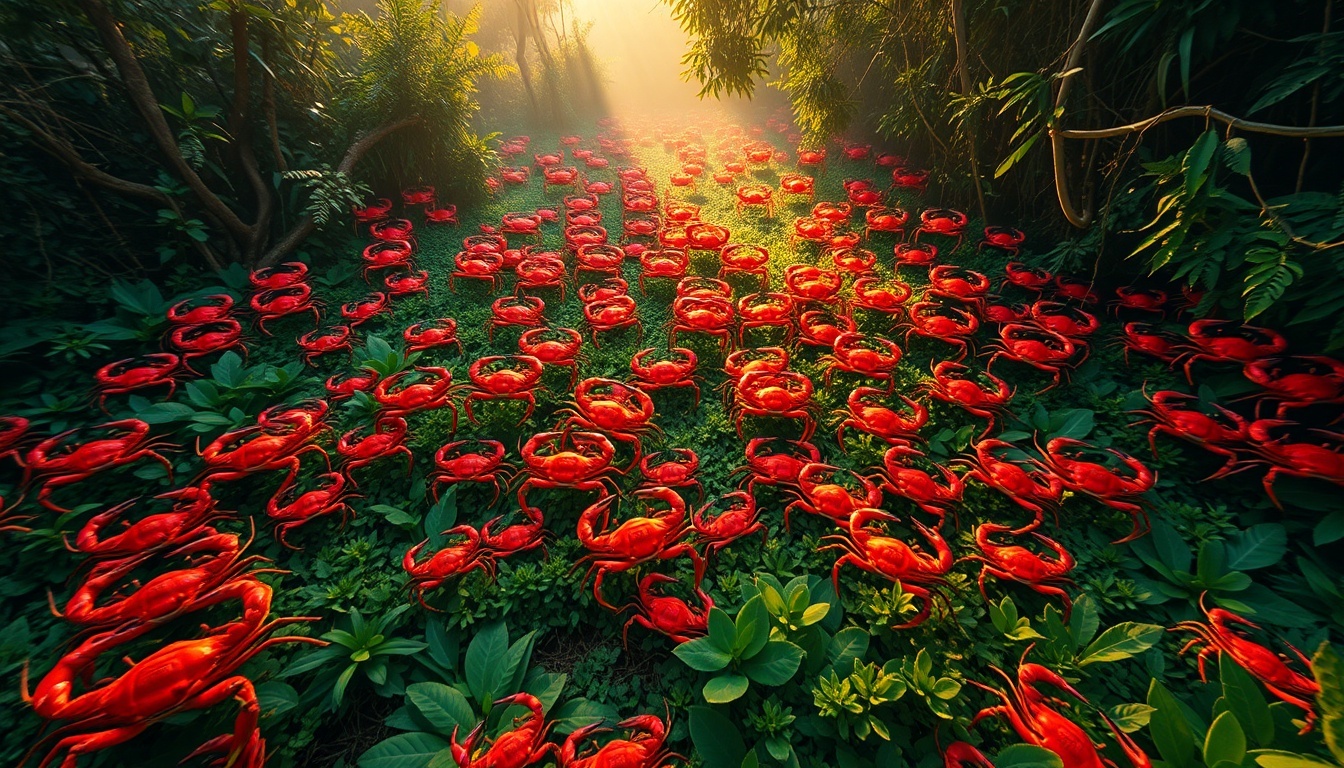
There is a moment each November when Christmas Island transforms into a living carpet of red. Millions of Christmas Island red crabs emerge from their forest burrows and march in crimson waves toward the sea. Roads close, walking paths become impassable, and the entire island pulses with the ancient rhythm of one of nature's most spectacular migrations — a phenomenon so extraordinary it has become synonymous with this tiny Australian territory lost in the Indian Ocean.
Christmas Island sits isolated some 350 kilometers south of Java, Indonesia, yet belongs to Australia — a geographic anomaly that has shaped its unique character. With only 1,692 residents at the 2021 census, scattered across 135 square kilometers, this is one of the least populated places on Earth. Its tropical rainforest shelters endemic species found nowhere else, its limestone cliffs plunge into turquoise water, and its cultural blend reflects waves of Chinese, Malay, and European settlement drawn originally by phosphate mining.
For travelers who make the journey — and it requires effort, with two QantasLink flights a week from Perth via the Cocos (Keeling) Islands, plus school-holiday charters from Jakarta — Christmas Island offers something increasingly rare: genuine remoteness combined with Australian infrastructure and safety standards. Two-thirds of the island lies within national park, protecting forests where robber crabs larger than dinner plates climb trees, where birds found nowhere else nest in karst caves, and where snorkeling reveals coral reefs untouched by mass tourism. It is also, for most Australians, the name of a place they know for a very different reason: the North West Point immigration detention centre, whose two decades of asylum-seeker politics are as much a part of the island's story as the crabs.
🏷️ Name & Identity
The name is exactly what it looks like: Captain William Mynors of the East India Company ship Royal Mary sighted the island on 25 December 1643 and named it for the day. The formal title is the Territory of Christmas Island — in Malay Wilayah Pulau Krismas, in Chinese 聖誕島領地 — and it should not be confused with Kiritimati in Kiribati, the Pacific atoll that also goes by "Christmas Island". The ISO code is CX, which gives the territory its own .cx internet domain, its own flag (a green-and-blue field with the Southern Cross, a golden bosun bird and a gold disc showing the island's outline, official since 2002) and its own time zone.
Identity here is layered rather than singular. Residents are Australian citizens who vote in the Northern Territory's Division of Lingiari, live under Western Australian law applied by the Commonwealth, and celebrate Chinese New Year, Hari Raya and Territory Day with equal conviction. Locals simply say "the Island"; the Chinese community's historic quarter is Poon Saan, the Malay quarter is the Kampong above the cove, and the Australian Government's most senior representative is the Administrator — since May 2023 Farzian Zainal, a fourth-generation islander and the first local ever appointed to the post.
🗺️ Geography & Climate
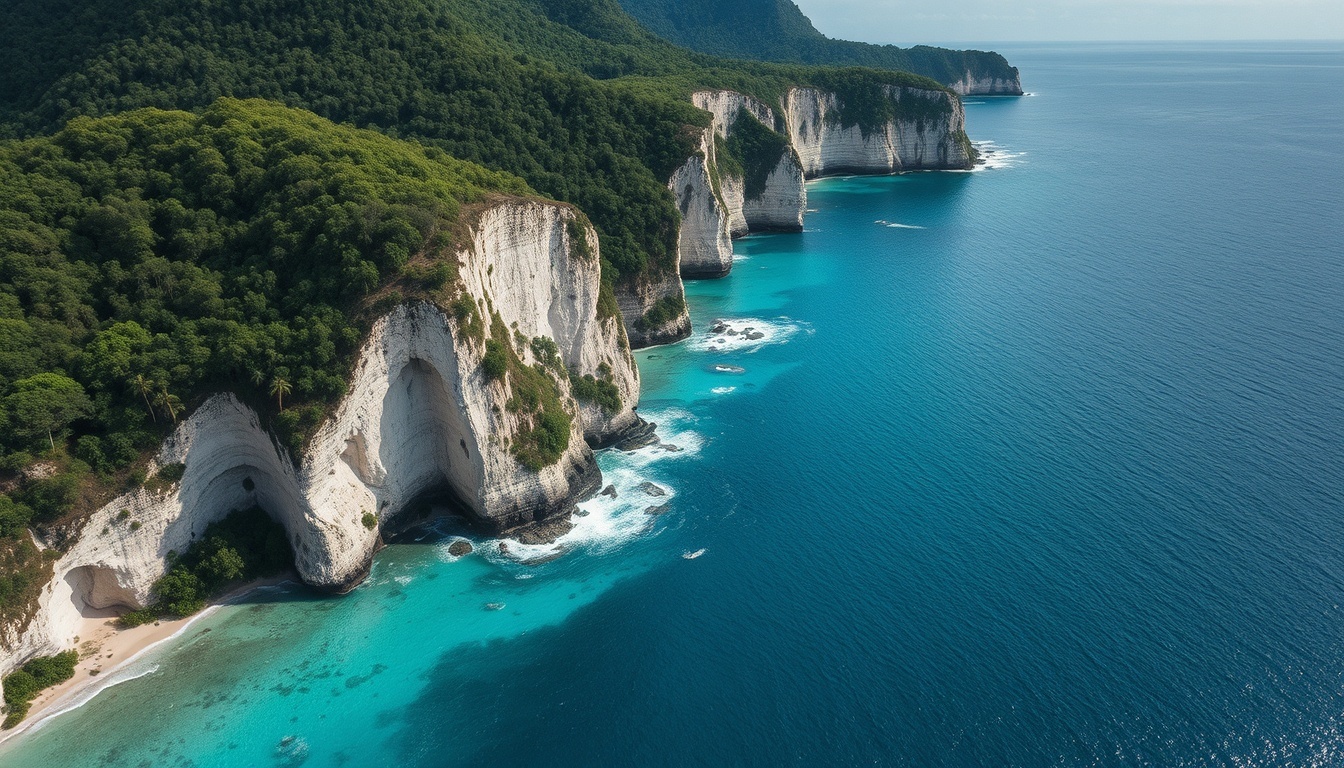
Christmas Island rises from the deep Indian Ocean as an ancient limestone plateau built from coral growth over millions of years. The highest point reaches only 361 meters at Murray Hill, yet dramatic 20-meter cliffs ring most of the coastline, creating a natural fortress against the sea. The limestone dissolves slowly, creating extensive cave systems that shelter specialized wildlife found nowhere else.
The climate is tropical monsoonal, with high humidity year-round and temperatures rarely straying from 22–28°C. The wet season runs December through April, bringing heavy rain that triggers the red crab migration and replenishes freshwater supplies. Southeast trade winds moderate the heat during the dry season (May–November), the most comfortable window for visitors, though rain can fall any month.
Settlement clings mainly to Flying Fish Cove on the northeast coast and Silver City near the airport, leaving vast stretches of forest virtually untouched. An extensive road network — built during phosphate mining's heyday — reaches remote areas, though many routes need four-wheel drive in wet conditions.
🗺️ Map
Key destinations marked below — Flying Fish Cove and the settlement on the north-east coast, the national park's Dales, Blowholes and beaches to the south and west, and Margaret Knoll, the best crab-migration lookout.
📜 History
Captain William Mynors of the British East India Company gave Christmas Island its English name on Christmas Day, 1643, when his ship passed the uninhabited island. The steep cliffs and lack of natural harbors prevented permanent settlement until the phosphate era, even though Malay and Chinese fishermen had known these waters for centuries.
Discovery of massive phosphate deposits in 1887 transformed everything. Britain annexed the island in 1888, and by 1899 the Christmas Island Phosphate Company began mining operations that would define the next century. Chinese and Malay laborers arrived by the thousands to work the mines, creating the multicultural foundation that persists today. Japanese forces occupied the island from March 1942 until war's end — a period remembered for hardship but relatively limited violence compared to other occupied territories.
Australia assumed sovereignty in 1958, after Britain excised it from the Colony of Singapore; Australia paid Singapore about £2.8 million in compensation for the phosphate revenue it lost, and the transfer took effect on 1 October 1958 — the date Territory Day still marks. The government-owned mine closed in December 1987, but Phosphate Resources Limited — a consortium that included many former mine workers — reopened it in 1990 and remains the island's largest private employer, with more than 150 staff and leases that now run to 2034. Politically, it remains an Australian external territory: an Administrator appointed by the Governor-General is the Commonwealth's senior representative (Farzian Zainal since 11 May 2023, reappointed for a further three years from 1 June 2026), Western Australian law is applied by federal arrangement, and residents hold full Australian citizenship.
The chapter Australians know best began in 2001, when the Howard government excised the island from the migration zone under the "Pacific Solution" and built a temporary detention camp at Phosphate Hill. The purpose-built North West Point centre opened in 2008 at a final cost of more than A$400 million; by June 2013 it held 2,960 people against a design capacity of about 1,100. On 15 December 2010 a wooden boat carrying asylum seekers broke apart on the cliffs below Flying Fish Cove in full view of residents, killing 48 — the island's darkest day. The centre closed in September 2018, was reopened in 2019, housed 240 Australians evacuated from Wuhan for COVID-19 quarantine in February 2020, and last held detainees in 2023; it has since been kept on standby, its politics never far from the surface in Canberra.
👥 People & Culture
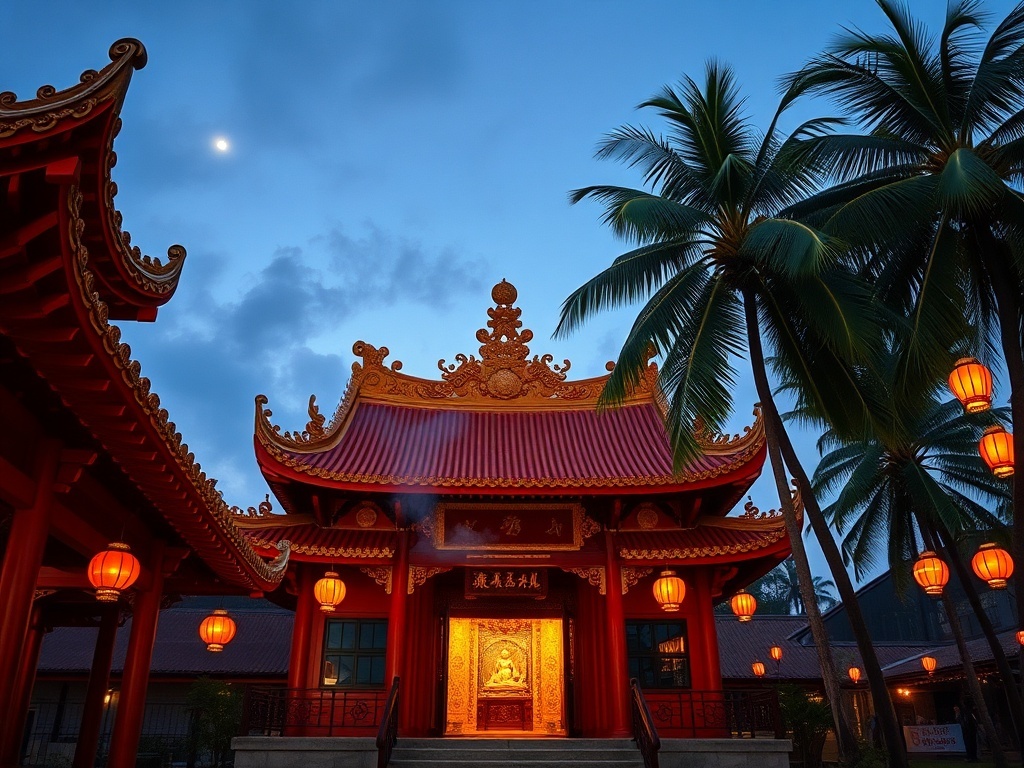
Christmas Island's population — 1,692 at the 2021 census, down from over 2,000 a decade earlier as the mine and the detention centre shed jobs — is one of Australia's most diverse communities. The 2021 census recorded Chinese (22%), Australian (17%), Malay (16%) and English (12.5%) as the leading ancestries; only 29% of residents speak English alone at home, with Malay (18%) and Mandarin (14%) next, and Islam (22%) and Buddhism (15%) are the largest faiths. The Chinese and Malay communities descend from workers brought to the phosphate mines from 1899 onward, creating a society where Buddhist and Taoist temples stand alongside mosques and churches.
This cultural blend shows most visibly in the island's festivals: Chinese New Year brings dragon dances, firecrackers, and traditional feasts; Hari Raya marks the end of Ramadan with community gatherings; Territory Day each October honors the island's unique political status with barbecues and cultural performances that draw everyone together.
Despite its small population, the island maintains schools, a hospital, and community centers that serve residents well. English is the common language, though Malay and various Chinese dialects remain spoken at home. The sense of community runs deep — neighbors know neighbors, and the isolation that might breed insularity instead fosters remarkable social cohesion.
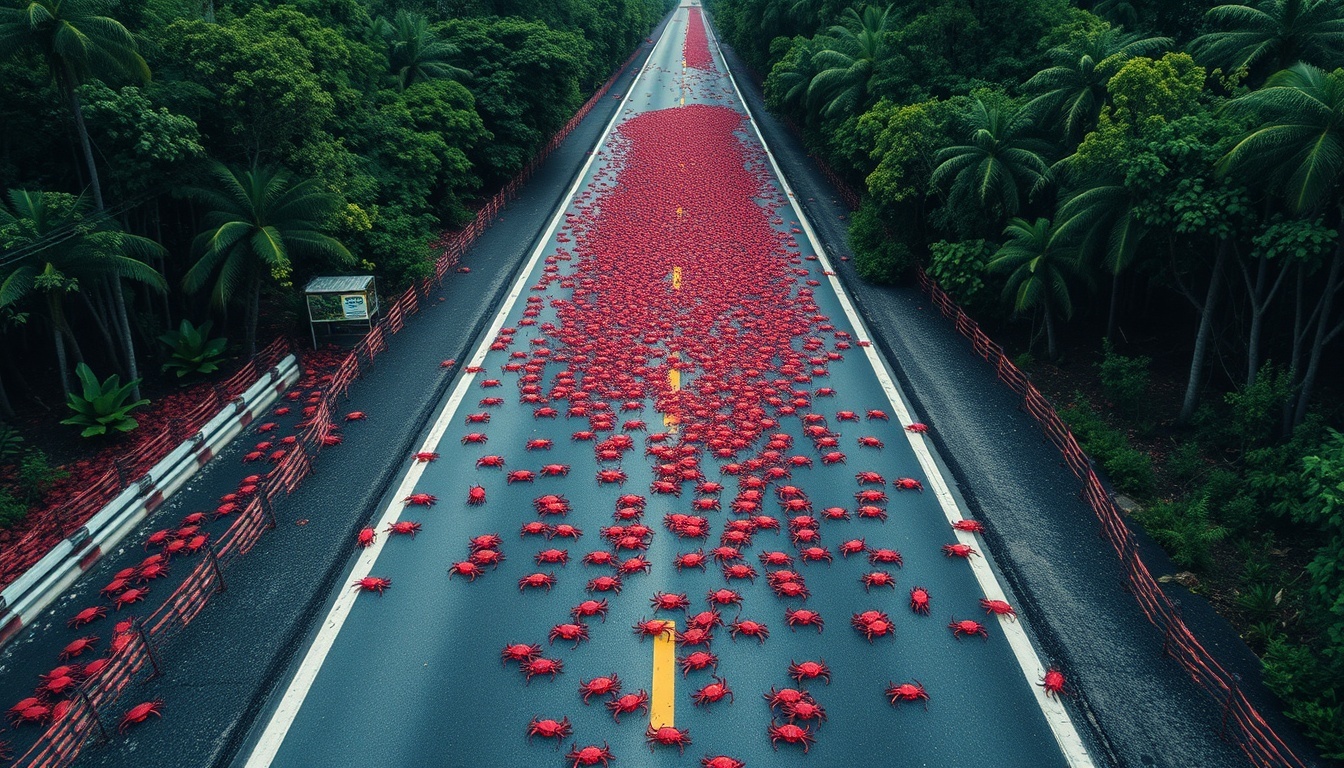
Migration in Full Flow
Roads transform into rivers of red during peak migration — a sight found nowhere else on Earth.
🦀 The Red Crab Migration
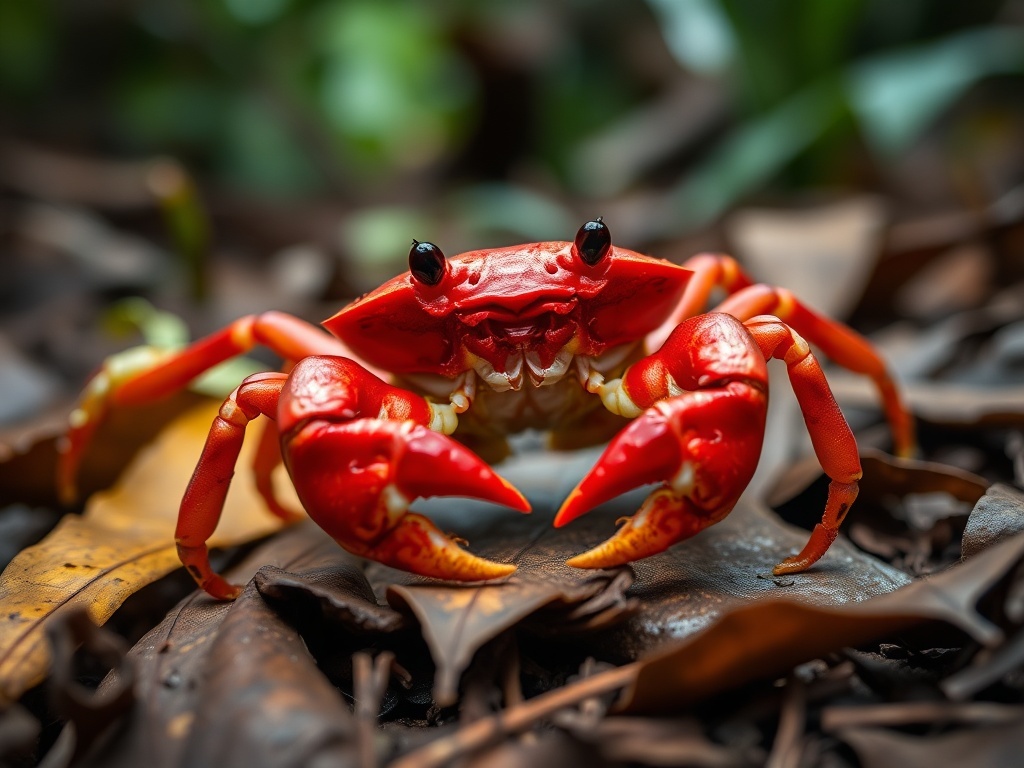
The phenomenon that draws visitors worldwide unfolds with precise natural timing. Red crabs spend ten months underground in forest burrows, emerging only briefly to feed. When November rains signal the approaching monsoon and the lunar cycle aligns, an ancient trigger fires — millions of adult crabs leave their burrows simultaneously and begin marching toward the ocean, a journey that may span several kilometers and take a week or more.
Males arrive at the coast first, excavating small burrows in the beach terraces above the high-tide line. Females follow days later; mating occurs in these temporary burrows, and males then return to the forest while females remain another two weeks developing eggs in a specialized brood pouch. At high tide during the last quarter moon, when tidal amplitude is smallest, females enter the water and release up to 100,000 eggs each in a single spawning event.
For human residents, the migration brings disruption and wonder in equal measure. Roads close at peak times, with temporary fences and special underpasses helping crabs cross safely. For visitors fortunate enough to witness peak migration — timing requires planning around unpredictable rain patterns — the spectacle exceeds imagination: millions of crimson crustaceans moving with shared purpose across an entire island.
🦎 Wildlife & Natural Wonders
Christmas Island functions as an evolutionary laboratory. Isolated for millions of years, its species evolved into forms found nowhere else. The red crab (Gecarcoidea natalis) dominates in sheer numbers — estimates suggest 40 to 100 million individuals inhabit the island's forests. The robber crab (Birgus latro), also called the coconut crab, grows to leg spans exceeding one meter — the world's largest terrestrial arthropod, capable of cracking coconuts with its claws and climbing trees.
The Christmas Island flying fox, an endemic bat with a wingspan reaching one meter, pollinates the forest canopy. Birdlife includes the Christmas Island frigatebird, which breeds nowhere on Earth but this island (in four forest colonies), and the endangered Abbott's booby, one of the few seabirds anywhere to nest in tall forest trees rather than on coasts. The Christmas Island pipistrelle — a tiny endemic bat — was last recorded on 26 August 2009 and formally declared extinct in 2017, a loss that still shapes current protection programs. Its near-contemporary, the blue-tailed skink, survived only in captivity: after a decade of captive breeding, 545 were released on Horsburgh Island in the Cocos (Keeling) group in July 2026, the latest step in an assisted-colonisation program begun in 2019.
Marine life thrives in surrounding waters: steep drop-offs create habitat for pelagic species, whale sharks pass during migration season, and reef fish display classic Indo-Pacific diversity. The island's most serious ecological threat is the invasive yellow crazy ant, introduced accidentally and blamed for killing tens of millions of red crabs. Since 2016 Parks Australia has fought it with a biocontrol wasp that starves the ants of their honeydew supply, and in August 2024 with drone-dropped bait over the worst super-colonies. Feral cats are the other front: almost 300 were removed in 2022 alone in a push toward eradication.
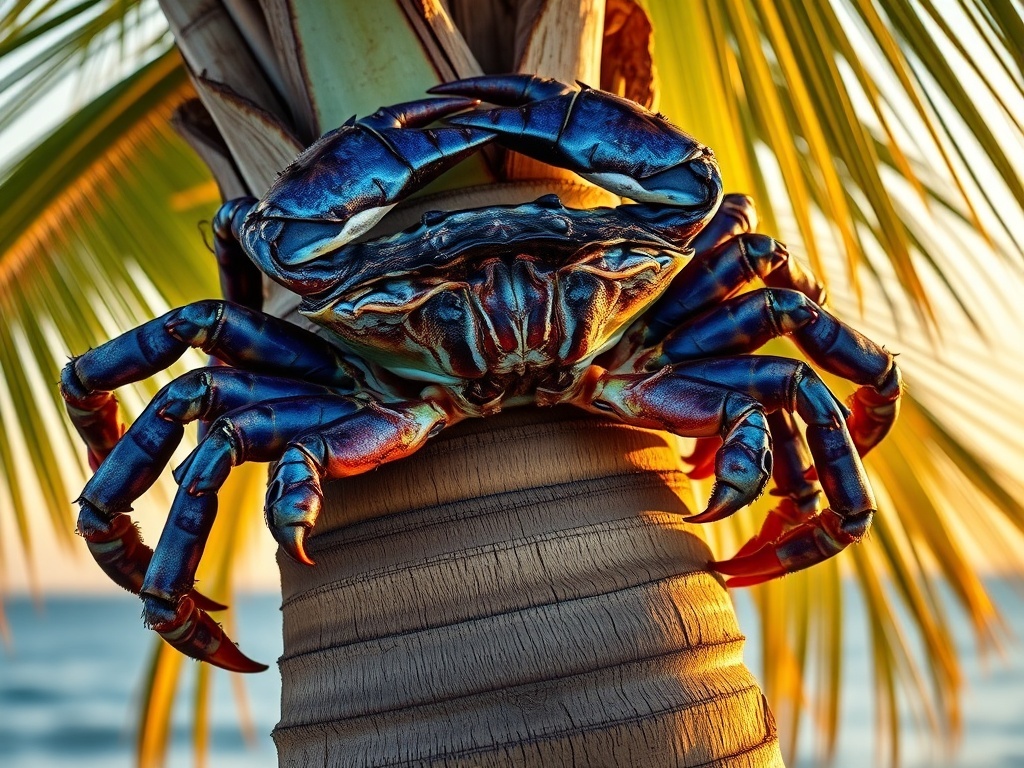
The Mighty Robber Crab
The world's largest terrestrial arthropod — capable of cracking coconuts and climbing trees.
🏘️ Flying Fish Cove
Flying Fish Cove serves as Christmas Island's capital, main settlement, and only harbor — a crescent-shaped bay that has anchored island life since the phosphate era began. Home to most of the island's residents, this small town offers shops, restaurants, the island's hospital, government offices, and accommodation ranging from the Sunset Hotel to self-catering apartments.
The cove itself provides excellent snorkeling directly from shore, with coral gardens and clear visibility most days. A small jetty and the phosphate loading cantilever serve the occasional cargo ship; there is no sea link to the Cocos (Keeling) Islands, which lie 975 km to the west and are reached only by air. Historic buildings from the mining era — the Administrator's residence, former company offices — dot the settlement, and the Christmas Island Museum documents local history from geological formation through mining to present-day conservation.
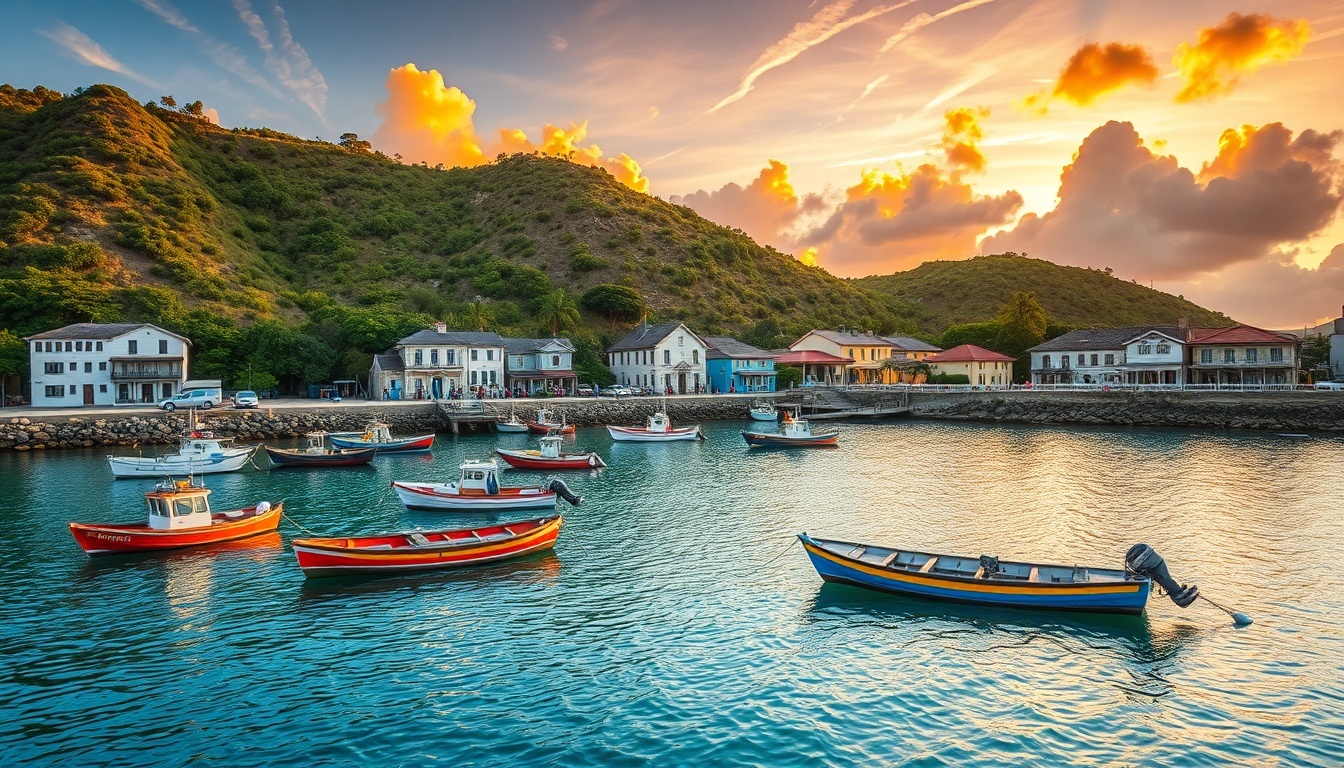
Flying Fish Cove
The territory's capital, only harbour and best shore snorkel — all in one crescent bay.
🌴 Christmas Island National Park
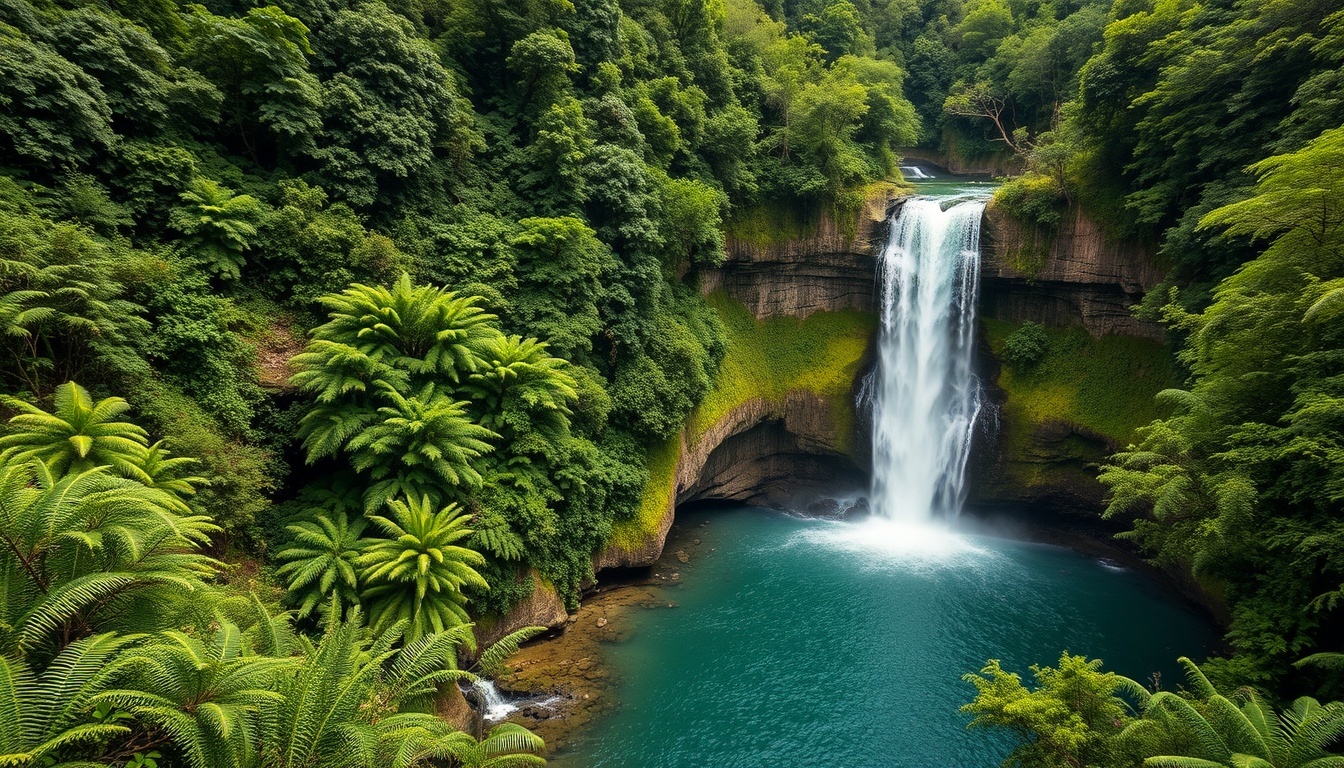
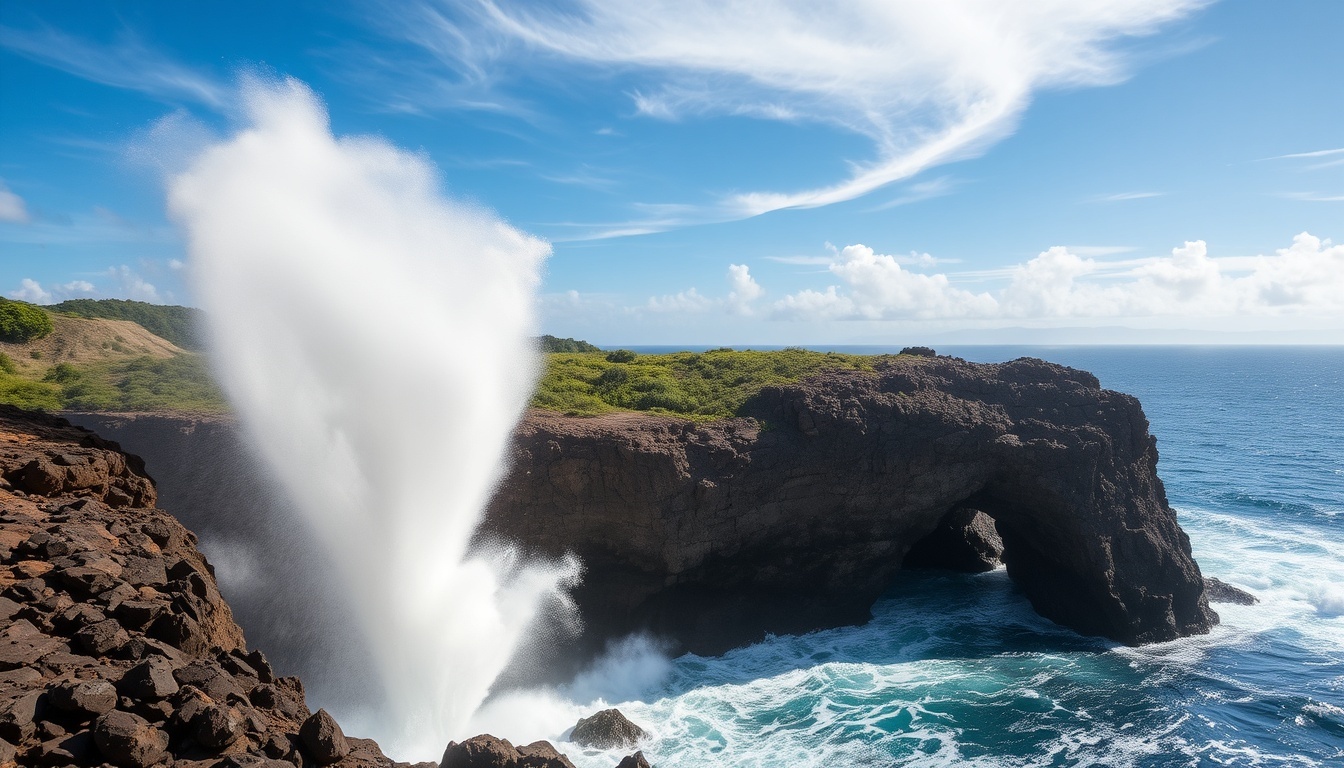
Christmas Island National Park covers 63% of the island — 85 square kilometers of rainforest, coastal terraces, and limestone caves protecting one of the world's most distinctive ecosystems. Established in 1980, walking trails range from easy boardwalks through rainforest to challenging coastal cliff routes. The Dales leads through fern-filled valleys to freshwater pools; the Blowholes on the southwest coast erupt dramatically when ocean swells force water through limestone tunnels.
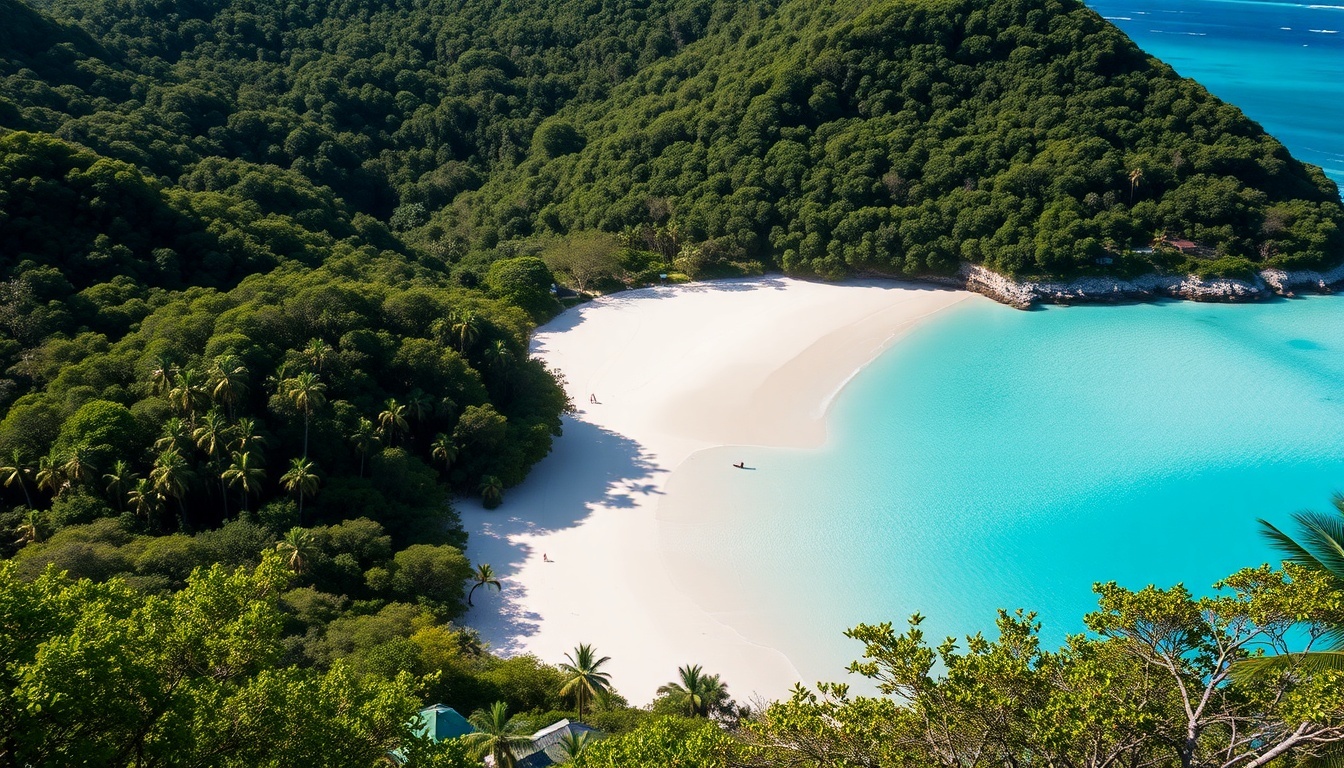
Dolly Beach on the southeast coast offers one of the island's few accessible swimming beaches — white sand backed by rainforest, where robber crabs emerge at dusk. Throughout the park, interpretive signs explain the ecological relationships and the ongoing battle against invasive species that threaten the island's delicate balance.
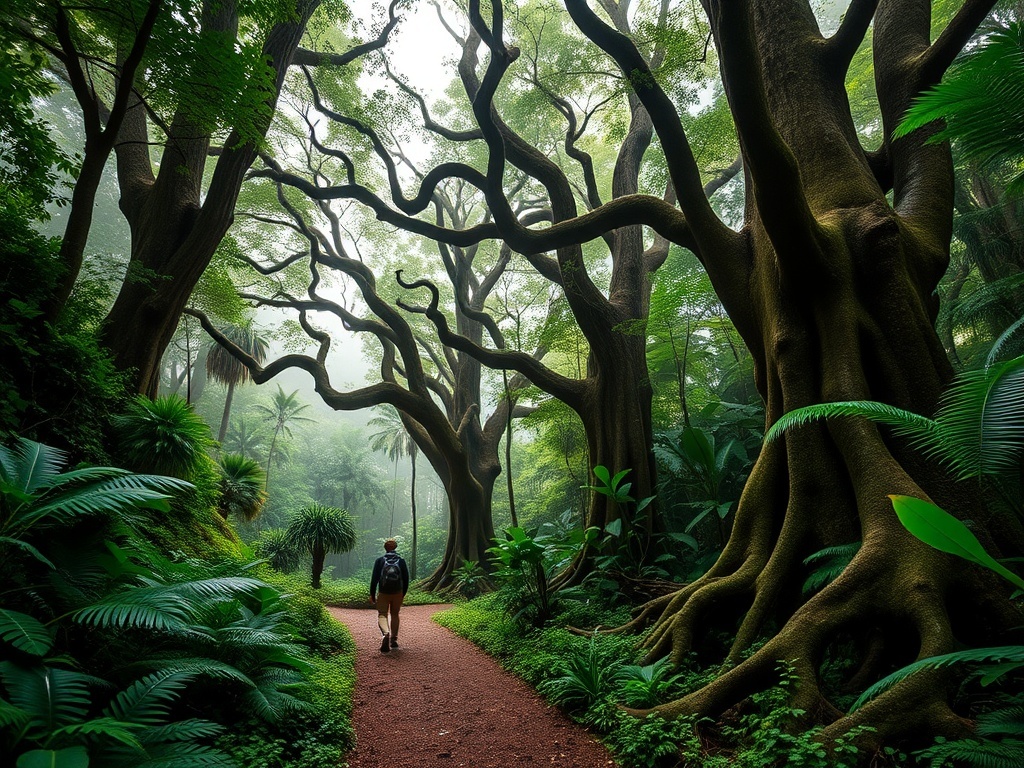
Into the Rainforest
Two-thirds of the island is national park — boardwalks, cave systems and 85 km² of crab-tended forest.
🤿 Diving & Snorkeling
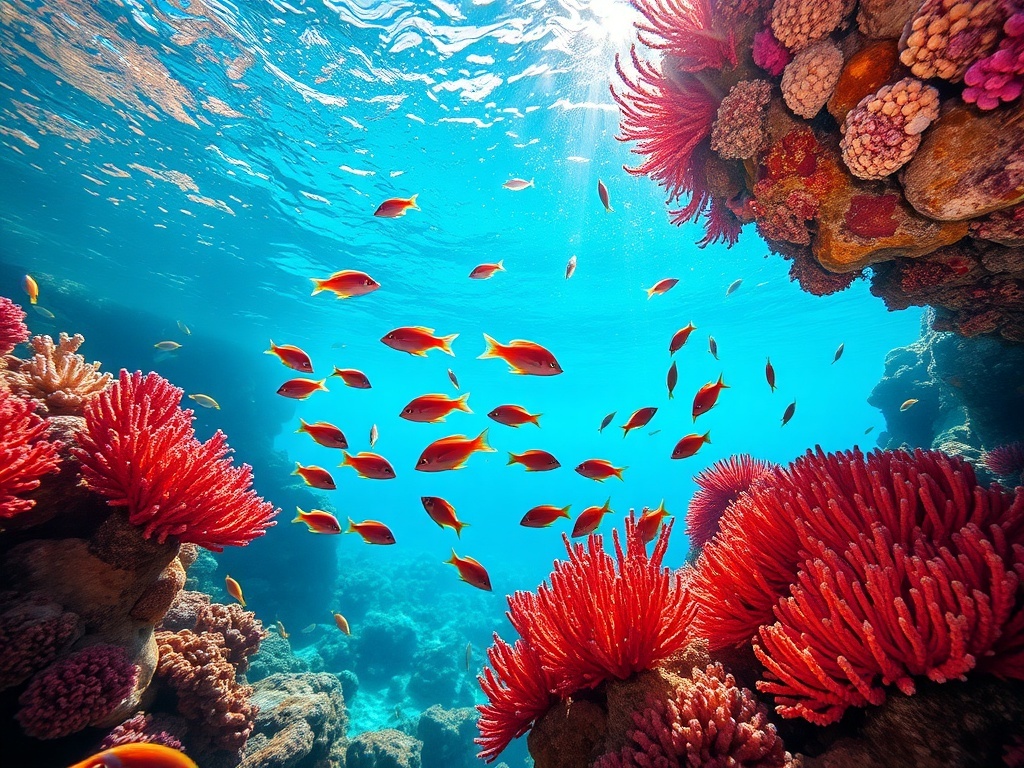
Christmas Island offers some of Australia's most pristine diving, with visibility often exceeding 40 meters and reef systems essentially untouched by mass tourism. The island's volcanic origins create dramatic underwater topography — walls dropping thousands of meters just offshore, sea caves, and swim-throughs that draw experienced divers from around the world. Between October and April, whale sharks gather near the island to feed on coral spawn, offering reliable encounters with the world's largest fish, alongside manta rays and spinner dolphins.
Snorkelers find excellent shore access at Flying Fish Cove, Ethel Beach, and several other points. A local dive operator provides equipment rental, guided dives, and certification courses — for underwater photography or simply pristine reefs without the crowds, Christmas Island delivers what mainland Australia mostly can't.
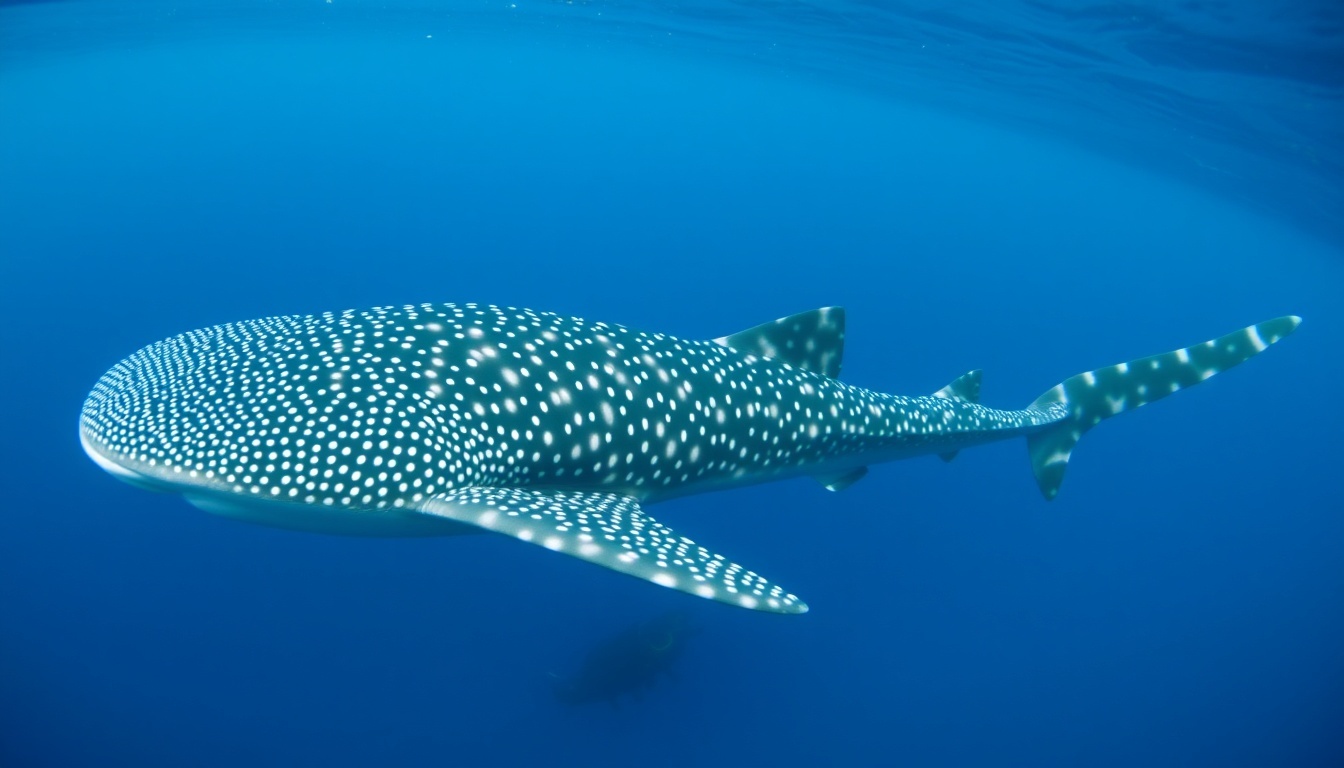
Whale Shark Season
October to April brings reliable encounters with the world's largest fish, feeding on coral spawn offshore.
🍜 Cuisine
Chinese, Malay, and Australian influences meet in a genuinely distinctive island kitchen — nasi lemak for breakfast, char kway teow for lunch, community feasts for everything else. Read the full Food & Drink guide, with recipes →
🍷 Wine, Spirits & Drinking Culture
No wine here — just cold Australian beer at the Golden Bosun Tavern above the cove, 2,600km from Perth, which is about as remote as pub culture gets. Read more →
🌡️ Climate
Christmas Island holds a tropical monsoon climate with consistent temperatures year-round — average highs 27–29°C, overnight lows rarely below 22°C, and humidity typically 80–90% (sea breezes offer some relief along the coast). The wet season (December–April) brings heavy rainfall exceeding 400mm in a single month, triggering the red crab migration. The dry season (May–November) sees significantly less rain and southeast trade winds moderating conditions — the most comfortable window for exploring, though rain can fall unpredictably any month. Cyclones occasionally affect the island November–April; direct hits are rare, but associated weather can disrupt shipping and flights.
✈️ Getting There
Christmas Island Airport (XCH) receives scheduled flights from one place: Perth. Since 3 November 2025 the route has been flown by QantasLink (Airbus A319/A320) under a five-year Australian Government contract that replaced Virgin Australia — two rotations a week, Mondays and Fridays, each looping through the Cocos (Keeling) Islands, so allow four to five hours and expect to depart from Perth's international terminal with photo ID. Altitude Airways runs charter flights from Jakarta during Western Australian school holidays (passport required). Capacity is small — book well ahead, especially for the November–December migration period.
No visa is required for Australian citizens; other nationalities follow standard Australian entry requirements. A biosecurity declaration is mandatory on arrival to protect the island's ecosystem — clean footwear, declare all food, expect possible inspection. There is no ferry to the Cocos (Keeling) Islands — the two territories are 975 km apart — but because the QantasLink rotation calls at both, combining them in one trip is easy: fly Perth–Christmas–Cocos–Perth, or the reverse.
📋 Practical Information
Currency: Australian Dollar (AUD). ATMs are limited — bring adequate cash. Credit cards work at larger establishments but not universally.
Communications: Mobile coverage exists but is expensive; internet is available but slower than mainland Australia. Consider a local SIM for extended stays.
Getting around: Rent a car — the compact size and decent road network make this the practical choice, with 4WD needed for remoter areas. No public transportation exists; taxi service is limited.
Health: A small hospital handles routine issues; serious cases require evacuation to mainland Australia. Bring adequate prescription medication supplies. Dengue fever occurs occasionally — use insect repellent.
Environmental rules: Vehicles must stop for migrating crabs, and harming protected wildlife carries severe penalties. Stay on marked national park trails and don't remove any natural specimens.
🏨 Accommodation
Options remain limited, befitting an island of fewer than 1,700 residents. The Sunset Hotel in Flying Fish Cove offers the most comprehensive facilities — air-conditioned rooms, restaurant, pool. Several smaller guesthouses and self-catering apartments provide alternatives; camping is not generally permitted. Book far ahead for migration season, when accommodation fills completely and prices rise — and expect prices above mainland Australia in general, since everything here costs more due to shipping logistics.
🎉 Festivals & Events
The Red Crab Migration (October–January) is the island's signature natural event, drawing wildlife photographers and biologists worldwide. The 2025–26 season was one of the biggest in years — an estimated 100 million adults marched in late October 2025 and a "twice-in-a-decade" return of baby crabs carpeted the beaches in January 2026. Parks Australia's forecast spawning windows for the coming season are 4–6 November and 5–6 December 2026 and 2–3 January 2027. Territory Day, a public holiday on the first Monday of October (5 October 2026), commemorates the 1 October 1958 transfer to Australia with a week of events. Chinese New Year brings lion dances, fireworks, and feasts to Flying Fish Cove reflecting the large Chinese-Australian community; Hari Raya marks the Malay Muslim community's Eid al-Fitr. Bird 'n' Nature Week each September brings guided walks, talks and boat trips focused on the island's endemic seabirds.
🏛️ Heritage & Protected Areas
No UNESCO sites — but two Ramsar wetlands, a national park covering 63% of the island and a real case for future natural-heritage nomination. Read the full story →
💼 Business & Economy
From phosphate boom town to tourism-and-conservation economy — the honest story of how a 1,692-person island pays its bills. Read the full Business guide →
🎒 Packing Tips
Lightweight breathable clothing, sturdy closed-toe shoes for crab season (to avoid stepping on migrating crabs), strong reef-safe sunscreen, insect repellent, snorkeling gear (limited rental availability), a rain jacket for wet season (Nov–Apr), a reusable water bottle, and an underwater camera. Bring cash in AUD — ATMs are limited.
🔗 Resources
Christmas Island Tourism Association (christmas.net.au), Parks Australia – Christmas Island National Park, Shire of Christmas Island, and the Australian Government's Indian Ocean Territories portal.
📚 Recommended Reading
Crabs of Christmas Island by Max Orchard (2012) — the long-serving ranger's definitive guide to the island's land crabs; Suffering Through Strength: The Men Who Made Christmas Island by John Graham Hunt (2011) — the island's history from 1899 to 1948, told through the Chinese labourers who mined it; and Parks Australia's Christmas Island National Park visitor guides and species profiles, free online.
📺 Videos
Search YouTube for "Red Crab Migration Christmas Island BBC," "Christmas Island National Park Parks Australia," "Diving Christmas Island," and David Attenborough's robber crab segments for excellent visual previews.
💡 Fascinating Facts
🦀 25,000 to 1
Red crabs outnumber the island's human residents by at least 25,000 to 1 — tens of millions of crabs, fewer than 1,700 people.
🦞 World's Largest
The robber crab (coconut crab) found here is the world's largest land-dwelling arthropod.
🎄 Christmas Day, 1643
The island got its name the obvious way — Captain William Mynors sailed past it on Christmas Day.
🕐 Its Own Time Zone
Christmas Island keeps its own clock — Christmas Island Time, UTC+7, one hour behind Perth and the same as Jakarta, with no daylight saving.
🐣 Leaf Blowers on Duty
When millions of baby crabs came ashore in January 2026, rangers cleared them off the roads with leaf blowers — the megalopae are only a few millimetres across and take four to five years to reach adulthood.
👤 Notable People
Captain William Mynors — the British explorer who named the island in 1643. Sir John Murray — the Scottish oceanographer whose expedition led to the island's annexation and phosphate discovery. Max Orchard — long-serving park ranger and author who documented the red crab migration for decades. Gordon Thomson — Shire President from 2013 until the October 2025 council election, a vocal critic of the detention centre and advocate for self-government; still a councillor. Steven Pereira — elected Shire President on 20 October 2025 after the long-dominant Unity Party lost its majority. Farzian Zainal — Administrator of the Indian Ocean Territories since May 2023, the first islander to hold the post, reappointed to 2029.
⚽ Sports
Australian rules football, cricket, and fishing dominate — the island hosts an annual Christmas Island Fishing Classic. Diving, snorkeling, and hiking round out the outdoor recreation scene. With a population this small, sport stays community-based and informal rather than competitive in any organized sense.
📰 Media & Press Freedom
As an Australian external territory, Christmas Island enjoys Australia's strong press freedom protections (Australia ranked 33rd of 180 in the 2026 RSF World Press Freedom Index, down four places from 2025, with media-ownership concentration the main concern). Local news comes from the Shire's The Islander newsletter, ABC radio and television relayed from Perth, and increasingly from community Facebook groups; former Shire President Gordon Thomson has argued that the lack of a local newsroom feeds political apathy on the island.
📸 Photo Gallery
Share your Christmas Island photos! Send to photos@kaufmann.wtf to be featured.
✍️ Author's Note
I landed at Christmas Island's airstrip on a humid November afternoon, the island rising from the Indian Ocean like a green fortress of limestone and jungle. Within hours I was standing at Margaret Knoll, watching thousands of red crabs — ancient, deliberate, unstoppable — scuttle across the road on their annual pilgrimage to the sea. Rangers had laid down crab bridges and tunnels, and the entire island seemed to pause, reverent, for a migration older than humanity.
At Flying Fish Cove I met an old diver who had fished these waters for forty years. "The crabs know," he told me over a cold beer. "They feel the rain before it comes." That night the Milky Way arched over the rainforest canopy, and I understood why this tiny Australian territory feels like the last true wilderness of the tropics.
—Radim Kaufmann, 2026
Support This Project 🌍
This World Travel Factbook is a labor of love – free to use for all travelers. If you find it helpful, consider supporting its continued development.
