

🌍 Bougainville at a Glance
🌏 Overview
Bougainville is an autonomous region of Papua New Guinea—a lush volcanic island in the western Pacific that fought a decade-long civil war (1988–1998) and voted overwhelmingly for independence in a 2019 referendum. The referendum result was formally tabled in Papua New Guinea’s National Parliament on August 27, 2026; the two governments are due to meet in October 2026 to set a date for Parliament’s vote, so the final constitutional status remains unresolved.
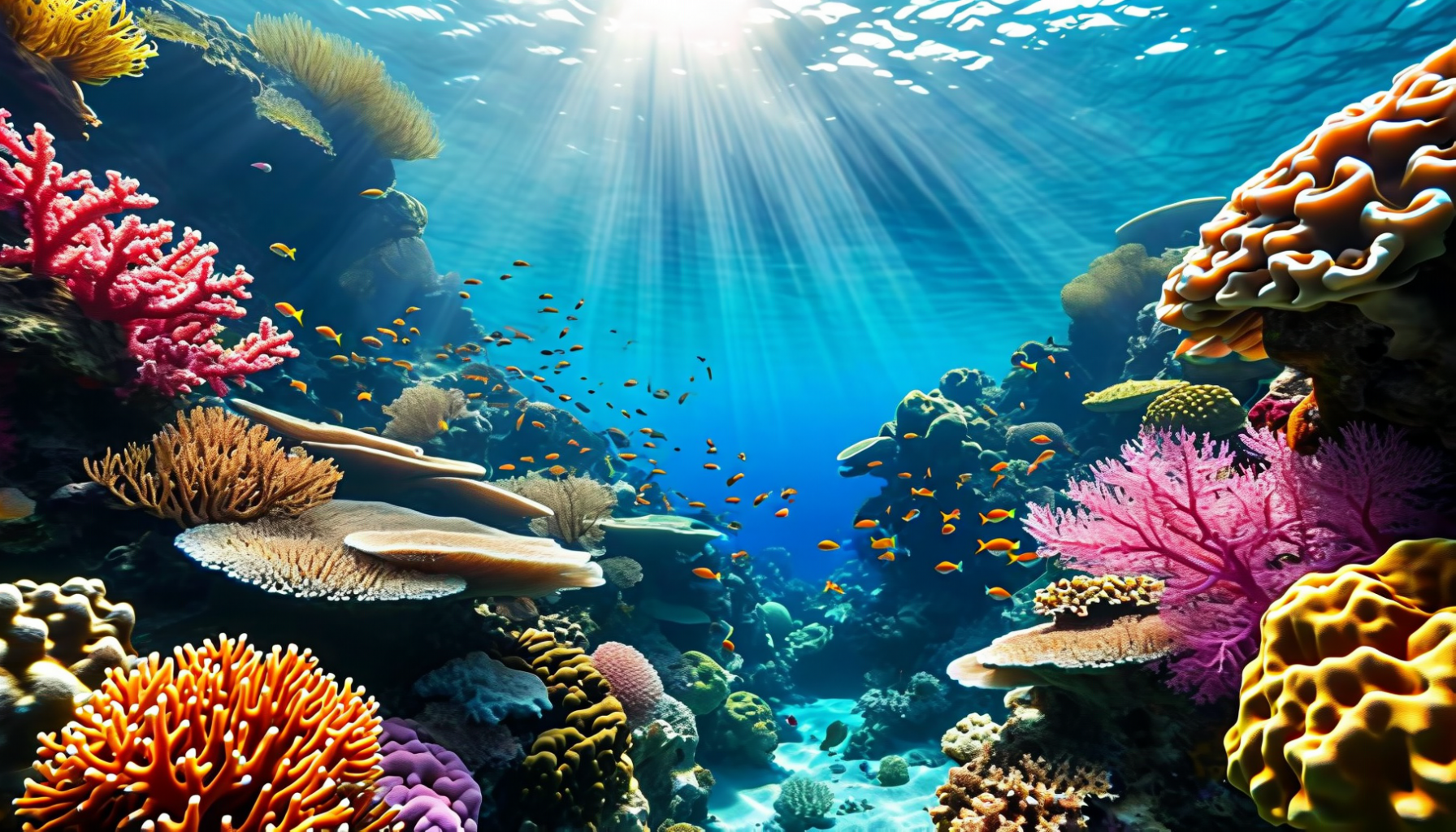
The island combines dramatic volcanic landscapes, pristine coral reefs, and rich Melanesian culture largely untouched by mass tourism. The legacy of the Panguna copper mine—once one of the world's largest—and the devastating civil war make Bougainville one of the Pacific's most complex and fascinating stories.
🏷️ Name & Identity
Bougainville takes its European name from French navigator Louis Antoine de Bougainville, who sighted the island in 1768. Local peoples have their own names for the island, and the independence movement has proposed renaming it with an indigenous name.
The Autonomous Region of Bougainville began operating under its present autonomy arrangements in 2005 following the Bougainville Peace Agreement. In the 2019 referendum, 97.7% of valid votes favored independence. The result was formally tabled in Papua New Guinea’s National Parliament on August 27, 2026. Parliament has not yet taken its final vote; the National Government and the Autonomous Bougainville Government are scheduled to consult in October 2026 to set the voting date.
🗺️ Geography & Regions
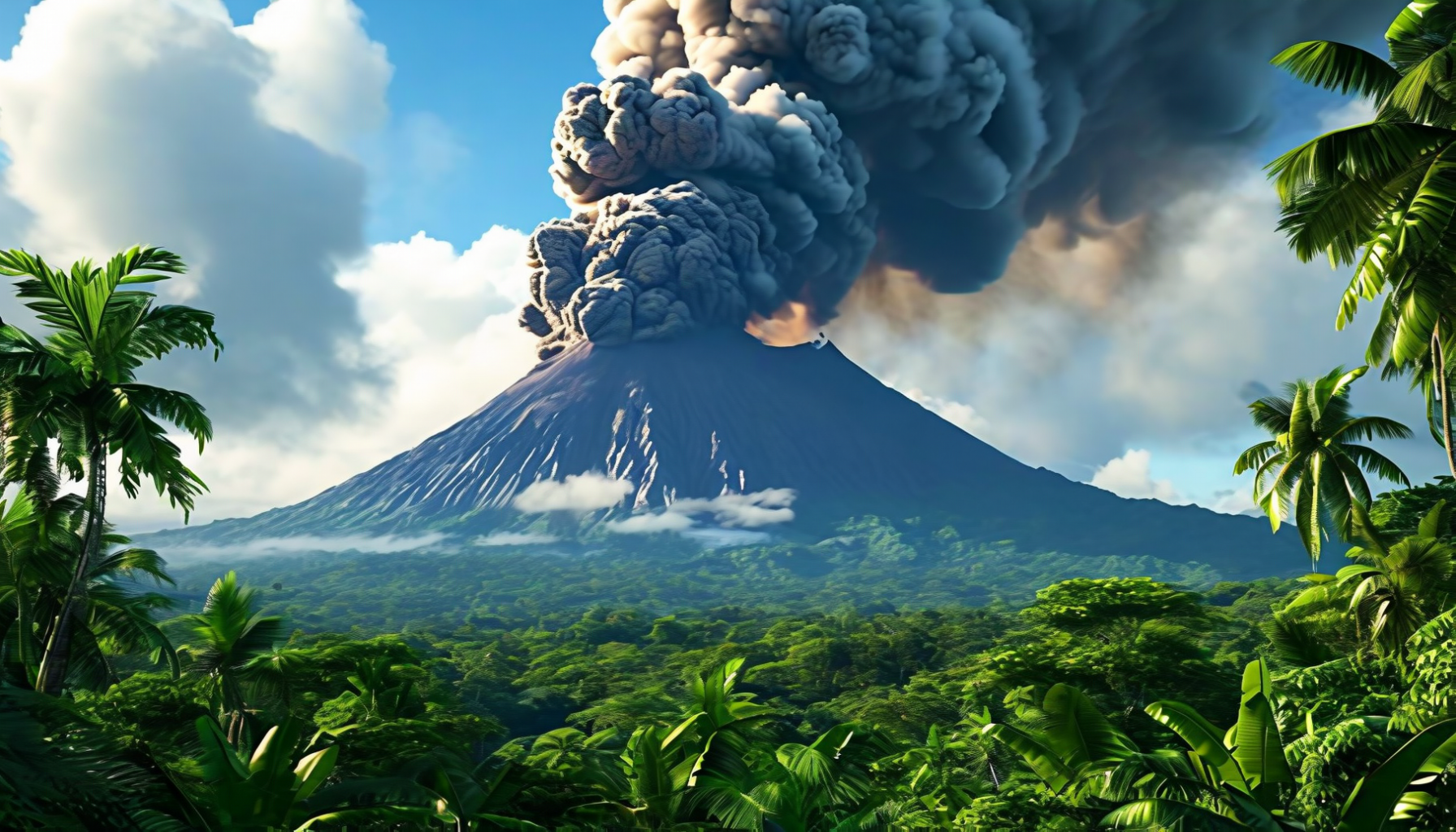
Bougainville is the largest island in the Solomon Islands chain (geographically, though politically part of PNG), covering 9,300 km². The volcanic spine includes Mount Balbi (2,715m) and the active Mount Bagana. Dense tropical rainforest covers most of the interior.
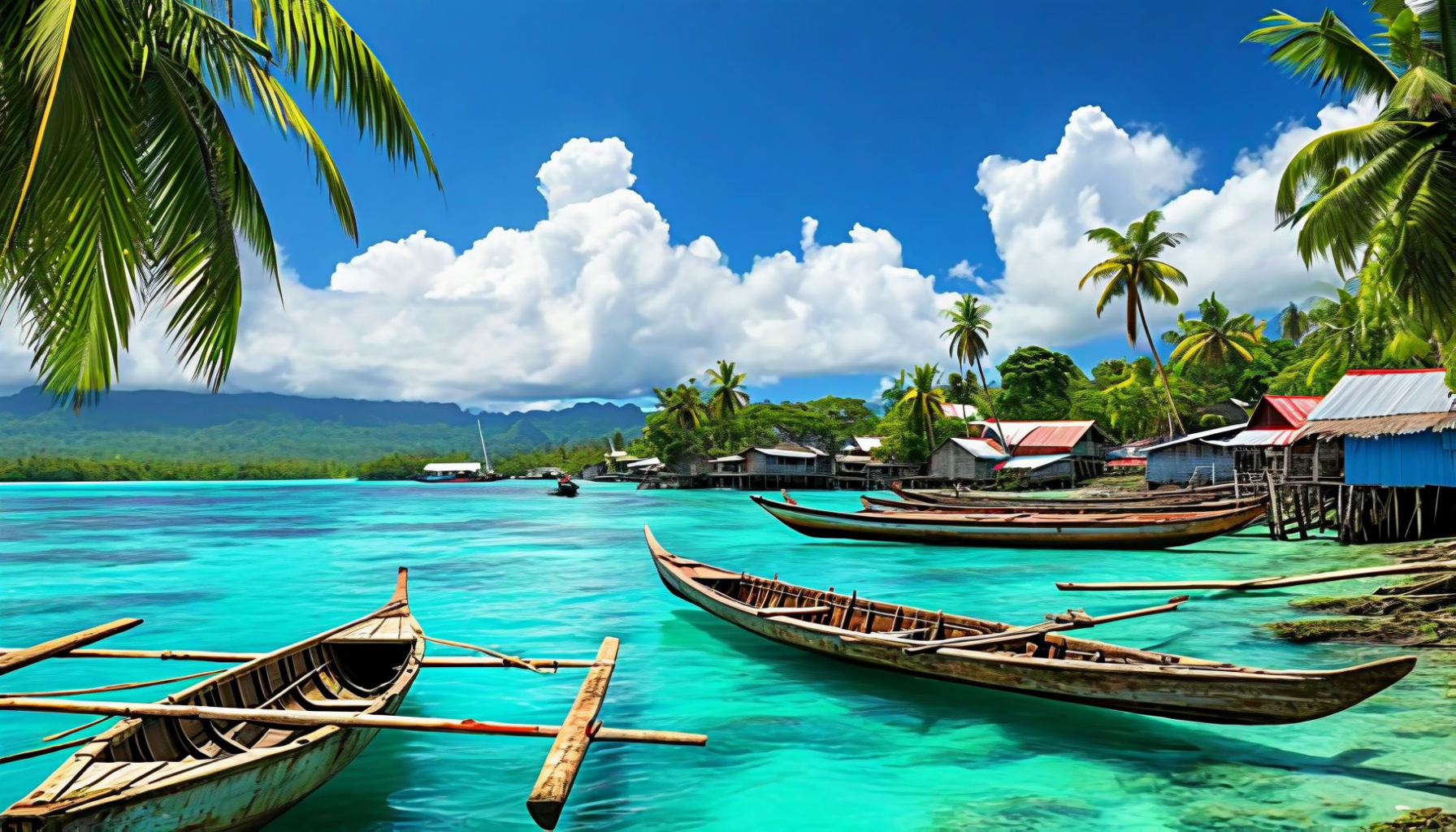
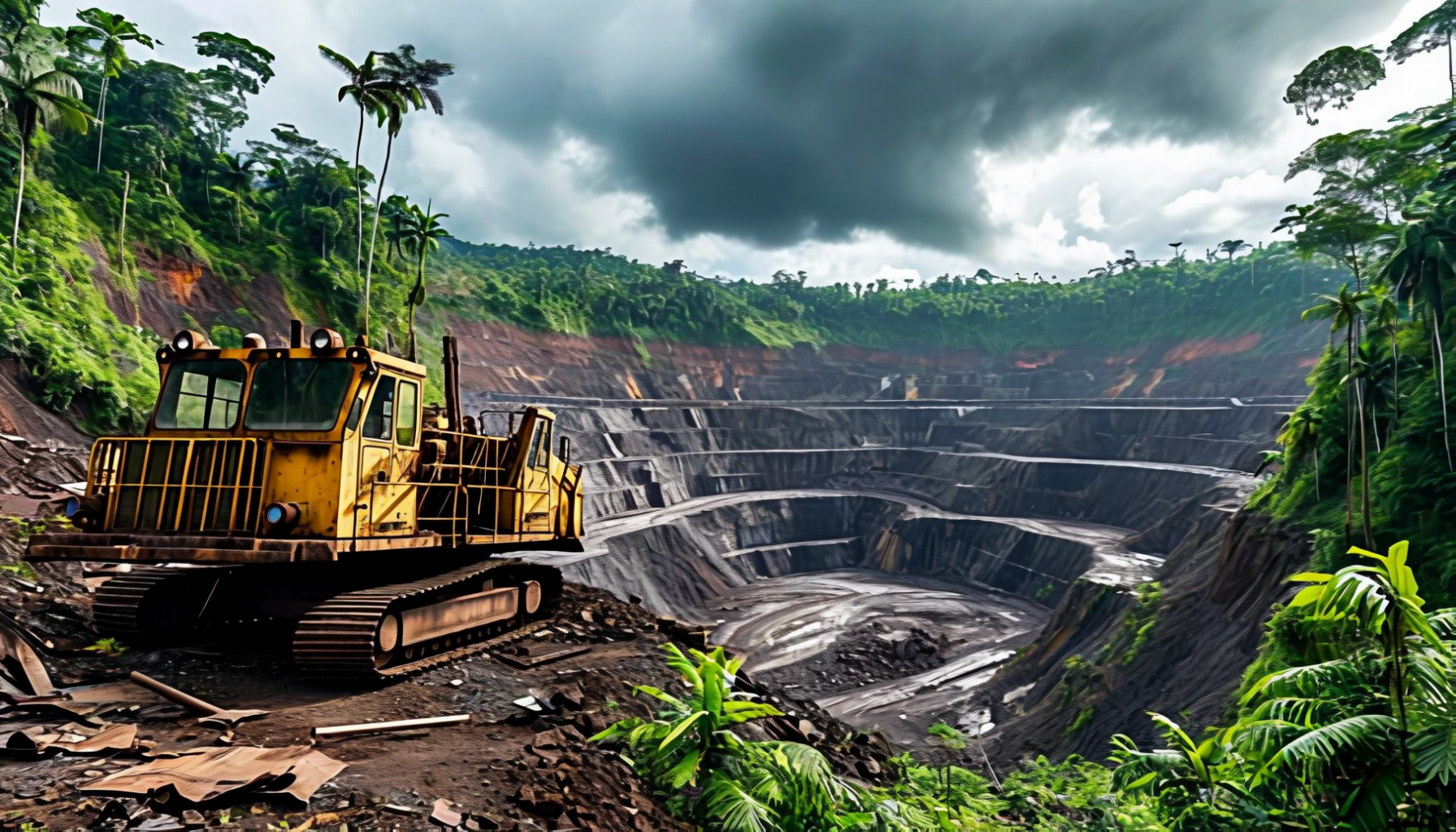
The island is surrounded by coral reefs and smaller islands. The Panguna mine in the central mountains left a vast open-pit scar in the landscape. Rivers flow from the mountainous interior through lush valleys to black sand beaches on the coast.
🗺️ Map
📜 History
Bougainville was settled by Melanesian peoples over 28,000 years ago. German colonial rule began in 1884, followed by Australian administration after WWI. Fierce fighting occurred during WWII when Japan occupied the island and Allied forces fought to retake it.
The 1960s saw the opening of the Panguna copper mine by Bougainville Copper Limited (a Rio Tinto subsidiary), which generated enormous profits but caused devastating environmental damage. In 1988, landowners sabotaged the mine, triggering a civil war that killed 15,000–20,000 people.
A 1998 ceasefire and the 2001 Bougainville Peace Agreement established the framework for autonomy and a later referendum. In 2019, 97.7% of valid votes favored independence. On August 27, 2026 the referendum result, Joint Consultation Report and Melanesian Framework were tabled in Papua New Guinea’s National Parliament. A further intergovernmental meeting is planned for October 2026 to set the date for Parliament’s vote.
👥 People & Culture
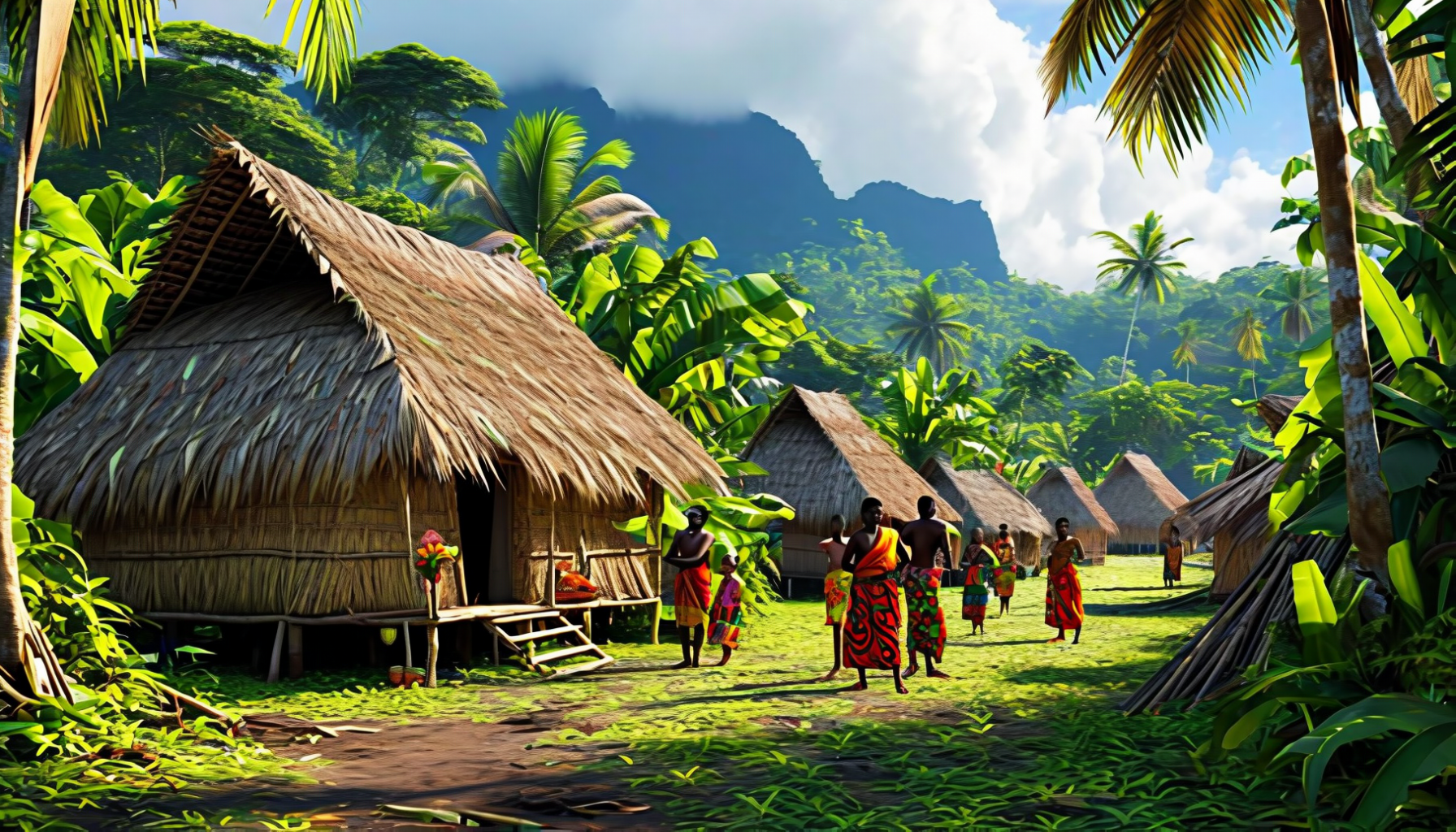
Bougainville's 300,000 people are predominantly Melanesian, with some of the darkest skin tones of any population on Earth. Matrilineal land ownership is traditional—land passes through mothers, giving women significant social authority.
Bougainville has at least 19 distinct indigenous languages. Tok Pisin is the lingua franca across the region, while English is also widely spoken. Traditional customs include shell-money systems, ceremonial feasts, and distinctive forms of body decoration; many communities continue active cultural-revival work after the conflict.
🏛️ Buka
Buka, on the small island north of Bougainville connected by a short ferry ride, serves as the administrative capital. It's a modest town with basic services, a market, and government buildings. The Buka Passage between the islands features strong tidal currents and excellent fishing.
Arawa, the former capital and mining town on the main island, was largely destroyed during the civil war and is slowly rebuilding. Panguna remains a sensitive area with access and security constraints; travelers should follow current official advice and local restrictions.
🍜 Cuisine
Bougainville's cuisine reflects its tropical Pacific setting, built around root vegetables, coconut, fresh seafood, and garden greens. Cooking methods include earth ovens (mumu), open fire grilling, and steaming in banana leaves. The volcanic soil produces exceptionally flavorful sweet potatoes and taro.
Kaukau na Lolo
Sweet Potato in Coconut Cream
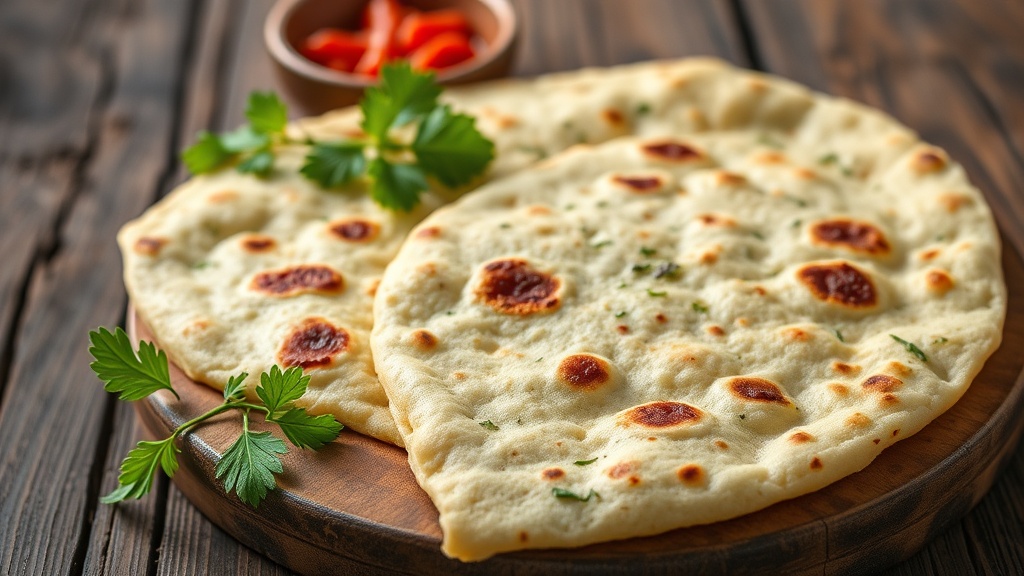
Kaukau (sweet potato) simmered in rich coconut cream is everyday comfort food in Bougainville. The orange-fleshed varieties grown in the island's volcanic soil are exceptionally sweet, and the coconut cream transforms this simple root vegetable into something luxurious. This recipe serves two.
Ingredients: 400g orange sweet potato (peeled, cut into 3cm chunks), 200ml coconut cream, 100ml water, 1 small onion (sliced thin), 2 cloves garlic (minced), 1 thumb fresh ginger (grated), 1 tablespoon coconut oil, Salt to taste, Fresh curry leaves or spring onion for garnish.
Preparation: Heat coconut oil in a heavy-bottomed pot and sauté onion until softened, about 3 minutes. Add garlic and ginger, stirring until fragrant. Add sweet potato chunks and toss to coat with the aromatics. Pour in coconut cream and water, then bring to a gentle simmer. Cover and cook for 20 minutes, stirring occasionally, until the sweet potato is tender but not falling apart. The sauce should thicken naturally as it reduces. Season with salt and serve garnished with curry leaves or sliced spring onion. This pairs beautifully with grilled fish or simply eaten with steamed rice.
💡 Choose sweet potatoes of similar size for even cooking. The dish thickens as it sits—add a splash of coconut cream when reheating.
Kokoda
Citrus-Cured Fish in Coconut
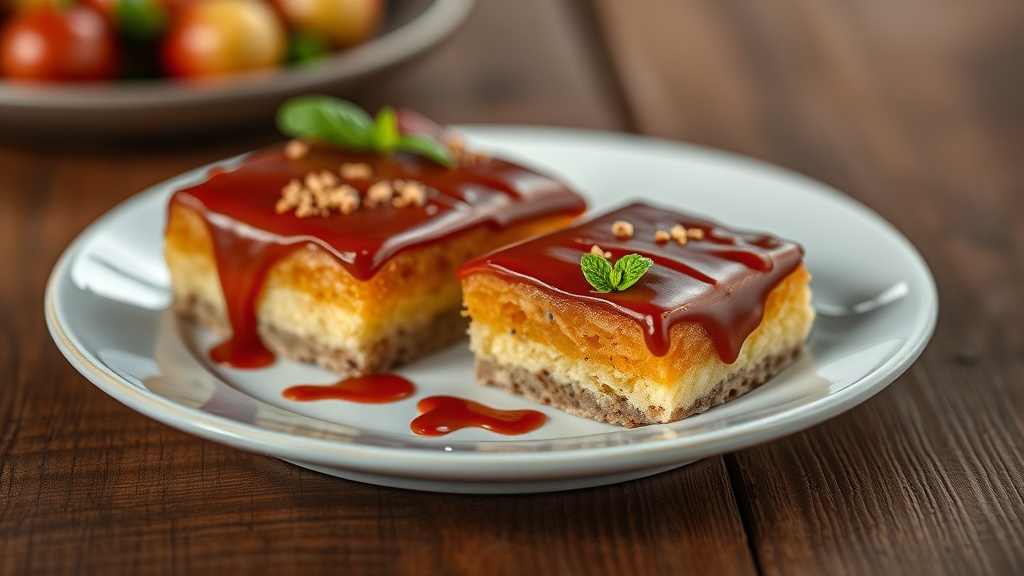
Kokoda is the Melanesian answer to ceviche—pristine raw fish "cooked" in citrus juice, then enriched with coconut cream and brightened with fresh vegetables. Fishermen along Bougainville's coast prepare this dish moments after the catch, when the fish is at its freshest. This recipe serves two.
Ingredients: 250g firm white fish fillet (spanish mackerel, mahi-mahi, or snapper), Juice of 4 limes (about 120ml), 100ml coconut cream, 1 small tomato (seeded and diced), 1/4 red onion (finely sliced), 1/2 red chili (seeded and minced), 1 tablespoon fresh coriander (chopped), Salt to taste, Coconut shell or banana leaf for serving.
Preparation: Cut the fish into 1cm cubes, ensuring no bones or skin remain. Place fish in a glass or ceramic bowl (never metal, which reacts with citrus) and pour lime juice over, making sure all pieces are submerged. Refrigerate for 2 hours, stirring once halfway through—the fish will turn opaque and firm as the acid denatures the proteins. Drain most of the lime juice, leaving just a tablespoon. Gently fold in coconut cream, tomato, red onion, chili, and half the coriander. Season with salt. Serve immediately in a coconut shell half or on a banana leaf, garnished with remaining coriander.
💡 Use only the freshest sashimi-grade fish. The dish should be eaten within an hour of adding coconut cream, as it continues to "cook" and can become mushy.
Signature Dishes: Mumu – traditional earth oven feast where pork, chicken, sweet potato, taro, and greens are wrapped in banana leaves and slow-cooked on hot stones underground. Tuluk – grated taro mixed with coconut cream, wrapped in banana leaves and steamed. Sago – starchy staple extracted from sago palm trunks, served boiled or as pancakes. Grilled reef fish – fresh catch cooked over coconut husks with lime and chili.
Beverages: Coconut water – the island's universal refreshment, drunk straight from freshly cracked green coconuts. Buai (betel nut) – chewed with lime powder and mustard stick, a deeply embedded social ritual across the island. Homebrew – fermented coconut toddy. Instant coffee – ubiquitous, despite the island growing some of the finest coffee beans in the Pacific.
🌡️ Climate & Best Time to Visit
| Season | Temperature | Conditions | Rating |
|---|---|---|---|
| Dry Season (May-Oct) | 25-30°C | Less rain, clearer skies, calmer seas | ✅ Best time to visit |
| Wet Season (Nov-Apr) | 26-32°C | Heavy rainfall, humid, lush vegetation | ⚠️ Difficult travel |
Best Time: June-September for the driest conditions and most comfortable travel. The annual mean temperature is 27°C with high humidity year-round. Rainfall ranges from 2,500mm in northern Buka to 4,500mm in southern Bougainville. The island does not experience tropical cyclones but heavy rains can make roads impassable and rivers dangerous to cross.
✈️ How to Get There
By Air: Buka Airport (BUA) is the principal air gateway. Domestic schedules can change, so confirm the current routing, operating days, baggage limits and connection times directly with the airline before booking. International travelers normally enter Papua New Guinea first and continue on a domestic service.
By Sea: Sea transport exists but schedules and safety standards vary; do not rely on an informal boat connection without current local advice. Entry: Bougainville is part of Papua New Guinea for immigration purposes, so PNG entry requirements apply. Check current local restrictions before traveling beyond established visitor routes.
📋 Practical Information
Visa: U.S. passport holders are not currently eligible for Papua New Guinea visa on arrival; obtain the appropriate physical visa or eVisa before travel. Other nationalities should verify their eligibility with PNG Immigration before departure. Currency: Papua New Guinean Kina (PGK). ATM and card access can be limited outside Buka, so carry a sensible cash reserve. Health: Malaria is a risk and medical facilities are limited; obtain current medical advice and carry insurance that includes evacuation.
Safety: Check official advice immediately before travel. The current U.S. State Department advisory for Papua New Guinea lists Central Bougainville, particularly areas near the Panguna mine, as Level 4: Do Not Travel. Unexploded WWII ordnance is another hazard in remote areas. Communications: Mobile and internet service is available in larger settlements but coverage, data speed and electricity can be unreliable outside main centers.
💰 Cost of Living
Bougainville is not a tourist destination in any conventional sense. Accommodation and food are basic and affordable, but the cost of getting there (flights from Port Moresby) is significant. Expect limited facilities and plan accordingly.
🏨 Accommodation
Accommodation options are very limited. Buka has a handful of guesthouses and the Buka Garden Hotel. On the main island, church-run rest houses and local guesthouses provide basic shelter. Camping may be possible with local permission.
Buka: Buka Garden Hotel ($40–70), Lumankoa Guesthouse ($25–40). Arawa: Limited options—ask locally. Village stays: Arrangements through local contacts ($10–20 including meals).
🎭 Festivals & Events
Traditional sing-sings (cultural gatherings with music, dance, and elaborate costumes) are the most important cultural events. These occur for weddings, initiations, and community celebrations. The colors, shell jewelry, and carved masks are extraordinary.
Peace celebrations mark the anniversary of the Bougainville Peace Agreement. Cultural revival festivals are increasingly common as communities rebuild traditions disrupted by the civil war.
🎒 Packing Tips
Essential: Valid passport with PNG visa, sufficient cash in Kina (ATMs unreliable), comprehensive travel insurance with medical evacuation coverage, unlocked phone for Digicel SIM card, printed copies of accommodation bookings and contacts.
Clothing: Lightweight, breathable fabrics for tropical heat, rain jacket or poncho (essential), sturdy walking shoes with good grip, modest clothing for village visits (covering shoulders and knees). Health: Ask a travel clinician about malaria prevention; carry effective insect repellent, sunscreen, a basic first-aid kit, safe-water supplies, and enough prescribed medication for the trip.
What NOT to bring: Avoid conspicuous valuables. If you plan to use a drone or specialist equipment, verify current PNG and local permit rules before travel rather than assuming it is permitted.
🌐 Useful Resources
Government: Autonomous Bougainville Government website at abg.gov.pg for official information and travel advisories. US citizens should consult travel.state.gov for PNG entry requirements. Emergency: Contact your country's nearest embassy in Port Moresby for emergency assistance.
Tour Operators: Check local tourism boards and reputable international agencies. Tourism infrastructure is developing—local contacts through church networks and NGOs are often the most reliable way to arrange visits. Maps: Maps.me (works offline), Google Maps (download offline area maps before your trip—coverage is limited).
Online: Wikivoyage: Bougainville, Lonely Planet Papua New Guinea. News: Post-Courier (PNG national newspaper), Radio Ples Lain 89.1 FM (local Bougainville radio).
🤯 Fascinating Facts
Political status: Bougainville remains an autonomous region of Papua New Guinea. In the 2019 referendum, 97.7% of valid votes favored independence. The result was tabled in the National Parliament on August 27, 2026; a final parliamentary vote has not yet occurred, and the two governments are due to meet in October 2026 to set the voting date. Safety: The island is generally peaceful but infrastructure remains limited.
⚽ Sports
Rugby league is the most popular sport, as throughout Papua New Guinea. Village teams compete with passionate intensity, and matches are major social events.
Traditional sports include canoe racing and various games of skill. Football (soccer) is growing, and the island's youth are increasingly connected to global sporting culture through mobile phones and television.
🏛️ UNESCO & Heritage
Bougainville currently has no inscribed UNESCO World Heritage Sites, but several places are on Papua New Guinea's tentative list and hold immense cultural and natural significance. Mount Bagana, one of the most active volcanoes in Melanesia, and the Panguna mine together tell the story of an island shaped by volcanism, mining, and conflict. The Kunua Plains and the limestone caves of central Bougainville preserve traces of millennia of Austronesian settlement.
⭐ Notable People
Francis Ona (1953–2005) — leader of the Bougainville Revolutionary Army during the civil war (1988–1998) and a symbol of the independence movement.
Joseph Kabui (1954–2008) — first President of the Autonomous Region of Bougainville.
John Momis (b. 1942) — Catholic priest, statesman, and President of Bougainville (2010–2020).
Ishmael Toroama (b. 1965) — former BRA commander and President of Bougainville; first elected in 2020 and re-elected for a second term in 2025.
Leitana Nehan women's group — Nobel-nominated peace activists who helped end the civil war.
📰 Media & Press Freedom
Bougainville operates within Papua New Guinea's wider media and communications environment. Local radio remains especially important, alongside national PNG broadcasters and online outlets. Connectivity can be uneven outside larger settlements, so travelers should download essential information before leaving reliable coverage.
Official references: Autonomous Bougainville Government — Quick Facts · U.S. State Department — Papua New Guinea Travel Advisory.
Current constitutional process: Papua New Guinea formally tabled the 2019 referendum result in Parliament on August 27, 2026. The National Government and the Autonomous Bougainville Government are due to meet in October 2026 to set a date for Parliament’s vote. Official PNG government update →
📸 Photo Gallery


✍️ Author's Note
Bougainville is a place where the consequences of resource extraction, colonial borders, and indigenous rights play out in real time. The Panguna mine's gaping wound in the mountainside tells a story repeated across the developing world—wealth extracted, environment destroyed, communities torn apart.
Bougainville's recent history is also a story of reconstruction after conflict, local institutions, and a continuing constitutional debate. For a traveler, understanding that history—and listening carefully to local perspectives—is essential to understanding the region today.
Where history, landscape, and the Pacific meet
—Radim Kaufmann, 2026
Support This Project 🌍
This World Travel Factbook is a labor of love – free to use for all travelers. If you find it helpful, consider supporting its continued development.
