
🌍 Belarus at a Glance
🌏 Overview
Belarus is a landlocked Eastern European country of 9.06 million people (9,056,080 — Belstat, 1 January 2026, down 53,200 in a year — the population has fallen every year since 1994), bordered by Russia, Ukraine, Poland, Lithuania, and Latvia. Often called "Europe's last dictatorship" under President Alexander Lukashenko's three-decade rule, the country reveals surprising complexity to those who visit: immaculately clean cities, vast pristine forests, war memorials of staggering emotional power, and warm, hospitable people whose generosity can catch visitors completely off guard.
Minsk, largely destroyed in World War II and rebuilt as a showcase of Stalinist architecture, is one of Europe's most distinctive capitals — broad boulevards, monumental Soviet-era buildings, and an eerily orderly urban landscape that feels like stepping into a 1960s socialist utopia. But Belarus is far more than its capital. The country is one of Europe's most forested nations, with the ancient Białowieża Forest — shared with Poland — harboring the continent's last wild European bison, along with wolves, lynx, and primeval oak groves that have stood for centuries.
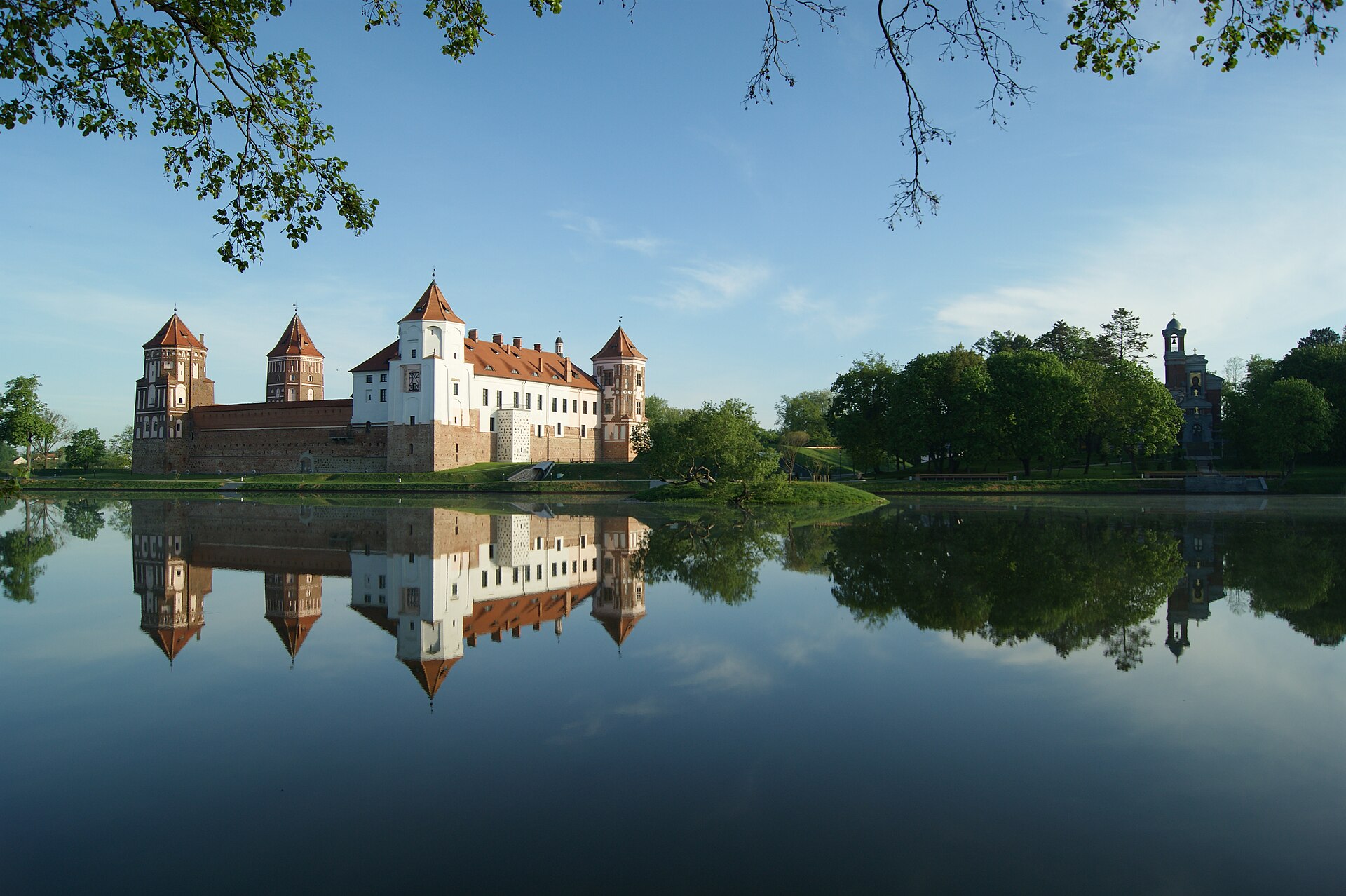
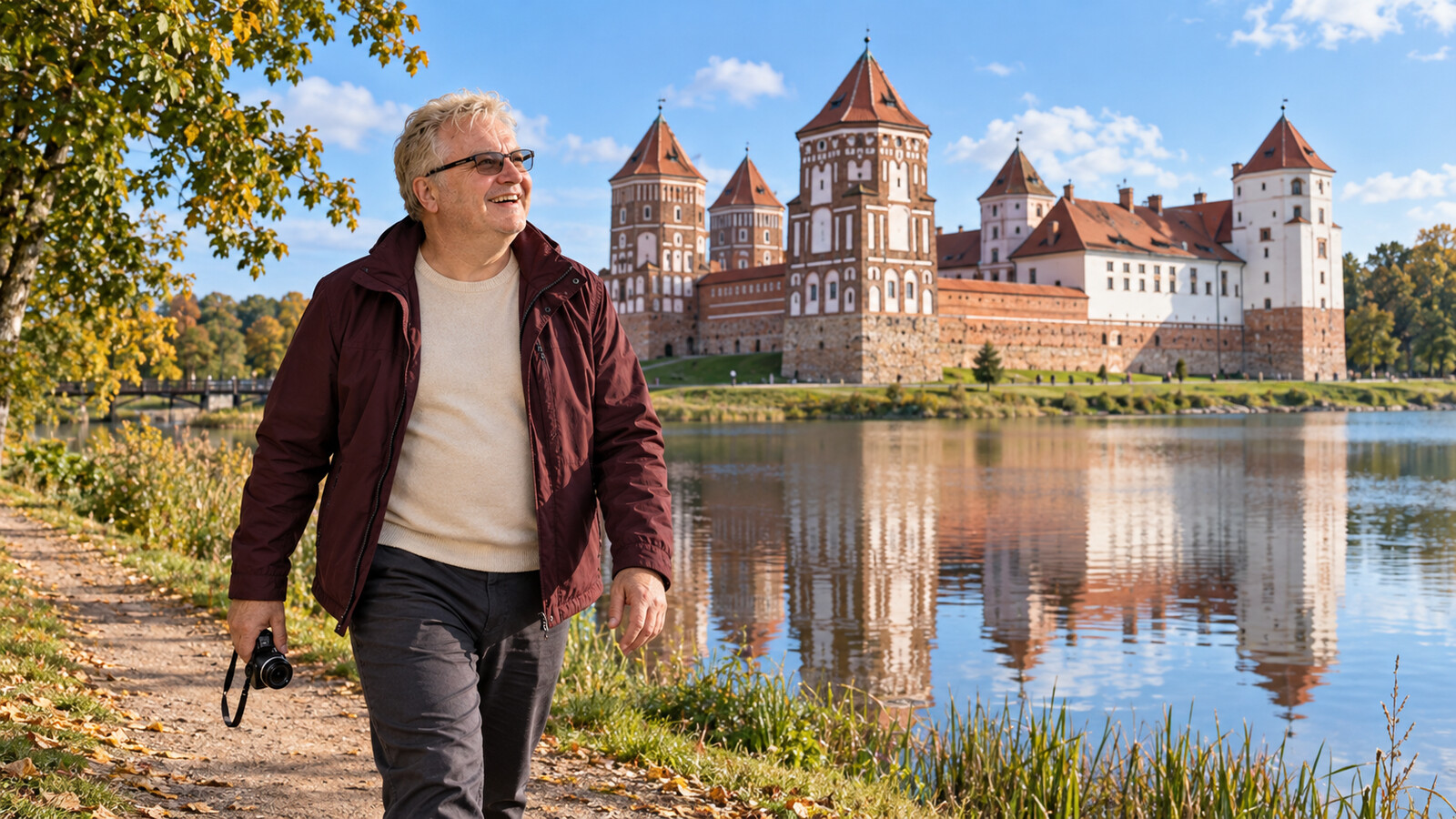
The fairytale castles of Mir and Nyasvizh are UNESCO World Heritage Sites that rival anything in Western Europe. Brest Fortress, where Soviet soldiers held out for weeks against the German invasion in June 1941, is one of the most powerful war memorials anywhere. The Pripyat Marshes — Europe's largest wetland — stretch across the south, a watery wilderness of extraordinary biodiversity. For travelers willing to navigate visa requirements and political complexities, Belarus offers experiences found nowhere else on the continent.
🏷️ Name & Identity
"Belarus" means "White Rus" — the "white" possibly referring to the local population's white clothing, the white birch forests, or simply designating "western" Rus in medieval Slavic usage. The country was historically part of the Grand Duchy of Lithuania, then the Polish-Lithuanian Commonwealth, before centuries of Russian and later Soviet rule shaped the modern nation.
Belarusian identity occupies a complex space between East and West. The Belarusian language, closely related to both Russian and Ukrainian, is official alongside Russian — though Russian dominates daily life in most cities. The white-red-white flag of the 1918 independence movement and the Pahonia knight emblem remain powerful symbols of national identity, particularly among the opposition. The current state uses a modified Soviet-era flag and coat of arms.
🗺️ Geography
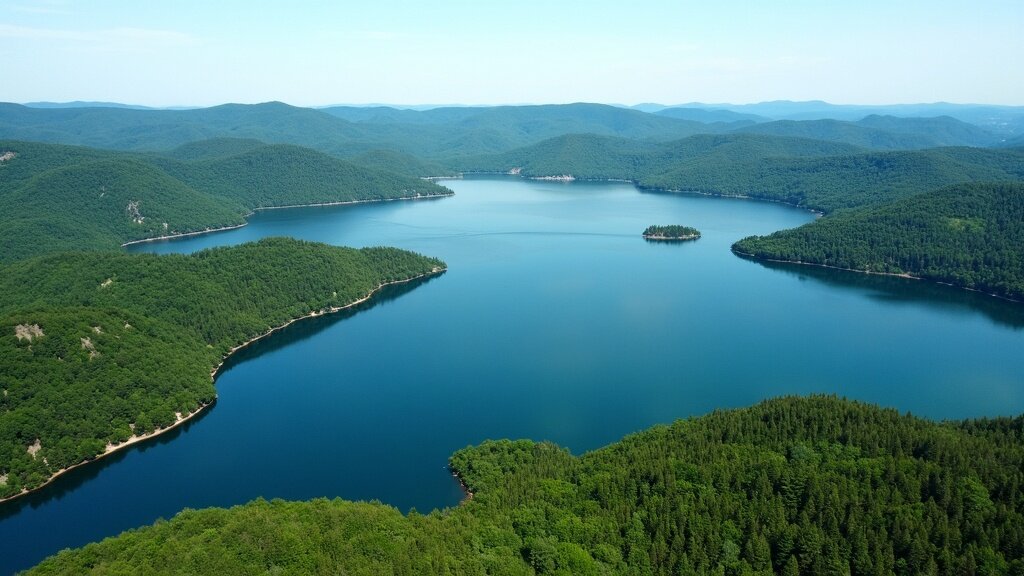
Belarus covers 207,595 km² of gently rolling plains, dense forests, and extensive wetlands. The landscape is predominantly flat — the highest point, Dzyarzhynskaya Hara, reaches just 346 meters. Forests cover about 40% of the territory, making Belarus one of Europe's greenest countries. Over 10,000 lakes dot the landscape, earning it the nickname "Blue-Eyed Belarus."
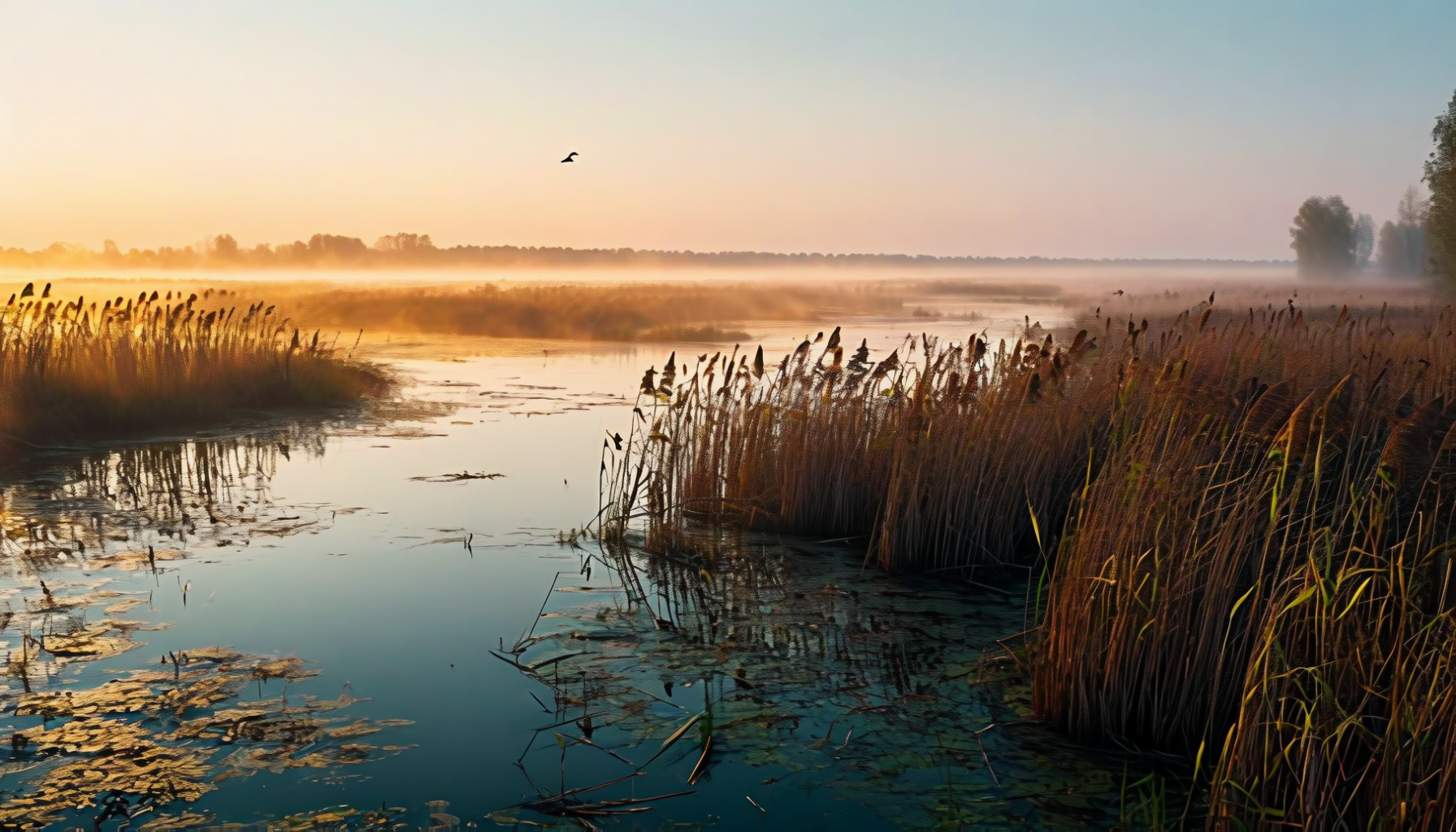
The Pripyat Marshes (Palessie) in the south form Europe's largest wetland — a vast, sparsely populated expanse of swamps, peat bogs, and floodplains that was historically so impenetrable it served as a natural barrier between civilizations. The Dnieper, Western Dvina, and Neman rivers provide the main waterways. The Chernobyl exclusion zone extends into southeastern Belarus, where the Polesie State Radioecological Reserve — off-limits to humans — has paradoxically become a thriving wildlife sanctuary.
🗺️ Map
Minsk in the centre; the UNESCO castles at Mir and Nesvizh to the south-west; Brest Fortress and Białowieża on the Polish border; Grodno and the Augustów Canal in the north-west; Braslav Lakes, Polotsk and Vitebsk in the north; Pripyatsky National Park and the Chernobyl-zone reserve in the Polesie south. Scroll-zoom is off — use the +/− buttons.
📜 History
Belarus' location between East and West has made it a perennial battleground. The medieval principality of Polotsk was an early Eastern Slavic state, later absorbed into the Grand Duchy of Lithuania — one of medieval Europe's largest states. Belarusian lands became part of the Polish-Lithuanian Commonwealth, then fell under Russian Imperial rule after the partitions of Poland in the late 18th century.
World War II devastated Belarus more than almost any other country. The Nazi occupation killed approximately one quarter of the entire population — 2.2 million people, including virtually the entire Jewish population. Minsk was reduced to rubble. The partisan resistance movement was among the largest in occupied Europe, with over 370,000 fighters operating from the forests and marshes. Every Belarusian family carries the scars of this catastrophe.
Soviet Belarus was rebuilt and industrialized, becoming one of the USSR's most developed republics. Independence came in 1991, and Alexander Lukashenko has ruled since 1994. The disputed 2020 election sparked massive protests that were brutally suppressed. Belarus' involvement in Russia's 2022 invasion of Ukraine further isolated the country internationally.
👥 People & Culture
Belarusians make up 84.9% of the population (2019 census), with Russian (7.5%), Polish (3.1%) and Ukrainian (1.7%) minorities; the Jewish community that once formed a large share of every town was almost entirely destroyed in the Holocaust. The people are known for their reserved warmth — initial formality gives way to extraordinary generosity once trust is established. Hospitality is deeply ingrained, and refusing food or drink in a Belarusian home is considered almost offensive.
Traditional culture draws from both Eastern Orthodox and Catholic traditions, reflecting the country's position between civilizations. Folk arts include distinctive straw weaving (Belarusian: саломапляценне, inscribed on UNESCO’s Intangible Cultural Heritage list in 2022, alongside the Kalyady Tsars rite of Semezhava and the spring Juraŭski Karahod dance of Pahost), linen embroidery with intricate red-and-white geometric patterns, and woodcarving. The Kupalle festival (Midsummer Night) preserves pagan traditions — bonfires, flower wreaths floated on rivers, and searches for the mythical fern flower. Marc Chagall, born in Vitebsk, remains the country's most famous cultural export.
🏛️ Minsk
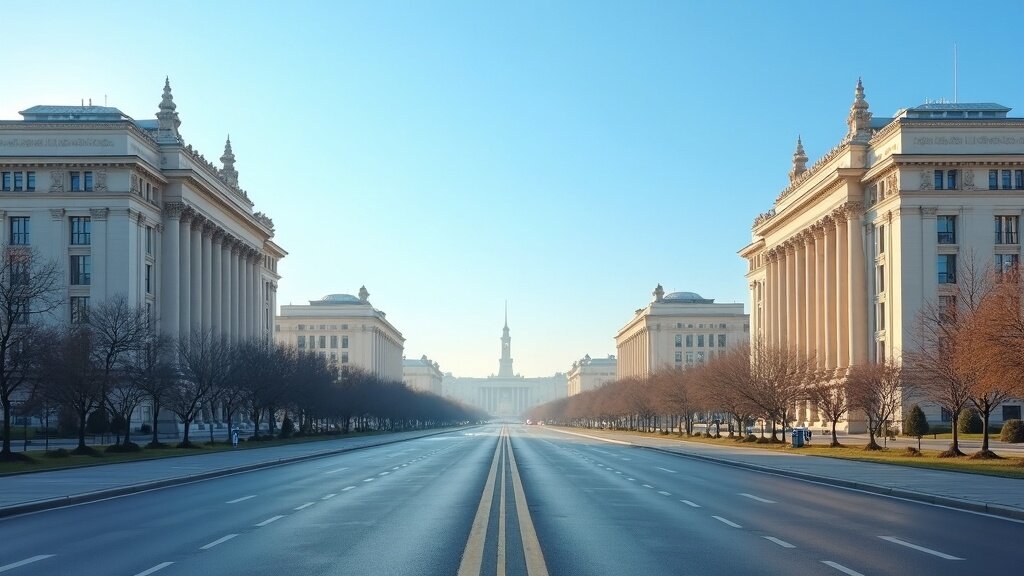
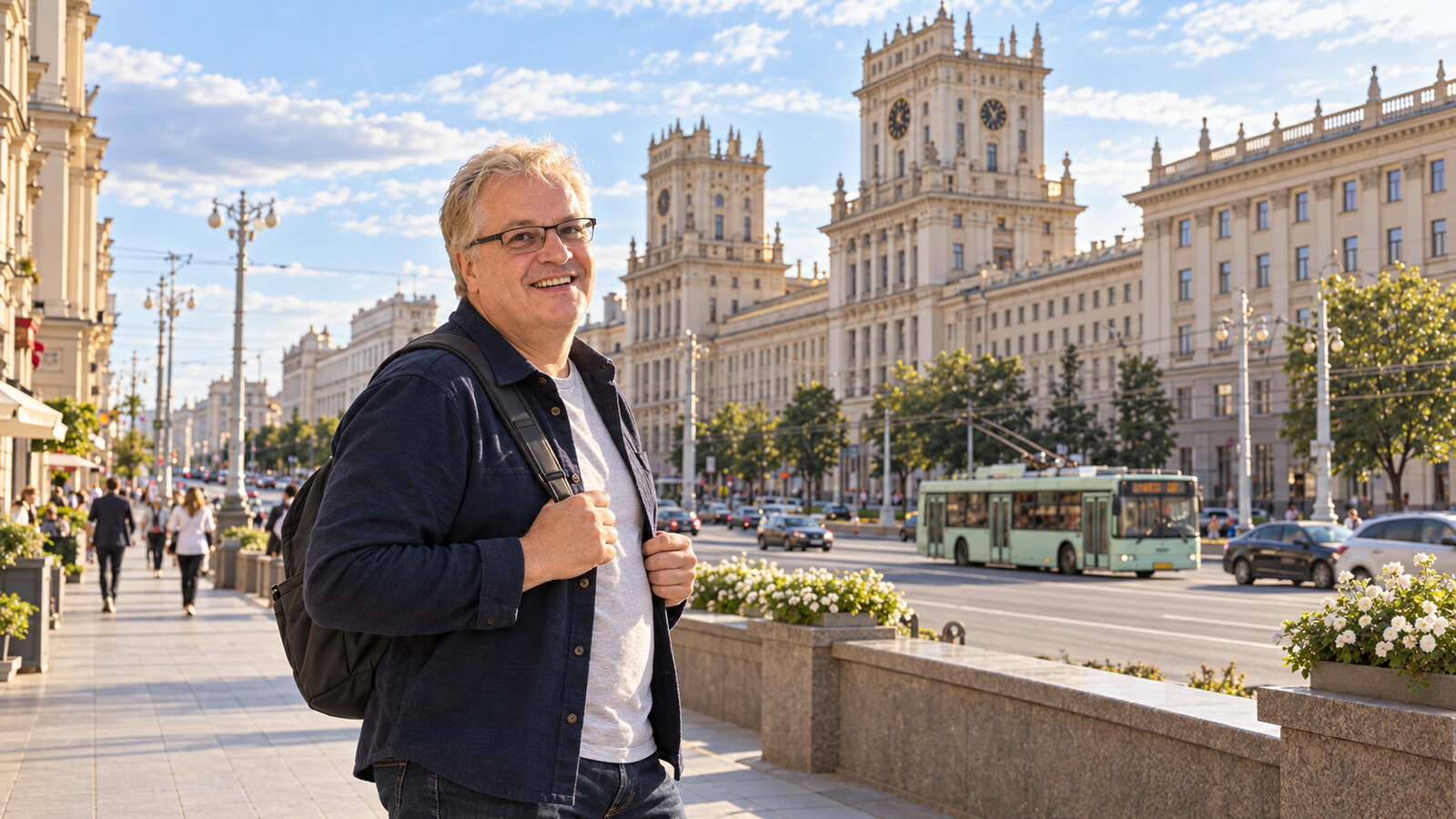
Minsk is unlike any other European capital. Rebuilt almost entirely after 1945, the city is a masterclass in Soviet urban planning — Independence Avenue stretches 15 kilometers through the center, lined with monumental Stalinist neoclassical buildings that create an imposing streetscape of columns, arches, and socialist realist reliefs. The enormous October Square and Victory Square anchor the city's ceremonial axis.
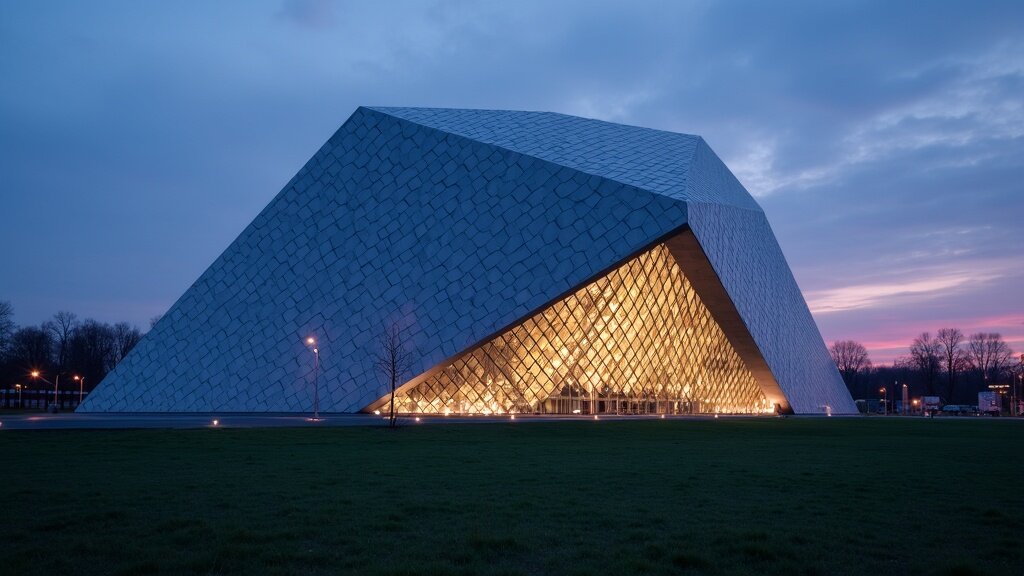
But Minsk is more than Soviet architecture. The compact Old Town (Trinity Suburb) along the Svislach River was reconstructed in pastel colors. The National Library — a striking diamond-shaped building — has become the city's modern landmark. Excellent museums include the Great Patriotic War Museum (one of the finest WWII museums anywhere) and the National Art Museum. A surprisingly vibrant bar and restaurant scene thrives in side streets, and the metro system's ornate stations are worth visiting for their Soviet-era grandeur alone.
🏰 Castles & Fortresses
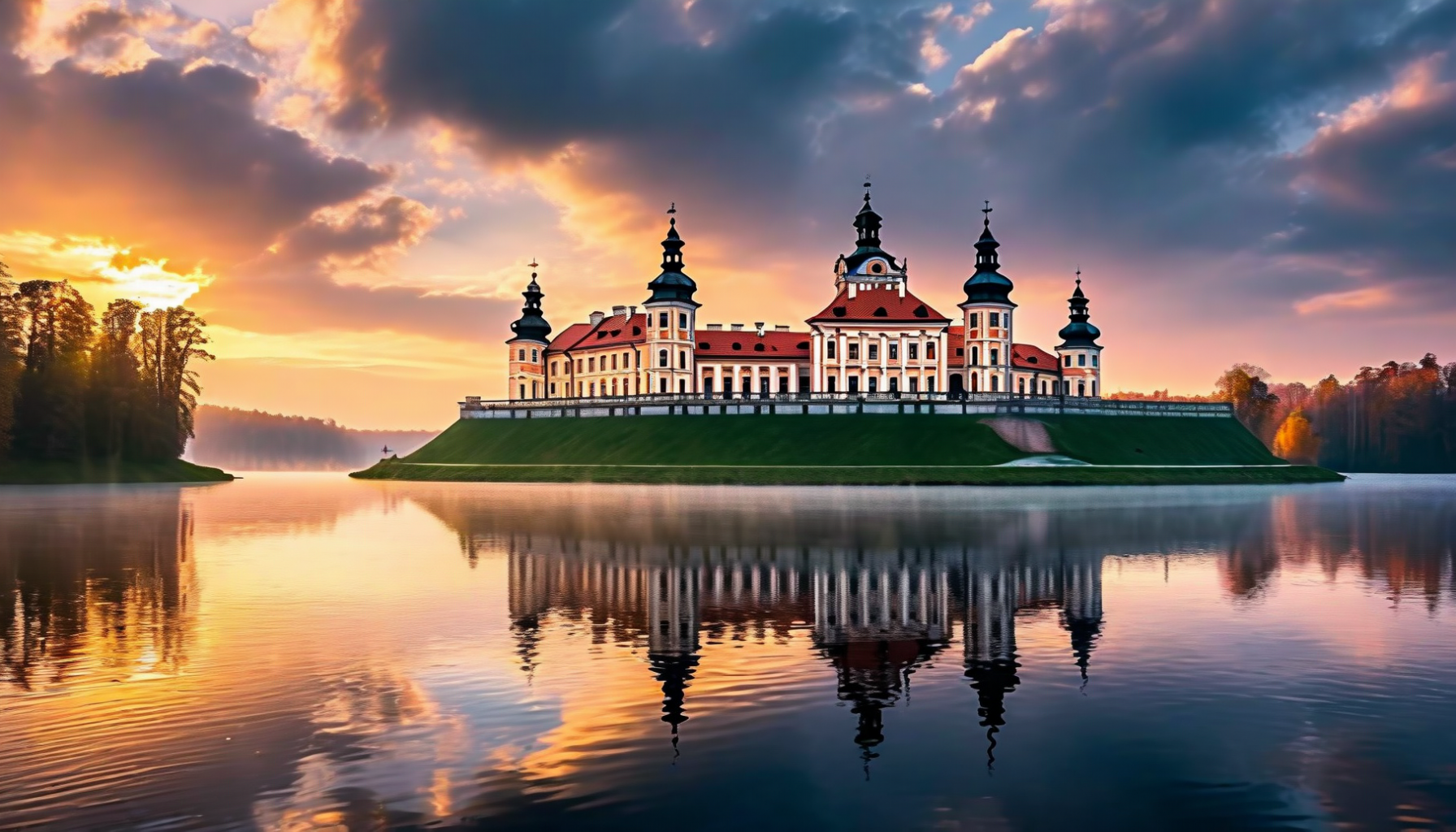
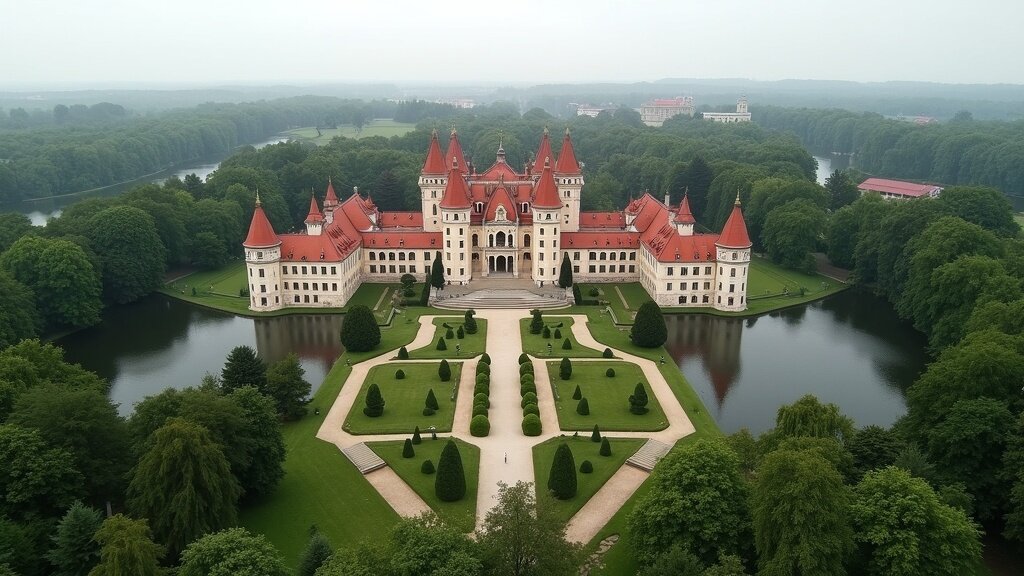
Belarus possesses a remarkable collection of medieval fortifications. Mir Castle, a 16th-century complex blending Gothic, Renaissance, and Baroque elements around a courtyard, sits picturesquely beside a lake. Nearby Nyasvizh Castle, the ancestral seat of the powerful Radziwiłł family, combines a Renaissance palace with elaborate formal gardens and is considered one of the finest aristocratic residences in Eastern Europe. Both are UNESCO World Heritage Sites.
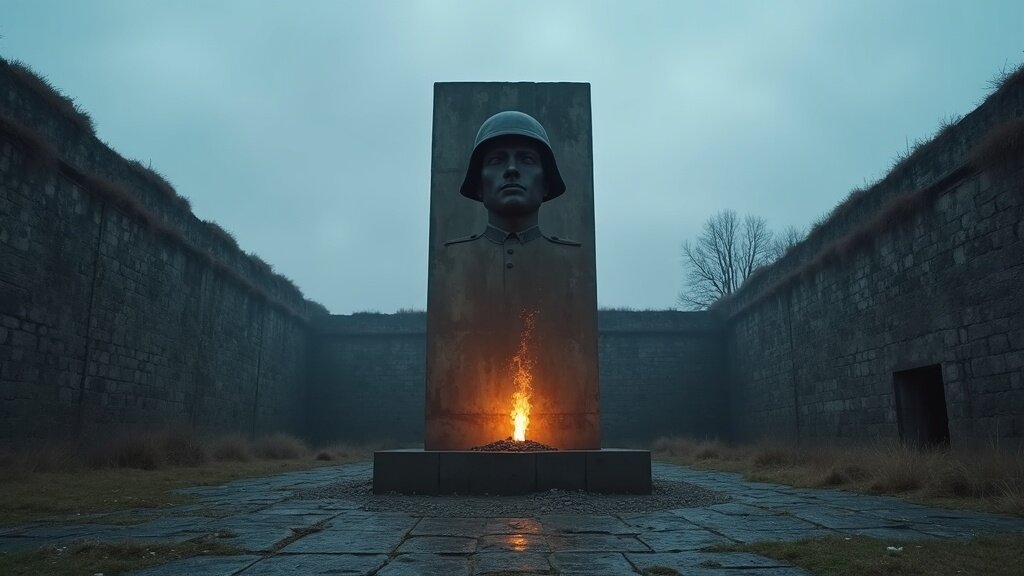
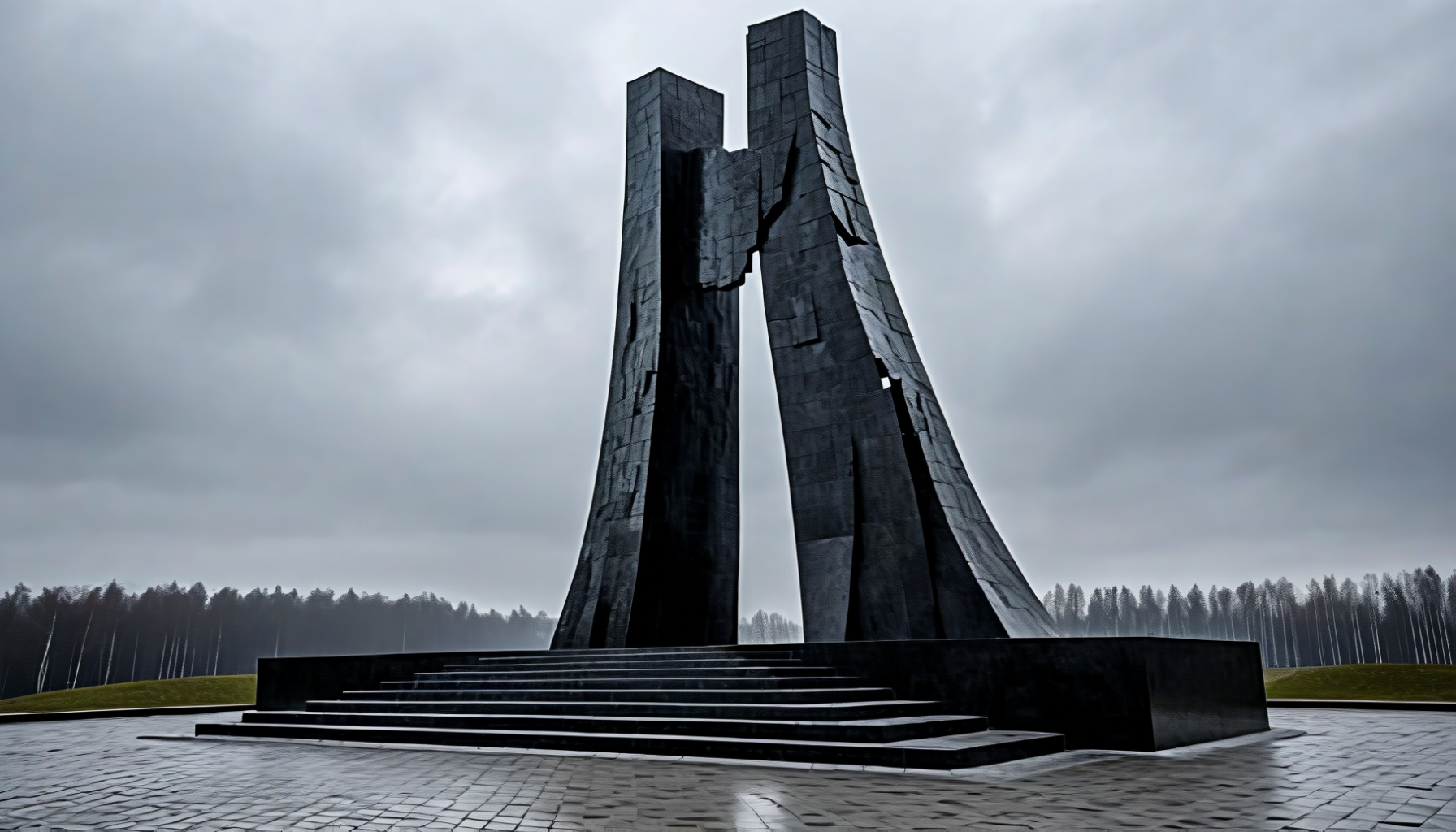
Brest Fortress stands apart — not a medieval castle but a 19th-century military fortification that became one of the most powerful symbols of Soviet resistance in WWII. The massive "Thirst" monument depicting a dying soldier reaching for water, the eternal flame, and the ruined walls deliberately left unrepaired create an emotional experience that transcends politics. The fortress complex also includes an excellent museum documenting the siege.
🌲 Nature & Forests
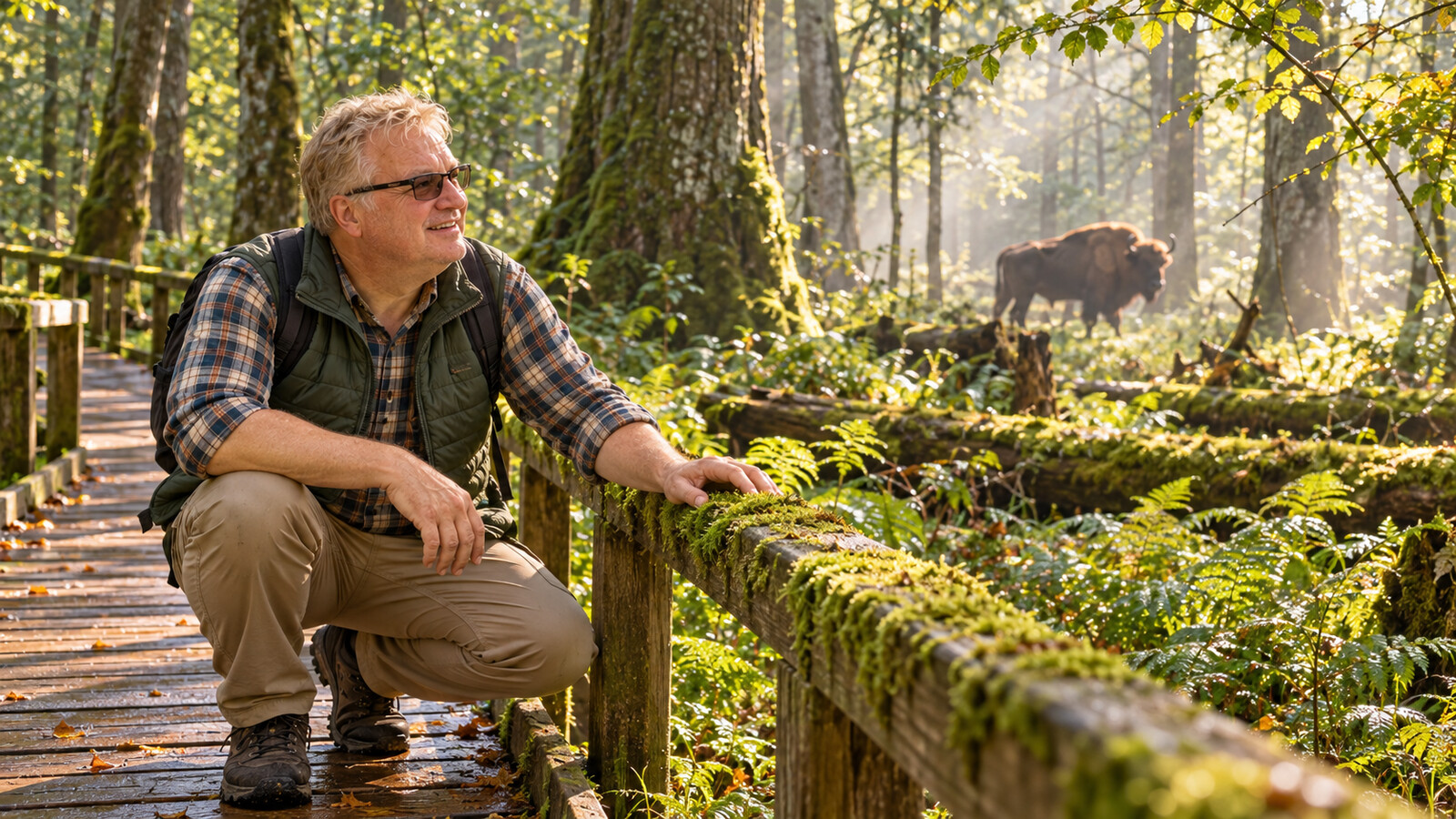
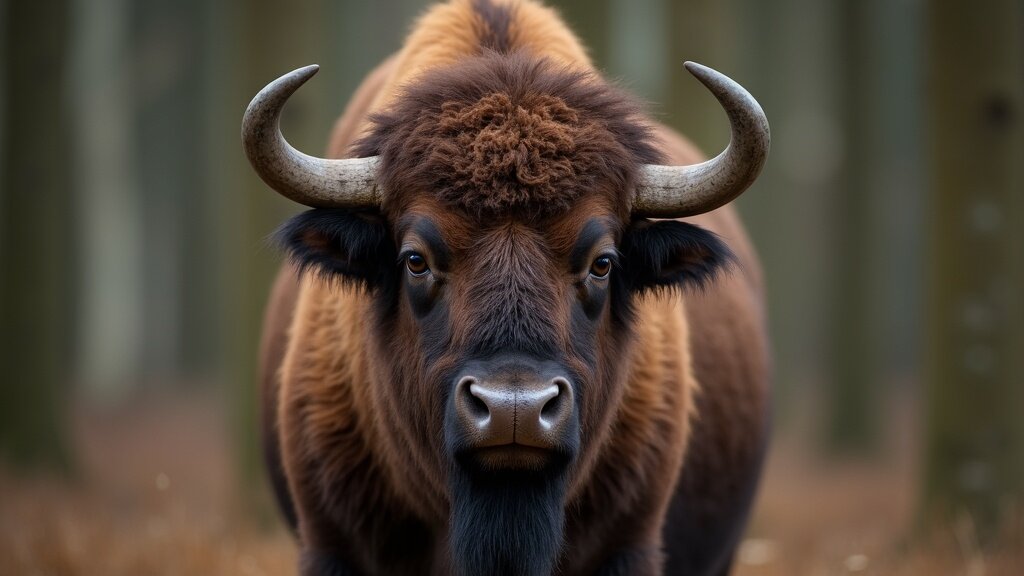
Białowieża Forest — shared with Poland and a UNESCO World Heritage Site — is the last remaining fragment of the primeval forest that once covered the European Plain. Ancient oaks over 500 years old tower above a forest floor untouched by logging for centuries. This is home to approximately 1,000 European bison (żubr), the continent's heaviest land animal, brought back from the brink of extinction in the 20th century. Wolves, lynx, wild boar, and an extraordinary diversity of birds complete the ecosystem.
The Pripyatsky National Park protects a section of the vast Pripyat Marshes — a watery world of flooded forests, peat bogs, and meandering rivers that feels like wilderness on a scale forgotten elsewhere in Europe. Braslav Lakes National Park in the northwest offers 74 glacial lakes set among forested hills — often called the "Belarusian Switzerland." Narachanski National Park surrounds Lake Narach, the country's largest lake.
🍽️ Cuisine
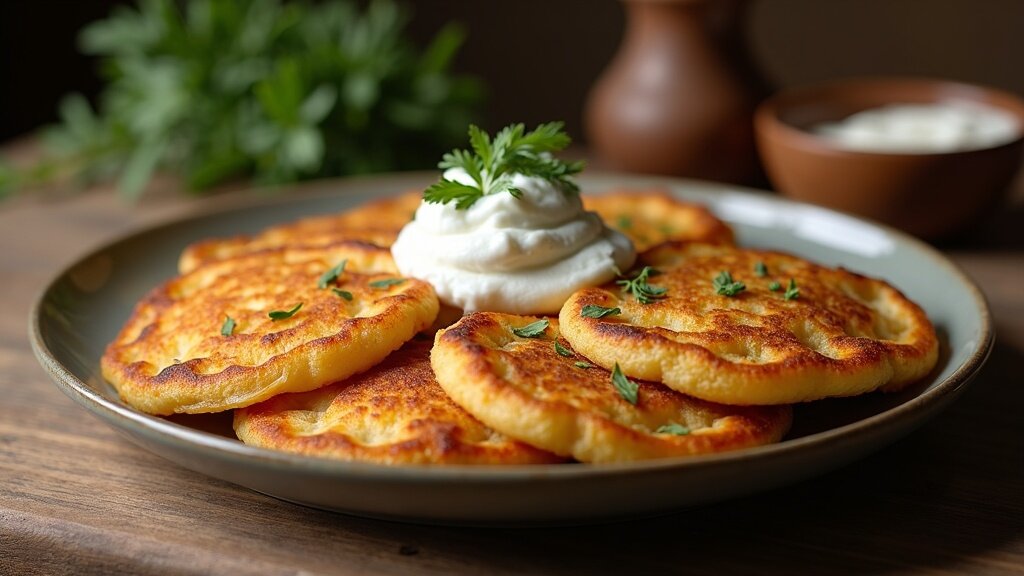
Belarusian cuisine revolves around potatoes — draniki pancakes, kalduny dumplings, and machanka stew — plus foraged mushrooms, berries, and a serious vodka culture. Read the full Food & Drink guide, with recipes →
🌡️ Climate
Belarus has a moderate continental climate. Winters (November–March) are cold with temperatures averaging -4 to -8°C, heavy snowfall, and short days — but the snowy landscapes can be beautiful. Summers (June–August) are pleasant at 17-22°C with long days and occasional thunderstorms. Spring and autumn are brief. The best time to visit is May through September.
🍷 Wine, Spirits & Drinking Culture
No vineyards, but a deep tradition of fruit wines, mead, and the honey-spice liqueur krambambula — plus, of course, vodka. See the full Wine & Spirits guide, with tasting scores →
📋 Practical Info
Getting there: Minsk National Airport (MSQ) is the only realistic air gateway. Belarusian carriers — including flag carrier Belavia — have been banned from EU airspace since June 2021, after the forced diversion of Ryanair flight FR4978 and the arrest of journalist Raman Pratasevich, so there are no direct flights from the EU. Practical routings are via Istanbul, Dubai, Baku, Tbilisi, Tashkent or Moscow. Washington issued Belavia a sanctions general licence in September 2025 and the airline has publicly floated a Minsk–New York service, but in 2026 it said flights to the United States will not happen this year; its three Airbus A330s fly to Phuket and Nha Trang instead. Overland, from Poland the Terespol–Brest crossing runs 24/7, and Kuźnica–Bruzgi (cars only, no buses) and Bobrowniki–Bierestovitsa reopened on 17 November 2025 after years of closure; Połowce and Sławatycze stay shut. From Lithuania, Medininkai–Kamienny Log and Šalčininkai–Benyakoni are open around the clock, but Vilnius closed both for a month in October–November 2025 over smuggling balloons launched from Belarus and could do so again at short notice. Queues of 600+ vehicles are routine. Rail from Vilnius and Moscow still runs.
Visa: Two separate visa-free regimes exist, and confusing them is the classic mistake. (1) The airport rule — citizens of roughly 70 countries, including the United States, Canada, Australia and Japan, may enter visa-free for up to 30 days through Minsk National Airport and the regional airports of Brest, Vitebsk, Gomel, Grodno and Mogilev. This does not apply to flights arriving from Russia, and you must leave the same way: there is no passport control on the Belarus–Russia land border, so crossing it strands you in the country without a valid entry stamp. (2) The European land rule — citizens of 38 European states may enter visa-free by air, road or rail for 30 days (90 for Poland, Lithuania and Latvia), extended by presidential decree through 31 December 2026 and capped at 90 days per calendar year. Everyone else needs a visa arranged in advance. Ticket holders for the Slavianski Bazaar festival receive a separate waiver in July. Medical insurance valid in Belarus is checked at the border.
Currency: Belarusian Ruble (BYN). Cards increasingly accepted in Minsk; carry cash elsewhere. ATMs available in cities.
Safety: Street crime is very low — Minsk is among the safest large cities in Europe for ordinary crime. The risk here is political, not criminal: arbitrary detention, phone and laptop searches at the border, and prosecution for online activity. Read the Travel Advisory section below before booking anything.
Cost of living & accommodation: Belarus remains one of the cheapest countries in Europe. Backpacker $30–50/day, mid-range $60–100, comfortable $150. A Minsk metro ride costs about $0.30, a stolovaya canteen lunch $4–6, a restaurant main $8–15, draught beer $2–3, a hostel bed $10–15, a mid-range Minsk hotel $50–80. Outside the capital the characteristic stay is an agro-usadba, a rural farmstead guesthouse, often $25–40 including breakfast. Bring euros or dollars in cash: foreign-issued Visa and Mastercard are unreliable, and domestic cards run on BELKART and the Russian Mir system.
🏛️ Government & Politics
Belarus is a presidential republic in name and a personal autocracy in practice. Alexander Lukashenko, a former collective-farm director, has held the presidency since July 1994 — the longest tenure of any leader in Europe. He was declared winner of a seventh term on 26 January 2025 with an official 86.8% of the vote, in a contest with no opposition candidates, no independent observers and no independent media, and was inaugurated on 25 March 2025. The prime minister is Alexander Turchin, appointed on 10 March 2025 after serving as first deputy prime minister and governor of Minsk Region; his predecessor Roman Golovchenko moved across to chair the National Bank.
The bicameral National Assembly — a 110-seat House of Representatives and a 64-seat Council of the Republic — contains no opposition. A 2022 constitutional referendum resurrected the All-Belarusian People’s Assembly (VNS) as a supra-parliamentary body able to appoint judges and election officials and to declare a state of emergency; Lukashenko had himself elected its chairman in April 2024, creating a seat of power he could occupy after leaving the presidency. The same referendum deleted the constitution’s pledge of a nuclear-free, neutral Belarus, and Russian tactical nuclear weapons have been stationed on Belarusian territory since 2023.
Belarus is bound to Russia through the Union State treaty of 1999, a customs union, joint air defence and the CSTO, and Belarusian territory was used as a staging ground for Russia’s February 2022 invasion of Ukraine — the trigger for the current wall of Western sanctions. Since late 2025, though, a transactional thaw with Washington has been under way: the United States exempted Belavia from sanctions in September 2025; in December 2025 it eased sanctions on the potash sector and 123 prisoners were released to Ukraine and Lithuania; and in March 2026 Lukashenko ordered the release of 250 political prisoners in exchange for the delisting of two state banks, the Finance Ministry and the major potash producers. A further 28 “extremist” convicts were pardoned ahead of Independence Day in July 2026, yet Viasna still counted at least 863 political prisoners, and arrests continue. EU sanctions, including the airspace ban, remain in force and are renewed each February. Abroad, Lukashenko made his first visit to North Korea on 25–26 March 2026, signing a friendship treaty with Kim Jong Un, and opened September 2026 at the Shanghai Cooperation Organisation summit in Bishkek straight after talks with Putin.
⚠️ Travel Advisory
🛑 U.S. Department of State: Level 4 — Do Not Travel
Advisory reissued 29 December 2025, citing the arbitrary enforcement of local laws, the risk of detention, and the Russian war against neighbouring Ukraine.
There is no U.S. embassy operating in Belarus. Washington ordered the departure of embassy staff and suspended operations at Embassy Minsk on 28 February 2022. All consular services, routine and emergency, remain suspended. Americans in Belarus who need help must contact a U.S. embassy in another country — and Americans who are detained may receive no consular access at all. Reopening the embassy has been on the table since the US–Belarus thaw began in late 2025 — envoy John Coale said in March 2026 that work continues — but as of September 2026 no date has been set, and the two sides disagree over who guards the building.
The United Kingdom (FCDO) and Australia (Smartraveller) likewise advise against all travel to Belarus.
What that means in practice, if you go anyway: assume your phone and laptop can be examined at the border, and that guards may ask you to unlock them and scroll your social media and Telegram. Subscribing to a channel a Belarusian court has labelled “extremist” — a category that covers most independent Belarusian news outlets — is itself a prosecutable offence, and visitors have been detained over old reposts. Do not photograph border installations, military sites, government buildings or police. Do not discuss politics with strangers, and do not put a Belarusian acquaintance at risk by discussing it with them either. Dual nationals of Belarusian origin are treated solely as Belarusian citizens, which can mean conscription and prosecution for activity abroad. Buy insurance that explicitly names Belarus; most standard European policies exclude it.
🏛️ UNESCO World Heritage
Belarus holds four UNESCO World Heritage Sites: Mir Castle, Nesvizh Palace, the Bialowieza primeval forest, and points along the Struve Geodetic Arc. Explore all four sites in depth →
🚛 Automotive & Heavy Machinery
Belarus builds the largest dump truck in the world. Meet BelAZ and MAZ →
💼 Business & Economy
The rise and retreat of "Eastern Europe's Silicon Valley," and what starting a company there actually involves today. Read the full Business guide →
🎉 Festivals & Events
Slavianski Bazaar in Vitebsk is the country’s cultural showpiece — a week of concerts, folk performance, theatre and street shows in Chagall’s home city, running since 1992. The 35th edition ran on 14–20 July 2026, with the main programme 16–19 July, and the 36th will follow in mid-July 2027 (exact dates are fixed by presidential decree each winter); ticket holders from 71 countries received visa-free entry to Belarus from 4 to 31 July 2026, which makes it the single easiest legal way into the country for many nationalities.
Kupalle (the night of 6–7 July) is the one to plan a trip around if you want the older Belarus: bonfires, girls floating flower wreaths down rivers, couples leaping the flames, and the all-night hunt for the mythical fern flower that supposedly blooms once a year. Independence Day, 3 July, marks the 1944 liberation of Minsk rather than the 1991 declaration — expect a full military parade down Independence Avenue. Maslenitsa in late winter brings blini and the burning of a straw effigy; Kalyady (Orthodox Christmas, 7 January) brings carollers in goat masks through village streets; and Dazhynki, the harvest festival, takes over a different provincial town each September with wheat-sheaf crowns and a genuinely enormous amount of food.
For the arts: Listapad, the Minsk International Film Festival, runs each November; the Mirum Music Festival fills the courtyard of Mir Castle with open-air concerts in summer; and medieval-reenactment tournaments cycle through Mir, Nesvizh and Lida through the warm months.
🌟 Notable People
Marc Chagall (1887–1985) was born in Vitebsk and never really left it; the floating fiddlers and wooden houses of his canvases are that city. Svetlana Alexievich won the 2015 Nobel Prize in Literature for her documentary chorus-novels of Soviet catastrophe — Voices from Chernobyl, The Unwomanly Face of War, Secondhand Time. Zhores Alferov, born in Vitebsk in 1930, took the 2000 Nobel Prize in Physics for the semiconductor heterostructures underlying every fibre-optic link and LED. The poets Yanka Kupala and Yakub Kolas effectively created modern literary Belarusian.
Belarusian soil produced a startling share of the 20th century’s Jewish diaspora leadership: Menachem Begin was born in Brest, Shimon Peres in Vishnyeva, Chaim Weizmann near Pinsk. Hollywood’s Louis B. Mayer came from the Minsk region, and Ralph Lauren’s family from Pinsk. Earlier still, Tadeusz Kościuszko, hero of both the Polish–Lithuanian insurrection and the American Revolution, was born at Merečowszczyzna near Kosava, and the poet Adam Mickiewicz grew up outside Navahrudak.
In the present tense, Sviatlana Tsikhanouskaya — a teacher and interpreter who stood in the 2020 election after her husband Siarhei was jailed — leads the opposition from exile in Vilnius; Siarhei Tsikhanouski was released and flown to Lithuania on 21 June 2025 after five years in prison, in a deal brokered by US envoy Keith Kellogg. Ales Bialiatski, founder of the Viasna human-rights centre, received the 2022 Nobel Peace Prize while imprisoned and was himself freed and deported to Lithuania on 13 December 2025, in the same 123-prisoner exchange that released Maria Kalesnikava and Viktar Babaryka.
🏒 Sports
Ice hockey is the state religion, largely because Lukashenko plays it. Minsk-Arena seats 15,000, Dinamo Minsk plays in Russia’s KHL, and there is a rink in nearly every provincial town. Belarus hosted the 2014 World Championship in Minsk and was stripped of its share of the 2021 edition after the post-election crackdown; on 30 July 2026 the IIHF extended the exclusion of Belarusian national teams from the men’s World Championship and World Juniors through the 2026–27 season, while letting them back into some lower-tier events.
For a country of nine million the medal record is remarkable. Olga Korbut, the “Sparrow from Minsk,” changed gymnastics at Munich 1972. Vitaly Scherbo won six gymnastics golds at Barcelona 1992 — still the gymnastics record for a single Games (Michael Phelps’s eight at Beijing 2008 is the all-sport mark). Darya Domracheva took four Olympic biathlon golds, three of them at Sochi 2014, and is a Hero of Belarus. In tennis, Victoria Azarenka reached world No. 1 in 2012 with back-to-back Australian Open titles, Max Mirny built a career as one of the great doubles players, and Aryna Sabalenka has been the dominant force in the women’s game of the mid-2020s: world No. 1 continuously since October 2024 (past 100 weeks), Australian Open champion in 2023 and 2024, US Open champion in 2024 and 2025, and in September 2026 defending in New York for a third straight title, something no woman has done since Serena Williams in 2014–16.
Since 2022, Belarusian athletes have competed under heavy restriction: banned outright from many international federations for the country’s role in the invasion of Ukraine, and admitted to the Olympics only as individual neutral athletes, without flag, anthem or team events. Seven Belarusians competed that way at the Milano Cortina 2026 Winter Games (20 AIN in all, the rest Russian), with the ice-hockey and curling teams excluded outright.
📰 Media & Press Freedom
Belarus ranks 165th of 180 countries in the 2026 RSF World Press Freedom Index, with one of the lowest legal scores recorded anywhere. Reporters Without Borders counts 19 journalists and two media workers imprisoned, and the Belarusian Association of Journalists estimates 500–600 more have been driven into exile.
The independent press was dismantled after 2020. Tut.by, once the most-read website in the country, was raided and shut in 2021; Nasha Niva, Zerkalo, Belsat and the rest now publish from Warsaw, Vilnius or Prague. Most have been formally designated “extremist,” a label that makes not only running them but reading, subscribing to or resharing them a criminal matter — the courts have equated independent journalism with extremism, punishable by up to seven years. The Belarusian Association of Journalists itself is banned.
What remains is state media: the BelTA news agency, the daily SB. Belarus Segodnya, and the Belarus 1 and ONT television channels. Russian channels are widely rebroadcast. For visitors this is a practical matter, not an abstract one — see the Travel Advisory above on what is on your phone when you cross the border.
🤯 Fascinating Facts
- 🦬 Białowieża Forest is home to ~1,000 European bison — brought back from just 54 animals in the 1920s
- 🥔 Belarus has over 300 traditional potato dishes — more than any other country
- 🎨 Marc Chagall was born in Vitebsk — his childhood home is now a museum
- 💀 Belarus lost approximately 25% of its population in WWII — the highest proportion of any country
- 🏰 The Radziwiłł family at Nyasvizh was one of the wealthiest and most powerful dynasties in European history
- 🌊 Belarus has over 10,000 lakes, earning it the nickname "Blue-Eyed Belarus"
📚 Resources
🌐 Info
🔗 Quick Links
📸 Gallery
✍️ Author's Note
"Belarus defied every expectation. I arrived imagining grey Soviet bleakness and found instead a country of extraordinary natural beauty, warm people, and a quietly fascinating capital. Walking Independence Avenue in Minsk at dusk, with the monumental Stalinist facades lit golden, felt like visiting a parallel universe where the mid-20th century never ended."
"Brest Fortress reduced me to tears — the sheer scale of suffering and resistance, rendered in stone and bronze. And Białowieża Forest, where I stood meters from a European bison in a grove of 400-year-old oaks, reminded me that Europe still holds pockets of true wilderness. Belarus is complicated, politically fraught, and not for every traveler — but those who go will find a country that lingers long in memory."
— Radim Kaufmann, 2026
Support This Project 🌍
This World Travel Factbook is a labor of love – free to use for all travelers. If you find it helpful, consider supporting its continued development.
