🏛️ UNESCO World Heritage
Belarus has four sites inscribed on the UNESCO World Heritage List — two cultural castles, one transnational primeval forest, and a cross-border geodetic monument.
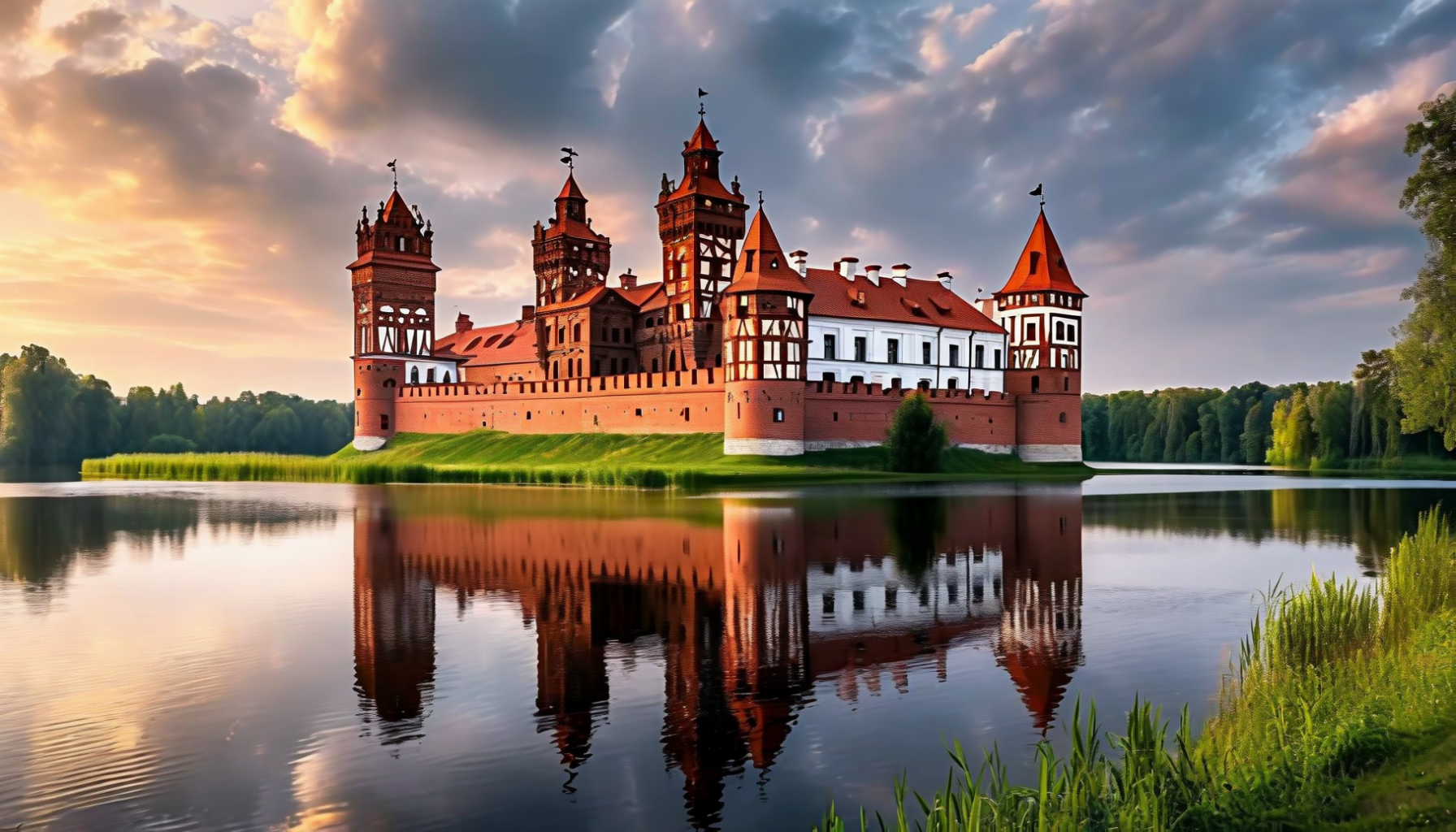
1. Mir Castle Complex (2000)
Built at the turn of the 16th century in Gothic style and later extended in Renaissance and Baroque, Mir Castle is one of Eastern Europe's finest fortified manor houses. Owned successively by the Ilinichs, Radziwiłłs, and Sviatopolk-Mirskis, it survived Napoleonic occupation, WWI and WWII, and decades of Soviet neglect before meticulous restoration. Today its red-brick towers, moat and English-style park draw visitors from across Europe.
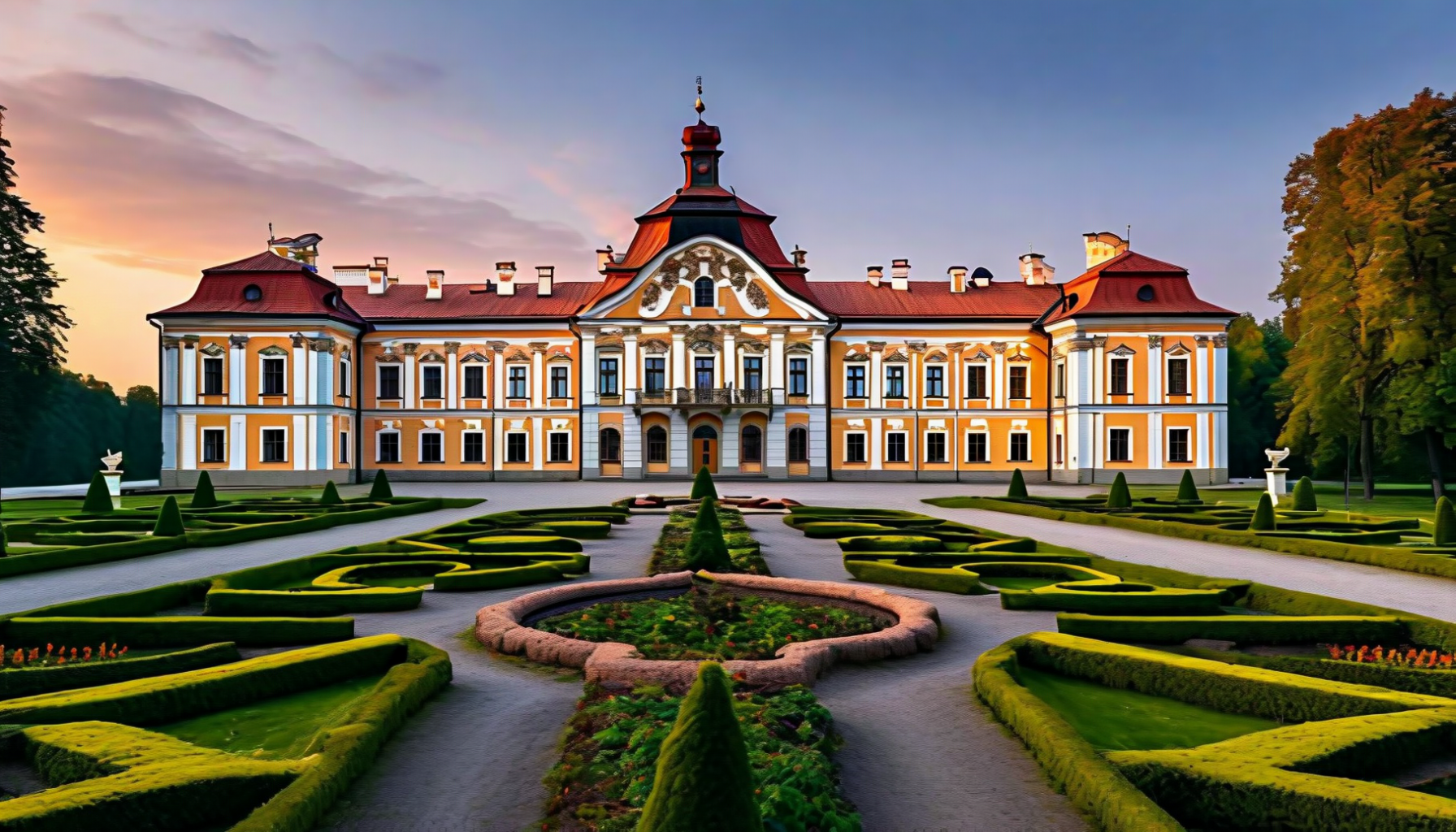
2. Architectural, Residential and Cultural Complex of the Radziwiłł Family at Nesvizh (2005)
For over four centuries Nesvizh was the seat of the powerful Radziwiłł princes, who built one of the most lavish baroque palace-and-park ensembles in the Polish-Lithuanian Commonwealth. The complex includes the palace itself, the Corpus Christi Church (the first Jesuit church in the Commonwealth, 1593), defensive ramparts, and an extensive landscape park. Restored in the 2000s, it now houses a museum of Belarusian noble culture.
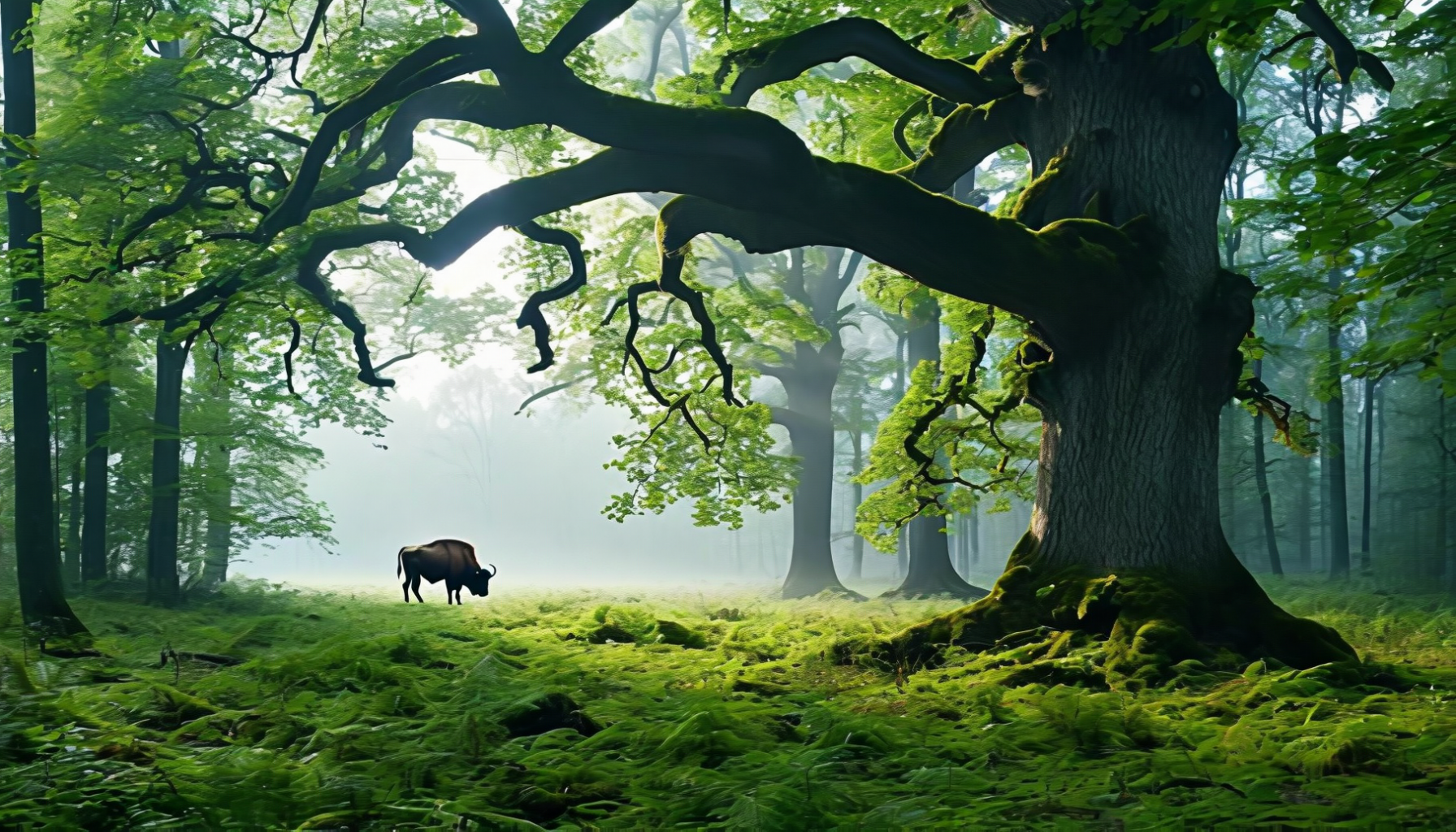
3. Białowieża Forest (1979 / 1992 / extended 2014, shared with Poland)
The largest surviving fragment of the lowland primeval forest that once blanketed the European Plain. On the Belarusian side it forms the Belovezhskaya Pushcha National Park, home to over 800 European bison (zubr) — the continent's heaviest land mammal, brought back from extinction here. The forest also shelters wolves, lynx, elk, and 250 bird species. It was here, in 1991, that the leaders of Russia, Ukraine and Belarus signed the agreement dissolving the Soviet Union.
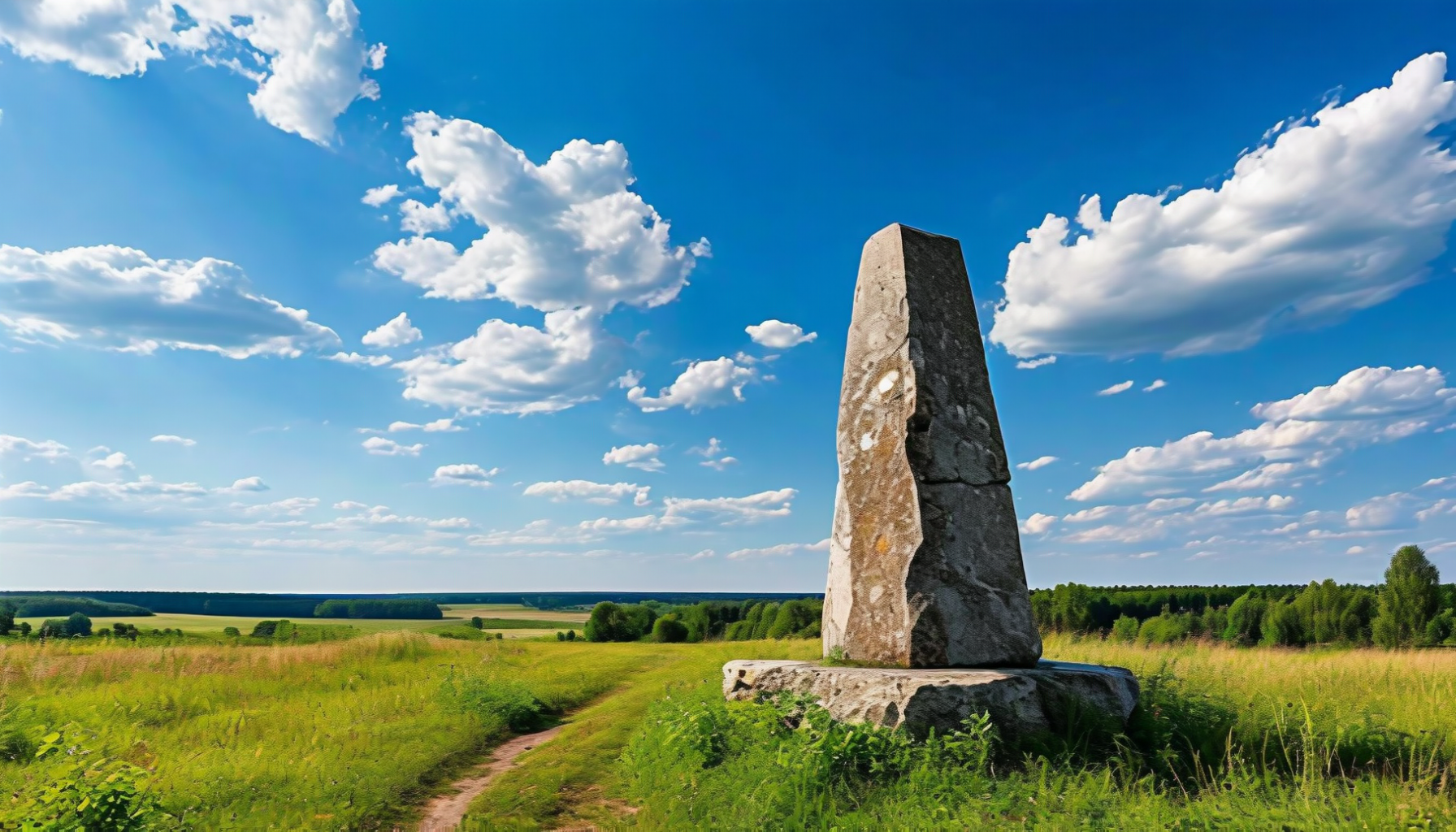
4. Struve Geodetic Arc (2005, shared with 9 other countries)
A chain of survey triangulations stretching 2,820 km from Hammerfest in Norway to the Black Sea, established between 1816 and 1855 by astronomer Friedrich Georg Wilhelm Struve. It produced the first accurate measurement of a meridian arc segment, helping determine the exact size and shape of the Earth. Five of the 34 surviving station points lie in Belarus — modest stone markers in fields and forests that nonetheless represent a milestone in modern science.
🗺️ Planning a UNESCO Circuit
Mir and Nesvizh are the easiest pair to combine — they sit roughly 30km apart and both lie about 90 minutes to two hours from Minsk by car or organized day tour, making a single-day "Castle Loop" the most popular itinerary for visitors with limited time. Białowieża Forest requires more commitment: the Belarusian side (Belovezhskaya Pushcha National Park) is a separate multi-hour trip from Minsk toward the Polish border, best paired with an overnight stay if you want a real chance at spotting the wild European bison rather than a rushed drive-through. The Struve Geodetic Arc points are the true completionist's challenge — modest stone markers scattered in fields and forests, of far more interest to points-collectors and surveying history buffs than casual visitors, though the two nearest Minsk make an easy detour if you're already headed that direction.
Best time to visit: late spring through early autumn for the castles (crisp winter light is beautiful but interiors can feel cold), and September–October for Białowieża if bison-spotting is the priority, when the animals are more active before winter.
