🛡️ The Antarctic Treaty System
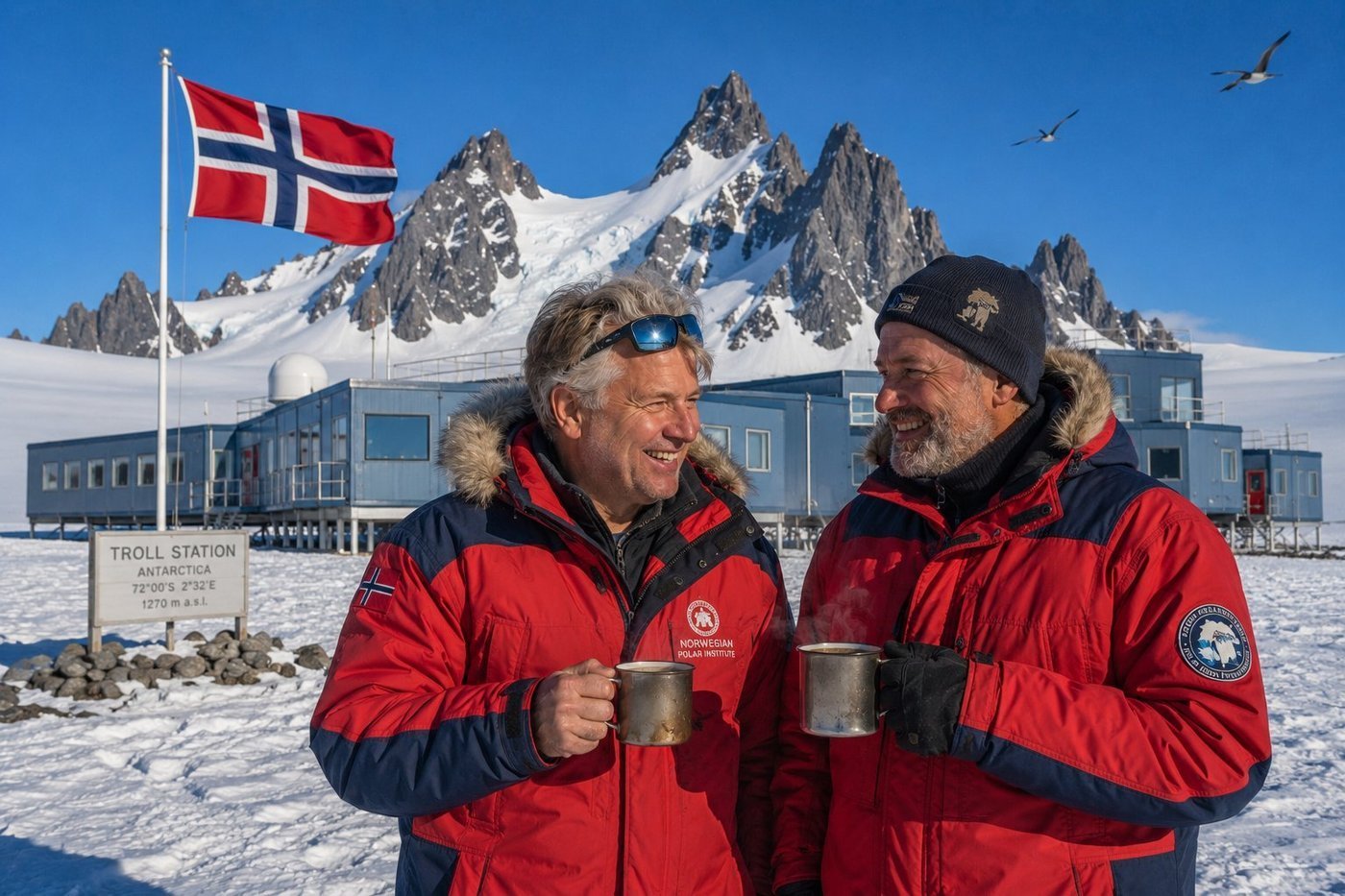
Troll Station, Antarctica
International scientific cooperation under the Antarctic Treaty System.
Antarctica holds no UNESCO World Heritage Sites in the traditional sense — it is not a sovereign nation and therefore outside the formal nomination process. Yet the continent is arguably the most internationally protected landmass on Earth, governed by a treaty system that has become a model for global environmental cooperation. The Antarctic Treaty, signed December 1, 1959 by twelve nations, designates Antarctica as a continent dedicated to peace and science. Today, 56 nations have acceded to the treaty.
Historic Sites and Monuments (HSMs)
Rather than UNESCO listings, Antarctica's heritage is protected through 96 designated Historic Sites and Monuments (HSMs) under the Antarctic Treaty System — grown from the original 43 sites agreed in 1972. These range from Shackleton's Hut at Cape Royds and Scott's Discovery Hut at Hut Point to the Amundsen tent site at the South Pole and whaling station ruins at Deception Island. Under the Treaty's Environmental Protocol, HSMs cannot be damaged, removed, or destroyed without international consensus.
The Madrid Protocol — Environmental Protection
The Protocol on Environmental Protection to the Antarctic Treaty (1991), known as the Madrid Protocol, designates Antarctica as a "natural reserve, devoted to peace and science." It bans all mineral resource exploitation for at least 50 years (reviewable after 2048) and designates Antarctic Specially Protected Areas (ASPAs) — functioning as an equivalent of national parks. Over 70 ASPAs cover critical wildlife habitats and pristine ecosystems, including the Ross Sea Region Marine Protected Area (2016), covering 1.55 million km² — the world's largest marine protected area.
📋 Note for Visitors: IAATO member vessels must follow strict guidelines — no more than 100 passengers ashore at any one time, minimum 5m distance from wildlife, no footwear contaminated from other wild areas. These voluntary rules protect ecosystems that took millions of years to form.
🏚️ Historic Sites & Monuments
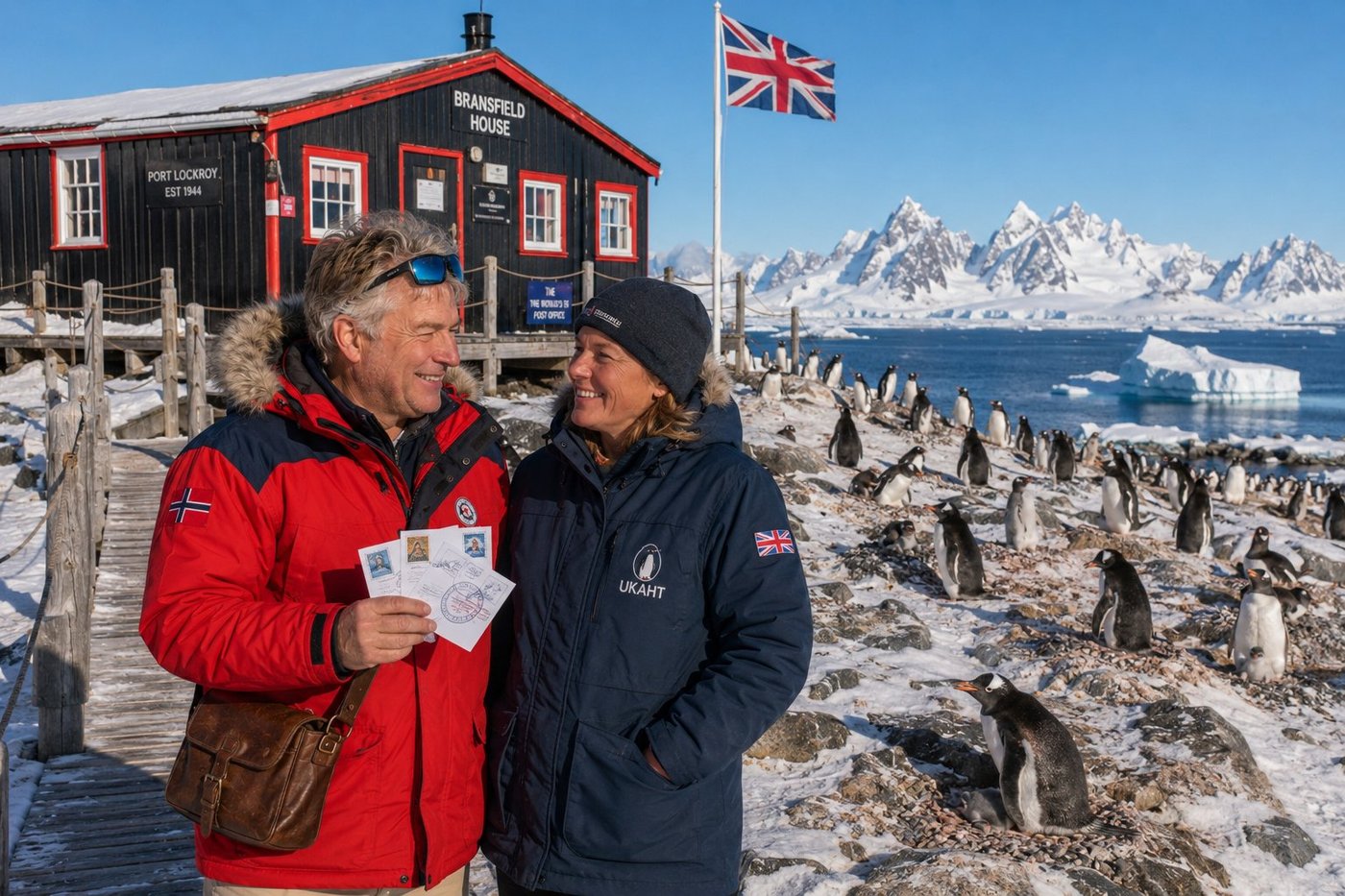
Port Lockroy, Bransfield House
One of ~95 Historic Sites and Monuments — a 1944 British base, now the world's most remote post office.
In practice, "heritage" in Antarctica means the Treaty System's list of Historic Sites and Monuments (HSMs) — currently around 95 protected huts, monuments, and markers, including Shackleton's and Scott's expedition huts on Ross Island, maintained under strict conservation protocols rather than open tourism development. Visiting one, typically as a shore landing from an expedition cruise, is the closest Antarctica gets to a "heritage site visit" in the conventional travel sense.
