🍽️ Cuisine
Antarctica has no indigenous cuisine — no agriculture is possible, and the Antarctic Treaty prohibits harvesting native species. Food arrives entirely by ship or aircraft, making the continent entirely dependent on supply chains stretching back to civilization. Yet Antarctic dining has its own remarkable traditions and surprising quality.
On Expedition Ships: modern expedition vessels serve restaurant-quality meals, often featuring fresh seafood, international cuisine, and impressive buffets. The "barbecue on the ice" has become a beloved expedition tradition — grilling steaks and sausages on deck while surrounded by icebergs.
At Research Stations: station chefs are among the most valued crew members. McMurdo Station's galley serves 1,000 meals daily during peak season. "Freshies" — fresh fruits and vegetables — are prized luxuries that arrive with supply flights and disappear within days. The midwinter feast (June 21) is the year's culinary highlight, with chefs spending weeks preparing elaborate multi-course meals.
📜 Historic & Modern Antarctic Recipes
Hoosh
The Heroic Age Sledging Ration
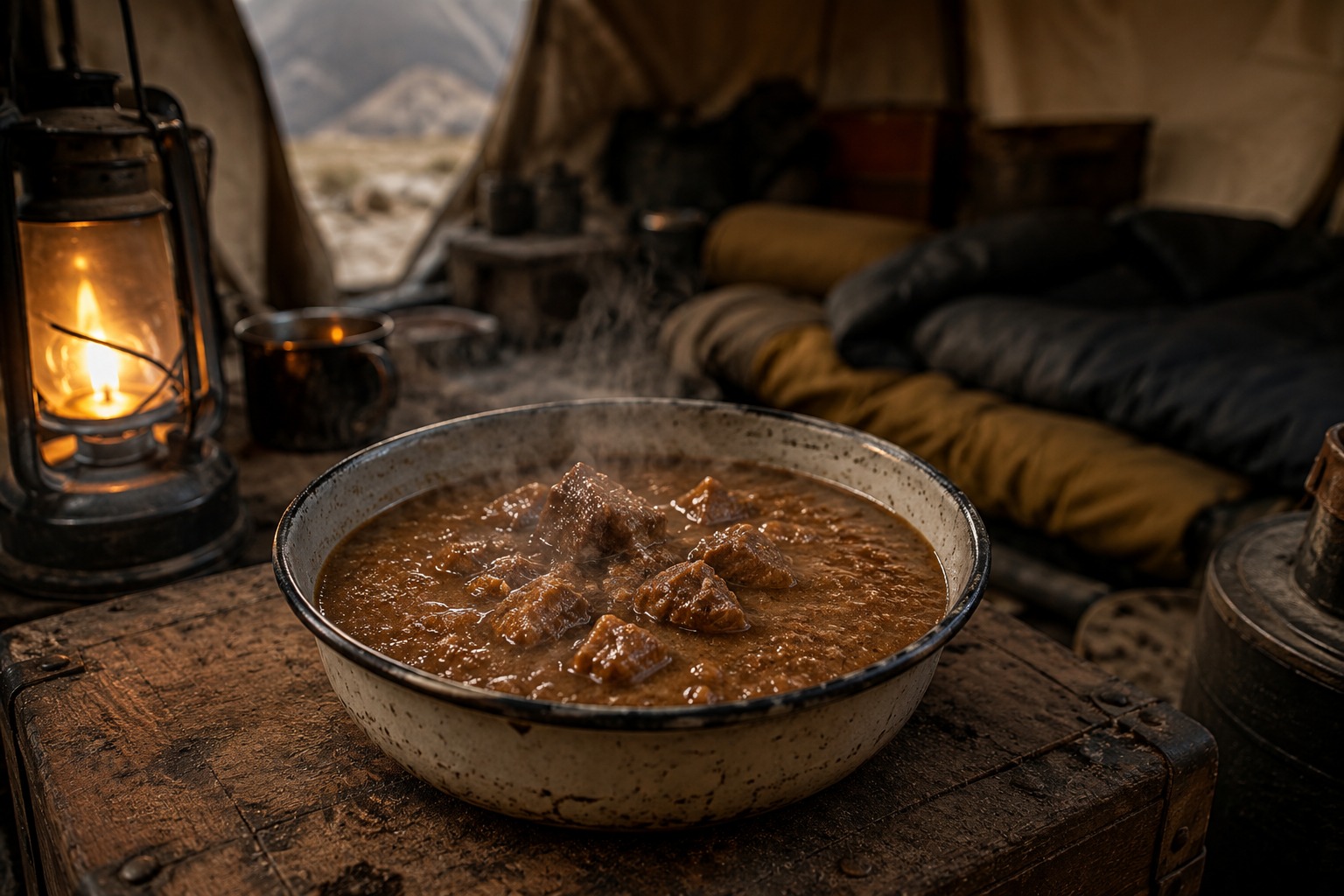
The thick stew that fueled Scott's and Shackleton's sledging parties — pemmican (concentrated dried meat and fat) melted into a paste with crushed biscuit and snowmelt, cooked over a primus stove in a tent at -30°C.
Ingredients: 200g pemmican (or a modern substitute: equal parts dried ground beef and suet), 2 crushed sledging biscuits or hardtack, 500ml boiling water, salt to taste.
Preparation: Break the pemmican into a pot with the boiling water. Stir over heat until it melts into a thick paste. Crumble in the biscuit to thicken further. Simmer 5 minutes and serve immediately, before it cools and sets solid.
💡 Explorers ate hoosh twice daily on sledging journeys — a single ration could exceed 4,500 calories, essential for hauling sledges 10+ hours a day in extreme cold.
Sledging Biscuits
Expedition Hardtack
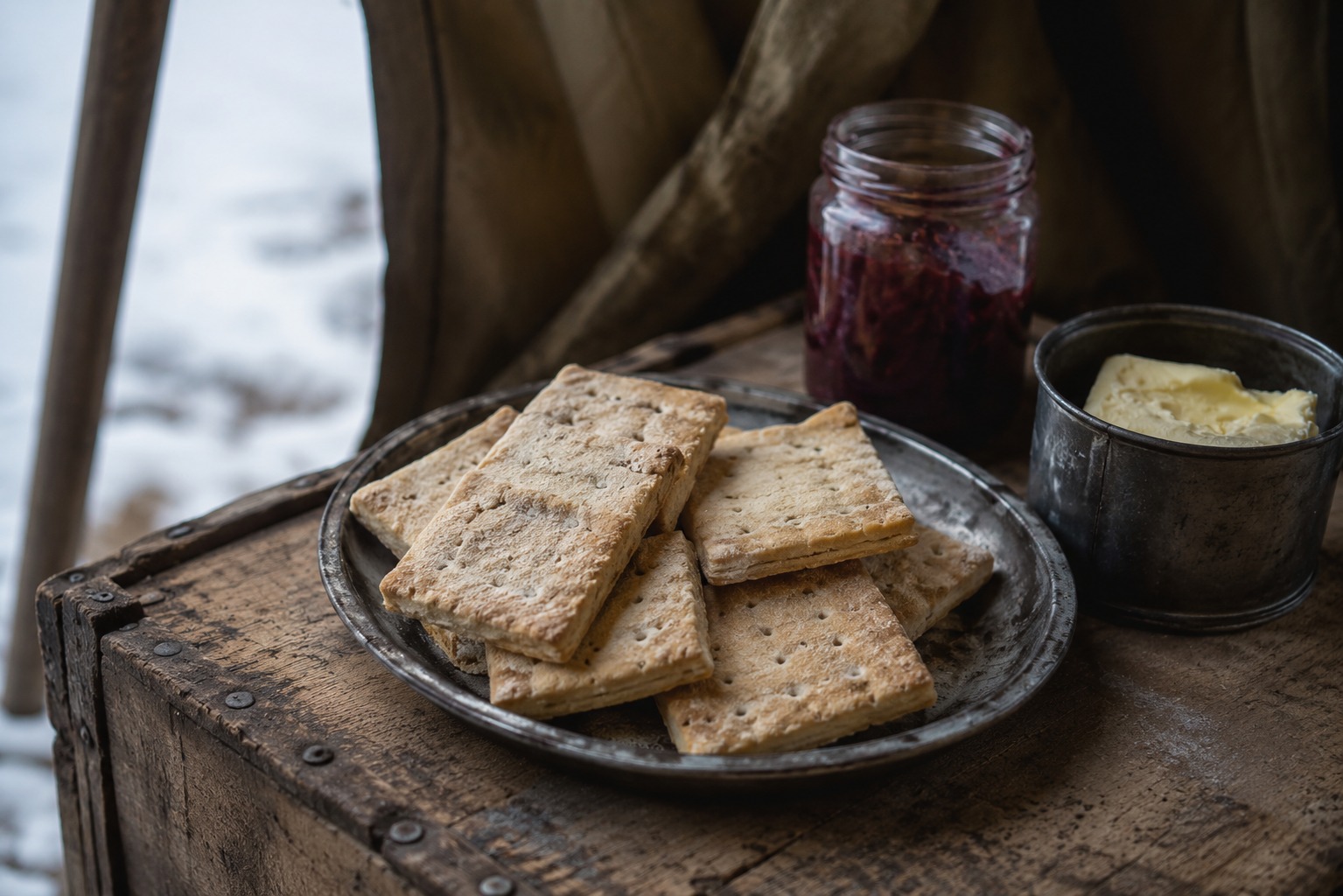
Dense, long-lasting biscuits carried by every Heroic Age sledging party — durable enough to survive months in a sledge box, calorie-dense enough to justify the weight.
Ingredients: 250g wholemeal flour, 60g oats, 60g butter or lard, 1 tsp baking powder, pinch of salt, 100ml water.
Preparation: Rub the fat into the flour, oats, baking powder, and salt until crumbly. Add water gradually to form a stiff dough. Roll thick (1cm), cut into rounds, and bake at 160°C for 25–30 minutes until hard and dry throughout. Cool completely before storing.
💡 Original sledging biscuits were baked so hard that explorers often broke them into hoosh to soften them rather than risk their teeth.
Greenhouse Salad
South Pole Hydroponics
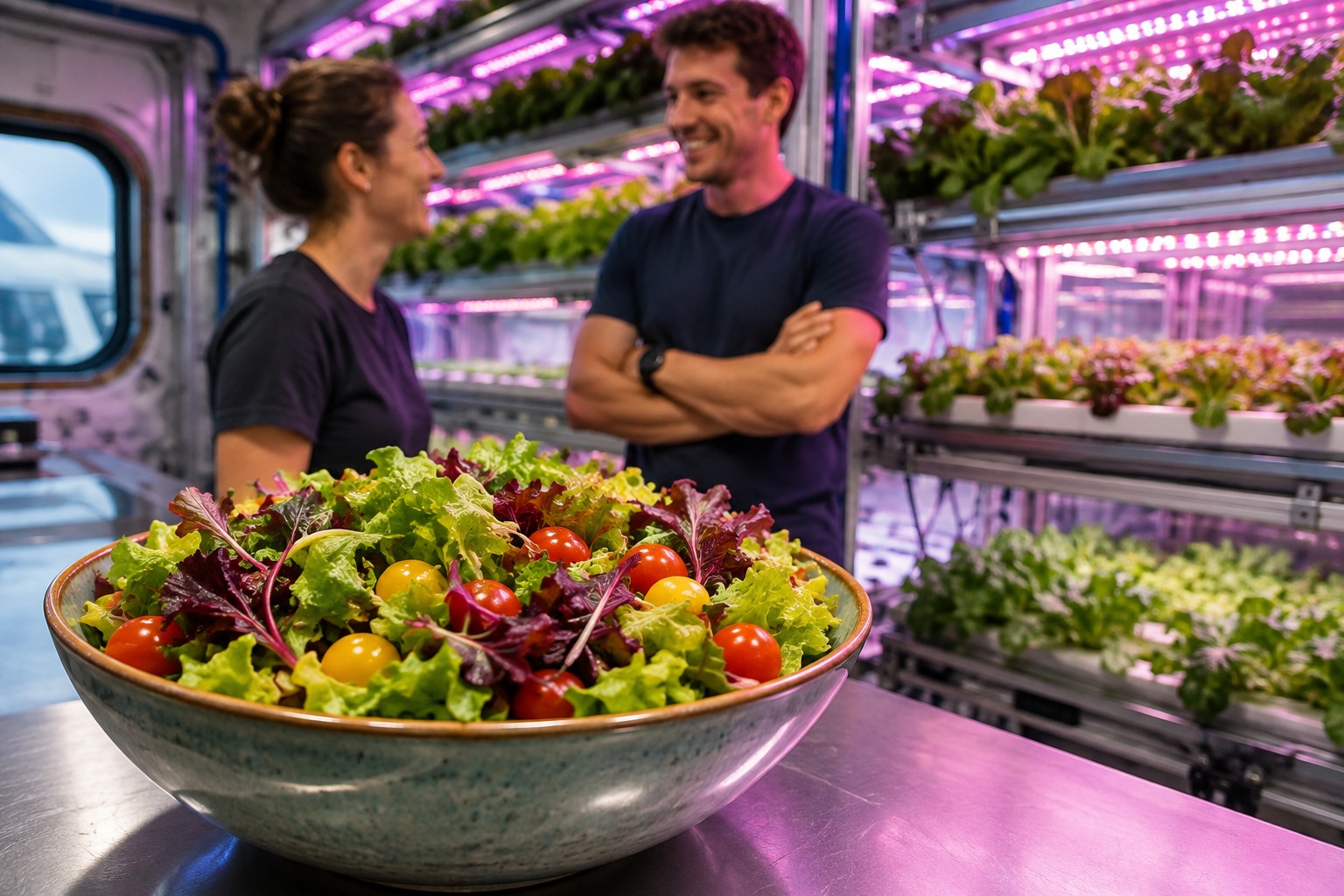
The Amundsen-Scott South Pole Station's hydroponic greenhouse — grown under LED lights with no soil and no sunlight for six months of the year — supplies the only fresh produce most winter-over staff will see until the next supply flight.
Ingredients: a handful each of hydroponic lettuce, spinach, and herbs (basil, cilantro), sliced cucumber, cherry tomatoes (a rare treat when available), olive oil, lemon juice, salt.
Preparation: Wash and toss the greens with cucumber and tomato. Dress simply with olive oil, lemon juice, and salt — station cooks resist masking the flavor of anything actually green.
💡 At the Pole, a single fresh tomato can feel like the greatest luxury on Earth. Winter-over crews sometimes ration greenhouse harvests as a shared, ceremonial event.
🍔 Big Mac Index Economic Indicator
⚠️ McDonald's does not operate in Antarctica
Antarctica is one of the few places on Earth where you absolutely cannot buy a Big Mac — and never will. There are no commercial restaurants of any kind on the continent. Food is either served in research station cafeterias (free for personnel) or aboard expedition cruise ships (included in the voyage price). The closest McDonald's is in Ushuaia, Argentina — the world's southernmost McDonald's, roughly 1,000 km from the Antarctic Peninsula.
📊 Alternative Price Comparison:
- Expedition cruise dinner — included in voyage price ($8,000–$50,000+ total)
- McMurdo Station meal — free (for authorized personnel only)
- Postcard from Port Lockroy — ~$2–3
- Polar plunge certificate — free (courage required)
Verdict: Antarctica is simultaneously the most expensive and least expensive dining destination on Earth. Getting there costs a fortune — but once you arrive, everything is included.
