
🍷 Wine, Spirits & Drinking Culture
Angola’s drinking culture is inseparable from its social fabric. Bars — from the humblest quitanda to Luanda’s upscale rooftop lounges — are where business is done, friendships are maintained, and music happens. The country produces no wine of significance (the climate is wrong) and no whiskey, but it has developed a distinctive beer and spirits culture shaped by Portuguese influence and African raw materials.
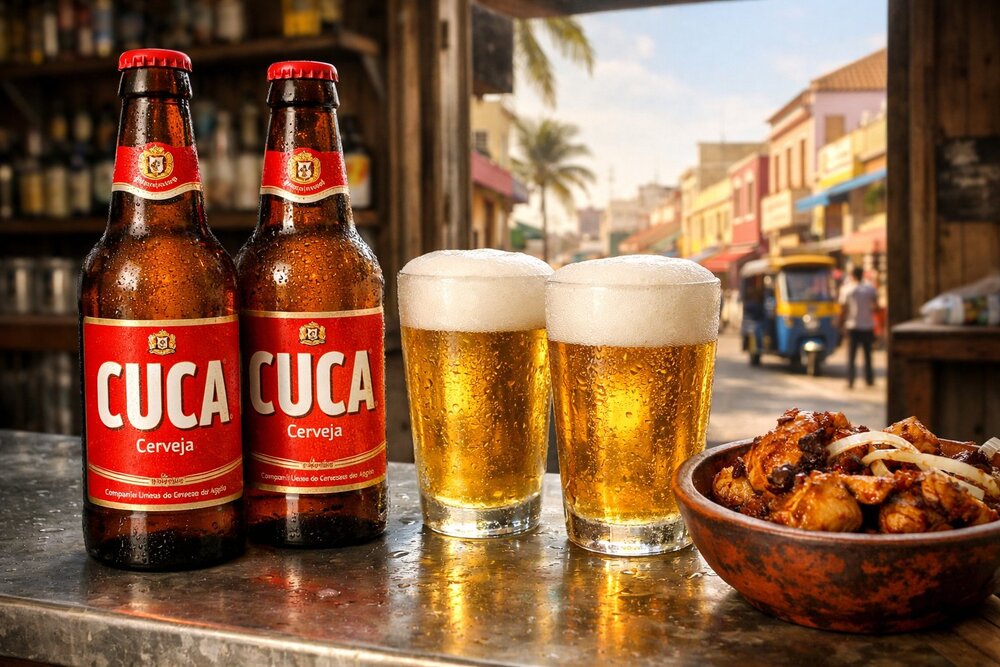 Cuca Beer
Angola’s national lager, brewed in Luanda since 1969. Light, cold, reliable. Served at every restaurant, beach bar, and quitanda. The unofficial currency of Angolan hospitality. If someone buys you a Cuca, it means something.
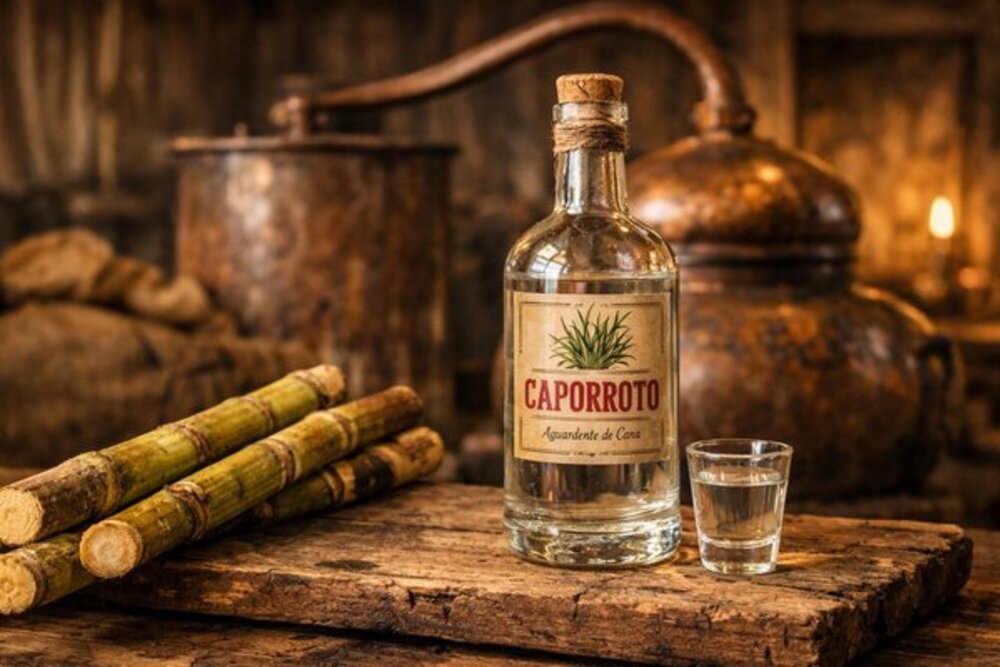 Caporroto
The traditional Angolan firewater — distilled from sugarcane or cassava, typically in small batches. Rough and potent. Served in tiny glasses. The functional equivalent of Brazilian cachaça. Quality varies wildly; the best versions have real character.
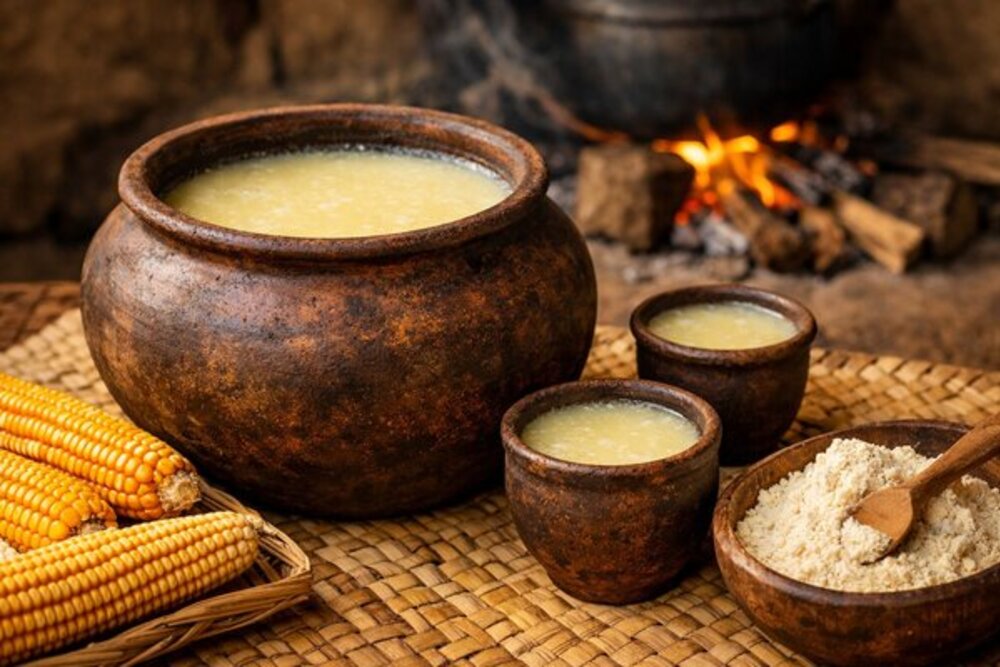 Kissangua
Traditional fermented corn beer, brewed and drunk primarily in rural areas and at traditional ceremonies. Low alcohol, slightly sour and cloudy. Shared communally from a common vessel. Trying it at a village celebration is an unmissable cultural experience.
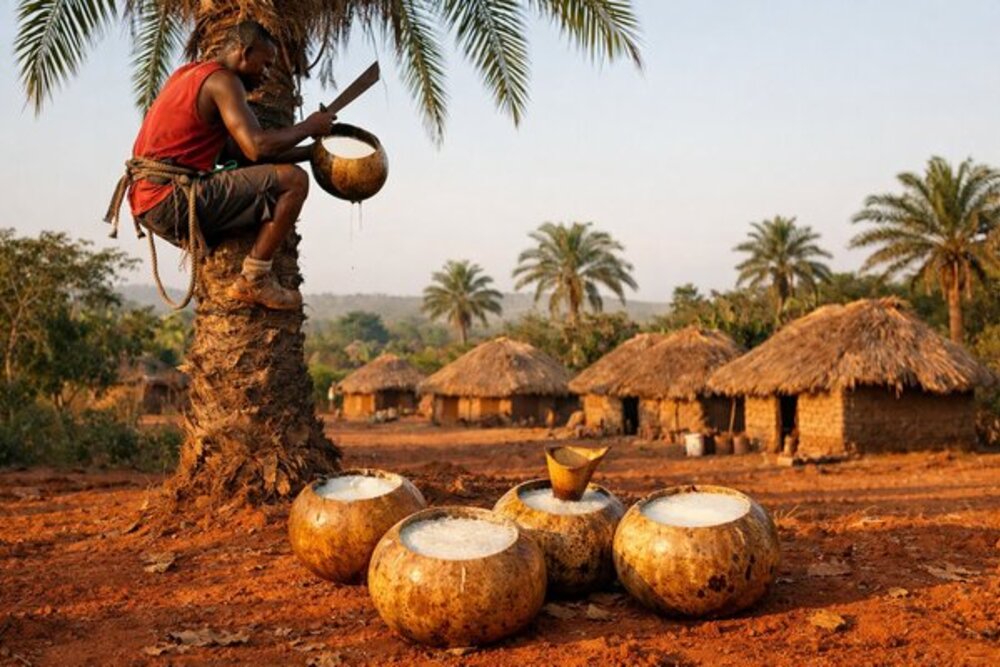 Malavu (Palm Wine)
Freshly tapped palm wine — sweet, slightly fizzy, and mildly alcoholic when fresh; increasingly sour and powerful as it ferments over 24 hours. Sold in plastic bottles at roadside stalls across central and northern Angola. Drink fresh for sweetness, aged for fire.
Portuguese wine is widely available and reasonably priced in Luanda’s supermarkets and restaurants — Douro reds and Vinho Verde whites in particular. South African wines are also common. Imported spirits (whiskey, gin, rum) are available everywhere at relatively high cost. The Angolan cocktail scene in Luanda is nascent but growing, with several craft cocktail bars having opened in recent years.