This is, honestly, close to a company town in island form. A single StarKist Samoa cannery — owned by South Korea's Dongwon Industries — generates roughly 80% of the territory's export revenue and stands as the largest private employer, second only to the local government itself. Everything about American Samoa's business reality flows from that one fact: the tuna cannery's health is the territory's economic health.
The upside case for American Samoa isn't diversified private enterprise — it's the territory's unusual legal status. As unincorporated U.S. territory, qualifying shipments to the U.S. mainland may receive favorable customs treatment, subject to origin and other legal requirements. Rates on competing imports vary by product and current trade measures; a blanket 9% comparison is not reliable planning advice. This trade position is one important factor alongside access to fish, infrastructure, labor and operating costs.
Starting a Business — The One Rule That Changes Everything
Company formation itself follows standard U.S. territorial procedure — checking business registration and licensing with the American Samoa Government's Department of Commerce and obtaining the tax registrations applicable to the particular entity, including a federal EIN where required. The Development Bank is a separate financial institution, not another name for the registration department. Confirm the applicable territorial requirements instead of assuming that every mainland procedure is identical.
What isn't unremarkable: roughly 90% of land in American Samoa is held under Fa'a Samoa communal land tenure, constitutionally protected and, in practice, not available for sale to non-Samoans. Outside investors lease rather than own, and land deals routinely require navigating village-level (matai) authority alongside territorial government approval. Any realistic business plan here starts with a land and community-relations strategy, not a term sheet.
Also worth knowing: people born in American Samoa generally acquire U.S. nationality without automatic U.S. citizenship; some residents hold citizenship through another legal route — a distinction that shapes local politics and identity, though it has limited direct effect on standard commercial registration for an incoming business.
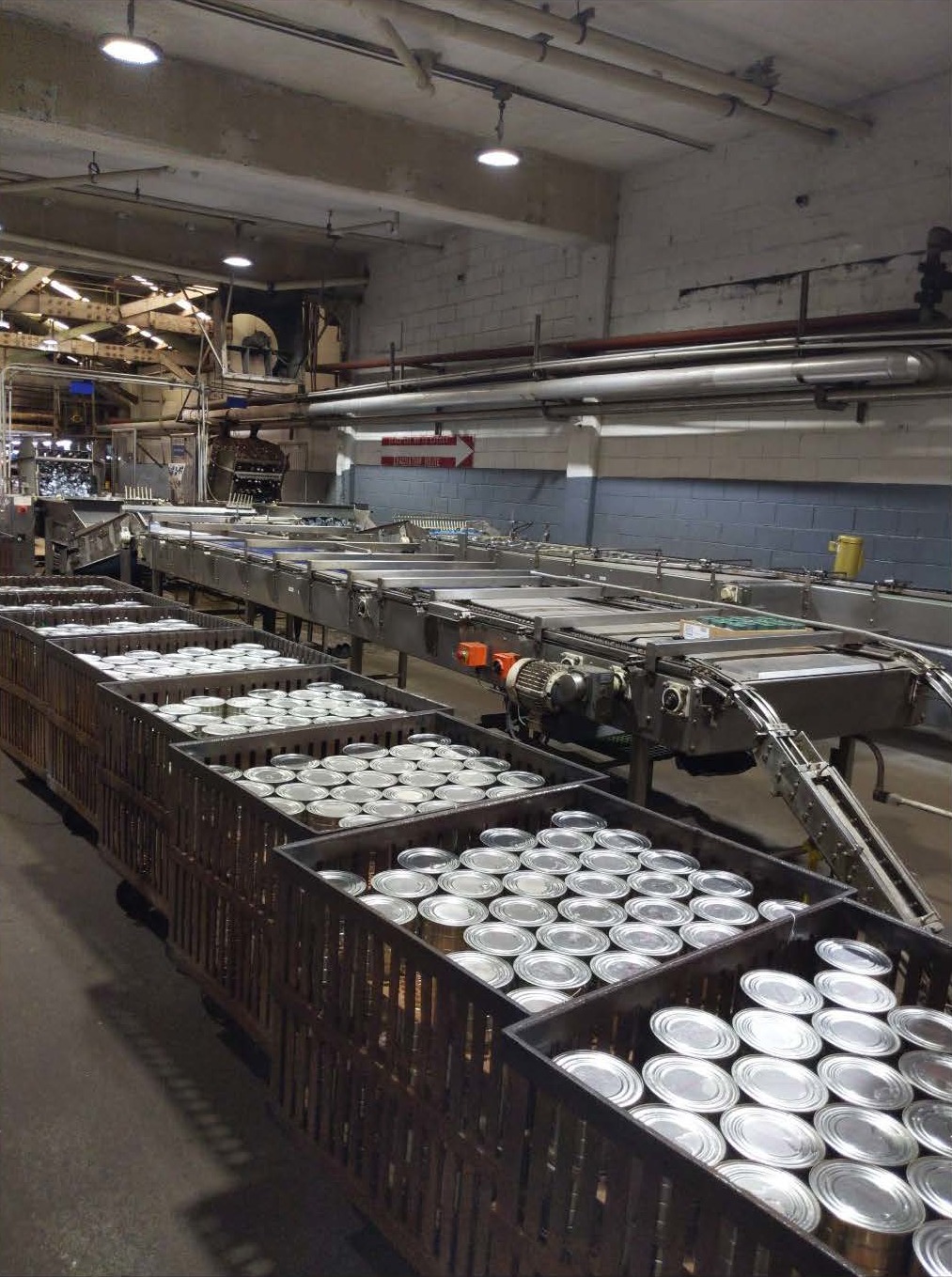
StarKist Samoa's Pago Pago plant processes roughly 400–450 metric tons of tuna a day, running close to 2,000 workers at peak season (many recruited from neighboring independent Samoa, housed in company-built facilities). The industry as a whole — cannery plus supporting fishing fleet — supports an estimated 4,500-5,000 jobs on an island of under 50,000 people. It is also chronically fragile: cannery employment has fallen by nearly half since the mid-2000s as competitors closed (including other tuna-processing operations; exact historical closure dates should be checked against the particular facility), under pressure from wage and fuel costs as well as changing fisheries rules; fishing interests have also expressed concern about proposals for additional marine protection and access to fishing grounds.
Diversification remains an important question for an economy so dependent on tuna processing. Using fish byproducts, strengthening local supply chains and building skills can be discussed as possibilities without assuming that a new industry is already established. Seabed minerals introduce a different and contested prospect: BOEM announced a proposed offshore mineral leasing notice on July 16, 2026. A leasing proposal is not an operating mine, a guaranteed local processing plant or a proven source of jobs. Environmental review, community concerns and effects on fisheries matter alongside any commercial case. The Clarion–Clipperton Zone lies in a different, distant part of the Pacific and should not be described as nearby American Samoan waters.
Canning production line at StarKist Samoa · U.S. Government Accountability Office · Public domain · Source · Credits
04
Who Actually Runs the Economy
There is no local stock exchange — American Samoa uses the same U.S. federal securities framework and mainland exchanges (NYSE, Nasdaq) as any state, so there's nothing regional to analyze there. The real concentration of economic power sits in two places: the American Samoa Government itself (the single largest employer on the island by a wide margin) and StarKist Samoa / Dongwon Industries, the South Korean seafood conglomerate that has owned the cannery since 2008. Beyond those two, the private economy is overwhelmingly small-scale: family-run retail, construction, and the fishing fleet that supplies the cannery.
There's no polite way to say this: American Samoa's economy is one company and one tariff advantage away from a much harder conversation. That's not a reason to dismiss it — it's a reason to be honest about what "doing business" here actually means. This isn't a market to enter for diversified private enterprise; it's a single-employer island economy where land can't be bought, only leased through community relationships, and where the entire trade logic rests on the territory's unusual status as U.S. soil south of the equator.
The seabed-minerals push is the first genuinely new idea in a generation, and worth watching — but it's a bet on geology and politics, not yet a business. For now, StarKist's fortunes are American Samoa's fortunes, for better or worse.

_(cropped).jpg)