A continent in one country — fifty states, immense landscapes, global cities, regional cultures and roads that have become part of the national imagination.
Find a dedicated profile for every state, Washington, D.C., the five major inhabited territories and nine individual outlying islands. Search the full directory by name, region or category.
The United States spans 9.8 million square kilometers from the Atlantic to the Pacific, making it the third or fourth largest country on Earth depending on how the measuring is done. With roughly 342 million people, fifty states, and territories reaching from the Caribbean to the mid-Pacific, it holds more geographic, cultural, and culinary range than most of its own citizens ever get around to seeing. From the skyscraper canyons of Manhattan to the sandstone canyons of Utah, from Creole Louisiana to volcanic Hawaii, this is a continent that happens to share one passport.
For international visitors, the US offers 27 UNESCO World Heritage Sites, 63 national parks protecting some of the planet's most dramatic landscapes, world-class cities each with a genuinely distinct personality, and a road-trip culture that is itself part of the experience. The distances involved are real — New York to Los Angeles is farther than London to Baghdad — and every region carries its own accent, cuisine, history, and attitude. Don't try to see all of it on one trip. Pick a region, and go deep.
This entry is written with a slightly different reader in mind than the other 278 countries in this Factbook: most people reading it already live here, or have visited many times. So treat it less as an introduction and more as an invitation to see your own country the way you'd see someone else's — with fresh eyes, an actual itinerary, and the assumption that there's always more worth the detour.
02
🏷️ Name & Identity
The formal name — the United States of America — was first used in the Declaration of Independence of 4 July 1776, and it is a description rather than a poetic invention: a union of states, on a continent that Europeans had named after the Florentine navigator Amerigo Vespucci. In everyday use it collapses to "the United States," "the US," "the USA," or simply "America" — the last of which quietly annoys much of the rest of the hemisphere, since two continents already carry the name.
The flag's thirteen stripes stand for the original colonies and the fifty stars for the current states; the present design dates from 1960, when Hawaii became the fiftieth state. "The Star-Spangled Banner" — Francis Scott Key's 1814 poem set to an older English tune — became the national anthem only in 1931. The motto on the currency, "In God We Trust," was adopted in 1956, displacing the older and more accurate E pluribus unum, "out of many, one." There is no official language at federal level in the constitutional sense, though English is used for government business and Spanish is spoken at home by more than 40 million people. The country code is US/USA, the internet domain is .us — though American organisations overwhelmingly use .com — and the currency is the US dollar, symbol $, code USD.
03
🗺️ Geography & Regions
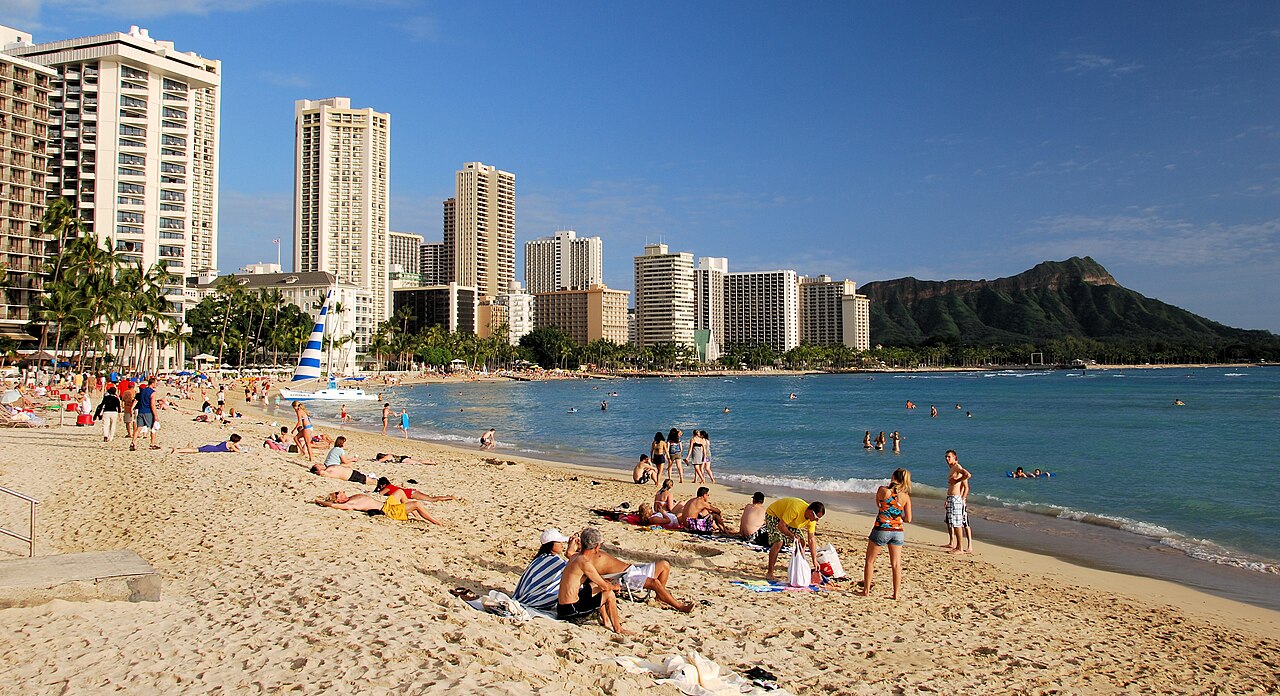
Fifty states, the federal district of Washington, D.C., and five inhabited territories (Puerto Rico, Guam, the U.S. Virgin Islands, American Samoa, and the Northern Mariana Islands) make up the country on paper. Geographically, the contiguous 48 states border Canada to the north and Mexico to the south, with the Atlantic and Pacific oceans on either flank and the Gulf of Mexico completing the southeastern edge. Alaska, separated from the rest by Canada, is itself larger than Texas, California, and Montana combined — big enough that if overlaid on the Lower 48, it would stretch from coast to coast. Hawaii, a volcanic archipelago some 3,850 km from the mainland, is the only state entirely outside North America.
The interior is shaped by three great mountain systems — the ancient, rounded Appalachians in the east, the young and jagged Rockies running north-south through the center-west, and the Sierra Nevada and Cascades along the Pacific edge — with the vast Great Plains rolling between them. The Mississippi-Missouri river system, the world's fourth-longest, drains nearly the entire middle of the country into the Gulf of Mexico, while the Colorado River carved the Grand Canyon on its long run to the Sea of Cortez. The Great Lakes on the Canadian border hold about a fifth of the world's fresh surface water.
Climate diversity matches the geography: Arctic tundra in northern Alaska, tropical rainforest in Puerto Rico and parts of Hawaii, scorching low desert in Arizona and Nevada, humid subtropical heat across the Deep South, temperate four-season weather through the Midwest and Northeast, and a famously mild, dry-summer climate along coastal California. "Tornado Alley" across the central Plains sees the world's highest concentration of severe thunderstorms and tornadoes each spring, while hurricane season (June–November) affects the Gulf and Atlantic coasts.
The land now called the United States was home to diverse Indigenous nations for at least 15,000 years before European contact — the Haudenosaunee, Lakota, Navajo, Cherokee, and hundreds of other peoples with distinct languages, governments, and ways of life. Spanish, French, Dutch, and English colonization from the 16th century onward brought displacement and disease on a catastrophic scale. Thirteen British colonies along the Atlantic coast declared independence in 1776, and the resulting republic expanded westward over the following century through purchase, treaty, and force, reaching the Pacific by the 1840s.
The Civil War (1861–1865), fought over slavery and the future of the union, killed more Americans than any conflict before or since and ended in the abolition of slavery, though its legacies of inequality remain contested to this day. The late 19th and early 20th centuries brought mass immigration, industrialization, and the closing of the western frontier. The 20th century then saw the US emerge as a global superpower through two world wars, the Cold War, and the Space Race, while the civil rights movement, waves of immigration, and successive cultural shifts continually reshaped who gets to claim American identity and on what terms.
The twentieth century is often called the American Century, and not only by the victors. The United States entered the First World War in 1917 and emerged as the world's leading industrial power and creditor; the 1920s brought jazz, the Harlem Renaissance, and Art Deco, before the Wall Street Crash of 1929 ushered in the Great Depression and Franklin Roosevelt's New Deal, which permanently enlarged the role of the federal government. The attack on Pearl Harbor in December 1941 pulled the country into the Second World War as the "arsenal of democracy," and the atomic bombing of Hiroshima and Nagasaki in 1945 opened the nuclear age. The decades that followed were defined by Cold War rivalry with the Soviet Union — including the divisive wars in Korea and Vietnam — by the postwar flight to the suburbs along a vast new interstate highway system, and by a cultural output (jazz, blues, country, rock 'n' roll, soul, hip-hop, and Hollywood) that traveled the world more durably than any army. Apollo 11 reached the Moon in July 1969; by the century's close the nation's technological center of gravity had shifted from the launch pads of Florida to the software garages of Silicon Valley.
Today the country remains the world's largest economy and most powerful military, a magnet for immigration from every continent, and a society still actively debating its own founding ideals — a debate that, as much as any monument, is part of what a visitor encounters when they arrive.
06
👥 People & Culture
"American culture" is really a confederation of regional cultures loosely stitched together by a shared language, currency, and constitution — and even the language varies more than outsiders expect, from Boston's dropped R's to the Cajun-inflected English of Louisiana to the distinct rhythms of African American Vernacular English and the Spanish that is a first language for tens of millions of citizens. Immigration has shaped every layer of it: the country's largest cities are among the most ethnically diverse on Earth, and "American food," "American music," and "American style" are best understood as ongoing arguments rather than fixed categories.
Regional identity runs deep and matters more than most visitors assume. A New Englander, a Texan, a Californian, and a Deep Southerner will each describe a genuinely different country when asked what "being American" means — different foods, different manners, different politics, different relationships to land and history. This isn't a flaw in the national character; it's arguably the point. The friction between those regional identities, and between newer and older waves of arrival, has produced a culture that is simultaneously fiercely patriotic and constantly self-critical, often within the same conversation.
07
🗽 The Northeast
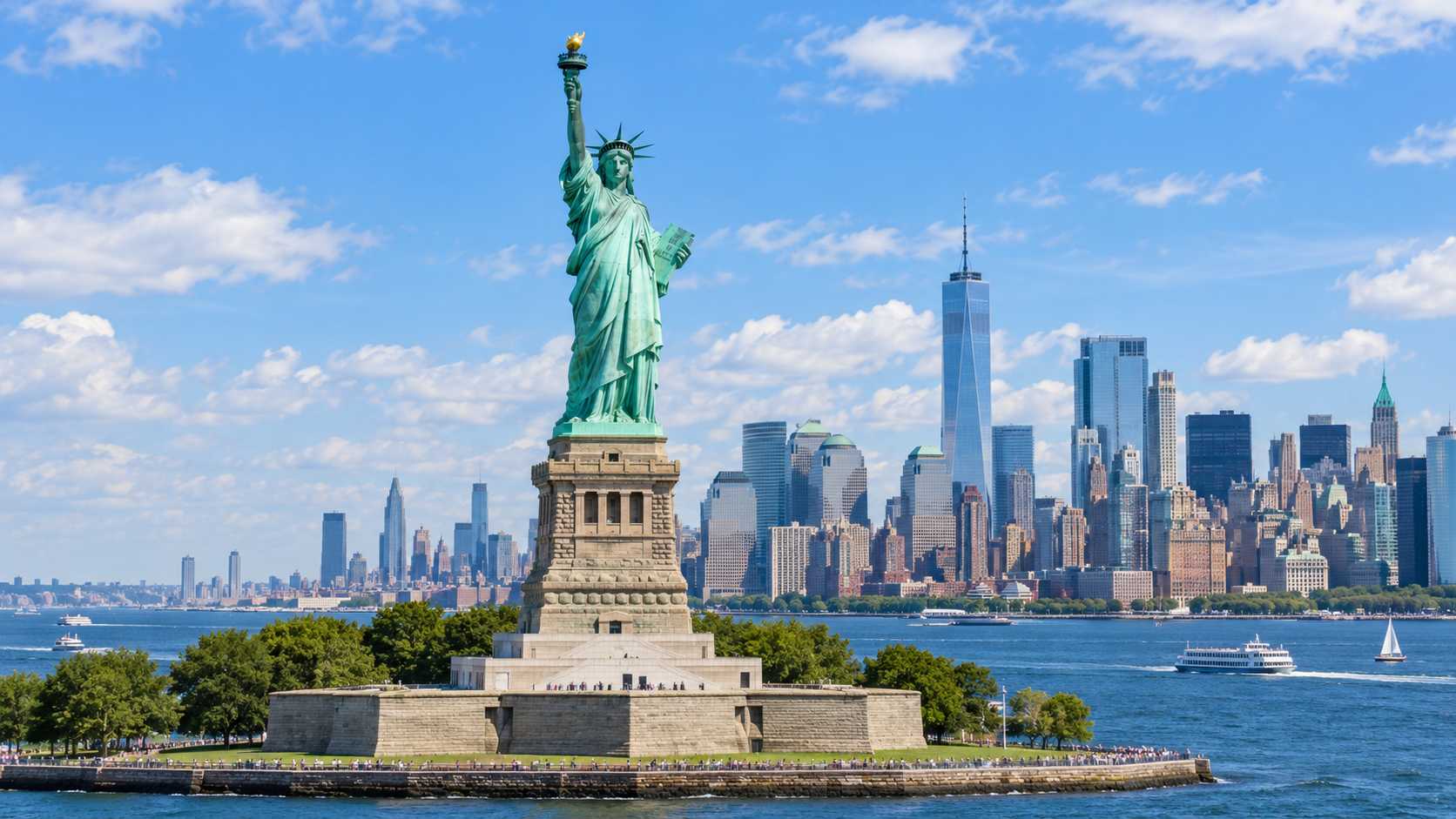
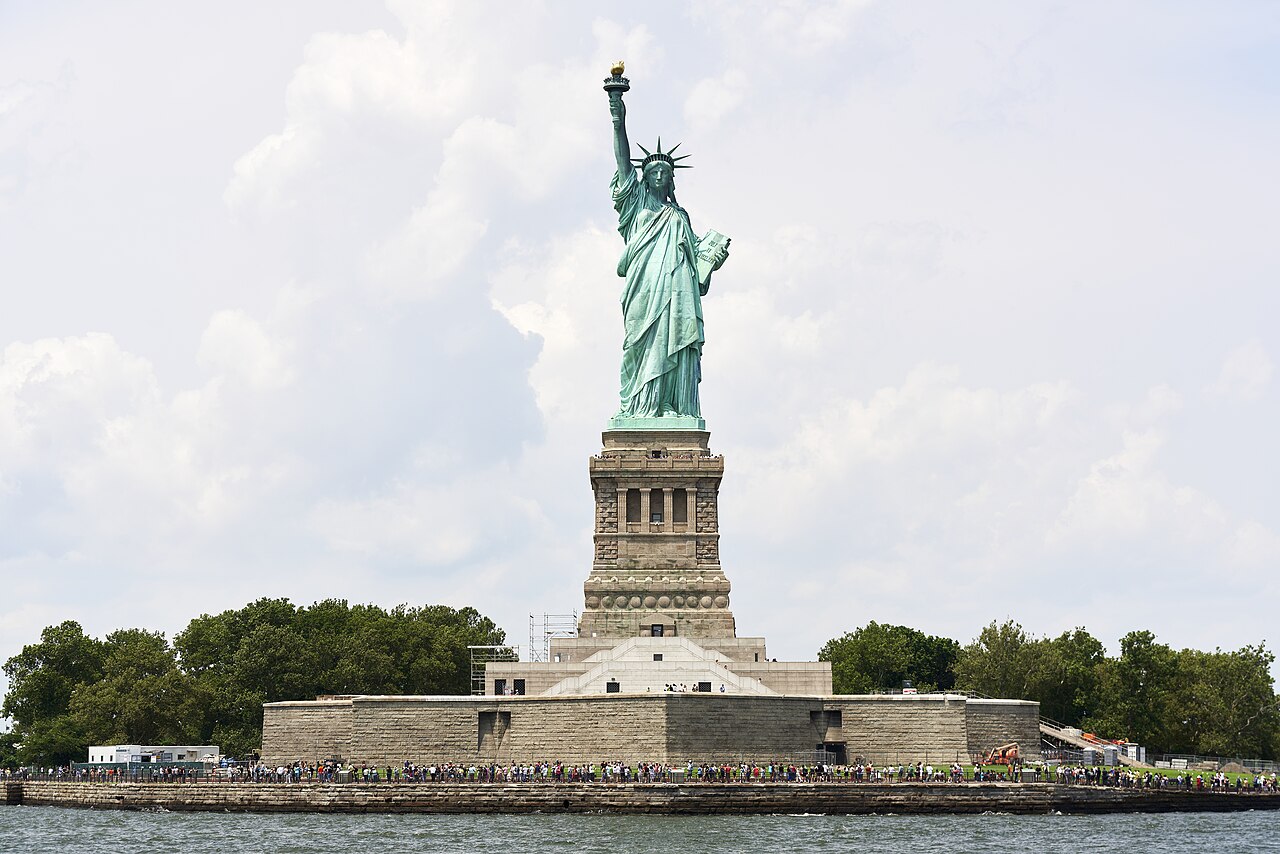
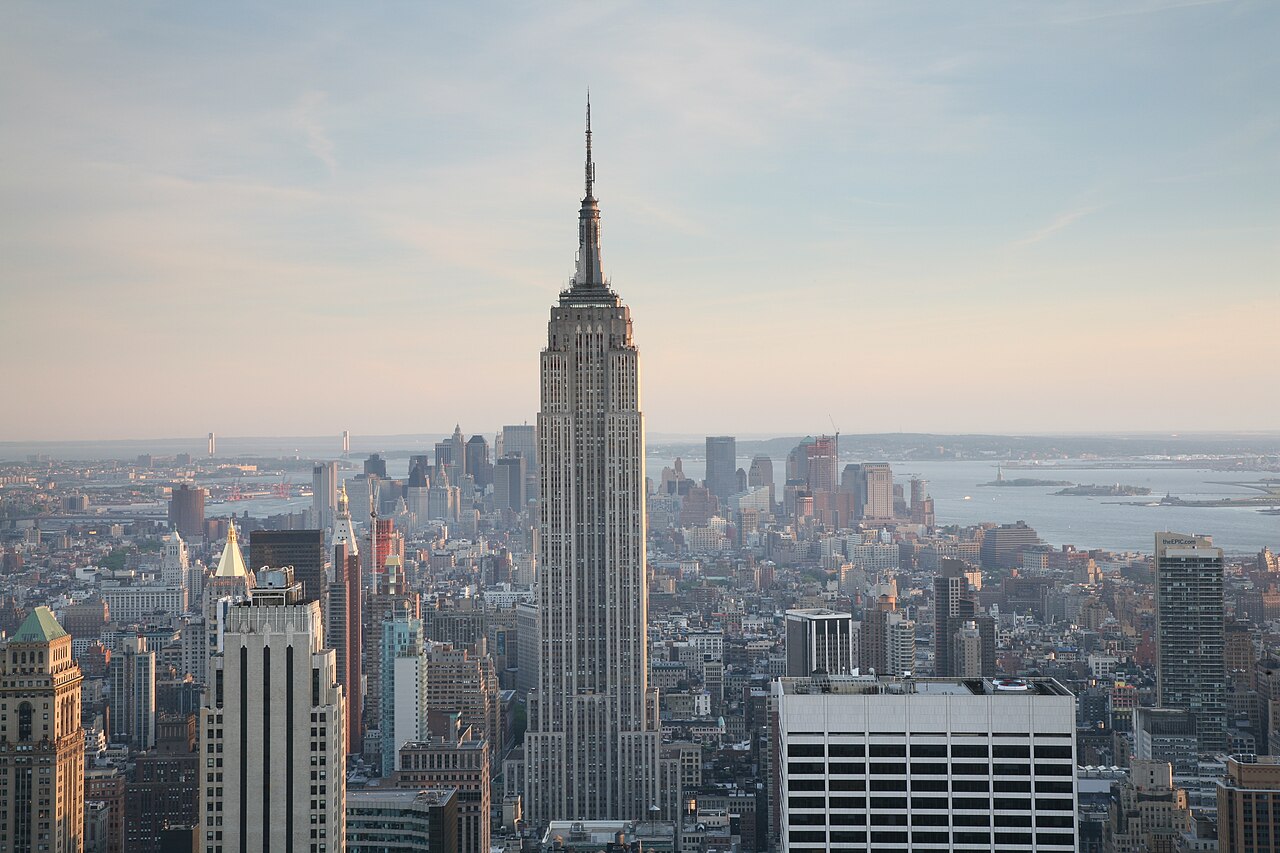
New York City is the US at its most intense — roughly 8.6 million people, five boroughs, and an energy that genuinely does not stop. Manhattan's skyline, Central Park, the Statue of Liberty, Times Square, the Metropolitan Museum of Art, and Broadway need no introduction. But Brooklyn's neighborhoods, Queens' extraordinary ethnic diversity (more languages are spoken there than almost anywhere on Earth), and the High Line's elevated park deserve equal billing. New York is where the rest of the world arrives in America.
Beyond NYC, the Northeast offers Boston's revolutionary-era history and academic density (Harvard and MIT sit across the river from each other in Cambridge), Philadelphia's Independence Hall and Liberty Bell, Washington D.C.'s monuments and free Smithsonian museums, New England's covered bridges and blazing fall foliage, and the Appalachian Trail running 3,500 km from Georgia to Maine. It's the most densely populated and historically layered part of the country, where 17th-century church steeples stand a few blocks from glass-and-steel towers.
08
🏜️ The American West
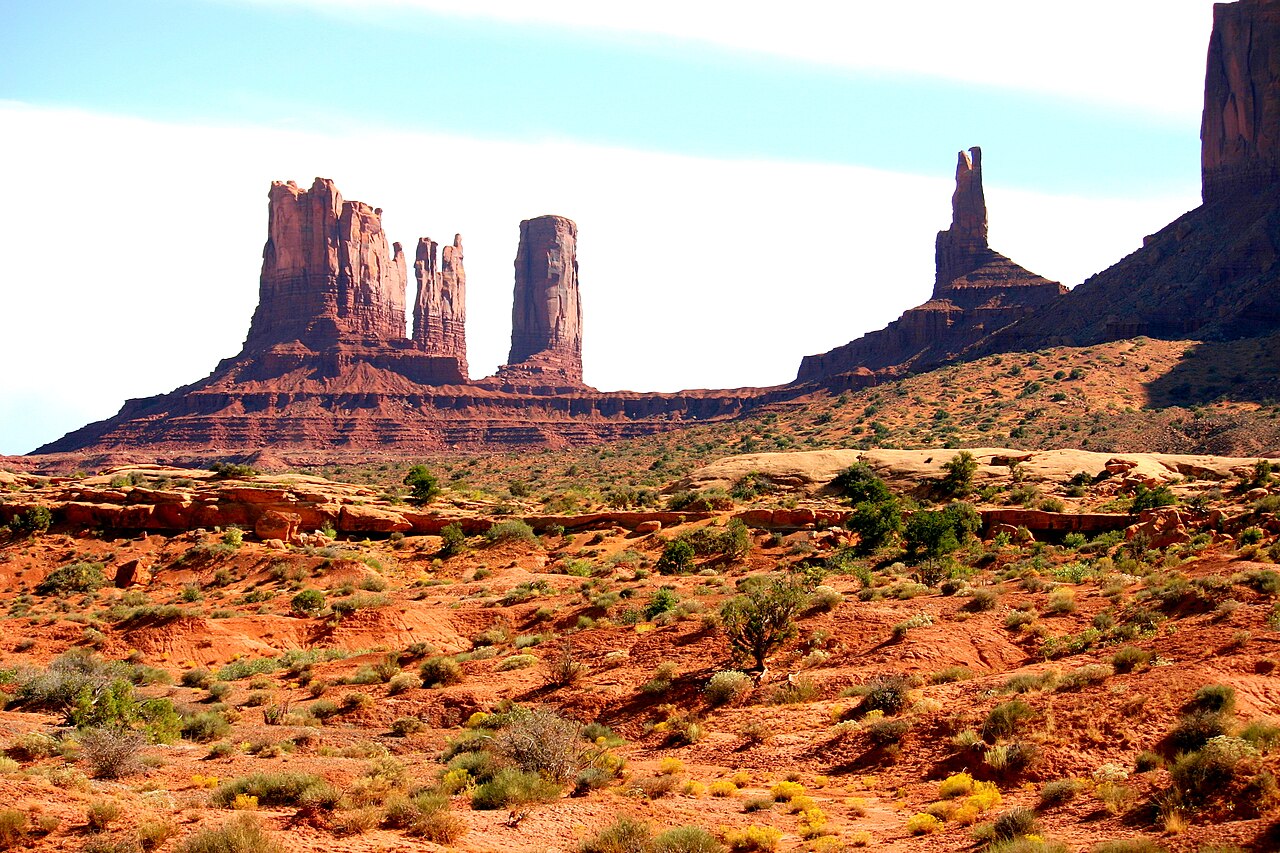
The American West is where the country's mythology actually lives. The Grand Canyon, Yellowstone, Yosemite, Monument Valley, Death Valley, and the coast redwoods are landscapes of almost incomprehensible scale. The national park system — the novelist Wallace Stegner called it "the best idea we ever had," a line Ken Burns later borrowed for the title of his documentary — protects these places and makes them accessible through thousands of kilometers of trails, campgrounds, and scenic drives.
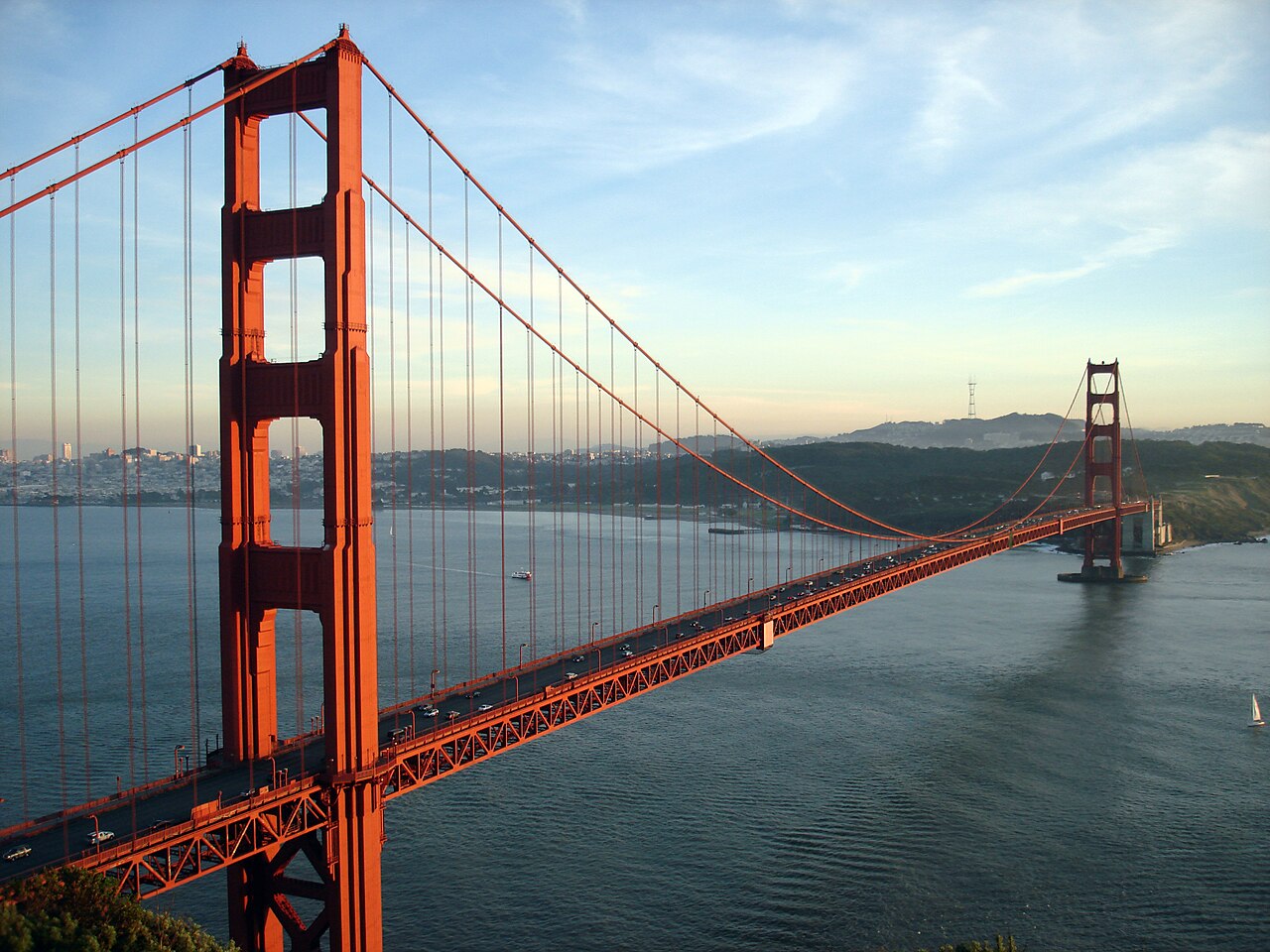
California alone would rank among the world's five largest economies if it were its own country. San Francisco's Golden Gate Bridge, Napa Valley's vineyards, Los Angeles' entertainment industry, and San Diego's beaches span a single coastline. Las Vegas supplies spectacle in the middle of the Mojave Desert. The Pacific Northwest (Portland, Seattle) pairs tech-industry money with outdoor culture and genuinely excellent coffee. Alaska and Hawaii sit at the extremes — the largest and the most remote states, each with landscapes found nowhere else on the map.
09
🎵 The South & Midwest
The American South has a culture, cuisine, and history entirely its own. New Orleans may be the country's single most distinctive city — French and Spanish Creole architecture, live jazz on nearly every corner, Cajun and Creole cooking, and Mardi Gras. Nashville is the capital of country music; Memphis has Beale Street blues, Sun Studio, and world-class barbecue. Charleston and Savannah preserve antebellum streetscapes and a slower pace, while the region's civil rights history — from Selma to the National Museum of African American History and Culture in D.C. — is preserved with unflinching honesty at sites across the South.
The Midwest is routinely overlooked by international visitors and shouldn't be. Chicago alone justifies the detour — world-class architecture, deep-dish pizza, and the Art Institute — and the region also holds the Great Lakes and vast agricultural heartlands that quietly feed much of the world. Route 66, the mythic highway from Chicago to Santa Monica, cuts through the middle of the country via small towns and open plains that most flyover traffic never sees. The upper Midwest and northern Plains hold genuinely uncrowded parks — Voyageurs in Minnesota, Badlands in South Dakota, Theodore Roosevelt in North Dakota — where solitude is still the default rather than something you have to book.
10
🏞️ National Parks & Natural Wonders
Yellowstone became the world's first national park in 1872, and the idea it started — that a nation might set aside its most spectacular landscapes for public benefit rather than private sale — has since spread to nearly every country on Earth. The US system has grown to 63 national parks and more than 400 units overall (monuments, seashores, historic sites, and battlefields included), managed by the National Park Service and visited well over 300 million times a year.
The variety is the point: Yellowstone's geysers and grizzlies, Yosemite's granite domes and waterfalls, the Grand Canyon's mile-deep gorge, the Everglades' subtropical wetlands, Denali's 6,190-meter summit in Alaska, the Great Smoky Mountains (the most-visited park by a wide margin, largely thanks to its free entry and East Coast location), Utah's "Mighty 5" red-rock parks (Zion, Bryce, Arches, Canyonlands, Capitol Reef), and Acadia's granite coastline in Maine. Glacier National Park in Montana is worth prioritizing sooner rather than later — most of its namesake glaciers are projected to disappear within decades.
Practical tip: the America the Beautiful annual pass covers entry to all federal recreation lands and still costs $80 for US residents — but since 1 January 2026 non-residents pay $250 for the same pass, and non-residents aged 16+ without one pay a $100 per-person surcharge on top of the normal entrance fee at eleven of the busiest parks. If you are visiting from abroad and plan on three or more of the headline parks, the $250 pass is the cheaper route. Reservation rules change every year and are easy to get wrong: for the 2026 season Rocky Mountain is the main park still running park-wide timed entry (late May to mid-October), while Arches, Glacier, Yosemite and Mount Rainier have dropped theirs. Zion has never had park-wide timed entry — what it does have is a lottery for the Angels Landing chains. Always check recreation.gov and the park's own page in the weeks before you go rather than trusting last year's advice.
11
🏛️ UNESCO World Heritage
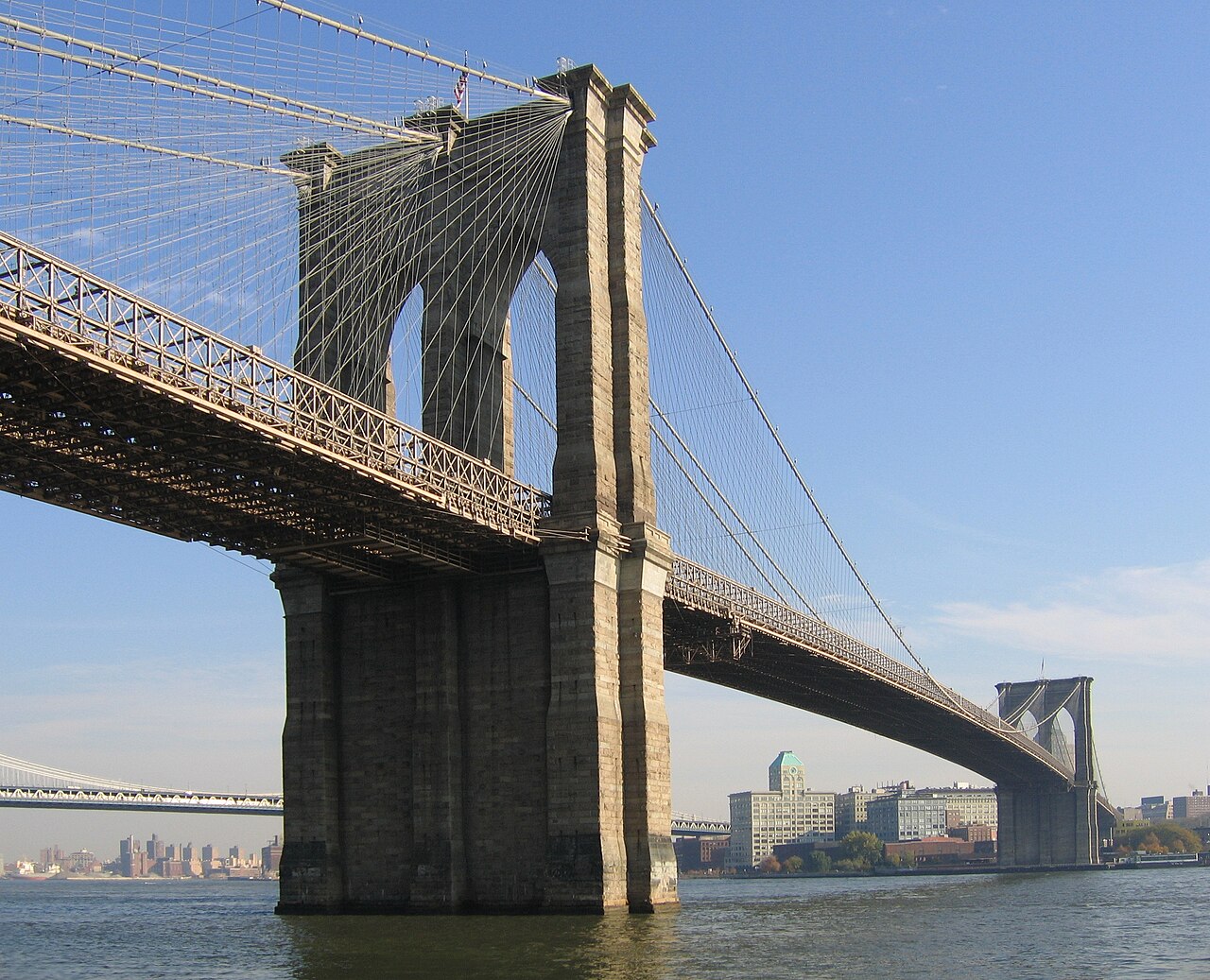
The United States ratified the World Heritage Convention on 7 December 1973 — among the very first states to do so — and has 27 inscribed properties: thirteen cultural, thirteen natural, and one mixed. The most recent addition is the Okefenokee National Wildlife Refuge in Georgia and Florida, inscribed at the 48th session of the World Heritage Committee in 2026. Sixteen further sites sit on the country's Tentative List, among them the Brooklyn Bridge, Ellis Island, Central Park and the early Chicago skyscrapers.
🏛️ Cultural — 13
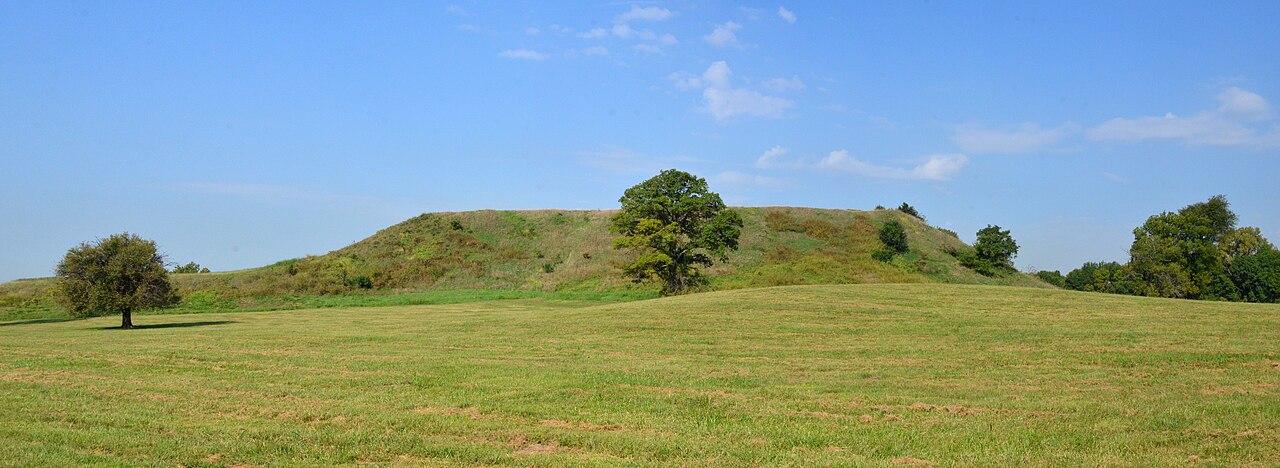
Cahokia Mounds State Historic Site (1982)
Chaco Culture (1987)
Hopewell Ceremonial Earthworks (2023)
Independence Hall (1979)
La Fortaleza and San Juan National Historic Site, Puerto Rico (1983)
Mesa Verde National Park (1978)
Monticello and the University of Virginia in Charlottesville (1987)
Monumental Earthworks of Poverty Point (2014)
Moravian Church Settlements (2015, extended 2024)
San Antonio Missions (2015)
Statue of Liberty (1984)
Taos Pueblo (1992)
The 20th-Century Architecture of Frank Lloyd Wright (2019)
🏞️ Natural — 13
Carlsbad Caverns National Park (1995)
Everglades National Park (1979)
Grand Canyon National Park (1979)
Great Smoky Mountains National Park (1983)
Hawaii Volcanoes National Park (1987)
Kluane / Wrangell-St. Elias / Glacier Bay / Tatshenshini-Alsek (1979, 1992, 1994 — shared with Canada)
Mammoth Cave National Park (1981)
Okefenokee National Wildlife Refuge (2026)
Olympic National Park (1981)
Redwood National and State Parks (1980)
Waterton Glacier International Peace Park (1995 — shared with Canada)
Yellowstone National Park (1978)
Yosemite National Park (1984)
🌋 Mixed — 1
Papahānaumokuākea, Hawaii (2010) — cultural and natural, and one of the largest marine protected areas on Earth
Everglades National Park is the one to watch: it has spent long stretches on the List of World Heritage in Danger and remains the most frequently reported US property, with state-of-conservation reports filed in almost every year of the past two decades.
12
⛰️ Monks Mound — America's Forgotten Pyramid
Across the Mississippi River from downtown St. Louis, in Illinois farmland most Americans drive past without a second glance, sits the largest prehistoric earthen structure anywhere in the Americas: Monks Mound, the centerpiece of Cahokia Mounds State Historic Site. Built in stages between roughly 900 and 1200 CE by the Mississippian culture, it covers more than 14 acres at its base — broader than the Great Pyramid of Giza — and rises 100 feet (30 meters) into the air, made from an estimated 22 million cubic feet of earth moved basket-load by basket-load, with no wheels, draft animals, or metal tools.
Cahokia itself was North America's largest pre-Columbian city north of Mexico, home to an estimated 10,000-20,000 people at its peak around 1100 CE — comparable to London at the time — with roughly 120 mounds spread across nearly 4,000 acres. A massive wooden building, likely the residence of Cahokia's ruling chief, once stood atop Monks Mound's summit. The mound takes its name from a small group of French Trappist monks who farmed its lower terrace in the early 1800s, centuries after Cahokia itself had been abandoned and its Mississippian builders dispersed for reasons still debated by archaeologists. Designated a UNESCO World Heritage Site in 1982, visitors today can climb the same stairway the mound's original inhabitants would have used, to a summit that once marked the literal and political high point of the largest city in pre-Columbian North America.
13
🍔 American Cuisine
American food is far more diverse and sophisticated than the hamburger stereotype suggests — though a genuinely great American burger remains a thing of beauty. Regional cuisines are essentially distinct worlds: New England clam chowder and lobster rolls, Tex-Mex along the southern border, Cajun and Creole cooking in Louisiana, Carolina pulled-pork barbecue versus Kansas City's sauced ribs versus Texas brisket, Hawaiian poke, and a farm-to-table movement that has quietly transformed restaurant menus nationwide over the past two decades.
The US is also the world's great melting pot of immigrant cuisine, arguably its most under-appreciated culinary strength. Some of the best Chinese food outside Asia is in Los Angeles' San Gabriel Valley. New York's pizza and bagels reflect a century of Italian and Jewish tradition. Ethiopian food thrives in Washington D.C., Vietnamese pho in Houston, and Mexican taquerias define entire neighborhoods of Los Angeles and Chicago — each immigrant community building culinary traditions that are now simply American. Craft beer, bourbon, and the wine country of California, Oregon, and Washington round out the picture; see the next section for that story in full.
14
🍷 Wine, Spirits & Drinking Culture
The United States is the world's largest wine consumer and its fourth-largest producer, with roughly 390,000 hectares under vine across all fifty states — though California alone accounts for about 85% of total production. Since the 1976 "Judgment of Paris," when Californian wines beat top French labels in a blind tasting that shook the wine establishment, American wine has been a genuine global force, producing everything from everyday bottles to cult wines commanding thousands of dollars each.
🌁 California
Napa Valley is the crown jewel — a 50-kilometre valley north of San Francisco producing some of the world's most powerful and collectible Cabernet Sauvignon. Opus One (the Rothschild-Mondavi joint venture), Screaming Eagle, Harlan Estate, Dominus, and Caymus sit at the summit of Napa luxury. The valley's sub-AVAs — Oakville, Rutherford ("Rutherford Dust"), Stags Leap, Howell Mountain — each contribute distinct character. Sonoma County, Napa's larger and more varied neighbour, excels at Pinot Noir (Russian River Valley, Sonoma Coast) and Zinfandel (Dry Creek Valley). Paso Robles has become California's exciting frontier for Rhône varieties, while Santa Barbara County (Sta. Rita Hills) turns out world-class Pinot Noir and Chardonnay.
🌲 Oregon, Washington & Beyond
Oregon's Willamette Valley — cool, misty, with volcanic Jory soils — has established itself as one of the world's great Pinot Noir regions, led by Domaine Drouhin (the Burgundian house that validated Oregon), Eyrie Vineyards (the 1965 pioneer), and Beaux Frères. Washington State — the Columbia Valley, Walla Walla, and Red Mountain — produces powerful Cabernet Sauvignon, Merlot, and Syrah from irrigated desert vineyards, with Quilceda Creek, Leonetti, and L'Ecole No. 41 leading. New York (Finger Lakes Riesling), Virginia, and Texas represent wine's expanding frontier.
Beyond wine, America's craft-spirits revolution has produced world-class bourbon (Kentucky — Pappy Van Winkle, Maker's Mark, Woodford Reserve), rye whiskey, and an explosion of small-batch distilleries. The craft beer movement — IPAs, stouts, sours — has turned American brewing into one of the most innovative scenes on Earth.
Napa Valley — California's Crown Jewel of Wine
The 1976 Judgment of Paris put Napa on the world map. Today it produces some of the most powerful, collectible Cabernet Sauvignon on Earth.
Driving the Silverado Trail through Napa Valley at harvest — the vineyards golden-green in October light, trucks loaded with Cabernet grapes rumbling toward the crush pads, the air thick with the scent of fermentation — I understood why this valley conquered the world. Napa's Cabernet at its best is extraordinary: concentrated, architectural, built for decades. But America's wine genius extends far beyond California. In the Willamette Valley mist, tasting a Pinot Noir that whispered rather than shouted, or in Walla Walla where desert heat and volcanic soil produce Syrah of startling depth, the diversity of American wine is its greatest strength. The 1976 Judgment of Paris didn't just put California on the map — it democratized wine forever.
15
🎆 Festivals & Events
The calendar is dense with genuinely national moments. Independence Day (July 4) brings fireworks to every town in the country, with the National Mall in Washington D.C. among the biggest displays. Thanksgiving (fourth Thursday in November) centers on family meals and, in New York, the Macy's Parade — arguably the closest thing the US has to a single shared holiday ritual. Mardi Gras in New Orleans (February or March, timed to Easter) is Carnival at its most flamboyant: krewes, beads, and king cake for weeks beforehand.
Beyond the big three: state fairs across the Midwest (Iowa's butter cow sculpture, Texas's sheer scale) run through late summer; Sundance Film Festival ran in Park City, Utah every January for four decades and moves to Boulder, Colorado from 2027 — January 2026 was the last Utah edition; SXSW turns Austin into a film-music-tech convergence every March; the Kentucky Derby runs the first Saturday in May; and Burning Man transforms a stretch of Nevada desert into a temporary city each late August. Regional food festivals — crawfish boils in Louisiana, lobster festivals in Maine, chili cook-offs across Texas — are usually more rewarding than the headline events, and far less crowded.
16
✈️ Getting Around
The US has major international airports in every region: JFK and Newark (New York), LAX (Los Angeles), O'Hare (Chicago), Hartsfield-Jackson (Atlanta — the world's busiest by passenger traffic), SFO (San Francisco), and MIA (Miami), among many more. Domestic flights remain the most efficient way to cover the country's real distances. Amtrak serves the Northeast Corridor (Boston–New York–Washington) well, with frequent, reasonably fast trains, but coverage thins out fast elsewhere and long-distance routes can be slow and infrequent.
Road trips are the quintessential American way to travel, and for good reason — the interstate highway system and the idea of the open road are part of the national self-image. Renting a car opens up national parks, small towns, and roadside culture that no train or plane ever will. In cities, expect excellent public transit in New York, Chicago, D.C., and Boston, and near-total car dependency almost everywhere else, Los Angeles included.
17
📋 Practical Information
The currency is the US dollar ($). Tipping is expected and not optional in practice: 18–20% in sit-down restaurants, $1–2 per drink at bars, 15–20% for taxis and rideshare. Sales tax is added at the register rather than shown on the price tag, and the rate varies by state and even by city — anywhere from zero (Oregon, Montana, New Hampshire, Delaware) to over 10% combined. Healthcare is expensive by international standards and travel insurance is genuinely essential, not a formality. The legal drinking age is 21 nationwide, driving is on the right, and the emergency number everywhere is 911.
🪪 REAL ID — What US Travelers Need to Know
As of 2026, the federal REAL ID Act is in full effect: adult travelers need a REAL ID-compliant driver's license (look for the star in the upper corner), a valid US passport or passport card, or another TSA-accepted document to board any domestic flight — a standard non-compliant license alone is no longer enough. Enforcement began May 7, 2025, and since February 1, 2026, travelers who show up without acceptable ID can pay a $45 TSA ConfirmID fee for additional identity screening — valid for a 10-day travel period, payable in advance on Pay.gov or at the airport — rather than facing automatic denial, though there's no guarantee of making the flight. If in doubt, just travel with your passport — it's accepted everywhere REAL ID is, no compliance check required.
🌐 For International Visitors
Citizens of Visa Waiver Program countries (most of the EU, UK, Japan, South Korea, Australia, and others) can enter for tourism or business for up to 90 days with an approved ESTA authorization instead of a visa — apply online at least 72 hours before departure, ideally weeks ahead. Everyone else needs a B1/B2 visitor visa, arranged through a US embassy or consulate, which can take weeks to months depending on the country and season — apply early. Land border crossings from Canada and Mexico follow similar rules to arriving by air.
Practical odds and ends: cell coverage is excellent in and around cities and patchy to nonexistent in national parks and rural stretches, so download offline maps before heading into the backcountry. The country spans six time zones (nine including territories), from Eastern to Hawaii-Aleutian. And despite the stereotypes, most Americans are genuinely happy to give directions, recommend a diner, or explain how a four-way stop works — asking a local usually beats any app.
Superimposed on the Lower 48, Alaska stretches from coast to coast. It also has more coastline than every other state combined.
🌋 Yellowstone Sits on a Supervolcano
The geysers and hot springs are powered by one of the largest volcanic systems on Earth, last erupting catastrophically some 640,000 years ago.
✈️ The World's Largest Building by Volume
Boeing's factory in Everett, Washington — where every 747 ever built came together until the line closed in 2022, and where the 777 and 777X are assembled today — is so large it reportedly has its own weather near the ceiling.
🏔️ Denali, North America's Roof
At 6,190 meters, Alaska's Denali has a greater base-to-peak rise than Everest — its base sits near sea level, Everest's does not.
📍 Four Corners
Arizona, Utah, Colorado, and New Mexico meet at a single point — the only place in the country where four states touch.
🚀 The Moon, Launched from Florida
On 20 July 1969, Apollo 11 landed the first humans on the Moon. The Saturn V that carried them lifted off from Kennedy Space Center on Florida's Space Coast — still an active spaceport today.
🎸 Where Rock 'n' Roll Was Born
Sun Studio in Memphis, opened by Sam Phillips in 1950, is widely called the birthplace of rock 'n' roll — Elvis Presley, Johnny Cash, and B.B. King all recorded within its walls.
🛣️ A Highway System Like No Other
Begun in 1956 under President Eisenhower, the Interstate Highway System is among the largest construction projects in human history and reshaped how Americans live, work, and travel.
20
⭐ Notable People
No short list can do justice to a country of this size, but a few names recur wherever its story is told. Among its statesmen: George Washington, the reluctant first president; Abraham Lincoln, who held the union together through civil war; and Franklin D. Roosevelt, who led the nation through depression and world war. Its inventors and explorers reshaped modern life — Thomas Edison and the Wright brothers, and later the Apollo astronauts Neil Armstrong and Buzz Aldrin, who in 1969 became the first humans to walk on the Moon.
In culture the American contribution is even harder to contain: writers from Mark Twain and Ernest Hemingway to Toni Morrison and Maya Angelou; musicians from Louis Armstrong and Duke Ellington to Elvis Presley, Bob Dylan, and Aretha Franklin; and figures such as Martin Luther King Jr., whose leadership of the civil rights movement reshaped the country's understanding of its own founding promise. It is a roll call that keeps growing — one reason the United States remains, for better and worse, among the most watched nations on Earth.
21
⚽ Sports
Sport in the United States runs on its own calendar and its own set of games. American football is the undisputed king: the NFL's Super Bowl is the most-watched television broadcast of the year, and college football fills 100,000-seat stadiums on autumn Saturdays. Baseball, the old "national pastime," still marks the rhythm of summer through the long Major League season, while basketball — invented in Massachusetts in 1891 — has become one of the country's most successful cultural exports through the NBA.
Ice hockey (the NHL), motor racing, golf, and tennis all have deep followings, and the college system doubles as the nation's main talent pipeline and a civic passion in its own right. The US is also a perennial Olympic powerhouse and a growing force in soccer: it co-hosted the 2026 FIFA World Cup alongside Canada and Mexico, with the final played at MetLife Stadium in New Jersey on 19 July 2026 — Spain beat Argentina 1–0 after extra time through a Ferran Torres goal. Team USA also had its best Winter Games yet at Milano Cortina 2026, taking 33 medals including a record 12 golds; Los Angeles hosts the Summer Olympics in 2028 and Salt Lake City the Winter Games in 2034. For a visitor, catching a live game — with its tailgates, anthems, and hot dogs — is one of the most revealing windows into American public life.
22
📰 Media & Press Freedom
Press freedom is written into the country's founding charter: the First Amendment's guarantee of free speech and a free press is among the strongest constitutional protections in the world, and it has produced an enormous, influential media ecosystem — from newspapers such as The New York Times, The Washington Post, and The Wall Street Journal to the cable-news networks, National Public Radio, and the global machinery of Hollywood and streaming.
In practice the picture is more mixed. The United States now sits 64th of 180 countries in the 2026 RSF World Press Freedom Index — down seven places on the year, and 47 below its position when the index began in 2002 — held back held back by intense political polarization, pressure on journalists, and the steady decline of local newspapers, which has left many communities as "news deserts." For travelers, the upshot is a media environment that is loud, plural, and highly partisan — it pays to read more than one source.
23
🎬 Videos About the United States
A handful of starting points for exploring the country on screen before you go.
A few books that get past the postcard version of the country — road narratives and histories that hold up.
📕
Travels with Charley — John Steinbeck
The classic 1960s road-trip memoir: Steinbeck and his poodle circling the country in a camper truck, looking for what "America" actually meant.
📗
Blue Highways — William Least Heat-Moon
A 21,000-km loop entirely on back roads, mapped in blue on old atlases. One of the finest American travel books ever written.
📘
American Nations — Colin Woodard
Traces the country's regional cultures back to eleven distinct colonizing "nations" — the single best explanation for why a Texan and a Vermonter feel so different.
📙
These Truths — Jill Lepore
A one-volume narrative history of the United States, unusually readable for its scope, from 1492 to the present.
25
✍️ Author's Note
I write this Factbook for American travelers, which makes the United States entry the hardest one to write. How do you describe home to the people who live there? But here's the thing: most Americans have seen far less of their own country than they've seen of Europe or the Caribbean. The person who's been to Paris three times has never seen the Grand Canyon. The one who knows Rome inside-out has never driven through the Mississippi Delta.
My advice: before your next trip abroad, take the road trip you've been postponing. Drive the Pacific Coast Highway. Eat your way through New Orleans. Stand on the rim of the Grand Canyon at sunrise and try not to cry. Hike in Glacier National Park before the glaciers are gone. This country is absurdly, overwhelmingly beautiful, and its diversity — geographic, cultural, culinary — rivals anything on Earth. You don't need a passport to have the trip of a lifetime.
— Radim Kaufmann, August 2026
Share Your Photo
Have a United States photograph you own? Attach it to your email and include the location and the name you want credited.
 Steven Greenwell · CC BY-SA 4.0 ·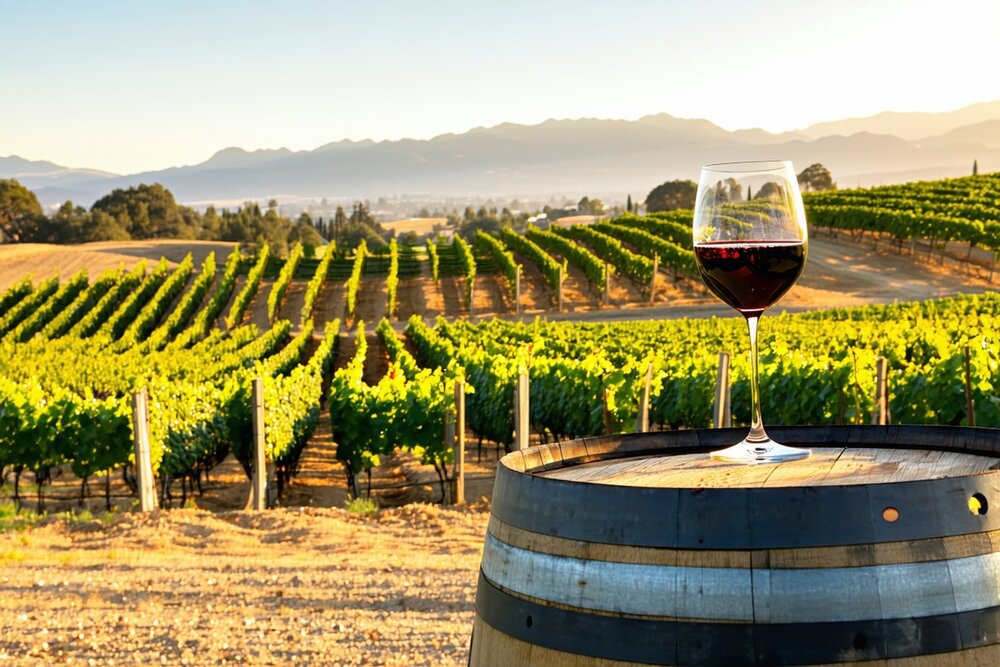



.jpg)
