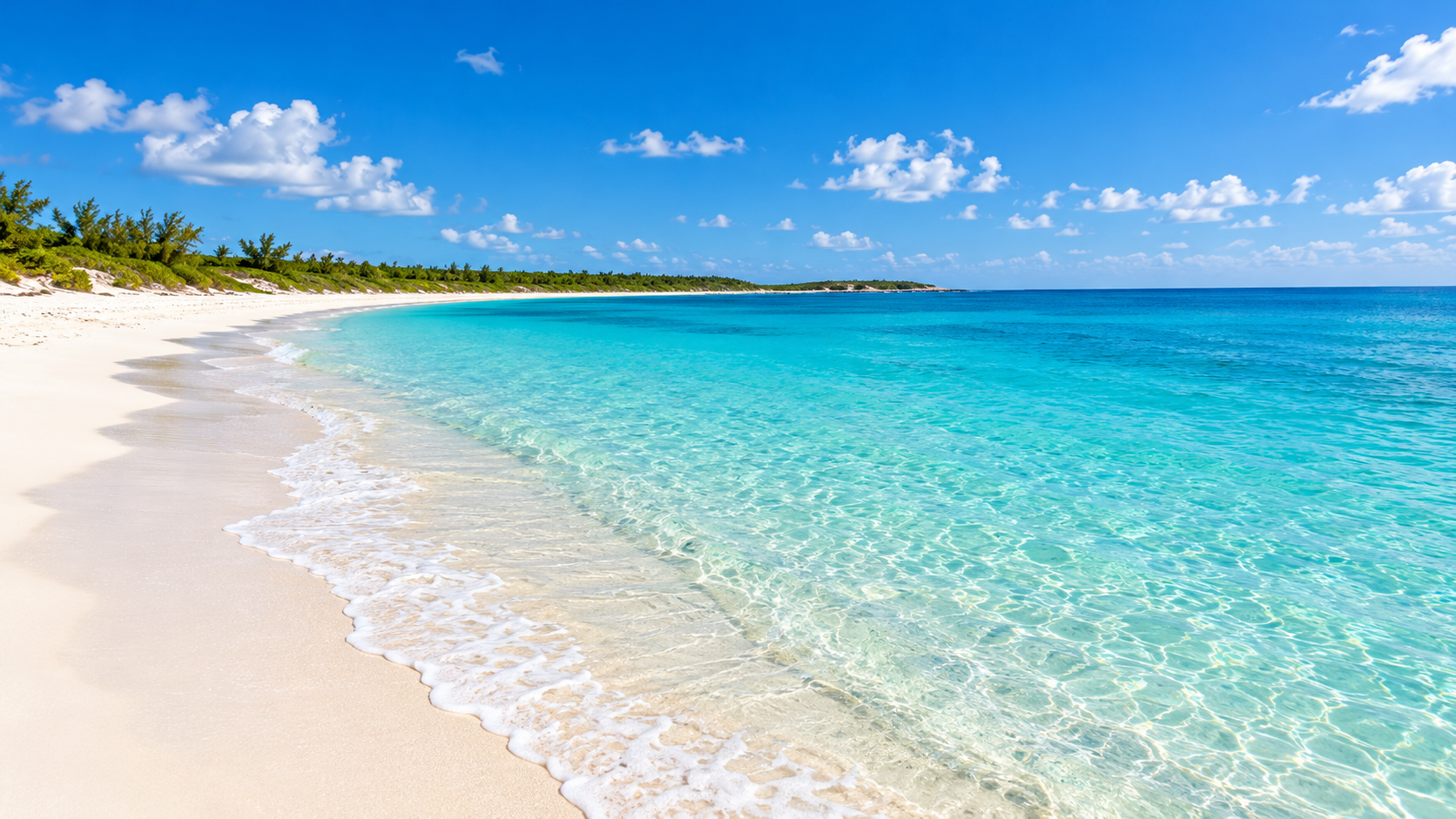
National parks and other protected areas safeguard habitats on which both island biodiversity and the visitor economy depend. Rules vary by location and activity; a marine park is not simply a scenic label. Fisheries controls, protected species and export restrictions matter even when a shell or seafood item is offered casually.
Ask operators how they manage waste, anchoring and wildlife encounters. Use established paths, carry litter back and avoid taking natural souvenirs. Responsible travel also means supporting businesses that respect local workers and communities, recognizing that environmental protection and the quality of life of residents are connected.
Start with the TCI Government for official policy and the tourism authority for island orientation, accommodation directories and visitor planning. Consult the Department of Environment and Coastal Resources for protected-area and environmental matters. These sources answer different questions and should not be treated as interchangeable advertising.
For travel risks and nationality-specific guidance, consult your own foreign ministry and the relevant entry authorities. The UK FCDO pages provide a useful independent risk reference, but their passport advice is written for British travelers. Verify departure-day transport and conditions with the actual carrier or operator.
Read the National Museum’s thematic pages on Lucayans, slavery, salt and the Molasses Reef wreck before visiting. They give individual objects and landscapes a narrative that general destination summaries rarely provide. The museum timeline also helps separate long historical processes from memorable but brief episodes such as the space-age connection.
Treat older guidebooks as historical snapshots, particularly for prices, attractions and transport. When a tourism page makes a sweeping claim about discovery, reef rankings or heritage status, look for the primary evidence. Different interpretations should be identified openly rather than flattened into a confident sentence.
Official tourism videos are useful for recognizing the appearance of different islands and planning the balance between coast, settlement and excursions. Museum material provides a complementary visual account of objects and history. Viewing both avoids allowing resort imagery to stand for the entire territory.
A video does not prove that an attraction remains open or that an activity is safe on your travel dates. Check its publication date and the identity of the producer. Underwater and wildlife footage is best used to understand habitats, not to expect a guaranteed close encounter or reproduce irresponsible behavior.
Local reporting adds the everyday perspective that international travel coverage often misses: public services, development debates, community events and changing conditions. Government releases provide official statements, but they are not a substitute for independent reporting. Reading more than one type of source helps distinguish an announced plan from something already operating.
For emergencies, transport and entry rules, use the relevant official notice and confirm directly with the organization responsible. Social posts can alert you to a change without establishing its accuracy. This guide does not assign a press-freedom ranking without a territorial assessment and a clearly identified methodology.