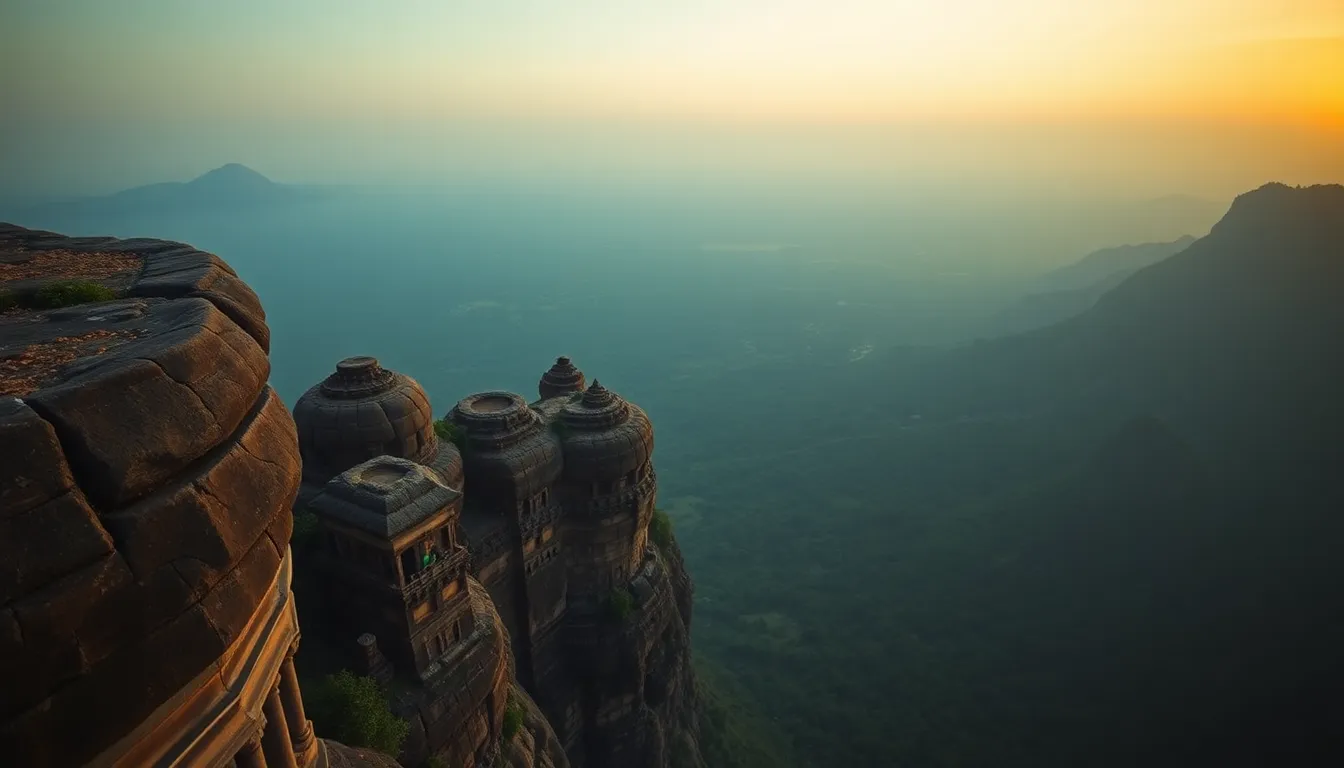
An Indian Ocean island where ancient reservoirs, sacred cities, tea-covered highlands, wildlife parks and tropical shores sit within one remarkable landscape.
Sri Lanka is a compact island with an unusually layered story: Buddhist kingdoms, Tamil Hindu traditions, Indian Ocean trade, European colonial rule and a modern republic all meet within a few hours of travel. Its signature contrasts are close together: dry-zone reservoirs and sacred cities, cool tea country, wildlife-rich parks and a long tropical coast. The island is officially the Democratic Socialist Republic of Sri Lanka; Colombo remains its commercial centre, while Sri Jayawardenepura Kotte is the legislative capital.
The island’s central highlands rise above a broad northern and eastern plain, then fall toward beaches, lagoons and mangroves. Rainfall is seasonal and shaped by two monsoons, so the wet and dry seasons vary by coast. The southwest is generally wetter; the north and east have a different rainfall calendar. Travellers should plan by region rather than assume one island-wide “best season.”
03
Map and distances
The road map can look deceptively simple: winding mountain roads, traffic, weather and rail schedules make journeys slower than straight-line distances suggest. Colombo–Kandy is a manageable rail or road trip; reaching the east coast or Jaffna takes substantially longer. Treat the map below as an orientation aid and confirm current road, railway and park access before setting out.
Sri Lanka’s recorded history reaches back more than two millennia, but settlement and exchange are older. Ancient irrigation works supported urban centres in the dry zone; successive kingdoms shifted political centres while maintaining links across the island and the wider Indian Ocean. In the 16th–20th centuries Portuguese, Dutch and British power reshaped ports, plantations and administration. Independence came in 1948. A careful account also recognises the civil war (1983–2009), its lasting human consequences and the island’s diverse memories.
05
Sigiriya and the cultural triangle
Sigiriya’s rock citadel rises dramatically from the surrounding plain. The site preserves palace and garden remains, water engineering, painted surfaces and the famous mirror-wall inscriptions. It is part of a broader cultural landscape linking Dambulla, Polonnaruwa and Anuradhapura. Visit early to avoid heat, stay on marked paths and protect fragile surfaces by following site rules.
06
Kandy and the Temple of the Tooth
Kandy, the last royal capital, sits among hills around a lake. The Temple of the Sacred Tooth Relic is a major Buddhist pilgrimage site and part of a UNESCO-listed urban ensemble. Modest dress and quiet conduct matter; access arrangements and ceremonies can change. The Esala Perahera procession is one of the island’s best-known annual cultural events, but dates follow the lunar calendar.
07
Anuradhapura: sacred city and reservoirs
Anuradhapura was a major early capital whose monasteries, stupas and reservoirs reveal both religious life and sophisticated water management. The sacred Bodhi tree is associated with a cutting brought from India in antiquity. The archaeological zone is extensive: plan a full day, use local guidance where useful and approach active shrines respectfully.
08
Polonnaruwa and the medieval kingdom
Polonnaruwa’s ruins preserve a later medieval capital, with royal buildings, monasteries, reservoirs and monumental Buddha images at Gal Vihara. The city shows how statecraft, irrigation and religious patronage reinforced one another. The site is spread out; cycling between monuments is popular, but heat protection and water are essential.
09
Dambulla cave temple
The Dambulla cave complex brings together painted interiors, Buddhist sculpture and a long tradition of worship. The caves are living religious spaces as well as heritage monuments. Remove footwear where required, dress modestly and follow photography rules. The climb is exposed to sun, so carry water and allow time for the approach.
10
Tea country and plantation history
The highlands around Nuwara Eliya, Hatton and Ella are known for tea estates, rail journeys and cooler air. Ceylon tea became a global export under British colonial rule after coffee plantations were devastated by disease. Estate labour was built on the migration and work of Tamil communities, whose history should be visible in any visit. Choose tours that explain both production and people.
11
Ella, railways and the highlands
The hill-country railway is celebrated for its scenery, but trains can be crowded and timetables change. Reserve where possible, keep valuables close and never lean from open doors. Ella is a convenient base for short walks and viewpoints; trail conditions, weather and access rules should be checked locally.
12
Yala and wildlife viewing
Yala National Park is associated with leopards, elephants, wetlands and dry forest. Sightings are never guaranteed. Responsible safaris keep distance, follow park rules, avoid crowding animals and do not feed wildlife. Book licensed operators and ask about vehicle limits and conservation practice, not only the chance of a photograph.
13
Elephants and conservation
Asian elephants move through a fragmented landscape where protected areas, farms and settlements meet. Human–elephant conflict is a serious conservation and community issue. Keep a safe distance, never approach for a selfie, and choose wildlife experiences that do not involve riding, touching or baiting animals.
14
Coasts, reefs and beaches
The south and west are known for surf towns and beaches; the east coast has a different seasonal rhythm and sheltered bays. Currents and surf conditions can change quickly, and many beaches are unpatrolled. Ask locally before swimming, heed flags and warnings, and protect coral by avoiding contact and reef-damaging products.
15
Galle Fort and the maritime coast
Galle Fort is a walled coastal town shaped by Portuguese beginnings and Dutch colonial architecture, with later layers of British rule and local life. It is a lived neighbourhood, not a museum set: respect homes and religious sites, and support locally owned businesses. The wider southern coast combines fishing, tourism and fragile marine habitats.
16
Jaffna and the north
The Jaffna peninsula has a distinctive Tamil cultural landscape, Hindu temples, libraries, lagoons and a food tradition shaped by local produce and maritime links. The region also carries the enduring effects of conflict and displacement. Travel with historical awareness, ask before photographing people or religious ceremonies and follow local advice on access.
17
Rice, curry and everyday food
Rice and curry is not one fixed recipe but a meal structure built from several small dishes: vegetables, lentils, sambols, fish or meat, and rice. Spice level varies by cook and region. Ask for mild food clearly, drink safe water and choose busy kitchens with good turnover. Coconut, curry leaves, pandan and roasted spices shape many flavours.
18
Hoppers, string hoppers and short eats
Hoppers (appa) are fermented rice-flour pancakes with a crisp rim; egg hoppers add an egg in the centre. String hoppers are steamed nests of rice noodles, commonly served with curry and coconut sambol. Kottu, patties and rolls are popular short eats. These dishes are best understood as everyday food, not simply tourist novelties.
19
Cinnamon and the spice trade
True Ceylon cinnamon (Cinnamomum verum) is native to Sri Lanka and remains a defining export and culinary ingredient. The island’s position on Indian Ocean routes connected it to long-distance trade in spices, gems and other goods. Buy packaged spices from traceable producers; be wary of pressure sales and check customs rules before carrying plant products home.
20
Sinhala, Tamil and English
Sinhala and Tamil are the country’s official languages; English is widely used as a link language, particularly in tourism and business. Place names may appear in multiple scripts and transliterations, so keep the spelling and map pin together. A greeting in Sinhala or Tamil is appreciated, but use the language preferred by the person you meet.
21
Faith and respectful visits
Buddhism, Hinduism, Islam and Christianity all shape public life, with local variation and overlapping traditions. At temples and other sacred places, cover shoulders and knees, remove footwear when asked, and never turn a Buddha image into a casual photo prop. Ask before taking portraits and observe rules about photography, offerings and access.
22
National parks and biodiversity
Lowland rainforests, highland cloud forests, wetlands and dry-zone scrub create habitats for exceptional biodiversity. Protected areas have different seasons, rules and visitor capacity. Use official park entry points and trained guides; avoid wildlife selfies and operators who promise guaranteed sightings. Leave no food or plastic behind.
23
Climate and monsoon seasons
Sri Lanka has a tropical climate, moderated by elevation in the central highlands. Rather than one simple wet season, southwest and northeast monsoons affect different regions at different times, with inter-monsoon storms possible. Check local forecasts and official alerts shortly before travel; rain can cause landslides, flooding and transport disruption.
24
Getting around the island
Trains, buses, tuk-tuks, taxis and private drivers each suit different routes. Rail is scenic and popular, while buses reach more towns and can be busy. Agree the tuk-tuk fare or use a reputable app where available. For long transfers, allow generous time and avoid planning a tight connection after a mountain or intercity journey.
25
Entry, money and practicalities
Entry permissions, visa procedures, fees and currency rules can change. Check Sri Lanka’s official immigration and customs information and your foreign ministry’s advice before booking and again before departure. Keep passport details secure, carry a small amount of local cash for rural stops, and use licensed exchange services or bank ATMs.
26
Health, heat and safety
Heat, sun exposure, mosquitoes and changing road conditions deserve practical attention. Pack prescribed medication, use insect protection and drink safe water. Emergency numbers and service availability can differ by location; save local contacts and travel insurance details. For immediate danger, follow local authorities and your embassy’s current guidance.
27
Budget and responsible spending
Costs vary by season, region and travel style. Local buses and simple eateries can keep a trip affordable, while private transfers, premium trains, guided safaris and coastal resorts add up. Confirm what a quoted price includes, carry small notes and pay fair rates. Spending with independent guides, family-run stays and local makers helps more value remain in the community.
28
UNESCO heritage and conservation
Sri Lanka’s UNESCO World Heritage properties span ancient cities, sacred sites, colonial-era Galle, the central highlands and the Sinharaja forest. Each requires a different kind of care: respect ritual use, keep to paths, avoid touching fragile surfaces and follow conservation instructions. UNESCO listing is a starting point for learning, not a substitute for local history or community voices.
29
Festivals and the lunar calendar
The calendar includes Buddhist, Hindu, Muslim and Christian observances, alongside national holidays and regional festivals. Dates may follow lunar calendars, and public services or transport can be affected. Ask permission before photographing worshippers, keep a respectful distance during processions and check schedules with local organisers rather than relying on old listings.
30
Trincomalee and the east coast
Trincomalee combines a deep natural harbour, temples, beaches and a distinct east-coast season. Confirm sea conditions and access before planning water activities.
31
Sinharaja rainforest
Sinharaja protects lowland rainforest and endemic species. Visit with authorised guides, stay on trails and prepare for wet, muddy conditions.
32
Whales and marine wildlife
Whale-watching depends on season and sea state. Choose operators that follow distance rules and do not chase or surround animals.
33
The hill-country train
Popular scenic trains can sell out or run late. Check current timetables, avoid unsafe doorways and keep valuables secure in crowds.
34
Colonial layers and independence
Portuguese, Dutch and British rule left different marks on ports, law, architecture and plantation economies. Independence in 1948 began a new political chapter, not an end to colonial legacies.
35
Communities and island identities
Sri Lanka is home to multiple communities with distinct languages, faiths and regional histories. Avoid treating one identity as representative of all; listen and use the names people prefer.
36
Ancient water engineering
Reservoirs, canals and seasonal water storage made dry-zone agriculture possible for centuries. These systems remain part of inhabited landscapes and should be visited with respect.
37
Gem trade and ethical buying
Sri Lanka has a long gem-mining and cutting tradition. Verify stones independently, request documentation and avoid purchases tied to pressure or unverifiable claims.
38
Tasting Ceylon tea
Tea varies by elevation, cultivar and processing. A thoughtful tasting explains provenance and labour as well as aroma and grade.
39
Coastal towns and fishing
Fishing remains central to many coastal livelihoods. Respect working harbours, ask before photographing workers and choose seafood with attention to season and local guidance.
40
Travel etiquette
A warm greeting, patience and asking before entering homes or photographing people go a long way. Avoid assumptions about religion, language or political views.
41
Rain, floods and landslides
Heavy rain can disrupt roads, rail and services, especially in hilly terrain. Follow official warnings and do not cross flooded roads or streams.
42
Plantation communities today
Plantation communities are not an exhibit of the past. Learn about present-day work, housing and access to services through local voices and respectful visits.
43
Protecting beaches and reefs
Marine habitats face pressure from development, waste and warming seas. Reduce litter, avoid touching coral and support operators who explain their conservation measures.
44
Cinnamon gardens and craft
Cinnamon harvesting is a skilled craft involving careful peeling and drying. Buy from producers who can explain origin and processing rather than relying on generic “Ceylon” labels.
45
Evenings and town life
Town evenings may centre on food stalls, markets and family spaces rather than nightlife districts. Use reliable transport at night and ask accommodation staff about local conditions.
46
A balanced first itinerary
A first route might combine the cultural triangle, Kandy, the highlands and one coast. Avoid trying to circle the island too quickly; fewer bases mean less time in traffic and more time for place.
47
What to carry home
The best souvenir may be a story learned from a guide, a meal shared or a better understanding of the island’s many communities. If buying an object, choose something locally made and legally exportable.
48
Closing reflection
A journey across Sri Lanka is a journey through connected landscapes and layered histories. Travel with curiosity, patience and care for the people and places that make the island more than a postcard.
49
Negombo and the west coast
Negombo is a practical arrival or departure stop with a fishing harbour, lagoon and Catholic heritage. It is not a substitute for Colombo, but offers a quieter transition.
50
A note from the author
Sri Lanka rewards a traveller who slows down. A train window, a temple courtyard, a tea field after rain or a shared plate can reveal more than a hurried checklist. Yet admiration should carry responsibility: the island’s beauty sits beside histories of labour, migration, conflict and recovery. I hope this guide encourages curiosity, respect and listening—and gives you enough practical context to travel thoughtfully.
Share Your Photo
Have a Sri Lanka photograph you own? Send it with the location and the name you want credited.