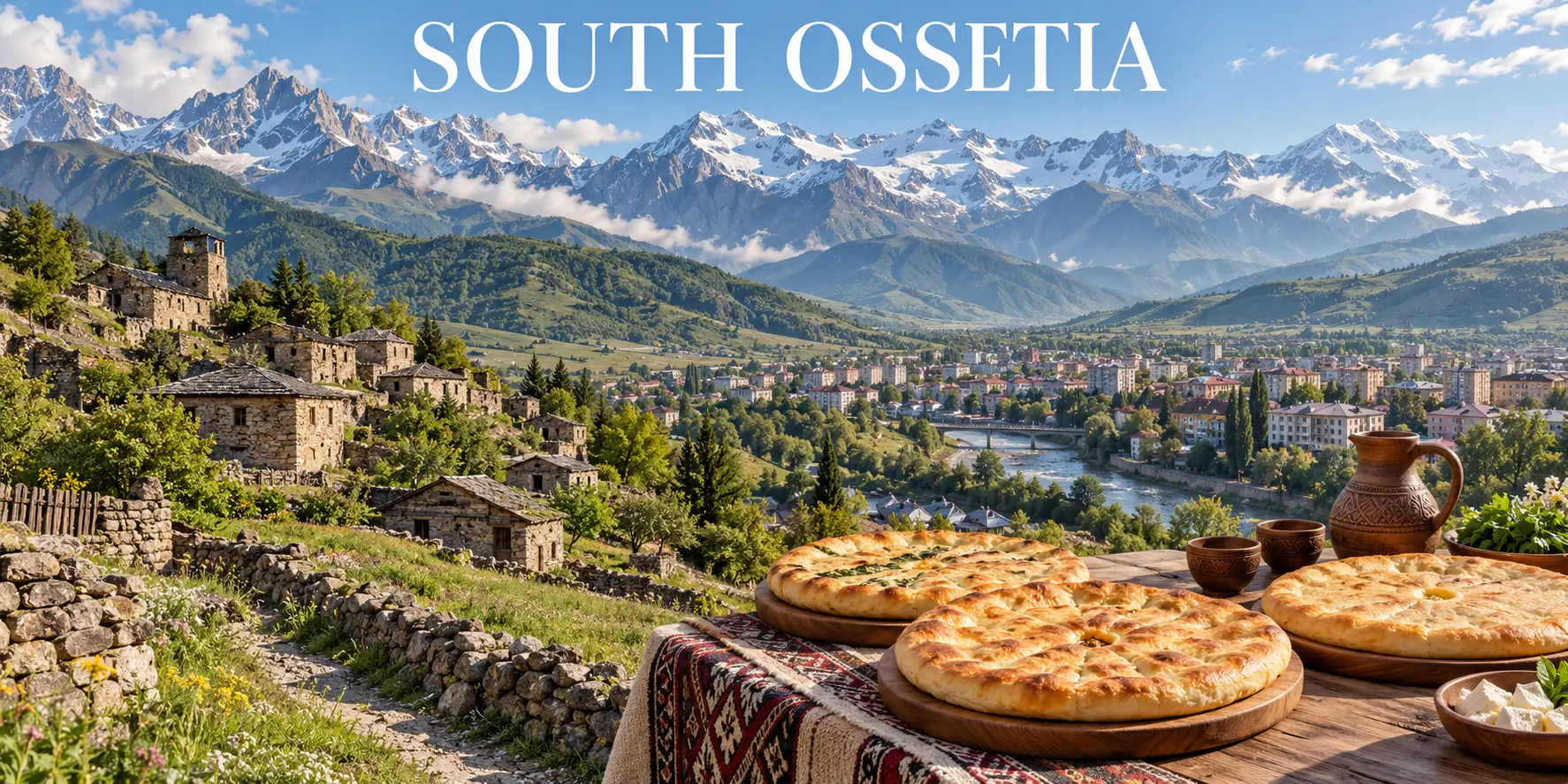
South Ossetia, also called the Tskhinvali region by Georgia and many international institutions, lies on the southern slopes of the Greater Caucasus. It is governed by de facto authorities and supported militarily and economically by Russia, while Georgia and most of the international community regard it as part of Georgia under Russian occupation. This page uses both naming frameworks and does not treat travel marketing as more important than law, security or the rights of displaced communities.
⚠️ Do not travel
Foreign ministries advise against all travel. The administrative boundary is militarised; detentions for alleged crossings, mines or unexploded ordnance near former conflict areas, limited medical capacity and the absence of normal consular access create risks that cannot be solved by an organised tour. This guide is cultural and historical information, not encouragement to enter. Rules and conditions can change without notice.
🏷️ Name, status & languages
The de facto authorities use Republic of South Ossetia–State of Alania; Georgia uses Tskhinvali region and regards the territory as occupied. Ossetian and Russian are official in the de facto system. Georgian remains the state language of Georgia and is inseparable from the history of communities displaced from or still connected to the region. The language selector provides EN-US, Czech and Russian; Ossetian terms are explained but are not presented as an unaudited full translation.
International status
Part of Georgia for most states and international organisations; de facto administration supported by Russia
Administrative centre
Tskhinvali
Area
about 3,900 km²
Population
current independent figure unavailable; estimates vary
Languages
Ossetian and Russian in de facto system; Georgian is the state language of Georgia
Currency
Russian ruble
Travel advice
Do not travel
Entry law
Russian route generally prohibited under Georgian law
Consular support
Severely limited
KTI
Not scored
🗺️ Geography & mountain corridors
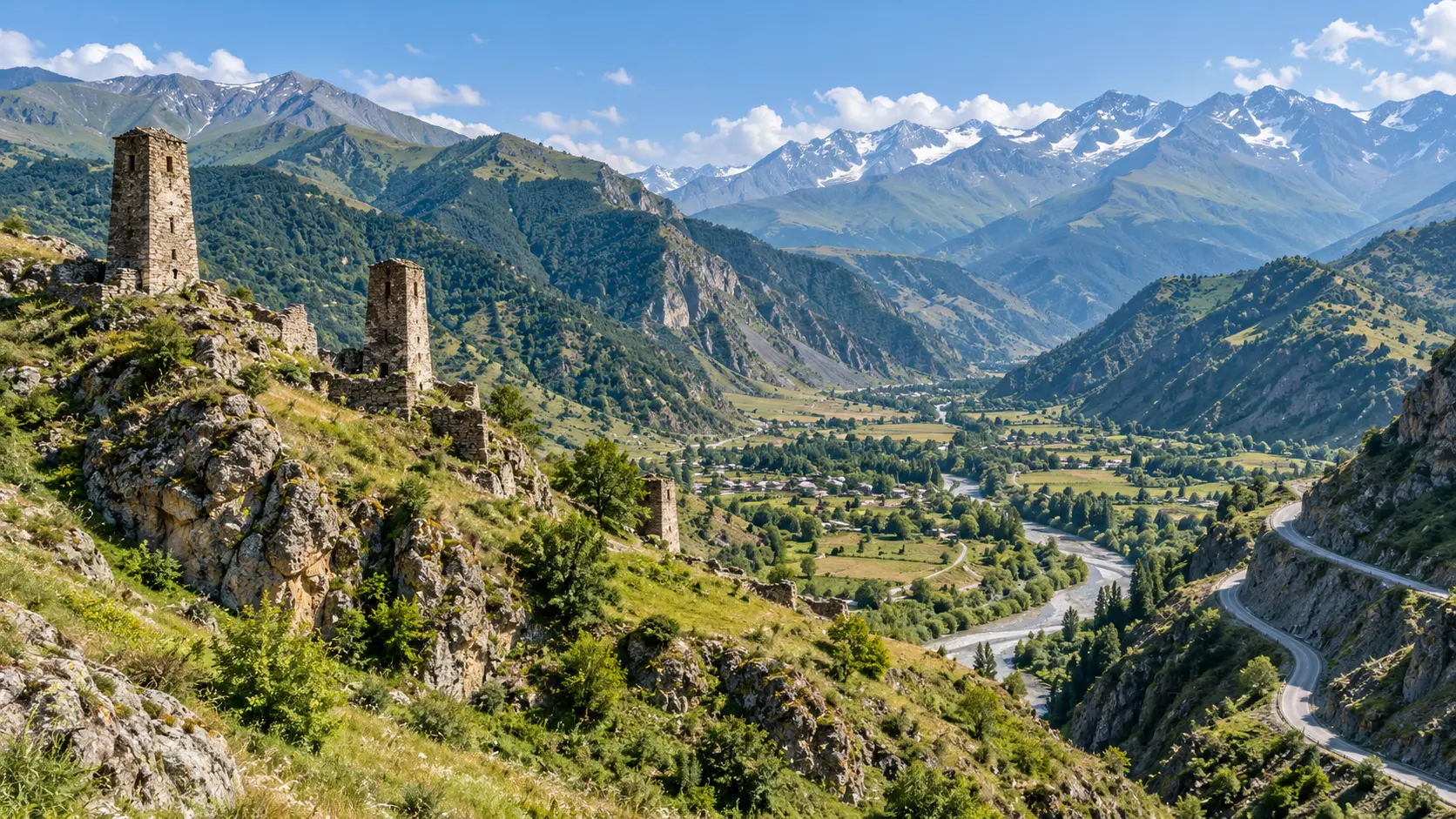
About 3,900 square kilometres of high valleys, forested slopes and Caucasus ridges separate settlements and shape movement. The Greater and Little Liakhvi rivers run south toward Georgia. The Roki Tunnel links the territory with North Ossetia in Russia and has strategic as well as civilian importance. Winter snow, landslides and limited road alternatives can isolate communities.
Ossetian-speaking communities trace cultural ancestry to the medieval Alans, an Eastern Iranian-speaking people. Georgian kingdoms, highland communities, imperial Russia and the Soviet Union all shaped the area. In the Soviet period the South Ossetian Autonomous Oblast formed part of the Georgian SSR. Churches, tower settlements, cemeteries and mixed villages resist any single-national story.
🕊️ Conflict, displacement & memory
Political confrontation at the end of the Soviet Union led to war in 1991–1992 and a ceasefire without a final settlement. Fighting returned in August 2008 during the Russia–Georgia war. Recognition by Russia and a small number of states did not produce broad international recognition. Tens of thousands of people were displaced across successive conflicts, and return, property, family contact and education remain unresolved human questions.
🏙️ Tskhinvali
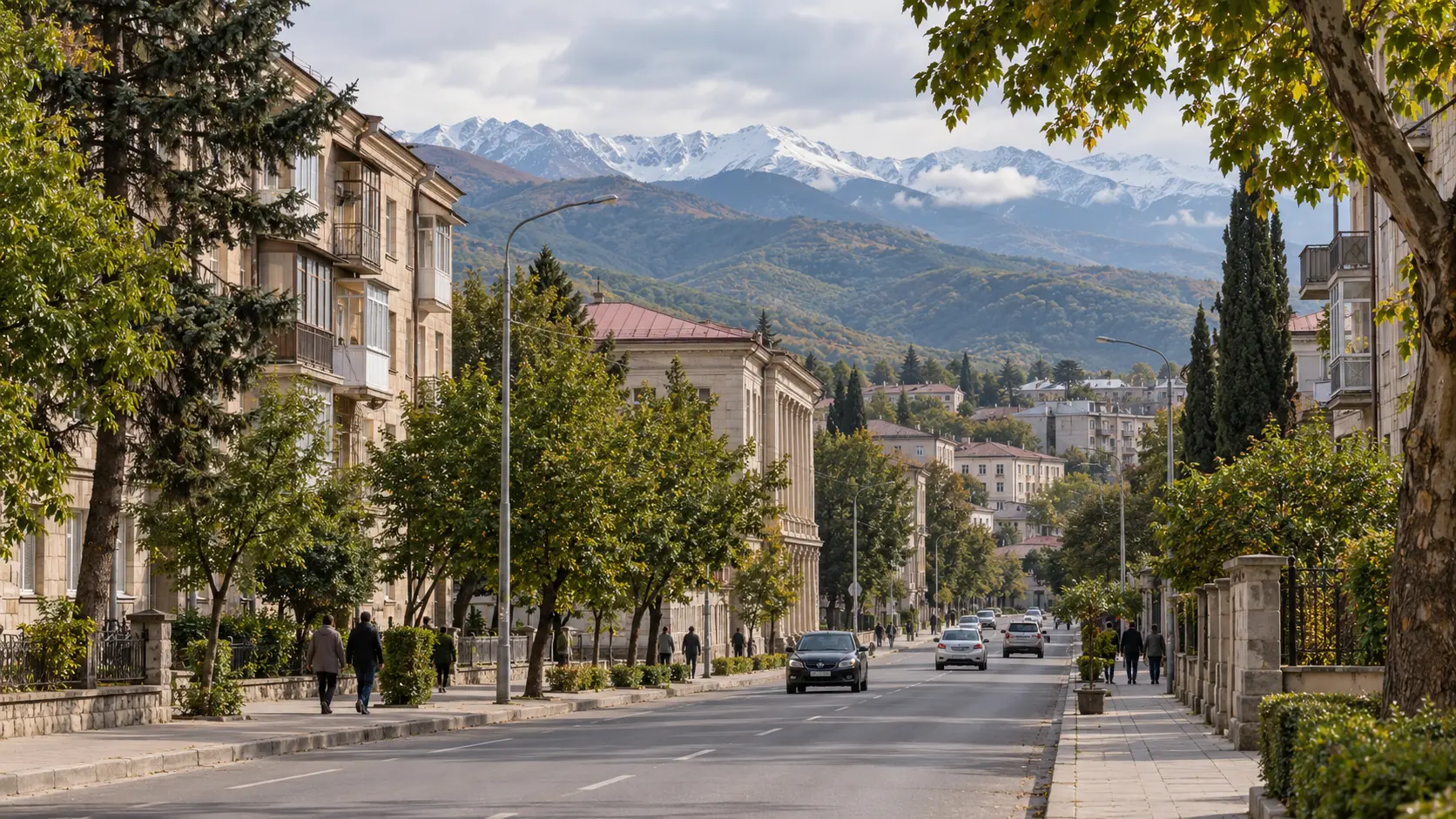
Tskhinvali is the administrative, educational and cultural centre. Its urban fabric mixes Soviet housing, civic institutions, older neighbourhoods, memorials and post-war reconstruction. Any visual account should distinguish verified contemporary evidence from staged or undated imagery. Residents are not scenery; permission and context matter, especially around memorials, damaged sites and private homes.
Mountain settlements preserve stone towers, farm buildings and religious sites linked to both Ossetian and Georgian traditions. Many villages were emptied, damaged or transformed by conflict. A beautiful ruin may also be somebody's inaccessible home or graveyard. Do not remove objects, enter closed structures or publish precise locations that could encourage trespass.
🎭 Culture, religion & the Nart tradition
Ossetian identity includes the Nart epic, oral storytelling, music, dance and ritual feasts. Eastern Orthodox Christianity is prominent, while older sacred practices and communal shrines remain important. Uastyrdzhi, often associated with Saint George, occupies a distinctive place in Ossetian tradition. Cultural description must avoid reducing living belief to folklore.
🍽️ Three pies and the ethics of hospitality
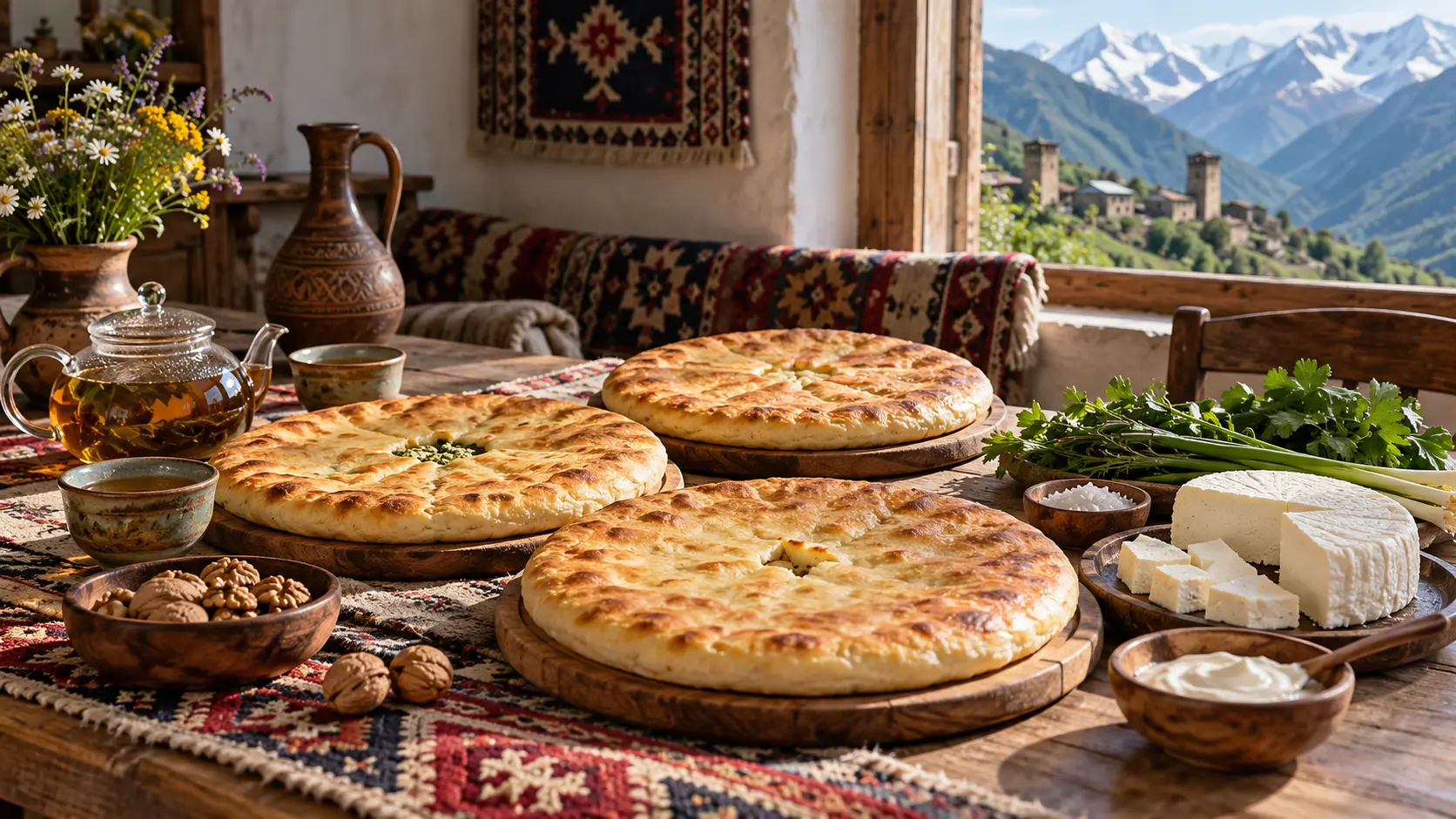
Three round pies are central to many Ossetian feasts, often explained through a symbolic relationship among the divine, sun and earth. Fillings include cheese, meat, potato or greens. Toasts follow hierarchy and occasion. Hospitality is a social responsibility, not a performance for outsiders; guests should follow the host, avoid interrupting memorial rituals and never pressure people to drink.
No South Ossetian property is separately inscribed on UNESCO's World Heritage List. That absence does not erase medieval churches, fortified villages, archaeological traces or living practices, but it requires accurate wording. Heritage claims are politically charged, and attribution should acknowledge competing scholarship and the histories of both Ossetian and Georgian communities.
💼 Economy, currency & dependence
The Russian ruble circulates and economic links run predominantly north through Russia. Public transfers, construction, agriculture, small trade and services are important, while conflict restrictions, limited access and disputed legal authority constrain investment. Commercial claims should be treated cautiously: transactions may conflict with Georgian law or international sanctions and banking compliance rules.
🚧 Access, Georgian law & the Roki route
Georgia's Law on Occupied Territories allows foreign entry to the Tskhinvali region only from the direction of Gori, subject to the law and practical control; entry from Russia through the Roki Tunnel is generally prohibited under Georgian law unless a specific exception or permission applies. The boundary from Georgian-controlled territory is not a normal tourist crossing. Do not interpret online permit advice as legal clearance.
🧭 Safety, health & consular limits
There is no reliable independent emergency or consular framework for foreign visitors comparable to ordinary destinations. Medical evacuation may be complicated, card networks may fail and mobile coverage can change. Never approach fences, trenches, military sites or the administrative boundary. Photographing security infrastructure can create serious risk. The safest plan is not to travel.
📷 Images, maps & verification
Maps express political choices. This site uses OpenStreetMap for orientation and explains the dispute in text rather than presenting a border line as uncontested fact. AI images are labelled as editorial illustrations and never offered as evidence. For news or research, require a date, geolocation, original source and an explanation of who controls access.
✍️ Author's Note
South Ossetia cannot be written responsibly as an untouched mountain secret. Its beauty exists beside displacement, restricted movement and a conflict whose language changes with the speaker. The ethical task is to hold several truths in view without pretending that all legal claims have equal international standing. Kaufmann Travel Index: not scored; no approved rubric has been issued, and the security warning would in any case outweigh promotional ranking. — Radim Kaufmann, 2026
🗺️ Map
Map labels and boundary rendering may reflect contested political interpretations.