Key Facts
🗣️
Creole, EN, FR
Languages
01 🌊 Overview
Scattered across the western Indian Ocean like emeralds dropped on blue silk, the 115 islands of the Seychelles archipelago form one of the most beautiful — and ecologically unique — nations on Earth. The granite islands of the inner group, led by Mahé, Praslin, and La Digue, are the world's only oceanic islands made of continental granite, their ancient boulders sculpted by wind and waves into surreal formations that frame beaches of powdery white sand lapped by water so clear it seems illuminated from within.
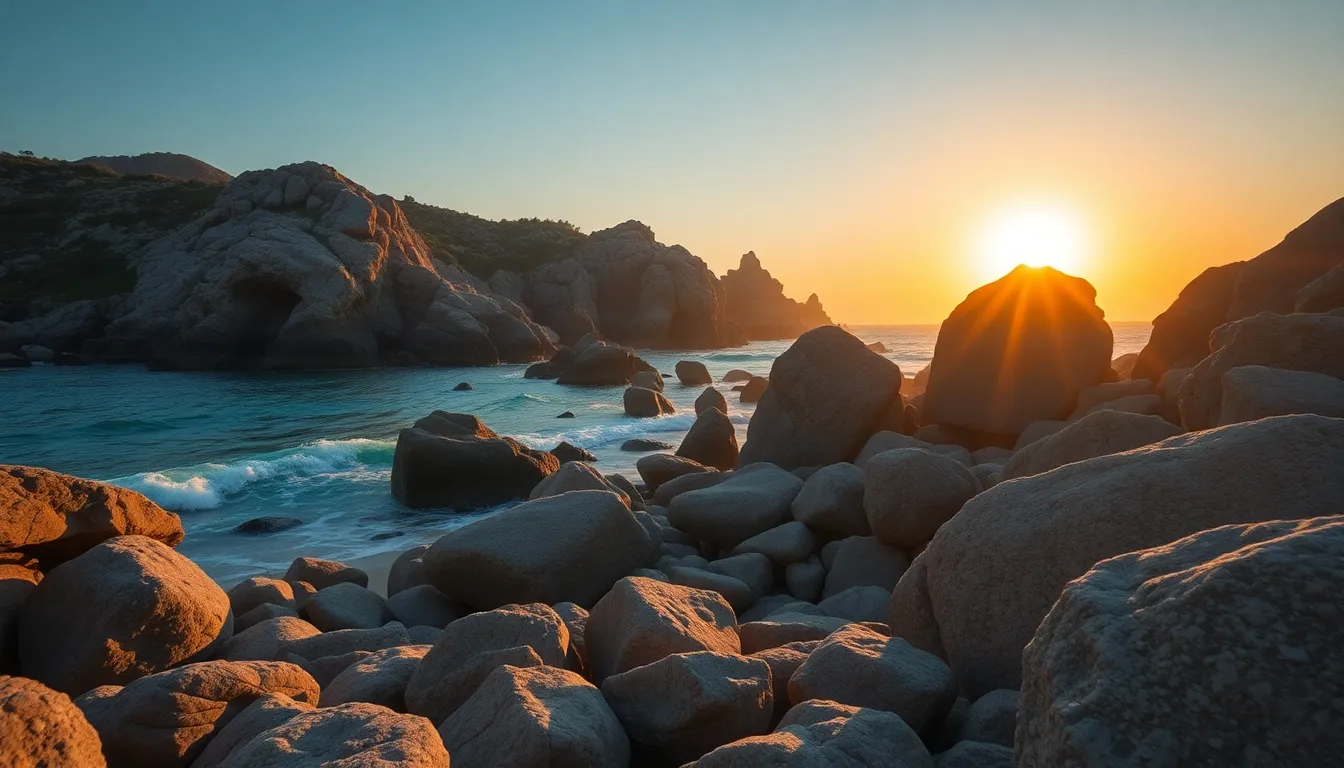
Beyond the postcard beauty lies a conservation success story. The Seychelles protects over 50% of its landmass as national parks and reserves, hosts two UNESCO World Heritage Sites, and serves as a sanctuary for species found nowhere else — from the giant Aldabra tortoise to the jellyfish tree. With a population of just 100,000 spread across a handful of inhabited islands, this is a place where nature still sets the rhythm and the pace of life encourages you to follow.
02 📛 Name & Identity
The name "Seychelles" honors Jean Moreau de Séchelles, Louis XV's finance minister, who oversaw the French expedition that formally claimed the islands in 1756. Before European arrival, these islands were uninhabited — a rarity among tropical archipelagos. Arab and Austronesian traders likely knew of them, but no permanent settlement existed until French colonists arrived with enslaved Africans in the 1770s.
This unique heritage produced Seychellois Creole (Kreol Seselwa), a French-based creole that became the nation's first official language alongside English and French. The Seychellois identity blends African, European, Indian, and Chinese ancestry into a vibrant cultural mosaic — a true melting pot where racial harmony is a lived reality rather than an aspiration. The national motto "Finis Coronat Opus" (The End Crowns the Work) reflects this small nation's outsized ambition.
03 🗺️ Geography & Islands
The Seychelles stretches across 1.35 million km² of ocean — an Exclusive Economic Zone larger than many European countries — yet the total land area is just 459 km², roughly twice the size of Washington D.C. The archipelago divides into two distinct groups: the 42 granitic inner islands clustered on the Seychelles Bank, and the 73 coralline outer islands scattered across vast stretches of open ocean.
The granitic inner islands are geological time capsules, fragments of the ancient supercontinent Gondwana that separated from India approximately 65 million years ago. Mahé, the largest island at 157 km², rises to 905 meters at Morne Seychellois, cloaked in tropical mist forest. Praslin and La Digue follow in size, each surrounded by satellite islets of extraordinary beauty. The outer islands, including the vast Aldabra Atoll — the world's largest raised coral atoll — host critical seabird and turtle nesting sites in splendid isolation.
04 📜 History
Uninhabited until the 18th century, the Seychelles was first settled by the French in 1770 under the administration of Mauritius. The early colony was tiny — a handful of settlers, enslaved Africans, and Indian laborers carving out spice plantations amid the granite wilderness. During the Napoleonic Wars, the islands changed hands between France and Britain seven times before permanently becoming British in 1814 under the Treaty of Paris.
British colonial rule lasted until June 29, 1976, when the Seychelles became an independent republic. A coup in 1977 brought France-Albert René to power, establishing a one-party socialist state that lasted until 1993 when multi-party democracy was restored. Despite political turbulence — including several coup attempts and a mercenary invasion in 1981 — the Seychelles emerged as one of Africa's most stable and prosperous nations, with the continent's highest Human Development Index.
05 👥 People & Culture
Seychellois culture is a kaleidoscope of influences — African rhythms, French elegance, British institutions, Indian spices, and Chinese entrepreneurship all woven into something entirely original. The moutya, a sensual drum dance with roots in enslaved African traditions, was recognized by UNESCO as intangible cultural heritage. Sega music, with its syncopated rhythms and Creole lyrics, fills the air at festivals and beach bars alike.
Religion plays a central role: over 75% of the population is Roman Catholic, a French legacy visible in churches on nearly every hillside. Yet traditional beliefs persist alongside Christianity — herbalists (bonm dizef) still prescribe remedies from island plants, and gris-gris charms are taken seriously even in modern Victoria. The Seychellois are famously warm, unhurried, and welcoming, embodying the Creole philosophy of "living life sweetly" (la douceur de vivre).
06 🏝️ Mahé
Home to 90% of the Seychellois population and the capital Victoria — the world's smallest capital city — Mahé packs remarkable diversity into its 157 square kilometers. Victoria's clock tower, a miniature replica of London's Vauxhall Bridge clock, anchors a compact town center where the colorful Sir Selwyn Selwyn-Clarke Market overflows with fresh fish, tropical fruits, and local spices every morning. The Hindu temple, the Catholic cathedral, and the mosque stand within walking distance of each other — a physical embodiment of the island's cultural harmony.
Beyond Victoria, Mahé reveals over 65 beaches, each with its own character. Beau Vallon on the northwest coast offers the liveliest scene with water sports and beachside restaurants. Anse Intendance on the south coast delivers wild beauty with crashing waves against granite boulders. The Morne Seychellois National Park covers 20% of the island, its trails climbing through cinnamon forests to cloud-wrapped peaks where endemic pitcher plants cling to mossy ridges.
07 🌴 Praslin & La Digue
Praslin, the second-largest island, holds the legendary Vallée de Mai — a primeval palm forest that General Charles Gordon of Khartoum believed was the original Garden of Eden. The coco de mer palm (Lodoicea maldivica) grows only here and on neighboring Curieuse, producing the world's largest seed — a suggestively shaped nut weighing up to 25 kilograms that medieval sailors believed grew on a submarine tree. Walking through the Vallée de Mai beneath the vast fan-shaped leaves, hearing the rare Seychelles black parrot calling overhead, does feel genuinely Edenic.
La Digue, reachable by a 15-minute ferry from Praslin, moves at the pace of an ox cart — which was the main transport until recently. Anse Source d'Argent, with its pink granite boulders rising from shallow turquoise water, is regularly voted the world's most beautiful beach. The island's 3,000 residents still largely rely on bicycles and ox carts, and the last breeding population of the endangered Seychelles paradise flycatcher survives in the island's western forests. La Digue offers the Seychelles at its most unhurried and intimate.
08 🐢 Marine Life & Diving
The warm waters surrounding the Seychelles harbor over 1,000 species of fish and some of the Indian Ocean's most spectacular coral reefs. Whale sharks visit between October and January, hawksbill and green turtles nest on beaches throughout the archipelago, and manta rays glide through channels between the granitic islands. The outer islands, particularly Aldabra and Cosmoledo, offer world-class diving in pristine conditions with virtually no other divers in sight.
Snorkeling is accessible from virtually every beach, with Sainte Anne Marine National Park — established in 1973 as the Indian Ocean's first marine reserve — offering glass-bottomed boat tours and marked snorkeling trails. Serious divers head to the granite channels around Mahé for shark encounters, to Praslin for reef diversity, or to the remote outer islands for expedition-style diving on untouched walls and pinnacles. The Seychelles' commitment to marine protection — 30% of its waters are now designated Marine Protected Areas — ensures these underwater treasures endure.
09 🍽️ Cuisine
Seychellois cuisine mirrors its cultural DNA — Creole at heart, with French technique, Indian spice, and African soul. Fish dominates: grilled red snapper, octopus curry in coconut milk, smoked sailfish salad, and the beloved "pwason ek diri" (fish with rice) that fuels the nation. Breadfruit, jackfruit, and plantain serve as starchy accompaniments, while fresh tropical fruits — mango, papaya, starfruit, and soursop — close every meal.
The quintessential Seychellois dish is ladob — a sweet or savory coconut milk stew featuring breadfruit, plantain, or cassava with sugar and nutmeg in its dessert form, or fish and sweet potato in its savory version. Satini rekin (shark chutney), grilled bourzwa (red snapper), and bat curry (yes, fruit bat) represent the more adventurous end of the spectrum. SeyBrew, the local lager, pairs well with everything, while calou (fermented toddy from coconut palms) and bacca rum offer stronger alternatives.
10 🌤️ Climate
Blessed with a tropical oceanic climate tempered by ocean breezes, the Seychelles maintains temperatures between 24°C and 32°C year-round, never experiencing hurricanes or cyclones thanks to its position near the equator. Two monsoon seasons govern the rhythm: the northwest monsoon (November to March) brings warmer, wetter weather with occasional brief downpours, while the southeast monsoon (May to September) delivers cooler, drier conditions with rougher seas on exposed coasts.
The shoulder months — April and October — often offer the calmest seas and best visibility for diving and snorkeling. Humidity remains consistently high (around 80%), but the persistent ocean breeze keeps conditions comfortable. The best time for specific activities varies: April-May and October-November for diving, May-September for hiking, and November-March for beach relaxation when the northwest beaches enjoy calm, crystal-clear water.
11 ✈️ Getting There
Seychelles International Airport (SEZ) on Mahé receives direct flights from major hubs including Dubai (Emirates), Doha (Qatar Airways), Abu Dhabi (Etihad), Addis Ababa (Ethiopian Airlines), Nairobi (Kenya Airways), and several European cities via Air Seychelles and Condor. Flight time from Dubai is approximately 4.5 hours, from London around 10 hours with a connection. The airport sits on reclaimed land at Mahé's eastern coast, just minutes from Victoria.
Inter-island travel relies on short domestic flights (Air Seychelles operates Mahé-Praslin in 15 minutes) and the Cat Cocos fast ferry (Mahé-Praslin in about 1 hour, SCR 800-1,200 one way). La Digue is reached by ferry from Praslin (15 minutes). The outer islands require chartered flights or expedition yacht charters — Aldabra is typically visited via live-aboard dive boats departing from Mahé over several days.
12 ℹ️ Practical Info
Visa: No visa required for any nationality for stays up to 3 months. A valid passport and return ticket suffice — the Seychelles has one of the world's most open visa policies. Currency: Seychellois Rupee (SCR); approximately 14 SCR = 1 USD. Euros and US dollars widely accepted at hotels and tourist establishments. ATMs available on Mahé and Praslin.
Budget: The Seychelles has a reputation as an expensive destination, but budget travel is possible. Guesthouse accommodation starts around €80-120/night, mid-range hotels €150-300, and luxury resorts €500-2,000+. Self-catering with market-bought fish and produce keeps meal costs reasonable. Safety: The Seychelles is extremely safe with very low crime rates. Standard beach precautions apply — watch for strong currents on exposed beaches during the southeast monsoon. Health: No vaccinations required; malaria-free.
13 🏆 UNESCO World Heritage
Vallée de Mai Nature Reserve (1983) — This pristine palm forest on Praslin preserves the world's largest natural population of coco de mer palms in their original habitat. The 19.5-hectare reserve, virtually untouched since prehistoric times, also shelters five other endemic palm species, the Seychelles black parrot, bronze geckos, and rare freshwater crabs. Walking its shaded trails feels like stepping into a botanical time capsule from the age of Gondwana.
Aldabra Atoll (1982) — The world's largest raised coral atoll, located 1,150 km southwest of Mahé, hosts the planet's largest population of giant tortoises — approximately 100,000 individuals, far outnumbering the Galápagos population. This remote atoll, virtually inaccessible to casual visitors, also supports significant populations of green turtles, coconut crabs, and the last flightless bird of the Indian Ocean — the Aldabra rail. Its isolation has made it one of the most important natural laboratories for studying evolution and ecology.
14 🤔 Fascinating Facts
World's Largest Seed: The coco de mer produces seeds weighing up to 25 kg — the heaviest in the plant kingdom. Medieval sailors who found the nuts floating in the Indian Ocean believed they grew on a submarine tree, giving rise to the name "coco de mer" (coconut of the sea).
Smallest Capital: Victoria, with roughly 25,000 residents, is the world's smallest capital city. You can walk across the entire city center in 15 minutes. It has just one set of traffic lights.
Treasure Island: The legendary pirate Olivier Levasseur ("La Buse") reportedly buried treasure worth over £1 billion on Mahé before his execution in 1730. Despite decades of searching, it has never been found.
Giant Tortoise Capital: Aldabra Atoll hosts approximately 100,000 giant tortoises — making the Seychelles home to 10 times more giant tortoises than the Galápagos Islands. Some individuals are over 200 years old.
15 📸 Gallery
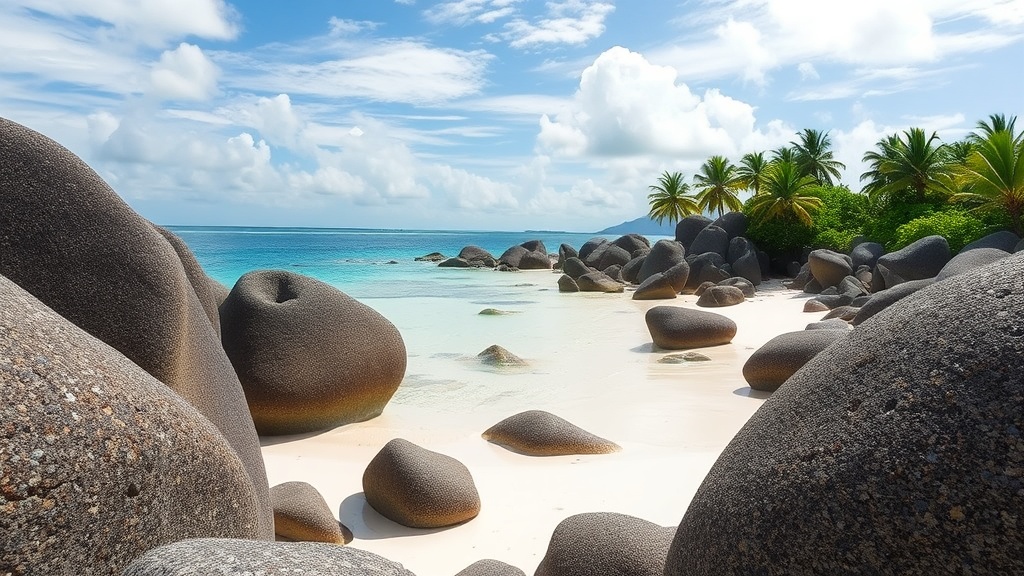
Anse Source d'Argent, La Digue
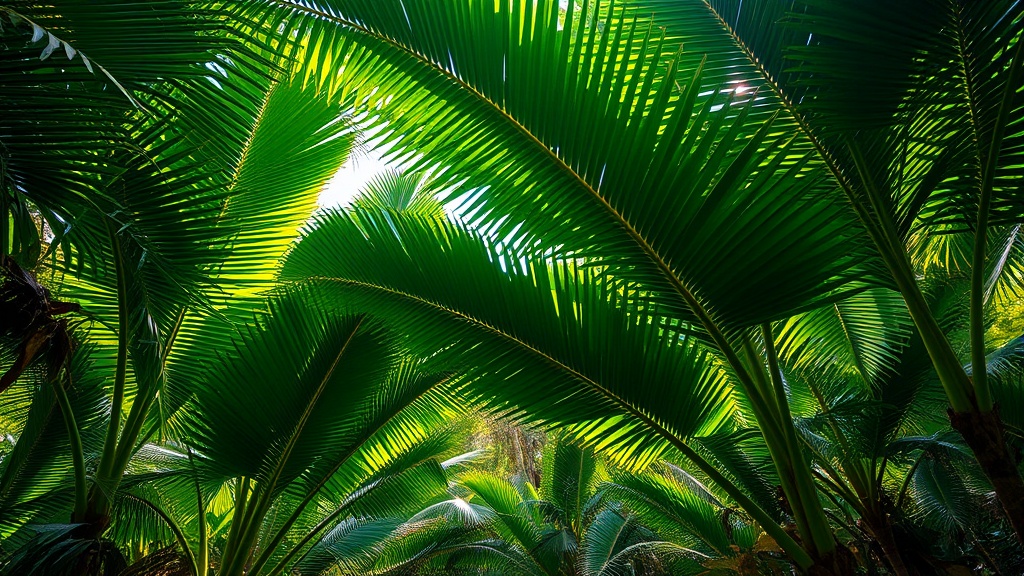
Vallée de Mai, Praslin
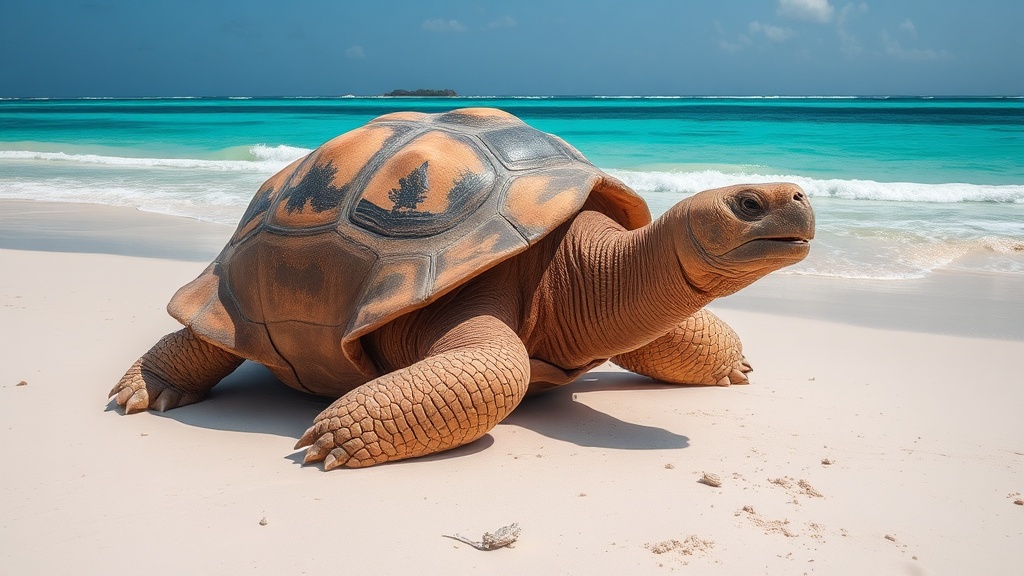
Aldabra Giant Tortoise
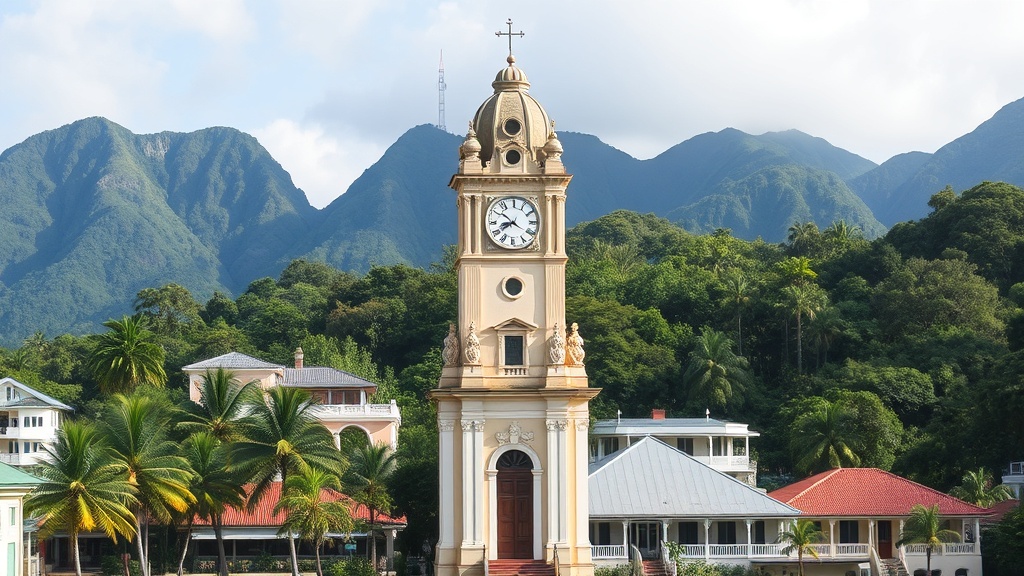
Victoria Clock Tower
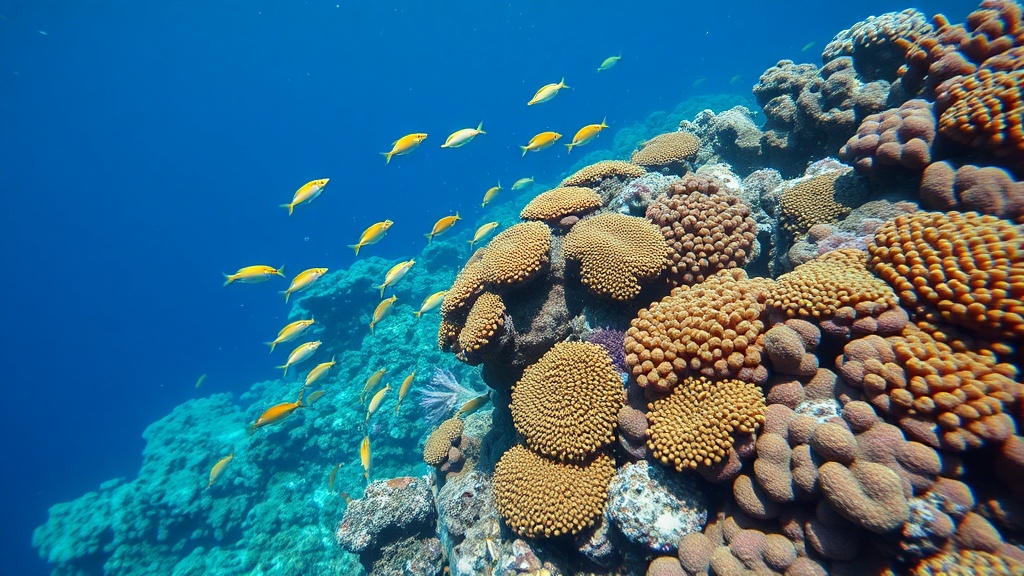
Seychelles Coral Reef
16 ✍️ Author's Note
I first came to the Seychelles expecting nothing more than a pretty beach holiday — another tropical paradise to tick off the list. What I found was something far richer. Cycling the red-dirt lanes of La Digue at dawn, watching the granite boulders of Anse Source d'Argent turn from grey to gold to pink as the sun climbed, I understood why General Gordon thought he had found Eden. But it was the people who stayed with me — the fisherman who invited me to share his catch cooked over coconut husks on the beach, the grandmother who explained the medicinal properties of every plant in her garden, the children who sang Creole songs while chasing hermit crabs across the sand. The Seychelles is not merely beautiful; it is one of those rare places where beauty and warmth are genuinely intertwined.
17 🗺️ Map
📚 Resources
Seychelles Tourism Board ·
Wikipedia: Seychelles ·
Seychelles Islands Foundation
