
🌍 Bonaire at a Glance
🌏 Overview
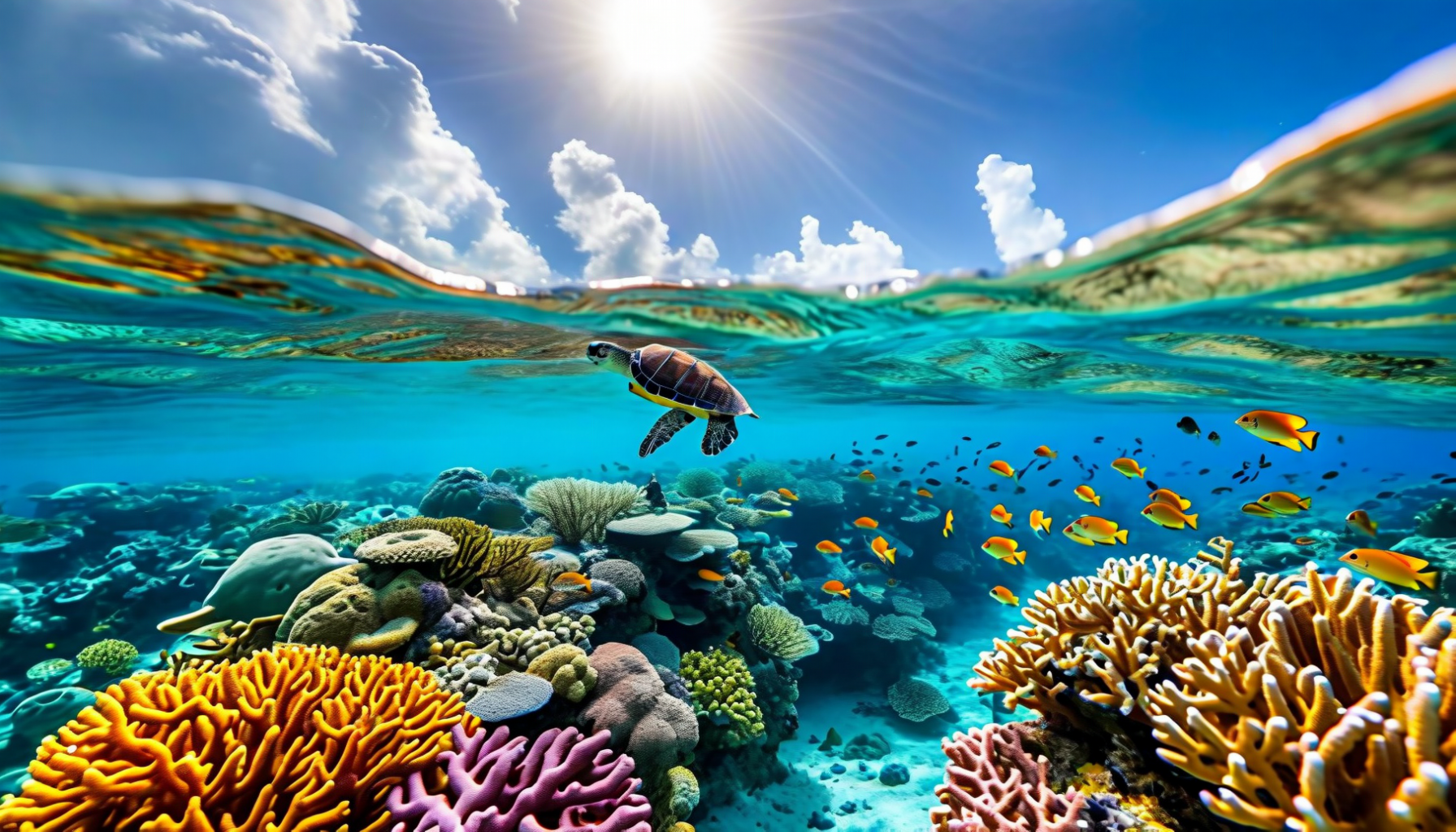
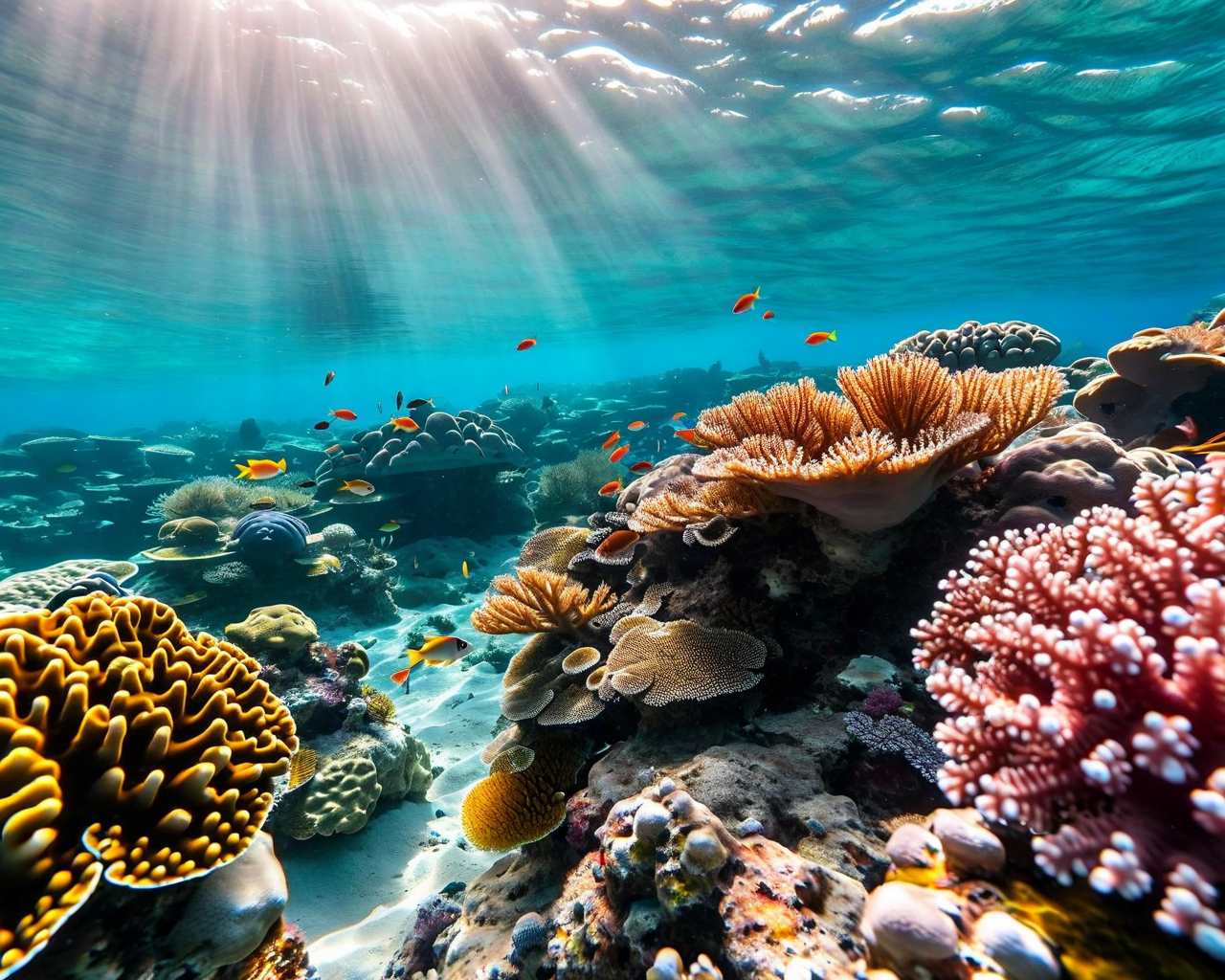
Bonaire is a diver's paradise in the southern Caribbean—a small Dutch island just off the Venezuelan coast where the entire coastline is a protected marine park. Unlike its flashier ABC-island siblings Aruba and Curaçao, Bonaire chose conservation over mass tourism, creating one of the world's best shore-diving destinations.
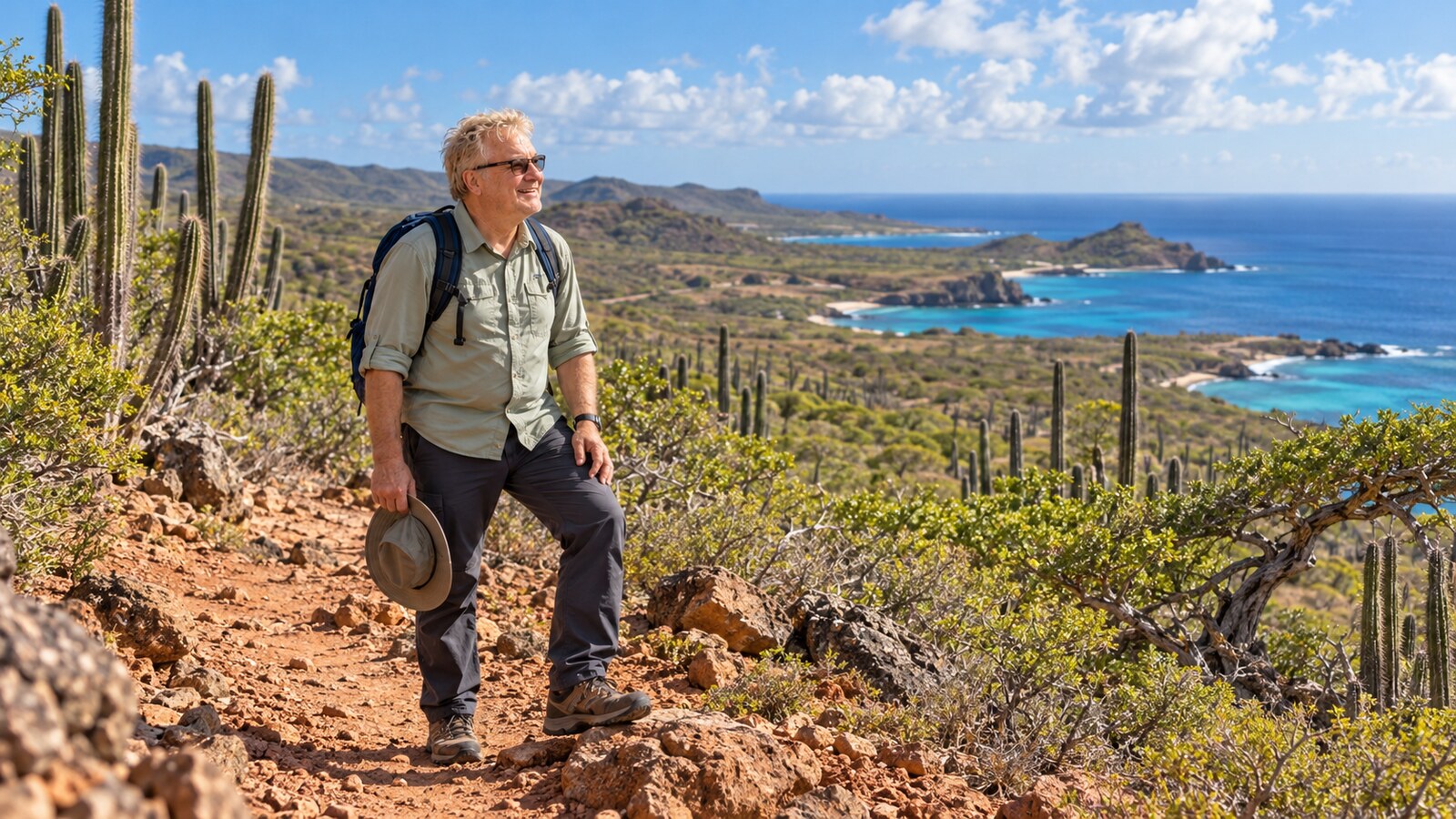
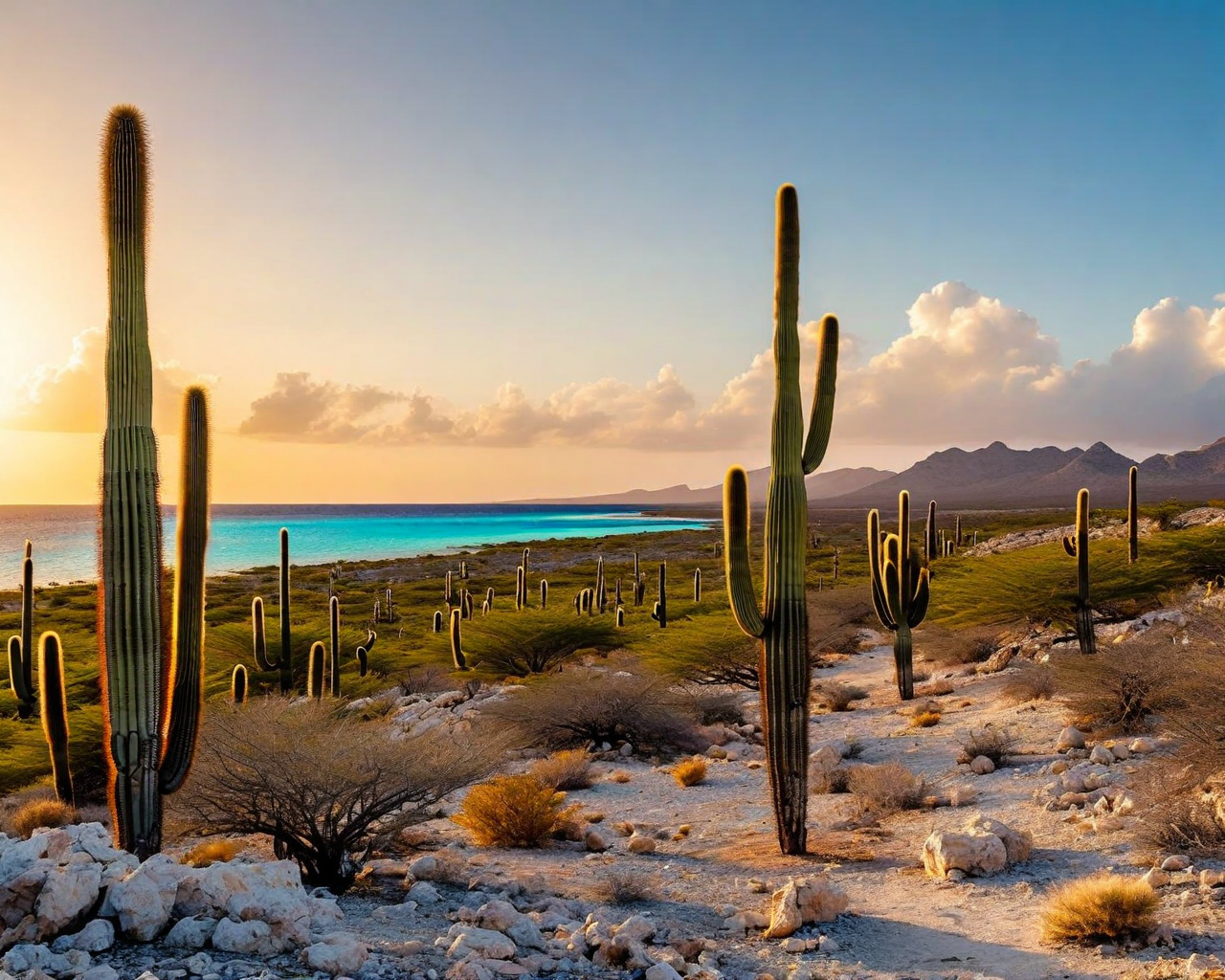
Above water, the island's arid landscape of cacti and flamingo-filled salt pans feels more like Arizona than the Caribbean. The laid-back atmosphere, constant trade winds, and world-class windsurfing at Lac Bay attract a devoted following of underwater enthusiasts and wind sports addicts.
🏷️ Name & Identity
Bonaire's name likely derives from the Caquetío indigenous word bonay, meaning "low country." Spanish explorers altered it, and the name stuck. Since 2010, Bonaire has been a special municipality of the Netherlands (not part of the EU), giving it a unique political status.
The island's identity is shaped by its Papiamentu-speaking culture—a Creole language blending Portuguese, Spanish, Dutch, and African elements. Bonairean pride centers on marine conservation; the island's motto could well be "dive, protect, repeat."
🗺️ Geography & Regions
Bonaire is a boomerang-shaped island of 288 km² in the Leeward Antilles, 80km north of Venezuela. The flat, arid landscape is dotted with columnar cacti, divi-divi trees, and salt pans—a stark contrast to the lush marine world just offshore. Washington Slagbaai National Park covers the hilly northern third.
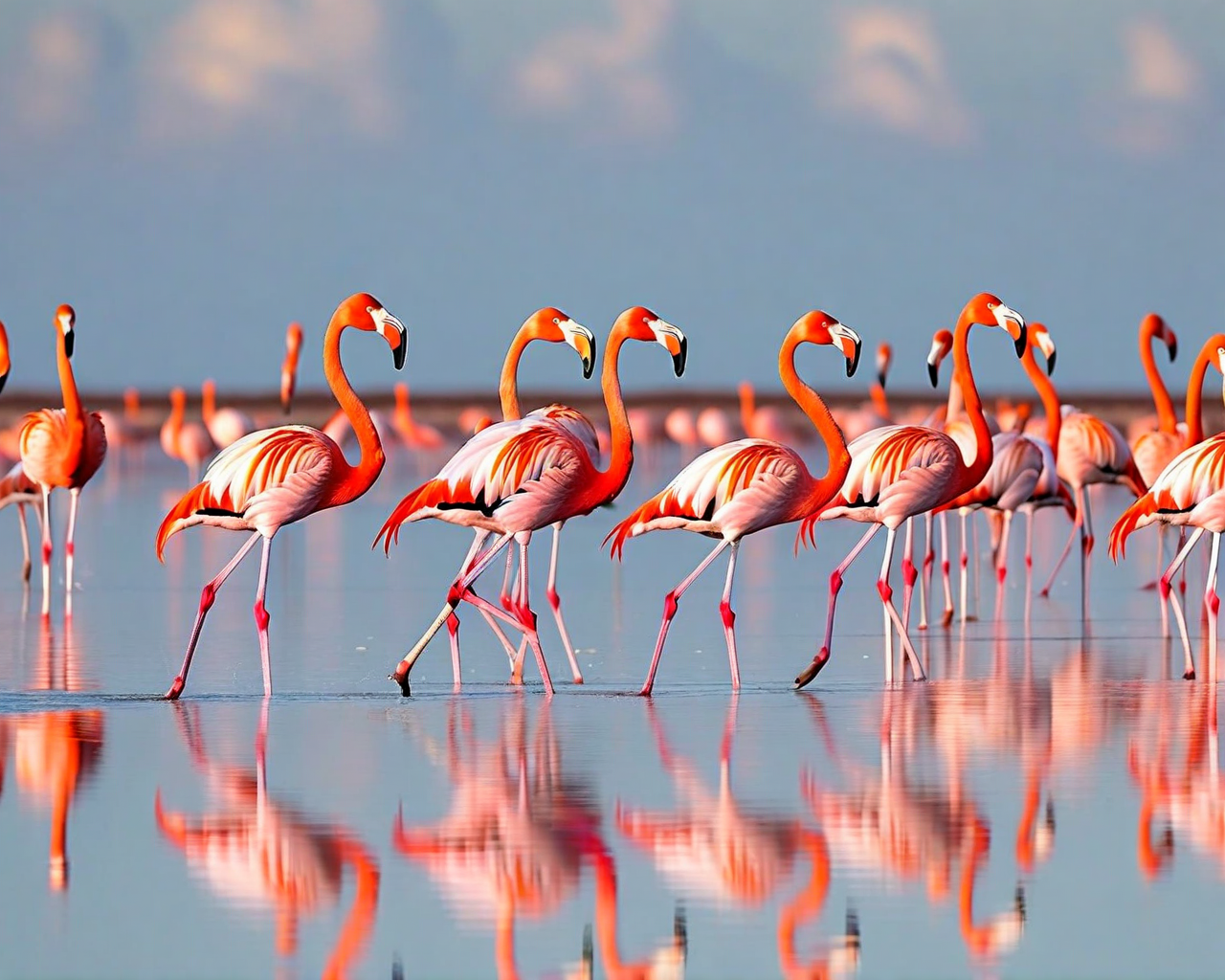
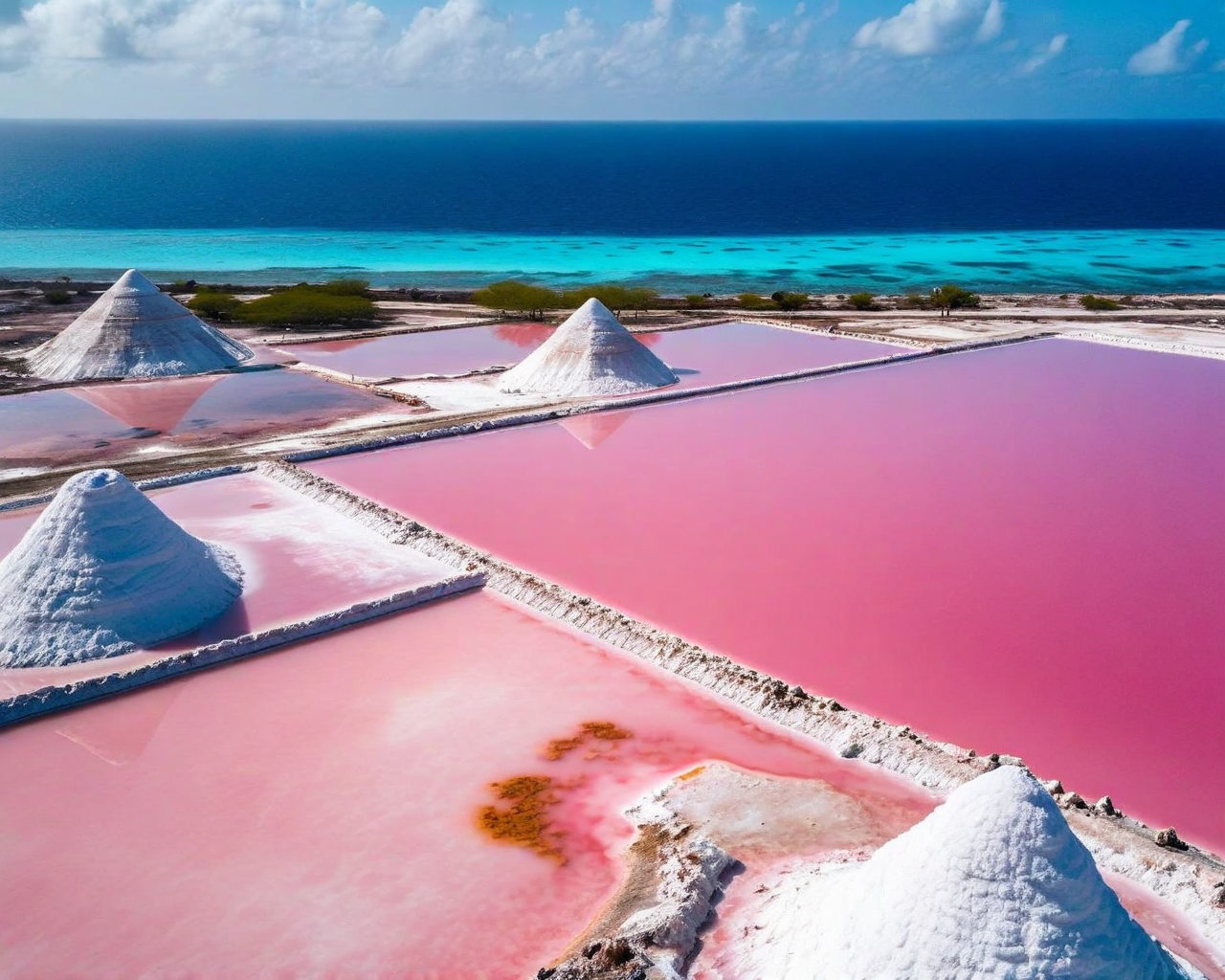
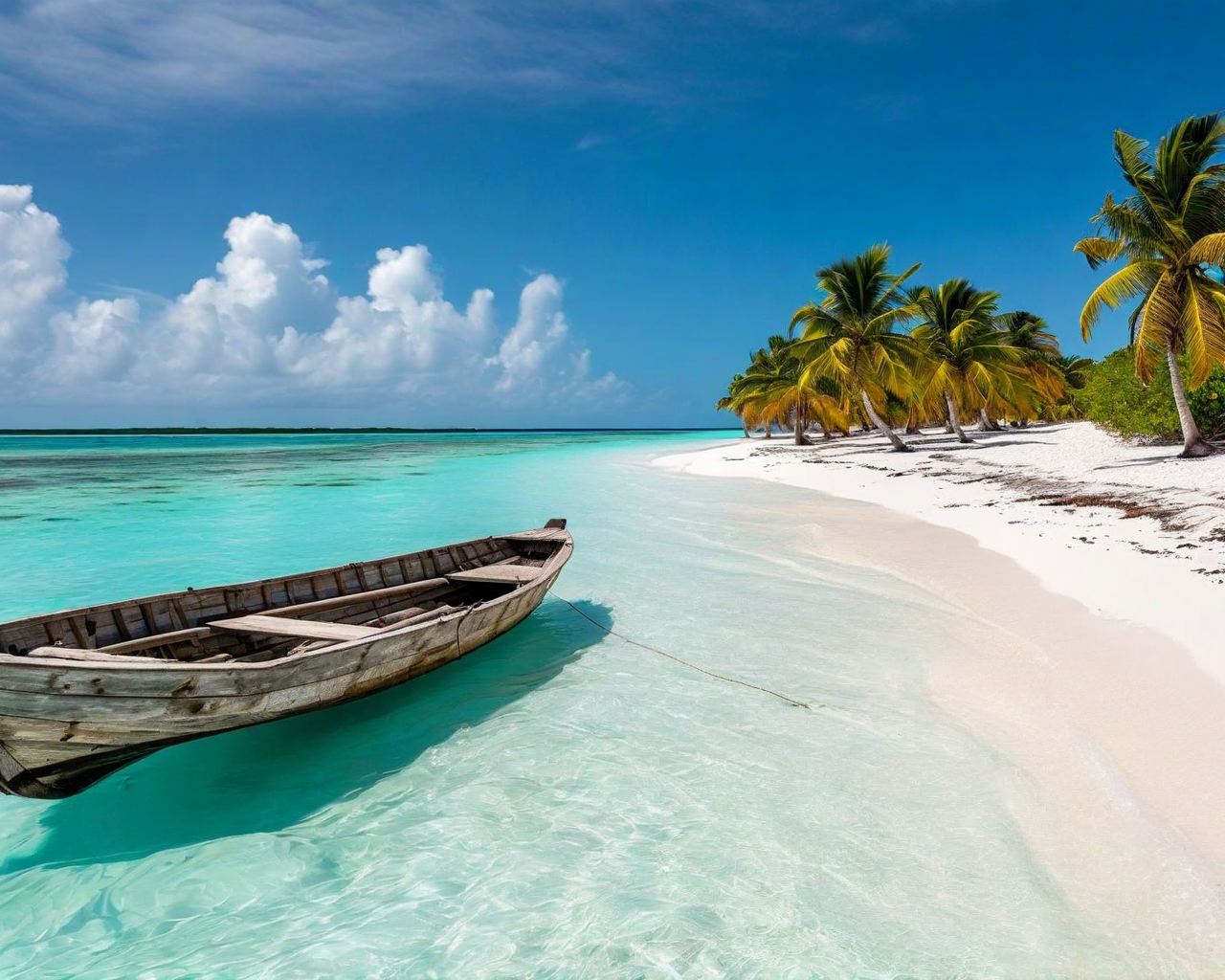
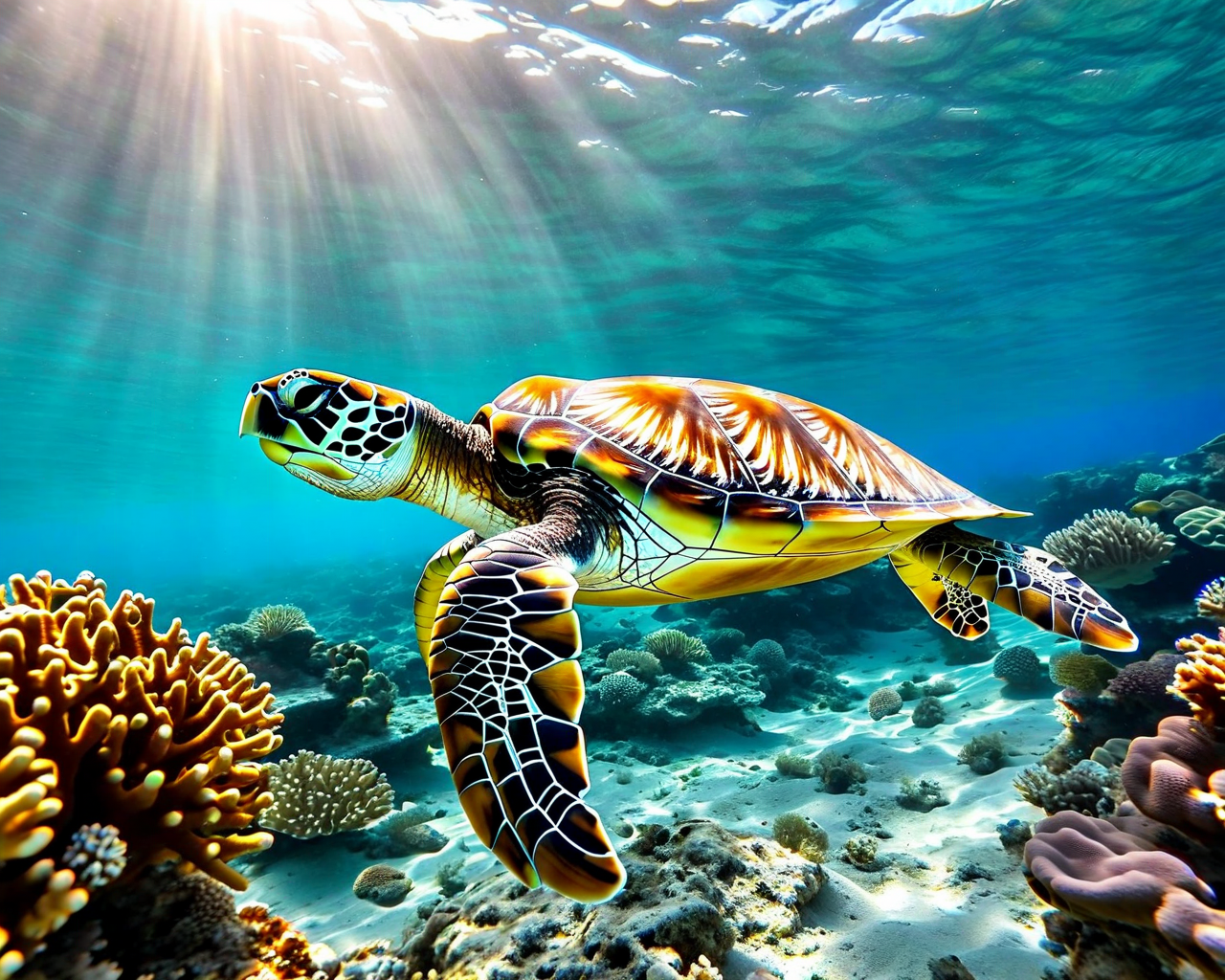
The tiny uninhabited island of Klein Bonaire sits 750 meters offshore, surrounded by pristine reefs and serving as a sea turtle nesting site. The southern coast features the famous pink-tinged salt flats where solar evaporation ponds produce sea salt—and thousands of flamingos feed in the briny shallows.
🗺️ Map
📜 History
The Caquetío people (an Arawak subgroup) inhabited Bonaire for centuries before Spanish arrival in 1499. Spain declared the island isla inútil (useless island) and used it primarily for livestock and salt harvesting. The Dutch West India Company took control in 1636.
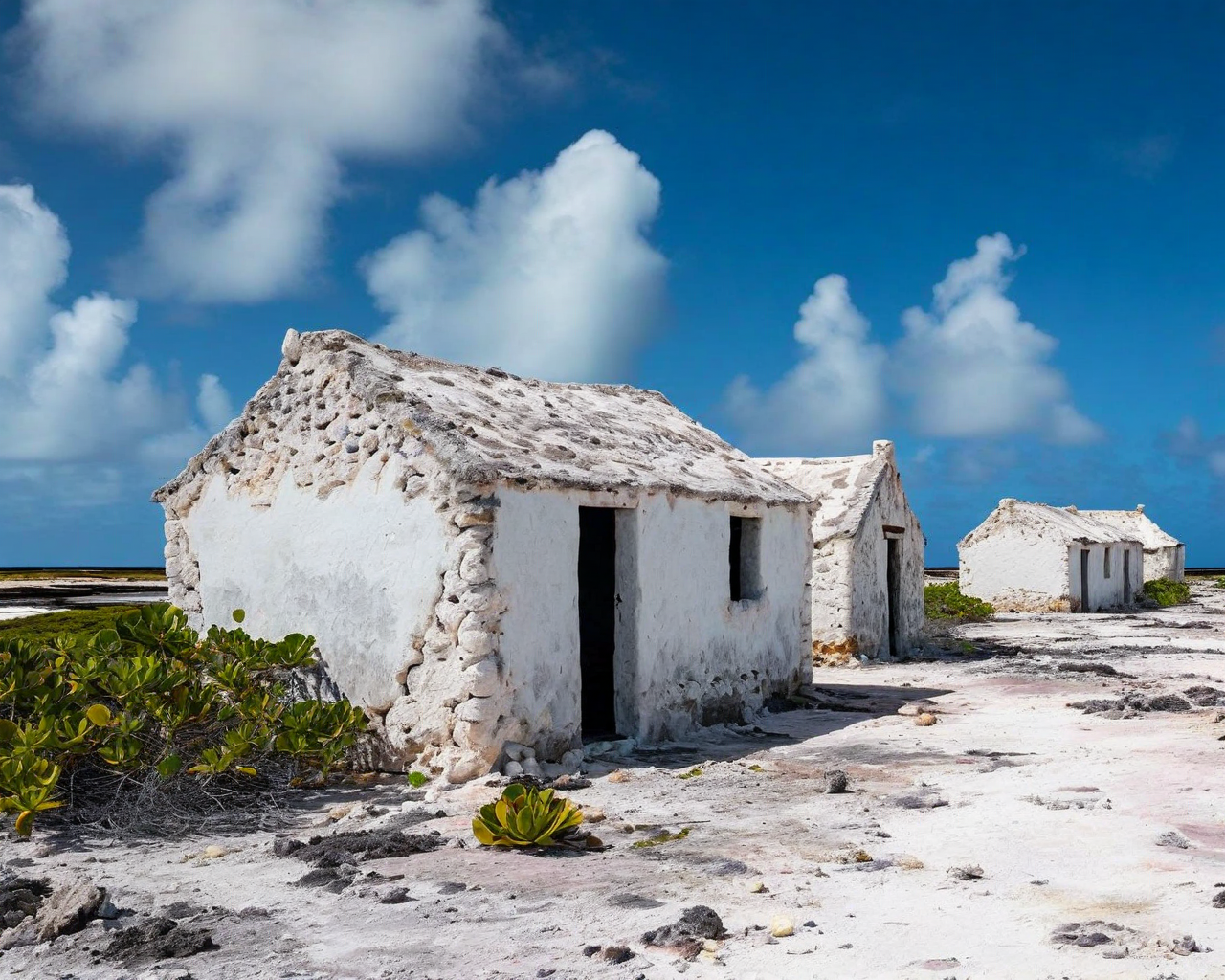
The colonial era brought enslaved Africans to work the salt pans—the tiny stone huts where they slept still stand as haunting memorials along the southern coast. After abolition in 1863, Bonaire remained a quiet backwater until scuba diving transformed it in the 1960s–70s.
In 2010, when the Netherlands Antilles dissolved, Bonaire became a special municipality of the Netherlands, giving residents Dutch citizenship and the US dollar as official currency—an unusual arrangement that reflects the island's pragmatic character.
👥 People & Culture
Bonaire's 21,000 residents are a mix of Afro-Caribbean, Dutch, Latin American, and international dive professionals. Papiamentu is the heart language, though Dutch is official and English and Spanish are widely spoken. The culture blends Caribbean warmth with Dutch efficiency.
Island life revolves around the sea. Diving and snorkeling are practically civic duties, and environmental awareness runs deep—Bonaire was the first Caribbean island to ban reef-damaging sunscreen. Annual events include Regatta Week (October) and Dia di Rincon, celebrating the island's oldest village.
🏛️ Kralendijk
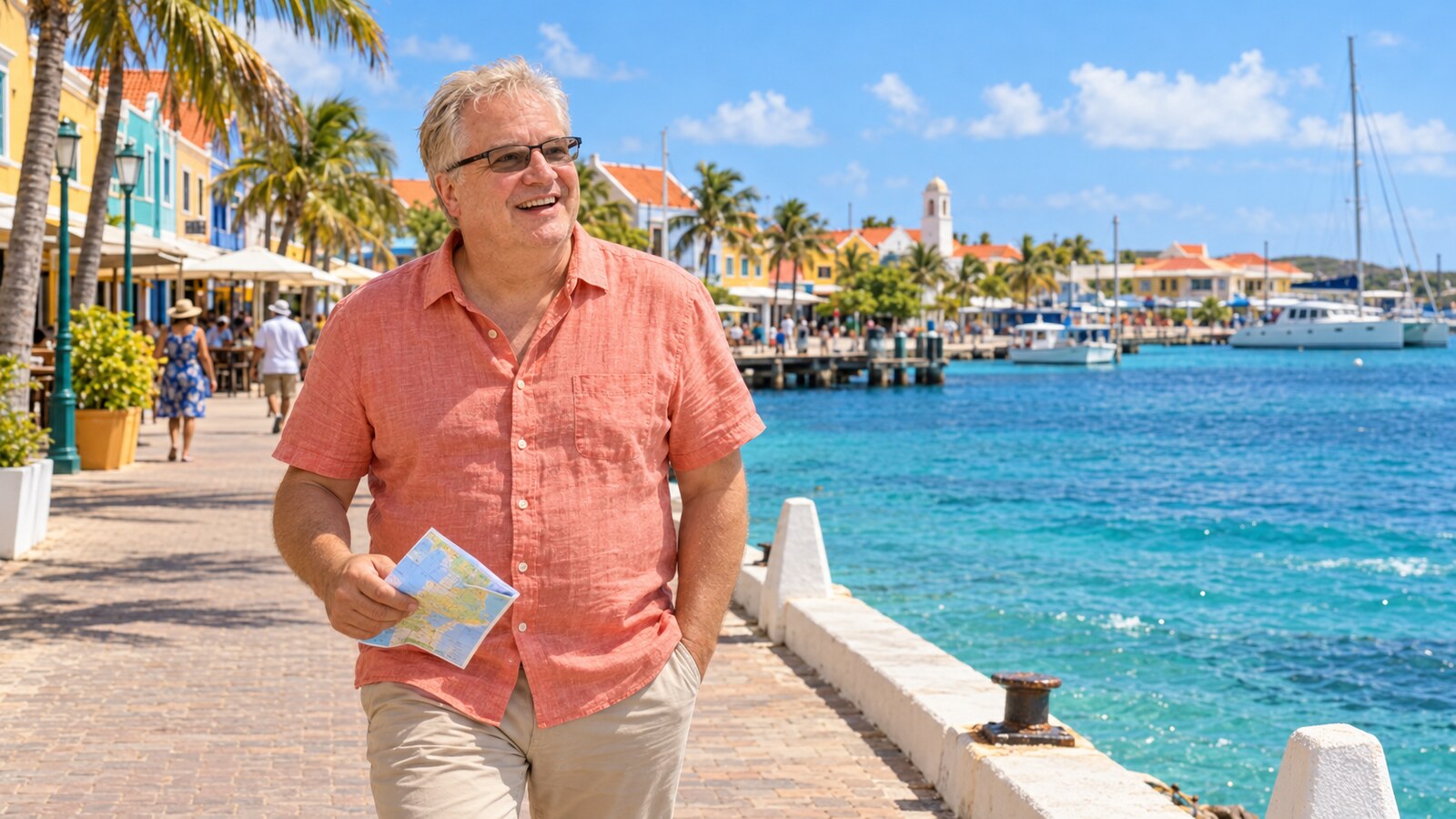
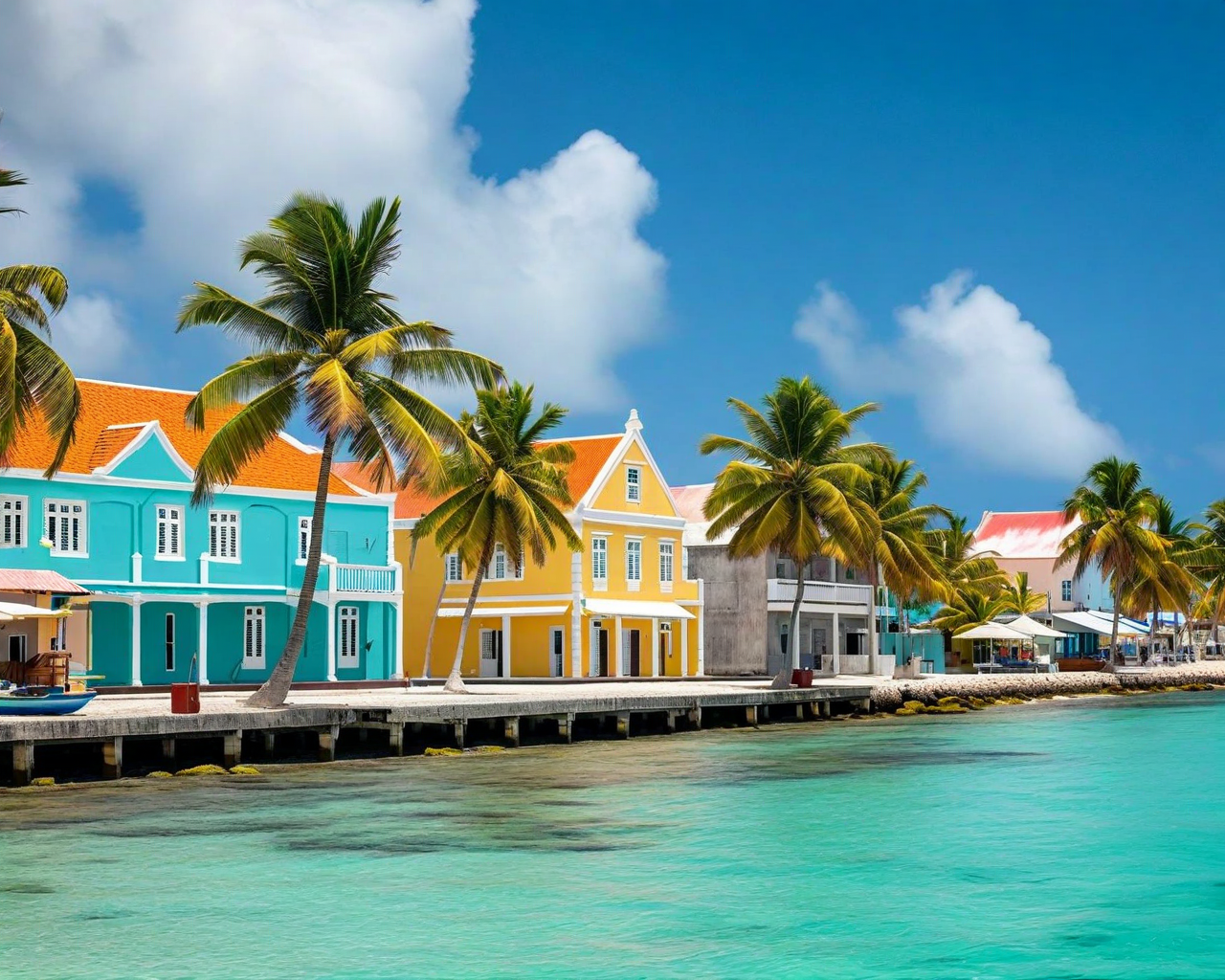
Kralendijk is one of the Caribbean's most low-key capitals—a colorful waterfront town of pastel Dutch colonial buildings, a handful of restaurants, and dive shops outnumbering banks. The name means "coral dike" in Dutch. Fort Oranje, built in 1639, still watches over the harbor.
The waterfront promenade looks across toward Klein Bonaire, and Kralendijk remains compact and walkable. Cruise ships do call at Bonaire, so the waterfront can become busier on port days; travelers seeking a quieter experience should check the cruise schedule when planning time in town.
🍜 Cuisine
Bonairean cuisine is the rustic, deeply Caribbean cooking of a small dry island where the sea provides everything. Goat, fresh fish, cornmeal funchi, beans, and sun-ripened tropical fruit form the backbone of the kreyòl-style table. African, Dutch, Latin American and Indigenous Caquetío influences blend into hearty stews and grilled seafood, almost always paired with the island's beloved pika siboyo (pickled onion-and-pepper hot sauce).
Kabritu Stobá
Goat Stew
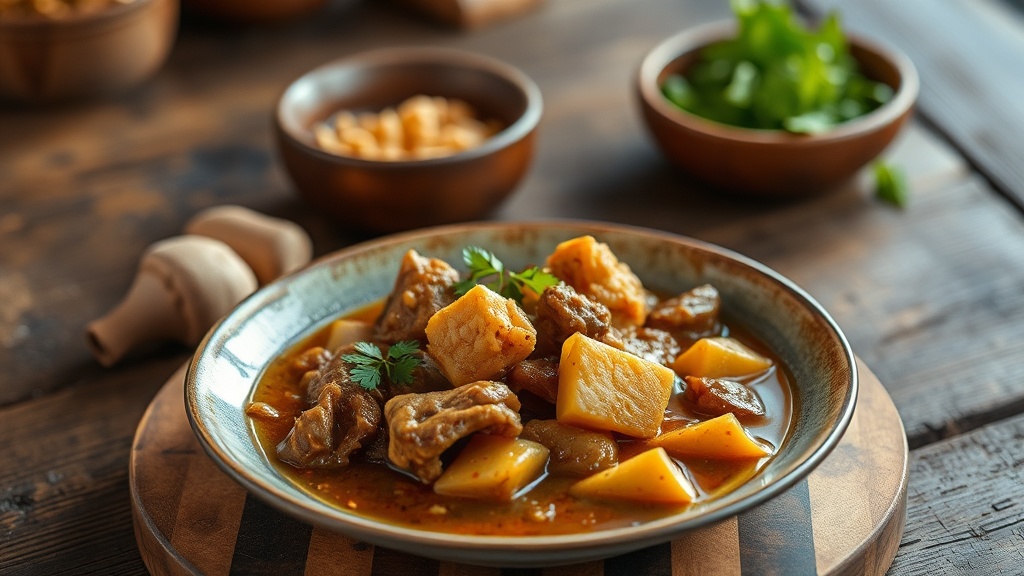
Tender goat stewed with local spices—the island's signature dish. This recipe serves two.
Ingredients: 500g goat meat, cubed, 2 onions, 2 tomatoes, 1 bell pepper, Cumin, nutmeg, 15ml vinegar, Hot pepper.
Preparation: Marinate goat in vinegar, spices. After that, brown meat well. Add vegetables, spices. Then add water, simmer 2 hours. Until meat falls off bone. Serve with funchi.
💡 Low and slow is key—goat needs long cooking to tenderize.
Funchi
Cornmeal Polenta
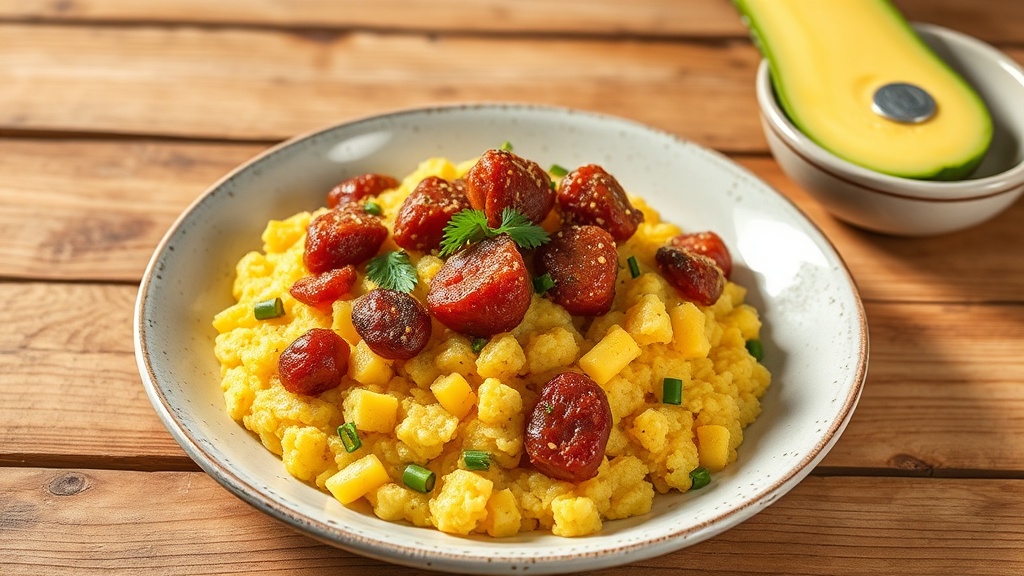
Smooth cornmeal porridge—the essential Bonairean starch. This recipe serves two.
Ingredients: 240ml cornmeal, 480ml water, 15ml butter, Salt.
Preparation: Boil salted water. Slowly whisk in cornmeal. Stire constantly over low heat. Then cook until very thick. Stir in butter. Last, serve alongside stews.
💡 Traditional funchi should hold its shape when molded.
Fried Snapper
Catch of the Day
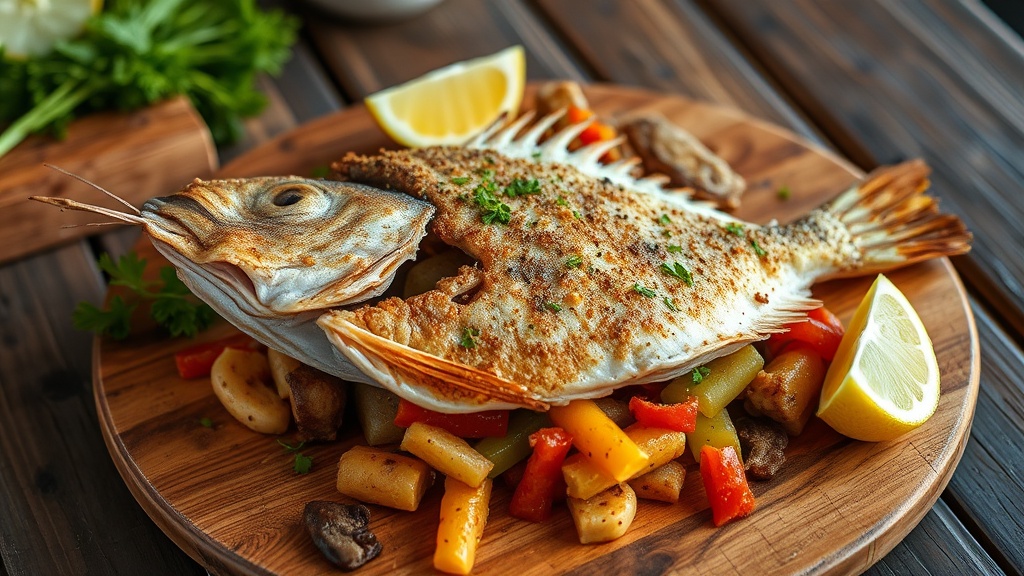
Whole fried snapper with Creole sauce—fresh from local waters. This recipe serves two.
Ingredients: 1 whole snapper, cleaned, Lime juice, Salt, pepper, Oil for frying, For sauce: tomato, onion, pepper, garlic.
Preparation: Score fish, rub with lime and salt. After that, let marinate 30 min. Deep-fry until crispy. Then make Creole sauce with vegetables. Pour sauce over fish. Last, serve with funchi.
💡 Hot oil ensures crispy skin—test with wooden spoon.
Signature Dishes: Kabritu Stobá – slow-cooked goat stew, the unofficial national dish. Funchi – cornmeal polenta served alongside almost every meal. Sopi Mondongo – tripe soup eaten on weekends. Keshi Yená – Edam cheese stuffed with spiced meat, a Dutch-Caribbean fusion. Piska Hasá – fried fresh fish with Creole sauce. Pastechi – fried savoury pastries filled with cheese, beef or fish.
Beverages: Cadushy – the island's signature liqueur made from the kadushi cactus, distilled at Cadushy of Bonaire in Rincon. Polar & Amstel Bright – the most popular local beers. Awa di Lamunchi – fresh limeade. Coconut water sold roadside. Imported wines from Chile, Argentina and South Africa dominate restaurant lists.
🌡️ Climate & Best Time to Visit
| Season | Temperature | Conditions | Rating |
|---|---|---|---|
| Dry High Season (Dec–Apr) | 26–30°C | Steady trade winds, almost no rain, calm seas | ✅ Best overall |
| Shoulder (May–Jun) | 27–31°C | Hot, dry, fewer crowds, low rates | ✅ Excellent value |
| Hot & Calm (Jul–Sep) | 28–32°C | Hottest months, lightest winds, best visibility for diving | ✅ Best for diving |
| Wet Season (Oct–Nov) | 26–30°C | Short tropical showers, lush brief greening | ⚠️ Some rain |
Best Time: Bonaire sits below the hurricane belt, so it is a year-round destination. December–April brings the most reliable weather. July–September offers the calmest seas and the clearest underwater visibility — peak time for serious divers. Annual rainfall is just ~560 mm.
✈️ How to Get There
By Air: Flamingo International Airport (BON) has direct and connecting service from Europe, North America and the Caribbean. Airlines and schedules change seasonally, so verify current routes directly before booking.
By Sea: Bonaire receives cruise ships and private vessels. Sea transport options change, so verify current port, immigration and any inter-island passenger service before relying on a boat connection. Visa: Bonaire follows the visa rules for the Caribbean parts of the Kingdom of the Netherlands. U.S. and Czech citizens are currently among the nationalities that do not need a Caribbean visa for a short visit; stays in Bonaire are generally limited to 90 days within a 180-day period. Check Netherlands Worldwide before departure because entry conditions can change.
📋 Practical Information
Visa: Use the entry rules for the Caribbean parts of the Kingdom of the Netherlands rather than assuming Schengen rules apply. Bonaire also charges a mandatory Visitor Entry Tax; the official island tourism site currently lists USD 75 per person per visit for most non-resident visitors. Currency: US Dollar (since 2011). ATMs and credit cards widely accepted in Kralendijk; cash useful at small businesses. Driving: Right-hand traffic. Rental vehicles essential for exploring. Speed limits are strictly enforced on this small island.
Diving: A STINAPA Nature Fee is required for visitors using Bonaire's protected marine and national parks. The official 2026 fee is USD 40 and is valid for the calendar year; check STINAPA for current exemptions and rules. Bonaire is famous for shore diving, but site conditions and access should always be checked locally. Health: Tap water is produced by desalination and is widely used locally. Tropical sun exposure is intense, so plan for shade, hydration and reef-conscious sun protection.
💰 Cost of Living
Bonaire is moderately priced by Caribbean standards—cheaper than Aruba or the US Virgin Islands, but not a budget destination. Diving costs are reasonable thanks to unlimited shore diving with just a Marine Park tag. Self-catering apartments can reduce food costs significantly.
🏨 Accommodation
Dive resorts dominate Bonaire's accommodation scene, offering packages with unlimited shore diving, tanks, and gear rental. Budget options include apartments and small guesthouses. Most properties are clustered along the west coast between Kralendijk and the dive sites.
Budget: Bonaire Basics ($50–70), guesthouses in Rincon ($40–60). Mid-range: Buddy Dive Resort ($130–200), Den Laman ($100–160). Upscale: Harbour Village Beach Club ($250–450), Delfins Beach Resort ($200–350). Eco: Sorobon Beach Resort on Lac Bay ($150–250, windsurfer haven).
🎭 Festivals & Events
Bonaire Regatta (October) is the island's biggest event—a week of sailing races, beach parties, live music, and festivities. Started in 1967, it brings together the entire island community and visitors for Caribbean celebration at its most authentic.
Other events: Carnival (February/March) with parades and jump-up, Dia di Rincon (April 30) celebrating Bonaire's oldest settlement, Dia di Bonaire (September 6) marking island-specific holidays, and the annual Dive Festival featuring underwater photo competitions and marine conservation events.
🎒 Packing Tips
Essential: Reef-safe (oxybenzone-free) sunscreen — regular sunscreen is banned to protect Bonaire's coral. Passport, dive certification cards, dive computer if you have one, refillable water bottle, US dollars in small bills, light cotton clothing.
Clothing: Swimwear (multiple sets), rash guard, light shirts, shorts, flip-flops plus closed reef shoes for rocky shore-diving entries, light wind-breaker for boat rides. Smart casual is fine even at upscale restaurants — there is no formal dress code anywhere on the island. Gear: Mask & snorkel (most divers bring their own), underwater camera, dry-bag, a wide-brim hat, polarized sunglasses.
What NOT to bring: Single-use plastics, regular sunscreen, drone without a permit, expectations of nightlife — Bonaire is bed-by-ten quiet.
🌐 Useful Resources
Visa: Check with your nearest Bonaire embassy or consulate for current visa requirements. US citizens should consult travel.state.gov for the latest entry requirements. Emergency: Contact your country's nearest embassy or consulate for emergency assistance.
Tour Operators: Check local tourism boards and reputable international agencies. Platforms like GetYourGuide and Viator offer vetted local experiences with English-speaking guides. Maps: Maps.me (works offline), Google Maps (download offline area maps before your trip).
Online: Wikivoyage: Bonaire, Lonely Planet, r/bonaire (Reddit). News: Check local English-language media for current travel advisories and updates.
📚 Recommended Reading
Non-Fiction: "Bonaire Shore Diving Made Easy" by Susan Porter — the bible of Bonaire shore diving, with detailed maps of all 63 sites. "Reef Fish Identification: Florida, Caribbean, Bahamas" by Paul Humann — the essential underwater field guide. "The Dutch Caribbean: A Cultural History" — broader regional context.
Fiction & Memoir: "An Island Away" by Daniel Putkowski — set in the ABC islands. Online: Wikivoyage: Bonaire, Lonely Planet Bonaire, r/scuba and r/bonaire on Reddit, infobonaire.com, the official tourism site bonaireisland.com. News: The Bonaire Reporter, Bonaire.nu (Dutch/Papiamentu).
🤯 Fascinating Facts
🤿 Shore Diving Capital
Bonaire has 63 marked dive sites accessible directly from shore—no boat needed. Divers simply drive to a painted rock, gear up, and walk in. It's the only place in the Caribbean where you can dive 24/7 on your own schedule.
🦩 Flamingo Nursery
Bonaire's salt flats host one of the Caribbean's largest flamingo breeding colonies. Up to 5,000 Caribbean flamingos nest here annually, their pink plumage derived from the brine shrimp they filter from the salt pans.
🏠 Slave Huts
Tiny stone huts along the southern coast—barely tall enough to crawl into—housed enslaved salt workers in the 19th century. These haunting structures are preserved as historical monuments, standing beside the salt pans still in production today.
⭐ Notable People
Captain Don Stewart (1925–2014) — American adventurer who arrived on Bonaire in 1962 aboard a sailboat and never left. He pioneered the island's dive tourism, founded Habitat Dive Resort, and was the loudest early voice for marine protection — his lobbying directly led to the creation of Bonaire National Marine Park in 1979. He is the reason Bonaire's reefs are still alive.
Boi Antoin — Cultural historian and tireless preserver of Papiamentu language and Bonairean folklore; founder of Cultural Park Mangazina di Rei in Rincon. Cai Winklaar — Bonairean windsurfer and PWA world tour competitor. Elvis Martinus & Patun Saragosa — local musicians who keep the traditional simadan harvest songs alive.
📰 Media & Press Freedom
As a special municipality of the Netherlands, Bonaire enjoys full Dutch press-freedom protections — the Netherlands consistently ranks in the top 10 of Reporters Without Borders' World Press Freedom Index. Local outlets include the Papiamentu and Dutch newspaper Bonaire.nu, the news site BES-Reporter, and Antilliaans Dagblad covering the wider Dutch Caribbean. English-language coverage comes via The Bonaire Reporter.
Entry Requirements: Bonaire follows Dutch (Schengen-equivalent) entry rules. US, Canadian, EU and UK citizens may enter visa-free for up to 90 days with a valid passport and onward ticket. A small tourism entry tax (currently $75) is collected before arrival via the official online portal. Conservation: Every diver and snorkeller must purchase a STINAPA Bonaire National Marine Park nature tag ($45/year for divers, $25/year for non-divers as of 2026).
⚽ Sports
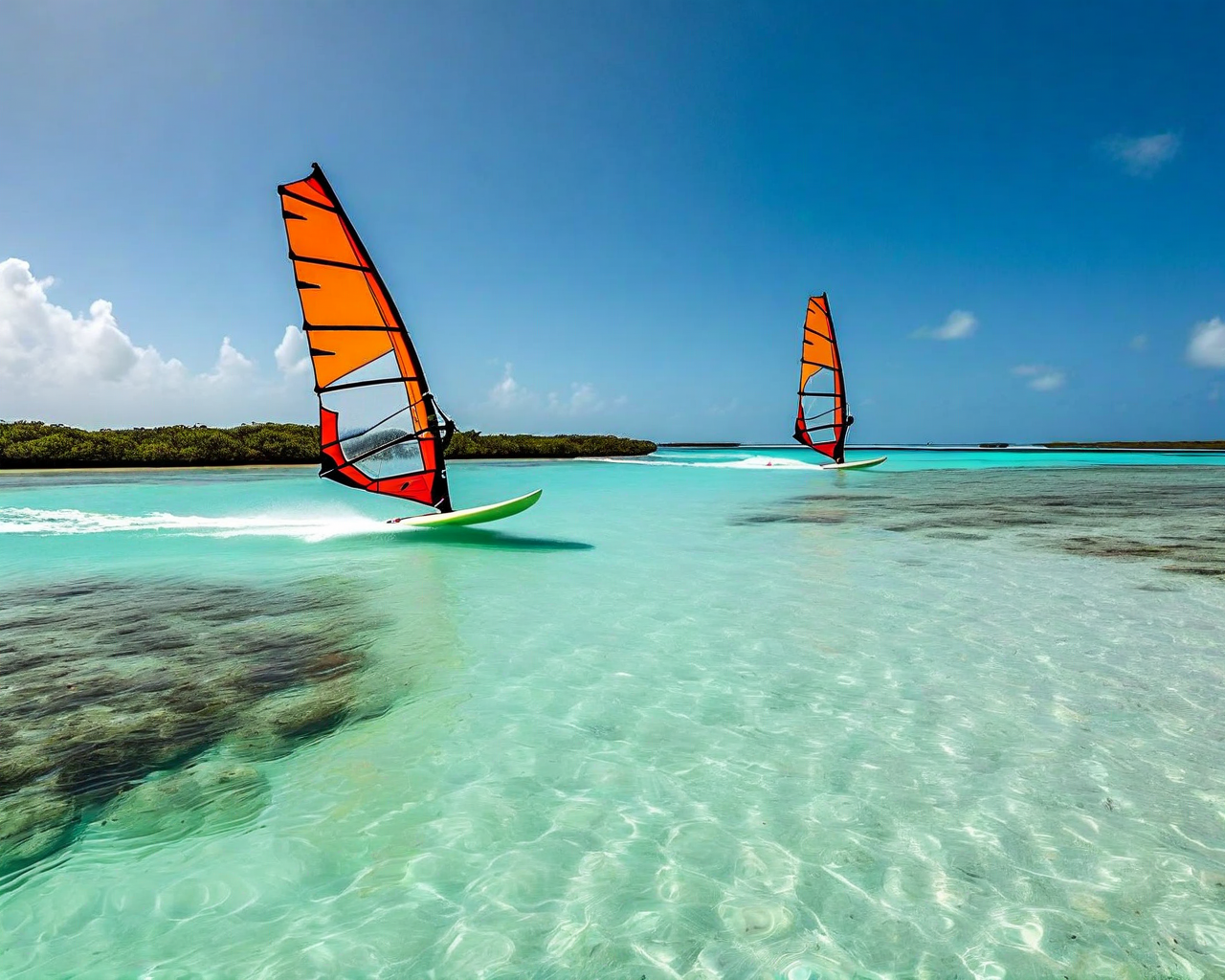
Bonaire is a world-class destination for water sports. The island hosts annual windsurfing and kiteboarding competitions at Lac Bay, where consistent trade winds and shallow waters create perfect conditions. Freediving competitions attract international athletes to the island's clear, deep waters.
On land, cycling is growing with mountain bike trails through Washington Slagbaai National Park. The island also hosts trail running events across its arid terrain, and beach tennis has a devoted local following.
🍷 Wine & Spirits
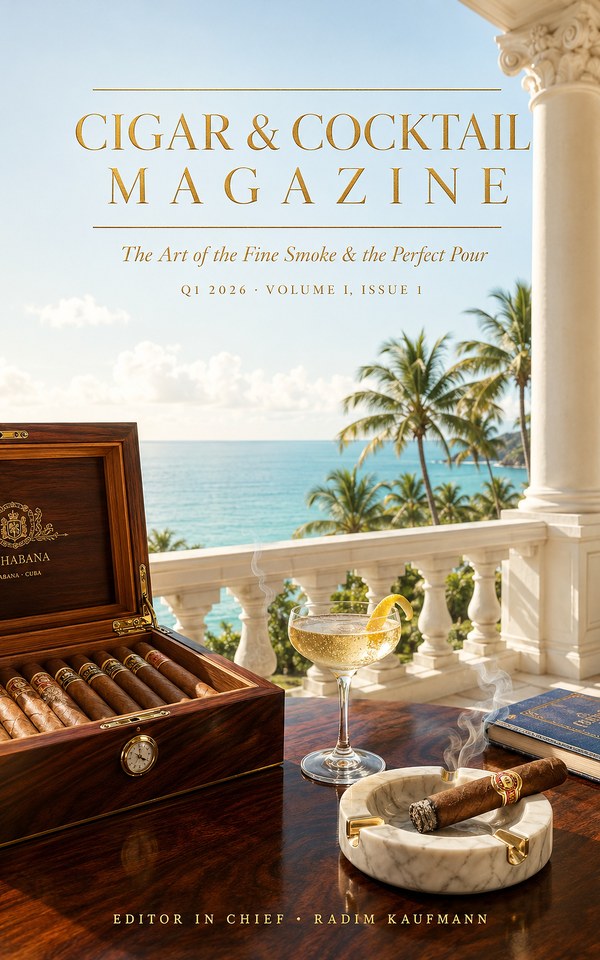
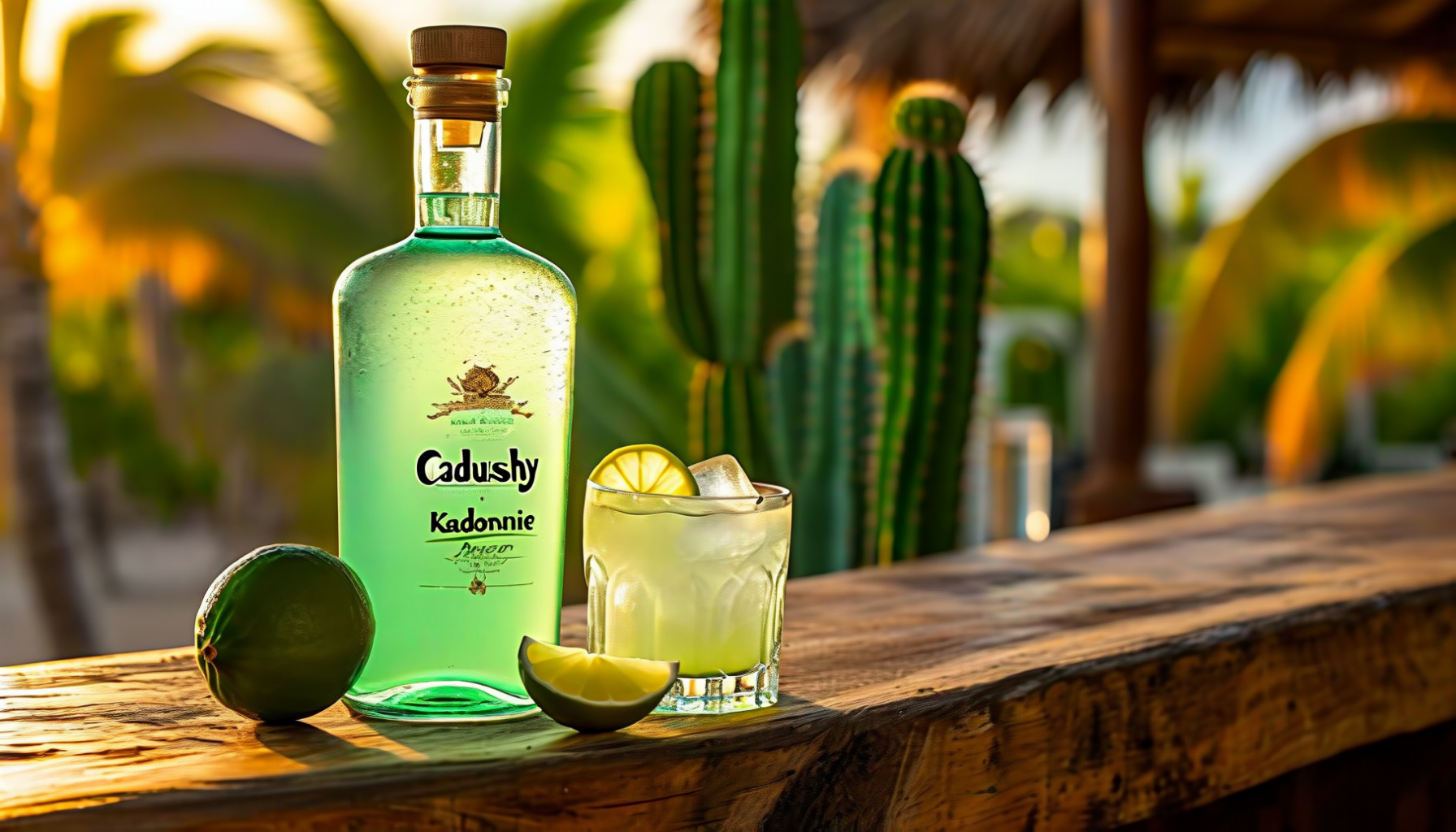
Bonaire is too dry and too small for vineyards, but the island has carved out a singular spirits identity. The Cadushy of Bonaire Distillery in the inland village of Rincon hand-crafts the world's only liqueur made from the native kadushi cactus — a smooth, herbal, pale-green spirit drunk straight or over ice. The same distillery produces a small range of rums and the citrus-bright Rom Rincon. Visitors are welcome to tour the distillery, taste the full range, and watch the cactus being processed by hand.
Beyond Cadushy, restaurant wine lists are short, well-chosen and lean on Argentina, Chile and South Africa — the closest wine-producing regions logistically. Cold local beer (Polar from Venezuela, Amstel Bright in mini-bottles, and Antillean Brewing Company craft cans from neighbouring Curaçao) is the everyday choice at any beach bar.
🍹 Cocktails & Mixed Drinks
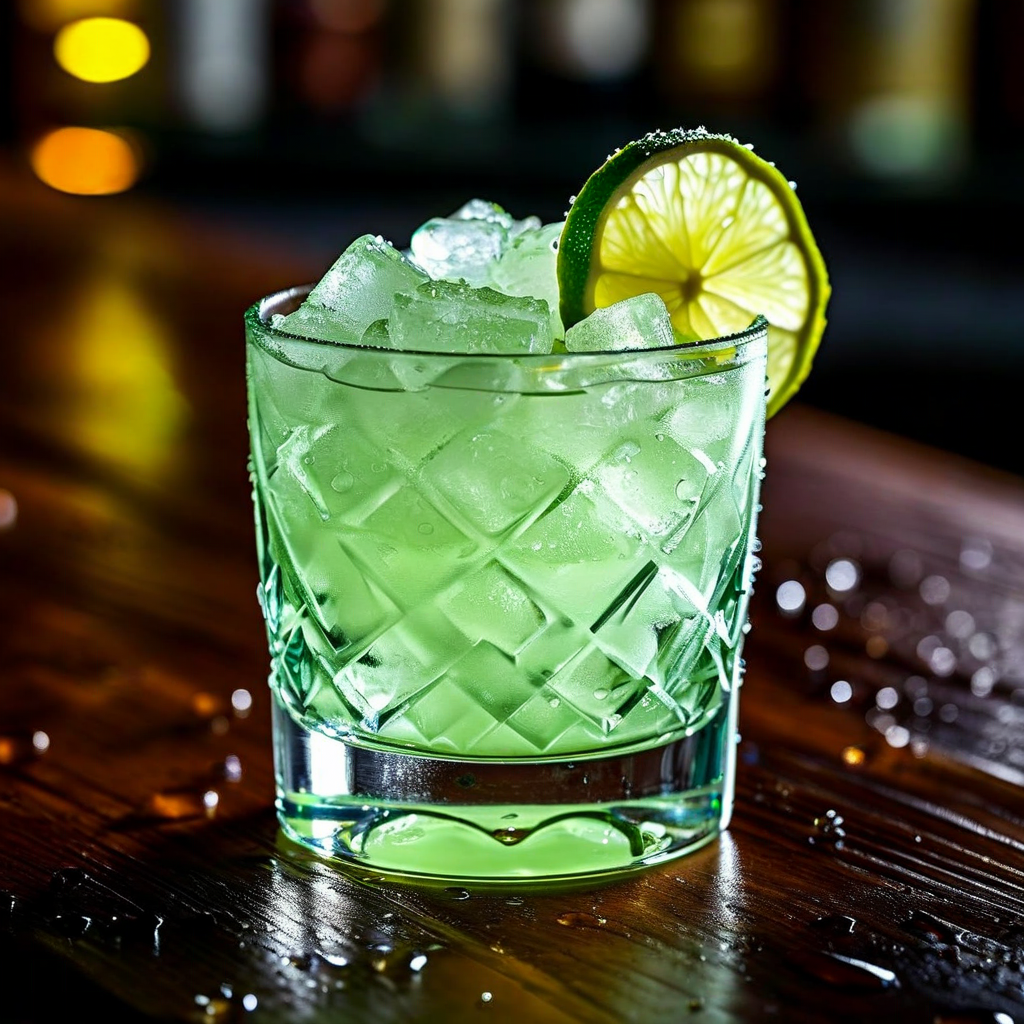
Cadushy on the Rocks — The simplest and best showcase of the island's signature spirit: 50 ml Cadushy cactus liqueur poured over crushed ice with a twist of fresh lime. Herbal, slightly sweet, faintly grassy.
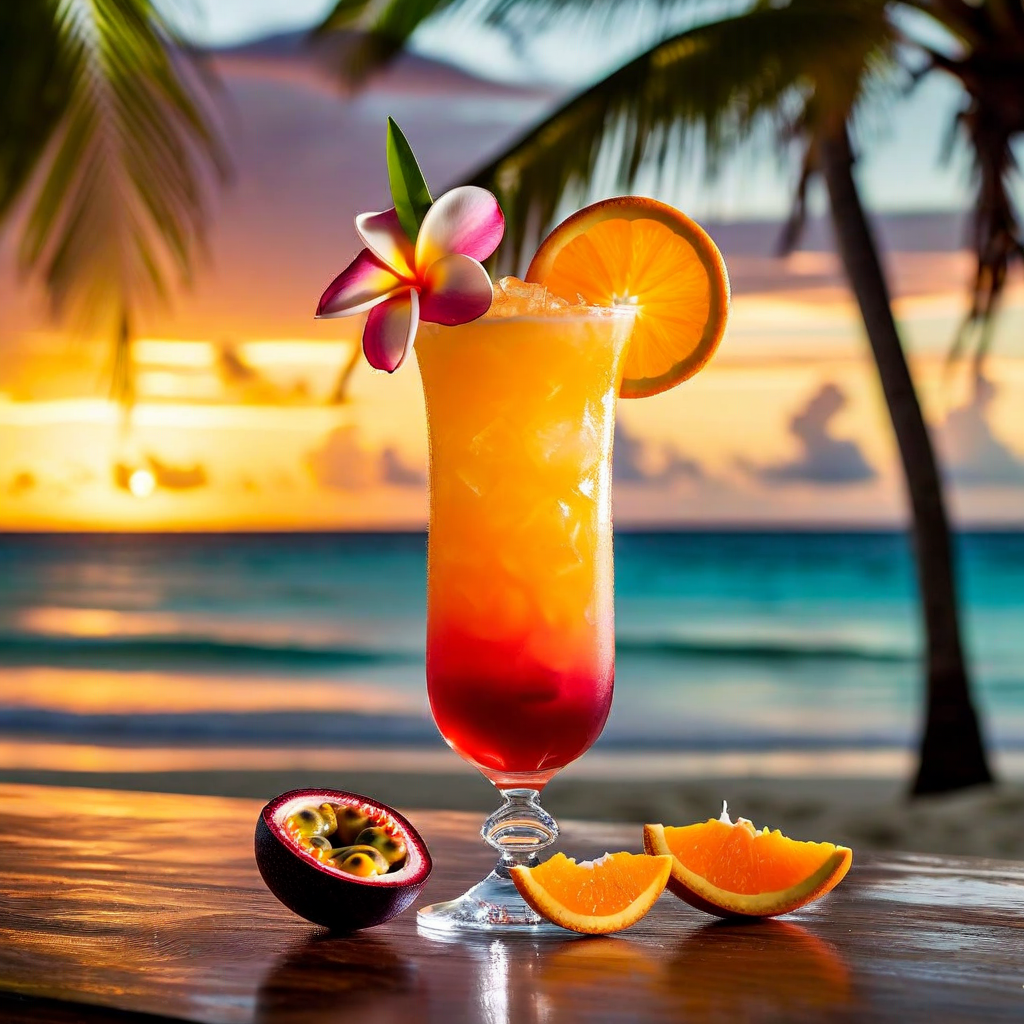
Bonaire Sunset — 40 ml Rom Rincon white rum, 60 ml fresh orange juice, 20 ml passion-fruit purée, a dash of grenadine, shaken hard and poured over cubed ice. Garnish with an orange wheel.
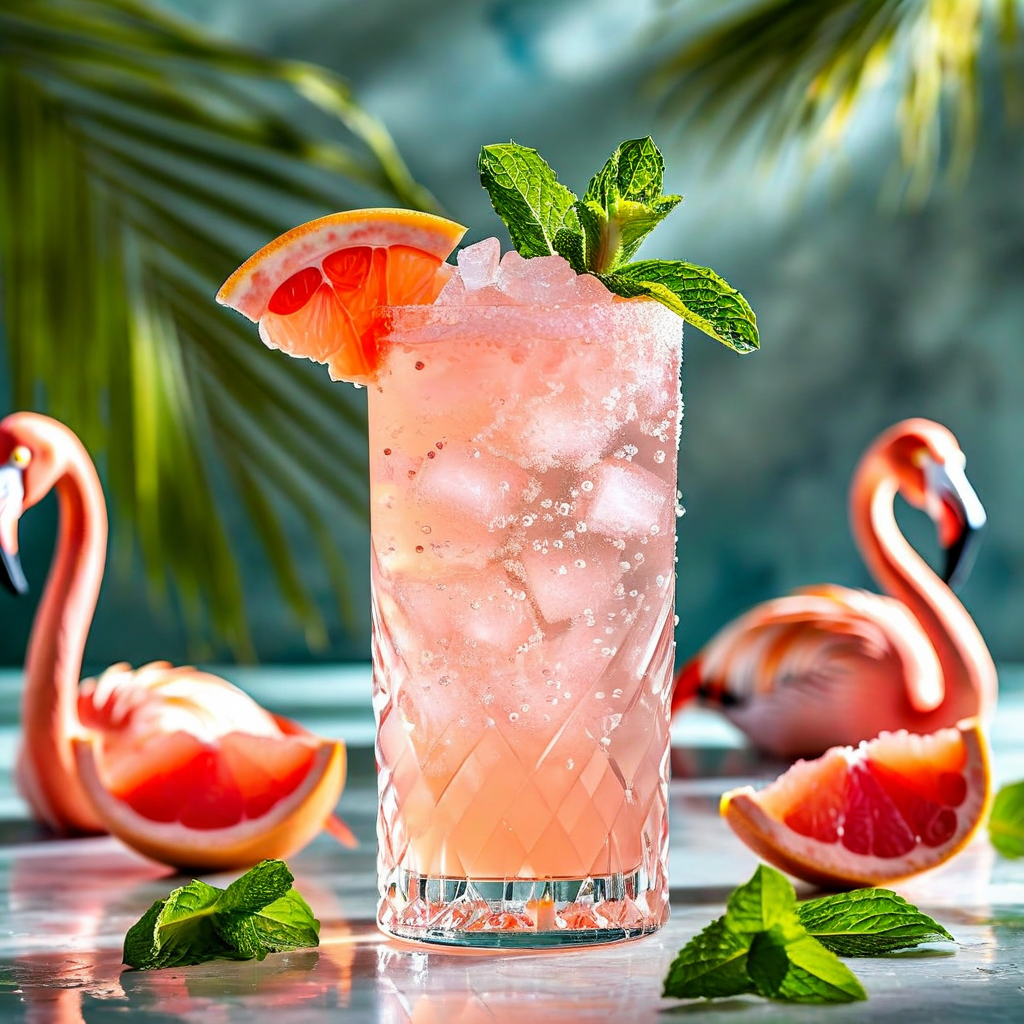
Flamingo Fizz — 30 ml Cadushy, 20 ml pink-grapefruit juice, 10 ml lime, topped with cold sparkling water and a sprig of mint. Pale pink, low-ABV, perfect after a morning dive.
🏛️ UNESCO & World Heritage
Bonaire has no inscribed UNESCO World Heritage Sites of its own. Bonaire National Marine Park sits on the Netherlands' UNESCO Tentative List as a candidate Natural Site, recognised for its outstanding shallow-reef ecosystem and the success of its 1979 protection scheme. The wider Dutch Kingdom's only inscribed Caribbean property is Willemstad's historic centre on neighbouring Curaçao — a popular day-trip from Bonaire.
📸 Photo Gallery

✍️ Author's Note
Bonaire is proof that saying "no" can be the best development strategy. By refusing mass tourism, limiting cruise ships, and protecting every inch of reef, this tiny island created something most Caribbean destinations have lost—an underwater world that still takes your breath away. The marine park, established in 1979, was visionary.
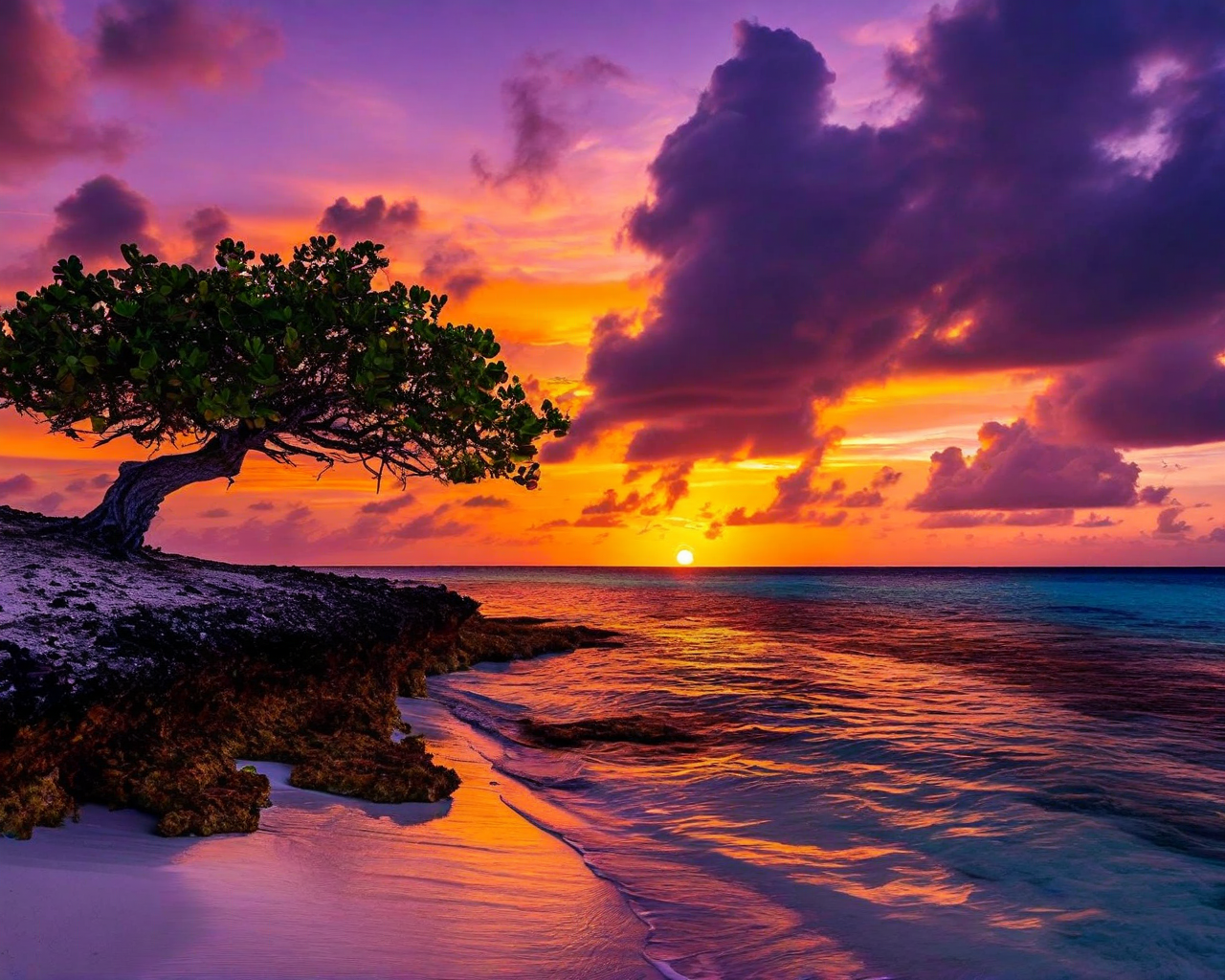
Above water, Bonaire won't win beauty contests against its lusher neighbors. It's flat, dry, and covered in cacti. But that austere landscape has its own fierce charm, especially at sunset when flamingos paint the salt pans pink and the dive flags flutter in the trade wind. This is a place that knows exactly what it is and makes no apologies.
Where the reef comes first
—Radim Kaufmann, 2026
Support This Project
If you enjoy this guide, consider supporting independent travel journalism.
☕ Buy Me a Coffee