🏛️ UNESCO World Heritage — the Honest Picture
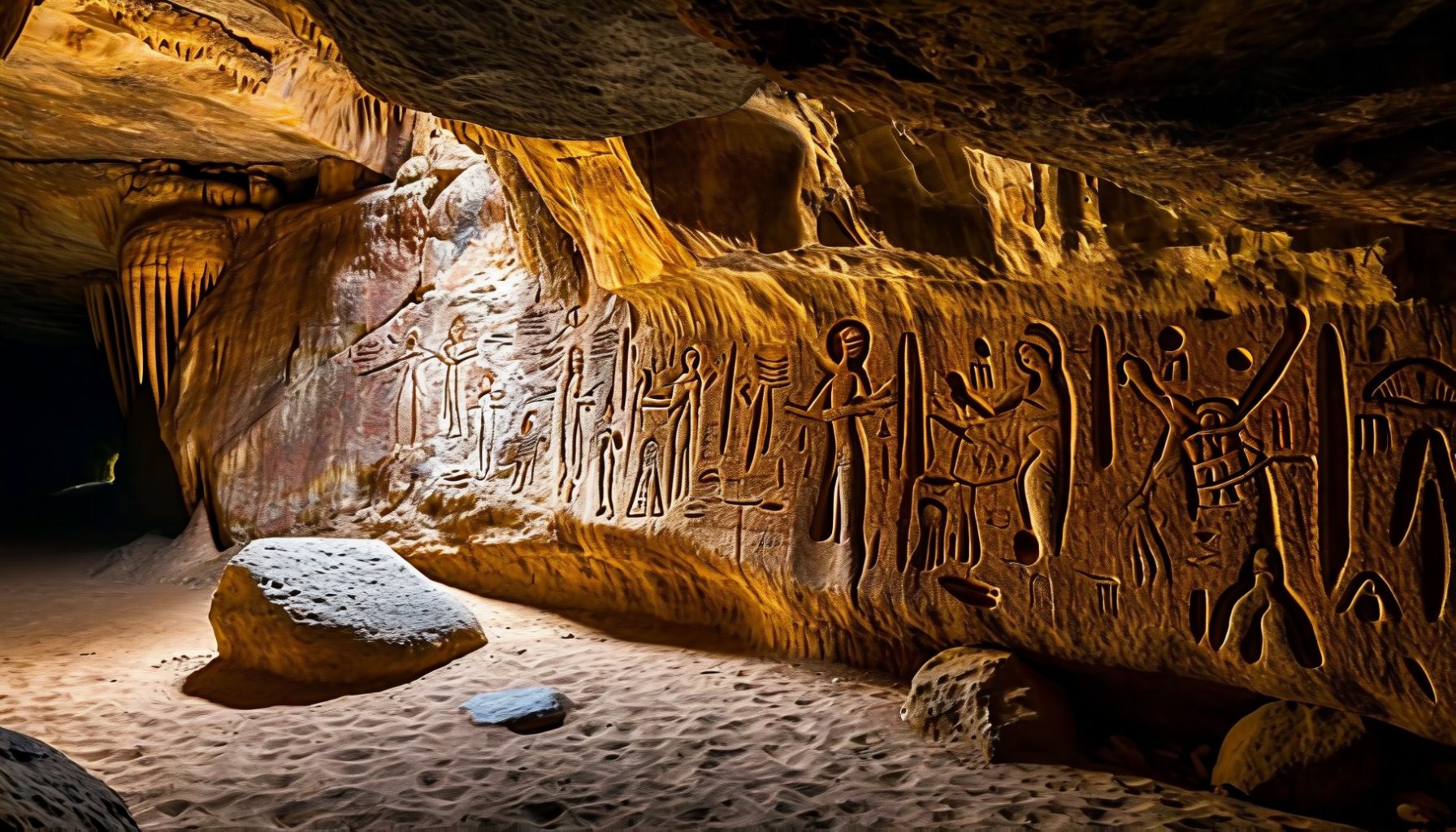
Fountain Cavern
Pre-Columbian Amerindian petroglyphs carved into limestone, among the Eastern Caribbean's most significant.
Anguilla currently has zero inscribed UNESCO World Heritage Sites. That's a fact worth stating plainly rather than dressing up — the island's flat coral limestone terrain, while extraordinarily beautiful, doesn't host the monumental architecture or the kind of exceptional universal value that the World Heritage process typically rewards. Formal inscription is also a slow, expensive, paperwork-heavy process, and for a territory of 15,700 people with a government focused on tourism infrastructure and (more recently) an unexpected AI-domain windfall, chasing a UNESCO plaque has understandably not been the priority.
That doesn't mean Anguilla lacks heritage worth protecting. Two sites sit on the UK's tentative list — the formal first step toward eventual nomination — and a strong case exists for a third category entirely: the reef systems that make the diving and snorkeling here so good in the first place.
🕳️ Fountain Cavern
Fountain Cavern Petroglyphs
Taíno rock carvings dating back centuries, discovered in a natural limestone cavern.
Fountain Cavern, near Shoal Bay, is the strongest candidate on the tentative list and arguably the most significant pre-Columbian site in the eastern Caribbean. Arawak peoples carved petroglyphs into the cave walls after roughly 600 CE, including a striking stalagmite face believed to represent Jocahu, the Arawak supreme deity — one of the few such carvings surviving anywhere in the region in this condition.
The cave functioned as a freshwater source and, evidently, a ceremonial site — a combination that made it central to Arawak life on the island long before any European set foot here. It remains fragile: humidity, foot traffic, and the porous limestone all threaten the carvings, which is exactly why access is controlled.
Visiting Fountain Cavern
Access requires arrangement through the Anguilla National Trust (axanationaltrust.org) — you cannot simply walk in. Trips typically run as a guided small-group visit; wear closed shoes, expect uneven and slippery footing, and bring a flashlight if the Trust doesn't supply one. Book a few days ahead in peak season.
💧 Big Spring Heritage Site
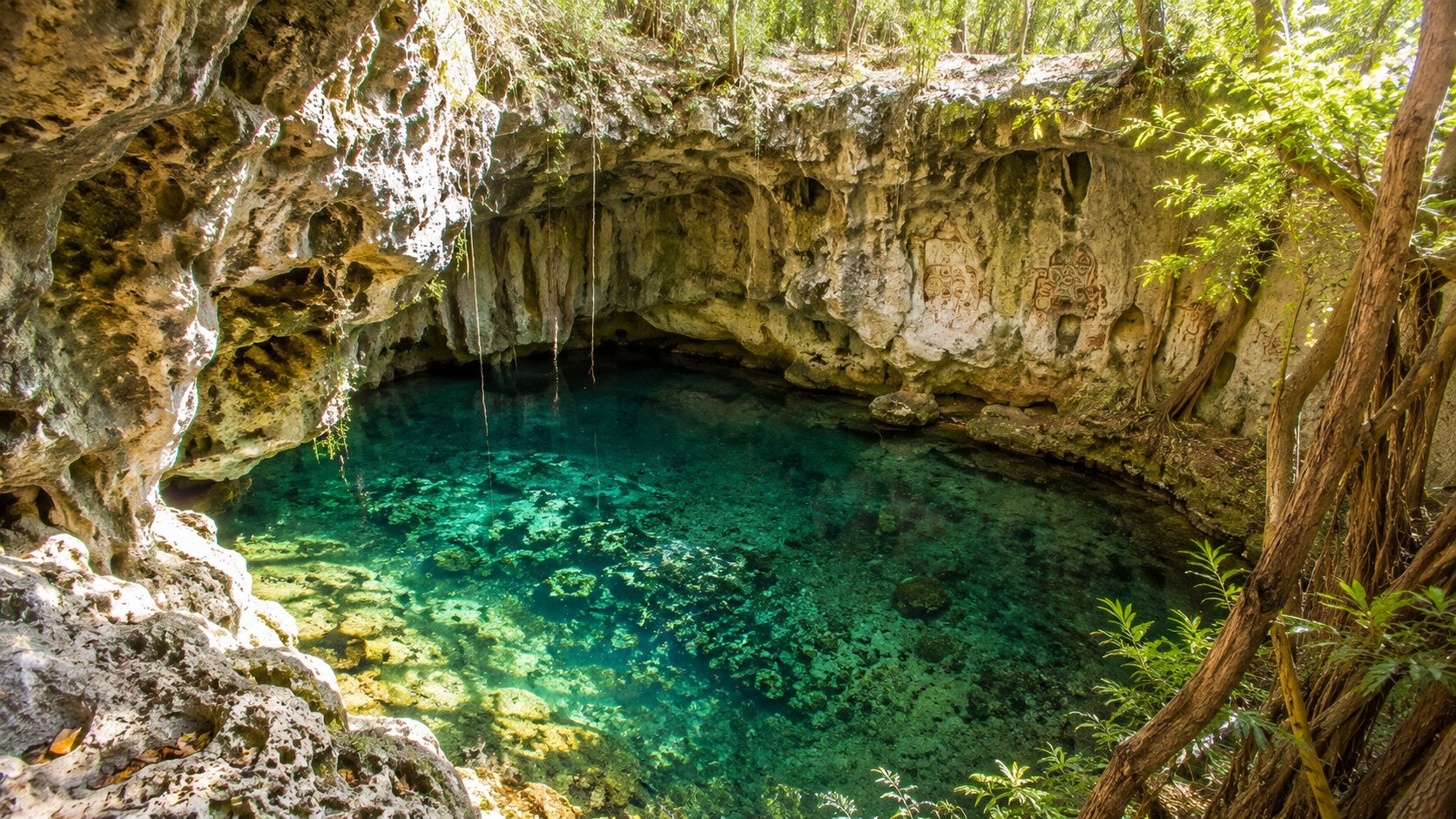
Big Spring
Ceremonial petroglyphs carved into limestone above a freshwater spring near Island Harbour.
Near Island Harbour on the island's eastern end, Big Spring preserves a seasonal freshwater spring that drew Arawak settlement long before recorded history — fresh water was, unsurprisingly, the single most valuable resource on a flat coral island with no rivers. Ceremonial rock art and archaeological artifacts recovered here sit alongside the spring itself, and a small on-site museum gives context that's easy to miss if you just glance at the rocks and move on.
Visiting Big Spring
Unlike Fountain Cavern, Big Spring is generally more accessible without advance arrangement — check current opening information with the National Trust before making a special trip. It pairs naturally with a stop in Island Harbour for lunch and a boat trip out to Scilly Cay or Prickly Pear Cays.
🐠 The Case for Marine Heritage
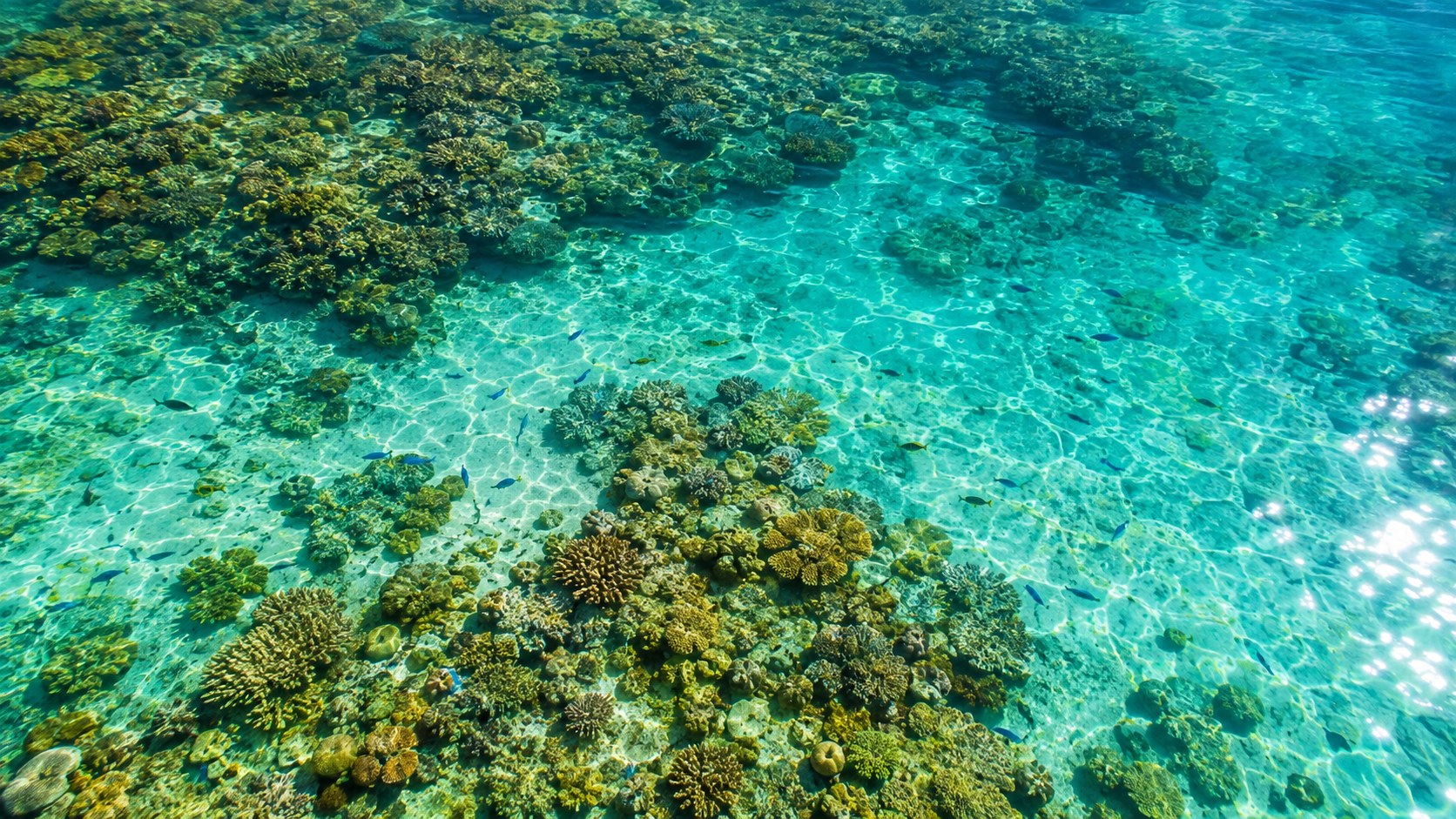
Anguilla's Reefs
The uncelebrated heritage asset — healthy coral systems that define the island's famous water clarity.
Anguilla's coral reef systems arguably represent the island's most valuable heritage asset of all, even though no formal UNESCO natural-heritage process is currently underway. The reefs are the reason Shoal Bay's water reads three shades of blue, the reason snorkeling straight off the beach turns up healthy coral and reef fish, and — not incidentally — the ecological foundation of the tourism economy the whole island depends on. Anguilla maintains strict marine protections as a result, recognizing the reefs' value both ecologically and economically, whether or not a UNESCO plaque ever gets attached to them.
🗺️ Planning a Heritage Half-Day
Neither site takes long to visit, so the practical move is combining them into a single half-day rather than treating either as a full excursion. A reasonable circuit: start at Big Spring near Island Harbour in the morning, continue to Fountain Cavern near Shoal Bay (book the National Trust visit in advance so timing lines up), and close the loop with lunch and a swim at Shoal Bay East itself — pairing 1,400 years of Arawak history with the beach that consistently ranks among the world's best is, frankly, a very Anguillian afternoon.
