🍽️ Cuisine
Spanish cuisine is regional to a degree unusual even by European standards — the seafood-forward Atlantic north (Galicia, Basque Country, Asturias) shares a country with the rice-and-saffron Mediterranean east (Valencia, Catalonia) and the olive-oil-and-jamón interior (Extremadura, Castile). What holds it together is the ritual: tapas — small plates ordered across many bars in one evening — is less a menu category than a way of living, and dinner at 22:00 is the norm rather than the exception.
Iberian pigs raised on acorns in the dehesa forests of the west produce jamón ibérico de bellota, the world's most expensive cured ham (€150-€300/kg for the top grade); Basque pintxos take the tapas idea and elevate it to elaborate bites skewered onto bread; Valencia's original paella uses rabbit, chicken and snails — not seafood, which is a coastal variation. In the north, cider houses (sidrerías) pour cider from a height into wide glasses; in Andalusia, chilled gazpacho and salmorejo are the summer survival kit.
COOKBOOK NOTE — Radim Kaufmann
A Spaniard once told me that paella is the most misunderstood dish in Europe — not because outsiders cook it badly, but because they think of it as a recipe when it is really a piece of furniture. It belongs on a specific pan, over a specific kind of fire, in a specific part of Valencia, made by whoever the family has decided is the paella person that week. Everything else — the rabbit, the beans, the saffron — is negotiable. What matters is the socarrat, the caramelised crust at the bottom of the pan, and the argument afterwards about whether it was quite good enough this time.
📖 Recipes
Paella
Valencian Rice
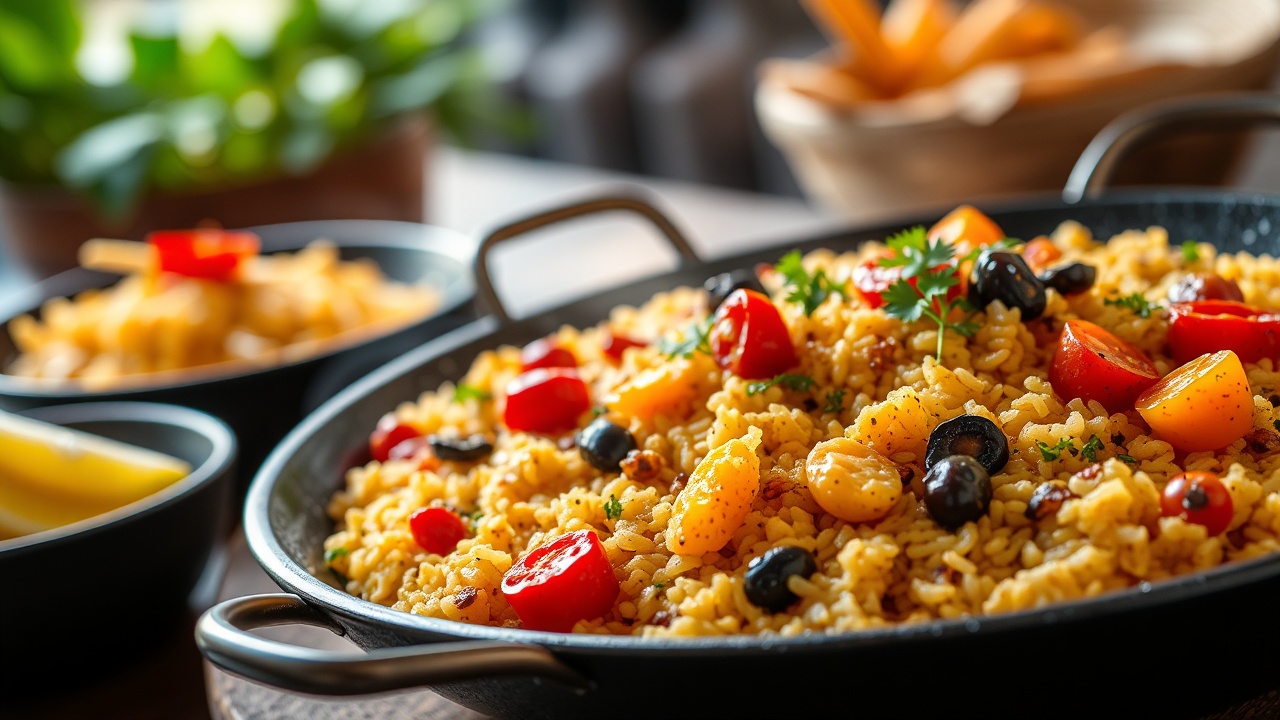
Saffron rice with seafood or meat—cooked in wide shallow pan.
Ingredients: 480ml bomba rice, Saffron threads, Seafood (shrimp, mussels, clams) or chicken and rabbit, Green beans, tomato, Fish or chicken stock, Olive oil.
Preparation: Make sofrito with tomato. Add proteins, brown. Add rice, toast briefly. Then add saffron stock—don't stir after this. Cook until rice is done and socarrat forms. Last, rest 5 min before serving.
💡 Never stir after adding liquid—the socarrat (crispy bottom) is prized.
Tortilla Española
Spanish Omelette
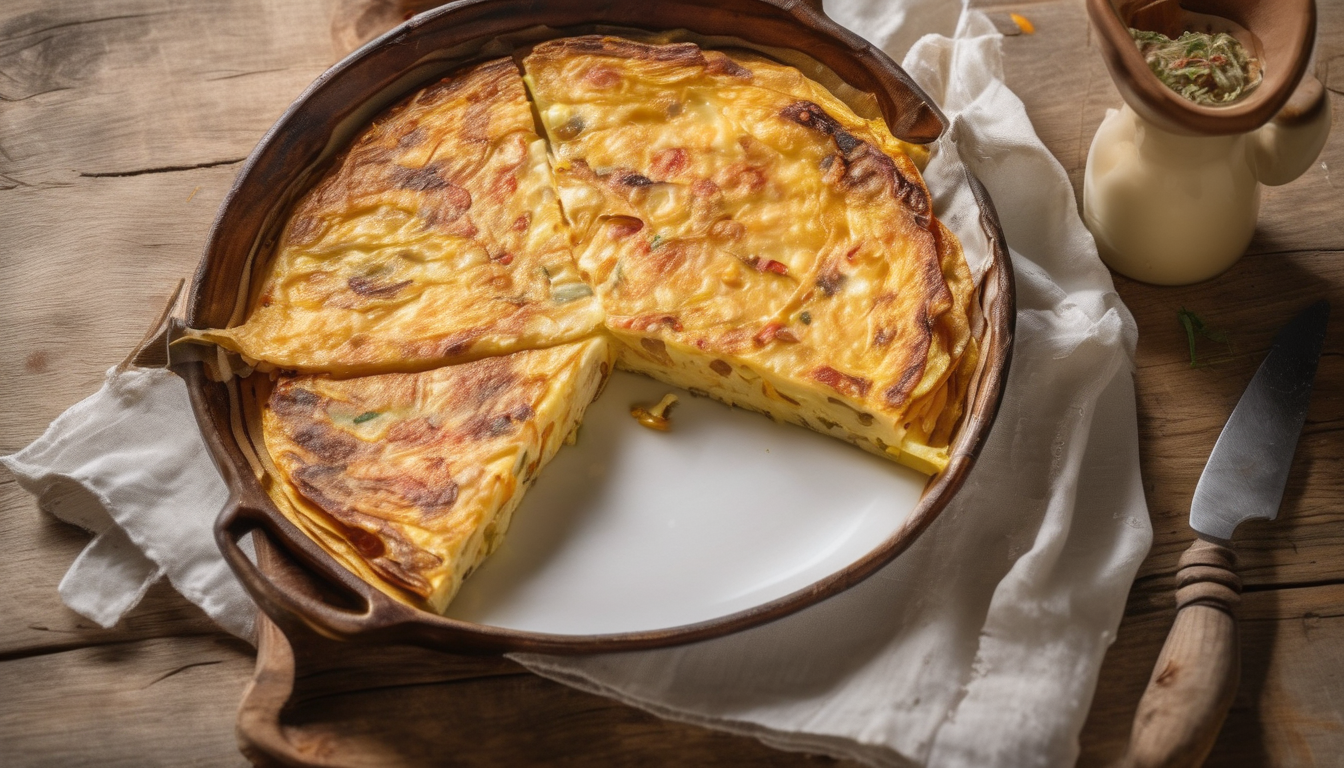
Thick potato and egg omelette—tapas essential.
Ingredients: 4 potatoes, sliced thin, 6 eggs, 1 onion, sliced (optional but better), Olive oil (lots), Salt.
Preparation: Slowly fry potatoes and onion in olive oil. Until very soft, not crispy. Drain, mix with beaten eggs. Then cook in pan until bottom set. Flip onto plate, slide back. Center should be slightly runny.
💡 Use lots of olive oil—potatoes should poach, not fry.
Crema Catalana
Catalan Cream
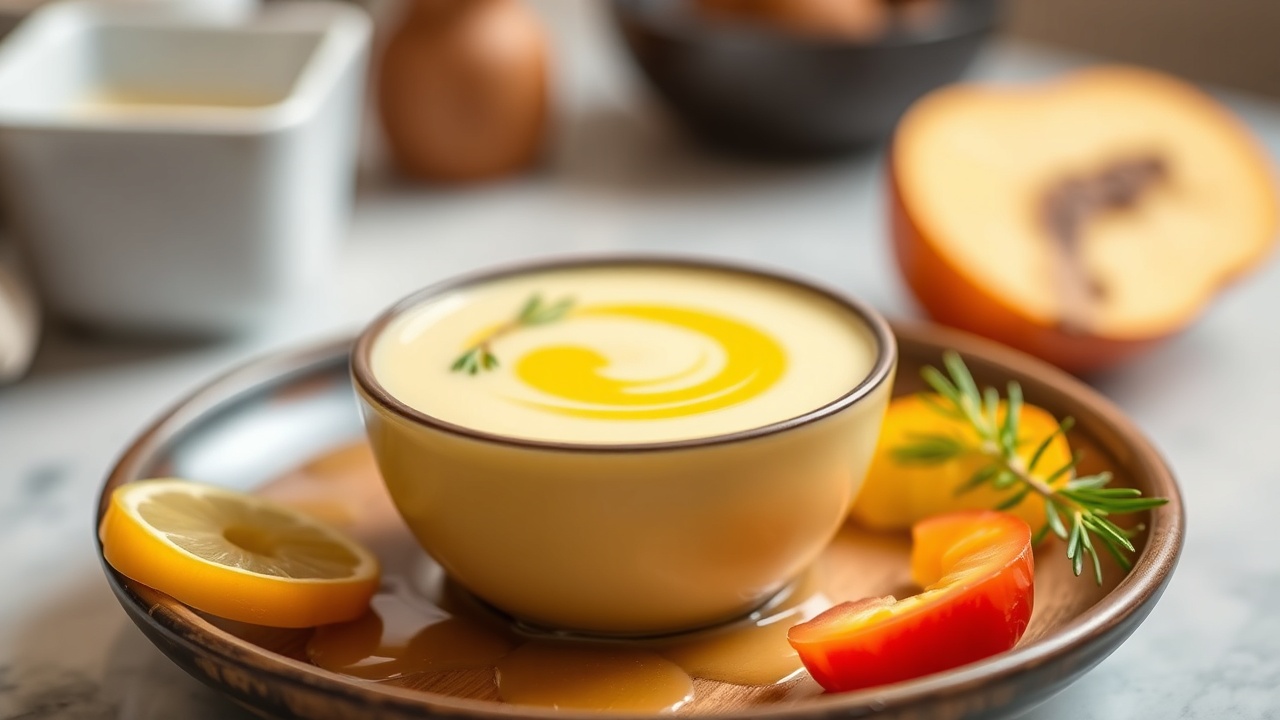
Custard with caramelized sugar top—Spain's crème brûlée.
Ingredients: 480ml milk, 4 egg yolks, 120ml sugar, 30ml cornstarch, Lemon zest, cinnamon stick, Sugar for topping.
Preparation: Heat milk with lemon and cinnamon. After that, whisk yolks, sugar, cornstarch. Tempere yolks with hot milk. Then cook until thick. Pour into dishes, chill. Finally, caramelize sugar on top before serving.
💡 Traditionally served on March 19—Saint Joseph's Day.
🐖 Jamón Ibérico — A Grading Guide
Not all Spanish ham is jamón ibérico. Serrano — the workhorse ham you'll see in most supermarkets — comes from white pigs raised in mountain regions and is fine, everyday cured meat. Ibérico is different animal (literally): the black-hoofed Iberian pig, native to the dehesa oak-forest ecosystem of western Spain and eastern Portugal. Within ibérico there is a strict four-tier grading system introduced in 2014, marked by colour-coded plastic labels tied to the leg:
| Label | Grade | What it means | Typical €/kg |
|---|---|---|---|
| ⚫ Black | Bellota 100% ibérico | Pure-bred Iberian pig, free-range in the dehesa during the montanera season (Oct–Feb), eating acorns exclusively. The gold standard. | €180–300 |
| 🔴 Red | Bellota ibérico (50–75%) | Cross-bred but still acorn-finished in the dehesa. Excellent value. | €90–150 |
| 🟢 Green | Cebo de campo | Free-range but grain-fed. Good ham, no acorn magic. | €45–70 |
| ⚪ White | Cebo | Indoor-raised, grain-fed. Entry level ibérico. | €30–50 |
A whole 7–8 kg black-label leg in a good Madrid or Salamanca shop will run €1,500–2,500 and take a skilled cortador forty minutes to slice properly. Ask for it cut by hand (a cuchillo), never machine-sliced — the fat should melt on your fingers before it reaches your mouth.
🥘 The Tapas Ritual — How It Actually Works
Tourists tend to sit down in one tapas bar and order everything from the menu. Locals do the opposite: three or four bars in one evening, one drink and one or two small dishes at each, moving on before anyone gets comfortable. The Spanish term is tapeo — going on the tapas — and it's the closest thing Spain has to a national sport that isn't football.
In Granada, León and parts of Almería tapas still come free with every drink (usually a decent-sized one; three drinks amounts to a meal). In Madrid and Barcelona you pay. In San Sebastián and Bilbao the tapas are called pintxos and they sit on the bar counter — you help yourself, keeping the toothpicks so the bartender can count them at the end. Timing matters: aim for 20:00–22:00 for tapeo, later than 22:30 for a proper sit-down dinner, and expect anywhere serving before 19:30 to be a tourist trap.
🗺️ By Region — What to Eat Where
🐟 Galicia
Pulpo a la gallega (octopus with paprika & olive oil), empanadas, percebes (goose barnacles — the most expensive shellfish in Europe), Albariño wine.
🍢 Basque Country
Pintxos in the old town of San Sebastián (Bar Nestor for tortilla, La Cuchara de San Telmo for foie), txuleta steak, txakoli wine poured from a height.
🥘 Valencia
The original paella (rabbit, chicken, green beans, garrofón beans, saffron; no chorizo, ever), fideuà (paella made with noodles), horchata.
🫒 Andalusia
Gazpacho and salmorejo (thicker, richer), pescaíto frito (fried fish), jamón from Jabugo, sherry from Jerez.
🍤 Catalonia
Pa amb tomàquet (bread rubbed with tomato and oil), calçots (grilled spring onions, Jan–March), crema catalana, escalivada.
🍖 Madrid & Castile
Cocido madrileño (three-course chickpea stew), cochinillo (suckling pig in Segovia), bocadillo de calamares (fried squid sandwich, only in Madrid).
🍹 Drinks (Non-Wine)
Vermouth (vermut): The traditional Spanish aperitif, especially on Sundays — a herbal fortified wine served on the rocks with an orange slice and an olive. The best in Spain is arguably from Reus in Catalonia.
Sidra: Asturian cider, dry and slightly sour, poured from height (escanciar) to aerate. You drink the whole glass in one gulp before it flattens.
Horchata: Valencian tiger-nut milk drink — sweet, cold, nothing to do with the Mexican rice version.
Cava: Sparkling wine made in the traditional method (same as Champagne), mostly from Catalonia's Penedès. Freixenet and Codorníu are the big names, but small growers like Recaredo or Gramona are far more interesting.
Kalimotxo: Red wine and Coca-Cola, invented in the Basque Country in the 1970s. Sounds terrible, works surprisingly well on a hot night. Sangria, meanwhile, is a tourist drink — no self-respecting Spaniard drinks it in a bar.
