🍷 Madeira Wine — The Indestructible Wine
No wine in the world is quite like Madeira. It is one of the great fortified wines — alongside Port, Sherry, and Marsala — but it is distinguished from all of them by one extraordinary characteristic: it cannot be destroyed. The process that produces Madeira wine — deliberate oxidation at high temperatures — creates a wine that has already undergone the chemical changes that would spoil any other wine. Madeira opened and left on the counter for a week? Fine. Madeira that has been in a half-empty bottle for six months? Fine. Madeira from 1792? Still being drunk and actively traded.
The origin of this process is a happy accident of Atlantic trade. In the 17th and 18th centuries, Madeira wine was loaded onto ships as ballast and provision for long voyages — to the Americas, to India, around the Cape. The combination of heat (tropical and sub-tropical passages) and constant movement in the ship’s hold transformed the wine in the barrels, producing a product that tasted better at the end of the voyage than at the beginning. The Portuguese and British merchants who discovered this began deliberately aging Madeira on ships — “round-trip” Madeiras that sailed to India and back, twice, were the most prized. The modern production process — the estufagem (heating in tanks) for commercial wines and the canteiro (aging in warm lodges) for premium wines — replicates this accidental discovery.
🍷 The Four Grape Varieties
Madeira wine is defined by four principal grape varieties, each associated with a distinct sweetness level and flavor profile. Understanding these four is the foundation of understanding Madeira.
There is also Tinta Negra — a red grape that has become the most widely planted variety on the island and produces the bulk of commercial Madeira wine. It can be vinified to produce wine in any of the four style levels (dry to sweet) and is generally less complex than the named varietals but significantly cheaper. Many affordable Madeiras are Tinta Negra; for serious wine tasting, look for the varietal-labeled wines.
🍷 The Producers
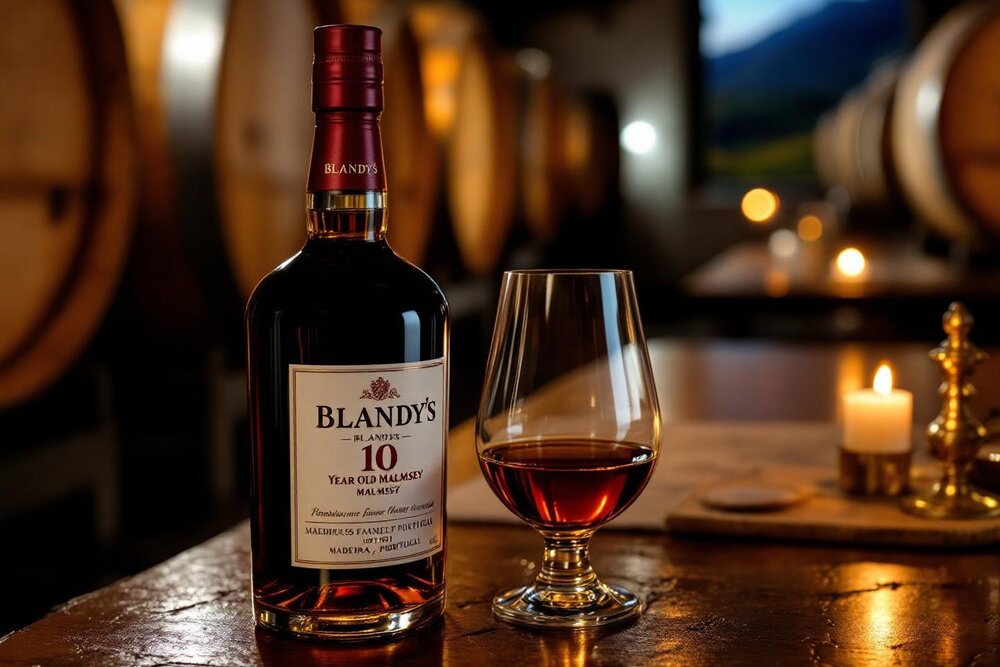 Blandy’s (Madeira Wine Company)
The largest and most internationally recognized producer, founded in 1811 by the British Blandy family. The Madeira Wine Company (which Blandy’s controls) also owns Cossart Gordon, Leacock’s, and Miles — four historic brands under one umbrella. The Blandy’s Wine Lodge on Avenida Arriaga in Funchal (in a converted 17th-century convent) is the essential wine tourism destination: tastings, cellar tours, and purchase of library wines back to the 1920s.
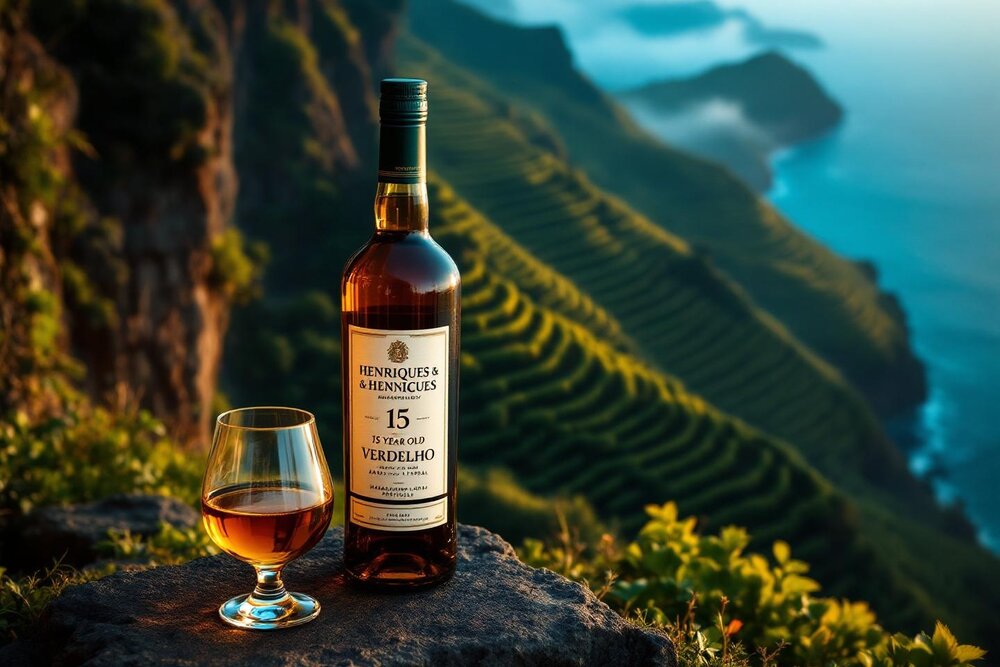 Henriques & Henriques
The oldest continuously operating wine producer in Madeira, founded in 1850 and still family-owned. Based in Câmara de Lobos (the fishing village Churchill painted). Known for maintaining old-vine vineyards of Sercial and Verdelho at high altitude. Their 10-year and 15-year varietal wines represent some of the finest value in serious Madeira. The 20-year-old Malvasia is exceptional.
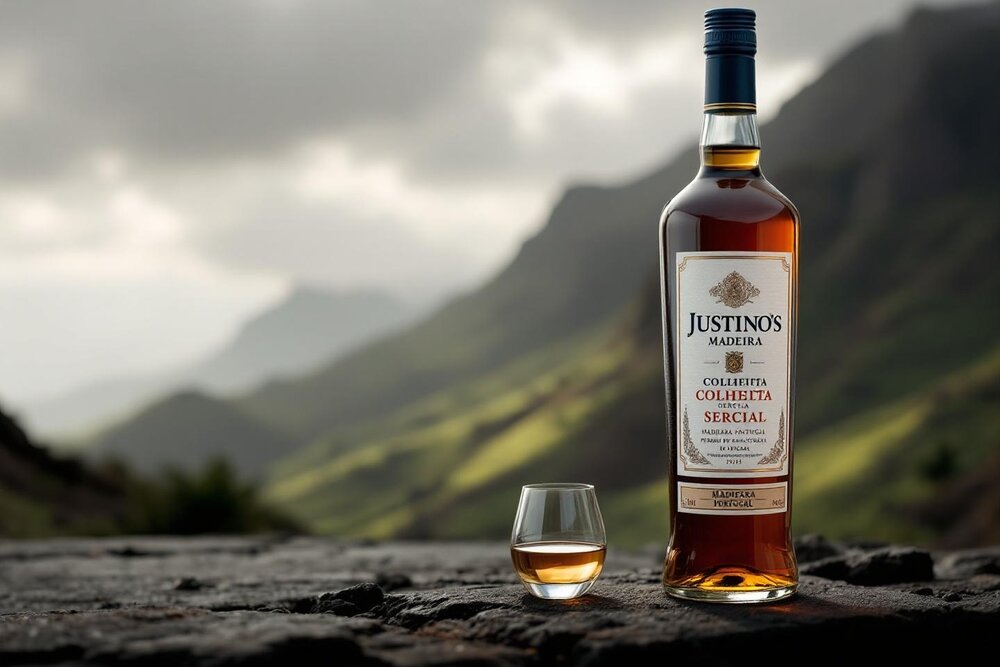 Justino’s Madeira Wines
The largest producer by volume, founded in 1870 and now owned by the French La Martiniquaise group. Justino’s handles a significant share of the bulk export market but also produces excellent aged varietal wines. Their Colheita (single vintage) and Reserve ranges offer some of the most competitive prices for serious Madeira in the market. Less visited by tourists than Blandy’s but worth seeking out for serious wine buyers.
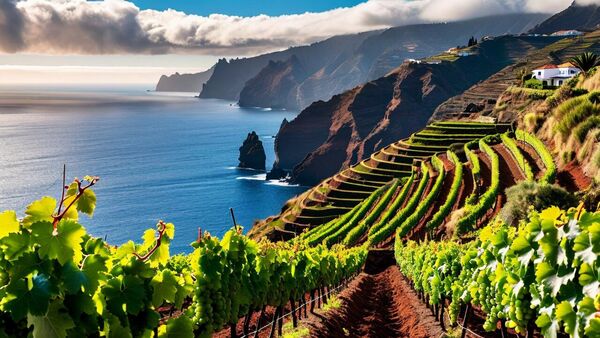 Barbeito & Others
Barbeito (founded 1946) is the most artisan of the major producers — small-scale, traditional canteiro aging, exceptional old vintage wines. Their partnership with the Japanese importer Kinoshita has driven a following in Japan where Madeira wine is taken particularly seriously. Pereira d’Oliveira is another artisan house with extraordinary stocks of library wines going back to the 1850s — their lodge is open for private tastings by appointment.
🍷 Visiting the Wine Lodges
Blandy’s Wine Lodge (Av. Arriaga 28, Funchal) is the flagship wine tourism experience: daily guided tours of the cellars (great canteiro barrels, production areas, tasting library), culminating in a tasting of three wines. The “Vintage Tour” includes library vintages from the 1980s–90s at a higher price. Booking recommended but not always required. The lodge shop sells the full Blandy’s range plus library wines.
Henriques & Henriques in Câmara de Lobos is less touristic and more authentic — a working lodge in the village Churchill painted, with excellent tastings by appointment. Barbeito and Pereira d’Oliveira require advance contact but offer the most intimate experiences — tastings with the winemaker or lodge manager, access to library wines that never appear in shops.
🍻 Poncha — The Island’s True Signature Drink
While Madeira wine is the island’s global ambassador, poncha is what Madeirans drink when they are celebrating. Distilled from Madeiran sugarcane juice (aguardente de cana), mixed with orange or lemon juice, honey, and sugar, it is the Madeiran equivalent of cachaça: rough, potent, and surprisingly easy to drink once mixed correctly.
The classic preparation is poncha da Ribeira Brava: orange juice poncha. The poncha de limão (lemon version) is sharper and more refreshing. Some bars make signature versions with passion fruit, honey from the island’s bees, or herbs. All are typically served in small ceramic cups (canecas) and are deceptively strong — typically 20–30% ABV after mixing.
Where to drink poncha: The “Poncha Route” in Câmara de Lobos — the village’s cluster of traditional bars (adegas) is the best place on the island. Adega da Quinta and Bar Caramba are two of the most celebrated. In Funchal’s old town (Zona Velha), multiple bars on Rua de Santa Maria serve poncha. Expect to pay €2–€4 per glass.
