01Overview
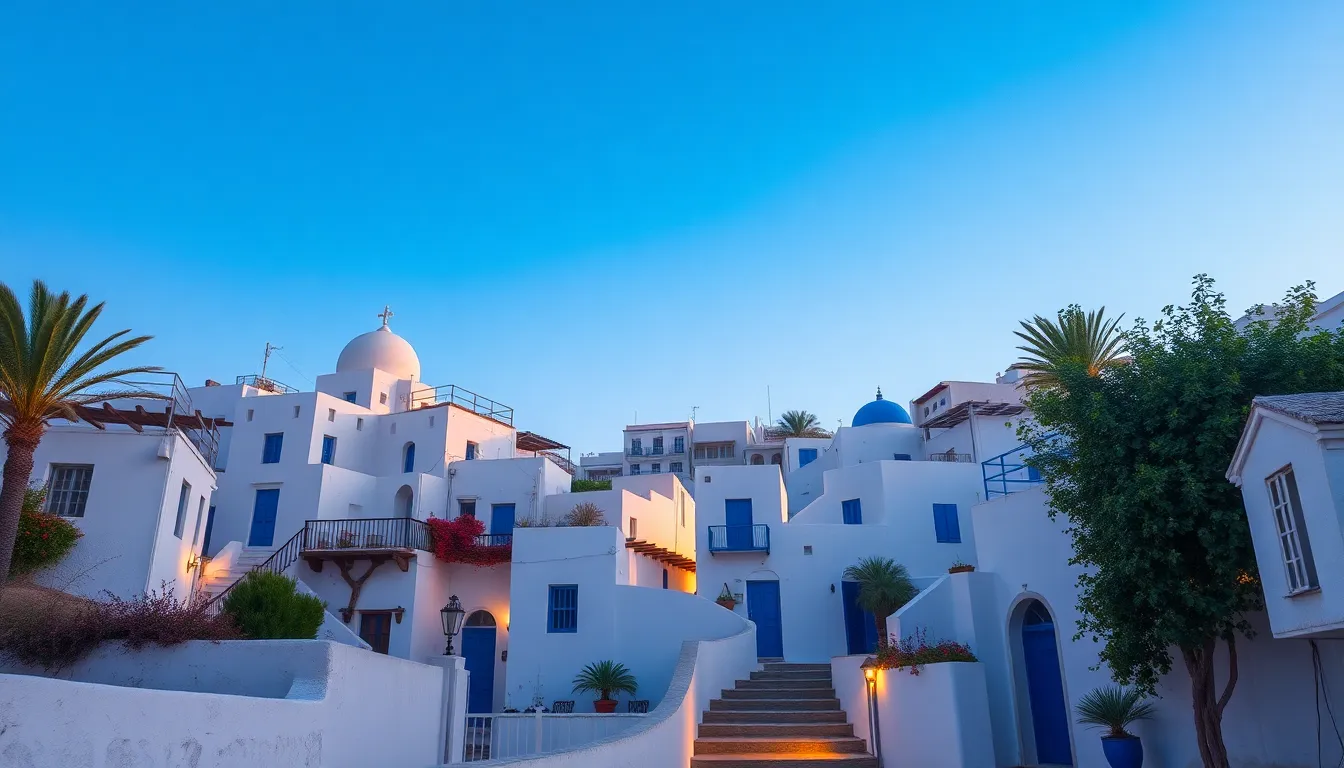
Tunisia compresses a remarkable range of historical landscapes into a relatively small country. The north and coast face the Mediterranean, while inland routes lead toward steppe, oases, and the Sahara. A resort stay can be extended with real cultural depth, but the country's monuments deserve more than a sequence of quick coach stops. Tunis and Carthage, a Roman archaeological landscape, and a historic medina offer a strong introduction without attempting every region at once.
02History
Carthage grew into a major Mediterranean power before its destruction by Rome in 146 BCE and subsequent Roman rebuilding. Later centuries brought Byzantine rule, the Arab conquest, major Islamic dynasties, Ottoman connections, and the French protectorate. Independence came in 1956. These periods did not simply replace one another: urban plans, reused stone, agricultural landscapes, and religious buildings preserve overlapping histories. The political changes that began in 2010–2011 are another essential part of modern Tunisia's story.
03Places & landscapes
The medina of Tunis and the archaeological remains of Carthage make a rewarding pair, especially when a museum visit supplies context. Dougga preserves an extensive ancient urban landscape; El Jem is famous for its amphitheater. Kairouan introduces a major center of Islamic history, while Sousse combines a historic medina with a coastal setting. Djerba has a distinctive settlement and religious landscape. Access rules differ by monument and religious site, so check before arriving.
04People & culture
Arabic is the official language and Tunisian Arabic is central to everyday speech; French is also widely encountered. Religious and social expectations vary by place. Dress with the setting in mind and respect restrictions around prayer spaces. Markets reward patient observation of craft, materials, and workmanship. Ask before photographing people, especially where a transaction or a service might otherwise be mistaken for consent to a photograph.
05Planning your visit
For a cultural first visit, group northern and central sites sensibly instead of combining them with a rushed desert excursion. Spring and autumn often make outdoor visits more comfortable; summer heat requires a different pace. Confirm rail, shared-taxi, or private-transfer arrangements for each leg. Desert travel needs a suitable operator and current information about permitted routes. A straight line on a map may cross a restricted or unsuitable area.
06
Tunisian cuisine burns bright with the fire of harissa, the chili paste that defines North African cooking. Situated between Mediterranean and Saharan influences, with layers of Berber, Arab, Turkish, and French heritage, Tunisia offers bold, complex flavors. Every meal features harissa alongside olive oil and fresh bread. Couscous here is steamed to fluffy perfection, brik pastries shatter at the touch, and slow-cooked tagines perfume the souks. The Mediterranean coast provides abundant seafood while the interior offers lamb, dates, and the world's finest olive oil.
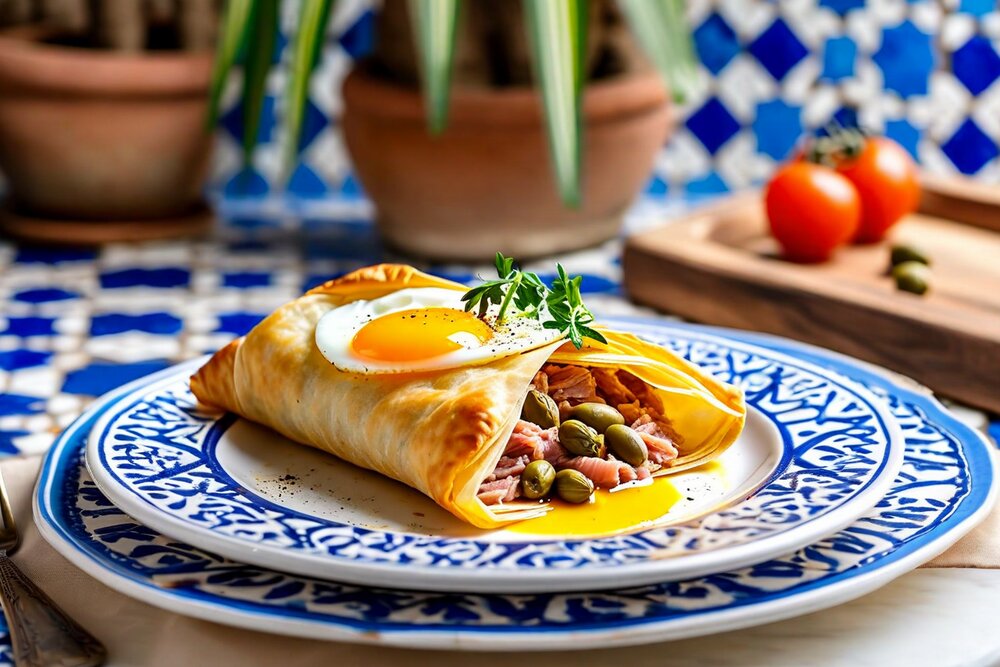
Brik à l'Oeuf
Tunisia's most famous street food—a paper-thin pastry parcel encasing a runny egg, tuna, capers, and parsley. The trick is eating it without spilling the yolk. Briks are traditionally made during Ramadan but loved year-round.
Ingredients: 4 sheets malsouka or filo pastry, 4 small eggs, 100g canned tuna (drained), 1 small onion (finely diced), 30ml capers, Fresh parsley (chopped), 5ml harissa, Oil for deep frying, Salt and pepper, Lemon wedges for serving.
Preparation: Mix tuna, onion, capers, parsley, harissa, salt and pepper in a bowl. Lay a pastry sheet flat. Place a quarter of the tuna mixture in the center. Make a small well in the tuna and carefully crack an egg into it. Fold the pastry into a triangle or half-moon, pressing edges firmly to seal. The egg must remain whole. Heat oil to 180°C in a deep pan. Carefully slide in the brik, sealed edge first. Fry for about 2 minutes, carefully turning once, until golden and crispy. The egg inside should still be runny. Drain on paper towels briefly. Serve immediately with lemon wedges and extra harissa.
💡 The egg should be runny when you bite in—that's the whole point! Work quickly from assembly to frying so the pastry doesn't get soggy.
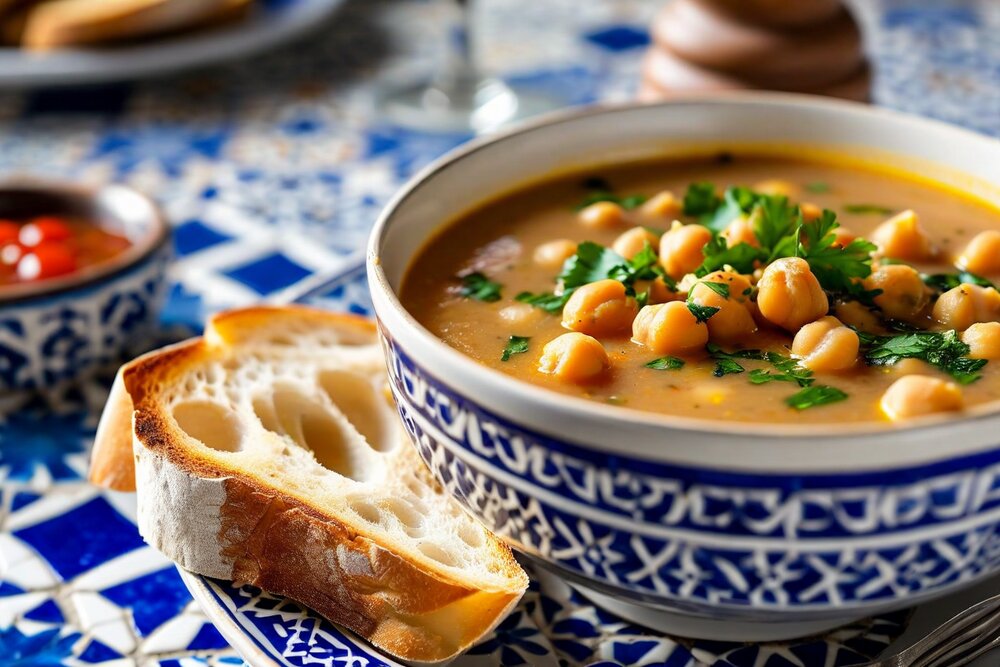
Lablabi
Tunisia's beloved chickpea soup, served for breakfast in cafés across the country. Torn bread soaks up the cumin-scented broth while toppings of egg, harissa, and olive oil add richness. It's humble, hearty, and deeply satisfying.
Ingredients: 400g cooked chickpeas (or canned, drained), 500ml chickpea cooking liquid or vegetable broth, 4 cloves garlic (minced), 10ml cumin powder, 5ml harissa (plus more for serving), 30ml olive oil (plus more for serving), 2 eggs (soft-boiled or poached), Day-old crusty bread (torn into chunks), Capers and pickled turnips for serving, Salt to taste.
Preparation: Heat olive oil in a pot over medium heat. Add garlic and cumin, stirring for 30 seconds until fragrant. Add chickpeas and harissa. Stir to coat, then pour in the broth. Bring to a simmer and cook for 10 minutes, lightly mashing some chickpeas against the side of the pot to thicken. Season with salt. The soup should be brothy but substantial. Place torn bread chunks in serving bowls. Ladle the hot soup over, letting the bread soak. Top each bowl with a soft-boiled egg, a drizzle of olive oil, extra harissa, capers, and pickled turnips. Serve immediately while the bread is still absorbing the broth.
💡 The bread should be stale—fresh bread turns to mush. Day-old baguette or semolina bread works perfectly.
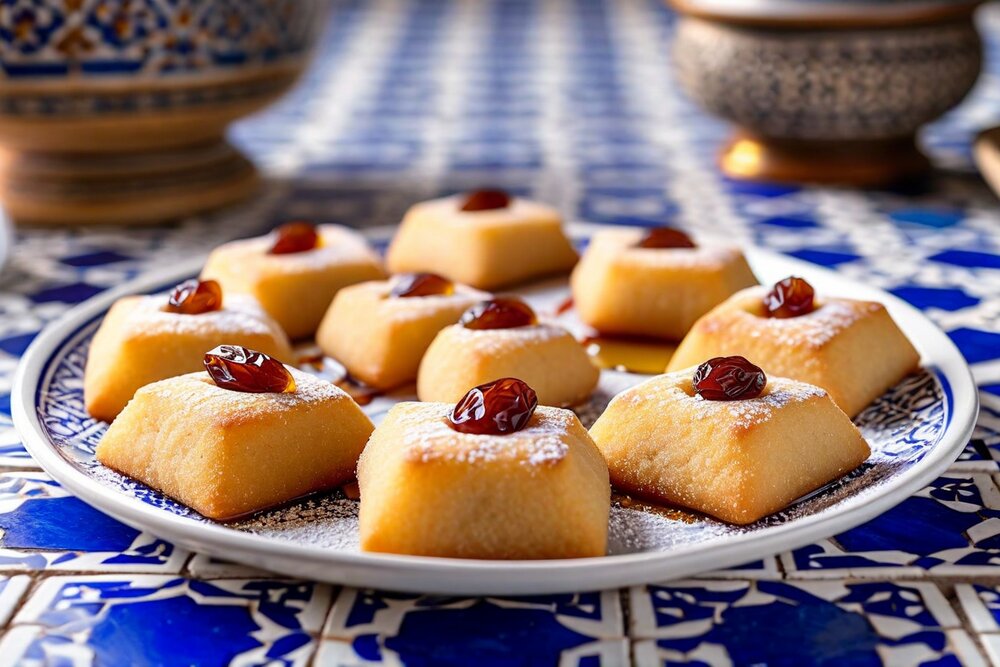
Makroudh
Diamond-shaped semolina cookies filled with date paste and soaked in honey syrup. These ancient sweets are essential for celebrations, especially weddings and Eid. The contrast of grainy semolina, sticky dates, and floral honey is irresistible.
Ingredients: For the dough, 200g fine semolina, 50g melted butter, Pinch of salt, 60ml warm water (approximate), For the filling, 150g date paste, 15ml butter, 2ml cinnamon, Zest of ½ orange, For the syrup, 150g honey, 50ml water, 15ml orange blossom water.
Preparation: Mix semolina, melted butter, and salt. Gradually add warm water until you have a soft, pliable dough. Rest for 30 minutes. Mash date paste with butter, cinnamon, and orange zest until smooth. Roll the dough into a rectangle about 3mm thick. Spread date filling in a strip down the center. Fold dough over filling, pressing to seal. Cut into diamond shapes about 4cm long. Score the top of each diamond with a fork for decoration. Deep fry at 170°C for 3-4 minutes until golden. Drain well. Make syrup: Simmer honey and water for 5 minutes. Remove from heat and add orange blossom water. Dip warm makroudh in syrup for 30 seconds. Let excess drip off before cooling on a rack.
💡 These keep for weeks in an airtight container—the honey syrup acts as a preservative. They actually improve after a day or two.
07Drinks & local traditions
Tea and coffee are part of everyday social life. Tunisia also produces wine, particularly in northern growing areas, but availability depends on the venue and context. Muscat styles, red wines, and local spirits should be described by the actual product rather than by sweeping national claims. Respect settings in which alcohol is not served.
09Sources & further reading
Safety advice checked September 17, 2026. Entry rules and local conditions may change; use the current official pages for your passport and route.