01 🌍 Overview
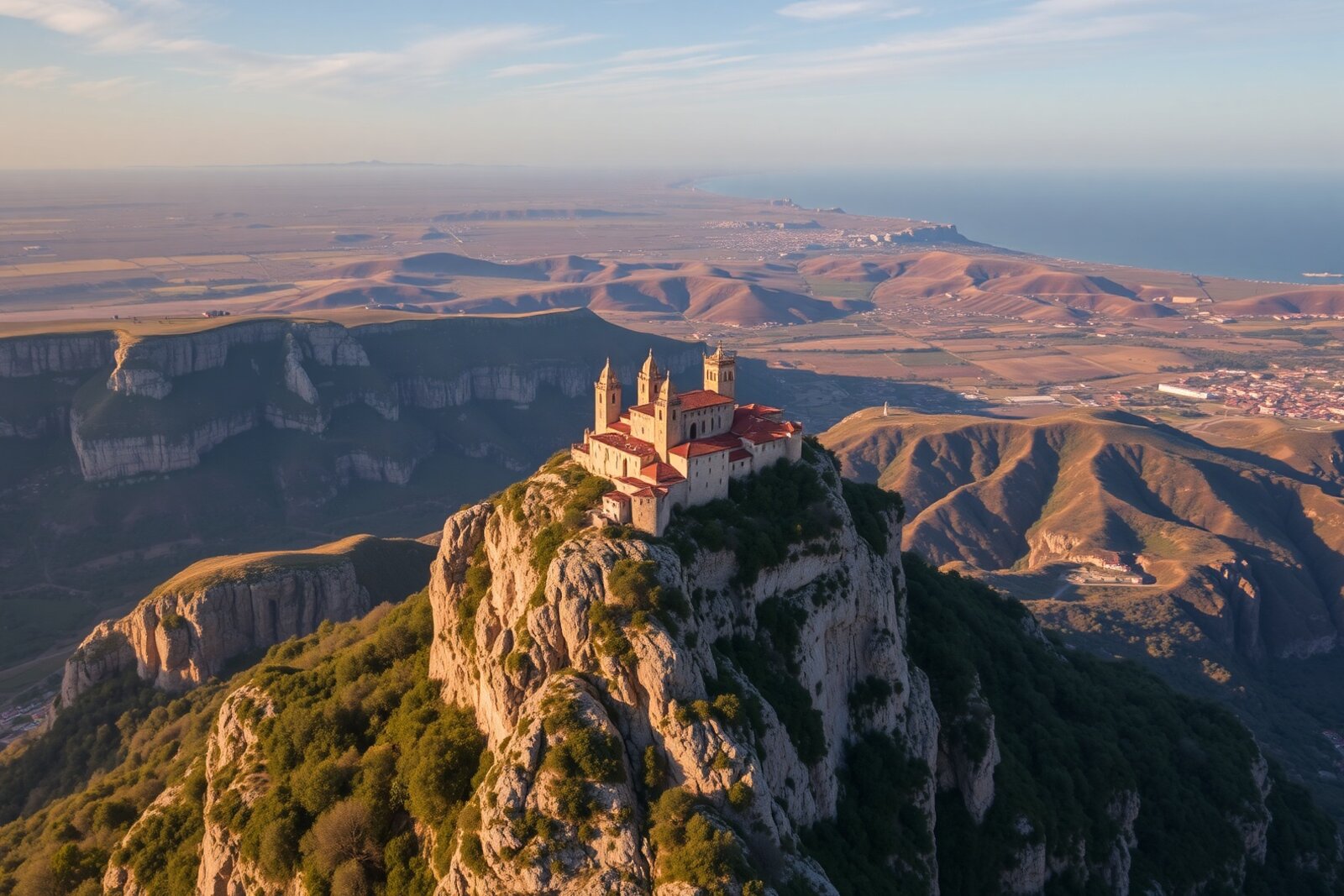
Perched atop the limestone ridge of Mount Titano in the heart of the Italian peninsula, the Most Serene Republic of San Marino claims the extraordinary distinction of being the world's oldest surviving sovereign state and constitutional republic. Founded, according to tradition, in 301 AD by a Christian stonemason named Marinus fleeing Roman persecution, this microstate of just 61 square kilometres has maintained its independence through centuries of Italian wars, papal ambitions, Napoleonic conquests, and two world wars — a feat that seems almost miraculous given its size.
Today, San Marino is entirely surrounded by Italy, nestled between Emilia-Romagna and the Marche regions, just 10 kilometres from the Adriatic coast at Rimini. Its dramatic hilltop setting, crowned by the three iconic towers that grace its coat of arms, draws over two million visitors annually who come for the panoramic views, medieval architecture, duty-free shopping, and the sheer novelty of visiting one of Europe's smallest nations. Yet San Marino is far more than a tourist curiosity — it is a living monument to the ideal that freedom can endure.
02 🏛️ Name & Identity
The republic takes its name from Saint Marinus (San Marino in Italian), a stonemason from the island of Rab in present-day Croatia. According to tradition, Marinus fled to Mount Titano around 301 AD to escape the anti-Christian persecutions of Emperor Diocletian. He established a small community of Christians on the mountain, and from this humble monastic settlement grew the republic that bears his name. The state's full ceremonial title — Serenissima Repubblica di San Marino — reflects centuries of diplomatic tradition.
San Marino's national identity is deeply intertwined with its independence. The Sammarinese are Italian-speaking and culturally Italian, yet fiercely proud of their distinct political heritage. The national motto, "Libertas" (Liberty), appears on everything from government buildings to licence plates. Two Captains Regent serve as joint heads of state for six-month terms, a system dating to the 13th century that prevents any individual from accumulating too much power — a tradition older than most European democracies.
03 🏔️ Geography & Landscape
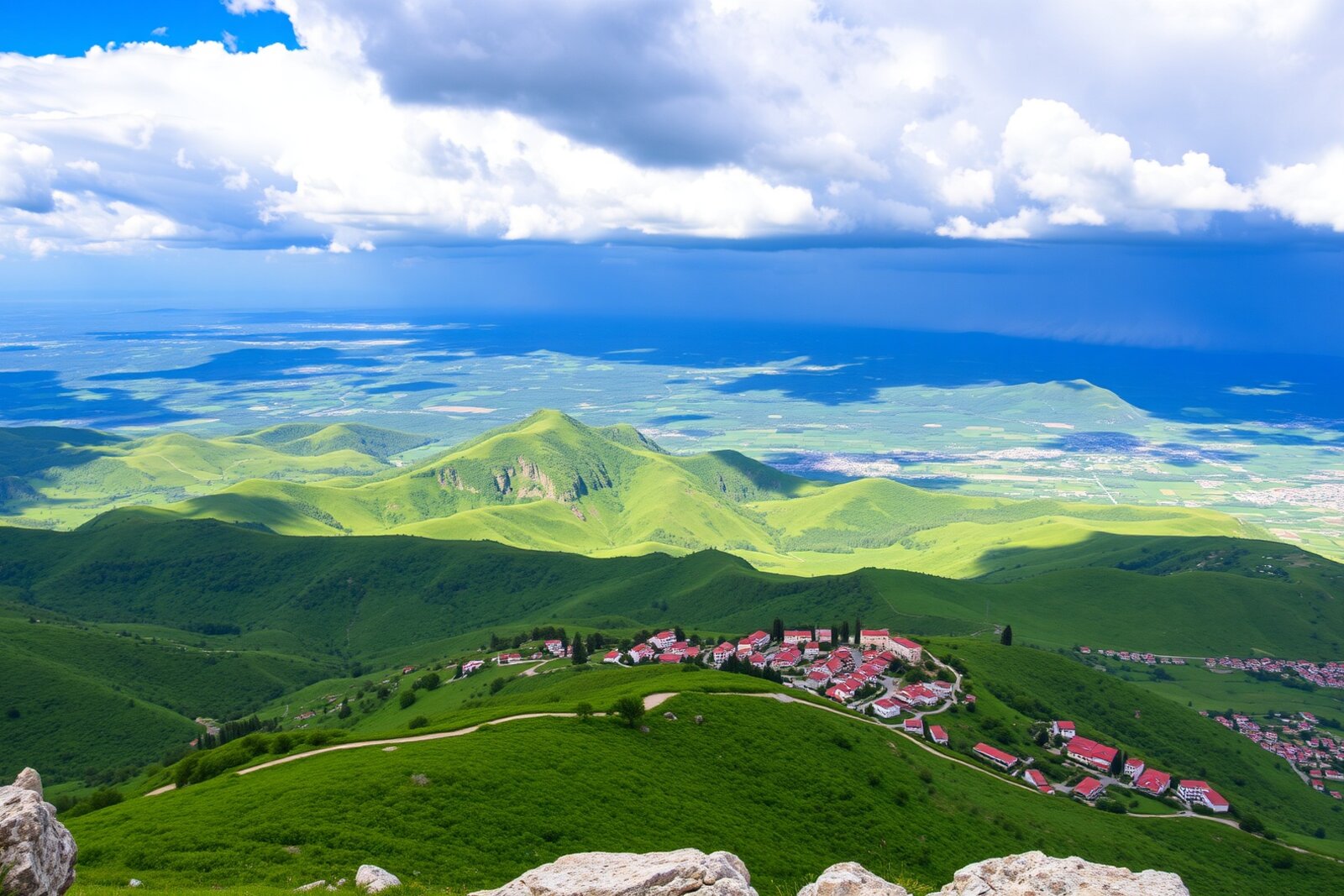
San Marino is the world's fifth-smallest country, covering just 61.2 square kilometres of hilly terrain on the western slopes of Monte Titano in the Apennine mountain range. The country has no flat land — its entire territory undulates between 55 metres at Ausa stream and 739 metres at the summit of Mount Titano. Despite its diminutive size, the landscape is remarkably varied: rugged limestone cliffs give way to rolling green hills, terraced vineyards, and clusters of medieval stone buildings.
Nine municipalities (castelli) divide the territory: San Marino (the capital), Acquaviva, Borgo Maggiore, Chiesanuova, Domagnano, Faetano, Fiorentino, Montegiardino, and Serravalle — the largest by population. The country has no natural bodies of water larger than streams and no coastline, making it one of only three countries in Europe completely landlocked by a single country (the others being Vatican City and Lesotho, though Lesotho is landlocked by South Africa).
04 📜 History
San Marino's founding legend places its origins in 301 AD, making it the world's oldest republic. While the earliest documented records date to the 10th century, the community on Mount Titano had certainly established self-governance by the Middle Ages. The Arengo, a council of family heads, governed the republic from its earliest days, gradually evolving into the Grand and General Council that serves as parliament today.
Remarkably, San Marino navigated the dangerous currents of Italian history without losing its sovereignty. It survived the power struggles between popes and emperors, resisted incorporation into the Papal States, and maintained neutrality during the wars of Italian unification. When Giuseppe Garibaldi took refuge in San Marino in 1849 while fleeing Austrian and French forces, the republic sheltered him — yet refused to join the new Italian state, preferring its ancient independence.
Napoleon, impressed by the republic's devotion to liberty, offered to expand its territory — an offer San Marino wisely declined, understanding that larger borders meant larger problems. During World War II, San Marino declared neutrality but was briefly occupied by both German and Allied forces. It sheltered over 100,000 refugees — more than ten times its own population — an extraordinary act of humanitarian generosity. The republic joined the United Nations in 1992 and the Council of Europe in 1988, cementing its place in the international community.
05 👥 People & Culture
The Sammarinese are culturally and linguistically Italian, speaking a Romagnol dialect alongside standard Italian. With approximately 33,600 citizens, San Marino maintains a remarkably cohesive society where many families trace their roots back generations. Citizenship is not automatically granted by birth on Sammarinese soil — one must have at least one Sammarinese parent, and naturalization requires 30 years of residence, one of the world's strictest requirements.
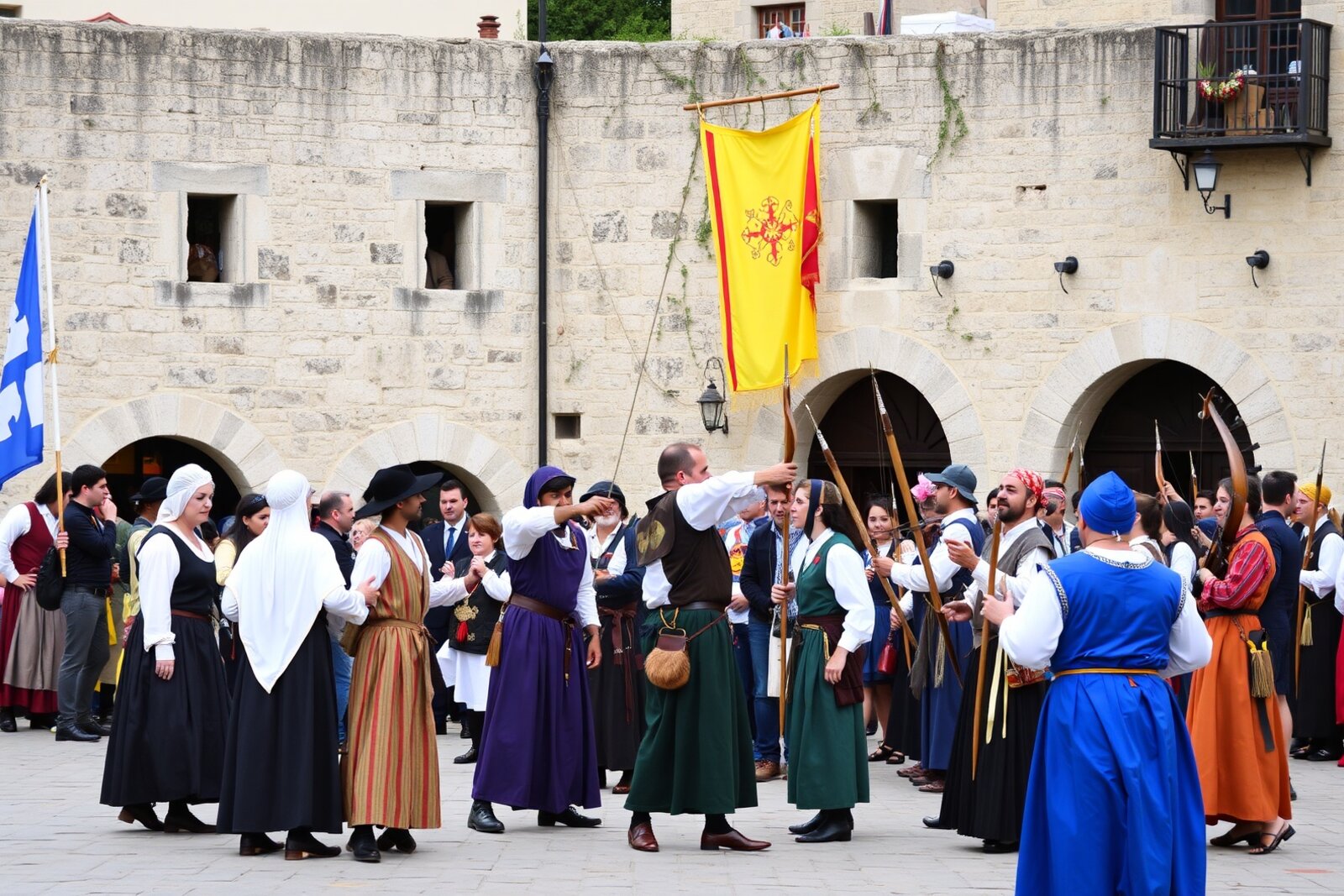
Cultural life revolves around the festivals marking the republic's civic calendar. The most important is the Feast of Saint Marinus on September 3rd, the national day, featuring a solemn ceremony at the Basilica di San Marino and medieval crossbow competitions. The investiture of the Captains Regent on April 1st and October 1st brings elaborate processions through the historic centre. The Medieval Days festival each July transforms the old town into a living museum of 14th-century life with jousting, craft demonstrations, and period costumes.
06 🏰 The Three Towers
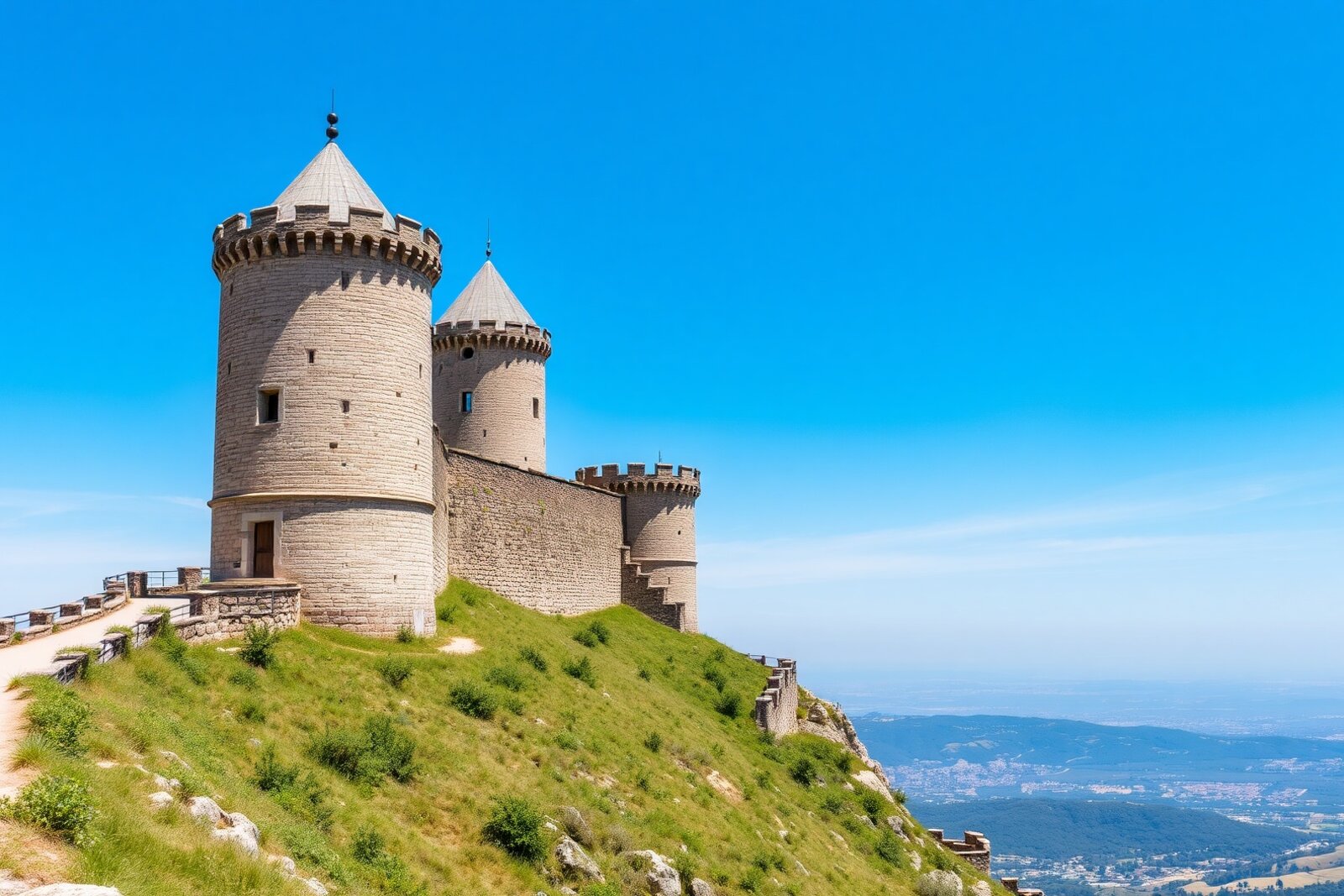
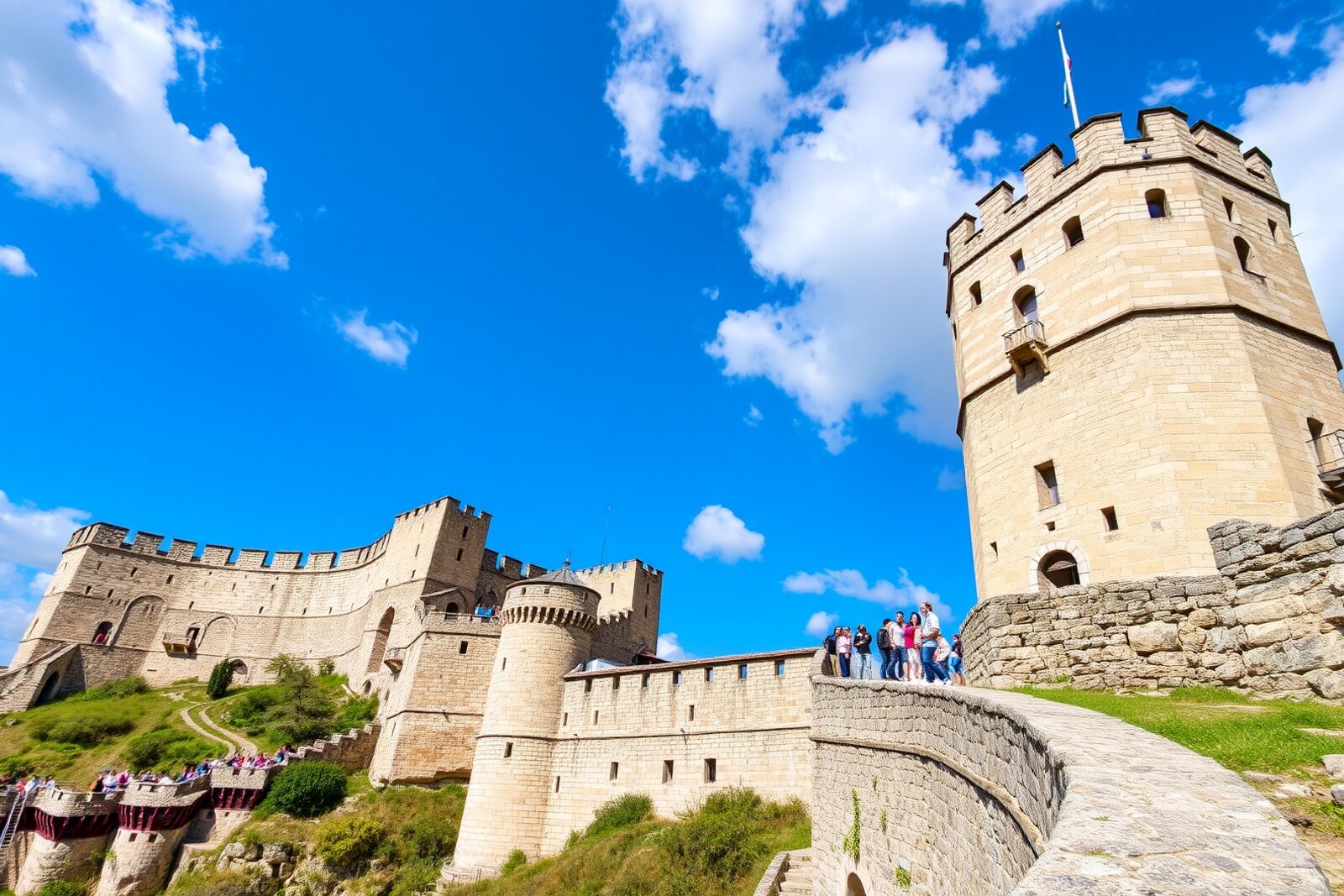
San Marino's most iconic landmarks are the Three Towers (Tre Torri) that crown the three peaks of Mount Titano, visible for miles across the Romagna plain and featured on the national flag and coat of arms. These medieval fortifications represent the republic's enduring commitment to defence and independence, and together with the historic centre they form a UNESCO World Heritage Site inscribed in 2008.
The First Tower (Guaita), built in the 11th century, is the oldest and most visited. Its massive stone walls and crenellated battlements offer spectacular views stretching from the Adriatic Sea to the distant Apennines. The Second Tower (Cesta or Fratta), perched on the highest point of Monte Titano at 739 metres, houses a museum of ancient weapons. The Third Tower (Montale), the smallest and only one closed to visitors, stands sentinel on the mountain's final peak, connected to the others by a scenic ridge walk that ranks among Italy's most dramatic short hikes.
07 🏘️ Historic Centre
The Città di San Marino — the capital and historic centre — is a beautifully preserved medieval town that unfolds along the ridge of Mount Titano. Narrow cobblestone streets wind between stone buildings housing government offices, museums, shops, and restaurants. The Piazza della Libertà, the main square, features the Palazzo Pubblico (Public Palace), a neo-Gothic masterpiece built in the 1890s that serves as the seat of government and hosts the Captains Regent investiture ceremonies.
The Basilica di San Marino, a neoclassical church built in the 1830s, holds the relics of the republic's founder. Nearby, the Church of San Francesco, dating to 1361, is one of the oldest buildings in the historic centre. The State Museum houses archaeological finds, medieval art, and curiosities including donations from Abraham Lincoln, who wrote to the Captains Regent praising San Marino as proof that "government founded on republican principles is capable of being so administered as to be secure and enduring." Museums dedicated to torture instruments, wax figures, vampires, and curiosities add quirky contrast to the medieval solemnity.
08 🚡 Borgo Maggiore & Cable Car
Borgo Maggiore, the second castello, sits at the base of Mount Titano and serves as the main gateway for visitors arriving by bus from Rimini. Its lively open-air market, held every Thursday since the Middle Ages, fills the central piazza with stalls selling local produce, clothing, and crafts. The town has a more contemporary feel than the hilltop capital, with modern shops, cafés, and residential areas spreading across gentler terrain.
The aerial cable car (funivia) connecting Borgo Maggiore to the capital provides a spectacular two-minute ascent up the cliff face, offering expanding views of the Romagna plain, the Adriatic coast, and on clear days, the mountains of Croatia across the sea. The service runs every 15 minutes and is both a practical transport link and one of San Marino's most enjoyable experiences. Arriving by cable car rather than bus gives visitors the dramatic impression of ascending into a fortress in the sky.
09 🍝 Cuisine & Wine
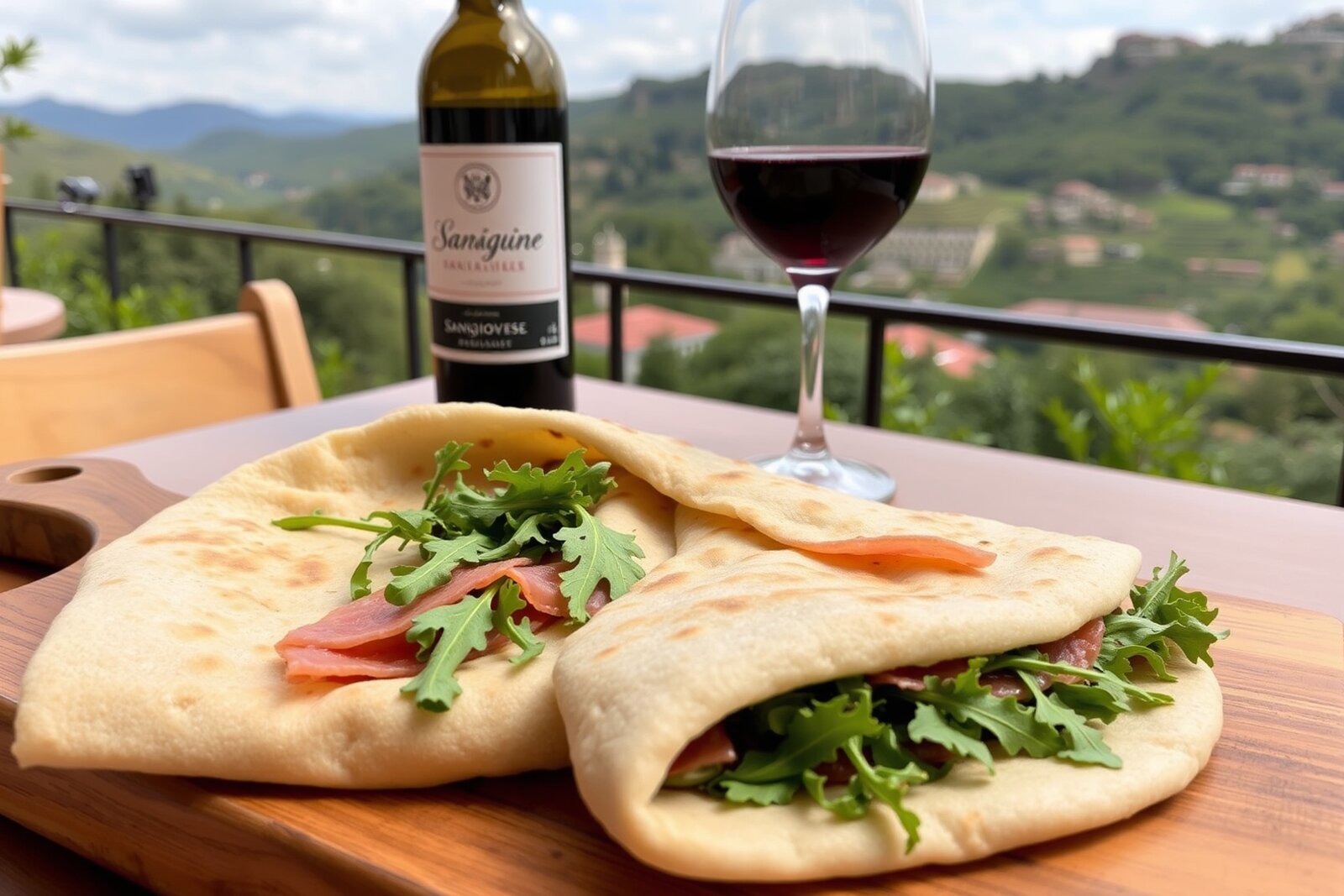
Sammarinese cuisine draws from the Romagna and Marche traditions of central Italy, emphasising handmade pasta, grilled meats, and simple preparations that showcase excellent local ingredients. Signature dishes include piadina (flatbread) filled with prosciutto, cheese, and rocket; passatelli in brodo (breadcrumb-parmesan pasta in broth); nidi di rondine (pasta rolls with ham, cheese, and tomato sauce); and fagioli con le cotiche (beans with pork rind), a hearty winter staple.
San Marino produces its own wines from vineyards on the sunny slopes of Monte Titano. The Sangiovese grape dominates red production, yielding robust wines that pair beautifully with the local grilled meats and aged cheeses. White wines from Biancale and Ribolla grapes are lighter and fresher, perfect for aperitivo. The Consorzio Vini Tipici di San Marino oversees quality standards. Look for the Tre Torri cake — a chocolate-almond dessert shaped like the three towers — in local pasticcerie.
10 ☀️ Climate & Best Time to Visit
San Marino enjoys a Mediterranean climate moderated by its hilltop elevation. Summers (June–August) are warm and sunny with temperatures reaching 25–30°C in the lowlands but 5–8 degrees cooler on the Mount Titano ridge, making the historic centre pleasantly breezy even in July. Winters (December–February) are cool, with temperatures around 0–7°C and occasional snowfall that transforms the three towers into a fairytale scene.
Spring (April–June) and autumn (September–October) offer the best conditions for visiting: mild temperatures, fewer crowds, and clear skies that maximise the spectacular views. The Feast of Saint Marinus (September 3) and Medieval Days (July) make excellent reasons to time a visit. Winter visits offer atmospheric mist-wrapped towers and significantly fewer tourists, though some attractions may have reduced hours.
11 📋 Practical Information
San Marino has no airport, railway station, or seaport. The easiest access is from Rimini, Italy — just 22 kilometres away — via regular bus service (Bonelli Bus, roughly hourly, 40-minute journey). Federico Fellini International Airport in Rimini receives flights from across Europe. Bologna airport, two hours by train and bus, offers wider connections. There are no border controls entering from Italy; San Marino is not in the EU but uses the euro and participates in the Schengen area by agreement.
Visitors can get their passport stamped at the tourist office near Piazza della Libertà for €5 — a popular souvenir. San Marino issues its own stamps and coins (euro coins with Sammarinese designs are collector's items). The country is easily explored on foot in a day, though overnight stays allow a magical experience of the towers at sunset and the old town after the day-trippers depart. Budget around €50–120 per day for meals and attractions; accommodation ranges from €60–150 per night.
12 🏆 UNESCO World Heritage
In 2008, UNESCO inscribed the Historic Centre of San Marino and Mount Titano as a World Heritage Site, recognising the republic as "one of the oldest republics in the world" and noting how its historic centre has been "continuously inhabited since the original foundation in the 13th century." The inscription covers 55 hectares including the three towers, the city walls, gates, bastions, the Basilica di San Marino, convents, theatres, and the 19th-century Palazzo Pubblico.
The UNESCO designation specifically praises San Marino as a testimony to the continuity of a free republic since the Medieval period, and notes that the site represents an exceptional example of how architectural and urban development illustrate significant stages of human history. The three towers, visible for miles across the surrounding Italian landscape, serve as a powerful symbol of freedom and democratic governance that has inspired peoples worldwide.
13 💰 Stamps, Coins & Shopping
Philatelists and numismatists have long treasured San Marino's distinctive postage stamps and euro coins. The republic has issued stamps since 1877, and their careful design and limited print runs make them highly collectible. San Marino's euro coins, minted since 2002, feature iconic Sammarinese imagery — the Three Towers, the Basilica, and portraits of Saint Marinus — and command premiums from collectors worldwide. The Stamp and Coin Museum near Piazza della Libertà showcases centuries of these miniature artworks.
Duty-free shopping was once San Marino's biggest draw, though the advantage has diminished since Italy lowered its VAT rates. The main shopping streets still offer competitive prices on perfumes, electronics, leather goods, and designer fashion. More interesting are the local artisan products: hand-painted ceramics, wrought ironwork, and the distinctive yellow-gold jewellery made by Sammarinese craftspeople. Crossbow replicas, a nod to the republic's famous crossbow corps, make unusual souvenirs.
14 🤔 Fascinating Facts
San Marino packs an extraordinary number of superlatives and curiosities into its tiny territory. It is the world's oldest surviving sovereign state and constitutional republic, founded in 301 AD — nearly 1,500 years before the United States. It has more vehicles than people: approximately 48,000 cars for 33,600 citizens. It has the world's oldest written constitution still in effect, the Leges Statutae Republicae Sancti Marini, dating from 1600. Abraham Lincoln was made an honorary citizen and called San Marino a proof of republican government's durability.
Despite its size, San Marino fields a national football team that competes in FIFA World Cup and UEFA European Championship qualifiers — though victories are exceedingly rare, making each one headline news. The republic has won Olympic medals (in shooting) and has its own Grand Prix, the Gran Premio di San Marino, which was actually held at the Imola circuit in Italy. During World War II, San Marino's population of roughly 15,000 sheltered over 100,000 Italian and Jewish refugees, a humanitarian ratio unmatched in history.
15 ✍️ Author's Note
I arrived in San Marino on a misty October morning, riding the cable car up from Borgo Maggiore as clouds wrapped around Mount Titano like cotton wool. When the mist briefly parted, revealing the Guaita Tower floating above a sea of white, I understood why medieval travellers spoke of this place with reverence. Here was a community that chose a mountain peak for freedom rather than a fertile valley for comfort — and held that peak for over seventeen centuries. The Three Towers are more than fortifications; they are a philosophical statement carved in stone. In a world of empires risen and fallen, San Marino endures — small, proud, and serene.
15 📸 Gallery
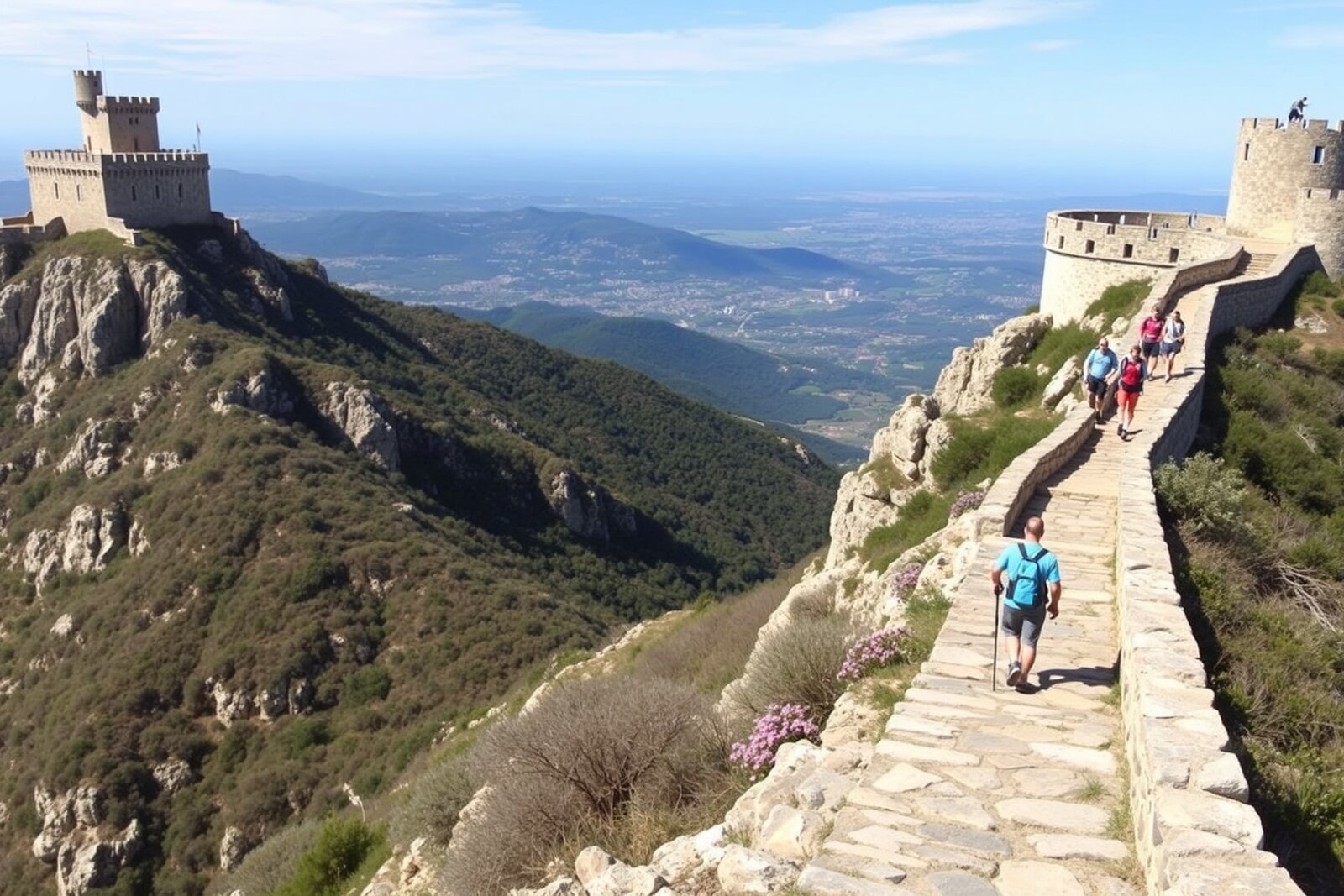
Three Towers from the ridge walk
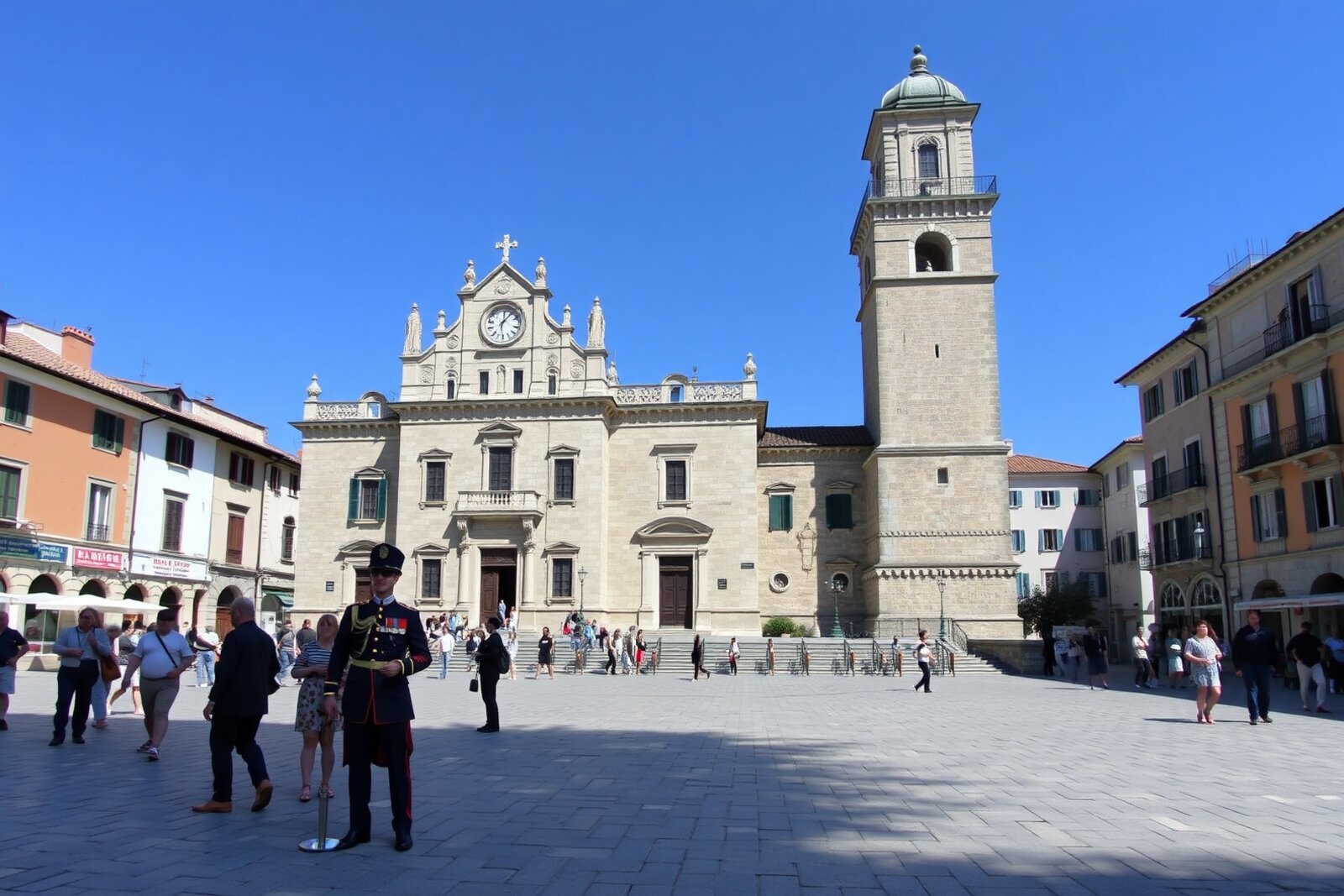
Piazza della Libertà and Palazzo Pubblico
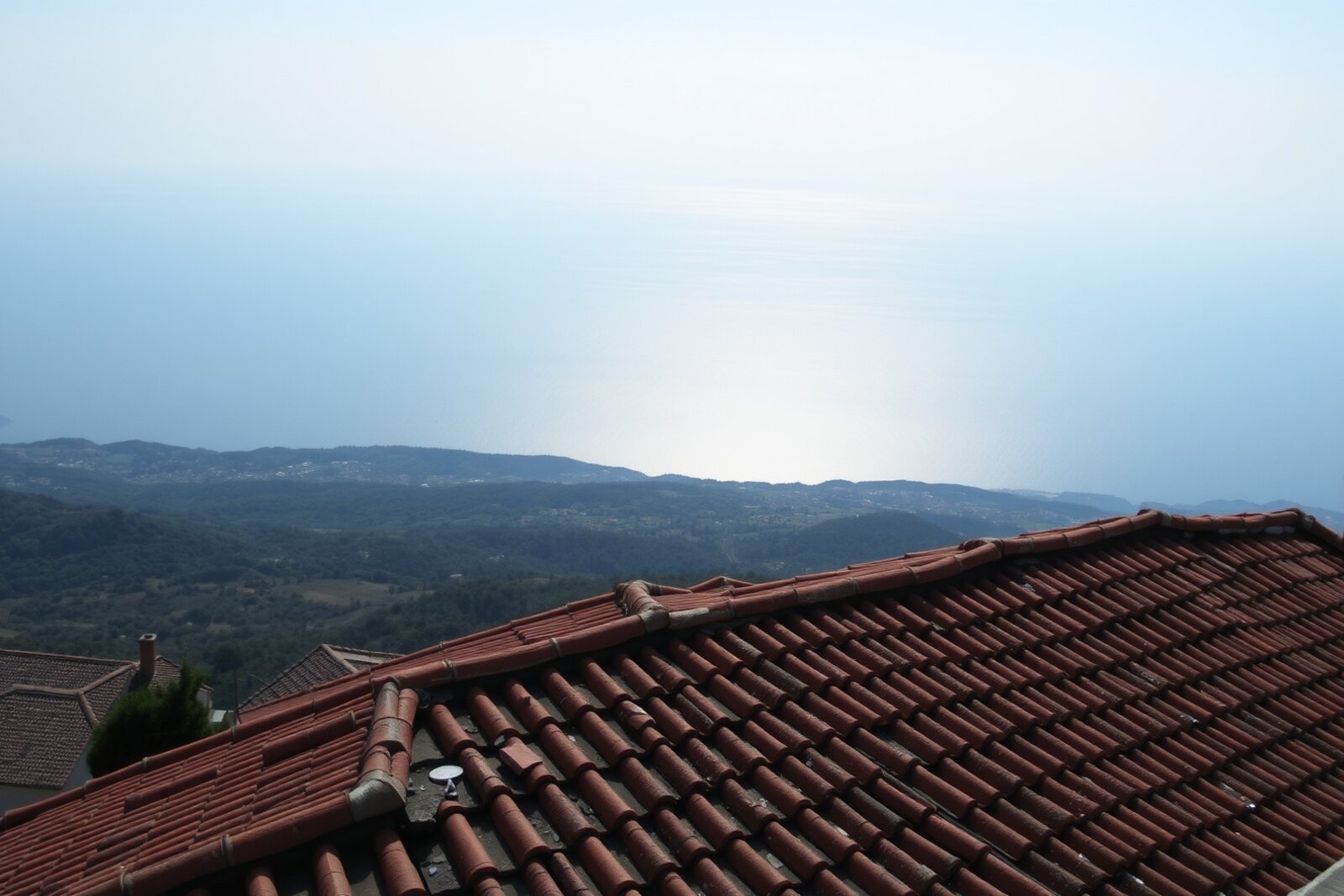
View toward the Adriatic from Mount Titano
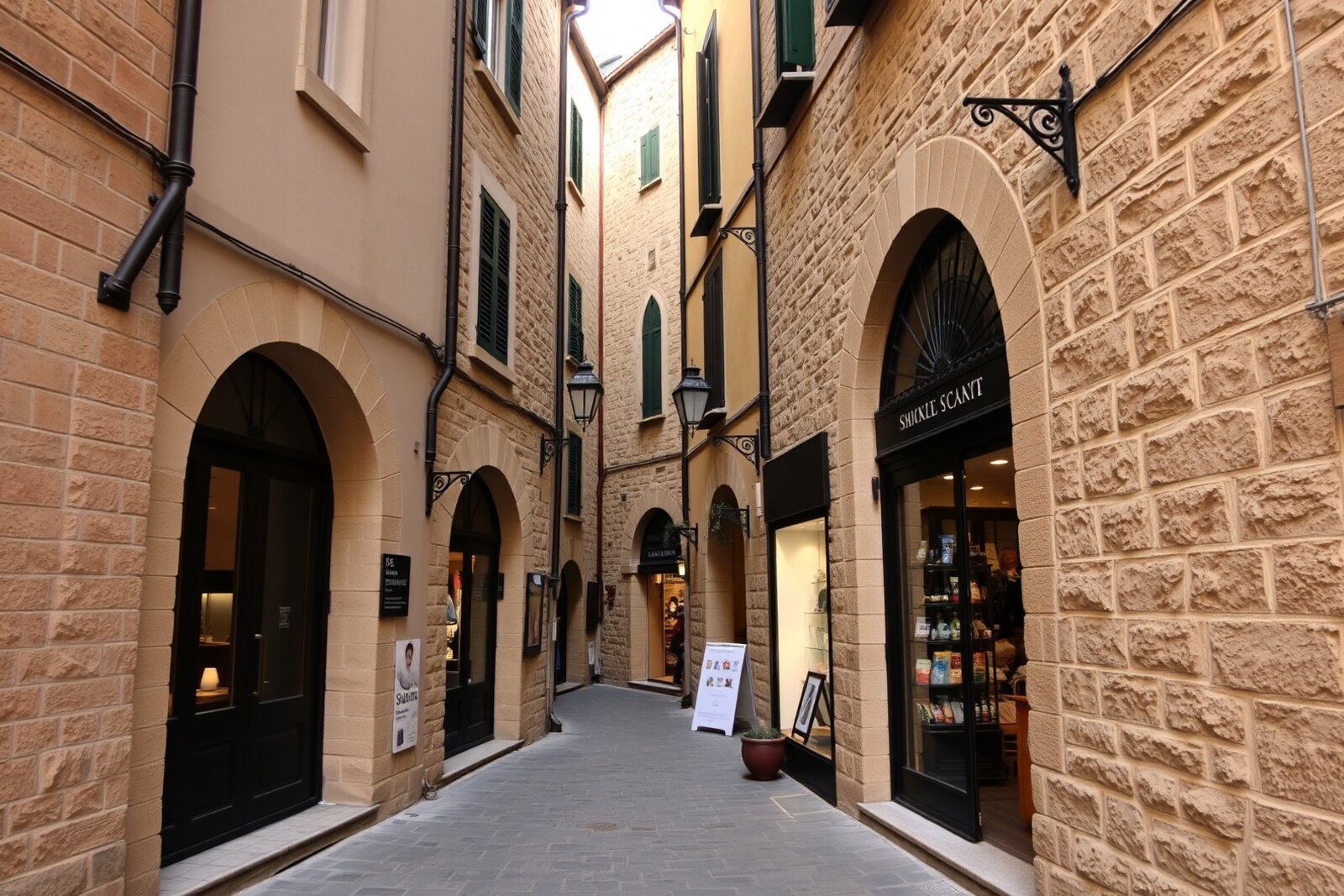
Medieval streets of the historic centre
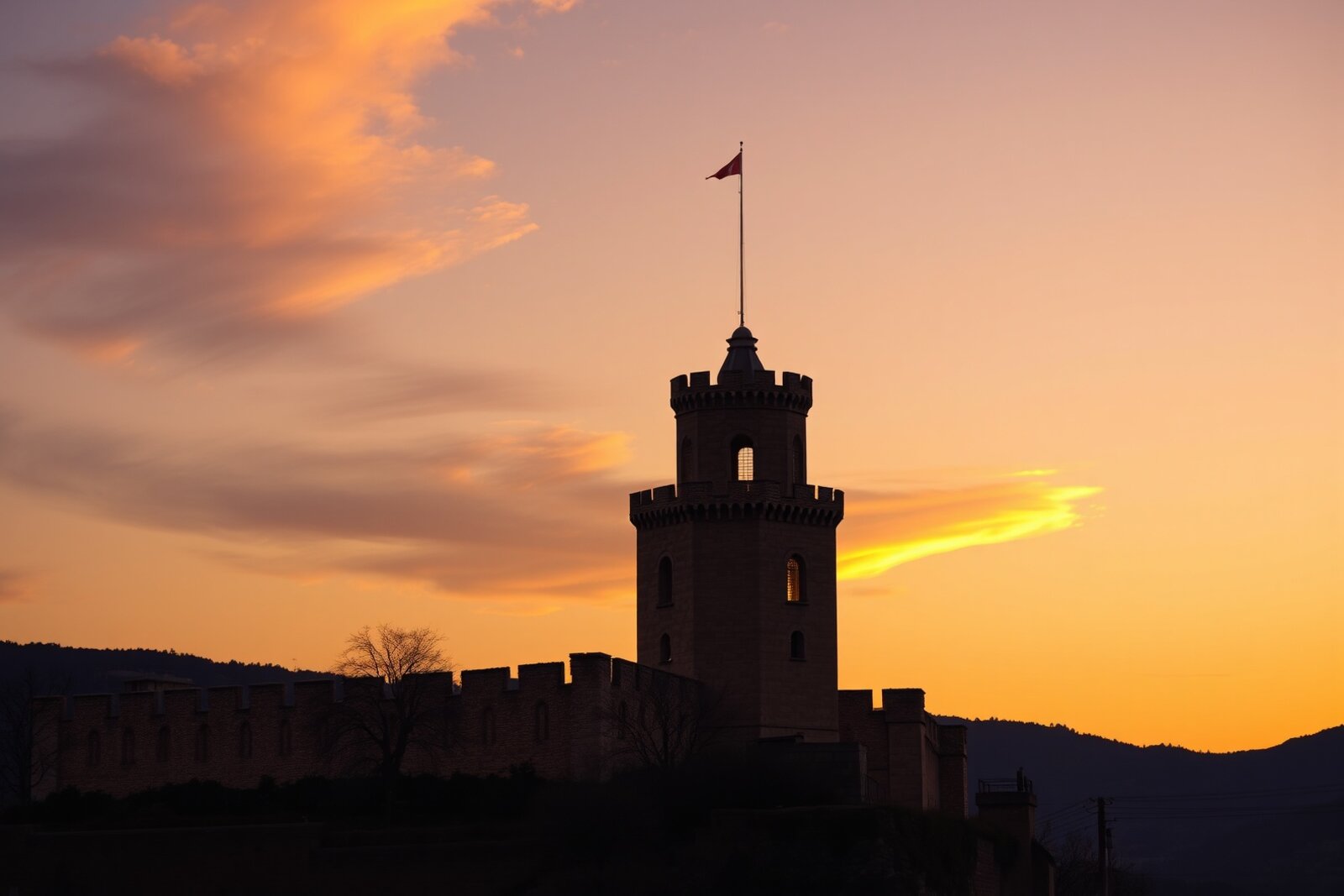
Second Tower (Cesta) at sunset
🗺️ Map